The Ultimate Weekend Escape to Palermo, Sicily: A Feast for the Senses 🏛️🍋

Meta Description: Dreaming of a Sicilian weekend? Dive into this guide to Palermo, where Arab-Norman mosaics dazzle, street food delights, and Mediterranean waves beckon. Find essential travel tips, hidden gems, and a perfect 3-day itinerary for your ultimate escape to Sicily’s captivating capital.

Welcome, fellow traveler, to your guide for the perfect weekend in Palermo. I arrived expecting a city of overwhelming chaos, but I was met instead with a laid-back energy, a place where palm trees shade Baroque balconies and the air smells of salt, jasmine, and freshly fried arancine.

This is a city that has been shaped by nearly 15 different cultures—Phoenicians, Romans, Arabs, Normans, and Spanish, to name a few. That history isn’t just in museums; it’s baked into the very stones of the churches, shouted in the vibrant markets, and layered into every bite of its famous cuisine. Get ready to fall in love.

Table of Contents

Why Palermo Is Perfect for a Weekend Escape
Palermo’s Soul: A Quick Cultural Snapshot
Getting to Palermo (Flights & Smart Booking Tips)
Getting There by Ferry (Direct Ferries Guide)
Getting Around Palermo (Bus, Train, Car & Road Tips)
Best Time to Visit Palermo (Avoid Crowds & Heat)
A Perfect 2‑Day Palermo Itinerary
Hidden Gems Most Travellers Miss
Eat Like a Local (Without Overspending)
Smart Travel Tools I Personally Use
Useful Italian & Sicilian Words for Travellers
How to Save Money in Palermo
Pair Palermo with These Nearby Weekend Escapes
FAQs
Final Thoughts & Strong Call‑to‑Action

Palermo at a Glance: What to Know Before You Go

Before you dive into the winding streets, a little context goes a long way. Unlike the polished perfection of Rome or Florence, Palermo is beautifully “disheveled”—a bit rough around the edges in a way that feels authentically Sicilian. Embrace it. The real magic happens when you look past the graffiti to the 12th-century mosaic glittering in the church next door.

Why Palermo Is Perfect for a Weekend Escape

Palermo doesn’t whisper its charm—it shouts it from market stalls, cathedral steps, and seaside promenades. In just one weekend, you get layered history, Mediterranean beaches, and some of the best street food in Europe.
I arrived thinking Palermo would be “interesting.” I left planning my return around food alone.

Palermo’s Soul:

A Quick Cultural SnapshotPalermo has been shaped by Greeks, Romans, Arabs, Normans, and Spaniards—and instead of choosing one identity, it kept them all. That’s why churches resemble mosques, palaces feel North African, and food ignores all rules (thankfully).
The name Panormos—Greek for “all‑port”—explains everything. Palermo has always been a city built for travellers arriving by sea.

Getting to Palermo (Flights & Smart Booking Tips)

✈️ Palermo Airport (PMO) is well connected with Europe and mainland Italy.
I always compare flights and stays using Expedia because flexible bookings save me when plans change:
👉 Book flights & hotels via Expedia:
Money tip: Fly midweek and avoid July–August for better prices.

Hotels in Palermo

Getting There by Ferry (Direct Ferries Guide)

For a truly memorable arrival, consider a ferry. Sailing into the massive Port of Palermo as the sun rises over Monte Pellegrino is magical. The port is centrally located, putting you steps away from attractions like the Foro Italico.

Palermo is one of southern Italy’s major ferry hubs.

Popular Routes: Ferries connect Palermo to mainland Italy (Genoa, Naples, Salerno, Civitavecchia near Rome) and other islands like Cagliari in Sardinia.

What to Know: Crossings from Naples take 8.5-12 hours, often overnight, which can save you a hotel night. You can bring your car, which is ideal for exploring Sicily afterward
🚢 Direct Ferry Routes to PalermoNaples → Palermo (overnight ferries—budget‑friendly)
Genoa → Palermo (longer but scenic)
Cagliari (Sardinia) → Palermo
Livorno → Palermo
I always use Direct Ferries to compare routes, cabins, and prices before booking: They offer e-tickets and live updates, which takes the stress out of booking.
👉 Check ferry routes & prices via Direct Ferries
Pro tip: Overnight ferries save one hotel night and arrive early. The frequency of ferry sailings increases during the high season. For the best deals and to secure your spot, especially if traveling with a vehicle, it’s wise to book your tickets online in advance

💡 Pro Tip for Drivers: If you’re planning a wider Sicilian road trip, I’d recommend collecting your rental car in the city, not at the airport. Driving in central Palermo is an “experience” best minimized. Pick up your car when you’re ready to leave for the countryside.

Getting Around Palermo (Bus, Train, Car & Road Tips)

🚌 Buses & TramsAMAT buses cover most attractions. City Buses (AMAT): Useful for connecting key areas like the station, Politeama, and the port. Always validate your paper ticket in the machine onboard to avoid steep fines

Free Shuttle: AMAT runs a free shuttle bus (look for “GRATIS” on the display) on a loop through the main historic sights


Buy tickets at tabacchi shops
Google Maps works well here
🚆 TrainsTrains connect Palermo with the airport, Cefalù, and Monreale
Cheap and surprisingly scenic
🚗 Renting a Car (With Caution)Use ring roads to avoid the historic center
Watch for ZTL zones (restricted traffic areas)
Download offline maps to save data and time

  1. Best Time to Visit PalermoApril–June: Ideal weather, fewer crowds
    September–October: Warm sea, calmer streets
    July–August: Very hot and busy (festival season)
    Shoulder season is the sweet spot.

Your Perfect 3-Day Palermo Itinerary

This itinerary balances iconic sights with local flavor, leaving room for you to wander and discover your own Palermo.

Day 1: Dive into History & Hearty Street Food

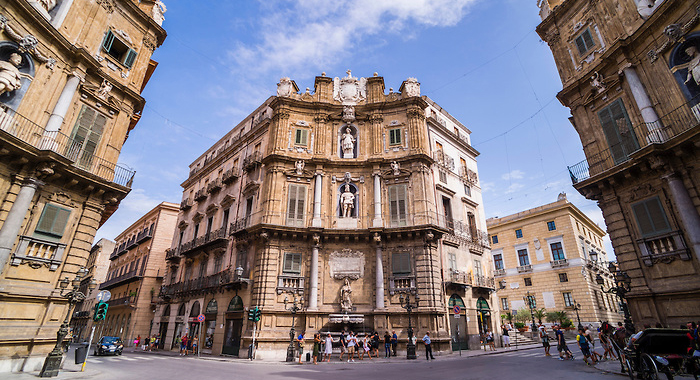
  • Morning: Start at the intersection of it all—Quattro Canti. This stunning Baroque square is the city’s beating heart. From there, walk to the Palermo Cathedral. Pay to go up to the roofs for a breathtaking view over the old town—it’s the best orientation you can get.
Quattro Canti (Expedia)Quattro Canti (Get your guide)
  • Afternoon: Join a street food and walking tour. I did this on my first day and it was a game-changer. My guide, Fabrizio, led us through the chaotic Capo Market, where we sampled panelle (chickpea fritters) and the city’s famous arancina (not arancino here in western Sicily!). The tour wove food with stories, passing the Teatro Massimo and explaining the city’s layered history.
Teatro Massimo (Expedia)Teatro Massimo (Get your Guide)
  • Evening: Experience the Vucciria Market transformation. By day it’s quiet, but at night it comes alive with crowds enjoying aperitivo at makeshift tables—a truly local scene.
 Vucciria Market (Expedia) Vucciria Market (Get your Guide)
A historic building at the intersection of two streets in Palermo, featuring Baroque architecture and sculptures on the facade, with pedestrians and vehicles in the foreground against a bright blue sky.
A stunning view of Quattro Canti, a Baroque square in the heart of Palermo, showcasing its rich architectural heritage.

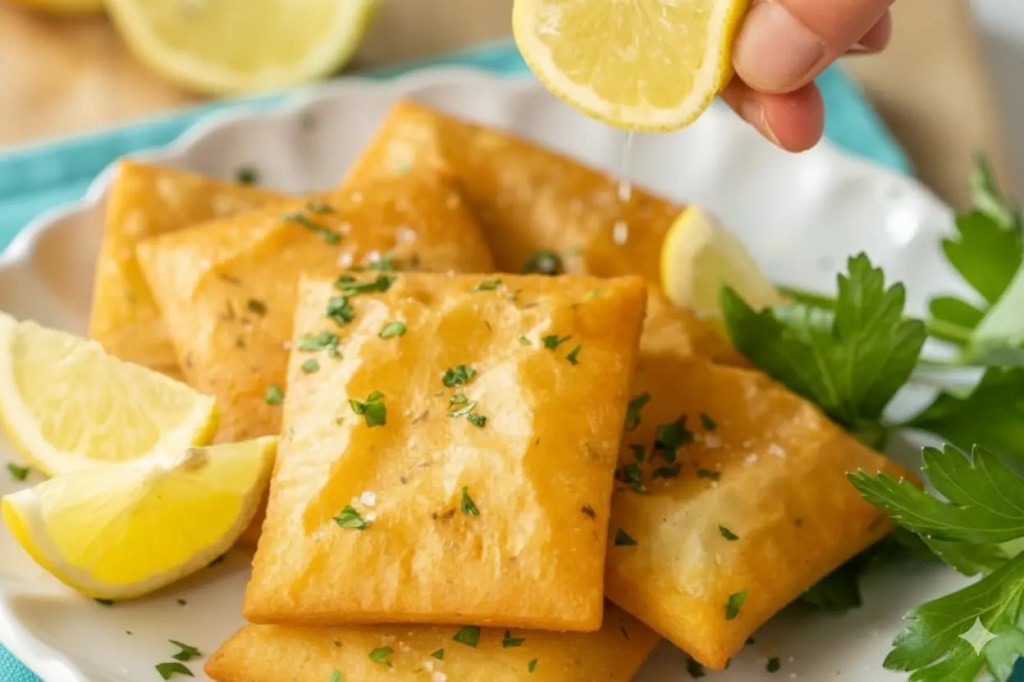
A plate of golden-brown arancine with parsley garnishing, accompanied by lemon wedges, ready to be served.
Delicious Sicilian arancine garnished with lemon and herbs, embodying the vibrant street food culture of Palermo. Authentic Panelle: Crispy chickpea fritters from a friggitoria in Palermo, Sicily. The classic and irresistible Sicilian street food. #Panelle #SicilianFood #StreetFood #Palermo
Close-up of a halved arancina, a traditional Sicilian rice ball, filled with seasoned rice, ground meat, and vegetables.
Delicious arancini, a staple of Sicilian street food, filled with rice and minced meat. The iconic Arancina of Palermo: a deep-fried saffron rice ball stuffed with meat ragù, peas, and mozzarella. Sicily’s most famous street food, enjoyed on every corner. #Arancina #Palermo #SicilianStreetFood #CiboDiStrada #Sicilia
The Teatro Massimo in Palermo, Italy, showcasing its grand architecture with palm trees in the foreground and a blue sky.
The stunning Teatro Massimo in Palermo, renowned for its impressive Neoclassical architecture and vibrant surroundings. Teatro Massimo in Palermo, Sicily. One of Europe’s largest and most magnificent opera houses, famous for its perfect acoustics and iconic appearance in “The Godfather Part III.” #TeatroMassimo #Palermo #Sicily #OperaHouse #ItalianArchitecture #TravelItaly

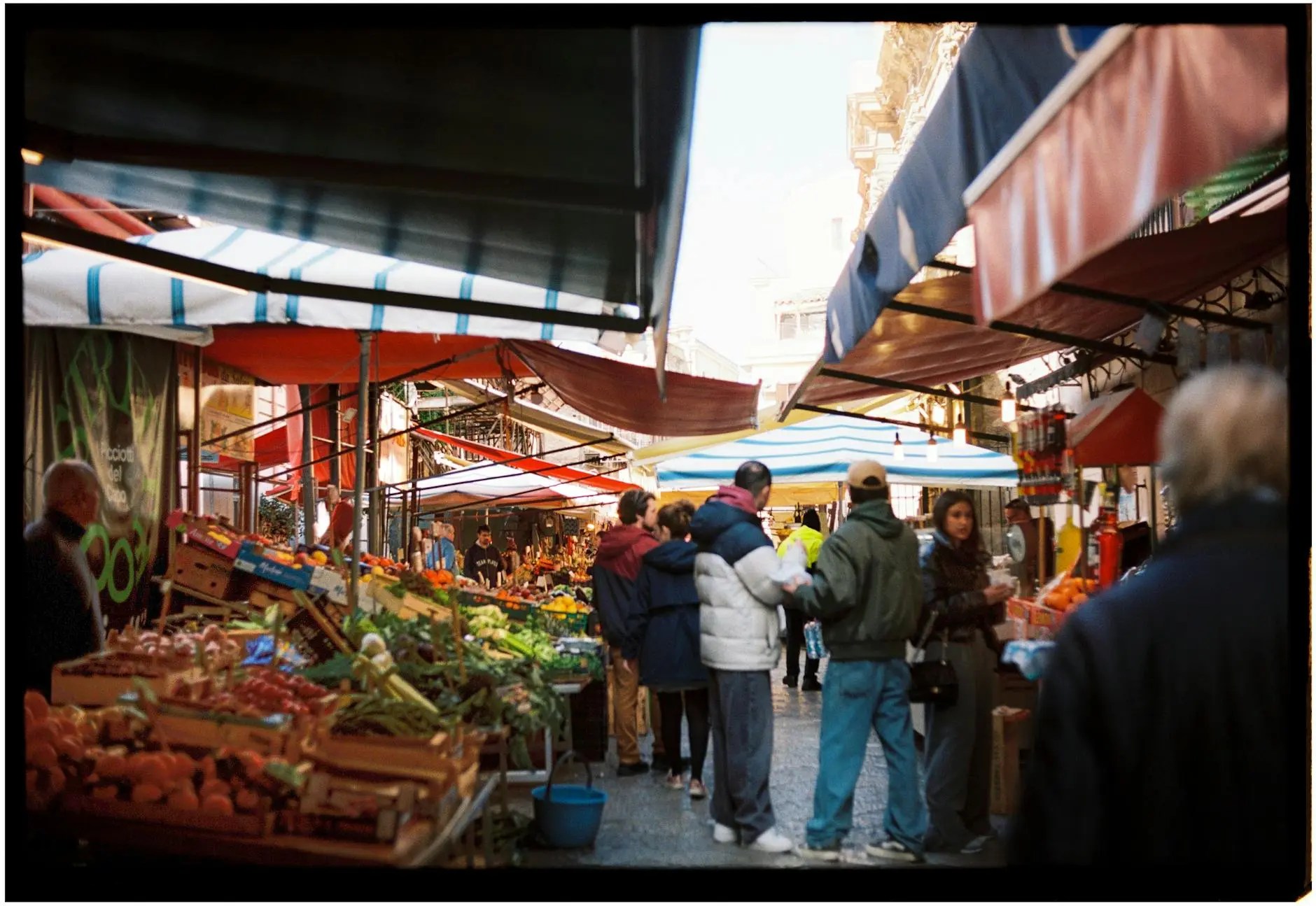
A bustling street market in Palermo filled with colorful produce like fruits and vegetables, along with people navigating through the stalls under striped canopies.
Explore the vibrant street market scene in Palermo, where fresh produce and local flavors come alive. Experience the energy of Ballarò Market in Palermo, Sicily. The city’s oldest and most vibrant street market, where the scents of fresh produce, street food, and the sounds of vendors create an authentic Sicilian atmosphere. #BallaròMarket #Palermo #Sicily #StreetMarket #ItalianMarket #TravelSicily

Day 2: Golden Mosaics & Mountain Views

  • Morning: Head to the Palazzo dei Normanni to see the Cappella Palatina. Words can’t prepare you for the shimmering, wall-to-wall Byzantine gold mosaics here. It’s a UNESCO masterpiece and arguably one of the most beautiful churches in the worldGo early and buy tickets online to avoid long lines.
Cappella Palatina.(Expedia)Cappella Palatina.(Get Your Guide)
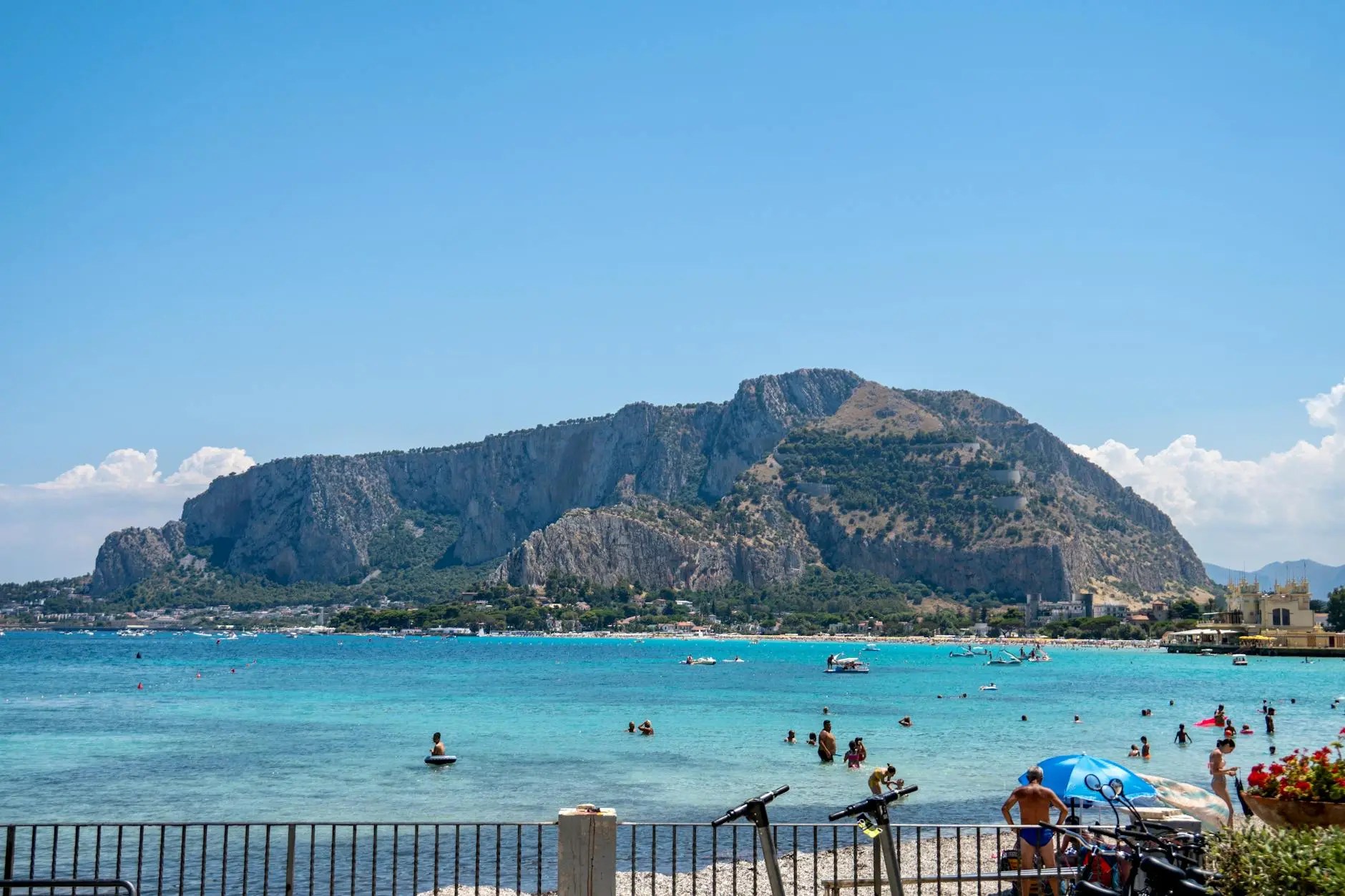
  • Afternoon: Take a short bus ride (AMAT bus 389) up Monte Pellegrino to the Sanctuary of Santa Rosalia. The view over the Gulf of Palermo is spectacular, and the cave-church is a unique spiritual site. On the way back, stop at Mondello Beach to dip your toes in the Tyrrhenian Sea.
Monte Pellegrino (Expedia)Monte Pellegrino (Get your Guide)
  • Evening: Dine in the Kalsa district. Find a trattoria for fresh pasta with sardines (pasta con le sarde), a classic Sicilian dish.
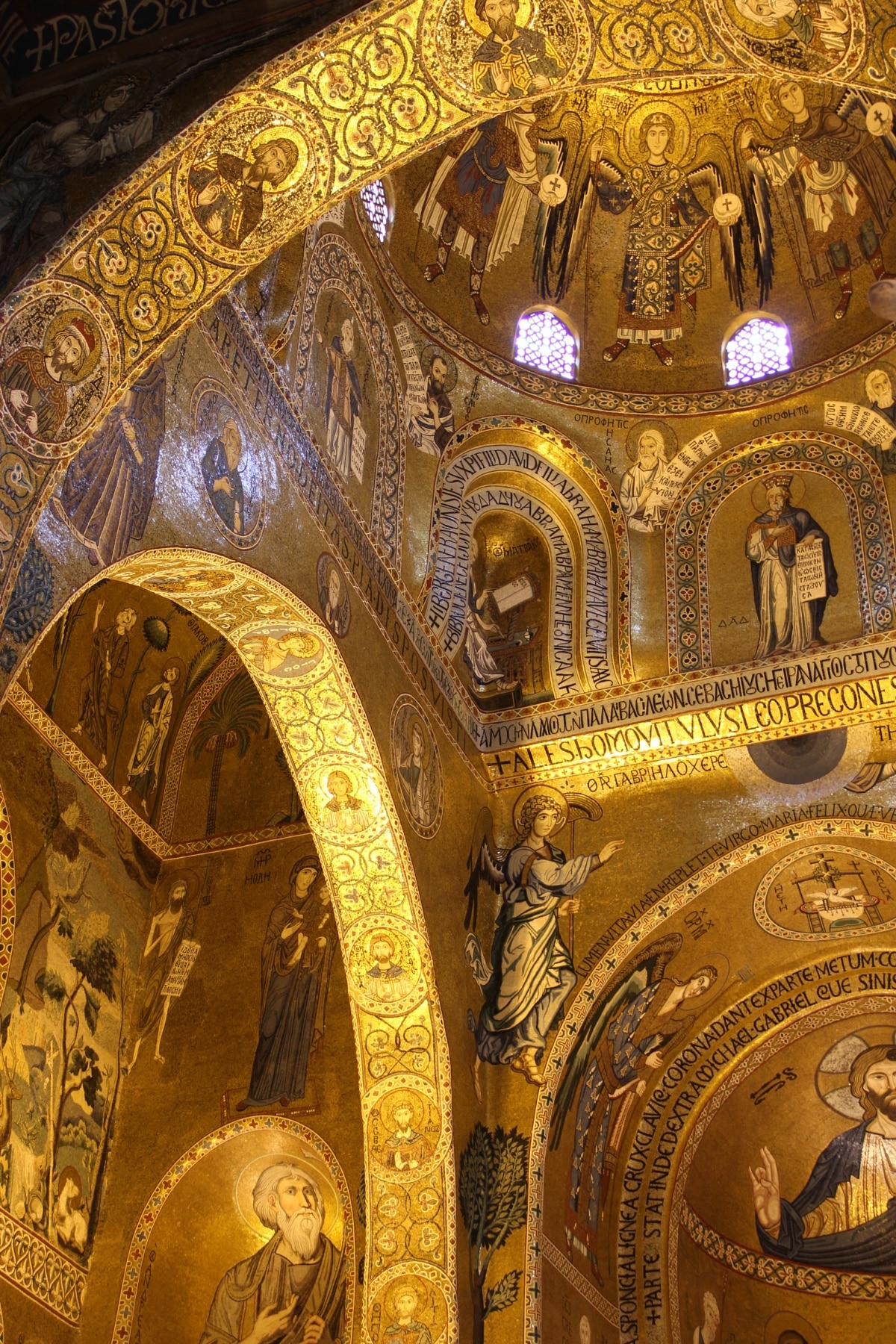
Interior view of the Cappella Palatina in Palermo, showcasing stunning Byzantine mosaics with golden backgrounds and intricate religious figures.
The stunning Byzantine mosaics inside the Cappella Palatina in Palermo, showcasing intricate gold detailing and religious imagery.
A panoramic view of Mondello Beach in Sicily, showing its iconic crescent of white sand and vibrant turquoise Mediterranean waters, backed by historic Liberty-style villas and green hills.
A stunning view of the crystal-clear waters at Mondello Beach in Palermo, with picturesque mountains in the background. Mondello Beach – Palermo’s Seaside Escape. Just a short bus ride from the city’s hustle, this stunning crescent of sand and turquoise water is where locals and travelers go to cool off. Don’t forget to try a granita at one of the iconic beachfront chalets!

📸 Pro Tip for Photos: The light here is incredible in the late afternoon. To capture the water’s true color like this, I used my trusty travel camera. For stable shots of the bustling beach scene
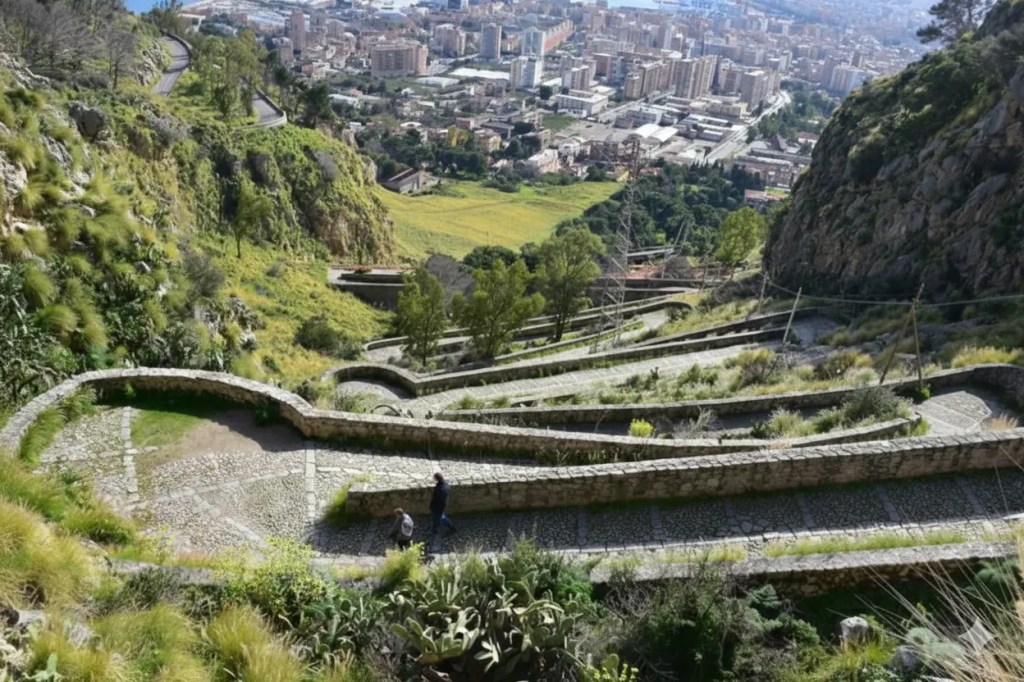
A pilgrim hiking the historic Acchianata stone path up Monte Pellegrino in Palermo, Sicily, with views of the Mediterranean Sea and surrounding hills.
A winding pathway leading down from Monte Pellegrino, offering breathtaking views of Palermo and the Mediterranean coastline. The Acchianata Pilgrimage Path on Monte Pellegrino. Follow in the footsteps of centuries of devotees on this iconic stone trail leading to the Sanctuary of Santa Rosalia, Palermo’s beloved patron saint.

🗺️ Navigation Tip: The Acchianata path begins near the Sanctuary of Santa Rosalia bus stop (AMAT line 812). For easier navigation while exploring Palermo’s trails and city streets, consider using an eSIM from Drimsim for reliable, affordable mobile data across Sicily.
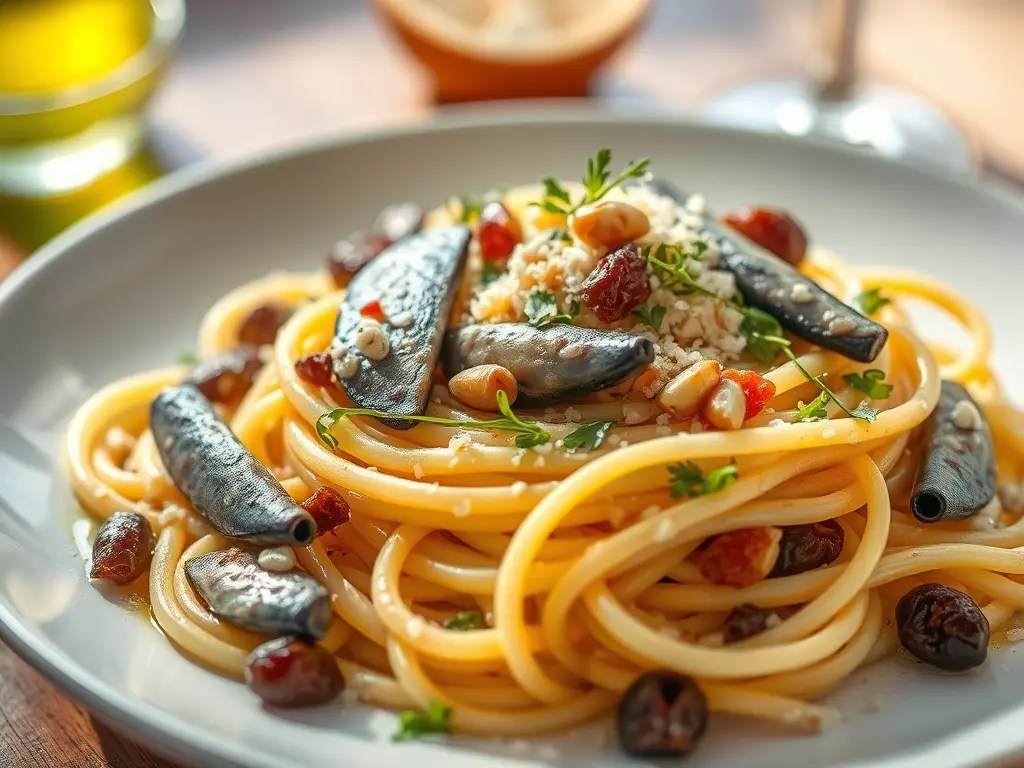
Close-up of Pasta con le Sarde, a traditional Sicilian pasta from Palermo with fresh sardines, wild fennel, pine nuts, raisins, and saffron on a white plate.
A delicious plate of pasta with sardines, a classic Sicilian dish featuring fresh ingredients. Pasta con le Sarde – A Taste of Sicilian History. This iconic Palermo dish, with its unique blend of fresh sardines, wild fennel, pine nuts, and raisins, tells the story of the island’s Arab and Norman influences on a single plate.

Day 3: Local Markets & Leisurely Goodbyes

  • Morning: Get lost in the Ballarò Market. This is the largest and most authentic food market, a sensory overload of shouting vendors, hanging cheeses, and gleaming seafood. Grab a fresh cannolo for breakfast—the ricotta filling should always be piped in fresh to order!
Ballarò Market. (Expedia)Ballarò Market. (Get your Guide)
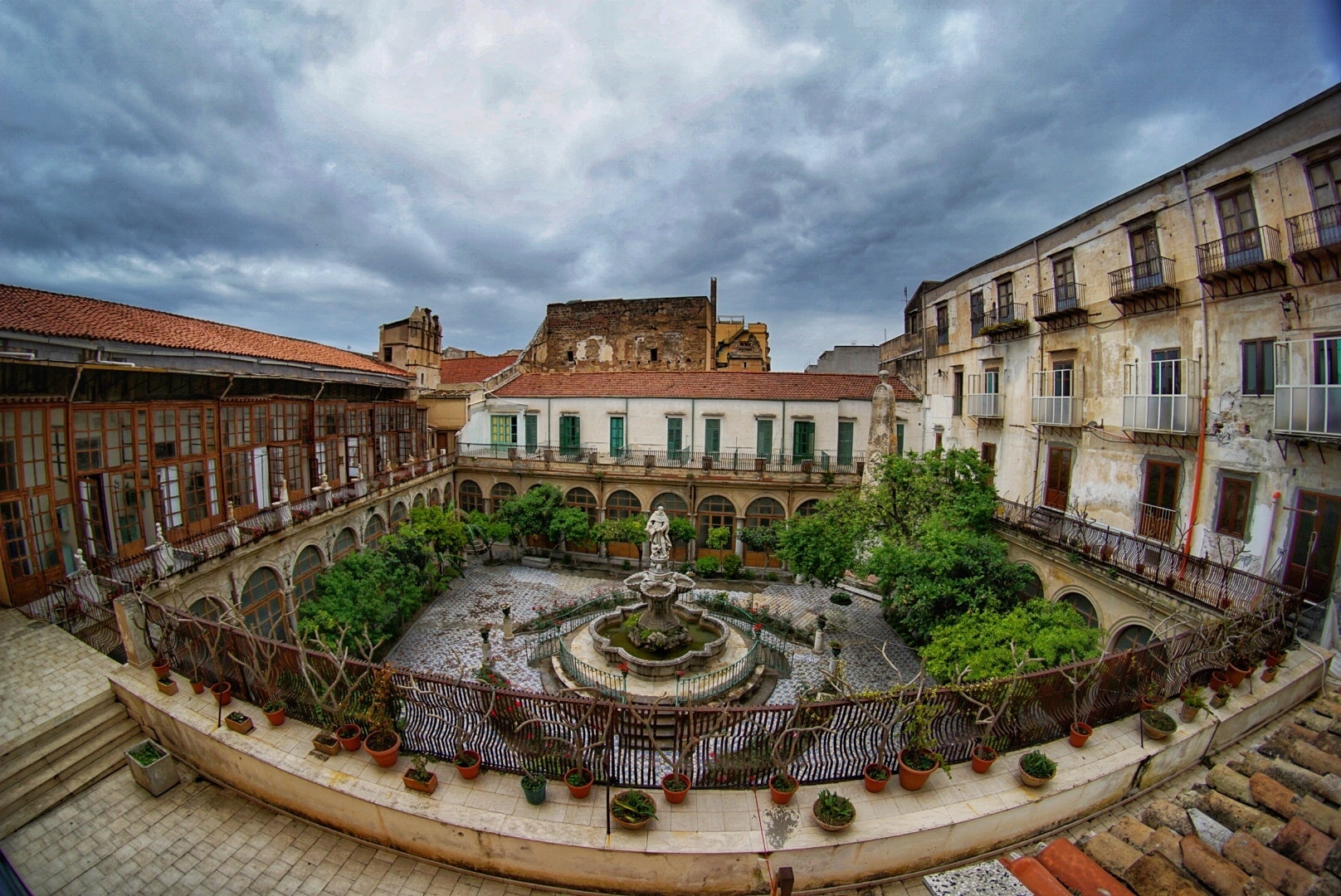
  • Afternoon: Visit the stunning Church of Santa Caterina d’Alessandria. Pay the small fee to access the monastery roof for what I think is the best panoramic view in the city, looking down over a beautiful tiled cloister. Afterwards, enjoy a coffee at the historic Antico Caffe Spinnato.
Santa Caterina d’Alessandria(Expedia) Santa Caterina d’Alessandria(Get your guide)
  • Evening: Enjoy a final passeggiata (evening stroll) along Via Maqueda. Soak in the lively atmosphere and pick up some souvenirs—maybe some local pistachio cream or ceramicware.
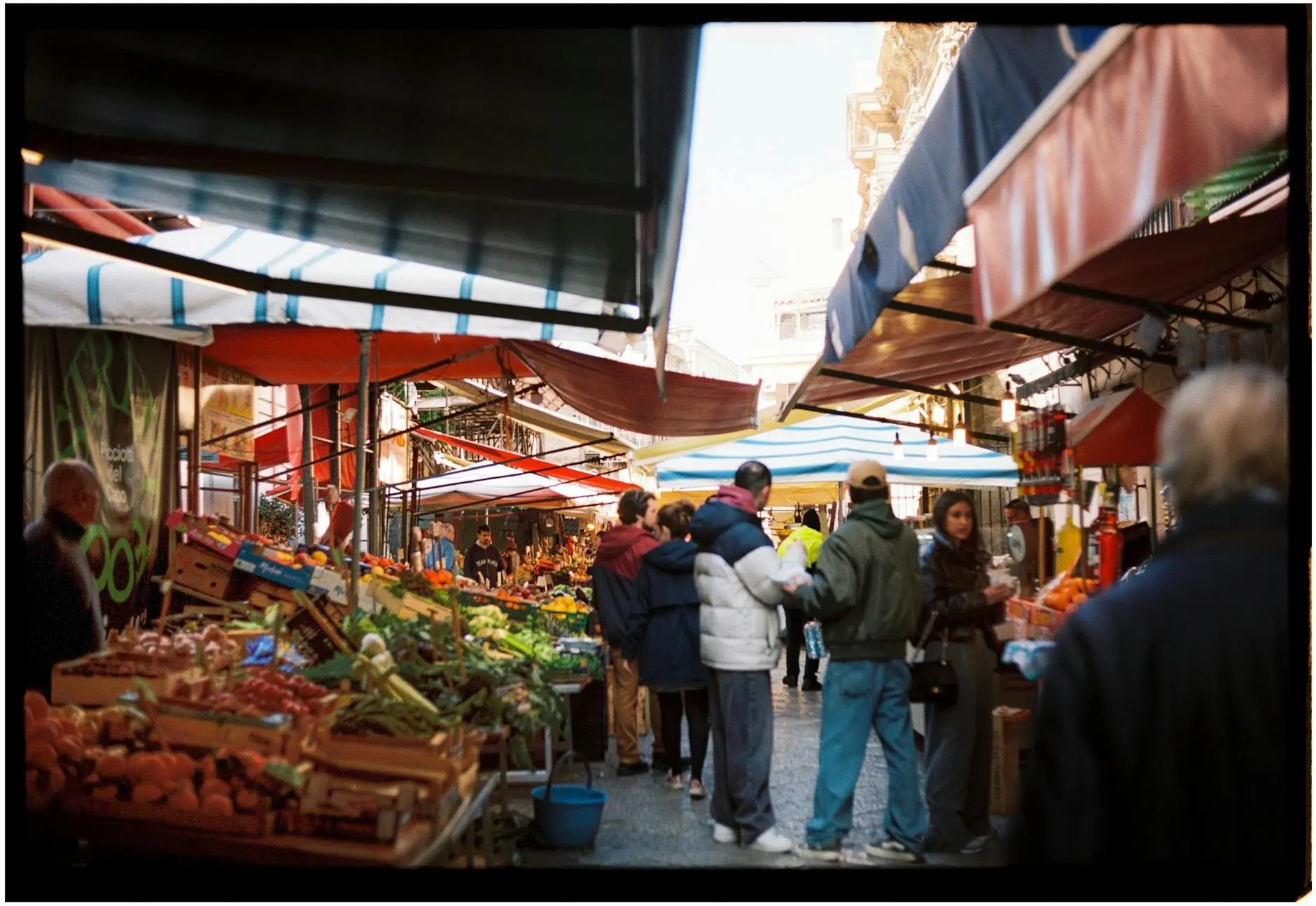
A lively scene at the historic Ballarò Market in Palermo, Sicily, with vendors selling colorful fresh fruits, vegetables, and local goods under vibrant umbrellas.
Explore the vibrant street life of Palermo’s local market, bustling with colors and fresh produce. The Heartbeat of Palermo at Ballarò Market. Step into the sensory overload of Palermo’s oldest street market, where the air is filled with the scent of fresh produce and the sound of vendors’ animated abbanniate (street cries).

🛒 Travel Tip: For the best experience, visit the market in the morning when it’s most lively. Don’t be shy to sample—a friendly “Posso assaggiare?” (Can I taste?) goes a long way. Having a VPN on your phone is useful for securely accessing digital maps and translating vendor signs on public Wi-Fi.
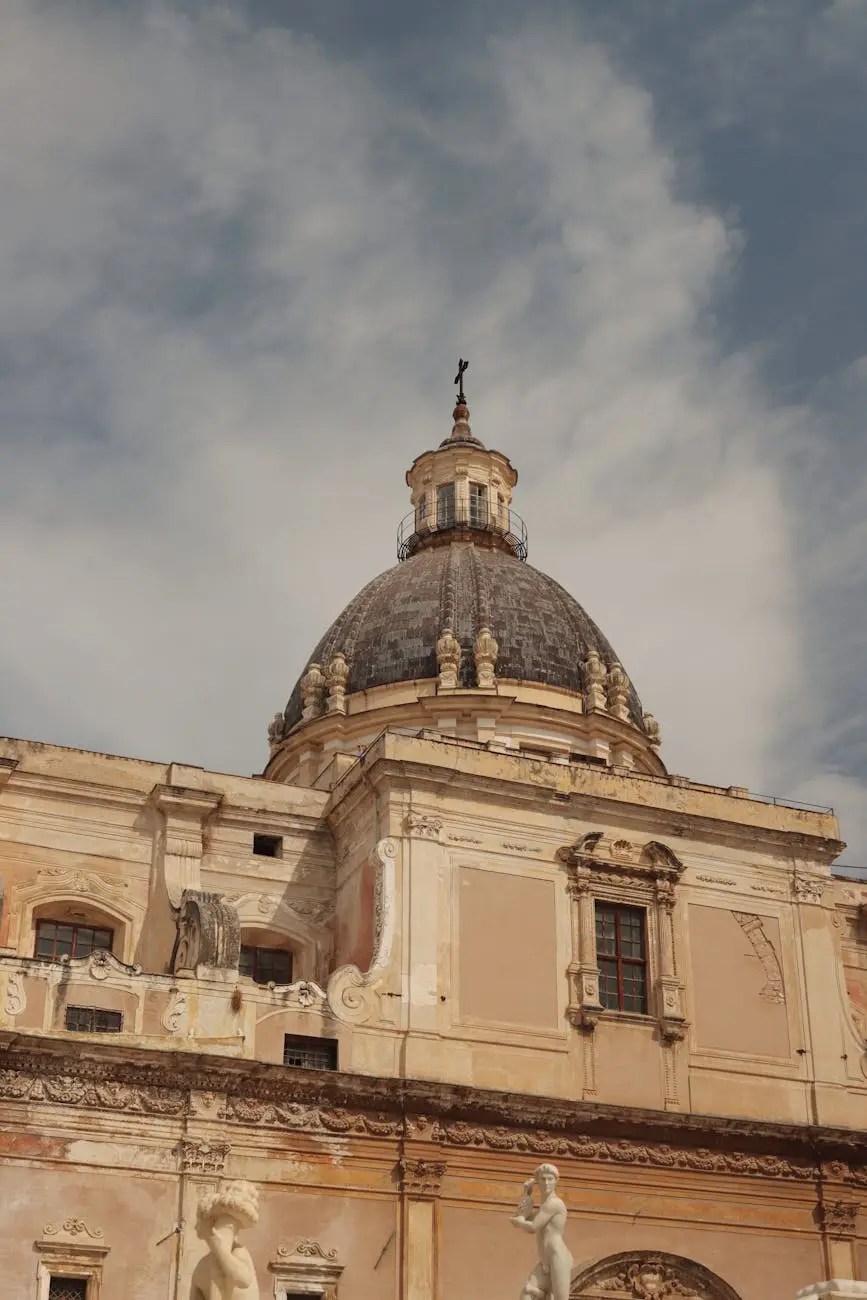
Ornate Baroque facade and majolica-tiled dome of the Church of Santa Caterina d'Alessandria on Piazza Bellini in Palermo's historic center, Sicily.
The stunning dome of the Church of Santa Caterina d’Alessandria in Palermo, showcasing intricate architecture against a beautiful sky. Santa Caterina d’Alessandria: Palermo’s Baroque Jewel. This 16th-century church is a masterpiece of Sicilian Baroque and Rococo splendor. Don’t miss the climb to its rooftop for one of the best panoramic views in the city.
A view of a beautifully designed courtyard featuring a central fountain surrounded by greenery and historic buildings with balconies under a cloudy sky.
A tranquil courtyard in Palermo, showcasing lush greenery and historic architecture, perfect for a peaceful escape.
Vibrant display of traditional Sicilian Opera dei Pupi puppets and colorful ceramic pottery at a crafts market in Palermo, Italy.
Colorful traditional Sicilian puppets and pottery displayed in a vibrant market in Palermo. Sicilian Puppetry & Pottery: A Living Tradition. These handcrafted Opra dî Pupi (Opera dei Pupi) puppets and ceramics bring centuries of Sicilian folklore, knightly legends, and artisan skill to life in Palermo’s markets.

Beyond the Guidebook: My Personal Tips & Hidden Gems

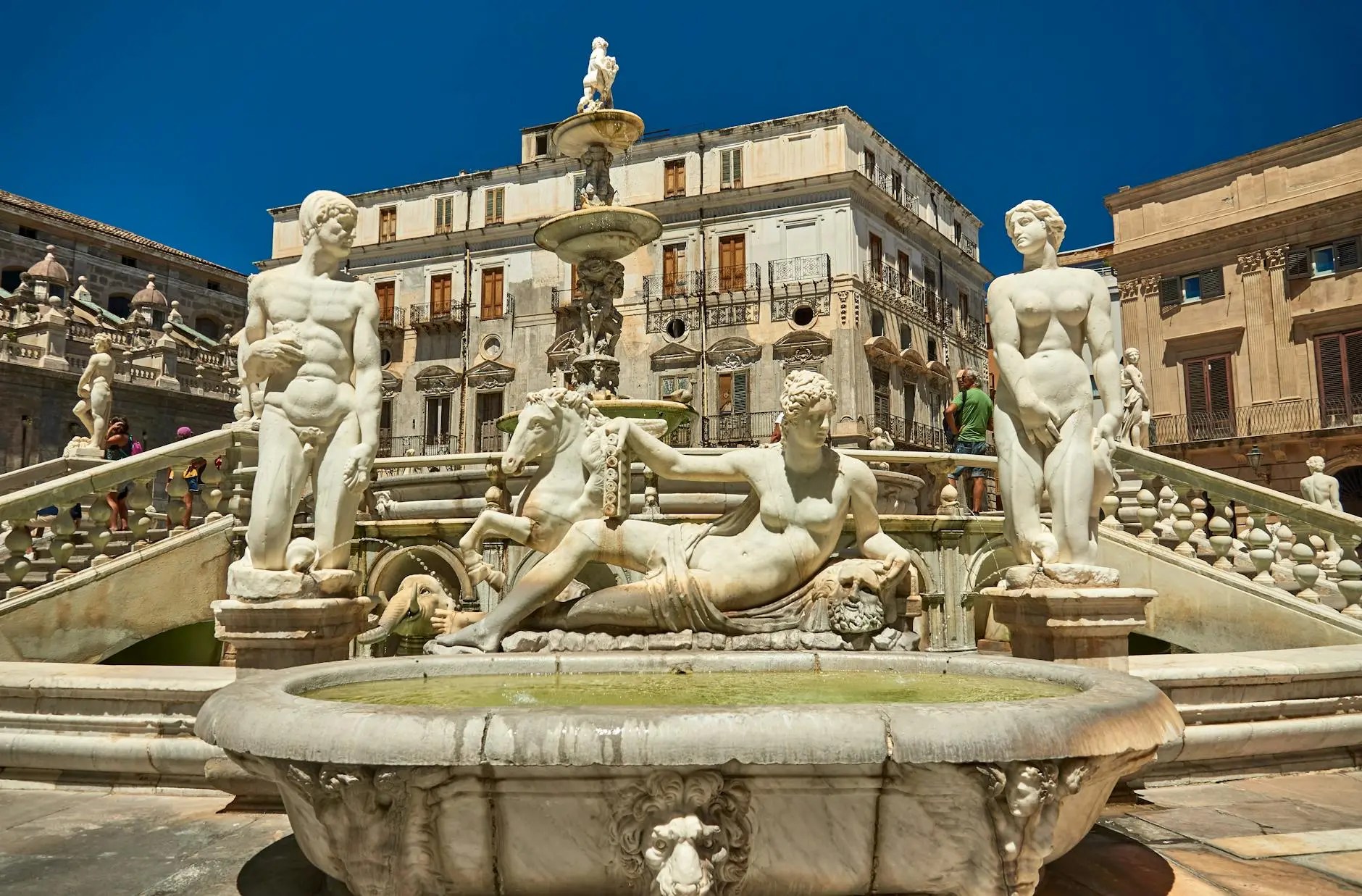
  • The “Fountain of Shame”: Don’t miss the Pretoria Fountain. Its official name is forgettable, but its local nickname, Fontana della Vergogna (Fountain of Shame), comes from the scandal its nude statues caused among 16th-century nuns. It’s a masterpiece of Renaissance sculpture.
Pretoria Fountain (Expedia)Pretoria Fountain (Get your Guide)
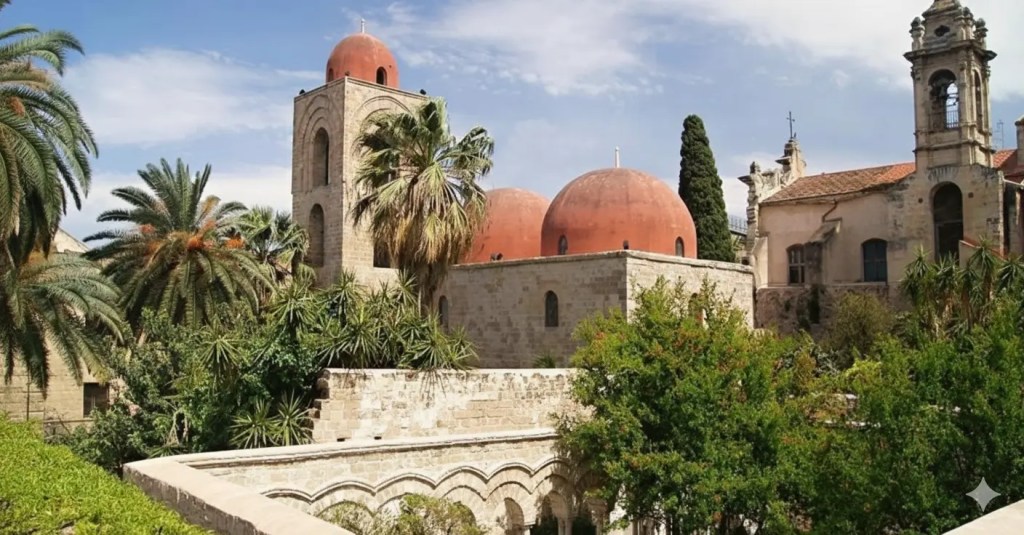
  • A Peaceful Oasis: Just behind the Norman Palace, find San Giovanni degli Eremiti. Its distinctive red Arab-Norman domes peeking through palm trees feel like a slice of North Africa and offer a tranquil escape.
San Giovanni degli Eremiti.(Expedia)San Giovanni degli Eremiti.(Get your Guide)
  • Sunday Antiques: If you’re in town on a Sunday morning, head to Piazza Marina for a lively antiques and flea market. Look for the enormous Ficus macrophylla tree in the middle of the square—its aerial roots are a sight to behold.
Piazza Marina (Expedia)Piazza Marina (Get your Guide)
Aerial view of the monumental Fontana Pretoria (Fountain of Shame) in Piazza Pretoria, Palermo, featuring concentric tiers of Renaissance marble statues and basins.
The iconic Pretoria Fountain, known as the ‘Fountain of Shame,’ showcases exquisite Renaissance sculptures in the heart of Palermo. Fontana Pretoria: Palermo’s “Fountain of Shame.” This stunning 16th-century Renaissance masterpiece earned its scandalous nickname from the outcry of neighboring nuns over its array of nude mythological gods, nymphs, and animals.
The distinctive red domes and bell tower of San Giovanni degli Eremiti church in Palermo, Sicily, set against a blue sky with palm trees and lush gardens.
Explore the stunning architecture and lush gardens of San Giovanni degli Eremiti, a tranquil oasis in Palermo, featuring distinctive red domes amidst palm trees. San Giovanni degli Eremiti: A Page from a Persian Fairy Tale. With its five iconic red domes and tranquil cloister, this 12th-century church is the most striking example of Arab-Norman architecture in Palermo—a serene escape from the city bustle.
A large, majestic Ficus macrophylla tree surrounded by a railing in a public square, with a wooden walkway leading towards it. Sunlight casts shadows on the stone pavement.
The majestic Ficus macrophylla tree in Piazza Marina, a celebrated site in Palermo with impressive aerial roots.
  • Save Money & Time:
    • Combo Tickets: Look for combined tickets for churches and museums (e.g., at Piazza Bellini).
    • Aperitivo: Skip an expensive dinner one night and do as the locals do: enjoy an aperitivo (a drink with complimentary snacks) at a bar in Vucciria or La Kalsa.
    • Water: Carry a refillable bottle. Palermo has many public fountains with clean, cold drinking water.

Essential Italian for Your Trip

A little language goes a long way in making connections.

  • Ciao (chow): Hello / Goodbye (informal)
  • Buongiorno (bwon-jor-no): Good morning / Good day
  • Grazie (graht-tsee-eh): Thank you
  • Per favore (pehr fah-voh-reh): Please
  • Dov’è…? (doh-veh): Where is…?
  • Quanto costa? (kwahn-toh koh-stah): How much does it cost?
  • Un caffè, per favore (oon kahf-feh): An espresso, please.
  • Un’arancina, per favore (oo-nah-rahn-chee-nah): One arancina, please. (Use the feminine form in Palermo!)

Frequently Asked Questions

What is the best time of year to visit Palermo?

The ideal times are spring (April-May) and autumn (September-October). The weather is pleasantly warm, perfect for exploring, and the crowds are thinner than in the peak summer months. Summer can be very hot and crowded.

Is Palermo safe for tourists?

Yes, Palermo is generally safe for tourists. As in any major city, practice standard precautions: be aware of your surroundings in crowded areas like markets, keep valuables secure, and avoid poorly lit, deserted streets at night. The historic center is lively and well-patrolled.

How many days do I need in Palermo?

3-day weekend is perfect to see the major highlights and get a real feel for the city. If you want to take day trips to places like Cefalù or Monreale, or explore at a more relaxed pace, consider adding 1-2 extra days.

What is a must-try food in Palermo?

You cannot leave without trying:

  1. Arancina: The iconic deep-fried rice ball, stuffed with ragù, peas, and cheese.
  2. Pane e Pannelle: A sandwich filled with chickpea fritters.
  3. Sfincione: Palermo’s thick, fluffy pizza topped with tomatoes, onions, and caciocavallo cheese.
  4. Cannolo: A crisp pastry tube filled with sweet, fresh ricotta.
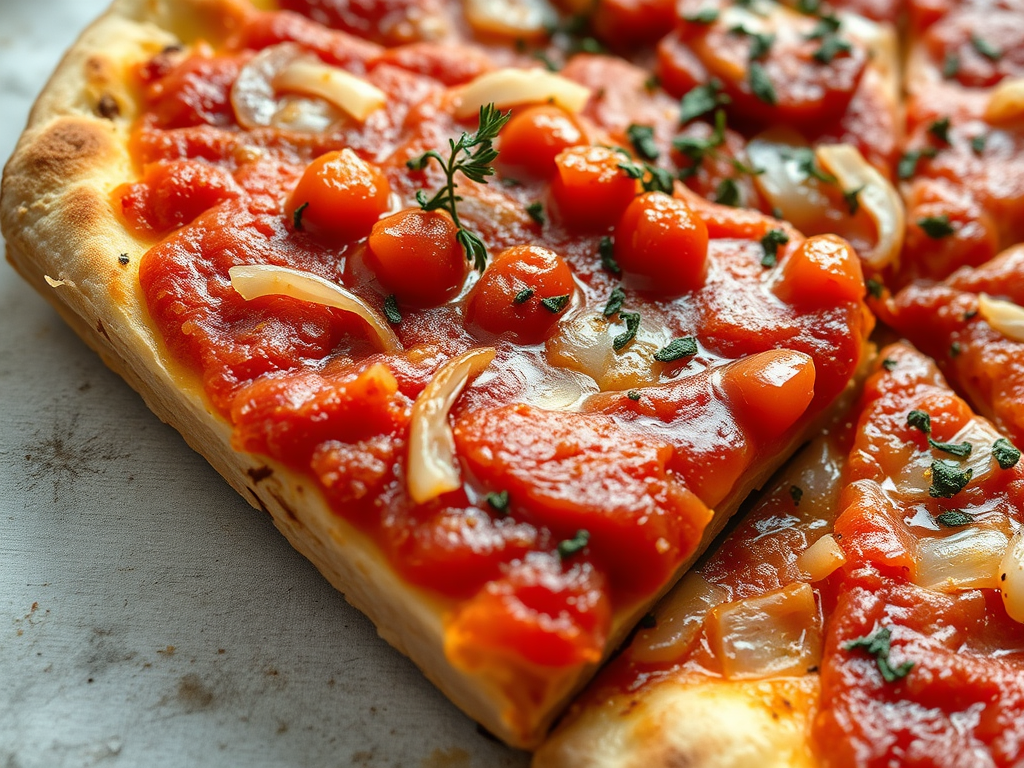
Close-up of a slice of Sicilian pizza topped with tomato sauce, diced tomatoes, onions, and sprinkled with herbs.
Delicious Sicilian sfincione, a thick, fluffy pizza topped with tomatoes and onions, perfect for a weekend in Palermo.
Close-up view of a Sicilian cannoli filled with sweet ricotta cheese, topped with chocolate chips and crushed pistachios, served on a white plate.
Delicious Sicilian cannoli topped with pistachios and chocolate chips, a must-try dessert in Palermo.

Smart Travel Tools I Personally Use


✈️ Flight Delayed or Canceled?If your flight gets delayed, canceled, or overbooked, you could be owed up to $650 under air passenger rights.
I check every disrupted flight with AirHelp—they handle everything and only charge if you win:

🔌 European Plug Adapter (Don’t Forget This)Italy uses Type C, F & L plugs. This European Travel Plug Adapter Kit has saved me countless times:

🧳 Travel Insurance (Worth Packing)I compare plans through VisitorsCoverage—fast, simple, and reliable:

✨ Look beautiful everywhere with K‑beauty magic: Use code Lalax10 at checkout—because glowing skin should never steal travel money.

Pair Palermo with These Nearby Weekend EscapesIf you’re building a longer Europe trip, combine Palermo with:
Dubrovnik – historic coastal beauty
Split – Roman ruins & nightlife
Zadar – sunsets and calm streets
You’ll find detailed guides in my Travel Master List:

Final Thoughts

Palermo isn’t polished—and that’s exactly why it works. It’s real, emotional, messy, and unforgettable. If you want a weekend escape that feels alive, Palermo delivers.
👉 Book your flights & stays now via Expedia:
If this guide helped you plan confidently, save it, share it, and drop a comment—I’d love to hear where Palermo fits into your journey.


Universal Disclaimer/Disclosure Page:

🍕 The Ultimate Weekend Escape to Naples, Italy: Pizza, Pompeii, and Pure Chaos (the Good Kind!)

Meta Description: Dreaming of a pizza pilgrimage or a volcanic adventure? Our ultimate weekend guide to Naples, Italy, spills the secrets on hidden gems, budget tips, and scenic ferry routes to Capri. Discover how to experience la dolce vita like a local!

Ciao, fellow wanderlusters! Are you craving a city break that’s more vibrant, more delicious, and frankly, a little more chaotic than your usual predictable itinerary? Forget Florence’s serene Renaissance and Venice’s gentle canals for a moment. It’s time to talk about Naples (Napoli).

Nestled on the stunning Bay of Naples, with the dramatic silhouette of Mount Vesuvius looming in the distance, this city is a glorious assault on the senses. It’s the birthplace of pizza, a UNESCO-listed historical marvel, and a place where you’ll feel more alive than ever. Think of it as a shot of espresso, an explosion of flavor, and an archaeological deep dive all rolled into one unforgettable weekend.

Ready to dive into the heart of Southern Italy? Andiamo!

Ready for a weekend where every sense is awakened? Naples isn’t just a city; it’s a full-throttle, espresso-fueled, symphonic burst of life. Forget what you’ve heard about the chaos—here, it’s a charming, organized sort of beautiful madness. In just 48 hours, you can sink your teeth into the world’s best pizza, walk in the shadow of a slumbering volcano, and discover ancient streets that hum with centuries of history. Let’s craft your perfect Neapolitan getaway.

Table of Contents

  1. Why Naples is the Perfect Weekend Destination
  2. Your Naples Weekend at a Glance: A 48-Hour Itinerary
  3. Getting There & Getting Around: Trains, Ferries, and the Art of the Scooter
  4. Naples on a Plate: A Food Lover’s Survival Guide
  5. Hidden Gems & Local Secrets: Escape the Crowds
  6. Essential Travel Tips & Smart Gear for Your Trip
  7. FAQ: Your Quick Neapolitan Questions Answered

Why Naples is the Perfect Weekend Destination

Naples is Italy with the volume cranked up. It’s raw, real, and incredibly rewarding. While other cities polish their facades, Naples is unapologetically itself—a UNESCO-listed historical center where laundry flutters between Baroque church spires, and the scent of espresso and frying arancini is the city’s true perfume. It’s the gateway to the Amalfi Coast, Pompeii, and the idyllic island of Capri, making it the perfect hub for a short, action-packed trip. Here, history isn’t in a museum; it’s under your feet and all around you.

Flights to Naples

Hotels in Naples

Getting There & Getting Around: Trains, Ferries, and the Art of the Scooter

Arriving in Naples

  • By Air: Naples International Airport (NAP) is well-connected. The Alibus shuttle is the cheapest way to the city center (€5). A taxi to the central train station has a fixed fare of €23.-27
  • By Train: The high-speed train from Rome (Termini to Napoli Centrale) takes just over an hour. It’s efficient, scenic, and drops you right in the heart of the city. I always book my train+hotel combos on Expedia for the best bundle deals.

Getting Around Naples

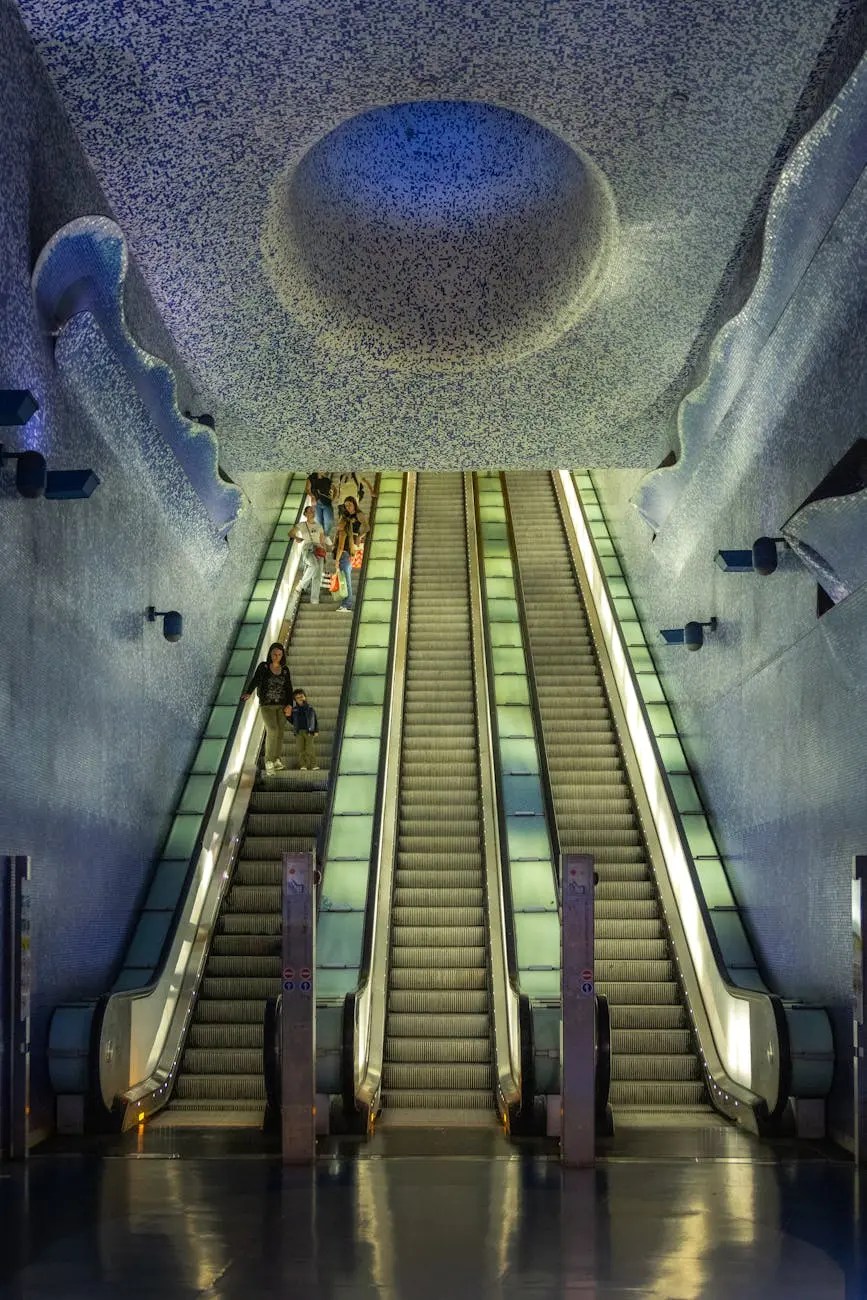
  • Metro & Funicular: The city’s ANM transport card (€4.50 for a day pass) is your best friend. It covers the metro, funiculars, and buses. The Line 1 metro is itself an underground art gallery!
Interior view of a modern metro station in Naples featuring escalators illuminated by soft lighting and a blue patterned ceiling.
The modern and artistic escalators of Naples’ metro station, blending functionality with stunning design. The Toledo Metro Station in Naples, Italy, designed by architect Óscar Tusquets Blanca. A key stop on the city’s “Art Walk,” this station is a destination in itself, transforming a daily commute into an unforgettable visual experience. )

Tip for Visitors: The station is a functional part of the city’s metro network. To best experience it without crowds, visit mid-morning on a weekday. Simply purchase a standard metro ticket (€1.30) to enter. It’s a quick, cheap, and utterly breathtaking addition to any Naples itinerary.

  • Walking: The historic center is best explored on foot. Wear comfortable shoes—the streets are made of ancient, uneven lava stone (piperno).
  • Scooter Rental: For the confident, renting a scooter is the ultimate local move. It gives you the freedom to zip up to Posillipo for the best views. Tip: Always check the parking restrictions (ZTL zones) to avoid fines.

Getting There by Ferry

One of Naples’ greatest joys is its connection to the sea. The Port of Naples (Molo Beverello) is your gateway to the islands.

While flying into Naples International Airport (NAP) is the fastest option, there’s nothing quite like arriving by sea, where you get the quintessential Bay of Naples view—Vesuvius and the city skyline greeting you like an ancient postcard. It’s also a fantastic, low-stress option if you’re already traveling around the islands or Sicily.

Naples’ ports (Molo Beverello and Calata Porta di Massa) are major hubs, connecting to popular destinations like Capri, Ischia, Procida, Sorrento, and even Palermo in Sicily and Cagliari in Sardinia.

The Insider Tip: For the best deals, schedules, and a full overview of all the different ferry companies (trust me, there are a few!), I always compare and book through an aggregator.

  • To Capri, Ischia & Procida: Regular ferries and faster hydrofoils run year-round. The ride to Capri takes about 50 minutes.
  • To the Amalfi Coast: Ferries to Positano and Amalfi operate from spring to autumn, offering a stunning, traffic-free alternative to the coastal road.
  • Booking Tip: For comparing schedules and operators (like Caremar, NLG, Alilauro) and securing the best prices, I always use Direct Ferries. It’s a one-stop-shop that saves so much time. You can check routes and book your tickets at DirectFerries.com.

Your Naples Weekend at a Glance: A 48-Hour Itinerary

Maximize your time with this efficient, experience-packed plan.

  • Day 1: Dive into the Historic Heart & Underground Secrets
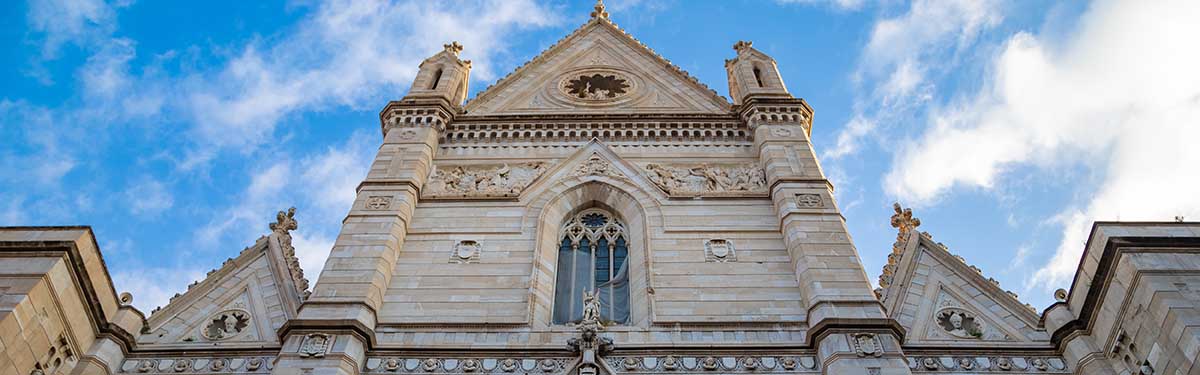
    • Morning: Start at the Duomo (Naples Cathedral) to see the blood of San Gennaro. Then, get lost in the Spaccanapoli district—the long, straight street that literally “splits Naples.” Pop into the cloister of Santa Chiara for a moment of serene, majolica-tiled peace.
Naples Cathedral (expedia)Naples Cathedral (get your guide)
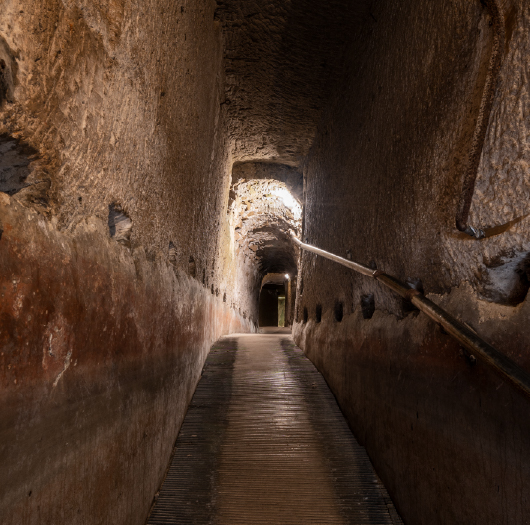
  • Afternoon: Descend into another world at Napoli Sotterranea (Underground Naples) for a tour of the ancient Greek-Roman aqueducts and WWII bomb shelters. It’s cool, fascinating, and a great escape from the midday sun.
Napoli Sotterranea (expedia)Napoli Sotterranea(get your guide)
  • Evening: Your pilgrimage begins: dinner at L’Antica Pizzeria da Michele (of Eat Pray Love fame) or its less-crowded rival, Sorbillo. Expect to queue, but it’s a rite of passage. Afterwards, join the passeggiata (evening stroll) along Via Toledo.
Low-angle view of the architectural facade of Naples Cathedral, showcasing its intricate details against a blue sky.
A stunning view of the ornate exterior of Naples Cathedral, showcasing intricate architectural details against a clear blue sky.
A narrow underground corridor illuminated by natural light, showcasing textured stone walls and a wooden path.
Explore the ancient underground tunnels of Napoli Sotterranea, a fascinating glimpse into Naples’ historical secrets.
A bustling street scene in Naples, Italy, with people walking along cobblestone paths, sunlight streaming through buildings, and shops lining the streets.

Day 2: Volcano Views & Coastal Dreams

  • Morning: Take the Circumvesuviana train (about 30 mins) to Pompeii. Pre-book your ticket online to skip the line. Spend 2-3 hours wandering the haunting, awe-inspiring ruins. For a more detailed look at this incredible site, check out my guide on planning the perfect Roman holiday, which has tips that apply here too.

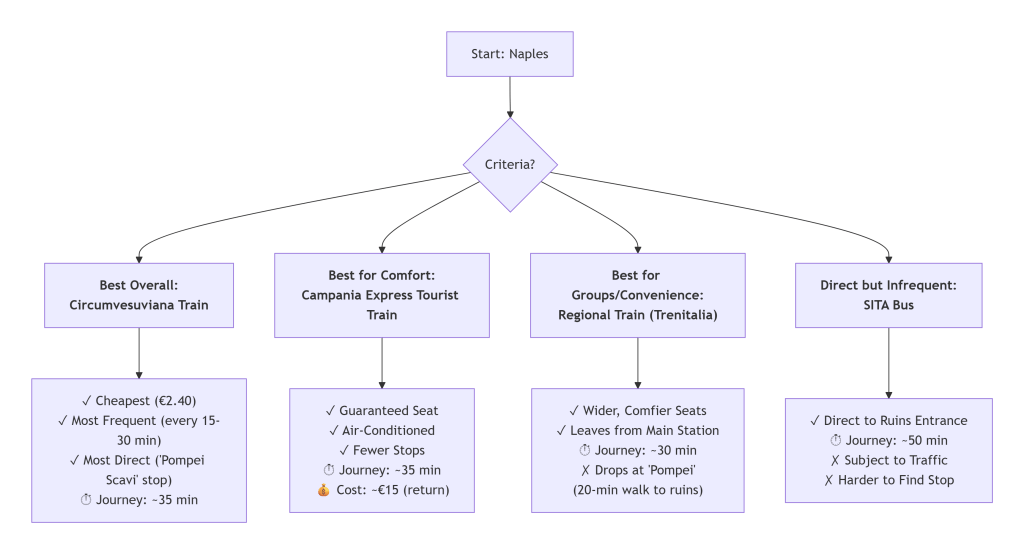
Here are the best public transportation options to get from Naples to Pompeii, with a clear winner for most travelers. check here: https://confidencebuildings.com/2025/12/16/naples-to-pompeii-the-ultimate-guide-to-public-transport-2024-travelers-guide/

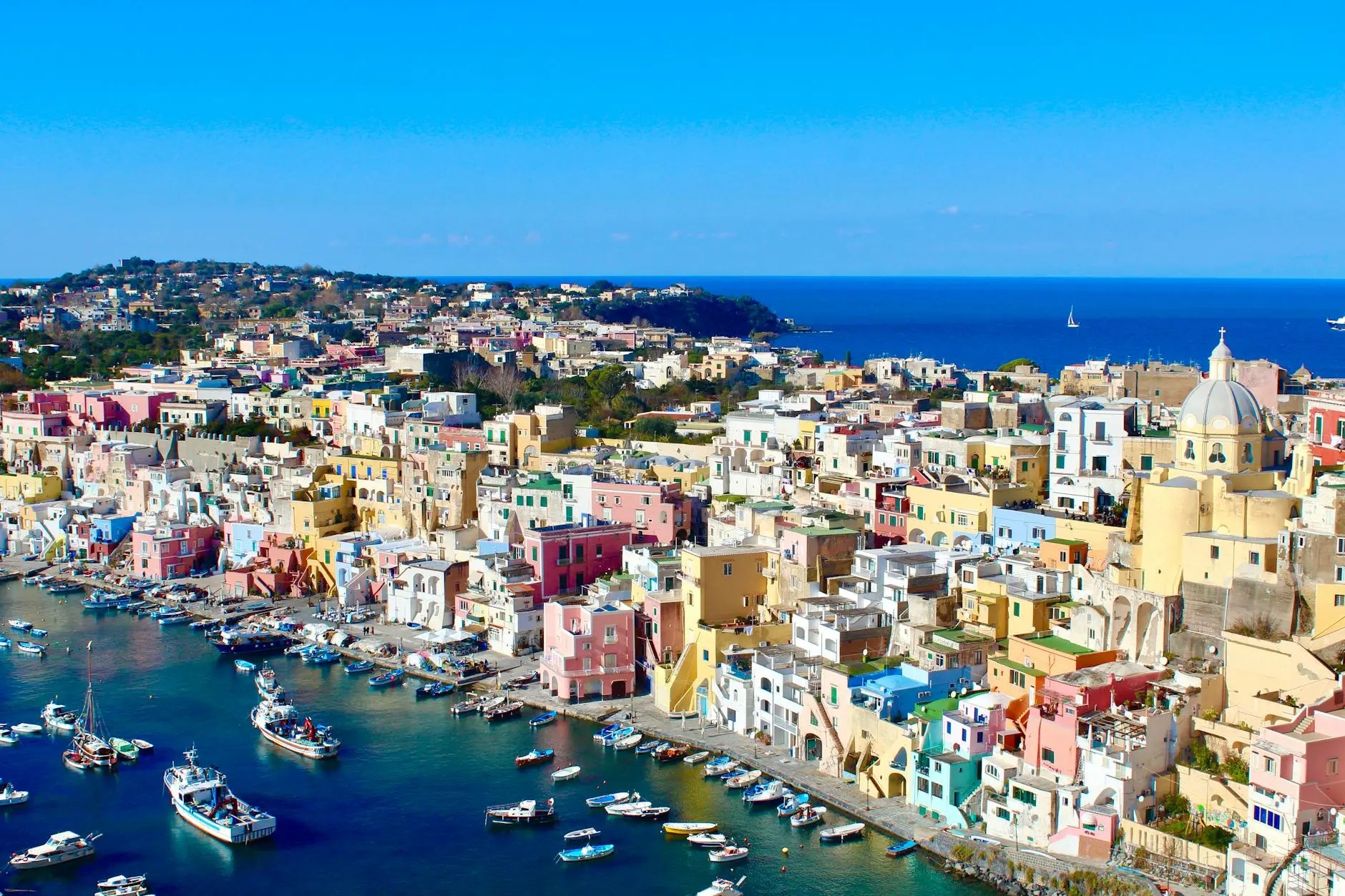
  • Alternative Option: Head to the port for a ferry to the island of Procida (less crowded than Capri, incredibly colorful). It’s a photographer’s dream.
Procida (Expedia)Procida (get your guide)
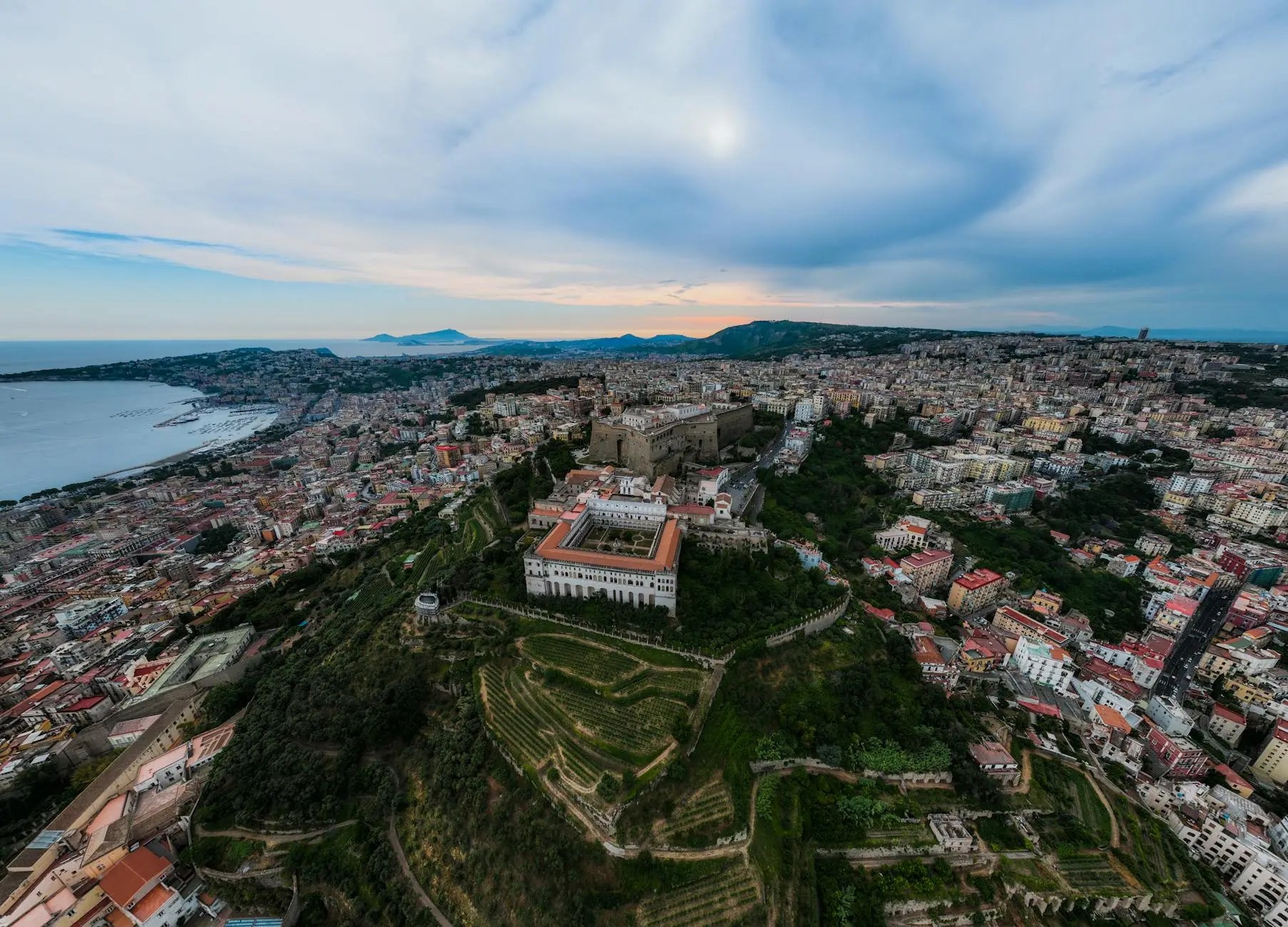
  • Evening: Back in Naples, ride the funicular up to Vomero for sunset cocktails with a breathtaking view of the Bay of Naples and Vesuvius from Castel Sant’Elmo. Enjoy a farewell dinner in the chic Chiaia district
Vomero (Expedia)Vomero (Get your guide)
View of a spacious square in Naples featuring bronze statues on pedestals, surrounded by colorful buildings and a hillside in the background.
The vibrant scene of Piazza del Municipio in Naples, showcasing stunning architecture and historical statues against a clear blue sky.

A winding path leading up to the summit of Mount Vesuvius, with rocky terrain and a clear blue sky in the background.
Trail leading to the summit of Mount Vesuvius, offering stunning views of the Bay of Naples.

A scenic view of Procida, Italy, showcasing colorful buildings along the waterfront with boats docked in a clear blue bay and the Mediterranean Sea in the background.
A breathtaking view of Procida, a colorful island near Naples, showcasing its vibrant buildings and serene marina. Marina Corricella on the island of Procida, Italy. This vibrant, layered cascade of fishermen’s houses is the iconic heart of the island and a UNESCO-listed gem in the Gulf of Naples.

Aerial view of Naples with the coastline and hills, showcasing a mix of urban and natural scenery, including buildings, greenery, and the distant silhouette of mountains.
A breathtaking view of Naples, showcasing its vibrant cityscape and the iconic silhouette of Mount Vesuvius in the distance. The commanding Castel Sant’Elmo on the Vomero hill in Naples, Italy. This 14th-century star-shaped fortress offers what is arguably the most breathtaking 360-degree panorama of the entire city, the Gulf of Naples, and Mount Vesuvius. 

Mount Vesuvius: The Sleeping Giant

Vesuvius is the only active volcano on mainland Europe and is considered one of the most dangerous in the world due to the 3 million people living in its immediate vicinity (the “red zone”).

  • The 79 AD Eruption: Its most famous eruption was a Plinian eruption—an explosive, column-forming event that buried Pompeii, Herculaneum, and other towns under meters of volcanic ash and pumice. This catastrophic event is what preserved the sites so perfectly.
  • Status Today: It is still active, with its last eruption occurring in 1944. It is constantly monitored by the Vesuvius Observatory, the world’s oldest volcanological institute.
  • The View: Its iconic, looming profile is visible from nearly everywhere in Naples and is the unforgettable backdrop to every photo of the Pompeii ruins.

Hidden Gems & Local Secrets: Escape the Crowds

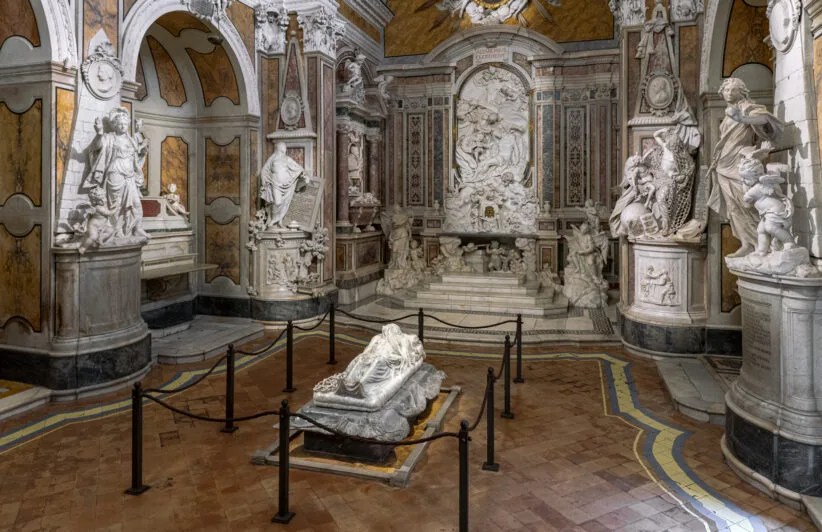
  • The Cristo Velato (Veiled Christ): In the Cappella Sansevero, this marble sculpture is so lifelike, you’ll swear the veil is real cloth. It’s arguably one of the most stunning artworks in the world. Book tickets online.
Cappella Sansevero (Expedia)Cappella Sansevero (Get your guide)
  • Rione Sanità: This vibrant, slightly off-center neighborhood is where you’ll find the extraordinary Cimitero delle Fontanelle (an ossuary in a cave) and some of the city’s most authentic trattorias.
Rione Sanità: (Expeidia)Rione Sanità: (Get Your Guide)
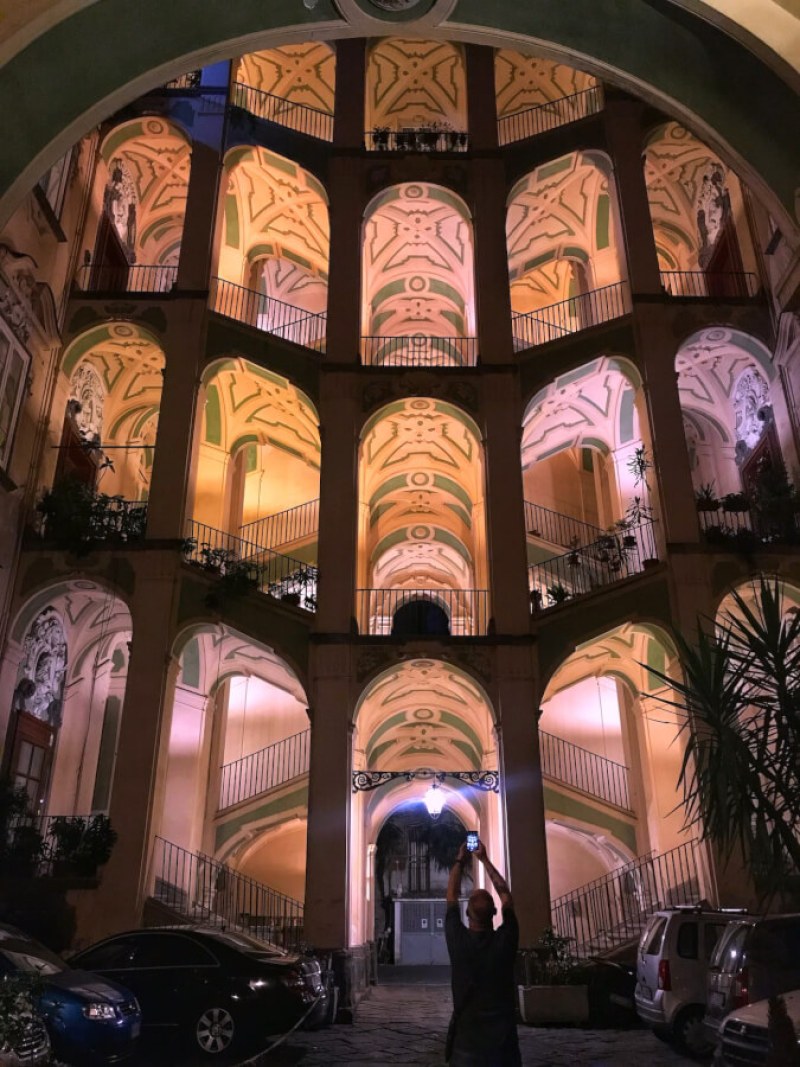
Night view of a beautifully illuminated historic atrium in Naples, showcasing intricate architectural details and vibrant colors.
A stunning view of a beautifully illuminated historic courtyard in Naples, showcasing its intricate architecture. (Palazzo dello Spagnuolo,)
  • Parco Virgiliano: Not to be confused with the park on the Amalfi Coast, this green space in the Posillipo district offers arguably the best panoramic view of the entire Gulf of Naples, from Capri to Vesuvius. Bring a picnic.
A scenic view of the Bay of Naples, featuring a small island with lush greenery and colorful buildings, framed by trees and distant mountains under a clear blue sky.
A panoramic view of the stunning island of Procida, set against the backdrop of the Gulf of Naples and Mount Vesuvius, showcasing the natural beauty of Southern Italy.
Interior view of the Cappella Sansevero in Naples, showcasing intricate marble sculptures and ornate decorations, with a prominent statue of the Veiled Christ.
The stunning interior of the Cappella Sansevero, featuring intricate sculptures and detailed frescoes. The miraculous “Veiled Christ” (Cristo Velato) by Giuseppe Sanmartino in the Sansevero Chapel Museum, Naples. This 1753 marble masterpiece is renowned for its impossibly delicate, translucent veil carved from a single block of stone

Geographically Close cities: Planning to explore more of Italy after Naples? The Italian high-speed train network makes it easy to link your trip.

  • Rome, Italy: The political and historical heart of the country, just a quick train ride north.
  • Florence, Italy: The birthplace of the Renaissance, easily reachable for an art and culture pivot.
  • Milan, Italy: The fashion and financial capital, a major northern hub connected by high-speed rail.
  • Venice, Italy: The incomparable city of canals, linking Southern and Northern Italian adventures.

Essential Travel Tips & Smart Gear for Your Trip {#essential-travel-tips}

  • Money & Time Savers:
    • The Campania ArteCard offers free/discounted entry to many sites and includes transport. Calculate if your itinerary makes it worthwhile.
    • Best Time to Visit: April-June and September-October offer great weather and fewer crowds than peak summer.
    • Visa Info: For most non-EU travelers (like US, Canada, Australia passport holders), Italy is part of the Schengen Area, allowing visa-free travel for up to 90 days within a 180-day period. Always check the latest official requirements before your trip.
    • Language Tip: A few key words go a long way: Grazie (Thank you), Prego (You’re welcome), Un caffè, per favore (An espresso, please), Dov’è il bagno? (Where is the bathroom?).
  • Stay Connected & Secure:
    • Stay Online: Ditch expensive roaming. I use Drimsim, a global data SIM that works in 190+ countries. Pop it in, top up via the app, and you’re set. It’s saved me from so many “desperate for WiFi” moments. ➡️ Get connected with Drimsim
    • Secure Your Browsing: Using public WiFi? A VPN is non-negotiable to protect your data. I rely on one to safely check my bank account and book last-minute tickets from cafes. ➡️ Browse safely with a reliable VPN
    • Travel Insurance: A delayed ferry or a twisted ankle can ruin a short trip. I use VisitorsCoverage to quickly compare and buy a plan that fits. It’s the peace-of-mind essential I never skip. ➡️ Get a travel insurance quote with VisitorsCoverage
  • Must-Pack Travel Gear:
    • Power Up: Italy uses Type C, F, and L plugs. This VINTAR European Travel Plug Adapter with multiple USB ports lets you charge all your devices at once. A total lifesaver. ➡️ Get the VINTAR travel adapter
    • Capture the Magic: Naples is intensely photogenic. To capture its energy, from the dark alleys to the bright bay, I swear by my main travel camera. It’s the perfect balance of quality and portability. ➡️ Check out my favorite travel camera
    • Travel Glow: After a long day of exploring, a little K-beauty magic revives my skin. I love Lakinza for authentic, effective products. Use code Lalax10 at checkout for a sweet discount on your skincare haul. ➡️ Shop K-beauty at Lakinza
  • Travel Smarter:✈️ Flight Trouble? If your flight to Naples is delayed over 3 hours or canceled, you could be owed up to $650 in compensation. I’ve used AirHelp to handle the messy paperwork with airlines—they only get paid if you win. It’s a stress-free way to claim what you’re owed. ➡️ Check your flight with AirHelp

FAQ: Your Quick Neapolitan Questions Answered {#faq}

Is Naples safe for tourists?
Yes, but be smart. It’s a big, bustling city. Keep valuables secure and out of sight, be cautious in very crowded areas like Piazza Garibaldi at night, and stick to well-lit main streets after dark. Most crime is petty theft.

Can I do a day trip to the Amalfi Coast from Naples?
Absolutely. The ferry to Positano in summer is the most scenic and efficient way (about 1 hour). Alternatively, take the Circumvesuviana train to Sorrento (70 mins) and switch to a SITA bus or local ferry along the coast.

What’s the dress code for churches in Naples?
Modesty is key. Shoulders and knees should be covered for both men and women. Carrying a light scarf or shawl to pop on before entering is a great trick.

Is it easy to find vegetarian/vegan food?
While Naples is pizza and seafood heaven, vegetarian options abound (Marinara pizza is vegan!). More modern cafes and restaurants in areas like Chiaia also cater well to plant-based diets. You won’t go hungry.

How can I save money on food?

Eat Pizza a Portafoglio for lunch! Stick to local trattorias over tourist traps. Order the Pizza Margherita—it’s still the best and the cheapest item on the menu. Also, tap water is safe to drink.


Ready to say “Ciao” to your own Neapolitan adventure? With its explosive culture, unforgettable food, and breathtaking scenery, Naples is a weekend destination that feels like a lifetime. For more inspiration on European weekend escapes, from the coffee houses of Vienna to the canals of Venice, explore my full Travel Master List.

Now, go book that ticket, pack your bags (don’t forget the stretchy pants for pizza!), and get ready to fall in love with Italy’s most passionate city. Buon viaggio!

Universal Disclaimer/Disclosure Page:
Naples to Pompeii: The Ultimate Guide to Public Transport (2024 Traveler’s Guide)

🚂 Navigating Italian transport doesn’t have to be confusing! Discover how to travel from Naples to Pompeii like a pro with this complete guide to trains, buses, and smart travel tips.

Flowchart illustrating transportation options from Naples to Pompeii, highlighting key criteria and comparisons between the Circumvesuviana Train, Campania Express Train, Trenitalia Train, and SITA Bus.
Infographic comparing transport options from Naples to Pompeii, showcasing key features like cost, travel time, and best use cases for each method.

Why This Transportation Guide Matters

Getting from Naples to Pompeii isn’t just about moving from point A to B—it’s about starting your journey back in time efficiently and affordably. While the ruins await, the transportation puzzle can be daunting for first-time visitors. This guide cuts through the confusion with locally-tested methods that save you time, money, and stress.

Quick Comparison: Your Transportation Options at a Glance

MethodTravel TimeCost (One Way)Best ForKey Stations/Stops
Circumvesuviana Train35-40 minutes€2.40 – €3.20Budget travelers, independent explorersNaples: Piazza Garibaldi
Pompeii: Pompei Scavi-Villa dei Misteri
Campania Express Tourist Train30-35 minutes~€15 (round trip)Comfort seekers, families, those with luggageNaples: Piazza Garibaldi
Pompeii: Pompei Scavi
Trenitalia Regional Train30-35 minutes€2.90 – €4.50Travelers near Napoli CentraleNaples: Napoli Centrale
Pompeii: Pompei (town station)
SITA Bus45-60 minutes€2.50 – €3.50Those who prefer buses, traveling from specific areasNaples: Piazza Garibaldi
Pompeii: Piazza Esedra

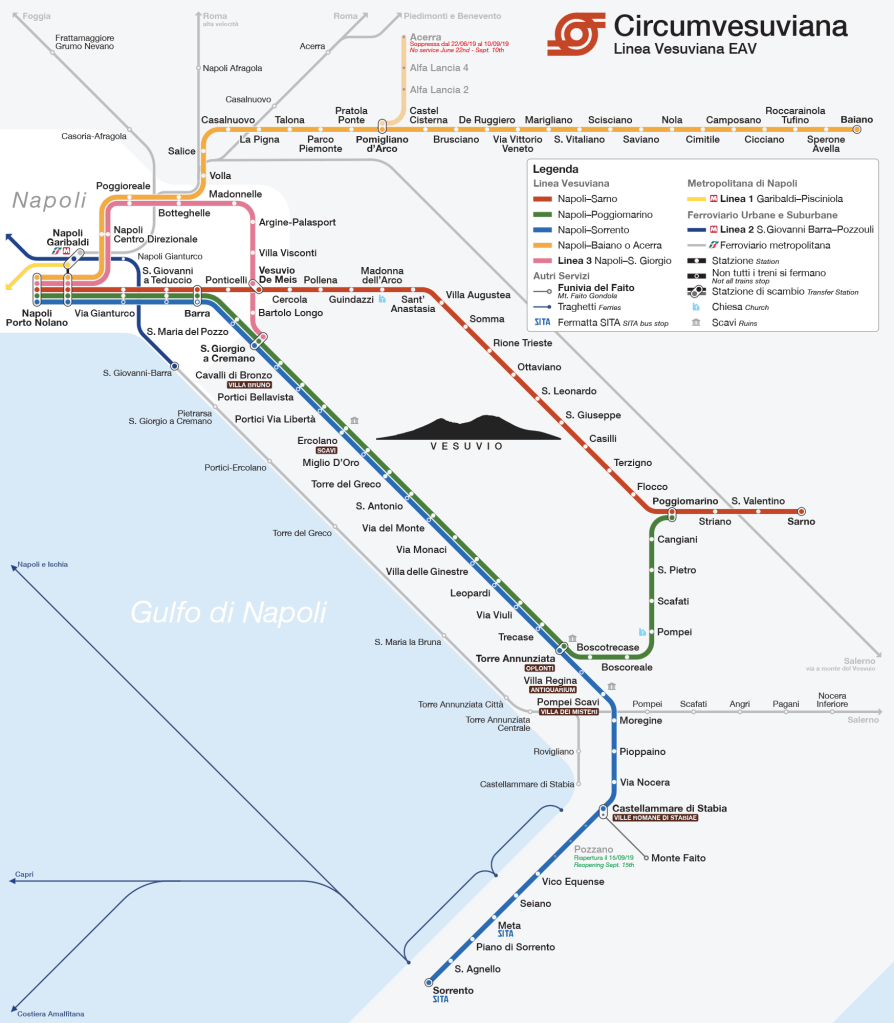
Map of the Circumvesuviana train line showing stops from Naples to Pompeii and surrounding areas, with indications for different services and connections.
Map of the Circumvesuviana train network, connecting Naples to Pompeii and surrounding areas.

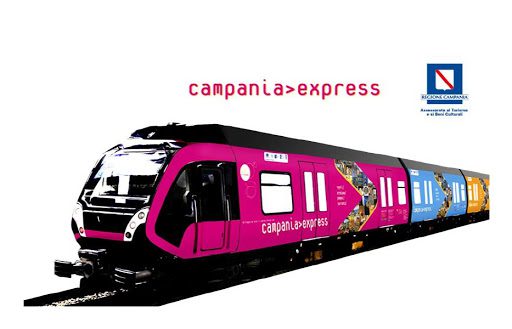
Illustration of the Campania Express train, showcasing its vibrant pink and blue design.
The Campania Express train offers a comfortable and efficient travel option from Naples to Pompeii.
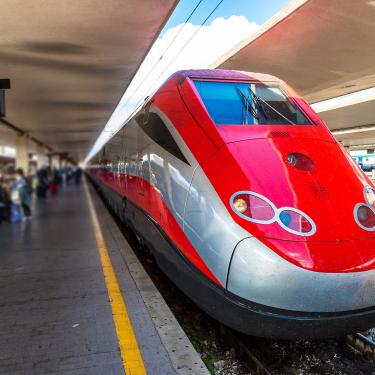
A high-speed train at a station, showcasing modern Italian rail transport.
A sleek red and silver train at a platform, representing modern transport options between Naples and Pompeii.

The Complete Guide: Naples to Pompeii Transport Options

🚆 Option 1: Circumvesuviana Train (The Local Favorite)

Why it’s popular: This is the workhorse of Campania transport—affordable, frequent, and direct to the ruins’ entrance.

Step-by-step guide:

  1. Find the station: Head to Napoli Piazza Garibaldi station, located beneath Napoli Centrale (the main train station).
  2. Buy tickets: Purchase from EAV ticket windows or automated machines. Look for “Pompei Scavi” destination.
  3. Validate: CRUCIAL—stamp your ticket in the small green/yellow machines on the platform.
  4. Board: Take any train on the Naples-Sorrento line (usually marked “Linea 2”).
  5. Alight: Get off at “Pompei Scavi-Villa dei Misteri” (not just “Pompei”).

Insider tip: Board at Porta Nolana (the line’s starting point, a 5-minute walk from Garibaldi) to secure a seat before the crowds board at Garibaldi.

Cost breakdown:

  • One-way ticket: €2.40
  • Daily tourist ticket: €12 (unlimited travel on Circumvesuviana)

✨ Option 2: Campania Express Tourist Train (The Comfort Choice)

Perfect for: Travelers prioritizing comfort, families with children, or those with heavy luggage.

Key advantages:

  • Guaranteed seating (no standing in aisles)
  • Air conditioning (a lifesaver in summer)
  • Fewer stops (direct service)
  • Informative announcements in multiple languages

How to use it:

  1. Schedule check: Trains run 3-5 times daily in each direction—verify times at the station or online.
  2. Ticket purchase: Buy at dedicated Campania Express counters or online in advance.
  3. Boarding: Present your ticket and board from Track 3 at Napoli Piazza Garibaldi.

Pro tip: Combine with an ArteCard for discounted transport plus entry to Pompeii and other sites.

🚊 Option 3: Trenitalia Regional Train (The Alternative Route)

Best suited for: Travelers already at Napoli Centrale or those combining Pompeii with other regional destinations.

Important distinction: This train stops at Pompei station in the modern town, NOT at the ruins. You’ll need to:

  1. Walk 20-25 minutes to the ruins
  2. Take a local bus (€1.50) to the Porta Marina entrance
  3. Grab a taxi (€10-15)

When it makes sense:

  • You’re traveling from cities north of Naples (like Rome) directly to Pompeii
  • You prefer wider, more comfortable seats
  • You have a rail pass (Eurail, Interrail)

🚌 Option 4: SITA Bus (The Road Alternative)

Consider this if: You’re staying near the bus departure points or want to combine Pompeii with other destinations along the route.

Routes to know:

  • Naples-Pompeii direct: Departs from Piazza Garibaldi
  • Naples-Sorrento line: Stops at Pompeii along the scenic coast road

Bus advantages:

  • More luggage space
  • Scenic views (especially on the Sorrento line)
  • Direct to some hotel areas not served by trains

Potential drawbacks:

  • Traffic delays (especially in peak season)
  • Less frequent than trains
  • Can be confusing to find correct bus and stop

🎯 The Smart Traveler’s Decision Guide

Choose Circumvesuviana if:

  • Budget is your primary concern
  • You don’t mind crowds
  • You value frequency over comfort

Choose Campania Express if:

  • You’re traveling in summer heat
  • You have children or elderly companions
  • You want a stress-free, tourist-friendly experience

Choose Trenitalia if:

  • You’re arriving at Napoli Centrale from another city
  • You have heavy luggage (more space)
  • You plan to continue to other destinations like Salerno

Choose SITA Bus if:

  • Your accommodation is near a bus departure point
  • You want to stop at other towns along the coast
  • You missed the last train

Essential Tips for a Smooth Journey

1. Ticket Validation is Non-Negotiable

Italian transport fines for unvalidated tickets range from €50-200. Look for small green, white, or yellow machines at station entrances or on platforms. Insert your ticket until you hear a “click” or see it stamped.

2. Beware of Pickpockets

These trains are notorious for theft. Keep bags in front of you, wallets in front pockets, and avoid flashing expensive electronics.

3. Time Your Trip Right

  • Best times to travel: Weekday mornings (8-10 AM) or early afternoons (1-3 PM)
  • Worst times: Friday evenings, weekend mornings, Italian holidays
  • First/last trains: First train ~6 AM, last train ~10:30 PM (confirm current schedules)

4. Combine with Vesuvius

At Pompei Scavi station, you’ll find official “Vesuvio Express” shuttles that take you directly to the volcano crater (combined transport and entry ~€25-30).

5. Language Help

  • “Dove è la stazione per Pompei?” = Where is the station for Pompeii?
  • “Un biglietto per Pompei Scavi, per favore” = One ticket to Pompei Scavi, please
  • “Questo treno va a Pompei Scavi?” = Does this train go to Pompei Scavi?

Common Mistakes to Avoid

  1. Getting on the wrong train: Ensure your train is heading toward Sorrento, not Poggiomarino or Sarno.
  2. Going to the wrong station: “Pompei” station vs. “Pompei Scavi” station—the latter is what you want.
  3. Not buying water: The Pompeii site has limited shade and water fountains. Buy water before entering.
  4. Attempting too much: Pompeii + Vesuvius in one day is extremely ambitious. Choose one or start very early.

Beyond Pompeii: Connecting to Other Destinations

From Pompeii Scavi station, you can continue to:

  • Sorrento (30 minutes further on same train line)
  • Herculaneum (Ercolano Scavi station, 20 minutes back toward Naples)
  • Naples Airport (Take train to Naples, then Alibus shuttle)

📝 Final Checklist Before You Go

  • [ ] Validated train/bus ticket
  • [ ] Water bottle (filled)
  • [ ] Sun protection (hat, sunscreen)
  • [ ] Comfortable walking shoes
  • [ ] Printed or digital ticket for Pompeii (buy online in advance)
  • [ ] Small cash for snacks/emergencies
  • [ ] Downloaded offline map of Pompeii ruins

🚀 Ready to Explore? Armed with this knowledge, you’re prepared to navigate from Naples to Pompeii like a seasoned traveler. The journey is part of the adventure—watching the urban landscape give way to vineyards with Mount Vesuvius ever-present on the horizon is a perfect prelude to stepping back in time.

Found this guide helpful? Explore more European transport guides in my Italy Travel Hub or check out my complete Weekend in Naples Itinerary to plan your perfect trip.

Ready to connect history with logistics? Your journey to Pompeii begins with a local adventure in itself. Figuring out the best way to get there is half the fun (and can save you time and stress). For a deep dive into every option—from the classic Circumvesuviana train to the comfortable Campania Express—be sure to check out my detailed, step-by-step guide: Naples It covers costs, Hidden Gems, tickets, and insider tips to ensure your trip to the ruins is as smooth as ancient Roman pavement.

Universal Disclaimer/Disclosure Page:
Ultimate Weekend Getaway in Venice: A Complete Traveler’s Guide

Meta Description: Escape to the enchanting canals of Venice for an unforgettable weekend. Our comprehensive guide for travelers reveals hidden gems, must-see sights, and savvy tips on transportation, visa costs, and saving money. Optimized for SEO and geo-generative engine optimization, this guide is packed with keywords to help you discover the magic of Venice.

I’m going to be honest with you. The first time I saw Venice, it was through the lens of a tourist in a hurry. You know the type—sprinting from St. Mark’s Square to the Rialto Bridge, snapping a few frantic photos, and feeling like you’ve “done” the city without ever really being there. It was a classic case of travel-FOMO (Fear of Missing Out). But the magic of Venice doesn’t reveal itself in a sprint; it whispers to you when you slow down, get a little lost, and let the city’s ancient rhythm guide you.

This blog post is for the traveler who wants to do it right. The one who wants to sip a spritz on a sun-drenched canal, find a quiet bacaro for some delicious bites, and fall in love with the city’s charming chaos. I’ve gone back, armed with a better plan, and I’m sharing all my secrets for the ultimate weekend escape.

Ah, Venice. The mere name conjures images of winding canals, operatic gondoliers, and masquerade balls. It’s a city that feels like a dream, but let me tell you, a dream you can absolutely conquer in a single, glorious weekend. Forget everything you’ve heard about it being too crowded or too expensive—with a little insider knowledge (and comfortable shoes), you can have the authentic Venetian experience without breaking the bank or your spirit.

I still remember my first time stepping out of the Santa Lucia train station. The grand canal wasn’t just a picture; it was a living, breathing, slightly damp masterpiece. The sound of water lapping against ancient stone, the distant call of “Gondola!”, the smell of salt and fresh coffee… it’s a sensory overload in the best way possible. I immediately got lost, and it was the best thing that could have happened. This guide is here to help you find that magic, without too much of the getting lost part (unless you want to!).

Table of Contents

  1. Getting There: Planes, Trains, and Automobiles (But Mostly Boats)
  2. Where to Stay: Finding Your Venetian Sanctuary
  3. Day 1: The Grand Tour & Golden Hour
  4. Day 2: Hidden Gems & Island Hopping
  5. Day 3: Art, Souvenirs & The Sweet Goodbye
  6. Navigating Venice: Public Transportation Deep Dive
  7. Money-Saving Tips & Must-Know Phrases
  8. My Personal Camera Kit
  9. FAQs: Everything You Need to Know Before You Go
  10. More Travel Inspiration & Backlinks

Why Venice is the Perfect Weekend Getaway

Venice is compact. Unlike sprawling metropolises like Rome or Paris, its labyrinthine alleys and canals are concentrated, making it possible to soak in the major highlights and discover secret corners in just 2-3 days. It’s a pedestrian (and boat-only) city, so you’re free to wander without worrying about traffic. It’s the ideal destination for a burst of culture, romance, and incredible food.

Before You Go: Visa & Costs
As part of Italy’s Schengen Area, most US, Canadian, UK, and Australian travelers can enter visa-free for up to 90 days. Always check the latest entry requirements from official government sources. A great place to start for the most current and official visa information is the VFS Global page for Italy.

I always find the best flight deals to Venice Marco Polo Airport (VCE) on Expedia. They have great bundle options if you want to book your hotel at the same time.

Getting There: Planes, Trains, and Automobiles (But Mostly Boats)

Venice is unique because you literally cannot drive into the historic city center. So, if you’re arriving by car, you’ll need to park it at Piazzale Roma or Tronchetto and then take a bus, water bus (vaporetto), or private water taxi to your accommodation. Trust me, the first glimpse of the Grand Canal from the water is worth the logistical effort.

The easiest way to arrive is by train. The Venezia Santa Lucia station drops you off right on the Grand Canal, a stone’s throw from the heart of the action. Italy’s high-speed trains connect Venice to major cities like Rome, Florence, and Milan. If you’re coming from another part of Europe, flying into Venice Marco Polo Airport (VCE) is also a great option. From there, you can catch a water bus (Alilaguna) or a private water taxi straight to the city.

✈️ Travel Tip: Travel isn’t always smooth sailing—sometimes flights get delayed, canceled, or overbooked. The good news? You might be entitled to up to $650 in compensation under air passenger rights. Most travelers never claim it, but I’ve got you covered: just check your flight withAirHelp. They handle the paperwork, fight the airlines for you, and only get paid if you win. Easy, stress-free, and potentially a nice surprise for your travel fund.

Where to Stay: Finding Your Venetian Sanctuary

Finding the right place to stay is key. I’ve found that using a trusted platform like Expedia to book my hotels helps me compare options and find the perfect spot. The main tourist areas like San Marco are central but can be noisy and expensive. For a more authentic experience, consider staying in the quieter districts of Dorsoduro or Cannaregio.

My personal favorite? Dorsoduro. One time, I stayed in a small guesthouse there, and the window overlooked a tiny, quiet canal. Every morning, I woke up to the sound of a gondolier singing as he glided past. It was a moment so perfectly Venetian it almost felt like a movie.

Friday: Arrival & The Magic of Getting Lost

  • Afternoon: Fly into VCE or arrive by train at Santa Lucia Station (this is the most dramatic entrance!). Pro Tip: If you’re arriving by train from another Italian city like Rome, Florence, or Milan, booking your tickets in advance on ItaliaRail can save you a significant amount of money compared to buying them at the station. The high-speed trains are comfortable and efficient, making for a relaxing start to your Venetian adventure.
  • Evening: Check into your hotel . I recommend staying in the Dorsoduro or Cannaregio districts. They’re slightly removed from the San Marco chaos, more affordable, and brimming with authentic bacari (wine bars).
  • Dinner: Ditch the tourist menus. Find a small bacaro and do a cicchetti crawl. Cicchetti are Venetian tapas—think small slices of bread topped with cod, crab, or mortadella, alongside an ombra (small glass of wine). My favorite find was a tiny place where the owner insisted I try his artichoke heart special. Life-changing.
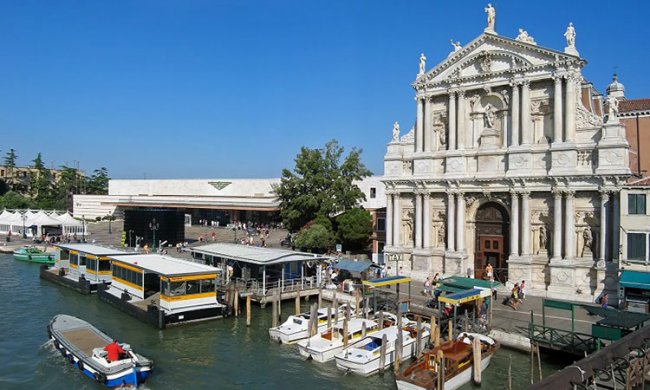
A view of the Grand Canal in Venice, featuring a marina with boats and the exterior of a historic building with ornate architecture.
The stunning view near the Santa Lucia train station in Venice, featuring the historic church and bustling water taxis.

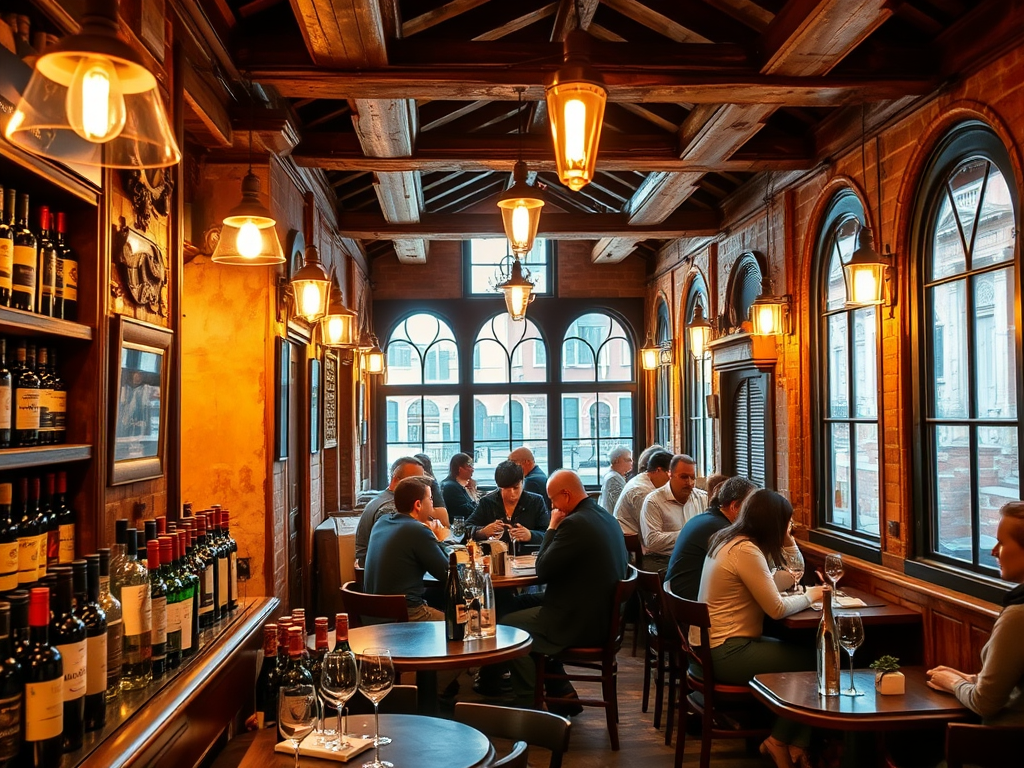
Interior of a cozy Venetian restaurant featuring wooden beams and large windows, with patrons enjoying meals and wine.
A cozy Venetian bacaro with patrons enjoying cicchetti and wine, showcasing the charm of local dining in Venice.
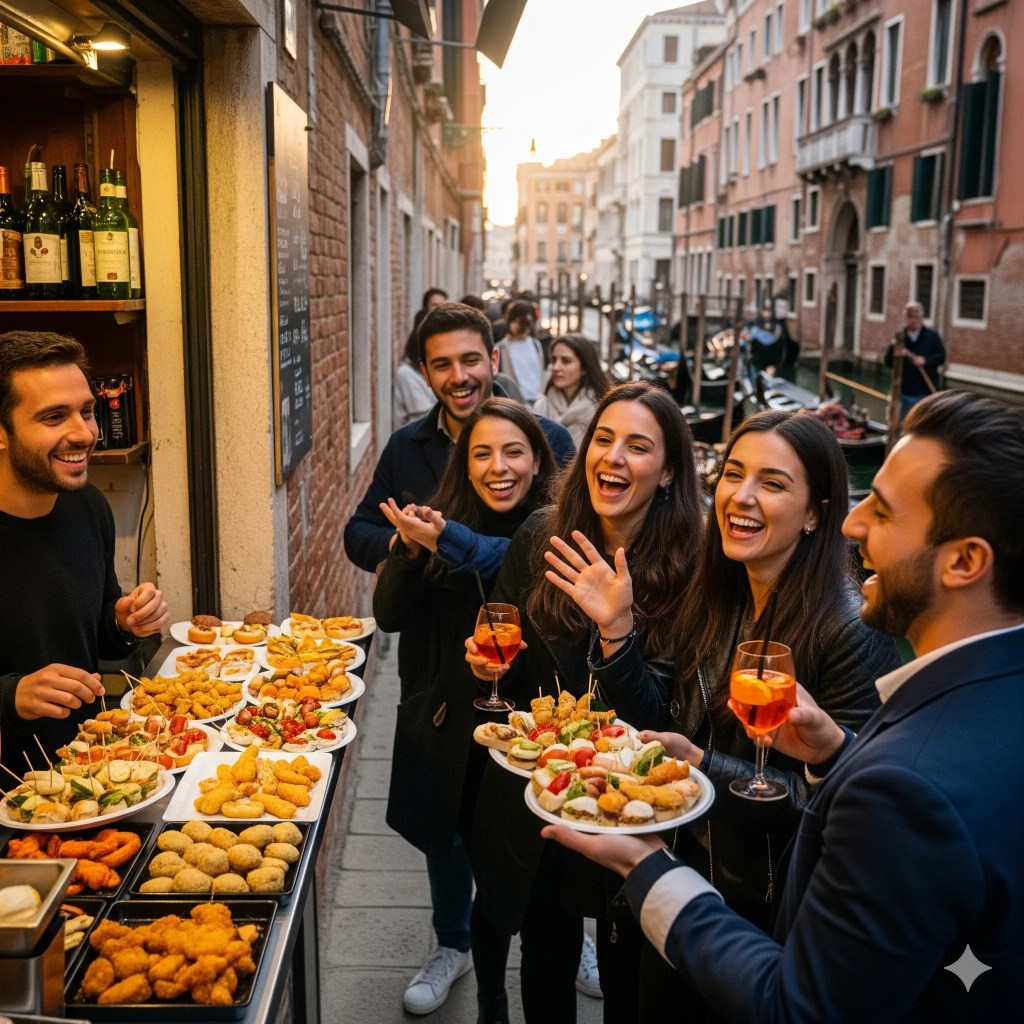
A group of friends enjoying cicchetti and spritz drinks outside a small eatery in Venice, laughing and celebrating the vibrant atmosphere of the city.
Enjoying a vibrant evening in Venice with friends, indulging in delicious cicchetti crawl and spritz on a charming canal.

Saturday: Icons, Tours, & Hidden Courtyards

  • Morning (Early!): Be at Piazza San Marco by 8:30 AM. Why? To have it almost to yourself before the day-tripping crowds arrive. You can admire the Basilica and the Campanile in peace. Pre-book a “Skip the Line” tour for the Basilica—it’s 100% worth it.
  • Late Morning: Book a Walking Tour & Gondola Ride. A guided tour is the best way to learn the history and find those hidden spots you’d never see otherwise. Then, opt for a shared gondola ride from a quieter canal rather than the Grand Canal to save money and enjoy a more intimate experience.
    • 📸 Pro Tip: The light in Venice is magical. To capture it perfectly, I never travel without my lightweight, powerful Sony Alpha Camera. It’s a game-changer for low-light canal shots.
  • Afternoon: Get lost on purpose. Wander away from San Marco into the Castello district. Find the secluded Marinaressa Gardens for a quiet moment with a view of the lagoon. For a true hidden gem, seek out the pedestrian street Calle de le Bande near the Arsenale. It’s lined with artisan workshops and feels a world away from the tourist crowds.
  • Evening: Book a food tour! This was the highlight of my last trip. We visited the Rialto Market in the morning (a fantastic alternative activity) and then enjoyed a cooking class in the evening. Learning to make fresh pasta with a local nonna is an experience you’ll cherish forever.

San Marco Vacations

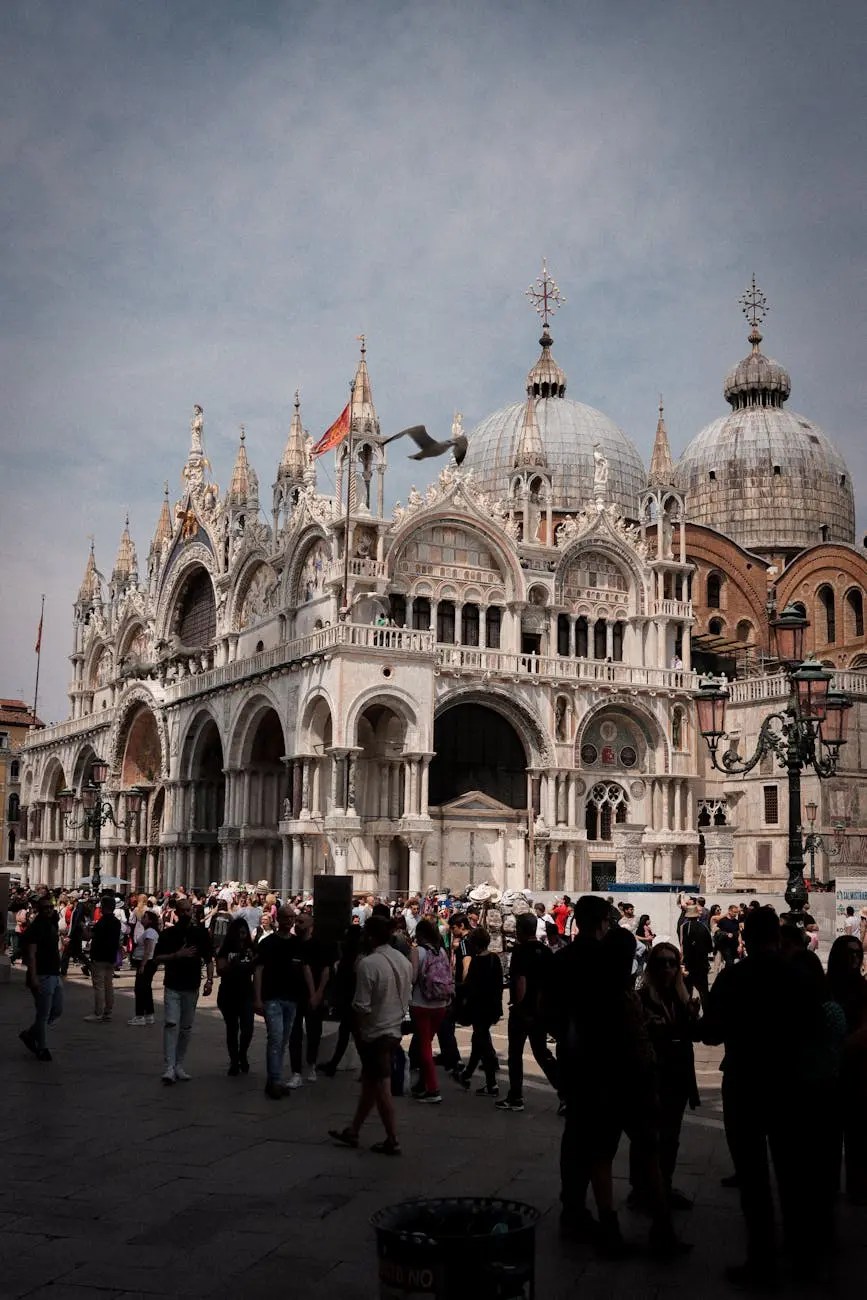
A bustling scene in Venice's St. Mark's Square, featuring the ornate Basilica di San Marco and a crowd of tourists.
St. Mark’s Basilica in Venice, bustling with tourists capturing the city’s breathtaking architecture. A Moment of Awe in Piazza San Marco. It’s impossible not to look up! The sheer scale and intricate details of St. Mark’s Basilica stop everyone in their tracks. While it’s always bustling, arriving right at opening time or later in the afternoon helps you avoid the biggest crowds. ✨ #StMarksBasilica #Venice #ItalyTravel #Architecture #UNESCO

Classic 30 minutes Gondola Ride

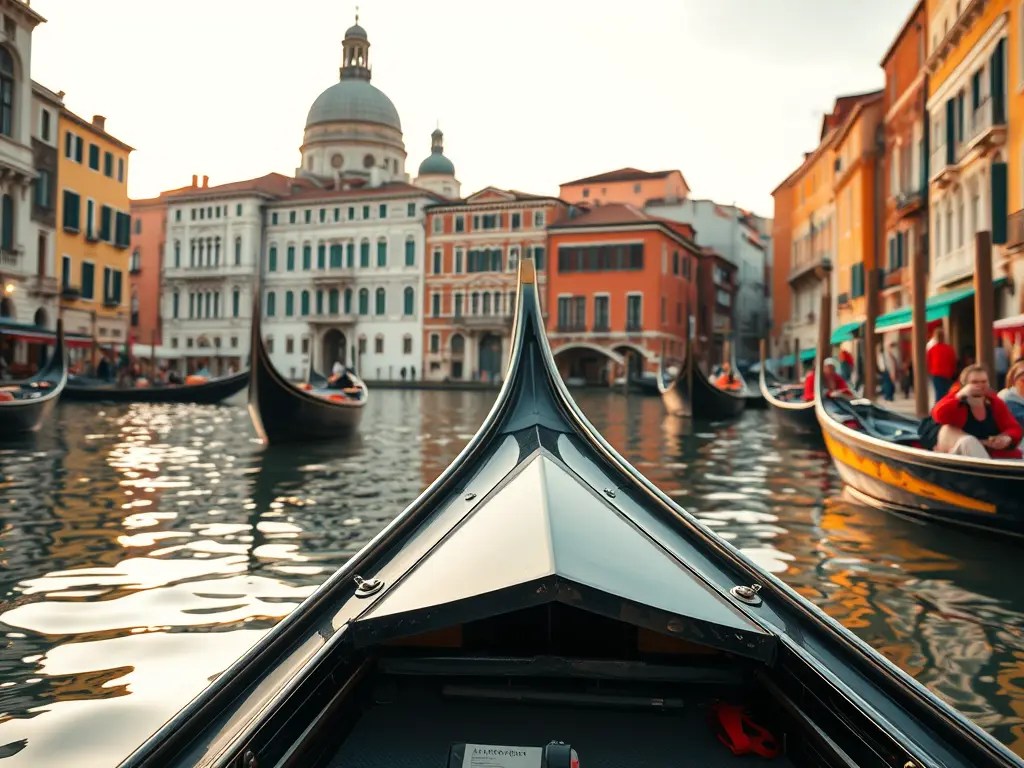
View from the front of a gondola navigating a canal in Venice, surrounded by colorful buildings and other gondolas.
A scenic view from a gondola in Venice, showcasing the iconic architecture and tranquil canals, perfect for an idyllic getaway. The View From the Water. There’s no perspective quite like it! Gliding through the quiet, narrow canals of Venice in a gondola is the only way to truly appreciate the charming decay and beautiful details of the ancient buildings. It’s a moment of pure, peaceful magic. 🛶 #Venice #Gondola #ItalyTravel #HiddenCanals

San Marco Vacations

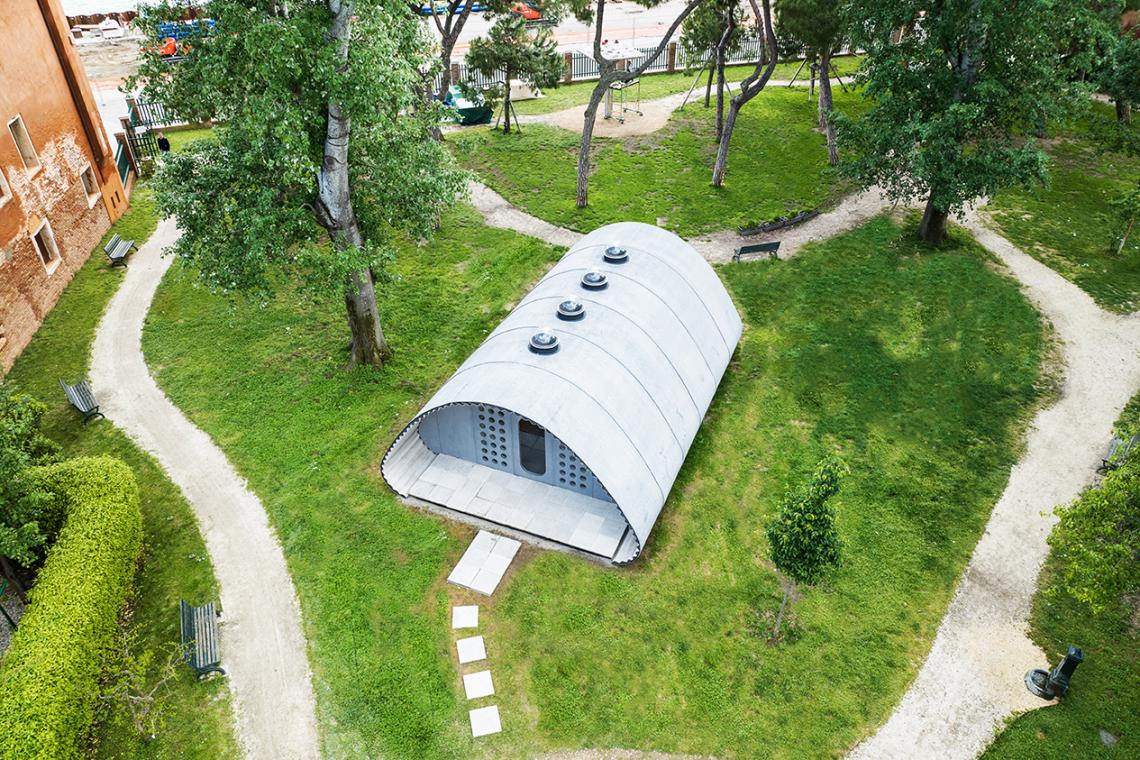
Aerial view of a modern, curved pavilion surrounded by lush green grass and trees in a park.
A modern architectural structure nestled in a green park in Venice, showcasing a unique design amidst natural beauty.

Sunday: Islands, Art, & Last Bites

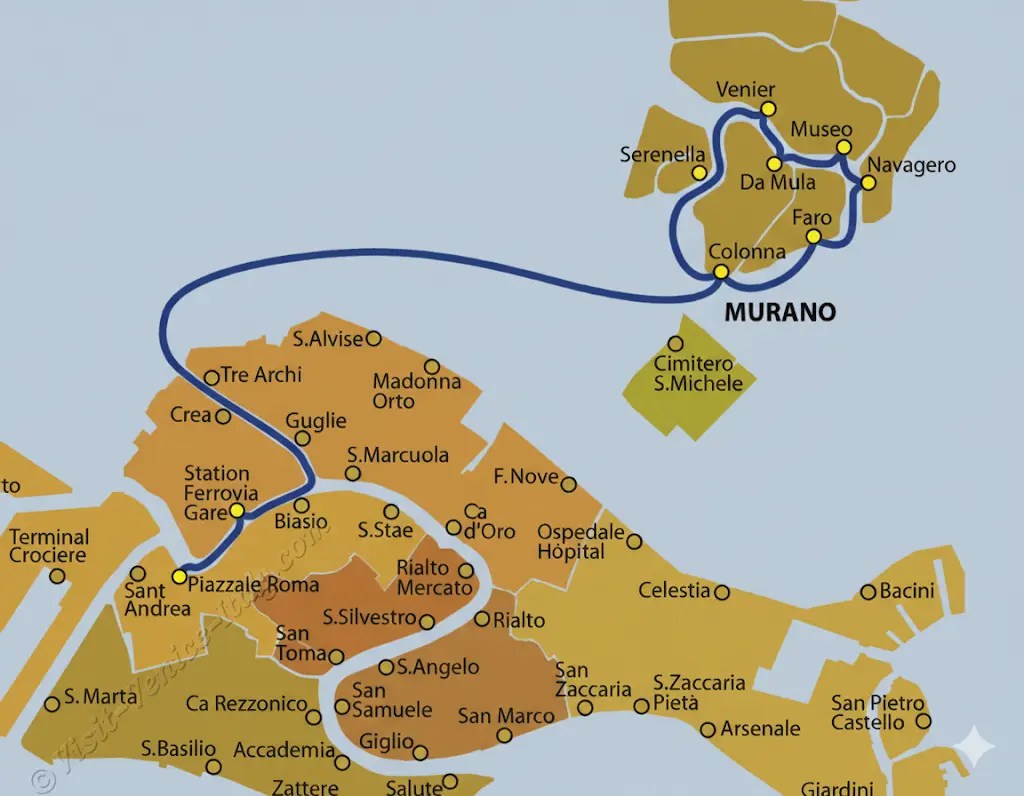
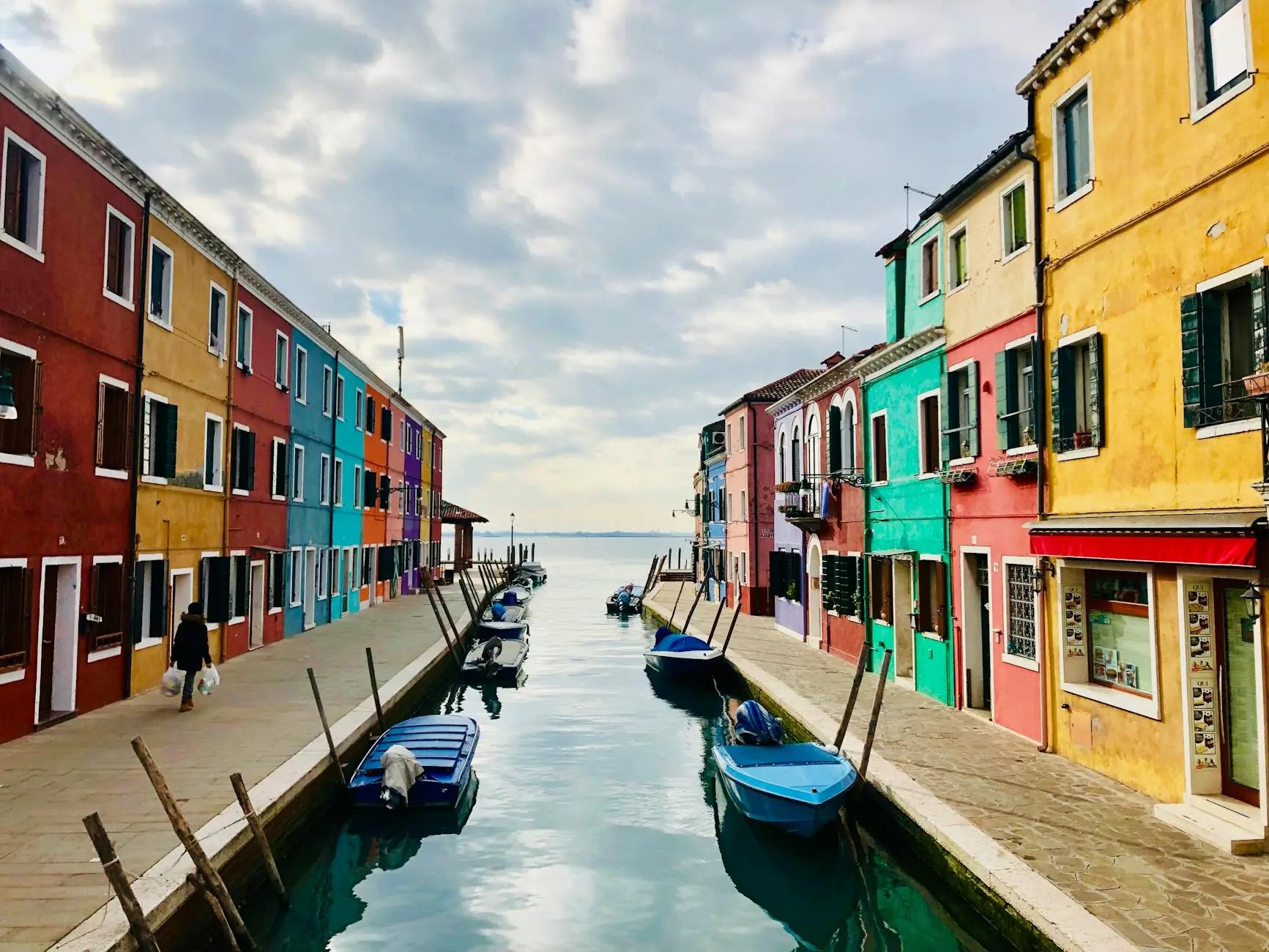
  • Morning: Take the vaporetto to Murano to see glassblowing demonstrations. If you have time, hop over to Burano—the island of brightly colored fishermen’s houses is an Instagram dream and utterly charming.
  • Afternoon: Visit the Dorsoduro district for art. The Accademia Gallery holds the world’s best collection of Venetian art, or check out the modern masterpieces at the Peggy Guggenheim Collection.
  • Late Afternoon: Enjoy one last gelato (I’m a pistachio purist) and slowly make your way back to the station or airport, taking in the final, golden-hour glimpses of the canals.
Map of the Vaporetto routes in Venice, highlighting connections to popular destinations like Murano and the Grand Canal.
  • Vaporetto Fares (Verify with ACTV Official Site):
    • Single Ride: €9.50 (valid for 75 minutes)
    • 72-Hour Travel Card: €45 (unlimited rides)
    • Pro Tip: Validate your card before boarding by tapping it on the electronic readers at the dock.
  • Airport Transfer Options (Marco Polo Airport – VCE):
    • Alilaguna Water Bus (Blue Line): €15, ~1.5 hours to San Marco. Check schedules here.
    • ACTV Bus (#35 or #5): €10, ~20 minutes to Piazzale Roma (then switch to vaporetto).
    • Water Taxi: €100-€150, ~30 minutes (direct to your hotel).

Burano Vacations

A picturesque canal in Burano, Venice, lined with colorful houses and small boats moored along the waterfront, under a cloudy sky.
Colorful houses line the tranquil canals of Burano, Venice, offering a picturesque scene perfect for wanderers and photographers. A Rainbow on the Water: Burano’s Iconic Canal. No filter needed! The fishing island of Burano is famous for its kaleidoscope of vibrant houses, each painted a brilliant color to help fishermen find their way home in the fog. It’s the perfect half-day trip from Venice for photos and a peaceful stroll. 🌈 #Burano #Venice #Italy #ColorfulPlaces

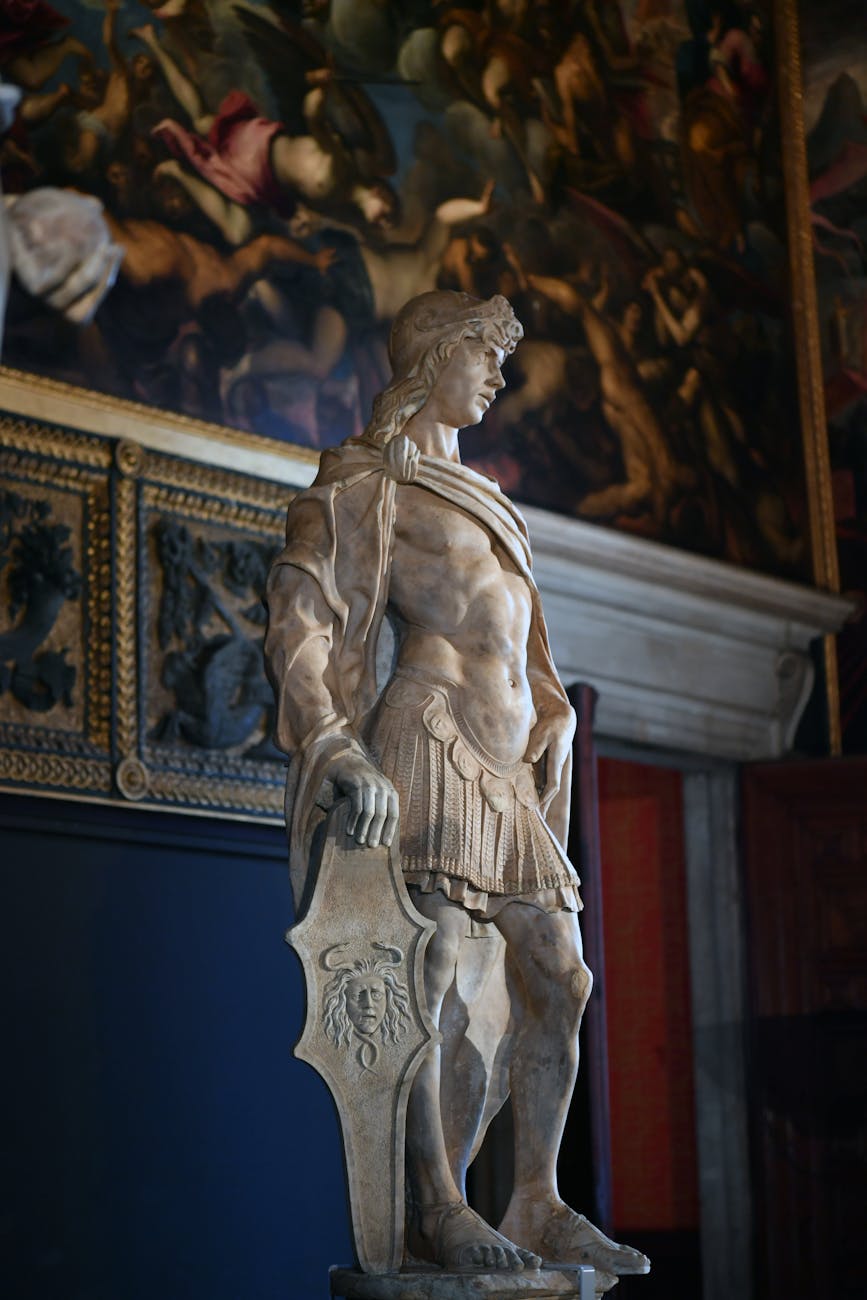
Accademia Gallery David Skip The Line Entrance Tickets

A marble statue of a warrior holding a shield, set against a richly decorated backdrop featuring historical paintings.
A striking statue of a warrior, adorned with intricate details, set against a backdrop of dramatic artwork in a historic Venetian building.

Venice: Peggy Guggenheim Collection Private Tour with Tickets

Venice Travel Toolkit

💰 Saving Money:

  • Eat & Drink Like a Local: Cicchetti and ombre are your best friends. A lunch of a few cicchetti and a glass of wine will cost a fraction of a sit-down restaurant meal.
  • Water: Bring a reusable bottle. Venice has free, clean drinking water flowing from nasoni (big nose) fountains all over the city.
  • Skip the Gondola for a Traghetto: A gondola is a splurge. For just €2, you can ride a traghetto—a local gondola ferry that crosses the Grand Canal at various points. It’s a functional and fun taste of the gondola experience.

🌐 Staying Connected & Secure:
✈️ Travel Tip: Staying connected abroad used to be my nightmare. I’d either pay insane roaming fees or spend an hour at an airport SIM counter. Not anymore. I never travel without my Drimsim—a universal SIM that works in 190+ countries. Pop it in, top up via the app, and you’re online. No contracts, no hidden fees. It’s genuinely liberating.

I also always have my NordVPN active on my phone and laptop, especially when using public WiFi in airports and cafes. It keeps my personal data safe from prying eyes.

✈️ Travel Insurance:
✈️ Smart Travel Tip: I never, ever travel without insurance. A missed flight, a stolen bag, or a unexpected doctor’s visit can ruin a trip financially. I use VisitorsCoverage to compare plans and find the right coverage for every trip. It’s peace of mind in your pocket.


Navigating Like a Local: The Vaporetto

Forget cars. Forget Uber. In Venice, you walk or you take a boat.

  • The Vaporetto: This is the public water bus. It’s the best way to cover long distances (e.g., from the train station to San Marco, or to Murano).
  • The Ticket: A single ride is expensive (€9.50!). If you’re there for a weekend, BUY A TRAVEL CARD. The 72-hour card (€45) is perfect and will pay for itself after about 5 rides. Validate it before your first ride by tapping it on the electronic readers at the dock.
  • The Routes: Line 1 is the “tourist” line that goes slowly down the Grand Canal—great for sightseeing. Line 2 is the express version. ActV is the official app for routes and schedules.
  • Traghetto: As mentioned, these are cheap gondola ferries that cross the Grand Canal. They are a fantastic and authentic time-saver.

Speak a Little Venetian

While most people speak English, a little Italian goes a long way!

  • Ciao (chow): Hello / Goodbye (informal)
  • Buongiorno (bwon-jor-no): Good morning / Good day
  • Grazie (graht-tsee-eh): Thank you
  • Un ombra, per favore (oon ohm-brah, per fa-vor-eh): A small glass of wine, please
  • Quanto costa? (kwan-toh coh-stah): How much does it cost?
  • Dov’è il bagno? (doh-veh eel ban-yo): Where is the bathroom?
  • Scusi: (skoo-zee) Excuse me
  • Un biglietto, per favore: (oon bee-yet-toh, per fah-voh-reh) One ticket, please.

Frequently Asked Questions (FAQ)

Q: What is the best time of year to visit Venice for a weekend?
A: The sweet spots are April-May and September-October. The weather is pleasant, and the crowds are thinner than in the peak summer months. Avoid February if you dislike crowds, as Carnevale brings massive numbers (though it’s an amazing experience!).

Q: Is Venice expensive?
A: It can be, but it doesn’t have to be. By eating cicchetti, using a vaporetto pass, avoiding hotels right on San Marco, and enjoying free activities like wandering and seeing churches, you can manage a budget-friendly trip.

Q: How do I get from Marco Polo Airport (VCE) to the city center?
A: The Alilaguna water bus (blue line) takes you directly to San Marco and takes about 1.5 hours (€15). A water taxi is a direct, glamorous, but expensive (€100-€150) option. The cheaper way is to take the ACTV bus (€10) to Piazzale Roma (the bus terminal in Venice) and then switch to the vaporetto.

Q: What should I do if my flight to Venice is canceled?
A: Don’t panic! Under EU air passenger rights, you could be entitled to significant compensation (up to €600). Instead of fighting the airline yourself, use a service like AirHelp. They handle all the paperwork and legal stuff and only get paid if you win. I’ve used them successfully before—it’s a stress-free way to potentially get a nice chunk of your trip refunded.


Q: Is it easy to find ATMs in Venice?

A: Yes, ATMs (Bancomat) are widely available. Avoid Euronet ATMs as they often have poor exchange rates and high fees. Stick to machines associated with actual Italian banks.

More Travel Inspiration & Backlinks

If you’re considering a longer trip to Italy, be sure to check out my other guides:

Planning a longer Italian adventure? Check out our other ultimate city guides:

Remember, Venice is not just a city—it’s an experience. Go with an open mind, a sense of adventure, and a good pair of walking shoes. Buon viaggio!

Universal Disclaimer/Disclosure Page:

Weekend Guide to Florence Italy: Budget Tips & Hidden Gems

Meta Description

 Plan your weekend in Florence, Italy. Get a practical 2-day itinerary, hidden gems, transport tips, and essential phrases to save time and money on your Tuscan escape.

The Ultimate Weekend Escape to Florence, Italy

Table of Contents

  1. Why Florence for a Weekend?
  2. When to Visit (Best Time + Crowd Hacks)
  3. Visa Basics & Cost-Saving Tips
  4. Getting There & Getting Around
    • By plane, train, car
    • Local transit: bus, tram, walking routes
    • Money- and time-saving route hacks
  5. Where to Stay: Budget Gems & Local Flavor
  6. Hidden Gems & Personal Anecdotes
  7. Smart Travel Gear You’ll Actually Use
  8. Top Tips to Save Money & Time
  9. Key Italian Phrases Every Traveler Needs
  10. FAQ
  11. Ready to Book? (CTAs)

1. Why Florence for a Weekend?

Picture Renaissance art wrapped in gelato-scented alleyways, epic views from terraced gardens, and the scent of fresh basil drifting from every trattoria. Florence is compact, walkable, and brimming with history—perfect for a cozy, culture-packed weekend.

Florence is a city that needs no introduction, yet it always deserves one. It’s a place where every cobblestone whispers a story of the Renaissance, and every corner trattoria serves up more than just pasta—it serves history. Perfectly walkable and endlessly fascinating, it’s the ideal candidate for a spectacular weekend getaway. I’ve gotten blissfully lost on its streets more times than I can count, and I’m here to be your virtual guide for the perfect 48-hour Florentine fling. Let’s make every second count.

Flights to Florence

“Fresh from the history-packed alleys of Rome (check out my ‘Ultimate Weekend Guide to Rome’), you’ll find Florence’s Renaissance flair a perfect next stop—just a quick train ride away.”

Honestly, is there a city more perfectly sized for a weekend? You can cross the historic center on foot in under 30 minutes, stumbling upon a world-class masterpiece or a life-changing pasta dish around every corner. The vibe is a magical mix of scholarly passion and laid-back Tuscan charm.

And while its Renaissance roots run deep, the city is constantly evolving. As noted in a recent feature, Florence is experiencing a modern revival, with new contemporary art spaces and innovative chefs reinventing classic dishes, making it more dynamic than ever.

Hotels in Florence

Thinking of exploring more of Italy? I found that pairing Florence with a trip to the coastal villages of Cinque Terre made for an incredible contrast of art and nature. Or, if you’re fascinated by  fashion and design, the journey to Milan is a train ride you’ll never forget.

2. When to Visit (Best Time + Crowd Hacks)

Aim for shoulder seasons: March–May (spring) or September–November (autumn) for ideal weather and manageable crowds Skip the crush of mid-summer or peak holiday periods. For budget lodging deals, consider March, November, or mid-August .

Visa Basics & Cost-Saving Tips {#visa-tips}

If you’re from the U.S., Canada, or most of Europe, a 90-day Schengen tourist visa is likely already in your pocket! No cost, as long as your passport is valid for at least 3 months beyond your stay. For other nationalities, check your embassy’s site early to avoid surprises.

  • Budget: Florence isn’t cheap, but it’s doable. Budget for museum entries (€15-25 each), meals (€15-25 for a trattoria lunch, €30-50+ for dinner), and gelato (€2.50-4… have it twice a day, I won’t judge).
  • Best Time to Visit: Spring (April-June) and Fall (September-October) offer pleasant weather and thinner crowds. August is ferociously hot and crowded.

Your Day-by-Day Florence Itinerary: Art, Food & Gelato

Day 1: The Renaissance Blockbusters

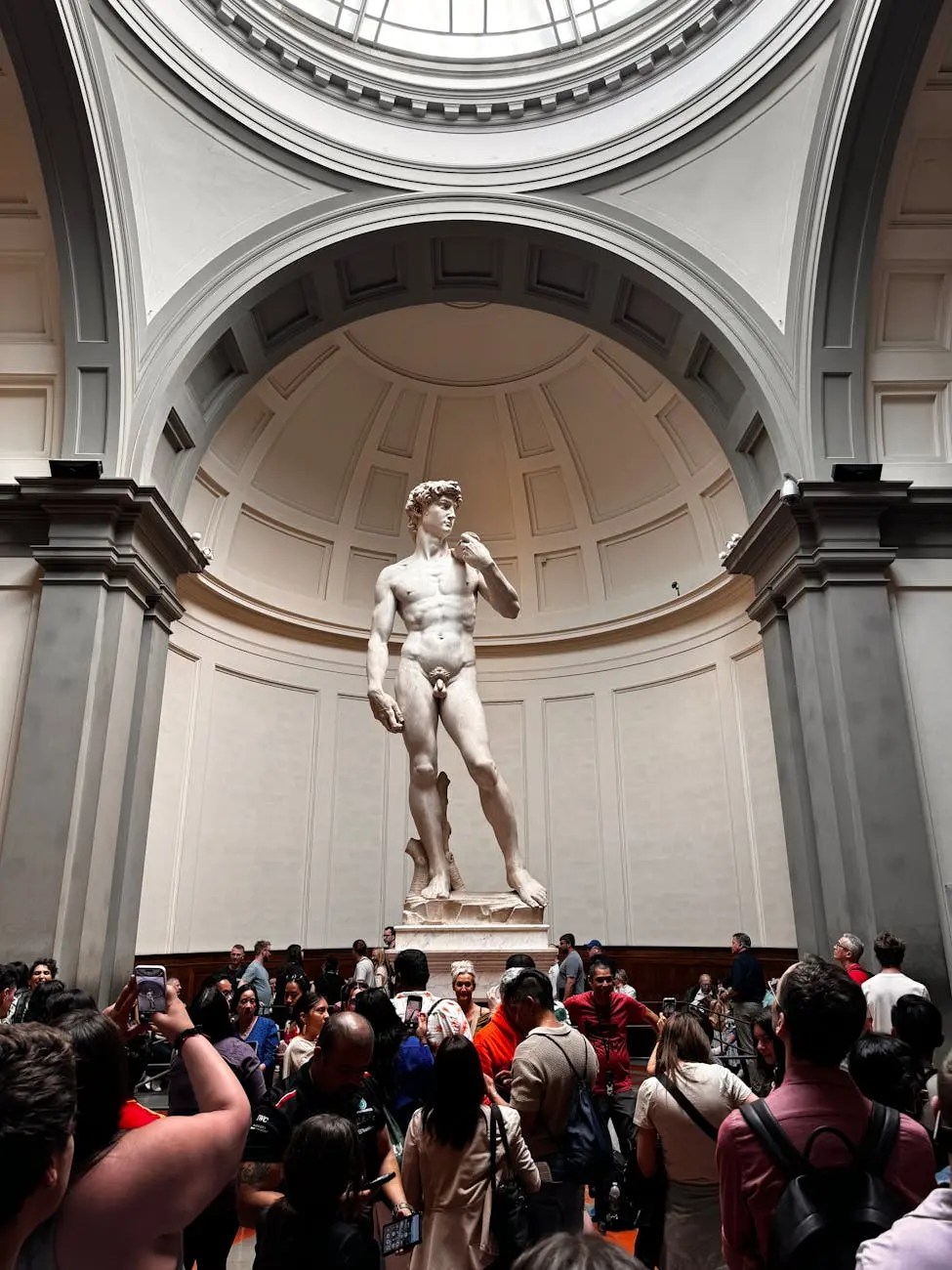
  • Morning (9:00 AM): Start your engines with a strong espresso and head straight to the Galleria dell’Accademia. Yes, you’re here for one man: Michelangelo’s David. Book your tickets online weeks in advance. I cannot stress this enough. It saves you hours of queueing and is worth every penny for the stunned silence you’ll experience standing before him.
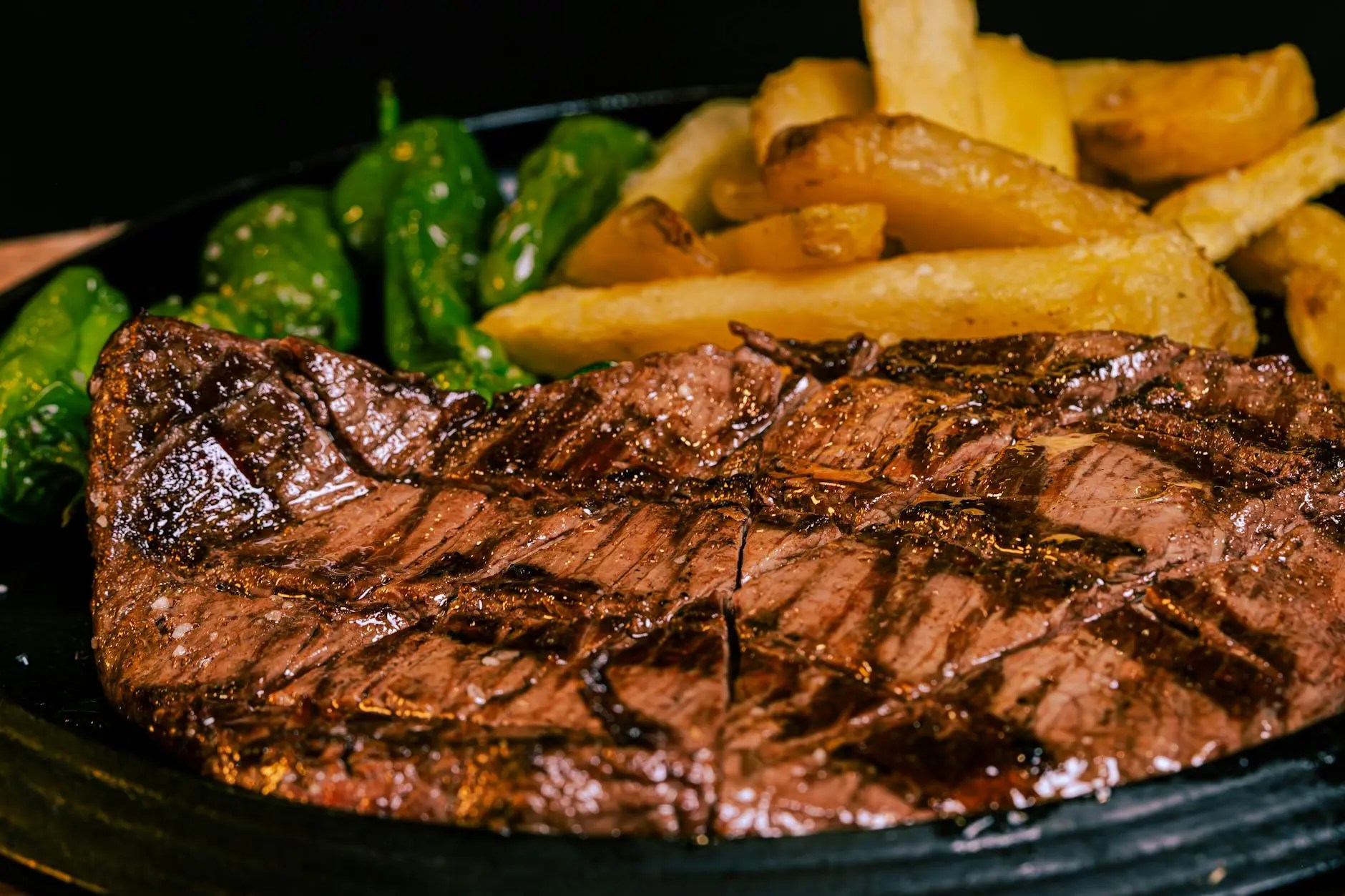
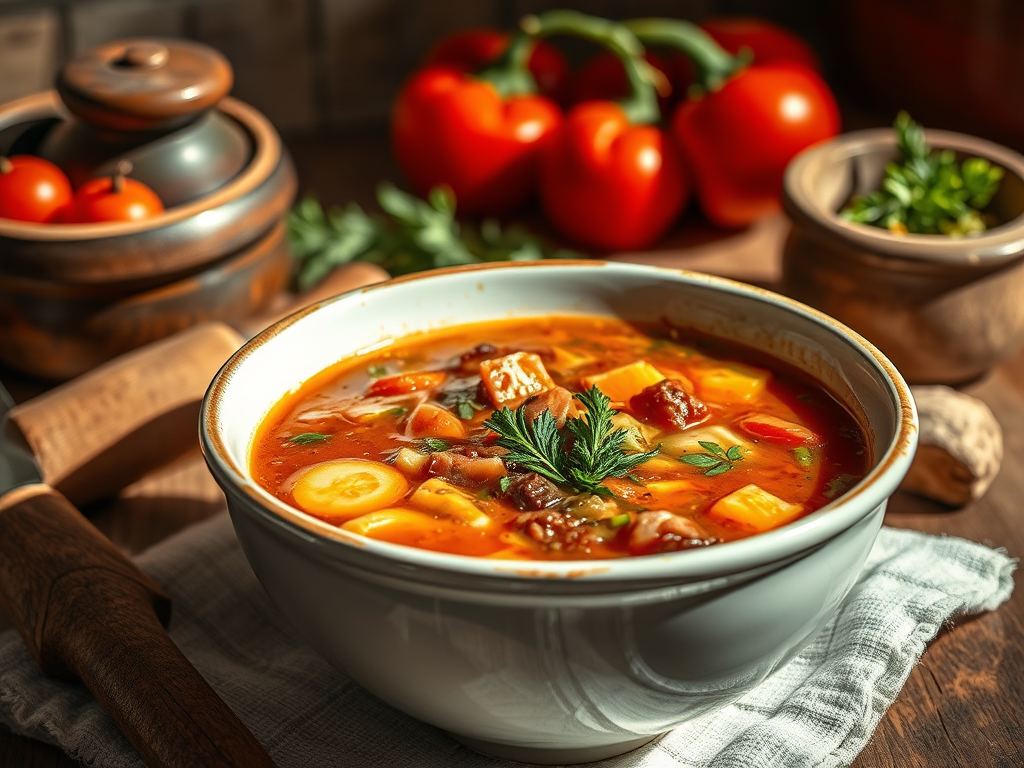
  • Afternoon (1:00 PM): Grab a classic Florentine lunch. Skip the tourist traps right by the museums and find a trattoria for a Bistecca alla Fiorentina (a massive T-bone steak) or a hearty Ribollita (Tuscan bread soup). Trust me, you’ll need the energy.
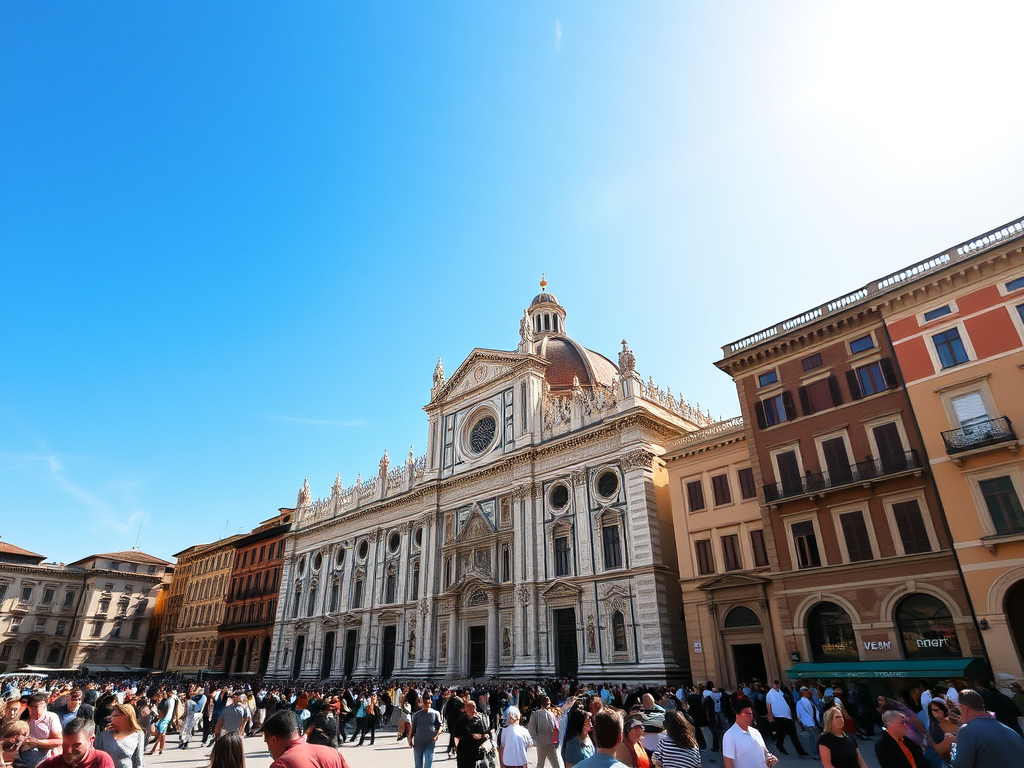
  • Late Afternoon (3:00 PM): Wander towards the Piazza del Duomo. Marvel at the cathedral, the baptistery, and Giotto’s bell tower. If you have the stamina, climb Brunelleschi’s dome for a heart-pounding (literally) view over the city. Pro-tip: The climb is narrow and steep, but the panorama is unbeatable.
  • Evening (7:30 PM): Cross the iconic Ponte Vecchio at sunset. The goldsmith shops are closed, but the golden light on the Arno River is pure magic. Find dinner in the Oltrarno district (“the other side” of the river) for a more local vibe.

Skip the Line: Florence’s Accademia Gallery Priority Entrance Ticket

A crowded museum interior featuring Michelangelo's statue of David, with visitors taking photos and admiring the artwork.
The iconic statue of David by Michelangelo, surrounded by captivated visitors at the Galleria dell’Accademia in Florence.
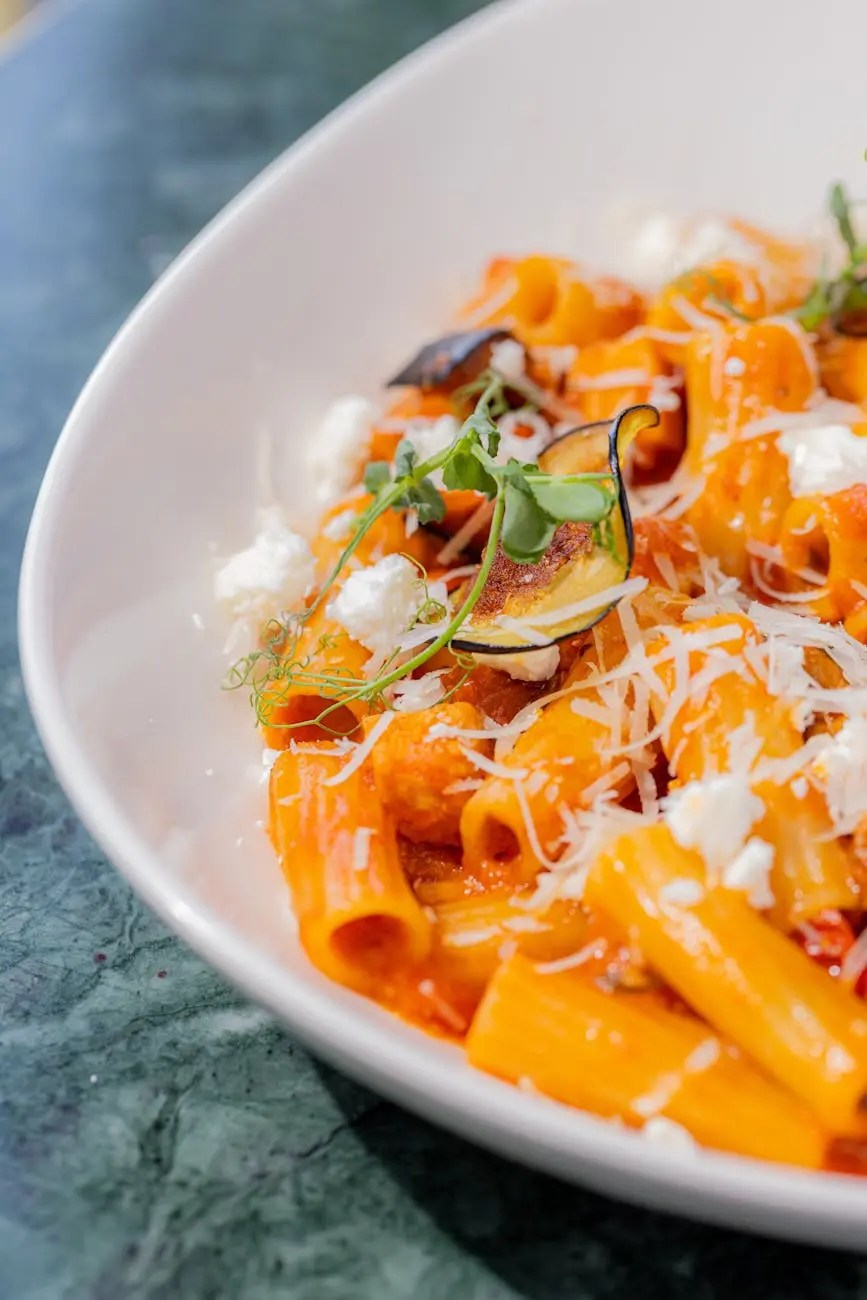
Close-up of a plate of pasta with a rich tomato sauce, topped with grated cheese and fresh herbs.
Delicious rigatoni pasta served with a rich tomato sauce, topped with fresh herbs and cheese, ideal for a Florence dining experience.

A close-up image of a perfectly grilled Bistecca alla Fiorentina, a traditional Florentine T-bone steak, served with green peppers and golden fries.
A delicious serving of Bistecca alla Fiorentina, a traditional Florentine T-bone steak, accompanied by crispy fries and green peppers.
A bowl of hearty vegetable soup garnished with fresh herbs, surrounded by red tomatoes and green peppers, with wooden utensils and a rustic setting.
A vibrant bowl of hearty Tuscan soup surrounded by fresh vegetables, perfect for a cozy meal after exploring Florence.

Piazza del Duomo Tours

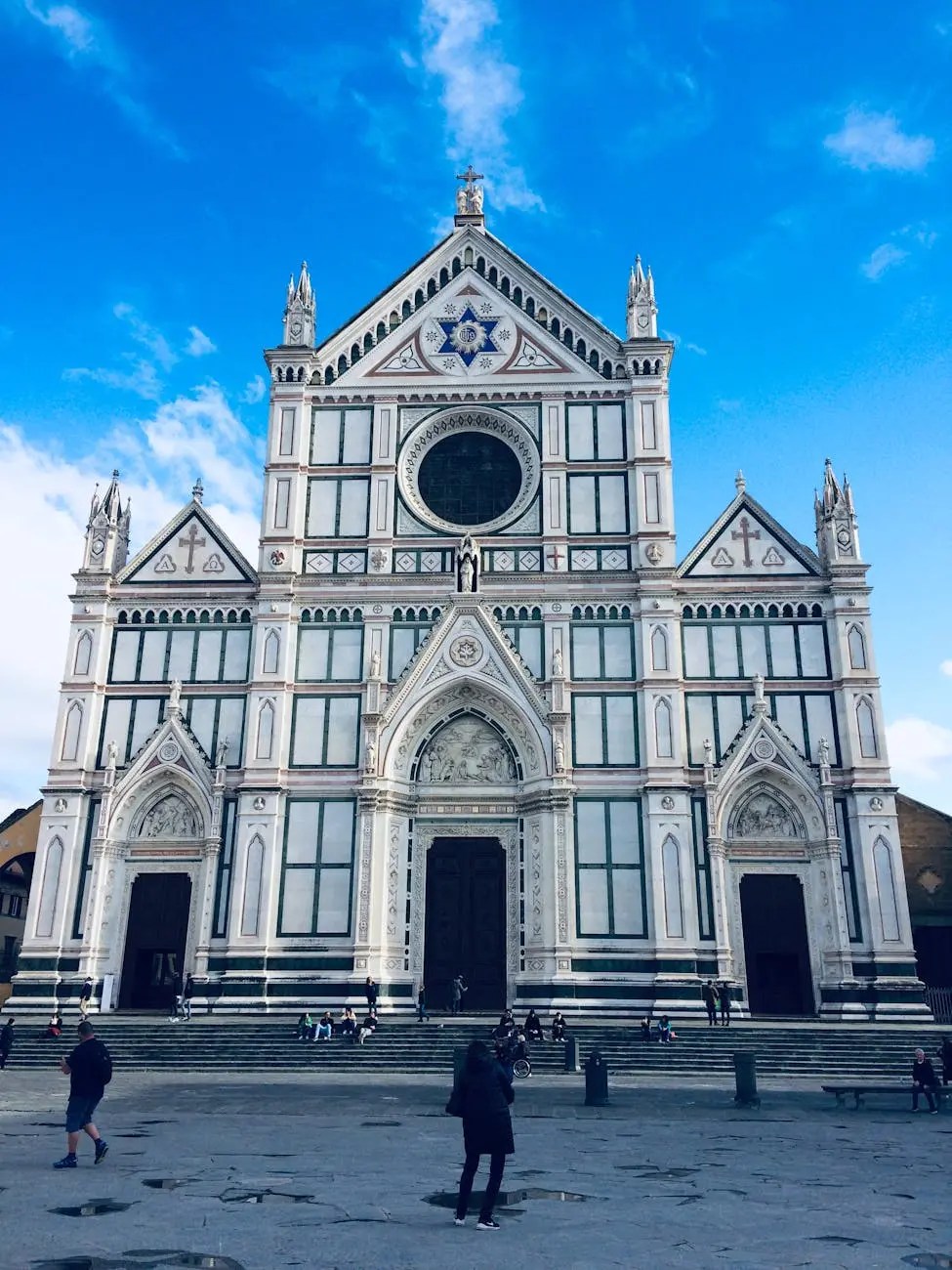
A bustling square in Florence, Italy, featuring the stunning façade of the Basilica di San Lorenzo, with crowds of tourists gathered below against a clear blue sky.
The stunning facade of the Basilica di Santa Croce in Florence, surrounded by vibrant crowds enjoying a sunny day.

“Florence isn’t short on piazzas with jaw-dropping churches. While Piazza del Duomo dazzles with its giant dome that looks like it was built just to flex on other cathedrals, Piazza Santa Croce has its own bragging rights—it’s basically the VIP cemetery of Renaissance geniuses.”

Florence Baptistery Tours

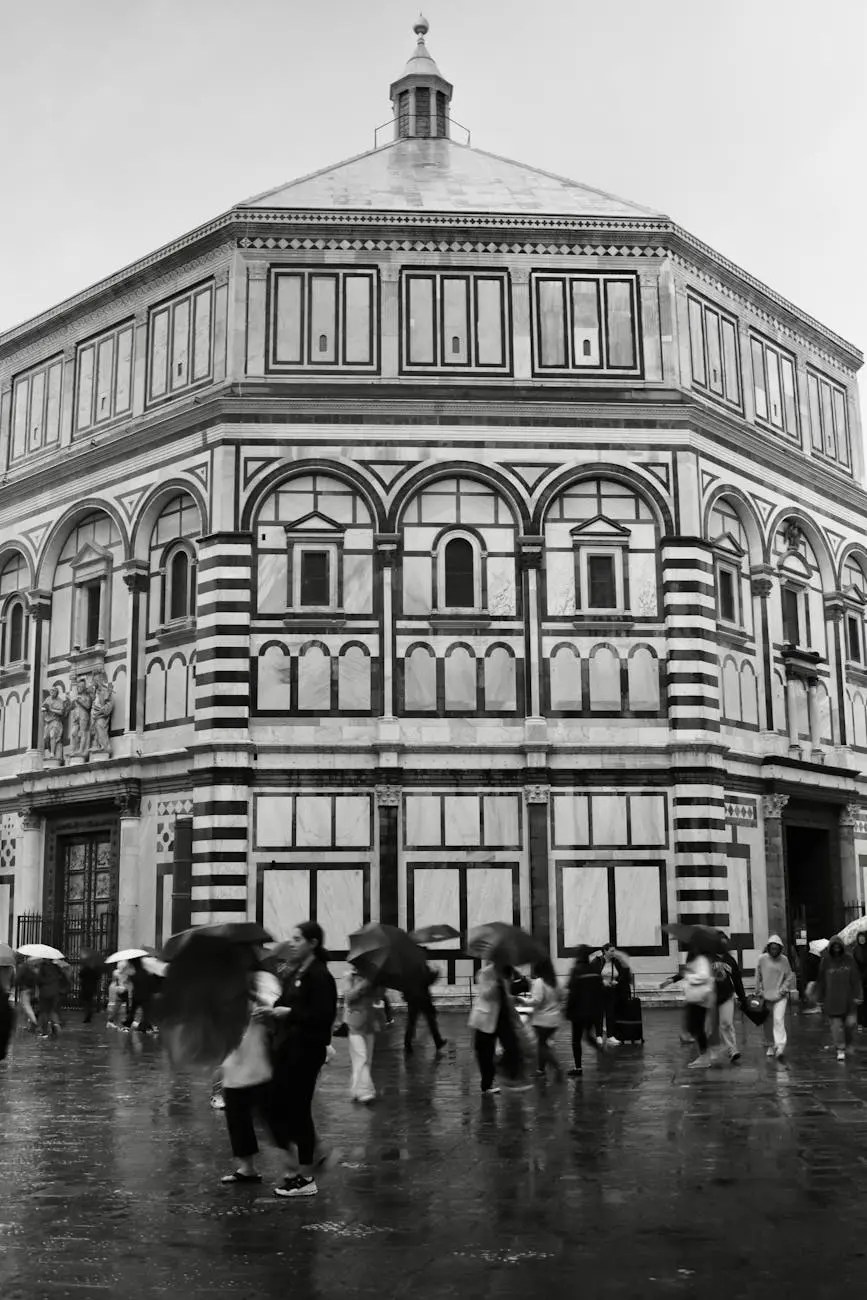
A black and white image of the Florence Baptistery, featuring its intricate architectural details and ornamental designs, with people walking in the rain, some carrying umbrellas.
The stunning Baptistery of St. John in Florence, showcasing its intricate marble facade amidst a rainy day.

Giotto’s Campanile Tours

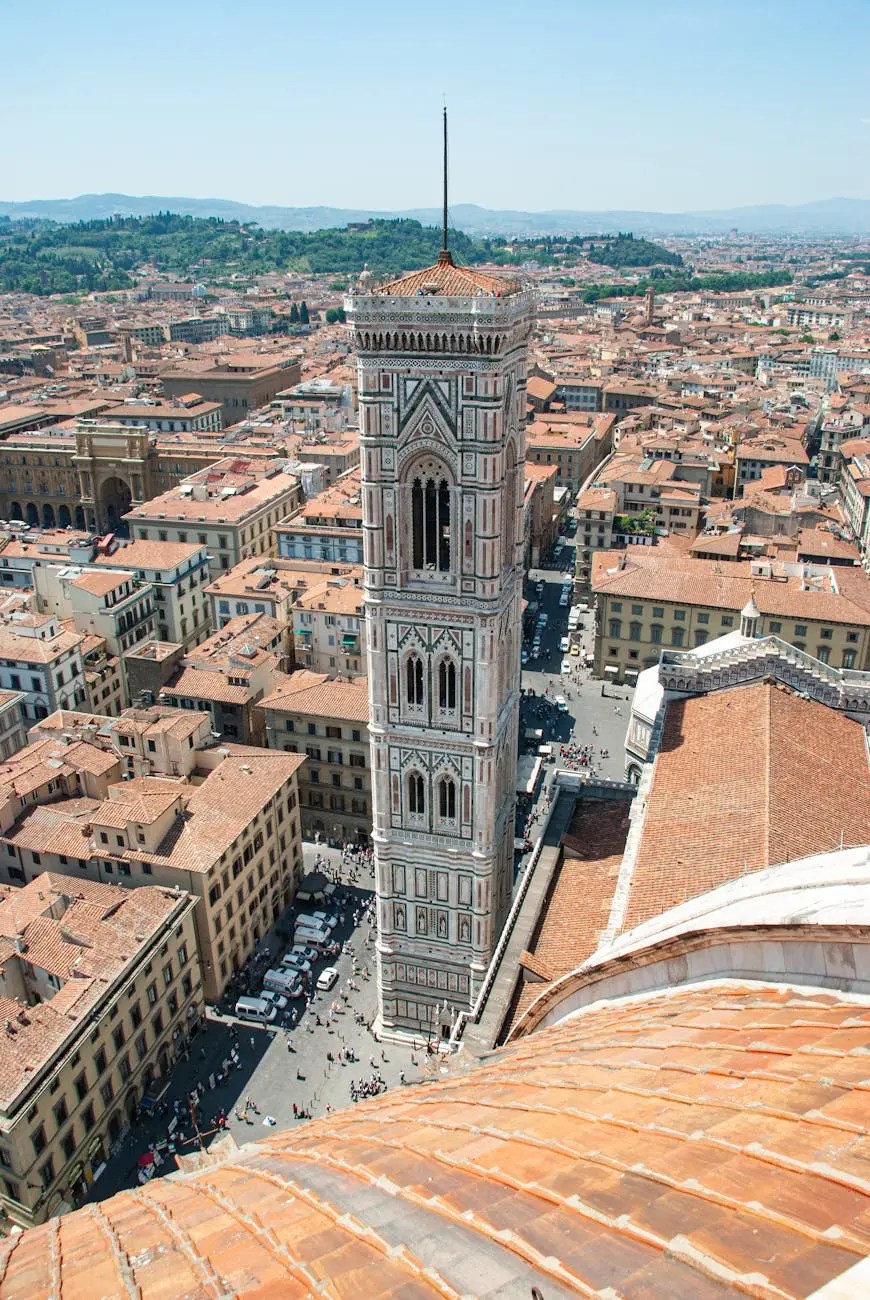
Aerial view of Florence with the Giotto's Campanile tower prominently featured, surrounded by terracotta rooftops and distant hills under a clear blue sky.
Aerial view of Florence’s iconic Giotto’s Campanile, showcasing its stunning architecture amidst the cityscape.

Florence: Brunelleschi’s Dome Entry Ticket and Duomo Complex

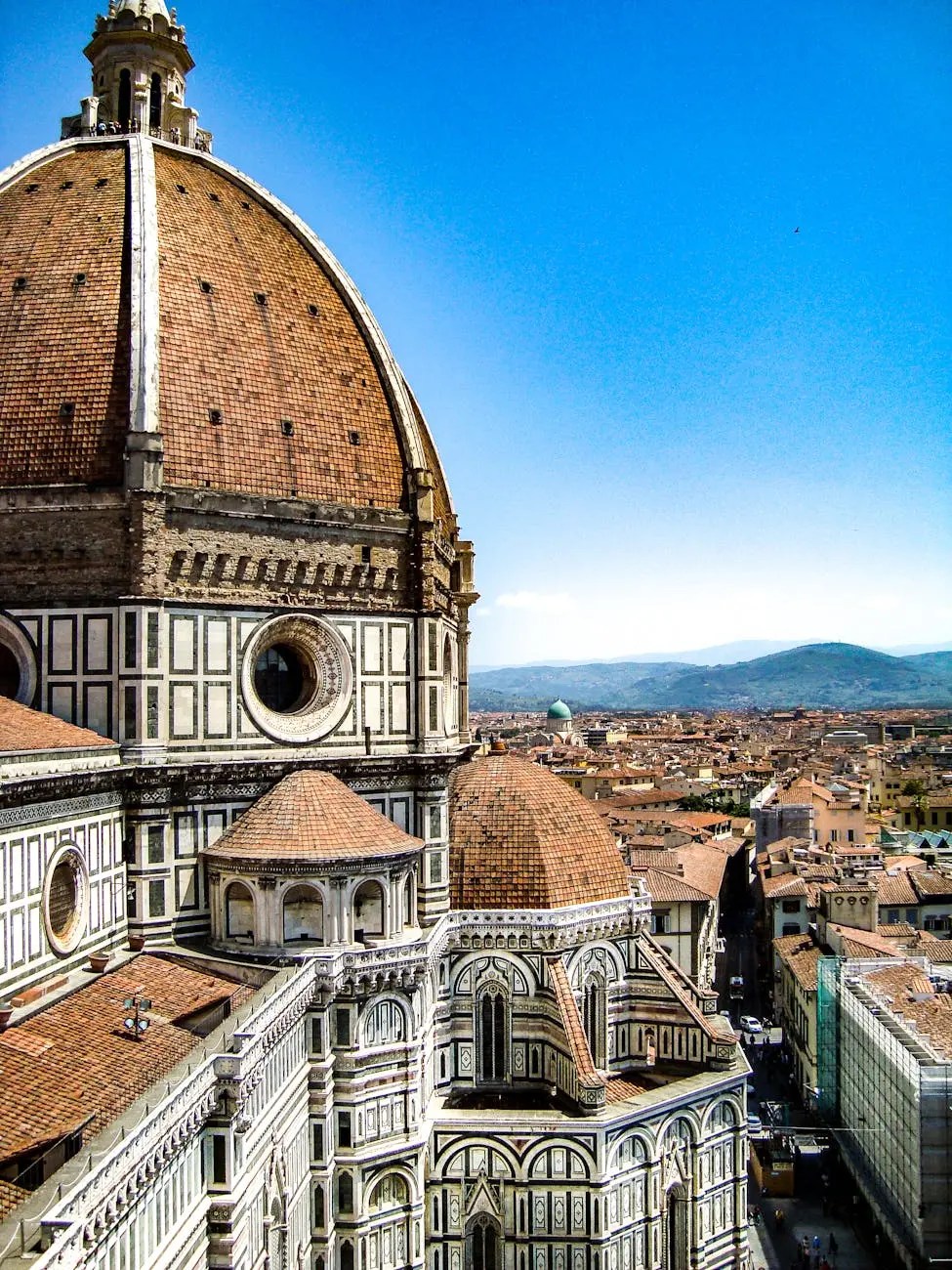
A panoramic view of Florence showcasing the intricate architecture of the Florence Cathedral and its iconic dome against a clear blue sky.
View of Florence’s iconic Duomo and the city’s terracotta rooftops under a clear blue sky.

Ponte Vecchio Tours

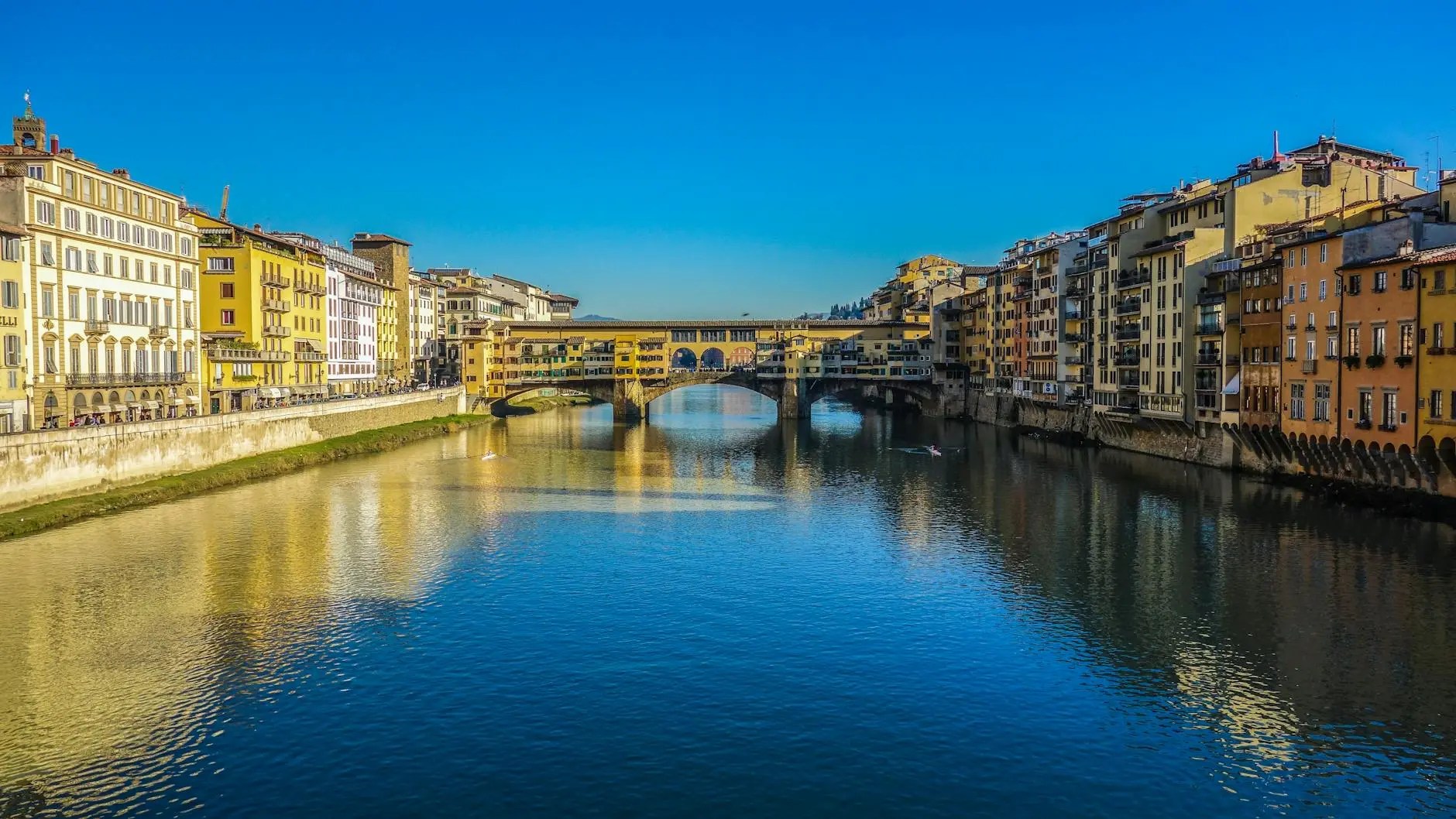
Scenic view of the Ponte Vecchio bridge over the Arno River in Florence, Italy, with colorful buildings lining the riverbanks under a clear blue sky.
The iconic Ponte Vecchio bridge spans the Arno River, surrounded by the picturesque buildings of Florence, Italy.

Arno River Tours

Oltrarno at Sunset: Florence Food & Wine Tour

Day 2: Medici Power & Panoramic Views

  • Morning (9:30 AM): Dive into the Medici family’s legacy at the Uffizi Gallery. This is where you’ll find Botticelli’s “Birth of Venus” and a staggering collection of Renaissance art. Again, PRE-BOOK YOUR TICKET. Your future self, sipping a prosecco instead of standing in a two-hour line, will thank you.
    • Personal Anecdote: I once made the mistake of not booking and spent what felt like half my day in a queue. I now have a Pavlovian response to the word “Uffizi”—I immediately reach for my laptop to book tickets.
  • Afternoon (1:30 PM): Time for a food coma prevention strategy: more walking! Climb up to Piazzale Michelangelo. Yes, it’s a hike, but the postcard-perfect view of Florence’s skyline is your reward. There’s also a bus (#12) if your legs have given up on you.
  • Late Afternoon: Explore the Basilica of Santa Croce, the final resting place of legends like Michelangelo, Galileo, and Machiavelli. It’s strangely inspiring.
  • Evening: Enjoy your last Florentine feast. Order a plate of Pappardelle al Cinghiale (pasta with wild boar sauce) and a glass of Chianti. You’ve earned it.

I once didn’t book and spent half my day in a queue. I now have a Pavlovian response to the word “Uffizi”—I immediately book tickets

Uffizi Gallery Tours

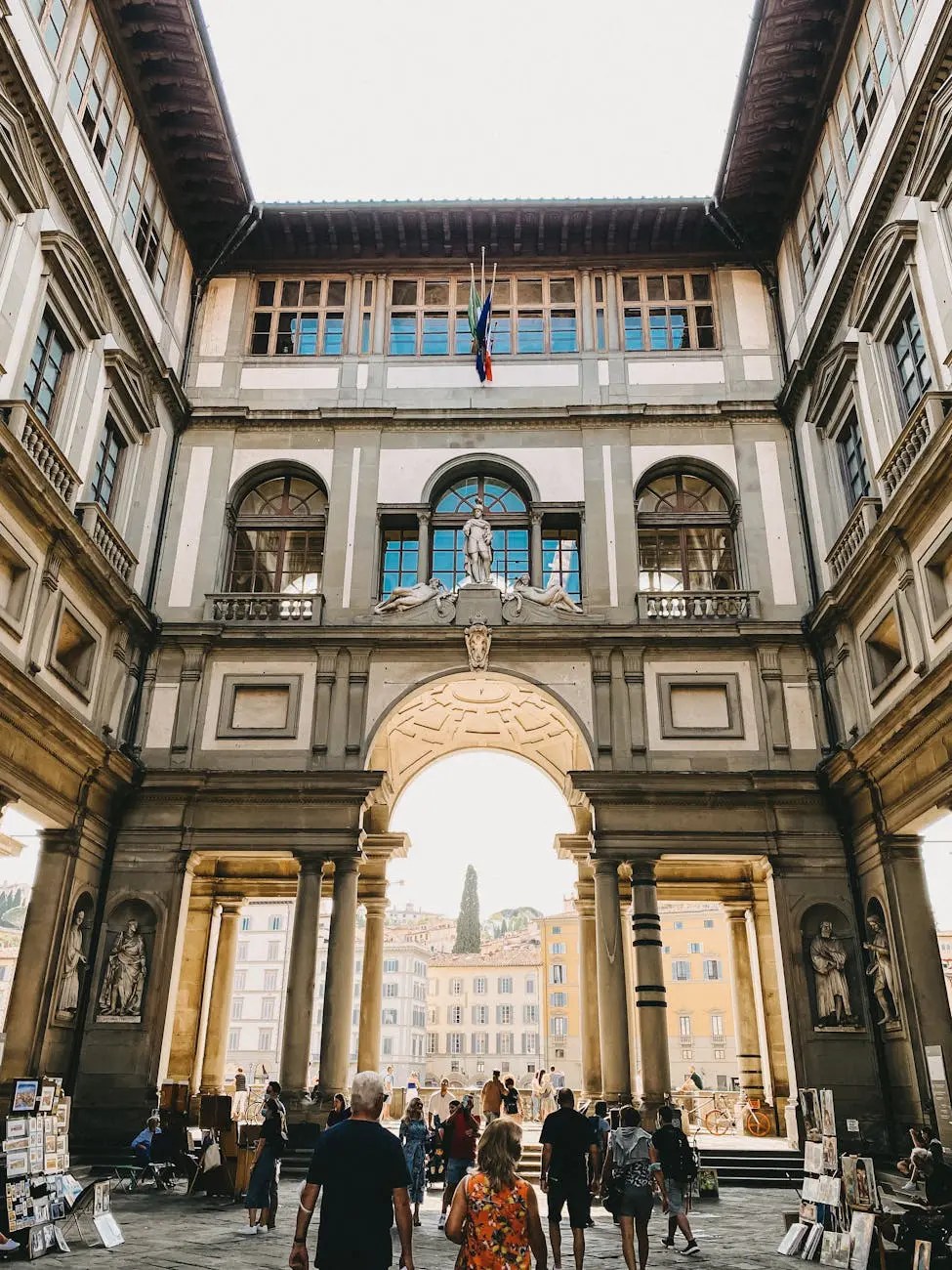
Interior view of the Uffizi Gallery in Florence, Italy, showcasing the architectural details and visitors exploring the space.
Visitors explore the stunning Uffizi Gallery archway in Florence, Italy, a hub of Renaissance art.

Piazzale Michelangelo Tours

Basilica of Santa Croce Tours

Facade of the Basilica of Santa Croce in Florence, Italy, showcasing intricate architecture and detailed stonework against a clear blue sky.
The stunning Basilica of Santa Croce, a historical site in Florence, showcasing intricate architecture against a bright blue sky.

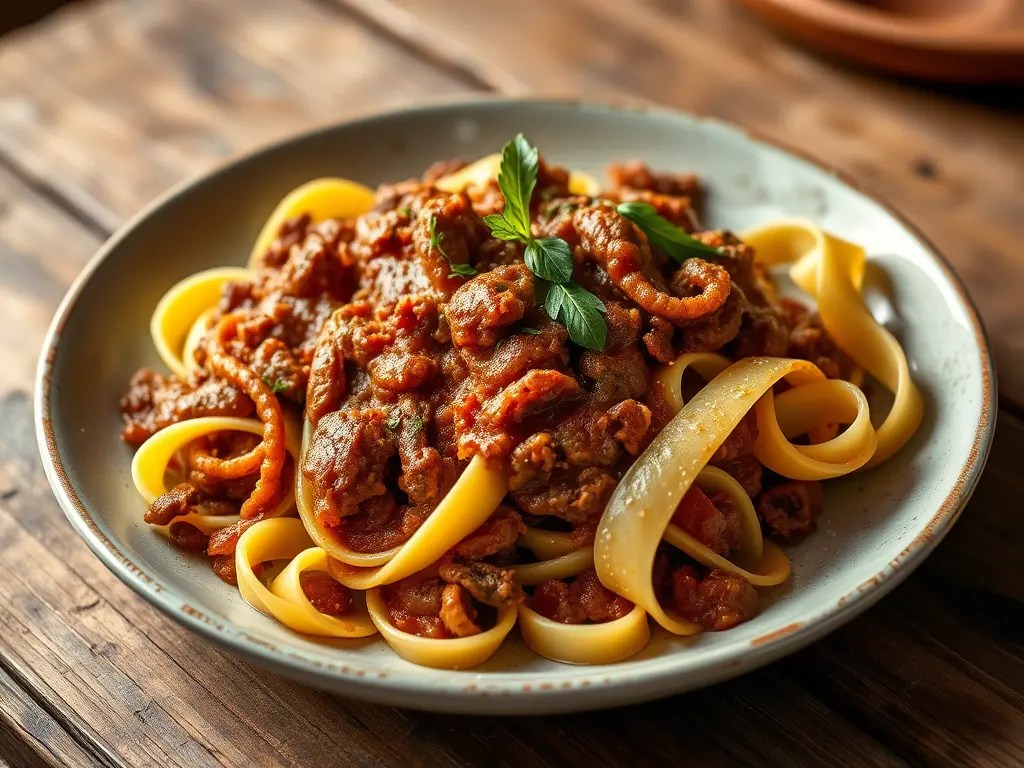
A close-up of a plate of fettuccine pasta topped with a rich meat sauce, garnished with fresh herbs, set on a wooden table.
Delicious Pappardelle al Cinghiale, a must-try dish in Florence, featuring pasta topped with rich wild boar sauce.

Chianti Half Day Wine Tour from Florence

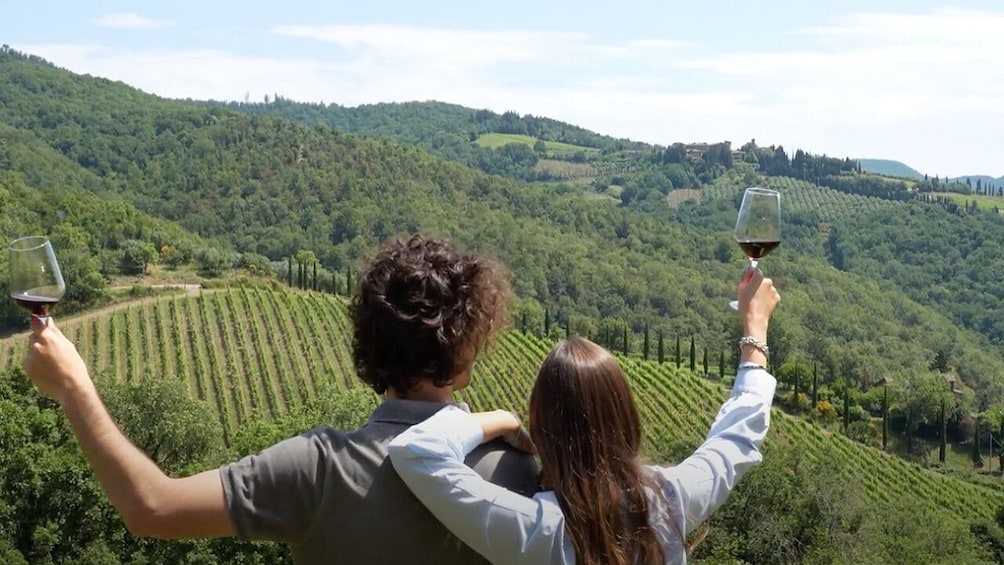
A couple enjoying wine with a scenic view of rolling vineyards in Tuscany, Italy.
Enjoying a toast in the scenic vineyards of Tuscany, surrounded by lush hills and rows of grapevines.

Navigating Firenze: Transport Tips to Save Time & Money

On Foot: This is your primary mode of transport. The historic center is a ZTL (Limited Traffic Zone), so cars are mostly a no-go. Wear comfortable shoes—cobblestones are beautiful but brutal on unsupportive footwear.

By Bus: The local ATAF bus network is your best friend for longer distances, like getting up to Piazzale Michelangelo. Buy tickets before you board from tobacco shops (tabacchi), newsstands, or machines at major bus stops. You must validate your ticket on the bus. A 90-minute ticket costs around €1.50.

By Train: The main station, Firenze Santa Maria Novella (SMN), is right in the city center. This is your gateway if you’re arriving from other Italian cities like Rome, Venice, or Pisa. It’s incredibly efficient.

By Car: Don’t drive into Florence. Seriously. The ZTL fines are hefty and sent to your home months later. If you’re on a Tuscany road trip, park at a secured lot on the outskirts and walk in. I learned this the expensive way.

🗺️ Money-Saving Tip: Consider a Firenze Card if you’re a museum power-user. It covers entry to most major sites and includes public transport. Do the math based on your itinerary to see if it’s worth it for you.

Getting There & Getting Around

ModeTip
By PlaneFly into Florence (FLR) or Pisa (PSA); often, low-cost flights land in Pisa—grab a quick train (~1 h) to Florence.
By TrainFrom Rome (~1.5 h) or Bologna (~35 min), train is fast, scenic, and avoids parking drama.
By CarRenting gives flexibility for countryside trips, but traffic and ZTL zones can bite—plan routes and parking ahead.
Local TransitBuses and two tram lines cover almost everything. Day passes are money-savvy. Otherwise, Florence is ultra-walkable!
Route HacksDo a “Renaissance Walk” early morning or late afternoon to dodge heat and lines (Rick Steves).

Beyond the Guidebook: Hidden Gems & Local Secrets

  • The Secret Bakeries: After midnight, follow your nose in the Oltrarno district. Some bakeries supply pastries to cafes and will sell warm, freshly baked cornetti (Italian croissants) from their back doors for a euro. It’s a poorly kept secret among students and night owls.
  • La Specola: Tired of paintings? This museum houses a fascinating and slightly creepy collection of anatomical wax models from the 18th century. It’s unique and often overlooked.
  • Santo Spirito Square: Skip the more touristy Piazza della Signoria for an aperitivo. Grab a spritz, sit on the steps of the basilica, and watch local life unfold.
  • Get a Great Shot: Everyone goes to Piazzale Michelangelo. For a different, crowd-free perspective, walk a little further to the Abbazia di San Miniato al Monte. The view is just as stunning, and the ancient church is serene.
A close-up view of freshly baked pastries filled with creamy filling, dusted with powdered sugar, on a wooden table.
Delicious Italian pastries dusted with powdered sugar, perfect for a sweet treat during your Florence weekend escape.

La Specola Observatory Tours

Santo Spirito

San Miniato al Monte Tours

Interior view of a historic church in Florence, showcasing intricate architectural details, columns, and decorative patterns.
Inside the stunning Basilica of Santa Croce, an architectural gem showcasing Gothic design and rich history.(san miniato al monte)

Essential Italian for the Weekend Wanderer {#italian-phrases}

A little goes a long way!

  • Ciao (chow) – Hello / Goodbye (informal)
  • Buongiorno (bwon-jor-no) – Good morning / Good day
  • Grazie (grah-tsee-eh) – Thank you
  • Per favore (per fa-vor-eh) – Please
  • Dov’è il bagno? (doh-veh eel ban-yo?) – Where is the bathroom?
  • Un caffè, per favore (oon caf-feh, per fa-vor-eh) – An espresso, please.
  • Quanto costa? (kwan-toh cos-tah?) – How much does it cost?
  • Il conto, per favore (eel con-toh, per fa-vor-eh) – The check, please

✈️ Pro-Tips for a Smooth Trip:

🛡️ Travel Insurance: No matter where your adventures take you, having the right travel insurance can save you from unexpected headaches (and bills). I personally recommend VisitorsCoverage — it’s a trusted platform where you can compare plans, find coverage that fits your trip, and book it in just a few clicks. Whether you’re planning a quick city escape or a longer international journey, it’s peace of mind worth packing.

👉 Find the perfect plan for your weekend here: VisitorsCoverage

📶 Stay Connected: Getting online abroad can be a nightmare of overpriced airport SIMs and shocking roaming bills. My secret weapon? My Drimsim card. It’s a universal data SIM that works in 190+ countries. You just pop it in your phone, top up via the app, and you’re online. No hunting for a local shop, no hidden fees. It’s a game-changer for short trips.

👉 Get your universal travel SIM here: Drimsim

🔒 Protect Your Privacy: Using public WiFi to upload that perfect Duomo shot? So is everyone else, including hackers. A VPN encrypts your connection, keeping your personal data safe. I never travel without mine.

👉 Stay secure online with NordVPN

📸 Capture the Magic: To do Florence justice, you need a good camera. I use this lightweight, powerful mirrorless camera that’s perfect for travel photography—it captures the details of David and the vast skyline views beautifully.

👉 Check out my favorite travel camera here

Flight trouble? No sweat. If your flight is delayed or canceled, you could claim up to $650. Let AirHelp handle the headache—easy, stress-free, and you only pay if they win.

Frequently Asked Questions (FAQ) {#faq}

Q: Is two days enough for Florence?
A: For the highlights of the historic center, absolutely. Two full days lets you see the major art, climb the dome, and soak in the atmosphere. To deeply explore Tuscany, you’d need more time.

Q: What is the best way to get from Florence Airport (FLR) to the city center?
A: The easiest way is the Tramvia (light rail). The T2 line goes directly from the airport to Santa Maria Novella train station (SMN) in the city center in about 20 minutes. It’s efficient and cheap (€1.50).

Q: Can I do a day trip to Tuscany from Florence?
A: Yes! The Chianti wine region, the medieval city of Siena, and the iconic tower of Pisa are all within a 1.5-hour train or bus ride. It’s a tight squeeze for a weekend, but possible if you prioritize one.

Q: What should I wear in Florence?
A: Italians are stylish, but comfort is key for walking. Think smart-casual. Avoid athletic wear when dining out. Also, remember to cover your shoulders and knees to enter churches

Ready to Wander?
Florence is waiting to steal your heart. With this plan, you’re set to experience the best of it in one unforgettable weekend. Now go forth, eat all the gelato, and see all the art.

What are you most excited to see in Florence? Let me know in the comments below!

Universal Disclaimer/Disclosure Page:

Ultimate Weekend Guide to Rome, Italy

Table of Contents

  1. Introduction: The Eternal City Awaits Your Weekend
  2. Planning Your Roman Holiday
    • Best Time to Visit for Pleasant Weather and Fewer Crowds
    • Getting There and Getting Around: Navigating Rome’s Transport
    • Where to Stay: Neighborhoods from Ancient to Vibrant
  3. Your Ultimate Weekend in Rome Itinerary
    • Day 1: Ancient Wonders & Iconic Piazzas
      • Morning: The Colosseum, Roman Forum, and Palatine Hill
      • Afternoon: Pantheon, Trevi Fountain, and Spanish Steps
      • Evening: Dinner in Trastevere
    • Day 2: Spiritual Center & Artistic Treasures
      • Morning: Vatican Museums, Sistine Chapel, and St. Peter’s Basilica
      • Afternoon: Castel Sant’Angelo and Piazza Navona
      • Evening: Campo de’ Fiori and Gelato Tasting
  4. Essential Roman Experiences
    • A Foodie’s Guide: Pasta, Pizza, and Supplì
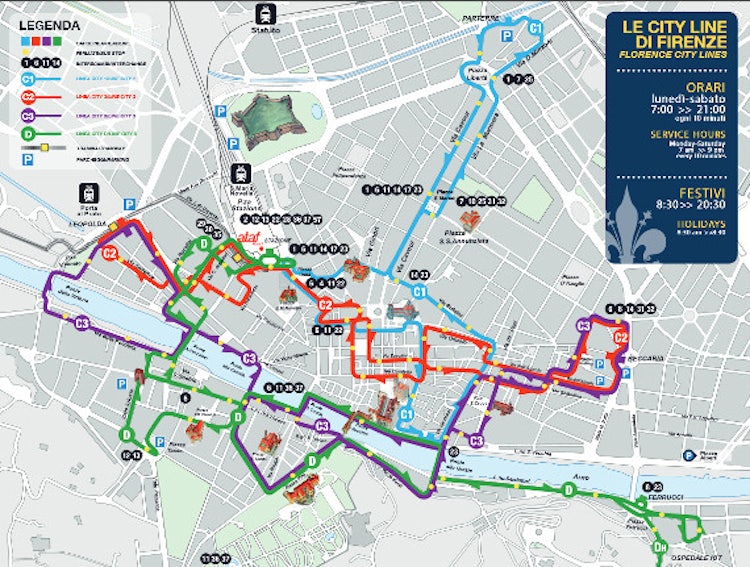
    • Cultural Tips: Coffee Culture and Dress Codes
  5. Practical Tips for Your Trip
    • Skip-the-Line Tickets: Your Key to Saving Time
    • Staying Safe: Awareness and Common Scams
    • Basic Italian Phrases to Know
  6. Conclusion: Making Memories in the Eternal City

Ah, Rome—the Eternal City. This is where ancient ruins meet espresso shots. A “quick weekend escape” somehow feels like traveling through 3,000 years of history in just 48 hours. If you’ve been following my series of weekend adventures, you know I love visiting places like Madrid and Tokyo. I enjoy packing culture, food, and a sprinkle of chaos into short trips. And Rome? Let’s just say—it delivers.

Fun fact: Rome consistently ranks among the top visited cities in the world. It attracts millions of travelers who come for the Colosseum, the Vatican, and of course, the gelato. Honestly, no one is flying across the Atlantic for kale salad.

Flights to Rome

✈️ Flight Delayed or Canceled?
Travel isn’t always smooth sailing—sometimes flights get delayed, canceled, or overbooked. The good news? You might be entitled to up to $650 in compensation under air passenger rights. Most travelers never claim it, but I’ve got you covered: just check your flight with AirHelp. They handle the paperwork, fight the airlines for you, and only get paid if you win. Easy, stress-free, and potentially a nice surprise for your travel fund.

✈️ Travel Hack: Tired of expensive international data? I use Drimsim—a global SIM that works in 190+ countries. Pop it in, top up on the app, and you’re online. No contracts, no hidden fees. Perfect for every getaway! 👉 Drimsim

Day 1: Ancient Wonders and Espresso Shots

Start your Roman holiday with a strong cappuccino at a local café. Stand at the bar like a local. Sitting can cost extra. Then it’s straight to the Colosseum, Rome’s most iconic landmark. If you’re short on time, book skip-the-line tickets in advance (your sanity will thank you). Pair this with a stroll through the Roman Forum and Palatine Hill. Imagine ancient senators debating. You’re trying to take the perfect selfie.

Hotels near Colosseum, Rome

Travel Tip: Rome’s metro is efficient for longer distances, but most of the historic center is best explored on foot. Pack comfy shoes—you’ll thank me when cobblestones start plotting against your ankles.

Colosseum Tours

A low-angle view of the Colosseum in Rome, highlighting its ancient arches and illuminated stonework against a clear blue sky.
The iconic Colosseum in Rome, an emblem of ancient architecture and history, beautifully illuminated against the evening sky.

Day 2: Vatican City, Museums & Hidden Gems

Wake up early and head to Vatican City—technically a whole new country within Rome. The Sistine Chapel and St. Peter’s Basilica are must-sees, but beware: Saturdays can feel like half the planet had the same idea. Pro tip: arrive before 8 AM or book a guided tour for smoother entry.

Don’t skip the Vatican Museums, one of the largest and richest art collections in the world. From Raphael’s Rooms to Egyptian mummies and classical statues, it’s a mind-blowing journey through centuries of art and history. Plan at least two to three hours here (and wear comfy shoes—you’ll cover some serious ground).

But don’t just follow the crowds. For a quieter experience, wander to Aventine Hill. The secret keyhole at the Knights of Malta gate gives you a perfectly framed view of St. Peter’s dome. Hidden gem? Absolutely. Tourist-free? Almost.

Another underrated spot is Trastevere, a charming neighborhood across the Tiber. Its cobbled streets, ivy-covered walls, and buzzing trattorias make it the perfect evening escape. Order pasta cacio e pepe, sip local wine, and pretend you’re in a Fellini movie.

Hotels in Vatican City

Vatican City Vacations

Aerial view of Vatican City showcasing St. Peter's Square and the surrounding architecture.
A panoramic view of Vatican City, showcasing St. Peter’s Basilica and the surrounding architecture, with bustling streets below.

Sistine Chapel Tours

“Romans rarely order cappuccino after 11 a.m.—if you do, you’ll get a knowing smile.”

A view of the ornate ceiling of the Sistine Chapel, featuring intricate frescoes and a circular skylight.
A detailed view of the stunning dome interior of St. Peter’s Basilica, showcasing its intricate frescoes and ornate architecture.

Vatican Museums, Sistine Chapel, & St. Peter’s Basilica Fully Guided Tour

Visitors exploring the ornate Vatican Museums, admiring the intricately decorated walls and golden ceilings.
Visitors marvel at the ornate beauty of the Vatican Museums, surrounded by intricate frescoes and sculptures.

St. Peter’s Basilica Tours

Crowd of tourists gathered in front of St. Peter's Basilica in Vatican City, with the magnificent façade and dome visible against a clear blue sky.
Crowds gathering outside St. Peter’s Basilica in Vatican City under a clear blue sky.

Aventine Hill Tours

Panoramic view of the ancient Roman ruins in Rome, featuring weathered stone structures and trees against a blue sky with clouds.
The iconic ruins of the Colosseum against a blue sky, showcasing the timeless beauty of ancient Rome.

Knights of Malta Keyhole Tours

Silhouette of two people working in a lush garden with the dome of St. Peter's Basilica visible in the background through an arched opening.
A stunning view of St. Peter’s Basilica framed through the keyhole at the Knights of Malta gate, showcasing a unique perspective of Vatican City.

Hotels in Trastevere, Rome

Getting Around: Buses, Trains, and Road Maps

Rome has a robust bus and tram system, but brace yourself—it can be fashionably late. If you’re short on time, the metro (Lines A, B, and C) connects most major attractions. For road trippers, renting a small car is an adventure (emphasis on small—those medieval streets were not designed for SUVs). Google Maps is your friend, but Waze is often more accurate with Rome’s unpredictable traffic.

If you’re combining Rome with other Italian cities, consider using the high-speed trains (Frecciarossa, Italo). They make trips to Florence or Naples doable in under 1 hour. These cities are accessible quickly. Weekend side quest, anyone?

A Local’s Guide to Public Transport

Even though Rome loves its cobblestones and leisurely strolls, sometimes your feet need a break—especially after a night of gelato-fueled wandering. That’s where the city’s public transport swoops in like a seasoned Roman stepping in to hold your hand. You’ve got buses, trams, metro, and local trains to connect you across the Eternal City. Rome.info

“On Sundays, Via dei Fori Imperiali closes to traffic, making it perfect for walking and photos.”


Ticket Types & Pricing—Keep It Simple

  • BIT (Single Ticket) – €1.50, valid for 100 minutes from your first validation. Great for hopping between buses, trams, and even taking one metro ride—but heads up: you can’t bounce back into the metro once you exit. Wanted in RomeRome.infoWikipedia
  • Time-Based Passes – If you’re planning to explore more:

These offer better bang-for-your-euro-per-hour if you’re hopping around a lot.


Where to Buy Tickets

  • Tabacchi (tobacco shops), newsstands, bars, metro vending machines—think of them as your ticket treasure chests. Wanted in RomeRomeingRome.net
  • Mobile Apps like MooneyGo, TicketAppy, DropTicket, and Tap & Go let you buy and validate on your phone—super handy if you’d rather keep your hands free for a cone of pistachio gelato. AtacRomeing

Validation Is a Must—Don’t Skip It

  • On buses and trams, insert your paper ticket into the yellow validator. No swiping—actual insertion. On the metro, go through the turnstile and it validates automatically. Wanted in RomeRoman VacationsRome.net
  • Miss validation, and inspectors might present you with a €50–€100 “souvenir” fine. Trust me, “But I’m a traveler!” doesn’t work. Rome.netRoman Vacations
  • Wise advice from a fellow traveler: “Before you board a fully packed bus, check where the ticket machines are… we got fined €54.90 each for not validating.” Reddit

When & Where It Runs

Map of the Rome metro system, illustrating the connections and stations of lines A, B, and the light green line to Fiumicino Airport.
A map of Rome’s metro system, highlighting major lines and stations for efficient transportation around the city.

Quick reference:

Transport TypeOperation HoursNotes
Metro5:30 AM–11:30 PM (Fri/Sat until 1:30 AM)Fastest way for major landmarks
Buses & Trams~5:30 AM–midnightGreat for neighborhoods the metro doesn’t reach
Night Buses12:30 AM–5:30 AMRoutes cover metro lines when closed

Smart Tools to Navigate

Apps like Moovit are lifesavers—they help you avoid waiting 20 minutes in the Roman heat for a late bus. Roman VacationsReddit
TIP: Be aware of pickpockets—especially on crowded buses or metro routes that shuttle between tourist hotspots. Keep your valuables zipped away. Time Out Worldwide


TL;DR Cheat Sheet

  1. Know your ticket: €1.50 BIT (100 mins) or go for multi-day passes.
  2. Buy from Tabacchi, machines, or via apps—your choice.
  3. Validate the moment you step on or enter—deal with it or pay the fine.
  4. Metro is fast, but bus/tram reach where it doesn’t.
  5. Use apps to track, and watch your belongings.

🚗 Thinking About Renting a Car in Rome?
Rome’s buses, trams, and metro make getting around the city easy. However, sometimes you want the freedom to explore beyond the capital. You might want to take a spontaneous drive to Tivoli’s gardens or a coastal escape to Ostia. That’s where renting a car comes in handy. I usually recommend booking in advance to avoid last-minute price hikes, and I personally use Localrent for Rome. They connect you with reliable local providers, transparent pricing, and no hidden “surprises” at the counter. If you’re planning day trips or just love the open road, a rental can make your Italian adventure even smoother.

Best Time to Visit Rome

  • Spring (April–June): Warm weather, fewer crowds, blooming gardens.
  • Fall (September–October): Golden light, mild evenings, less tourist traffic.
  • Summer (July–August): Hot, crowded, but festivals and late-night piazza life are magical.

Tech & Travel Hacks

✈️ Stay Connected: Buying SIMs at airports = highway robbery. Instead, I travel with Drimsim, a universal SIM card that works in 190+ countries without hidden fees. Pop it in, top up with the app, and you’re online everywhere—no stress over roaming bills or hunting local cards.

📸 Capture Rome Like a Pro: The Colosseum looks good even on a flip phone, but why risk it? I always recommend a solid travel camera—check out this one for stunning shots of Rome’s golden-hour piazzas.

🔒 Travel Safe Online: Free Wi-Fi in Rome’s piazzas is tempting, but hackers love them as much as tourists. Protect your data with NordVPN—because nothing kills a gelato buzz like a hacked bank account.

💡 Pro Travel Tip:
While hopping on Rome’s metro, tram, or bus is super easy, travel hiccups like delays, lost luggage, or sudden medical emergencies can happen anywhere. That’s why I always carry travel insurance before jetting off. It gives peace of mind knowing I’m covered, no matter what. I personally recommend VisitorsCoverage Travel Insurance — quick to book, affordable, and traveler-friendly.

Where to Stay

Rome has everything from budget hostels near Termini Station to boutique hotels in Monti. For flexibility and great deals, I usually book through Expedia. It saves me the headache of juggling multiple booking sites—and yes, I’ve scored last-minute steals steps away from the Pantheon.

Final Thoughts: Why Rome Wins Every Time

Rome isn’t just a city—it’s a layered cake of history, chaos, and beauty. One minute you’re admiring Michelangelo’s ceiling, the next you’re stuck behind a Vespa gang in Trastevere. And that’s the charm—you can’t script it.

If you loved this Roman weekend guide, you might also enjoy my write-ups on Antalya or NYC—different vibes, same wanderlust energy.

Your Turn 🎒

What’s your favorite Roman memory—was it tossing a coin into the Trevi Fountain, or devouring a pizza bigger than your head? Drop your stories in the comments—I’d love to hear how the Eternal City treated you.

And if you’re planning your own Roman weekend—pack your walking shoes, book your Vatican tickets, and don’t forget the gelato budget. Buon viaggio!

To make your Roman holiday unforgettable, I’ve created a custom map just for you! The map includes iconic must-sees like the Colosseum and Vatican City. It also features hidden piazzas and my favorite spots for authentic pasta and gelato. This map is your all-in-one guide to visualizing your days. It helps in connecting the dots and discovering the magic of Rome. You can do all this without the hassle of juggling a dozen apps.

Check out your personal Rome guide here: My Rome Routes Map

Save it to your phone and let it be your digital companion while exploring the Eternal City!

Frequently Asked Questions (FAQ)

Q1: Is a weekend enough time to see Rome?
While you can’t see everything, a weekend is absolutely enough time to hit the “big-ticket” items and get a powerful feel for the city’s magic. This itinerary is designed to efficiently cover the iconic highlights of Ancient Rome, the Renaissance historic center, and the Vatican.

Q2: What is the most important thing to book in advance?
Skip-the-line tickets are non-negotiable for a short trip. The top priorities to book weeks or months in advance are:

  1. The Colosseum & Roman Forum (often a combined ticket)
  2. The Vatican Museums & Sistine Chapel
    This will save you hours, if not days, of waiting in line.

Q3: What is the best way to get around Rome?
Rome’s historic center is best explored on foot. Major sights are relatively close to each other. For longer distances (e.g., from the city center to the Vatican), the metro is efficient. Buses cover more areas but can be slow in traffic. Avoid driving at all costs.

Q4: What is the best area to stay in for a weekend trip?
For a first-time visitor, Trastevere offers incredible charm and nightlife. Monti is trendy and close to the Colosseum. The Historic Center (Centro Storico) near the Pantheon or Piazza Navona puts you right in the middle of all the action.

Q5: Is there a dress code for visiting churches and the Vatican?
Yes, and it is strictly enforced. Visitors must cover their shoulders and knees to enter St. Peter’s Basilica and other churches like the Pantheon. Avoid low-cut tops and short skirts/shorts. Carry a light scarf or shawl to cover up easily.

Q6: What is one food I absolutely must try?
Beyond pasta carbonara and cacio e pepe, you must try a supplì – a delicious fried rice ball with tomato sauce and a molten mozzarella center. It’s the perfect Roman street food snack.

Q7: Should I worry about pickpockets?
Petty theft like pickpocketing is common in crowded tourist areas and on public transport. Be vigilant. Use a cross-body bag with a zipper, keep it in front of you, and never leave your phone or wallet in your back pocket.

Universal Disclaimer/Disclosure Page: