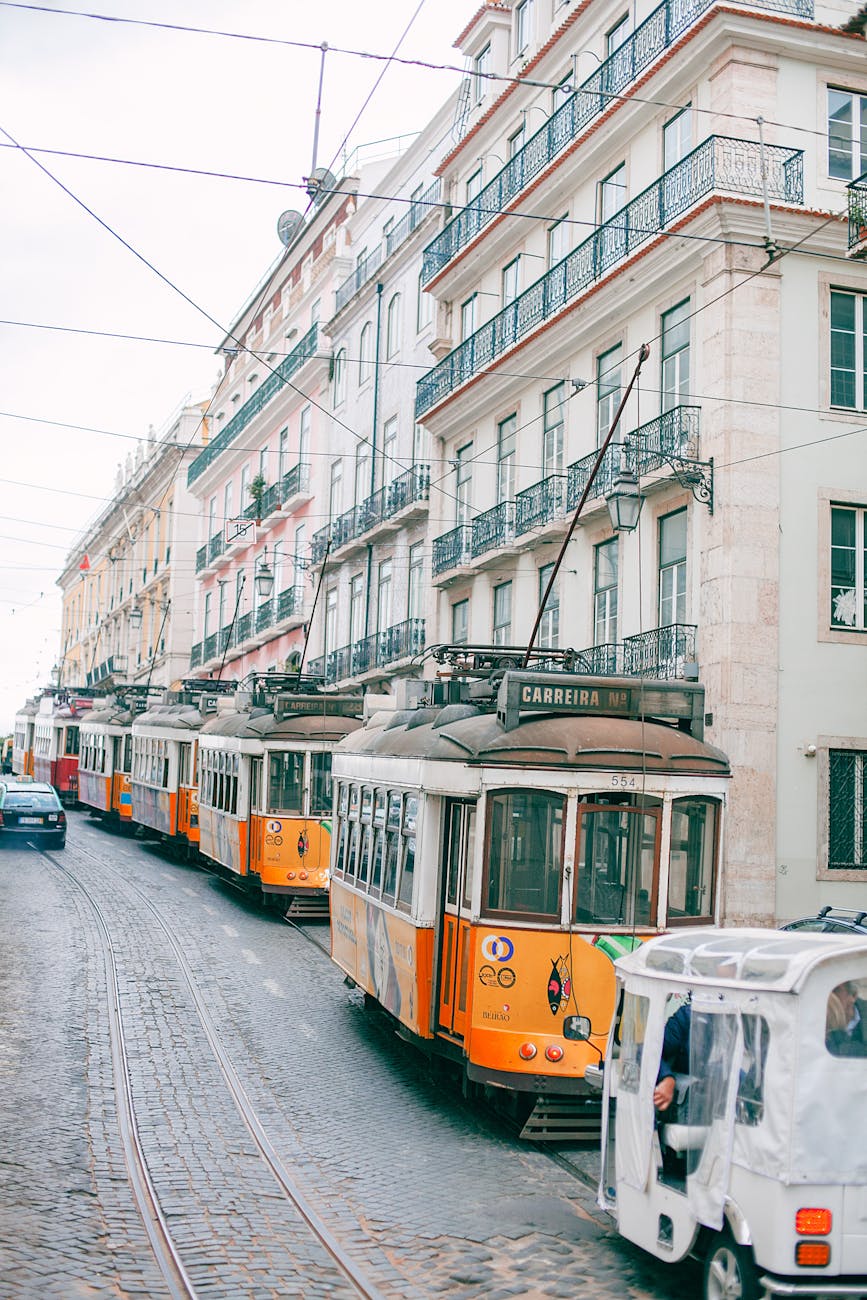
The Ultimate Weekend Escape to Porto, Portugal

Meta Description:

 Discover the ultimate weekend escape to Porto, Portugal! This detailed travel guide is packed with insider tips, hidden gems, and a perfect 3-day itinerary to help you explore the city’s charm, savor its famous port wine, and navigate like a local. Save time and money on your next European adventure!

Table of Contents

  1. Why Porto Deserves Your Weekend
  2. Getting There & Visa Tips
  3. How to Get Around Porto (Transport Hacks)
  4. Best Time to Visit Porto
  5. Top Sights & Hidden Gems
  6. What to Eat & Drink in Porto
  7. Budget & Time-Saving Travel Tips
  8. Essential Portuguese Phrases for Travelers
  9. Travel Tech & Must-Haves
  10. Smart Travel Insurance & Compensation Hacks
  11. Nearby Getaways & Suggested Itineraries
  12. FAQs

Why Porto is the Perfect Weekend Getaway

Compact, walkable, and bursting with character, Porto is a weekend warrior’s dream. It offers the perfect cocktail of history, culture, incredible food, and, well, actual incredible cocktails (and wine!). It’s significantly more affordable than its big sister, Lisbon, and you can see the major highlights without feeling like you’re on a brutal marathon. For more on choosing between Portugal’s iconic cities, check out my older blog post: Lisbon vs. Porto: Which Portuguese City Steals Your Heart?

If Lisbon is Portugal’s loud, outgoing sibling, Porto is the quieter, soulful one who surprises you with vintage wine and a rooftop sunset. Nestled along the Douro River, Porto is a city of azulejos (hand-painted tiles), charming trams, hearty food, and—of course—Port wine.

On my first trip, I accidentally spent two hours wandering through Ribeira’s cobbled alleys just because I got distracted by pastel-colored houses and the smell of grilled sardines. Zero regrets.

Visa Note: For travelers from the US, UK, Canada, and most Western countries, Portugal is part of the Schengen Area, allowing visa-free travel for up to 90 days. Always double-check the latest requirements on official government sites before you fly!

Flights: Porto’s Francisco Sá Carneiro Airport is well-connected to Europe. For cheap flights, I always book via Expedia.

Nearby escapes: Porto pairs perfectly with Lisbon, Madrid, Barcelona, or even a Morocco hop to Marrakech

Hotels in Porto

Your Porto Weekend Itinerary

Day 1: Ribeira, Bridges, and All the Port Wine

  • Morning (9:00 AM): Start your day in Praça da Liberdade, the city’s grand central square. Grab a bica (a potent Portuguese espresso) and a pastel de nata from a nearby café. Trust me, you’ll need the energy for the hills.
  • Late Morning (11:00 AM): Wander down the hill to the Ribeira District, Porto’s UNESCO World Heritage heart. Get lost in the labyrinth of narrow cobbled streets, colorful houses, and laundry hanging between buildings. It’s a photographer’s paradise. I spent a good hour just trying to get the perfect shot of the Dom Luís I Bridge framing the river—no regrets.
  • Afternoon (1:30 PM): Time for lunch! Skip the overly touristy spots right on the riverfront. Duck into one of the smaller streets for a francesinha—Porto’s infamous gut-busting sandwich of meats, cheese, and a spicy beer sauce. It’s a experience, not just a meal.
  • Late Afternoon (4:00 PM): Cross the Dom Luís I Bridge on the upper level for breathtaking panoramic views. Your destination? Vila Nova de Gaia, the home of all the major port wine cellars. I did a tour and tasting at Taylor’s, which was fantastic, but Graham’s and Cálem are also stellar choices.
  • Evening (8:00 PM): Enjoy a sunset dinner back on the Porto side. For a truly memorable experience, book a table at a restaurant with a terrace overlooking the river. The lights of Gaia twinkling on the water are pure magic.

Close-up of a small, dark traditional Portuguese bica coffee in a white cup, served with a saucer on a rustic table.
Fuel your exploration the local way with a bica—Portugal’s powerful and delicious answer to espresso. This tiny but mighty cup is the lifeblood of porto café culture and the perfect pause during a day of sightseeing.

Gaia Cable Car Tours

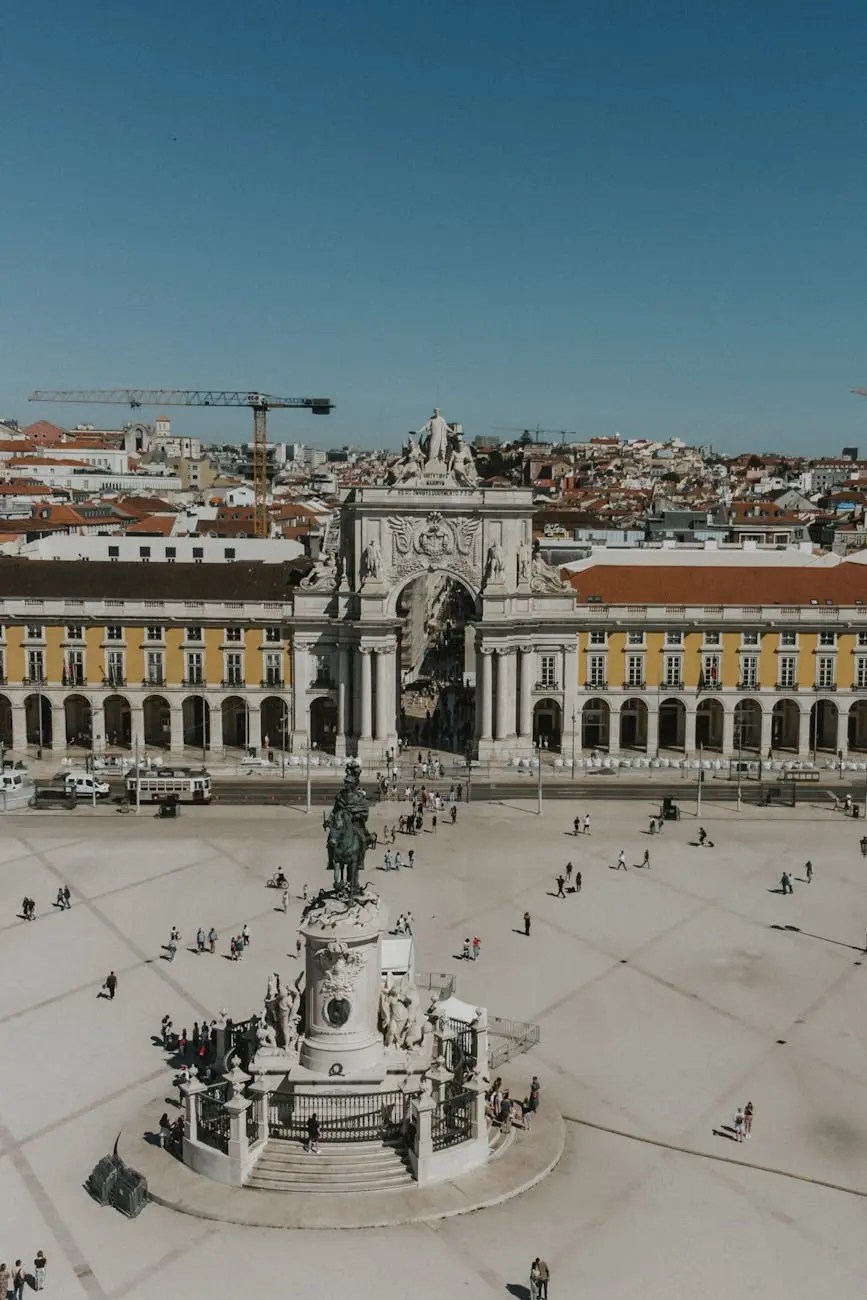
Aerial view of Praça da Comércio in porto, Portugal, featuring the grand arch, statue at the center, and surrounding historical buildings with people walking around.
Aerial view of Praça da Comércio, a historic square in Porto, showcasing the statue in the center and surrounding architecture. The magnificent Praça da Comércio (also known as Praça do Comércio) from above. This historic square is a gateway to Porto, framed by the grand Arrábida Arch and the iconic yellow Pombaline-style buildings.
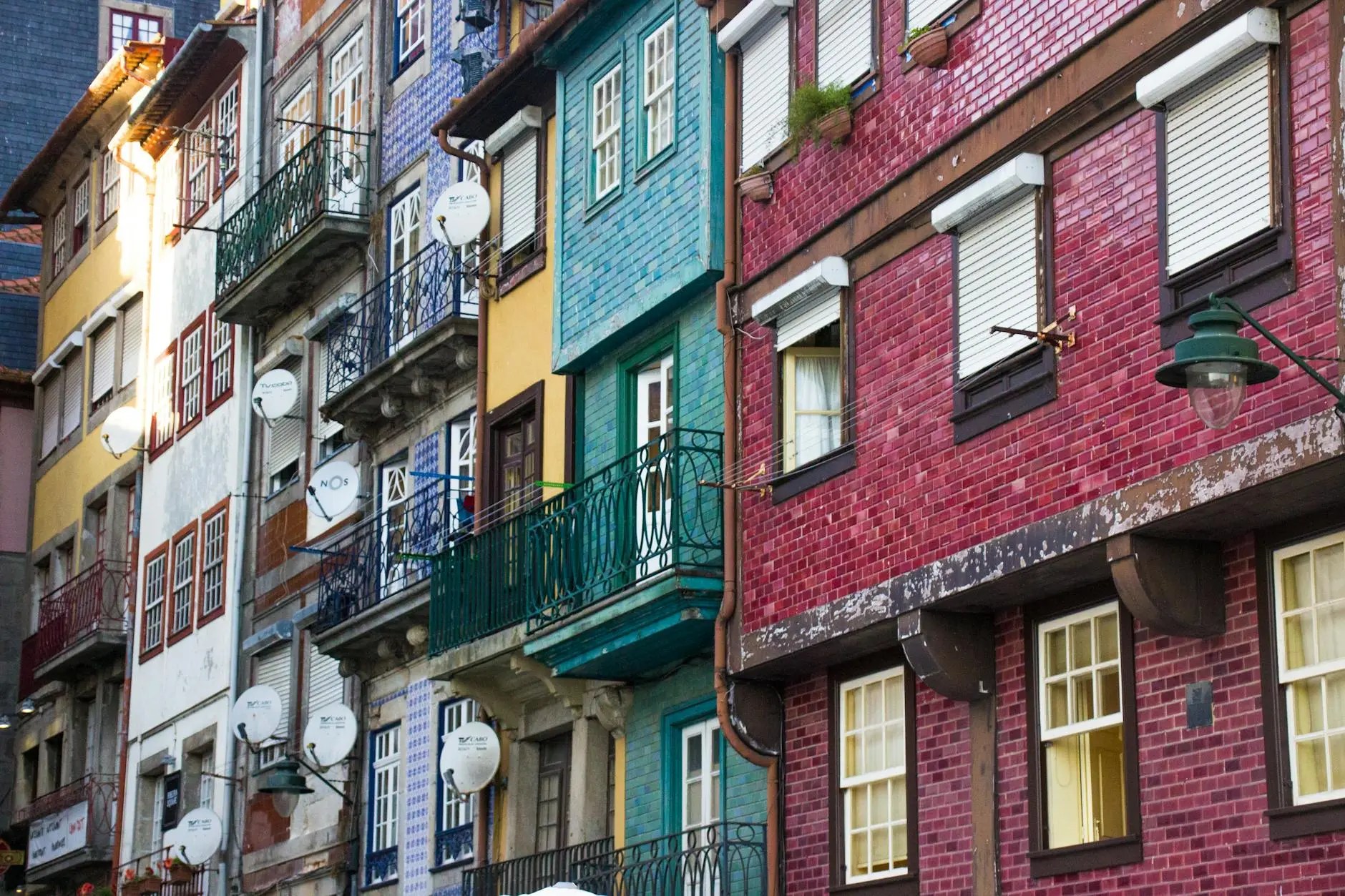
Colorful buildings with balconies and decorative tiles in a historic area of Porto, Portugal.
Colorful façades in Porto’s Ribeira District showcase the charm of the city’s architecture. The postcard-perfect heart of Porto. The Ribeira District’s colorful, slightly crumbling façades tell stories of the city’s history, where everyday life continues amidst stunning architecture.
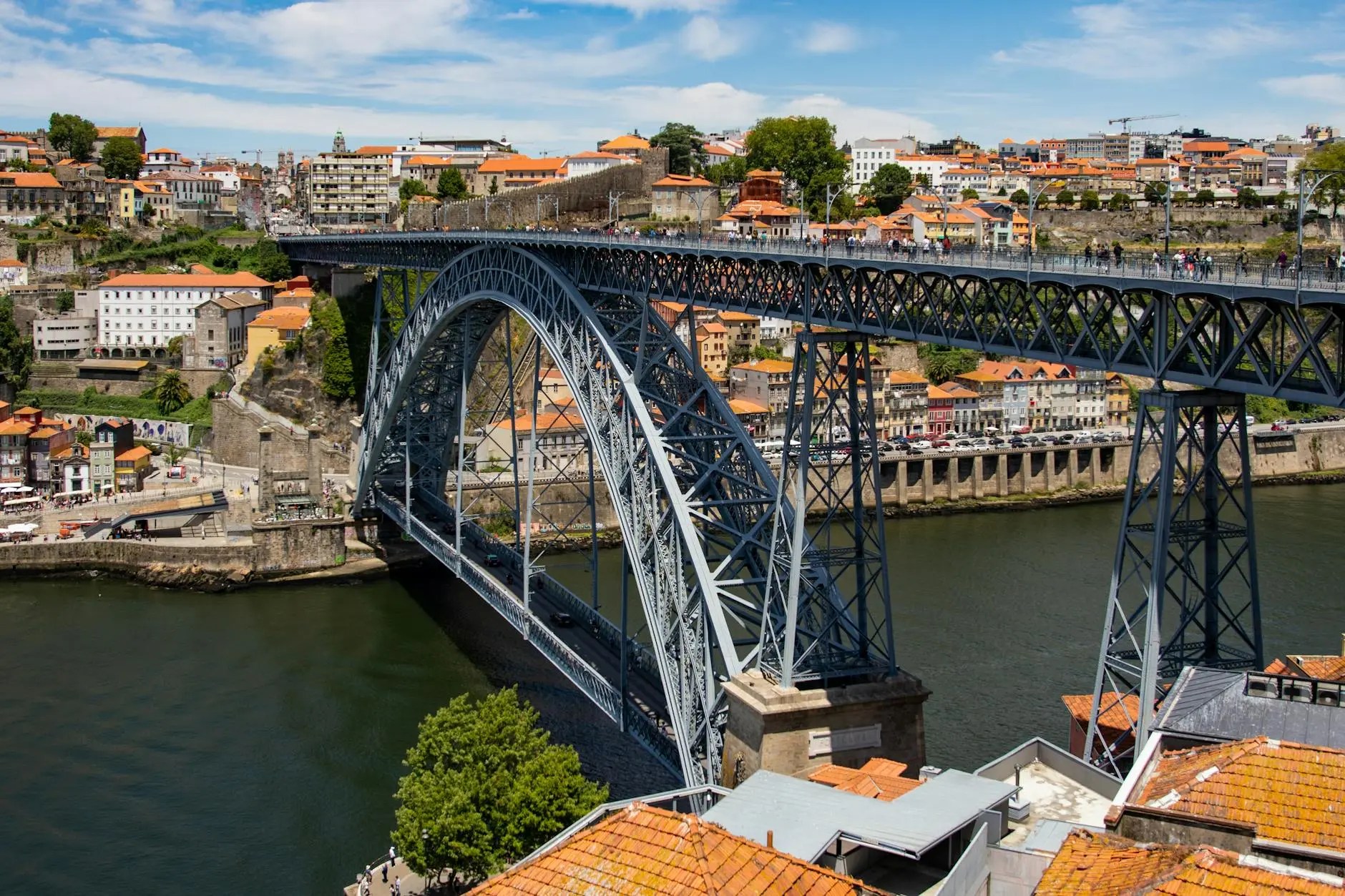
View of the Dom Luís I Bridge spanning the Douro River, with colorful houses and historic buildings in the background under a clear blue sky.
The iconic Dom Luís I Bridge spanning the Douro River in Porto, Portugal, offering stunning city views. The postcard-perfect heart of Porto. The Ribeira District’s colorful, slightly crumbling façades tell stories of the city’s history, where everyday life continues amidst stunning architecture.

A close-up of a hearty burger featuring a soft bread roll filled with savory toppings, including melted cheese, bacon bits, and garnished with chopped chives.
Indulge in the flavors of Porto with a delicious francesinha sandwich, a hearty local specialty. The legendary Francesinha: Porto’s ultimate comfort food. This “little Frenchie” is a formidable stack of cured meats, steak, and sausage, smothered in melted cheese and a secret, tangy beer and tomato sauce. It’s a must-try (and best shared!).
An interior view of a wine cellar featuring rows of barrels lined along the walls, creating a long, narrow corridor with warm, ambient lighting.
Inside a port wine cellar in Porto, showcasing rows of wooden barrels in a dimly lit corridor. Stepping back in time inside a port wine cellar. These massive oak barrels, known as balseiros, age the precious port wine, filling the air with a sweet, woody aroma that is simply unforgettable.
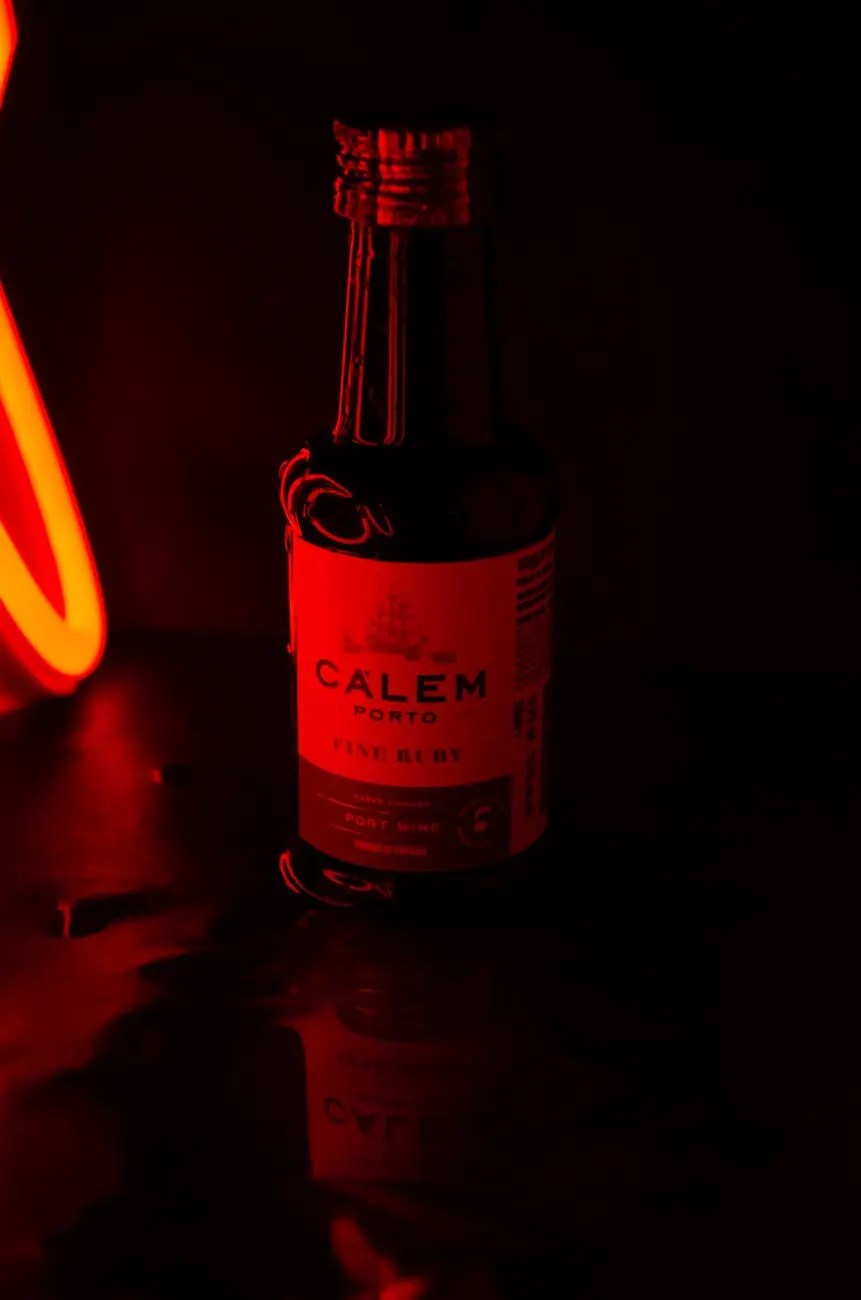
A close-up of a bottle of Cálem Fine Ruby Port wine against a dark background with a red light reflection.
A bottle of Cálem Fine Ruby Port Wine, showcasing Porto’s rich wine heritage. A modern take on a classic: Cálem Fine Ruby Port Wine glows under neon lights. This vibrant, youthful port is known for its fruity flavors and is a perfect introduction to Porto’s most famous export.
A panoramic view of the Douro River in Porto, Portugal, featuring colorful buildings along the riverbank, a cable car in the foreground, and traditional boats on the water.
A stunning view of the Douro River in Porto, showcasing the iconic cable car and picturesque waterfront with colorful buildings. The soul of Porto unfolds along the Douro River. This breathtaking perspective captures the Gaia cable car gliding above the waterfront, passing the iconic rabelo boats and the historic port wine cellars nestled into the hillside.

Day 2: Tiles, Books, and Atlantic Breezes

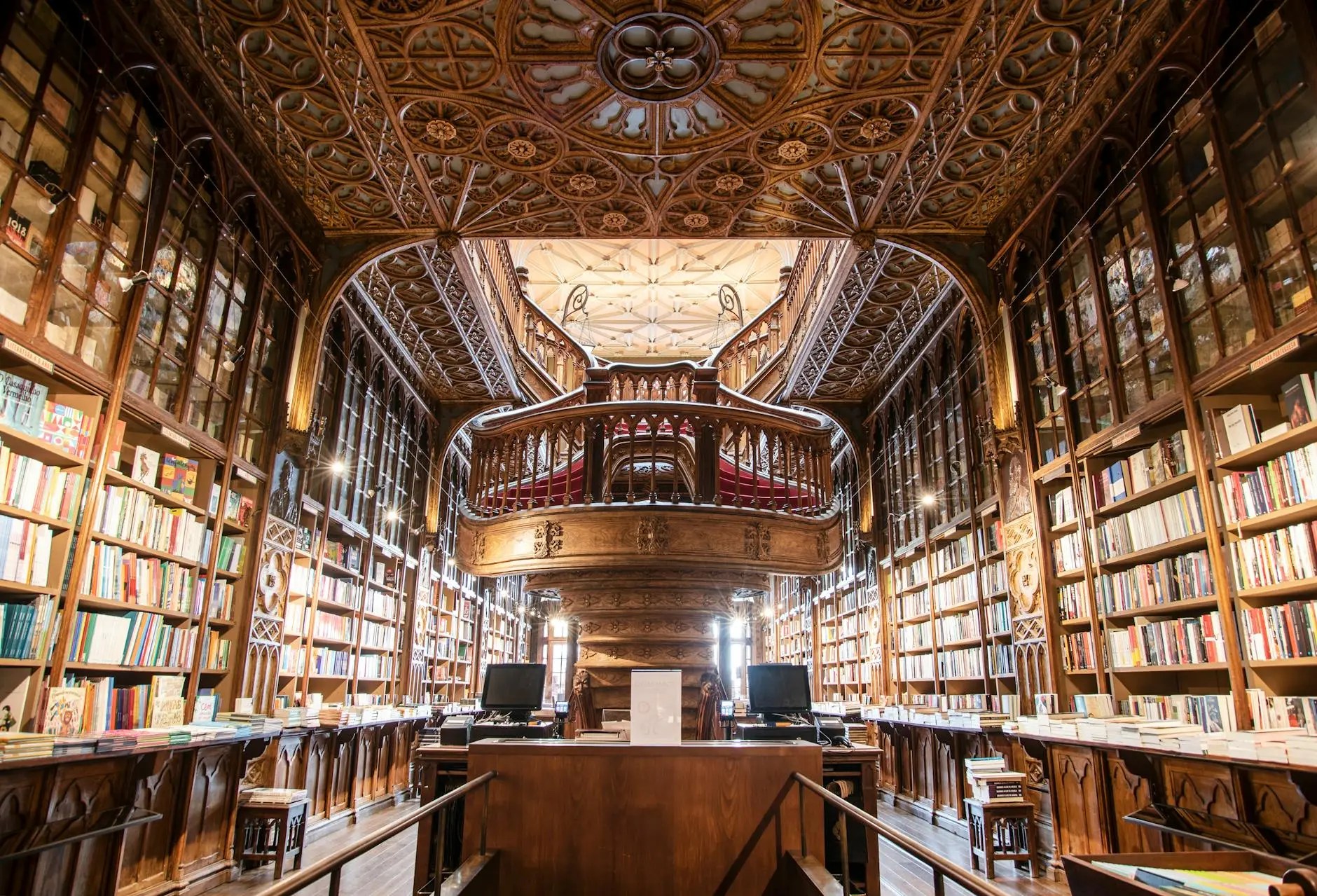
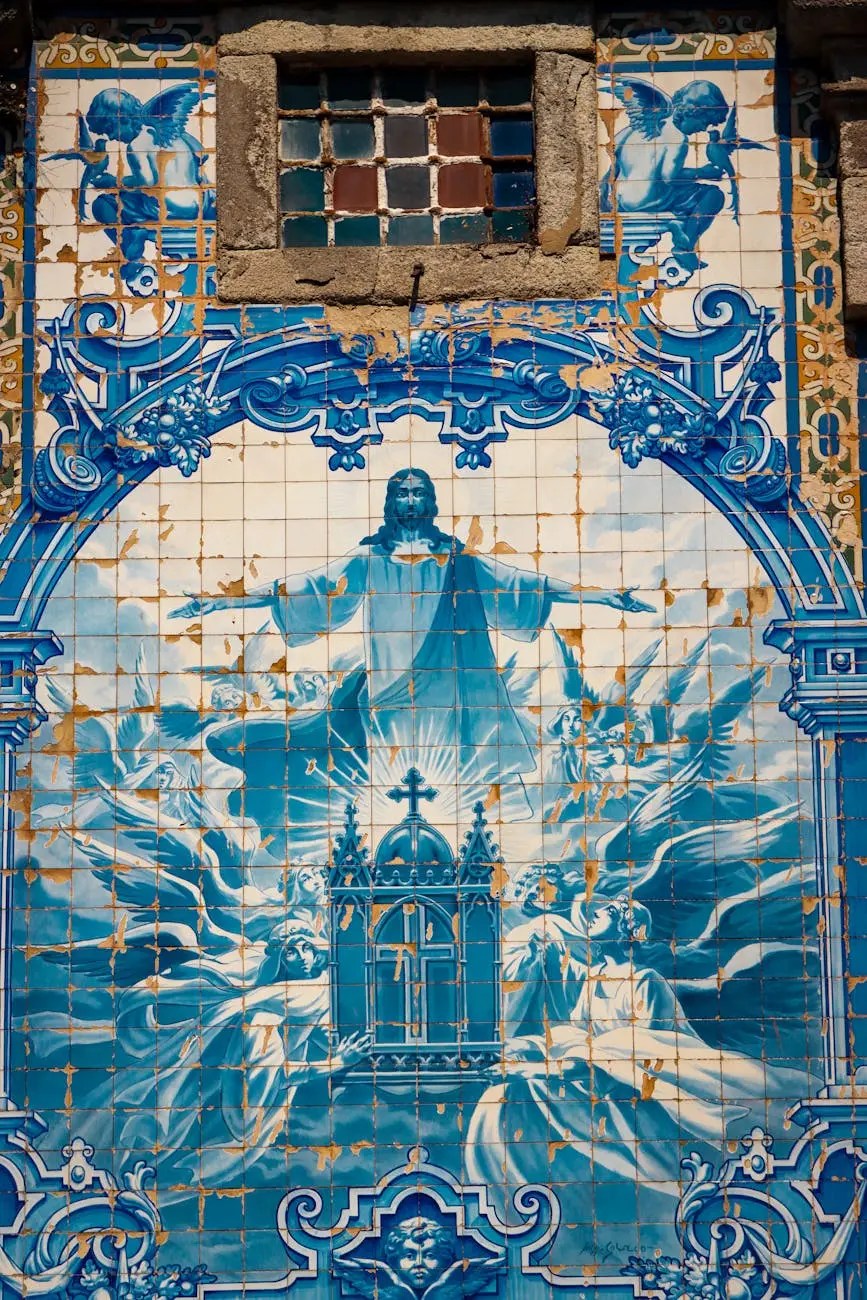
  • Morning (10:00 AM): Marvel at the Igreja do Carmo, famous for its massive side wall covered in breathtaking blue azulejos. Then, make your way to the Livraria Lello. Yes, it’s crowded and you need to buy a ticket online in advance, but stepping inside this bookshop that allegedly inspired JK Rowling is worth it. The staircase is a masterpiece.
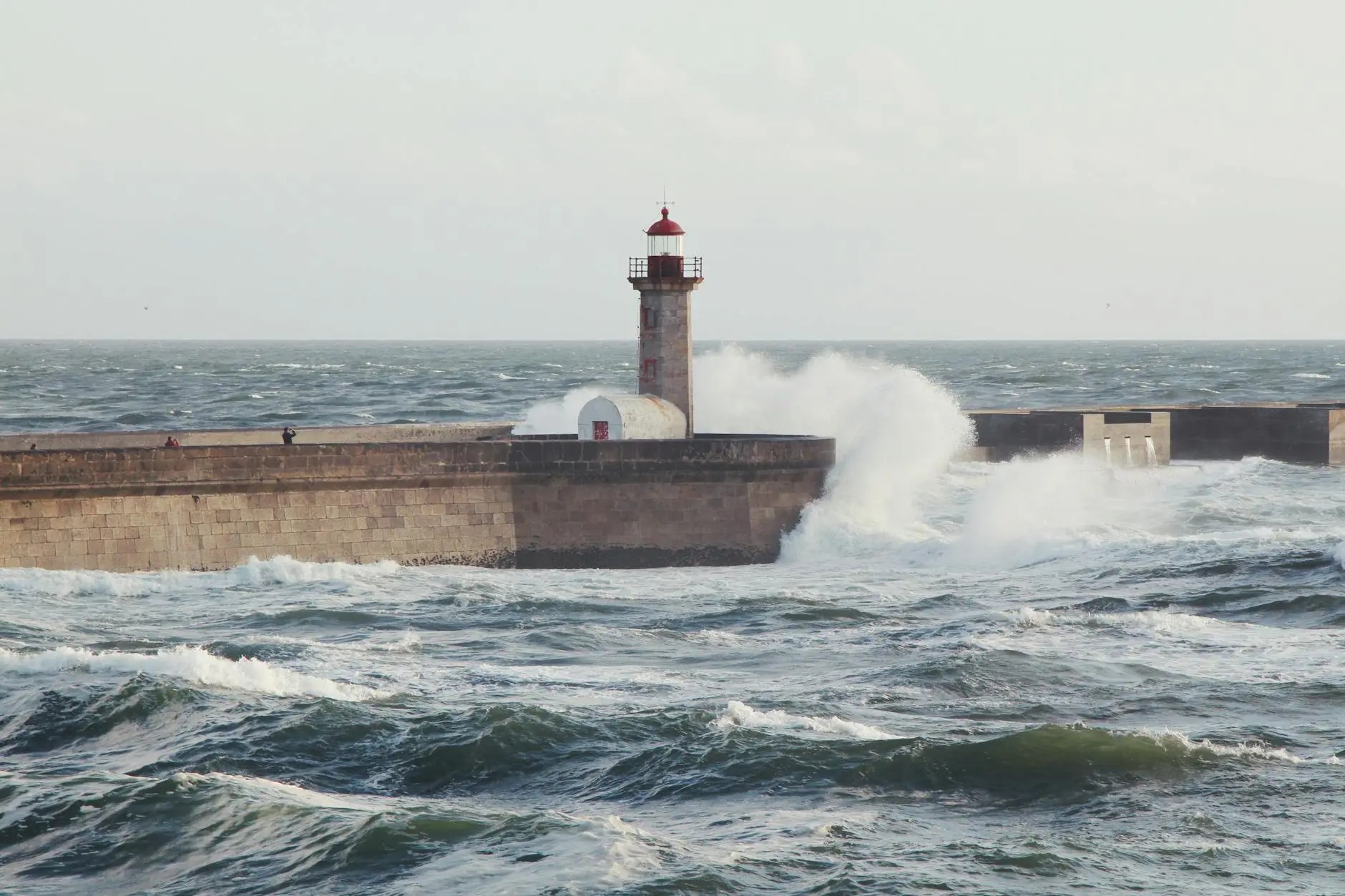
  • Afternoon (1:00 PM): Hop on the city’s efficient metro system (Line D) and head to the mouth of the Douro River. Get off at Matosinhos Sul and walk along the promenade to Foz do Douro, where the river meets the Atlantic Ocean. The power of the waves here is incredible.
  • Late Afternoon: Treat yourself to a fresh seafood lunch in Matosinhos—it’s the fishing hub for a reason. Then, either take the metro back or enjoy a leisurely stroll along the river back towards the city center.
  • Evening: For your last night, dive into the trendy Galeria de Paris area for a vibrant nightlife scene. Find a small bar, order a vinho verde (a crisp “green wine“), and soak in the local vibe.
Plan your Journey

A detailed blue and white azulejo tile mural depicting a religious scene with Jesus Christ at the center, surrounded by angels and ornate designs.
Beautiful blue azulejos depicting a religious scene in Porto, Portugal. A masterpiece in tile: A close-up of historic blue and white azulejos in Porto telling a sacred story. These hand-painted tiles are not just decoration; they are a fundamental part of Portugal’s artistic soul.

Interior view of Livraria Lello, a beautiful historic bookstore in Porto, featuring ornate woodwork, shelves filled with colorful books, and a grand staircase.
The stunning interior of Livraria Lello, a must-visit bookshop in Porto known for its intricate architecture and literary history. Stepping into a fantasy: The breathtaking interior of Livraria Lello, often cited as an inspiration for Hogwarts. Its Art Nouveau elegance, with the iconic crimson staircase and neo-Gothic details, makes it one of the most beautiful bookstores in the world.
A lighthouse standing on a pier, with waves crashing against the stone wall and the ocean in the background.
Waves crashing against the lighthouse at Foz do Douro, where the Douro River meets the Atlantic Ocean. Where the river meets the sea: The dramatic Foz do Douro lighthouse stands resilient against the relentless force of the Atlantic Ocean. This spot marks the end of the Douro River’s journey and offers a powerful, windswept contrast to the city center.
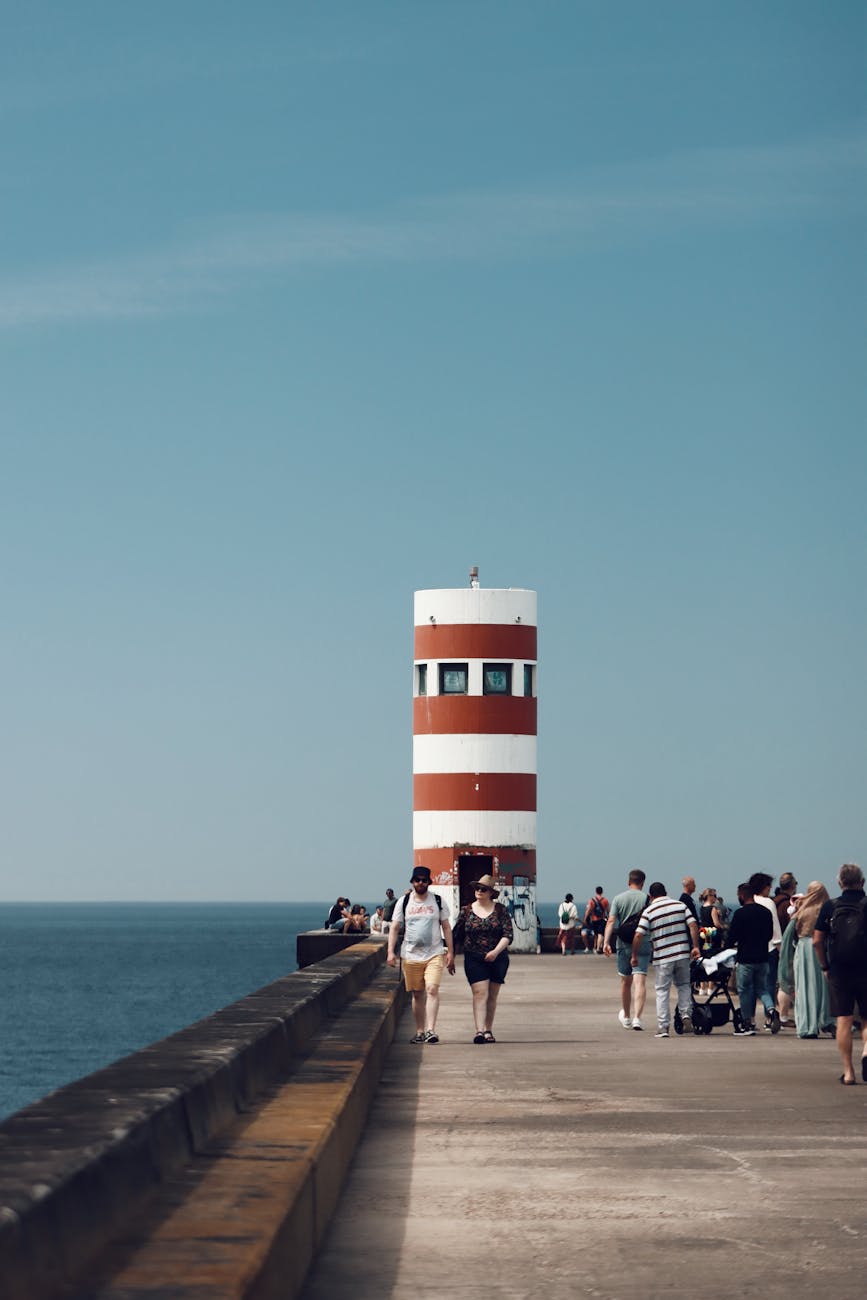
A busy seaside pier with people walking and enjoying the view, featuring a striped lighthouse at the end and a clear blue sky in the background.
Visitors strolling along the seaside pier toward a distinctive striped lighthouse in Porto, Portugal. Farolim da Barra do Douro

Porto Insider: Hidden Gems Most Tourists Miss

  • Miradouro da Vitória: This viewpoint offers one of the best angles of the Ribeira and Dom Luís I Bridge, but without the overwhelming crowds of the more famous spots.
  • Rua das Flores: This beautiful pedestrian street is often packed, but venture into the tiny alleys that shoot off from it. You’ll find quiet cafes and small artisan shops.
  • Mercado Bolhão: This historic market is undergoing renovations but is still operating. It’s a chaotic, wonderful slice of local life. Go for the people-watching and to buy some fresh fruit or cheese.
  • Jardins do Palácio de Cristal – Gardens, peacocks, and Douro River views.
  • Rua Miguel Bombarda – Street full of quirky art galleries and indie shops.

Capela do Senhor da Pedra (Chapel of the Lord of the Stone), Miramar Beach

Perched dramatically on a rock at Miramar Beach in Vila Nova de Gaia, the Capela do Senhor da Pedra is one of Porto’s most magical spots — especially at sunset. Built in 1763, this small hexagonal chapel sits atop a giant boulder where, before Christianity, pagan rituals were held, worshipping nature and the sea. Secrets from Portugal+3Wikipedia+3Portugal.com+3https://www.localporto.com/miguel-bombarda-street-porto/

What makes it stand out:

  • Setting & Atmosphere: The chapel backs onto the Atlantic; when the waves crash and the sun is lowering, the combination of stone, water, sky and light makes for unforgettable views and photographs. Flickr+2VISIT PORTO REGION+2
  • History & Mystery: The site was once pagan, with inscriptions at the entrance hinting at its ancient sacredness. Later it was converted for Christian worship, and it still hosts an annual pilgrimage on the Sunday of the Holy Trinity.
  • Access: It’s ~20 km south of Porto’s center. You can reach it by train (to Miramar station) plus a short walk, or by car / scooter. If possible, plan to arrive for late afternoon or golden hour — staying for sunset is highly recommended.
  • Things to know: There aren’t many supermarkets around, so bring water/snacks. Also, tides/waves may affect how close you can safely get to the base rock
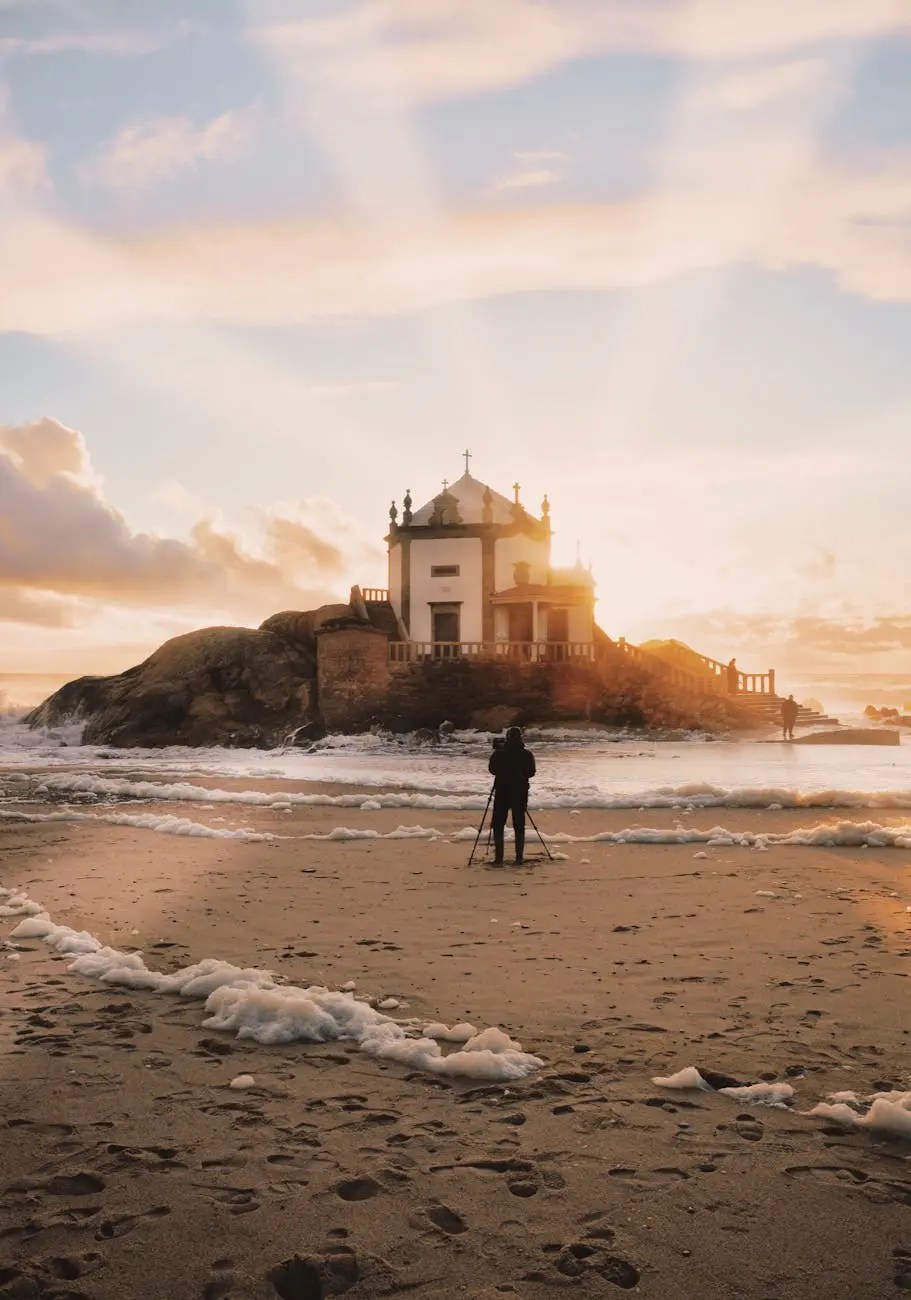
A person capturing a photo on the beach at sunset, with the Capela do Senhor da Pedra visible on a rock in the background.
The stunning Capela do Senhor da Pedra at Miramar Beach, framed by a beautiful sunset. A moment of pure magic at Miramar Beach. The 17th-century Capela do Senhor da Pedra (Chapel of the Lord of the Stone) stands serenely on its rocky altar, framed by a breathtaking sunset. This is one of Porto’s most unique and photogenic hidden gems.

Navigating Porto Like a Pro

Forget the rental car. Seriously. Porto’s center is a maze of one-way streets and limited parking. Your best friends are your feet and public transport.

  • Walking: The best way to explore the core. Wear comfortable shoes—the hills are no joke. Be warned—Porto is hilly. Your calves will thank you later.
  • Metro & Bus: The system is clean, efficient, and cheap. Get a Andante Blue Card (the reusable card itself costs €0.60) and then top it up with credit for your journeys. You must validate it before each trip! A single zone journey (which covers almost all city center travel) is €1.25.
  • Tram & Funicular: The historic Tram #1 runs along the river to Foz and is a charming (if touristy) ride. The Funicular dos Guindais is a fun way to save your calves the climb from Ribeira to the Batalha area.
  • Uber/Bolt: Incredibly affordable in Porto. A ride across the city center will rarely cost more than €5-€7, making it a great option when your feet have officially given up.

💡 Pro Tip: Download Moovit app for real-time schedules, or grab a city map at São Bento Station (worth visiting just for the azulejo murals).

Essential Portuguese for the Weekend Warrior

  • Olá (OH-lah) – Hello
  • Obrigado (o-bree-GAH-doo) – Thank you (said by a man)
  • Obrigada (o-bree-GAH-dah) – Thank you (said by a woman)
  • Por favor (por fa-VOR) – Please
  • Uma bica, por favor (OO-ma BEE-ka, por fa-VOR) – An espresso, please
  • A conta, por favor (ah CON-ta, por fa-VOR) – The bill, please
  • Desculpe (desh-KOOLP) – Excuse me / Sorry
  • How much? = Quanto custa?
  • Where is the train station? = Onde fica a estação de comboios?
  • Wine, please = Vinho, por favor

Smart Travel Tools for a Hassle-Free Trip

Let’s be real, modern travel requires modern solutions. Here’s what I never leave home without:

🌐 Stay Connected Smartly: Hunting for a local SIM at the airport is a rookie move that costs time and money. I’ve been using Drimsim for years—a genius universal SIM that works in 190+ countries. Pop it in, top up via the app, and you’re online the second you land. No contracts, no hidden fees. It’s a game-changer. ➡️ Check out Drimsim here.

🔒 Protect Your Privacy (& Stream Netflix): Public Wi-Fi in hotels and cafes is a hacker’s playground. A VPN is non-negotiable for securing your data. I also use it to watch shows from back home. NordVPN is my go-to for reliability. ➡️ Get NordVPN for your trip.

✈️ Get Paid for Flight Chaos: Did you know that if your flight is significantly delayed, canceled, or you’re denied boarding, you could be entitled to up to $650 in compensation? Most people don’t claim it. I use AirHelp to handle the messy paperwork with the airlines. They only get paid if you win, so it’s a no-brainer. ➡️ Check your flight with AirHelp now.

🤒 Don’t Skimp on Insurance: A medical emergency abroad can bankrupt you. I always, always get travel insurance. VisitorsCoverage is a fantastic platform to compare and find a plan that fits your specific trip, whether it’s a weekend or a month. ➡️ Find the right coverage with VisitorsCoverage.

And of course, for putting together your entire trip—flights, hotels, and all—I always start my search on Expedia to bundle and save.
➡️ Start planning your Porto escape on Expedia 

To capture all those beautiful moments, I swear by my Sony Alpha camera. It’s lightweight, powerful, and perfect for travel photography.

Frequently Asked Questions (FAQ)

Q: What is the best time of year to visit Porto for a weekend?
A: The sweet spots are the shoulder seasons: March-May and September-October. The weather is pleasant, the crowds are thinner, and prices are more reasonable. Summer (June-August) is busy and can be quite hot.

Q: Is two days in Porto enough?
A: For a weekend city break, absolutely! Porto’s historic core is very concentrated. Two full days allows you to see the major sights, enjoy the food and wine, and get a real feel for the city’s charm without being rushed.

Q: How much does a weekend in Porto cost?
A: Porto is very affordable for Western Europe. A budget traveler could manage on €50-70/day, while a mid-range traveler spending on nice meals, tours, and a central hotel might budget €100-150/day.

Q: What is the best way to get from Porto Airport (OPO) to the city center?
A: The Metro is the easiest and cheapest option. The Purple Line (E) goes directly from the airport to the city center (Trindade station) in about 30 minutes. A one-way ticket is €2.00 plus the €0.60 card fee. A taxi or Uber will cost around €20-25.

Q: Can I drink the tap water in Porto?
A: Yes, the tap water is perfectly safe to drink. This is an easy way to save money and reduce plastic waste—just bring a reusable water bottle.

Q: Is Porto cheaper than Lisbon?
A: Yes—accommodation and food are generally more affordable


Nearby Getaways & Suggested Itineraries

Pair Porto with Lisbon (train ride = 3 hours).

Hop over to Madrid or Barcelona by air.

Spice it up with Marrakech—a contrasting cultural escape.

Your Portuguese adventure is calling! With this guide, you’re all set to have an incredible, efficient, and deeply rewarding weekend in Porto. What are you most excited to see? Tell me in the comments below!

Ready to book? Don’t forget to use my link to find the best deals on Expedia and travel smarter with my recommended tools. Boa viagem!
Universal Disclaimer/Disclosure Page:

Explore Marrakech: A Weekend Guide to the Red City

Meta Description: Escape to the vibrant magic of Marrakech! This guide for savvy travelers reveals hidden gems, local tips, and a perfectly optimized itinerary for an unforgettable and budget-friendly weekend in Morocco. Discover souks, spices, and savings!

So, your calendar has a glorious, empty weekend staring back at you, and your soul is screaming for something more exciting than laundry and Netflix. I’ve been there. Let me tell you, the answer isn’t in your fridge; it’s in the intoxicating, chaotic, and utterly magnificent city of Marrakech, Morocco.

A weekend might seem short, but with a solid plan (and a strong cup of mint tea), you can dive headfirst into the heart of this city and emerge feeling like you’ve been on a week-long adventure. Having gotten blissfully lost in its medina more times than I can count, I’ve crafted this guide to help you maximize every moment.

Table of Contents  Your Blueprint for the Perfect Weekend

  1. Welcome to the Red City!
  2. Getting There: Your Gateway to Marrakech
    • Visa & Entry Essentials
    • Flights & Booking Smart with Expedia
  3. Friday: A Kaleidoscope of Sights & Sounds
    • Afternoon: Stepping into Djemaa el-Fna
    • Evening: Culinary Adventures & Storytellers
  4. Saturday: Palaces, Gardens & Artisan Alleyways
    • Morning: Royal Splendor at Bahia Palace
    • Midday: The Tranquility of Jardin Majorelle
    • Afternoon: Navigating the Souks like a Pro
    • Evening: A Feast for the Senses (and the Stomach!)
  5. Sunday: Relaxation, Reflection & Departure
    • Morning: A Hammam Experience or Secret Garden Brunch
    • Late Morning: Last-Minute Souvenir Hunt
    • Afternoon: Farewell, Marrakech!
  6. Navigating Marrakech: Your Transportation Guide
    • Airport Transfers
    • Taxis: Hailing & Haggling
    • Buses: Local & Long-Distance
    • Walking: Your Best Bet for the Medina
  7. Saving Dirhams: Budgeting for Your Moroccan Adventure
    • Accommodation Hacks
    • Foodie Finds
    • Souk Bargaining Tips
  8. Essential Moroccan Arabic Phrases
  9. Hidden Gems & Local Secrets
  10. Stay Connected & Protected (Even Abroad!)
    • Smart Connectivity with Drimsim
    • Your Digital Shield: NordVPN
    • Peace of Mind: Travel Insurance with VisitorsCoverage
  11. Flight Woes? Get Compensated with AirHelp!
  12. FAQs: Your Marrakech Questions Answered

Why a Weekend in Marrakech?

Where else can you spend your morning sipping tea in a 16th-century palace, your afternoon getting (happily) lost in a labyrinth of vibrant souks, and your evening watching snake charmers and storytellers under the stars in a centuries-old square? Marrakech is a full-sensory experience. It’s the scent of orange blossoms and spices, the sound of a thousand simultaneous conversations, and the breathtaking sight of pink-walled buildings against the Atlas Mountains. It’s a cultural shot of espresso—intense, invigorating, and absolutely unforgettable.

Welcome to the Red City!

Oh, Marrakech! Just the name rolls off the tongue like a warm breeze carrying the scent of spices and orange blossoms. If you’ve been dreaming of an escape that’s vibrant, a little chaotic, utterly enchanting, and surprisingly accessible, then pack your bags (and your sense of adventure!) because this Moroccan jewel is calling. Forget those tired weekend routines; we’re about to dive headfirst into a city that feels like stepping into a living, breathing fairytale.

Flights to Marrakech

 Before You Go: The Essential Pre-Trip Checklist

A little prep goes a long way in making your weekend smooth.

  • Visa & Entry: Good news for many! Citizens of the US, UK, EU, Australia, and Canada do not need a visa for tourist travel to Morocco for stays up to 90 days. You just need a passport valid for at least six months. Always double-check with Morocco e-Visa Online for the most current info based on your nationality.
  • Travel Insurance: ✈️ Smart Travel Tip: No matter where your adventures take you, having the right travel insurance can save you from unexpected headaches (and bills). I personally recommend VisitorsCoverage — it’s a trusted platform where you can compare plans, find coverage that fits your trip, and book it in just a few clicks. Whether you’re planning a quick city escape or a longer international journey, it’s peace of mind worth packing.
  • Staying Connected & Secure:
    • Internet Access: Getting online abroad can be a nightmare of overpriced airport SIMs and shocking roaming bills. My secret weapon? My Drimsim. It’s a global data SIM that works in 190+ countries. Pop it in, top up via the app, and you’re online the second you land. No fuss, no hidden fees. It has saved my bacon more times than I can count when I needed to Google “how to politely decline a carpet” in the middle of a souk.
    • VPN (Virtual Private Network): Using public WiFi? A VPN is non-negotiable for security. It also lets you access geo-blocked content and can sometimes help find better flight deals. I never travel without my NordVPN running on my phone and laptop.

Flight Woes? Get Compensated with AirHelp!

  • Travel isn’t always smooth sailing—sometimes flights get delayed, canceled, or overbooked. The good news? You might be entitled to up to $650 in compensation under air passenger rights. Most travelers never claim it, but I’ve got you covered: just check your flight with AirHelp. They handle the paperwork, fight the airlines for you, and only get paid if you win. Easy, stress-free, and potentially a nice surprise for your travel fund. Check your flight: AirHelp

Now, for the fun part! I’ve used my trusty Sony Alpha a7III camera to capture the magic of Marrakech. It’s lightweight, incredible in low light (perfect for those dusky market shots), and has been my travel companion for years.

Friday: Dive into the Medina & Djemaa el-Fna

Morning/Afternoon: Arrive and Unwind
Fly into Marrakech Menara Airport (RAK). The fastest way to your accommodation is a pre-booked airport transfer or a petit taxiInsist the driver uses the meter (“compteur”) or agree on a firm price before you get in. A ride to the medina should cost around 70-100 MAD ($7-10).

Check into your riad—a traditional Moroccan house with an interior garden courtyard. This is where you’ll truly feel the city’s charm. I’ll never forget the first time I stepped off a dusty, noisy street into the serene, rose-scented oasis of Riad El Fenn—absolute magic. You can find great deals on riads and hotels on Expedia.

Evening: The Main Event
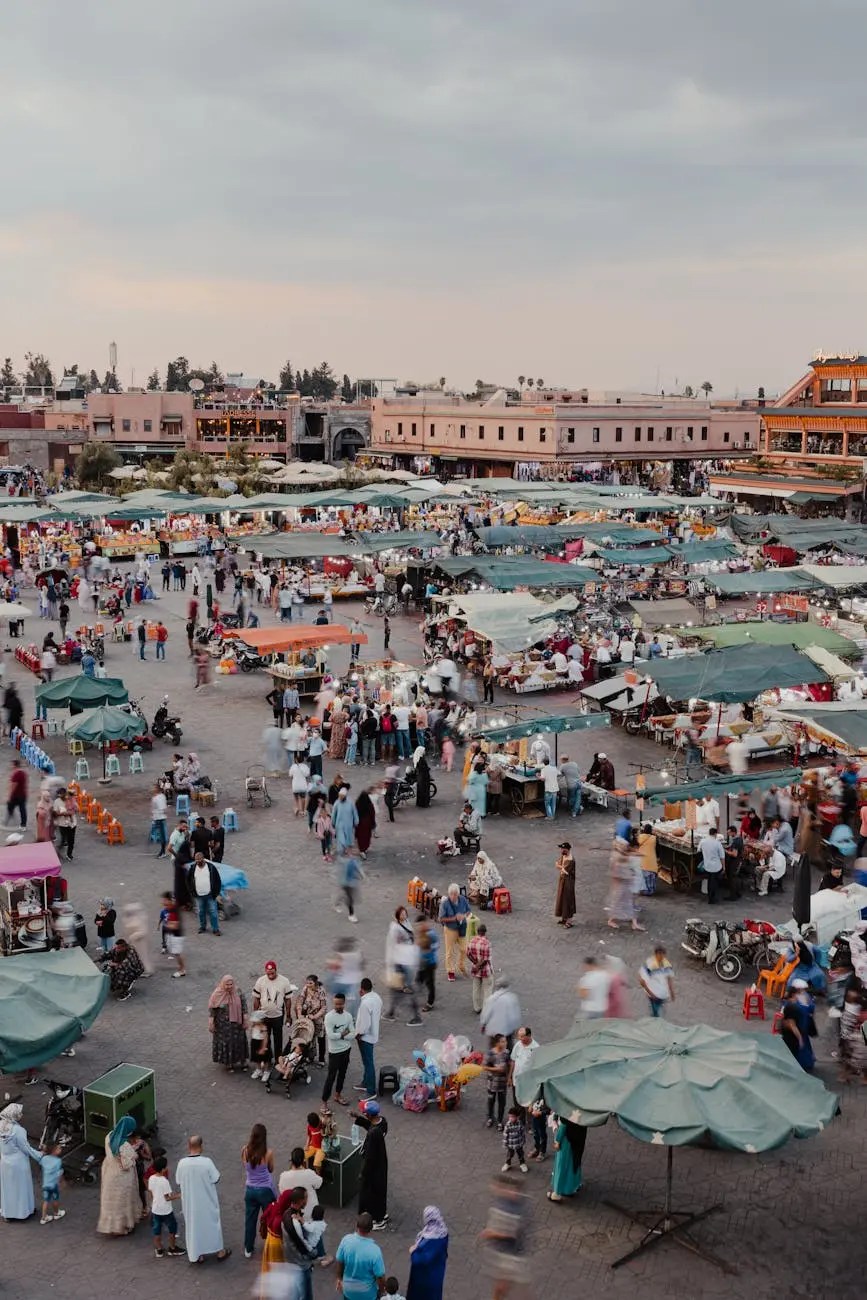
Your first stop has to be the iconic Djemaa el-Fna square. Trust me, it’s an assault on the senses in the best possible way Head to Jemaa el-Fnaa., the beating heart of Marrakech. By day it’s a square, but by night it transforms into a massive open-air theater and food festival.Snake charmers, storytellers, musicians, and the general hum of life… it’s a UNESCO World Heritage site for a reason.

It’s chaotic, overwhelming, and utterly magnificent.Take it all in, but keep an eye on your belongings – it gets busy! I remember my first time, a cheeky monkey tried to ‘help’ me take a photo! Follow your nose to the dozens of food stalls grilling up kebabs, selling snail soup, and pouring fresh orange juice. Grab a seat at a rooftop café like Café Glacier for a panoramic sunset view over the madness.

A bustling view of Djemaa el-Fna square in Marrakech, filled with people, market stalls, and shade tents under a cloudy sky.
A vibrant scene at Jemaa el-Fnaa, Marrakech’s bustling square filled with food stalls and lively crowds.The heart of Marrakech comes alive at dusk! This is Jemaa el-Fnaa square, where the scent of grilling kebabs and spices fills the air, storytellers captivate crowds, and the energy is absolutely electric. It’s a must-experience sensory overload

Saturday: Palaces, Gardens & Hidden Gems

Morning: Architectural Wonders
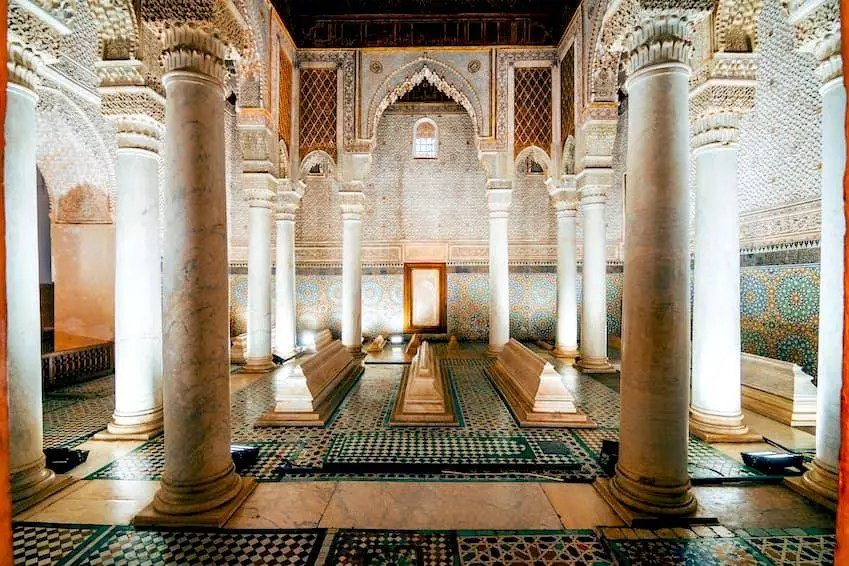
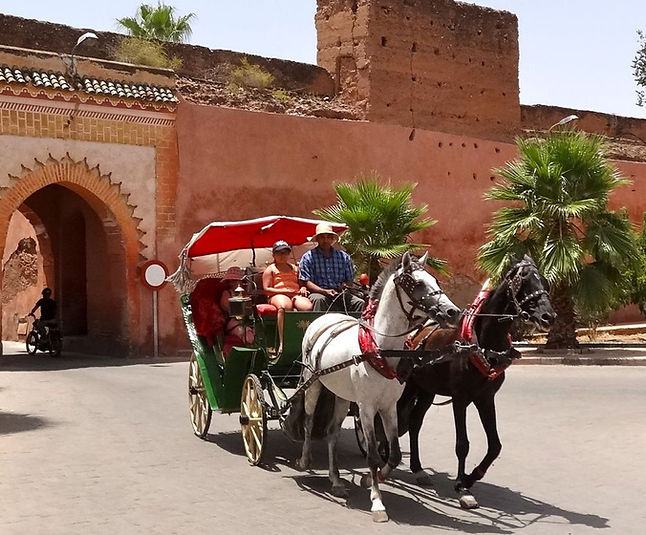
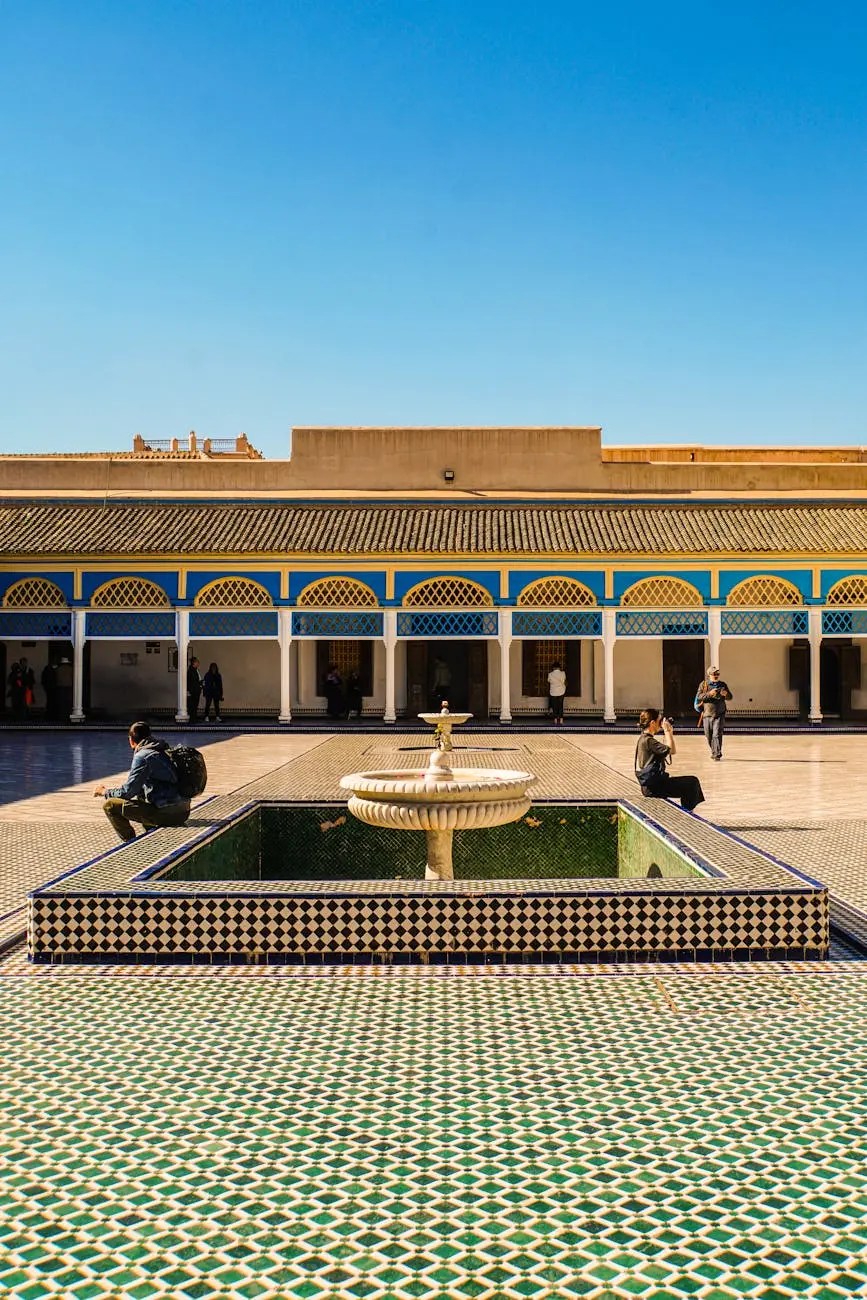
After breakfast on your riad’s rooftop, hire a caleche (horse-drawn carriage) for a trot to the Bahia Palace. It’s a stunning example of Moroccan architecture, with intricate mosaics and peaceful courtyards. Next door is the Saadian Tombs, a royal necropolis sealed for centuries.

Afternoon: Escape the Hustle
Need a break from the crowds? Skip the long lines at Jardin Majorelle (though it is beautiful) and head to the Le Jardin Secret, a recently restored haven with stunning gardens and a fascinating Islamic art museum. It’s a true hidden gem.

For lunch, dive into a back alley and find a local spot serving tagine (slow-cooked stew) or couscous (steamed semolina granules). Don’t be shy!

Evening: A Taste of Luxury
For your final night, treat yourself to a fancy dinner. Many riads offer incredible multi-course meals. Alternatively, book a table at one of the chic restaurants in Gueliz (the new city), like Grand Café de la Poste, for a blend of French and Moroccan flair.

A horse-drawn carriage, known as a caleche, rides through the streets of Marrakech, with passengers seated under a red canopy near historic walls.
A horse-drawn carriage ride through the historic streets of Marrakech, showcasing the city’s unique architecture and vibrant greenery.
A tranquil courtyard scene in Marrakech featuring a decorative fountain surrounded by intricate tile work and historic architecture under a clear blue sky.
Explore the stunning architectural beauty of Bahia Palace in Marrakech, featuring intricate mosaics and serene courtyards. Finding peace in the palace. The tranquil courtyards of the 19th-century Bahia Palace are a masterpiece of Moroccan design, where every arch, tile, and carved door tells a story of grandeur.

Interior view of a historical Moroccan palace with tall columns, intricate tile work, and ornate arches, showcasing a serene atmosphere and decorative elements.
Interior view of the Bahia Palace showcasing stunning Moroccan architecture and intricate tile work. Saadian tombs
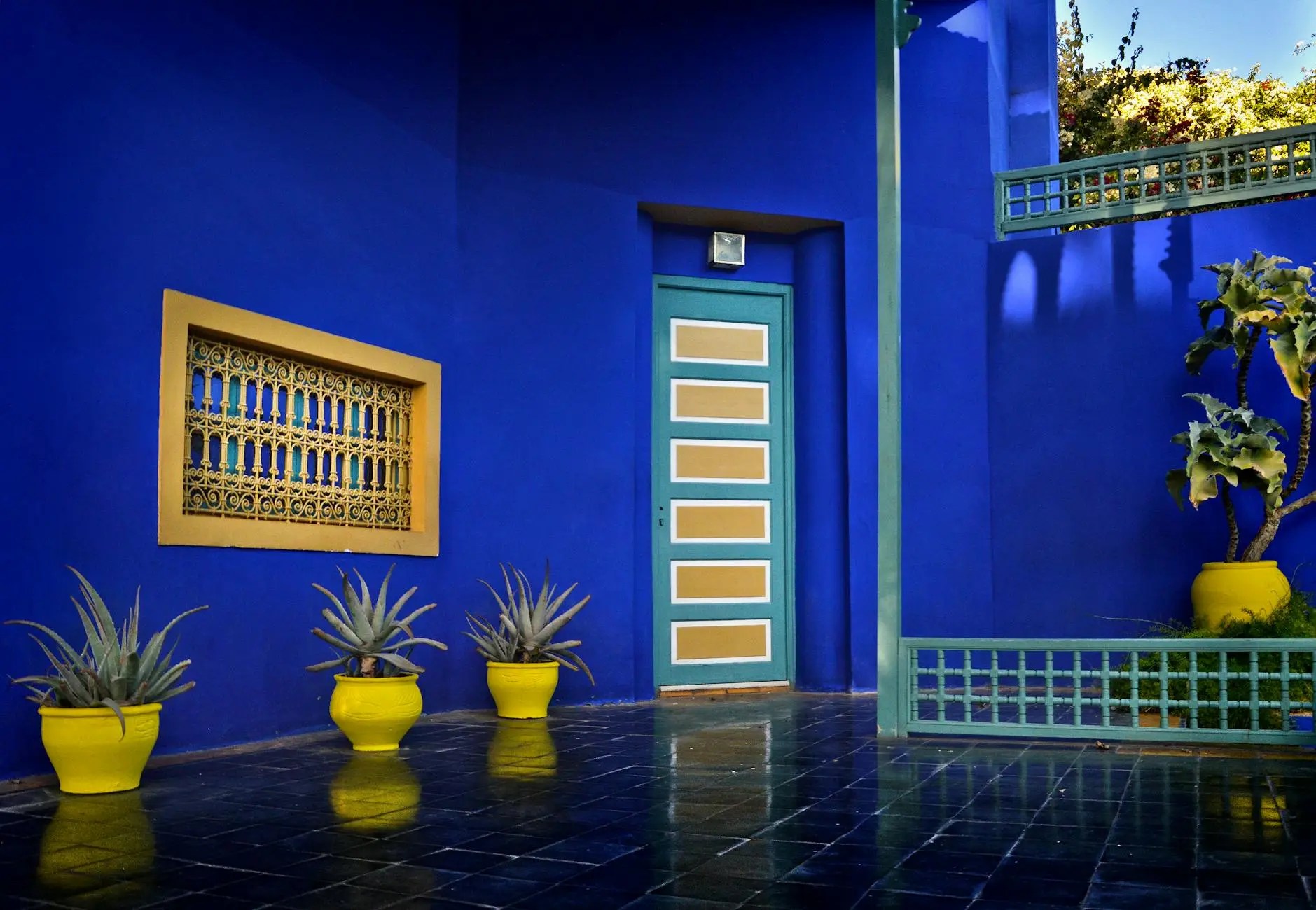
A vibrant blue wall with a decorative yellow window frame and a green door. Several yellow pots with agave plants are placed in front, reflecting on the shiny black floor.
A vibrant blue wall adorned with a decorative window and colorful potted plants, showcasing the enchanting architecture of Marrakech. vibrant blue building and courtyard within the Majorelle Garden (Jardin Majorelle) in Marrakech, Morocco. The unforgettable “Majorelle Blue” of Jardin Majorelle. This botanical garden and artist’s sanctuary, once owned by Yves Saint Laurent, is a stunning masterpiece of color and design.
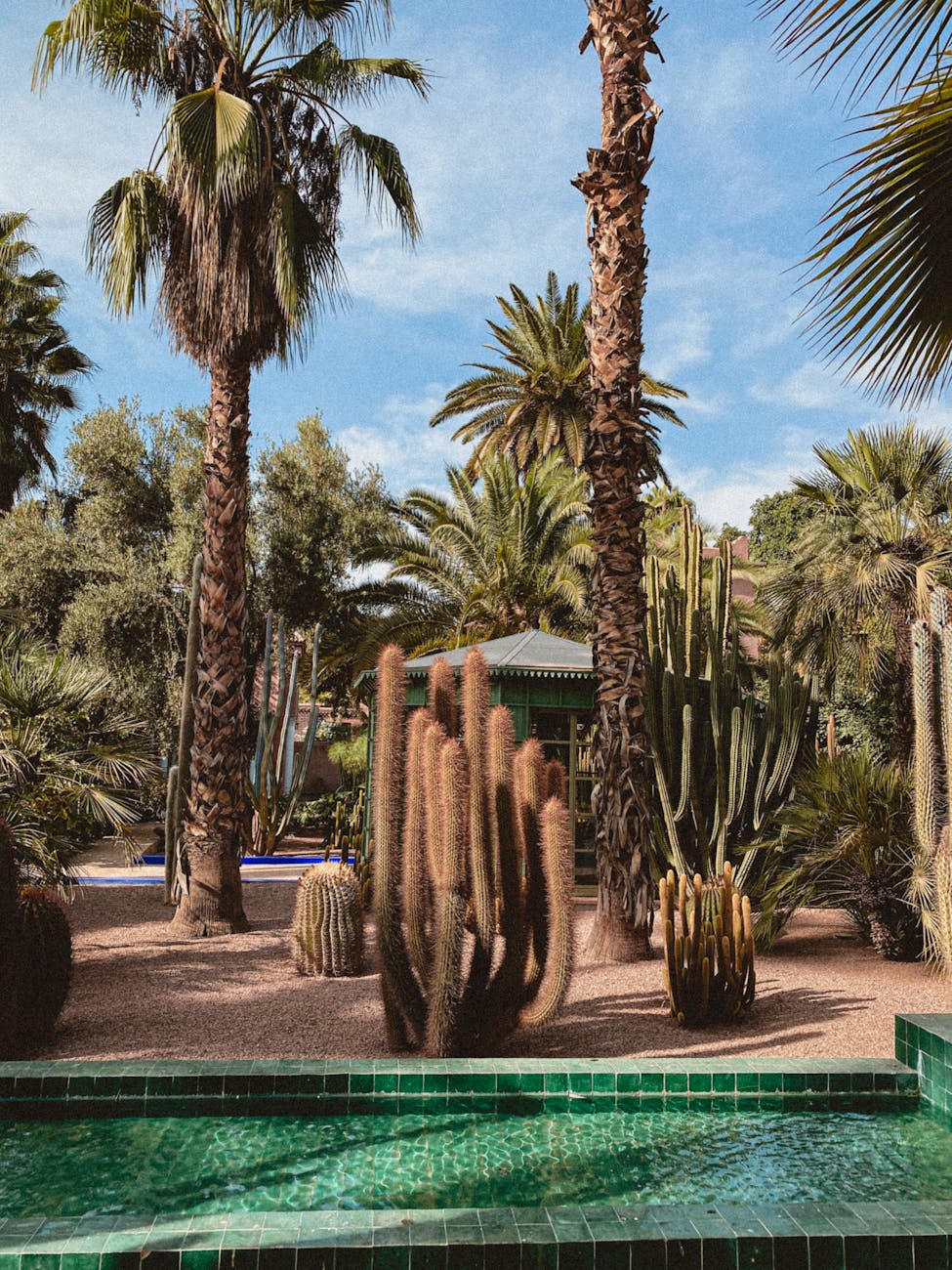
A serene garden scene featuring tall palm trees, cacti, and a Moroccan-style green tiled fountain under a blue sky.
Lush palm trees and exotic cacti create a serene oasis in Marrakech, inviting travelers to unwind and explore the tranquil beauty of Moroccan gardens.

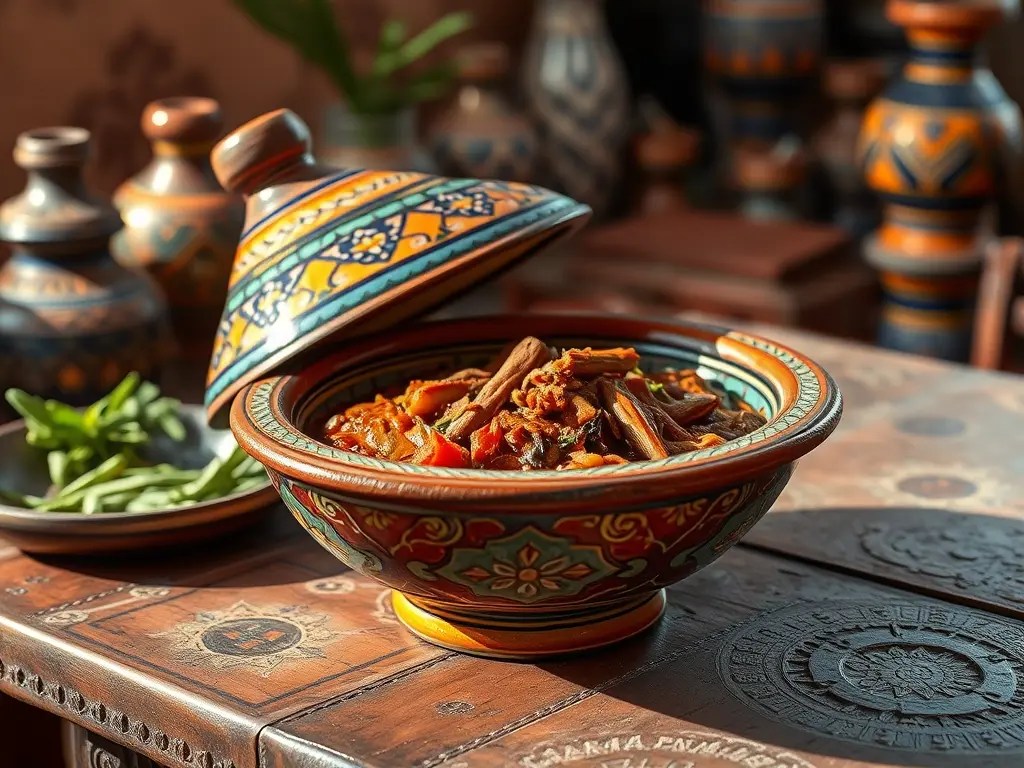
A beautifully decorated Moroccan tagine filled with a savory stew, placed on a wooden table surrounded by traditional ceramic pots.
A delicious Moroccan tagine, showcasing vibrant colors and traditional culinary design, served with fresh green beans. The moment of truth! Lifting the lid off a steaming, fragrant tagine to reveal the tender, slow-cooked stew inside is a quintessential Marrakech experience. This is comfort food, Moroccan style.

A bowl of vibrant Moroccan rice dish topped with colorful ingredients, set against a richly patterned tablecloth.
A vibrant Moroccan rice dish garnished with vivid spices and herbs, perfect for a flavorful meal. Fluffy, fragrant, and full of flavor. This is seffa medfouna – a celebratory Moroccan couscous dish steamed to perfection and often served with seven vegetables, sweet onions, and a dusting of cinnamon and sugar.

Sunday: A Final Taste & Souvenir Smarts

Morning: Last-Minute Souks
Use your morning for one last dive into the souks. This is your chance to put your haggling skills to the test. Remember, start at about 30-40% of the initial asking price, be polite, have fun with it, and be prepared to walk away. The best souvenirs are leather babouches (slippers), argan oil, beautiful lamps, and spices.

Grab a final Moroccan pastry and mint tea before heading to the airport for your flight home, your suitcase heavier and your heart fuller.

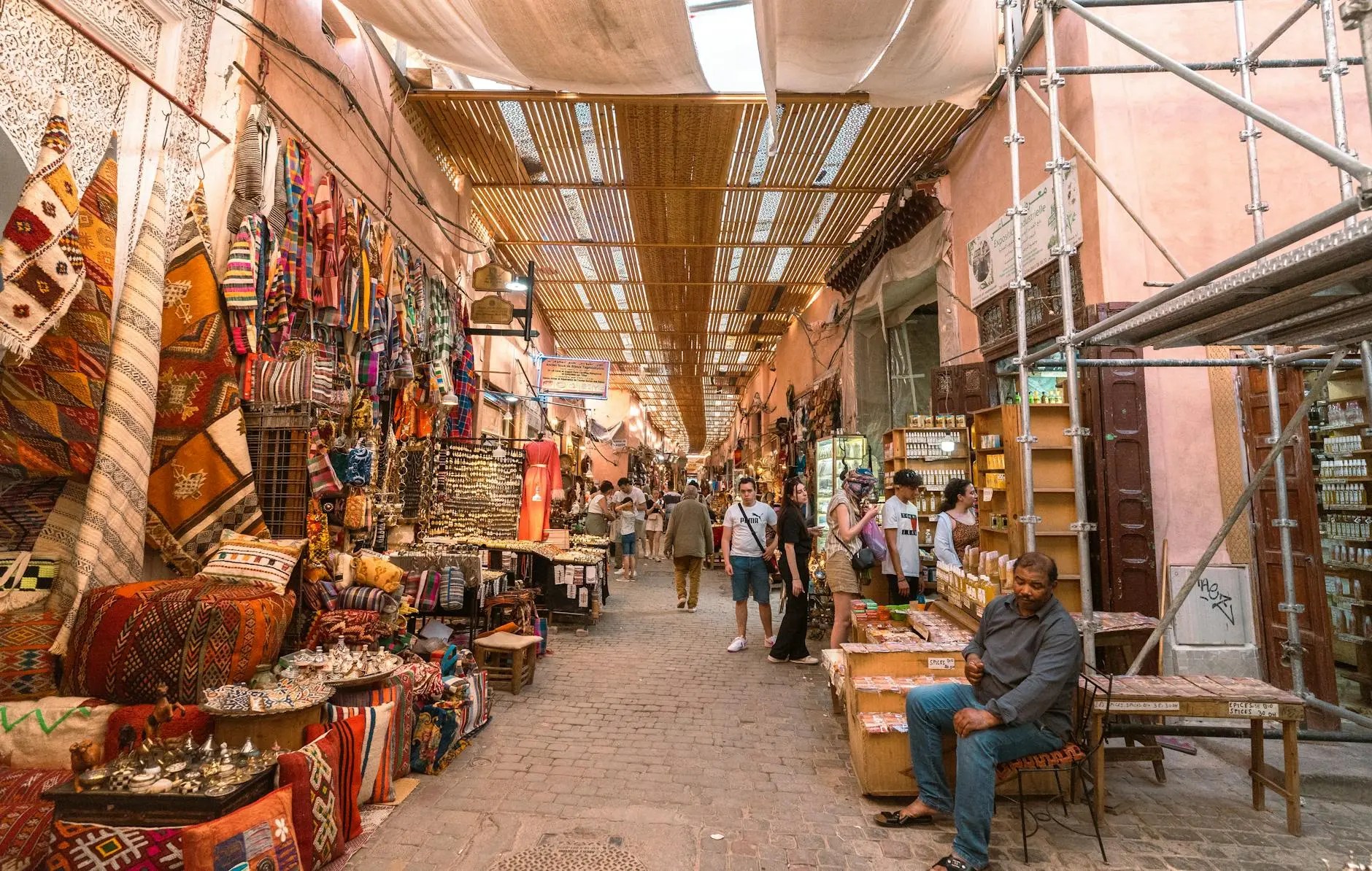
A vibrant souk in Marrakech, filled with colorful textiles, spices, and artisan goods, showcasing a lively atmosphere with shoppers and vendors.
Explore the vibrant souks of Marrakech, where colorful textiles and local crafts create a sensory overload. Getting lost is the whole point. Wandering the labyrinthine souks of Marrakech is a feast for the senses, where every turn reveals a new kaleidoscope of colors, from hand-woven textiles and gleaming lanterns to piles of fragrant spices.

A selection of intricately designed Moroccan leather babouche slippers, showcasing vibrant colors and patterns, displayed in a traditional market setting.
Colorful Moroccan leather babouches displayed in the souks of Marrakech, showcasing intricate designs and craftsmanship. The ultimate Marrakech souvenir! These handcrafted leather babouches are as comfortable as they are colorful. Pro haggling tip: the yellow ones are traditionally for indoors, while other colors can be worn out.
A collection of intricately designed Moroccan lamps hanging in a cozy setting, featuring vibrant colors and detailed patterns.
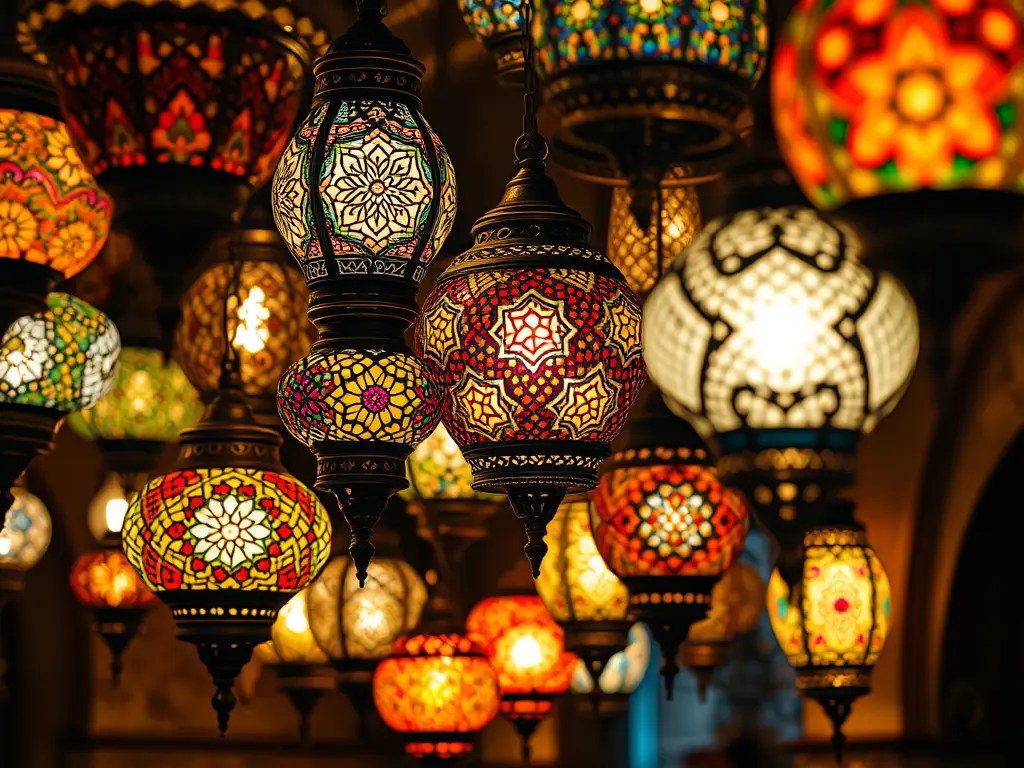
Vibrant Moroccan lanterns showcasing intricate designs and colors, encapsulating the enchanting ambiance of Marrakech. How to capture Marrakech’s magic in one object. These lanterns, called “fanous,” transform any room with their beautiful, patterned light. Just be sure to pack carefully—they’re the most fragile (and gorgeous) souvenir you’ll find.
A close-up of beautifully decorated Moroccan pastries, featuring intricate designs and vibrant colors, showcasing the artistry of traditional Moroccan desserts.
Colorful and intricately designed Moroccan pastries, a must-try treat during your visit to Marrakech. A feast for the eyes before the stomach. Moroccan pastry-making is an art form, often flavored with orange blossom water, almonds, and honey. Pro tip: pair with a strong mint tea to balance the sweetness!

Hidden Gems & Local Secrets

  • Maison de la Photographie: A beautiful museum showcasing vintage Moroccan photography, often with stunning views from its rooftop café.
  • Mellah (Jewish Quarter): Explore a different side of Marrakech’s history. The small Synagogue is worth a visit, and the market here is more focused on locals.
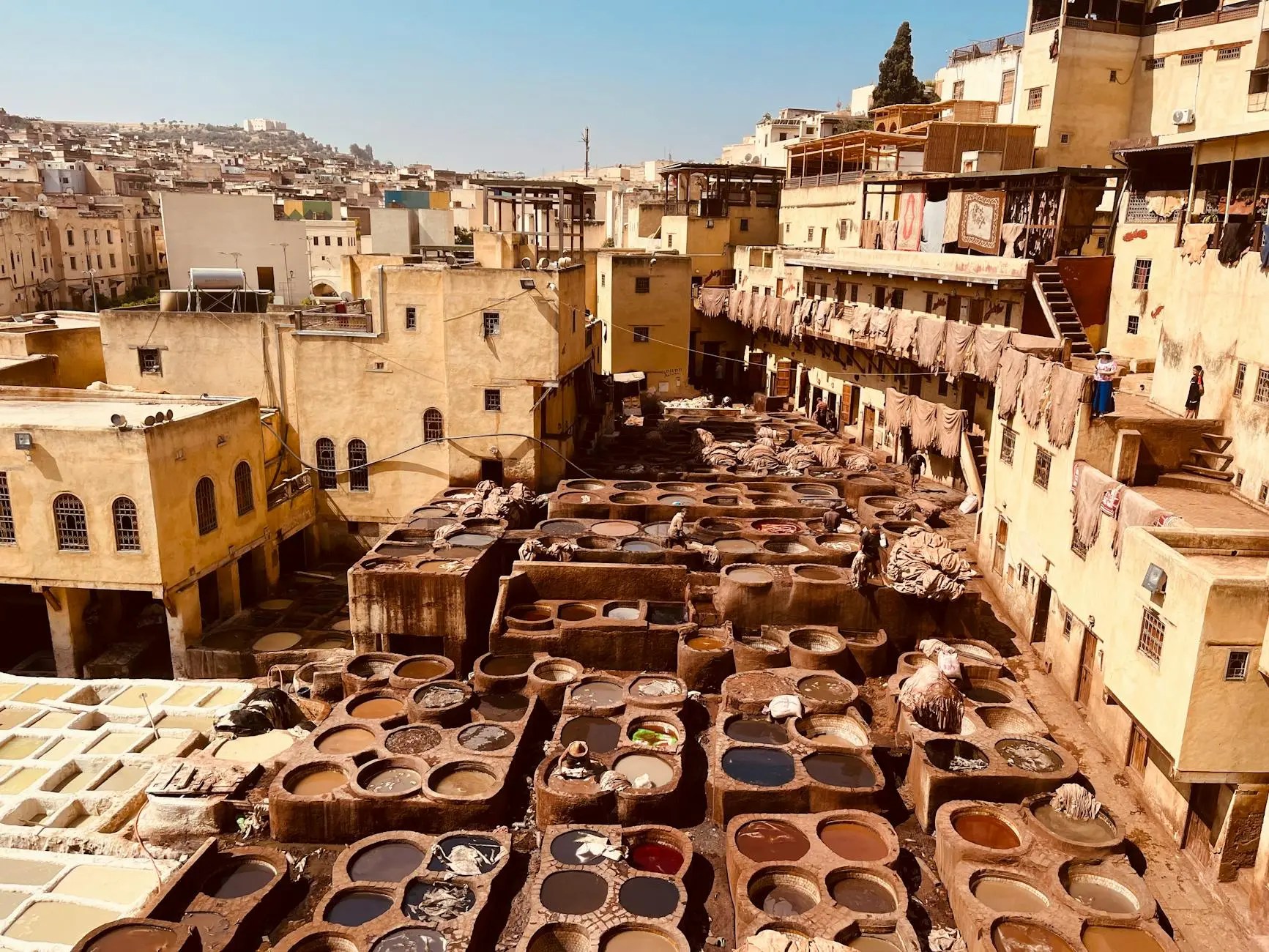
  • Tanneries (Bab Debbagh): If you’re feeling adventurous and can handle strong smells, visit the tanneries to see traditional leather processing. Be prepared for ‘guides’ who will expect a tip.
A bustling street market in Marrakech, showcasing vibrant stalls filled with fruits, spices, and local goods, with people walking along the sunlit path and historic architecture in the background.
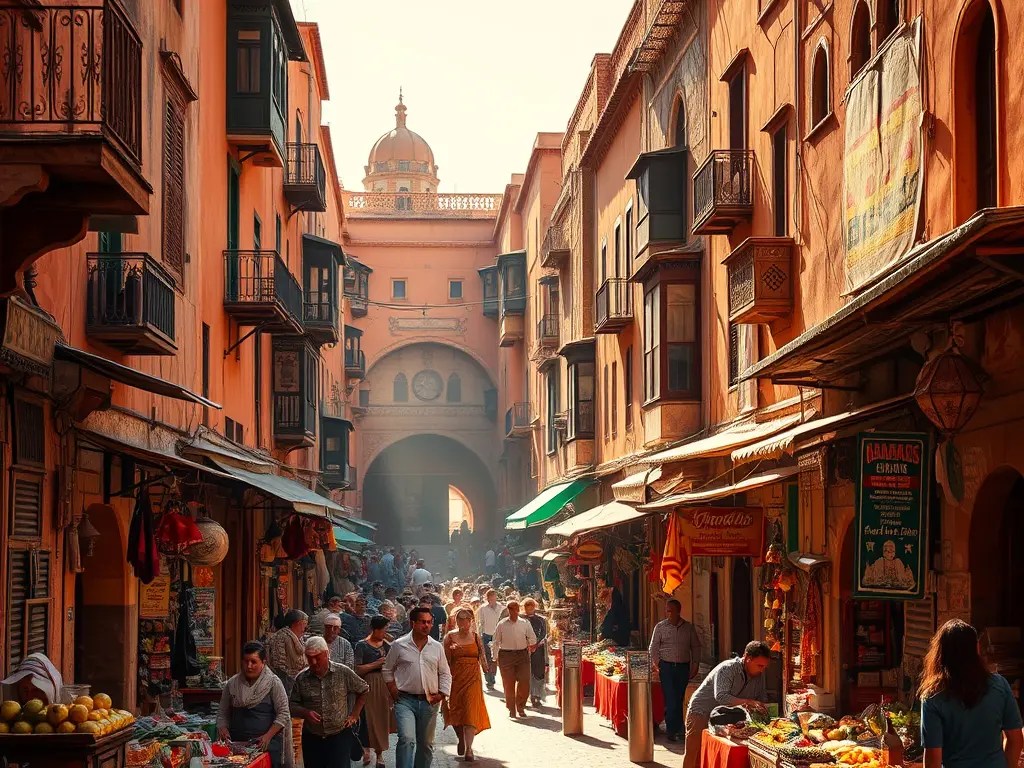
Vibrant alleyway in Marrakech’s medina bustling with locals and colorful market stalls. The real magic of Marrakech is found in its hidden alleys. Beyond the main souks, these vibrant corridors are where daily life unfolds, filled with the scent of spices, the chatter of locals, and explosions of color at every turn.

View of traditional Moroccan tanneries in Fez, featuring large dyeing pits surrounded by beige buildings and residents working with leather.
Exploring the vibrant dye pits of Marrakech, a testament to traditional leather processing techniques. A look into a centuries-old craft. The iconic Chouara Tanneries in Fes use methods unchanged since the medieval era. Pro tip: The mint vendors offer sprigs to help with the potent smell, but the view from the surrounding leather shops is free!

Money-Saving Tips & Must-Know Phrases

Morocco can be very affordable if you know how to play your cards right!

Save Money:

Accommodation Hacks: Stay in a riad (traditional Moroccan house with an interior courtyard). They offer incredible charm and value. Many also include a delicious breakfast!

Souk Bargaining Tips: The golden rule: always negotiate! Start at about 50% of the asking price and work your way up. It’s a game, so enjoy it. A friendly demeanor goes a long way.

  • Walk: The medina is best explored on foot.
  • Eat Local: Avoid tourist-trap restaurants on the main squares. A meal at a local tagine shop can cost a fraction of the price.
  • Water: Buy large bottles of water from small shops instead of your riad or cafes.
  • Petit Taxis: They are cheap! Just always ensure the meter is running.

Must-Know Words & Phrases:

  • Hello: As-salaam alaykum (Peace be upon you)
  • Thank you: Shukran
  • How much?: Bshal?
  • Too expensive: Ghaali bezzaf
  • Yes: Iyeh / No: La
  • Please: Afak
  • Goodbye: Bslama
  • La shukran (La SHOOK-ran): No thank you
  • Bch-hal? (Bish-HAL?): How much?
  • Wakaha (Wha-KAH-ha): Okay

Marrakech Weekend FAQs

Q: Is a weekend enough time in Marrakech?
A: Absolutely! While you won’t see everything, a well-planned 2-3 day itinerary lets you experience the city’s major highlights and unique energy without feeling too rushed.

Q: What is the best way to get around Marrakech?
A: On foot within the medina. For longer distances (e.g., to Gueliz or the Palmeraie), use the petit taxis (beige cars for inner city). For a fun experience, try a caleche (horse carriage) for a fixed route and negotiated price.

Q: What should I wear?
A: Dress modestly to respect the local culture. Lightweight, loose-fitting clothing that covers shoulders and knees is perfect. Pack a scarf—it’s versatile for covering up or staying warm in the evening.

Q: Is it safe to travel to Marrakech?
A: Marrakech is generally very safe for tourists. The main issues are petty crime and scam artists targeting tourists. Be aware of your surroundings, don’t flash valuables, and be firm but polite with overly persistent shopkeepers and “guides.”

Q: Can I drink the tap water? A: It’s generally not recommended for tourists. Stick to bottled water to avoid any stomach upsets

Q: Is haggling expected in the souks? A: Absolutely! It’s part of the cultural experience. Start friendly, be firm, and walk away if you can’t agree on a price you’re happy with – often the vendor will call you back!

Q: How much should I tip? A: Tipping is customary. For restaurant staff, 10% is standard. For small services (like someone helping with directions), a few dirhams are appreciated. Taxi drivers typically don’t expect tips unless they go above and beyond.

P.S. If you’re more of a European city person, I’ve got you covered there too! Check out my guides for an Ultimate Weekend in Madrid48 Hours in Barcelona, and 48 Hours in Lisbon (all linked in my bio!).

Final Call to Adventure

Marrakech is waiting to steal your heart and overwhelm your senses. It’s a city that demands to be felt, not just seen. With this guide, you’re ready to conquer it in a single, incredible weekend.

Ready to book your escape? I always start my search for the best flight and hotel deals on Expedia to bundle and save.

So, tell me: what’s the first thing that comes to mind when you picture Marrakech? The food? The chaos? The colors? Let me know in the comments!

Universal Disclaimer/Disclosure Page:

The Ultimate Weekend Escape to Zurich, Switzerland

Meta Description :
Planning a weekend escape to Zurich, Switzerland? Discover the best things to do, hidden gems, public transport hacks, money-saving tips, and nearby getaways like Munich, Milan, and Vienna. Perfect for travelers looking for a stylish Swiss adventure.

Table of Contents

  1. Why Zurich Should Be Your Next Weekend Escape
  2. How to Get There (Flights & Trains)
  3. Where to Stay in Zurich 🏨
  4. Getting Around Like a Local 🚆🚋
  5. Top Things to Do in Zurich
  6. Hidden Gems Most Tourists Miss
  7. Foodie Adventures 🍫🧀
  8. Budget & Money-Saving Tips
  9. Day Trips You Can’t Miss 🚞
  10. Essential Swiss Phrases to Know
  11. Smart Travel Tips & Must-Have Tools
  12. FAQs About Zurich

So, your calendar has a glorious, empty weekend staring back at you, and your mind is whispering one word: Zürich. Good choice. Forget everything you’ve heard about it being all banks and watches. This city, nestled at the tip of a shimmering lake and surrounded by humble mountains, is a stunning blend of medieval charm and modern chic, and it’s absolutely perfect for a two-day blitz.

I recently found myself with exactly this opportunity, and I’m here to be your guide to doing Zurich right, without breaking the bank or wasting a precious minute.

Why Zurich Should Be Your Next Weekend Escape

Zurich isn’t just about banking and fancy watches—it’s a city where you can sip a coffee by Lake Zurich in the morning, hike up Uetliberg Mountain for panoramic views in the afternoon, and be clinking glasses of local wine in the Old Town by evening.

Plus, Zurich is a gateway to nearby gems: a quick train ride gets you to Munich, Milan, or Vienna. Think of Zurich as your stylish Swiss home base.

Zurich is compact, incredibly efficient, and stunningly beautiful. You can walk from the trendy, graffiti-lined streets of the Zurich West district to the cobblestone lanes of the ancient Old Town (Altstadt) in under 30 minutes. It’s a city that offers world-class art, lakeside relaxation, and hearty food, all within a easily navigable area. It’s the ideal canvas for a short, sweet, and immensely satisfying European escape.

Pro Tip: For a seamless trip planning experience, I always start by checking flight and hotel deals on Expedia. Bundling them can often save you a nice chunk of change for more Swiss chocolate!

How to Get There (Flights & Trains)

Most international flights land at Zurich Airport (ZRH), just 15 minutes from downtown by train. Pro tip: book early on Expedia for the best weekend deals.

If you’re hopping around Europe:

  • Munich → Zurich: 4 hours by direct train
  • Milan → Zurich: 3.5 hours via the scenic Gotthard route
  • Vienna → Zurich: 8 hours by night train (bring snacks and Netflix)

Where to Stay in Zurich 🏨

Stay near Zurich HB (main train station) if you want easy connections, or Old Town (Altstadt) if you’re chasing charm. Personally, I once stayed near Langstrasse—let’s just say it was lively. Too lively. Lesson learned: if you want sleep, skip the party district.

👉 Book your flexible stays with Expedia.

Friday Evening: First Impressions & Fondue

Drop your bag at your hotel (I recommend somewhere central like the Aldstadt or near the main train station, Hauptbahnhof, for maximum convenience). Your first mission: fight the jet lag with cheese. Lots of it.

Head into the Altstadt, a labyrinth of narrow, winding streets that feel plucked from a storybook. Find a traditional restaurant like Zeughauskeller (in a former armoury!) or a cozy fondue spot. Order a classic Fondue Moitié-Moitié (half Gruyère, half Vacherin) and a glass of crisp Fendant wine. You are now officially in Switzerland.

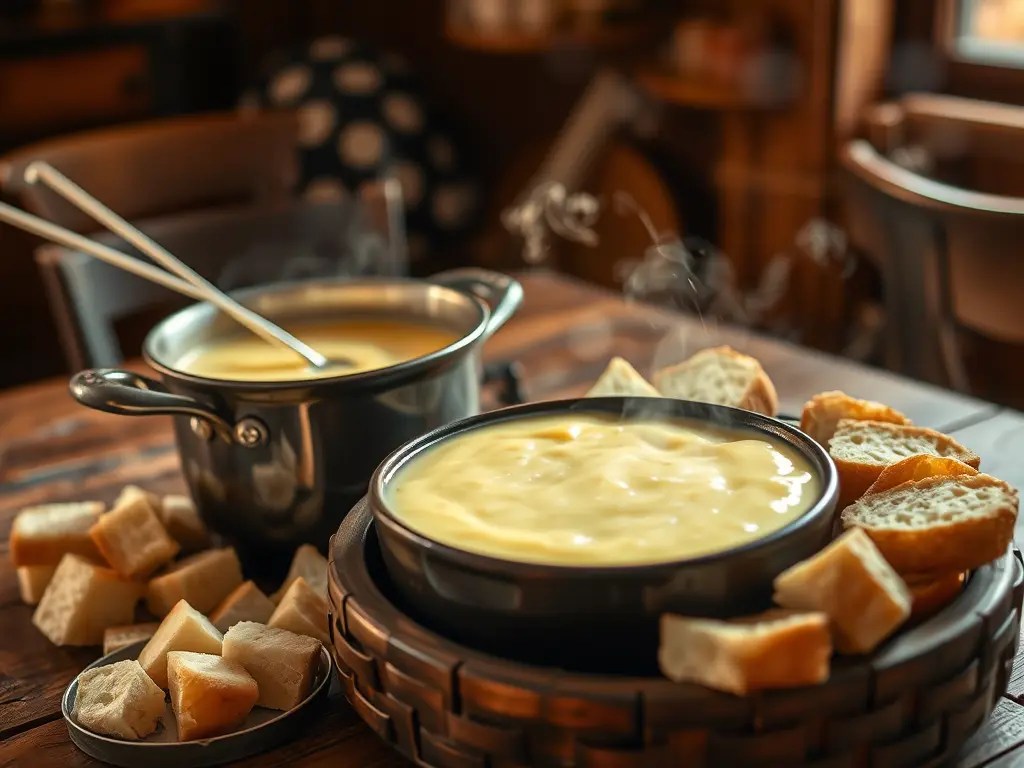
A traditional Swiss fondue dish with melted cheese in a pot, accompanied by chunks of bread and a small bowl of cubed cheese on a wooden table.
Indulge in a classic Swiss fondue experience with melted cheese and fresh bread, a must-try dining highlight in Zurich. No trip to Zurich is complete without this! Dipping into a bubbling pot of classic Swiss fondue—a rich blend of melted Gruyère and Vacherin cheeses—is a quintessential and delicious Alpine experience.
A collection of Fendant wine bottles displayed on a wooden shelf, with a softly lit background featuring more wine bottles.
A selection of Fendant wines, perfect for pairing with traditional Swiss fondue in Zurich. The perfect partner for fondue: A selection of Fendant wine. This crisp, dry Swiss white wine from the Valais region cuts through the richness of the cheese beautifully.

My First Swiss Mistake

On my first visit, I made the classic tourist error: I sat down at a restaurant on the famous Bahnhofstrasse (one of the world’s most expensive shopping streets) and ordered a coffee. The people-watching was premium, but the bill for two espressos was a gut punch. Lesson learned! The best atmosphere is tucked away in the alleys, not on the main drags.

Saturday: Altstadt Charm & Lake Views

Start your day with a strong coffee and a buttery Gipfeli (the Swiss German word for croissant). Then, lose yourself in the Altstadt. Must-sees include:

  • Fraumünster Church: Famous for its stunning stained-glass windows by Marc Chagall.
  • Grossmünster Church: The iconic twin-towered cathedral. Climb the tower for a small fee – the view over the city rooftops to the lake is worth every step and every franc.
  • Lindenhof: A quiet hilltop square with a gorgeous lookout point over the Limmat River and the old town. It’s a perfect spot to just sit and soak it all in.
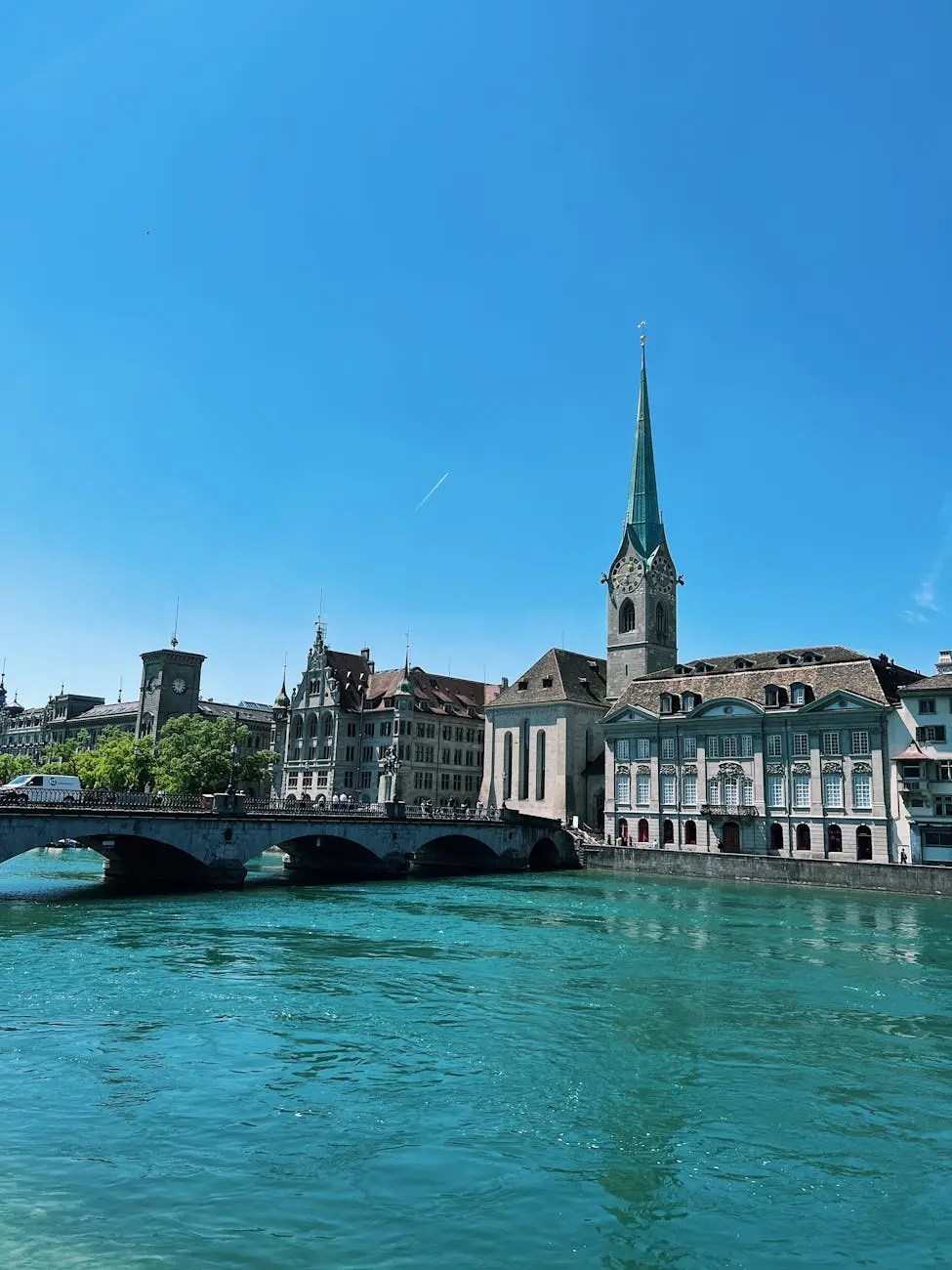
A picturesque view of Zurich featuring the turquoise waters of the Limmat River, a historic bridge, and iconic buildings with a tall church steeple under a clear blue sky.
A picturesque view of Zurich’s iconic skyline, showcasing the beautiful architecture along the Limmat River against a clear blue sky. view of Fraumünster Church The stunning view of Zurich’s Altstadt (Old Town) from the Limmat River, with the towering spires of the Grossmünster church dominating the skyline.

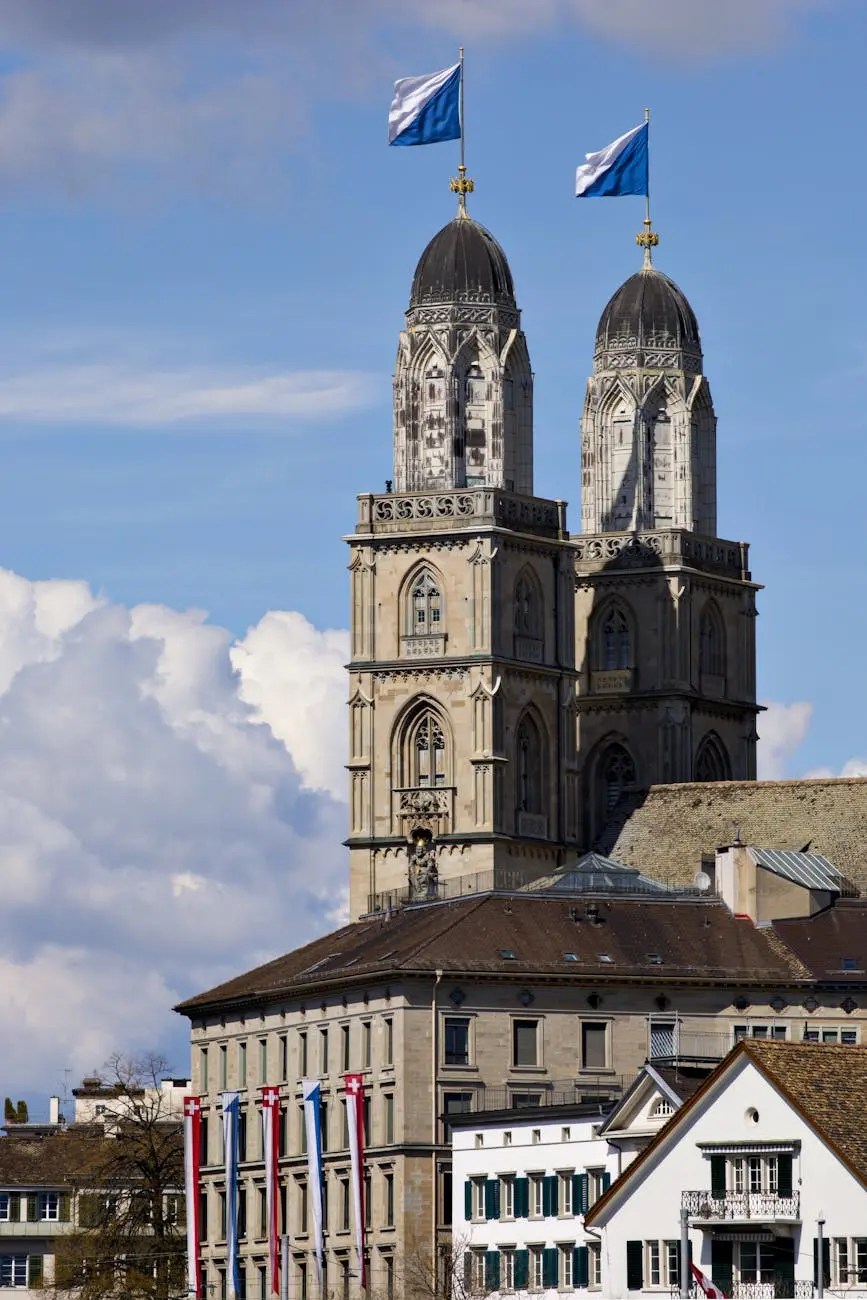
The iconic twin towers of Grossmünster Church in Zurich, Switzerland, against a backdrop of blue sky and fluffy clouds.
The iconic twin towers of Grossmünster Church stand majestically against a blue sky, showcasing Zurich’s medieval architecture and charm. The legendary twin towers of the Grossmünster, a defining symbol of Zurich’s skyline. According to legend, the church was built on the graves of the city’s patron saints, Felix and Regula.
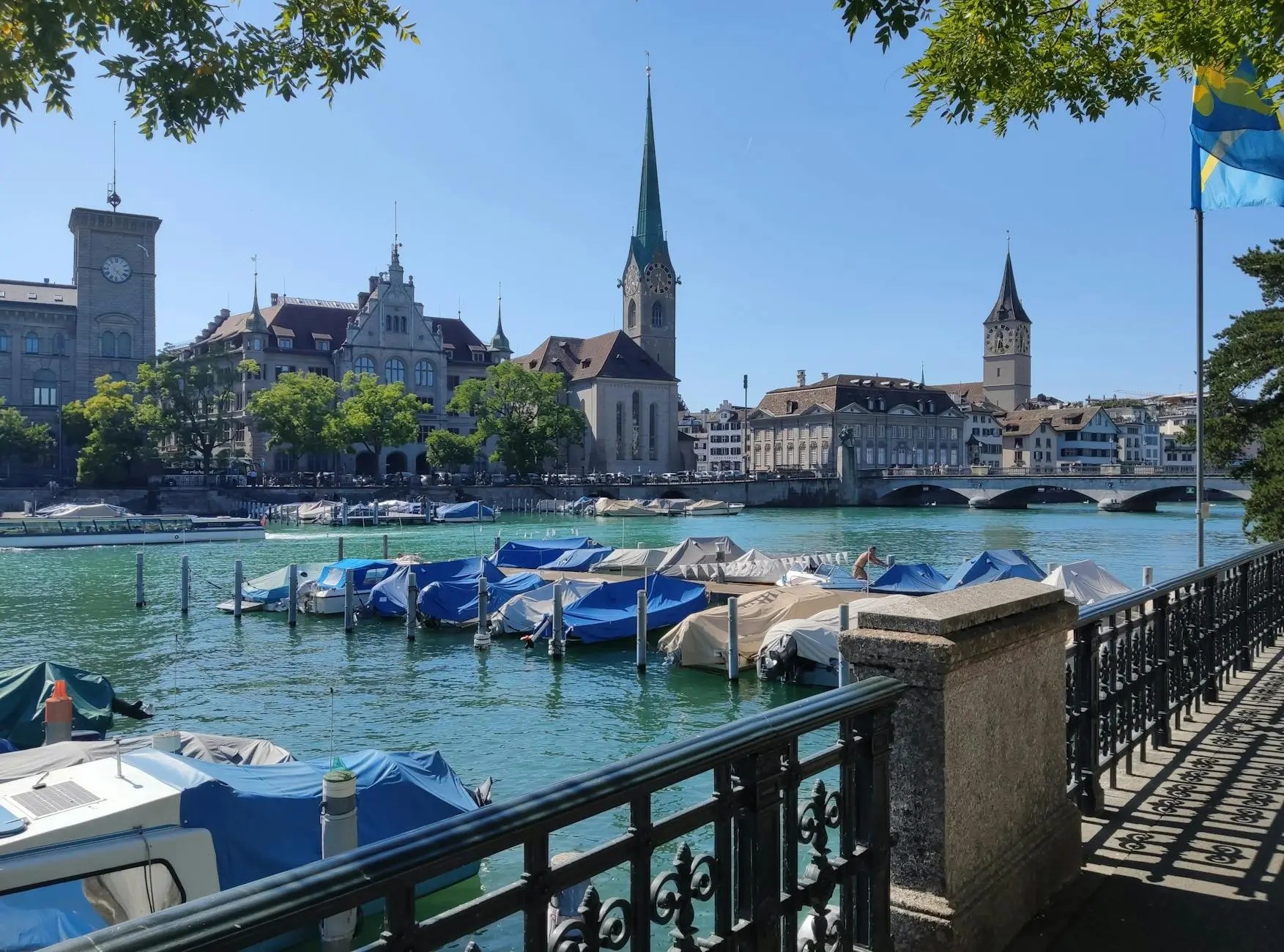
A scenic view of Lake Zurich with moored boats covered in blue tarps, showcasing the historic architecture and spires of Zurich's buildings against a clear blue sky.
A picturesque view of Zurich, Switzerland, featuring the iconic church towers, charming waterfront, and vibrant blue boats along the serene lake. The stunning Zurichsee (Lake Zurich) waterfront, where the city meets the water. This peaceful spot, with its colorful boats and view of the Altstadt, is perfect for a leisurely stroll or a boat tour.

Sunday: Brunch & a Breathtaking View

Sundays in Europe can be quiet, but Zurich has you covered. For a fantastic brunch, head to the Kreis 4 or Kreis 5 districts (around Langstrasse), which are buzzing with cool cafes and international flair.

For your final act, take to the water. Your ZürichCard includes a short boat trip on Lake Zurich. There’s no better way to grasp the city’s beauty than from the deck of a boat, with the Alps framing the background. It’s the perfect, peaceful finale to your weekend.

📸 Photography Tip: To capture the perfect shot of the city skyline from the lake, I swear by my lightweight mirrorless camera. It’s a travel game-changer!

A picturesque view of Lake Zurich with a sailboat gliding across the water, framed by lush green hills and snow-capped mountains in the background under a clear blue sky.
A picturesque view of Lake Zurich with a sailboat gliding through the water, framed by the stunning backdrop of the snow-capped Swiss Alps.

Navigating the Trams Like a Pro

Zurich’s public transport is a revelation—clean, punctual, and comprehensive. Do not rent a car. Parking is expensive and a nightmare, and the trams and trains will get you everywhere faster.

Your best friend is the ZürichCard. This genius pass gives you unlimited travel on trams, buses, trains, boats, and even cable cars within the city, plus free or discounted admission to most museums. You can get a 24 or 72-hour card. It pays for itself incredibly quickly. 

Trams & Buses: Zurich’s ZVV network connects everything. A 24-hour pass covers tram, bus, train, and even ferries.

Trains: Perfect for day trips to Lucerne or Basel.

On Foot: Zurich is compact. Wear good shoes; cobblestones are ankle’s worst enemy.

Car Rental: Not needed unless you’re heading deep into the Alps. Gas is pricey, parking is limited.

A Hidden Gem You Can’t Miss

Tired of the crowds? Take a short tram ride (line 7 or 13) to Zürichberg. Wander through the serene Zürich Zoo or, better yet, find the Felsenegg Cable Car. For a few francs, it whisks you up the Uetliberg mountain for panoramic views of the city, lake, and, on a clear day, the distant Alps. It’s a local favourite for a reason and feels a world away from the city bustle.

Frau Gerolds Garten: Outdoor bars, food stalls, and quirky art installations.

Augustinergasse: A picturesque alley with colorful medieval houses.

Viadukt Market: Local produce and indie shops under old railway arches.

An elephant reaching for food hanging from a tree in a zoo setting, surrounded by rocks and greenery.
An Asian elephant reaching for food at Zürich Zoo, showcasing the vibrant wildlife experience available in the city. A magnificent Asian elephant engages in natural foraging behavior at the renowned Zürich Zoo, known for its commitment to conservation and expansive, species-appropriate enclosures.
A red cable car with the text 'I LOVE YOU' on the front, traveling over lush green hills and offering a panoramic view of Zurich and the lake in the background.
The Felsenegg Cable Car offers stunning views over Zurich and the shimmering lake, making it a must-visit for nature lovers.

An interior view of a modern market featuring wooden structures, plants, and various goods for sale.
Discover the vibrant atmosphere of Zurich’s trendy Viadukt Market, featuring unique food stalls and lush greenery.
Sailboat gliding on Lake Zurich with snow-capped mountains in the background, showcasing a picturesque landscape.
A serene view of Lake Zurich with a sailboat gliding across the water, surrounded by lush green hills and the majestic snow-capped Alps in the background. The ultimate Zurich escape: experience the stunning contrast of a serene sailboat on Lake Zurich against the dramatic, snow-capped peaks of the Swiss Alps.

Zurich on a Budget: Money-Saving Hacks

Yes, Zurich is expensive. But it doesn’t have to break the bank.

  • Picnic by the Lake: Grab bread, cheese, and meat from a supermarket like Migros or Coop and have a gorgeous, affordable lunch by the water.
  • Tap Water is King: Swiss tap water is pristine and delicious. Carry a reusable bottle and fill up for free.
  • Free Museum Entries: Many museums, like the Kunsthaus (Art Museum), offer free admission on Wednesdays. Plan accordingly if you’re here longer!
  • Skip the Taxi: The tram system is your wallet’s best friend. Use it.
  • Buy train tickets via the SBB Mobile app to save time (and avoid fines for boarding without one)

Essential Swiss German for Travellers

While everyone speaks English, a little effort goes a long way!

  • Grüezi (GROO-tsee): Hello
  • Merci (MER-see): Thank you
  • En Guete (en GOO-teh): Enjoy your meal!
  • Proscht (prosht): Cheers!
  • Wo isch…? (vo ish): Where is…?
  • Wo isch d’Toilette? (Where is the toilet?)
  • Ein Bier, bitte (One beer, please)

Before You Go: Visa & Essential Links

  • Visa: Switzerland is part of the Schengen Area. If you’re from the US, UK, or Canada, you typically don’t need a visa for short stays. Always check the official Swiss government site for the most current requirements based on your nationality.
  • 💡 Tip: If you already have a valid multi-entry Schengen visa, you can use it to enter Switzerland and continue to nearby destinations like Munich, Milan, or Vienna without extra paperwork.
  • 👉 Always check the official Swiss government site for the latest visa requirements before you travel.
  • Travel Insurance: ✈️ Smart Travel Tip: No matter where your adventures take you, having the right travel insurance can save you from unexpected headaches (and bills). I personally recommend VisitorsCoverage — it’s a trusted platform where you can compare plans, find coverage that fits your trip, and book it in just a few clicks. Whether you’re planning a quick city escape or a longer international journey, it’s peace of mind worth packing.
  • Stay Connected: ✈️ Travel Tip: Staying connected abroad can be tricky (and expensive if you’re relying on airport SIM counters or roaming). That’s why I carry a Drimsim—a universal SIM card that works in 190+ countries without hidden fees. You just pop it into your phone, top up through the app, and you’re online wherever your adventure takes you. No more hunting for local SIM cards or stressing over roaming bills.
  • Stay Secure Online: Using public WiFi? Protect your data with a reliable nordvpn. It’s essential for any modern traveler.

Flight Trouble? ✈️ Flight Delayed or Canceled? Travel isn’t always smooth sailing. The good news? You might be entitled to up to $650 in compensation under air passenger rights. Most travelers never claim it, but I’ve got you covered: just check your flight with AirHelp. They handle the paperwork, fight the airlines for you, and only get paid if you win. Easy, stress-free, and potentially a nice surprise for your travel fund.

Zurich Weekend FAQ

Is two days enough for Zurich?
Absolutely! Zurich is perfectly sized for a weekend trip. You’ll have enough time to see the main sights, explore the old town, and enjoy the lake without feeling rushed.

What is the best way to get from Zurich Airport to the city center?
The train is unequivocally the best way. It takes only 10 minutes, runs constantly, and drops you right at the main train station (Zürich HB), which is the hub for all trams.

What is the best time of year to visit Zurich?
Spring (April-May) and Autumn (September-October) are ideal. The weather is mild, and the crowds are smaller than in the peak summer months. December is also magical for the famous Christmas markets.

Can I use Euros in Zurich?
The official currency is the Swiss Franc (CHF). While some places might accept Euros, you will almost always get a terrible exchange rate. It’s best to just withdraw or pay with Francs.

Is Zurich very expensive?
It has a reputation for a reason—it is one of the more expensive cities in Europe. However, with the tips in this guide (picnics, public transport, the ZürichCard), you can manage your budget effectively.

Q: Do I need cash?
Cards are widely accepted, but keep a few Swiss Francs for small bakeries and kiosks.

Q: Is English widely spoken?
Yes, especially in hotels and restaurants. But tossing in a “Grüezi” earns smiles.

Final Thoughts 💡

Zurich is the perfect blend of lakeside relaxation, alpine adventure, and city chic. Whether you’re here for the chocolate, the views, or just a stylish weekend reset, this Swiss city delivers. And if you’ve got extra time, don’t stop—hop a train to Munich or Milan and turn your weekend escape into a Euro trip worth bragging about.

👉 Ready to plan? Start by booking your flights and stays with Expedia. Zurich’s waiting.

Ready to trade your weekend for a Swiss adventure? Start planning your ultimate escape to Zurich today! Check for the best travel deals and let the efficiency and beauty of Switzerland wow you.

Universal Disclaimer/Disclosure Page:

The Ultimate Weekend Escape to Copenhagen, Denmark

Meta Description

Planning a weekend escape to Copenhagen? This guide for travelers covers everything from must-see sights like Nyhavn and Tivoli Gardens to navigating public transport with confidence. Discover hidden gems, save money, and get practical tips for an unforgettable trip to Denmark’s vibrant capital.

Copenhagen. Just the name itself conjures up images of brightly colored houses, cobblestone streets, and the kind of “hygge” (more on that later!) that makes you want to cozy up with a warm pastry and a good book. I’ve been fortunate enough to visit this Nordic gem, and I can tell you from personal experience: a weekend is the perfect amount of time to fall completely in love with it.

It’s a city that feels both ancient and effortlessly modern, where you can walk in the footsteps of royalty one minute and find yourself in a quirky, self-governed community the next. But let’s be real, a weekend trip means time is of the essence. You need a plan to make every single moment count, and that’s where I come in.

“Ready to trade your usual weekend for canals, castles, and the best pastries on the planet? Let’s talk Copenhagen.” Excellent choice. Copenhagen is the perfect city for a short, sweet, and incredibly satisfying escape. It’s a place where fairy-tale castles meet minimalist design, and where you can bike from a bustling food market to a serene canal in minutes.

I’ve visited this city more times than I can count, and each trip reveals a new secret alleyway or a coffee shop so perfect it feels like a hug. This guide is my love letter to Copenhagen, packed with everything you need to plan a seamless, unforgettable weekend. We’re talking logistics, money-saving hacks, and a few hidden gems that’ll make you feel like a local.

Pro Tip: I always start my trip planning by scouting for flight and hotel deals on  Expedia Bundling them can often save you a nice chunk of change for more !

Meta Description

Planning a weekend escape to Copenhagen? This guide for travelers covers everything from must-see sights like Nyhavn and Tivoli Gardens to navigating public transport with confidence. Discover hidden gems, save money, and get practical tips for an unforgettable trip to Denmark’s vibrant capital.

The Ultimate Weekend Escape to Copenhagen, Denmark

Copenhagen. Just the name itself conjures up images of brightly colored houses, cobblestone streets, and the kind of “hygge” (more on that later!) that makes you want to cozy up with a warm pastry and a good book. I’ve been fortunate enough to visit this Nordic gem, and I can tell you from personal experience: a weekend is the perfect amount of time to fall completely in love with it.

Hotels in Copenhagen

It’s a city that feels both ancient and effortlessly modern, where you can walk in the footsteps of royalty one minute and find yourself in a quirky, self-governed community the next. But let’s be real, a weekend trip means time is of the essence. You need a plan to make every single moment count, and that’s where I come in.

Table of Contents

  • Day 1: Castles, Canals, and the City Center
    • Morning: The Royal Start
    • Afternoon: Iconic Waterfront and Magical Gardens
    • Evening: Culinary Adventures and a Taste of Hygge
  • Day 2: Bike, Bohemia, and Beyond
    • Morning: A Danish Tradition
    • Afternoon: The Unexpected Escape
    • Evening: Art, Music, and the Local Scene
  • Getting Around: Your Guide to Copenhagen’s Public Transit
  • Essential Danish Phrases (and a few fun words)
  • Saving Kroner: Tips for a Budget-Friendly Trip
  • FAQs
  • Hidden Gems

Why Copenhagen is the Perfect Weekend Getaway

Compact, incredibly bike-friendly, and dripping with charm, Copenhagen is built for the weekend explorer. You can experience world-class food, profound history, and cutting-edge design without spending hours on a train or in a car. The vibe is effortlessly cool yet deeply cozy—a combination I’ve yet to find anywhere else.

 Pre-Trip Essentials: Visa, Budget & Getting There

  • Visa: Denmark is part of the Schengen Area. If you’re an EU citizen, you’re good to go. For US, Canadian, and many other passport holders, you typically get a 90-day visa-free stay. Always double-check the official Danish Immigration Service website for the most current requirements based on your nationality.
  • Budget: Let’s be real, Copenhagen isn’t cheap. But it doesn’t have to break the bank! A mid-range budget of about 800-1000 DKK ($115-$145 USD) per day per person is a good estimate for food, attractions, and transport. See our money-saving tips below to stretch those Kroner further.
  • Getting There: You’ll fly into Copenhagen Airport (CPH), which is brilliantly connected to the city center by train, metro, and bus. It’s a breeze.

Your Copenhagen Weekend Itinerary

Day 1: Royals, Canals & Hygge

A quick note: On my last trip, I decided to go all in with a good camera to capture the city’s incredible light. Seriously, a good lens can make all the difference, and I highly recommend checking out this one: My trusty travel camera. It’s compact, takes stunning photos, and doesn’t feel like a chore to carry around all day.

  • Morning: Start your day at the iconic Nyhavn. No trip to Copenhagen is complete without a visit to Nyhavn, Yes, it’s touristy, but those colorful 17th-century townhouses reflecting on the canal are iconic for a reason. Grab a coffee and just soak it in. From there, it’s a short stroll to Amalienborg Palace, the winter home of the Danish royal family. Time your arrival for noon to watch the changing of the Guard. A personal anecdote: I once spent a good hour here trying to get the perfect shot of the houses reflecting in the water—it’s surprisingly difficult, but so worth it for the ‘gram!
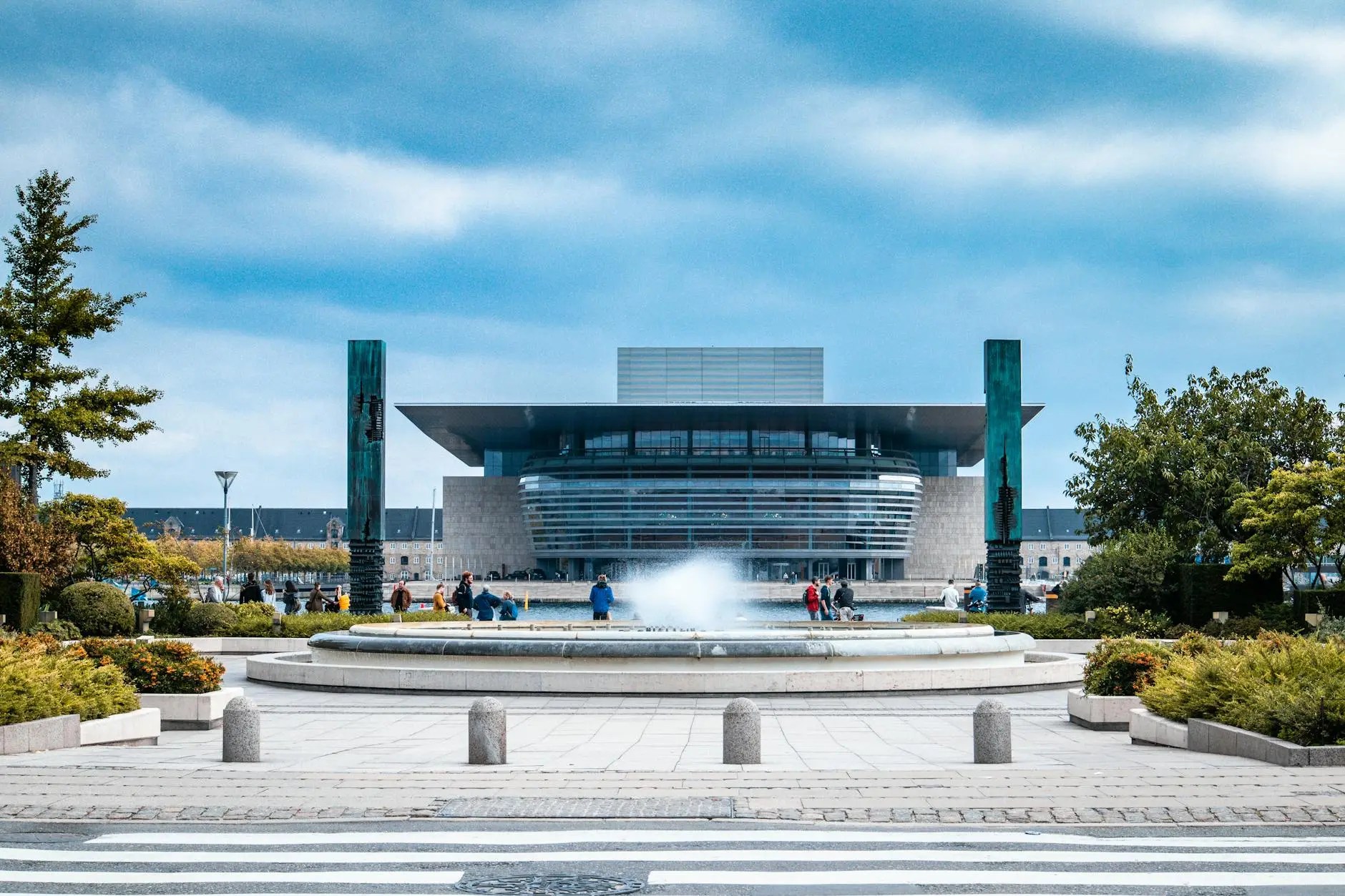
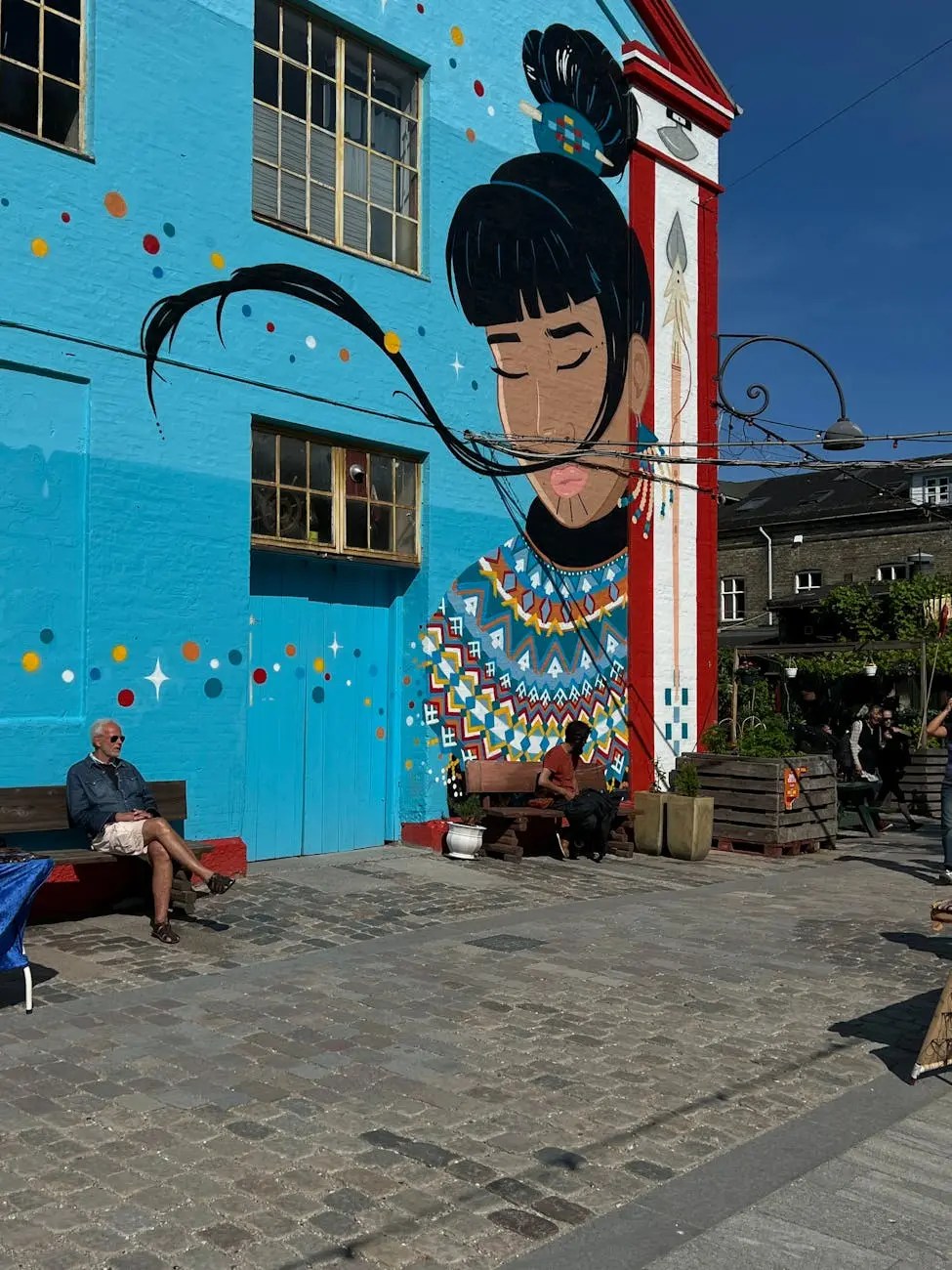
  • Afternoon: Walk off your royal fantasies across the water to the Opera House for stunning photos, or jump on a water bus (a cheap alternative to a canal tour!) to Christianshavn. Explore the canals and then confront your contradictions at Freetown Christiania, the self-proclaimed autonomous neighborhood. Remember to be respectful—no photos inside the main areas.
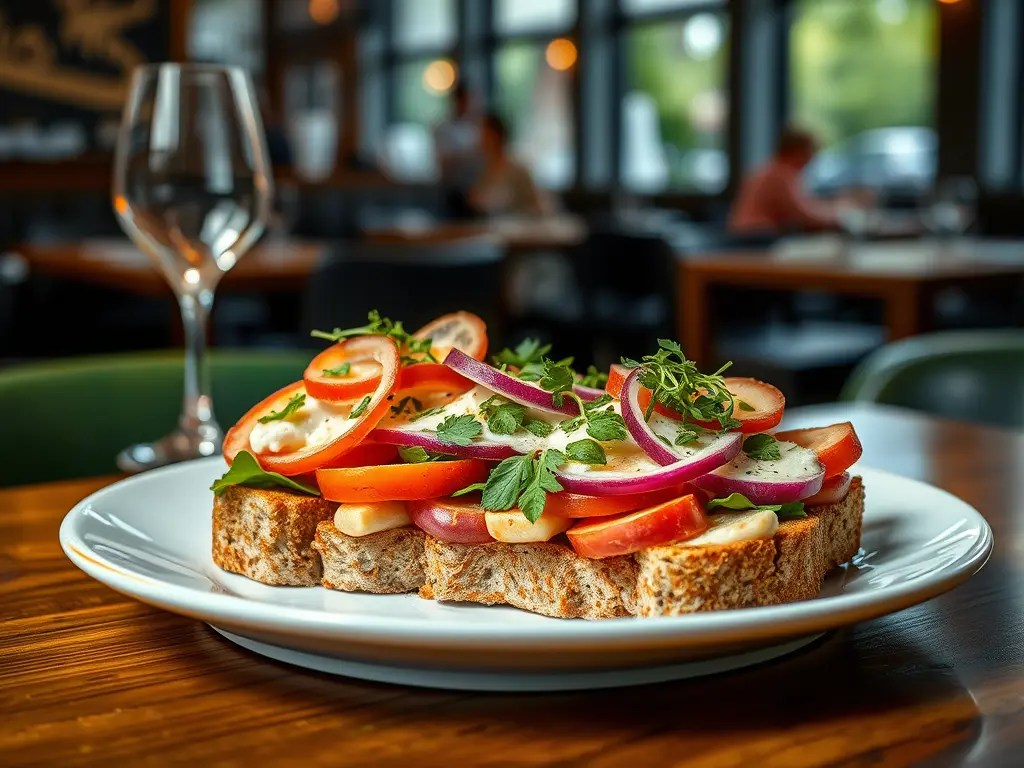
  • Evening: This is when the hygge kicks in. Find a traditional bodega (a cozy, no-frills Danish pub) for a local beer. For dinner, I still dream about the open-faced sandwiches (Smørrebrød) at Schønnemann (book ahead!) or the immersive food hall experience at TorvehallerneKBH.
A vibrant view of Nyhavn, Copenhagen, featuring colorful townhouses lining the waterfront, with boats docked along the canal and people enjoying the bustling atmosphere.
Colorful houses and boats lining the canals of Nyhavn, Copenhagen, creating a picturesque waterfront scene. The iconic postcard view of Nyhavn—Copenhagen’s historic harbor canal. These beautifully preserved, colorful townhouses were once home to sailors and merchants (and even the famous author Hans Christian Andersen!). Today, they house bustling restaurants and cafes, making it the perfect spot to soak in the city’s vibrant atmosphere

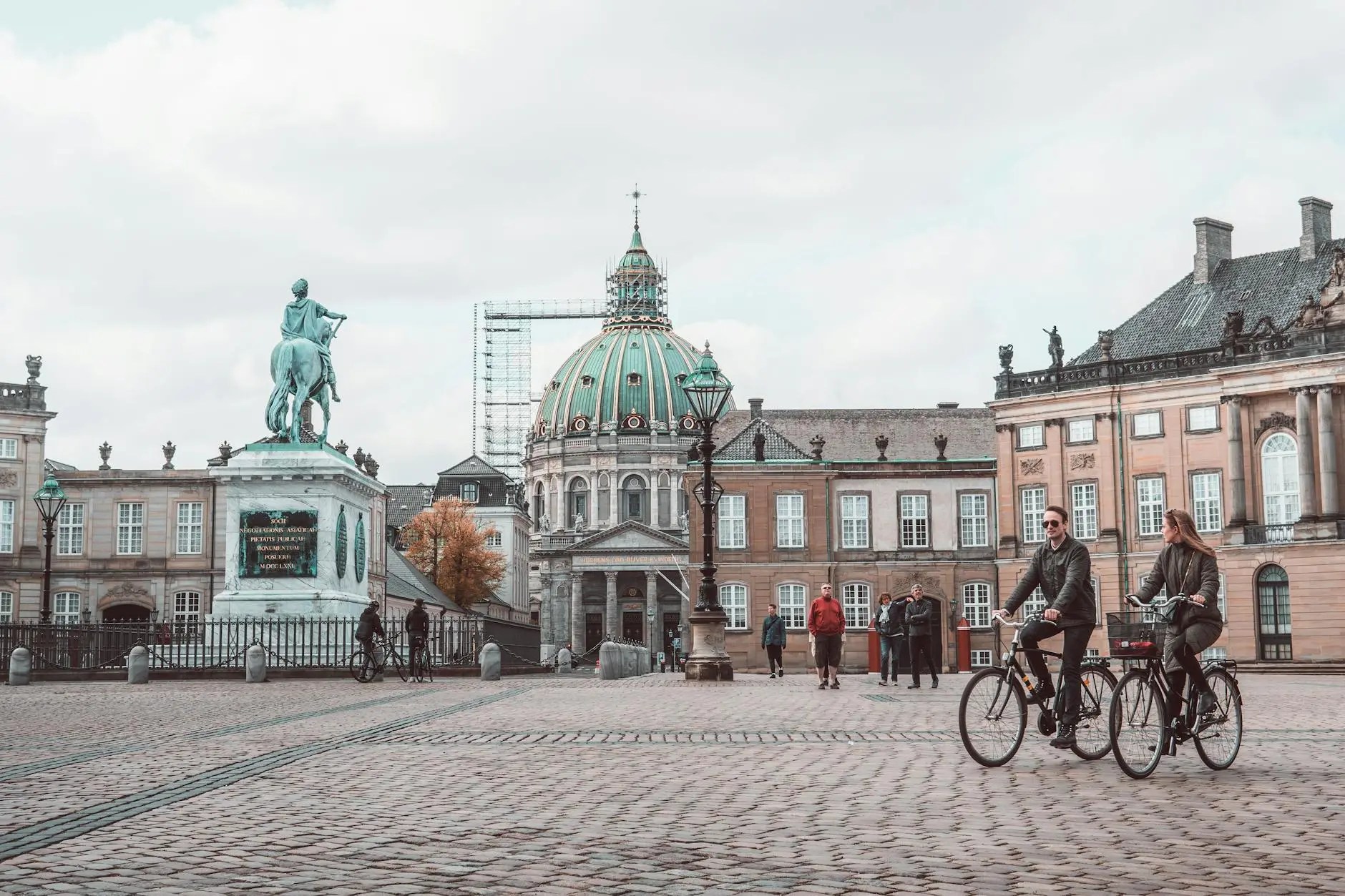
Couple riding bicycles in a cobblestone square with a statue and historic buildings in Copenhagen.
Exploring Copenhagen’s royal sights on bicycles, with Amalienborg Palace in Copenhagen, Denmark, background. Two bicyclists riding through a cobblestone square in Copenhagen, passing by an equestrian statue with historic Danish architecture in the background.
View of the Copenhagen Opera House with a fountain in the foreground, surrounded by greenery and people enjoying the outdoor space.
The iconic Copenhagen Opera House, a modern architectural marvel, viewed from the waterfront with visitors enjoying the surrounding gardens. The stunning Copenhagen Opera House (Operaen) on the island of Holmen. This masterpiece of modern architecture, designed by Henning Larsen and funded by the Møller Foundation, seems to float on the harbor waters. Its contemporary design, featuring a cantilevered roof and sleek lines, creates a dramatic contrast against the historic city skyline across the water.
A scenic view of modern architecture along a waterfront in Copenhagen, featuring unique building designs with a backdrop of a clear sky.
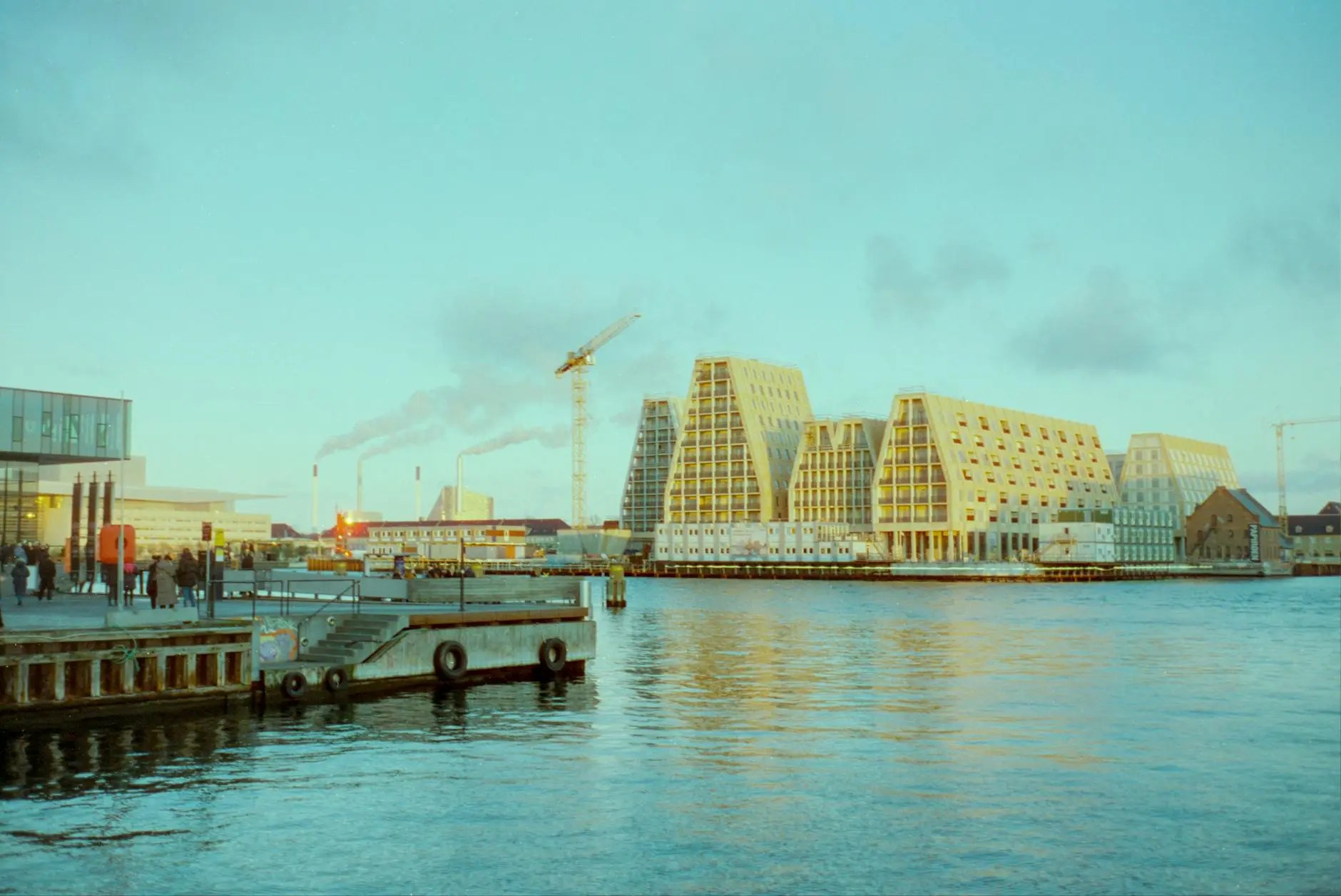
The modern waterfront architecture of Copenhagen reflects in the tranquil waters, showcasing the city’s blend of innovation and tradition. The unique and modern architecture of Christiansholm (Paper Island), a popular cultural and culinary destination on the Copenhagen waterfront.

Christiansholm and Christianshavn are not the same place. They are two distinct historical areas, but their similar names and proximity understandably cause mix-ups.

Here’s a breakdown to help tell them apart:

Christianshavn (The More Famous One)

  • What it is: A vibrant and well-known district or neighborhood in Copenhagen, complete with its own canals, famous for the freetown of Christiania.
  • Location: Southeast of the city center, on several artificial islands.
  • Key Features:
    • Canals and colorful houses (often called “Little Amsterdam”).
    • Freetown Christiania.
    • The spiral spire of Our Saviour’s Church (Vor Frelsers Kirke).
    • High-end restaurants and cafes.
  • History: Founded in the early 17th century by King Christian IV as a fortified merchant’s town to protect the approach to Copenhagen.

Christiansholm (The Lesser-Known One)

  • What it is: A single, small artificial islet (a very small island), not a full district. It’s more of a specific location within the larger harbor area.
  • Location: In the Frederiksholm Canal, right next to the Royal Library Garden (Slotsholmen).
  • Key Feature:
    • It is dominated by a single, striking, star-shaped fortress building—Christiansholm Fort (Christiansholms Fæstning).
  • History: Also built in the early 17th century by King Christian IV as part of the city’s defense ramparts. It was later used as a naval station and a prison. Today, the fortress building is used for offices and events.

The Simple Analogy:

Think of it this way:

  • Christianshavn is like Manhattan—a large, famous district with many streets, buildings, and a famous personality.
  • Christiansholm is like Liberty Island—a single, specific small island in the harbor, known for one primary structure (the fortress, instead of the Statue of Liberty).

So, while you will definitely visit Christianshavn for its canals and Christiania, you will likely see Christiansholm from a distance as you walk along the waterfront between Nyhavn and the Royal Library.New chat

A vibrant mural featuring a woman with long hair against a bright blue wall, with colorful geometric patterns and shapes surrounding her. The scene includes people sitting on benches in front of the mural, with a cobblestone pathway.
vibrant street mural featuring a woman with intricate patterns, reflecting the artistic flair of Copenhagen. A glimpse into the unique world of Freetown Christiania. This self-governing community, founded in 1971, is a vibrant tapestry of DIY homes, radical art, and lush green spaces. Remember the main rule: no photos on Pusher Street, so keep your camera put away there and just soak in the truly one-of-a-kind vibe.
A plate of open-faced sandwiches topped with fresh vegetables like tomatoes, onions, and herbs, served in a restaurant setting.
A delicious open-faced sandwich, or Smørrebrød, topped with fresh vegetables, ideal for a culinary adventure in Copenhagen. The art of smørrebrød! This isn’t just a sandwich; it’s Denmark’s culinary pride and joy. This beautiful example, featuring fresh, crisp vegetables on dense rye bread (rugbrød), is a testament to the Danish love for simple, high-quality, and beautifully presented food. The perfect fuel for a day of exploring.

Day 2: Culture, Food & Local Vibes

  • Morning: Fuel up with a Danish pastry (trust me, it’s different here) and then rent a bike! Copenhagen is a cyclist’s paradise. Pedal your way to the Round Tower (Rundetårn) for a unique spiral ramp walk to panoramic city views. Then, get your culture fix at the National Museum of Denmark or the design-lover’s paradise, the Design museum Danmark.

  • Afternoon: Head to the trendy Vesterbro district. This area, once known for its edgier side, is now packed with chic boutiques, cool cafes, and a fantastic vibe. Grab a legendary hot dog from DØP or a more substantial lunch at one of the local eateries.
  • Evening: For your final night, consider a trip to Tivoli Gardens. Even if you don’t go on the rides, the historic amusement park is pure magic at night, with thousands of lights and beautiful gardens. It’s a fittingly fairy-tale end to the trip
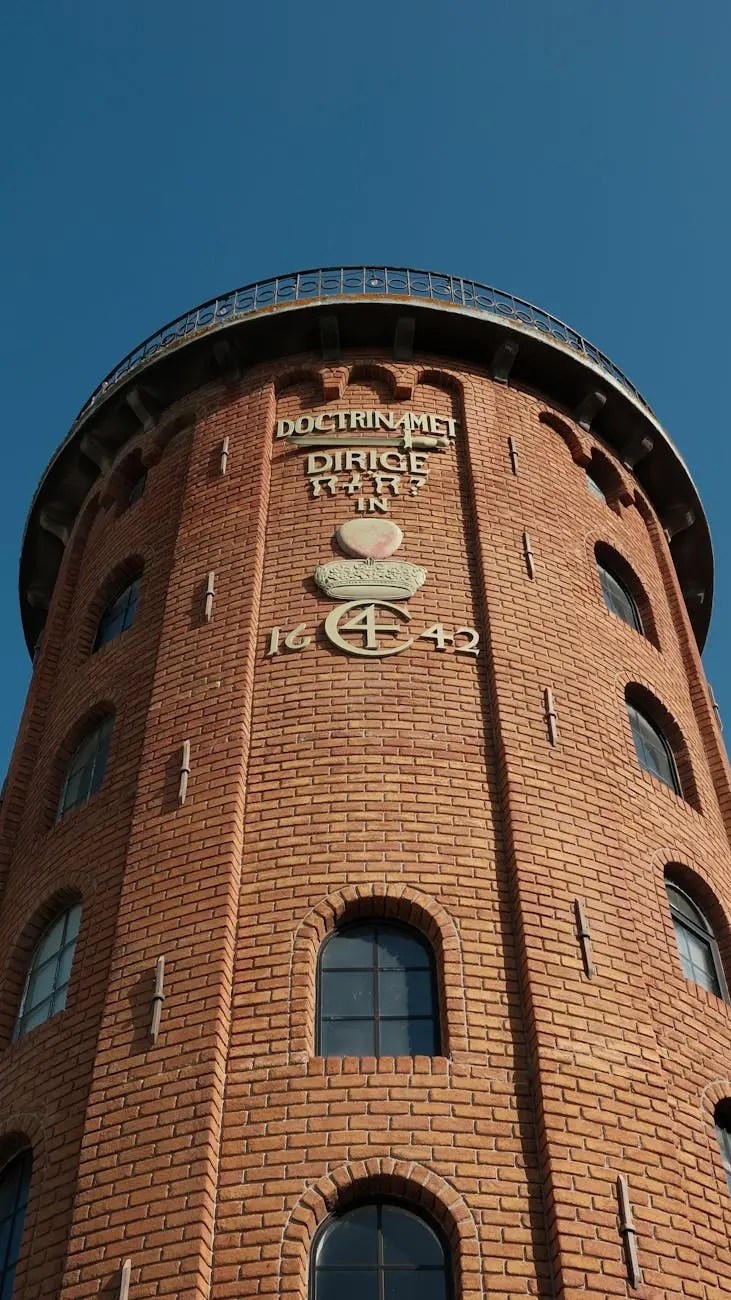
The iconic Round Tower in Copenhagen, showcasing its distinctive brick architecture and historical significance. A close-up look at the iconic Rundetårn, built by King Christian IV. The Latin inscription “DOCET IN” (short for “Docet Inania”/”It teaches the heavenly”) and the year “1642” are carved into its facade. This wasn’t just an observatory; it was a symbol of the king’s dedication to science and learning during Denmark’s Golden Age.
Interior view of a modern art museum featuring high ceilings, large columns, and visitors exploring the space.
A serene interior view of a modern art space, showcasing a spacious corridor with tall pillars and stylish benches.  National Gallery of Denmark 

National Gallery of Denmark (SMK – Statens Museum for Kunst)

  • What it is: Denmark’s largest art museum.
  • Focus: Fine Arts (paintings, sculptures, drawings, prints, installations).
  • Collection: Features over 700 years of art, from classical European masters (Rubens, Titian) to Danish Golden Age artists (Christoffer Wilhelm Eckersberg) and modern international art (Picasso, Matisse).
  • Location: Right by the botanical gardens, not far from Nørreport station.
  • In a nutshell: If you want to see art, this is the place.

National Museum of Denmark (Nationalmuseet)

  • What it is: Denmark’s largest museum of cultural history.
  • Focus: History and Ethnography (archaeology, ethnology, history of everyday life).
  • Collection: Traces Danish history from the Ice Age and Viking treasures to medieval times and modern Danish design. It also has extensive collections from ancient cultures around the world (Egypt, Greece, etc.).
  • Location: Located right behind the main shopping street, Strøget, in a beautiful former royal palace.
  • In a nutshell: If you want to see Viking artifacts, ancient relics, and historical objects, this is the place.

Quick Comparison Table:

FeatureNational Gallery of Denmark (SMK)National Museum of Denmark (Nationalmuseet)
Type of MuseumArt MuseumHistory & Culture Museum
What You’ll SeePaintings, Sculptures, Modern ArtViking Ships, Runes, Egyptian Mummies, Danish History
Best ForArt LoversHistory Buffs, Families
Key ExhibitDanish Golden Age paintingsThe Sun Chariot, Viking weapons, Children’s Museum

Conclusion: You were right to double-check! They are two different, major museums. You could easily spend a full day at each.

  • Go to the National Gallery (SMK) for a journey through art history.
  • Go to the National Museum for a journey through Danish and world history.

Both are absolutely worth a visit depending on your interests

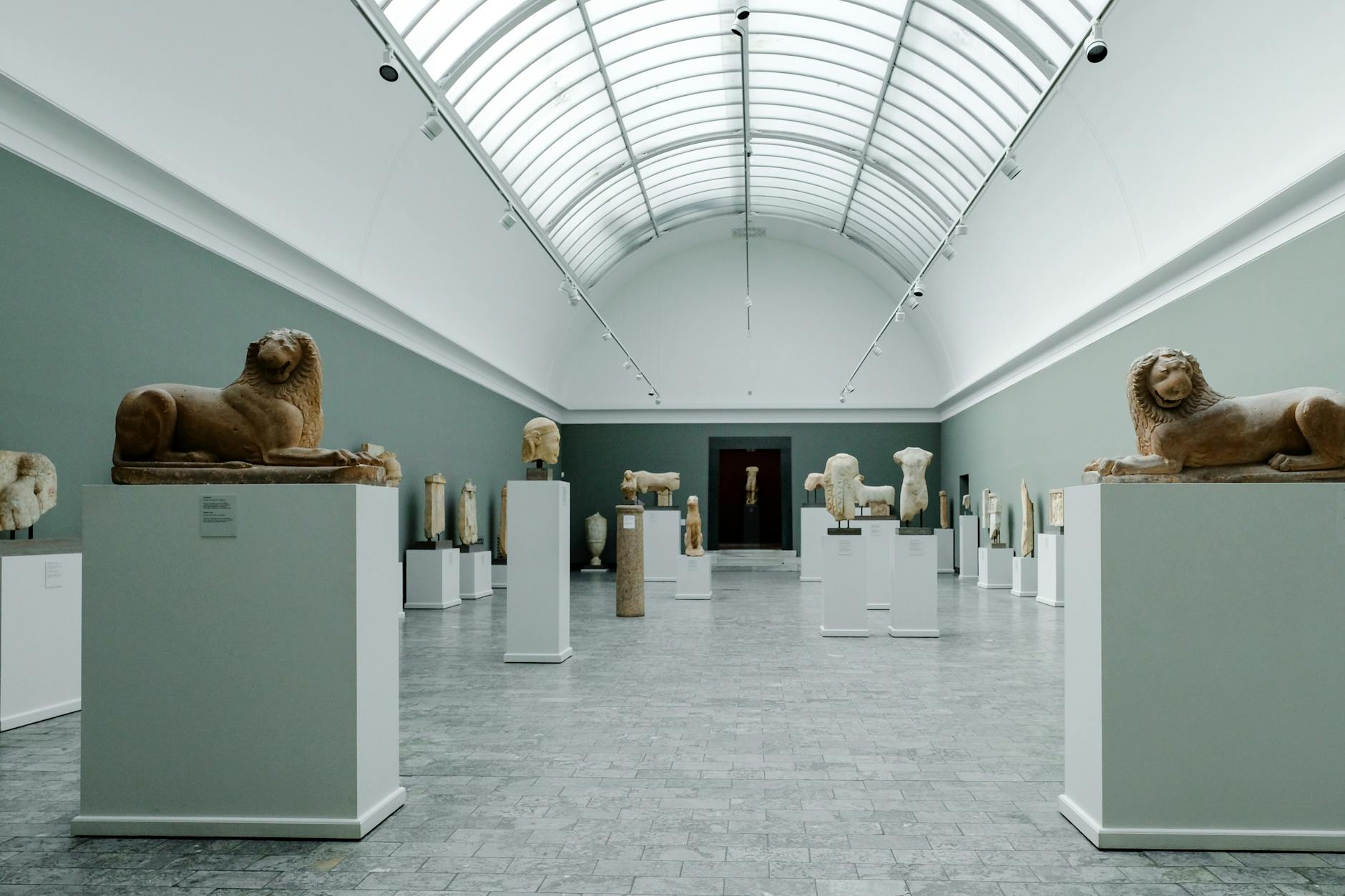
Interior view of an art museum showcasing sculptures, including lion figures and various ancient artifacts displayed on pedestals.
Explore the National Gallery of Denmark, featuring stunning sculptures and artworks in a bright, modern space.

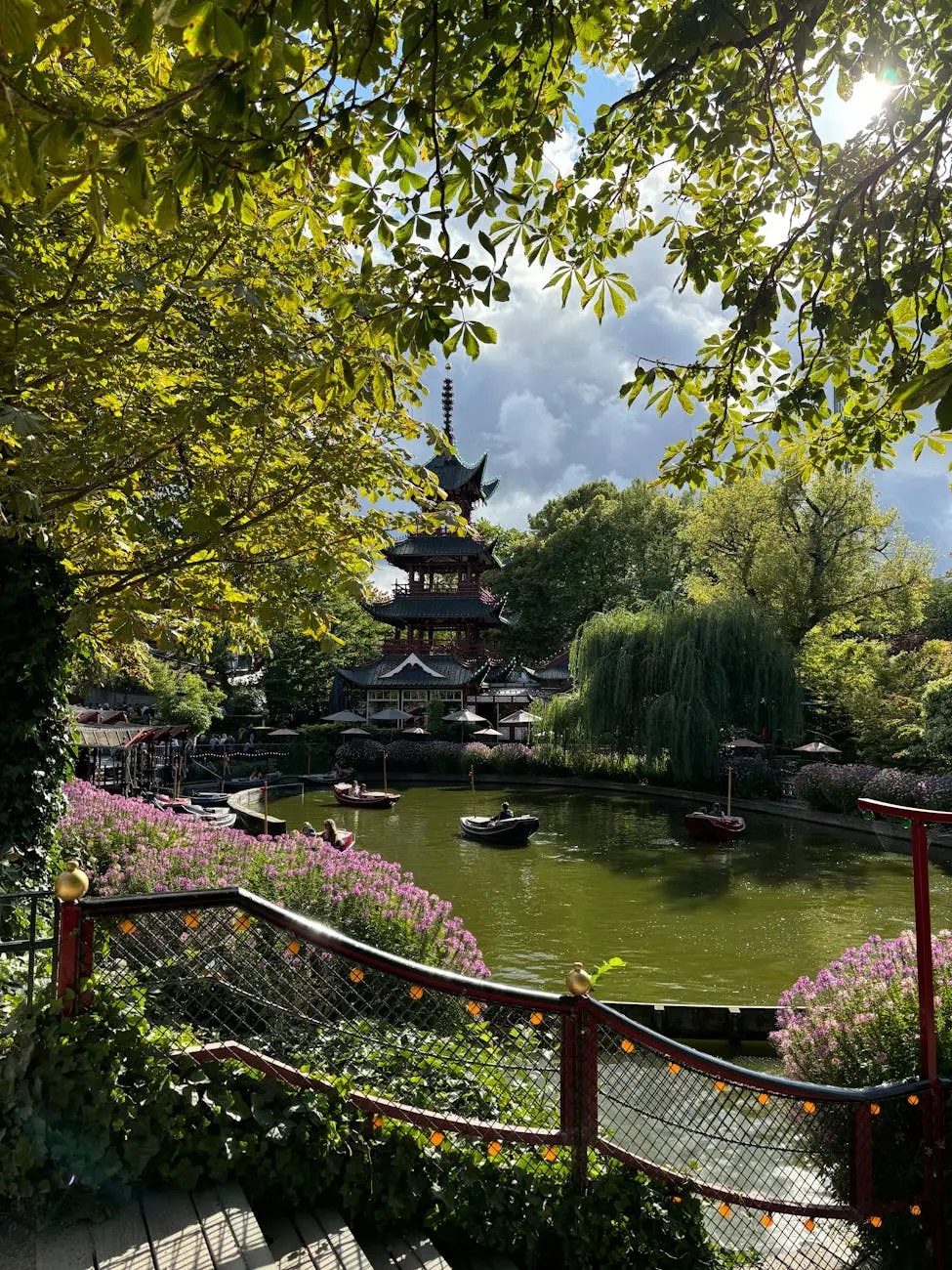
A serene view of a picturesque garden with lush green trees, colorful flowers, and a tranquil pond, featuring a traditional pagoda-style structure in the background.
A serene view of Tivoli Gardens in Copenhagen, showcasing its iconic pagoda and tranquil water scenery, perfect for a weekend getaway. A moment of perfect peace in the heart of the city. This is the hidden, tranquil side of Tivoli Gardens that often surprises first-time visitors. Beyond the thrill rides and bustling crowds, you can find these serene pockets where the iconic Chinese Pagoda reflects perfectly on a still pond, surrounded by meticulously kept gardens.
A beautifully lit scene of Tivoli Gardens in Copenhagen during the evening, showcasing festive lights, trees decorated with snow, and people enjoying the atmosphere.
Illuminated gardens and festive decorations at Tivoli Gardens in Copenhagen during winter.

Getting Around: Your Guide to Copenhagen’s Public Transit

One of the best things about Copenhagen is how easy it is to get around without a car. The public transport system is incredibly efficient and reliable, saving you time and money on gas.

Bike: The #1 way to get around. You’ll feel like a local in minutes. Use bycyklen city bikes or rent from a shop like Baisikeli

Metro & Train: The network is extensive, punctual, and clean. The airport is on the line, making it incredibly easy. All local trains, metro, and buses are integrated under the same ticket system, DOT Mobilbilletter. Download the app—it’s the easiest way to buy tickets for zones you need. A City Pass for 48 hours (small zone) is often the most cost-effective option for tourists.

Buses: The A-buses are the main buses in the city, and they run frequently. The N-buses are for late-night travel, so you can explore after dark with confidence.

Tickets: The easiest way to pay is with a City Pass (available for 24, 48, or 72 hours) which gives you unlimited travel on buses, trains, and the metro in the city center. Another option is the Copenhagen Card, which not only covers all public transport but also includes free entry to most major attractions and museums.

Walking: The inner city is very walkable. Just bundle up in winter!

 Copenhagen on a Budget: Yes, It’s Possible!

  • Eat Smart: Avoid restaurants in Nyhavn. Hit up food halls (Torvehallerne is a must), smørrebrød counters, and kebab shops for delicious, more affordable eats.
  • Free Attractions: Walk along Strøget (but window-shop, don’t buy!), watch the Changing of the Guard for free, explore the beautiful parks like Kongens Have, and visit the serene Assistens Cemetery where Hans Christian Andersen is buried.
  • Copenhagen Card: If you plan to museum-hop and use public transport heavily, do the math. The Copenhagen Card includes entry to dozens of attractions and all public transport. It can be a huge saver.

 A Few Handy Danish Phrases

Danes speak impeccable English, but a little effort goes a long way!

  • Hej (Hi): Pronounced “hi”. The universal greeting.
  • Tak (Thank you): Pronounced like “tack”. Use this constantly.
  • Skål (Cheers): Pronounced “skohl”. Essential for any beer.
  • Hygge (coziness/comfort): Pronounced “hoo-gah”. The feeling you’re there to experience!
  • Undskyld (Excuse me/Sorry): Pronounced “oon-skool”.
  • Farvel (pronounced ‘Far-vell’): Goodbye.
  • Undskyld (pronounced ‘Oon-skool’): Excuse me/Sorry.

 Hidden Gems & Local Secrets

  • Cisternerne: In Søndermarken park, this is a massive underground former reservoir that now hosts incredible art installations. It’s cool, damp, and utterly unique.
  • Refshaleøen: This former shipyard island is now a hub of creativity. Go for a dip at the minimalist CopenHot sea baths, enjoy a meal at the street food market Reffen (seasonal), and see a more industrial side of the city.
  • The Little Mermaid: Okay, not a hidden gem. She’s small and often crowded. See her if you must, but don’t make her a priority. The nearby Kastellet fortress park is actually more impressive.
  • The Black Diamond: This is the name given to the stunningly modern extension of the Royal Danish Library. It’s a gorgeous piece of architecture and a great place to sit and relax by the water.
A crowd of tourists gathered around the famous Little Mermaid statue in Copenhagen, Denmark, with the harbor and city skyline visible in the background.
Visitors admire the iconic Little Mermaid statue in Copenhagen, a must-see attraction representing Denmark’s rich cultural heritage.
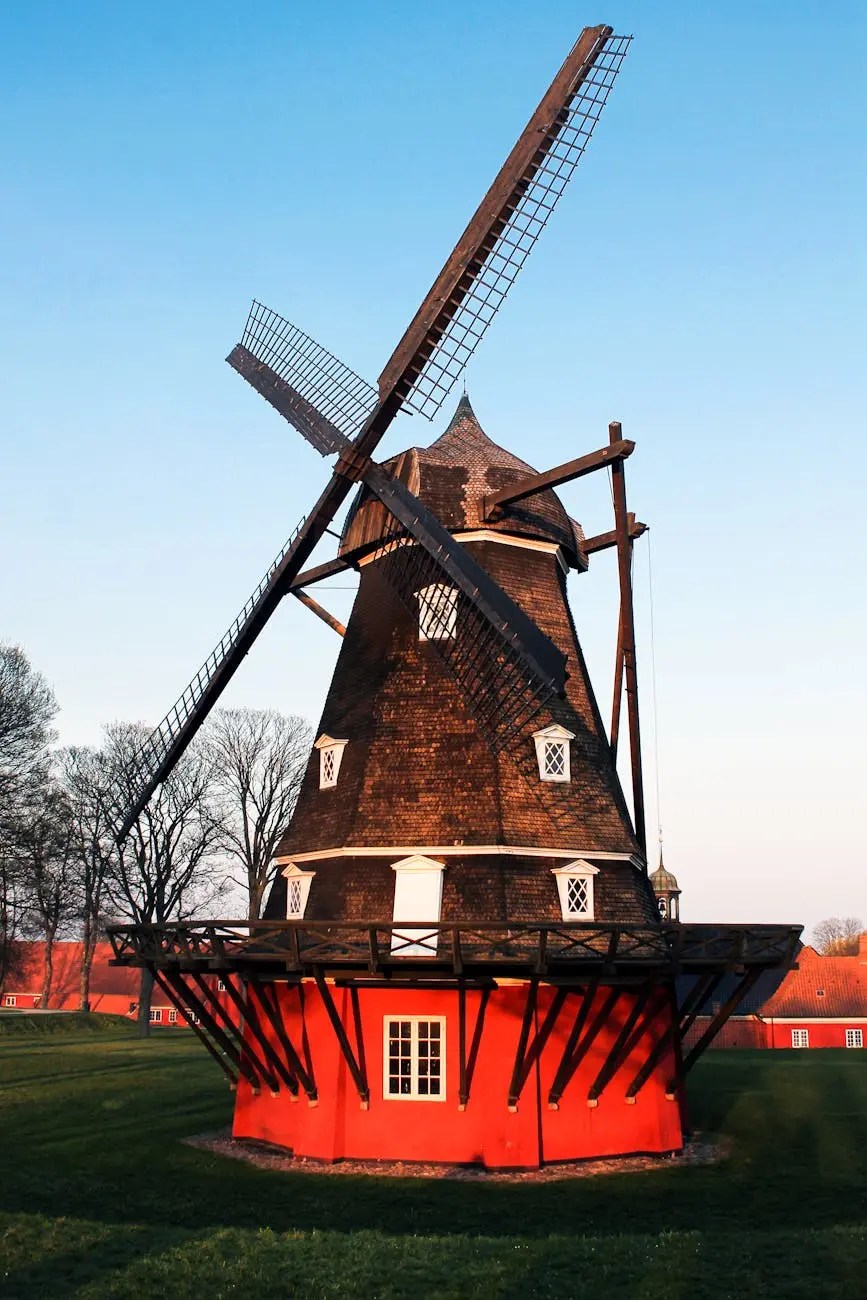
A picturesque red windmill with wooden blades set against a clear blue sky, surrounded by green grass and trees.
A traditional Danish windmill stands proudly with its vibrant red facade under a clear blue sky, showcasing the charm of Denmark’s rural heritage. Kastellet This isn’t just any windmill—it’s a sentinel of history. This beautifully preserved Dutch-style mill stands within the star-shaped Kastellet fortress, one of Northern Europe’s best-preserved fortifications. While it once ground grain for the garrison, today it spins as a charming symbol of Copenhagen’s layered past, blending rural heritage with military history.

Frequently Asked Questions (FAQ)

Q: What is the best time of year to visit Copenhagen?
A: The summer (June-August) has long days and lively energy, but it’s also the most crowded. Spring (April-May) and Fall (September-October) offer milder weather and fewer tourists. Winter is cold but magical around Christmas.

Q: Is Copenhagen safe for tourists?
A: Extremely safe. Standard city precautions apply (watch for pickpockets in crowded areas), but it’s one of the safest capitals in the world.

Q: Can I get by with just English?
A: Absolutely. Virtually everyone speaks English fluently and happily.

Q: Do I need travel insurance for Denmark?
A: While Denmark has excellent healthcare, travel insurance is crucial for covering trip cancellations, lost luggage, or emergency medical evacuation. It’s a small price for massive peace of mind. I always use VisitorsCoverage to compare plans and find the best fit for my trips.

Q: What’s the tipping culture like?
A: Service charges are included in all bills. It’s customary to round up the bill or leave a small tip (5-10%) for exceptional service, but it is not expected.

Q: Is Copenhagen expensive?

A: Yes, Copenhagen is known for being a bit pricey, but with the tips in this guide (like using public transport, eating street food, and booking in advance on sites like Expedia), you can have an amazing time without overspending.

“Feeling ambitious and want to double your Scandinavian adventure? From Copenhagen, you can catch a direct overnight ferry to Oslo, Norway! It’s not just a journey; it’s an experience. Imagine watching the Danish coastline disappear as you settle into a comfortable cabin, enjoying a seafood buffet dinner, and waking up to the stunning views of the Oslofjord. It’s a seamless and magical way to travel between two incredible capitals. If you’re tempted to extend your trip, I’ve put together a complete guide to Unlocking Oslo for a perfect weekend.”

Ferry from Copenhagen to Oslo

✈️ Smart Travel Tips for Your Copenhagen Adventure

Travel smart from the second you book. Here are my non-negotiables:

1. Stay Connected Without the Stress: I learned the hard way that airport SIM counters are a rip-off. Now, I never travel without my  Drimsim. This genius universal SIM works in 190+ countries the second you land. Pop it in, top up via the app, and you’re online. No more hunting for a shop or dealing with insane roaming bills. It’s a total game-changer.

2. Protect Your Trip & Your Privacy:

  • Secure Browsing: Using public WiFi in airports and cafes? Protect your data with  NordVPN. It’s essential for safe online banking and browsing while abroad.

.3. Get What You’re Owed:
Had a flight delayed or canceled? Don’t just sigh and accept it. EU passenger rights mean you could be entitled to up to €600 in compensation. Most people never claim it. I use  AirHelp to check my flight and let them handle the paperwork. They only get paid if you win, so it’s a no-brainer.

4. Capture the Memories:
To capture all that Danish beauty, I rely on my trusty Sony Alpha a7III. It’s the perfect mirrorless camera for travel—powerful, lightweight, and takes stunning photos in every light, from the gloomy canals to the bright Tivoli lights.


Ready to experience the hygge of Copenhagen for yourself? Start planning your perfect weekend by checking out great flight and hotel deals on Expedia

What’s your favorite Scandinavian destination? Planning a trip? Let me know in the comments below!

P.S. Loved this guide? Check out my other European city break guides for more inspiration:

Berlin: Unforgettable Weekend in Berlin: Your Ultimate Guide

Frankfurt: The Ultimate Weekend Escape to Frankfurt am Main 

Munich: The Ultimate Weekend Escape to Munich, Germany

Netherlands : 48-hours-in-amsterdam-ultimate-weekend-guide/


A Final Thought

Copenhagen isn’t just a city you visit; it’s a feeling you take with you. It’s the effortless charm, the happy cyclists, and the sense of calm in the middle of a bustling capital. So pack your bags (and your camera!), book your flight, and get ready for the ultimate weekend escape. Velkommen til København!

Universal Disclaimer/Disclosure Page:

The Ultimate Weekend Escape to Frankfurt am Main

Meta Description: Plan your ultimate weekend escape to Frankfurt am Main! This guide unlocks the best things to do in Frankfurt, from Römer square to hidden gems. Get essential travel tips on public transport, saving money, and must-know German phrases for a seamless German getaway.

Table of Contents

  1. Why Frankfurt is the Perfect Weekend Getaway
  2. Your Frankfurt Weekend Itinerary: A Step-by-Step Guide
  3. Frankfurt Travel Hacks: Saving Time & Money
  4. Essential German for the Frankfurt Traveller
  5. Hidden Gems: Beyond the Tourist Trail
  6. Travel Smart: Essential Resources
  7. Frankfurt Weekend Escape: Frequently Asked Questions (FAQ)

1. Why Frankfurt for a Weekend?

Frankfurt am Main might be known as Germany’s financial powerhouse (cue skyscrapers, suits, and serious business lunches), but don’t let that fool you—it’s also a fantastic weekend escape destination. Think: old-town cobblestones, half-timbered houses at Römerberg, world-class museums, and beer gardens where your waiter might plop down a pint bigger than your head.

Plus, Frankfurt is a transportation hub. With one of Europe’s busiest airports and central train connections, you can hop in and out easily—or continue your travels to Berlin, Munich, or even nearby Prague and Vienna.

So, you’ve got a weekend to spare and a craving for a proper European city break that isn’t just beer halls and lederhosen (though we have those too, if you know where to look). Let me introduce you to Frankfurt am Main, Germany’s captivating financial hub that seamlessly blends a soaring, skyscraper-filled skyline with cozy, apple-wine taverns.

I’ll be honest, my first trip to Frankfurt was a layover that turned into an overnight stay. I expected a sterile, all-business city. What I found instead was a incredibly green, culturally rich, and deliciously quirky destination that’s perfect for a 48-hour adventure. Let’s craft your perfect weekend.

👉 I always book my flights and stays through Expedia—easy cancellations, good deals, and loyalty points.

Frankfurt is a city of fascinating contrasts. It’s home to the European Central Bank, yet its heart is a beautifully reconstructed medieval old town (the Altstadt). You can spend your morning in a world-class museum and your afternoon sipping traditional Apfelwein (apple wine) in a rustic tavern. It’s incredibly well-connected, with one of Europe’s busiest airports and a central train station (Hauptbahnhof), making it the ideal hub for a short trip. Plus, as I discovered on a sunny Saturday by the river, it has a vibrant, laid-back energy that completely defies its “Bankfurt” nickname.

Hotels in Frankfurt

2. Getting There & Around

  • By Air: Frankfurt International Airport (FRA) is only 12 minutes by train to the city center. Don’t waste money on taxis—grab the S-Bahn (lines S8/S9).
  • By Train: Deutsche Bahn is your friend. The ICE trains connect Frankfurt with cities like Amsterdam and Paris in just a few hours.
  • By Car: Driving is fine, but parking is expensive and traffic is… let’s say, not for the faint of heart. If you do drive, check road maps with gas stations and rest stops marked to save both time and Euros.
  • The Ticket to Get: For a weekend, the Tageskarte (Day Ticket) is your most economical choice. The “Tageskarte Frankfurt” covers the entire city zone (50) for around €6-7 per person. Even better? A Gruppentageskarte (Group Day Ticket) for up to 5 people is only about €11-12! It’s an insane bargain.
  • How to Buy: Use the RMV vending machines at any station. They have an English language option. Select your ticket type (Tageskarte), number of people, and validate it by stamping it in the little blue boxes on the platform before your first ride.

Frankfurt’s public transport network (trams, U-Bahn, S-Bahn, buses) is brilliant and your best friend for a weekend trip. Don’t bother with a rental car—parking is a nightmare and expensive.

Apps are Key: Download the official RMV Smartphone app or use Google Maps or DB Navigator. These apps provide flawless, real-time routing, telling you exactly which tram to catch, from which platform, and when it will arrive. They are the modern traveler’s best tool for navigating Frankfurt with confidence.

Frankfurt Card (€10–20) = unlimited rides + discounts at museums.

💡 Personal tip: The first time I tried the U-Bahn, I accidentally went in the wrong direction and ended up in a residential area. Luckily, a kind German grandma redirected me and even taught me how to say “Entschuldigung” (Excuse me).

 Your Frankfurt Weekend Itinerary: A Step-by-Step Guide

Day 1: Altstadt Charm & Modern Views

  • Morning (9:00 AM): Start your day at the epicenter of old Frankfurt, the Römerberg. This picturesque square, with its charming half-timbered houses, is the postcard view you’re looking for. Grab a coffee and a pastry from a nearby bakery and just soak it in. Don’t miss the Römer city hall and the Alte Nikolaikirche.
  • Late Morning (11:00 AM): From the square, take a short stroll to the Kaiserdom (Frankfurt Cathedral). Climb the tower for a small fee – your calves will thank you later, I promise – for a breathtaking 360-degree view of the city. This is the best orientation point you’ll get.
  • Lunch (1:00 PM): Time for your first true Frankfurt experience. Head to a traditional Apfelweinwirtschaft in the Sachsenhausen district (just over the Eiserner Steg bridge). Order a “Bembel” (the grey, ribbed jug) of Apfelwein and try the “Grüne Soße” (Green Sauce) with boiled eggs and potatoes. It’s a local obsession for a reason.
  • Afternoon (3:00 PM): Walk off lunch by crossing the iconic Eiserner Steg (Iron Footbridge), a pedestrian bridge covered in love locks. Then, for a dose of high culture, choose a museum from the Museumsufer (Museum Embankment) on the south side of the river. The Städel Museum is world-class for art lovers, while the German Film Museum is a fun interactive option.
  • Evening (7:00 PM): For dinner, explore the Fressgass’ (officially Kalbächer Gasse), a street whose nickname literally means “Pig-Out Alley.” It’s lined with everything from gourmet food stalls to elegant restaurants.
A picturesque view of Römerberg square in Frankfurt, featuring charming half-timbered houses and a statue in the center, illuminated by warm lights during twilight.
The picturesque Römerberg square in Frankfurt, showcasing iconic half-timbered houses and a vibrant atmosphere. A perfect spot to explore the city’s rich history and architecture. The Heart of the Altstadt: The historic Römerberg square in Frankfurt am Main, beautifully illuminated at dusk. This postcard-perfect scene, with its meticulously reconstructed half-timbered houses (Fachwerkhäuser), is the charming old soul of the modern city.
Interior view of a large hall with wooden flooring, arching ceilings, and rows of black chairs facing a central stage area. The room is illuminated by a large chandelier and features tall windows and painted historical figures on the walls.
An elegant interior of a hall featuring rows of chairs and a beautiful chandelier, perfect for events in Frankfurt.
A beautifully illuminated fountain adorned with lights in front of the Alte Oper (Old Opera House) in Frankfurt at night.
The Alte Oper (Old Opera House) illuminated at night, showcasing its neo-Renaissance architecture against a backdrop of festive lights. A Festive Masterpiece: The historic Alte Oper (Old Opera House) provides a majestic backdrop for a sparkling holiday fountain and light display, capturing the magical atmosphere of Frankfurt during the Christmas season.

Alte Oper (Old Opera House) 🎶

If you want to feel fancy without paying for a ticket, head to Alte Oper at Opernplatz. This neo-Renaissance building was bombed in WWII, rebuilt, and today it’s one of Frankfurt’s cultural landmarks. Even if you don’t go inside for a concert, the plaza outside is lively, with fountains and cafés perfect for people-watching.


Alte Nikolaikirche (Old St. Nicholas Church) ⛪

Just a short trip away, over at Römerberg, you’ll find the Alte Nikolaikirche—a 13th-century gem with Gothic vibes. It’s smaller and more intimate than Frankfurt Cathedral, but its green spire and medieval charm make it stand out. Inside, the simple yet historic interior feels like stepping back in time.


How to Get There 🚶🚋

  • Walking:
    From Alte Oper to Alte Nikolaikirche is about 1.2 km (15 minutes on foot). Start from Opernplatz, head east along Große Bockenheimer Straße (a foodie heaven nicknamed Fressgass), continue toward Hauptwache, and then follow Neue Kräme street straight into Römerberg square. You’ll pass shops, cafés, and great photo spots along the way.
  • By Tram:
    If you’re short on time (or your feet have had enough), hop on Tram 11 or 12 at “Alte Oper” stop and get off at “Römer/Paulskirche.” The ride takes 5 minutes and drops you right next to Römerberg and the Alte Nikolaikirche. A single short-trip ticket costs around €1.95, or you can use a day pass (€7.20) if you’re exploring multiple spots.

💡 Pro Tip: If you’re traveling with friends, grab a Gruppentageskarte (group day ticket) for about €11.30—covers up to 5 people for unlimited rides within the city for the day. Big savings compared to buying individual tickets.

A tall Gothic church tower peeks through a narrow street, surrounded by trees and modern buildings, under a cloudy sky.
The stunning spire of the Frankfurt Cathedral, a striking example of Gothic architecture in the heart of the city. Reaching for the Heavens: The majestic 95-meter spire of Frankfurt Cathedral (Frankfurter Dom), a stunning example of Gothic architecture that has dominated the city’s skyline for centuries.
Plate of Grüne Soße, a green sauce made from herbs, served with boiled potatoes and sliced hard-boiled eggs.
Traditional Frankfurt dish featuring Grüne Soße (green sauce) with boiled eggs and potatoes, a local favorite.
Snow-covered pedestrian bridge in Frankfurt, with couples walking and love locks visible on the railing.
A snowy scene on the Eiserner Steg bridge in Frankfurt, with couples and individuals walking amidst love locks and charming old buildings. A Winter’s Walk: The iconic Eiserner Steg pedestrian bridge, dusted with snow and covered in countless love locks, offers a picturesque pathway between Frankfurt’s Altstadt and Sachsenhausen districts on a quiet winter day.

A view from below the glass dome of the Schirn Kunsthalle, showcasing a circular design with reflections and skylights, and two individuals on a platform working above.
A view of the stunning glass dome of the Schirn Kunsthalle in Frankfurt, showcasing its architectural beauty and bright surroundings. A Modern Masterpiece: Gazing up into the breathtaking rotunda of the Schirn Kunsthalle Frankfurt, where a contemporary glass dome crowns a beautifully restored neo-baroque staircase.

Schirn Kunsthalle & The Rotunda’s Glass Dome 🎨✨

Even if modern art isn’t usually your jam, the Schirn Kunsthalle is worth a peek—especially for its striking Rotunda with the glass dome. This circular space feels like stepping into a giant lantern, flooding with natural light that changes with the time of day. The cool part? Entry to the Rotunda itself is free, so you can stand under the dome, snap some surreal Instagram shots, and soak in the architecture without spending a cent. If you’ve got more time (and budget), pop into the current exhibitions—Schirn often hosts thought-provoking contemporary and modern art shows that rival those in Berlin or Paris.

💡 Insider tip: The Rotunda is also a handy meeting point—if you’re traveling in a group and someone inevitably wanders off for bratwurst or souvenirs, tell them to “meet under the dome.” You literally can’t miss it.

Frankfurt Vacations

Day 2: Culture, Markets, and Off-The-Beaten-Path

  • Morning (10:00 AM): If it’s a Saturday, make a beeline for the Frankfurt Farmers’ Market on Konstablerwache. It’s a vibrant, noisy, delicious spectacle. Sample local cheeses, olives, and fresh produce. For a quieter morning, explore the Palmengarten, a stunning botanical garden that feels a world away from the city bustle.
  • Afternoon (1:00 PM): Dive into a different side of Frankfurt. Visit the European Quarter to gaze up at the skyscrapers, including the Main Tower, which has a public viewing platform (pro tip: go just before sunset for amazing lights). Alternatively, for a hidden gem, seek out the Alt-Sachsenhausen area’s smaller lanes for more intimate Apfelwein pubs.
  • Late Afternoon (4:00 PM): Go for a leisurely stroll or rent a bike and explore the Mainufer (Main River banks). The paths are excellent, and it’s where locals go to jog, picnic, and relax. It’s the perfect way to wind down your trip.
  • Farewell Dinner (7:30 PM): For your last meal, why not try something modern? The Bornheim district (around Berger Straße) is packed with trendy international restaurants, wine bars, and cafes favored by locals. It’s a great place to feel the city’s contemporary pulse.
A bustling outdoor farmers' market in Frankfurt, showcasing a variety of fresh produce and vegetables with shoppers interacting with vendors.
Visitors enjoy fresh produce at the bustling Frankfurt Farmers’ Market, a vibrant hub of local flavors and community life. Market Fresh: Visitors explore the colorful bounty of the Frankfurt Farmers’ Market, selecting fresh, seasonal produce and local specialties from friendly vendors at one of the city’s most beloved culinary destinations.

A lush garden with various colorful flowers and plants, featuring stone pathways and visitors walking among the greenery.
Explore the serene beauty of a botanical garden, featuring vibrant flowers and lush greenery, perfect for a peaceful weekend escape in Frankfurt.

A skyline view of Frankfurt am Main featuring modern skyscrapers, a crane, and a green park along the riverbank, with a cloudy sky overhead.
A panoramic view of Frankfurt am Main showcasing its modern skyline alongside lush greenery along the riverbank.

Skyline of Frankfurt am Main at sunset, featuring modern skyscrapers and colorful rooftops against a vibrant sky.
A stunning sunset view over the skyline of Frankfurt am Main, highlighting the city’s blend of modern skyscrapers and historical architecture.

Money-Saving Tips for Smart Travellers

  • Museum Savings: Many museums offer reduced entry on the last Saturday of the month (“Satourday”) or have specific free entry hours. Check their websites in advance!
  • Picnic by the River: Grab bread, cheese, and meat from a market or supermarket and have a classic German lunch by the Main. It’s cheap, delicious, and incredibly scenic.
  • Water is Free: Tap water in Germany is perfectly safe to drink. Carry a reusable bottle and ask for “Leitungswasser” (tap water) at restaurants—though it’s polite to order something else as well.

Essential German for the Frankfurt Traveller

You’ll get by with English easily, but a few words go a long way!

  • Hallo / Guten Tag: Hello / Good day
  • Tschüss / Auf Wiedersehen: Bye / Goodbye
  • Danke: Thank you
  • Ein Bier, bitte: One beer, please
  • Ein Apfelwein, bitte: One apple wine, please
  • Die Rechnung, bitte: The bill, please
  • Wo ist die U-Bahn?: Where is the subway?
  • Prost!: Cheers! (Say this before your first sip of Apfelwein!)

Hidden Gems: Beyond the Tourist Trail

  • The Kleinmarkthalle: While the Saturday farmer’s market is great, the indoor Kleinmarkthalle is a foodie paradise every day. It’s a bustling market hall with butchers, cheesemongers, and small stalls serving incredible ready-to-eat food.
  • Höchst Altstadt: Feeling adventurous? Take the S-Bahn (included in your day ticket!) to Höchst. Its beautifully preserved old town with a castle and riverside views feels like a tiny village forgotten by time, and you’ll be the only tourist there.
  • The Dialog Museum: An utterly unique experience where you are guided through pitch-black exhibits by visually impaired guides, challenging all your senses. Book in advance!

 Travel Smart: Essential Resources

Travelling smart is about more than just a good itinerary; it’s about being prepared. On my trips, a few tools have become non-negotiable for a stress-free experience.

✈️ Stay Connected Without the Shock:
Staying connected abroad used to be my biggest headache. Between exorbitant roaming fees and the chaotic hunt for a local SIM at the airport, it was a nightmare. That all changed when I found Drimsim. It’s a universal data SIM that works in 190+ countries. You just pop it in your phone, top up via the app, and you’re online. No contracts, no hidden fees. It’s saved me countless times. Get your Drimsim here and never worry about data again.

✈️ Your Flight Was Canceled? Get Paid.
Did you know that if your flight is significantly delayed, canceled, or you’re denied boarding, you could be entitled to up to $650 in compensation under EU law? Most people never claim it. I’ve used AirHelp multiple times—they handle all the paperwork and legal fights with the airline, and they only get paid if you win. It’s a no-brainer. Check your flight eligibility with AirHelp here.

✈️ Peace of Mind is Priceless:
I never, ever travel without insurance. For shorter European trips like this, I always check options on VisitorsCoverage. It’s a platform where you can easily compare plans from top providers to find the right coverage for your specific trip, whether it’s for medical emergencies or trip cancellations. It’s the one thing you pack hoping to never use. Find the right travel insurance for your Frankfurt trip here.

✈️ Protect Your Privacy & Streaming:
Using public WiFi at airports, hotels, and cafes is a security risk. I always use a VPN to encrypt my connection, keeping my personal data safe from prying eyes. It also lets me access my usual streaming services from back home. It’s an essential digital travel accessory. Stay secure online with NordVPN.

Ready to start planning? I always find the best flight and hotel deals for Frankfurt on Expedia. It’s my one-stop shop for bundling trips and saving money. Find deals on Frankfurt trips here!

Frankfurt Weekend Escape: Frequently Asked Questions (FAQ)

Q: Do I need a visa for Frankfurt, Germany?
A: Germany is part of the Schengen Area. If you are a citizen of the EU, EEA, US, Canada, Australia, UK, and several other countries, you do not need a visa for short tourist stays (up to 90 days). Always check the latest requirements from the German Federal Foreign Office based on your nationality.

Q: What is the best way to get from Frankfurt Airport (FRA) to the city center?
A: The easiest and cheapest way is via the S-Bahn (commuter train). Take the S8 or S9 line from the regional train station in Terminal 1. It takes about 15 minutes to get to Frankfurt Hauptbahnhof (main station) or the city center (Hauptwache station) and your RMV day ticket already covers this journey! A taxi will cost €30-40.

Q: Is Frankfurt an expensive city?
A: It can be, as it’s a financial center. However, it’s generally more affordable than cities like Paris or London. By using public transport day tickets, enjoying picnics, eating at Apfelwein pubs (which are reasonably priced), and seeking out free activities like walking along the Main, you can easily manage a budget-friendly weekend.

Q: What is the best time of year to visit Frankfurt?
A: Spring (April-June) and Autumn (September-October) are ideal. The weather is mild and perfect for exploring. December is magical due to its famous Christmas market. Summers can be warm and busy, while winters are cold.

Q: How walkable is Frankfurt?
A: The city center (Altstadt, Römer, Hauptwache, Zeil) is extremely walkable. For attractions further out like museums in Sachsenhausen or the European Quarter, the excellent and efficient public transport system is your best bet.

Q: Can I see Frankfurt in 2 days?
A: Absolutely. Stick to Römerberg, Main Tower, museums, and a cider cellar—you’ll cover the essentials

Q: Is English widely spoken?
A: Yes, but tossing in a “Danke” goes a long way.

Have more questions about planning your ultimate weekend in Frankfurt? Drop them in the comments below!

Final Thoughts

Frankfurt am Main is more than skyscrapers and business suits—it’s a city where tradition and modernity collide. With efficient transport, rich history, hearty food, and plenty of hidden gems, it’s the perfect weekend escape. And if you’ve got more time, hop over to Amsterdam, Paris, or even Berlin.

👉 Ready to book your trip? Find the best deals now on Expedia.

Universal Disclaimer/Disclosure Page:

The Ultimate Weekend Escape to Shanghai, China

Meta Description: Discover the ultimate weekend escape to Shanghai, China! This 3-day itinerary is packed with insider tips, hidden gems, and practical advice on navigating the city, saving money, and experiencing the perfect blend of ancient tradition and futuristic wonder. Perfect for travellers seeking an unforgettable adventure.

So, you’ve got a weekend to spare and a burning desire to dive into a city that feels like it’s straight out of a sci-fi movie, yet is steeped in ancient history? Welcome to Shanghai, the sprawling metropolis where futuristic skylines kiss tranquil classical gardens. As someone who’s gotten blissfully lost on its streets more times than I care to admit, I’ve perfected the art of the Shanghai weekend. Forget the overwhelm; this guide is your golden ticket to an unforgettable 48-hour blitz.

Table of Contents

  1. Why Shanghai Should Be on Your Weekend List
  2. Visa & Budget Considerations
  3. Getting There & Around (Flights + Public Transport Tips)
  4. Day 1: The Iconic Shanghai Experience
  5. Day 2: Hidden Gems & Local Secrets
  6. Day 3: Modern Meets Ancient
  7. Travel Tips to Save Time & Money
  8. Essential Words & Phrases in Mandarin
  9. Smart Travel Resources (SIM, VPN, Insurance, Refunds)
  10. FAQs

Why Shanghai Should Be on Your Weekend List

Shanghai is not just a city—it’s a living postcard of China’s past, present, and future colliding in neon lights and ancient alleys. Think New York’s energy + Paris’s style + Tokyo’s innovation, all shaken up with a dumpling or two.

If you’ve loved exploring Kyoto or Venice, Shanghai is the next step in your bucket list journey. Bonus: if you’re traveling through Asia, hopping from Shanghai to cities like Tokyo or Hong Kong is a breeze.

Visa & Budget Considerations

  • Visa: Many travelers can use Shanghai’s 144-hour visa-free transit policy if you’re stopping by between two international destinations. Saves both time and paperwork.
  • Budget: Expect to spend about $60–100/day comfortably (food, transport, and attractions). Shanghai can be as luxe or as budget-friendly as you make it.

Getting There & Around (Flights + Public Transport Tips)

✈️ I booked my flight to Shanghai through Expedia—always my go-to for comparing flights and hotels.

🚆 Public Transport in Shanghai:

Forget taxis and the hassle of renting a car (and dealing with navigation and parking!). Shanghai’s metro system is a masterpiece of efficiency, cleanliness, and affordability. It’s my number one money-saving tip and the absolute best way to get around.

  • Metro: Cheap, clean, and efficient. One of the world’s largest networks. A ride costs just ¥3–6 ($0.50–$1).
  • The Cost: You can get almost anywhere on the extensive metro network for just a few yuan (RMB). A typical ride across the city center will often cost between 3-8 RMB (which is roughly $0.50 – $1.20 USD). Compared to the cost of a taxi, the savings add up incredibly fast.
  • Buses: Great for shorter trips; use the “Shanghai Public Transport Card” for easy swipes.
  • Get a Transportation Card: For ultimate convenience, purchase a rechargeable Shanghai Public Transportation Card (上海公共交通卡, Shànghǎi gōnggòng jiāotōng kǎ) at any major metro station. You tap in and out, and it works seamlessly on the metro, almost all buses, and even in taxis. It saves you from fumbling for change at every turn and makes you feel like a local.
  • Maglev Train: The futuristic ride from Pudong Airport to the city takes 8 minutes at 430 km/h. Worth it for the thrill.
  • Shanghai Maglev Train — The Fastest Train in the World
  • Taxi/Didi: Affordable but beware of peak-hour traffic. Didi is Your Friend: China’s answer to Uber, Didi Chuxing, is a lifesaver. The app has an English interface and is widely used. It’s often cheaper and more reliable than hailing a cab on the street. Taxi / DiDi: Very affordable and widely used in Shanghai. Just note: during morning (≈ 7-9:30am) and evening (≈ 5-7pm) rush hours, you’ll face longer waits and slower rides. If possible, use the DiDi mini-program inside Alipay or WeChat (often more reliable than the international app). Also check if ride-hailing is allowed in zones like airports—some restrictions may apply.
  • Car Rentals: Honestly not needed unless you’re planning a road trip outside Shanghai. Traffic and parking will eat your weekend.
  • Google Doesn’t Work Here: This is crucial. Standard Google Maps, Gmail, and Instagram are blocked. You need a VPN. I never travel without my NordVPN subscription. It lets me access all my usual apps and navigate safely. Set it up on your devices before you land in China.
  • 🚫 Google Doesn’t Work Here
  • This is crucial. Many of the apps and sites you probably use daily—Google Maps, Gmail, Instagram, Facebook, even WhatsApp at times—are blocked in mainland China. Travelers who don’t plan ahead often find themselves cut off the minute they land.
  • 💡 Pro Tip: Download offline maps in advance (Apple Maps and Maps.me work well), and set up a VPN like NordVPN before you arrive. Once you’re in China, most VPN websites are blocked, so prep is everything. With a VPN, you’ll still be able to check Gmail, scroll Instagram, and book through your favorite travel sites without hiccups.

🌐 Internet Reality in Shanghai: Search Engines & Language Help

Since Google, Gmail, Instagram, and many Western apps are blocked in mainland China, you’ll need to adjust your digital toolkit. Don’t worry—locals have already figured this out, and travelers can too.

🔎 Search Engine Alternatives

  • Baidu (百度) – The “Google of China.” Best in Chinese, though machine translation helps.
  • Sogou (搜狗) – Popular for Chinese web and music searches.
  • Bing (必应国际版) – Surprisingly, Bing is still accessible in China (though results may be filtered). A solid option if you want an interface closer to Google.
  • Yahoo Japan (via VPN or sometimes directly) – Occasionally works, though limited.

💡 Pro Tip: If you’re not fluent in Mandarin, Bing will feel easiest, since it supports English.


🎙️ Live Translation Devices for Travelers

If Mandarin isn’t your strong suit (and let’s be real—most of us stumble beyond “Nǐ hǎo”), tech can save the day

Here are some handy pocket translators that work well in Shanghai:

  • Pocketalk Translator – Handles 80+ languages with two-way voice translation. Great for casual chats with taxi drivers or ordering food.
  • ili Instant Translator – Lightweight, one-way translation (English → Mandarin). Useful for quick phrases.
  • Langogo Genesis – AI-powered, doubles as a WiFi hotspot. Perfect if you’re juggling translation + connectivity.
  • Timekettle WT2 Edge Earbuds – Real-time in-ear translation for conversations. Feels futuristic but genuinely handy.

🛠️ Smart Traveler’s Hack

Download offline translation packs on apps like Google Translate (before entering China), Pleco (for Mandarin), or Microsoft Translator. Even without internet, these can help you read menus, signs, or bargain at street markets.

🧳 Smart Travel Tip: No matter where your adventures take you, having the right travel insurance can save you from unexpected headaches (and bills). I personally recommend VisitorsCoverage — it’s a trusted platform where you can compare plans, find coverage that fits your trip, and book it in just a few clicks. Whether you’re planning a quick city escape or a longer international journey, it’s peace of mind worth packing. Check your options here.

💡 Smart Hack: Use metro maps online and download offline maps on Google Maps (or Apple Maps) to save data

Hotels in Shanghai

Your Shanghai Weekend Itinerary

Day 1: History, Buzz & The Bund {#day1}

  • Morning (9:00 AM): Start your day in the old soul of Shanghai: the Yu Garden (& Bazaar). This Ming-dynasty garden is an oasis of calm with its intricate pavilions, koi ponds, and rockeries. Fight the crowds by getting there right as it opens. The surrounding bazaar is a chaotic, wonderful mess of trinkets and snacks—perfect for people-watching.
  • Afternoon (1:00 PM): Hop on the metro (Line 10 is your friend) and head to the French Concession. This is my favorite area to just wander. Tree-lined avenues, beautiful colonial architecture, and chic boutiques. For lunch, ditch the fancy places and find a local joint for some shengjianbao (pan-fried soup dumplings). You’ll thank me later.
  • Evening (6:00 PM): This is it. The main event. Head to The Bund as the sun begins to set. Watch the colonial-era buildings on your side glow gold, and then witness the neon-lit skyscrapers of Pudong across the river light up in a spectacular light show. It’s a view that never, ever gets old. I must have taken a hundred photos here with my trusty Canon EOS R100 Mirrorless Camera – it’s perfect for these low-light cityscapes.
A traditional Chinese pavilion surrounded by rocky formations, set in a serene garden landscape.
A serene view of the traditional architecture at Yu Garden, showcasing the beauty of Shanghai’s Ming-dynasty heritage. The heart of Old Shanghai: A serene pagoda peeks through the legendary “Exquisite Jade Rock” formations in the Yu Garden, a classic example of Ming Dynasty garden design.

A tranquil scene of a traditional Chinese garden with koi fish swimming in a serene pond, surrounded by lush greenery and a stone bridge partially visible in the background.
A serene view of the Yu Garden in Shanghai, featuring koi fish swimming in a tranquil pond surrounded by lush greenery and traditional architecture.
A historic building with a curved facade in Shanghai, surrounded by cars and trees under a clear sky.
The iconic Art Deco architecture of Shanghai showcases the city’s blend of modernity and history. European elegance in East Asia: This iconic curved building in the former French Concession is a perfect example of Shanghai’s unique architectural heritage, where colonial-era design meets modern urban life.

A close-up view of freshly steamed soup dumplings served on a decorative plate, with steam rising from them.
Delicious shengjianbao (pan-fried soup dumplings) served hot, perfect for a culinary adventure in Shanghai. The ultimate Shanghai snack: A piping hot order of Shengjianbao (生煎包), with its crispy, pan-fried bottom and dangerously juicy soup filling inside. Don’t forget to take a small bite first to let the steam out!
A scenic view of the Shanghai skyline at sunset, with vibrant purple and orange hues in the sky and a person standing by the waterfront.
A stunning sunset view of the Shanghai skyline, showcasing the blend of modern skyscrapers and tranquil waters along the river. The Bund is a famous waterfront area along the Huangpu River, known for its historical buildings and stunning views of the modern Lujiazui skyline. 

Day 2: Arts, Markets & Sky-High Views

  • Morning (10:00 AM): Explore the revitalized M50 Art District. Housed in an old textile factory, this is Shanghai’s epicenter for contemporary art. It’s grungy, creative, and a fantastic break from the city’s commercial hubs. Best of all? It’s free to wander in and out of the galleries.
  • Afternoon (1:00 PM): Time for some retail therapy (or just fascinating observation) at the Fake Market at the Science & Technology Museum metro stop. It’s an experience. Haggling is not just expected; it’s mandatory. Keep your wits about you, have a laugh, and see what treasures you can find.
  • Fake Market (Science & Technology Museum metro stop) — bargain hunters’ playground
  • Right under the Science & Technology Museum (Line 2) metro station sits Shanghai’s famous “fake market” (often called AP Plaza / XinYang Market). It’s a warren of tiny stalls selling everything from knock-off sneakers and watches to souvenirs and cheap electronics — perfect if you want quirky finds and bargain prices. Play it like a pro: inspect items carefully (electronics and branded goods can be low quality), carry cash, and start your haggling at around 10% of the first price — expect to settle somewhere between 10–30% depending on the seller. If you’re into street-market photography, the neon shop signs and crowded aisles make for fun, gritty shots. Note: some goods are counterfeit, so don’t try to resell branded fakes when you get home. SmartShanghai+1
  • Quick tips: go mid-morning on a weekday to avoid crowds, keep small-change handy, don’t buy high-value electronics, and tuck the market into your day after visiting nearby Century Park or the Science & Technology Museum. eChinacities+1
  • Evening (5:00 PM): Ascend to the heavens. Skip the expensive observation decks and book a table at Flair Rooftop Bar at the Ritz-Carlton in Pudong. The price of a cocktail gets you the same insane, unobstructed view of The Bund that you’d pay a fortune for elsewhere. It’s the smart traveller’s move.
Exterior view of an art studio featuring a large white horse sculpture and vibrant graffiti on the wall, surrounded by trees and modern buildings.
A vibrant street view featuring contemporary graffiti art and a striking white unicorn sculpture at the entrance of a modern art space in Shanghai. M50 Art District, Shanghai

Exterior view of a modern building with a glass facade and a reflective pond in front, featuring people entering and exiting.
The modern architecture of Shanghai’s public spaces reflects the city’s blend of tradition and innovation.Shanghai Science and Technology Museum featuring modern architecture

A busy market scene in Shanghai filled with colorful neon signs and a variety of food products, where people are browsing and shopping.
Vibrant atmosphere at a bustling market in Shanghai, showcasing local snacks and products amidst colorful neon signs.

Day 3: Local Life & Hidden Lanes {#day3}

  • Morning (9:00 AM): Before you depart, take a stroll through the Tianzifang or Jing’an Sculpture Park area. Tianzifang is a labyrinth of narrow alleyways filled with craft shops, cafes, and street art, while the park offers a modern, cultural respite. It’s a great way to see a more laid-back, local side of Shanghai without venturing too far.
A narrow alley in Shanghai lined with red buildings, adorned with hanging plants and posters, leading to shops and cafes.
A charming alley in Shanghai’s Tianzifang, showcasing vibrant greenery and local shops.
Aerial view of modern architecture and vibrant green spaces in Shanghai, showcasing the city’s blend of minimalist design and natural landscapes.

Essential Shanghainese Survival Phrases {#phrases}

While many in tourist areas speak English, a little effort goes a long way!

  • Hello: Nǐ hǎo (Nee how)
  • Thank you: Xièxiè (She-eh she-eh)
  • How much?: Duōshǎo qián? (Dwor-shwow chyen?)
  • Delicious!: Hǎo chī! (How chir!)
  • Cheers!: Gānbēi! (Gan bay!) – But be careful, this means “dry glass”!
  • Toilet = 厕所 (Cèsuǒ)
  • Metro = 地铁 (Dìtiě)

Smart Travel Resources

✈️ Flight Delays or Cancellations
Travel hiccups happen. If your flight is delayed, canceled, or overbooked, you might be owed compensation. AirHelp makes the claim process painless—they only get paid if you win.

Hidden Gems: Escape the Tourist Trail {#hidden-gems}

  • Zhujiajiao Water Town: An hour outside the city, this “Venice of Shanghai” is worth the trip for its ancient canals, stone bridges, and cobbled streets. It’s a beautiful glimpse into China’s past.
  • Longhua Temple & Pagoda: Older and feels more authentic than some of the more central temples. It’s a peaceful escape without the crowds.
  • A random breakfast stall: Your best meal will be the one you can’t find on a map. Follow the locals to a busy breakfast stall for a bowl of congyouban (scallion oil noodles) or a crispy jianbing (savory crepe).
A traditional wooden building with a curved roof sits over a serene waterway, where two people are rowing boats beneath it. The scene reflects a peaceful water town atmosphere in Shanghai.
Traditional Chinese architecture meets serene waterways in a picturesque scene from Shanghai. Step back in time: A traditional wooden boat navigates the peaceful canals of Zhujiajiao, the “Venice of Shanghai,” passing under centuries-old stone bridges and past whitewashed homes from the Ming and Qing dynasties.
Entrance gate of the Yu Garden in Shanghai, featuring traditional Chinese architecture with ornate rooftops and large wooden doors.
The iconic entrance of Yu Garden in Shanghai, showcasing traditional architectural design. Longhua Temple is the largest temple in Shanghai.

A bowl of dark, glossy noodles topped with finely chopped herbs, placed on a rustic wooden table, with a larger serving dish of the same noodles in the background.
Delicious bowl of scallion oil noodles, a must-try dish during your Shanghai weekend escape.
A close-up of crispy street-style pancakes topped with a runny fried egg and garnished with green onions, set against a bustling Shanghai street background.
A delicious plate of jianbing, a popular Chinese street food, featuring a crispy crepe topped with an egg and fresh scallions, perfect for breakfast in Shanghai.

Frequently Asked Questions 

What is the best time of year to visit Shanghai?
A: Spring (April-May) and Autumn (September-November) are ideal. The weather is mild and comfortable for walking. Summer is hot and humid, while winter can be chilly and damp.

Is Shanghai expensive?
A: It can be, but it doesn’t have to be. Luxury is available, but by eating street food, using the metro, and choosing activities wisely, you can have an amazing experience on a reasonable budget. Accommodation will likely be your biggest cost – I always cross-reference reviews and prices on Expedia to find the best deals.

Can I use my credit card everywhere?
A: Major hotels, high-end restaurants, and international stores will accept credit cards. However, China is a cash-heavy society, and most small vendors, local markets, and taxis will require cash. WeChat Pay and Alipay are ubiquitous, but they require a Chinese bank account, so for short-term travellers, cash is king. Always have some Chinese Yuan (RMB) on you.

My flight to Shanghai was canceled! What can I do?
A: Travel chaos is the worst. But did you know that if your flight is delayed, canceled, or you’re denied boarding, you could be entitled to up to $650 in compensation under air passenger rights laws? Most people never claim it. I use AirHelp to handle the nasty paperwork and fight the airlines for me. They only get paid if you win! It’s a no-brainer. Check your flight eligibility here.

Is Shanghai safe for solo travelers?
Yes! It’s one of the safest megacities in Asia. Just watch your belongings in crowded spots.

Can I get by without speaking Mandarin?
Mostly yes—signs are bilingual, and metro announcements are in English. A translation app helps.

How much should I budget for a weekend?
Around $250–$300, including accommodation, transport, meals, and a few splurges.

There you have it! Your ultimate guide to conquering Shanghai in a single, magnificent weekend. It’s a city that will challenge your senses, delight your palate, and leave you desperate to return. So what are you waiting for?

Ready to book your Shanghai adventure? Start planning and finding the best deals on Expedia today!

Have any questions or your own Shanghai tips? Drop them in the comments below! And if you’re looking for more inspiration, check out my guide to exploring the temples of Kyoto or the street food scene in Bangkok for more Asian adventure ideas.

Shanghai is a city that never sleeps, but your weekend trip will fly by. Plan smart, book early

👉 Ready for your Shanghai adventure? Pack your bags, bring your appetite, and don’t forget your camera—because this weekend escape will leave you with memories (and dumpling cravings) for a lifetime.

Universal Disclaimer/Disclosure Page:

Ultimate 3-Day San Francisco Weekend Guide

Meta Description:

Dreaming of a California getaway? Our ultimate weekend travel guide to San Francisco, USA, is packed with local tips, hidden gems, and a savvy 3-day itinerary. Discover how to navigate the iconic hills, save money on transit, and experience the true soul of the City by the Bay. Perfect for travellers seeking an unforgettable urban escape!

Hey there, fellow wanderers! Have you ever seen a city so breathtaking it looks like a movie set? No, I’m not talking about Hollywood. I’m talking about San Francisco, the City by the Bay, a place that’s part European charm, part bohemian rebel, and all-around magnificent.

I remember my first time in SF. It was a classic case of underestimating the hills. I’d been warned, of course, but a warning is nothing compared to the reality of standing at the bottom of Lombard Street and realizing that your life is about to become a vertical challenge. I swear my calves are still screaming.

But that’s the thing about San Francisco: the challenge is part of the charm. It’s a city that makes you work for its beauty, and it’s worth every single step. So, if you’re ready to embrace the climbs and the fog, pack your bags and get ready for the ultimate weekend escape.

Table of Contents

  • Before You Go: The Practical Stuff
    • Visa and Entry Requirements
    • Getting There and Around
    • Your SF Lingo Crash Course
  • Day 1: Icons, Seafood, and Surprises
    • Morning: The Golden Gate Grandeur
    • Afternoon: The Touristy, but Unmissable, Wharf
    • Evening: Chinatown’s Hidden Alleys
  • Day 2: Bohemian Vibes and Breathtaking Views
    • Morning: The Painted Ladies & Hippie History
    • Afternoon: Golden Gate Park and Hidden Stairs
    • Evening: Mission District Flavors
  • Hidden Gems You Won’t Find on a Postcard
  • Tips for Your Trip: Save Time, Save Money
    • Getting Around Like a Local
    • Where to Stay and How to Book
    • Money-Saving Magic
  • FAQ: Your Burning Questions Answered

Why San Francisco is the Perfect Weekend Getaway

Compact yet incredibly diverse, SF is a weekend warrior’s dream. You can have clam chowder from a sourdough bowl at Fisherman’s Wharf, wander through the hippie history of Haight-Ashbury, and be staring at awe-inspiring modern art in SoMa all in one afternoon. The energy is creative, the food is phenomenal, and the views… oh, the views. They’re absolutely free and around almost every corner.

For more on why California is a top destination, check out my previous post:Los Angeles: Ultimate Weekend Guide to Los Angeles 

Before You Go: The Practical Stuff

Visa and Entry Requirements: If you’re coming from a country on the Visa Waiver Program (like the UK, Australia, or most EU nations), you’ll need an approved ESTA before you fly. It’s a quick online application, costs a few bucks, and saves you from the headache of a full visa application. For everyone else, make sure you apply for the correct tourist visa well in advance. Check the official U.S. State Department website for the most up-to-date information.

Flights to San Francisco, CA

Getting There and Around: You’ll likely fly into San Francisco International Airport (SFO), but also check flights to Oakland (OAK) across the bay—sometimes you can find a better deal. From SFO, the easiest and cheapest way to get into the city is on the BART (Bay Area Rapid Transit) train. The ride is quick and drops you right downtown. Once in the city, you’ll be hella grateful for public transportation. San Francisco’s Muni system is your new best friend. It includes buses, trolleys, and the iconic cable cars. Grab a Clipper card or use the MuniMobile app for easy tap-and-go travel. It will save you time and money.

  • Cable Cars: A fun tourist experience, but slow and expensive ($8 per ride). Use them for a short, iconic joyride, not as your main transport.
  • Rideshares (Uber/Lyft): Inevitable for getting to specific hills or when your feet give up. Lyft is actually headquartered in SF, so they’re everywhere.
  • Walking: The best way to discover hidden details! Just be prepared for calf-burning inclines. Wear comfortable shoes—this is non-negotiable.

Hotels in San Francisco, CA

This itinerary is designed to group geographically close activities together to minimize travel time and maximize your experience. If you’re a fan of well-planned city escapes, you’ll love our Ultimate Weekend Guide to New York City for another fast-paced urban adventure.

Day 1: Icons, Seafood, and Surprises

Morning: The Golden Gate Grandeur Start your day with the star of the show: the Golden Gate Bridge. To be honest, I’ve seen it a hundred times, and it never fails to impress. This iconic feat of engineering is even more striking up close. Take a bus or an Uber to Battery Spencer in the Marin Headlands for that classic, postcard-perfect view. I swear, the first time I saw it from there, the sun hit the bridge just right, and it was a moment I’ll never forget. It’s worth the short drive across the bridge to get this perspective. watch the sun set behind the Golden Gate Bridge from Fort Mason or Crissy Field. The orange hue against the steel is pure magic.

The Golden Gate Bridge spans over the blue waters of the San Francisco Bay on a clear day, showcasing its iconic red-orange color.
A stunning view of the iconic Golden Gate Bridge over the bay, showcasing San Francisco’s breathtaking scenery. No trip to San Francisco is complete without witnessing the majestic Golden Gate Bridge. This panoramic view on a perfect sunny day shows why it’s one of the most photographed landmarks in the world.

Golden Gate Bridge Tours

Afternoon: The Touristy, but Unmissable, Wharf Next up, head to Fisherman’s Wharf. I know, I know, it’s a tourist trap. But some traps are just too good to miss. Walk down to Pier 39 and watch the famous sea lions. The sound, the smell… it’s all part of the experience. It’s like a chaotic, squawking symphony. Then, grab a bowl of clam chowder in a sourdough bread bowl at Boudin Bakery. Trust me, it’s a San Francisco rite of passage. For a different kind of iconic waterfront vibe, check out our guide to the ultimate-miami-weekend-guide-save-money-enjoy

Fishing boats docked at a marina in San Francisco, reflecting in calm waters under a cloudy sky.
Boats docked at Fisherman’s Wharf, a must-visit spot in San Francisco. The classic fishing fleet at Fisherman’s Wharf. This quieter moment offers a glimpse into the area’s working history before you dive into the bustling crowds and clam chowder bread bowls.

Fisherman’s Wharf Vacations

Evening: Chinatown’s Hidden Alleys Take a bus or a short walk to Chinatown. It’s the oldest in North America, and the moment you step through the Dragon Gate, you’ll be transported. The vibrant colors, the smells of sizzling food, the shops overflowing with trinkets… it’s an assault on the senses in the best way possible. Instead of just walking the main street, dive into the side alleys like Ross Alley, where you can watch fortune cookies being made at the Golden Gate Fortune Cookie Factory. It’s a hidden gem and a glimpse into the neighborhood’s history.

Dinner: Dive into the Italian heart of SF in North Beach. Family-owned trattorias line the streets. Try Tony’s Pizza or a plate of pasta at Original US Restaurant.

Chinatown Vacations

Day 2: Bohemian Vibes and Breathtaking Views

Morning: The Painted Ladies & Hippie History Start your day at Alamo Square Park to see the famous “Painted Ladies.” These stunning Victorian homes are even more impressive in person and make for a great photo op. From there, take a bus to the Haight-Ashbury neighborhood, the heart of the 1960s hippie movement. I remember being there and feeling a sort of time-warp. The psychedelic murals and vintage shops are a trip, and you can still feel the rebellious spirit.

Haight-Ashbury Vacations

The Painted Ladies, a row of colorful Victorian homes, with the San Francisco skyline in the background.
The iconic Painted Ladies with the San Francisco skyline in the background, showcasing the city’s beautiful Victorian architecture. Postcard perfect! The iconic Painted Ladies of Alamo Square, framed by the towering skyline of downtown San Francisco—a stunning contrast of the city’s historic charm and its modern pulse.

Alamo Square Tours

Afternoon: Golden Gate Park and Hidden Stairs Golden Gate Park is bigger than Central Park in New York, and it’s full of surprises. You could spend a whole day here, but for a weekend trip, I suggest checking out the Japanese Tea Garden. It’s so peaceful and beautiful, a true escape from the city hustle. Afterwards, if you’re up for a little adventure, hunt for the 16th Avenue Tiled Steps. It’s a mosaic staircase designed by local artists and a beautiful, off-the-beaten-path find. You’ll thank me when you get that perfect shot for your Instagram. By the way, my trusty camera, a Sony A7S III, captured all my SF moments perfectly. If you’re serious about your travel photos, check it out here: Camera.

 If your idea of a perfect park involves castles and magic, our Ultimate Orlando Weekend Guide is your next read.

Landscape view of the Conservatory of Flowers in Golden Gate Park, showcasing its intricate glass dome surrounded by lush greenery and colorful flower beds.
The stunning Conservatory of Flowers in Golden Gate Park, San Francisco, surrounded by vibrant gardens and palm trees.

Golden Gate Park Tours

A serene Japanese-style pagoda nestled among lush greenery and colorful autumn foliage.
Explore the serene beauty of the Japanese Tea Garden, a tranquil escape nestled in Golden Gate Park, San Francisco. Find a moment of peace in the heart of the city. The historic Japanese Tea Garden offers a tranquil escape with its stunning pagodas, lush plants, and serene koi ponds.

Japanese Tea Garden Tours

Colorful mosaic tiled steps leading up a hillside, surrounded by lush greenery and blooming flowers.
Discover the vibrant mosaic staircase at 16th Avenue, a hidden gem in San Francisco, surrounded by lush greenery.

Hidden Stairways of San Francisco

Evening: Mission District Flavors For your final night, head to the Mission District. This neighborhood is a melting pot of culture, famous for its incredible street art (the murals are mind-blowing!) and even better food. Find a taqueria and order a burrito—I’m not kidding, they are the stuff of legends. I once had a burrito so big I thought I’d need a forklift to carry it, but it was hella good. For another city that knows how to light up the night, see our Ultimate Guide to Las Vegas

A vibrant mural depicting cultural scenes and figures on a building in San Francisco's Mission District, featuring colorful artwork and intricate designs.
Colorful murals depicting local culture and history in the Mission District, San Francisco.

San Francisco: Mission District Food Tour with 5 Tastings

Close-up of a delicious burrito filled with colorful vegetables and meat, wrapped in a soft tortilla.
A delicious burrito filled with colorful vegetables and seasoned meat, perfect for a meal in San Francisco’s vibrant Mission District. The legendary Mission burrito: a San Francisco rite of passage. This hefty, foil-wrapped package of deliciousness is the perfect fuel for exploring the city.

Hidden Gems You Won’t Find on a Postcard

  • Musée Mécanique: A free, vintage arcade museum at Fisherman’s Wharf. It’s filled with old-school coin-operated games. It’s pure nostalgia and a total blast.
  • The Wave Organ: A “musical” sculpture made of PVC pipes and concrete at the end of a jetty. At high tide, the waves push air through the pipes, creating eerie, gurgling sounds. It’s weird and wonderful.
View of the Wave Organ, a musical sculpture made of stone and PVC pipes, situated at the waterfront with Alcatraz Island visible in the background.
The Wave Organ at the Presidio, a unique musical sculpture made from reclaimed materials, creates enchanting sounds as the waves flow through its pipes.
  • The Presidio Tunnel Tops: A new park built over the Presidio Parkway tunnels, offering incredible views of the Golden Gate Bridge and the city skyline. Perfect for a picnic.
  • Seward Street Slides: Tucked away in a residential neighborhood in the Castro, these are two long, concrete slides. Bring a piece of cardboard, slide down, and feel like a kid again
  • Loved your West Coast trip? Continue the journey down the coast with our Ultimate Weekend Guide to Los Angeles
A playground slide with two parallel parts, surrounded by greenery and a sandy area, with a residential building in the background.
The Seward Street Slides, a fun playground feature in the Castro district of San Francisco, offering a playful escape for both kids and adults.

Tips for Your Trip: Save Time, Save Money

Getting Around Like a Local:

  • Public Transportation: As I mentioned, Muni is your best friend. A single ride is about $3, but a day pass is the real deal. You can get an all-day Muni Passport for around $13 for unlimited rides on buses, streetcars, and even the cable cars. It’s a huge saving.
  • Ride-Sharing: Uber and Lyft are abundant, but San Francisco’s traffic can be brutal. It’s best to use them for longer distances or when you’re just too tired to walk another hill.
  • Walking: San Francisco is a walker’s city, but be prepared for those famous hills. Pack comfortable shoes. Seriously. My feet are still recovering from those Lombard Street escapades.

Where to Stay and How to Book: San Francisco can be expensive, so booking in advance is key. I’ve found some of the best deals and options on Expedia. They have a massive selection, from boutique hotels to budget-friendly hostels. Plus, their bundles for flights and hotels can save you a bundle. You can check out options and book your stay right here: Expedia Hotels & Flights.

Money-Saving Magic:

  • Museum Free Days: Many museums offer free admission on certain days of the month. Check their websites before you go.
  • Picnic in the Park: Instead of dining out for every meal, grab some sourdough bread, cheese, and local produce from the Ferry Building Marketplace and have a picnic in Golden Gate Park.
  • Walk, Don’t Ride: Whenever possible, walk between destinations. Not only do you save money, but you’ll also stumble upon things you’d never see from a bus or car.

✈️ Travel Essentials & Peace of Mind

Staying Connected: Staying connected abroad can be tricky (and expensive if you’re relying on airport SIM counters or roaming). That’s why I always travel with a Drimsim—a universal SIM card that works in 190+ countries without hidden fees. You just pop it into your phone, top up through the app, and you’re online wherever your adventure takes you. No more hunting for local SIM cards or stressing over roaming bills. If you’re planning your next getaway, check it out here: Drimsim

Online Security: While you’re traveling, don’t forget to protect your digital life. Public Wi-Fi is great, but it can be risky. That’s why I use a VPN (Virtual Private Network). It encrypts your data and keeps your online activity private and secure. I personally recommend NordVPN. It’s fast, reliable, and gives me peace of mind. Get yours here: NordVPN

Flight Delayed or Canceled? Travel isn’t always smooth sailing—sometimes flights get delayed, canceled, or overbooked. The good news? You might be entitled to up to $650 in compensation under air passenger rights. Most travelers never claim it, but I’ve got you covered: just check your flight with AirHelp. They handle the paperwork, fight the airlines for you, and only get paid if you win. Easy, stress-free, and potentially a nice surprise for your travel fund.

Smart Travel Tip: No matter where your adventures take you, having the right travel insurance can save you from unexpected headaches (and bills). I personally recommend VisitorsCoverage—it’s a trusted platform where you can compare plans, find coverage that fits your trip, and book it in just a few clicks. Whether you’re planning a quick city escape or a longer international journey, it’s peace of mind worth packing.

  • A Few Helpful Words:
    • San Fran: Don’t. Locals call it “SF” or “The City.”
    • Cable Car: The historic moving national landmark.
    • BART: The regional train system.
    • Muni: The local bus and light rail system.
    • The Mission: A vibrant neighborhood famous for its murals and burritos.
    • Karl the Fog: Yes, the fog has a name. Respect Karl.

FAQ: Your Burning Questions Answered

Q: When is the best time to visit San Francisco? A: The locals will tell you fall (September and October) is the best time. The famous fog “Karl” takes a break, and you get some of the warmest, sunniest days of the year.

Q: Are the cable cars a good way to get around? A: They’re a classic experience and great for short trips. For longer distances, it’s better to use buses or Muni Metro. The lines for the cable car can be long, so plan accordingly.

Q: Do I need a car in San Francisco? A: Absolutely not. In fact, I’d advise against it. Parking is expensive, and traffic is a nightmare. Rely on public transport, your feet, and the occasional ride-share.

Q: Is San Francisco a walkable city?
A: Yes and no. Neighborhoods themselves are very walkable. But to get between neighborhoods, you’ll need to use public transit or rideshares due to the large hills and distances.

Q: How much should I budget for a weekend in SF?
A: It’s not a cheap city. Budget for:

  • Budget: $150-200/day (hostels, street food, Muni passes)
  • Mid-Range: $250-400/day (hotels, nice meals, some Ubers)
  • Splurge: $500+/day (boutique hotels, fine dining, tours)

Q: Is travel insurance necessary for a domestic US trip?
A: It’s highly recommended. Your regular health insurance may have limited coverage outside your home state. Travel insurance can cover medical emergencies, trip interruptions, and lost luggage.


Ready to experience San Francisco? Book your flights and hotels with Expedia and start planning your epic weekend now! What’s the first thing you’re going to do? Let me know in the comments!

San Francisco is waiting to steal your heart. The hills are calling, the sourdough is baking, and an unforgettable urban adventure is just a booking away.

Have any other SF secrets? Share your favorite hidden gem in the comments below

Universal Disclaimer/Disclosure Page:

Ultimate Miami Weekend Guide: Save Money & Enjoy

Meta Description
Escape to Miami: from sun-kissed beaches and art-filled streets to vibrant Cuban food and tropical nights, this guide shows travellers how to maximise a weekend in Miami, USA—saving money, avoiding crowds, and having unforgettable moments.

Alright, let’s be real. My idea of a perfect weekend doesn’t involve staring at a spreadsheet. It involves staring at the turquoise waves of the Atlantic Ocean with a cafecito in hand. And for that, there’s no place quite like Miami.

I recently managed to pull off a spectacularly last-minute weekend trip to the 305, and it was the exact dose of vitamin D and vibrant energy my soul needed. I’m here to spill all the secrets so you can plan your own ultimate weekend escape to Miami without the stress (and without blowing your entire budget).

Pro Tip: I snagged a killer flight + hotel deal on Expedia. It’s my go-to for bundling and saving on last-minute trips. Seriously, check it out here before you book anything else!

Table of Contents

  1. Why Miami for a Weekend Escape
  2. Visa & Entry Costs: What You Need to Know
  3. Best Times to Visit & Avoiding Crowds
  4. Getting Around: Transportation Tips
  5. Where to Stay: Neighborhoods that Fit Your Vibe
  6. Sample 3-Day Weekend Itinerary
  7. Hidden Gems & Local Secrets
  8. Budget Hacks: How to Save Money on the Go
  9. Useful Phrases & Local Lingo
  10. Travel Extras: Staying Connected, Safety, Insurance
  11. FAQs
  12. Call To Action & Travel Tools

1. Why Miami for a Weekend Escape

Miami is one of those places where sun, culture, vibrant food scenes, art, beaches and nightlife collide in a beautiful chaotic mashup. You can lounge at a pastel-Art Deco beach in the morning, wander colorful murals in Wynwood in the afternoon, and salsa your way through Little Havana by dinner—then hit a rooftop bar with ocean views at night.

I remember one Saturday I arrived barely after 2pm, dumped my bag in South Beach, and by sunset I was watching the horizon from South Pointe Pier feeling like I’d squeezed in a week’s worth of memories in just a few hours. That kind of compressed magic is what makes Miami perfect for a weekend escape.

Hotels in Miami, FL

2. Visa & Entry Costs: What You Need to Know

  • If you’re from a Visa Waiver Program (VWP) country, you need to apply for ESTA to enter the U.S. for tourism/business (up to 90 days). USAGov+1
  • As of September 30, 2025, the ESTA fee increases from US $21 to $40. The Times+2esta.cbp.dhs.gov+2
  • For those not eligible for VWP, or staying longer, getting a B1/B2 visitor visa will involve the usual application fees ( ~$185 as of 2025) plus possible reciprocity/issuance fees depending on country. Travel.state.gov+1
  • Also note: there’s a Visa Integrity Fee (about US $250) being introduced for many non-immigrant visas. Some travellers from countries subject to visa/entry scrutiny might need to pay this. Forbes+2The Economic Times+2

So, before you book, double-check your country’s current fees & whether any of the new changes apply—that way no nasty surprises.

Thinking of a longer Florida adventure? if theme parks are your goal, check out my Ultimate 3-Day Orlando Weekend Guide.

Best Times to Visit & Avoiding Crowds

  • Best weather: Generally January through March offer warm, sunny days with lower humidity and less rain. Outside of hurricane season (which peaks mid-summer through early fall).
  • Avoid late May through October if you don’t like rain or risk of storms.
  • Weekdays are less crowded for major attractions; early mornings are best for things like South Beach, Wynwood Walls, Little Havana.

Your Miami Weekend Itinerary: A Step-by-Step Guide

Day 1: Art Deco, Ocean Drives, and South Beach Vibes

  • Morning (10 AM): Fly into Miami International (MIA) or Fort Lauderdale-Hollywood (FLL) – often cheaper! Grab a rideshare to your hotel. I dropped my bags and immediately headed to South Beach.
  • Afternoon (1 PM): Lunch at La Sandwicherie. This is a non-negotiable, iconic spot. It’s a tiny French-inspired sandwich shack where you grab a massive, delicious sandwich on a croissant and eat it on a bench nearby. You’ll thank me later.
  • Afternoon (3 PM): Stroll the Art Deco Historic District. The pastel-colored buildings are a feast for the eyes. The best way to see them is to simply wander between Ocean Drive and Collins Ave. from 5th to 15th Street.
  • Evening (6 PM): Walk along South Pointe Pier for stunning views of the skyline and watching the massive cruise ships glide out to sea. It’s way less chaotic than the heart of South Beach.
  • Night (8 PM): Dinner on Lincoln Road Mall. This pedestrian-only mall is buzzing with energy, restaurants, and shops. It’s the perfect spot for people-watching and grabbing a bite.
  • ✨ “If shopping and style are your jam, you’ve got two great options: the sleek Miami Design District, filled with high-end boutiques and art installations, or the open-air Lincoln Road Mall, where cafés, shops, and people-watching go hand-in-hand. Either way, bring comfy shoes and maybe an extra credit card—you’ve been warned.”
A view of a sunny Miami beach featuring turquoise waters, palm trees, and beach umbrellas, with a hotel in the foreground.
Breathtaking view of Miami’s South Beach with turquoise waves, sandy shores, and vibrant palm trees. The iconic, vibrant panorama of Miami’s South Beach. This is the postcard-perfect view visitors dream of: the brilliant turquoise Atlantic Ocean, a pristine beach dotted with umbrellas, a resort swimming pool, and lush palm trees against a flawless blue sky. This is the essence of the ultimate Miami weekend escape.
Exterior view of La Sandwicherie, a popular sandwich shop in Miami, illuminated at night with a vibrant red awning and palm trees outside. Customers are seated at the counter, enjoying their meals.
Enjoy a late-night snack at La Sandwicherie, a popular French-inspired sandwich spot in Miami, known for its vibrant atmosphere and delicious offerings.

A beige vintage car parked in front of a colorful mural with various artistic elements including faces, symbols, and a door, set against a bright blue background.
A vintage car parked in front of a vibrant street mural, capturing the artistic essence of Miami’s colorful neighborhoods. Art Deco Historic District Miami’s Wynwood Walls district is an open-air art gallery. This shot perfectly captures its essence: a classic vintage car parked serendipitously in front of a massive, breathtaking blue mural, blending urban graffiti with fine art. It’s a quintessential Miami moment where the city’s vibrant culture and history collide.

A vibrant street scene in South Beach, Miami, showcasing colorful Art Deco buildings, palm trees, and outdoor dining areas under yellow umbrellas.
Vibrant scene of South Beach, Miami with colorful Art Deco buildings and palm trees lining the street.

Two large cruise ships docked at a port with turquoise water in the background.
Cruise ships docked in Miami’s turquoise waters, showcasing a vibrant maritime scene.

A modern art installation resembling a translucent sphere with circular openings, surrounded by a reflective pool and vibrant greenery, set against a backdrop of stylish boutiques.
A modern art installation featuring a spherical design with clear bubbles, situated in an outdoor plaza lined with palm trees in Miami. “Buckminster Fuller Dome” or “Fly’s Eye Dome” in the Miami Design District. Gazing into the future: The Buckminster Fuller Fly’s Eye Dome sits as a centerpiece in the Miami Design District. This geodesic masterpiece, with its unique bubble-like apertures, creates a stunning visual against the Florida sky, reflected perfectly in the surrounding pool. It’s a must-see for design and architecture enthusiasts.

Day 2: Wynwood Walls, Little Havana, and a Taste of Cuba

  • Morning (10 AM): Head to Wynwood. Before the crowds descend, explore the Wynwood Walls (worth the entry fee for the incredible curated art) and then just wander the surrounding blocks. Every alley is a free-for-all gallery of stunning street art.
    • Don’t forget your camera! The photo ops are endless. I use my Sony Alpha a7III for these crisp, colorful shots.
  • Afternoon (1 PM): Uber to Little Havana. Your destination: Calle Ocho (SW 8th Street). Start at Cubaocho Museum & Performing Arts Center for a mojito, then head to Azucar Ice Creamery for a unique scoop (get the Abuela Maria flavor).
  • ✨ “If you’re into culture, Miami doesn’t disappoint. You can wander through the grand gardens and Italianate architecture at the Vizcaya Museum, or switch gears and sip a mojito while admiring Cuban art and live music at Cubaocho Museum & Performing Arts Center in Little Havana. Totally different vibes, but both unforgettable.”
  • Afternoon (3 PM): Watch the old masters at Domino Park and then smell the cigars rolling at El Titan de Bronze. For an authentic experience, line up at Versailles Restaurant for a cafecito (a tiny, potent sweet Cuban coffee) – it’s the “window to the Cuban soul.”
  • Evening (7 PM): Head to Brickell for a more upscale dinner vibe. The area is full of fantastic restaurants and rooftop bars with dazzling views of the financial district.

Wynwood Walls Tours

A person riding a bicycle in front of colorful street art featuring a lion and various graffiti designs on a wall in Wynwood, Miami.
A cyclist rides past vibrant street art featuring colorful lions and graffiti in Miami’s Wynwood neighborhood.
Life in motion: A cyclist effortlessly blends into the dynamic canvas of Wynwood, passing by a powerful mural of majestic, colorful lion faces. This is the neighborhood’s vibe—active, artistic, and utterly unforgettable.
An ornate room featuring a vintage chandelier, intricate woodwork on the ceiling, and a collection of antique furniture, including a piano, elegant chairs, and a decorative table.
A lavish interior featuring ornate furniture, a detailed chandelier, and rich artwork, reflecting Miami’s vibrant cultural heritage. Vizcaya Museum

Step back in time: This lavishly decorated room, brimming with a crystal chandelier, a vintage organ, and gilded artwork, showcases the Gilded Age opulence found in some of Miami’s historic estates and museums, reflecting a rich cultural heritage beyond the beaches.

A colorful plaza in Miami featuring a pathway designed with domino-themed tiles, surrounded by large sculptural spheres and palm trees, creating a vibrant urban atmosphere.
A vibrant public space in Miami featuring colorful tiles and unique sculptures, ideal for relaxing and enjoying the local culture. Domino Park
A skyline view of Miami featuring modern skyscrapers along the waterfront under a clear blue sky.
A stunning view of Miami’s skyline showcasing modern architecture against a clear blue sky.

Day 3: Brunch, Beaches, and Bayfront Views

  • Morning (10 AM): Enjoy a leisurely brunch. South Beach has a million options, from healthy acai bowls to decadent bottomless mimosas.
  • Afternoon (12 PM): Rent a Citi Bike (the bike-share program) and cruise along the Venetian Causeway towards Downtown. It’s a stunning, peaceful ride over a series of small islands with gorgeous homes and views of the bay.
  • Afternoon (2 PM): Explore Bayside Marketplace (a bit touristy but fun for souvenirs) or visit the Frost Science Museum if you have time.
  • Late Afternoon (4 PM): Soak up your last few hours of Florida sun on the beach. My personal favorite is between 8th-10th street – a good mix of vibe and space.
A serene view of a beach framed by palm trees, with sunlight filtering through the branches, highlighting the tranquil ocean waters in the background.
A serene view of palm trees against the backdrop of the ocean at sunset, capturing the tranquil essence of Miami’s beaches.

View of Miami's skyline featuring modern skyscrapers and the Hard Rock Cafe, with the waterfront in the foreground and a partly cloudy sky.
View of Miami’s skyline showcasing modern architecture and the vibrant waterfront. View of the Bayside Market area -2019
A family observing a large circular aquarium at a museum, featuring various fish and marine life swimming above them.
Visitors marvel at the impressive underwater view at the aquarium, showcasing a diverse marine ecosystem.  Frost Museum of Science and Planetarium

Miami Travel Hacks: Getting Around & Saving Money

Knowing how to move efficiently will save you both time and money.

ModeCost / TipsBest Use Cases
MIA (Miami International Airport) → Downtown / South BeachRide-share (Uber/Lyft), taxi, or shared shuttle. Public transit: Metrorail or Tri-Rail + local bus if you’re okay with some time.If arriving in peak traffic times, ride-share might cost more but get you there faster.
Public Bus (Metrobus)Many lines cover key areas; fares are modest (few dollars). Use outside rush hours.Getting between close neighborhoods like Little Havana to Downtown, or for cheaper sightseeing.
Metrorail + MetromoverMetrorail connects across longer distances; Metromover is free in certain downtown loops. Great for seeing downtown without car hassles. (Wikipedia)Downtown, Brickell, Arts & Entertainment District.
Car RentalOnly worth it if you plan to drive out of Miami (e.g. Key Biscayne, the Keys, Everglades), or have many stops; parking & tolls add up.Avoid renting if staying beachfront / walkable neighborhoods; traffic can be heavy.
Walking / BikingMany neighborhoods are very walkable (South Beach, Design District). Biking is possible in certain areas, but use caution.For short distances; cross-check with maps so you don’t accidentally walk far under the sun.

  • Public Transport is free in some areas: Don’t underestimate the Metromover in Downtown/Brickell! It’s a free, automated people-mover that gives you a great elevated tour of the area. The Metrorail can also get you from Downtown to Dadeland for a different perspective.
  • Public Transport is Your Friend:  The free Miami Beach Trolley is a fantastic and convenient way to hop along the island and key mainland connections. For a broader route from Surfside down into the heart of South Beach, use the public Metrobus Route 120. For the most accurate real-time routes and schedules, always check the official Miami-Dade Transit website or download the indispensable GO Miami-Dade app before your trip.
  • Rideshare vs. Rental Car: For a weekend trip, skip the rental car. Parking in South Beach is a nightmare and expensive. Uber/Lyft are plentiful and, when combined with the free Metromover and buses, are the most cost-effective and stress-free way to get around.  If you’re a fan of urban exploration, you’ll appreciate the tips in my Ultimate Weekend Guide to Los Angeles for navigating another car-centric city.
  • Road Map Tip: If you must drive, use Waze religiously. I-95 and I-395 can be parking lots during rush hour. The MacArthur Causeway to South Beach is usually smoother than the Venetian.
  • Plan a Multi-City Trip? The energy in Miami is very different from the 24/7 thrill of Las Vegas. If you’re planning a tour of iconic American cities, see how to do it right with my guide to the Ultimate Weekend Getaway in Las Vegas. And for the ultimate urban sprint, nothing beats a 48-Hour whirlwind adventure in NYC.
  • Stay Connected & Secure:
    • ✈️ Travel Tip: Staying connected abroad can be tricky (and expensive if you’re relying on airport SIM counters or roaming). That’s why I carry a Drimsim—a universal SIM card that works in 190+ countries without hidden fees. You just pop it into your phone, top up through the app, and you’re online wherever your adventure takes you. No more hunting for local SIM cards or stressing over roaming bills. If you’re planning your next getaway, check it out here.
    • Always use a VPN on public Wi-Fi (hotel lobbies, cafes). It keeps your data safe from prying eyes. I’ve used NordVPN for years for secure browsing and even to watch shows from back home.
  • Travel Insurance: ✈️ Smart Travel Tip: No matter where your adventures take you, having the right travel insurance can save you from unexpected headaches (and bills). I personally recommend VisitorsCoverage — it’s a trusted platform where you can compare plans, find coverage that fits your trip, and book it in just a few clicks. Whether you’re planning a quick city escape or a longer international journey, it’s peace of mind worth packing. Explore your options here.

Hidden Gems: Where to Escape the Crowds

  • The Ancient Spanish Monastery in North Miami Beach: A 12th-century monastery shipped from Spain and rebuilt stone-by-stone. It’s surreal and beautiful.
  • Vizcaya Museum and Gardens: I mentioned it in the Know-Before-You-Go section, but it’s worth repeating. It feels like you’ve been transported to Renaissance Italy.
  • Oleta River State Park: Florida’s largest urban park, perfect for kayaking, mountain biking, and escaping the concrete jungle.
Interior view of a stone corridor with arched doorways and decorative columns, featuring soft lighting that highlights the texture of the walls.
Explore the serene architecture of the Ancient Spanish Monastery, a hidden gem in North Miami Beach reflecting the region’s rich cultural heritage. Walking through history: Sunlight streams into the peaceful, stone-clad corridor of the Ancient Spanish Monastery, highlighting the majestic Gothic and Renaissance arches. This hidden gem offers a quiet escape and a breathtaking glimpse into 12th-century architecture.
A beautifully landscaped garden featuring symmetrical hedges, flowering plants, and a water feature, showcasing the elegance of Miami's historic estates.
A beautifully landscaped garden featuring meticulously trimmed hedges and vibrant flora, showcasing Miami’s stunning natural beauty. Vizcaya Museum in Miami, showcasing stunning landscaping and vibrant flora
A bright blue sky with fluffy white clouds overhead, featuring a grouping of tall palm trees in the foreground surrounded by lush greenery.
Natural beauty in Miami featuring palm trees under a bright blue sky.

Essential Miami Know-Before-You-Go

  • A Few Key Spanish Phrases:
    • Hola (OH-la): Hello
    • Gracias (GRA-see-as): Thank you
    • Por favor (por fa-VOR): Please
    • La cuenta (la KWEN-ta): The check/bill
    • ¿Dónde está…? (DON-day es-TA): Where is…?
    • Una birra / una cervesa — One beer (informal)
    • ¿Cuánto cuesta? — How much does it cost?
    • ¿Me puede ayudar? — Can you help me?
  • What to Wear: Daytime = shorts, t-shirts, swimsuits, and a good sun hat. Evenings can be dressier, especially for dining out in Brickell or going to clubs. Always bring a light sweater—air conditioning is arctic everywhere.
  • Flight Got Messed Up? ✈️ Flight Delayed or Canceled? Travel isn’t always smooth sailing—sometimes flights get delayed, canceled, or overbooked. The good news? You might be entitled to up to $650 in compensation under air passenger rights. Most travelers never claim it, but I’ve got you covered: just check your flight with AirHelp. They handle the paperwork, fight the airlines for you, and only get paid if you win. Easy, stress-free, and potentially a nice surprise for your travel fund. See if you’re owed compensation.

Frequently Asked Questions (FAQ)

Q: Do I need a visa to visit Miami / USA?
A: Depends on where you’re from. If your country is in the Visa Waiver Program, you can use ESTA (for up to 90 days). Otherwise, you’ll need to apply for a visitor visa (B-1/B-2). Always verify fees & processing times ahead of your trip.

Q: How far in advance should I book flights & hotels?
A: Ideally 1-3 months ahead for hotels in popular neighborhoods. Flights can often be cheaper ~6-8 weeks out for domestic or nearby international origins—but for off-peak or special deals, earlier helps

Q: What is the best time of year to visit Miami?
A: The sweet spot is between March and May. The brutal summer humidity hasn’t set in, and the winter crowds have thinned out. December-February has perfect weather but is the most expensive and crowded.

Q: Is Miami an expensive city to visit?
A: It can be, but it doesn’t have to be! By using public transport, eating at local spots (like Cuban cafeterias), and enjoying free activities (beaches, exploring Art Deco, window-shopping on Lincoln Road), you can manage your budget effectively.

Q: How many days do I need in Miami?
A: A long weekend (3-4 days) is perfect to hit the main highlights without feeling rushed. It gives you enough time for the beach, art, culture, and great food.

Q: What area is best to stay in for a first-time visitor?
A: South Beach is the classic choice for being in the heart of the action and steps from the beach. Brickell is a great alternative for a more modern, sleek, and slightly less chaotic vibe, with easy access to Downtown and great restaurants.

Q: Can I get by with just English in Miami?
A: Absolutely. English is widely spoken. However, you’ll hear Spanish everywhere, and knowing a few basic phrases will be greatly appreciated and can only enhance your experience.

Q: What about safety and tipping?
A: Miami is relatively safe in tourist areas; like any big city use common sense (watch your belongings, stay in well-lit areas at night). Tipping: 15-20% in restaurants if service is good; $1-2 per drink at bars; a few dollars for bellhops / cleaners.

Q: What is the best way to avoid traffic delays?
A: Try to plan morning or early afternoon travel rather than rush hour (approx 7-9am and 4-7pm). Use GPS and traffic apps to check real-time congestion. Avoid driving across causeways during peak hours if possible


So, what are you waiting for? Miami’s magic is calling. The sun is warm, the mojitos are cold, and the art is waiting to be ‘grammed.

Start planning your ultimate Miami weekend getaway now!
Find the best deals on flights and hotels on Expedia.

Have you been to Miami? What was your favorite spot? Let me know in the comments below!

Universal Disclaimer/Disclosure Page:

Ultimate Weekend Guide to Toronto: Insider Tips & Hidden Gems

Meta Description: Get ready for an epic weekend getaway to Toronto, Canada! This guide for travelers is packed with insider tips, a money-saving itinerary, public transit maps, and hidden gems to make your Toronto trip unforgettable. Optimize your escape to the 6ix with our expert advice.

“The 6ix” is a popular nickname for Toronto, Canada. It was popularized by Toronto-born rapper Drake.

The name has two main origins:

  1. Area Codes: It’s a reference to the city’s original and most common area code, 416, which contains the number six.
  2. Municipalities: It also refers to the six municipalities that were amalgamated into the present-day City of Toronto in 1998: Old Toronto, Etobicoke, East York, North York, Scarborough, and York.

While Drake brought the term into the mainstream and made it known worldwide, it has since become a symbol of local pride and identity for Torontonians.

So, you’ve got a weekend to spare and a craving for poutine? Excellent choice. Toronto isn’t just Canada’s biggest city; it’s a sprawling, diverse, and wonderfully chaotic mosaic of neighbourhoods, cultures, and experiences. Trying to “do Toronto” in a weekend is like trying to eat a whole peameal bacon sandwich in one bite—ambitious, messy, and incredibly satisfying if you do it right.

I’ve visited Toronto more times than I can count, from blurry college weekends to more refined (read: I need a comfortable bed) adult getaways. This guide is the culmination of all those trips, designed to maximize your fun and minimize your logistical headaches. Let’s dive into your perfect weekend escape.

Table of Contents

First Things First: Pre-Trip Intel

Visas: Most US and European citizens don’t need a visa for short tourist visits to Canada, but you do need an eTA (Electronic Travel Authorization) if you’re flying in. It’s a simple online process that costs $7 CAD and is valid for five years. Always check the official Government of Canada website for the most current info.

Affordable Flights & Stays: I always start my search for flight and hotel bundles on Expedia. You can often snag a great deal for a downtown hotel, which is worth the extra cost to save on transit time. Check out current Toronto deals here.

Travel Insurance: ✈️ Smart Travel Tip: No matter where your adventures take you, having the right travel insurance can save you from unexpected headaches (and bills). I personally recommend VisitorsCoverage — it’s a trusted platform where you can compare plans, find coverage that fits your trip, and book it in just a few clicks. Whether you’re planning a quick city escape or a longer international journey, it’s peace of mind worth packing.

Staying Connected: ✈️ Travel Tip: Staying connected abroad can be tricky (and expensive if you’re relying on airport SIM counters or roaming). That’s why I carry a Drimsim—a universal SIM card that works in 190+ countries without hidden fees. You just pop it into your phone, top up through the app, and you’re online wherever your adventure takes you. No more hunting for local SIM cards or stressing over roaming bills. If you’re planning your next getaway, check it out here.

The Best Time to Visit Toronto (Without the Crowds)

When I first planned my trip, I was dead-set on a summer escape. But after some research and a little bit of luck, I realized the shoulder seasons are where it’s at. My personal recommendation? May or September.

Hotels in Toronto

The weather is just about perfect—warm but not that “I’m going to melt into a puddle” kind of humid. The summer crowds have either not arrived yet or are gone, which means shorter lines at the CN Tower and more breathing room at St. Lawrence Market. Plus, the foliage in the fall is absolutely breathtaking. Trust me, the ‘gram will thank you.

Your Weekend Itinerary: A Step-by-Step Guide

Friday Evening: Hit the Ground Running

Check into your hotel, drop your bags, and head straight out. Your mission: dinner and drinks. Skip the overly touristy spots and head into the Entertainment District or King West for a buzzing atmosphere. For a truly Toronto experience, find a pub and order a BeaverTail (a delicious fried pastry, don’t worry, it’s vegan) for dessert—it’s a Canadian classic.

If you’re feeling energetic, see if you can catch a last-minute show. The city is full of live music and comedy. I once stumbled into a tiny jazz bar on Richmond Street and had one of the most memorable nights of my trip.

Three different BeaverTails pastries topped with various spreads and toppings, including chocolate and peanut butter, displayed on a rustic wooden surface.
Indulge in a BeaverTail, a beloved Canadian pastry topped with delicious sweets, perfect for a Toronto treat.

Saturday: Iconic Sights & Hidden Lanes

Morning (9:00 AM): Fuel up with a coffee and breakfast sandwich from one of the city’s countless independent cafes. Then, make your way to the CN Tower. Yes, it’s touristy. Yes, you must do it. The view is the best orientation you can get of the city and Lake Ontario. Pro tip: Book your tickets online in advance to skip the longest queues.

Afternoon (1:00 PM): From the CN Tower, walk through the PATH—Toronto’s underground city—to escape the cold or heat. Pop up at the Eaton Centre if you need a shopping fix, but I recommend heading instead to the St. Lawrence Market (a 15-minute walk or short streetcar ride). This is where Torontonians shop. Grab a famous peameal bacon sandwich from Carousel Bakery and explore the stalls. It’s a feast for the senses.

Hidden Gem Alert: Just a few blocks from the market, find Berczy Park and its famous dog fountain. It’s a whimsical, perfect photo op that most tourists miss.

Evening (6:00 PM): For dinner, head to Kensington Market. This isn’t a single building; it’s a bohemian, colourful neighbourhood packed with vintage clothing stores, quirky cafes, and incredible, affordable international food. It feels like a different world. After, grab a drink at a local bar—the people-watching is unparalleled.

The CN Tower stands tall between two urban buildings, illuminated by warm lights against a twilight sky.
The iconic CN Tower towering between downtown buildings in Toronto, Canada. The iconic CN Tower dominates the skyline, lit up against a moody evening sky. This is the view you’ll never forget.

Interior view of a modern shopping complex with a high, white lattice ceiling and large glass windows, showcasing plants and visitors walking through the space.
The vibrant interior of the PATH, Toronto’s extensive underground pedestrian walkway, featuring unique architecture and bustling shops.

A busy shopping mall with a glass ceiling, featuring escalators and a large flock of birds hanging from the ceiling. Shoppers and visitors are seen walking throughout the space.
The bustling interior of the Toronto Eaton Centre, showcasing its iconic glass ceiling and vibrant shopping experience. The stunning glass-vaulted ceiling of the CF Toronto Eaton Centre makes even a shopping trip feel grand. This is a Toronto landmark you have to see for yourself.

A delicious peameal bacon sandwich with cheese and green onions on a bun, placed on a wooden cutting board.
A delicious peameal bacon sandwich featuring crispy bacon, cheese, and green onions, served on a freshly baked bun.

A beautifully lit fountain at night, surrounded by trees and modern buildings in an urban setting.
A beautifully illuminated fountain surrounded by skyscrapers in Toronto, showcasing the city’s vibrant nightlife. Discover the whimsical, bone-shaped fountain at Berczy Park, a beloved and Instagram-famous spot tucked between Toronto’s historic Gooderham Building and the financial district’s skyscrapers.

Colorful row houses featuring vibrant street art and graffiti in a Toronto neighborhood.
Colorful street art adorns the walls of vibrant buildings in Toronto’s eclectic neighborhoods. You haven’t truly experienced Toronto until you’ve wandered the vibrant, bohemian streets of Kensington Market, where every wall tells a story.

Sunday: Island Time & Market Madness

Morning (10:00 AM): Take the ferry to the Toronto Islands. This is Toronto’s best escape valve. Rent a bike or just wander the car-free paths. The view of the city skyline from the islands is unbeatable. Centre Island is great for families, but Ward’s Island has a quieter, community-like feel with beautiful cottage-style homes.

Afternoon (2:00 PM): Head back to the mainland and, if you have time, explore the Distillery District. This pedestrian-only village of Victorian industrial buildings is now home to art galleries, restaurants, and cafes. It’s charming, romantic, and the perfect place to pick up a last-minute souvenir.

A scenic view of the Toronto Islands with a boat sailing in the foreground, surrounded by calm waters and autumn foliage.
A scenic view of the Toronto Islands with a boat cruising through the tranquil waters, offering a glimpse of nature amidst the city.  Just a short ferry ride from the downtown core, the Toronto Islands offer a stunning perspective of the skyline and a peaceful retreat into nature.
View of the CN Tower peeking through lush greenery near the Toronto Islands, with the city skyline in the background.
A serene view of the Toronto skyline featuring the CN Tower, framed by lush greenery from the Toronto Islands.

A serene view of a coastal area with a sandy beach, surrounded by lush greenery and azure waters, featuring small boats and sailboats in the distance.
A scenic view of the Toronto Islands with lush greenery and a clear blue lake, perfect for a weekend getaway.

A large sculpture resembling an abstract creature with a spherical head made of wire, set against a backdrop of modern high-rise buildings and a cloudy sky in the Distillery District of Toronto.
A striking sculpture in the Distillery District of Toronto, showcasing the blend of art and architecture against a backdrop of modern skyscrapers. The Distillery District’s preserved Victorian industrial buildings are a perfect stage for modern art, creating a dynamic contrast with Toronto’s ever-evolving skyline.

Getting Around Toronto: TTC, Uber, or Your Own Two Feet?

Toronto is a very walkable city if you stick to the core. For everything else, the TTC (Toronto Transit Commission) is your best friend.

  • The Subway: Your fastest north-south and east-west option. The Line 1 (Yonge-University) is the main spine.
  • Street Cars: These are not just tourist attractions; they are a vital part of the transit system. The 501 Queen streetcar is a classic route that takes you across the entire downtown core. You need to pre-pay your fare at the machine at each stop before boarding.
  • Presto Card: This is the reloadable payment card for all transit in the Greater Toronto Area. You can buy one at any subway station. A single adult fare is $3.30, and there’s a two-hour transfer window. It’s far more convenient than fumbling for change.
  • Rideshare/Taxi: Uber and Lyft are widely available and useful for late-night trips or if you’re in a hurry.
  • Driving: I do not recommend driving in downtown Toronto on a weekend. Traffic is heavy, parking is astronomically expensive ($30-$40 a day in lots), and navigating the one-way streets is a headache. Save the rental car for a Niagara Falls day trip another time.
Map of the 501 Queen streetcar route in Toronto, Canada, including stops and connections.
Map of the 501 Queen streetcar route in Toronto, showcasing major stops and connections.

Money-Saving Secrets & Pro Tips

  • CityPASS: If you plan to visit the CN Tower, Ripley’s Aquarium, Casa Loma, and the Royal Ontario Museum, the Toronto CityPASS saves you almost 50% on combined admission.
  • Free Attractions: The CF Toronto Eaton Centre is an architectural marvel to see, and people-watching at Nathan Phillips Square (home of the “TORONTO” sign) is free. Many museums have free or “pay-what-you-can” nights.
  • Eat Smart: Some of the best food is found in markets (like St. Lawrence or Kensington) or food courts, not fancy restaurants.
  • Bring a reusable water bottle – Toronto’s tap water is perfectly safe and delicious.

A Few Helpful Local Lingo Words

  • TTC: Toronto Transit Commission (the subway, streetcars, and buses).
  • The 6ix: A nickname for Toronto, popularized by rapper Drake.
  • Two-Four: A case of 24 beers. You probably won’t need this on a weekend trip, but it’s very Canadian.
  • Loonie & Toonie: The $1 coin (Loonie) and $2 coin (Toonie). Canada is a coin-based society for small purchases.
  • Hydro: This means electricity. Don’t be confused if someone says “hydro’s out.”
  • “Eh?”: The classic Canadian conversational tag. Used to ask for confirmation or agreement. “It’s a great day for a walk, eh?”

Frequently Asked Questions (FAQ)

Q: What is the best time of year to visit Toronto?
A: Late spring (May-June) and early fall (September-October) are ideal. The weather is mild, perfect for walking, and the summer tourist crowds have thinned out. Summer can be hot and humid, while winter is very cold but festive.

Q: Is Toronto an expensive city?
A: It can be, but it doesn’t have to be. Accommodation is your biggest cost. By using transit, eating at markets, and leveraging free activities, you can manage your budget effectively.

Q: How do I get from Toronto Pearson Airport (YYZ) to downtown?
A: The UP Express (Union Pearson Express) train is the fastest way. It takes about 25 minutes to get to Union Station downtown. A taxi or Uber will take longer and cost significantly more, especially in traffic.

Q: Can I use US dollars in Toronto?
A: Some big tourist spots might accept them, but the exchange rate will be terrible. You are always better off using Canadian dollars. Use your credit card (which gets the best rate) or withdraw CAD from an ATM.

Q: What if my flight to Toronto gets delayed or canceled?
A: ✈️ Flight Delayed or Canceled? Travel isn’t always smooth sailing—sometimes flights get delayed, canceled, or overbooked. The good news? You might be entitled to compensation under air passenger rights. Most travelers never claim it, but I’ve got you covered: just check your flight with AirHelp. They handle the paperwork, fight the airlines for you, and only get paid if you win. Easy, stress-free, and potentially a nice surprise for your travel fund. Check your flight eligibility here.


A Final Word & My Travel Essentials

There you have it—a blueprint for an incredible weekend in Toronto. It’s a city that rewards curiosity, so don’t be afraid to wander down a side street or chat with a local. They’re famously friendly.

Before you go, a note on staying safe online while traveling: I never connect to public Wi-Fi without my VPN. It keeps my data secure from prying eyes, especially when I’m booking last-minute tickets or checking my bank account. I use and trust NordVPNYou can check out their travel-friendly plans here.

And finally, all those stunning photos of the CN Tower skyline? I shot them with my trusty Sony Alpha a7III. It’s the perfect travel camera—powerful yet relatively lightweight. See more details on this camera here.

Now, go book that trip! Toronto is waiting for you.

Find the best deals on your Toronto weekend getaway with Expedia.

Nearby Escapes: Expanding Your Canadian Adventure</a>

While a weekend in Toronto is amazing, if you have a little more time, consider these nearby spots:

  • Niagara Falls: It’s an absolute classic for a reason. You can take a day trip from Toronto, with most tours including a stop at the charming town of Niagara-on-the-Lake. Just a heads up, the drive can take a while, so plan accordingly.
  • Ottawa: Canada’s capital city is a must-see if you’re into history and beautiful architecture. It’s a bit of a longer drive, but well worth it.
  • Montreal: For a taste of French culture, take a flight or train to Montreal. It’s a truly unique North American city with a fantastic food scene and an old-world charm.


Universal Disclaimer/Disclosure Page:

48-Hour Lisbon Itinerary: Your Ultimate Guide

Meta Description: Dreaming of a weekend in Lisbon? Our ultimate guide unlocks the best 48-hour itinerary for travellers. Discover hidden gems, navigate like a local, save money on transport, and soak in the vibrant soul of Portugal’s sun-drenched capital. Get ready for your perfect European escape!

We’ll cover everything from must-see sights to local phrases and how to navigate the city like a pro. Perfect for travelers seeking an authentic and unforgettable Portuguese adventure!

Table of Contents

  • Day 1: Alfama’s Heartbeat and Downtown Delights
    • Morning: A Golden Hour Stroll and Historical Heights
    • Afternoon: Baixa’s Grandeur and a Lift with a View
    • Evening: Fado and Flavors in Alfama
  • Day 2: Belém’s Grandeur and Artistic Escapes
    • Morning: The Age of Discoveries
    • Afternoon: The Sweetest Sin and Creative Vibes
    • Evening: A Riverfront Farewell
  • Day 3: Hidden Gems and Local Life
    • Morning: Tile Tales and Secret Viewpoints
    • Afternoon: Market Munchies and Pink Street Party
  • Essential Lisbon Travel Tips
    • Getting Around Lisbon: Your Public Transport Cheat Sheet
    • Lisbon Lingo: A Few Key Phrases
    • Money-Saving Magic
    • Where to Stay and When to Go
    • Quick Check: Visa, Visas, and More Visas
  • The Travel Toolkit You Can’t Live Without
  • FAQ: Your Top Questions Answered

Why Lisbon is the Perfect Weekend Getaway

Lisbon hits differently. It’s a city that feels like it’s constantly bathed in golden hour light, where ancient trams clatter up impossibly steep hills, and the smell of grilling sardines and pastéis de nata wafts from every corner. It’s vibrant, affordable, and bursting with an energy that makes a weekend feel like a full-blown vacation.

Flights to Lisbon

I fell in love with it on a whim a few years ago after a friend’s wedding. I had an extra day and a desperate need to avoid the office. That spontaneous 48-hour trip turned into a lifelong love affair with the city’s soulful grit and effortless charm. Trust me, by Sunday evening, you’ll be plotting your return.

📍 Pro Tip: To visualize your adventure, here’s a custom Google Map I created that plots out this entire itinerary, including all the miradouros, restaurants, and hidden gems.
>> Click here for the Interactive Lisbon Weekend Map <<

Hotels in Lisbon

Now, a lot of people think you need a week or more to “do” Lisbon, but I’m here to tell you that a long weekend is the perfect appetizer. You can get a fantastic taste of the city’s soul without burning out. This is a plan I’ve personally tried and tested, and it’s designed to be efficient, enjoyable, and packed with as many local anecdotes as possible. So, lace up your most comfortable shoes, grab your camera (I used my trusty [ camera ] to capture all the magic!), and let’s go.

Your Lisbon Weekend Itinerary: A Step-by-Step Guide

This itinerary is designed for maximum experience with minimal fuss. We’ll walk, use the brilliant public transport, and eat… a lot.

Day 1: Getting Lost in the Labyrinth (Alfama, Castelo & Fado)

  • Morning (9:00 AM): Start your day where Lisbon began: in the Alfama district. Ditch the map. Seriously. The joy of Alfama is in getting lost in its narrow, winding streets, discovering hidden courtyards and sudden viewpoints called miradouros. Grab a bica (a potent Portuguese espresso) and a pastel de nata from any pastelaria and just wander.
  • Afternoon (1:00 PM): Work your way up to the São Jorge Castle. The climb is a leg workout, but the 360-degree views of the city and the Tagus River are worth every burning calf muscle. Pro tip: Buy tickets online in advance to skip the long queues.
  • Evening (8:00 PM): Alfama is the birthplace of Fado, Portugal’s soulful, melancholic music. For an authentic experience, skip the big, overpriced tourist traps. Find a small, family-run tasca (tavern). The food is honest, the wine is cheap, and the Fado is heartfelt. I stumbled into one down a tiny alleyway and it remains one of my most cherished travel memories.

Miradouro de Santa Luzia Tours

Panoramic view of Lisbon featuring terracotta rooftops, historical buildings, and distant views of the river under a partly cloudy sky.
A panoramic view of Lisbon showcasing the city’s iconic red-tiled roofs and the Tagus River in the background. .The postcard-perfect view from one of Lisbon’s many miradouros (viewpoints). Getting lost in the labyrinthine streets of the Alfama district is a rite of passage for any visitor to the city. Pro tip: This particular shot was taken from near the Portas do Sol lookout!

For more on navigating historic European districts, check out my older post on Getting Lost in Prague’s Old Town 

A steaming cup of coffee in a blue and white patterned cup, sitting on a matching saucer, illuminated by soft, natural light coming through a nearby window.
A rich cup of Portuguese bica, perfect for kickstarting your day in Lisbon. Fuel your exploration the local way with a bica—Portugal’s powerful and delicious answer to espresso. This tiny but mighty cup is the lifeblood of Lisbon’s café culture and the perfect pause during a day of sightseeing.
A freshly baked pastel de nata, a traditional Portuguese custard tart, displayed on a wooden board with a slice cut out.
A delicious pastel de nata, a must-try treat during your Lisbon adventure, displayed on a wooden board. The iconic Pastel de Nata! This heavenly Portuguese custard tart, with its crisp, caramelized pastry and creamy filling, is a non-negotiable Lisbon experience. Best enjoyed warm with a sprinkle of cinnamon.
A charming pastelaria with yellow awnings and flower boxes, located on a narrow Lisbon street bustling with pedestrians.
Colorful pastelaria in Lisbon’s charming streets, perfect for indulging in local pastries. The perfect Lisbon moment: soaking up the sun and the vibrant atmosphere outside a traditional pastelaria in the Alfama district. This is where you come to enjoy a slow coffee, a sweet treat, and watch the daily life of the city unfold.

Castle of São Jorge Tours

View from the Castle of São Jorge in Lisbon, showing ancient stone walls, flags, and a panoramic landscape of the city and surrounding hills under a clear blue sky.
Aerial view of São Jorge Castle, showcasing the ancient walls and panoramic scenery of Lisbon. A bird’s-eye view of the majestic São Jorge Castle, perched atop one of Lisbon’s highest hills. This historic fortress has guarded the city for centuries and offers some of the most breathtaking panoramic views in all of Portugal.

Lisbon: Portuguese Tapas & Wine Small Group Secret Food Tour

Day 2: Monuments, Marvels & Nightlife (Belém & Bairro Alto)

  • Morning (10:00 AM): Hop on the #15E tram from Praça da Figueira (it’s a classic!) and take the 20-minute ride to Belém. Here, you’ll find Portugal’s Age of Discoveries monuments. The Jerónimos Monastery is stunning, but if you’re short on time, the real can’t-miss is the Belém Tower. And you absolutely MUST go to Pastéis de Belém for the original, secret-recipe custard tarts. Expect a line. It moves fast. It’s worth it.
  • Afternoon (4:00 PM): Head back and explore the trendy Chiado and Bairro Alto districts. Chiado is for chic shopping and famous cafes like A Brasileira. As evening falls, Bairro Alto transforms. By day, it’s a quiet residential area; by night, its streets fill with people enjoying cheap drinks from tiny bars. It’s a fantastic, chaotic, and fun experience.
  • Dinner: For a truly local (and budget-friendly) dinner, find a “** cervejaria” for fresh seafood or a “churrasqueira**” for incredible grilled chicken.

Jerónimos Monastery Tours

View of the cloister at the Jerónimos Monastery in Lisbon, featuring intricate stone arches and a manicured lawn.
The stunning cloisters of Jerónimos Monastery in Belém, Lisbon, showcasing intricate Manueline architecture.

Belém Tower Tours

A person standing by the water, gazing at the Belém Tower in Lisbon under a partly cloudy sky.
A traveler admires the iconic Belém Tower, a symbol of Portugal’s Age of Discoveries, set against a cloudy sky. A moment of awe at the iconic Belém Tower. This masterpiece of Manueline architecture once served as a fortress and a ceremonial gateway to Lisbon, marking the spot where explorers began their voyages into the unknown.

Pastéis de Belém Tours

A wooden platter featuring freshly baked pastel de nata, a traditional Portuguese custard tart, showcasing a golden brown crust and creamy filling.
Delicious pastéis de nata, a must-try traditional Portuguese tart, perfect for your Lisbon journey. The one and only! These are the legendary Pastéis de Belém, crafted from a secret recipe since 1837. Served warm with a sprinkle of cinnamon and powdered sugar, they are the sweet, creamy pinnacle of any trip to Lisbon.
A picturesque view of traditional yellow trams winding through a cobblestone street in Lisbon, flanked by charming buildings with balconies.
Iconic yellow trams navigate the charming streets of Lisbon, embodying the city’s vibrant spirit.

Bairro Alto Vacations

Interior view of a lively café in Lisbon, featuring patrons seated at tables and a mirrored bar in the background.
A bustling cafe in Lisbon, perfect for relaxing and enjoying local delicacies. ( Brasileira)

Lisbon Insider: Navigate Like a Pro (Transport & Maps)

Lisbon’s hills are no joke. But its public transport system is your best friend. Lisbon is a city built on hills, but don’t let that intimidate you. Public transport is a lifesaver. Grab a “Viva Viagem” or “Navegante” card from any metro station. This reusable card costs about €0.50 and you can load it with a 24-hour pass (€6.80) or with money to “zapping” (pay-as-you-go). This card works on the metro, buses, trams, and funiculars, making it incredibly convenient.

  • The Viva Viagem Card: This is key. For ~€0.50, you get the reusable card. You can then load it with:
    • Zapping: Add monetary value (e.g., €5) and tap for each journey. Cheaper than single tickets and works on trams, buses, metro, and elevators.
    • 24-hour Ticket: Unlimited travel on all transport for €6.40. Calculate if you’ll make more than 7-8 journeys in a day.
  • Trams: Tram 28 is famous for a reason—it’s a rolling tour of the city. Also, it’s a pickpocket paradise. Be smart. For actually getting around, trams 12E and 25E are often less crowded and just as scenic.
  • Metro: Clean, fast, and efficient for covering longer distances (e.g., from the airport to the city center).
  • Uber/Bolt: Inexpensive and a lifesaver after a long day of hill climbing.
  • Car Rental: I generally wouldn’t recommend renting a car in the city center. The roads are narrow, parking is a nightmare, and the public transport is excellent. However, if you plan to explore outside of Lisbon, say a day trip to Sintra or Cascais, a rental can be a good idea. Just be mindful of the cost and road conditions.

Google Maps works perfectly for real-time public transport directions. Download the offline map of Lisbon to save data.

Money-Saving Secrets & Hidden Gems Most Tourists Miss

  • Hidden Gem: LX Factory. Underneath the Ponte 25 de Abril bridge, this former industrial complex is now a hub of cool shops, incredible street art, and trendy restaurants. It’s the Brooklyn of Lisbon. The Ler Devagar bookstore is a must-see.
  • Free Views: While Miradouro de Santa Luzia is beautiful, it’s packed. Walk 5 more minutes up to Miradouro da Graça for an even better view with (slightly) fewer crowds.
  • Eat Cheap: Lunch is your best friend. Look for signs that say “Prato do Dia” (Plate of the Day). For €7-10, you’ll get a main course, drink, and sometimes dessert. It’s how the locals eat.
  • Tap Water: It’s perfectly safe to drink. Ask for “água da torneira” to avoid paying for bottled water.
  • Lisboa Card: If you plan on visiting a lot of museums and using public transport frequently, the Lisboa Card is a fantastic option. It gives you free entry to many attractions and unlimited travel on public transport.
  • Lisbon is famous for its beautiful azulejos, the painted ceramic tiles that cover so many of its buildings. Head to the National Tile Museum for an incredible deep dive into their history and artistry.

LxFactory Tours

A woman stands on a balcony inside a bookstore, surrounded by tall shelves filled with books in various colors and sizes.
Explore the vibrant interior of Ler Devagar bookstore in Lisbon, a unique space filled with books and creative installations. Getting lost in Ler Devagar, one of the world’s most breathtaking bookstores, is a quintessential LX Factory experience. This creative hub, set in a converted industrial complex, is a paradise for art and literature lovers.

Essential Portuguese for the Weekend Warrior

You’ll get by with English, but a little effort goes a long way!

  • Olá (oh-LAH) – Hello
  • Bom dia (bom DEE-ah) – Good morning
  • Obrigado (oh-bree-GAH-doo) – Thank you (said by a man)
  • Obrigada (oh-bree-GAH-dah) – Thank you (said by a woman)
  • Por favor (por fah-VOR) – Please
  • Uma bica, por favor (OO-mah BEE-kah) – An espresso, please
  • Uma imperial, por favor (OO-mah eem-peh-ree-AHL) – A draft beer, please
  • Quanto custa? (KWAHN-toh KOOSH-tah) – How much does it cost?
  • A conta, por favor (ah CON-tah) – The bill, please
  • Tchau (chow) – Goodbye

Travel Smart: My Non-Negotiable Gear & Tips

Let’s talk logistics. A smooth trip is a happy trip.

✈️ Staying Connected: I learned the hard way that airport SIM counters are a rip-off, and international roaming bills are a horror story waiting to happen. Now, I never travel without my Drimsim. It’s a genius universal SIM that works in 190+ countries. You just pop it in, top up via the app, and you’re online instantly. No more frantic searches for a phone shop after a long flight. It’s a total game-changer for staying connected on the go. Check out Drimsim here.

✈️ Flight Trouble? Did you know that if your flight is delayed, canceled, or you’re denied boarding, you could be entitled to up to $650 in compensation? Most people don’t claim it, but companies like AirHelp will handle all the annoying paperwork and fight the airlines for you. They only get paid if you win. I’ve used them successfully before—it’s stress-free and feels like finding free money. See if your flight qualifies with AirHelp.

✈️ Peace of Mind: I never, ever travel without insurance. For a quick weekend or a long haul, VisitorsCoverage is my go-to. It’s a simple platform to compare plans and find the right coverage for your trip. It’s the one thing you pack hoping you’ll never need, but you’ll be so glad you have it if something goes wrong. Get a quote from VisitorsCoverage here.

✈️ Stay Secure Online: Using public WiFi in cafes and hotels? Please, use a VPN. It encrypts your data and keeps your personal info safe from prying eyes. It’s as essential as your passport in the digital age. I rely on NordVPN for all my travels.

And to capture all those beautiful Lisbon moments, I swear by my trusty travel camera. It’s lightweight, takes stunning photos, and has survived being dropped in more than one European cobblestone street!

Ready to start planning your Lisbon adventure?
[Find the best deals on flights and hotels in Lisbon with Expedia]

FAQ: Your Quick Lisbon Questions Answered

Q: Do I need a visa for Portugal?
A: Portugal is part of the Schengen Area. If you’re from the US, UK, Canada, Australia, and many other countries, you do not need a visa for short stays (up to 90 days). Always check the official government website for the most current requirements based on your nationality.

Q: What’s the best way to get from Lisbon Airport to the city center?
A: The metro is the easiest and cheapest option. The Aeroporto – Saldanha red line takes you right into the heart of the city in about 20 minutes. A taxi or Uber is also a quick and affordable option.

Q: What is the best time of year to visit Lisbon for a weekend?
A: Spring (March-May) and Fall (September-October) are ideal. The weather is perfect for walking, and the crowds are smaller than in the peak summer months.

Q: Is Lisbon a walkable city?
A: Yes and no. The neighborhoods themselves are very walkable, but they are built on seven very steep hills. Be prepared for a workout! This is why using the trams and metro to get between districts is highly recommended.

Q: What should I pack for a weekend in Lisbon?
A: Comfortable walking shoes are NON-NEGOTIABLE. You’ll thank me later. Also, pack layers, as evenings can be cool even in summer, and don’t forget sunscreen and a hat for those sunny days.

Q: Is Lisbon safe for solo travelers? A: Absolutely! Lisbon is one of the safest major cities in Europe. Just be mindful of your belongings in crowded areas like Tram 28 and tourist hot spots, as pickpocketing can occur.

Q: How much money do I need for a weekend in Lisbon? A: Lisbon is very budget-friendly. You can easily get by on a moderate budget of around €70-€100 per day, including accommodation, food, and activities. If you’re a savvy traveler who uses public transport, eats at local cafes, and takes advantage of free walking tours, you can spend even less


Universal Disclaimer/Disclosure Page: