Weekend Getaway Guide to Belgrade

Meta Description:
Planning a weekend getaway to Belgrade, Serbia? This human-written, SEO and GEO-optimized travel guide covers transport tips, money-saving hacks, local phrases, hidden gems, where to stay, visa essentials, and how to get around—including ferry/rivers, bus, train, car, and airport routes. Includes affiliate links, personal anecdotes, and nearby destination guides for travelers.

Table of Contents

  1. Why Belgrade Is the Perfect Weekend Escape
  2. Getting There (Flights, Border Info, Visa Tips)
  3. Getting Around Belgrade (Bus, Tram, Taxi, Car)
  4. Getting There by Ferry (Important Note + Danube Options)
  5. Where to Stay (With Expedia Affiliate Link)
  6. What to Do in 48 Hours
  7. Hidden Gems You Shouldn’t Miss
  8. Day Trips From Belgrade
  9. How to Travel From Belgrade to Dubrovnik, Split & Zadar (Backlinks)
  10. Money-Saving Tips
  11. Smart Travel Tools (VPN, Camera, Sims, Refunds, Insurance, Skincare)
  12. Useful Serbian Words
  13. FAQ

Why Belgrade Is the Perfect Weekend Escape

Belgrade hits different. One minute you’re sipping Turkish coffee in a century-old kafana, the next you’re dancing on a river barge at 3 AM wondering how Serbians still look fresh while you are aging in dog years.

It’s a city of grit, charm, and “just one more rakija” energy.

And as someone who accidentally stayed longer than planned because Belgrade nightlife refused to let me go—trust me, this city is worth every hour.

Let’s be honest, Belgrade wasn’t on my radar until a cheap flight alert popped up. I pictured a grey, post-communist bloc. How wrong I was. Belgrade, or “Beograd” (White City), is a vibrant, gritty, and endlessly captivating clash of history and hedonism. It’s where Ottoman ruins bump up against art nouveau masterpieces, and the scent of roast meat (or roštilj) mingles with Balkan beats until sunrise. It’s the perfect weekend escape for the traveller who wants culture by day and chaos by night.

✈️ Getting There (Flights, Border Info, Visa Tips)

Flights

Belgrade Nikola Tesla Airport connects to major European hubs.

👉Use my Expedia link for flexible booking:

Visa Tips

Most travelers from EU, UK, US, UAE, GCC, and many Asian countries get visa-free entry for 30–90 days.

Check your country’s requirement on official Serbia gov site before travel.

Airport to City Center

  • A1 Minibus: Cheapest (320 RSD / €3)
  • Taxi: ~2,000–2,300 RSD (€17–20)
  • Car Rentals: Available at the airport (Expedia link above)

Most visitors fly into Nikola Tesla Airport (BEG). I usually scout for deals on Expedia—bundling flights and a central hotel often saves a pretty dinar. The A1 minibus shuttle is the cheapest transfer to the city (around 300 RSD), but a taxi using the official booth is reliable and will cost about 1800-2500 RSD.

For a more scenic, regional approach, consider the train from nearby capitals like Budapest

Important Regional Travel Note: While Serbia has strong connections with the Serbian Republic (Republika Srpska) within Bosnia and Herzegovina, direct travel to the Federation entity can be less frequent. For example, as of my last visit, while you can easily find transport from Belgrade to East Sarajevo, there is typically only one direct bus per day to the central station in Sarajevo proper. Also, be aware that there are currently no operational passenger train connections between Belgrade and Sarajevo, despite the historic route. Always check the latest schedules with local carriers like Lasta or Globtour closer to your travel date.

Speaking of scenic approaches, don’t forget the river…

Getting There by Ferry

Yes, you can arrive in Belgrade by boat! While there aren’t traditional international ferry routes like in the Mediterranean, the mighty Danube and Sava rivers are Belgrade’s lifelines. The most iconic and practical “ferry” experience is the short, cheap hop across the rivers.

For the Adventurous: During warmer months, you can find longer, leisurely day-cruise ferries from nearby towns or even from as far as Budapest, Hungary. These are less about point-A-to-point-B transport and more about the experience—gliding past forested cliffs and historic fortresses. To check schedules and book these unique river journeys, I always use Direct Ferries. It’s a great hub for comparing different operators and routes. You can search for available options here.

Let’s clear the decks on this one: despite Belgrade sitting proudly at the confluence of the Danube and Sava, there is no regular, direct public ferry service from Belgrade Port to Zemun. I fell for this romantic idea on my first trip, only to wander the port looking for a phantom boat schedule. My bad—don’t make my mistake!

So, how do you make that glorious river crossing?
The excellent news is that getting to the charming, cobblestone streets of Zemun is easy and, as of recently, even cheaper. Belgrade’s entire public transport network (buses, trams, and trolleys) is now free for all users, including visitors. Simply hop on bus number 83 or the 704 from various points in the city center, and you’ll be in Zemun in about 20-25 minutes. A taxi or ride-sharing app like Car:Go is also a quick and affordable option.

For the True River Enthusiast:
If your heart is set on a river approach, your best bet during the warmer months (April-October) is to look for private boat tours that include Zemun as a stop. These aren’t public transport, but they offer a fantastic, slow-paced view of the city from the water. You can often find these operators offering short cruises from the docks near the Hotel Yugoslavia or along the Sava River in the Savamala district.

For the Danube Daydreamer: The Tourist Cruise Experience
Now, just because you can’t catch a commuter ferry doesn’t mean you should miss the rivers. The tourist river cruises that depart from the promenade near the Hotel Yugoslavia or along the Sava in Savamala are an essential Belgrade experience, especially at golden hour. These short, affordable voyages (typically 1-2 hours) are the perfect way to grasp the city’s geography and grandeur.

What You’ll See & Why It’s Worth It:

  • The Mighty Confluence: The cruise’s pièce de résistance is slowly drifting through the meeting point of the emerald-green Sava and the steel-blue Danube. Seeing the two distinct colours swirl together, right beneath the walls of Kalemegdan, is a geographic spectacle.
  • The Fortress in Full Glory: You get the postcard-perfect, panoramic view of Kalemegdan that you simply can’t get from land. Seeing the fortress walls cascade down to the river, with the Pobednik (Victory) monument standing tall, is breathtaking.
  • Zemun from the Water: The boat will often glide along the Zemun riverside (Kej), allowing you to admire its pastel-coloured buildings, church spires, and the iconic Gardoš Tower from a unique angle. It’s the best preview before you go explore its streets.
  • Architectural Tour: You’ll float past a fascinating timeline of Belgrade—from the brutalist blocks of Novi Beograd to the medieval ramparts and the modern architecture of the Belgrade Waterfront.

My Pro-Tip: Skip the generic midday cruise. Book the last cruise before sunset. Watching the fortress stones glow gold as the city lights begin to twinkle on, with a drink in hand (most boats have a small bar), is pure magic. It’s not just a boat ride; it’s the story of Belgrade, told by its two great rivers.

🏨 Where to Stay (Hotels Link)

I booked my hotel last time through Expedia because flexible cancellation saved me
during a “Belgrade nightlife ate my itinerary” moment.

👉 Best neighborhoods:

  • Dorćol — hip cafés, galleries
  • Vračar — chill, central, family-friendly
  • Zemun — waterfront views

The Perfect Weekend Itinerary: Your 48-Hour Game Plan

Friday PM: Fortress Sunset & Skadarlija
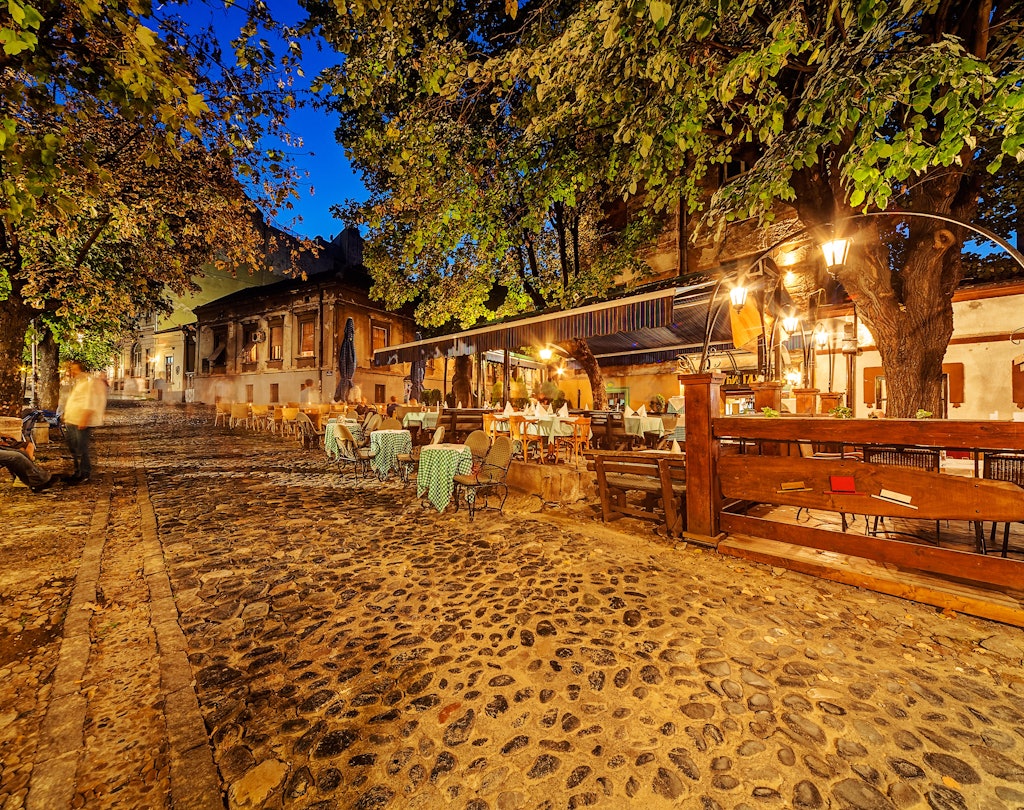
Drop your bag (I recommend the Dorcol or Savamala districts for character) and head straight to Kalemegdan Fortress. Follow the locals with picnic blankets for the ultimate free show: the sun melting into the confluence of the Sava and Danube. After, wander the cobbled Skadarlija street. It’s the “Montmartre of Belgrade“—slightly touristy but dripping in romance, with kafanas (taverns) serving up hearty portions and live starogradska (old city) music.
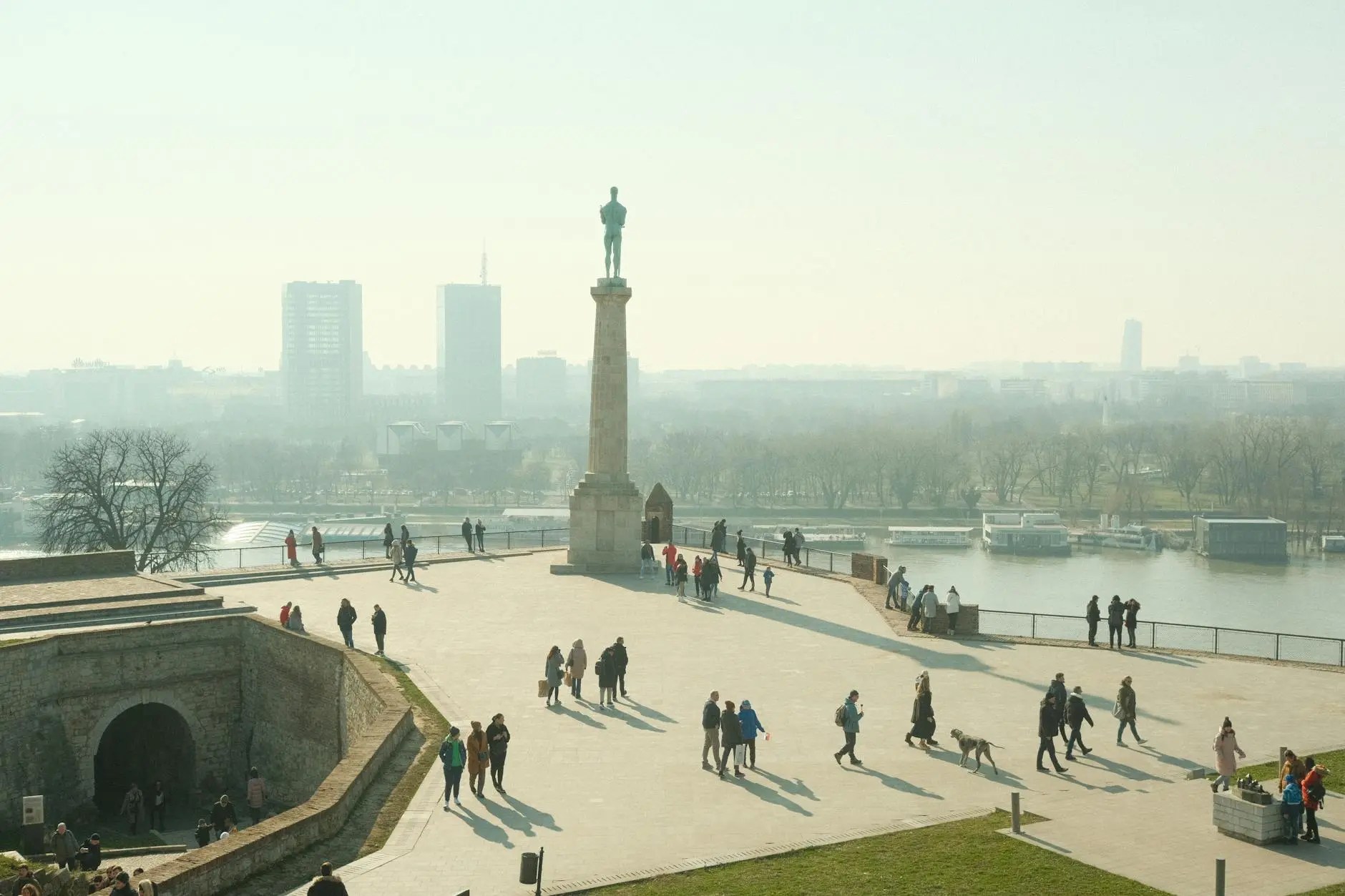
A view of Kalemegdan Fortress in Belgrade, with people walking on the grounds and the confluence of the Sava and Danube rivers in the background.
Panoramic view of the Kalemegdan Fortress in Belgrade, showcasing the Pobednik monument and the confluence of the Sava and Danube rivers. The iconic Pobednik (Victor) Monument stands watch over the confluence of the Sava and Danube rivers from within Kalemegdan Fortress—the most famous view in Belgrade.
A bustling street scene in Belgrade, Serbia, showcasing pedestrians walking along a cobblestone avenue lined with historic buildings and vintage street lamps under a clear blue sky.
A vibrant street in Belgrade showcasing its mix of historical and modern architecture, bustling with pedestrians.  Stroll down Knez Mihailova Street, Belgrade’s vibrant pedestrian heart, where 19th-century architecture meets modern cafe culture and buzzing street life.
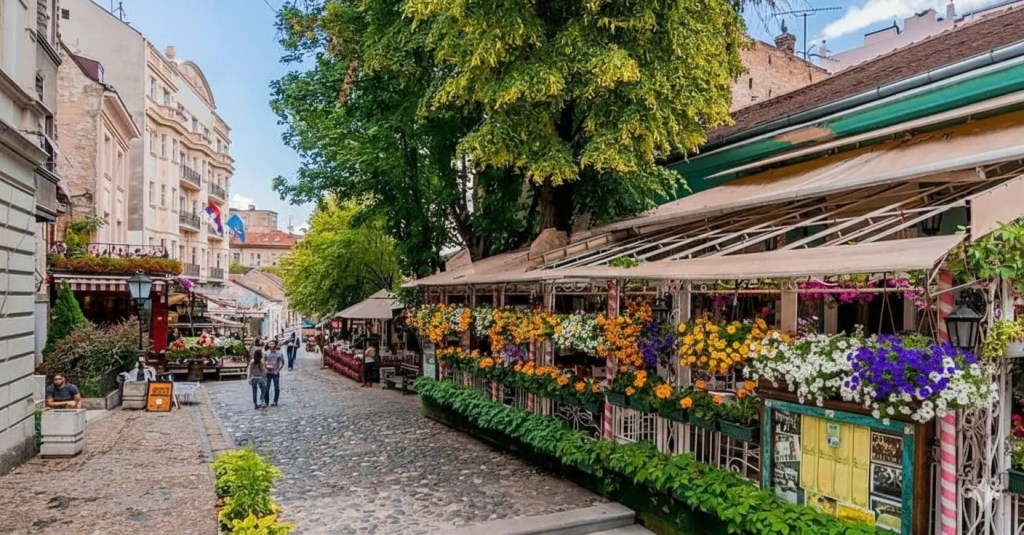
A picturesque cobblestone street in Belgrade lined with vibrant flower displays and outdoor seating at cafes, with people strolling leisurely past historical buildings and trees.
Charming cobblestone street in Belgrade filled with vibrant flowers and outdoor cafes, perfect for a leisurely stroll. Discover Skadarlija, the charming “Montmartre of Belgrade,” where cobblestone streets, traditional kafanas, and old-world charm capture the city’s bohemian soul

A picturesque evening in Skadarlija, Belgrade’s enchanting cobblestone street, lined with charming kafanas and illuminated by warm street lamps.

Saturday: History, Brunch & Splavovi
Morning: Dive into history at the Nikola Tesla Museum (book ahead!) or the profoundly moving Museum of Yugoslavia.
Afternoon: Brunch in trendy Dorcol. Then, explore the Bayrakli Mosque and the Church of Saint Sava—its cavernous, marble interior is staggering.
Night: This is Belgrade’s famous playbook. The nightlife happens on splavovi (floating river barges). Start with drinks on a chilled-out barge, then follow the bass to one of the mega-clubs. You don’t have to be a party animal to enjoy the spectacle.


A grand historical building featuring classic architectural elements, with large columns, ornate details, and a serene entrance, located in a sunny urban setting.
An elegant historical building in Belgrade, Serbia, showcasing classic architectural features. Experience the genius of Nikola Tesla at his namesake museum in Belgrade, where you can safely interact with his groundbreaking electrical inventions.
A view of the Museum of Yugoslavia's modernist building, featuring a decorative relief and surrounded by lush greenery and fountains.
The architectural beauty of the Museum of Yugoslavia, showcasing its historic significance amidst lush greenery and modern design. Step into the complex legacy of Yugoslavia at Belgrade’s most visited museum, where the Memorial Center for Josip Broz Tito and thousands of symbolic Relay Batons tell a powerful story of a bygone era.
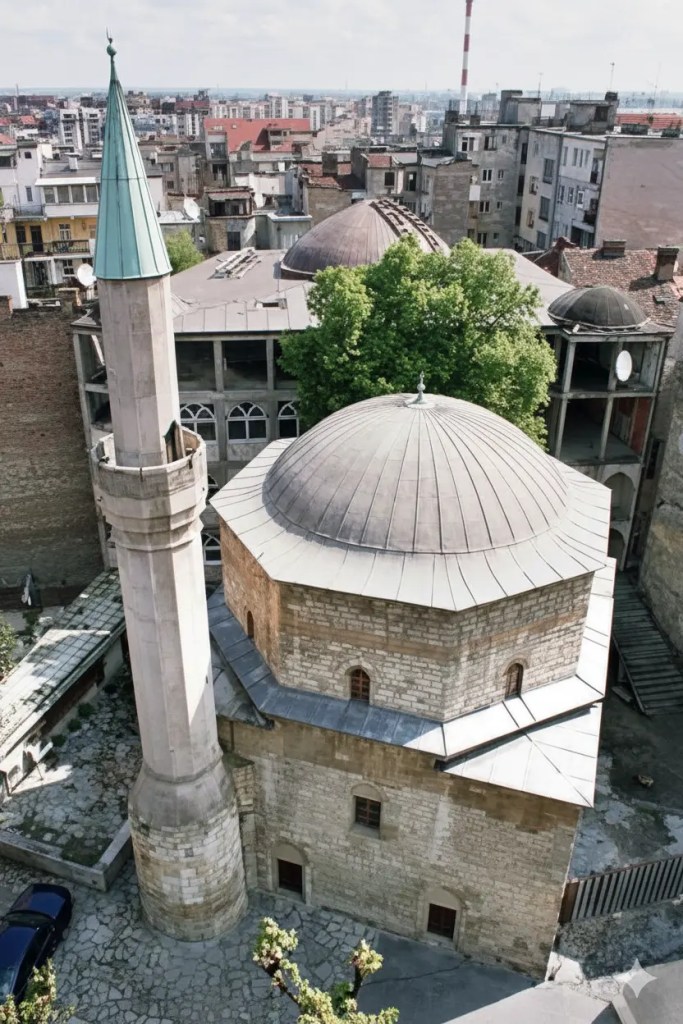
An aerial view of a historic mosque featuring a stone structure with a domed roof and a minaret, surrounded by modern buildings and greenery in Belgrade, Serbia.
An aerial view of the Bayrakli Mosque in Belgrade, showcasing its historic architecture against a backdrop of city buildings. Find a moment of serene reflection inside the Bajrakli Mosque, Belgrade’s only surviving Ottoman-era mosque located in the city’s historic Dorćol district.
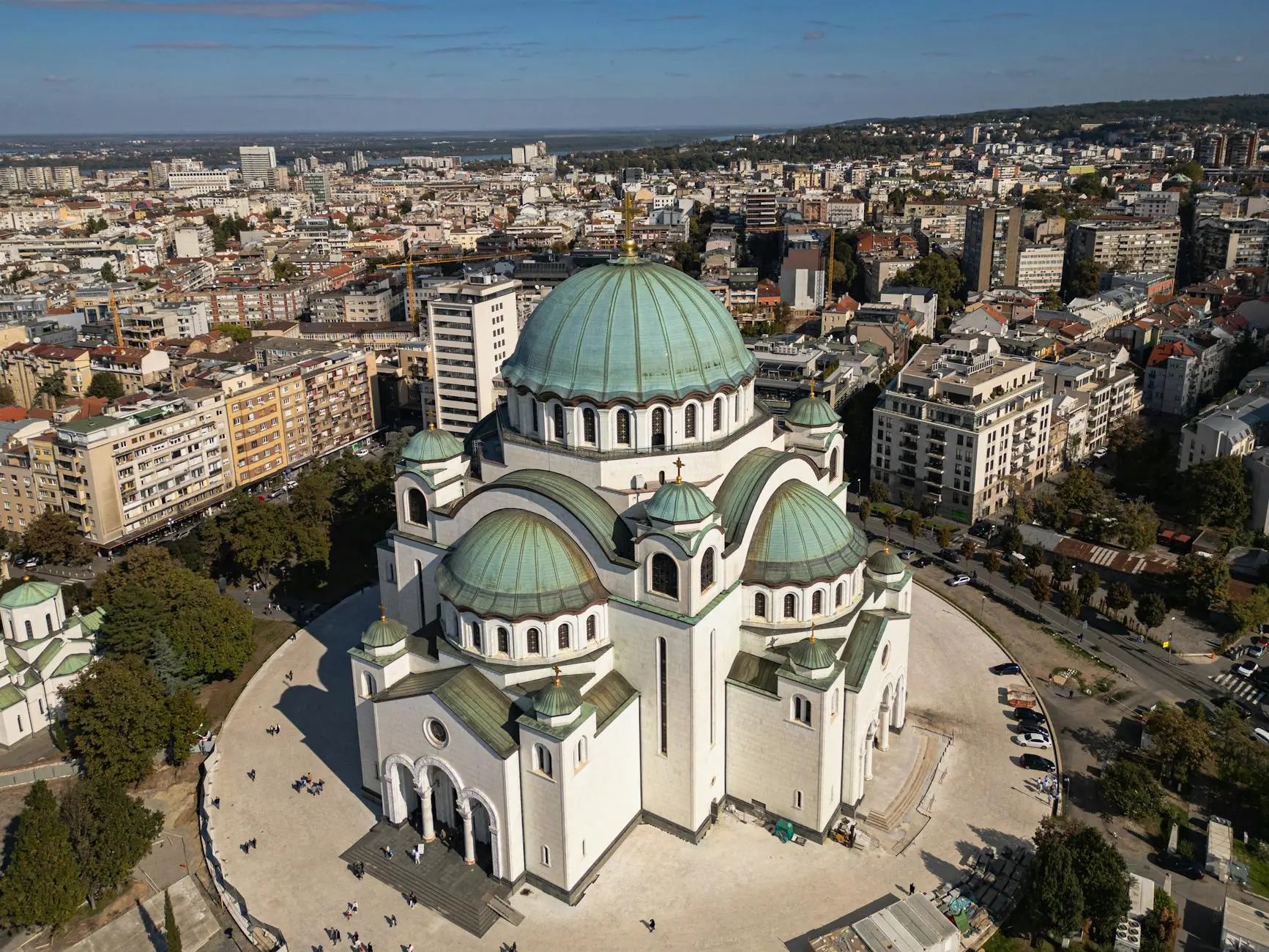
Aerial view of the Church of Saint Sava in Belgrade, showcasing its impressive architecture and surrounding cityscape.
Aerial view of the Church of Saint Sava in Belgrade, showcasing its impressive dome and surrounding cityscape.  Behold the monumental Church of Saint Sava, one of the world’s largest Orthodox churches, dominating the Belgrade skyline from the Vračar plateau.
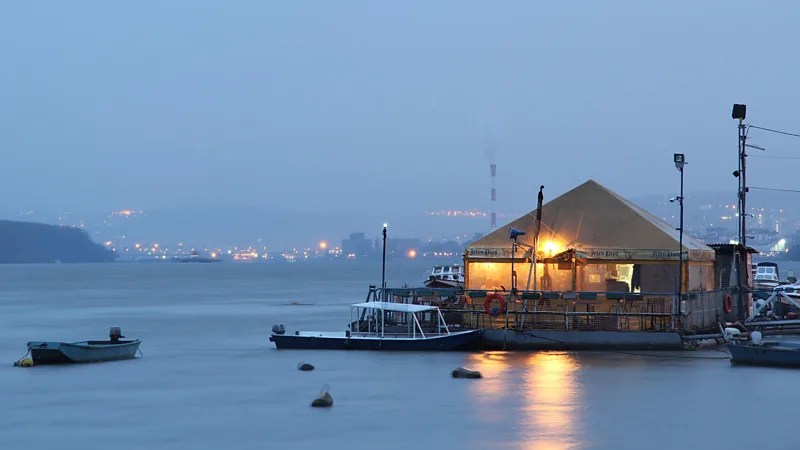
View of a river barge and a restaurant at dusk by the river, with city lights in the background.
A serene view of a floating river barge along the Danube, perfectly capturing the tranquil ambiance of Belgrade’s riverside, especially during twilight. The nightlife in Serbia’s capital has been touted as the best in the Balkans – and these rafts make every night feel like a Friday.

Sunday: Zemun & Market Magic
Cross the river (take that ferry!) to Zemun. Climb the Gardoš Tower for panoramic views, then feast on fresh Danube fish at a restaurant along the Kej. On your way back, stop at the Zeleni Venac market for spices, local cheese (kajmak), and souvenirs that aren’t made of plastic.
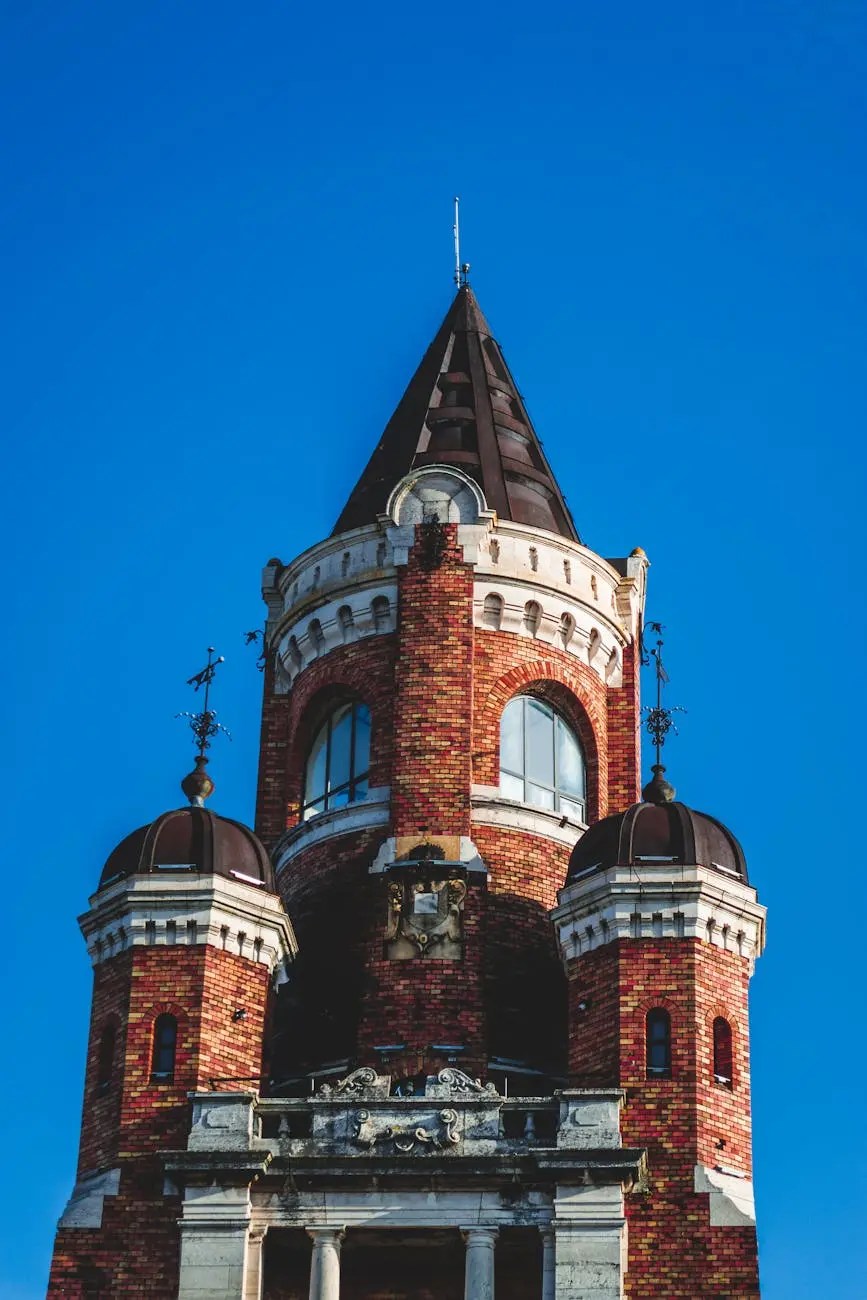
Close-up view of a tall, ornate tower with a cone-shaped roof and decorative brickwork against a clear blue sky.
A vibrant architectural detail of a historic building in Belgrade, showcasing its unique blend of styles against a clear blue sky. Climb the historic Gardoš Tower in Zemun for the best panoramic views of the Danube River, Belgrade’s skyline, and the old-town rooftops below.
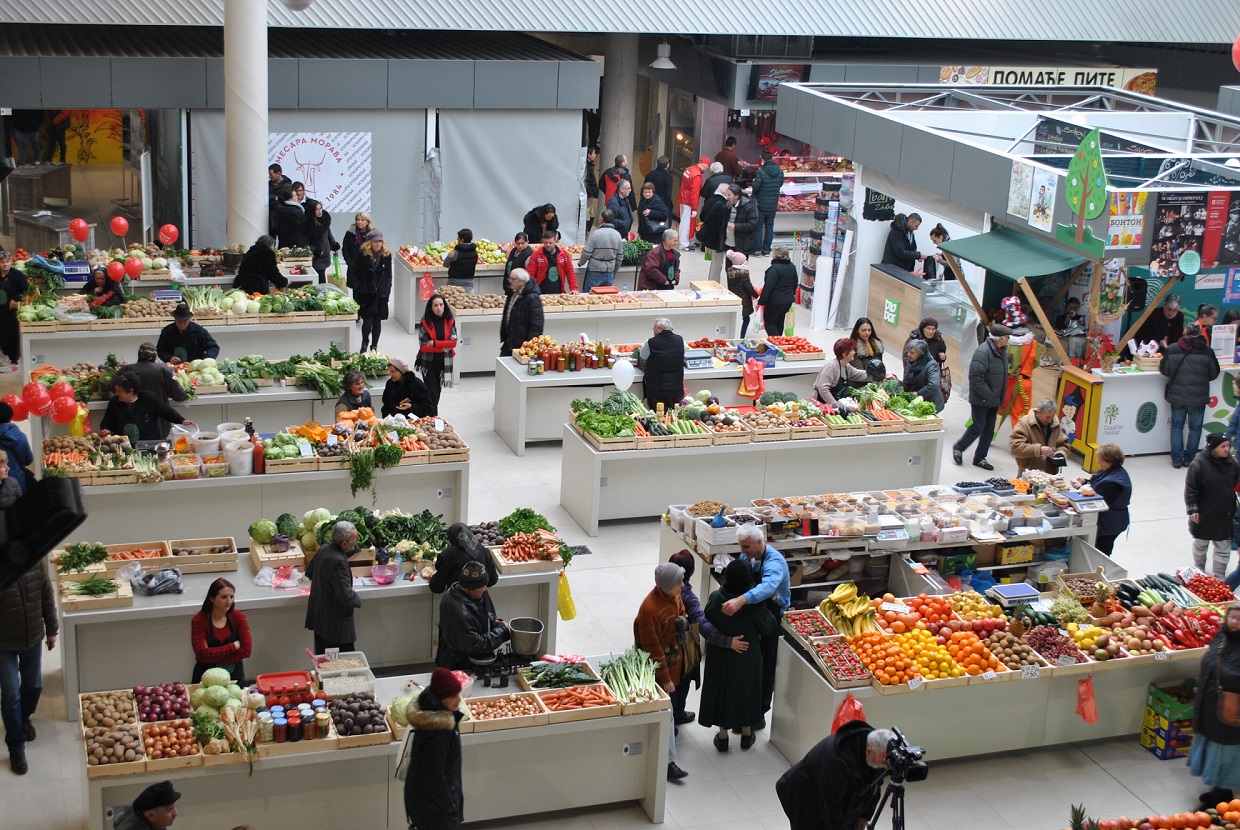
A bustling indoor market in Belgrade, Serbia, filled with vendors selling fresh produce, vegetables, and local goods. Shoppers are seen browsing and interacting, while colorful displays of fruits and vegetables are laid out on tables.
A bustling market in Belgrade, showcasing fresh produce and local goods. zeleni venac market belgrade serbia

Hidden Gems & Local Haunts

  • Mali Pekabazar: Not a bakery, but a tiny, always-packed bar in a former bakery. All decor is DIY, the music is impeccable, and the crowd is local.
  • The Iced Trenches of Tasmajdan: Underneath Park Tašmajdan are WWII-era cold storage tunnels, now used for hockey and concerts. It’s bizarrely cool (literally).
  • KC Grad: A gritty cultural center in Savamala with exhibitions, debates, and a fantastic courtyard bar perfect for a daytime coffee or evening beer.
  • Avala Tower — insane city views
  • Kosančićev Venac — romantic old quarter
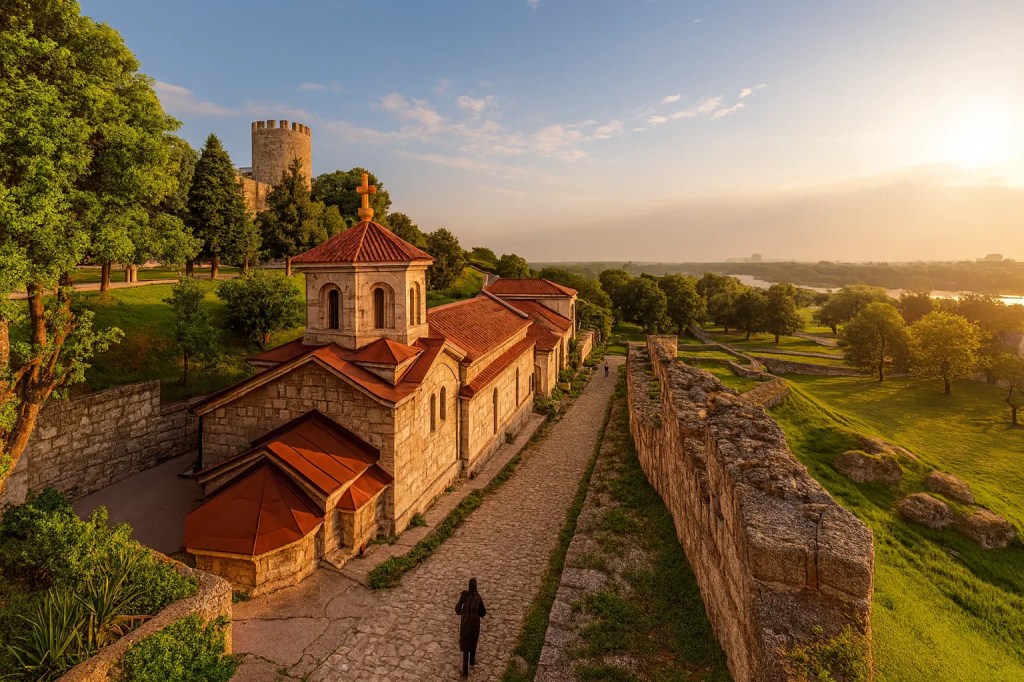
Scenic view of Kalemegdan Fortress and the Church of Ružica in Belgrade, Serbia, during sunset, with lush green surroundings and a pathway.
A serene view of the Kalemegdan Fortress in Belgrade at sunset, showcasing a historic church amidst lush greenery. Golden hour at Kalemegdan Fortress, Belgrade — where history, river views, and peaceful park paths meet.
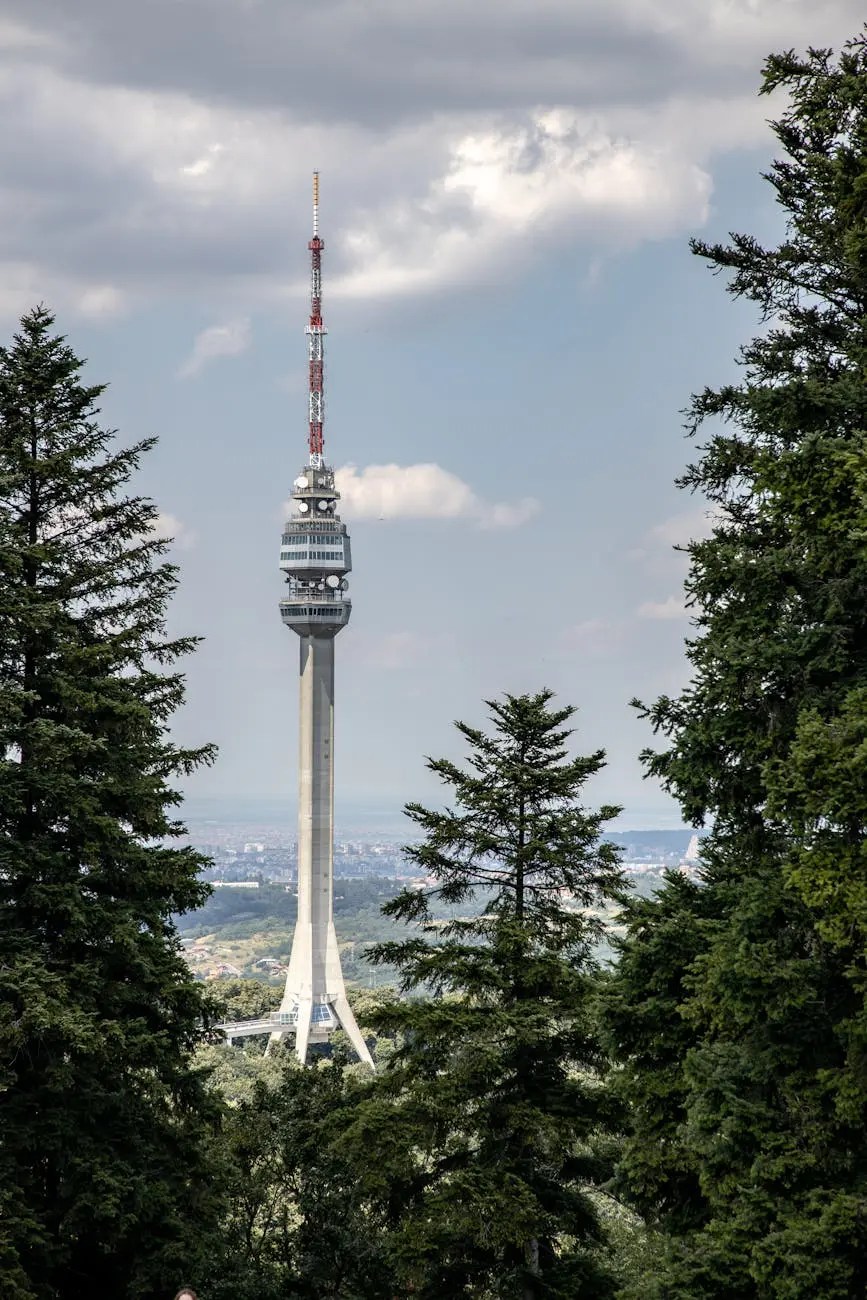
The Avala Tower surrounded by lush green trees, with a cloudy sky in the background, showcasing a modern architectural structure.
The Avala Tower stands tall amidst the trees, offering panoramic views of Belgrade and its surroundings.  Visit the iconic Avala Tower on Mount Avala—the tallest structure in the Balkans and a symbol of Belgrade’s resilience, just a short drive from the city center.
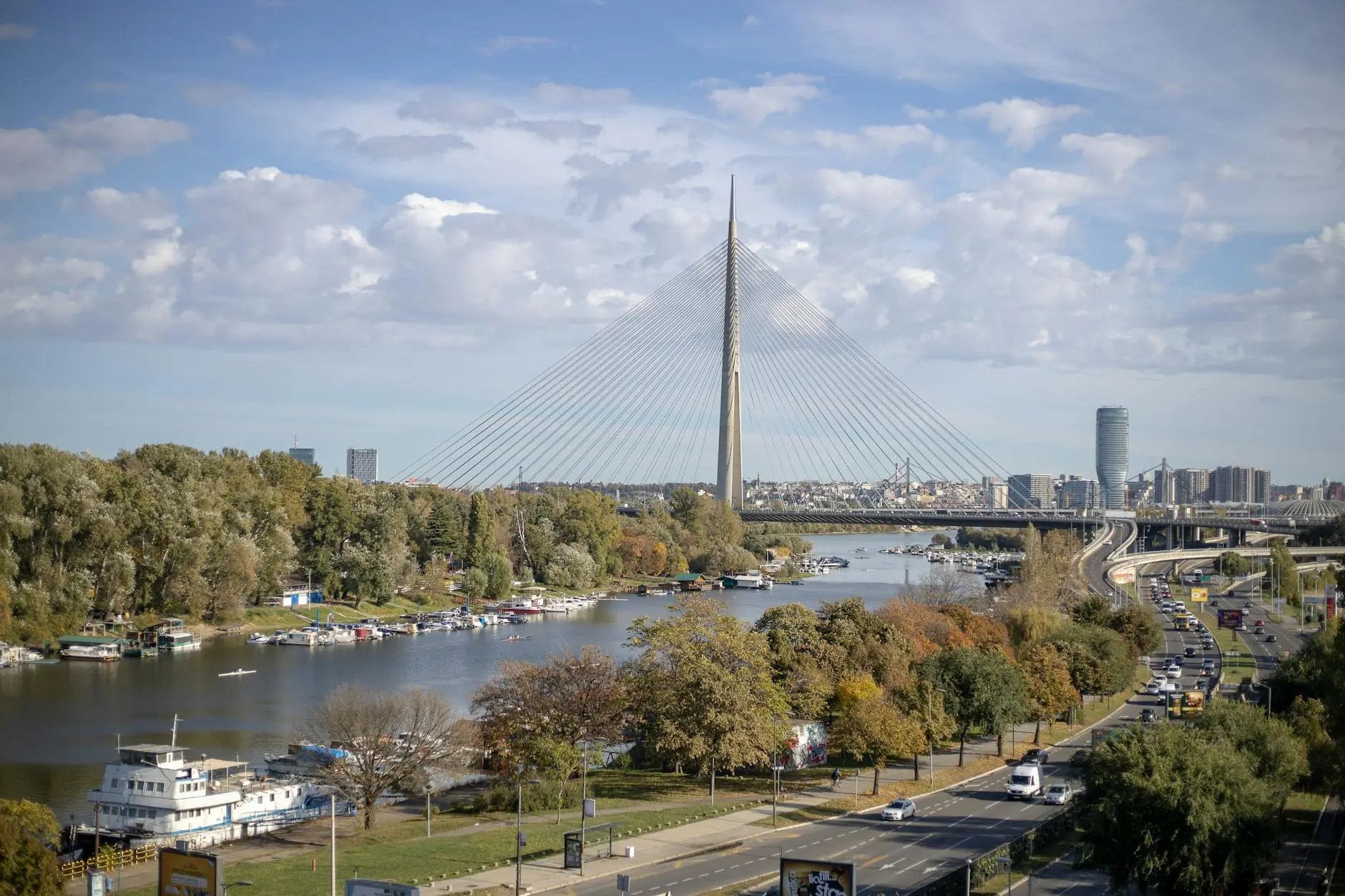
View of the Sava River with a suspension bridge in Belgrade, Serbia, featuring lush greenery along the shoreline and a skyline in the background.
A panoramic view of Belgrade featuring the iconic bridge spanning the Sava River, surrounded by greenery and bustling city life. The stunning Ada Bridge, with its iconic 200-meter pylon, illuminates the Belgrade skyline and connects the city across the Sava River.

🚗 Day Trips from Belgrade

  • Novi Sad (1 hr by train)
  • Golubac Fortress (2 hrs by car)
  • Sremski Karlovci wine region (perfect afternoon trip)

Navigating Belgrade Like a Pro: Transport Tips

  • Bus/Tram: Get a BusPlus card at a kiosk. Tap on and off. Single-ride tickets are for masochists.
  • Walking: The city center is very walkable. Dorcol to the Fortress is a lovely stroll.
  • Taxi: Only use certified companies like Pink or Lux. If the meter looks like it’s on hyperspeed, you’re in a pirate cab.
  • Car: Don’t drive in the center. Parking is a competitive sport. If you’re road-tripping wider Serbia, a good VPN is essential for secure browsing on public Wi-Fi when planning routes. I never travel without my NordVPN for safety and accessing content from home.

🌍 How to Travel From Belgrade to Dubrovnik, Split & Zadar

If you loved Belgrade and want a coastal escape next weekend, Croatia is your best friend.

1️⃣ Belgrade → Dubrovnik

How to go:

  • Flight: Fastest (~1 hr 10 min)
  • Bus: 9–11 hrs
  • Car: Scenic but long (900 km); cross Bosnia

Read my full Dubrovnik guide:
👉 https://confidencebuildings.com/2025/11/21/ultimate-dubrovnik-weekend-guide-tips-must-sees/


2️⃣ Belgrade → Split

How to go:

  • Flight: 1 hr 15 min
  • Bus: 9–12 hrs
  • Car: via Zagreb or Bosnia (highways are great)

My Split weekend guide:
👉 https://confidencebuildings.com/2025/11/23/weekend-getaway-in-split-your-ultimate-travel-guide/


3️⃣ Belgrade → Zadar

How to go:

  • Flight: seasonal
  • Bus: 12–13 hrs
  • Car: excellent road quality along Croatian coast

My Zadar travel blog:
👉 https://confidencebuildings.com/2025/11/26/explore-zadar-your-ultimate-weekend-getaway-guide/


💸 Money-Saving Tips for Belgrade

  • Eat at pekara (Serbian bakeries) — cheap & delicious
  • Use public transport instead of taxis
  • Buy SIM/eSIM online — cheaper than airport kiosks
  • Take free walking tours for orientation
  • Travel by bus/train instead of domestic flights

Savvy Traveller Section: Save Time & Money

  • Visa Info: For EU, US, UK, and AU/NZ citizens, it’s a breeze—no visa needed for stays up to 90 days. Always double-check official sources before travel.
  • Stay Connected (Without Getting Robbed): Airport SIMs are a trap. My secret weapon is Drimsim—a global data SIM that works in 190 countries. Pop it in, top up via the app, and you’re online. No more language barrier struggles at mobile shops. It’s saved me countless times.
  • Flight Gone Wrong? If your flight to Belgrade gets delayed or canceled, remember: EU passenger rights are powerful (and apply even on some non-EU airlines). You could be owed up to €600. Instead of fighting the airline myself, I let AirHelp handle it. They only get paid if you win.
  • Travel Insurance: Never skip it. A friend once slipped on Kalemegdan’s cobbles and needed stitches. I use VisitorsCoverage to compare and buy the right plan for every trip. It’s the adulting thing to do.
  • Capture the Magic: Belgrade’s light, from golden fortress glows to neon splav reflections, is incredible. I capture it all with my trusty Sony Alpha camera—it’s the perfect travel companion for sharp, vibrant photos.

Essential Serbian Survival Phrases

Serbs appreciate the effort immensely!

  • Hvala (HVAH-lah) = Thank you.
  • Dobar dan (DOH-bar dan) = Good day.
  • Koliko košta? (KOH-lee-koh KOSH-tah) = How much does it cost?
  • Jedno pivo, molim (YED-noh PEE-voh, MOH-leem) = One beer, please. (Your most important phrase.)
  • Živeli! (ZHEE-veh-lee) = Cheers!
  • Gde je autobus? – Where is the bus?
  • Voda – Water

Frequently Asked Questions (FAQs)

Q: Is Belgrade expensive?
A: Not at all. It’s one of Europe’s most affordable capitals. A huge meal with drinks can be under €15, and pints are often €2-3.

Q: What’s the best time to visit?
A: Late spring (May-June) and early autumn (September-October). You’ll avoid the summer heatwaves and the winter chill, and the riverside terraces are in full swing.

Q: Is it safe for solo travellers?
A: Yes, very. Standard city precautions apply (watch your bag in crowds), but I’ve always felt safe walking around, even at night.

Q: How do I get from the airport to the city center?
A: The A1 shuttle bus is the budget choice (300 RSD). An official taxi from the booth is easier and costs a fixed ~2500 RSD.

Is nightlife expensive?

Moderate. Drinks €3–7, clubs sometimes have entry fees.

Can I pay by card?

Yes, cards are accepted widely. Carry some cash for taxis/bakeries.

Are ferries available?

No sea ferries, but Danube river cruises are available.

Ready for Your Adventure?

Belgrade isn’t a polished, predictable city. It’s raw, authentic, and exhilarating. It gets under your skin. From the quiet moments watching barges slide down the Danube to the deafening beat inside a floating club, it’s a weekend you won’t forget.
Universal Disclaimer/Disclosure Page:

Ultimate Zagreb Weekend Getaway: Tips & Itinerary

Meta Description: Escape to the heart of Croatia! This ultimate guide to a Zagreb weekend escape covers everything: discovering quirky museums, mastering the cheap tram system, and finding the best food. Optimize your trip logistics, from flights and trains to visa and border crossings with neighboring countries like Slovenia and Italy. Perfect for independent travelers seeking an authentic European city break.

Alright, fellow travellers, let’s cut through the noise. You’re dreaming of a European weekend that doesn’t involve battling selfie-stick hordes for a glimpse of a monument. You want charm, great food, and a city with a personality. Let me introduce you to Zagreb, Croatia’s wonderfully underrated capital.

I stumbled into Zagreb a few years ago on a whim after a coastal trip, expecting just a quick stopover. I ended up staying for four days, completely captivated by its laid-back vibe, the hauntingly beautiful Museum of Broken Relationships, and the fact I could actually afford a coffee in the main square without taking out a second mortgage.

When you hear “Croatia,” your mind probably jumps straight to the shimmering turquoise waters of Split or the medieval walls of Dubrovnik. And while the Dalmatian Coast is undeniably gorgeous, if you overlook Zagreb, you’re missing out on the beating heart and soul of the country.

Zagreb isn’t just a capital; it’s a sophisticated, yet delightfully quirky city. It’s walkable, ridiculously affordable, and has a café culture that demands you slow down and simply exist. Planning a quick 48-hour or 72-hour getaway? Zagreb is the perfect spot.

Let’s dive into how you can conquer Croatia’s cool kid of a capital and make it the ultimate weekend escape.

This guide is the one I wish I’d had. We’re going to craft your perfect weekend, save you time and money, and uncover the soul of this city, one anecdote at a time.

Table of Contents

  1. Getting to Zagreb: Flights, Roads, and Ferries
  2. Where to Stay: The Best Hubs for Your Visit
  3. The Perfect 3-Day Zagreb Itinerary
  4. Zagreb’s Hidden Gems & Quirky Finds
  5. Smart Travel Toolkit: Tips to Save Time & Money
  6. Quick-Reference Croatian Phrases
  7. Frequently Asked Questions (FAQ)
  8. Further Adventures & Final Call to Action

Getting to Zagreb: Flights, Roads, and Ferries

Zagreb is centrally located, making it an ideal jump-off point for Central and Southeast European adventures.

✈️ By Air: Fast & Easy

Franjo Tuđman Airport (ZAG) is about 17 km outside the city. For a budget-friendly and quick trip into the center, grab the Pleso Prijevoz airport bus (approx. €8), which runs frequently to the main bus station (Autobusni kolodvor Zagreb). From there, you can hop on a tram.

Zagreb Airport (ZAG) is the main international hub. It’s well-connected and a quick 30-minute bus or taxi ride to the city centre. I always check for flight deals on expedia – bundling flight and hotel can sometimes unlock serious savings.

🚗 By Road: Map Tips to Save Gas

If you’re driving from nearby countries (like Slovenia, Hungary, or even Northern Italy), the motorways are generally excellent.

  • Road Map Tip for Time/Gas Savings: Croatia uses a toll system on its main highways (A-roads). While mapping apps like Google Maps can route you to avoid tolls, this often means much slower regional roads, which may actually increase your fuel consumption and definitely increase your travel time. My advice? Budget for the tolls, especially for longer distances. The A2 connects Zagreb to Slovenia, and the A3 connects to Serbia. Check current toll rates online before you leave to save time at the pay stations.
  • Road-tripping? The highways are excellent (but expect tolls). A little pro-tip: if you’re driving in from the coast, download a local traffic app to check for jams on the A1 motorway. It saved me from a two-hour standstill once!
  • Best Time to Visit to Avoid Crowds: Zagreb is fantastic year-round, but the best time to avoid crowds is during the shoulder seasons (April-May or September-October). You get beautiful weather without the July/August tourist rush. Plus, Zagreb is famously stunning during the Christmas Advent Market season, but expect major crowds and higher prices then.

🚢 Getting There by Ferry (The Coastal Connection)

Zagreb itself is inland, so you won’t dock your ship right in the city center—unless you count a particularly dramatic flood. However, Croatia is a nation defined by its coast!

If you’re integrating Zagreb into a wider Balkan or Mediterranean trip, you might arrive via the Adriatic Sea. You can take a ferry from Italy (e.g., Ancona,Bari, or Venice) to coastal Croatian ports like Split or Dubrovnik. Speaking of Italy, if you love water, don’t miss the ultimate guide to an Ultimate Weekend Getaway in Venice—it’s a stunning contrast to Zagreb’s continental charm.

From those coastal hubs, the journey to Zagreb is straightforward:

  • Coastal Croatia to Zagreb: A comfortable 4–5 hour ride on a fast train (the best option) or bus from the coast. To plan your trip to the coast first, check out the Weekend Getaway in Split: Your Ultimate Travel Guide for a true taste of the Adriatic.
  • Ferry Search: To find routes from Italy to Croatia’s coast, check out Direct Ferries and plan your sea journey efficiently.

From those coastal hubs, the journey to Zagreb is straightforward:

  • Split to Zagreb: A comfortable 4–5 hour ride on a fast train (the best option) or bus.
  • Ferry Search: To find routes from Italy to Croatia’s coast, check out Direct Ferries and plan your sea journey efficiently.

Where to Stay: The Best Hubs for Your Visit

Zagreb is divided into two main parts: the historic Gornji Grad (Upper Town) and the bustling Donji Grad (Lower Town).

  • Upper Town (Gornji Grad): Perfect for history buffs and those wanting a quieter, more romantic vibe. It’s where you’ll find the famous St. Mark’s Church.
  • Lower Town (Donji Grad): The heart of the city’s café culture, shopping, and museums, known for the “Green Horseshoe” of parks. This is generally the best base for a first-time visitor.

I always recommend finding a hotel near King Tomislav Square (Trg Kralja Tomislava) or Ban Jelačić Square for prime access to the city’s excellent tram network.

Whether you’re looking for a boutique stay in the Upper Town or a budget-friendly apartment near the main square, start your search here: Find Your Zagreb Accommodation on Expedia

Your Weekend Game Plan: A 48-Hour Itinerary

Friday Evening: Dive into the Old World

  • Start your day in the center, Ban Josip Jelačić Square, grab a coffee, and head straight up to the Upper Town (Gornji Grad).
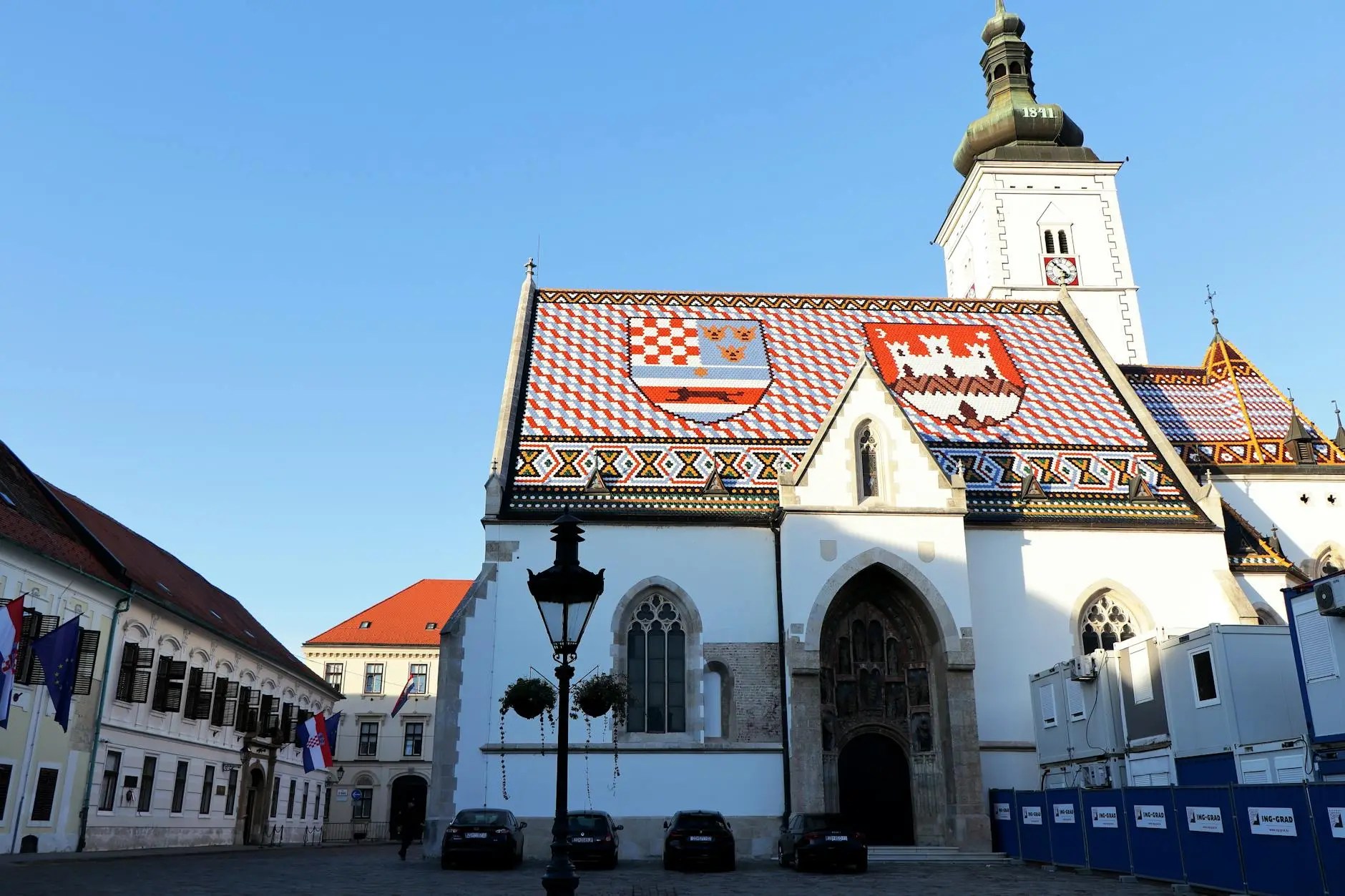
  • St. Mark’s Church (Crkva sv. Marka): Snap a photo of the iconic, colorful tiled roof featuring the medieval coat of arms of Croatia, Dalmatia, Slavonia, and the coat of arms of Zagreb.
  • Personal Anecdote: My first evening, I got lost in the cobblestone lanes behind St. Mark’s Church and stumbled upon a tiny, family-run konoba (tavern) that wasn’t on any map. I had the best štrukli (a delicious cheesy pastry) of my life. Don’t be afraid to wander!
  • Dinner: Find a restaurant in the Upper Town for authentic Croatian cuisine.
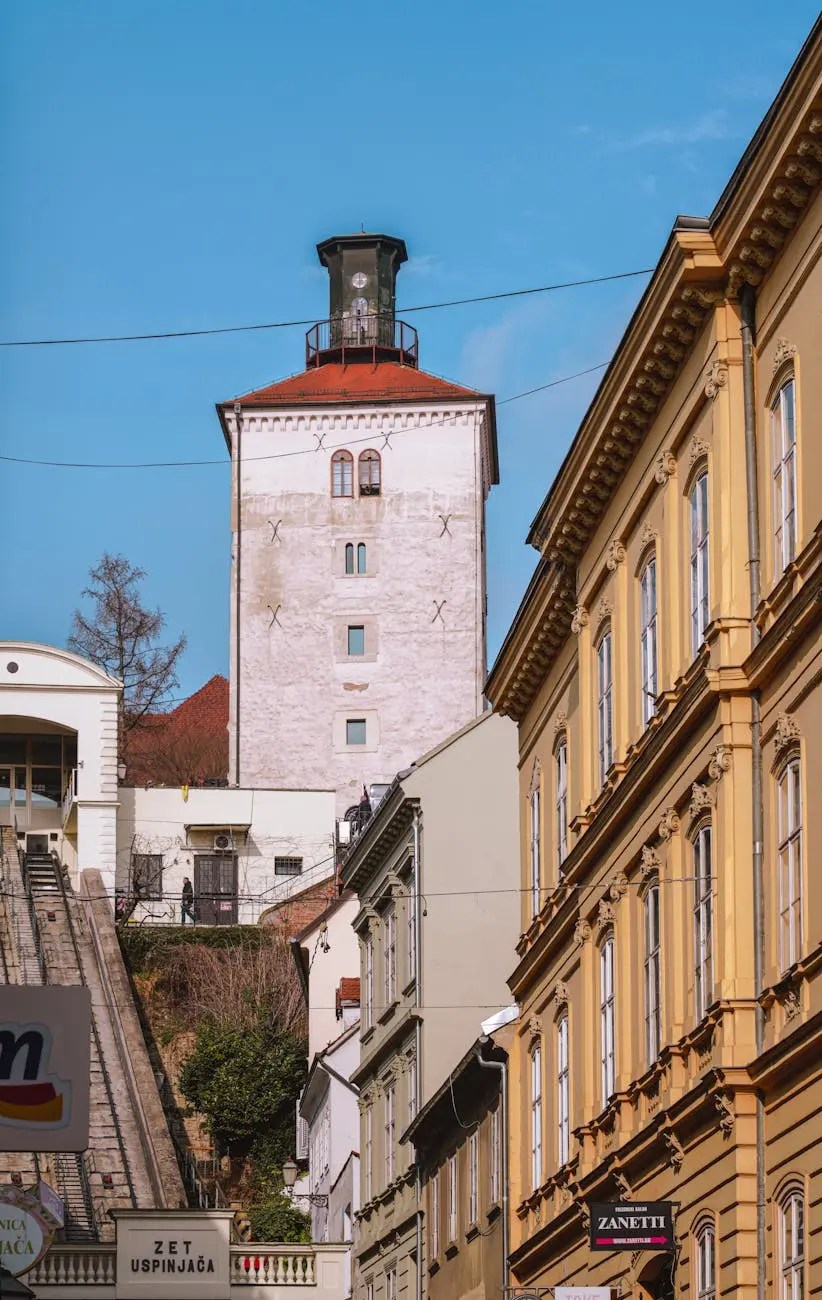
  • Lotrščak Tower & Grič Cannon: Climb the tower for the best panoramic view. Personal Anecdote: I was chilling down in the Lower Town square one day, nursing a strong Croatian kava, when suddenly—BOOM! It nearly made me drop my espresso. That’s how I learned about the Grič Cannon tradition—it fires precisely at noon every day. Don’t be like me; be ready for it!
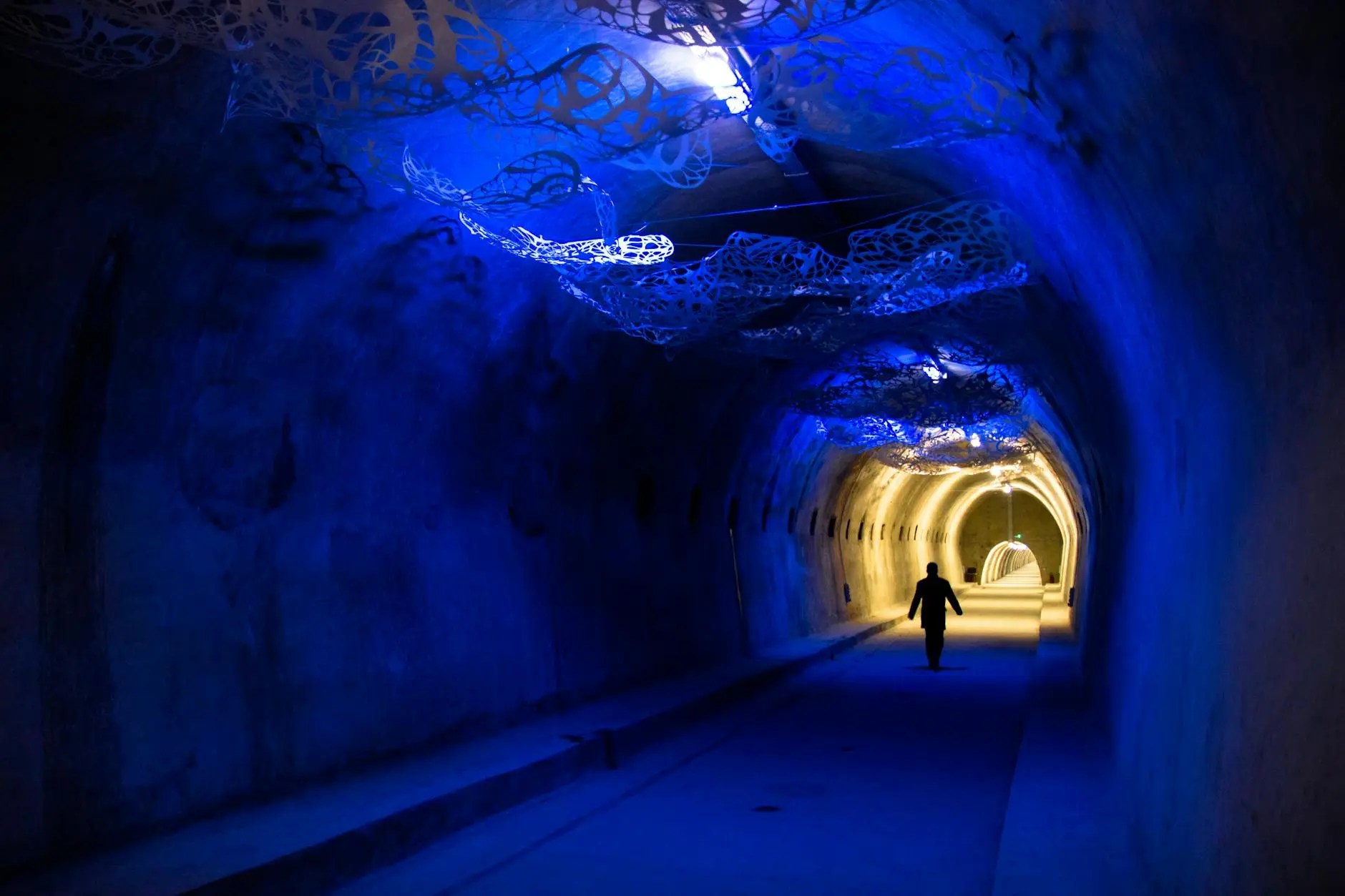
  • Hidden Gem Walk: The Grič Tunnel: Walk through this old WWII air raid shelter that cuts right under the city. It’s cool (literally) and often hosts light installations, providing a unique subterranean shortcut.
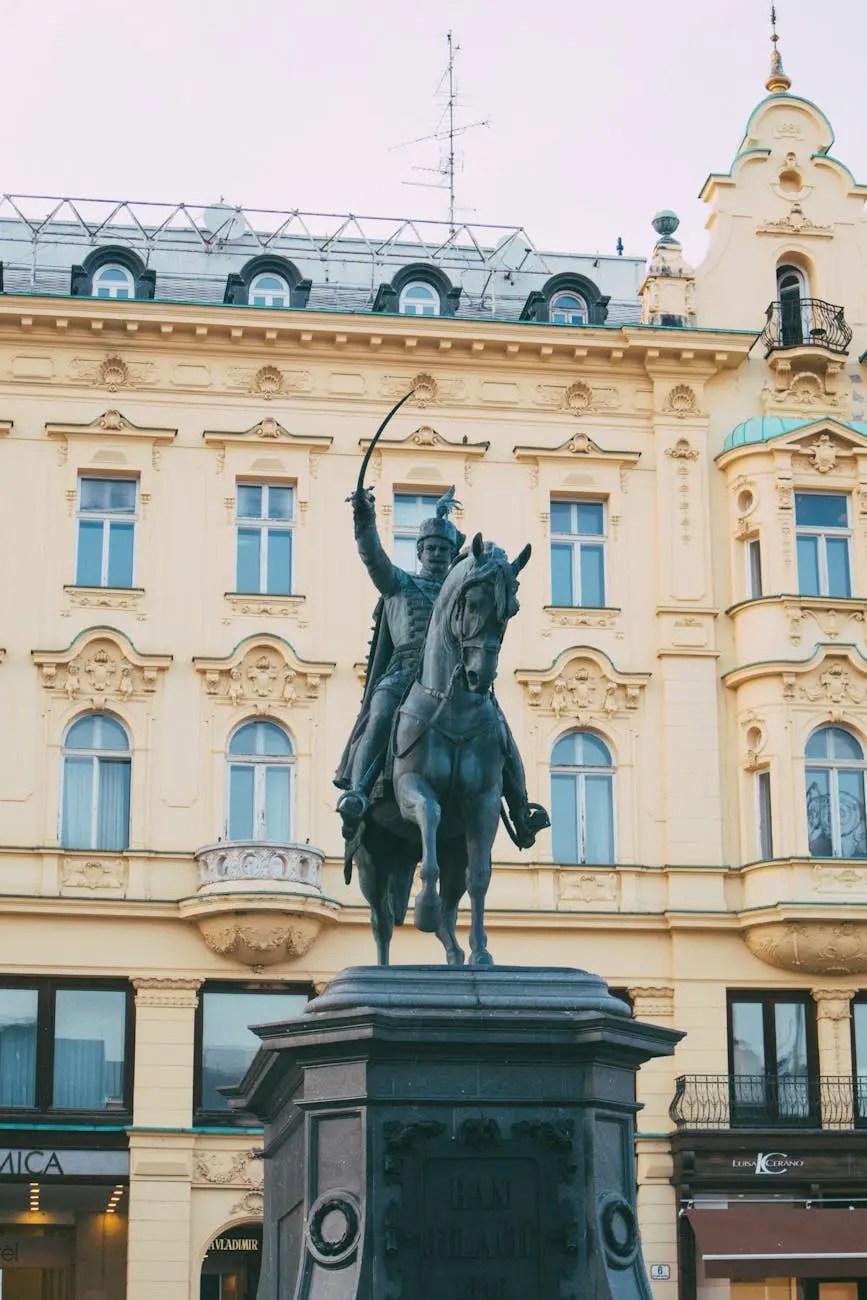
Statue of Ban Josip Jelačić on horseback in Zagreb, Croatia, with historic buildings in the background.
Statue of Ban Josip Jelačić in Zagreb, a significant historical landmark in the city’s main square. The iconic equestrian statue of Ban Josip Jelačić, taking pride of place in the bustling heart of Zagreb’s main square.

The iconic St. Mark's Church in Zagreb, showcasing a colorful, tiled roof adorned with Croatian coats of arms, set against a clear blue sky.
St. Mark’s Church, adorned with its iconic colorful tiled roof, showcasing Croatia’s heritage in Zagreb’s Upper Town. The unforgettable roof of St. Mark’s Church, a 13th-century gem in Zagreb’s Upper Town, displaying the medieval coats of arms of Croatia, Dalmatia, Slavonia, and the city of Zagreb.
View of the Lotrščak Tower in Zagreb, Croatia, surrounded by historical buildings and a funicular railway.
View of the iconic Lotrščak Tower in Zagreb, Croatia, surrounded by historic architecture and the funicular railway. The medieval Lotrščak Tower, standing guard over Zagreb since the 13th century, famous for its daily noon cannon blast.
A steaming cup of coffee placed on a wooden table, illuminated by soft sunlight coming through a window.
A steaming cup of coffee on a wooden table, perfect for kickstarting your Zagreb adventure.

Saturday: Culture, Markets, and Dolce Far Niente

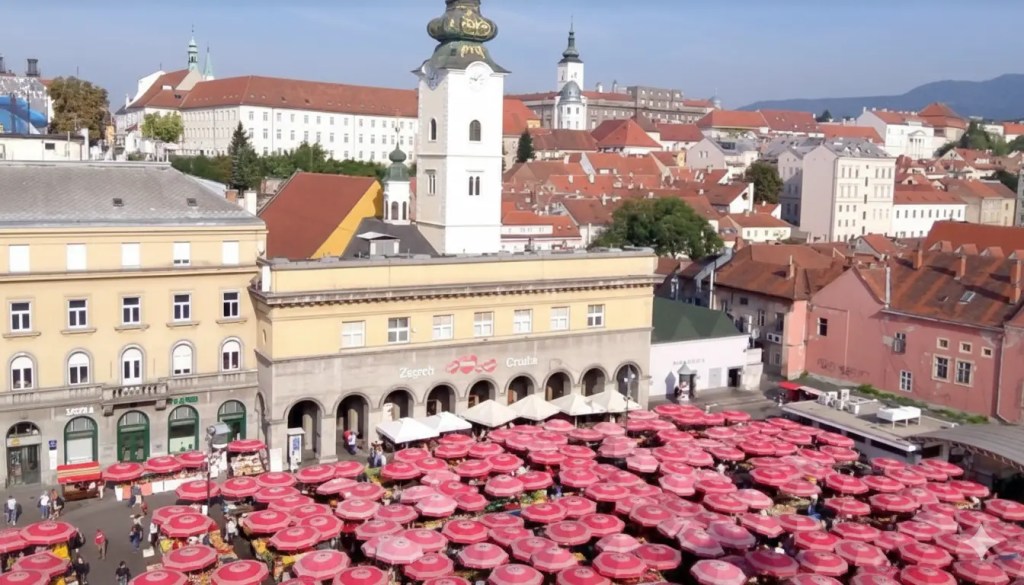
  • Morning: Fuel up with a coffee in Ban Jelačić Square. Then, explore the Dolac Market – the vibrant red umbrellas are an icon. Try some local cheese or fruit.
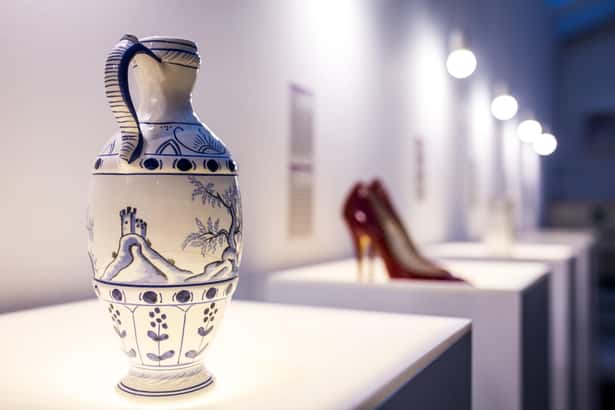
  • Afternoon: Get quirky at the Museum of Broken Relationships. It’s as fascinating and moving as everyone says. Afterwards, take the funicular (the world’s shortest!) back up to the Upper Town for panoramic views.
  • Evening: Join the locals for a stroll down Tkalčićeva Street. This street is the social heart of the city, lined with endless cafes and bars. It’s the perfect spot for people-watching.
A person walking through a dimly lit tunnel adorned with blue lights and intricate paper-like decorations on the ceiling.
A mesmerizing view of the Grič Tunnel in Zagreb, illuminated with blue lighting and intricate decorations, creating a unique underground experience. The Grič Tunnel, a subterranean passage built as a WWII bomb shelter in 1943, now serves as a unique cultural venue and pedestrian shortcut in Zagreb.
Aerial view of Zagreb's Dolac Market featuring vibrant red umbrellas amidst historic buildings and rooftops.
A vibrant view of Zagreb’s Dolac Market, adorned with iconic red umbrellas, showcasing the lively atmosphere of the city. The vibrant Dolac Market, known as “Zagreb’s pantry,” under its iconic canopy of red umbrellas.
A decorative ceramic jug displayed on a pedestal in a museum, next to red high-heeled shoes, illuminated by soft lighting.
A decorative vase on display at the Museum of Broken Relationships in Zagreb, Croatia.
People strolling along a vibrant street in Zagreb, Croatia, surrounded by colorful buildings and outdoor cafes.
A vibrant street in Zagreb showcasing its charming café culture and colorful architecture, perfect for leisurely strolls.

Sunday: Parks and Farewells

  • Morning: Escape the urban buzz at Mirogoj Cemetery. This sounds morbid, but trust me, it’s one of the most beautiful and peaceful park-like cemeteries in Europe, with stunning arcades.
  • Brunch: Grab a final pastry and coffee before you head out.

Alternative Museum: Check out the bizarre Museum of Hangovers for a genuinely funny experience, showcasing objects and stories from people’s drunken escapades.

Cross-Border Adventure: Zagreb is perfectly positioned for exploring Central Europe. For example, the incredibly scenic capital of Slovenia is just over two hours away! If you have the time, why not extend your journey with The Ultimate Weekend Escape to Ljubljana, Slovenia? It makes for an easy and charming side-trip.

Spend an Afternoon at the Art Pavilion: Just a short stroll from the main square, you’ll find the stunning Art Pavilion in Zrinjevac Park. This is the oldest gallery in Southeast Europe designed exclusively for exhibitions and it’s an architectural jewel itself—a beautiful yellow Secessionist building. I wandered in to escape a sudden rain shower and was blown away by the quality of the rotating exhibitions. Check their schedule online; it’s a perfect dose of culture in a serene, park-side setting.

Day Trip to Plitvice Lakes (Requires Car/Bus): If you have extra time, the cascading waterfalls of Plitvice Lakes National Park are only about 2 hours by car or bus. If you’re renting a car, book your ticket to the park far in advance, especially in summer!

🚗 Getting to Plitvice Lakes: Drive vs. Bus (The Logistics Deep Dive)

Getting to the waterfalls is simple, but the choice between car and bus depends on your priorities (flexibility vs. cost). If you’re driving, the journey takes a speedy 1.5 to 2 hours (approx. 140 km). The quickest route involves taking the A1 highway (remember to budget for the modest tolls!) southwest toward Karlovac, then following the clear signage onto the D1 state road directly to the park. Road Map Tip: For maximum efficiency, enter “Plitvice Lakes National Park Entrance 1” into your GPS. However, for a cheaper and less stressful experience, the bus is king. Buses depart frequently from Zagreb’s main bus station (Autobusni Kolodvor Zagreb) and take about 2 to 2.5 hours, dropping you right at the park’s entrance (typically Entrance 1). Expect tickets to cost around €15–€20 one-way. Money-Saving Tip: Book your bus tickets online in advance, as the price can be slightly cheaper and you guarantee your spot, especially if you plan to catch one of the crucial early morning departures! Since park tickets must also be bought online ahead of time (especially in the summer), securing both your transport and park entry ensures you are one of the first in the gates, beating the midday crush and guaranteeing a better view.

The Next European Capital: If you’re looking to extend your trip into another fantastic former Habsburg empire city, consider the incredible architecture and thermal baths of Hungary. You can find your essential guide here: Ultimate Budapest Weekend Getaway: Your Insider Guide.

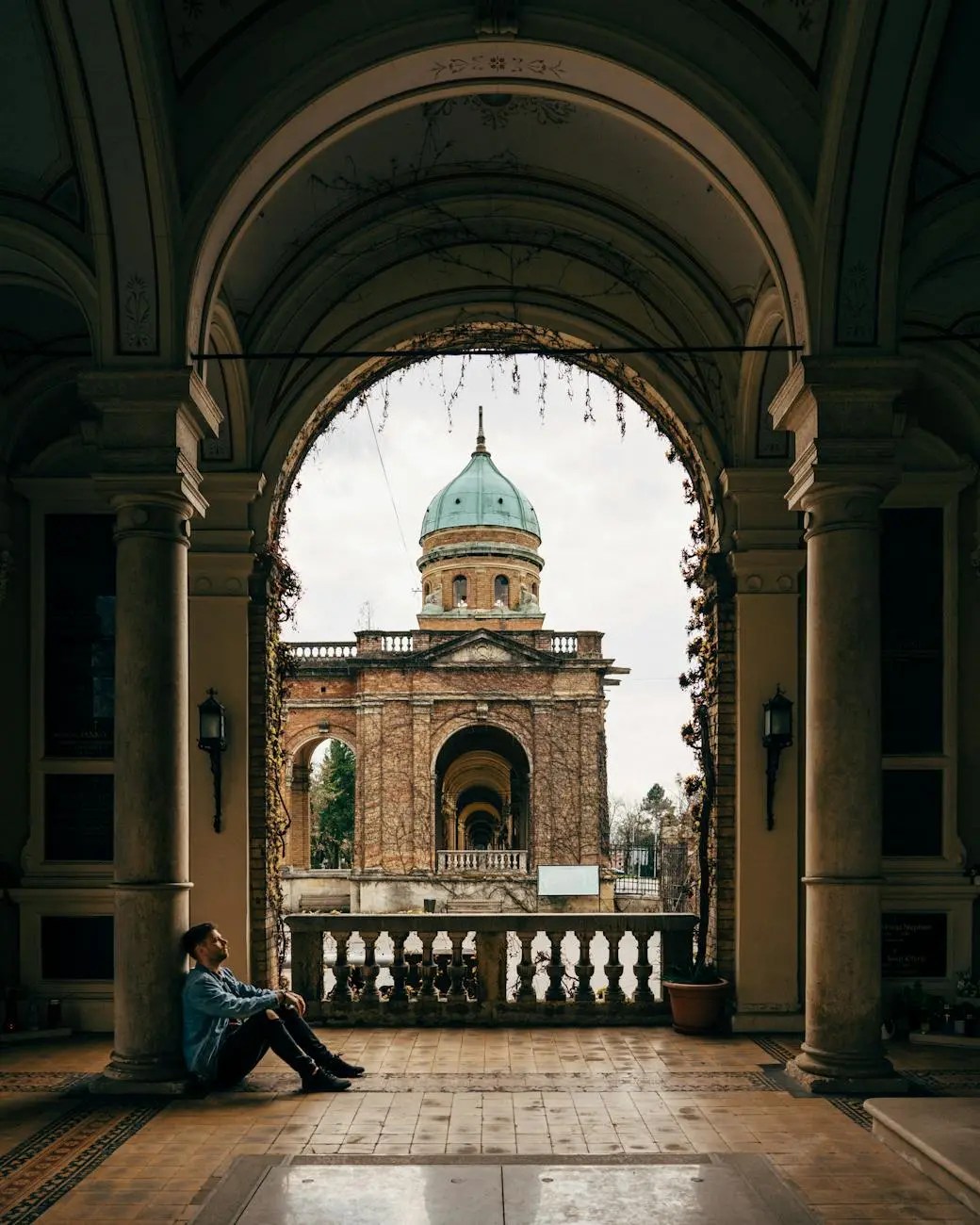
A person sitting against a wall in a historic building, looking contemplative towards a view of an ornate dome and arched colonnades.
A serene moment at Mirogoj Cemetery in Zagreb, showcasing stunning architecture framed by arches and greenery. The stunning Mirogoj Cemetery, renowned for its beautiful arcades, pavilions, and domes, is a park-like haven of peace and a major architectural landmark in Zagreb.

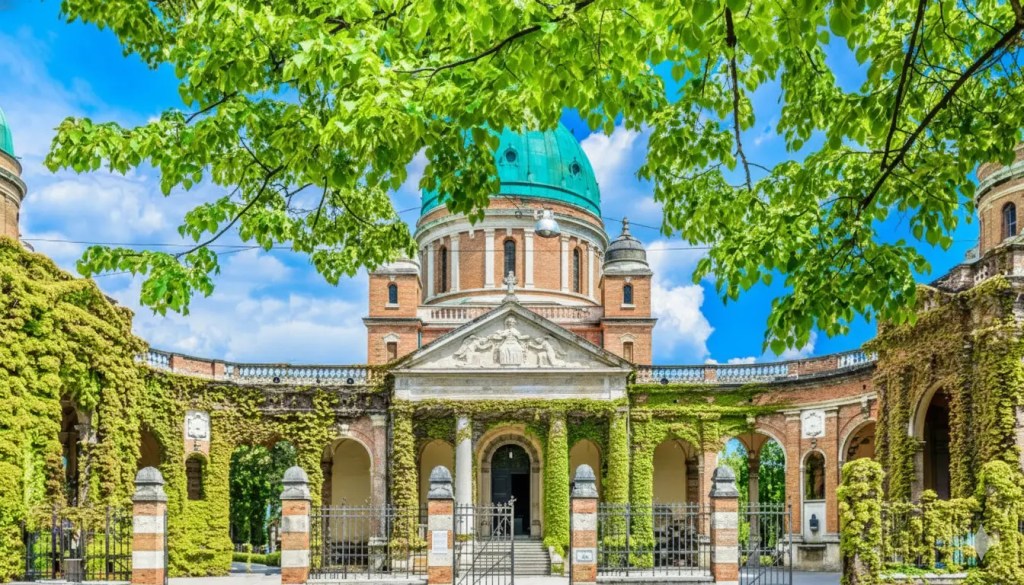
A picturesque view of Mirogoj Cemetery in Zagreb, Croatia, showcasing its beautiful architecture adorned with lush greenery and a clear blue sky.
The stunning Mirogoj Cemetery showcases beautiful architecture surrounded by lush greenery, offering a serene escape in Zagreb. The magnificent main entrance of Mirogoj Cemetery, designed by Hermann Bollé, featuring its iconic lengthy arcades and the central dome of the Chapel of Christ the King.
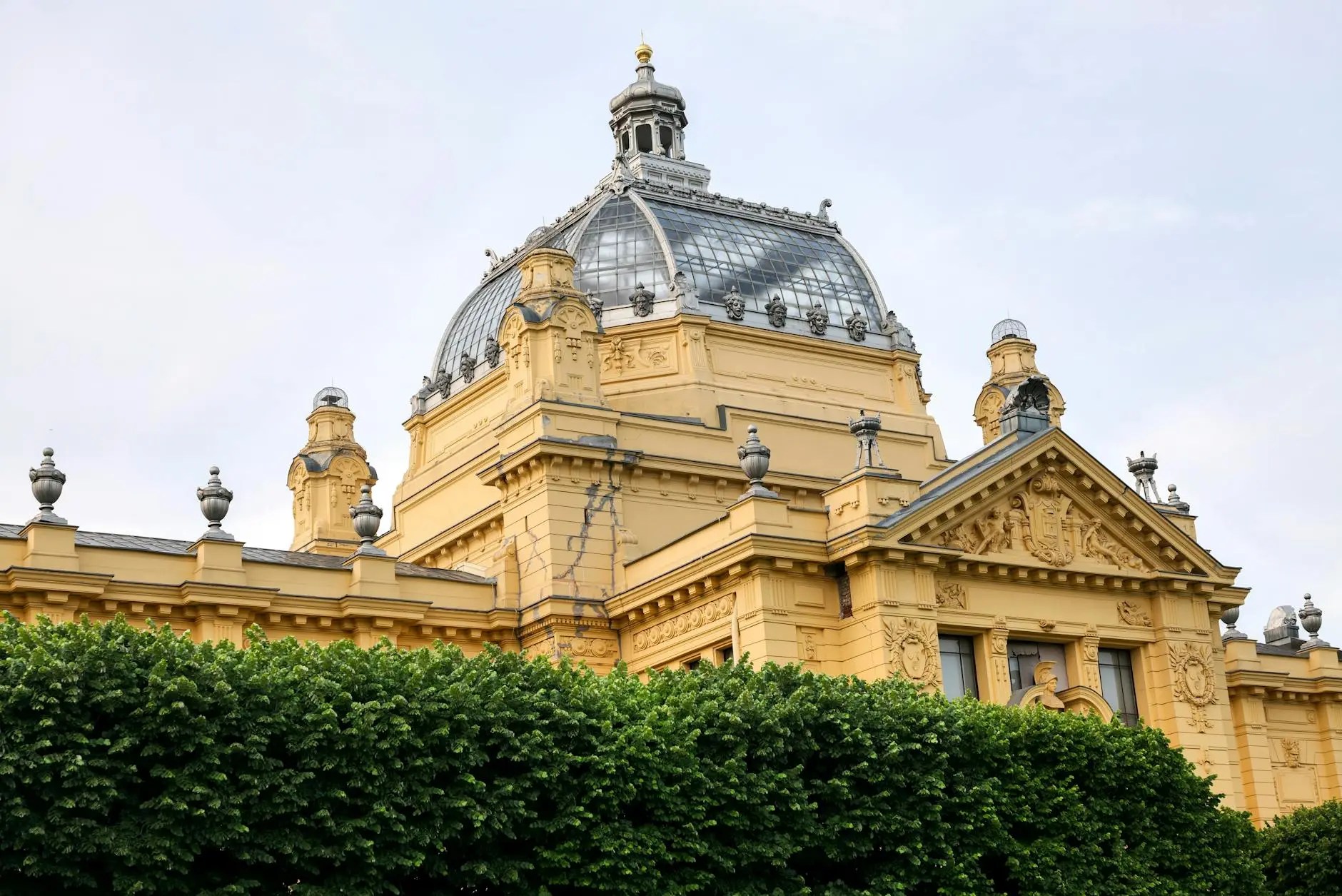
Close-up view of the ornate dome and architecture of a historic yellow building, partially obscured by green foliage.
The stunning architecture of the Zagreb Art Pavilion, showcasing its intricate details and vibrant yellow facade, set against lush greenery. The historic Art Pavilion in Zagreb, a vibrant yellow Secessionist building dedicated to hosting major art exhibitions.
A scenic view of cascading waterfalls surrounded by lush green trees and a clear blue sky.
Stunning waterfall cascading through lush greenery in Croatia’s Plitvice Lakes National Park. The magnificent Veliki Slap, or “Big Waterfall,” a 78-meter-high cascade in the UNESCO World Heritage Site of Plitvice Lakes National Park.

Zagreb on a Budget: Money-Saving Hacks

  • Get a Zagreb Card: This is a no-brainer. It offers free public transportation and discounts/free entry to many museums. You’ll save a bundle.
  • Public Transport is King: Trams are the best way to get around. Buy a Vremenska Karta (time-based ticket) from a kiosk (Tisak) – it’s cheaper than buying on board. The network is efficient and will get you everywhere you need to go.
  • Eat Away from the Main Squares: A block or two can make a huge difference in price. Look for places filled with locals.
  • Free Walking Tours: Tip-based walking tours are a fantastic way to get your bearings and learn the history from a passionate local guide.

🚌 Local Transportation: Master the Tram System

The backbone of Zagreb’s public transit is its tram system. It’s fast, efficient, and incredibly cheap, allowing you to save money on taxis and parking.

  • Trams: Buy tickets at kiosks (Tisak or iNovine). A single ticket is valid for 90 minutes. You can also buy a day pass for unlimited travel. Money-Saving Tip: Validate your ticket immediately upon boarding in the small orange machines. Inspectors are frequent, and the fines are steep!

Speak Like a Local: A Quick Survival Guide

Croatian is the language, but you’ll get by with English. However, a few words will earn you smiles:

  • Hvala (HVAH-lah) – Thank you. Use this constantly.
  • Dobar dan (DOH-bahr dahn) – Good day.
  • Oprostite (oh-PROHS-tee-teh) – Excuse me.
  • Gdje je…? (gdyeh yeh…) – Where is…? (Extremely useful!)
  • Račun, molim (RAH-choon, MO-leem) – The bill, please.
  • Ne razumijem(Neh rah-zoo-meeyehm)I don’t understand
  • Štrukli (Shtroo-klee) The local specialty pastry (Must-try!)

Travel Smart: My Essential Gear & Tips

Travelling smoothly isn’t about luck; it’s about being prepared. Here are my non-negotiables:

  • Stay Connected (Without Going Broke): ✈️ Travel Tip: I used to waste hours in foreign airports hunting for a local SIM. Not anymore. I never travel without my Drimsim – a universal data SIM that works in 190+ countries. You just pop it in, top up via the app, and you’re online. No hidden fees, no stress. It’s a game-changer. 
  • Protect Your Digital Self: Using public WiFi in cafes and hotels? Please, use a VPN. It keeps your data safe from prying eyes. I’ve relied on NordVPN for years for peace of mind.
  • Capture the Beauty: To capture Zagreb’s gorgeous architecture and vibrant street life, I use my trusty Sony Alpha . It’s lightweight, powerful, and perfect for travel photography.
  • Don’t Get Caught Out by Flight Chaos: ✈️ Flight Delayed or Canceled? It happened to me in Munich, and I was gutted until I learned I was owed compensation. Most travellers have no idea about their air passenger rights. If your flight is messed up, AirHelp. They handle the airline for you and only get paid if you win. It’s free money you’re probably entitled to!
  • Travel Insurance is a Must: From lost luggage to a surprise medical visit, insurance is your safety net. I use  VisitorsCoverage to compare and find the perfect plan for my trip length and needs. It’s the smartest thing you can pack.
  • Glow On the Go: Travel can wreak havoc on your skin. That’s why I swear by the gentle, effective magic of K-beauty from Lakinza. Their products keep my skin hydrated and happy. And because I love you guys, use code Lalax10 at checkout for a sweet discount!

For more deep dives into destinations near Zagreb, like the magical Plitvice Lakes or a guide to Slovenia’s Lake Bled, check out my full  Travel Master List

Frequently Asked Questions (FAQ)

Q: Is Zagreb a walkable city?
A: Absolutely! The core city centre, encompassing the Lower and Upper Towns, is extremely walkable. Trams are best for longer distances.

Q: What’s the best time of year to visit Zagreb?
A: Spring (May-June) and Autumn (September-October) are perfect – pleasant weather and fewer crowds. December is magical for the famous Advent Christmas market, but it’s also the busiest time.

Q: Do I need a visa for Croatia?
A: Croatia is part of the EU and follows the Schengen visa policy. For most North American and UK travellers, you don’t need a visa for short stays. Always check the official government website for your specific nationality for the most current info on visa requirements and costs.

Q: Is Zagreb expensive?
A: Compared to other European capitals like Paris or Vienna, Zagreb is very affordable, especially for dining out and public transportation.

Q: Can I use Euros?
A: The official currency is the Croatian Kuna (HRK). Some tourist places might accept Euros, but the exchange rate won’t be favourable. It’s best to use local currency.

Is English widely spoken in Zagreb?

Yes, especially in the central tourist areas, hotels, and restaurants. However, learning a few basic phrases (like Hvala and Bok) will always be appreciated by locals.

Zagreb is waiting for you to pull up a chair, order a kava, and settle into its charming, relaxed pace. Stop putting it off—book that flight!


Universal Disclaimer/Disclosure Page:

The Ultimate Weekend Escape to Ljubljana, Slovenia: Castles, Dragons & River Bliss

Meta Description: Dreaming of a European weekend escape? Our ultimate guide to Ljubljana, Slovenia, reveals how to navigate this charming capital. Get insider tips on castles, cheap eats, public transport, and even how to get there by ferry. Plan your efficient and magical Slovenian adventure now!

Alright, let’s play a game. Picture a European capital city. Now, imagine it’s walkable, has a fairy-tale castle on a hill, a river lined with charming cafes, and a dragon as its symbol. No, it’s not a fantasy novel—it’s Ljubljana (pronounced lyoo-blyAH-nah, don’t worry, we’ll get to that), and it’s quite possibly the most underrated city break in Europe.

I stumbled upon Ljubljana almost by accident after a chaotic trip to a much more crowded tourist hub. The moment I arrived, the city felt like a deep, calming breath. It’s a place where efficiency meets enchantment. This guide is your blueprint for the perfect weekend, designed to save you time, money, and the headache of over-planning.

A Quick Note: This blog is part of my travel series. For more inspiration, check out my Travel Master List for all my guides and tips.

If there’s one city that fooled me into believing I had stepped into a live-action Pinterest board, it’s Ljubljana — the leafy, river-hugging, pastel-colored capital of Slovenia. The moment I arrived, I genuinely thought, “Where’s the catch? Who allowed a city to be this cute without charging an entrance fee?”

I’ve traveled through enough European cities to confidently say Ljubljana is the perfect weekend escape if you crave:
✔️ A walkable, peaceful, romantic, safe city
✔️ Good food without bankruptcy
✔️ Pastel buildings + dragons (yes, dragons!)
✔️ Nature right inside the city
✔️ A vibe that feels like a cozy hug

And yes — you can use all your travel weapons here:
🟢 Expedia for flexible bookings
🟢 NordVPN to stay safe on public Wi-Fi (Ljubljana cafes love giving free Wi-Fi)
🟢 Camera World UK to find camera upgrades before travel
🟢 VisitorsCoverage for travel insurance
🟢 Drimsim or Airalo Europe-wide data

Alright. Pack your comfiest shoes and a sense of adventure — and let’s go!

Table of Contents

  1. Why Ljubljana Makes the Perfect Weekend Getaway
  2. How to Get There (Flights, Trains, Buses & Ferries?)
  3. Best Time to Visit
  4. Where to Stay
  5. Day-by-Day Itinerary
  6. Hidden Gems Only Locals Whisper About
  7. Food You Must Try
  8. Safety + Transport Tips
  9. Money-Saving Hacks
  10. Best Cities Near Ljubljana (for your internal backlinks)
  11. Final Thoughts + CTA
  12. FAQs

Why Ljubljana Is the Perfect Weekend Escape

Ljubljana is one of those cities where nothing is extreme, but everything is delightful. Nothing overwhelms you, yet everything charms you. After doing weekend escapes in places like Dubrovnik, Split, Zadar, Warsaw, Nice, and Zurich, I finally found a capital that lets me breathe.

The city center is car-free.
The cafés along the Ljubljanica River are the definition of “take my money, I’ll sit here forever.”
And Ljubljana Castle is always photobombing your pictures — respectfully.

It’s basically Europe’s chillest capital.

Ljubljana is like that quiet, incredibly cool friend who is an amazing artist but never brags about it. The city is green, the people are friendly, and the vibe is effortlessly chic. It’s the perfect size to explore in a weekend without feeling rushed. Plus, as a Schengen country, if you have a standard EU visa, you’re golden. For others, always check visa costs and requirements in advance—it’s a small but crucial step.

How to Get There

✈️ By Flight

Most travelers arrive at Ljubljana Jože Pučnik Airport (LJU). If you’re booking flights, I always use Expedia’s flexible fares — less stress, more freedom:
👉 I always book flexible stays and flights through Expedia

🚆 By Train

Ljubljana is well connected to:

  • Vienna (6 hrs)
  • Zagreb (2 hrs)
  • Budapest (8 hrs)
  • Trieste (2 hrs)
  • Salzburg (4 hrs)

🚌 By Bus (cheapest option)

FlixBus and Nomago have great connections.
Seats are comfortable, Wi-Fi is surprisingly good, and sometimes you get those €5 promo tickets (the real MVP of Europe travel).

⛴️ By Ferry

Now, you might be thinking, “A ferry to a landlocked city?” You’ve got a point! While there are no direct ferries to Ljubljana itself due to its geography, Slovenia has a beautiful sliver of coastline around Koper. You can easily book a ferry from various Italian ports (like Venice, Ancona, or Trieste) to Koper or nearby Trieste in Italy.

From there, it’s a short and scenic bus or train ride (about 1.5-2 hours) into the heart of Ljubljana. It’s a fantastic way to combine a city break with a coastal adventure. To find the best routes and prices for the ferry leg of your journey, check Direct Ferries.

Not directly — but if you’re coming from Italy or Croatia, you can use ferries and then connect by bus/train. Perfect chance to promote your new partner:
👉 You can compare ferries easily here: DirectFerries.

Best Time to Visit

👉 April–June: Perfect weather, flowers in bloom, fewer crowds
👉 September–October: Golden light, cheaper prices
👉 December: Fairytale Christmas markets
July–August: Hot, crowded, festival season (fun… but chaotic)

Where to Stay

Ljubljana is compact — stay in:
✔️ Old Town
✔️ By the river
✔️ Near Tivoli Park

Tip: Always book a hotel with free cancellation because Ljubljana weather loves surprises.
👉 Expedia link

Your Weekend Itinerary: A 48-Hour Blitz {itinerary}

Day 1: Castle Quests & Riverside Revelry

  • Morning (10 AM): Start at Prešeren Square, the vibrant heart of the city. Admire the pink Franciscan Church and the statue of the poet Prešeren. From here, cross the iconic Triple Bridge—a masterpiece by architect Jože Plečnik.
  • Late Morning (11 AM): Make your way to the Ljubljana Castle. You can hike up (about 10-15 minutes, good for the calves!), take the funicular, or even drive. The view from the tower is worth every penny and effort. I skipped the coffee and let the panoramic vista wake me up instead.
  • Lunch (1 PM): Head to the Open Kitchen (Odprta Kuhna) market if it’s Friday through Sunday. It’s a foodie paradise with dozens of cuisines. Otherwise, duck into a traditional gostilna for a plate of štruklji (delicious rolled dumplings).
  • Afternoon (3 PM): Wander along the Ljubljanica River. This is the city’s soul. The banks are lined with cafes, and the people-watching is top-tier. For a different perspective, I highly recommend this River Cruise—it’s a relaxing way to see the city’s architecture.
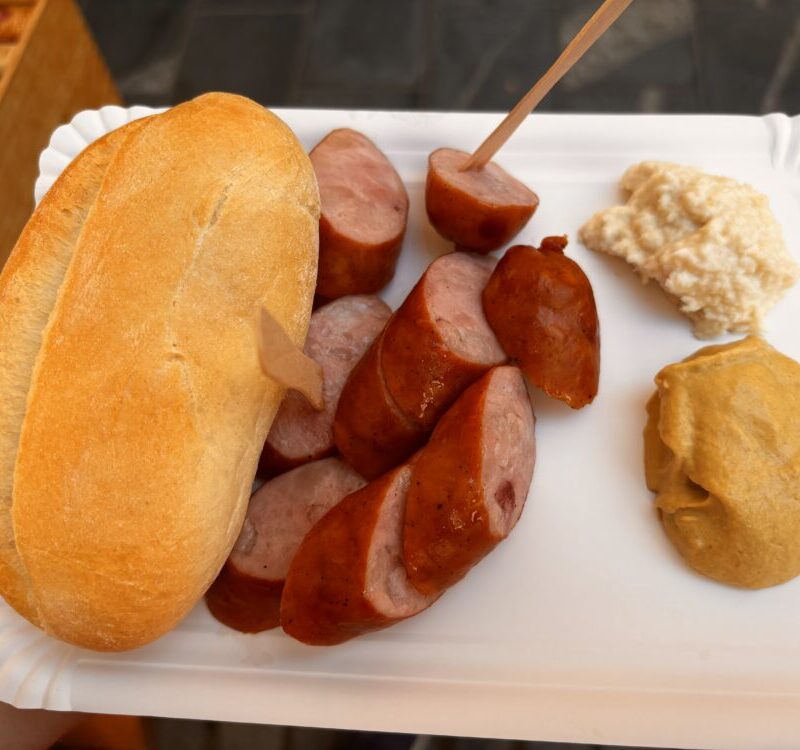
  • Evening (7 PM): Dinner in the old town. I stumbled upon a tiny place called Klobasarna and had the most incredible traditional sausage (kranjska klobasa). It’s simple, authentic, and won’t break the bank.
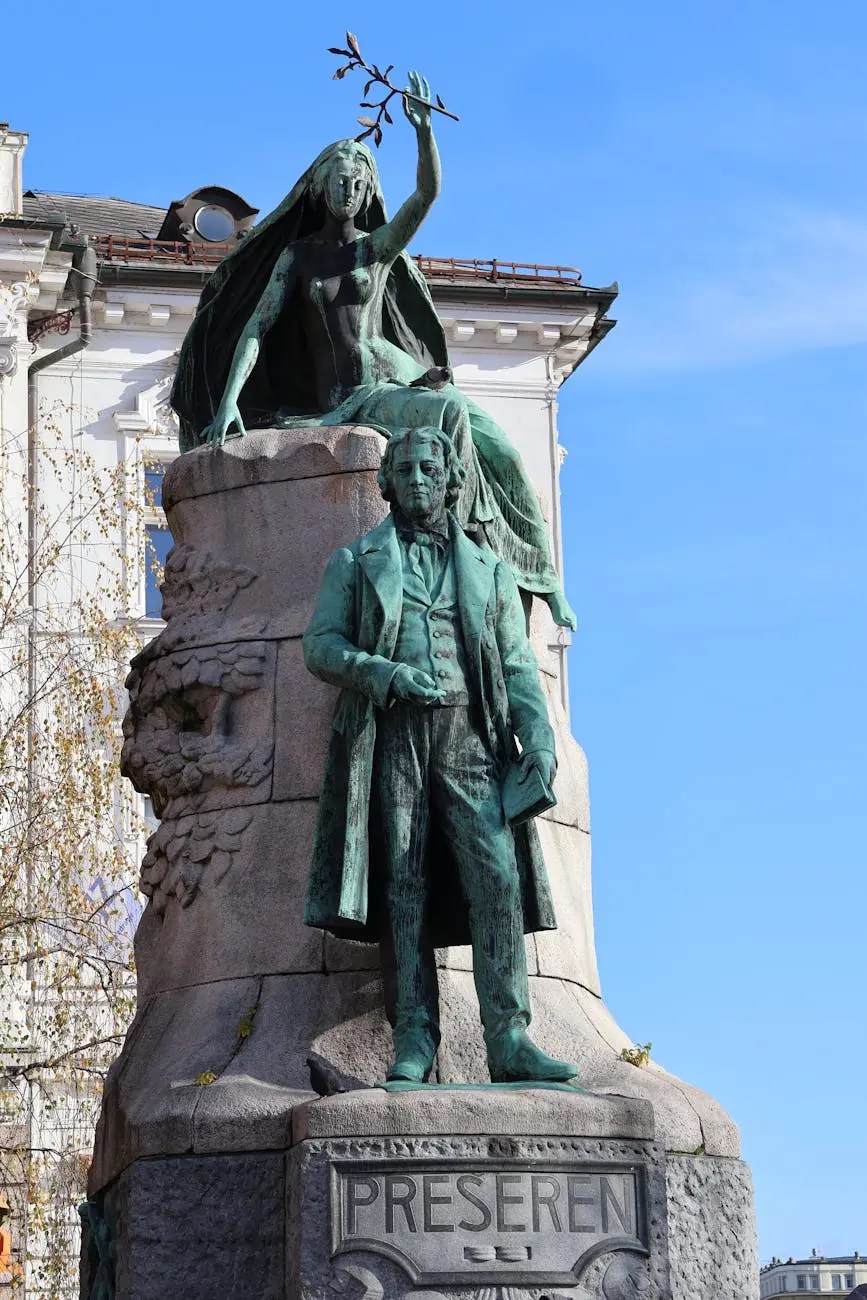
A bronze monument of a poet, featuring a seated female figure holding a laurel branch above a standing man. The sculpture is set against a clear blue sky.
The Prešeren Monument in Ljubljana, honoring the poet France Prešeren, features a statue of a seated female figure representing Poetry. The iconic Prešeren Monument honors national poet France Prešeren, whose work inspired the Slovenian anthem. Located in the heart of Ljubljana, the square is a bustling meeting point with the beautiful pink Franciscan Church of the Annunciation providing a stunning backdrop.
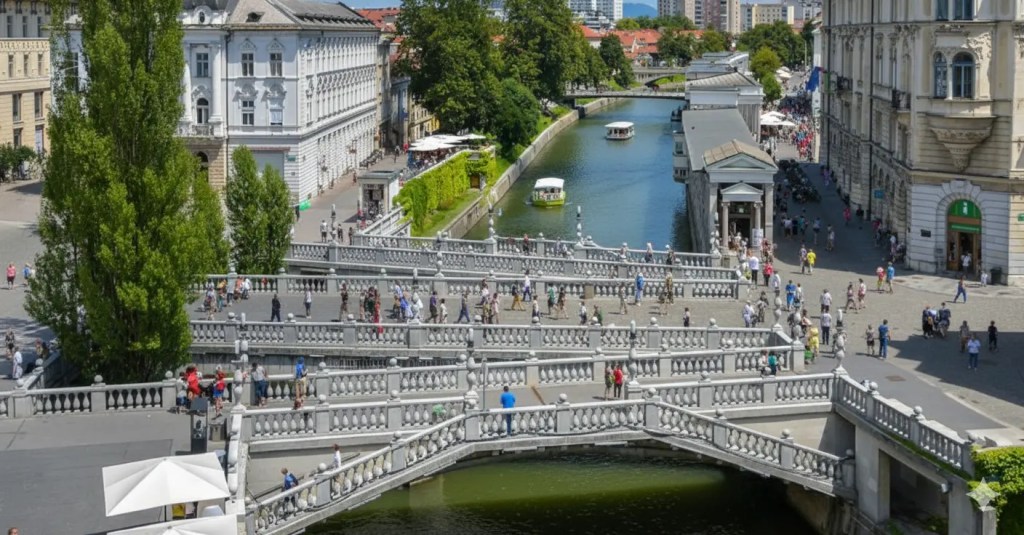
A panoramic view of Ljubljana, Slovenia, showcasing the vibrant cityscape with the Ljubljanica River bordered by lush greenery and historic buildings. The Triple Bridge is visible, bustling with people enjoying the sunny day.
A bustling view of Ljubljana, Slovenia, featuring picturesque bridges over the Ljubljanica River and vibrant architecture. Strolling across the iconic Triple Bridge (Tromostovje)—a genius architectural solution by Jože Plečnik that transformed a single bridge into a spacious pedestrian triple-arched gateway to Ljubljana’s Old Town.
A scenic view of Ljubljana’s vibrant architecture with the iconic Ljubljana Castle perched on the hill in the background. The image shows Kongresni trg (Congress Square) in Ljubljana, Slovenia, with the historic Ljubljana Castle on the hill in the background. 
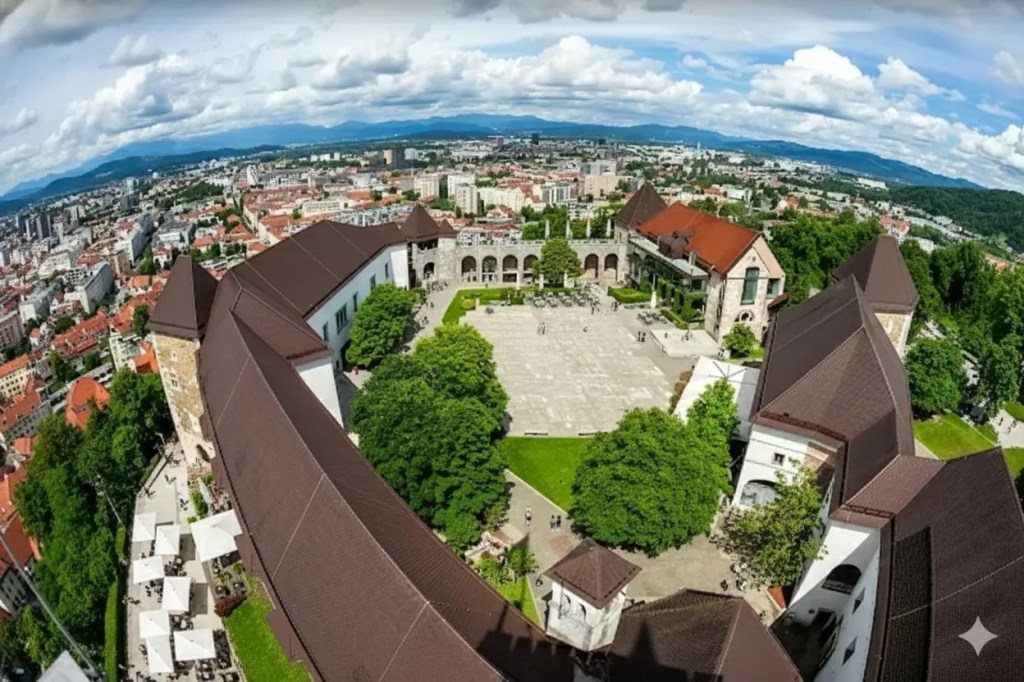
Aerial view of Ljubljana Castle with surrounding greenery, overlooking the city skyline under a cloudy sky.
Aerial view of Ljubljana Castle, showcasing the charming architecture and the surrounding cityscape of Ljubljana, Slovenia. From above: the sprawling inner courtyard of Ljubljana Castle, a medieval fortress that has been a Roman stronghold, a royal residence, and a prison, now offering the best views over the Slovenian capital.
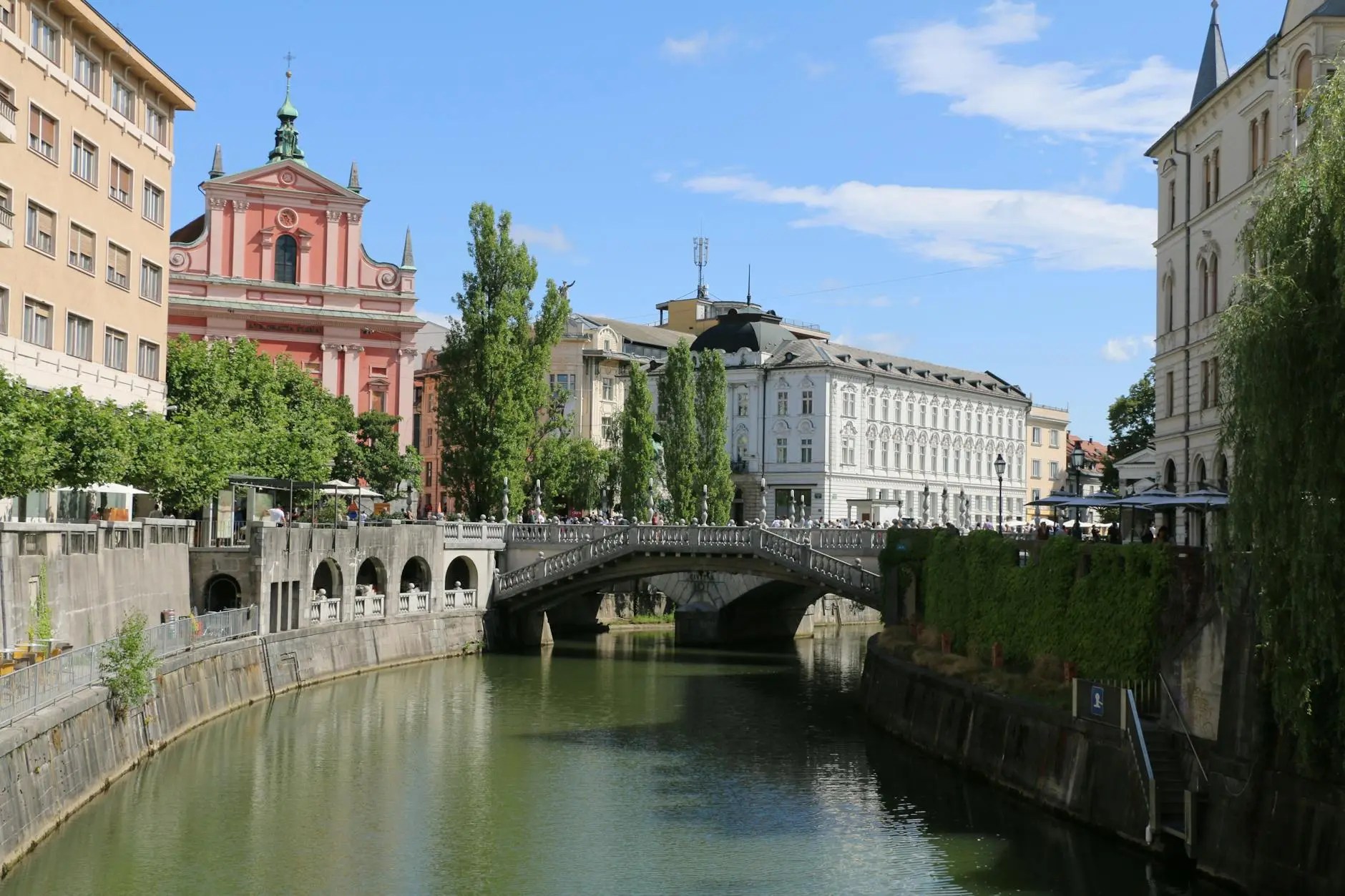
View of the Ljubljanica River with a bridge and cafes along the banks, framed by colorful pastel buildings and greenery in Ljubljana, Slovenia.
The picturesque Ljubljanica River, lined with charming cafes and featuring iconic architecture, perfectly captures the essence of Ljubljana. The heart and soul of Ljubljana: a view of the emerald-green Ljubljanica River from the Triple Bridge, perfectly framing the stunning pink Franciscan Church on Prešeren Square.
A plate featuring sliced grilled sausage served with bread and condiments, including mustard and a creamy sauce.
Enjoy a delicious plate of traditional Slovenian sausage served with fresh bread and condiments in Ljubljana, Slovenia. (kranjska klobasa)

Day 2: Market Hopping & Tivoli Tranquility

  • Morning (9 AM): Explore the Central Market. It’s buzzing with life. Grab some local honey or a piece of fruit for a snack. This is where you feel the city’s pulse.
  • Late Morning (11 AM): Escape to Tivoli Park. It’s massive, beautiful, and the perfect place for a leisurely stroll. Find the fish pond and just… breathe. It’s the anti-thesis of a rushed tourist attraction.
  • Lunch (1 PM): Pack a picnic from the market or find a cafe on the edge of the park.
  • Afternoon: This is your free time! Want to explore further? Consider a day trip to the stunning Lake Bled or the mesmerizing Postojna Cave.

✈️ Ready to Book Your Escape? I always use Expedia to bundle my flights and hotels. It saves me time and often a surprising amount of cash.

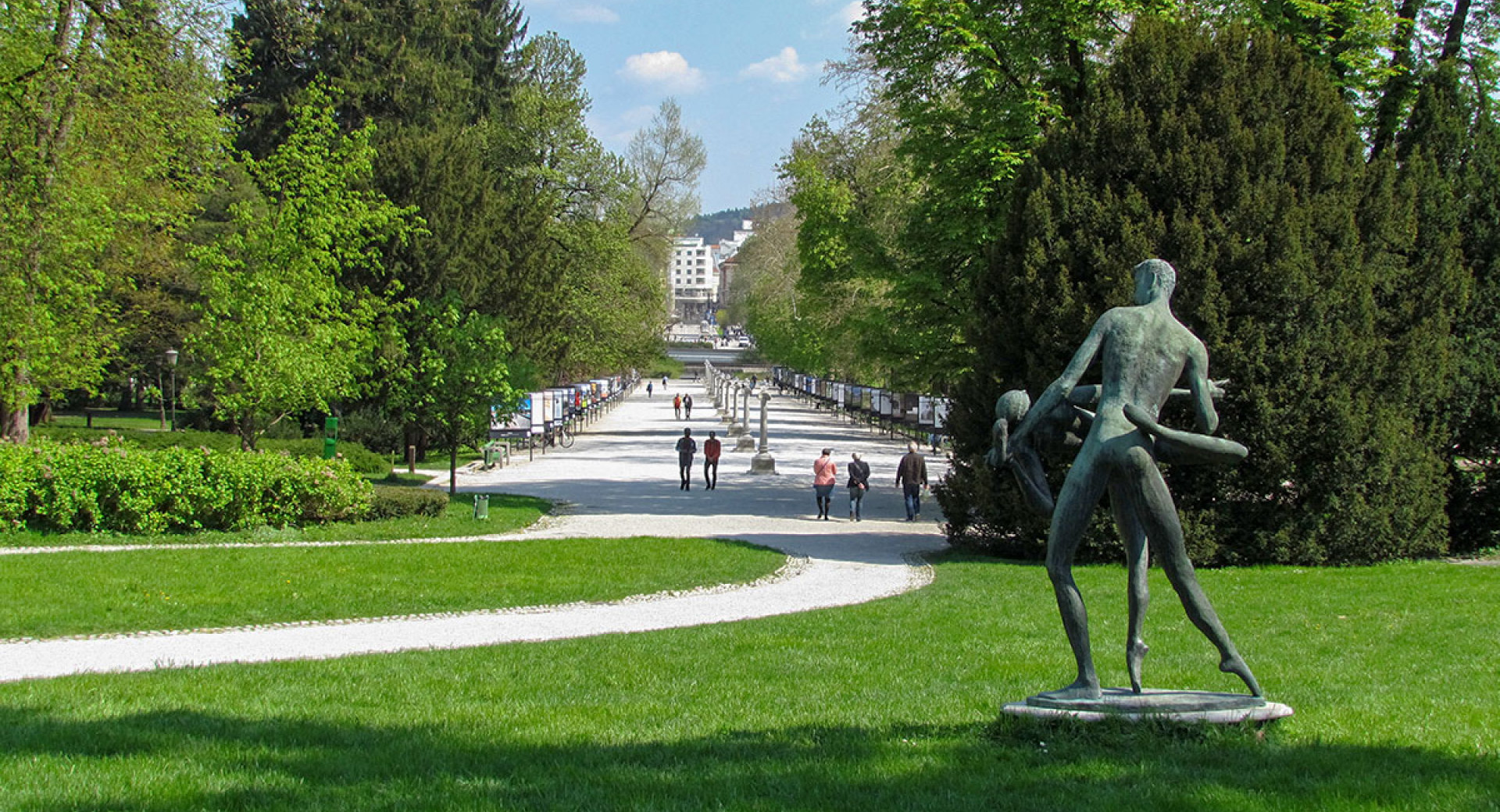
A scenic park pathway in Ljubljana, Slovenia, lined with trees and greenery, with people walking and a statue visible in the foreground.
A serene view of Tivoli Park in Ljubljana, Slovenia, showcasing its lush greenery and inviting pathways.

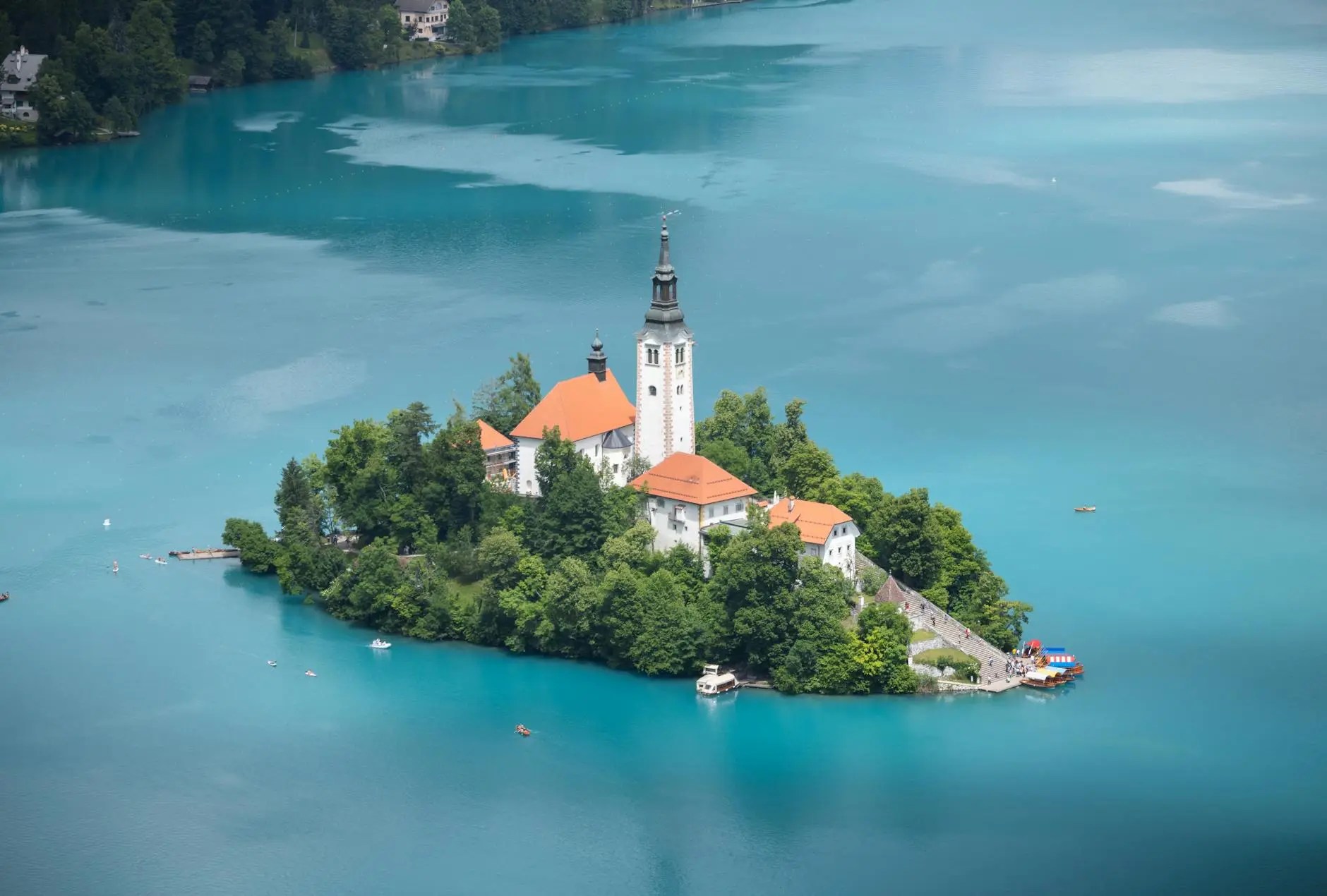
Aerial view of Lake Bled, featuring the iconic church on Bled Island surrounded by lush greenery and turquoise waters.
Discover the enchanting beauty of Lake Bled, Slovenia, featuring a picturesque island and a church surrounded by lush greenery. The fairytale scene of Bled Island, home to the historic Church of the Assumption. Legend has it that ringing the church’s wishing bell makes your dreams come true.
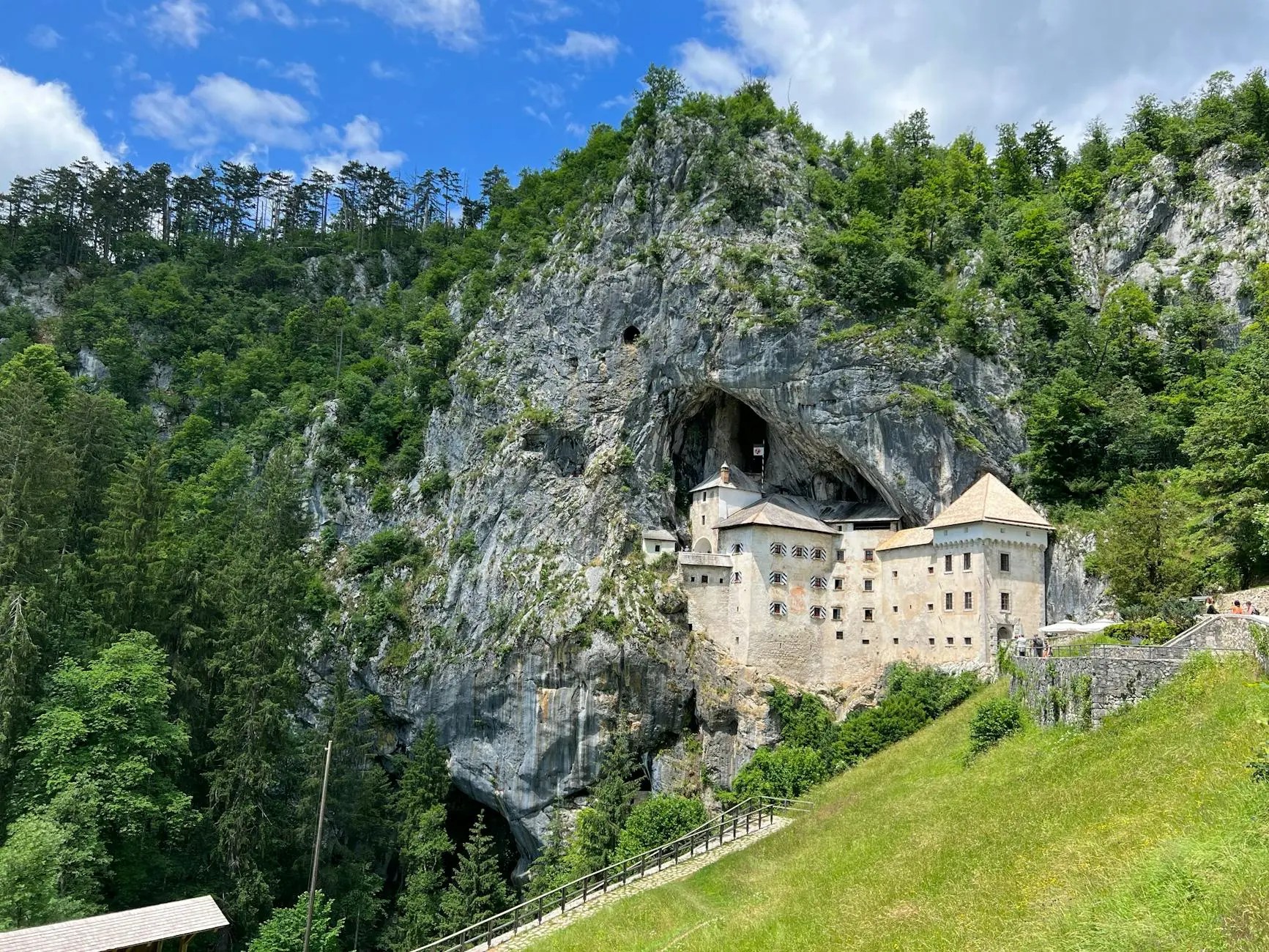
A stunning view of Predjama Castle, built into a cliffside, surrounded by dense green forest and dramatic rock formations under a bright blue sky.
Discover the enchanting Predjama Castle nestled in the cliffs of Slovenia, a perfect blend of nature and history. Where fairy-tale fortresses meet subterranean worlds: Predjama Castle, defiantly nestled in a cliff face, guards the entrance to the incredible karst landscape that houses the sprawling Postojna Cave.

Hidden Gems & Money-Saving Secrets {#hidden-gems}

  • The Free Walking Tour: I’m a broken record on this, but it’s the best way to get oriented. Just remember to tip your guide based on what you think it was worth!
  • The Library Staircase: Tucked away near the market is a staircase that looks like a stack of books. It’s a whimsical, photo-worthy spot most people walk right past.
  • Ljubljana Card: If you’re planning to hit the castle, museums, and use public transport, this card can be a huge saver. Do the math for your planned activities.
  • Public Transport: The city buses are efficient and cheap. Buy an Urbana card (a rechargeable plastic card) at a tourist office or newspaper kiosk—it’s much cheaper than single tickets.

📸 Capture the Magic: I never travel without my trusty Sony Alpha a7III. It’s lightweight, incredible in low light, and has captured every dragon and castle perfectly. Check it out here if you’re looking to up your travel photo game.

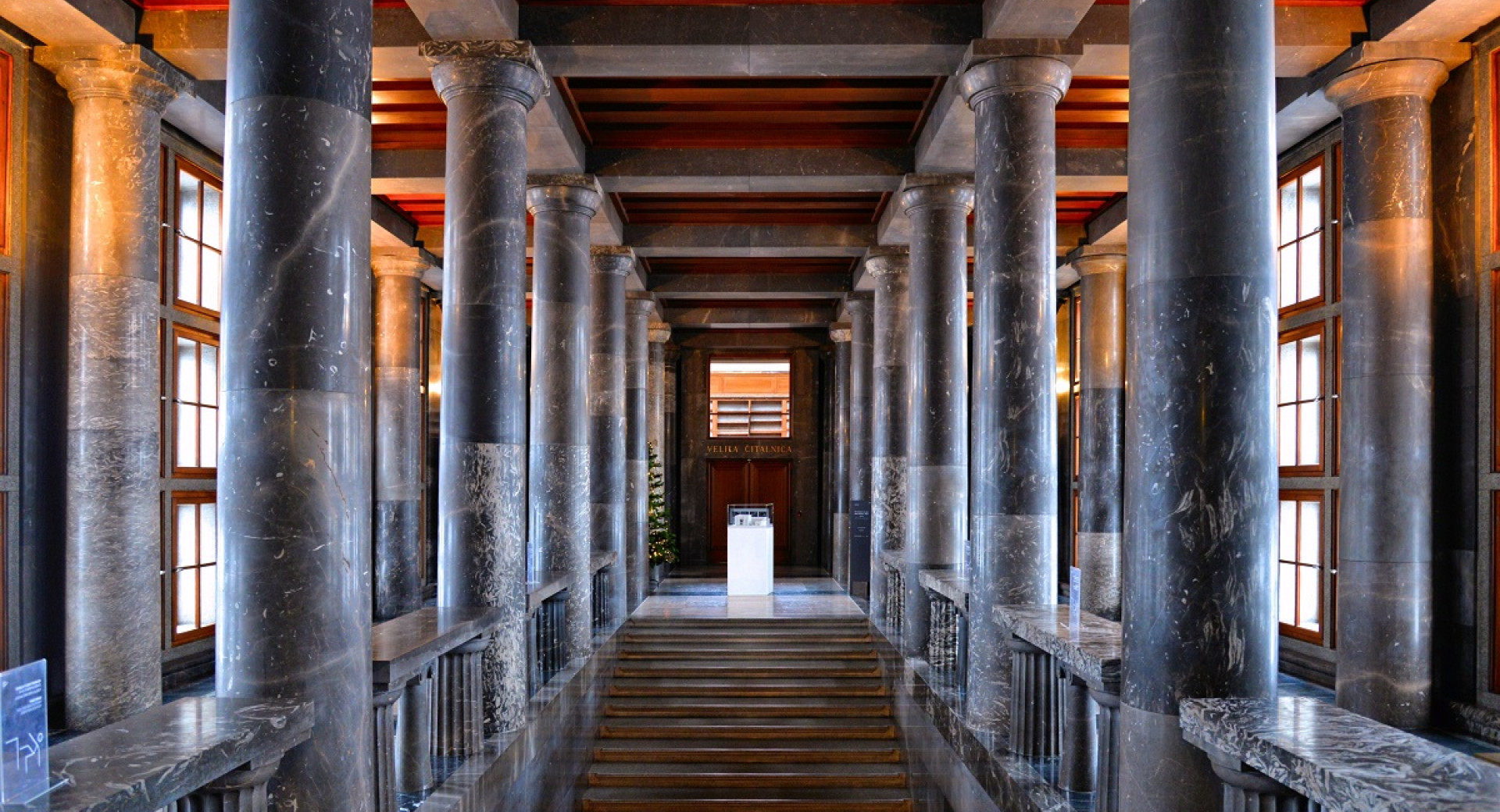
Interior view of a grand building with tall marble columns, large windows, and a staircase leading to a display area.
Interior view of the National and University Library of Slovenia, showcasing elegant columns and a spacious hallway.

Speak Like a Local: A Survival Mini-Guide {#local-lingo}

Slovenes appreciate any effort to speak their language. Here are a few basics:

  • Hvala (HVAH-lah): Thank you. Use this one liberally.
  • Prosim (PRO-seem): Please / You’re welcome.
  • Na zdravje (nah ZDRAH-vyeh): Cheers!
  • Dober dan (DOH-ber dahn): Good day.
  • Račun, prosim (RAH-choon, PRO-seem): The bill, please.

Cities Near Ljubljana

Closest by distance (strongest relevance):

🇭🇷 Split — post:
🇭🇷 Dubrovnik
🇮🇹 Venice
🇮🇹 Milan
🇦🇹 Vienna
🇭🇺 Budapest
Frequently Asked Questions (FAQ) {#faq}

Q: What is the best time of year to visit Ljubljana?
A: Late spring (May-June) and early autumn (September) are absolute perfection. The weather is mild, and the crowds are thinner than in the peak summer months.

Q: Is Ljubljana a walkable city?
A: Absolutely! The city center is compact and largely pedestrianized. You can easily explore all the main sights on foot.

Q: What currency is used in Slovenia?
A: The Euro (€). Credit cards are widely accepted, but it’s always wise to have some cash for market stalls and smaller shops.

Q: I’m a skincare junkie. Any travel-friendly tips?
A: You read my mind! Travel can wreak havoc on your skin. I always pack a few sheet masks from Lakinza. Their K-beauty products are a game-changer for keeping my skin hydrated and glowing after a long flight. Psst… use code Lalax10 at checkout for a sweet discount. Your skin will thank you.

Q: How can I stay connected without huge roaming fees?
A: Oh, let me tell you about my travel lifesaver. I used to waste so much time at airport SIM counters. Now, I just pop in my Drimsim—a universal SIM that works in over 190 countries. You top it up via an app, and you’re online the moment you land. No hidden fees, no stress. It’s a no-brainer for the modern traveler.

🌐 Stay Secure Online: While you’re hopping on free Wi-Fi in cafes and hotels, remember to protect your data. I never travel without my NordVPN. It keeps my personal information safe from prying eyes and lets me access my favorite shows from back home.

Final Call to Action!

Ljubljana is waiting to charm your socks off. It’s a city that proves you don’t need to be big to be breathtaking.

Start planning your Slovenian fairy-tale today!

  • Find the perfect flight and hotel deal on Expedia.
  • Get connected effortlessly with Drimsim.
  • Ensure you’re covered for any mishaps with VisitorsCoverage.
  • And remember, if your flight goes sideways, see if you’re owed compensation with AirHelp.

Happy travels!

Universal Disclaimer/Disclosure Page:

Explore Zadar: Your Ultimate Weekend Getaway Guide

Meta Description: Plan your perfect weekend in Zadar, Croatia! This ultimate guide for travellers covers hidden gems, how to get there by ferry, money-saving tips, and essential Croatian phrases. Discover the Sea Organ, historic ruins, and where to find the best gelato. Optimized for your Dalmatian Coast adventure.

Table of Contents

  1. Getting There: A Snapshot
  2. What to Do in Zadar
  3. The Secret Beaches You Need to Know
  4. A Slice of History: Zadar’s Ancient Side
  5. Smart Travel Tip for Zadar
  6. Exploring Nearby Destinations
  7. Where to Stay in Zadar
  8. Best Time to Visit
  9. FAQs

Alright, let’s be real. My idea of a perfect weekend doesn’t involve fighting through crowds for a blurry photo of a monument. It involves somewhere with ancient streets, a spectacular sunset, and the sound of the sea literally playing music. Enter Zadar, Croatia—a stunning Dalmatian coast gem that stole a piece of my heart faster than you can say “fala” (that’s “thanks,” you’ll need it).

This isn’t just another pretty old town. Zadar is a vibe. It’s where Roman ruins coexist with modern art installations, and where the coffee is strong enough to power your explorations. So, grab your notebook (or just bookmark this page), because we’re diving into the ultimate weekend escape.

My Travel Master List: For more travel guides, tips, and gear recommendations, always check my constantly updated Travel Master List.

Looking for a weekend getaway that’s a perfect mix of rich history, stunning coastline, and a dash of quirky charm? Zadar, Croatia, might just be your next destination. Nestled along the Adriatic Sea, Zadar is often overshadowed by Croatia’s more famous cities like Dubrovnik and Split. But that’s exactly what makes it a hidden gem—less crowded, more affordable, and brimming with authentic local vibes. Whether you’re a history buff, nature lover, or beach enthusiast, Zadar offers something for everyone. And yes, there’s plenty of room for a few “Instagram-worthy” moments too!

Flights to Zadar

Getting There: A Snapshot

Zadar’s charm is easy to access, and it’s not as complicated as you might think. You can either fly into Zadar’s airport or, for a scenic route, catch a ferry from nearby cities. I’m a big fan of the ferry—there’s something about cruising across the Adriatic that just sets the tone for a perfect weekend. Direct ferries are available from places like Split and Rijeka. Direct Ferries is a great platform to compare routes and prices to book your ferry tickets easily. Check it out here.

Pro Tip: To save time and skip the hassle of waiting at airports, ferries can be a fun alternative, and there’s something magical about seeing Zadar’s skyline approach as you cross the blue waters.

Hotels in Zadar

Your Zadar Weekend Itinerary: A 48-Hour Masterpiece

Day 1: History, Harmony & A Heavenly Sunset

  • Morning (10 AM): Drop your bags and head straight into the car-free Old Town. Your first stop? The Roman Forum. It’s not a museum you enter; it’s just… there. Open to the sky, with columns and stones scattered about. I loved grabbing a coffee at a nearby café and just imagining the toga-clad Romans who once walked there.
  • Afternoon (1 PM): Time for some height. Climb the Bell Tower of St. Anastasia’s Cathedral. The steps are a bit of a workout, but the 360-degree view of the city, the islands, and the terracotta rooftops is absolutely worth the burning calves.
  • Evening (6 PM onwards): This is the main event. Head to the western tip of the peninsula for sunset. First, you’ll hear it—a low, melodic hum. That’s the Sea Organ. The marble steps are designed with pipes that create music as the waves push air through them. It’s nature’s symphony. As the sun dips below the horizon, the Greeting to the Sun installation right next to it begins to light up, absorbing solar energy all day to create a dazzling light show after dark. It’s pure magic. Hitchcock was right.
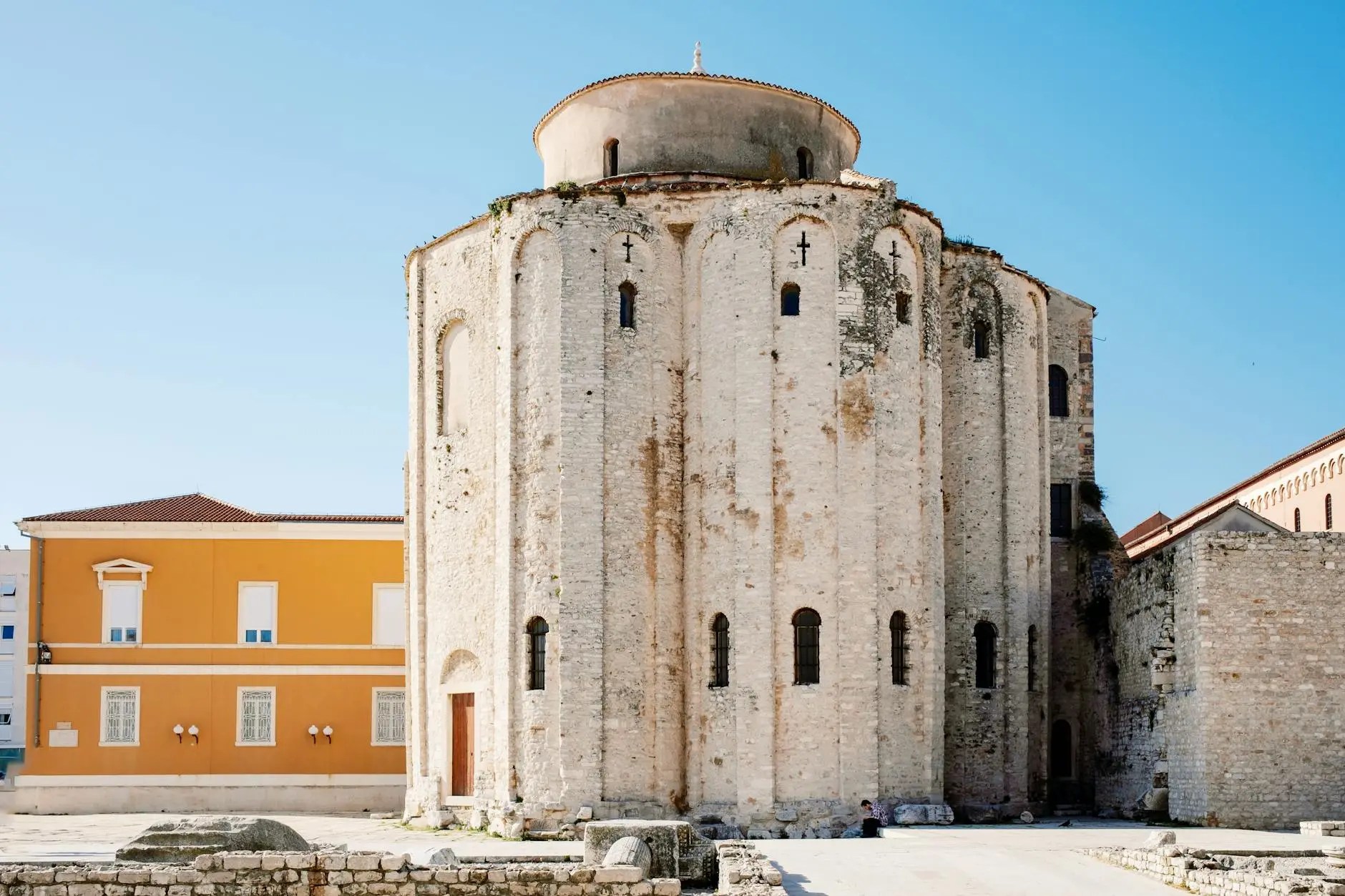
A historic round stone building with a domed roof and arched windows, surrounded by a mix of modern and ancient architecture in Zadar, Croatia.
A stunning view of the historical Church of St. Donatus in Zadar, Croatia, surrounded by ancient ruins and vibrant architecture. The iconic St. Donatus Church, a 9th-century marvel and the undeniable symbol of Zadar’s skyline, bathed in the golden glow of a Dalmatian sunset. This view from the Roman Forum makes it easy to see why it’s the city’s most famous landmark.
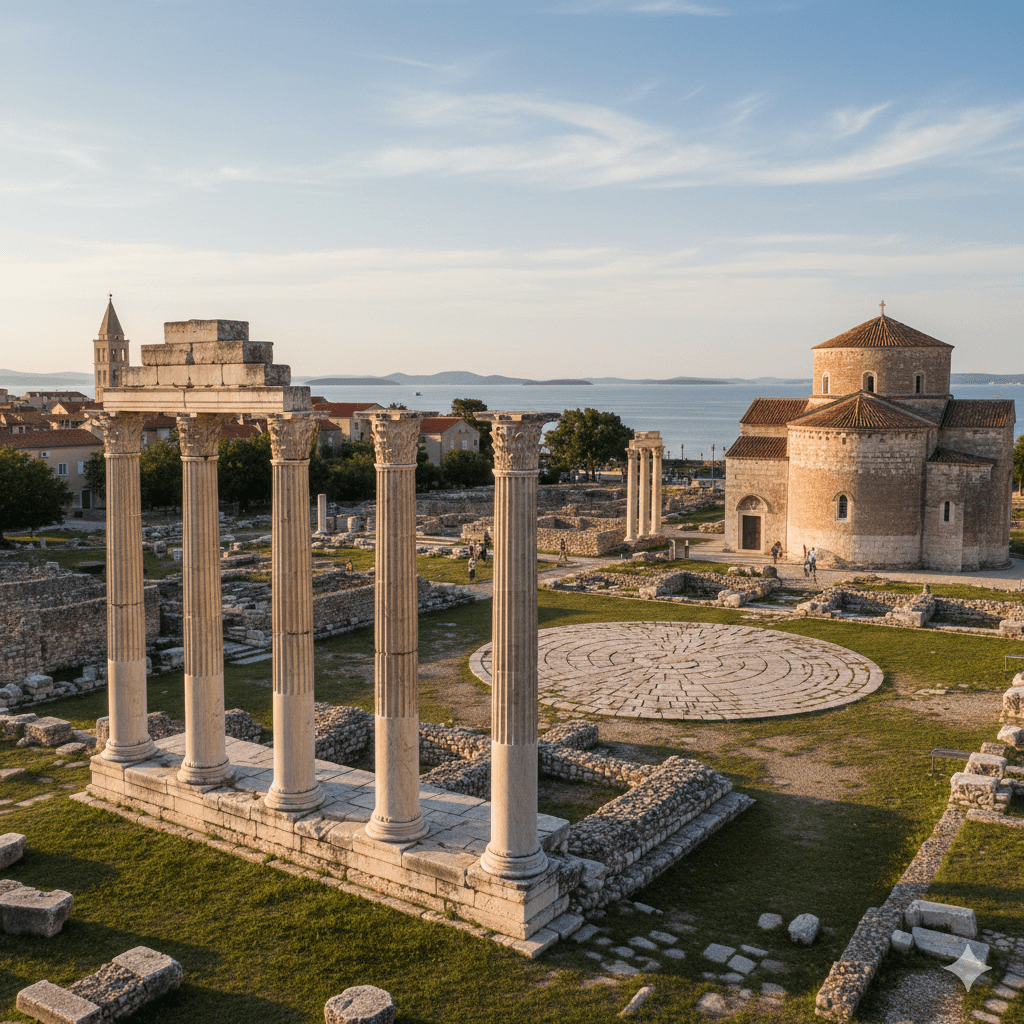
A scenic view of the Roman Forum in Zadar, Croatia, showcasing ancient columns and historical ruins with a church in the background, against a sunset sky.
Exploring the ancient ruins of Zadar, Croatia, featuring well-preserved columns and a historic church, set against a picturesque sunset. Where history layers upon itself: The ancient Roman Forum, once the heart of the city of Iader, with the 9th-century Church of St. Donatus towering in the background—a powerful visual narrative of Zadar’s rich past

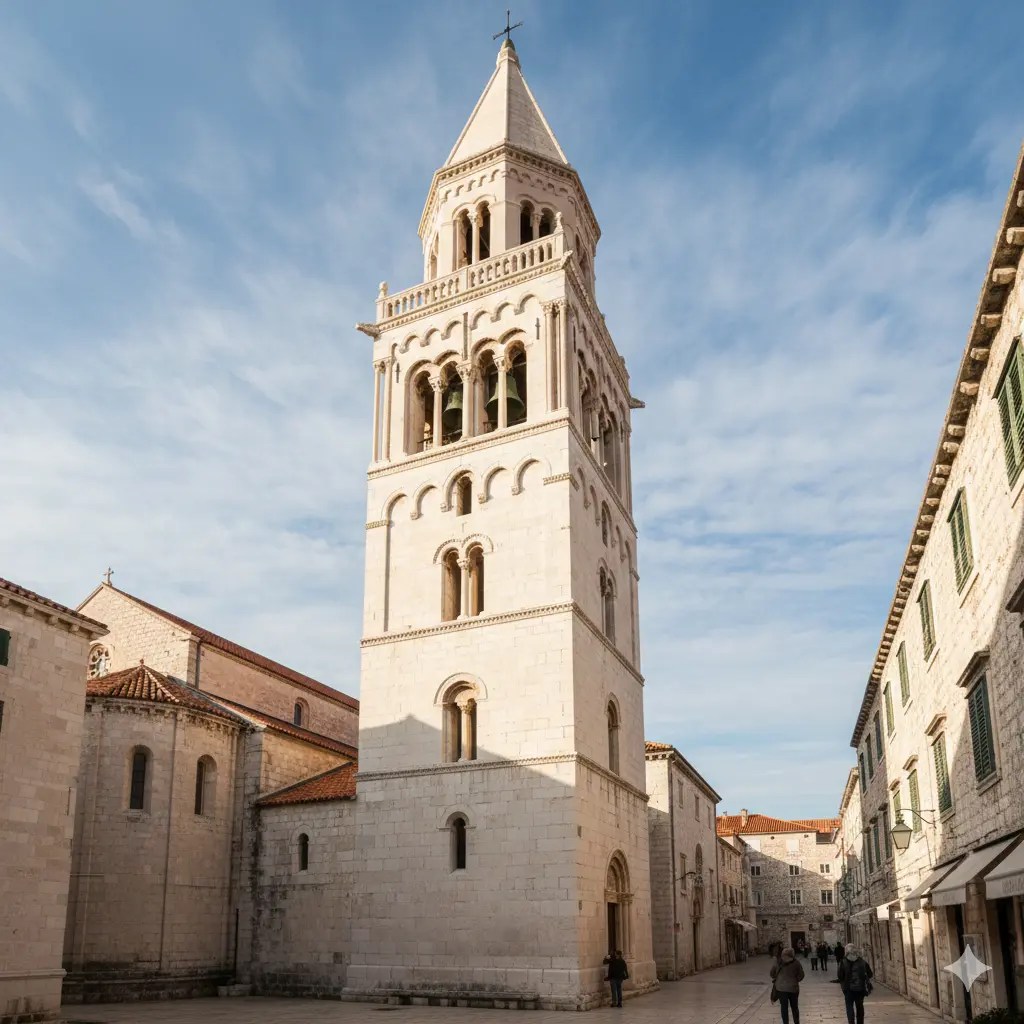
The Bell Tower of St. Anastasia's Cathedral standing tall in Zadar, Croatia, with a clear sky and historic buildings surrounding it.
The iconic Bell Tower of St. Anastasia’s Cathedral standing tall in Zadar’s historic Old Town. The climb is worth it! The Bell Tower of St. Anastasia’s Cathedral, a defining feature of Zadar’s skyline. While its base is Romanesque, the upper levels were added in the 15th and 19th centuries, creating its unique layered look.
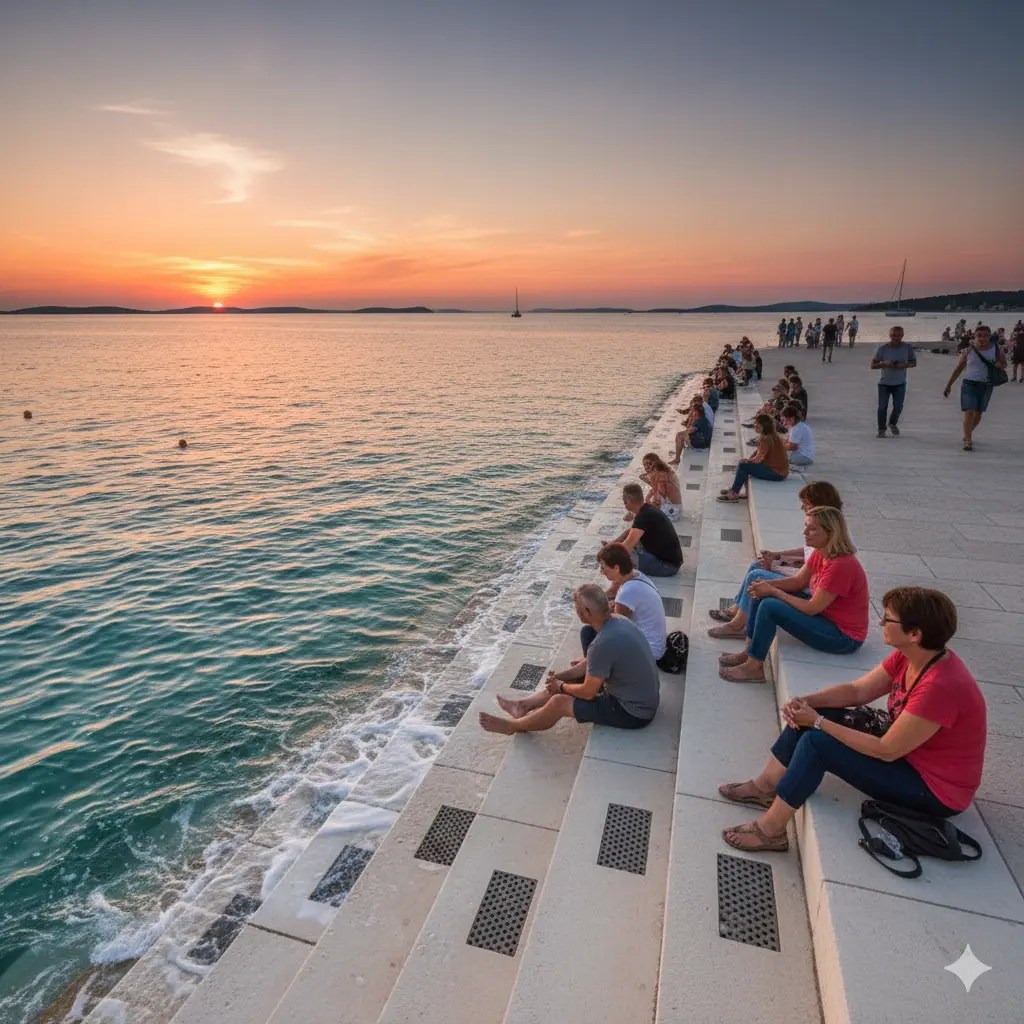
People sitting on a stone staircase by the sea, enjoying the sunset over the water in Zadar, Croatia.
Visitors enjoying a stunning sunset at the Sea Organ in Zadar, Croatia, as waves create a natural symphony. The world’s most beautiful concert hall: Visitors experience the magical Sea Organ (Morske Orgulje) at sunset. This architectural marvel uses wave energy to create endless, hauntingly beautiful music through pipes embedded in the steps.

A scenic view of the Sea Organ in Zadar, Croatia, showcasing the marble steps leading to the water, with colorful lighting reflecting in the waves at sunset.
The enchanting Sea Organ in Zadar, Croatia, with its illuminated marble steps and mesmerizing sunset over the Adriatic Sea. An evening symphony: The Sea Organ’s marble steps are gently illuminated at night, creating a serene atmosphere where visitors gather to listen to the sea’s endless, ethereal music under the stars.

Day 2: Islands, Ice Cream & Idyllic Streets

  • Morning (9 AM): Take a short boat taxi (it’s cheap and frequent) to the Zadar Archipelago. I highly recommend a half-day trip to one of the closer islands like Ugljan or Ošljak. Rent a bike, find a secluded cove, and take a dip in the unbelievably clear water. For more detailed island-hopping routes, check out my guide on Exploring the Dalmatian Islands.
  • Afternoon (2 PM): Back in Zadar, it’s time for lunch and exploration. Get lost in the maze of marble streets. Find Široka Street for people-watching and, more importantly, gelato-hunting. My personal favourite spot is Donat, serving up some of the creamiest, most flavourful gelato I’ve had outside of Italy.
  • Evening: For your final dinner, skip the most touristy spots right on the waterfront and duck into one of the konobas (taverns) on the side streets. The food is more authentic, the wine is local, and the atmosphere is cozier.
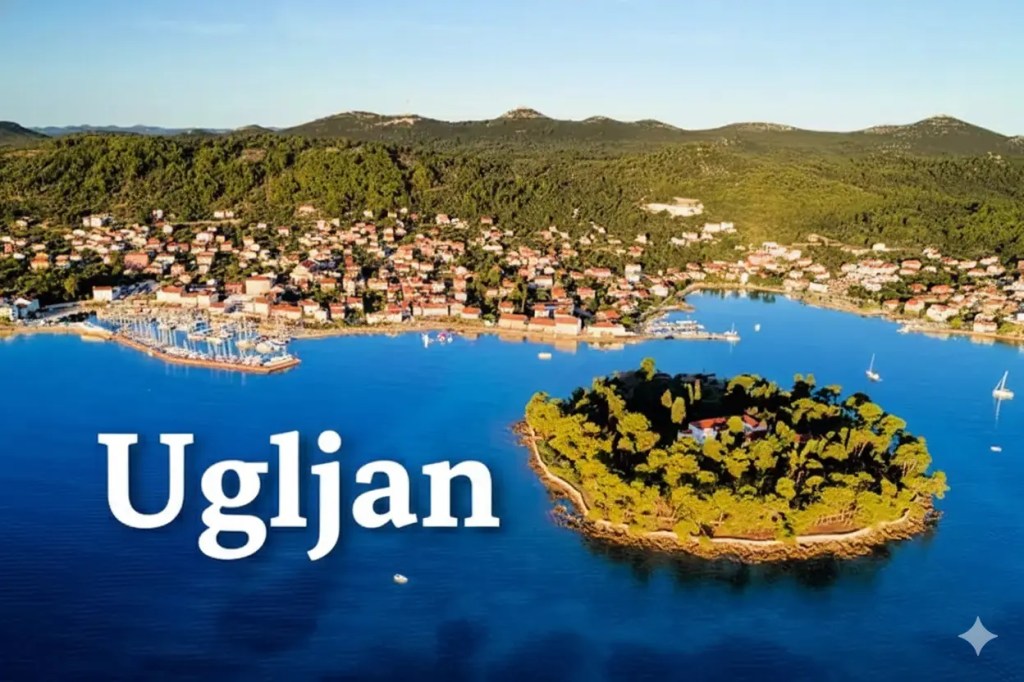
Aerial view of the island of Ugljan in Croatia, featuring green hills, a small harbor with boats, and a picturesque coastal village along the shoreline.
Aerial view of Ugljan Island, showcasing its serene coastline and lush greenery, perfect for a weekend getaway from Zadar. The “green island” of Ugljan as seen from Zadar’s waterfront – just a short ferry ride but a world away from the city bustle, offering peaceful coves, olive groves, and picture-perfect villages.
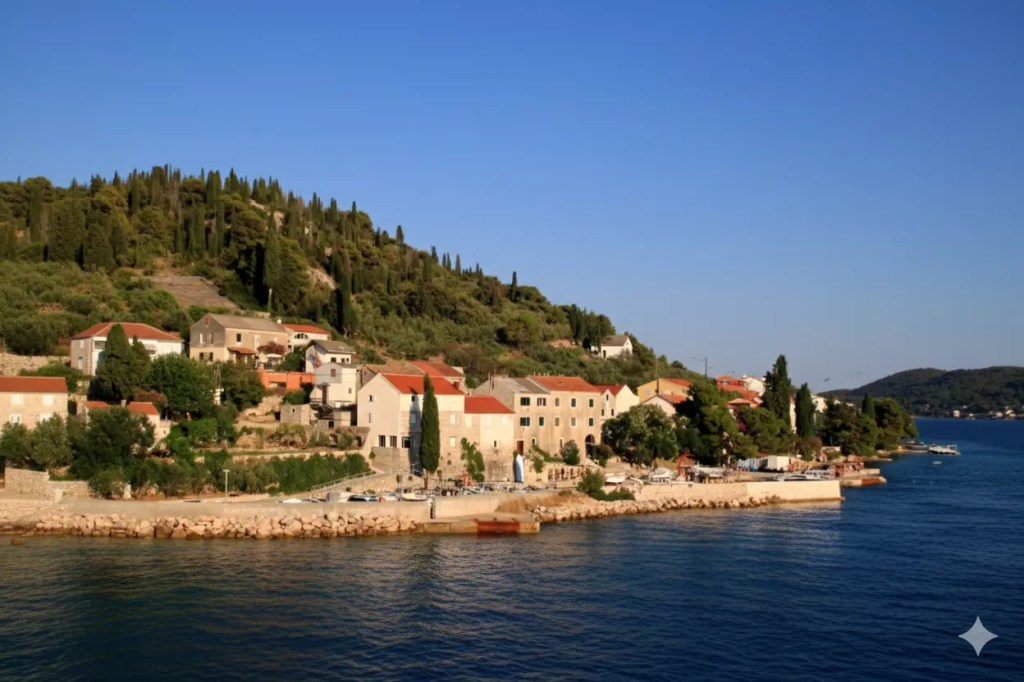
Scenic view of a coastal village with terracotta-roofed houses nestled against a green hillside, overlooking clear blue waters.
Scenic view of a coastal village in Croatia, showcasing traditional architecture and lush greenery by the Adriatic Sea. Tiny Ošljak Island, Croatia’s smallest inhabited island, offers a glimpse into peaceful Dalmatian life with just one village, no cars, and plenty of secluded swimming spots just a short boat ride from Zadar.
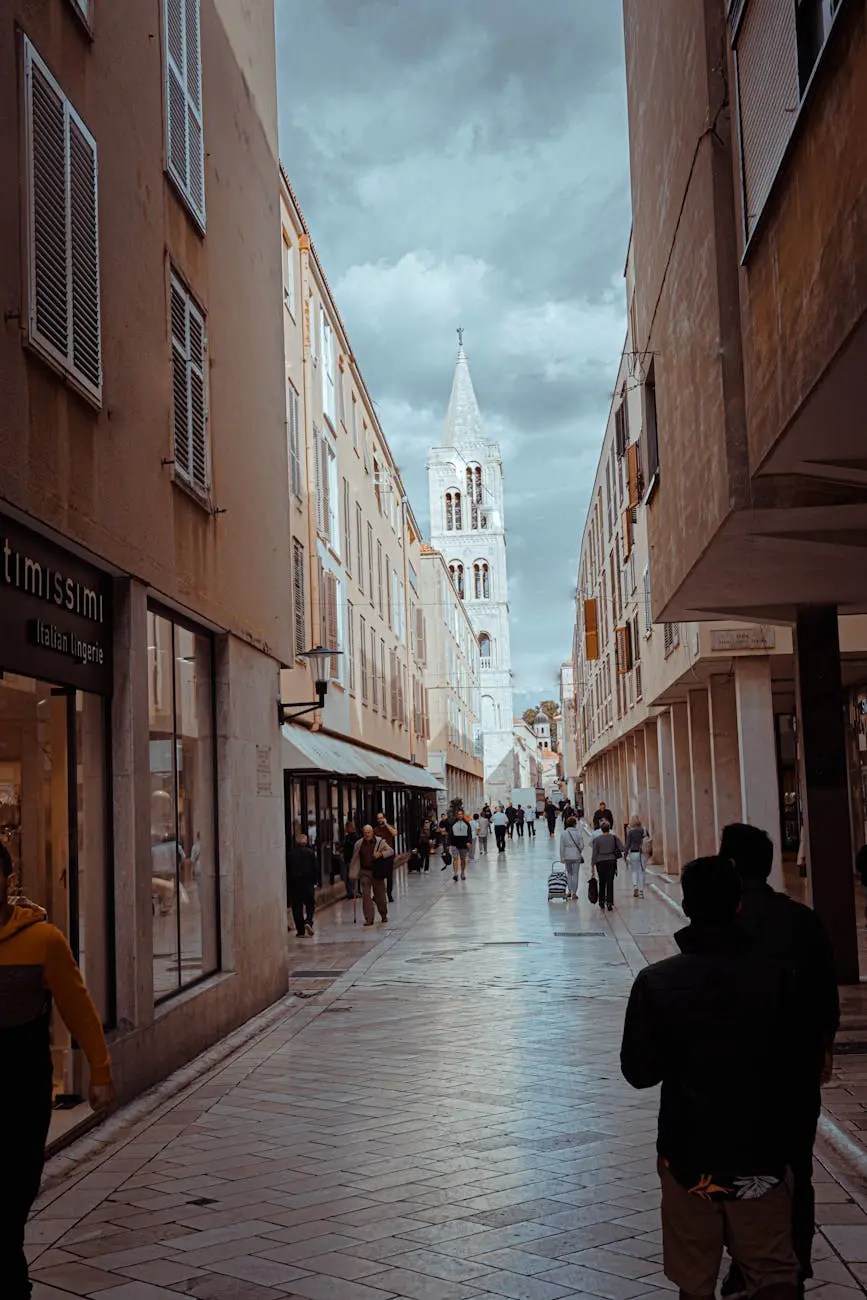
A bustling street in Zadar, Croatia, lined with shops and cafes, featuring a glimpse of a historic bell tower in the background under a cloudy sky.
Strolling through the charming streets of Zadar, with its historical architecture and lively atmosphere. Walking the heart of the city: Kalelarga (Široka ulica), Zadar’s main thoroughfare for centuries, draws visitors on a direct path from the modern city gate straight to the ancient Church of St. Donatus, perfectly framing the city’s history.
Close-up of a delicious swirl of gelato in a cup, featuring vibrant pink and orange hues, with a sprinkle of red on top.
Indulge in delicious gelato from Zadar, a perfect treat for your coastal adventure.

Hidden Gems: Where the Crowds Aren’t

  1. The Gold and Silver of Zadar: Tucked away in a Benedictine convent is a museum holding some of the most breathtaking religious art I’ve ever seen. The sheer craftsmanship of the reliquaries is humbling.
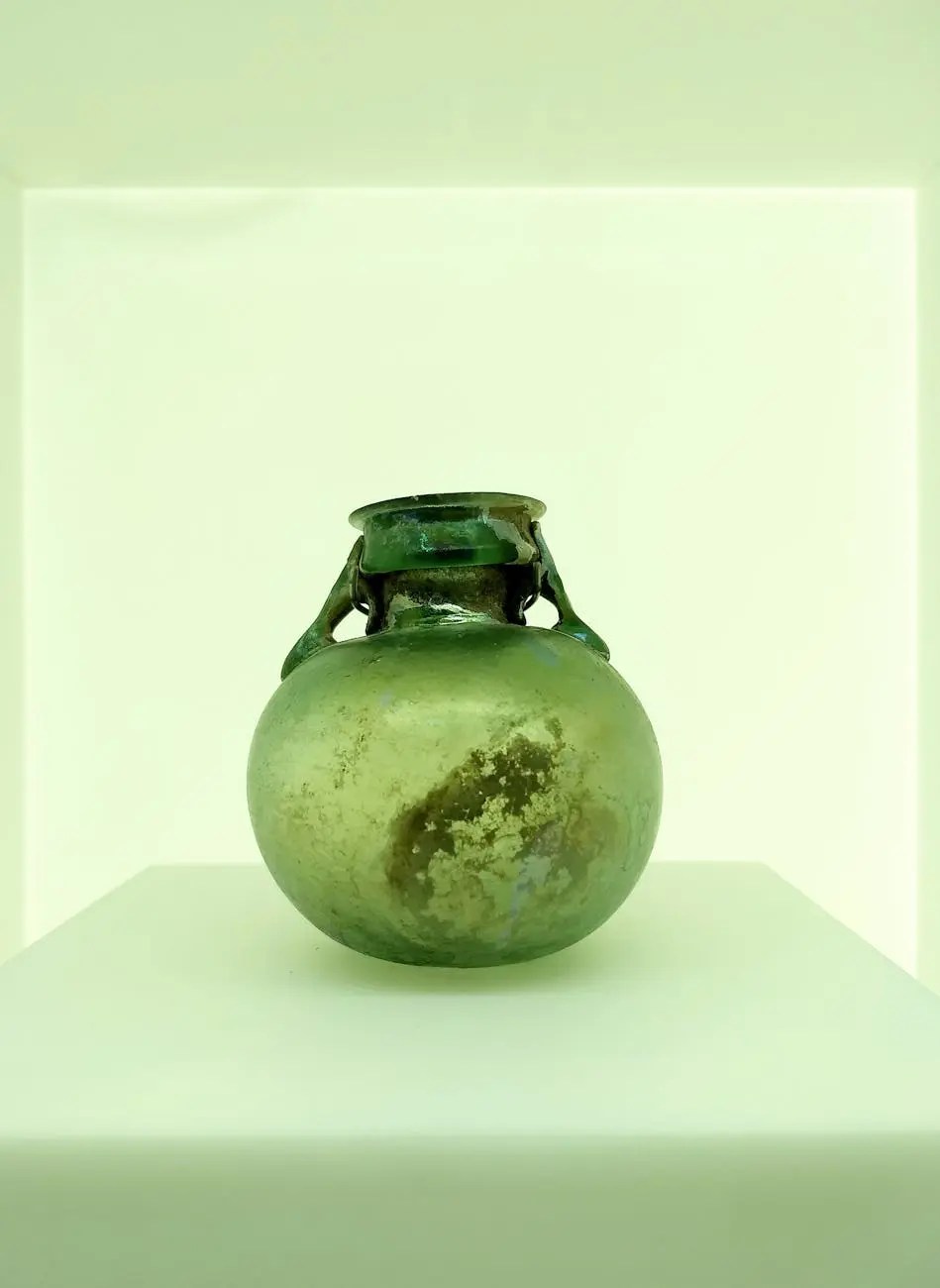
  2. The Museum of Ancient Glass: Sounds niche, but it’s fascinating! You can even watch live glassblowing demonstrations. It’s a great, air-conditioned break from the afternoon sun.
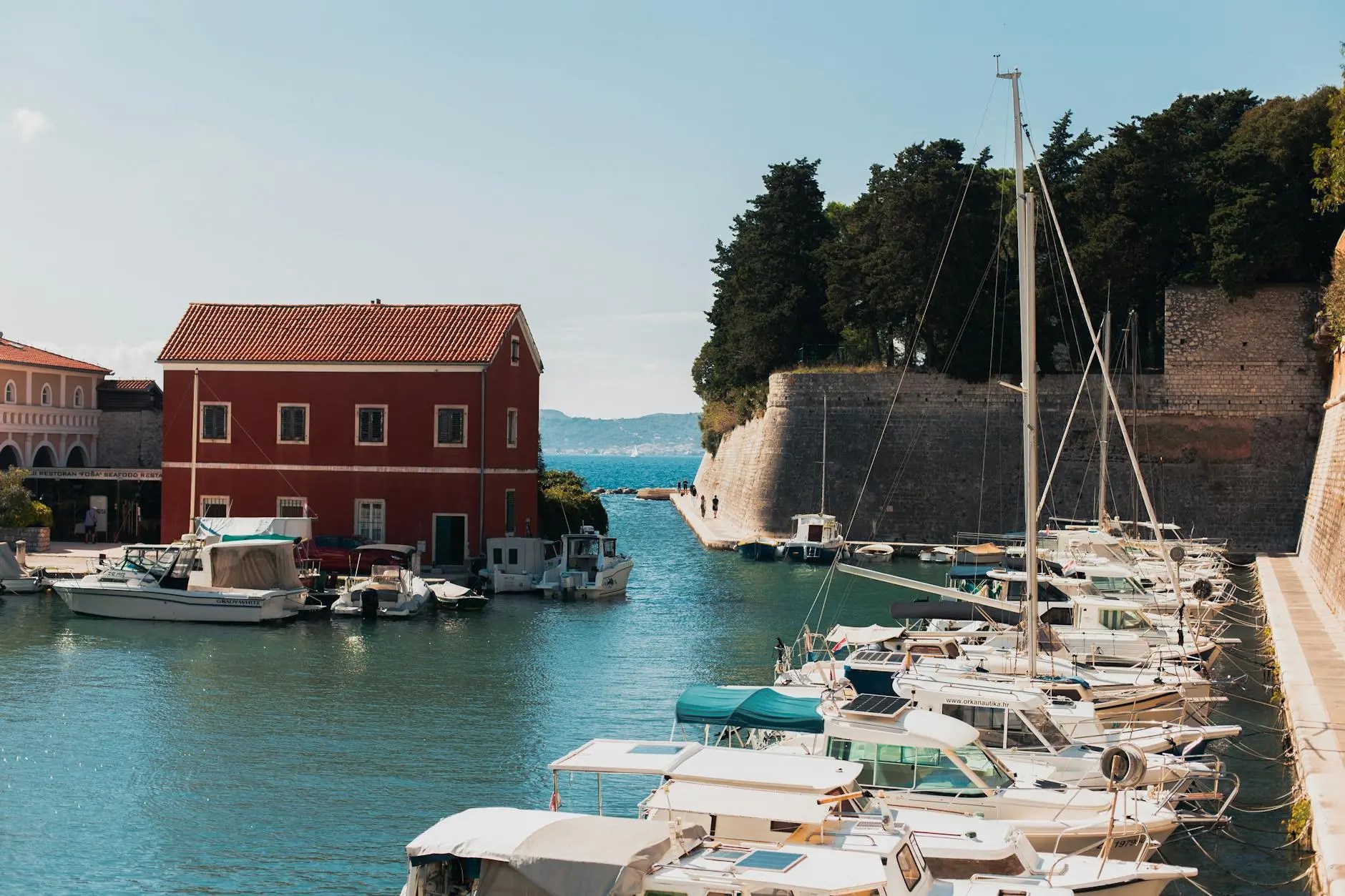
  3. Foša Harbour: Just outside the Land Gate, this tiny, picturesque harbour is lined with cafes. It’s a much quieter spot for a drink than the main Riva (waterfront).
A detailed ornate crown adorned with colorful jewels and pearls, displayed in a museum setting.
A stunning gold crown adorned with precious stones, showcasing the rich craftsmanship of Zadar’s historical artistry. A royal treasure: The exquisite Crown of Elizabeth Kotromanić, a masterpiece of medieval goldsmithery. This 14th-century reliquary crown, adorned with precious stones and delicate filigree, is one of the most priceless artifacts in the “Gold and Silver of Zadar” collection
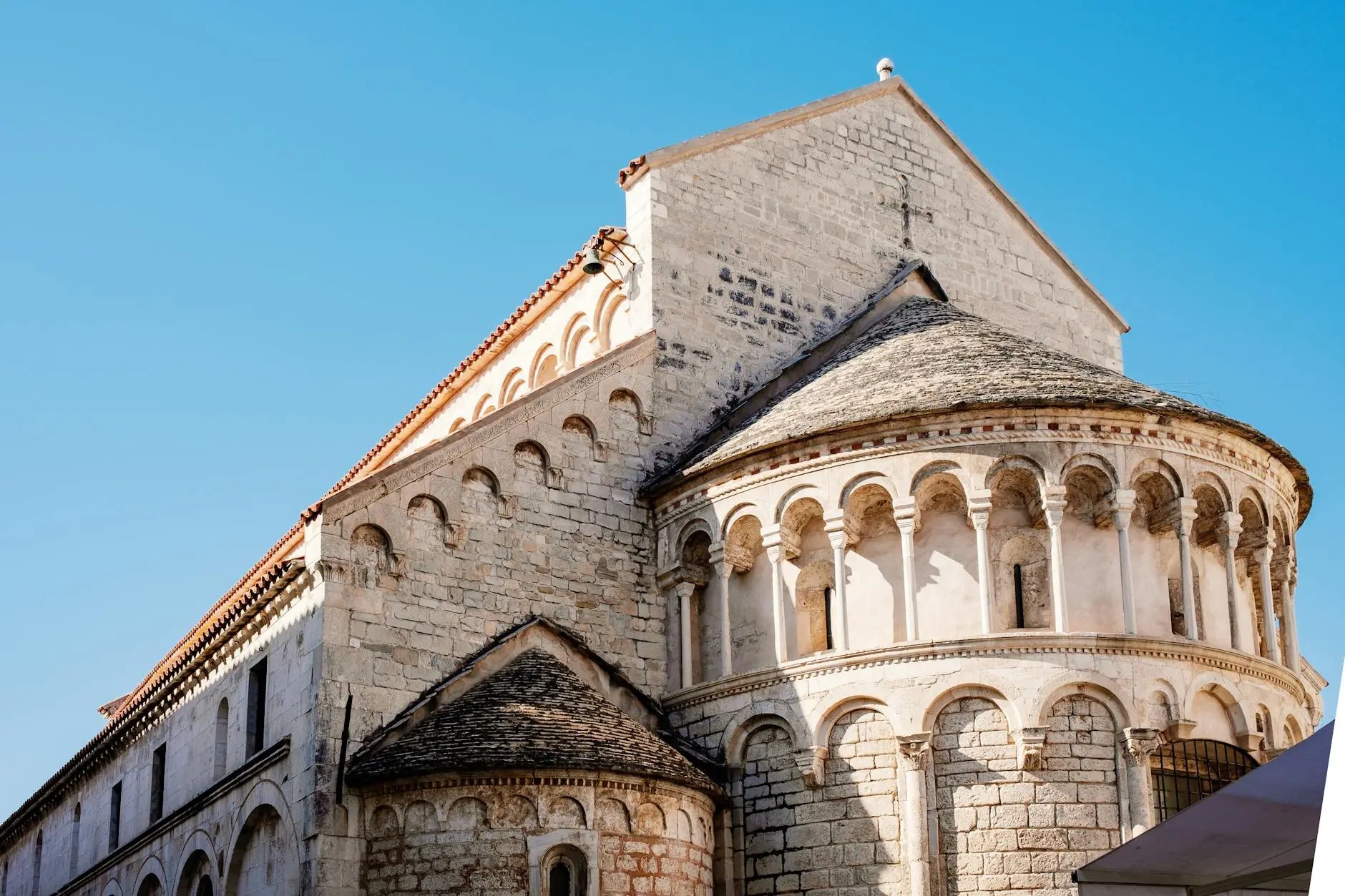
View of a historical church in Zadar, Croatia, showcasing its stone architecture and decorative arches against a bright blue sky.
Explore the stunning architecture of Zadar, Croatia, featuring ancient stonework and intricate details against a clear blue sky. A masterpiece of Romanesque architecture: The Church of St. Chrysogonus, consecrated in 1175, boasts one of the most beautiful and well-preserved facades in Dalmatia, with its detailed portals and elegant rose window
A historic green glass amphora displayed on a pedestal with a minimalist background.
An ancient glass vessel on display, reflecting Zadar’s rich cultural heritage. A glimpse into Roman luxury: This exquisite glass aryballos, used for holding precious oils or perfumes, is one of the thousands of well-preserved artifacts that make Zadar’s Museum of Ancient Glass a world-class collection.
A scenic view of a marina in Zadar, Croatia, featuring a variety of boats moored in the water, with a red building and green trees in the background under a clear blue sky.
A picturesque view of the harbor in Zadar, Croatia, featuring colorful buildings and docked boats. The charming Foša harbor, once Zadar’s main maritime entrance, is now a tranquil spot framed by impressive Venetian defensive walls and home to some of the city’s best seafood restaurants.

Zadar on a Budget: Smart Tips for Smart Travellers

  • Public Transport is Your Friend: The old town is completely walkable. For the airport or beaches further out, the local buses are efficient and cheap. Buy tickets from a kiosk or the driver.
  • Picnic like a Pro: Hit the local market (Tržnica Zadar) for fresh fruit, cheese, and bread. A picnic on the steps of the Sea Organ is a meal you’ll never forget.

  • The Water is Free (and Delicious): Bring a reusable water bottle. Croatia is full of public drinking fountains with perfectly safe, cold water.
  • Book in Advance: I always cross-reference flights and hotels on Expedia. I’ve found some killer bundle deals for Croatia that saved me a bundle. Find a great deal on Expedia here.

Speak Like a Local: A Crash Course in Croatian

Don’t worry, English is widely spoken, but a little effort goes a long way!

  • Hello: Bok (informal)
  • Thank you: Hvala (Fah-lah)
  • Please: Molim
  • Cheers: Živjeli! (Zhee-veh-lee)
  • Coffee: Kava
  • Beer: Pivo
  • Goodbye: Doviđenja (Doh-vee-jen-yah)

Travel Smarter, Not Harder: My Essential Toolkit

Travelling smoothly is all about having the right tools in your kit. Here are the ones I never leave home without:

  • Stay Connected (Without the Headache): ✈️ Travel Tip: I used to waste the first hour in a new country hunting for a SIM card. Not anymore. I now travel with a Drimsim—a universal data SIM that works in 190+ countries. You just pop it in, top up via the app, and you’re online. No hidden fees, no stress. It’s a game-changer. Get your Drimsim here.
  • Protect Your Trip (& Your Peace of Mind): ✈️ Smart Travel Tip: From canceled flights to unexpected snorkeling-related phone damage, I’ve learned my lesson. I never travel without insurance from VisitorsCoverage. It’s a platform where you can easily compare plans and find one that fits your adventure. It’s peace of mind you can’t afford to skip. Find your coverage here.
  • Get What You’re Owed: ✈️ Flight Delayed or Canceled? It happens! But did you know you could be entitled to up to $650 in compensation? Most people don’t claim it. I use AirHelp to check my flights—they handle all the paperwork and only get paid if I win. It’s a no-brainer. Check your flight with AirHelp.
  • Stay Secure Online: Using public WiFi abroad is a necessity, but it’s also a risk. I always have NordVPN running on my phone and laptop to keep my data safe from prying eyes. Stay secure with NordVPN.
  • Capture the Magic: To get those stunning sunset and crystal-clear water shots, I rely on my trusty Sony Alpha. It’s the perfect balance of quality and portability for travel photography. Check out the camera I use.
  • Glow on the Go: Long flights and changing climates can wreak havoc on your skin. I keep my complexion in check with the gentle, effective magic of K-beauty from Lakinza. Their serums and masks are a travel essential for me. When you buy from Lakinza, use coupon code: Lalax10 at checkout for a sweet discount! Your skin (and wallet) will thank you.

If you’re anything like me and your idea of a “quick trip” accidentally turns into a mini-European tour, Zadar is the perfect place to start connecting the dots on the map. Just down the coast sits Split, a city so close that you can practically hear the Diocletian Palace whispering, “Come visit me next!” I already wrote a full guide on Split — because once you see that waterfront glow at sunset, you’ll want to stay forever (or at least long enough to pretend you’re on a Netflix travel show). And if you keep following Croatia’s dramatic coastline all the way south, you’ll land in Dubrovnik, the ultimate “I swear I’m not here just for Game of Thrones scenes” destination. My Dubrovnik blog covers all the good stuff: medieval walls, cliffside bars, and the dangerously addictive habit of photographing every single orange rooftop.

But here’s the fun part — Zadar is also just a short hop across the Adriatic from Venice, Italy. Yes, that Venice. The one with gondolas, gelato, and alleyways so twisty even Google Maps gets confused. I’ve already written about Venice too, because of course I got lost there and turned it into a travel story. So whether you’re planning a Croatia-only adventure or plotting a “Why not hop to Italy?” moment, these nearby destinations fit perfectly with your Zadar itinerary — and all my past blogs are ready to help you plan the most chaotic, spontaneous, and unforgettable trip of your life.

So, you’re plotting your next European adventure? If you’re flying into a hub like Venice, Budapest, or Vienna, or perhaps exploring the stunning coastlines of Split and Dubrovnik, consider weaving the unforgettable city of Zadar into your itinerary. It’s the perfect, less-crowded gateway to the Dalmatian Coast’s charm. For a deep dive on how to spend a perfect weekend there—from the musical Sea Organ to hidden island gems

Frequently Asked Questions (FAQ)

Q: What is the best time of year to visit Zadar?
A: The sweet spots are May-June and September. The weather is perfect for exploring and swimming, but the summer crowds are thinner. July and August are beautiful but very busy and hot.

Q: Do I need a visa for Croatia?
A: Croatia is a member of the EU and follows the Schengen Area visa rules. If you are from the US, Canada, UK, or Australia, you can enter visa-free for up to 90 days. Always double-check the latest requirements with official sources before you travel.

Q: Is Zadar a walkable city?
A: Absolutely! The historic Old Town is a pedestrian-only peninsula, and it’s best explored on foot. You can easily see all the main sights without needing any transport within the city walls.

Q: What’s the local currency?
A: Croatia uses the Euro (€). While credit cards are widely accepted in hotels and restaurants, it’s always wise to have some cash for market stalls, smaller cafes, and bus tickets.

Q: Can I use Uber or Bolt in Zadar?
A: Yes! Both Uber and Bolt operate in Zadar and are a convenient and affordable way to get to and from the airport or ferry port.

Ready to Fall in Love with Zadar?

Zadar is the kind of place that lingers in your memory long after you’ve left. It’s the sound of the sea organ, the taste of fresh seafood, and the glow of a perfect sunset. So what are you waiting for? Start planning your ultimate weekend escape now!

What’s your favourite hidden gem in Croatia? Share your tips in the comments below!

Universal Disclaimer/Disclosure Page:

Weekend Getaway in Split: Your Ultimate Travel Guide

Meta Description: Plan your perfect weekend in Split, Croatia! This ultimate guide covers Diocletian’s Palace, ferry travel from Direct Ferries, money-saving tips, hidden gems, and essential Croatian phrases. Get the inside scoop on where to go, what to eat, and how to navigate like a pro for an unforgettable Dalmatian coast adventure.

Table of Contents

  1. Day 1: Roman Ghosts and Riva Charm
    • The Imperial Core: Diocletian’s Palace
    • Hidden Gem: Marjan Hill
    • Dinner & Drinks: Saving Kuna
  2. Day 2: Island Hopping and Hidden Beaches
    • Hvar or Brač? Choosing Your Escape
    • Island Logistics: Time is Money
  3. Getting There by Ferry: Your Adriatic Freeway
  4. ✈️ Essential Travel Logistics & Affiliate Corner
  5. Practical Tips for a Flawless Trip
    • Transportation Tips (Bus, Train, Car)
    • Croatian Crash Course
  6. FAQ: Your Burning Split Questions
  7. More Adventures (Backlinks & Masterlist)

If you’re anything like me, your idea of a perfect weekend involves trading spreadsheets for sunshine and history for hummus. My last trip to Split, Croatia—the beating heart of the Dalmatian Coast—was exactly that. It’s a city where a living, breathing Roman emperor’s palace serves as the downtown core. Talk about a historic downtown!

I still remember stepping off the bus, walking straight into the walls of Diocletian’s Palace, and realizing the cafe I was sitting at for my first kava (coffee) was built into the actual ruins. It was less like a museum and more like a time machine disguised as a bustling, modern city.

Ready to trade your routine for Roman ruins and crystalline seas? Grab your passport, pack your favorite walking shoes, and make sure your travel lens is clear—I shoot all my travel photos with my trusted Mirrorless Travel Camera. Let’s dive into how you can conquer Split in just one unforgettable weekend, saving time and cash along the way!

Picture this: You’re sipping a crisp local wine on a sun-drenched terrace, ancient Roman walls on one side and the sparkling Adriatic Sea on the other. No, it’s not a movie—it’s just a typical afternoon in Split, Croatia.

As someone who’s gotten blissfully lost in its marble-paved alleys more than once, I can confirm that Split is the perfect city for a weekend escape. It’s a place where history isn’t just in museums; it’s the fabric of the city you’re walking, dining, and laughing in.

Ready to trade your everyday for an epic Roman-and-sea-infused adventure? Let’s dive in.

Flights to Split

Getting There by Ferry: Your Maritime Gateway

Flying into Split Airport (SPU) is one option, but let me let you in on a secret: the real adventure begins on the water. Arriving by ferry into Split’s port is an experience in itself. You’ll glide past islands, with the city’s iconic bell tower and rugged mountains rising to greet you. It’s an absolute “wow” moment.

The main ferry hub is just a 10-15 minute walk from the Old Town, making it incredibly convenient. Whether you’re coming from Ancona or Pescara in Italy, or hopping over from islands like Hvar or Brač, the ferry is your best friend.

The easiest way I’ve found to compare schedules, companies (like Jadrolinija), and prices all in one place is through Direct Ferries. It’s my go-to for booking – no fuss, no hidden fees, just a straightforward ticket to paradise.

Split’s port is one of the busiest and most accessible hubs on the Adriatic. It’s perfectly located right next to the bus and train stations, making onward travel seamless.

The port connects Split to numerous domestic islands (Hvar, Brač, Korčula) and even internationally to Italy (Ancona). If you’re traveling from the other side of the Adriatic, taking an overnight ferry can be a fun and practical way to travel, saving you a night’s accommodation cost!

You can easily compare prices, operators (like direct ferries), and book your tickets in advance.
→ Check ferry schedules and book your ticket via Direct Ferries here.

Hotels in Split

The Perfect Split Weekend Itinerary

Friday: Dive Headfirst into History

  • Afternoon: Drop your bags (I always book my stays on Expedia for the rewards) and head straight for the heart of the city: Diocletian’s Palace. Don’t just look at it—get lost in it. The Peristyle square is the main event, but the real magic is in the narrow alleys that smell of laundry soap and espresso. Pro tip: The “basements” are actually the original foundation and are stunningly preserved. It’s like a time machine.
  • Evening: Join the locals for the traditional korzo (evening stroll) along the Riva promenade. Grab a bench, people-watch, and feel the city’s pulse. For dinner, ditch the main Riva restaurants (they’re overpriced) and duck into a konoba (tavern) in the Veli Varoš district. I still dream about the black risotto I had at Konoba Matejuška.
Close-up view of the bell tower of Diocletian's Palace in Split, Croatia, against a clear blue sky.
The iconic bell tower of Diocletian’s Palace reaching towards the blue sky in Split, Croatia. The view from below! Climbing the historic bell tower of Diocletian’s Palace is a rite of passage for any visit to Split. Trust me, the wobbly-kneed climb is worth it for the panoramic views at the top.
A picturesque view of a harbor in Croatia, featuring numerous small boats on crystal-clear turquoise water, surrounded by charming coastal buildings and lush greenery.
Hvar Town isn’t just a port; it’s a glamorous gateway on the Dalmatian Coast. From its packed marinas to the hilltop fortress, this view shows why it’s a favorite for yachters and sunset chasers alike.

Ready for a dose of glamour and lavender-scented air? Getting from Split to the legendary island of Hvar is a quintessential Dalmatian experience and surprisingly straightforward. Your best bet is to hop on a passenger ferry from Split’s main port; the journey is a scenic, breezy 50-minute to an hour-long cruise that feels like a mini-adventure, offering stunning views of the archipelago. And you’re not just heading to any island—you’re traveling to a destination consistently crowned one of the most beautiful islands in the world. Its reputation isn’t new; Hvar has been a cherished health resort since 1868, attracting European aristocracy with its uniquely mild climate, an abundance of sunny days, and the soothing, aromatic scent of lavender that wafts from its hillsides. It’s a place where wellness and wonder have been intertwined for over 150 years.

A plate of black risotto garnished with a quail egg, shrimp, and fresh herbs, showcasing a rich, glossy texture.
A delicious plate of black risotto with seafood, featuring shrimp and a soft egg, capturing the essence of Dalmatian cuisine. Don’t let the color fool you—this crni rizot is one of the most delicious and dramatic dishes you’ll eat in Dalmatia. The creamy, squid-ink infused rice, plump shrimp, and that perfect runny egg yolk is a flavor explosion you won’t forget

Saturday: Islands & Instagrams

  • Morning: Fuel up with a kava (coffee) and a pastry. Then, make your way to the Green Market (Pazar) for a burst of color and local life. It’s the perfect place to grab some figs or cherries for a snack.
  • Afternoon: You can’t come to Split without an island trip! Hop on a short ferry to Šolta. It’s less crowded than Hvar but just as charming. Swim in the crystal-cove at Nečujam Bay and enjoy a leisurely seafood lunch in the village of Maslinica.
  • Evening: Back in Split, climb the Bell Tower of St. Domnius Cathedral for sunset. The climb is a bit claustrophobic and the steps are… historic, but the 360-degree view is worth every shaky knee. Afterwards, explore the jazz bars in the palace cellars for a cool, moody vibe.
Close-up of a wooden cup filled with coffee, with a warm, frothy surface displaying a subtle pattern.
A warm cup of coffee, perfect for starting your day in Split, Croatia.

A vibrant market scene in Split, Croatia, featuring stalls overflowing with fresh fruits and vegetables, with people shopping and interacting amidst lush greenery overhead.
A vibrant scene at the Green Market in Split, Croatia, showcasing fresh fruits and vegetables, perfect for a local experience.

A scenic view of a clear, turquoise sea gently lapping against rocky shores and a sandy beach, under a bright blue sky with scattered clouds.
Crystal-clear waters and rocky shores of a charming Croatian beach, perfect for island-hopping adventures. This is the Šolta I fell in love with—a hidden cove where the only sounds are the lapping waves and the distant buzz of a boat. It’s the perfect antidote to the hustle of Split, just a short ferry ride away.
View of the bell tower of St. Domnius Cathedral in Split, Croatia, surrounded by historic buildings and tourists enjoying the square.
The iconic bell tower of St. Domnius Cathedral in Split, Croatia, standing tall amidst bustling crowds and ancient architecture. Conquering the climb up the Bell Tower of St. Domnius Cathedral is a rite of passage in Split. The slightly nerve-wracking, ancient stairs are 100% worth it for the unforgettable 360-degree views of the city and harbor

Sunday: Relax & Reflect

  • Morning: Hike up Marjan Hill. The “lungs of Split” offer shaded trails and breathtaking viewpoints over the city and islands. It’s the perfect way to work off all that pasta and seafood.
  • Afternoon: Have one last long, lazy lunch. I’m a sucker for a long Dalmatian lunch where the wine flows as freely as the conversation. Then, pick up some lavender soap or a bottle of local olive oil as a souvenir before you head to the airport or ferry port.
A panoramic view of Split, Croatia, featuring city buildings, a bell tower, and the Adriatic Sea beyond, framed by lush green trees.
A stunning view of Split, Croatia, showcasing the lush Marjan Hill and the city’s iconic architecture against the sparkling Adriatic Sea.

 Hidden Gems & Local Secrets

  • The Game of Thrones Museum: Even if you’re not a superfan, this quirky museum in the basement is a hoot. My friend tried on the Hand of the King pin and refused to take it off.
  • Froggyland: This is arguably the weirdest museum in the Balkans. It features over 500 taxidermied frogs in human tableaus. It’s bizarre, unforgettable, and a great conversation starter.
  • Bene Beach: Skip the crowded Bacvice beach and walk 15 minutes further to this rocky, local-friendly spot with epic views back towards the city.
A young man poses beside a large dragon head sculpture and sits on a throne made of swords, referencing themes from a popular fantasy series.
Visiting the Game of Thrones Museum in Split, showcasing iconic elements from the series including a dragon head and the Iron Throne.

 Money-Saving Tips & Navigating Like a Pro

  • Public Transport: The city buses are efficient and cheap. Buy a Splitka card from a Tisak (newsstand) for even cheaper fares. Uber and Bolt are also widely available and affordable.
  • Renting a Car? I’d only recommend it if you’re planning to drive the epic Dalmatian Coast afterwards. For a weekend in Split itself, it’s a liability—parking is a nightmare and expensive. Save your money and gas; the city is incredibly walkable.
  • Best Time to Visit: Shoulder seasons! May-June and September-October offer glorious weather with half the crowds. You’ll thank me when you’re not elbowing for space in the Peristyle.
  • Visa Info: For US, Canadian, UK, and AU travelers, Croatia is part of the Schengen Area, so you can stay for up to 90 days within a 180-day period visa-free. Always double-check the latest entry requirements before you book!

Speak Like a Local: A Few Key Phrases

Croatians appreciate the effort immensely!

  • Hvala (HVAH-lah) – Thank you. You will use this 100 times a day.
  • Dobar dan (DOH-bar dahn) – Good day.
  • Oprostite (oh-PRO-stee-teh) – Excuse me.
  • Gdje je…? (Gdyeh yeh…) – Where is…?
  • Račun, molim (RAH-choon, MO-leem) – The bill, please. Essential for those long lunches.

Travel Smarter, Not Harder: My Go-To Gear & Tips

✈️ Stay Connected Without the Headache:
Staying connected abroad used to be my personal travel nightmare. I’d either get ripped off by my carrier’s roaming or spend half a day hunting for a local SIM card. My game-changer? Drimsim. It’s a universal data SIM that works in 190+ countries. You just pop it in, top up via the app, and you’re online the moment you land. No contracts, no hidden fees. It’s saved my bacon (and my Google Maps) more times than I can count.
→ Grab your universal Drimsim travel SIM here.

✈️ Flight Got Derailed? Get Paid.
Let’s be real, travel hiccups happen. But did you know if your flight is significantly delayed, canceled, or you were bumped, you could be entitled to up to $650 in compensation? Most people don’t claim it, but I never miss a chance thanks to AirHelp. They handle all the annoying paperwork and fight the airlines for you. They only get paid if you win, so it’s a complete no-brainer. I once got a nice surprise €250 for a delayed flight from Frankfurt—it paid for my entire weekend of meals in Split!
→ Check your flight for compensation with AirHelp.

Don’t Forget Travel Insurance!
A missing bag, a sudden illness, or a canceled tour can quickly turn a dream trip sour. I never travel without insurance. I use VisitorsCoverage to compare plans and find one that fits my specific trip. It’s a trusted platform that gives me peace of mind, so I can focus on the adventure, not the “what-ifs.”
→ Find the right travel insurance for your trip with VisitorsCoverage.

My Secret to Glowy Travel Skin:
Plane air and changing climates can wreak havoc on your skin. My secret weapon? Lakinza, a fantastic K-beauty site. Their serums and sheet masks are a hydration lifesaver. And because glowing skin shouldn’t cost a fortune, use my code Lalax10 at checkout for a sweet discount. Trust me, your skin will thank you after a long day in the Dalmatian sun.
→ Discover your new skincare favorites at Lakinza.

(Shameless Plug) How I Capture These Memories:
All the gorgeous, sunny photos you see on my blog? I shoot with this lightweight but powerful camera. It’s the perfect travel companion—not too bulky, but with incredible quality that makes every shot look professional.
→ Check out my favorite travel camera here.

A Final Must-Have: VPN
Using public WiFi at airports, hotels, and cafes? Please, protect your data! I always have my NordVPN running. It keeps my personal info safe from prying eyes and also lets me access my favorite shows from back home.
→ Get secure and save with NordVPN.

🗺️ Beyond Diocletian’s Walls: Your Next European Adventure

While Split will easily capture your heart (and your camera roll!), its central location on the Adriatic makes it an ideal launchpad for exploring the rest of the Balkans and Southern Europe. Ready to extend your journey after you’ve explored Diocletian’s Palace and sunned yourself on Brač?

For another dose of stunning Croatian history, the majestic walls of Dubrovnik are just a short bus or catamaran ride south—a must-see destination where history and Hollywood collide. If you’re looking to hop across the water, the architectural grandeur of Venice, Italy, is a manageable journey, often involving a scenic ferry connection across the Adriatic. And if you’re keen to explore more of the region’s dynamic culture and history on a budget, look to Budapest, Hungary, or Vienna, Austria, both accessible via a longer but rewarding journey.

To help you seamlessly plan your next leg, including visa information, budget breakdowns, and transport options for these geographically close destinations, be sure to consult my complete Blog Masterlist: [LINK]

Frequently Asked Questions (FAQ)

Q: Is two days in Split enough?
A: Absolutely! Two to three days is perfect to see the main sights of the city, take an island day trip, and get a real feel for the Dalmatian lifestyle without feeling rushed.

Q: What is the best way to get around Split?
A: Your own two feet! The historic core is completely walkable. For attractions further out, like Marjan Hill, the city bus system is reliable and inexpensive.

Q: Is Split expensive?
A: It’s more affordable than Western European hotspots like Paris or Amsterdam, but prices have risen with its popularity. You can still find great value by eating at konobas (taverns) away from the waterfront and using public transport.

Q: Can I use Euros in Split?
A: Croatia now uses the Euro (EUR) as its official currency, so you’re all set!

Q: What’s one thing I shouldn’t miss?
A: Besides the Palace, make time to just sit in the Peristyle with a gelato and listen to the buskers. The acoustics in that ancient square are magical.

What is the best time of year to visit Split to avoid crowds? A: Late May/Early June or September are ideal. You’ll have fantastic weather (warm, sunny, and great for swimming) without the massive, sweaty crowds of July and August.

Do I need a car in Split? A: No, absolutely not for the city center. Split’s core is pedestrianized. You only need a car if you plan to do extensive, time-sensitive day trips (like Krka or Plitvice Lakes). For islands, take the passenger ferry to save money and hassle.

Ready to Wander?
Split is waiting to steal your heart. From its ancient soul to its modern energy, it’s a city that begs to be explored.

👉 Ready to book your Croatian escape? Find the best deals on flights and hotels on Expedia and start packing!

Have you been to Split? What was your favorite hidden gem? Spill the details in the comments below!

For more travel guides, tips, and itineraries, check out my complete Travel Master List 


Universal Disclaimer/Disclosure Page:

Ultimate Dubrovnik Weekend Guide: Tips & Must-Sees

Meta Description: Dreaming of a weekend in Dubrovnik? Our ultimate guide unlocks the Pearl of the Adriatic! Get expert tips on saving money, avoiding crowds, and discovering hidden gems. Includes ferry info, essential Croatian phrases, and a smart 3-day itinerary for the perfect Croatian escape.

Table of Contents

  1. Introduction: Why Dubrovnik Is the Pearl of the Adriatic
  2. When to Go: Timing Your Weekend Escape
  3. Getting There
    • By Air
    • By Bus / Road
    • Getting There by Ferry
  4. Where to Stay: Neighborhoods & Accommodations
  5. Getting Around Dubrovnik
    • Public Transport (Buses)
    • Cable Car to Mount Srđ
    • Water Transport: Ferries & Boats
  6. What to See & Do
    • Walk the City Walls
    • Old Town Highlights
    • Lokrum Island
    • Nearby Day Trips & Hidden Gems
  7. Food, Drink & Local Culture
  8. Money-Saving Tips & Travel Hacks
  9. Staying Connected & Travel Essentials
  10. Sample 2-Day Itinerary
  11. Words & Phrases That Will Come in Handy
  12. FAQ
  13. Final Thoughts & Call-to-Action

Introduction: Why Dubrovnik Is the Pearl of the Adriatic

If you’ve only got a weekend, Dubrovnik is the kind of place that makes every minute count — medieval city walls, sapphire sea, terracotta rooftops, and enough charm to make you forget you even have to go home. Known as the “Pearl of the Adriatic,” this Croatian gem is perfect for travelers craving history, natural beauty, and a splash of Game of Thrones magic (yes, those walls really are that photogenic).

Ah, Dubrovnik. The “Pearl of the Adriatic.” A place whose beauty is so staggering it almost feels unfair to other cities. You’ve seen its terracotta rooftops and imposing walls in Game of Thrones, but let me tell you, seeing it in person is a whole different level of epic.

I once made the classic rookie mistake of arriving in mid-July at noon. The cruise ships had disembarked, and the Stradun (the main street) was a river of sun-hats and selfie sticks. It was less “King’s Landing” and more “Times Square in the Sun.” But fear not! I’ve since learned the secrets to mastering Dubrovnik, and I’m here to ensure your weekend escape is nothing short of magical, without the logistical nightmares.

A Quick Note: For a treasure trove of all my travel guides, packing lists, and budget hacks, my one-stop-shop is right here: The Travel Master List.

Getting There

By Air

Dubrovnik has a decent airport (DBV), but depending on where you’re coming from, you may have to connect through European hubs like Vienna, Frankfurt, or London.

 Dubrovnik Airport (DBV) is about a 30-minute drive from the Old City. The most budget-friendly way to get from the airport to the city center is by the Croatia Airlines airport shuttle bus, which drops you at the main bus station. From there, it’s a short local bus ride or a scenic 15-minute walk to the Pile Gate. Taxis are available but will cost you a pretty Kuna.

Flights to Dubrovnik

By Bus / Road

If you’re already in Croatia, consider taking a long-distance bus. Dubrovnik’s Gruž Bus Terminal is well connected to other cities.
Driving into Dubrovnik can be stressful — traffic jams are common, and once you arrive, parking is limited, especially in the Old Town.
Also, worth noting: thanks to the Pelješac Bridge, some routes avoid crossing through Bosnia and Herzegovina.

A bustling bus terminal in Dubrovnik, Croatia, with travelers walking towards buses. The background features green hills and parked cars, while a digital clock displays the time.
The Gruž Bus Terminal in Dubrovnik, a key transport hub for visitors arriving by road.

A picturesque view of the Pelješac Bridge spanning over the shimmering Adriatic Sea, connecting the mainland to the city of Dubrovnik, with the city skyline and surrounding islands visible in the background at sunset.
Aerial view of the Pelješac Bridge connecting to Dubrovnik, showcasing the stunning coastal landscape at sunset. Aerial view of the modern Pelješac Bridge stretching over the blue Adriatic Sea, connecting the Croatian mainland to the Pelješac peninsula near Dubrovnik.

By Car: Driving the Dalmatian Coast is an experience in itself! The views are breathtaking. However, a heads-up: parking in and around the Old City is notoriously difficult and expensive. Your best bet is to book a hotel with parking or use a large public parking lot like the one at the Port of Gruž.

Getting There by Ferry

Okay, here’s a little twist in the tale: while Dubrovnik itself doesn’t have a ferry route from Athens or Santorini, it’s a big mistake to confuse it with Greek island ferry links. But if you’re doing a multi-leg trip (say, Greece → Croatia), you might be using Direct Ferries for your Greek leg (Athens–Santorini) and then flying or driving onward to Dubrovnik.

  • For your Greece portion, use Direct Ferries to book routes like Athens ↔ Santorini.
  • To reach Dubrovnik, rely on flights, buses, or local ferries once you’re in Croatia — Jadrolinija operates ferries from the Gruž harbor for nearby islands like Lokrum and the Elaphiti islands.

Where to Stay: Neighborhoods & Accommodations

  • Old Town: Iconic, walkable, absolutely breathtaking—but yes, expensive.
  • Lapad & Babin Kuk: More residential, quieter, and great for beach access or boat rides.
  • Gruž: Near the port, which is handy if you’re planning ferry day trips.

Depending on your budget and travel style, you could use Expedia to find a great deal on hotels, apartments, or boutique stays. (Here’s my favorite link: [Book on Expedia]

Getting Around Dubrovnik

Public Transport (Buses)

Dubrovnik’s bus system, run by Libertas, is reliable and affordable.

  • Tickets: You can buy them from kiosks (cheaper) or on the bus.
  • Consider the Dubrovnik Card if you’re planning to do a lot — it includes bus rides + entry to many attractions like free entrances to the city walls, museums and galleries of Dubrovnik 
  • Avoid driving in Old Town — the roads are narrow, parking is limited, and traffic is a headache.

Cable Car to Mount Srđ

One of my favorite moments in Dubrovnik was riding the cable car up to Mount Srđ. The view from the top? Absolutely unforgettable.

  • The ride takes just a few minutes. ItiMaker
  • At the top, there’s a restaurant, a viewpoint, and a small museum.
Aerial view of Dubrovnik with its terracotta rooftops and fortified walls overlooking the Adriatic Sea, seen from the cable car at Mount Srđ.
A panoramic view of Dubrovnik from Mount Srđ, showcasing the iconic terracotta rooftops and the shimmering Adriatic Sea. This is the iconic view that steals every traveler’s heart. Gazing down from Mount Srđ, you can see why Dubrovnik earned its nickname. The magnificent ancient walls encircle a maze of terracotta rooftops, all set against the impossible blue of the Adriatic Sea. No filter needed.

Water Transport: Ferries & Boats

  • For Lokrum Island: There’s a dedicated ferry from the Old Town harbor, and the fare is often included in the island admission.
  • For the Elaphiti Islands (Šipan, Lopud, Koločep): Jadrolinija runs frequent ferries from Gruž port.
  • Private taxi boats are also available — more expensive, but super scenic and avoid road traffic. Lonely Planet
A scenic view of Dubrovnik's coastline featuring medieval city walls, a rocky shoreline, and a wooden sailing ship navigating the calm blue waters near a lush green island.
A scenic view of Dubrovnik’s coastline featuring medieval walls and a boat sailing near Lokrum Island, highlighting the beauty of the Pearl of the Adriatic. A view from another time: The historic walls of Dubrovnik stand guard over the Adriatic Sea, with the serene Lokrum Island and a traditional wooden gajeta boat completing the perfect Dalmatian scene.

Day 1: Walls, Walks, and Wow Moments

  • Morning (8:30 AM): Be at the City Walls the second they open. I cannot stress this enough. This is your single most important crowd-avoidance tactic. The morning light is golden, the temperatures are bearable, and you’ll get those postcard-perfect photos without 50 strangers in them. Trust me, it’s worth the early wake-up call. The views of the shimmering Adriatic and the Old City are simply unparalleled. I captured my best shots here with my trusty Sony Alpha a7 III – the dynamic range is perfect for the high-contrast scenes.
  • Afternoon (1:00 PM): After descending, lose yourself in the labyrinthine side streets. Get deliberately lost. The main Stradun is beautiful, but the real magic is in the narrow, steep staircases where laundry hangs between stone buildings. For lunch, skip the tourist traps on the main drag. Duck into a konoba (a traditional tavern) in a side alley for authentic Dalmatian dishes like crni rižot (black risotto with cuttlefish).
  • Evening: Witness the sunset from the Buža Bar. This is a legendary “hole-in-the-wall” bar (literally) carved into the cliffs outside the city walls. Sipping a cold Ozujsko beer while watching the sun dip below the horizon is a quintessential Dubrovnik experience. It’s popular, so go early to snag a good rock!
A view of a historic staircase in Dubrovnik, flanked by stone buildings and decorative lanterns, leading toward a clock tower in the background.
Explore the stunning stairway leading to the historic Clock Tower in Dubrovnik’s Old Town, a must-see during your Croatian getaway.
A bottle and a glass of Ožujsko beer on a table with a scenic view of the coastline and historic rooftops of Dubrovnik in the background.
Enjoying an Ožujsko beer with stunning views of Dubrovnik’s rooftops and the Adriatic Sea. Nothing says “I’m on vacation in Dubrovnik” like a cold, condensation-beaded Ozujsko beer at a sun-drenched cafe table. This is the essential refreshment after conquering the City Walls. Živjeli! (That’s “Cheers!” – you’ll be using it a lot).

 Island Escapes & Sunset Secrets

  • Morning: Time for an island hop! Take a local ferry from the Old Port to Lokrum Island. It’s a 15-minute ride to a world of botanical gardens, peacocks strutting around ancient monastery ruins, and a deadly beautiful saltwater lake called the “Dead Sea.” Pack a swimsuit and a picnic.
  • Afternoon: Head back and take a local bus to the Port of Gruž. This is where the locals are, and the vibe is completely different. Grab a coffee at a waterfront cafe and watch the boats come and go.
  • Evening: For a sunset to remember, take the cable car up to Mount Srđ. The panoramic view of the entire city and the Elaphiti Islands is mind-blowing. Pro-Tip: If the cable car is too pricey or crowded, you can hike up (strenuous) or take a taxi. At the top, have a drink at the bar instead of a full meal at the restaurant to save some money.
A scenic view of a fountain in a garden featuring a rock structure with statues surrounded by lush greenery and aquatic plants.
Beautiful botanical garden featuring classical sculptures and vibrant greenery in Dubrovnik. Trading the city’s marble streets for the lush, shaded pathways of Lokrum Island’s botanical gardens. Founded in 1959, this peaceful oasis is a tapestry of exotic plants, fragrant pines, and quiet history—all just a 15-minute ferry ride from the Dubrovnik walls.
Aerial view of Dubrovnik's old town featuring terracotta rooftops, city walls, and a bustling harbor with various boats docked.
Aerial view of Dubrovnik’s harbor showcasing the iconic terracotta rooftops and intricate waterways, perfect for a magical Croatian getaway. From above, the harmony of Dubrovnik’s defense and trade is stunningly clear. The historic Old Port, once the vital lifeline of the Republic of Ragusa, is cradled by the mighty city walls, with traditional gajete boats dotting the impossibly clear water. This is where the stone city meets the sea.

A scenic cable car gondola traveling above the hills of Dubrovnik, with panoramic views of the coastline and the Old Town in the background under a partly cloudy sky.
A scenic cable car ride offers stunning views of Dubrovnik and the Adriatic Sea, a must-try experience while exploring the Pearl of the Adriatic.

 Local Life & Lasting Memories

  • Morning: Visit the Rector’s Palace to get your history fix, then make your way to the Old Port. Instead of an expensive tour, just wander and admire the beautiful wooden boats, the gajeta.
  • Afternoon: For your final swim, avoid the main Banje Beach. Walk east from the Old Port along the path for about 10-15 minutes. You’ll find secluded rocks and ladders into the crystal-clear sea, perfect for a peaceful, crowd-free dip.
  • Evening: Enjoy one last incredible dinner. I highly recommend booking a table at a restaurant in the Lapad area for a more local, less touristy atmosphere.
A view of a historic building in Dubrovnik with a clock tower, featuring ornate architecture and a statue in the foreground, set against a clear blue sky.
The historic Rector’s Palace in Dubrovnik, a stunning example of Gothic-Renaissance architecture, featuring a statue in the forefront. Stepping into the Rector’s Palace courtyard feels like walking onto a Game of Thrones set—because you are! This stunning blend of Gothic and Renaissance architecture was the seat of the Republic of Ragusa’s government, and today, it’s where you can almost hear the whispers of the powerful rectors who once ruled here.
A wooden sailboat with its sails raised gliding across calm waters under a clear blue sky.
A picturesque sailboat gliding through the calm waters of the Adriatic Sea at sunset, encapsulating the magic of a Croatian escape. A traditional wooden Dalmatian *gajeta* fishing boat with a red sail, moored in the clear turquoise waters of Dubrovnik’s Old Port with the historic city walls in the background.

A vintage postcard-style illustration of a coastal harbor featuring a large sailing ship and several smaller boats anchored in calm blue waters, surrounded by green hills and a stone fortress.
A vintage view of a serene harbor in Dubrovnik, featuring a large sailing ship and small boats against a backdrop of coastal hills. This is the Old Port (Gradska Luka), the ancient maritime heart of the Republic of Ragusa. For centuries, these calm, sheltered waters welcomed trading galleys and naval ships. Today, it’s where you’ll find traditional gajeta boats ready to take you on an Adriatic adventure, all under the watchful eye of the Bokar and Revelin Fortresses.

What to See & Do

Here’s how to make the most of your weekend:

  • Walk the City Walls: This is a must. The walls give you stellar views over the Old Town and the Adriatic.
  • Old Town Highlights: Visit Rector’s Palace, stroll through the narrow streets, and soak in the medieval architecture.
  • Mount Srđ: As mentioned — take the cable car for sunset views.
  • Lokrum Island: Perfect for a half-day escape; there are botanical gardens, a salt lake, and ancient ruins.
  • Hidden Gem – Cavtat: Only about 25 minutes by boat, Cavtat is a peaceful town with beautiful waterfront restaurants. littlewanderblog.com  A charming, laid-back town a short bus ride south of Dubrovnik. It’s like Dubrovnik without the crowds, with a beautiful waterfront promenade.
  • Pasjača Beach: If you’re up for a bit of a drive (or day trip), check out this hidden sand-and-gravel beach ~30 km from Dubrovnik.

Food, Drink & Local Culture

  • Try local seafood — grilled fish, black risotto, and fresh oysters if you can.
  • Sit at a café in the Old Town and watch the world (and cruise ships) go by.
  • For a more local vibe, head into neighborhoods like Lapad for family-run konobas (taverns).
  • At night, sip a cocktail on the walls or at a tucked-away bar — it feels like stepping into another era.

Dubrovnik on a Budget: Money-Saving Hacks

  • Get a Dubrovnik pass: This is a no-brainer. It includes your entry to the City Walls (which alone is almost the price of the card), public bus transport, and entry to several museums. You’ll save a bundle.
  • Eat & Drink Away from the Stradun: A coffee on the Stradun can cost triple what it does two streets back.
  • Use Public Transport: The local Libertas bus system is efficient and cheap. Buy tickets from a kiosk or newsstand before boarding.
  • Stay in Lapad or Babin Kuk: Accommodation here is more affordable than in the Old City, and the areas are beautiful, with great beaches and restaurants. They’re just a short, cheap bus ride away.
  • Book Smart: I always start my travel planning on Expedia. Bundling flights and hotels can lead to some serious savings, and their rewards program is pretty sweet.

Essential Croatian for Travellers

Don’t worry, English is widely spoken, but a little effort goes a long way!

  • Hvala (HVAH-lah) – Thank you. Use this one liberally!
  • Dobar dan (DOH-bar dan) – Good day.
  • Oprostite (oh-PRO-stee-teh) – Excuse me.
  • Gdje je…? (Gdyeh yeh…) – Where is…?
  • Račun, molim (RAH-choon, MO-leem) – The bill, please.
  • Živjeli! (ZHEE-vyeh-lee) – Cheers!

Hidden Gems: Escape the Crowds

  • The War Photo Limited Museum: A powerful and sobering look at the Balkan conflicts of the 1990s. It provides crucial context to the city you’re walking through and is a must-visit for understanding modern Dubrovnik.
  • Kayak to Betina Cave: Rent a kayak from the Old Port and paddle to this gorgeous, secluded sea cave on the nearby Lapad peninsula. It’s a fantastic adventure.

Staying Connected & Travel Essentials

Staying online while traveling can be a pain — roaming fees, sketchy SIM shops, hidden charges… but I’ve got a hack: I carry a Drimsim, a universal SIM card that works in over 190 countries without sneaky fees. You put it in, top up from the app, and boom — you’re connected no matter where your adventure takes you.

✈️ And if your flight gets delayed or canceled? Don’t sweat it. Tools like AirHelp can help you claim up to $650 in compensation. They handle everything for you (and only take a fee if you win).

Also, for safe and confident browsing (especially on public Wi-Fi in hostels or cafés), I always use NordVPN.
And don’t skip travel insurance — I use VisitorsCoverage to compare plans and pick one that fits my trip.

By the way, if you’re into capturing memories, check out this awesome travel camera gear: [My Camera Picks]

While you’re out there exploring and looking fabulous, don’t forget to take care of your skin! All that sun and sea air can take a toll. I keep my glow with K-beauty products from Lakinza. Use code Lalax10 at checkout for a sweet discount on your skincare haul. You’ll thank me later! 😉

If you’re already exploring this dreamy corner of Europe, you might want to extend your adventure beyond Dubrovnik’s old stone walls. Many travelers (including me!) love pairing Croatia with nearby gems like Venice, Italy’s floating masterpiece that’s just across the Adriatic and perfect for a romantic detour. If you prefer elegant cafés, classical music, and those “I feel cultured today” vibes, Vienna is a beautiful and well-connected stop before heading down to the coast. For something a little more youthful and budget-friendly, Budapest serves up thermal baths, river views, and some of the best nighttime energy in Central Europe. And if your heart is set on sunny Mediterranean adventures, island hopping from Athens makes a fantastic combo with Dubrovnik — especially if you’re dreaming of a Croatia + Greece getaway. Each destination adds its own flavor to a multi-city escape, and you can check out my full guides to help you plan the perfect route.

Frequently Asked Questions (FAQ)

Q: What is the best time to visit Dubrovnik?
A: The sweet spots are May-June and September-early October. The weather is perfect for exploring, the water is warm enough for swimming, and the cruise ship crowds are significantly thinner.

Q: Do I need a visa for Croatia?
A: Croatia is a member of the EU and the Schengen Area. If you are an EU citizen or from a visa-exempt country (like the US, Canada, UK, Australia), you do not need a visa for short stays. Always check the official government website for your nationality for the most current information.

Q: Is Dubrovnik walkable?
A: The Old City is extremely walkable, but be prepared for a lot of stairs! Comfortable shoes are non-negotiable. For areas outside the walls, the bus system is your best friend.

Is Dubrovnik safe for solo travelers?
A: Absolutely. It’s very walkable, well-patrolled, and public transport is reliable.

Q: Are there direct ferries from Dubrovnik to other Croatian islands?
A: Yes! From Gruž harbor, you can catch Jadrolinija ferries to islands like Lopud, Šipan, and Koločep.

Final Thoughts & Call-to-Action

There you have it — your ultimate weekend escape to Dubrovnik, Croatia. Whether you’re walking the walls, sipping wine on a cliff, or hopping a ferry to a nearby island, this city has magic around every corner.

If this guide helped you plan your trip, please book your stay or activities via my [Expedia affiliate link] — it helps support future blog content (and keeps me traveling). And if you snag your Drimsim, NordVPN, or travel insurance through my links, you’ll be geared up for a smoother, safer, more connected adventure.

Curious about nearby destinations or longer Croatia itineraries? Check out my [Travel Master List] on my blog. (Yes, I shamelessly plug it — but helpful, right?)

Happy travels — and I can’t wait to hear about your Dubrovnik weekend. Don’t forget to drop back and tell me what you loved most (or what surprised you!).


Universal Disclaimer/Disclosure Page:

Santiago Weekend Guide: Hidden Gems & Travel Hacks

Meta Description: Craft your perfect weekend in Santiago, Chile! This ultimate guide is packed with insider tips, hidden gems, and savvy travel hacks for navigating the city, saving money, and experiencing the authentic culture. Discover the best of Santiago, from Andes views to local picarones.

🗺️ Table of Contents

  1. Introduction: Why Santiago Deserves Your Weekend
  2. Getting There & Visa Info
  3. Best Time to Visit (and When to Avoid the Crowds)
  4. How to Get Around: Public Transport, Taxis & Ferries
  5. Hidden Gems You Shouldn’t Miss
  6. Must-See Spots in Santiago
  7. Local Words to Know (Mini Spanish Survival Guide)
  8. Travel Smart: Saving Money and Staying Connected
  9. Affiliate Partners That Make My Travel Easier
  10. FAQ: Your Santiago Travel Questions Answered
  11. Final Thoughts & Call to Adventure

🌄 1. Introduction: Why Santiago Deserves Your Weekend

If you’ve ever wanted to sip world-class wine while staring at the snow-capped Andes, Santiago is your city. It’s got that perfect blend of cosmopolitan buzz and mountain serenity. I spent my first evening at a rooftop bar in Lastarria, watching the city lights flicker under the Chilean sunset — and honestly, that moment alone was worth the flight.

Santiago isn’t just a stopover; it’s a soulful weekend escape full of culture, cuisine, and calm.

🔗 You might also enjoy: The Ultimate Weekend Escape to Lima, Peru – another South American gem that pairs perfectly with Santiago on a multi-city trip!

Alright, let’s be real. Your vacation days are precious, and the thought of spending half of them on complicated logistics is a special kind of torture. You want an escape that’s long on experience and short on hassle.

Enter Santiago de Chile. This city, cradled by the snow-capped Andes, is the ultimate weekend warrior’s dream. It’s a place where you can sip a world-class Carménere as the sun sets over the mountains, all without needing a full month’s vacation to do it.

I’ve fallen for Santiago’s charms on multiple visits, from getting blissfully lost in its sprawling markets to having my breath taken away (literally and figuratively) on a hike in the nearby foothills. This guide is the one I wish I’d had—a no-nonsense, tip-filled plan to help you conquer Santiago with confidence, save a few pesos, and have an absolute blast.

✈️ 2. Getting There & Visa Info

Most travelers from the US, Canada, and the EU can enter Chile visa-free for up to 90 days. Always double-check with the Chilean consulate before your trip.

💡 Money Tip: Flights from North America and South America are often cheaper when booked via Expedia. I scored my Santiago weekend flights for under $184 using flexible date filters!

If you’re coming from nearby Lima, it’s just a 4-hour flight — perfect for combining two unforgettable South American destinations.

🌤️ 3. Best Time to Visit (and When to Avoid the Crowds)

The best time to visit Santiago is during spring (September–November) or fall (March–May) — think mild temperatures, fewer tourists, and cheaper hotels.

Try to avoid January and February, when local vacationers crowd the city, and hotel prices shoot up.

Hotels in Santiago

🚌 4. How to Get Around: Public Transport, Taxis & Ferries

Santiago’s Metro system is clean, efficient, and one of the safest in South America. Get a Bip! card for buses and trains — it’s your all-access pass.

🚆 Metro Tip: Line 1 (Red Line) connects most tourist spots — from downtown (Los Héroes) to Las Condes and Providencia.
🚖 Taxi/Apps: Uber and Cabify work well here.
🚗 Road Tip: If you rent a car, the highways are well-marked and scenic, but avoid rush hour (7–9 AM and 6–8 PM). Download offline maps — it’ll save data and gas!

No ferries within the city, but you can take scenic day trips to the Valparaíso coast (about 1.5 hours away).

Navigating Santiago Like a Local: Your Guide to Buses, Metros, and Taxis

Alright, let’s talk logistics. Figuring out how to get from A to B in a new city can feel like solving a Rubik’s cube blindfolded. But in Santiago, it’s surprisingly straightforward once you know the rules of the game. The city’s public transport system is a well-oiled machine, and with a few insider tips, you’ll be zipping around like a Santiaguino in no time.

The Holy Grail: The BIP! Card

Before you do anything else, you need a BIP! card (pronounced “beep”). This little piece of plastic is your golden ticket to the city. Think of it like London’s Oyster card or New York’s MetroCard, but arguably better integrated.

  • Where to Get It: Any Metro station, at the automated machines or the ticket counter. The machines have an English language option—look for the little British flag.
  • How Much: The card itself costs about $1.500 CLP (roughly $1.50 USD), and you’ll need to load it with credit. I’d start with $10.000 CLP ($10 USD) for a weekend; you can always add more.
  • The Best Part: It works seamlessly on the entire system—the Metro, the city buses (called micros), and even the funiculars to the hills. You just tap and go.
A close-up image of a hand holding a BIP! transportation card, which is used for public transport in Santiago, Chile.
A close-up of a person using a BIP! card, the all-access pass for navigating Santiago’s public transport system.

The Metro: Santiago’s Shining Star

I’m not exaggerating when I say the Santiago Metro is one of the best I’ve ever used. It’s clean, efficient, safe, and the stations often feature cool public art.

  • How to Use It: Tap your BIP! card at the turnstile. The map is color-coded and easy to follow. Google Maps is scarily accurate for giving you the best Metro route, including which stop to get off at and even which carriage to board for the easiest exit.
  • Cost: A single Metro ride costs $830 CLP (about $0.85 USD) during off-peak hours. It’s slightly more during peak times (7:00-9:00 AM and 6:00-8:00 PM), which is a smart way to discourage crowding.
  • Pro Tip: Avoid the Metro during hora punta (rush hour) if you can. The crowds can be intense, and it’s a prime time for pickpockets. If you must travel then, wear your backpack on your front and keep your wallet in a front pocket. My strategy? I use that time to sit in a lovely café and plan my next move.

The Buses (Micros): For the Intrepid Explorer

The bright red and white and green and white buses fill in the gaps the Metro doesn’t cover. They can seem chaotic at first, but they’re the lifeblood of the city.

  • How to Use Them: This is the trickiest part. There’s no map inside the bus. Your best friend is the app “Moovit” or Google Maps. It will tell you the exact bus number and stop you need. When you see your bus, give a little wave to the driver. Get on, tap your BIP! card on the reader, and hold on.
  • The Key to Getting Off: Chilean buses don’t automatically stop at every corner. You have to press the stop button! Look for a red button or a cord running along the windows. Press it before your stop so the driver has time to pull over.
  • Cost: Also $830 CLP with your BIP! card. You get a free transfer between Metro and bus (and vice versa) within a two-hour window, which is an amazing deal.

Taxis & Ride-Sharing: The Easy Way Out

Sometimes, your feet are tired, it’s late, or you just can’t be bothered. That’s okay.

  • Official Taxis: Look for black with yellow roofs and a lit-up taxi sign on top. They have meters (taxímetro). Always ensure the meter is running when you start your journey to avoid “creative” pricing at the end.
  • Uber & Cabify: These apps are widely used in Santiago. I used Uber extensively and found it reliable and affordable. The price is fixed upfront, so there’s no haggling or meter anxiety. This is often my preferred method, especially at night or when going to/from a nice dinner.

A Quick Note on Ferries

This is a common question! While Chile has an incredible ferry system in the south (the Navimag ferry through the fjords is a bucket-list trip), there are no passenger ferries within the city of Santiago. It’s a landlocked city in a valley. The closest major body of water for a ferry is over 100 km away in Valparaíso. So, for your weekend trip, you can focus on mastering the land-based options!

Friday: First Impressions & Bohemian Vibes

Your adventure begins the moment you land at Arturo Merino Benítez International Airport (SCL). Don’t make my first mistake—avoid the overpriced airport taxis.

🚌 Getting to the City: Your best bet is the official TurBus or Centropuerto shuttle. For about $7-10 USD, they’ll drop you at Los Héroes station, a central metro stop. It’s comfortable, reliable, and the first of many money-saving wins. From there, the Santiago Metro (seriously, one of the best systems in the Americas) is your best friend.

🏨 Drop Your Bags: I’m a huge fan of staying in the Lastarria or Bellavista neighborhoods. They’re central, walkable, and pulsing with life. I found my perfect boutique hotel in Lastarria on —it had a rooftop view of the Santa Lucia hill I’ll never forget.
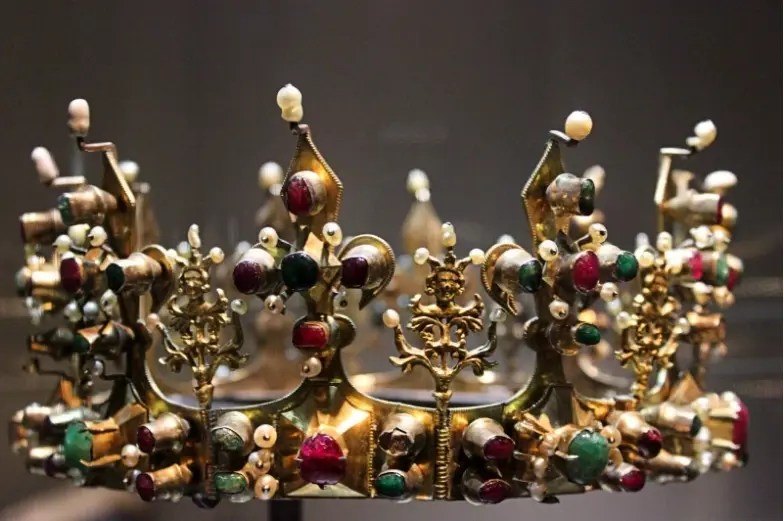
🌅 Evening Exploration: Once you’re settled, dive into Barrio Bellavista. This is Santiago’s bohemian heart. Grab a chorrillana (a mountain of fries topped with steak, onions, and a fried egg—share it, trust me) at a local picada. As dusk falls, walk along the colorful, graffiti-covered streets. The energy here is contagious.

A plate of chorrillana, a traditional Chilean dish, featuring fries topped with savory beef, onions, and fried eggs.
Enjoy the mouthwatering chorrillana, a beloved Chilean dish featuring fries topped with steak, onions, and fried eggs—a perfect local treat in Santiago. The Ultimate Shareable Feast: Don’t even think about ordering this for yourself! This is a chorrillana, Chile’s legendary answer to late-night hunger. A mountain of crispy fries is piled high with juicy steak, caramelized onions, and crowned with perfectly runny fried eggs. It’s the perfect, gloriously messy dish to share with friends after a night out. Pro Tip: Dig in fast while the egg yolks are still warm!

Colorful street art adorning the exterior of a building in Santiago, Chile, with lush plant motifs and a vibrant urban atmosphere.
Vibrant street art graces the colorful buildings of Santiago, showcasing the city’s artistic spirit.

Saturday: City Peaks & Market Feasts

Morning: Choose Your Own Adventure

  • For the Active Soul: Hike up Cerro San Cristóbal. You can walk, or take the funicular from the Bellavista entrance. The reward at the top? A stunning 360-degree view of Santiago sprawled beneath the mighty Andes, with the serene statue of the Virgin Mary watching over it all. Pro Tip: Go early to avoid the crowds and the midday heat.
  • For the Culture Vulture: Head to Museo Chileno de Arte Precolombino. This museum is a world-class gem, showcasing the incredible artistic heritage of ancient Latin America. It’s beautifully curated and a fantastic way to understand the continent’s deep history.
Two colorful gondolas on a cable car line with a view of Santiago, Chile, and the snow-capped Andes mountains in the background.
Cable cars overlooking Santiago with the Andes mountains in the background, offering stunning views of the city.

Afternoon: A Feast for the Senses
No trip to Santiago is complete without getting delightfully overwhelmed at Mercado Central (for seafood) and La Vega Central (for everything else). The hustle, the scents, the shouts of vendors—it’s a symphony of local life. For lunch, pull up a stool at a counter in Mercado Central and order a plate of machas a la parmesana (razor clams with parmesan cheese). You can thank me later.

Wooden totem sculptures displayed in a modern art gallery, showcasing intricate carvings and various colors of wood.
Wooden sculptures depicting traditional art forms in Santiago’s museum, showcasing the rich cultural heritage of Chile.

Evening: A Sunset to Remember
Take the metro to the Plaza de Armas and wander through the historic center. Then, make your way to Sky Costanera, the tallest building in Latin America. I was skeptical—I usually avoid super touristy spots—but watching the sun set from the open-air top floor, painting the Andes in shades of pink and orange, was worth every penny. It’s a perspective of the city you simply can’t get anywhere else.

Reaching for the Sky: The Gran Torre Santiago & Sky Costanera

Alright, let’s clear up a common point of confusion that I had myself before my first visit. You’ll hear two names for this iconic spot:

  • Gran Torre Santiago: This is the name of the actual skyscraper. It’s the towering glass behemoth itself, part of the Costanera Center complex. It holds the title of the tallest building in Latin America.
  • Sky Costanera: This is the name of the experience—the magnificent observatory and viewing deck on the 61st and 62nd floors. This is what you’re buying a ticket for.

So, you go to the Gran Torre Santiago to visit Sky Costanera. Think of it like going to the Empire State Building to visit its observatory.

My Take: Is It Worth It?

I’ll be honest, I’m often skeptical of these super-touristy viewpoints. They can be expensive and crowded. But I have to admit, Sky Costanera is an exception. The 360-degree view of Santiago is absolutely unparalleled.

Here’s the view that sold me: On one side, you have the endless, sprawling city. On the other, the mighty, snow-capped Andes mountains seem close enough to touch. It’s the only place where you can truly grasp the epic scale and dramatic setting of Santiago. Watching the sunset from up there is a genuine “pinch me” moment.

Savvy Traveler Tips for Your Visit:

  • Beat the Crowds: Go right when it opens (10:00 AM) on a weekday for the quietest experience. Alternatively, book your ticket online in advance for a specific timeslot to avoid long queues.
  • Sunset Strategy: Sunset is the most popular (and crowded) time. If you go then, book ahead and be prepared for company. The light is magical, but for a more peaceful experience, a day-time visit offers crystal-clear views of the Andes.
  • Weather Check: Before you buy a ticket, do a quick sky check. If it’s a cloudy or smoggy day (pronóstico de smog), the views will be completely obscured, and it’s not worth the price.
  • Combo Deal: Your ticket gives you access to both the 61st and 62nd floors. The 62nd is open-air with glass barriers, which is fantastic for photography without reflections.

In short: Yes, it’s touristy. But the perspective it offers is a foundational part of understanding Santiago’s geography. It’s a splurge that, on a clear day, pays off in unforgettable memories.


Historic buildings with intricate architecture in the center of Santiago, Chile, featuring a clear blue sky and pedestrians crossing the street.
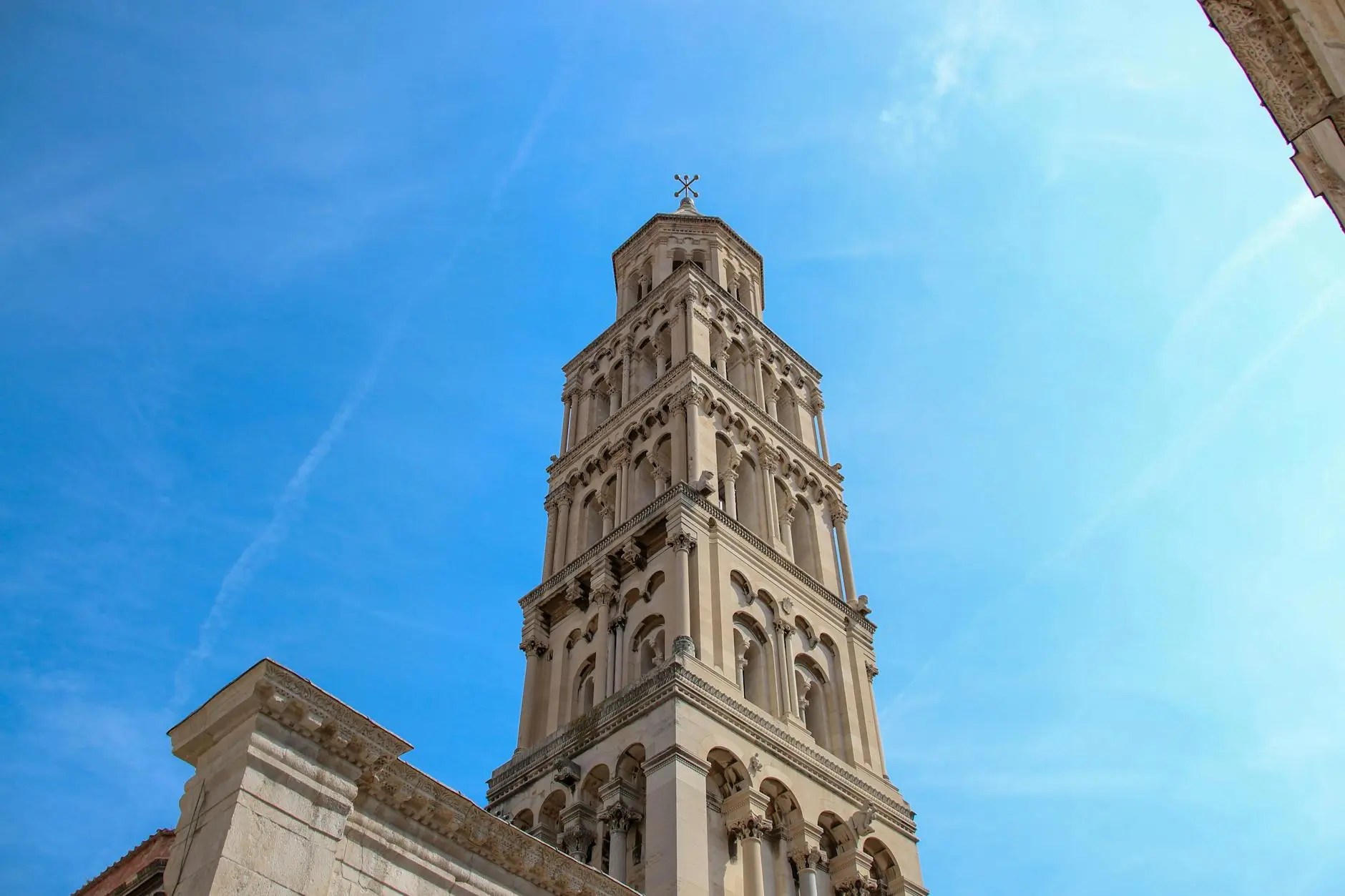
A vibrant view of historic architecture in downtown Santiago, Chile, showcasing the city’s rich cultural heritage.
Baked razor clams topped with melted cheese in a decorative dish, garnished with fresh herbs
Delicious _machas a la parmesana_ served in elegant shells, a must-try dish at Mercado Central in Santiago. Your First Bite Should Be This: Behold, the glorious machas a la parmesana! This is the quintessential starter at Santiago’s Mercado Central. Imagine tender razor clams, bathed in butter and garlic, topped with bubbling parmesan cheese, all served in their beautiful natural shell. It’s the perfect, briny, cheesy introduction to Chilean coastal cuisine.

A bustling plaza in Santiago, Chile, featuring palm trees, a fountain, and historic buildings. People are gathered around enjoying the lively atmosphere.
The stunning architecture of a historic church in Santiago’s central square, showcasing the city’s rich cultural heritage. The heart of Santiago: Plaza de Armas, featuring the Metropolitan Cathedral and historic surrounding buildings. A central meeting point rich in Chilean history and daily life.
Panoramic view of Santiago, Chile, featuring the Gran Torre Santiago skyscraper against a backdrop of the Andes mountains under a clear blue sky.
The towering Gran Torre Santiago stands out against the backdrop of the Andes mountains in Santiago, Chile.

Sunday: Wine, Art, or Heights

Your final day deserves something special.

  • Option 1: The Connoisseur’s Choice. Take a tour to the Concha y Toro winery in the Pirque region. It’s easily accessible from the city, and walking through the vineyards and tasting their famous Casillero del Diablo wine is a perfect Chilean experience. Booking this tour in advance online often saves you money and guarantees a spot.
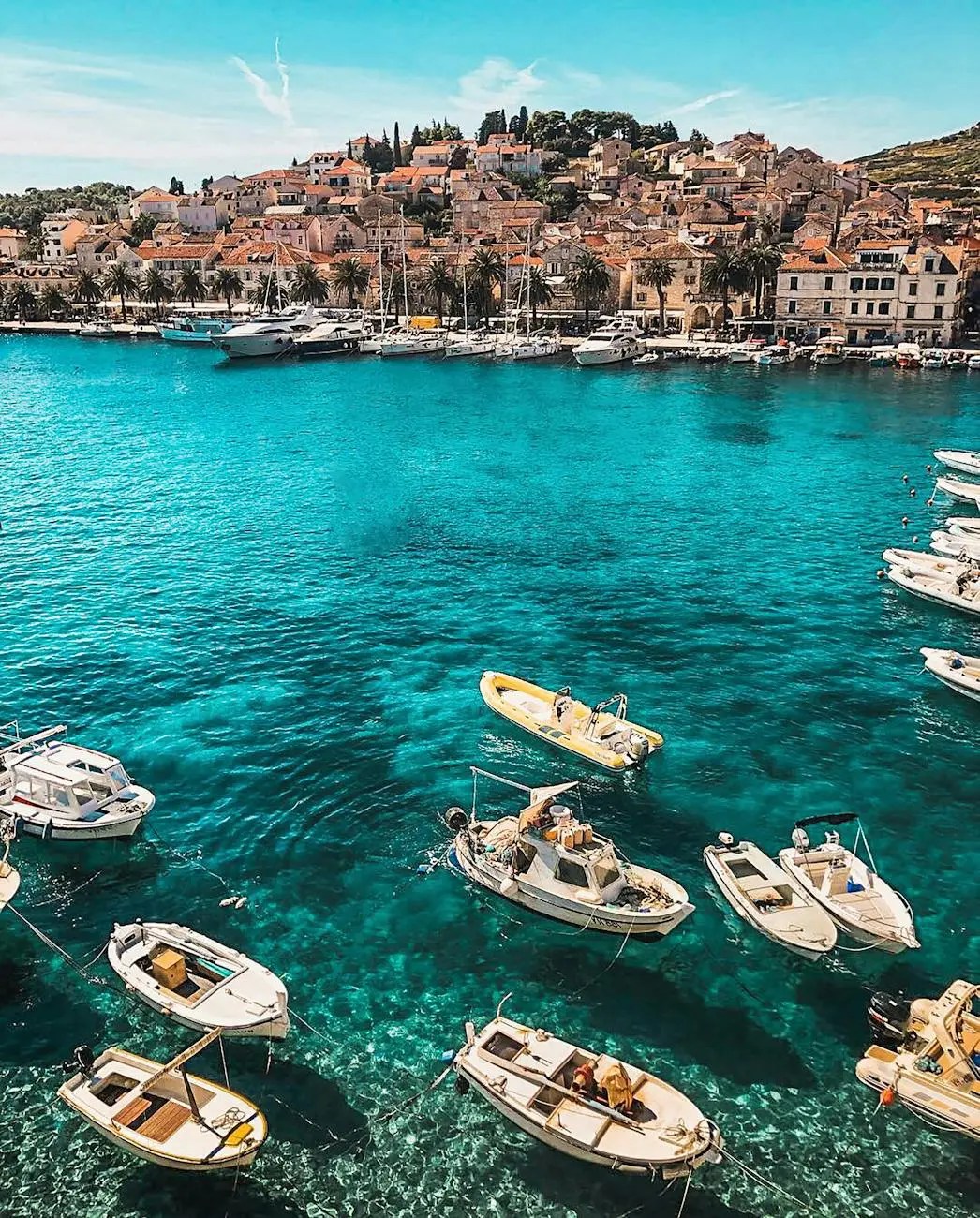
  • Option 2: The Artsy Escape. Explore the Museo a Cielo Abierto in San Miguel—an “open-air museum” of massive murals painted on apartment buildings. It’s a vibrant, community-driven art project that’s completely free.
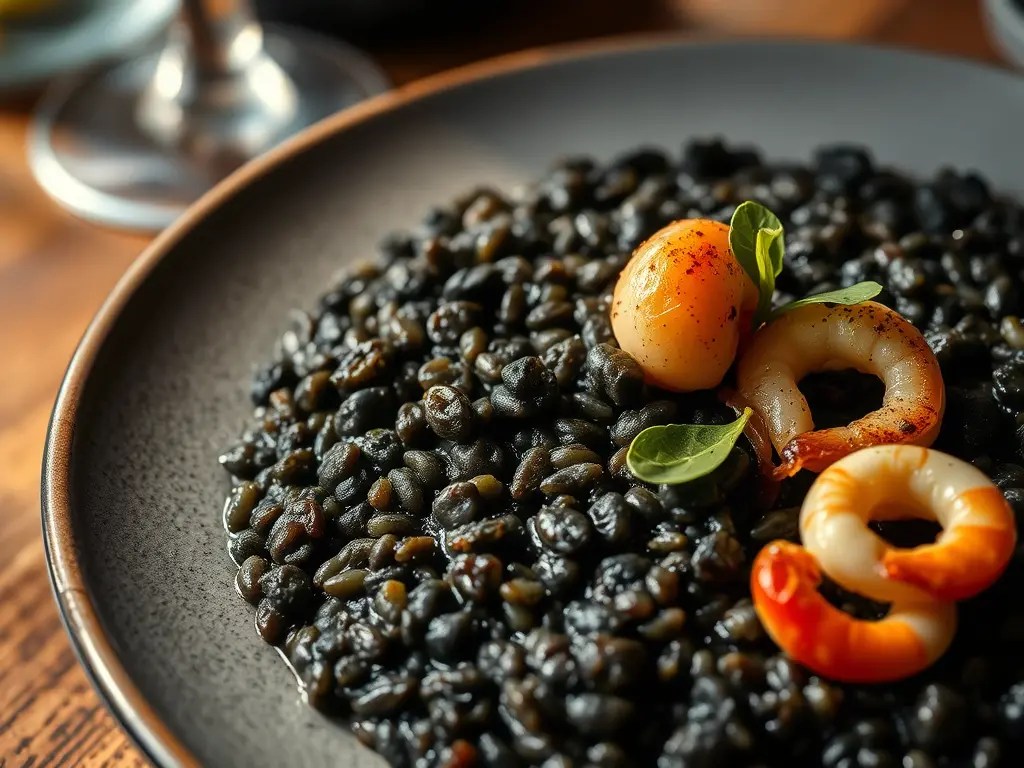
  • Option 3: The Mountain Getaway. If you have a bit more time and energy, consider a day trip to Valparaíso, the colorful port city. While it’s a 90-minute bus ride, the chaotic charm of its hillside ascensores (funiculars) and street art is unforgettable. For more on coastal Chile, check out my guide to Exploring Chile’s Coastline.
Entrance to the Concha y Toro vineyard in Chile, featuring a pathway lined with grapevines and a historic building in the background against a clear sky and mountains.
Visitors explore the scenic Concha y Toro winery, surrounded by lush vineyards and the majestic Andes mountains. Stepping into a Chilean Legend: The iconic entrance of Viña Concha y Toro, one of the world’s most famous wineries. Fun fact: “Concha y Toro” means “Shell and Bull,” a name that comes from the founder’s family coat of arms. This is where your journey into Chilean wine begins!
A bottle of Casillero del Diablo Pinot Grigio from Chile, 2024 vintage, displayed next to a glass filled with the white wine on a wooden surface.
Enjoying a glass of Casillero del Diablo Pinot Grigio, a renowned Chilean wine from Concha y Toro. The Devil’s Own White: This is the Casillero del Diablo Reserva Pinot Grigio – my go-to for a crisp, refreshing white. With its notes of citrus and green apple, it’s the perfect bottle to enjoy on a warm Santiago afternoon or to bring back as a delicious (and affordable) souvenir.
A group of four people standing in front of vibrant murals on two tall buildings in San Miguel, Chile, surrounded by palm trees and urban scenery.
Explore the vibrant street art in San Miguel, showcasing stunning murals and local culture. Art for Everyone: A burst of color in the San Miguel neighborhood! This is the Museo a Cielo Abierto, a true “open-air museum” where the walls of apartment blocks are the canvases. It’s a free, walkable gallery showcasing some of Santiago’s most impressive urban art, created to transform the community.
A scenic view of the colorful hillside houses in Valparaíso, Chile, with a funicular railway descending towards the ocean and port in the background. The scene is illuminated by warm sunset light.
A stunning view of Valparaíso’s colorful hillside neighborhoods and bustling coastline at sunset. The Jewel of the Pacific: Just a 90-minute bus ride from Santiago lies Valparaíso, a city that feels like a different world. This is the view that greets you—a chaotic, beautiful cascade of colorful casas tumbling down the hillsides towards the sea. It’s a place of poets, pirates, and unparalleled charm.

Santiago’s Hidden Gems: Beyond the Guidebook

  • Café con Piernas: Want a truly local, slightly quirky experience? Pop into a “Café con Piernas” (Coffee with Legs). These are stand-up espresso bars, often in dark, club-like rooms, staffed by waitresses in short dresses. It’s a unique Santiago tradition—just order your coffee, drink it quickly, and move on with a story to tell.
  • Baha’i Temple: Located on the outskirts of the city, this lotus flower-shaped temple is a sanctuary of breathtaking peace and architecture. The views and the silence are profoundly moving.
  • Patio Bellavista: While not exactly hidden, this courtyard within Bellavista is perfect for an evening pisco sour. It’s less chaotic than the main streets and has a great selection of restaurants and bars.
This photograph showcases the breathtaking Bahá'í Temple of South America, an architectural marvel nestled in the foothills of the Andes near Santiago, Chile. Designed by architect Siamak Hariri, the temple is composed of nine immense, independently engineered wings made of cast glass and translucent Portuguese marble. This allows the interior to be bathed in a soft, ethereal light during the day, while the structure appears to emit a gentle glow at night. As one of only nine continental Bahá'í Houses of Worship in the world, it welcomes people of all faiths and backgrounds for personal meditation and prayer, representing a powerful symbol of unity and a must-visit site for its serene beauty and innovative design.
The Baha’i Temple in Santiago, Chile, showcasing its unique lotus flower-inspired architecture. The Bahá’í Temple of South America isn’t just a building; it’s an experience. Its nine graceful “petals,” crafted from translucent marble, seem to glow from within. The profound silence inside, broken only by birdsong, is as breathtaking as the Andean backdrop. It’s a place for quiet reflection, regardless of your faith.

The Savvy Traveler’s Toolkit: Logistics Made Easy

🗣️ Speak Like a Local (A Little Bit):

  • Hola (OH-lah) – Hello
  • Por favor (por fah-VOR) – Please
  • Gracias (GRAH-syahs) – Thank you
  • La cuenta (lah KWEHN-tah) – The bill
  • Carrete (kah-REH-teh) – Party (Chileans love a good carrete)
  • Permiso = Excuse me

💰 Money-Saving Tips:

  • Transport: Get a BIP! card at any metro station. It works on the metro and buses, and fares are significantly cheaper than single tickets.
  • Food: Lunch is the main meal in Chile. Look for “menú del día” for a fixed-price, multi-course meal that’s a fraction of dinner prices.
  • Water: The tap water in Santiago is safe to drink. Carry a reusable bottle!

🌐 Staying Connected & Secure:
Letting your mobile carrier rob you with roaming fees is so 2010. On my last trip, I used Drimsim, a global SIM that works in over 190 countries. Pop it in, top up via the app, and you’re online the moment you land. No more frantic airport SIM hunts!

And while we’re on tech, public Wi-Fi is a blessing and a curse. To keep my bookings and photos safe, I never travel without my NordVPN. It’s a digital seatbelt for your internet connection.

✈️ Travel Smart, Travel Insured:
A weekend trip can still go sideways. I never leave home without travel insurance from VisitorsCoverage. It’s a platform where you can compare plans and find one that fits your specific trip. It’s the peace of mind that lets you truly relax.

Speaking of things going sideways…

✈️ Flight Delayed or Canceled?
Don’t just sit there fuming! You might be entitled to up to $650 in compensation. Most people have no idea, but I’ve used AirHelp to successfully claim money back. They handle all the annoying paperwork and only get paid if you win. It’s a no-brainer.

📸 Capture the Magic:
The light in Chile, with the clear Andean air, is a photographer’s dream. I captured all the photos for this blog with my trusty Sony Alpha . It’s a workhorse that’s perfect for both sweeping landscapes and intimate street shots.

🧴 Look Fresh After a Long Flight:
That long flight can do a number on your skin. My secret weapon? Lakinza K-beauty products. Their serums and masks are a hydration miracle. Use code Lalax10 at checkout for a sweet discount on your glow-up.

Your Santiago Weekend FAQ

Do I need a visa for Chile?
It depends on your nationality! Citizens of the US, Canada, UK, and Australia currently do not need a visa for tourist stays of up to 90 days. Always double-check with official government sources before you travel, as policies can change.

What’s the best way to get around Santiago?
The Metro is your best friend—it’s clean, efficient, and extensive. For places it doesn’t go, the microbuses (local buses) are easy to use with a BIP! card. I’d avoid renting a car for a weekend trip; city traffic can be hectic.

Is Santiago a safe city for tourists?
Like any major city, be smart. Be aware of your surroundings in crowded areas like markets and on the Metro. Don’t flash expensive jewelry or phones. Stick to well-lit areas at night, and use Uber or registered taxis after dark. I’ve always felt safe by following these basic rules.

What’s one thing I absolutely shouldn’t miss?
The view from the top of Cerro San Cristóbal at sunset. It encapsulates the entire Santiago experience in one breathtaking panorama.

What’s the local currency?
A: Chilean Peso (CLP). Use ATMs instead of airport exchange booths for better rates.

Can I drink tap water?
A: Yes — it’s safe, but bottled water is widely available if you prefer.

Any vegetarian options?
A: Absolutely! Santiago’s food scene caters to all diets — try “Empanadas de Queso” or “Porotos Granados.”

Ready to Pack Your Bags?

Santiago is waiting to surprise you. With this plan, you’re not just visiting; you’re experiencing the city like a seasoned traveler. Now go enjoy your wine, your views, and your well-earned escape.

What’s your favorite South American city escape? Share your tips in the comments (and for more travel inspiration, don’t forget to check out the full Travel Master List!)

🌅 10. Final Thoughts & Call to Adventure

A weekend in Santiago, Chile feels like three trips in one — mountain views, city lights, and vineyard afternoons. Whether you’re hiking the Andes or sipping a Carménère under a terrace umbrella, the city delivers magic in every corner.

So, what are you waiting for?
👉 Plan your Santiago weekend now on Expedia — flexible stays, best prices, and no stress.

https://www.facebook.com/reel/1331715854801516

https://www.threads.com/@laxmi.umesh.hegde/post/DRK2akNDLJw?xmt=AQF0gK4qSHxpaaum4ye4CEE-bqNGDbUT0hLPYWzLKue5HA


Universal Disclaimer/Disclosure Page:

Santiago’s Plaza de Armas: Why This Historic Heart is Your First Stop (Cluster Page)

📝 Meta Description

Discover the heart of Santiago, Chile! This guide to the Plaza de Armas covers its colonial history, must-see architecture, practical visitor tips (including how to get there and safety advice), and the best times to visit this vibrant cultural hub.

“Every time I step into the Plaza de Armas, I feel the layers of Santiago’s history under my feet. From Spanish conquistadors to modern-day street artists, this square has seen it all. Here’s why it’s the unmissable starting point for any visit.”

A vibrant, high-angle view of the Plaza de Armas in Santiago, Chile, featuring a central bronze fountain surrounded by people. On the left is the neoclassical Metropolitan Cathedral, and on the right is the historic central post office and the yellow facade of the National History Museum. Tall palm trees line the square, and the sunlight highlights the colonial architecture
The heart of Santiago: Plaza de Armas, featuring the Metropolitan Cathedral and historic surrounding buildings. A central meeting point rich in Chilean history and daily life.

🏛️ The Soul of the City: A History of the Plaza de Armas

The Plaza de Armas is the historic heart and “Kilometer Zero” of Santiago, the point from which all distances in Chile are traditionally measured. Foundation (1541): It was established by the Spanish conquistador Pedro de Valdivia as the center of the newly founded city of Santiago. Following the standard Spanish colonial grid plan, it was initially a military training ground and a defensive space—hence the name, which literally means “Weapons Square.” Colonial Center: The most important colonial buildings were immediately erected around it, symbolizing Spanish power and order: the Metropolitan Cathedral (church), the Governor’s Residence (now the Central Post Office), the Royal Court Palace (now the National History Museum), and the City Council (now the Santiago Municipality). Evolution: Throughout the colonial era, the square served as the central marketplace, social hub, and stage for public events, including religious processions, festivals, and even bullfights. Modernization: In the mid-19th century, it was significantly modernized, replacing the dusty esplanade with gardens, fountains, and the iconic palm trees, transforming it into a beautiful European-style promenade. Continuing Role: Today, it remains a bustling, vibrant, and sometimes chaotic center of social, cultural, and political life, still surrounded by the original, historic government and religious institutions.

🗺️ Practical Visitor Tips for the Plaza de Armas

Here are some essential tips to help you make the most of your visit to Santiago’s historic main square:

Tip CategoryDetail
How to Get ThereTake the Santiago Metro to the Plaza de Armas station (Line 5 or Line 3). The square is virtually right above the station, meaning it’s just a 5-minute walk to emerge into the heart of the action.
Best Time to VisitMornings (9:00 AM – 11:00 AM) are cooler and less crowded, perfect for photography and admiring the architecture. Evenings (5:00 PM – 8:00 PM) are vibrant with locals, street performers, and artists, offering a great glimpse into the city’s pulse.
Money-Saving TipIt’s a public square! Enjoying the grand colonial atmosphere, resting on a bench, and people-watching the chess players and artists is completely free. The surrounding museums often have very low or free entry days, too.
A Word on SafetyAs the city’s busiest and most central square, it attracts large crowds. Keep a close eye on your belongings (bags, phones, cameras) and be aware of your surroundings, especially during peak hours.

The Chess Masters

I remember sitting on one of the benches near the fountain late one afternoon. I was trying to figure out which direction to head next when I noticed a small, intense crowd gathered under the palm trees. They were watching a silent battle: a group of older gentlemen playing speed chess on makeshift tables. The way they slammed the pieces down after a move, the sharp focus in their eyes, and the quiet camaraderie among the spectators perfectly captured the daily, vibrant pulse of the Plaza—a beautiful mix of history, routine, and life.

https://confidencebuildings.com/?p=9517

Domates Keftedes: Your Guide to Santorini’s Crispy Tomato Fritters . Cluster post

"A close-up of golden-brown Domates Keftedes, traditional Santorini tomato fritters, served on a plate at a seaside taverna."
Deliciously crispy Domates Keftedes, a Santorini specialty, perfect for a seaside meal. “The ultimate Santorini snack: Domates Keftedes! These crispy-on-the-outside, fluffy-on-the-inside tomato fritters are a must-order at any seaside taverna. Pro tip: squeeze some fresh lemon on top!”

You’re sitting at a seaside taverna in Santorini. The Aegean sun is warm on your skin, the water is impossibly blue, and a plate arrives at your table. It’s piled high with golden, crispy, irregularly-shaped patties that smell intensely of sun-drenched tomatoes and fresh mint. You’ve just met Domates Keftedes, and your idea of a fritter will never be the same.

Move over, french fries. These tomato fritters are the true star of Santorini’s meze scene. I’ll never forget the first time I ordered them on a whim, thinking they’d be a simple side dish. One bite in, and I was ready to cancel my main course and order a second plate. They are that good.

So, What Exactly Are Domates Keftedes?

Let’s clear something up: these are not a dense, bread-like patty. Authentic Domates Keftedes are surprisingly delicate. They’re a savory fritter made from the star ingredient of the island: Santorini’s legendary cherry tomatoes.

The batter is a simple, glorious mix of grated tomatoes, a little flour or breadcrumbs for binding, and a heavy hand of fresh herbs like mint and oregano. The magic is in the tomatoes themselves—because of the island’s volcanic soil and minimal water, they are incredibly sweet and flavorful, which means the fritters need very else.

The result? A crispy, lacy exterior that gives way to a soft, almost juicy interior bursting with herby, tomatoey goodness.

Why Santorini’s Tomatoes Make All the Difference

You can’t talk about Domates Keftedes without geeking out over the tomatoes. This isn’t just marketing fluff. Santorini’s cherry tomatoes have a Protected Designation of Origin (PDO) status, just like its famous Fava.

The island’s unique ecosystem—volcanic pumice soil, intense sun, and almost no rainfall—forces the tomato vines to dig deep for water. This struggle for survival concentrates the sugars and flavors within the fruit, creating a tomato with a thick skin and an explosively sweet, intense taste you won’t find anywhere else. It’s this super-tomato that gives Domates Keftedes their unique, can’t-stop-eating-them quality.

Looking for another iconic Santorini taste? Dive into the story of its other PDO superstar in my guide to Santorini Fava: A Culinary Treasure you must try Pillar post

Where to Find the Best Domates Keftedes in Santorini

While you can find them on many menus, the best versions are often found away from the caldera-view tourist traps. Here’s where to hunt them down:

  • In the Villages: Head to the traditional villages of Pyrgos, Megalochori, or Emporio. The family-run tavernas here often make them fresh to order.
  • By the Beach: Enjoying a plate of these fritters with a cold Assyrtiko wine at a beachfront taverna in Kamari or Perissa is a perfect Greek moment.
  • My Personal Favorite Find: The most memorable Domates Keftedes I’ve ever had were at a tiny, nameless-seeming taverna in Pyrgos, tucked away from the main square. They were served piping hot, with a generous lemon wedge, and were so good we literally licked the plate clean. Don’t be afraid to explore the side streets!

Can You Make Domates Keftedes at Home?

Yes! While they might not have the exact terroir of the PDO tomatoes, you can make an absolutely delicious version at home.

Pro Tip from a Taverna Owner: The secret is to remove as much moisture from the tomatoes as possible. Grate your tomatoes and then squeeze the pulp in a cheesecloth or strainer to get rid of the excess water. This is the key to a crispy, not soggy, fritter.

Simple Recipe:

  1. Grate 4-5 ripe tomatoes and squeeze out the juice (save it for a soup!).
  2. Mix the tomato pulp with 1 chopped red onion, a handful of chopped fresh mint, a handful of chopped parsley, 1 tsp dried oregano, salt, and pepper.
  3. Gradually add about 1/2 cup of all-purpose flour or breadcrumbs until the mixture holds together but is still wet.
  4. Heat a generous amount of olive oil in a pan. Drop heaping tablespoons of the mixture and flatten slightly.
  5. Fry for 2-3 minutes per side until deeply golden and crispy.
  6. Drain on paper towels and serve immediately with lemon wedges. Yamas! (That’s “cheers”!)

Your Domates Keftedes FAQ

Are Domates Keftedes vegan?
Often, yes! The traditional recipe is usually just tomatoes, onions, herbs, and flour. However, some versions might include an egg for binding, so it’s always best to ask if you have dietary restrictions.

Are they gluten-free?
Not traditionally, as they use wheat flour. However, many tavernas are happy to make them with gluten-free flour if you ask politely.

What’s the difference between Domates Keftedes and other fritters?
Their uniqueness comes from the specific tomatoes and the herb profile (heavy on the mint). They are lighter and more vegetable-forward than, say, a falafel or a potato croquette.

Ready to taste the crispy, sun-drenched flavor of Santorini?
These fritters are more than just food; they’re a direct taste of the island’s volcanic soul. So, find a seaside table, order a plate, and savor the crunch.

“You’ve got your creamy fava, a glass of Assyrtiko, and a view of the caldera—what’s missing? The perfect crispy counterpart to that smooth dip: Domates Keftedes. These aren’t your average fritters; they’re a celebration of Santorini’s sun-drenched, volcanic tomatoes, fried to golden perfection. I was so obsessed I had to write an entire guide on how to find the best ones and even make them at home. Dive deeper into this must-travel and explore Santorini. city for more.

Check this out

Your Perfect Santorini Weekend Guide

Meta Description: Dreaming of a sun-drenched Greek island escape? Our ultimate weekend guide to Santorini has you covered. Get insider tips on the Athens to Santorini ferry, where to find the best food beyond the tourist traps, hidden gems, and how to navigate the island like a pro. Plan your perfect Aegean adventure and save time & money!

Picture this: sugar-cube houses tumbling down a dramatic cliffside, all painted in the blinding white and brilliant blue of the Greek flag. Below, the deep caldera waters shimmer, and the world-famous sunset is about to put on a show that makes every single person on the island stop and stare. This is Santorini, and believe it or not, you can conquer its magic in a single, glorious weekend.

I’m here to be your guide, your cheerleader, and your inside source for pulling off the perfect Santorini sprint. We’re talking ferry hacks, foodie secrets, and how to find those quiet corners that make you feel like you’ve discovered the island for yourself. Forget the stress, I’ve done the legwork (and made the mistakes) so you don’t have to

Let’s be honest, you’ve seen the photos. The blinding white stucco, the deep blue domes, the impossible sunsets that look airbrushed. You’re probably thinking: Is it really that good? Is it worth the hype, and more importantly, is it worth the tourist crowds?

The short answer is yes.

But I’ll tell you a secret: the magic of Santorini isn’t just in Oia’s famous view. It’s in the salty, volcanic air, the surprisingly earthy white wine, and the feeling you get when you realize you’re standing on the rim of a sleeping volcano.

My first trip? I almost skipped it for a ‘less touristy’ island. Big mistake. I flew in, stressed and rushing. This time, I’ve refined the perfect, relaxed weekend escape—starting with the journey itself. A little planning can transform your trip from a frantic dash to a soulful, budget-friendly escape.

Table of Contents

  1. Why Santorini Still Steals the Show
  2. Getting There by Ferry (The Scenic Route)
  3. The Ultimate 3-Day Itinerary: Food & Fun
  4. Local Logistics & Saving Euros (Bus, Car, & Maps)
  5. Santorini’s Hidden Gems (Skip the Crowds!)
  6. The Savvy Traveler’s Toolkit (Tech & Insurance)
  7. FAQ: Everything Else You Need to Know
  8. Ready to Book Your Escape? (Strong CTA)

Getting There by Ferry: Your Aegean Gateway 

Flying directly into Santorini’s JTR airport is an option, but for the full Aegean experience, the ferry is where the adventure truly begins. The journey from Athens (specifically from the port of Piraeus) is a classic for a reason.

Flights to Santorini

I’ll never forget my first time on that deck, the salty wind in my hair as we sliced through impossibly blue water, watching islands rise from the sea like mythical beasts. It’s a moving postcard.

The Nitty-Gritty:

  • Route: Athens (Piraeus) ➔ Santorini (Athinios Port)
  • Duration: This depends on the vessel. High-speed ferries take about 4-5 hours, while standard ones can take 7-9. For a weekend trip, the high-speed is worth the extra euros to maximize your time.
  • Booking: The easiest way to compare schedules and prices from all the different ferry companies is to use a site like Direct Ferries. It’s my one-stop shop for all Greek island hopping. You can check schedules and book your tickets for the Athens to Santorini route here.
  • Pro Tip: Book in advance, especially for weekend travel in peak season (June-August). And always confirm your departure port is Piraeus, not the smaller Rafina port, unless you know otherwise!

Island Navigation: Buses, ATVs, and Donkeys? Oh My! 

Santorini is small, but the cliffs make distances deceptive. Here’s the lowdown on getting around. Santorini’s logistics can be stressful, but they don’t have to be. Here is your confident traveler guide to getting around, saving time, and saving money.

  • Public Bus (KTEL): This is your wallet’s best friend. The bus network is reliable and connects all the major towns like Fira, Oia, Kamari, and Perissa. The central bus station is in Fira. It’s cheap, but can get crowded—be prepared to stand.
  • Cost: Tickets typically cost between €1.60 and €2.30 per ride.
  • The Hub: All routes run through the main station in Fira. This means if you want to go from Oia to Perissa, you must transfer in Fira.
  • Time-Saving Tip: Check the schedule ahead of time, but be prepared for minor delays, especially during peak season. Get to the station 15 minutes before departure to guarantee a seat.
  • ATV / Quad Bike: This is how I did it, and it’s an absolute blast. Zipping around on an ATV gives you the ultimate freedom to explore hidden beaches and stop at viewpoints on a whim. It’s my top recommendation for a couple or a solo adventurer. You can often find great deals to book your ride in advance on Expedia.
  • Rental Car: Ideal for groups or families who want to cover a lot of ground in air-conditioned comfort. Money-Saving Tip: Book your car well ahead of time on a site like Expedia to compare prices and avoid the last-minute airport markup.
  • Donkeys: A word of caution. The famous donkey rides up the Fira and Oia steps are often controversial due to animal welfare concerns. The path can also be, well, fragrant. I’d recommend taking the cable car in Fira or simply enjoying the view of the donkeys from afar.

Driving & Road Maps

  • Gas/Time Saver: The island is small, but the roads are often narrow and winding. Use an offline map to check for shortcuts between the main roads, and try to avoid driving into Oia right before sunset, as traffic can completely halt. If you’re staying in Oia, choose accommodation outside the central pedestrian zone to save yourself a massive headache

The Ultimate 3-Day Itinerary: Food & Fun

Day 1: Arrival, Fira, and the Hidden View

Morning: Arrive at Athinios port. Take the public bus (see logistics section) up the winding road to Fira. Check into your hotel or  Arrive via ferry at Athinios Port, pick up your pre-booked ATV or rental car, and head to your accommodation. I recommend staying in Imerovigli for stunning views that are a bit more peaceful than Fira.

Hotels in Imerovigli

Afternoon: Lunch in Fira. Skip the tourist traps by eating where the locals do—look for a little taverna set back from the caldera edge. Try fava (a delicious yellow split-pea purée) and a glass of crisp Assyrtiko wine.

Evening: Head to the village of Firostefani. It’s just a 10-minute walk north of Fira and offers a fantastic, quieter caldera view. This is where I snapped one of my favorite photos of the trip—the light is divine, and you’ll avoid the Oia chaos. If you’re like me and want to capture every bit of that light, make sure you’ve got the right gear. I swear by My Go-To Travel Camera; it makes capturing those low-light sunsets a breeze.

A panoramic view of Santorini featuring whitewashed buildings on a cliffside overlooking the Aegean Sea, with a mountainous backdrop under a clear sky.
A stunning view of Santorini, showcasing the iconic white buildings perched on dramatic cliffs overlooking the Aegean Sea. “The beautiful white-domed Church of Saint Stylianos in Fira, proving that you don’t need a blue roof to have a perfect Santorini moment against the iconic caldera backdrop.”

Day 2: Oia, Beaches, and a Red Sea Secret

Morning: Head to Oia early, and I mean early (before 9 am). Wander the empty streets, get your iconic photos, and enjoy the silence before the cruise ship crowds descend.

Afternoon: Time for a volcanic beach! Take the bus or drive down to the Perissa (Black Sand Beach) for a swim and a relaxing break.

Evening: Hidden Gem Alert! Forget the Oia sunset (or save it for a different trip). Instead, drive or bus to the Lighthouse of Akrotiri. It offers a completely different, rugged, and less-crowded view of the sun sinking into the Aegean. Afterward, grab dinner in the quiet, medieval village of Pyrgos, one of Santorini’s highest points.

A view of a white dome building in Santorini, Greece, with a blue sky and the Aegean Sea in the background, featuring white pebbles in the foreground.
Stunning view of a traditional Greek church with a bright white façade and blue accents, overlooking the serene Aegean Sea in Santorini. “This stunning white Orthodox church in Oia captures the essence of Santorini, offering a peaceful moment away from the crowds with breathtaking caldera views.”
View of a picturesque coastal area in Santorini with restaurants along the shoreline, surrounded by rocky cliffs and boats floating in the clear water under a bright blue sky.
A picturesque view of a Santorini waterfront with colorful boats anchored against a stunning rocky backdrop, capturing the essence of Aegean beauty. “The colorful chaos of Amoudi Bay, a picturesque fishing port tucked beneath the cliffs of Oia. It’s famous for its fresh seafood tavernas and thrilling cliff-jumping spots—a must-visit for adventurers and foodies alike!”
Aerial view of a lighthouse situated on a rocky cliff overlooking a calm blue sea, surrounded by rugged terrain.
A scenic view of the Akrotiri Lighthouse perched on a cliff in Santorini, overlooking the deep blue Aegean Sea. “Escape the crowds! The historic Akrotiri Lighthouse, built in 1892, offers one of the most spectacular and peaceful sunset vistas on the entire island of Santorini.”
Narrow alleyway with traditional white buildings and a blue door in Santorini, Greece, featuring stone steps and a serene atmosphere.
Charming narrow streets of Santorini, showcasing traditional architecture and vibrant blue doors. “Getting lost in the labyrinthine alleyways of Pyrgos Village—Santorini’s highest settlement—is the best way to discover its quiet, authentic charm away from the crowds.”

Day 3: Volcanic Hike and Final Feast

Morning: Embark on the famous Fira to Oia hiking trail (or just the Fira to Imerovigli section). This 3-hour hike is demanding but offers unparalleled caldera views. Best Time to Visit Tip: Hike this in the early morning (before 9 am) or late afternoon (after 4 pm) in summer months to avoid the scorching midday sun.

Afternoon: Reward yourself with a wine tasting at a vineyard like Santo Wines or Venetsanos Winery. Santorini’s unique soil produces excellent, dry wine.

Evening: Enjoy a final, unforgettable meal. Don’t miss the opportunity to try the famous Santorinian cherry tomatoes—they taste like candy!

A picturesque hillside approach to a small church with a pink and white facade, situated on a rocky terrain beneath a clear blue sky.
A secluded church on a rocky hillside in Santorini, surrounded by lush vegetation and clear blue skies. “A welcome sight for weary hikers: the Assumption of the Virgin Mary Holy Chapel offers a moment of shade and stunning panoramic rewards on the challenging Fira to Oia trail.”

A scenic view of a restaurant terrace in Santorini, featuring white furniture, plants, and a magnificent backdrop of the Aegean Sea and distant islands under a clear blue sky.
A stunning view from a Santorini restaurant, showcasing the picturesque Aegean Sea and nearby islands. “Sipping with a view at SantoWines! This massive cooperative winery offers one of the most famous caldera panoramas in Santorini, perfect for a sunset wine flight. 🍷”

A stunning sunset view over the Aegean Sea, showcasing the dramatic cliffs of Santorini, Greece, with white-washed buildings in the foreground and the sun dipping below the horizon.
Breathtaking sunset view over the caldera in Santorini, with diners enjoying the picturesque landscape. “The tasting room with a view! This is the spectacular panorama from Venetsanos Winery, perched on the caldera cliffs in Megalochori. The perfect pairing for a glass of Assyrtiko. 🍷”

A close-up of fresh, red cherry tomatoes on the vine, showcasing their vibrant color and glossy surface, perfect for a Mediterranean dish.
Fresh Santorinian cherry tomatoes, known for their sweet flavor, a must-try delicacy during your visit. “Don’t leave Santorini without tasting these! The island’s famous cherry tomatoes are sun-drenched gems, known for an unexpectedly sweet and intense flavor that stars in local dishes like tomato fritters.”

Santorini on a Plate: A Food Lover’s Guide <a name=”food”></a>

Move beyond the generic tourist menu! Here’s what to eat:

  • Fava: Not the bean you’re thinking of! This is a delicious, creamy yellow split pea purée, usually served with onions and olive oil. It’s a must-try starter.
  • Domates Keftedes: These are mouthwatering tomato fritters – crispy on the outside, soft and herby on the inside. A Santorini specialty.
  • Fresh Seafood: Ask what’s caught locally. Barbounia (red mullet) is always a good bet.
  • Assyrtiko Wine: Santorini’s signature white wine is crisp, dry, and pairs perfectly with the local cuisine. Visit a vineyard for a tasting!

Hidden Gem Eatery: Venture to a village like Pyrgos or Megalochori for dinner. The tavernas here are often family-run, more affordable, and serve incredibly authentic food.

A bowl of creamy fava dip garnished with capers, red onions, and a cherry tomato, served on a wooden table with a piece of bread in the background. Blue domed buildings are visible in the distance against a clear sky.
A delicious plate of fava, a traditional Greek dish, served against the stunning backdrop of Santorini’s iconic blue domes. “Your new Greek obsession: Santorini fava. This deceptively simple, creamy yellow dip made from local split peas is a flavor powerhouse, typically topped with capers and onion. You’ll want to order it with every meal!”
A close-up of crispy Greek tomato fritters, garnished with fresh parsley, served on a plate with a view of Santorini's iconic white architecture in the background.
Deliciously crispy Domates Keftedes, a Santorini specialty, perfect for a seaside meal. “The ultimate Santorini snack: Domates Keftedes! These crispy-on-the-outside, fluffy-on-the-inside tomato fritters are a must-order at any seaside taverna. Pro tip: squeeze some fresh lemon on top!”

Beyond the Postcard: Santorini’s Hidden Gems <a name=”hidden-gems”></a>

  • Pyrgos Village: The island’s former capital. It’s quieter than Oia, with a stunning Venetian castle at the top offering 360-degree views.
  • Amoudi Bay: Below Oia, this tiny port has a few seafood tavernas built into the cliffs. The swim off the rocks here is unbelievably refreshing. (Fair warning: it’s 300 steps down, and back up!).
  • Ancient Thera: For the history buffs, this ancient city perched on a mountain ridge offers ruins and views that are second to none. You’ll need an ATV or car to get up there.
A scenic view of traditional white-washed buildings and blue-domed churches in a Santorini village, with a mountainous backdrop and clear blue sky.
A breathtaking view of Santorini’s iconic architecture, featuring classic white buildings and blue domes against the backdrop of the Aegean landscape. “Discovering the quiet magic of Pyrgos, Santorini’s former capital. Getting lost in its labyrinthine alleyways is the best way to find the island’s authentic charm—and the most breathtaking 360-degree views. 🏰”

A picturesque view of a Santorini harbor, showcasing colorful boats and cliffside restaurants against a vibrant blue sky.
Archaeological site featuring ancient pottery and remnants of walls, showcasing the historical artifacts and structures from a past civilization.
Excavated ruins featuring ancient pottery, highlighting Santorini’s rich archaeological heritage. “Walking through history at Akrotiri, the ‘Minoan Pompeii.’ This incredibly preserved Bronze Age city was frozen in time by a volcanic eruption over 3,600 years ago.”

Ruins of an ancient settlement on a hillside covered in green grass and wildflowers, overlooking the sea under a clear blue sky.
Explore the ancient ruins of Akrotiri, a fascinating archaeological site on Santorini, surrounded by vibrant wildflowers and stunning Aegean views. “Earning the views at Ancient Thera. These Hellenistic ruins aren’t just about history—they come with what might be the most breathtaking panorama in all of the Greek islands.”

Akrotiri vs. Ancient Thera: Santorini’s Two Ancient Worlds

Many visitors get these two incredible sites confused. Think of it this way:

🏛️ Akrotiri: The “Minoan Pompeii”

  • Era: A Bronze Age settlement (circa 3600 BC), contemporary with the Minoans.
  • What Happened: It was buried by the massive volcanic eruption around 1600 BC, which preserved it in volcanic ash just like Pompeii.
  • What You’ll See: The ruins of a sophisticated, multi-story prehistoric city. You walk on raised boardwalks through a covered archaeological site, viewing ancient buildings, pottery, and stunning frescoes (the originals are in Athens).
  • Vibe: A mysterious, prehistoric time capsule.

🏛️ Ancient Thera: The Mountain-Top Classic City

  • Era: A Hellenistic, Roman, and Byzantine city founded in the 9th century BC.
  • What Happened: It was a continuously inhabited city on the summit of Mesa Vouno mountain for over 1500 years.
  • What You’ll See: Open-air ruins sprawled across a dramatic cliffside. You’ll find agoras, temples, Roman baths, Byzantine churches, and stunning, panoramic views of the sea.
  • Vibe: A windswept, epic historical site with breathtaking vistas.

Quick Guide for Travelers:

FeatureAkrotiriAncient Thera
NicknameThe Minoan PompeiiThe Mountain-Top City
EraPrehistoric, Bronze AgeClassical (Hellenistic, Roman, Byzantine)
AccessEasy, on flat ground near the sea. A covered site.A steep, winding road up a mountain. Requires a car/ATV or a tough hike.
ExperienceExploring a preserved, covered city.Hiking through open ruins with epic views.

Pro Tip: You can absolutely visit both! They offer completely different experiences and glimpses into separate chapters of history. Akrotiri shows you a city frozen in time by a volcano, while Ancient Thera lets you walk through the remains of a later, long-thriving civilization.

Santorini Savvy: Essential Tips & Tricks <a name=”tips”></a>

  • 📡 Stay Connected Smartly: Let’s be real, getting a local SIM upon arrival is a time-suck. And international roaming? A budget-killer. That’s why I never leave home without my Drimsim. It’s a universal data SIM that works in 190+ countries, including Greece. Pop it in, top up via the app, and you’re online. No fuss, no crazy bills. Get yours for your next trip right here.
  • 🧴 Glow on the Go: The sun and sea in Santorini are no joke for your skin. I keep my complexion happy with simple, effective K-beauty from Lakinza. Their serums are a game-changer for keeping your skin hydrated and glowing after a day in the sun. Pro Tip: Use code Lalax10 at checkout on www.lakinza.ca for a sweet discount. Because looking good in your photos is non-negotiable.
  • 🛡️ Peace of Mind Travel: A weekend trip can feel short, but anything can happen—from a lost bag to a twisted ankle on those cobblestone steps. I never travel without insurance from VisitorsCoverage. It’s a breeze to use—just compare plans and book what fits your trip. It’s the one thing you pack hoping you’ll never need. Get a quote for your trip here.
  • 🔒 Browse Safely: Using public Wi-Fi at the airport, ferry port, or cafes? Protect your personal data and booking information with a VPN. I’ve trusted NordVPN for years to keep my connection secure wherever I am. Click here to secure your devices today.
  • ✈️ Flight Got Derailed? If your flight to or from Santorini is delayed or canceled, don’t just accept it! You might be entitled to compensation. I used AirHelp once and was shocked when I got €400 back. They handle all the annoying paperwork. Check your flight eligibility in seconds here.

A Few Local Words:

  • Yasas (YAH-sas): Hello / Goodbye
  • Efharisto (Eff-hah-ri-STO): Thank you
  • Parakalo (Pa-ra-ka-LO): Please / You’re welcome
  • Kali Orexi (Kah-LEE O-rex-ee): Bon Appétit!
  • Sigá, Sigá (See-GHA, See-GHA): Slowly, slowly. This is the island’s true philosophy. Embrace it.

Frequently Asked Questions (FAQ) 

Q: Is a weekend in Santorini enough time?
A: It’s a whirlwind, but absolutely doable! The key is planning and prioritizing. Focus on one or two areas per day and don’t try to see everything. A weekend gives you a fantastic taste that will have you dreaming of a return.

Q: Should I stay in Oia, Fira, or elsewhere? A: Oia is for romance and those incredible sunsets (expect high prices). Fira is the busy, central hub with nightlife and the main bus station (best for logistics). Imerovigli is the quiet luxury spot (best for relaxation).

Q: What’s the best time of year to visit to avoid crowds?
A: The “shoulder seasons” are golden. Late April-May and September-early October offer fantastic weather, warm seas, and far fewer people than the packed July-August peak.

Q: Where can I find affordable accommodation? A: Look at villages on the non-caldera side of the island, such as Perissa or Kamari. They are still beautiful, right on the beach, and a fraction of the cost.

Q: What local dish MUST I try? A: You must try Tomato Keftedes (fried tomato balls). They’re made with the tiny, intensely flavorful Santorinian cherry tomatoes and are pure bliss.

Q: Is Santorini budget-friendly?
A: It can be one of the more expensive Greek islands, but it doesn’t have to break the bank. Stay in less famous villages like Pyrgos or Karterados, eat where the locals eat, use the public bus, and enjoy the free attractions (like hiking and beaches).

Q: What should I pack?
A: Comfortable walking shoes are a MUST (heels and cobblestones are mortal enemies). Pack sun protection (hat, sunscreen), a light jacket for windy evenings, and your swimsuit.


Ready to Live Your Santorini Dream?

The white-washed paradise of the Aegean is calling. You’ve got the ferry tips, the foodie secrets, and the hidden gems. Now all that’s left is to book it.

Start building your perfect Santorini escape by locking in your flights and hotel on Expedia. Trust me, that sunset view from your balcony will be worth every penny.

“If you’re planning more quick escapes, check out my full guide — 🌍 Athens Greece, Istanbul Turkey, Beirut Lebanon, Rome Italy.

What’s your dream Greek island? Let me know in the comments below!

Universal Disclaimer/Disclosure Page: