Kyoto Weekend Escape: Insider Tips for 72 Hours

Meta Description

 Discover how to experience the best of Kyoto in just 3 days. Our ultimate guide covers hidden gems, a foolproof itinerary, transport hacks, and essential tips for an unforgettable cultural weekend getaway in Japan’s ancient capital.

“My trip to Kyoto was born from a whim and a need to escape. After a grueling month at work, I booked a last-minute flight, threw a backpack together, and embarked on what became one of my most cherished travel memories. I learned that you don’t need weeks to experience the soul of Japan—you just need a plan. Let me be your guide to an unforgettable 72-hour immersion in a city where ancient temples sit just around the corner from buzzing modern life.”

Table of Contents

  1. Why Kyoto? (Visa Costs, When to Go & Secret Perks)
  2. Getting There & Getting Around (Trains, Buses, Maps & Money Saving Hacks)
    • 2.1 From Airport to City: Haruka Express, ICOCA Cards & JR Pass
    • 2.2 Navigating Kyoto: Subway, Bus Routes & One-Day Passes
    • 2.3 Flip The Script: Beat Crowds with Time-Savvy Planning
  3. Your 2-Day Itinerary — History, Matcha & Monkey Mischief
    • Day 1: Temples, Teahouses & That Iconic Torii Tunnel
    • Day 2: Nature, Bamboo, Serene Sake Spots & Sagano Train Ride
  4. Hidden Gems & Pro Tips to Save Time & Yen
  5. Must-Pack Gear & Connectivity (SIM, VPN, Camera)
  6. FAQs: Kyoto Basics, Local Lingo & Visa Queries
  7. Keep Exploring: Back-Links to My Passport Diary & Old Adventures
  8. Call-to-Action (Get Booking, Gear & Coverage)

Why Kyoto is the Perfect Weekend Getaway

Kyoto is the antidote to Tokyo’s neon-fueled frenzy. It’s a city that moves at the pace of a flowing river—calm on the surface but with incredible depth and power underneath. With over 2,000 temples and shrines, 17 UNESCO World Heritage sites, and a food culture that will make your taste buds sing, it offers a concentrated dose of traditional Japanese culture.

For those coming from nearby hubs like OsakaTaipei, and Tokyo it’s a geographically close and culturally rich escape. Best of all, for many nationalities, Japan offers visa-free travel for short stays, making it a logistically simple trip. (Always check the official requirements for your passport).

Kyoto is like your wise, quiet grand-aunt who’s rich in stories—1,600 temples, whispering bamboo paths, unbelievable matcha desserts, and street corners where you might accidentally bump into a maiko (trainee geisha). If your country requires a tourist visa for Japan, expect fees ranging roughly ¥3,000–¥6,000¥3,000–¥6,000¥3,000–¥6,000 (around $20–$40) and a processing time from 3 days to 3 weeks depending on the embassy—worth verifying on your local consulate site. Peak beauty? Go for sakura season in early April or fall foliage in late November (color explosion, fewer jet-lagged crowds).

Visa: Many nationalities enjoy visa-free travel to Japan for short stays. However, requirements can change. Always verify your specific visa requirements and associated fees directly with the Official Ministry of Foreign Affairs of Japan website.

Flights to Kyoto

Crafting Your Perfect Kyoto Itinerary:

This itinerary is designed to maximize your time by grouping nearby attractions together, saving you hours on logistics.

Hotels in Kyoto

Day 1: The Iconic East

  • Morning: Start early at Fushimi Inari Taisha. I mean early—be there by 7:00 AM to experience the famous torii gate pathway without the crowds. Trust me, having a moment of solitude there is magical.
  • Afternoon: Head north to the Higashiyama District. Wander the preserved streets between Kiyomizu-dera Temple and Yasaka Shrine. This area is a living museum. Stop for a matcha and traditional sweet at a teahouse overlooking the cobbled lanes.
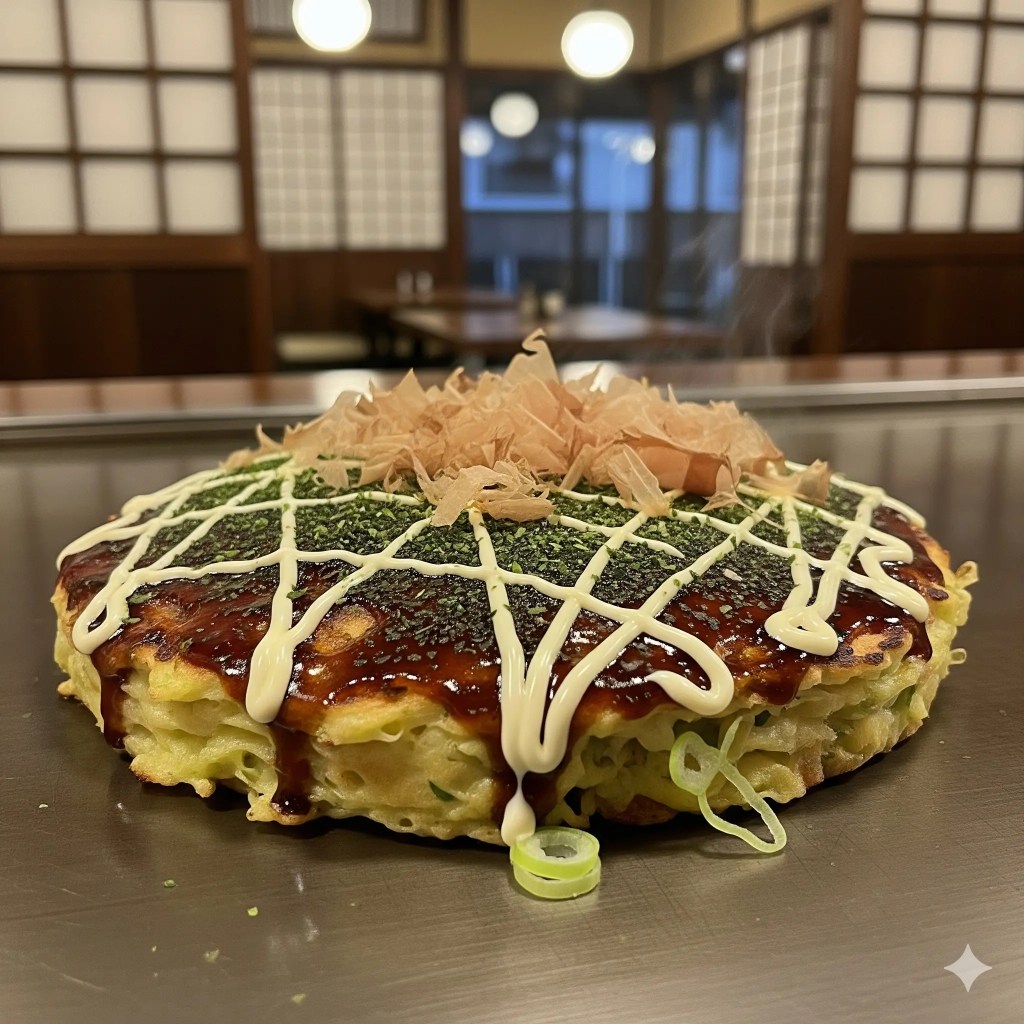
  • Evening: Explore the Gion district. You might spot a Geiko or Maiko (the local terms for Geisha and apprentices) scurrying to an appointment. For dinner, try a casual okonomiyaki (savory pancake) restaurant.
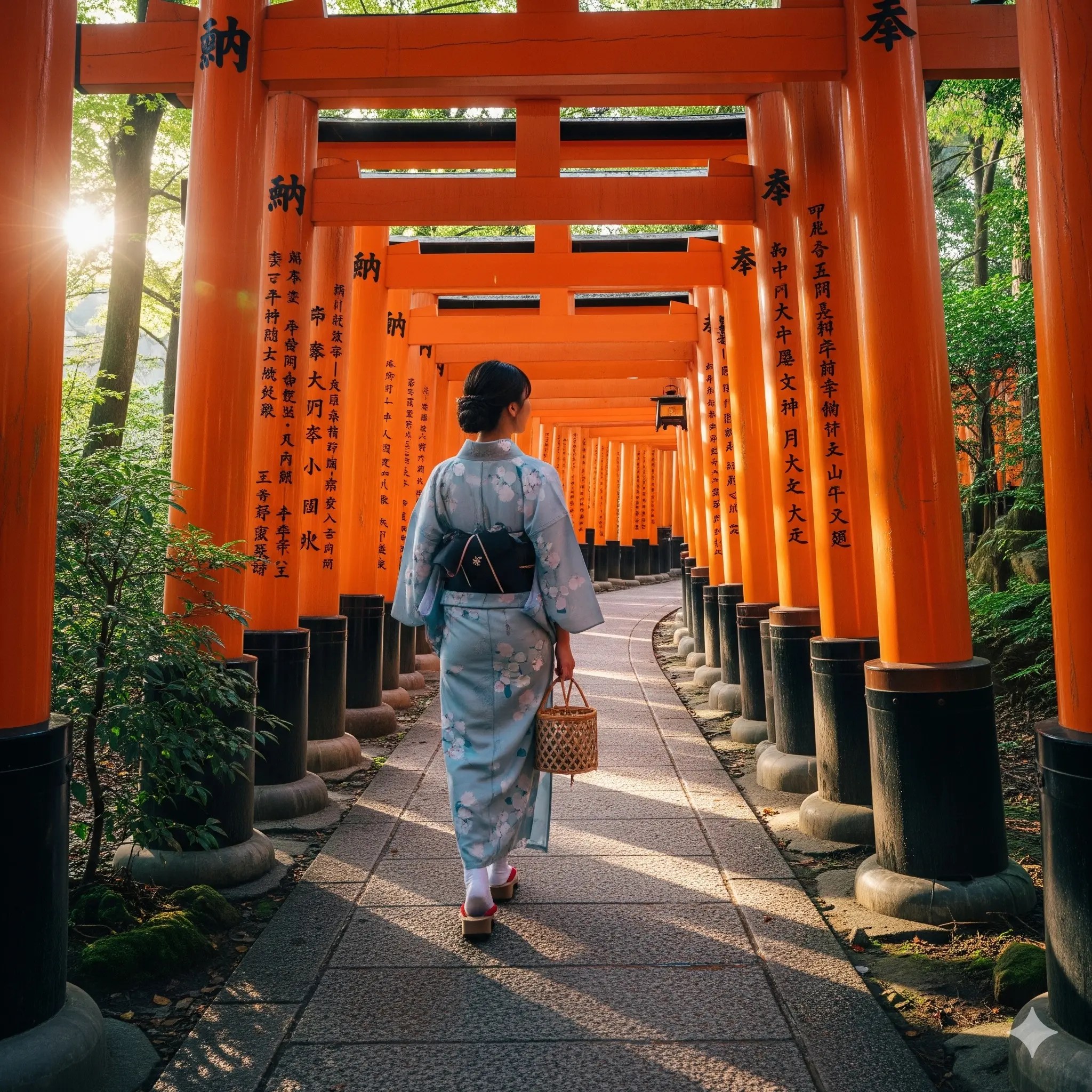
Fushimi Inari Shrine Tours

A woman in a traditional kimono walking through the iconic torii gates of Fushimi Inari Taisha in Kyoto, Japan, surrounded by lush greenery and sunlight filtering through the trees.
A visitor strolls through the iconic torii gates of Fushimi Inari Taisha, wearing a traditional kimono, capturing the essence of Kyoto’s rich culture. *The iconic tunnel of thousands of vermilion torii gates at Fushimi Inari Taisha. For the most serene experience, arrive before 7:00 AM to have the path almost to yourself.`

Fushimi Inari Note: “The advantage of Fushimi Inari is that it’s open 24 hours, so you can always fit it in.
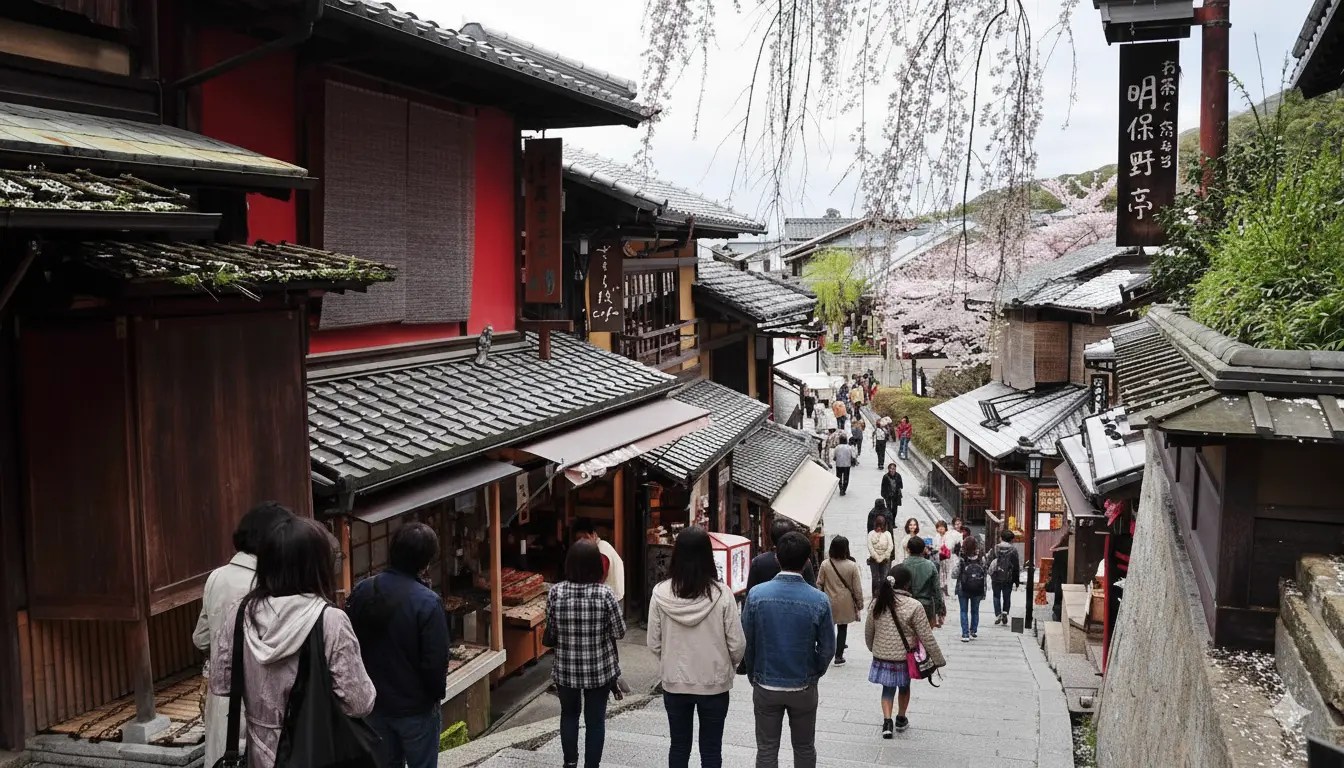
A lively street scene in Kyoto featuring traditional wooden buildings and cherry blossom trees, with a mix of locals and tourists strolling down a cobblestone path.
A bustling street scene in Kyoto, showcasing traditional architecture and cherry blossoms, perfect for exploring the city’s rich cultural heritage. A serene walk through the Higshiyama district

Kiyomizu-dera Temple

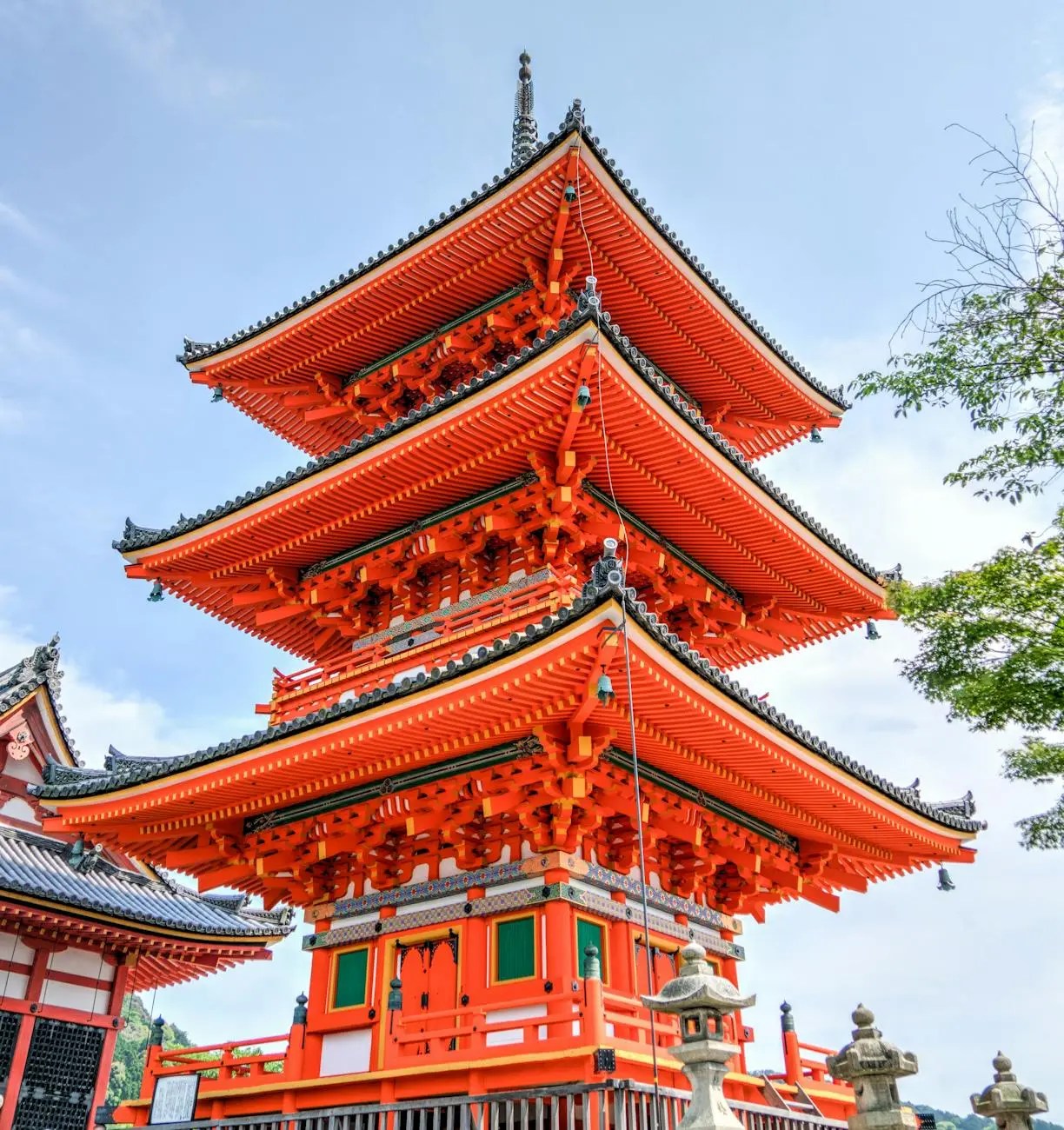
A vibrant three-story pagoda with intricate wooden details and a striking orange color, surrounded by lush greenery and a clear blue sky in Kyoto, Japan.
A striking view of Kiyomizu-dera Temple, showcasing its intricate architecture and vibrant orange hues, a must-see landmark in Kyoto. The stunning Niōmon Gate and three-story pagoda at Kiyomizu-dera Temple. Pro tip: The contrast of the red structures against the green foliage in spring or autumn is even more spectacular.`

Kiyomizu-dera Note: “Note: Kiyomizu-dera typically opens around 6:00 AM and closes between 6:00 PM and 9:30 PM, depending on the season. Admission is ¥400.”
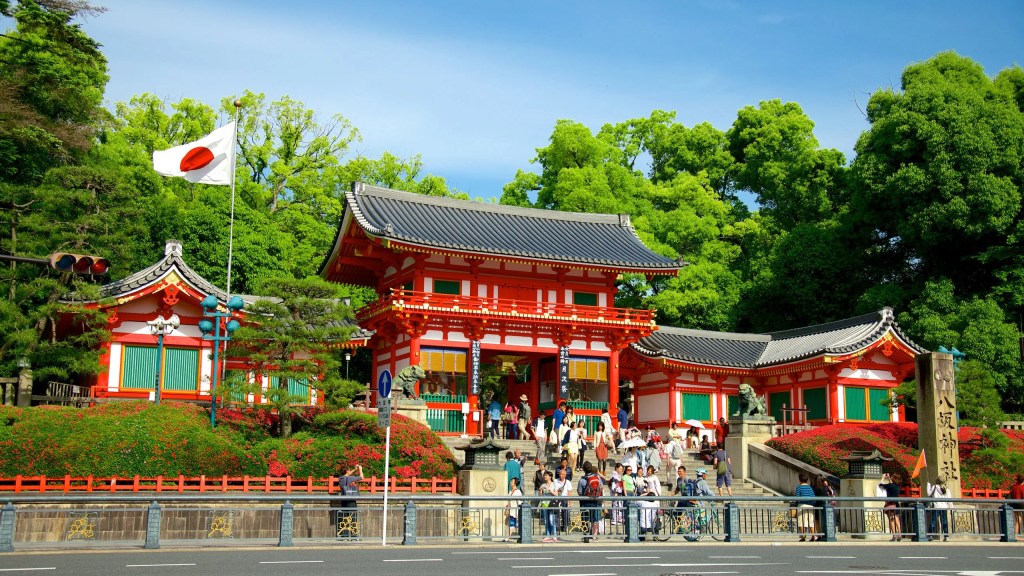
Yasaka Shrine Tours

A vibrant, traditional Japanese shrine with a distinctive red and white facade surrounded by lush greenery, featuring visitors exploring the entrance and a Japanese flag waving. Yasaka Shrine
A vibrant entrance to a Kyoto shrine, showcasing traditional Japanese architecture amidst lush greenery. Yasaka Shrine

Yasaka Shrine Tours

Gion Kyoto

okonomiyaki kyoto

A close-up of a delicious okonomiyaki, a savory Japanese pancake, topped with bonito flakes, mayonnaise, and green seaweed, served in a traditional Japanese restaurant setting.
A delicious okonomiyaki, a savory Japanese pancake topped with bonito flakes and sauce, served in a cozy Kyoto restaurant. Dinner is served! A classic Hiroshima or Kansai-style okonomiyaki, grilled to perfection. The name literally means “grill what you like” – and we like everything!

Day 2: Arashiyama’s Natural Beauty

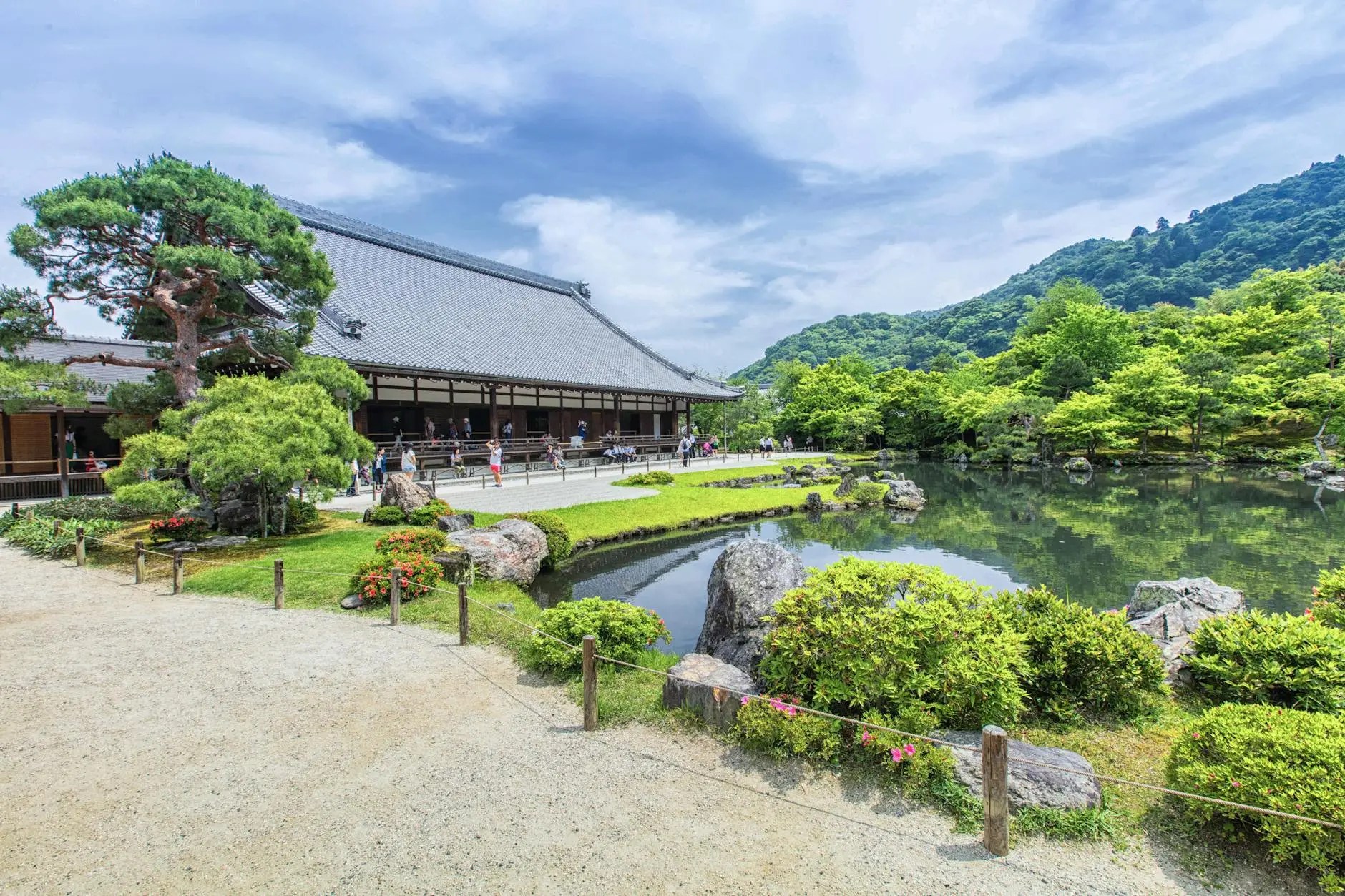
  • Morning: Take the train to Arashiyama. Your first stop is the Arashiyama Bamboo Grove. Again, early arrival is key to seeing it in its serene glory. Afterwards, visit the nearby Tenryu-ji Temple and its stunning landscape garden.
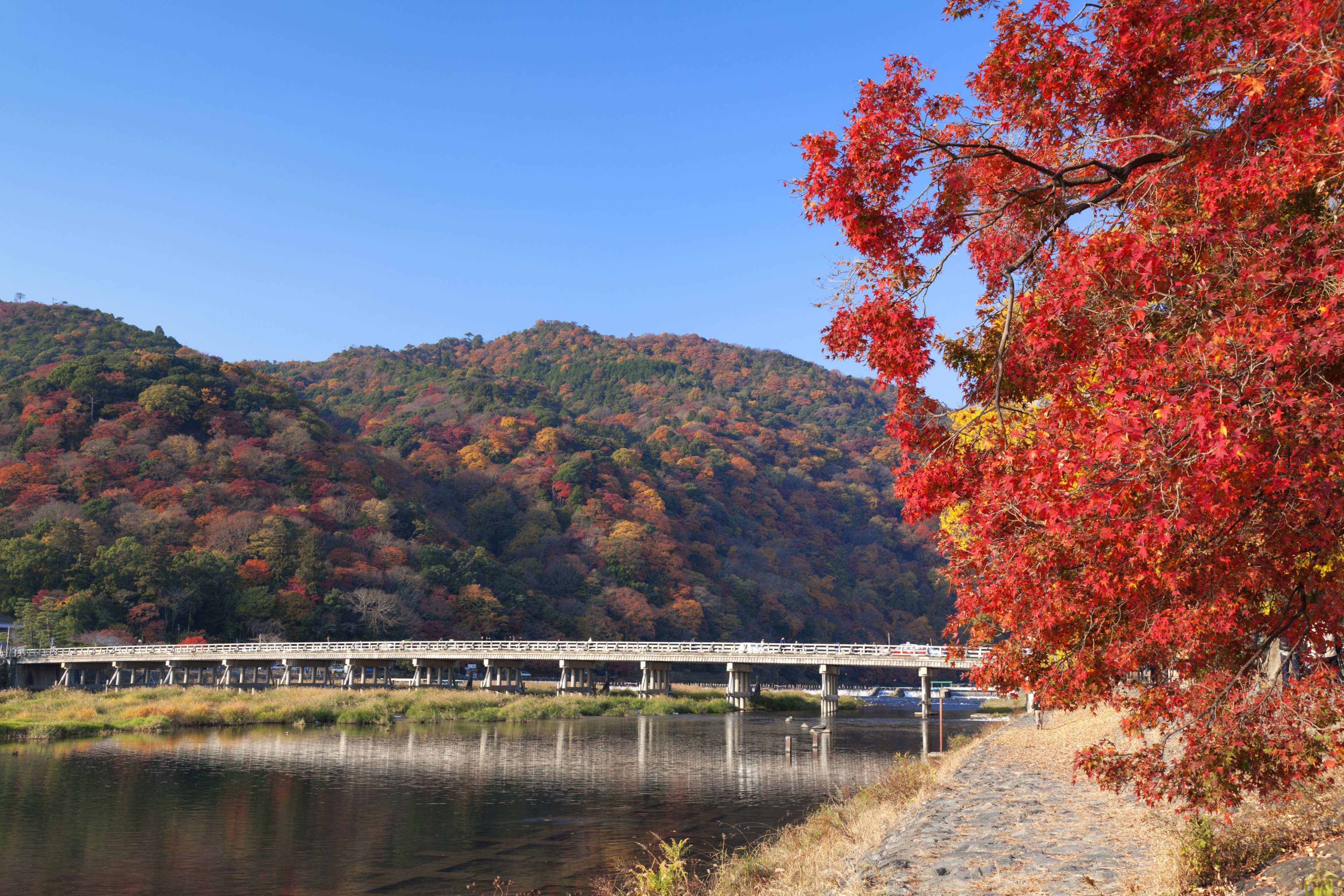
  • Afternoon: Cross the Togetsukyo Bridge and consider a quick hike up to the Monkey Park Iwatayama for hilarious photo ops and great views. Alternatively, rent a bike to explore the quieter parts of Arashiyama.
  • Evening: Head back to the city center and dive into the organized chaos of Nishiki Market for a dinner of fresh seafood and local snacks.
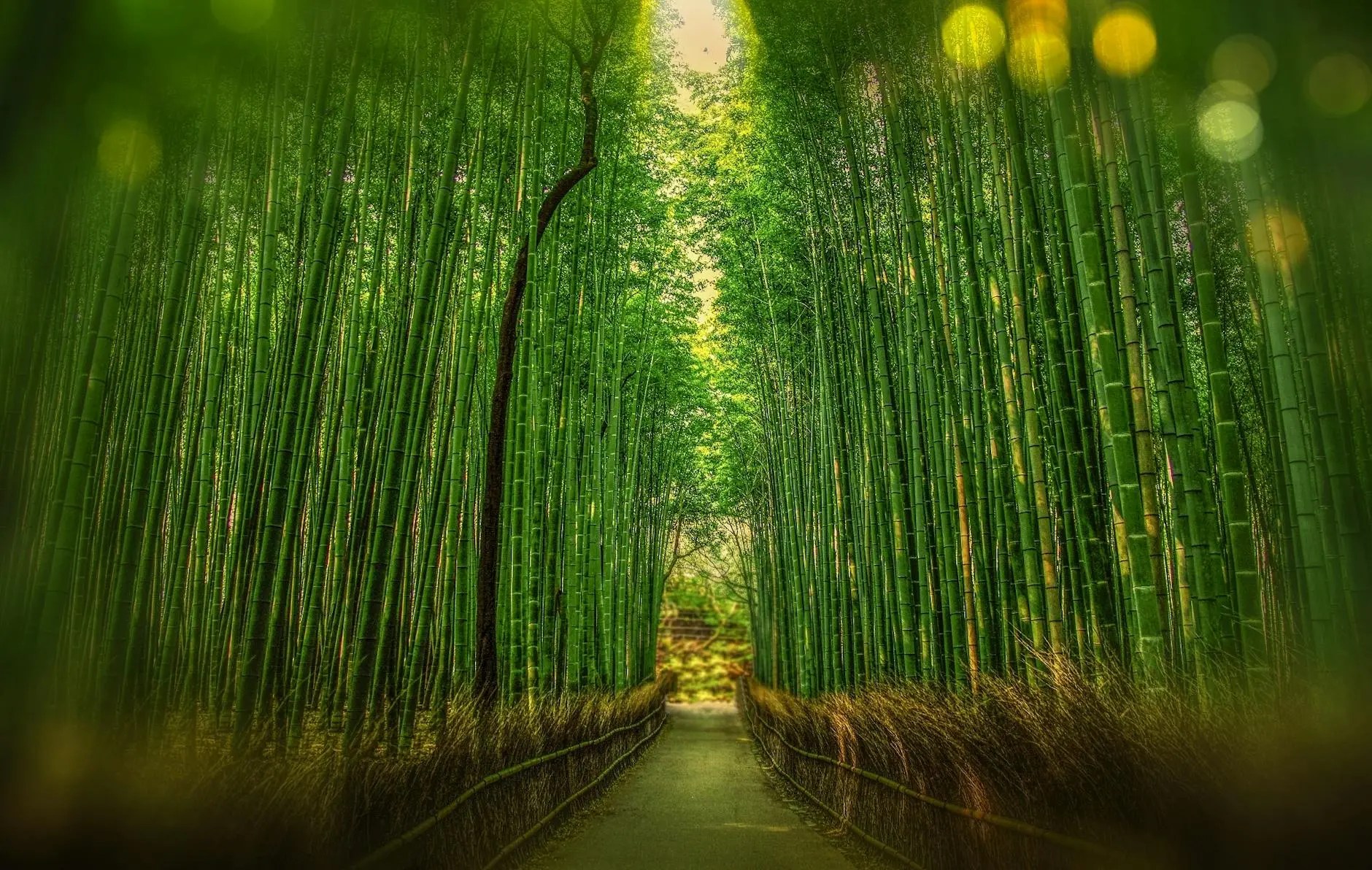
Arashiyama Vacations

A serene pathway through the Arashiyama Bamboo Grove in Kyoto, lined with tall green bamboo stalks and dappled sunlight filtering through the leaves.
A serene pathway through the Arashiyama Bamboo Grove in Kyoto, showcasing the tranquil beauty of the lush green bamboo. *The famous Arashiyama Bamboo Grove path. For the most magical and crowd-free experience, aim to arrive as early as possible, ideally by 7:00 AM. The morning light filtering through the bamboo is unforgettable.*

Tenryu-ji Temple Tours

Scenic view of a traditional Japanese temple surrounded by lush greenery and a tranquil pond.
A serene view of Tenryu-ji Temple surrounded by lush greenery and a tranquil pond in Arashiyama, Kyoto. The UNESCO World Heritage-listed Sogenchi Garden at Tenryu-ji Temple, a masterpiece of Japanese landscape design. The pond is designed to reflect the surrounding Arashiyama mountains and the changing seasons.

Togetsukyo Bridge Tours

Scenic view of the Togetsukyo Bridge in Arashiyama, Kyoto, surrounded by colorful autumn foliage and a calm river under a clear blue sky.
The picturesque Togetsukyo Bridge in Arashiyama, surrounded by vibrant autumn foliage, reflecting the beauty of Kyoto’s natural landscape.

Arashiyama Monkey Park Iwatayama Tours

A caretaker walking among a group of wild Japanese macaques at a monkey park, with visitors observing from a distance.
Visitors interacting with monkeys at Iwatayama Monkey Park in Arashiyama, Kyoto.

Kyoto Nishiki Market Food Tour

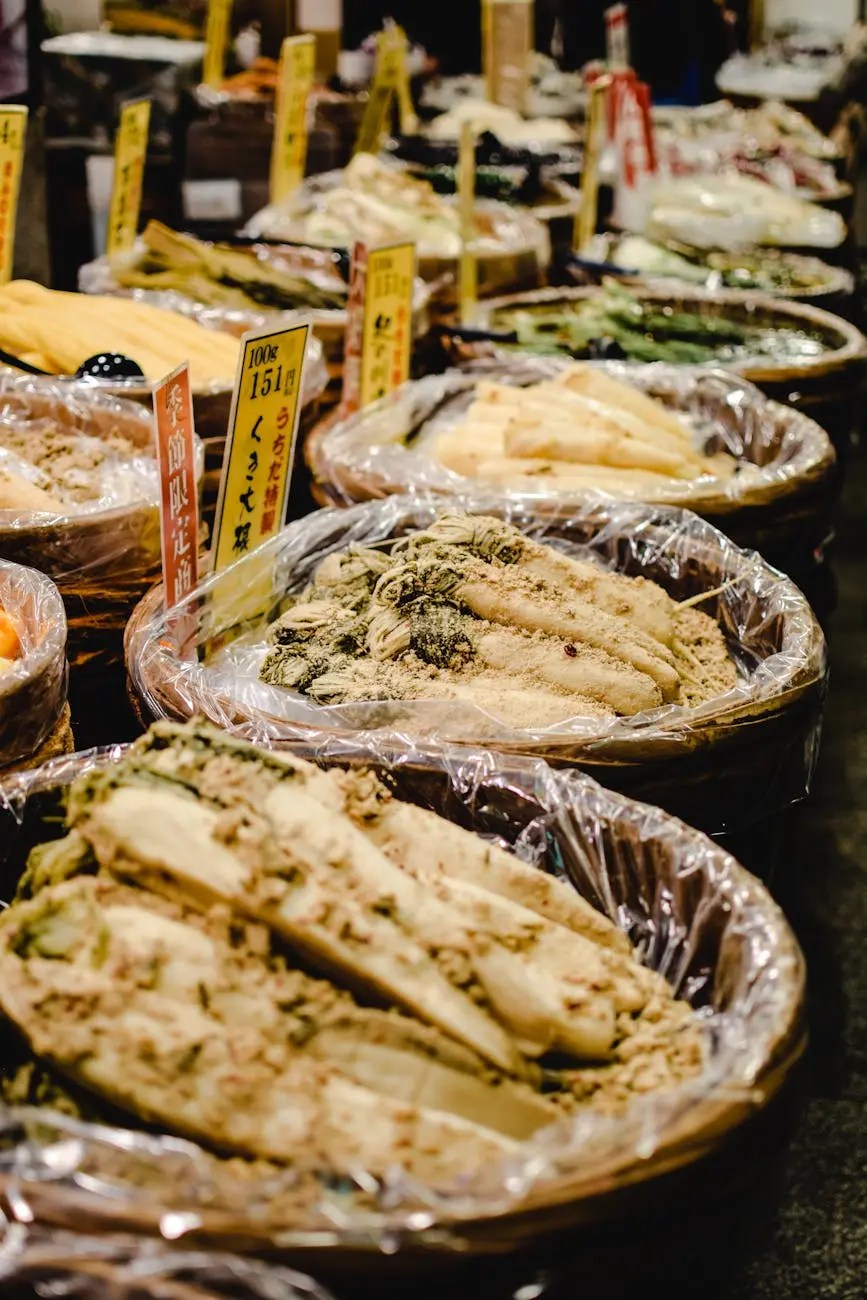
A vibrant display of various traditional Japanese foods and ingredients arranged in baskets at Nishiki Market, Kyoto, with signage indicating prices and product information.
A vibrant array of local delicacies at Kyoto’s Nishiki Market, showcasing a variety of traditional Japanese ingredients. A rainbow of tsukemono (pickled vegetables) at Nishiki Market. Don’t be shy—many vendors offer samples! It’s the perfect place to try unique Japanese flavors like pickled daikon radish or crunchy kyuri cucumbers.

Day 3: Refinement & Reflection

  • Morning: Choose your finale. For gold-leaf opulence, visit Kinkaku-ji (The Golden Pavilion). For a more Zen, minimalist experience, head to Ryoan-ji Temple and contemplate its famous rock garden.
  • Afternoon: Do some last-minute souvenir shopping on Shijo-Dori or find a quiet garden to simply sit and absorb it all before you head to the airport.

Ready to walk this path yourself? Find great deals on flights and hotels in Kyoto with my trusted partner, Expedia.
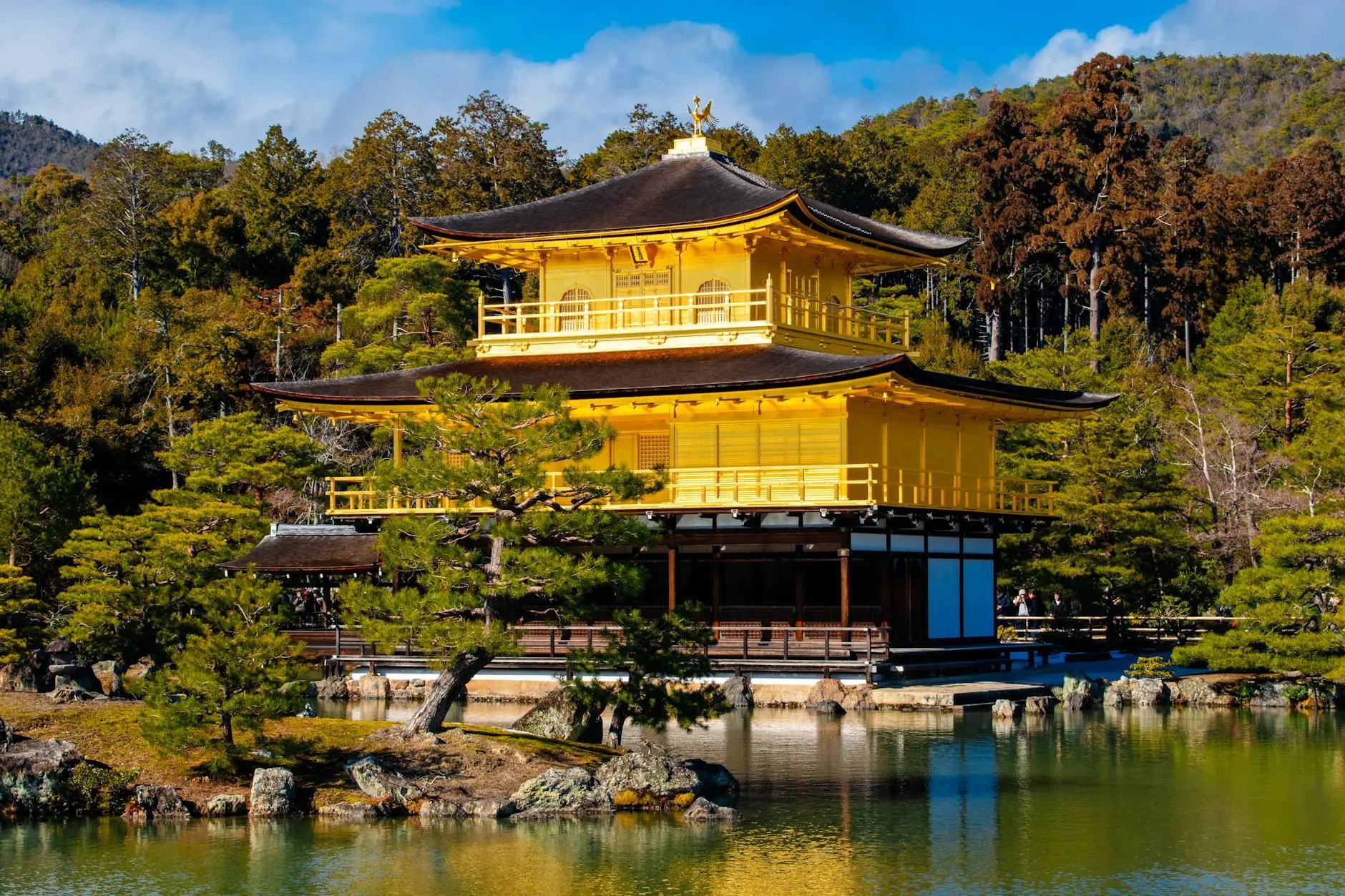
Kinkaku-ji Temple Tours

Golden Pavilion (Kinkaku-ji) surrounded by lush greenery and a tranquil pond in Kyoto.
The stunning Kinkaku-ji Temple, also known as the Golden Pavilion, reflecting beautifully in the serene waters of its surrounding garden. The breathtaking Kinkaku-ji (Golden Pavilion), covered in gold leaf and perfectly reflected in the mirror-like Kyoko-chi pond. This UNESCO World Heritage site is even more stunning on a windless, sunny day.

Ryoan-ji Temple Tours

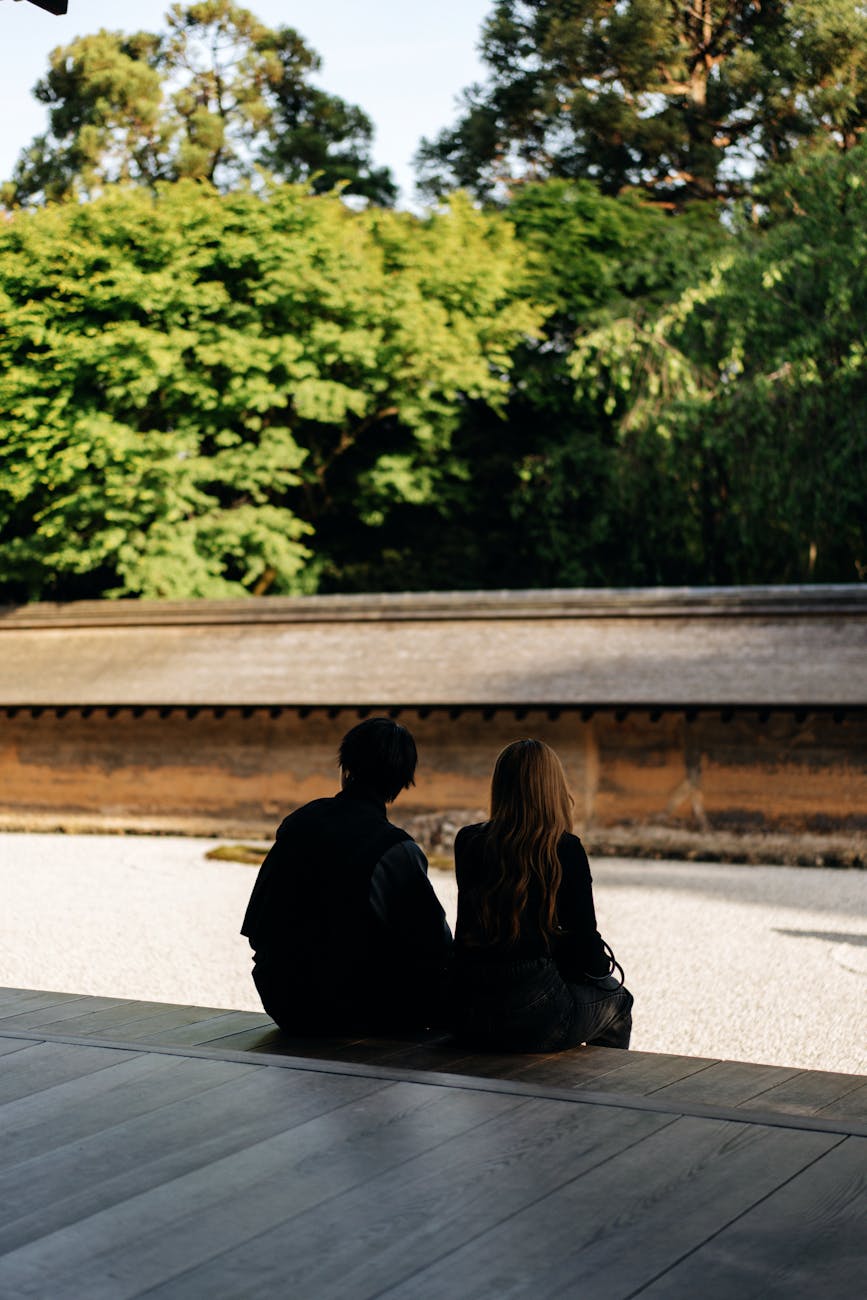
A couple sitting side by side on a wooden platform, overlooking a tranquil garden with lush greenery and a stone surface.
A serene moment shared between a couple, enjoying the tranquil beauty of Kyoto’s natural scenery. (Ryoan-ji Temple)

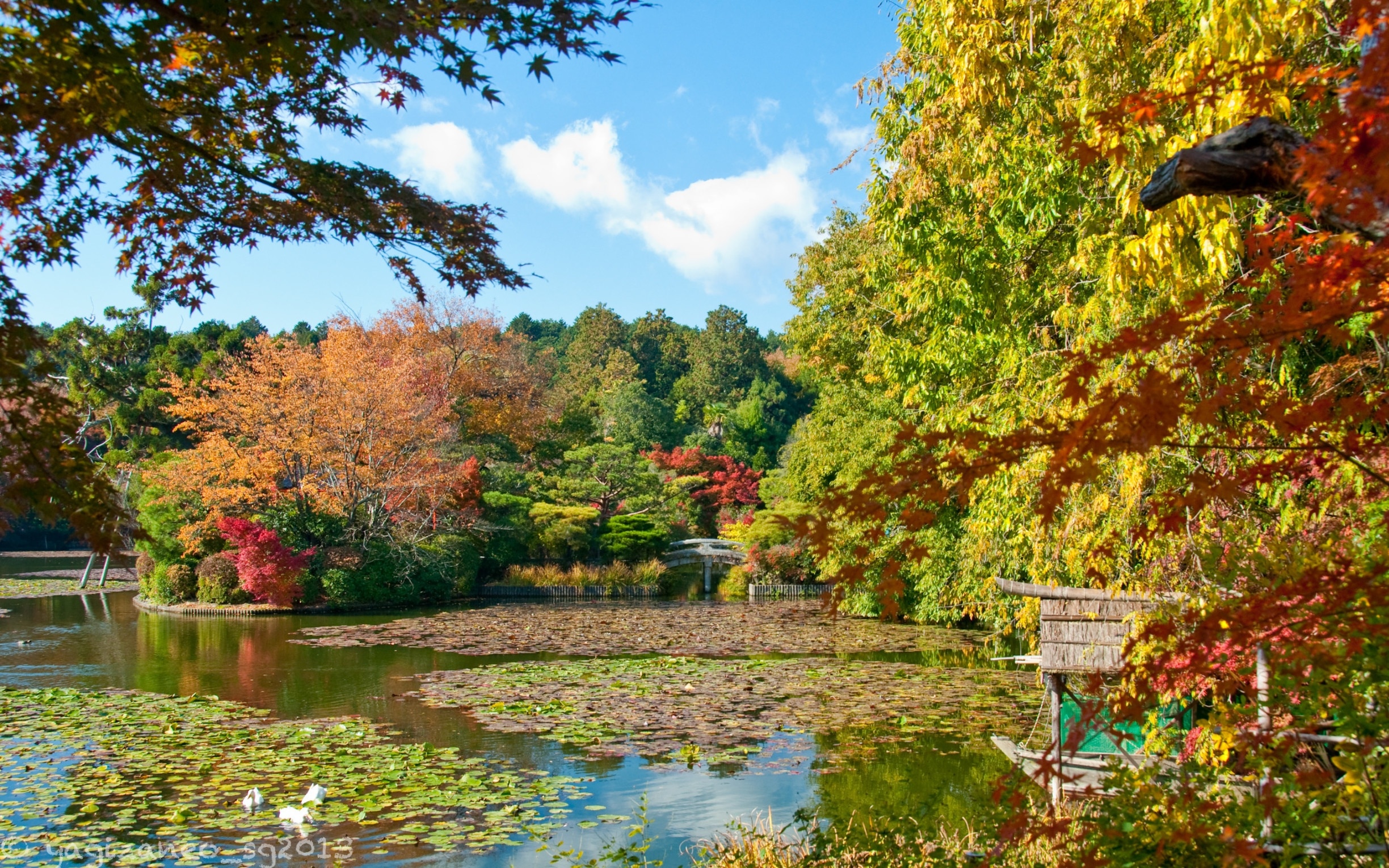
A serene landscape showcasing a tranquil pond surrounded by vibrant autumn foliage, including red, orange, and yellow leaves, with a clear blue sky above.
Scenic view of a tranquil pond surrounded by vibrant autumn foliage in Kyoto.

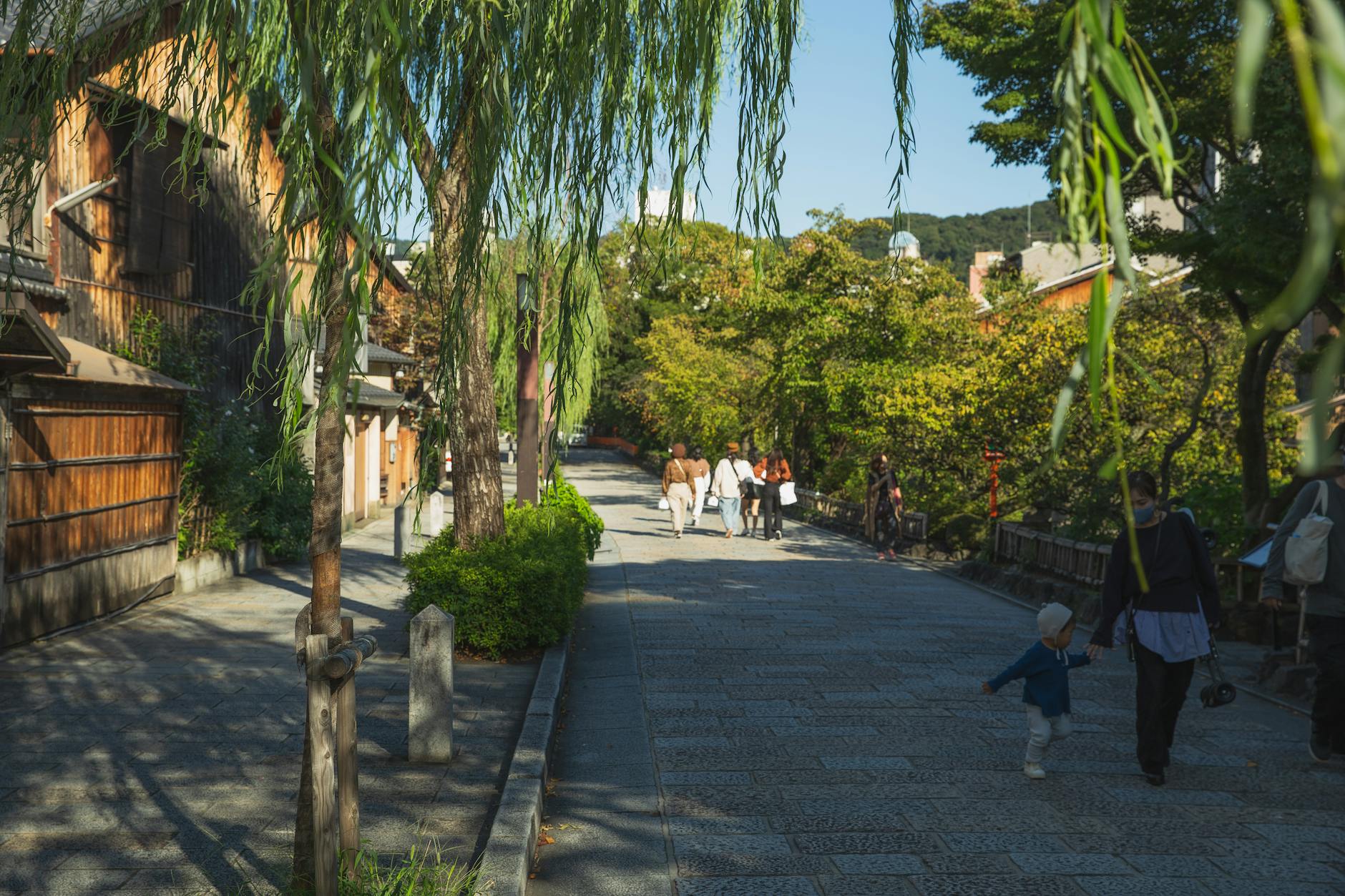
A picturesque street in Kyoto, lined with traditional wooden houses and lush greenery, featuring people strolling along the pathway.
A peaceful stroll through the historic streets of Kyoto, framed by traditional architecture and lush greenery.
Kyoto Aquariumicon
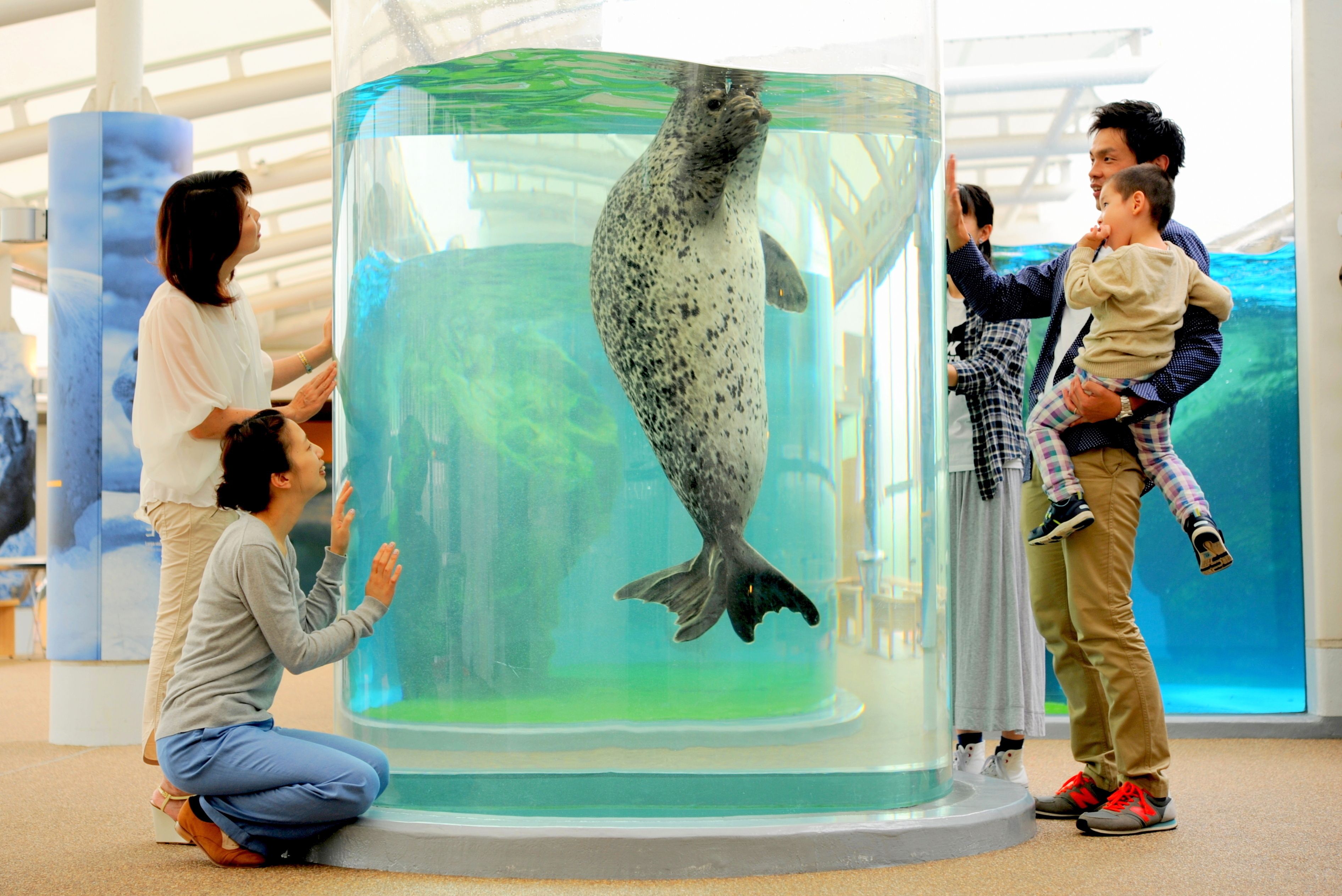
A family interacts with a seal in an aquarium. The scene captures children and adults observing and enjoying the moment near a large transparent water tank.
Visitors observing a seal in an aquarium in Kyoto, creating unforgettable family memories.

While we’re on the topic of unforgettable Asian adventures, if Shanghai’s dynamic energy has you dreaming of a more serene Japanese counterpart, then Kyoto should be at the top of your list. Imagine trading the futuristic skyline for ancient temples, serene bamboo forests, and the timeless tradition of the geisha culture in Gion. To truly dive deep, skip the standard tours and seek out an authentic experience. I often browse Rakuten Travel Experiences for unique activities—like a private tea ceremony with a master or a early-morning meditation session at a Zen temple before the crowds arrive. It’s the perfect way to craft a trip that’s genuinely your own. Find those unique, memory-making experiences in Kyoto here.

Rakuten Travel Experiencesicon

Navigating Kyoto Like a Pro: Transport Secrets

Kyoto’s public transport is excellent, and you do not need a car. In fact, traffic and expensive parking make driving a hassle.

From Airport to City: Haruka Express, ICOCA Cards & JR Pass

Most visitors land at Kansai International (KIX). Skip the uncertain taxis and hop the Haruka Limited Express to Kyoto Station—about 75 minutes of smooth, Hello Kitty–decorated train bliss—and grab the ICOCA & Haruka combo ticket to include a pre-loaded ICOCA transport card when you arrive The Thorough Tripper. Pro tip: get an ICOCA card—it’s your tap-and-go Swiss Army knife for trains, subways, and buses around Kyoto (and nearby cities), with easy reloads at stations The Thorough Tripper. If you’ve got long-distance plans (like a Tokyo bullet train ride), consider a Japan Rail Pass in advance—it’ll save both yen and decoding train timetables The Thorough TripperNot a Nomad Blog.
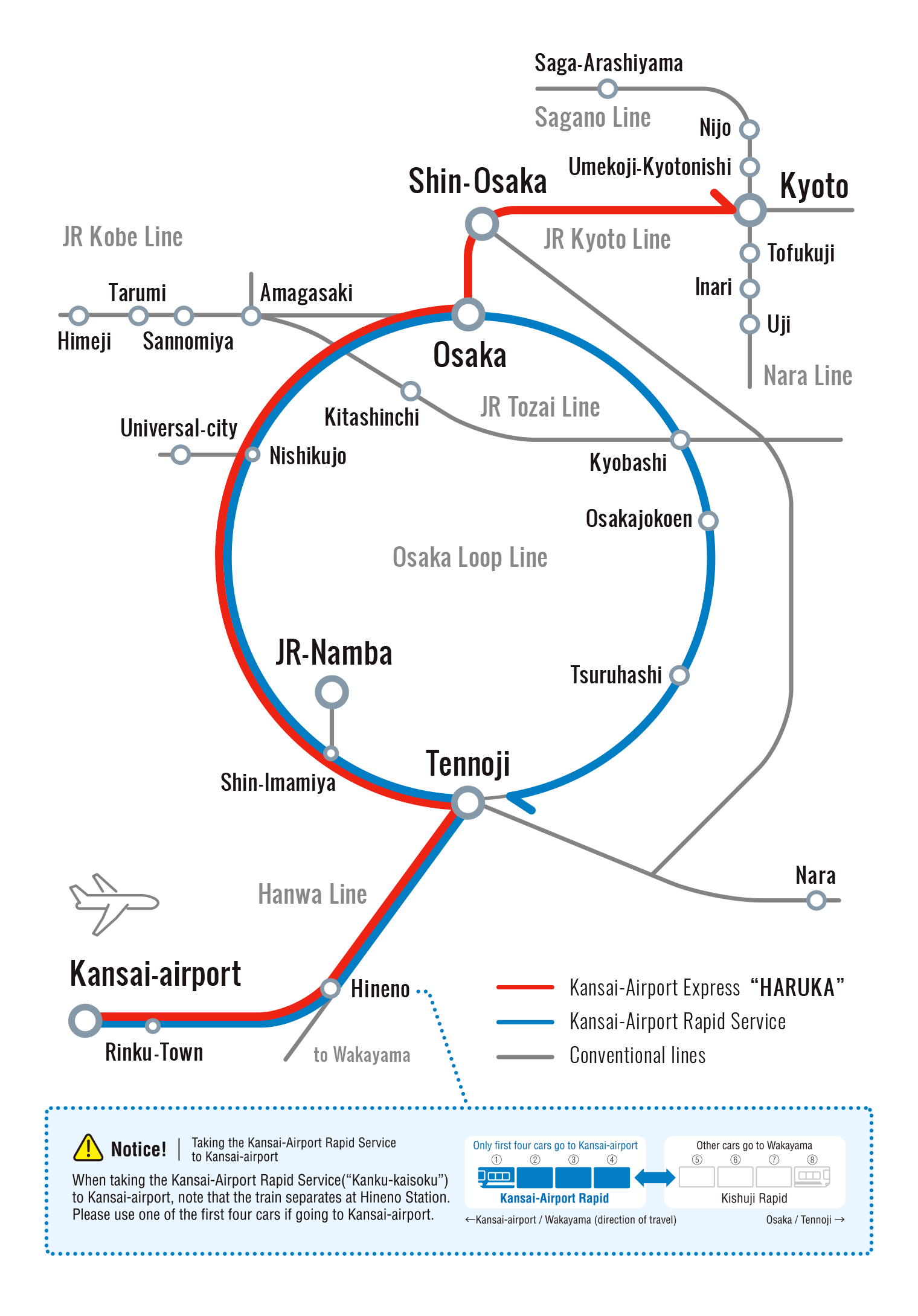
Map of the Kansai area train routes, including connections to Shin-Osaka, Kyoto, and Kansai Airport, with lines and station names clearly labeled.
Map of Kyoto’s public transport network, highlighting the Kansai-Airport Express routing and key train lines for travelers.

  • The Bus Network: The most useful way to get around central Kyoto. A One-Day Bus Pass (¥700) is an incredible value and pays for itself in about three rides. Buses can get crowded, so have your pass or change ready.
  • The Train/Subway: Faster than buses for longer distances. The Karasuma Subway Line runs north-south, and the Tozai Line runs east-west. The JR Line is also useful for getting to Arashiyama and Fushimi Inari.
  • Bicycles: Kyoto is surprisingly flat and bike-friendly! Renting a bike for a day gives you incredible freedom to explore back alleys and canals. This was my favorite way to get around.
  • Taxis: Great for short trips if you’re in a group or exhausted, but they are pricey.
  • The JR Line is also useful for getting to Arashiyama and Fushimi Inari. If you’re planning to explore beyond Kyoto (e.g., a day trip to Nara or a flight from Tokyo), calculating if a Japan Rail Pass is worth it is essential. You can easily check prices and purchase your JR Pass online here

Pro Tip: Google Maps is shockingly accurate for Kyoto bus and train schedules. Use it with confidence.

Beyond the Tourist Trail: Kyoto’s Hidden Gems

“Forget the bustling, crowded cities you think of when you picture Japan. There’s a place where every corner is a postcard, every moment a meditative breath, and ancient traditions whisper from every stone. Get ready to unlock the secret to a weekend of unparalleled beauty and peace as we journey through Kyoto’s most enchanting hidden gems.”

Everyone sees the golden temple. The savvy travelers see these:

  • Philosopher’s Path (Tetsugaku-no-michi): A beautiful stone path following a canal, lined with hundreds of cherry trees. It’s peaceful any time of year but absolutely breathtaking in spring.
  • Kurama-dera Temple: Escape the city entirely with a short train ride to Kurama. Hike up to this mountain temple, and if you’re brave, finish with a soak in the outdoor Kurama Onsen.
  • Pontocho Alley at Dusk: Yes, it’s known, but it’s a must. This narrow alleyway parallel to the Kamo River is packed with tiny, atmospheric restaurants and bars. Finding dinner here feels like a treasure hunt.
Hidden GemTip
Miyagawa-cho DistrictTraditional vibes, fewer crowds, close to Kyoto Station—perfect for jet-lagged meanders
Lesser-known templesTry Eikan-do, Tofuku-ji, or shimogyo historic backstreets for quiet beauty
Off-peak hoursSkip crowds by visiting popular spots at dawn or early evening
Taxi for groupsGroup of 3–4? A taxi might be quicker than waving down a bus and costs about the same

To capture these hidden spots perfectly, I never travel without my lightweight, powerful Sony Alpha camera. It’s perfect for low-light alley shots and sweeping temple landscapes.
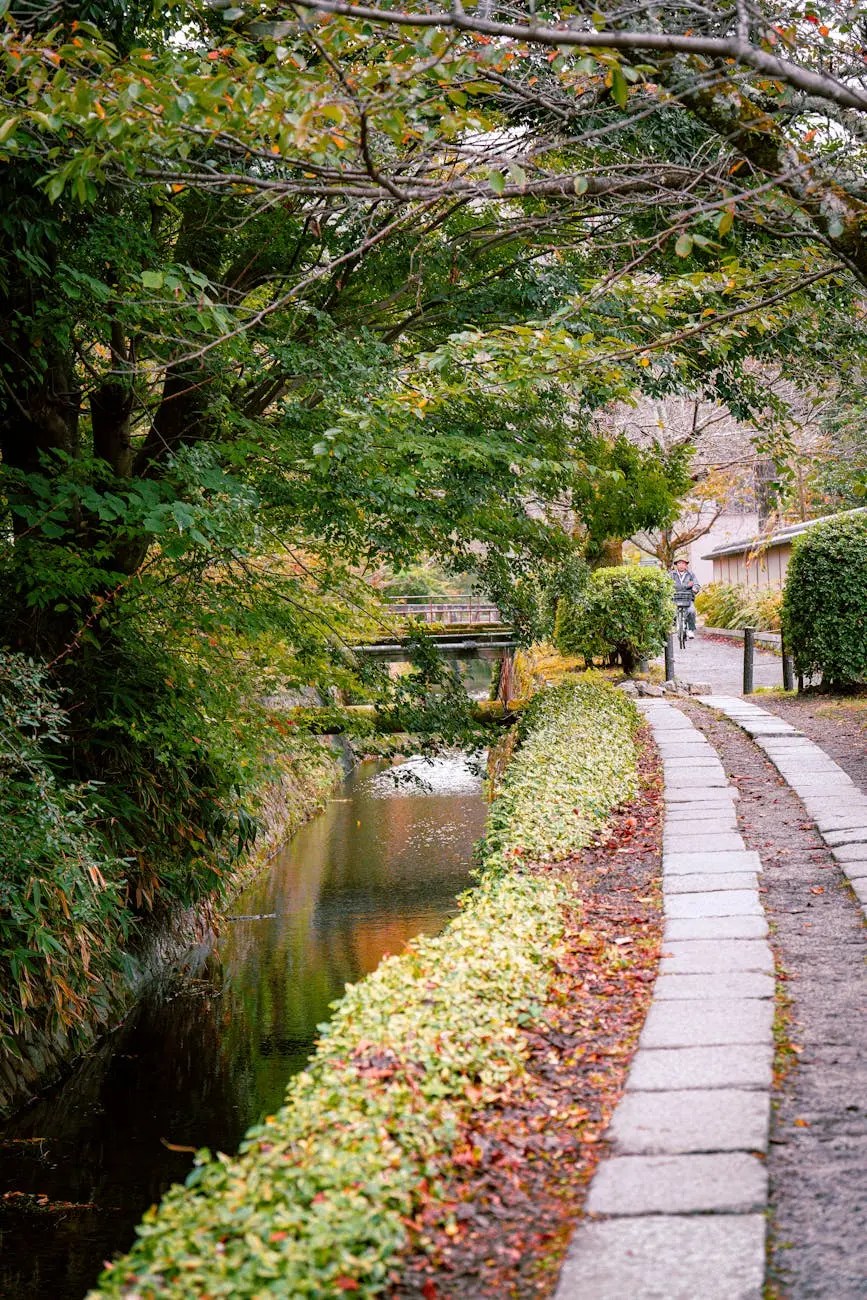
A serene pathway lined with green foliage and a small stream on one side, capturing the tranquil beauty of Kyoto's nature.
A serene path alongside a gently flowing river in Kyoto, surrounded by lush greenery and autumn foliage. (Philosopher’s Path) The Philosopher’s Path (Tetsugaku-no-michi) in its stunning autumn glory. This walk is beautiful year-round, but it’s absolutely magical in late November when the maple trees erupt in color. Renting a bike is a fantastic way to explore its full length.

Essential Japanese for the Kyoto Traveler

A little language goes a long way!

  • Konnichiwa (こんにちは): Hello / Good afternoon.
  • Arigatou Gozaimasu (ありがとうございます): Thank you (very much).
  • Sumimasen (すみません): Excuse me / Sorry. (The most useful word in Japan! Use it to get attention, apologize, or thank someone for moving).
  • Oishii (美味しい): Delicious! Say this to the chef after your meal.
  • Ikura desu ka? (いくらですか): How much is it?
  • Kore o kudasai (これをください): I’ll take this, please. (Pointing works too!)

Smart Travel Tips: Saving Money & Staying Connected

Staying Online: I used to waste the first hour of every trip hunting for a local SIM card at the airport. Not anymore. I now swear by my Drimsim—a global SIM that works in 190+ countries. You just pop it in, top up via the app, and you’re online before you even leave the baggage claim. No contracts, no hidden fees. It’s a genuine game-changer. Get your Drimsim here and never worry about data again.

Staying Secure: While Japan is safe, I always use a VPN on public Wi-Fi (like at cafes or airports) to protect my personal data. It’s also essential for accessing your home country’s streaming services if you need some downtime. I’ve found NordVPN to be the most reliable for travel.

Staying Compensated: Did you know that a delayed or canceled flight could score you up to $650 in compensation? Most people don’t claim it. I use AirHelp to handle the nasty paperwork with the airlines. They only get paid if you win, so it’s a no-brainer. Check your flight status with AirHelp here.

Staying Insured: From a spilled coffee on my camera to a slipped disk trying to imitate a sumo wrestler (don’t ask), travel insurance has saved me countless times. I always use VisitorsCoverage to compare and find the best plan for my trip. It’s peace of mind in your pocket. Get a tailored insurance quote for your Kyoto trip here.

Frequently Asked Questions

Q: What is the best time of year to visit Kyoto?
A: Spring (March-May) for cherry blossoms and Fall (October-November) for brilliant red foliage are the most beautiful but also the most crowded. For a balance of good weather and smaller crowds, aim for late autumn or early spring.

Q: Is Kyoto a walkable city?
A: The main districts are very walkable, but the attractions are spread out. You will absolutely need to use the excellent bus and train system to get between areas like Arashiyama, Fushimi Inari, and downtown.

Q: How much money should I budget for a weekend?
A: While you can find budget options, Kyoto can be pricey. A comfortable mid-range budget for accommodation, food, transport, and entry fees would be around ¥15,000-¥20,000 ($100-$150 USD) per day, not including flights.

Q: Can I use credit cards everywhere?
A: Major hotels, department stores, and restaurants accept cards, but many smaller restaurants, market stalls, and temples are cash-only. Always carry yen with you.

Q: What should I do if I only have one day in Kyoto?
A: Focus on one area. I’d recommend the Higashiyama District (Kiyomizu-dera, Yasaka Shrine, Sannenzaka) in the morning and early afternoon, and then a trip to Fushimi Inari Taisha in the late afternoon—it’s open 24/7 and is less crowded then.

What’s “arigatō” and “sumimasen” mean?
A: “Arigatō” = “thank you.” “Sumimasen” = “excuse me” or “sorry.” Handy polite sparkles for any awkward bump-in or request.

Should I exchange currency or use ATMs?
A: ATMs at 7-Eleven or Japan Post accept international cards pretty consistently. Just keep an eye on fees.

Kyoto is a city that stays with you long after you’ve left. The scent of incense, the taste of perfect sushi, the sound of temple bells—it’s a weekend escape that truly nourishes the soul.

Q: How much money should I budget for a weekend?
A: While you can find budget options, Kyoto can be pricey. A comfortable mid-range budget for accommodation, food, transport, and entry fees would be around ¥15,000-¥20,000 ($100-$150 USD) per day, not including flights.

  • Sample Daily Breakdown:
    • *Budget Guesthouse: ¥3,000 – ¥5,000*
    • *Food (Meals + Snacks): ¥5,000 – ¥8,000*
    • *Transport (Bus/Train Pass): ¥1,000*
    • *Temple Entry Fees (2-3 sites): ¥1,000 – ¥2,000*
    • *Souvenirs/Extra: ¥2,000 – ¥4,000*

What are you waiting for? Your ultimate Kyoto adventure awaits. Start planning your perfect trip with Expedia today!

Have questions or your own Kyoto hidden gem to share? Drop them in the comments below

“Kyoto is a city that stays with you. The scent of incense, the taste of perfect sushi, the sound of temple bells—it’s a weekend escape that truly nourishes the soul.

I’d love to hear from you! What’s the one place in Kyoto you’re most excited to see? Or if you’ve been, what was your own hidden gem? Share your thoughts and questions in the comments below—let’s build the ultimate traveler’s resource together!
Universal Disclaimer/Disclosure Page:

48-Hour Prague Itinerary: Essential Travel Guide

Meta Description: Plan your ultimate weekend escape to Prague, Czech Republic! This detailed travel guide covers must-see sights, hidden gems, money-saving tips for transport & food, and essential Czech phrases. Get ready for an unforgettable 48 hours in the heart of Europe.

Table of Contents

  1. Why Prague Is the Perfect Weekend Getaway
  2. Quick Practical Info
    • Visa & Costs
    • Best Time to Go
  3. Getting There & Getting Around
    • Planes & Flights (Bonus: Flight delay/compensation tool)
    • Trains, Buses & Car Rental (Maps & routes included)
  4. Where to Stay & Hidden-Gem Neighborhoods
  5. Top Sights with Personal Anecdotes
    • Must-see Classics
    • Off-the-Beaten-Path Discoveries
  6. Pocket-Friendly Travel Tips
    • Public Transport Hacks
    • Budget Ins & Outs
  7. Local Lingo 101: Words You’ll Actually Use
  8. Stay Connected & Covered
    • SIM Cards & Data
    • VPN & Safety
    • Travel Insurance
  9. Strong CTAs & Further Reading
  10. FAQ: Your Burning Questions Answered
  11. Links to My Other Travel Tales

So, you’ve got a weekend to spare and a serious case of wanderlust? Let me tell you, packing your bags for Prague is never a bad idea. This city is like stepping into a living, breathing fairytale, complete with a castle looming over a river, cobblestone streets that whisper centuries of history, and beer that’s cheaper than water (no, really).

I’ve lost count of how many times I’ve wandered across the Charles Bridge at sunrise, and it never gets old. This guide is my love letter to Prague, packed with everything I’ve learned from getting delightfully lost in its alleys. We’re going to craft your perfect 48-hour itinerary, save you money, and make you feel like a local (or at least a very savvy tourist).

Pro Tip: I always book my flights and hotels together on Expedia—it’s my go-to for snagging a great package deal. For a city like Prague, staying in the centre (like Old Town or Lesser Town) is worth the extra few bucks to save time on logistics.

Flights to Prague

Why Prague Is the Perfect Weekend Getaway

Picture this: you step off the tram onto cobblestones that have heard centuries of stories. Café aromas drift through the air, and a medieval tower looms above, daring you to explore. That’s Prague—where history, romance, and quirky Czech humor collide. It’s compact, charming, and unexpectedly budget-friendly, making it ideal for your two-day mini-adventure.

Hotels in Prague

Prague is incredibly compact. Most of the iconic sights are within walking distance of each other, making it ideal for a short trip. It’s also wonderfully affordable compared to other Western European capitals. Plus, with a well-connected airport and an efficient public transport system, you can maximize your time exploring instead of commuting.

Visa Note: For travellers from the US, UK, Canada, and Australia, you can enter the Czech Republic (part of the Schengen Area) visa-free for up to 90 days. Always double-check the latest entry requirements from official government sources before you travel.

Best Time to Visit
Plan around late spring or early fall to dodge peak crowds while enjoying mild, pleasant weather. Summer can be busy and winter, festive but chilly.

Day 1: Castles, Bridges, and Cobblestones

Morning: Start your day early at Prague Castle (Pražský hrad). I cannot stress the “early” part enough. Tour buses arrive around 10 AM, and the complex gets packed. Take tram 22 up to the castle for a classic Prague experience and stunning views. The castle grounds themselves are free to walk, but buy a ticket to enter St. Vitus Cathedral—it’s absolutely breathtaking.

A red and white tram passing by a beautifully detailed historic building with blooming tulips in the foreground, under a clear blue sky in Prague.
Tram moving past beautiful architecture and blooming tulips in Prague, perfect for experiencing the city’s charm.

St. Vitus Cathedral Tours

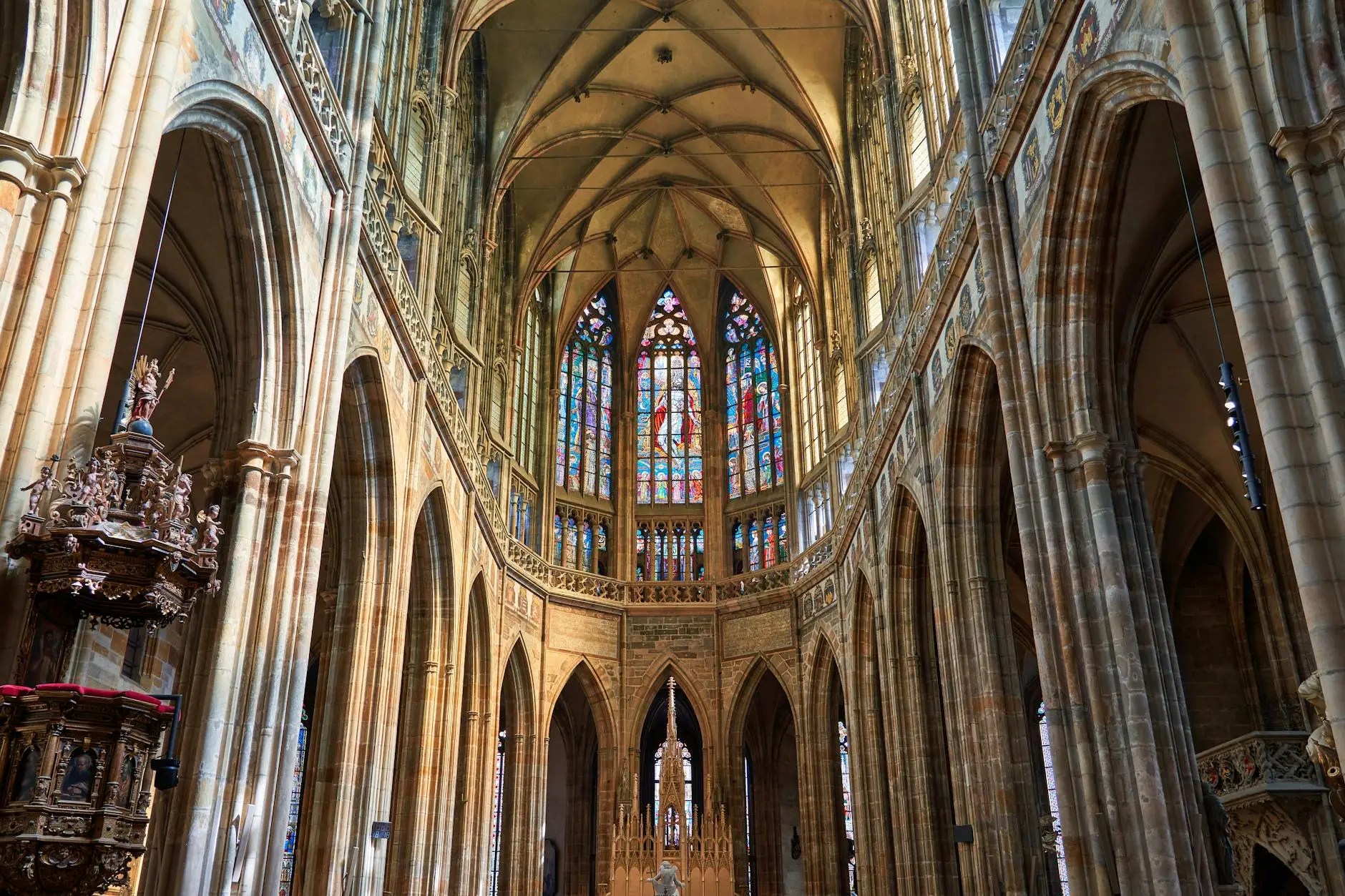
Interior view of St. Vitus Cathedral featuring gothic architectural elements and colorful stained glass windows.
Interior view of St. Vitus Cathedral showcasing stunning stained glass windows and Gothic architecture.

Afternoon: Wander down from the castle through the charming Lesser Town (Malá Strana). Get lost in its narrow streets and find a classic Czech pub for lunch. Then, make your way to the Charles Bridge (Karlův most). While it’s packed during the day, the energy is infectious. For a different perspective, I highly recommend a Vltava River cruise – it’s a relaxing way to see the cityscape.

I’ll never forget my first time trying to order in one of these pubs. The menu was all Czech, and the waiter spoke no English. I pointed at what looked like a safe bet, which turned out to be vepřo knedlo zelo—roast pork, dumplings, and sauerkraut. It was the definition of comfort food, and the waiter gave me a thumbs-up and a complimentary beer for my effort. Moral of the story? Don’t be afraid to point and be adventurous!

Mala Strana

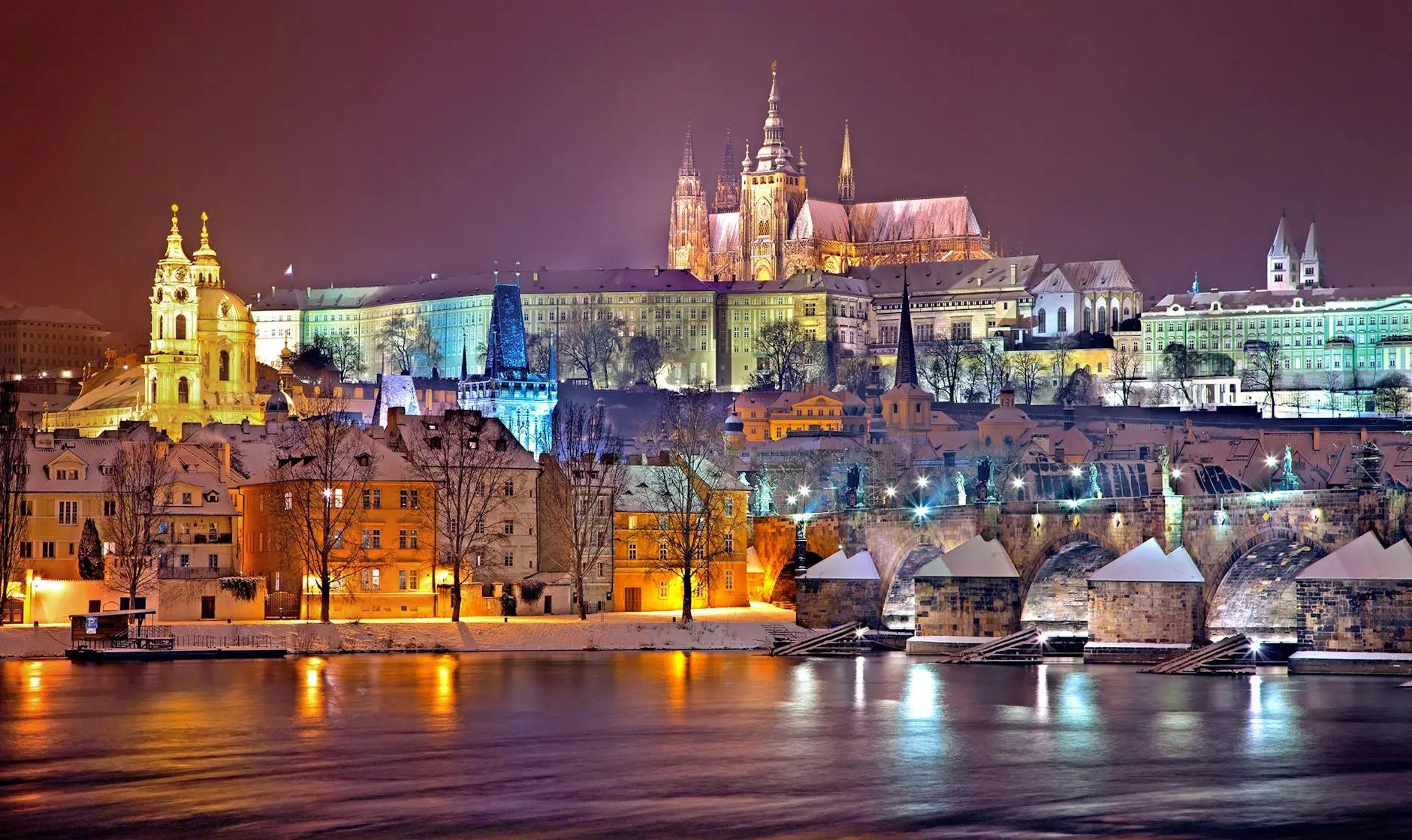
Night view of Prague Castle illuminated above the Vltava River, with historic buildings and the Charles Bridge in the foreground under a snowy sky.
The illuminated Prague Castle and the historic Charles Bridge at night, showcasing the enchanting beauty of the city.

Charles Bridge Tours

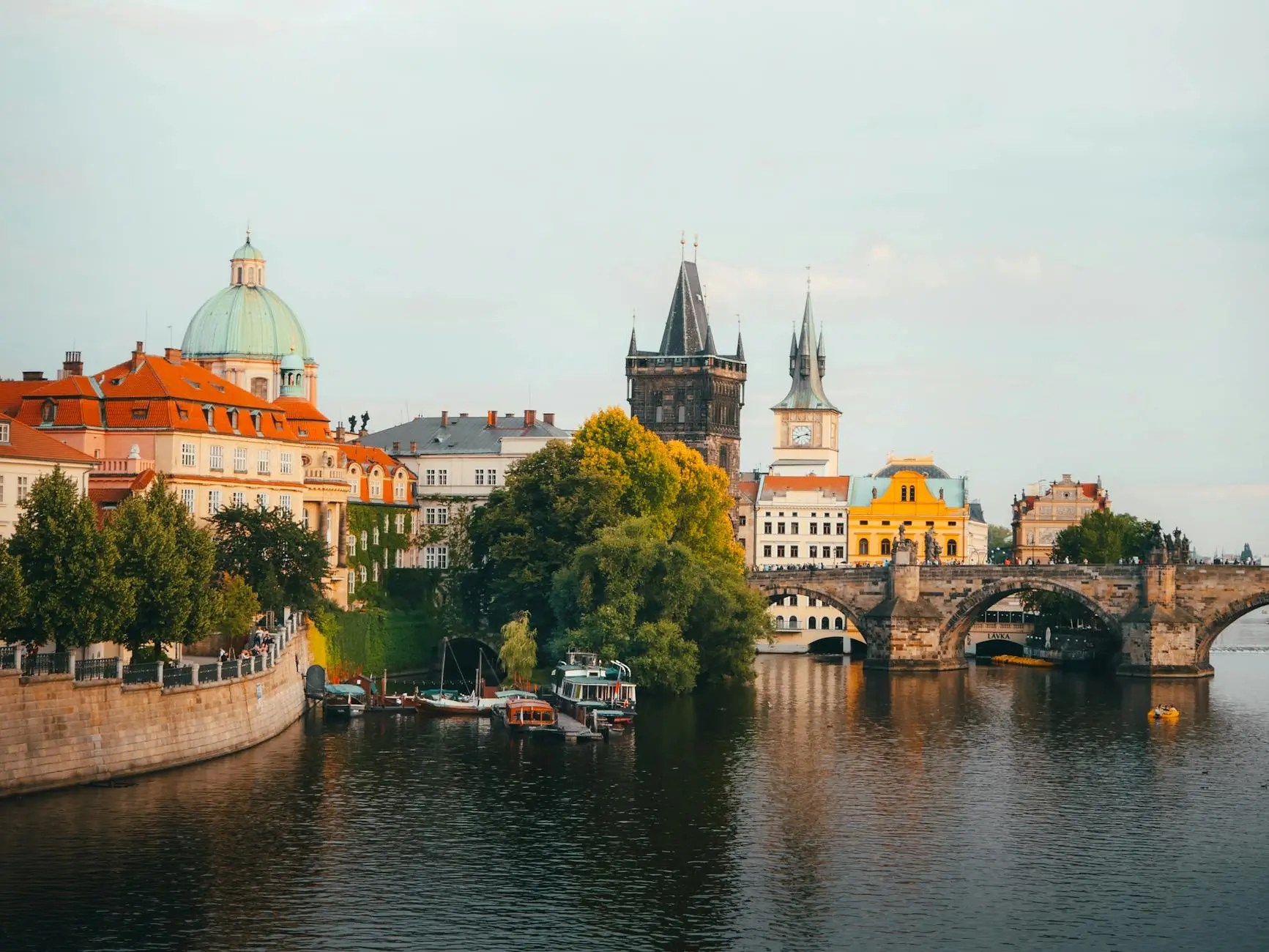
A scenic view of Prague, showcasing historic buildings with red rooftops along the Vltava River, featuring the iconic Charles Bridge in the foreground.
Scenic view of the Charles Bridge and the historic architecture along the Vltava River in Prague.

Evening: Have dinner in Lesser Town and then walk back across the Charles Bridge at night. The crowds have dispersed, the castle is illuminated, and it’s pure magic. It’s one of my favourite memories of the city.

Day 2: Old Town Charm and Hidden Courtyards 

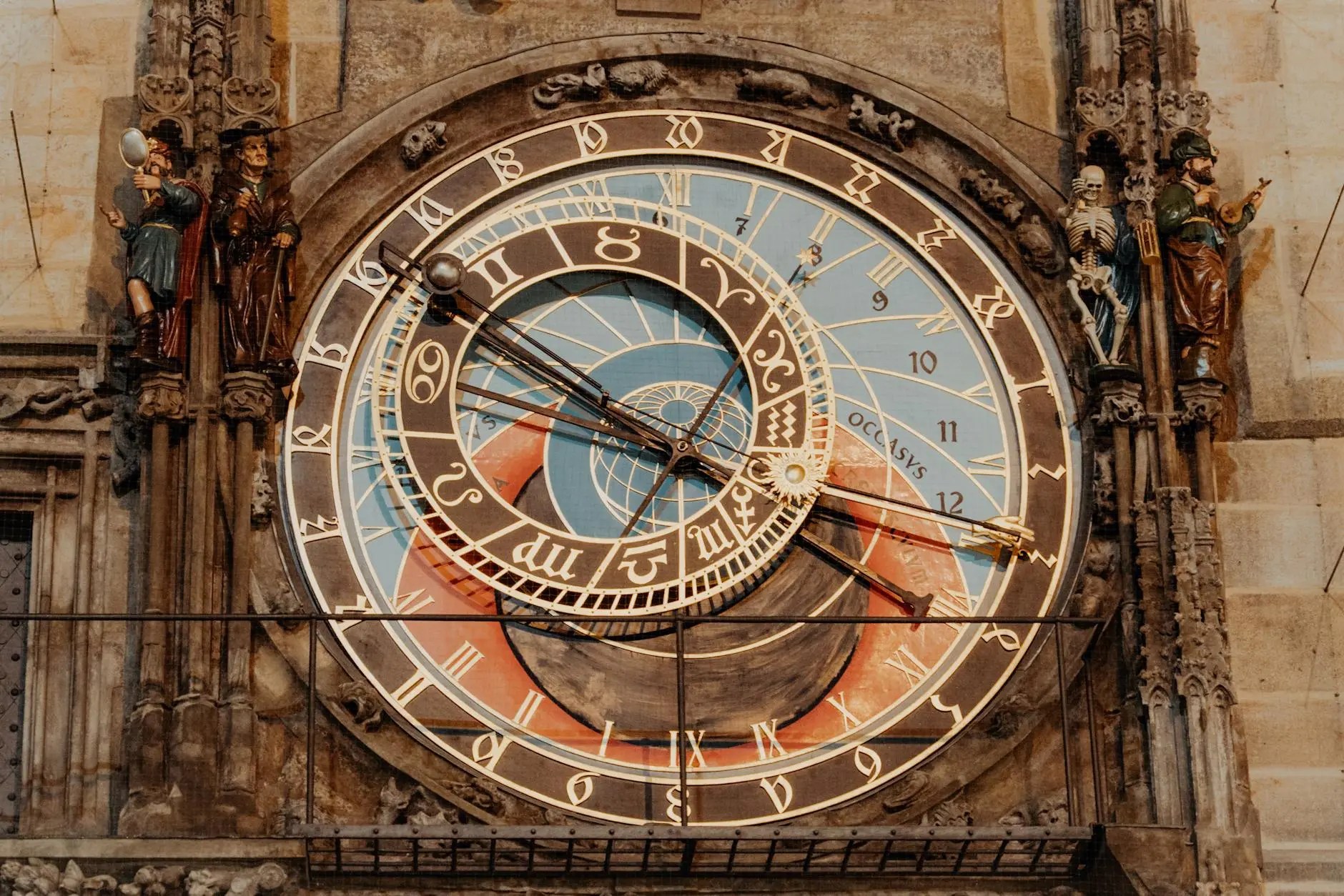
Morning: Begin at the Old Town Square (Staroměstské náměstí). Watch the world-famous Astronomical Clock put on its show at the top of the hour (it’s a little underwhelming but you have to see it once!). Climb the Old Town Hall Tower for the best panoramic view of the square’s spires.

Old Town Square Tours

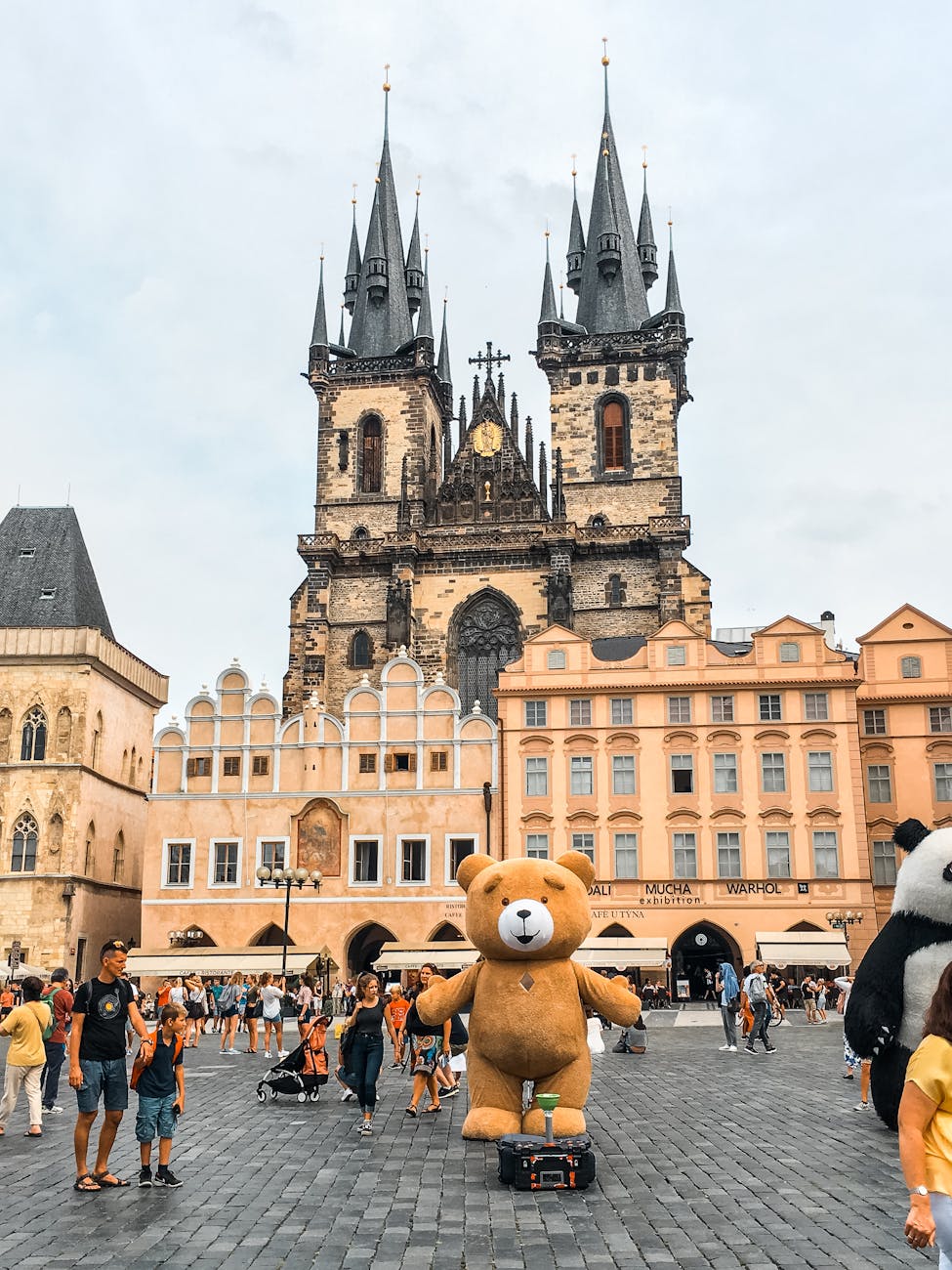
A large teddy bear costume character stands in the foreground of Prague's Old Town Square, with the iconic Church of Our Lady before Týn in the background, surrounded by tourists.
A lively scene in Old Town Square, Prague, featuring a giant teddy bear amidst crowds of tourists and historic architecture.

Prague Astronomical Clock Tours

Close-up of the intricate Astronomical Clock in Prague, featuring colorful astronomical details and decorative figures.
The iconic Astronomical Clock in Prague’s Old Town, a must-see attraction showcasing intricate designs and astronomical details.

Afternoon: Follow the crowds towards the Jewish Quarter (Josefov), a area rich with profound history. Afterwards, indulge your sweet tooth at the ICU Museum of Senses or find a hidden courtyard café to people-watch. If you have more time in the region, consider a day trip—I wrote about my favourite one to Cesky Krumlov here.

Prague Jewish Quarter Walking Tour with Admission Tickets

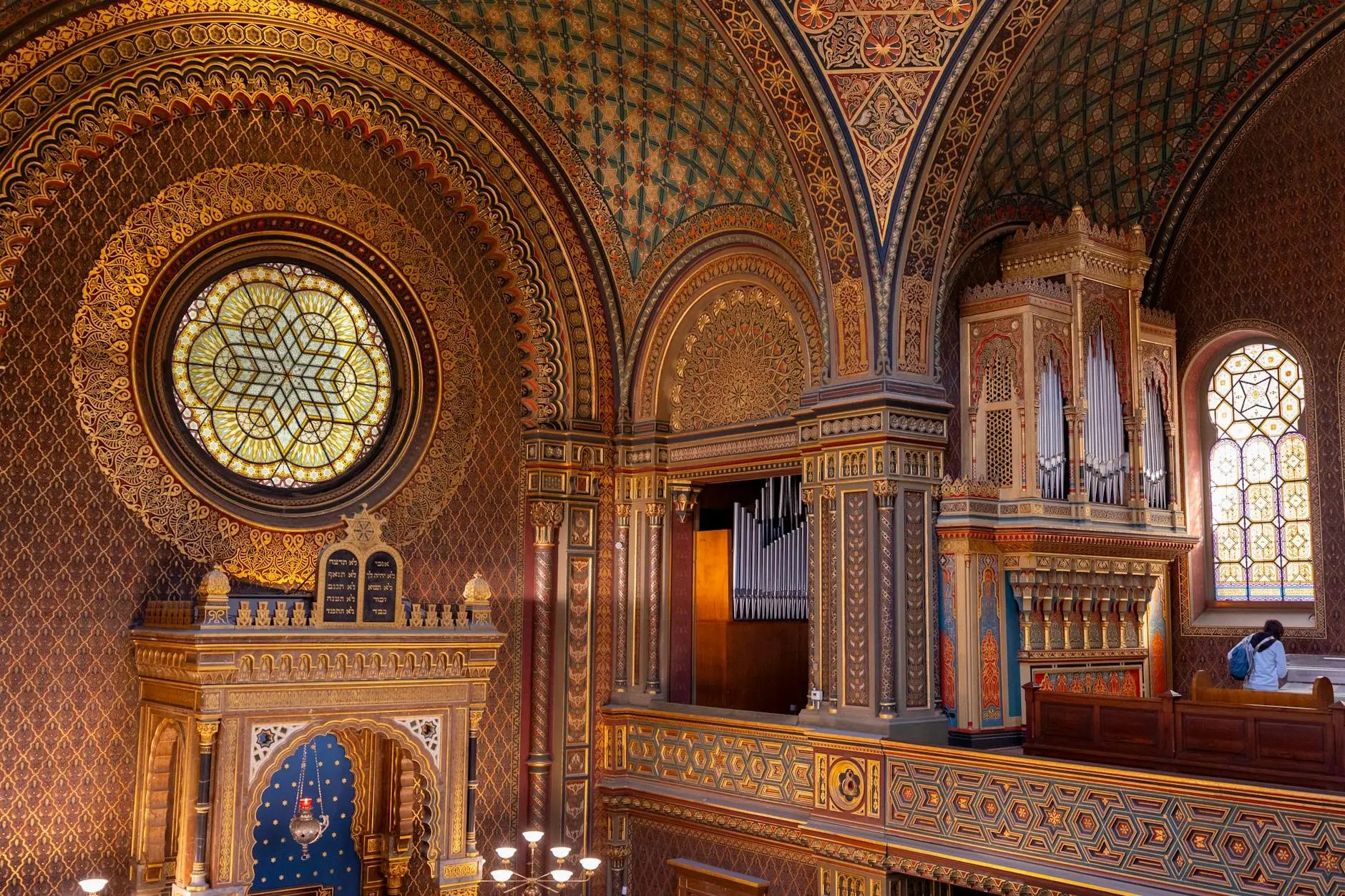
Interior view of a beautifully ornate synagogue featuring intricate patterns, colorful stained glass windows, and a large organ.
Interior view of the stunning Spanish Synagogue in Prague, highlighting its intricate architecture and vibrant stained glass.

Admission Ticket Museum of Senses Prague

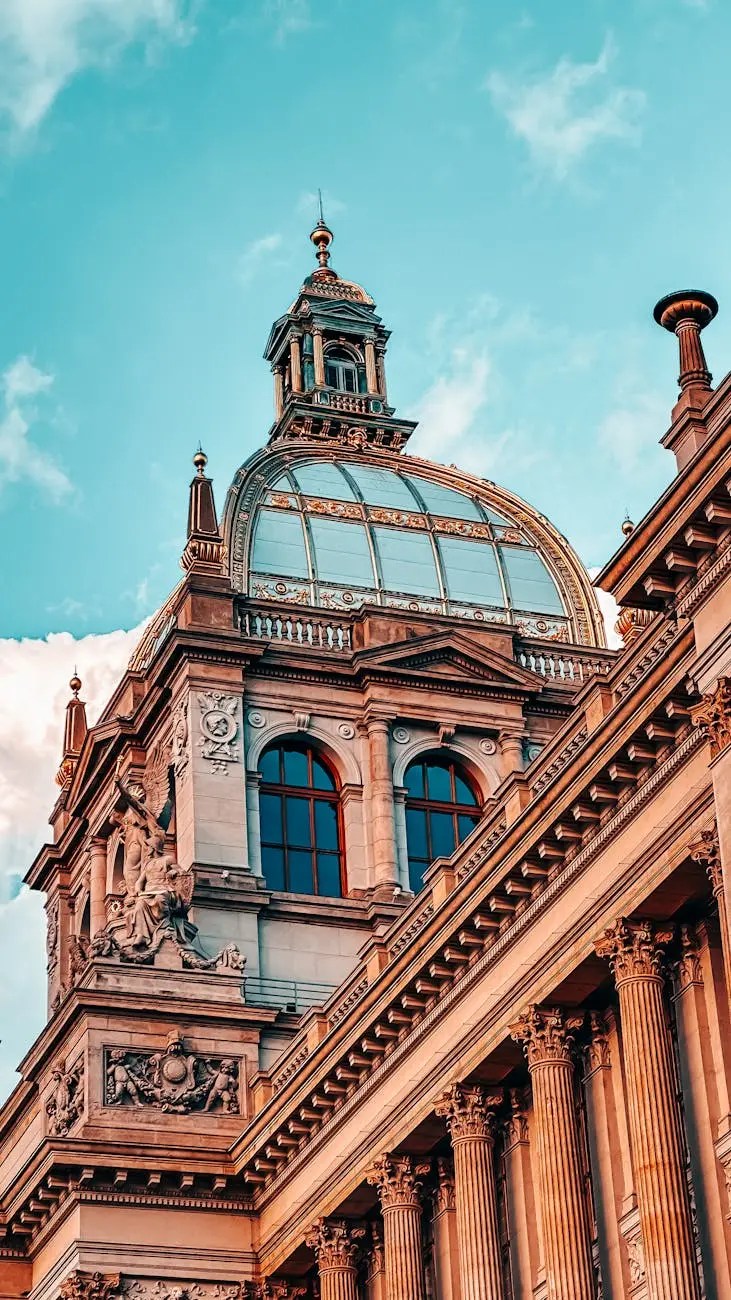
Close-up view of the ornate architectural details of a historical building in Prague, showcasing a decorated dome with a glass top against a blue sky.
The stunning architecture of a historical building in Prague, showcasing intricate designs and a magnificent dome under a clear blue sky.
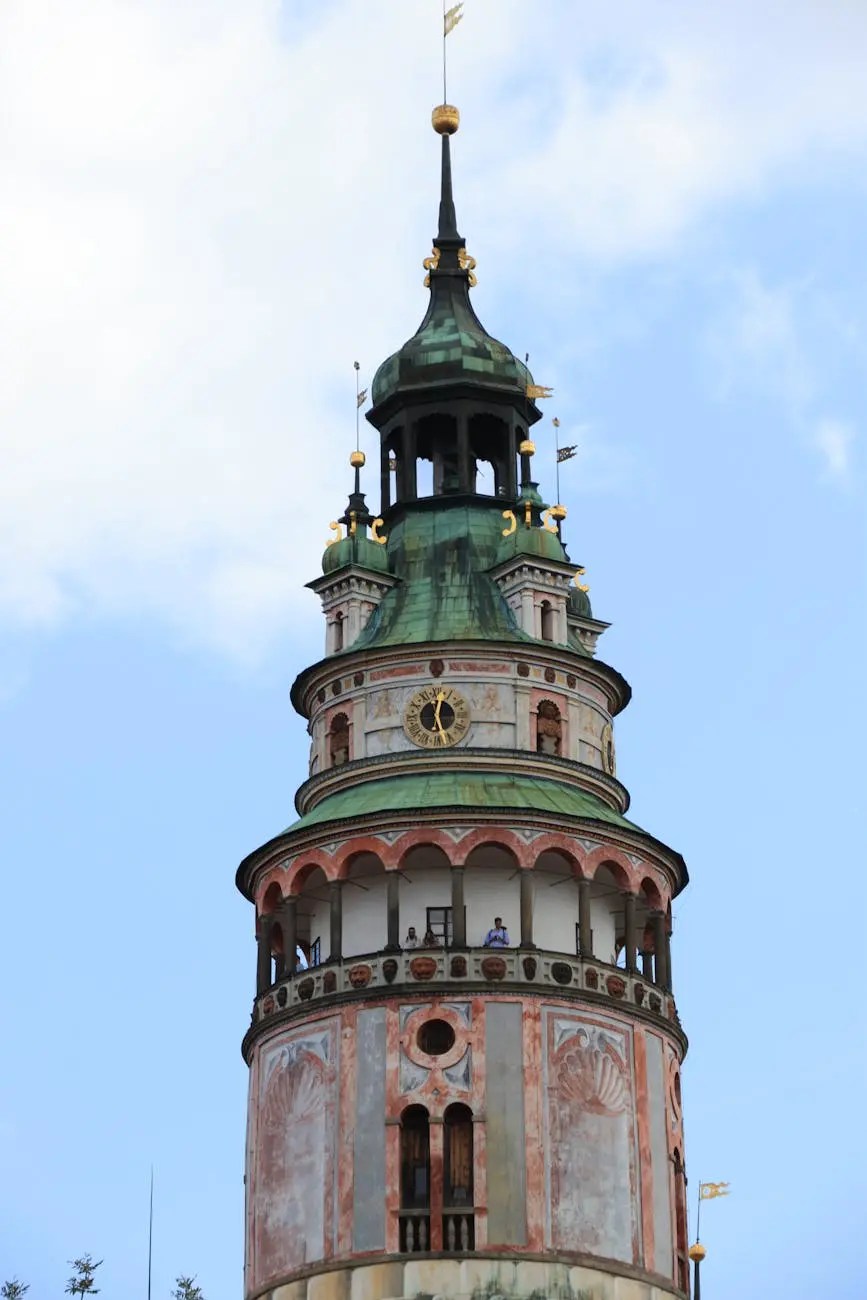
Close-up of a historic tower with a green dome, decorative details, and a clock, set against a blue sky.
The ornate tower in Prague showcases stunning architecture against the blue sky. (Český Krumlov)

Evening: For your last night, enjoy a proper Czech feast and a well-earned pint of Pilsner. Then, why not experience some of Prague’s legendary nightlife?

A vibrant nightclub scene with people dancing under purple and blue lights in an arched stone venue.
Experience Prague’s vibrant nightlife in this atmospheric underground venue, perfect for dancing and socializing.

Beyond the Checklist: Prague’s Hidden Gems 

  • Vyšehrad: A fortress complex south of the centre with gorgeous gardens, a cemetery with famous Czechs, and quiet, crowd-free views of the city. It’s a perfect escape.
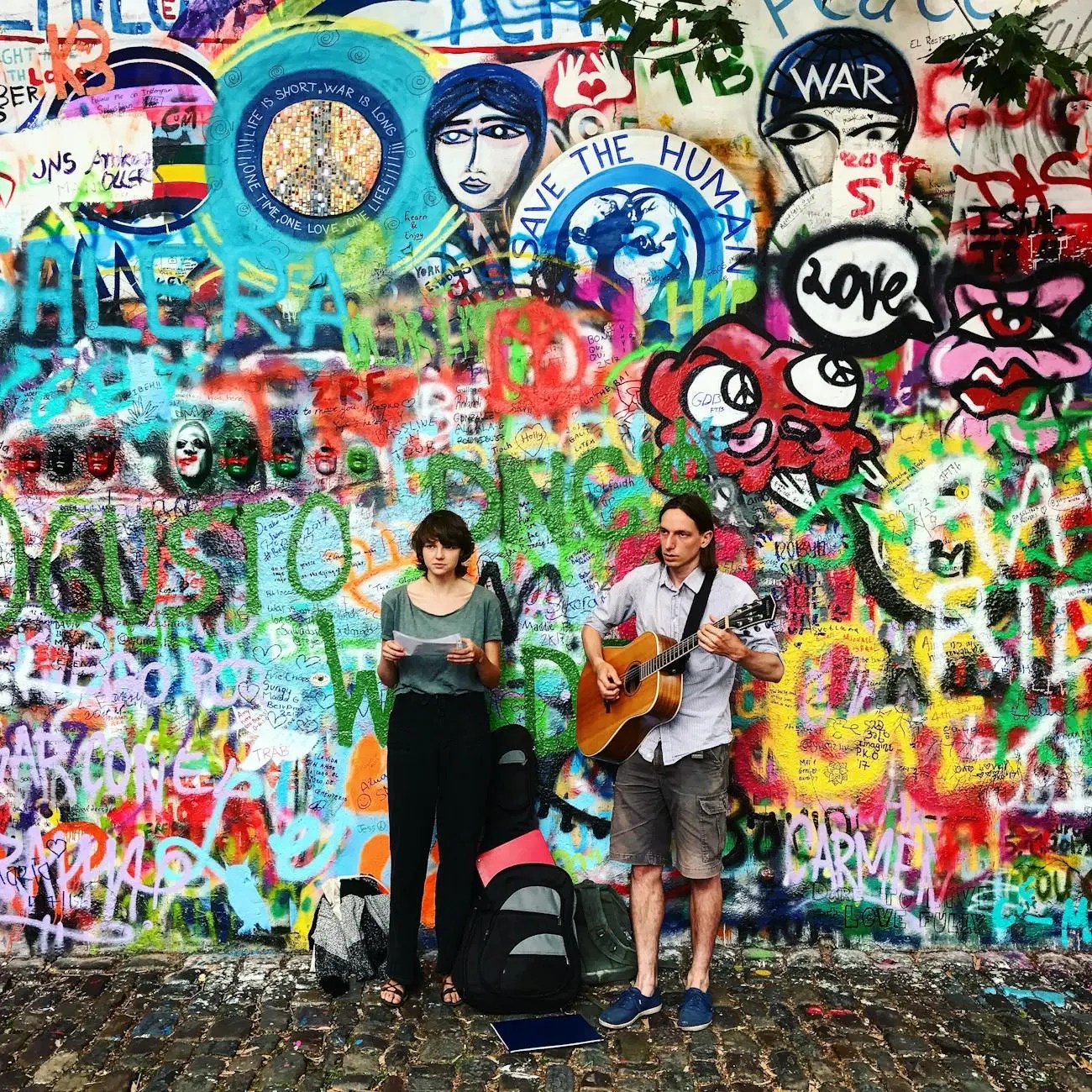
  • The John Lennon Wall: While not exactly “hidden,” it’s a vibrant, ever-changing symbol of peace and love. It’s a great quick stop in Lesser Town.
  • Letná Beer Garden: Located in Letná Park, across the river from the Old Town. It offers arguably the best view of the bridges and city centre. Grab a cheap beer, sit on a bench, and soak it all in with the locals.
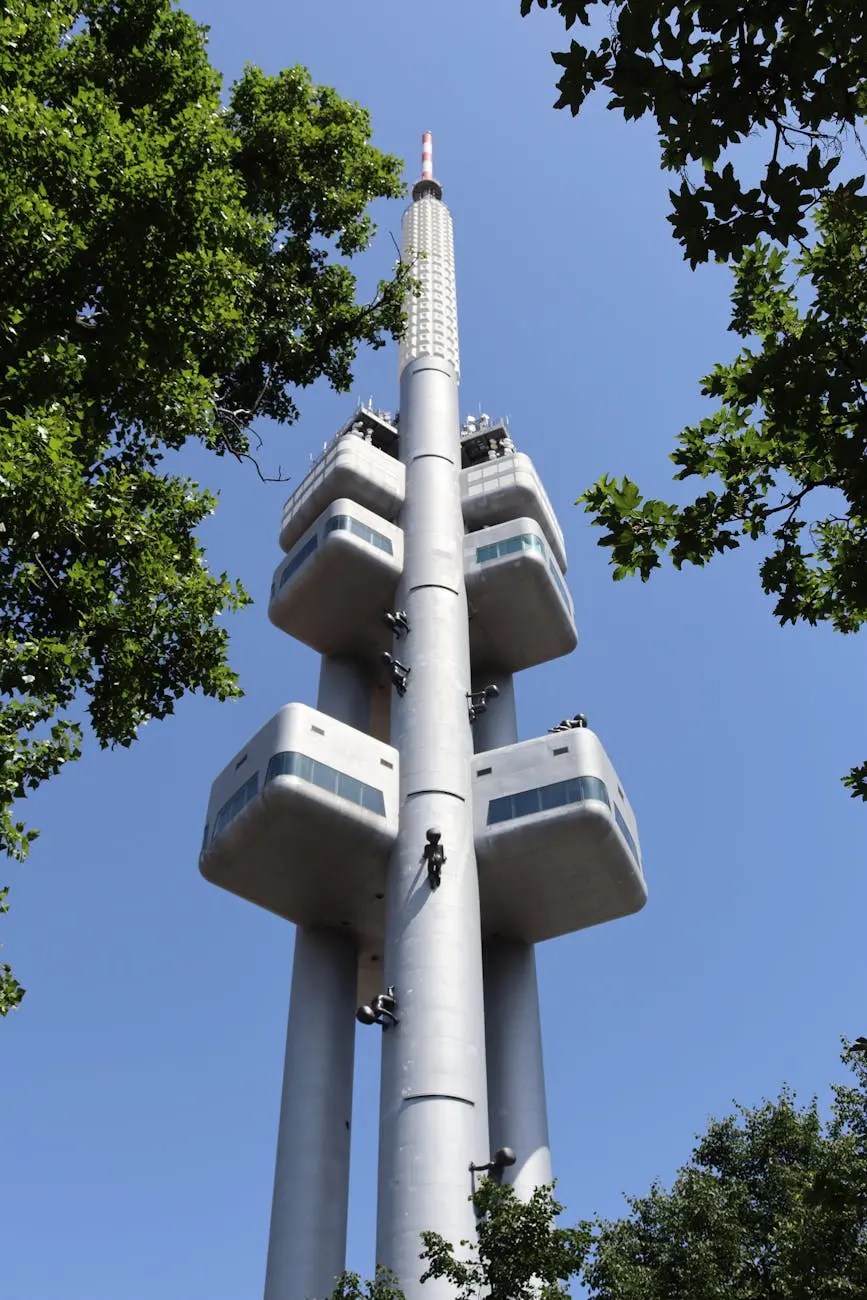
  • Stay near Malá Strana for fairytale atmospheres; or choose Žižkov for hip cafés and local nightlife. I once stayed in Žižkov and woke to the most gloriously odd murals—felt like my quirky soul had found a home.
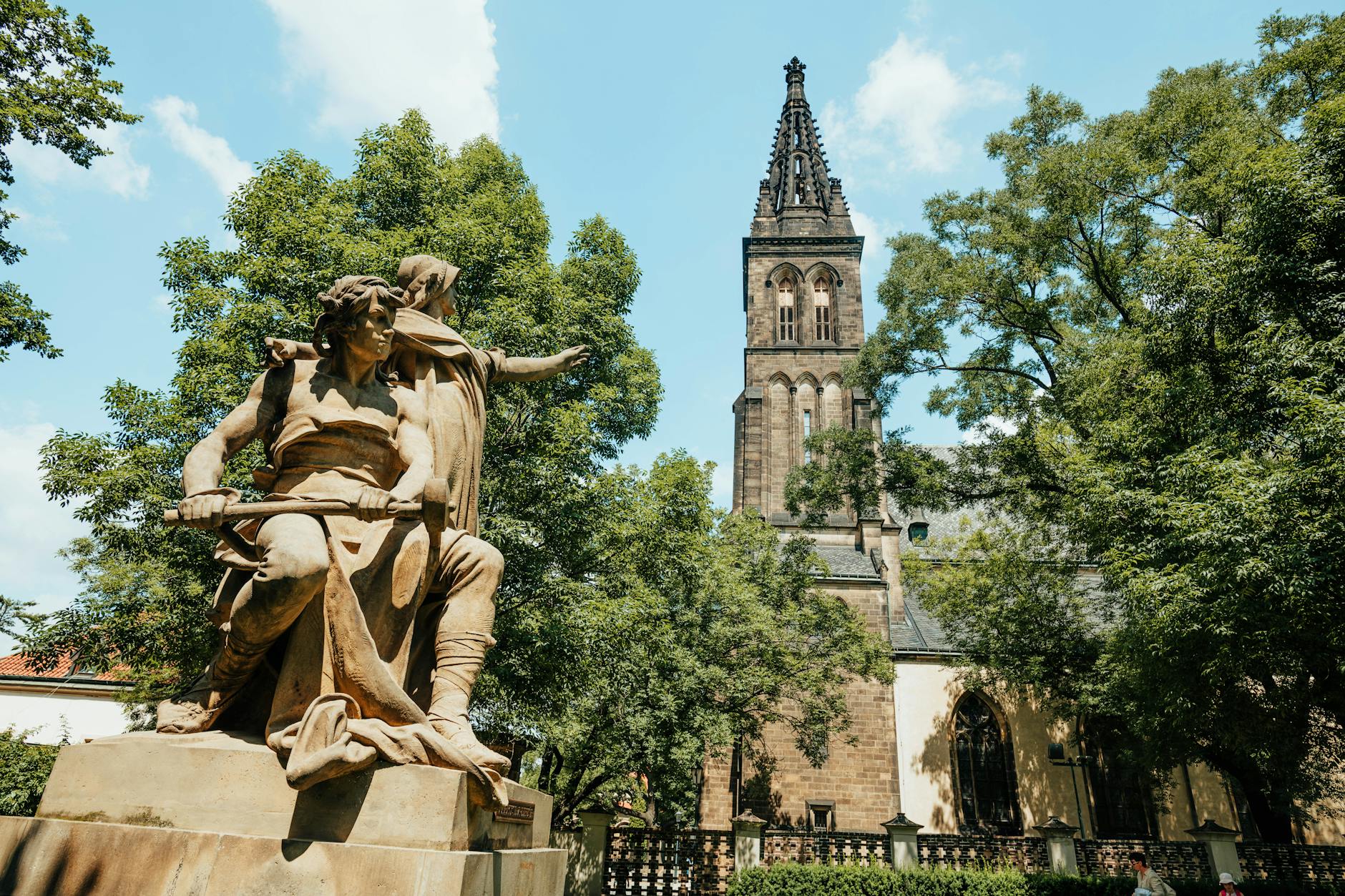
A close-up of a statue of two figures, one pointing forward, with a tall, ornate church tower in the background, surrounded by lush green trees against a blue sky.
A striking sculpture in front of a historic church in Prague, capturing the city’s rich cultural heritage.

A man playing guitar and a woman reading lyrics stand in front of the colorful John Lennon Wall, covered in graffiti and artistic messages.
A vibrant scene at the John Lennon Wall in Prague, featuring street performers amid colorful graffiti.

View of people dining at an outdoor seating area with a scenic backdrop of Prague's skyline featuring historical buildings and a clear sky.
A group of friends enjoying the scenic view of Prague from a park, surrounded by trees and historic architecture.
View of the Zizkov TV Tower in Prague, featuring its unique architectural design with viewing pods and trees in the foreground.
The Žižkov Television Tower, a striking landmark in Prague featuring viewing platforms and unique architecture.

Navigating Prague Like a Pro: Transport Tips

Prague’s public transport (Dopravní podnik hl. m. Prahy, or DPP) is fantastic, cheap, and will be your best friend.

  • The Ticket System: Forget zones. A single ticket covers all trams, buses, metros, and even the funicular for a set time (30 min, 90 min, 24 hrs, 72 hrs). For a weekend, the 72-hour ticket (330 CZK) is your best bet.
  • How to Buy & Validate: You can buy tickets from yellow machines at metro stations or most tram stops (card/cash), or via the PID Lítačka app (my preferred method—so easy!). CRUCIAL: You must validate your paper ticket in the yellow stamp machine before your first journey. No stamp = a fine. App tickets are activated before you board.
  • Key Routes:
    • Tram 22: It’s not just transport, it’s a scenic tour. It winds past the National Theatre, up to Prague Castle, and beyond. Ride it for the views.
    • Metro: The three lines (A-green, B-yellow, C-red) are fastest for covering long distances. Use them to get from downtown to the outskirts (e.g., to the bus station).
  • Public Transport: The network of metros, trams, and buses is extensive. For a weekend, the 72-hour ticket (330 CZK) is your best bet. It’s valid on all services. Validate it once in the yellow machine before your first journey and then you’re good to go. Trams #9, #17, and #22 are particularly useful for tourists.
  • Taxis & Ride-Sharing: Avoid flagging down taxis on the street. They are notorious for overcharging tourists. Use apps like Bolt or Liftago (the local equivalent to Uber) for transparent, fixed pricing.
  • Walking: Prague’s core is incredibly walkable. The best discoveries are often made by wandering without a map.

A detailed map of Prague's tram lines, showcasing various routes, stops, and connections within the city's public transportation network.
Map of Prague’s tram lines, showcasing the extensive public transport network for visitors exploring the city.

Trains, Buses & Car Rental

  • Train: The Czech Railways (ČD) system is punctual, frequent, and scenic—especially if you’re coming from Vienna or Berlin.
  • Bus: FlixBus and RegioJet are budget-friendly and reliable options—watch for comfy perks like free Wi-Fi and snacks.
  • Car: Renting a car gives flexibility for day trips (like Kutná Hora or Karlštejn Castle). Use Google Maps to pre-plan routes—Prague’s traffic can surprise you, and parking zones cost extra. Filling up near the city outskirts can save gas.

Map tip: download your route on Google Maps with offline mode—navigation without roaming charges.

Savoring Prague: Food, Beer, and Budget Tips 

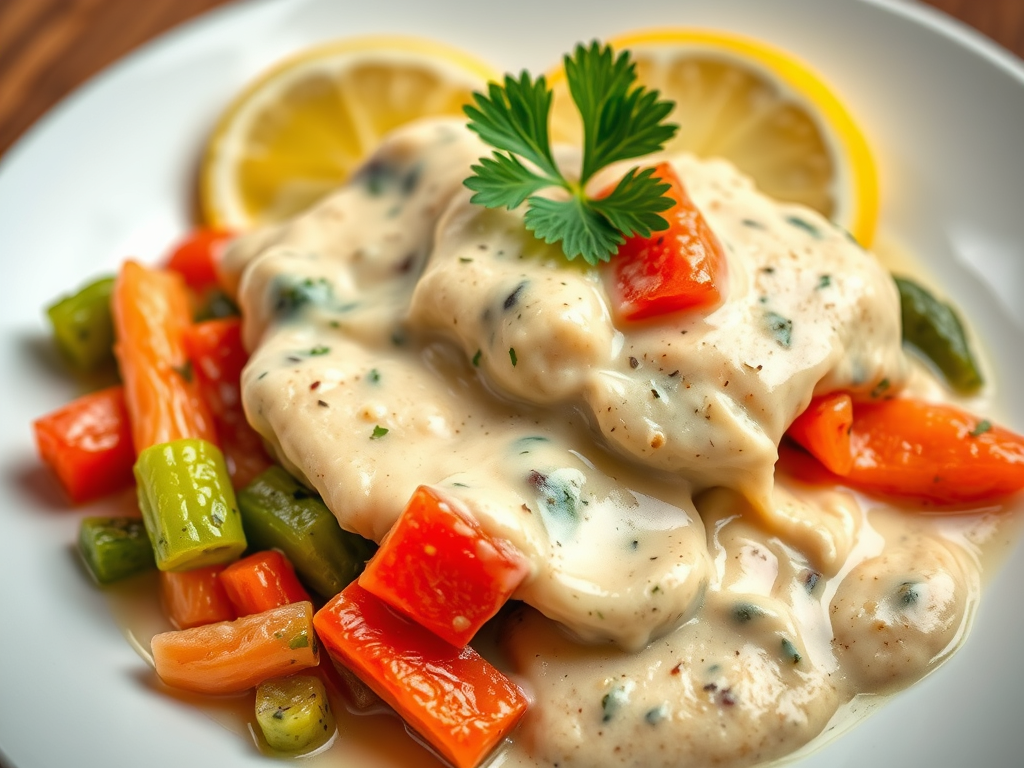
  • Must-Eat: Svíčková (marinated beef with a creamy sauce and dumplings), Guláš (goulash), and Trdelník (a sweet pastry roll—it’s for tourists, but try it anyway!).
  • Beer is King: A half-liter of excellent beer often costs less than a soda. Look for pubs serving Pilsner UrquellBudvar, or a local microbrew.
  • Save Money: Eat away from the main squares. A restaurant just one street over will be significantly cheaper and often more authentic. Look for lunch menus (denní menu) for the best deals.
A plate of marinated beef in a creamy sauce served with a side of colorful sautéed vegetables and lemon slices.
Delicious Czech svíčková served with colorful vegetables, perfect for a culinary experience in Prague.

A bottle of Pilsner Urquell beer on a dark background.
A bottle of Pilsner Urquell, the iconic Czech beer, illuminated against a smoky backdrop.

Essential Czech for Travellers

  • Hello / Goodbye: Dobrý den / Na shledanou
  • Thank you: Děkuji (Dyek-oo-yi)
  • Yes / No: Ano / Ne
  • Please: Prosím (also means “You’re welcome”)
  • Beer, please: Pivo, prosím
  • Cheers!: Na zdraví!
  • Do you speak English?: Mluvíte anglicky?

Local Lingo 101

Czech PhrasePronunciationMeaning
Ahoj!ah-hoyHello (friendly, casual)
Děkuji / Díkydye-koo-yee / deek-eeThank you / Thanks
Kolik to stojí?koh-leek toh stoy-eeHow much does it cost?
Toaletatoh-ah-leh-tahRestroom
Jedna pivo, prosímyed-nah pee-vo proh-seemOne beer, please

Czech Culture & Etiquette: Blend in Like a Local

A little cultural know-how goes a long way in making a good impression.

  • Shoes Off: If you’re invited into a Czech home, it is customary and polite to take your shoes off at the door.
  • Toasting: When you say Na zdraví! (Cheers!), make firm eye contact during the clink. It’s a old superstition that not doing so brings seven years of bad luck in the bedroom!
  • Punctuality: Being on time is valued, whether for a tour, dinner reservation, or meeting someone.
  • Quiet on Transport: Czechs tend to be quiet and reserved on trams and metros. Keep conversations at a considerate volume.
  • Pay at the Table: In most restaurants, the waiter will bring the payment terminal to your table when you ask for the bill. You don’t typically go to a cashier to pay.

Money Matters & Local Currency 

  • Currency: The Czech Republic uses the Czech Koruna (CZK/Kč), not the Euro. While some tourist spots might accept Euros, the exchange rate will be terrible. Always pay in Koruna.
  • ATMs & Cards: ATMs are everywhere. Avoid “Euronet” ATMs if possible—they offer dynamic currency conversion and have high fees. Your bank’s rate is always better. Credit/debit cards are widely accepted, but always carry some cash for smaller shops, market stalls, and public transport ticket machines.
  • Tipping: Rounding up the bill or leaving 10% is standard practice for good service in restaurants and pubs. It’s not mandatory but is appreciated.

Smart Travel Essentials: Stay Connected & Protected

Let’s talk practicalities. A few key items have saved my trips from turning into nightmares, and I’d never travel without them now.

📶 Stay Connected Instantly:
Remember that time I spent 45 minutes at a Prague airport kiosk trying to buy a local SIM with a clerk who spoke no English? Never again. Now I use Drimsim. It’s a genius universal SIM that works in 190+ countries the second you land. Pop it in your phone, top up via the app, and you’re online. No hidden fees, no hassle. It’s a total game-changer for navigating maps and posting pics on the go.
<a href=”https://drimsim.tpm.lv/WZXbFzT6&#8243; rel=”nofollow”>Get your universal Drimsim travel SIM here</a>

🔒 Protect Your Privacy & Access:
Using public WiFi in cafes and hotels? Please, use a VPN. NordVPN encrypts your data, so your passwords and bank details are safe from prying eyes. It also lets you access streaming services from back home if you need a quiet night in. your online travel with NordVPN

✈️ Get Compensated for Flight Issues:
Had a flight delayed over 3 hours or canceled? Under EU air passenger rights, you could be owed up to €600 in compensation. Most people don’t claim it, but AirHelp makes it easy. They handle all the paperwork and fight the airlines for you, and they only get paid if you win. I’ve used them successfully—it’s stress-free and feels great to get that payout. Check your flight for free compensation with AirHelp

😌 Don’t Skimp on Insurance:
I never, ever travel without insurance. A simple accident or stolen bag can ruin a trip and your finances. I use VisitorsCoverage to compare and find the best plan for my specific trip. It’s peace of mind that’s worth every penny. Get a tailored travel insurance quote from VisitorsCoverage

📸 Capture the Memories:
Prague is endlessly photogenic. To capture all those stunning details, from the Astronomical Clock to the castle guards, I swear by my trusty Sony Alpha camera. It’s lightweight, powerful, and perfect for travel photography.

One of the best things about Prague is its location right in the heart of Europe. It pairs perfectly with other iconic German capitals for an unforgettable multi-city adventure. If you’re extending your trip beyond the Czech Republic, you’re in luck.

  • Heading south? Dive into the hearty Bavarian culture, world-class museums, and beer gardens of Munich. It’s a fantastic contrast to Prague’s intimate charm and makes for a perfect next stop.
  • Heading north? Immerse yourself in the gritty, vibrant, and endlessly cool atmosphere of Germany’s capital, Berlin. The journey from history-rich Prague to history-making Berlin is one every traveller should experience.

Prague Weekend Escape FAQ

What is the best time of year to visit Prague?
Spring (April-June) and Fall (September-October) are ideal. The weather is mild, and the crowds are thinner than in the peak summer months. The Christmas markets in December are also magical, but it’s very crowded and cold.

Is Prague expensive?
Prague is one of the most affordable capital cities in Europe. While prices have risen, it’s still possible to have a fantastic time on a moderate budget, especially if you eat and drink like a local away from the tourist hubs.

How much money should I budget for a weekend?
Excluding flights and accommodation, a comfortable budget for food, drink, attractions, and transport would be around 150-200 EUR for a weekend. You can do it for less, or certainly spend more!

Is English widely spoken?
Yes, absolutely. In the tourist centres, hotels, and restaurants, you will have no problem communicating in English. Learning a few basic Czech phrases is always appreciated, though.

What’s the best way to get from the airport to the city centre?
The Airport Express (AE) bus takes you to the main train station (Hlavní nádraží) in 35 minutes. Public bus #119 takes you to a metro station (Nádraží Veleslavín) where you can connect to the metro system. Both are cheap and efficient.

Q: Do I need Czech crowns (CZK), or is card okay?
A: Both! Most places accept cards, but keep a little CZK for trams, street vendors, and market stalls.

Q: What voltage is used? Do I need an adapter?
A: It’s Type E plugs at 230 V—bring a European adapter if needed.

Q: How safe is Prague for solo travelers?
A: Very! With standard common-sense precautions, walking late at night is usually fine—just watch for pickpockets in major tourist hubs.

Q: Can I split weekend itineraries for chill time?
A: Absolutely. Consider doing things at a relaxed pace: Day 1 for UNESCO charm and Old Town, Day 2 for hidden gems and maybe a sunset beer garden.

Conclusion: Your Unforgettable Prague Adventure Awaits

Prague is a city that truly has it all: jaw-dropping history, affordable prices, vibrant culture, and yes, incredible beer. With this guide, you’re equipped to dive deep into its fairy-tale streets, connect with its friendly locals, and create a weekend you’ll remember for years to come. Remember to wear comfortable shoes, embrace getting a little lost, and always keep your camera ready around every corner.

Have you been to Prague? What was your favourite moment? Share your own stories and tips in the comments below—I’d love to hear them!

Ready to explore the cobblestone streets and ancient charm of Prague? Start planning your ultimate weekend escape now!

What’s your #1 travel tip for visiting a new city? Share your wisdom in the comments below!


Universal Disclaimer/Disclosure Page:

Ultimate Weekend Getaway in Las Vegas

Meta Description

“Discover the ultimate 48-hour Las Vegas weekend itinerary! Our expert guide reveals money-saving tips, Deuce bus secrets, hidden local gems, and must-see attractions for the perfect Sin City escape. Plan your smart Vegas getaway now!”

Table of Contents

  1. Friday: Arriving in Style & Hitting the Strip
  2. Saturday: Pools, Fine Dining & The Real Nightlife
  3. Sunday: Recovery & Hidden Gems Before You Fly Out
  4. Las Vegas Pro-Tips: Navigating Like a Local
  5. Vegas Lingo 101: Speak Like a High Roller
  6. Frequently Asked Questions (FAQ)

1. Why Las Vegas Is the Perfect Weekend Getaway

Las Vegas: the city where you can sip lattes at The Venetian in the morning, watch a Cirque show at twilight, and still have time for neon-lit desert photo ops. It’s compact, lively, and endlessly surprising—ideal for weekenders craving everything from glitz to gastronomic delights, plus a dash of desert magic.

So, you’ve got a weekend to spare and a burning desire to experience the electric, 24/7 heartbeat of the American Southwest? Welcome to Las Vegas, baby! A city that needs no introduction, but definitely requires a game plan. Forget what you think you know from the movies; a weekend in Vegas can be whatever you want it to be—a luxurious spa retreat, a non-stop party, a foodie pilgrimage, or an adventure into the surrounding desert wonders.

I’ve lost count of my Vegas trips, from bachelor parties I barely remember to surprisingly romantic getaways I’ll never forget. I’ll never forget the time my best friend thought he could “win back” our brunch money at the blackjack table—let’s just say we ended up sharing a suspiciously cheap hot dog from a street cart at 3 AM. 🤣 I’ve learned how to navigate the chaos, find the secret oases, and most importantly, how to do it without blowing my entire savings account on the first night. Consider me your virtual Vegas wingman. Let’s dive into your ultimate weekend escape.

 Flights to Las Vegas

2. Before You Go: Practical Prep & Visa Costs

Your mission upon landing at Harry Reid International Airport (LAS) is simple: get to your hotel, drop your bags, and activate “vacation mode” immediately.

🤔 What’s the first thing you do when you land in Vegas? Drop a comment below – I need new ideas for my next trip!

Hotels in Las Vegas

  • Getting There: The most efficient way to get to the Strip is via a rideshare (Uber/Lyft). The designated pick-up area is well-signposted. If you’re feeling thrifty, public bus routes 108 and 109 will get you close to the Strip for a few dollars, but it takes longer. For a seamless transfer, I always book my airport-hotel car service in advance through my trusted travel partner, Expedia.
  • Check-In Pro-Tip: Hotel check-in lines on Friday afternoon can be a nightmare. Use your hotel’s app to check in digitally if possible, or just drop your bags with the bell desk and promise yourself you’ll deal with the line later.

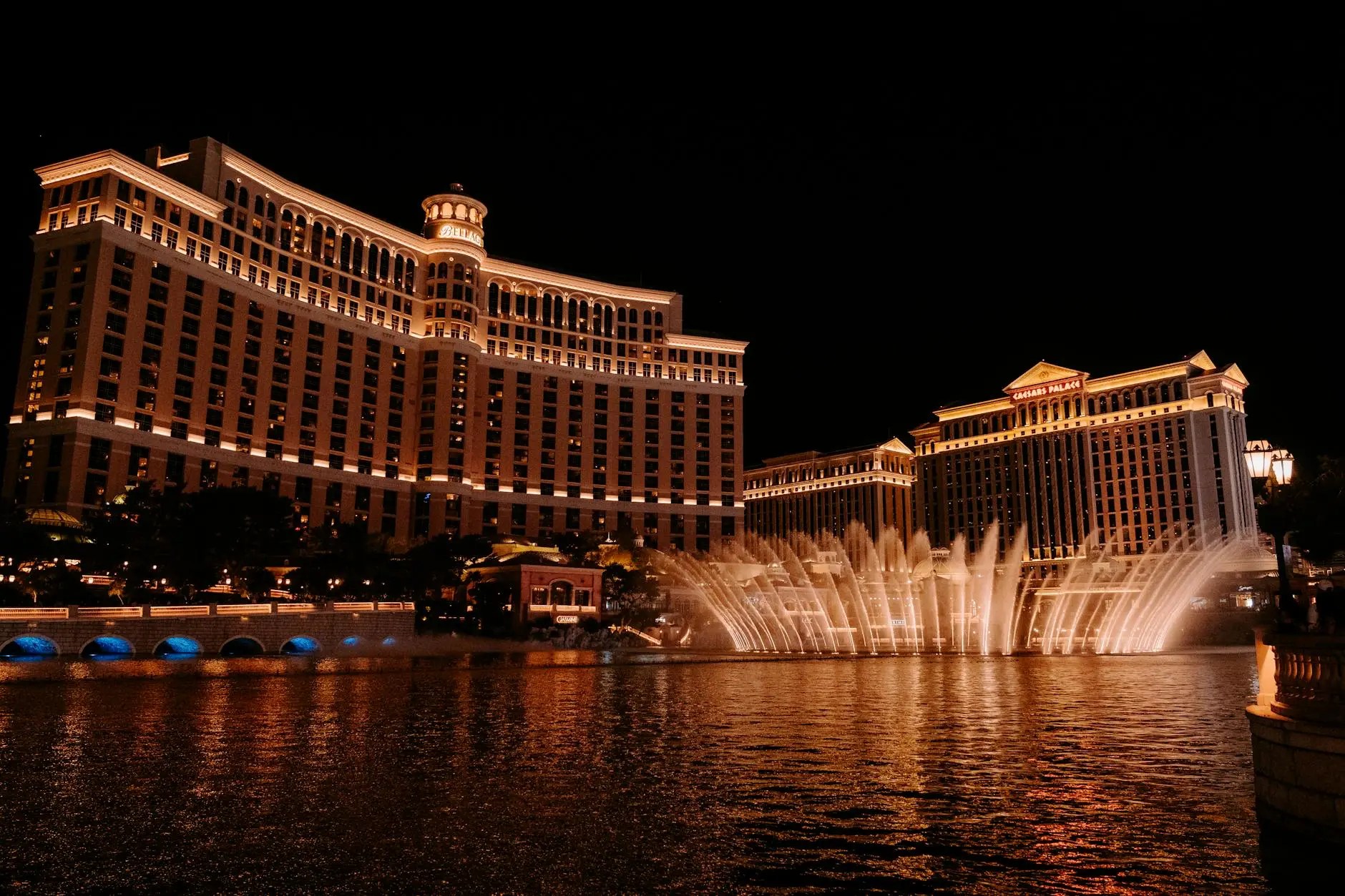
Once you’re free, it’s time to walk the Strip. Start at the Bellagio and watch the famous Fountains put on their hypnotic show. Then, wander through the Bellagio Conservatory—a stunning, free botanical garden that changes with the seasons. I once got lost in their Chinese New Year display for a solid hour, and it was worth every second.

“I’ll never forget my first Vegas arrival – I made the rookie mistake of trying to walk from the MGM Grand to the Venetian in heels. After developing blisters the size of actual grapes, I now always pack comfortable shoes in my carry-on!”

Nighttime view of the Bellagio Hotel with illuminated fountains in Las Vegas, showcasing its architecture and vibrant water display.
The breathtaking Fountains of Bellagio, a must-see attraction in Las Vegas, illuminated at night.

For dinner, skip the overpriced steakhouse on night one. Head to Ocean One Grille in the Planet Hollywood Miracle Mile Shops. They have a fantastic 3-for-$20 menu and killer drinks. Thank me later.

Interior view of a botanical garden featuring a glass ceiling and various tropical plants.
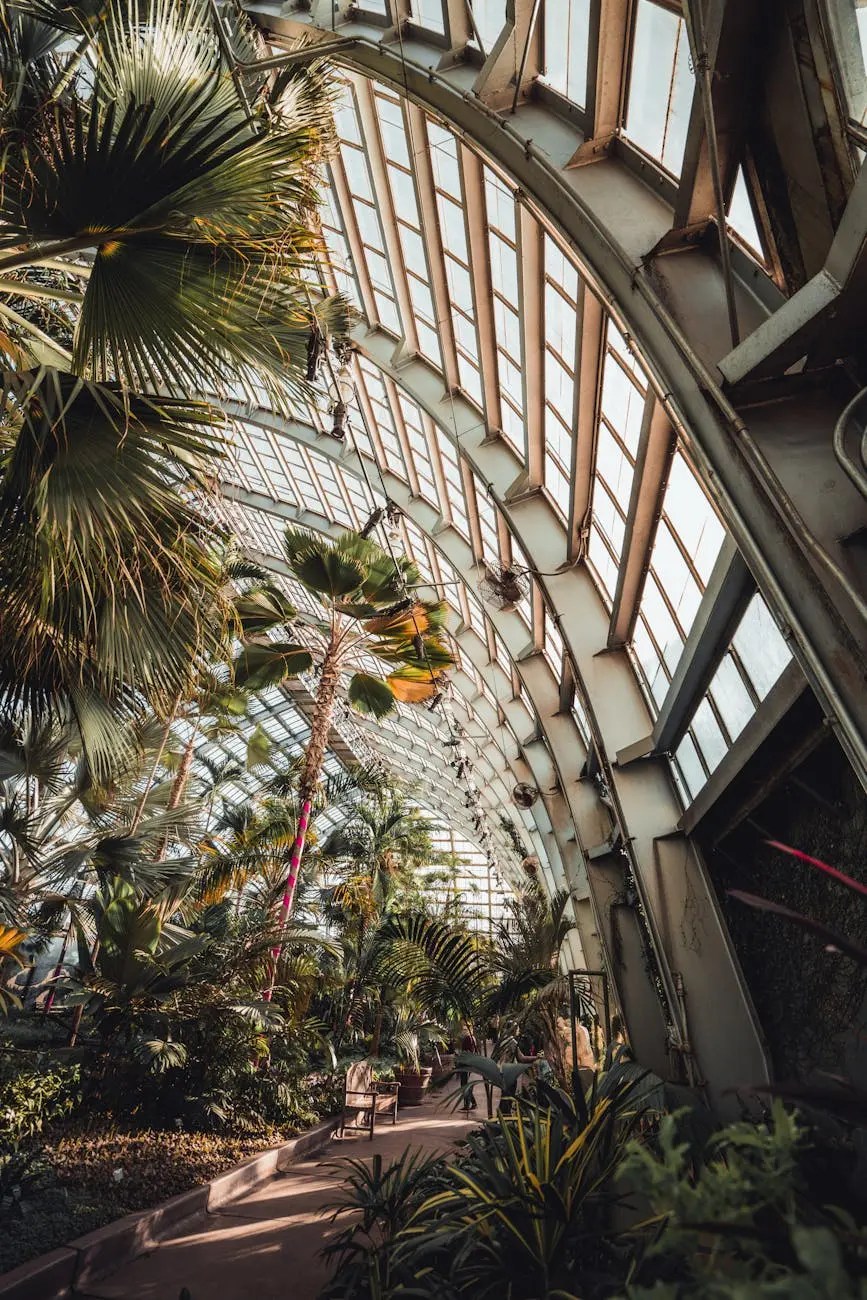
Explore the stunning botanical garden at the Bellagio, featuring lush palm trees and unique architecture.

End your night with a classic Vegas experience: a cirque du soleil show. “O” at the Bellagio or “KA” at MGM Grand are mind-blowing. Book your tickets ahead of time to secure a good spot!

“At my friend’s bachelor party, we discovered that the secret to affordable pool day drinks is to grab a few local beers from the ABC Store on the way. Just remember to use coozies and be discreet!”

MGM Grand Casino Tours

Intricate interior of The Venetian in Las Vegas, showcasing ornate frescoes on the ceiling and a stylish, geometric patterned floor.
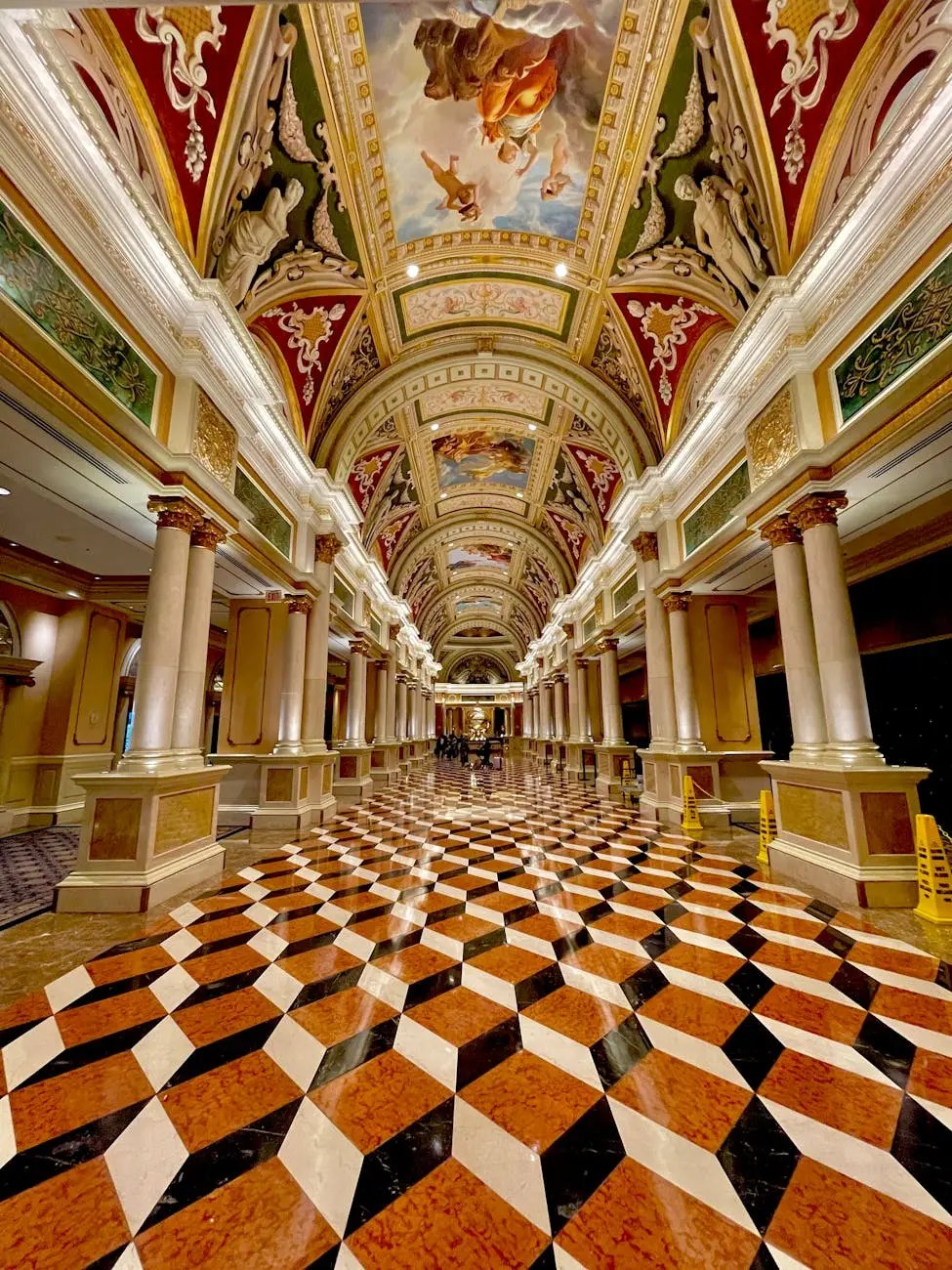
The stunning interior of The Venetian in Las Vegas, featuring ornate ceilings and a beautifully patterned floor.

You’re in Vegas! Hopefully, you remembered to hydrate.

  • Morning: Grab a strong coffee and a breakfast sandwich from Sambalatte (a local favorite with several locations) to fuel up. If you’re here in the summer, your afternoon is likely dedicated to a day club pool party. Places like Encore Beach Club or Wet Republic are legendary. Buy tickets online in advance and pre-game responsibly at your hotel pool first to save a small fortune on club drinks.
  • Alternative Day Activity: If EDM and overpriced bottle service aren’t your thing, rent a car for the day (this is where saving on transport earlier pays off!) and drive out to Red Rock Canyon National Conservation Area. The 13-mile scenic drive is breathtaking, and a few short hikes will make you forget you’re just 30 minutes from the Strip. The contrast is unreal. Pro Tip: You need a timed reservation for the scenic drive, so book it online a week in advance!
A scenic view of large red rock formations against a cloudy sky, surrounded by desert terrain and sparse vegetation.
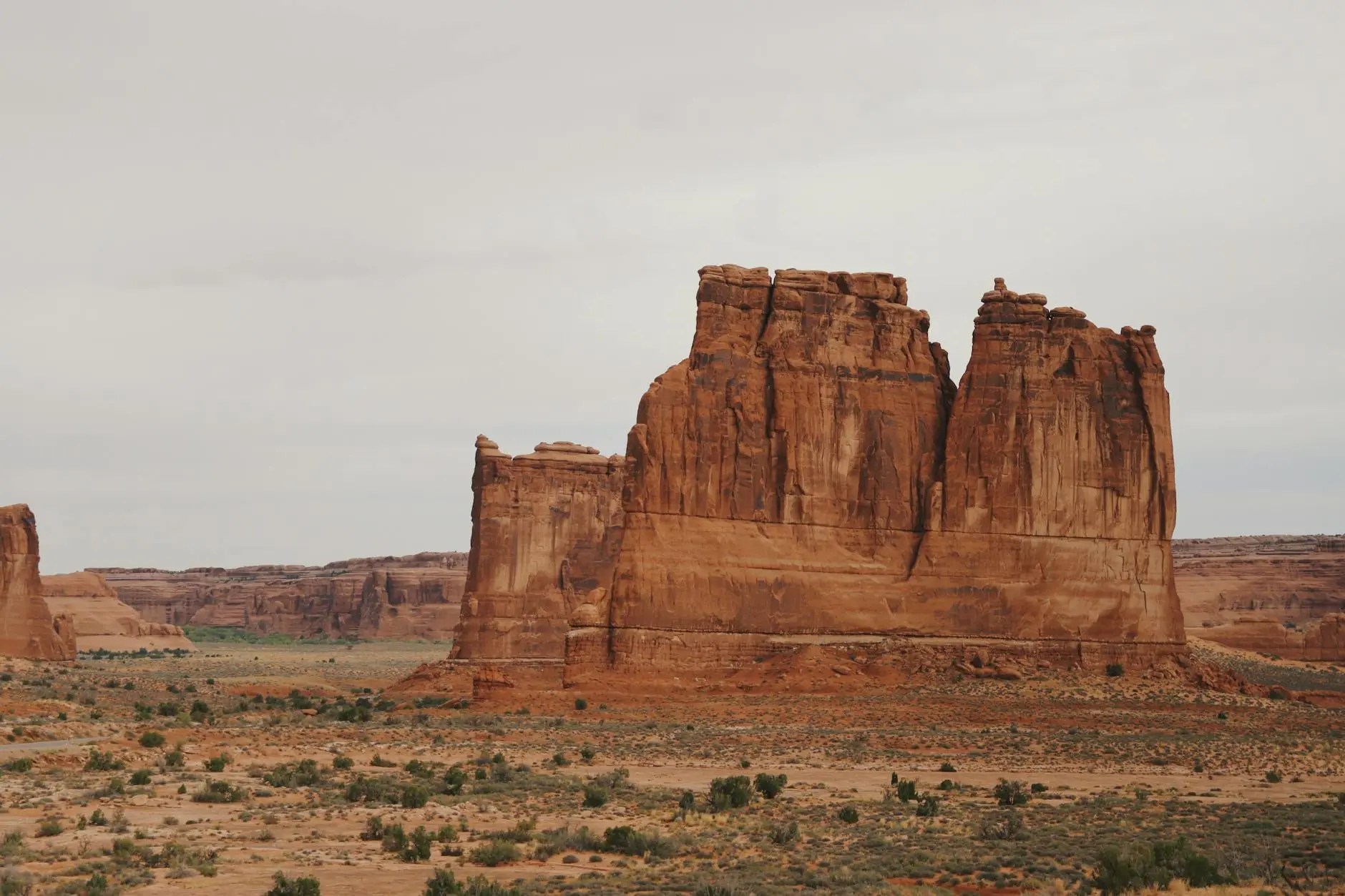
Explore the stunning desert landscapes near Las Vegas, perfect for a weekend getaway.

For dinner, go all out. This is your fancy night. You can’t go wrong with Bavette’s Steakhouse at Park MGM for a dark, jazzy, old-school vibe or Best Friend by Roy Choi at The Park for an incredible Korean BBQ fusion experience that’s bursting with flavor and personality.

After dinner, explore a different casino resort. I love the vibe at The Cosmopolitan, with its hidden pizza place and multi-level bars. For a truly unique experience, find the Chandelier Bar—a three-story bar inside, you guessed it, a giant glittering chandelier.

My favorite recovery breakfast discovery happened by accident when our Uber driver took a wrong turn and we ended up at a tiny diner off the Strip called ‘The Peppermill.’ Their massive omelets and strong coffee became our group’s official Vegas hangover cure.”

3. Getting There & Getting Around: Transportation Guide {#transport}

Getting There:

  • By Air: McCarran International Airport (LAS) is a compact and well-connected hub. Tip: If flights are delayed or canceled, you can check with AirHelp—they can help you claim up to $650 in compensation. They only charge if you win, so it’s stress-free: [Check your flight with AirHelp]

Getting Around Las Vegas:

  • Deuce & SDX Buses: Reliable and runs 24/7 along the Strip and Downtown. A 2-hour pass is very affordable.
  • RTC Ride Share/Monorail: Great when your feet are begging for mercy. The Monorail zips past major resorts quickly—fastest way along the corridor.
  • Car Rental: If you’re heading out of town (Red Rock Canyon, Valley of Fire), a car saves time and lets you chase sunsets. Gas mileage is solid; a refill costs far less than a sudden taxi spree.
  • Road-map tip: Grab Google Maps or Citymapper offline before you go—signals can drop near casinos. Pre-load routes to Red Rock and Downtown to cut out wandering detours.
  • Getting Around: The Deuce bus is your best friend. It’s a double-decker bus that runs the entire length of the Strip and downtown 24/7. A 2-day pass is around $20 and will save you a fortune on rideshares that get stuck in brutal weekend traffic. The Las Vegas Monorail is also great for quickly getting from one end of the Strip to the other, but its stations are often located at the back of the massive hotels, so be prepared to walk.
  • Save Money: Avoid ATM and credit card fees at casinos—they’re outrageous. Get cash out before you come. Drink while gambling? The drinks are “free” if you’re playing, but please tip your server a few dollars. It’s good karma and ensures they come back.
  • Stay Connected & Secure: Vegas is a Wi-Fi-rich environment, but it’s often insecure and unreliable on the move.
    • ✈️ Travel Tip: I never travel without my DrimSIM. It’s a genius universal SIM that works in 190+ countries, including the US. Pop it in, top up via the app, and you’re online the second you land. No hunting for a kiosk or scary roaming bills. It’s a total game-changer for staying connected on trips. Check out DrimSIM here for your next adventure.
    • Always Use a VPN: Public Wi-Fi is a hacker’s playground. I always use NordVPN to encrypt my connection, especially when checking bank accounts or booking last-minute tickets on hotel Wi-Fi. It’s essential digital protection. Stay safe online with NordVPN.
  • Travel Insurance: A weekend in Vegas might seem low-risk, but between flight delays, lost luggage, or a rogue blackjack table cleaning you out, things happen.
    • ✈️ Smart Travel Tip: I never leave home without a good policy from VisitorsCoverage. It’s a platform where you can easily compare plans and find one that fits your specific trip length and needs. It’s that peace of mind that lets you truly relax. Find the right coverage for your trip here.

Vegas Lingo 101

  • The Strip: Las Vegas Boulevard South, the main drag with all the big hotels.
  • Downtown / Fremont Street: The original, older casino area under the massive LED canopy. It’s a more gritty, eclectic, and often cheaper experience.
  • CRV: Convention Rate Value. The hidden fee resorts add to your room rate. It’s usually a few dollars a day.
  • “What’s your play?”: What a casino host might ask to see what kind of gambler you are (i.e., how much you’re betting).
  • “I’m down…”: Means you’ve lost money gambling. As in, “I’m down $100 at the blackjack table.”
  • “Comp”: Short for complimentary. Anything you get for free from the casino (rooms, meals, shows) based on your gambling.

Personal anecdote: On my last trip, my buddy and I ditched our pricey umbrella drinks and wandered toward Neon Museum right at dusk—nothing beats those warm, nostalgic glows and stories of old Vegas.

5. Money-Saving Tips & Smart Logistics {#savemoney}

  • Book shows mid-week or during matinees for steep discounts.
  • Skip resort corridors for happy hours in Chinatown—not only cheaper bites, but you get to eat like a local.
  • Use multi-hour bus or monorail passes (they’re way cheaper than multiple single rides).
  • Download offline maps and set your navigation to “avoid highways” only if heading into scenic outskirts (they often take you through scenic, lower-traffic routes that can actually save gas).

Frequently Asked Questions (FAQ)

Q: What’s the best time of year for a weekend in Vegas?
A: Spring (March-May) and Fall (September-November) are perfect. The weather is warm and ideal for pool time and walking. Summer is brutally hot, and winter can be surprisingly chilly.

Q: Do I need to rent a car?
A: For a standard Strip weekend, absolutely not. Between rideshares, the Deuce bus, and the monorail, you’re covered. Only rent one if you plan to explore off-Strip like Red Rock Canyon or the Hoover Dam.

Q: How should I dress?
A: Comfortable shoes are NON-NEGOTIABLE. You will walk miles. During the day, resort casual is fine. At night, most clubs and nicer restaurants enforce a dress code (no shorts, sandals, or athletic wear for men). Check the venue’s website beforehand.

Q: What’s the best way to get from the airport to the Strip?
A: Rideshares are most efficient ($15-25), but the CX bus is budget-friendly ($2). Avoid airport shuttles – they make multiple stops and can take 2-3 times longer.

Q: Are Las Vegas buffets worth it?
A: For dinner, absolutely – especially Wicked Spoon or Bacchanal. For breakfast, you’ll find better value at off-Strip diners like Blueberry Hill or The Peppermill.

Q: What should I absolutely not miss on my first visit?
A: The Bellagio fountains (free!), people-watching at The Venetian, and at least one Cirque show. And venture off-Strip to see the real Vegas!

Q: What if my flight to Vegas is delayed or canceled?
A: Don’t just accept it! You might be entitled to significant compensation.
✈️ Flight Delayed or Canceled? Under air passenger rights laws, you could be owed up to $650. Services like AirHelp will handle all the paperwork and fight the airlines for you—they only get paid if you win. It’s the easiest travel hack no one uses. Check your flight eligibility with AirHelp here.

Q: Are there any good day trips from Vegas?
A: 100%! The Grand Canyon (West Rim is closest), Hoover Dam, and the stunning Valley of Fire State Park are all within a 2-hour drive. If you have an extra day, it’s worth it.

Ready to plan your own ultimate Vegas weekend? I’ve used Expedia for years to bundle my flights and hotels for the best deals. Start your adventure now and see what magic you can find in the desert!

What’s your favorite Vegas hidden gem or story? Share it in the comments below!