Hi, I’m Laxmi Hegde 👋
MBA in Finance by degree, restaurant owner by profession, and full-time workaholic by… let’s call it “diagnosis.” When I’m not crunching numbers or managing my restaurant, you’ll probably find me chasing new ideas, planning my next big move, or spoiling my dogs like they’re royalty. 🐶✨
This blog is my creative escape—a place where I share travel adventures, skincare secrets, and a few life hacks I’ve picked up along the way. Think of it as part travel guide, part lifestyle diary, with a dash of humor (because life’s too short to be serious all the time).
Oh, and in case you’re wondering: yes, I’m still learning how to not work 24/7. Spoiler alert—I’m failing gloriously. 😅
Welcome to my little corner of the internet—grab a coffee, stay a while, and let’s explore together!
Meta Description: Discover Santorini Fava, the island’s PDO-protected yellow split pea puree. Our ultimate guide explains what it is, its history, how to eat it, where to find the best, and a simple recipe. Your complete resource to this must-try Greek delicacy.
A delicious plate of fava, a traditional Greek dish, served against the stunning backdrop of Santorini’s iconic blue domes. “Your new Greek obsession: Santorini fava. This deceptively simple, creamy yellow dip made from local split peas is a flavor powerhouse, typically topped with capers and onion. You’ll want to order it with every meal!”
More Than Just a Dip: Unpacking the Story of Santorini’s Fava
If you think you know hummus, wait until you meet its sun-kissed Greek cousin. I’m talking about Santorini fava, and it’s not just a dish—it’s a taste of the island’s volcanic soul. I’ll admit, on my first trip, I confused it with the broad fava bean and almost passed it over. That would have been a culinary tragedy of epic proportions. This creamy, yellow delight is the ultimate starter to any Santorini meal, and here’s why it deserves its superstar status.
So, What Exactly Is It?
Let’s clear up the number one point of confusion. Santorini fava is not made from the green fava beans you might know. It’s a puree made from yellow split peas (Lathyrus clymenum). These specific peas have been cultivated on the island for over 3,500 years, thriving in the unique, mineral-rich, and arid volcanic soil. The lack of water forces the peas to dig deep for moisture, concentrating their flavor and creating a nutty, sweet, and utterly distinct taste you won’t find anywhere else.
In fact, Santorini Fava has a Protected Designation of Origin (PDO) status from the European Union, meaning the real deal can only come from this specific island. It’s a geographic celebrity in the food world!
A Bowl of Sunshine on Your Table
When a bowl of fava arrives, it’s a simple yet beautiful sight. Its color is a warm, sunny yellow. The texture should be impeccably smooth and creamy, though you might find some rustic, family-style versions with a bit more texture.
But the magic really happens with the toppings. It’s traditionally served with a generous glug of golden, local extra virgin olive oil drizzled right on top. This is non-negotiable. Then, it’s accessorized with a sprinkle of chopped red onion or tangy capers, adding a sharp, crunchy contrast to the rich, creamy base.
How to Eat It Like a Local: Tear off a piece of crusty village bread, scoop up a generous amount of fava, and make sure you get a bit of onion and oil in every bite. It’s a perfect harmony of flavors and textures.
Where to Find the Best Fava in Santorini
While you can find fava on menus all over the island, the most authentic experiences are often away from the caldera-edge tourist traps.
In a Traditional Kafeneio: Seek out a small, family-run taverna in a village like Pyrgos, Megalochori, or Emporio. These places often make it from scratch daily.
By the Beach: Enjoying a plate of fava with a glass of crisp Assyrtiko wine at a seaside taverna in Kamari or Perissa is a quintessential Greek experience.
My Personal Anecdote: The best fava I ever had was in a tiny, unassuming taverna in Pyrgos, tucked away from the main path. The owner, a weathered man with a kind smile, brought it out with a proud flourish. It was still slightly warm, the olive oil was fragrant and green, and the onions were so sharp they made my eyes water—in the best way possible. It was a humble dish that told a story of the land and the people who work it.
Getting There by Ferry: Your Aegean Gateway
Flying directly into Santorini’s JTR airport is an option, but for the full Aegean experience, the ferry is where the adventure truly begins. The journey from Athens (specifically from the port of Piraeus) is a classic for a reason.
I’ll never forget my first time on that deck, the salty wind in my hair as we sliced through impossibly blue water, watching islands rise from the sea like mythical beasts. It’s a moving postcard.
Duration: This depends on the vessel. High-speed ferries take about 4-5 hours, while standard ones can take 7-9. For a weekend trip, the high-speed is worth the extra euros to maximize your time.
Booking: The easiest way to compare schedules and prices from all the different ferry companies is to use a site likeDirect Ferries.
It’s my one-stop shop for all Greek island hopping. You can check schedules and book your tickets for the Athens to Santorini route here.
Pro Tip: Book in advance, especially for weekend travel in peak season (June-August). And always confirm your departure port is Piraeus, not the smaller Rafina port, unless you know otherwise!
When your bowl arrives, you’ll see it’s a canvas for your own customization. Here’s the ritual:
Admire the Base: A smooth, sunny-yellow puree.
Add the Bling: A generous drizzle of high-quality, local extra virgin olive oil is essential.
Top it Off: The classic toppings are finely chopped red onion or salty capers. Sometimes you’ll get both!
The Bite: Tear a piece of crusty bread and scoop up a generous amount, ensuring you get puree, oil, and a bit of topping in every single bite. The combination of creamy, sharp, and crunchy is sublime.
Can You Make Authentic Fava at Home?
While it won’t have the exact terroir of the Santorini PDO peas, you can make a delicious version with regular yellow split peas.
The Secret is Simplicity:
Sauté a chopped onion in olive oil until soft.
Add 1 cup of rinsed yellow split peas and 3-4 cups of water or vegetable broth.
Simmer for 40-50 minutes until the peas are completely broken down and mushy.
Season with salt and pepper, then blend (or vigorously whisk) with a generous glug of olive oil until supremely creamy.
Serve with more olive oil, red onion, and capers.
See Fava in Action: Video Guides & Documentaries
Sometimes, you need to see it to believe it. To truly appreciate the craft and history of Santorini fava, I’ve curated a few excellent video resources that bring the story to life.
The History & Craftsmanship: This beautiful documentary segment from Greece from Above delves into the unique agricultural methods and the cultural significance of fava in Santorini. It perfectly shows why this dish is so special.
Watch: “The Santorini Fava – A Taste of Volcano“ (Note: This is a placeholder; you would need to find and insert a real YouTube link that fits this description).
A Traditional Recipe in Action: For a visual guide on how to make authentic fava at home, this cooking video from a renowned Greek chef walks you through every step, from rinsing the split peas to achieving the perfect creamy texture.
A Quick Cultural Overview: This short, engaging video from a travel vlogger gives a great 90-second summary of what fava is and why it’s a must-try dish, perfect for a quick visual primer.
Watch: “Santorini’s Secret Dish: Fava“ (Note: This is a placeholder; you would need to find and insert a real YouTube link).
How to Find the Best Videos to Link To:
Search on YouTube: Use keywords like:
“Santorini fava documentary”
“Santorini fava recipe”
“Greek yellow split pea puree”
“Fava Santorinis history”
Select High-Quality Videos: Look for videos from credible sources like:
Official tourism boards (e.g., Visit Greece)
Reputable food and travel channels
Well-known Greek chefs
Check for Engagement: Choose videos with good view counts, clear audio, and professional editing to ensure a positive user experience for your readers.
Fava FAQ: Your Questions Answered
Q: Is Santorini fava gluten-free? A: Yes! The puree itself is naturally gluten-free. Just ensure the bread served with it is also gluten-free if you have an allergy.
Q: What’s the difference between fava and hummus? A: They are completely different. Hummus is made from chickpeas and tahini (sesame paste), giving it a tangy, nutty flavor. Fava is made from yellow split peas and olive oil, resulting in an earthier, sweeter, and smoother taste.
Q: Is it served hot or cold? A: It’s typically served warm or at room temperature. Warm is ideal, as it allows the flavors to shine.
Ready to taste the real Santorini? Use my travel resources to start planning your trip!
Find the perfect stay for your foodie adventure on Expedia.
Check my master list for more travel destinations Master List
“While fava is the king of dips, Domates keftedesare arguably the island’s most famous appetizer. These crispy tomato fritters made from Santorini’s unique tomatoes offer a completely different—but equally delicious—taste of the volcanic terroir. I’ve written a whole guide on “[Domates-Keftedes-]” “How to find and eat Domates Keftedes”finding and enjoying the best domates keftedes in Santorini if you’re curious.”
Meta Description: Discover the charm of Tallinn, Estonia — a fairy-tale weekend destination where medieval streets meet modern magic. From budget travel tips and scenic ferry rides to hidden gems and foodie adventures, this guide helps travelers save time, money, and stress while exploring one of Northern Europe’s most underrated capitals. ✈️
Table of Contents
Why Tallinn is Your Next Weekend Winner
Your Step-by-Step Tallinn Itinerary: A Perfect 48-72 Hours
Day 1: Dive into the Medieval Old Town
Day 2: Creative Quarters & Coastal Views
Day 3 (The Bonus Day!): Day Trips & Deeper Dives
Tallinn Travel Smarts: Getting Around & Saving Cash
Public Transport: Your New Best Friend
Money-Saving Tips from a Local (Well, a Frequent Visitor)
Tallinn’s Hidden Gems: Beyond the Postcard
Essential Estonian: Don’t Leave Home Without These Phrases
Travel FAQ: Tallinn Quick-Fire Questions
Ready to Roam? Your Packing List & Final Checks
Why Tallinn is Your Next Weekend Winner
For my fellow Europeans, Tallinn is a ridiculously easy hop. For everyone else, it’s a stunning and affordable gateway to the Baltics. The compact, UNESCO-listed Old Town means you can see a staggering amount on foot. Plus, it’s incredibly safe, the food is a delicious mix of rustic and Nordic, and the tech scene is buzzing (they invented Skype, after all!).
Visa Note: As part of the Schengen Area, if you’re from a visa-exempt country, you can waltz right in. For others, always check the latest requirements.
I still remember stepping into Tallinn’s Old Town for the first time — cobblestones underfoot, pastel-colored houses glowing under a soft northern sun, and the smell of freshly baked pastries drifting from medieval cafés. It felt like wandering through a real-life storybook (minus the dragons, thankfully).
Tallinn, the capital of Estonia, is often overshadowed by its Scandinavian neighbors — Helsinki, Stockholm, and Copenhagen — but trust me, it’s just as magical (and a lot cheaper).
👉 Book your Tallinn weekend escape now through Expedia — flexible stays, best prices, and easy comparison.
🏰 Where to Stay in Tallinn
Stay inside the Old Town for the full medieval experience — waking up to church bells and pastel rooftops is pure magic.
If you’re after something trendier, Telliskivi Creative City offers artsy lofts, street art, and cafes that could give Brooklyn a run for its money.
💤 Book your stay here → Expedia Tallinn Hotels for last-minute deals and flexible cancellation
✈️ Getting There — Flights, Ferries & Visa Info
Tallinn Airport (TLL) is well-connected across Europe, and many budget airlines fly directly from London, Berlin, and Warsaw.
If you’re exploring the region, consider taking a ferry from Helsinki — it’s only a 2-hour scenic journey across the Gulf of Finland. I grabbed a hot coffee and watched the icy blue sea roll by — honestly, one of my favorite travel memories ever.
🚌 Getting Around — Public Transport Made Easy
Public transport in Tallinn is not just efficient — it’s free for residents (and super cheap for visitors).
Bus & Tram: Buy a QR ticket from the “pilet.ee” app. Most routes run from 5 a.m. to midnight.
Trolleybus: Great for getting to Kadriorg or the Seaplane Harbour.
Car: If you’re renting, roads are clean and well-marked. Parking in the Old Town can be tricky, so try Park & Ride zones outside the center.
Bike & Electric Scooters: Apps like Bolt make it a breeze to zip between sights.
🗺️ Time Saver Tip: Plan your route with Google Maps offline mode — it works even without Wi-Fi, saving data and battery.
Tallinn Travel Smarts: Getting Around & Saving Cash
Public Transport: Your New Best Friend
Forget renting a car in the city center—it’s a headache of narrow streets and expensive parking. Tallinn’s public transport is cheap, clean, and efficient. The system is a mix of buses, trams, and trolleys, and it’s incredibly easy to use.
From the Airport to the City: This is where I almost led you astray! There is no direct tram from Tallinn Airport (TLL). Here’s how you actually do it:
Best Option: Public Bus. Head right outside the terminal doors to the bus stops. Bus #2 will take you directly to the city center, with a key stop being “A. Laikmaa,” which is just a 5-minute walk from the Old Town and the vibrant Viru Street. The journey takes about 15-20 minutes. You can also take bus #15 or bus #49, which connect to other parts of the network.
Paying Your Fare: The easiest way is to simply tap your contactless bank card (credit/debit) on the validator when you board. It’s a seamless, “pay-as-you-go” system. Alternatively, you can buy a paper ticket from the driver for a slightly higher price (have some cash handy).
Taxi: If you have heavy bags or just want a direct drop-off, taxis are readily available and affordable. A ride to the Old Town should cost around €10-15. Ensure the taxi is licensed and uses a meter, or agree on a price beforehand.
The Tallinn Card: If you’re following this itinerary, this card is a no-brainer. It includes free public transport across the entire network (buses, trams, trolleys) and free entry to almost all the major attractions I’ve mentioned. I calculated it and saved over €50 in two days. It effectively makes getting from the airport and around the city completely free.
Getting Around the City: Once you’re in the center, you’ll mostly walk. To reach districts like Kalamaja or Kadriorg, the trams (especially #1 and #3) and buses are your best bet. Just tap your contactless card on the green validator inside the vehicle.
Your Step-by-Step Tallinn Itinerary
Day 1: Dive into the Medieval Old Town
Start atViru Gate, the iconic twin-towered entrance to the Old Town. Let yourself get lost. Seriously. The magic of Tallinn is in its winding, cobbled alleys. My strategy? Pick a street that looks interesting and follow it.
Morning: Make a beeline for Town Hall Square (Raekoja plats). If you’re lucky enough to be there in winter, you’ll find a Christmas market straight out of a storybook. Grab a hot glögg (mulled wine) and soak it in.
Afternoon: Hike up to Toompea Hill. The views from the Kohtuotsaand Patkuli viewing platforms are, without exaggeration, breathtaking. You’ll see the entire Old Town with its sea of red roofs and spires. This is where I got my favorite shot of the trip, captured perfectly on my trusty Sony Alpha 7C.
Evening: Ditch the main square for dinner. Find a cozy cellar restaurant like Olde Hansafor a full-on medieval experience (try the bear meat if you’re feeling brave!) or Rataskaevu 16 for amazing modern Estonian cuisine. Pro-tip: Book ahead!
Explore the iconic Viru Gate, a historic entrance to Tallinn’s enchanting Old Town. Stepping through history at the iconic Viru Gate. This 14th-century entrance is the perfect introduction to the fairy-tale charm of Tallinn’s UNESCO-listed Old Town. Pro tip: the flower stalls here are some of the most beautiful in the city!Charming pastel-colored buildings in Tallinn’s Old Town, showcasing medieval architecture against a clear blue sky. The heart of the medieval city: Tallinn’s Town Hall Square (Raekoja plats). These colorful gabled buildings have stood here for centuries, once housing wealthy Hanseatic merchants. In the winter, this very spot transforms into a magical Christmas market!A group enjoying the stunning views of Tallinn’s Old Town, featuring iconic rooftops and spires.A scenic view of Tallinn’s historic architecture, showcasing colorful buildings perched atop ancient city walls. The postcard-perfect view from Patkuli viewing platform. This is the scene that will convince you you’ve stepped into a fairy tale. Look for the “Three Sisters” towers and the spire of St. Olaf’s Church!
Day 2: Creative Quarters & Coastal Views
Morning: Cross the “Culture Kilometre” into the Kalamaja district. Famous for its picturesque, colourful wooden houses, this area is now the city’s hipster heart. Grab a coffee at a trendy café and then explore the Telliskivi Creative City, a sprawling complex of indie shops, galleries, and eateries in a former industrial complex.
Afternoon: From nearby Kalamaja, it’s a short walk to the Seaplane Harbour (Lennusadam). This is one of the coolest maritime museums I’ve ever visited, housed in a giant seaside hangar. You can clamber aboard a real submarine and see a historic icebreaker. It’s a hit for all ages.
Evening: Head to theRotermann Quarter, a superbly done mix of old factory buildings and sharp modern architecture. It’s packed with great restaurants and bars. It’s the perfect spot to reflect on your trip over a local craft beer.
Colorful buildings and lush greenery in Tallinn’s Kalamaja district, showcasing the area’s vibrant architecture.Explore the fascinating exhibits at the Seaplane Harbour, showcasing maritime history and technology.
Day 3 (The Bonus Day!): Day Trips & Deeper Dives
Got an extra day? Fantastic.
Option A (Nature): Take a 30-minute bus ride to Pirita. Walk along the beach, visit the ruins of St. Bridget’s Monastery, and climb the TV Tower for a panoramic view of the forest and coastline.
Option B (History): Venture further afield to Lahemaa National Park. You can join a tour to explore bogs, forests, and historic manor houses. It’s a complete contrast to the city and absolutely stunning.
For more Baltic inspiration, check out my guides to nearby Riga, Latvia and Vilnius, Lithuania. Doing all three is the ultimate Baltic road trip!
A serene wooden pathway leading through a lush, green landscape, perfect for nature exploration in Estonia. Walking the wooden boardwalk through Viru Bog feels like entering another world. The silence is broken only by the squelch of your own footsteps and the distant call of a bird. This is the raw, ancient beauty of the Estonian wilderness.
Tallinn Travel Smarts: Getting Around & Saving Cash
Public Transport: Your New Best Friend
Forget renting a car in the city center—it’s a headache of narrow streets and expensive parking. Tallinn’s public transport is cheap, clean, and efficient.
Single Tickets: You can buy a green Ühiskaart (smartcard) from kiosks or pay contactless with your bank card directly on the bus/tram. It’s super simple.
The Tallinn Card: If you’re following a busy sightseeing itinerary, this card is a no-brainer. It includes free public transport across the entire network (including those essential airport buses!) and free entry to almost all major attractions. I calculated it and saved over €50 in two days.
Getting Around the City: Once you’re in the center, you’ll mostly walk. To reach districts like Kalamaja (for the hipster cafes) or Kadriorg (for the art museum and park), the trams (especially #1 and #3) are your best bet. Just remember to tap your contactless card on the validator inside the vehicle.
💶 Smart Money-Saving Tips
Download Wolt or Bolt Food for cheaper local meals.
Visit museums on free entry days (usually first Wednesday of the month).
Walk or bike instead of taxis — Tallinn is compact!
Eat Lunch: Many restaurants offer a fantastic “lunch menu” on weekdays from 12-3 pm for a fraction of the dinner price.
Tap Water: The tap water in Tallinn is perfectly safe and delicious to drink. Bring a reusable bottle.
Free Walking Tours: Start your trip with one of the excellent free walking tours. You just tip the guide what you think it was worth.
🚌 Getting Around — Public Transport Made Easy
Public transport in Tallinn is not just efficient — it’s free for residents (and super cheap for visitors).
Bus & Tram: Buy a QR ticket from the “pilet.ee” app. Most routes run from 5 a.m. to midnight.
Trolleybus: Great for getting to Kadriorg or the Seaplane Harbour.
Car: If you’re renting, roads are clean and well-marked. Parking in the Old Town can be tricky, so try Park & Ride zones outside the center.
Bike & Electric Scooters: Apps like Bolt make it a breeze to zip between sights.
🗺️ Time Saver Tip: Plan your route with Google Maps offline mode — it works even without Wi-Fi, saving data and battery.
Tallinn’s Hidden Gems: Beyond the Postcard
The Danish King’s Garden: Behind Toompea Castle, this courtyard has a spooky legend and three mysterious monks carved into the wall. It’s much quieter than the main viewpoints.
KGB Museum in the Viru Hotel: Book a tour of the former KGB headquarters on the 23rd floor of this Soviet-era hotel. It’s a chilling but fascinating look into Estonia’s not-so-distant past.
St. Catherine’s Passage: A beautiful, atmospheric alley where you can find the workshops of local artisans and see ancient tombstones embedded in the wall.
🌊Tallinn’s Hidden Gems: Beyond the Postcard
The Danish King’s Garden: Behind Toompea Castle, this courtyard has a spooky legend and three mysterious monks carved into the wall. It’s much quieter than the main viewpoints.
KGB Museum in the Viru Hotel: Book a tour of the former KGB headquarters on the 23rd floor of this Soviet-era hotel. It’s a chilling but fascinating look into Estonia’s not-so-distant past.
St. Catherine’s Passage: A beautiful, atmospheric alley where you can find the workshops of local artisans and see ancient tombstones embedded in the wall.
Head to Kadriorg Park for a peaceful morning walk — the palace, built by Peter the Great, is a pastel dream.
End your day at Patarei Sea Fortress, an atmospheric spot perfect for golden-hour photos.
A scenic view of Tallinn’s medieval city wall surrounded by lush greenery and vibrant flowers, capturing the enchanting atmosphere of Estonia’s capital. By Taivo Pungas – Own work, CC BY-SA 4.0, https://commons.wikimedia.org/w/index.php?curid=49954130 The Danish King’s Garden, where legend says the Dannebrog—the world’s oldest national flag—fell from the heavens during a 13th-century battle. Talk about a divine fashion moment.An exhibit showcasing vintage military uniforms and communication equipment at the KGB Museum in Tallinn, Estonia.A glimpse of the ancient architecture in Tallinn, Estonia, showcasing stone arches and historical elements. Walking through history in St. Catherine’s Passage. This ancient archway is all that remains of a bustling 13th-century Dominican monastery, offering a silent, powerful glimpse into medieval Tallinn.A picturesque view of a serene park in Tallinn, featuring a decorative gazebo by the lake surrounded by lush greenery. The perfect spot to pause. This gazebo, watching peacefully over the lake, is where you come to forget your itinerary and simply enjoy the moment.
Got an Extra Day? How to Pop Over to Helsinki, Finland
So, you’ve fallen in love with Tallinn and you’re thinking, “What’s next?” Well, how about breakfast in Estonia and lunch in Finland? Helsinki is just a short hop across the Gulf of Finland, making it an incredibly easy and popular day trip or next stop on your Baltic adventure.
Having done this journey myself, I can break down the two main options: flying (which I don’t recommend for this leg) and taking the ferry (which is an experience in itself).
The Ferry: The Obvious (and Awesome) Winner
This is, without a doubt, the way to go. The ferry isn’t just transport; it’s part of the adventure.
The Experience: Imagine a giant, sleek cruise ship equipped with multiple restaurants, bars, tax-free shopping, and even live music. The 2-3 hour journey feels like a mini-cruise. On a sunny day, the views of the Baltic Sea and the archipelago from the deck are stunning.
The Logistics:
Companies: The main operators are Tallink Silja and Eckerö Line. Both are excellent, with modern, comfortable vessels.
Duration: Most ferries take between 2 to 3 hours.
Cost: This is the best part. You can often find one-way tickets for as low as €15-€30 if you book in advance. I once snagged a €19 ticket and felt like I’d won the travel lottery.
Terminals: The ferries dock right in the heart of both cities. In Tallinn, the terminal is a pleasant 15-minute walk from the Old Town. In Helsinki, you arrive just a short walk from the city center. You simply walk on and walk off—no lengthy airport transfers.
Flying: The (Usually) Unnecessary Hassle
While there are short flights between Tallinn and Helsinki, it’s almost never the right choice for a traveler.
The “Why Not”:
Total Travel Time: A flight is only 30-40 minutes in the air. But you have to factor in getting to the airport (30-45 mins), arriving 2 hours early for security, waiting for baggage, and then another 30-45 minute transfer from Helsinki Airport to the city center. You’re looking at 4-5 hours of total hassle versus the ferry’s relaxed 2-hour city-center-to-city-center trip.
Cost: Flights are almost always significantly more expensive than a ferry ticket, especially when you add in the cost of airport transfers.
Experience: Sitting in a cramped plane seat for a half-hour flight just can’t compare to strolling on a sundeck with a coffee in hand.
My Verdict: Unless you have a severe fear of boats or are collecting air miles, the ferry is the only sensible option. It’s cheaper, faster when you consider door-to-door travel, and infinitely more enjoyable.
Ready to set sail? 👉 [Check ferry schedules and book your tickets here via Direct Ferries to lock in the best prices.
Tallinn to Helsinki Ferry Price
The price of a ferry from Tallinn to Helsinki can vary between $36.51 and $221.23 depending on the operator, season and whether you are travelling with a vehicle. The average price of a foot passenger is $71.51, with prices ranging from $16 and $147. The average price with a car is $175.38. Car prices can range from $41 and $315. Prices may vary for other vehicle types. All ferry prices can change from season to season. Please be aware that prices do not include booking fees. 1 November 2025
Loved your time in Tallinn and feeling the pull of another Nordic adventure just across the water? You’re in luck! The journey from fairy-tale Estonia to the modern design capital of Helsinki is easier than you think. I’ve put together the ultimate guide to exploring Finland’s vibrant capital, perfect for a day trip or a longer stay. Ready to continue your Baltic exploration? Dive into my guide: An Unforgettable Weekend Getaway to Helsinki.
Let’s talk numbers, because this is where the ferry truly sails into the winner’s circle. While you might occasionally find a flight deal for around €50-€70 one-way, that’s just the tip of the iceberg. By the time you add in the cost of airport transfers on both ends (easily €15-€20 each way), that “cheap” flight suddenly looks more like €100. Meanwhile, I’ve consistently snagged ferry tickets for a laughably low €15-€30 – and that price includes a city-center-to-city-center journey, the freedom to wander, and a scenic mini-cruise across the Baltic. Unless you’re actively trying to burn cash for a 40-minute flight, your wallet will thank you for choosing the boat.
Let’s create a quick example for Tallinn, Estonia to Helsinki, Finland.
H2: At a Glance: Quick Comparison Table
Feature
Ferry
Flight
Travel Time
2-2.5 hours
30 min flight + 2+ hours airport time = ~3 hours total
Average Cost
€25-€40
€60-€120+
Baggage
Very generous
Strict carry-on/checked baggage fees
Scenery
Beautiful archipelago views
Views during takeoff/landing
City Center to…
Port is a 10-min walk/taxi
Tallinn Airport (TLL) is 15 min by tram, Helsinki Airport (HEL) is 30 min by train.
Verdict: For the Tallinn-Helsinki route, the ferry is the clear winner for almost all travelers due to its lower cost, central ports, and the fact it’s often faster door-to-door than flying.
Essential Estonian: Don’t Leave Home Without These Phrases
Estonians appreciate the effort! Here are the basics:
Estonian Word
Meaning
Pronunciation
Tere
Hello
TEH-reh
Aitäh
Thank you
Eye-tah
Palun
Please / You’re welcome
PA-lun
Kui palju see maksab?
How much does it cost?
Koo-ee pal-yu seh mak-sab
Hüvasti
Goodbye
HOO-vah-stee
Travel FAQ: Tallinn Quick-Fire Questions
Q: What’s the best time to visit Tallinn? A: May to September for lovely weather and long days. December for the magical Christmas market. Avoid the muddy shoulder months of March and April.
Q: Is Tallinn expensive? A: It’s one of the more affordable capitals in Europe, especially compared to Scandinavia. You can have a fantastic time on a moderate budget.
Q: Can I get by with English? A: Absolutely. Estonia has one of the highest English proficiency rates in Europe, especially among younger people and in the tourism industry.
Q: What should I pack? A: Comfortable walking shoes are non-negotiable! Layers are key, as weather can change quickly. And don’t forget a power bank and…
Q :How much does a weekend trip cost? Budget travelers can enjoy Tallinn for around €200–€250, including accommodation, meals, and transport.
Q: Do I need cash? Most places accept cards, but keep a few euros for markets or small cafés.
Q: Are there good day trips from Tallinn? Absolutely — try Lahemaa National Park or Parnu Beach for nature lovers.
Ready to Roam? Your Packing List & Final Checks
Before you zip up that suitcase, here are my final, can’t-live-without travel essentials:
Stay Connected (Without the Bill Shock): I never travel without my Drimsim. It’s a universal data SIM that works in 190+ countries. Pop it in, top up via the app, and you’re online. No more hunting for SIM cards or fearing roaming charges. Grab yours here and stay connected from the moment you land.
Protect Your Peace of Mind (and Your Wallet): Travel insurance isn’t glamorous, but it’s essential. I use VisitorsCoverage to compare plans and find the right coverage for every trip. It’s the smartest five minutes you’ll spend planning.
Browse Safely on Public WiFi: I always use a VPN on my phone and laptop, especially when using public WiFi in airports and cafes. It keeps my personal data safe from prying eyes.
Look Fresh, Even After a Red-Eye: Travel can wreak havoc on your skin. I swear by the gentle, effective formulas from Lakinza. Their K-beauty magic keeps my skin glowing through time zones. Use code Lalax10 for a sweet discount!
Flight Got Messed Up? Don’t just accept it! If your flight is delayed or canceled, you might be owed compensation. I use AirHelp to check my flight and let them handle the airline hassle. It’s free until they win!
🌍 Final Thoughts
Tallinn is where history whispers from cobblestones, and modern life hums in tech cafés. It’s a city that rewards slow exploration — and smart planning.
Whether you’re chasing fairy-tale rooftops, cozy saunas, or just a budget-friendly escape, Tallinn proves that the best European weekends don’t have to break the bank (or your Wi-Fi).
📍 Plan your ultimate Tallinn getaway now through Expedia and make it a weekend worth remembering!
Meta Description: Craft your perfect weekend in Beirut, Lebanon! This ultimate travel guide is packed with insider tips, hidden gems, and a savvy 3-day itinerary to explore the Paris of the Middle East. Discover where to eat, how to get around, and how to save time and money on your Lebanese escape.
So, your passport is begging for a stamp, and you’ve got a glorious 48-ish hours to spare? Forget the usual European city breaks; let’s talk about a place that will hijack your senses and steal a piece of your heart: Beirut.
This city is a beautiful, chaotic, and utterly captivating paradox. It’s where you’ll hear the call to prayer mingle with the bass from a rooftop bar, and see bullet-riddled buildings standing next to gleaming designer boutiques. It’s a city that lives life loudly and passionately. And honestly, a long weekend is the perfect amount of time to get a delicious, intoxicating taste of it.
As someone who’s gotten blissfully lost in its streets more times than I can count, I’m here to be your guide. Let’s craft your perfect weekend escape.
Forget everything you think you know about the Middle East—Beirut is here to rewrite the script. Known as the “Paris of the Middle East,” this city is a dazzling, chaotic, and utterly mesmerizing blend of ancient history and a non-stop modern pulse. One minute you’re marveling at Roman ruins, and the next you’re sipping a world-class cocktail on a rooftop bar.
My first visit to Beirut was supposed to be a low-key stopover, but it quickly turned into an obsession. I remember wandering through the streets of Gemmayzeh, the air thick with the scent of spices and jasmine, and thinking, “How is this place not swarming with tourists?” It’s a city with scars, yes, but its energy is utterly infectious. If you’re looking for a destination that’s more than just a pretty photo op—a place that grabs your soul and gives it a vigorous shake—then trust me, you need this Beirut escape.
💰 Know Before You Go: Visa & Money-Saving Tips {#visa-money-tips}
Let’s talk logistics. Smart travel starts with knowing the rules.
Visa & Entry Essentials
Many nationalities, including US citizens, can get a free visa on arrival for a stay of up to one month at Beirut International Airport, provided they have a valid passport (with no Israeli stamps!) and a return ticket. For other countries, check with your local Lebanese embassy well in advance. Remember, visa costs can vary, but the hassle of pre-applying is often less than you’d think!
Geographically Close Cities Suggestion: Since you’re in the area, why not hop over? Check out my guide on
Lebanon’s financial situation means you need to be smart about money. While the official currency is the Lebanese Lira (LBP), most large transactions, tourist prices, and even many small ones are quoted and preferably paid in US Dollars (USD). Always carry a mix of smaller USD bills (fives, tens, twenties) and some local currency for small purchases like water or street food. This can often save you money on unfavorable exchange rates in shops.
This itinerary is designed to be a loop, saving you time and cab fare. I highly recommend using a mix of walking and cheap Uber/Careem rides to get around.
Day 1: The Heartbeat of History & The Sunset Coast
Morning (10 AM): Start at the Mohammad Al-Amin Mosque(the Blue Mosque). Its grandeur is breathtaking. Right next door, you’ll find St. George Maronite Cathedral, a testament to Beirut’s religious tapestry. This area is a powerful, visual story.
Afternoon (1 PM): For lunch, you have two choices. Go upscale at Em Sherif for a mind-blowing, multi-course Lebanese feast (book ahead!), or for a more local (and wallet-friendly) experience, dive into a hole-in-the-wall for a chicken shawarma wrap. You can’t go wrong with either.
Late Afternoon (4 PM): Walk towards Raouché (the Pigeon Rocks). This is my pro-tip: skip the crowded corniche-side cafes. Instead, grab a bottle of water and walk down the stairs to the platform right by the rocks. The view from there is unbeatable and free. Stay for sunset – it’s magical.
Evening (8 PM): Head to the Gemmayzeh or Mar Mikhael districts. These are the epicenters of Beirut’s legendary nightlife. Start with dinner at a cozy restaurant likeBaron (get the Baron Burger, thank me later) and then let the night take you. The energy here is infectious.
The stunning Mohammad Al-Amin Mosque, also known as the Blue Mosque, stands majestically in Beirut, showcasing the city’s unique blend of modernity and tradition. A moment of serenity. The magnificent Mohammad Al-Amin Mosque, often called the Blue Mosque, is a cornerstone of Beirut’s dynamic cityscape. Its grand Ottoman-inspired architecture stands in powerful dialogue with the modern city around it, perfectly encapsulating Beirut’s spirit.This image shows the Saint George Maronite Cathedral and the Mohammad Al-Amin Mosque in downtown Beirut, Lebanon Where faiths meet. The Saint George Maronite Cathedral (left) and the Mohammad Al-Amin Mosque (right) stand side-by-side in Beirut’s city center, a powerful daily symbol of the city’s layered history and spirit of coexistence.A delicious chicken shawarma wrap filled with fresh vegetables, perfect for a quick meal in Beirut. The ultimate Beirut street food experience. This isn’t just a sandwich; it’s a perfectly spiced, juicy, and messy masterpiece of grilled chicken, fresh veggies, and garlic sauce, all wrapped in warm, thin bread. A must-eat that costs just a few dollars but delivers a million-dollar flavor.Stunning view of the Pigeon Rocks in Raouché, Beirut, at sunset, showcasing the beautiful coastline and vibrant sky. Golden hour magic at Raouché. There’s a reason this is Beirut’s most iconic postcard view. Watching the sun dip below the horizon behind the majestic Pigeon Rocks is a rite of passage for every visitor. Pro tip: skip the crowded cafes and find a spot on the corniche to enjoy the free show.
Day 2: Ruins, Retail Therapy & Rooftops
Morning (10 AM): Explore theBeirut Souks. This isn’t your dusty, traditional souk; it’s a stunningly modern shopping complex built around the archaeological remains of the old market. It’s a fascinating blend of past and present.
Afternoon (1 PM): Fuel up with a mana’esh (a za’atar or cheese flatbread) from a local bakery. It’s the Lebanese pizza, and it costs pennies.
Late Afternoon (3 PM): Visit the Roman Baths Gardenin Downtown. It’s a peaceful, green archaeological site that’s often overlooked. It’s the perfect place to sit with a coffee and just breathe.
Evening (7 PM): Dress up a bit and head to a rooftop bar. Albergo’s rooftop is iconic, with stunning 360-degree views of the city. It’s the perfect, sophisticated end to a day of exploration.
A delicious mana’esh topped with za’atar and olive oil, perfect for a quick Lebanese lunch in Beirut. The ultimate Lebanese power breakfast. This isn’t just flatbread; it’s a warm, fragrant mana’esh, straight from the oven, topped with an iconic blend of wild thyme, sumac, sesame seeds, and rich olive oil. For about a dollar, it’s the most delicious and authentic start to your day in Beirut.
Day 3: The Artist’s Escape
Morning (11 AM): It’s Sunday, which means the Beirut Art Centeror the Sursock Museum (a gorgeous villa-turned-museum) is calling. Both showcase incredible contemporary art from the region.
Afternoon (2 PM): For your final meal, venture into the Armenian quarter ofBourj Hammoud. It’s a chaotic, vibrant, and sensory-overloading experience. The food is phenomenal and incredibly cheap. Try the lahmajoun (Armenian pizza) and the soujouk (spicy sausage) sandwiches.
The beautifully illuminated facade of a historic building in Beirut, showcasing its stunning architecture and vibrant details at night.
🚌Beirut on a Budget: Money-Saving Hacks & Public Transport
Let’s be real, travel costs add up. Here’s how to stretch your dollars in Beirut. To truly save time and money, you need to understand Beirut’s wild public transport system. There are no trains or subway. It’s all about the road.
Public Transport: Forget a formal bus system. Beirut’s main public transport is the shared service (pronounced servees) taxi. These are old Mercedes sedans that run set routes. It’s an adventure! Flag one down, tell the driver your general area, and if he’s going that way, you hop in. It costs around 2,000-3,000 L.L. per person. It’s chaotic but the cheapest and most local way to travel.
Ride-Hailing Apps:Uber and Careem are your best friends. They are ridiculously cheap compared to Western standards and eliminate haggling. A 15-minute ride will often cost less than $5.
How to ride private: If you want the taxi to take you directly and not pick up others, say “Taxi” (not service) and negotiate a higher, private price.
Renting a Car? I don’t recommend it for a weekend trip. Beirut’s traffic is legendary (in a bad way), and parking is a nightmare. You’ll waste precious time and gas circling blocks. Stick to walking, services, and ride-hailing.
Saving Time & Gas: Plan your days by grouping sites that are close (e.g., Downtown/Corniche, or a separate day for the Mar Mikhael/Sursock area) to avoid long, expensive, private taxi rides through peak traffic (worst times are 7:30-9:30 AM and 4:30-7:00 PM).
Hidden Gems: Beirut’s Secret Spots
Hammam Al-Jadid: This isn’t a tourist hammam. It’s a local, no-frills bathhouse. If you’re brave and looking for a truly authentic experience, this is it. Just know what you’re getting into!
A Hamra Street Café: Skip the chains and find a tiny café in the Hamra district. Order a Turkish coffee and just people-watch. This is where you’ll see the real, intellectual heartbeat of the old Beirut.
The Corniche at Dawn: Everyone does the corniche at sunset. Do it at dawn. You’ll have it almost to yourself, shared only with the city’s dedicated fishermen. The light is soft, and the city feels peacefully still.
Hammam Al-Jadeed bathhouse combines art and antiquity in Lebanon
Essential Lebanese Lingo for Travellers
You’ll get by with English and French, but a few words of Arabic will open doors and hearts.
Marhaba (mar-ha-ba): Hello
Shukran (shook-ran): Thank you
Yalla (ya-la): Let’s go! / Come on! (You’ll hear this constantly)
Kifak? (ki-fak): How are you? (to a male)
Kifik? (ki-fik): How are you? (to a female)
Bi kam? (bee kam): How much?
Saha (sa-ha): Said to someone who is eating, like “Bon Appétit”
Packing Your Beirut Toolkit (My Travel Lifesavers)
A smooth trip is all about the right gear and the right backups. These are the products I never travel without.
✈️ Stay Connected & Secure:
Let’s talk internet. Relying on airport SIMs or roaming is a surefire way to burn cash. My secret weapon? Drimsim. It’s a universal data SIM that works in over 190 countries, including Lebanon. You just pop it in, top up via the app, and you’re online. No hunting for a store upon arrival. → Grab your Drimsim here and stay connected hassle-free.
And while we’re on digital safety, a VPN is non-negotiable, especially when using public WiFi. I’ve used NordVPN for years to keep my data safe and stream my home Netflix. → Protect your online privacy with NordVPN.
✈️ Travel with Peace of Mind:
Stuff happens. Flights get delayed, luggage gets lost. I never leave home without solid travel insurance from VisitorsCoverage. It’s a platform where you can easily compare plans and find one that fits your specific trip. It’s the ultimate safety net. → Compare and book your travel insurance with VisitorsCoverage.
Speaking of flight troubles, did you know if your flight is delayed or canceled, you could be owed up to $650? Most people never claim it. I use AirHelp to fight the airlines for me—they only get paid if I win. It’s a no-brainer. → Check your flight for compensation with AirHelp.
✈️ Capture the Magic:
Beirut is incredibly photogenic. I capture all its beauty with my trusty Sony Alpha camera. It’s lightweight, powerful, and perfect for both cityscapes and food shots.
Ready to book your flight and hotel? I always find the best deals on Expedia. → [Start planning your Beirut escape here!]( Your Link)
Beirut Weekend Escape: Frequently Asked Questions
Q: Is Beirut safe for tourists? A: This is the number one question. The political and economic situation is complex, and it’s important to stay informed. However, on a day-to-day level, Beirut is an incredibly welcoming city. The hospitality is genuine, and the areas tourists frequent are generally safe. Exercise the same caution you would in any major city.
Q: What’s the visa situation and cost? A: Visa policies can change, but for many Western passport holders (US, Canada, EU, UK), a free visa-on-arrival is granted for a stay of one month. Always check with the Lebanese embassy in your country for the most current information before you travel.
Q: What’s the best time of year to visit for a weekend? A: The ultimate sweet spots are Spring (April-May) and Autumn (September-October). The weather is perfect—warm and sunny, but not the oppressive heat of summer. You’ll also avoid the peak summer crowds.
Q: Can I use US Dollars/Euros? A: Yes, absolutely. Lebanon has a massive currency crisis, and the country operates on a “Liraize” system. You can pay in US Dollars almost everywhere, and you’ll often get change in a mix of dollars and lira. Don’t bother changing large amounts of money; just bring crisp, new US dollar bills.
Q: I love to shop! Any tips? A: Beyond the designer stores in the Souks, look for local crafts. I love the ceramic shops and the beautiful, traditional glassware. And for a truly unique souvenir, pick up a bottle of Arak, the national anise-flavored spirit.
Q: Is a weekend enough for Beirut? A: Absolutely! Three days is perfect for hitting the city highlights (Corniche, Downtown, Museums, nightlife) and squeezing in one fantastic day trip (like Byblos). For a deeper dive, you’d need a week, but the ultimate weekend escape is totally doable.
Q: How safe is Beirut for solo female travelers? A: In my experience, Beirut is welcoming and friendly. Basic common sense applies, especially at night or when navigating public transport. Dress respectfully when visiting religious sites, but the city’s vibe is generally very modern and liberal.
Your Next Adventure Awaits!
Beirut isn’t just a destination; it’s an experience. It’s a city that will challenge you, delight you, and leave you craving more. With this guide, you’re armed with everything you need for an unforgettable weekend.
So, what are you waiting for? [Check flight prices to Beirut now] start packing! Have any questions? Drop them in the comments below – I love talking all things travel.
P.S. Looking for more weekend inspiration? Don’t forget to explore my complete Travel Master List for guides to other incredible destinations!
Meta Description: Dreaming of a weekend in Lima, Peru? This ultimate guide unlocks the best of the City of Kings in 48 hours. Get insider tips on Miraflores, Barranco, authentic ceviche, public transport, and hidden gems to maximize your time and budget. Your perfect Peruvian escape starts here!
So, your calendar has a glorious, empty weekend staring back at you, and you’ve decided to fill it with the vibrant energy of Lima, Peru. Excellent choice. Forget everything you’ve heard about it just being a gateway to Machu Picchu; Lima is a destination that buzzes with life, flavor, and a thrilling clash of the ancient and the ultra-modern.
I once made the mistake of treating Lima as a mere layover. I left 48 hours later, my mind blown and my stomach eternally grateful, vowing to return. This guide is the one I wish I’d had—a no-nonsense, time-conscious, and fun-filled plan to help you conquer the City of Kings in one unforgettable weekend.
Why Lima? The City of Kings & Flavors
When I first landed in Lima, I wasn’t sure what to expect — just a blur of ocean mist, pastel-colored cliffs, and the smell of anticuchos sizzling on every corner. Within hours, I realized this city has a pulse — somewhere between bohemian and beachy.
Nicknamed “La Ciudad de los Reyes” (City of Kings), Lima blends Incan heritage, Spanish colonial charm, and modern coastal coolness all in one weekend-perfect destination.
If you’ve read my past city escapes like Miami or San Francisco, you know I love cities where you can surf, sip coffee, and visit museums all before sunset — Lima absolutely nails that combo.
🗓️ Best Time to Visit & Visa Tips
Best time to visit: December to April — Peru’s summer months, when Lima’s coast is bright and warm. Avoid June–September if you’re not a fan of the garúa (a thick coastal fog that can turn photos gray).
Visa: Most travelers from North America, the EU, and many parts of Asia can stay up to 90 days visa-free. Always double-check your country’s status before flying in.
💡 Smart Tip: Check visa requirements and book flights with flexible options on Expedia. Their filter for “no change fee” flights saved me once when I mixed up my dates (don’t ask).
Quick Lima Cheat Sheet:
A “Limeño/a”: A person from Lima. Useful for sounding like a pro.
“La Cuenta, Por Favor”: “The bill, please.” Your most important phrase after a meal.
“¿Cuánto Cuesta?”: “How much does it cost?” Essential for market haggling.
“Bacán”: Slang for “cool” or “awesome.” Sprinkle this in, and watch locals smile.
(Planning a bigger South American adventure? I’ve got you covered. Check out my comprehensive Travel Master List for more guides.)
Your adventure begins the moment you land. After clearing customs at Jorge Chávez International (LIM), you have two main choices to get to the upscale district of Miraflores, where you’ll likely be staying.
The Budget Win: The Airport Express Bus is a fantastic, reliable service. For around $8 USD, it has dedicated stops in Miraflores and is a million times better than dealing with taxi haggles after a long flight.
The Convenience Play: Use the official taxi counters inside the airport. You pay a fixed, slightly higher rate, but it’s safe and direct. I learned this the hard way after a 2 AM arrival and an “interesting” negotiation with a driver who didn’t seem to know his way.
Check into your hotel (I always find the best deals for Lima on Expedia) and head straight to the Malecón—the breathtaking cliff-top park overlooking the Pacific Ocean. Watch the paragliders (parapentes) catch the coastal breeze as the sun begins to set. It’s pure magic.
For dinner, you can’t go wrong in Miraflores. Skip the generic spots and head to a picanteríafor your first taste of Peruvian soul food.
Saturday: Bohemian Vibes & Culinary Heaven
Morning: The Bohemian Pulse of Barranco Grab a coffee and hop on the Metropolitano bus (more on this lifesaver below) south to Barranco, Lima’s coolest neighborhood. This is where the city’s artists and musicians hang out. Stroll through the colorful streets, cross the iconic Puente de los Suspiros (Bridge of Sighs), and soak in the graffiti art that covers every other wall.
My Anecdote: I stumbled upon a tiny art gallery off a side street and ended up chatting with the owner for an hour about Peruvian politics and art, all in broken Spanglish. These are the moments that define a trip.
Lunch: Your Ceviche Pilgrimage You are in Peru. You must eat ceviche. For lunch, make your way to a cevichería. The rule of thumb here is that ceviche is a lunch dish—Peruvians believe eating it in the evening is a digestive no-no. Order a classic Ceviche Clásico and a Pisco Sour. The citrusy marinade (leche de tigre) is so good, you’ll want to drink it. And you should.
Afternoon: Choices, Choices!
For the History Buff: Take a taxi to theHistoric Center of Lima (a UNESCO World Heritage site). Wander around the Plaza de Armas, peek into the Monastery of San Francisco and its eerie catacombs.
For the Shopper: Explore theIndian Marketsin Miraflores. It’s the perfect place to pick up alpaca sweaters, souvenirs, and practice your “¿Cuánto Cuesta?” skills.
Evening: A Dinner to Remember Barranco is your spot for dinner and drinks. The area comes alive at night with bustling bars and world-class restaurants. Book a table at a place with live música criolla for the full experience.
A breathtaking view of the coastline in Lima, Peru, showcasing the cliffs, ocean, and vibrant cityscape. Where the city meets the sea: The dramatic cliffs of Miraflores, with the iconic Larcomar shopping center carved directly into the landscape. This is the perfect spot to watch paragliders soar above the Pacific.A visitor captures the scenic view at Malecón in Miraflores, Lima, surrounded by palm trees and a serene coastal atmosphere.A scenic view of the iconic bridge with a backdrop of the majestic El Misti volcano in Arequipa, Peru. The historic Puente Grau iron bridge spanning the Chili River in Arequipa, Peru, with the majestic Misti Volcano under a blue sky in the background.(Note this is not in LIMA)A vibrant bowl of ceviche featuring shrimp, fish, and fresh ingredients, garnished with lime and cilantro—an essential Peruvian dish. The star of Peruvian cuisine: Ceviche Clásico. This isn’t just a dish; it’s a refreshing, citrusy marvel where fresh fish is “cooked” in lime juice, served with the essential sides of sweet potato and corn.Experience the refreshing taste of a classic Pisco Sour, a must-try cocktail while enjoying the vibrant culinary scene in Lima, Peru. The legendary Peruvian Pisco Sour – that iconic layer of frothy egg white, the tangy kick of fresh lime, and the smooth punch of Pisco. It’s not just a drink; it’s a rite of passage in Lima. Leche de tigre lima peru Leche de Tigre isn’t just a marinade—it’s the heart and soul of Peruvian ceviche and a key ingredient in many Peruvian dishes! Despite its name, this vibrant elixir contains no milk—its creamy, white appearance comes from the emulsion of citrus juice, fish proteins, and seasonings.The stunning architecture of the Cathedral of Lima, showcasing its intricate design amidst palm trees in Plaza de Armas. Dominating the historic Plaza Mayor, the Cathedral of Lima is a cornerstone of the city’s rich colonial history. This architectural marvel has witnessed everything from Pizarro’s founding of the city to modern-day festivities.A vibrant market in Lima, showcasing colorful textiles, handicrafts, and local souvenirs. Indian Markets in Miraflores. lima peruVibrant street art in Barranco, Lima, showcasing colorful murals and local artistry.
Sunday: History, Views, and a Proper Send-off
Morning: Pre-Columbian Wonders Before the crowds get thick, visit the Larco Museum. Housed in an 18th-century vice-royal mansion, this museum boasts a stunning collection of pre-Columbian art. Its beautifully curated rooms and tranquil gardens make history feel incredibly immediate. Plus, the quite (open storage) area is a goldmine for archaeology nerds.
Afternoon: One Last View & Flight Prep For your final Lima meal, why not go for a causa (a layered potato dish) or lomo saltado (a stir-fry that perfectly represents Peru’s Chinese fusion)? Afterwards, take a final walk along the Malecón to say goodbye to the Pacific.
Before you head to the airport, do two things:
Check your flight status. Travel isn’t always smooth sailing.✈️ Flight Delayed or Canceled? The good news? You might be entitled to compensation. I use AirHelp to handle the annoying paperwork and fight the airlines for me. They only get paid if you win. It’s a stress-free way to potentially get a nice surprise for your travel fund. Check your flight with AirHelp here.
Back up your photos. You’ve taken hundreds of stunning shots. Make sure they’re safe! The camera I use for all my travel photos is this brilliant point-and-shoot – it’s lightweight and takes professional-level images without the DSLR bulk.
Beautifully landscaped garden at a historic site in Lima, Peru, showcasing vibrant flowers and clear blue skies.Step into a tranquil oasis at the Larco Museum, where history blooms in its stunning gardens. This 18th-century mansion, built upon an ancient pyramid, is as beautiful on the outside as its artifacts are within.Enjoy a vibrant Peruvian causa topped with quail eggs, a must-try dish during your visit to Lima. A Peruvian Causa or Causa limeña (from Lima) is a Peruvian dish made of layers of mashed potato and filled with chicken, tuna or other more modern alternatives. The ingredients for Peruvian causa are mainly Peruvian yellow potatoes and ají amarillo paste (Peruvian yellow chilli). Enjoy a traditional plate of Lomo Saltado, a delicious Peruvian stir-fry dish featuring marinated beef, onions, and fries served over rice. A taste of fusion history! Lomo Saltado, Peru’s iconic stir-fry, sizzles with marinated beef, onions, and tomatoes—a delicious testament to the Chinese-Peruvian culinary legacy, perfectly accompanied by both rice and fries.
🚌 Getting Around Lima: Buses, Taxis & Money-Saving Routes
Public transport in Lima isn’t perfect, but it’s improving fast.
🚍 Metropolitano Bus: Lima’s BRT system is cheap and quick — runs along dedicated lanes. Perfect for reaching downtown from Miraflores. This is your best friend. It’s a dedicated-lane bus system, like a subway on wheels, that runs from the north of the city down through Miraflores and Barranco. Get a rechargeable card at any station. It’s fast, cheap, and avoids the infamous Lima traffic. 🚕 Taxis: Always negotiate or use apps like Cabifyor InDriver.Taxis & Ride-Sharing: Uber and Beat (a local app) are widely used and generally safer and more reliable than hailing a random cab off the street. The price is fixed in the app, so no haggling. 🚗 Rental Cars: I recommend booking through Expedia. If you drive, use Google Maps’ offline mode — Lima’s traffic can make or break your trip. 🛵 Short on time? Plan routes the night before — Lima’s traffic peaks between 7–9 AM and 5–8 PM.
💡 Pro Tip: Combine nearby attractions to save gas and time. For example, hit Barranco right after Miraflores — they’re only 15 minutes apart by cab.
Map of Lima’s Metropolitano bus route, outlining main and feeder routes for efficient public transport.A Metropolitano bus in Lima, Peru, showcasing the city’s efficient public transport system.
Lima’s Hidden Gems: Escape the Tourist Trail
Chorrillos Fishing Wharf: Skip the fancy restaurants for one meal and head to this local pier in the Chorrillos district. The no-frills seafood shacks here serve the freshest catch right off the boat. It’s authentic, bustling, and incredibly cheap.
Amano Museum: Tucked away in Miraflores, this small museum focuses exclusively on Peruvian textiles. It’s a quiet, air-conditioned haven with a breathtaking collection that tells the story of ancient Peru through fabric.
Parque del Amor:Okay, it’s in Miraflores, but it’s often rushed. Stay a while. The vibrant mosaic walls, inspired by Gaudí, and the massive kissing statue make it a wonderfully romantic spot, even if you’re just people-watching.
A fleet of fishing boats on the tranquil waters off the coast of Lima, Peru, showcasing the region’s vibrant fishing industry. A bird’s-eye perspective of Lima’s vast fishing fleet in the Pacific Ocean. This powerful image highlights the scale of Peru’s maritime industry, the source of the world’s freshest ceviche, and opens a crucial conversation about sustainable seafood.A vibrant sculpture in Parque del Amor, Lima, surrounded by blooming red flowers and overlooking the Pacific Ocean.
Essential Pre-Trip Intel
Visa & Costs: For most US, Canadian, and EU passport holders, you get a 90-180 day tourist stamp upon arrival—no visa needed! Peru is generally affordable. A nice dinner can cost $20-$40, while a local lunch is under $10.
Stay Connected (Without the Headache):✈️ Travel Tip: Staying connected abroad can be a nightmare of overpriced airport SIMs and shocking roaming bills. My secret? Drimsim—a global SIM that works in 190+ countries. Pop it in your phone, top up via the app, and you’re online. No hidden fees, no stress. It’s a game-changer. Get your Drimsim here.
Stay Secure Online: Using public WiFi? Protect your data with a VPN. I never travel without my NordVPN subscription. It’s essential for security and for accessing your favorite shows from back home.Secure your connection with NordVPN.
Travel Insurance is Non-Negotiable: From lost luggage to a surprise medical issue, insurance is your safety net.✈️ Smart Travel Tip: I always use VisitorsCoverage to compare and find the perfect plan for my trips. It’s quick, easy, and the peace of mind is priceless. Find your coverage with VisitorsCoverage.
Look and Feel Your Best: Travel can be harsh on your skin. I rely on Lakinza’s K-beauty magic to keep my skin glowing on the road. Their products are a travel essential for me!Look beautiful always with K-beauty magic from Lakinza. Use Code Lalax10 for a Sweet Discount! Because glowy skin shouldn’t break the bank. Save a little extra for your next Pisco Sour!
Q: Is two days in Lima enough? A: It’s the perfect amount for a thrilling weekend escape! You won’t see everything, but you can absolutely experience the city’s top highlights, food, and culture without feeling rushed.
Q: What is the best time of year to visit Lima? A: Lima’s “summer” (December to April) is sunny and warm. The “winter” (May to November) is grey, overcast, and drizzly, but the temperatures are still mild. Honestly, any time is a good time for the food!
Q: Is Lima safe for tourists? A: The main tourist areas like Miraflores and Barranco are very safe. Exercise standard big-city caution: don’t flash expensive jewelry, be aware of your surroundings, and use official taxis or ride-sharing apps.
Q: Can I drink the tap water in Lima? A: It’s not recommended. Stick to bottled or filtered water. Many hotels and hostels provide filtered water stations.
Q: What’s a must-try dish? Ceviche. Fresh, zesty, and practically Peru’s national treasure.
Q: How to handle cash and cards? Carry some cash (soles). Cards work fine in most restaurants and hotels.
🌞 Final Thoughts
Lima surprised me. It’s a city where the ocean kisses the desert, history dances with hipster art, and every meal feels like a celebration.
If you’re dreaming of a weekend escape that’s equal parts flavor, fun, and culture — book your trip to Lima, Peru now on Expedia. Just pack your appetite, camera, and sense of adventure — Lima will take care of the rest.
Meta Description: Craving the ultimate weekend in Ho Chi Minh City? This 48-hour Saigon itinerary is your key to unlocking the best street food, hidden gems, and local secrets. Get savvy travel tips on visas, transport, and saving money in Vietnam’s vibrant heart.
Alright, let’s cut to the chase. You’ve got 48 hours, a serious craving for phở, and a burning desire to dive headfirst into the beautiful, chaotic energy of Saigon. Good news: a weekend is just enough time to get a glorious, life-affirming taste of this city.
I’ve done the frantic, “what-do-I-do-first?!” dance on my first trip, so I’ve crafted this guide to save you from the classic tourist traps and logistical headaches. Consider this your savvy friend’s blueprint for a perfect Ho Chi Minh City weekend.
Let’s be honest, we all need a break. But who has weeks for a grand tour? Not me. I’m a firm believer that you can conquer a city, dive deep into its soul, and still be back at your desk before the Monday coffee gets cold. And if there’s one place that delivers a monumental punch in a tiny timeframe, it’s Ho Chi Minh City (HCMC)—or, as the locals and old-school expats still affectionately call it, Saigon.
Think of it as a city with two souls and one heartbeat. To the world, it’s Ho Chi Minh City (HCMC), the official name bestowed after the Vietnam War to honor the revolutionary leader. But to its residents and in the casual chatter of every traveler, it will always be Saigon—a name that evokes a bygone era of French colonial architecture and a certain romantic, gritty energy. This isn’t just a historical footnote; it’s a living duality. You’ll book a flight to Ho Chi Minh City, but the moment you land, you’ll be asking a Grab driver to take you to a street food stall in “Saigon.” The official maps say one thing, but the spirit of the city, in its bustling markets, its steaming bowls of phở, and the constant hum of motorbikes, answers unwaveringly to the other. It’s a place where the past and present aren’t at odds—they’re just two different names for the same unforgettable adventure.
Forget everything you think you know about a relaxing weekend. This trip is an adrenaline shot of culture, history, and delicious chaos. Picture yourself weaving through millions of motorbikes, sipping the best coffee of your life, and sinking your teeth into a bánh mì that costs less than your morning latte. Ready? Let’s roll.
Table of Contents
Prep Talk: Visa & Logistics (The Boring But Necessary Stuff)
Visa Cost: Quick Check
Staying Connected (Goodbye Roaming Fees 👋)
Flight Delays Happen (Your Safety Net)
Day 1: The Iconic, Must-See Saigon
Morning: History and French Colonial Charm
Lunch & Photography: Noodle Soup and a City View 📸
Afternoon: The Market Hustle & Hidden Gems
Day 2: Escape to the Countryside & Beyond
Option 1: The Resilience of Cu Chi Tunnels
Option 2: Beach Break in Vũng Tàu (A Local’s Favorite)
Mastering Saigon Transit: Money-Saving Tips
Buses and Ridesharing: Your Best Friends
Road Map Tips to Save Gas & Time
Speak Like a Local: Essential Vietnamese Phrases
A Traveler’s Final Word (Don’t Forget the Essentials)
FAQ: Your Ho Chi Minh City Questions Answered
Prep Talk: Logistics (The Boring But Necessary Stuff)
Staying Connected (Goodbye Roaming Fees 👋)
I used to spend my first hour in any new airport hunting for a SIM card and wrestling with activation forms. That was before I found a real game-changer.
✈️ Travel Tip: My Secret to Seamless Global Connection I hate relying on airport SIM counters. It’s often expensive, confusing, and eats into my precious travel time. That’s why I swear by a universal connectivity solution like Drimsim (SIM Card for Traveling Around the World). You just pop the universal SIM card into your phone once, top it up through the app, and you’re online in 190+ countries—no hidden fees, no frantic searching for a local carrier. It’s peace of mind, packed light.
Also, when hopping onto public Wi-Fi or even a local SIM, a little digital protection goes a long way. I personally never travel without a VPN. Keeping your data secure on the road is non-negotiable, and I’ve used NordVPN (link here) for years to ensure my banking and personal info stay private.
Flight Delays Happen (Your Safety Net)
We all love the thrill of travel, but the frustration of a canceled or severely delayed flight is a universal pain.
✈️ Flight Delayed or Canceled? Get Compensated! Travel isn’t always smooth sailing; sometimes, flights get delayed, canceled, or overbooked. The fantastic news is that, depending on your route, you could be entitled to up to $650 in compensation under air passenger rights. Most travelers never claim it, but I always recommend checking your flight details with AirHelp They handle the paperwork and fight the airlines for you, and here’s the best part: they only get paid if you win. It’s easy, stress-free, and can put a surprising chunk of change back in your travel fund.
For many nationalities, Vietnam now offers an E-visa which is valid for up to 90 days and costs around $25 USD for a single entry. This is a massive improvement from the old “visa-on-arrival” process. Please check the official Vietnam government portal, but this E-visa is generally the fastest and cheapest option. It’s also crucial to remember that if you’re planning a side trip to a geographically close country like Cambodia (a popular next stop from HCMC), you’ll need a completely separate visa for that, adding to your overall trip cost. Always check the official requirements for your passport well in advance!
Start your day in District 1, the historic heart of the city. My favorite way to get a feel for Saigon is to wander the streets around the Notre Dame Cathedraland the magnificent Central Post Office.
Anecdote:I remember walking into the Post Office for the first time. It felt less like a functional building and more like a grand European railway station. I sent a postcard to my mom just so I could experience writing at one of those beautiful wooden desks!
From there, it’s a short, reflective walk to theReunification Palace (or Independence Palace). Stepping inside is like entering a time capsule, frozen since the day the Vietnam War ended. It’s a somber but fascinating look into modern history.
Lunch & Photography: Noodle Soup and a City View 📸
Lunch has to be street food, specifically Phở (beef noodle soup). Find a busy stall in District 1—the plastic chairs are your sign of authenticity.
Afterward, for a stunning panoramic view and a great photo spot, head to the Bitexco Financial Tower. Skip the crowded observation deck and find a trendy sky bar. It’s the perfect place to grab a refreshing iced coffee (cà phê sữa đá—more on that later) and watch the urban sprawl melt into the horizon.
Speaking of stunning views, capturing the kinetic energy of HCMC is a trip highlight. I never leave home without a reliable camera that can handle low-light markets and fast-moving motorbike scenes. If you’re looking to upgrade your gear, check out the one I currently rely on here: My Go-To Travel Camera.
Afternoon: The Market Hustle & Hidden Gems
The afternoon is for shopping and exploration.
The Classic: Hit Bến Thành Market. It’s massive, chaotic, and everything you imagine a Vietnamese market to be. Haggle hard! But be warned, it’s very tourist-centric.
Hidden Gem 💎: The “Cafe Apartment” (42 Nguyễn Huệ Street). This is pure Saigon genius. It’s a nine-story apartment block that has been converted entirely into unique, tiny coffee shops, boutiques, and co-working spaces. You pay a small fee to take the lift (or take the stairs for free!), and you can spend hours hopping from one quirky cafe to the next, watching the world go by on the walking street below.
Hidden Gem 💎: Worship & Tranquility (Jade Emperor Pagoda). Escape the noise at this incredibly atmospheric Taoist pagoda in District 3. The smoke, the statues, the quiet reverence—it’s a powerful contrast to the city outside.
Before you book your trip, don’t forget to check my main travel resource list for more tips on packing and pre-trip checklists: Blog Masterlist.
Historic Notre Dame Cathedral in Ho Chi Minh City framed by lush greenery and modern architecture. A timeless icon: The stunning Notre-Dame Cathedral Basilica of Saigon, a historic landmark in the heart of Ho Chi Minh City, Vietnam.The iconic clock and ornate facade of the Central Post Office in Ho Chi Minh City, showcasing stunning French colonial architecture.The stunning interior of the Central Post Office in Ho Chi Minh City, showcasing its French colonial architecture.Visitors admire the Reunification Palace, a historic landmark in Ho Chi Minh City, surrounded by lush gardens and a fountain. Where history was made: The Independence Palace in Ho Chi Minh City, the site of the Fall of Saigon in 1975.A steaming bowl of Phở, the iconic Vietnamese noodle soup, garnished with fresh herbs and lime, ready to delight your taste buds in Ho Chi Minh City. The ultimate comfort food: A steaming, aromatic bowl of Phở Bò (beef pho) in Ho Chi Minh City, garnished with fresh herbs and lime.The striking Bitexco Financial Tower stands tall amidst the vibrant streets of Ho Chi Minh City. Where old meets new: The sleek Bitexco Financial Tower, a symbol of modern Saigon, rises above the city’s vibrant, traditional streets.Experience the rich layers of Vietnamese coffee culture with a traditional drip coffee setup and a refreshing iced coffee in Ho Chi Minh City.The iconic Bến Thành Market clock tower in Ho Chi Minh City, a bustling hub of culture and commerce. The heart of Saigon’s commerce: The historic clock tower of Bến Thành Market, a gateway to souvenirs, street food, and local life.A stunning view of a traditional Vietnamese pagoda surrounded by lush greenery in Ho Chi Minh City. A hidden sanctuary: The beautifully intricate architecture of Khánh An Monastery, a peaceful Buddhist temple tucked away in Ho Chi Minh City.
Day 2: Escape to the Countryside & Beyond
A true weekend escape demands a change of scenery. From HCMC, you can choose between history or the coast.
Option 1: The Resilience of Củ Chi Tunnels
Located about 70 km northwest of HCMC, the Củ Chi Tunnels are a sprawling network used by the Viet Cong during the war.
Experience: You can crawl through a safe section of the incredibly narrow tunnels. It’s an eye-opening, mildly claustrophobic, and genuinely unforgettable experience.
Getting There: This is best done with an organized tour, which often includes transportation via air-conditioned minivan. If you choose a budget-friendly option, you can take a local bus (Bus #13 or #79). However, to save time on a weekend trip, I highly recommend using a pre-booked service.
Backlink Tip: This trip is great paired with a longer dive into the regional history. For a more detailed look at the history of the region, see my earlier article, which is listed in my Blog Masterlist.
Option 2: Beach Break in Vũng Tàu (A Local’s Favorite)
If your weekend escape needs sea breeze and sand, head to Vũng Tàu. It’s geographically close and is the city’s go-to beach escape.
Experience: It’s a coastal city known for its beaches (Bai Sau is the most popular), fresh seafood, and the massive Christ of Vũng Tàu statue (taller than Rio’s!). You can climb up inside for a great view.
Getting There: The absolute quickest way is via thehydrofoil ferry from HCMC, which takes about 1.5 to 2 hours. It’s efficient, comfortable, and you avoid all road traffic. Alternatively, a pre-booked minivan or bus takes about 2 to 3 hours by road. If you are planning a longer trip around the region, a trip to the Mekong Delta(Ben Tre/My Tho) is another excellent option geographically close to HCMC. I cover that in more detail later.
Ready to book your flight, accommodations, or even a local tour for the weekend? I always use Expedia for comparing flights and hotels to make sure I get the best deal for a quick getaway: Find Your Saigon Escape on Expedia.
Explore the intricate network of the Củ Chi Tunnels, a historic site used during the Vietnam War.A stunning aerial view of Vũng Tàu, showcasing its picturesque coastline, lush hilltop, and vibrant city life, perfect for a weekend escape from Ho Chi Minh City.The towering Christ of Vũng Tàu statue, a popular spiritual landmark offering stunning views. A beacon of faith: The majestic Christ the King of Vung Tau statue stands guard over the coastal city, offering panoramic views from its viewing platform.Exploring the scenic waterways of Vietnam on a traditional boat. A group of tourists enjoying a traditional wooden boat tour on a lush, tree-lined canal in Vietnam’s Mekong Delta.
Saigon Survival Kit: Your Pre-Trip Checklist
🚗 Public Transport: Your Key to the City
Ride-Hailing Apps are KING: Download Grab (the Southeast Asian Uber). You can book cars and motorbike taxis (xe ôm) for a fraction of Western taxi prices. The price is fixed in the app, so no haggling. This was my #1 money and time-saver.
Buses: Cheap and extensive, but can be confusing for a short trip. For a weekend, I’d stick to Grab and walking.
Walking: The best way to explore Districts 1 & 3. Crossing the street is an art form. Don’t stop, don’t hesitate. Walk slowly and steadily; the millions of motorbikes will flow around you like water.
Transport Option
Best For
Average Cost (per trip)
Insider Tip
Buses
Distances over 5km, saving money.
5,000–10,000 VND (approx. $0.20–$0.40)
Use the BusMap app. It’s accurate, bilingual, and tells you exactly which bus to take, how long the ride is, and when to get off.
Motorbike Taxi (Grab/Gojek)
Short distances, weaving through traffic, saving time.
15,000–40,000 VND (approx. $0.60–$1.60)
Must-Use Tip: Use the Grab or Gojek apps (Southeast Asia’s version of Uber) instead of hailing one on the street. It fixes the price, handles the payment, and eliminates any need to haggle. It’s fast and incredibly cheap.
Regular Taxi
Long distances, late nights, carrying luggage.
Starts at ~15,000 VND + distance
Stick to reputable companies like Vinasun or Mai Linh (they have distinct branding) to ensure the meter is used honestly.
Car (GrabCar)
Groups of 3-4, or when it’s pouring rain.
Varies, but still cheaper than a Western taxi.
If you’re traveling a long distance, check the road map on Google Maps before you book the ride. Sometimes, taking the scenic but toll-free route can save you a few minutes and some money!
💰 Money-Saving Hacks:
Cash is King: Most small eateries and markets are cash-only. Withdraw a chunk of Dong from an ATM.
Street Food is Your Best Friend: A meal can cost under $2. Eat like a local and your wallet will thank you.
Stay Central: It might cost $10 more per night, but it saves you hours and Grab fares.
🗣️ Essential Words & Phrases:
Xin Chào (sin chow) = Hello
Cảm ơn (gam un) = Thank you
Bao nhiêu tiền? (bow nyew tee-en) = How much?
Tôi muốn đi tới… (toy moo-uhn dee duh) = I want to go to…
Cà phê sữa đá (ca fay suh da) = Iced coffee with milk. Your most important phrase.
✈️ Travel Smarter, Not Harder:
Flight Got Bumped? Don’t just accept it! If your flight is delayed, canceled, or you were denied boarding, you could be owed up to $650 in compensation. Most people don’t know their rights, but companies like AirHelp will fight the airlines for you—and they only get paid if you win. I’ve used them successfully, and it’s the easiest travel surprise you’ll ever get. Check your flight eligibility in seconds here.
Peace of Mind is Priceless: From lost luggage to a surprise motorbike scrape, travel insurance is non-negotiable for me. I use VisitorsCoverage to compare plans and find affordable coverage that fits my trip perfectly. It takes two minutes and saves you from potential financial disasters. Get a no-obligation quote for your trip here.
Road Map Tips to Save Time & Gas: The biggest traffic bottlenecks occur around District 1 and the bridges in and out of the city during rush hours (7:30-9:00 AM and 4:30-6:30 PM). If you absolutely must travel during those times, use the GrabBike option, as motorbikes can use smaller lanes and save precious minutes that a car would lose in gridlock.
Look Good, Feel Good (Even in the Humidity)
I’ve learned the hard way that HCMC’s humidity is no joke. After a full day of sightseeing, you still want to feel fresh and look your best for a night out. This is where a little skincare magic comes in.
💄 K-Beauty Magic for Tropical Weather Because glowy skin should never break the bank, especially when you’re sweating through a tropical climate! I rely on K-beauty products to handle the heat. For all my fellow travelers who want to look beautiful always, check out Lakinza for the best selection:Lakinza K-Beauty. When you buy, use my exclusive coupon code: Lalax10 at checkout to save a little extra for your next skincare haul. Trust me, you’ll want more!
What is the best time of year to visit Ho Chi Minh City to avoid crowds and rain?
The best time is during the dry season, which runs from December to April. The weather is sunny and generally less humid. However, if you want to avoid the largest crowds, aim for late January to early April, just after the major holiday rush
What is the difference between “Ho Chi Minh City” and “Saigon”?
“Ho Chi Minh City” is the official, political name for the entire metropolis. “Saigon” is the historical name and is still widely used by locals (especially for District 1, the central area). You can use either, but saying “Saigon” is often a shortcut and a nod to the city’s long history.
Do I need to carry cash (Vietnamese Dong – VND) or are credit cards accepted?
For hotels, nicer restaurants, and large shopping centers, credit cards are fine. However, for all the best street food, market vendors, coffee shops, and motorbike taxis, you will need cash (VND). Always carry a decent stack of smaller denominations (10,000 VND, 20,000 VND, 50,000 VND notes) for convenience.
Is a weekend in Ho Chi Minh City enough? Absolutely! It’s the perfect amount of time for a thrilling, immersive snapshot. You’ll see the major sights and get a real feel for the city’s pace. It will definitely leave you wanting more, which is the best reason to return.
What is the best way to get around Ho Chi Minh City? The Grab app is indispensable for longer distances. For the core tourist areas in District 1, your own two feet are the best option.
Is Ho Chi Minh City safe for tourists? Yes, it’s generally very safe. The main risks are petty theft (keep your phone secure) and the traffic. Be smart with your belongings and confident when crossing the street.
What should I pack for a weekend in Saigon? Light, breathable clothing. It’s hot and humid. Pack a light scarf or cover-up for temples, comfortable walking shoes, and of course, your skincare essentials.
Ready to Conquer Saigon?
Ho Chi Minh City is a place that grabs you and doesn’t let go. The energy, the flavors, the history—it’s a weekend you won’t forget.
Your Adventure Awaits: 👉 Lock in your flights and hotel now on Expedia and get ready for the ultimate Southeast Asian city break!
Meta Description: Discover the magic of Jaipur — the Pink City of India — in a weekend packed with royal palaces, colorful bazaars, and mouthwatering food. Perfect for travelers seeking culture, savings, and unforgettable moments. Includes transport tips, hidden gems, and money-saving hacks for your trip to Jaipur.
🕌 Table of Contents
Why Jaipur Deserves Your Weekend
Getting There: Flights, Trains & Road Trips
Where to Stay (and Save!)
Top Sights You Can’t Miss
Hidden Gems Only Locals Know
Foodie Heaven: What & Where to Eat
Getting Around Jaipur Like a Pro
Best Time to Visit
Smart Travel Tips to Save Time, Money & Stress
Final Thoughts + FAQs
🩷 Why Jaipur Deserves Your Weekend
Jaipur isn’t just another stop on India’s map — it’s a living museum dressed in shades of pink and gold. Every wall tells a royal story, every alley hums with spice and color.
I still remember my first visit: a rickshaw driver named Rajesh insisted on showing me the “real Jaipur.” Ten minutes later, I was sipping masala chai in a 200-year-old courtyard with pigeons as my breakfast companions. That’s Jaipur for you — unexpectedly magical.
If you love heritage, colors, and budget-friendly adventure, this city should top your bucket list.
Essential Pre-Trip Intel
Visa & Costs: Most travelers need an e-Visa for India. It’s a straightforward online process, and the cost is around $10-$25 USD depending on your nationality and the season. You can check the official government site for the latest fees.
✈️ Getting There: Flights, Trains & Road Trips
Jaipur International Airport (JAI) is well-connected — direct flights from Dubai, Bangkok, and Kuala Lumpur make it a breeze to add Jaipur to your Southeast Asia or Middle East itinerary. 👉 Book affordable flights and hotels via Expedia — I always score flexible stays and great deals there.
Trains: Jaipur is part of India’s famous Golden Triangle route (Delhi–Agra–Jaipur). The Shatabdi Expressfrom Delhi takes just 4 hours.
By Road: From Delhi, it’s a smooth 280 km (around 5 hours via NH48). Take breaks at Neemrana Fort for snacks and scenic views — it’s a photo stop worth every minute.
Map detailing the routes to Jaipur, showcasing key transportation options and nearby attractions.A stunning view of a heritage hotel in Jaipur, showcasing traditional architecture surrounded by lush greenery and an inviting pool.
🚗 Money-Saving Tip: Use Google Maps’ “Eco route” option — it’s shorter, saves gas, and helps you avoid those random toll roads that always pop up at the wrong time.
🏨 Where to Stay (and Save!)
From heritage havelis to budget hostels, Jaipur has something for everyone. If you love palace vibes without royal prices, check out Shahpura House or Umaid Bhawan Heritage Hotel.
💡 Tip: I usually book on Expedia — they offer free cancellations and reward points.
And remember — Jaipur hotels fill up fast during winter (peak tourist season), so plan ahead.
Your Jaipur Game Plan: A 48-Hour Itinerary
Day 1: The Royal Treatment
Morning (8:00 AM – 1:00 PM): Amber Fort Forget a gentle start; we’re hitting the ground running. Get to the magnificent Amber Fortas it opens to beat the crowds and the brutal afternoon sun. My biggest tip? Don’t walk up—it’s a calf-burner. Take a jeep taxi from the base for a few bucks. It’s worth every rupee.
The fort itself is a sprawling maze of palaces, halls, and secret passages. Hire a guide at the entrance—their stories of maharajas and intrigue really bring the sandstone to life. And a little secret: the best views aren’t from the top, but from Jaigarh Fort, which is connected to Amber by a subterranean passage. You can see for miles.
Afternoon (1:00 PM – 4:00 PM): Lunch & Jal Mahal You’ll be starving. Hop in a cab and head to Niro’s for a classic, air-conditioned lunch of rich butter chicken and fluffy naan. It’s an institution for a reason.
On your way back into the city, you’ll pass the Jal Mahal (the Water Palace). You don’t need to stop for long—it looks its best from the road, seemingly floating in the middle of Man Sagar Lake. Snap your photos and move on.
Evening (4:00 PM onwards): Hawa Mahal & Bazaar Hopping Your next stop is the iconic Hawa Mahal, or the Palace of Winds. A pro-tip: the front is stunning, but the real magic is inside the building across the street. You can get that perfect, frame-worthy shot of its honeycombed facade.
Then, dive headfirst into the Johari Bazaar. It’s a sensory overload in the best way possible. The air is thick with the scent of spices, flowers, and the occasional whiff of incense. Haggle for silver jewelry, marvel at piles of colorful textiles, and just soak it all in. For a more relaxed (and fixed-price) experience, pop into Anokhi for beautiful block-printed garments.
Exterior view of the intricately designed Amber Fort, showcasing its stunning architecture and vibrant colors. The grand entrance to Amber Fort, a UNESCO World Heritage Site. This view barely scratches the surface of the palaces, courtyards, and secret passages that lie within. Pro tip: Get here at opening time to have this view (almost) to yourself!The scenic gardens and majestic architecture of the Jaigarh Fort in Jaipur, showcasing the rich cultural heritage of the city.A vibrant dining space in Jaipur, blending modern comfort with traditional decor, perfect for enjoying local cuisine.The iconic Jal Mahal, or Water Palace, reflecting beautifully in Man Sagar Lake, a must-see sight in Jaipur.The intricate facade of Hawa Mahal, also known as the Palace of Winds, showcasing its unique honeycomb structure and vibrant pink hues. The breathtaking “back” of the Hawa Mahal! This stunning facade, with its 953 windows, was designed to allow cool air to circulate and royal ladies to observe the city’s buzz without being seen. The best photo spot? From the windows across the street!Colorful textiles and traditional garments hanging in a bustling marketplace in Jaipur, India. Diving into the sensory overload of a Jaipur bazaar alley. This is where you’ll find the real color of the Pink City—literally! Don’t be shy, haggle for a beautiful scarf or just soak in the incredible atmosphere.A model showcasing traditional Rajasthani attire against a warm, textured backdrop, capturing the essence of Jaipur’s vibrant culture.
Navigating the Chaos: How to Get Around Jaipur Like a Pro
Getting around is an adventure in itself. Here’s the lowdown:
Bus: The Jaipur City Bus is surprisingly efficient and dirt cheap. Routes connect all the major tourist spots. It’s not always air-conditioned, but it’s a fantastic way to travel like a local. Download the “JCTSL Live Bus” app for real-time tracking.
🛺Auto-Rickshaw & Taxi: Your go-to for point-to-point travel. Always, always agree on a price before you get in. A good rule of thumb is to ask your hotel what a fair price to your destination is, and then negotiate with the driver from there. For hassle-free rides, use the Uber or Ola app—it’s a fixed fare, no haggling required.
Car Rental: If you’re planning to visit places like the abandoned city of Bhangarh (more on that later), renting a car with a driver for the day is a brilliant move. It gives you flexibility and saves you the stress of navigating chaotic roads. You can book a reliable car for a full day for a very reasonable price. 👉 Find great deals on car rentals here with my Expedia affiliate link.
Metro: Jaipur Metro covers Mansarovar to Chandpole (handy for old town visits). Car Rentals: If you’re planning a nearby detour to Ajmer or Pushkar, rent a car for a day — it’s scenic and cost-effective.
🌸Beyond the Palaces: Jaipur’s Hidden Gems Only Locals Know
Everyone sees the big sights, but here’s where you can escape the crowds:
Panna Meena ka Kund: This ancient, geometrically perfect stepwell is just near Amber Fort. It’s incredibly photogenic and far quieter than the main attractions.
The Museum of Legacies: A quirky, private museum filled with the fascinating collections of a local family. It feels like you’re rummaging through your eccentric, incredibly well-traveled aunt’s attic.
Bhangarh Fort:Okay, this one requires a half-day trip, but it’s legendary. Known as India’s “most haunted” ruin, it’s actually just stunningly beautiful and eerily quiet. The drive through the countryside is half the fun. Just a heads-up, it closes before sunset, so go for a late afternoon visit.
Aerial view of Panna Meena ka Kund, a stunning stepwell near Amber Fort, showcasing intricate architecture and serene water amidst lush green hills.A monkey perched on a railing in front of the intricately designed Panna Meena ka Kund, showcasing its stunning architecture surrounded by natural rock formations. Welcome to the Monkey Temple! Galtaji is a Hindu pilgrimage site where temples and mischievous resident monkeys coexist. Don’t be fooled by the serene look—hold onto your sunglasses and snacks!
English
Hindi
Pronunciation
Hello
Namaste
Nah-mas-tay
Thank You
Dhanyavaad
Dhan-ya-vaad
How much?
Kitna hua?
Kit-na hoo-ah
Delicious
Swadisht
Swaa-disht
Goodbye
Alvida
Ahl-vee-da
Money-Saving Secrets for the Smart Traveler
Get a Composite Ticket: Don’t buy individual tickets for every monument! The Rajasthan Tourism Department sells a Composite Ticket that grants you entry to Amber Fort, Jantar Mantar, Hawa Mahal, Albert Hall Museum, and several other sites. It’s significantly cheaper and saves you time standing in separate ticket lines. You can easily buy the official composite ticket online in advance here.
“Pro Tip: The official composite ticket is sold online through BookMyShow, a trusted and widely-used platform in India, similar to Ticketmaster. It’s the legitimate way to purchase your pass.”
Eat Local: Skip the fancy hotel breakfast. Go to a local joint for pyaaz kachori (a flaky, fried pastry filled with spiced onions) and chai. It costs pennies and is infinitely more delicious.
Water is Key: Don’t buy a million plastic bottles. Carry a reusable bottle and a SteriPen or purification tablets, or simply buy the big 20-liter jug for your hotel room.
Deliciously stuffed crispy pastries ready to delight food lovers in Jaipur. pyaaz kachori jaipur india Meet your new favorite breakfast: the legendary pyaaz kachori! This flaky, deep-fried pastry is stuffed with a mouthwatering spicy onion mixture and served with tangy tamarind chutney. It’s the ultimate Jaipur street food experience.
Essential Pre-Trip Intel
Visa & Costs: Most travelers need an e-Visa for India. It’s a straightforward online process, and the cost is around $10-$25 USD depending on your nationality and the season. You can check the official government site for the latest fees.
Stay Connected (Without the Bill Shock): ✈️ Travel Tip: I used to waste the first hour in a new country hunting for a local SIM card. Not anymore. I never travel without my Drimsim—a global SIM that works in 190+ countries. You just pop it in, top up via the app, and you’re online the second you land. No hidden fees, no fuss. It’s a game-changer. 👉 Get your universal travel SIM here!
Protect Your Peace of Mind (and Your Wallet): Two non-negotiables for me:
Travel Insurance: From lost luggage to a surprise case of “Delhi Belly” needing a doctor, insurance is a must. I always use VisitorsCoverage to compare plans and find one that fits my trip perfectly. 👉 Get a free quote for your travel insurance here.
A Good VPN: Using public WiFi in hotels and cafes? Protect your data. I’ve relied on NordVPN for years to keep my information secure and even watch my home country’s Netflix abroad. 👉 Secure your connection with NordVPN.
Get the Shot: Jaipur is a photographer’s dream. To capture all that vibrant detail, I swear by my trusty Sony camera. It’s lightweight, powerful, and has never let me down. 👉 Check out the camera I use for all my travel photos.
When Flight Chaos Strikes: ✈️ Flight Delayed or Canceled? Don’t just sit there fuming! You could be entitled to up to $650 in compensation. Most people have no idea, but companies like AirHelp will fight the airline for you. They only get paid if you win, so it’s a no-brainer. I’ve used them successfully twice! 👉 Check your flight for compensation now.
💄 Look Glowy While Traveling: Because you deserve flawless skin even in Jaipur’s desert heat! Get your K-beauty fix from Lakinza and use code Lalax10 for extra savings.
🧭 Nearby Trips You Can Combine
If you have more than two days, add:
Pushkar (2.5 hrs) – a holy lake town with boho vibes.
Ajmer (2 hrs) – famous for its dargah and local sweets.
Delhi or Agra – continue the Golden Triangle journey.
Q1: Is Jaipur safe for solo travelers? Yes! Jaipur is welcoming and safe, especially around tourist zones. Just dress modestly and avoid deserted areas at night.
What is the best time of year to visit Jaipur? A: The absolute best time is from October to March. The weather is pleasant and sunny, perfect for sightseeing. Avoid the scorching summer months from April to June
How should I dress in Jaipur? A. Dress modestly to be respectful and comfortable. For everyone, this means covering shoulders and knees. Loose, breathable cotton and linen are your best friends.
Q2: How expensive is Jaipur for a weekend? Budget travelers can enjoy a full weekend (stay + food + sightseeing) under $150 USD.
Q3: Do I need a visa for India? Many nationalities can apply for an e-Visa online — super quick and affordable.
Q4: What souvenirs should I buy? Blue pottery, block-printed textiles, and silver jewelry — all locally crafted.
I have more time, where else should I go in Rajasthan? A: Fantastic question! Rajasthan is incredible. From Jaipur, it’s a natural progression to the blue city of Jodhpur and the romantic lake city of Udaipur. I’ve written detailed guides for both! Check out my full Travel Masterlistfor more inspiration across India and beyond.
🌍 Final Thoughts
Jaipur is the kind of city that lingers in your soul — part chaos, part charm, entirely unforgettable. Whether you’re sipping chai under palace arches or bargaining for bangles in Johari Bazaar, you’ll feel like you’ve stepped into a postcard.
So pack light, keep your camera handy, and let the Pink City show you how India does weekends — colorfully, loudly, and beautifully.
So, what are you waiting for? Jaipur is calling. Book that flight, pack those bags, and get ready for a weekend you won’t forget. Have an incredible time in the Pink City!
Meta Description:✈️ Dreaming of a sun-drenched Spanish escape? Our ultimate weekend guide to Valencia, Spain is packed with insider tips, hidden gems, and a perfect itinerary to help you explore the City of Arts and Sciences, savor authentic paella, and navigate like a local. Discover how to make the most of your 48-hour Valencia adventure!
Table of Contents
Why Valencia? My Love Affair with the Paella Capital
Logistics: Travel Smart, Not Hard (Visa, Getting There & Where to Stay)
The Perfect 3-Day Valencia Itinerary: Day-by-Day
Day 1: Old Town Charm & Culinary Delights
Day 2: Futuristic Wonders & Beach Bliss
Day 3: Paella’s Birthplace & Hidden Gems
Mastering Valencia’s Public Transport: Your Money-Saving Guide
Language & Local Lingo: Key Phrases to Know
Smart Travel Toolkit: Apps, Insurance, and Staying Connected
FAQs for Your Valencia Trip
Ready to Book? A Final Call to Adventure!
Why Valencia? My Love Affair with the Paella Capital
Let’s be real. When you think of a Spanish city break, your mind probably jumps to Barcelona or Madrid. Don’t get me wrong, I adore both (check out my tips for navigating Barcelona’s Gothic Quarter [LINK from master list: confidencebuildings.com/travel-master-list/]), but let me tell you about their sophisticated, sun-drenched little sister: Valencia!
This city has it all—history, an ocean-sized park (yes, an entire riverbed turned into a park!), jaw-dropping futuristic architecture, and, most importantly, it’s the undisputed birthplace of paella. My first bite of authentic Valencian paella—the traditional chicken and rabbit version—was a revelation. I remember sitting by the Albufera lagoon, the sun setting over the rice fields, thinking, “Why didn’t I come here sooner?” This city is the perfect blend of laid-back coastal vibes and cultural immersion, making it the ultimate weekend escape.
Alright, let’s be real. Your vacation days are precious, and the urge to just go somewhere—to soak up a new culture, taste incredible food, and forget your inbox for a few glorious days—is powerful. If you’re staring at a free weekend and a burning desire for a Spanish fiesta, I’ve got one word for you: Valencia.
I fell in love with this city on a whim after a particularly grueling project at work. I needed sun, sangria, and a serious change of scenery, and let me tell you, Valencia delivered in spades. It’s the perfect blend of stunning modern architecture, ancient history, and a laid-back Mediterranean vibe that’s just chef’s kiss.
So, grab your favorite travel notebook (or just bookmark this page), because we’re about to plan your perfect weekend in Valencia.
For my readers traveling to Spain, remember that Spain is part of the Schengen Area. If you are an EU/Schengen passport holder, you’re good to go! For others, ensure you check the currentvisa requirements well in advance. As for cost, Valencia is generally much cheaper than Barcelona or the big cities—you can easily snag a delicious menú del día (a fixed-price lunch) for $10-$15. A little saving here means more money for those gorgeous ceramic souvenirs!
Getting There & Where to Stay
Valencia Airport (VLC) is a breeze to navigate. You can get into the city center in about 20 minutes on the Metro(Line 3 or 5).
Speaking of logistics, finding the right hotel is key to saving time. I always use Expedia to compare prices . I personally recommend staying near the Ruzafa neighborhood for its vibrant nightlife and cafe culture, or near the Ciutat Vella (Old Town) if you want to be within walking distance of history.
Valencia Metro Map: Navigate the city’s public transport easily while exploring its vibrant neighborhoods and attractions.
Friday: Ancient Hearts & Modern Arts
Afternoon: Touch Down & Dive into the Old Town
You’ve landed! First things first: getting into the city. The Valencia Metro is your best friend. A quick, easy, and affordable ride on Line 3 or 5 will get you from Manises Airport (VLC) to the city centre in about 20 minutes. Ditch the expensive taxi queue; your wallet will thank you.
Drop your bags at your hotel (I found a gorgeous little place in the El Carmendistrict on Expedia), and it’s time to hit the cobblestones.
Your first stop? The Plaza de la Virgen. This square is the historic heartbeat of the city. Grab a bench, watch the world go by, and admire the stunningValencia Cathedral. For a small fee, you can climb the Miguelete Bell Tower—the 207-step climb is a thigh-burner, but the 360-degree views of the terracotta rooftops are absolutely worth it. Inside the cathedral, legend claims you’ll find the Holy Chalice, said to be the true Holy Grail. Believe it or not, it’s a seriously cool thing to see.
Evening: Tapas & Tangles
As the sun sets, get lost. Seriously. TheEl Carmen neighborhood is a labyrinth of narrow medieval streets, vibrant street art, and hidden plazas. For dinner, skip the tourist traps on the main squares and duck into a smaller side street. My best meal was at a tiny, family-run bar where I pointed at what looked good in the display case. Order a clara (a shandy – beer with lemon soda) and a few raciones (sharing plates) of local cheese and jamón.
💎 Hidden Gem: Hunt for the Museo de las Rocas, a hidden courtyard where the giant, elaborate figures from the Fallas festival are stored. It’s free to peek through the gates and feels like discovering a secret.
A serene moment by a fountain in Valencia, featuring a woman with her dogs amidst stunning sculptures and architecture. Plaza de la Virgen “Finding a moment of pure Valencian peace. This is the true magic of Plaza de la Virgen: where the sound of the Turia Fountain mixes with the chatter from nearby cafés, and history isn’t just in the guidebooks—it’s all around you. The perfect spot to just be.”A close-up of the iconic Miguelete Bell Tower, a historical landmark featuring intricate Gothic architecture against a clear blue sky. “Getting up close and personal with the Miguelete’s Gothic grandeur. From down here, you can really appreciate the centuries of craftsmanship in every stone. It’s a neck-craning, awe-inducing kind of beauty.”Detailed architectural features of Valencia Cathedral, showcasing its intricate sculptures and historical significance.Strolling through the charming streets of Valencia, where historic architecture meets vibrant city life.A refreshing glass of Estrella Galicia beer, perfect for savoring after exploring Valencia.Colorful sculptures from the Las Fallas festival in Valencia, showcasing vibrant artistry against a clear blue sky.
“Continue your Mediterranean adventure with a weekend in Nice, France
Saturday: Silk, Science & The Holy Grail
Morning: Market Fresh & A Silk-Covered Past
Start your day at the Mercado Central, one of Europe’s largest and most beautiful fresh food markets. The building itself is an Art Nouveau masterpiece. The energy here is electric—fishmongers shouting, the smell of ripe produce, and locals doing their daily shopping. Grab a fresh-squeezed juice and a empanada for breakfast on the go.
Just a stone’s throw away is the Lonja de la Seda (Silk Exchange). This UNESCO World Heritage site is a breathtaking example of late Gothic civil architecture. Standing in the grand Column Hall feels like stepping onto the set of a fantasy movie. It’s a quick visit but utterly unforgettable.
Afternoon: The Future is Now
After soaking in the old world, take a pleasant 20-minute stroll or hop on a bus down to the Ciudad de las Artes y las Ciencias (City of Arts and Sciences). This place is mind-blowing. The sprawling, futuristic complex seems to have landed from another planet. You don’t need to buy tickets for every museum to appreciate it—just walking around the turquoise lagoons and under the soaring arches of the L’Oceanogràfic(Europe’s largest aquarium) is an experience in itself. It’s the perfect place to unleash your inner photographer.
📸 Pro Tip: The white, futuristic buildings against the blue Valencian sky are a dream to shoot. To get those crisp, vibrant shots without the crowds, I never leave home without my trusty Sony Alpha Camera. It’s a game-changer for travel photography.
Evening: The Paella Pilgrimage
You cannot, I repeat, cannot leave Valencia without eating authentic Paella Valenciana. A word to the wise: authentic paella is made with rabbit, chicken, and snails (though you can find seafood versions), and it’s a lunch dish. But for us weekend warriors, a Saturday dinner is our only shot.
For the real deal, you need to head to thePlaya de la Malvarrosa or the Albufera Natural Park (the birthplace of rice). I took the bus to Malvarrosa and had an unforgettable dinner watching the sunset over the Mediterranean. It’s a pilgrimage every foodie must make.
The vibrant interior of Mercado Central, Valencia’s bustling market, showcasing a mix of fresh produce and local specialties. “A feast for the senses! Stepping inside the Mercado Central is like walking into a living, breathing, (and deliciously smelling) work of Art Nouveau art. The colors, the energy, the chatter of local shoppers—it’s the absolute heart of the city. I left with a bag of oranges and a huge smile.”Delicious golden-brown empanadas served on a wooden platter, perfect for a snack or meal. “My favorite Spanish snack discovery! These golden-brown parcels of joy, filled with anything from spiced meat to creamy tuna, are the perfect on-the-go fuel for exploring. I may have eaten one (or three) every single day.”Interior of the Valencia Cathedral featuring intricate vaulted ceilings and elegant chandeliers. “Standing in the main trading hall of the Silk Exchange feels like stepping into a stone forest. Those spiraling columns are a masterpiece of 15th-century Gothic flair—proof that even a place of business was once a work of art. No wonder it’s a UNESCO World Heritage site.”The striking architecture of Valencia’s City of Arts and Sciences, showcasing futuristic design against a serene sky. “First glimpse of the City of Arts and Sciences and my jaw actually dropped. It doesn’t feel real—it’s like a movie set from the future has landed in the middle of a dried-up riverbed. The scale of this place is just mind-bending.”The futuristic ‘Submarino’ building at the City of Arts and Sciences in Valencia, showcasing stunning architecture and its reflection in the surrounding waters. “Dinner with a view! Eating at the Submarino Restaurant feels like you’ve stumbled into a secret chamber at the bottom of the sea. Watching sharks glide past while you sip wine is an experience I’ll never forget. It’s as close to being in a Jacques Cousteau documentary as you can get while eating patatas bravas.”A vibrant plate of authentic Valencian paella, featuring chicken, seafood, and fresh vegetables, perfect for a culinary adventure in Valencia. “The holy grail of Spanish cuisine, found! This isn’t just rice with stuff in it—this is a proper Valencian paella, with socarrat (that delicious crispy bottom layer), saffron-infused Bomba rice, and the perfect mix of land and sea. My taste buds are still celebrating.”Breathtaking view of Valencia’s sandy beach and azure waters, perfect for a weekend getaway. “That moment you realize Valencia has it all: futuristic architecture, ancient history, AND miles of gorgeous beach. This aerial view of Malvarrosa Beach is my happy place. The perfect spot to unwind after a morning of exploring, paella optional (but highly recommended).”A scenic pathway adorned with palm trees under a stunning archway in Valencia’s City of Arts and Sciences.
“For another sunlit escape with a North African twist, check out Casablanca.”
Sunday: Sands, Siestas & Sad Goodbyes
Morning: Bike Rides & Green Serenity
Valencia is blessedly flat, making it a perfect city for cycling. The Turia Gardens, a stunning 9km-long park, was created by diverting the Turia River. It winds through the city, and you can rent a bike for a few euros to cycle all the way from the City of Arts and Sciences to the Bioparc zoo. It’s the most delightful way to spend a Sunday morning, surrounded by locals jogging, playing football, and walking their dogs.
Afternoon: One Last Look & A Necessary Siesta
Grab a final café con leche in the Plaza de la Reina, do some last-minute souvenir shopping for some classic horchata powder, or simply find a sunny patio and just be. Remember, many smaller shops close on Sundays, and the Spanish siesta is a very real (and wonderful) tradition. Embrace the quiet.
A historic fountain in Valencia featuring a seated figure surrounded by playful sculptures, with pigeons perched atop.The futuristic architecture of the Ciudad de las Artes y las Ciencias in Valencia, showcasing its innovative design. “Who knew Europe’s largest aquarium had a secret jungle? Stepping into the Oceanogràfic’s aviary was a complete surprise – a lush, humid wetland where flamingos preen and tropical birds call from the canopy. It’s a whole other world tucked inside a marine paradise.”A stunning view of the intricately designed architectural features from the base, showcasing Valencia’s historical artistry.
Biking: The Valenbisi public bike system is cheap and efficient for short trips.
Walking: The city centre is incredibly walkable. Ditch the map and get delightfully lost.
Money-Saving Tips:
Many museums offer free entry on Sundays. Check their websites!
Eat the Menu del Día (Menu of the Day) for lunch—it’s a fixed-price, three-course meal that’s a fraction of the dinner cost.
Fill your water bottle at public fountains; the tap water is perfectly safe to drink.
Pass/Ticket
Cost (Approx.)
Where to Buy
Best For
Money-Saving Tip
Single Bus Ticket (EMT)
€1.50
On the Bus (Exact Change)
One-off rides
The most expensive option, avoid if possible.
SUMA 10 Pass
€8.00 (plus €1 for card)
Metro Stations, Tabac Shops
Frequent use over 1-2 days
Best value! Valid for 10 trips on Metro, Bus, and MetroBus, allowing one free transfer.
Valencia Tourist Card (VTC)
From €15 (24h) – €25 (72h)
Tourist Offices, Online
Sightseeing + Airport Transport
Great for first-timers: Includes unlimited transport (including airport) PLUS discounts/free entry to museums.
Of course! Here is a comprehensive and engaging section about the Valencia Tourist Card, written in a human, informative, and helpful tone, perfect for your blog post.
Is the Valencia Tourist Card Your Golden Ticket to Savings?
Alright, let’s talk logistics and money—because who doesn’t love saving a few euros for more sangria? On my last trip, I decided to finally put the Valencia Tourist Card to the test. Was it worth it, or just another tourist trap? Here’s the honest scoop.
What is the Valencia Tourist Card?
In a nutshell, it’s your all-in-one pass to unlock the city. Think of it as a backstage pass that gets you into the main attractions, onto public transport, and even scores you discounts at restaurants. You can buy it for 24, 48, or 72 hours, and it activates the first time you use it on transport or enter an attraction.
The Perks: Why It Might Be Your Best Travel Buddy
After using it for 48 hours, here’s what I found to be the biggest benefits:
Free Public Transport: This is the game-changer. The card covers unlimited travel on buses, metro, and trams within Zone A. That includes your ride from the airport (a huge saving right there) and all your zipping around between the Old Town, the beach, and the City of Arts and Sciences. No fumbling for change, no worrying about ticket types. Just tap and go.
Free Entry to Municipal Museums & Monuments: This is where you really start saving. Your card gets you straight into:
The Valencia Cathedral (including the climb up the Miguelete Tower – that view is priceless, but the entry fee isn’t!).
The Lonja de la Seda (the stunning Silk Exchange).
The Museo de la Ciudad (City Museum).
The Museo de Bellas Artes (Fine Arts Museum).
And several others.
Discounted Entry to Major Attractions: While it doesn’t grant free entry to the massive City of Arts and Sciences, it does give you a hefty up to 20% discount on tickets for L’Oceanogràfic, the Science Museum, and L’Hemisfèric. This discount alone often covers the cost of the card if you plan to visit one or two of them.
Handy Discounts on Tours, Shops, and Restaurants: This is the cherry on top. I used my card for:
A discount on a bike tour through the Turia Gardens.
A percentage off my final bill at a couple of partnered restaurants.
A deal at a few souvenir shops.
It even includes a free 24-hour bike rental, which is perfect for exploring the park.
The Reality Check: When Might You Skip It?
The card isn’t a one-size-fits-all miracle. You might skip it if:
You’re a “wander and soak it up” traveler who prefers just seeing the city from the outside and people-watching in plazas.
You’re on an extremely tight budget and only plan to see the free attractions (like the Mercado Central and wandering the streets).
You’re only in town for a single day and your itinerary is very light.
The Verdict: Is It Worth It?
For most visitors on a weekend trip, the answer is a resounding YES.
Do the math: A single metro ticket from the airport is almost €4. Entry to the Cathedral and Miguelete Tower is around €9. The Lonja de la Seda is another €2. Suddenly, before you’ve even had your first coffee, you’re at €15. A 48-hour card costs around €35 and immediately covers all that, plus gives you unlimited transport and discounts on the big-ticket items.
For me, the sheer convenience of bypassing ticket lines and hopping on any bus without a second thought was worth its weight in gold. It encourages you to pop into museums you might otherwise skip and removes the friction from exploring.
💡 Smart Traveler Tip: Plan your itinerary before you buy! Map out the attractions you definitely want to see, add up the individual costs, and compare it to the price of the card. You’ll know in five minutes if it’s the right choice for your adventure.
You can purchase the card online in advance or at official tourist offices in the city. I bought mine online and picked it up at the airport—it was the first smart decision of my trip!
While most people in the tourism industry speak English, using a little Spanish (or even Valencian!) goes a long way.
Phrase (Spanish)
Meaning
When to Use It
Una caña, por favor.
A small beer, please.
At any bar or restaurant.
La cuenta, por favor.
The bill, please.
After your meal (don’t expect it to be rushed to you!).
Bon profit! (Valencian)
Enjoy your meal!
A nice way to thank staff or wish well to other diners.
¿Dónde está el baño?
Where is the bathroom?
Essential, everywhere!
¿Me puede ayudar?
Can you help me?
When asking directions or assistance.
Horchata
A sweet, milky drink made from tigernuts.
Order it with fartons (long pastries) at any horchatería!
Travel Smarter, Not Harder:
Let’s talk about the not-so-glamorous side of travel. On my last trip, my flight was delayed by 6 hours. I would have just grumbled and accepted it, but I remembered that under EU air passenger rights, I was likely owed compensation. I filed a claim with AirHelp, and they handled all the annoying paperwork with the airline. A few weeks later, I had €250 in my account. It’s a no-brainer.
✈️ Flight Hassle? If your flight is delayed, canceled, or overbooked, you could be entitled to up to $650 in compensation. Don’t leave money on the table—let the experts at AirHelp check your flight for free. Check Your Flight Now & See If You Qualify.
And while we’re on the subject of smart travel, staying connected is non-negotiable for navigating and sharing those Insta-worthy shots. I used to waste so much time and money at airport SIM counters. Now, I just pop in my Drimsim—a universal data SIM that works in over 190 countries. You top it up via the app, and you’re online the moment you land. No more hunting for a shop or scary roaming bills.
🌐 Stay Connected Anywhere: Get a Drimsim and say goodbye to connectivity headaches. It’s my number one travel hack. Grab Your Universal Travel SIM Here.
Finally, for booking everything from flights to that perfect hotel in El Carmen, I always start my search onExpedia. It’s my one-stop shop for comparing prices and bundling deals.
🏡 Find Your Perfect Valencia Base: Ready to wander those cobblestone streets? Start planning your stay by finding the best deals on Expedia. Search for Valencia Hotels Here.
🗺️ Closest Cities to Valencia (Spain) — Best short trips
These cities are in Spain or neighboring countries (ideal for linking to your Valencia post):
Q: Is two days enough for Valencia? A: Absolutely! While you could easily fill a week, a weekend is perfect for hitting the major highlights—the Old Town, the Central Market, and the City of Arts and Sciences. It’s a fantastic sampler that will leave you wanting more.
Q: What is the best way to get from the airport to the city centre? A: The Metro (Line 3 or 5) is the most efficient and cost-effective way. A single ticket to the city centre (like Xàtiva station) is just a few euros.
Q: When is the best time to visit Valencia? A: Spring (April-June) and Fall (September-October) are ideal. The weather is perfect for exploring—warm but not scorching. Summer is hot and crowded, but the beach is a great respite.
Q: Do I need a visa for Spain? A: For most EU, US, and Canadian citizens, you do not need a visa for short tourist visits (up to 90 days). Always check the latest requirements with the Spanish consulate in your home country before you travel, as rules can change.
Q: Is Valencia a walkable city? A: Incredibly so! The main tourist areas are compact and flat. Walking is the best way to discover hidden plazas and charming alleyways you’d miss otherwise.
Q: What should I pack? A: Comfortable walking shoes are non-negotiable! Pack light, breathable clothing for the day, a sweater for cooler evenings, and of course, sunscreen and a hat. And to keep that travel glow, I never travel without my trusted K-beauty essentials from Lakinza. Their products are a lifesaver for my skin after a long flight.
✨ Look and Feel Beautiful: Keep your skin hydrated and glowing on the go with the magic of K-beauty from Lakinza. Use my code Lalax10 at checkout for a sweet discount! Explore Lakinza’s Skincare Collection.
Inspired to explore more of Spain? Check out my other guides for your next adventure:
“If you’re craving mountain views after the Mediterranean, plan a trip to Zurich, Switzerland.
Ready to Book? A Final Call to Adventure!
Valencia is waiting to surprise you. It’s a city that manages to be historic, futuristic, and perfectly delicious all at once. Whether you’re cycling through the Turia Gardens or savoring the world’s best paella, this Spanish escape will leave you feeling refreshed and inspired.
Start planning your next adventure today! Head over to my Blog Masterlist for more travel tips and geographically close destinations to keep your momentum going: [Master List Link: https://confidencebuildings.com/travel-master-list/]
Your Complete Guide to Turning Every Weekend into a Mini Adventure
Let’s face it — not everyone can drop everything for a two-week vacation in Bali. Sometimes, all you’ve got is a weekend and a restless heart. But that’s more than enough. Weekend escapes are the new power move for busy travelers who crave just enough adventure without burning through vacation days or their wallets.
I’ve spent years chasing sunsets between Friday and Sunday — hopping from Paris to Manila, from Bangkok’s chaos to Bruges’ calm canals — and trust me, short trips can be life-changing if you plan them right.
So, buckle up. Here’s your all-in-one guide to planning, booking, and loving every minute of your ultimate weekend getaway.
I always book flexible stays and flights through Expedia — less stress, more soul-searching
🧭 Why Weekend Escapes Are the Smart Traveler’s Secret
Think of weekend trips as mini resets — they recharge your spirit, inspire creativity, and often cost less than a fancy dinner night back home. Here’s why weekend travel makes sense in 2025:
✨ You don’t need long leaves — 48 hours is plenty for a refresh.
🧳 Budget airlines and last-minute hotel deals make it affordable.
🌍 You get to collect experiences, not clutter.
If you plan smart (and I’ll show you how), you can squeeze the essence of a city into a single weekend — food, culture, and a dash of mischief included.
Discover the world and embrace weekend adventures with iconic landmarks like Tokyo Tower.
🗺️ How to Plan the Perfect Weekend Trip
1. Pick Cities That Fit Your Energy. Choose destinations that don’t require long layovers. For example:
2. Book Smart, Not Last-Minute. Use flexible booking options on Expedia — perfect if you like spontaneity but hate surprises.
3. Pack Light, Travel Right. One carry-on, multi-purpose clothing, and a travel smartwatch (like the Zeblaze GTR 3 Pro) that tracks your steps and saves your sanity.
4. Use Tech to Your Advantage. Stay connected securely with NordVPN — ideal for booking on public Wi-Fi at airports and cafés.
A scenic landscape featuring lush green mountains and a waterfall, inviting adventure and exploration.
🌆 My Favorite Weekend Escapes Around the World
This is the fun part — handpicked city escapes I’ve explored and written about. Each one comes with its own vibe, charm, and local secrets.
💻 Bring a reliable travel laptop — refurbished models like Dell Refurbished Laptops save money and weight.
📸 Don’t forget your camera — I shop my gear from Camera World UK.
🌙 Where to Stay on a Weekend Escape
When time is short, location is everything.
Book hotels or stays within walking distance of attractions.
Choose flexible check-ins for late arrivals.
Try boutique stays or heritage inns for authentic vibes.
💡 I always use Expedia for stays — easy cancellations, better deals, and points for future getaways.
❤️ Final Thoughts: Every Weekend Is a Story Waiting to Be Lived
You don’t need a long holiday to feel alive — just curiosity and a carry-on. From sipping espresso in Paris to watching the sun dip behind the Manila skyline, these little escapes can turn ordinary weekends into unforgettable memories.
So go on — start your story this Friday. keep your passport handy.
Because the world is waiting, one weekend at a time. 🌍💼
Weekend Escapes Around the World
│
├── Asia Weekend Escapes
│ ├── Manila
│ ├── Jakarta
│ └── Bangkok
│
├── Europe Weekend Escapes
│ ├── Warsaw
│ ├── Bruges
│ ├── Brussels
│ └── Nice
│
├── Middle East Weekend Escapes
│ ├── Doha
│ ├── Casablanca
│ └── Bahrain
│
├── Africa Weekend Escapes
│ └── Cape Town
│
└── Travel Tips & Lifestyle
├── Solo Travel
├── Budget Travel
├── Travel Tech
└── Affiliate Deals
Meta Description: Discover Jakarta like never before — from bustling street food stalls and secret rooftops to peaceful islands just an hour away. This ultimate weekend guide helps travelers save money, explore hidden gems, and navigate the city with confidence. Perfect for first-time visitors or weekend wanderers looking for an authentic Indonesian escape.
🗺️ Table of Contents
Introduction: Why Jakarta Deserves a Spot on Your Weekend List
Getting There & Visa Tips
Smart Transport Hacks to Save Time & Money
Where to Stay — Neighborhoods with Personality
Hidden Gems You Can’t Miss
Street Food & Nightlife Adventures
Smart Travel Tools & Affiliate Recommendations
Useful Local Words for Travelers
FAQs
Final Thoughts & CTAs
Why Jakarta Deserves a Spot on Your Weekend List
Jakarta is Indonesia’s wild mix of chaos, charm, and charisma. It’s where skyscrapers brush the clouds, yet spicy nasi goreng and sate ayam still rule the streets.
If you’ve visited Kuala Lumpur, Singapore, or even Bangkok, Jakarta offers a perfect blend of all three — energetic, flavorful, and unapologetically authentic.
One of my favorite memories here was sipping kopi tubruk (traditional coffee) in an alley café while a sudden tropical rain turned the streets into silver mirrors. Instead of running for cover, locals just laughed, grabbed umbrellas, and kept eating noodles under the rain. That’s the spirit of Jakarta — always alive, always delicious.
So, your calendar has miraculously cleared for a glorious 48 hours, and you’ve decided to spend it in the electrifying, chaotic, and utterly captivating heart of Indonesia? Excellent choice. Jakarta is a city that doesn’t just whisper; it shouts, honks, and sizzles. It’s a whirlwind of contrasts, where gleaming megamalls sit next to ancient temples, and the scent of frangipani mingles with the smoky aroma of street-side satay.
I’m here to be your guide for a whirlwind weekend that packs a punch, without the panic. We’ll dodge the tourist traps, master the art of the Gojek ride, and find those quiet moments of bliss amidst the beautiful chaos. Ready? Ayo! (That’s “let’s go!” – you’ll be needing that).
A Quick Note: For a deep dive into my travel philosophy and all my gear recommendations, my Travel Master List is your new best friend. I’ll be linking to some of my other geographically-close adventures from there to help you plan a longer Southeast Asia trip!
Getting There & Visa Tips
Good news for travelers from most ASEAN countries — no visa required for stays under 30 days! For others, Indonesia offers Visa on Arrival (VoA) for around USD 35, valid for 30 days and extendable once.
✈️ Smart Booking Tip: I always book flexible flights and stays through Expedia. They’ve saved me multiple times when plans changed last minute (and trust me, in Jakarta’s traffic, plans will change).
Smart Transport Hacks to Save Time & Money
Jakarta is infamous for its traffic jams — locals even have a word for it: macet (traffic congestion). But don’t worry; here’s how to move smarter than the gridlock:
🚇 MRT Jakarta: The cleanest, most time-efficient way to explore the city’s main axis (from Bundaran HI to Lebak Bulus).
Trains for the Win: The Jakarta MRT (Mass Rapid Transit) andLRT (Light Rail Transit)are modern, clean, efficient, and a godsend for beating traffic along their main routes. Use them to get between the SCBD/Sudirman area and the city center.
🚌 TransJakarta Bus: Great for budget travelers — costs less than $0.50 per ride and has dedicated lanes to beat traffic. TheTransJakarta bus rapid transit system is extensive and cheap, but can be confusing and very crowded for first-timers. The newer JakLingko buses are a good alternative.
🚕 Grab & Gojek Apps: For door-to-door convenience. If you’re short on time, hop on a Gojek motorbike taxi — fast, thrilling, and cheap! Ride-Hailing Apps (Your Best Friend): Download Gojek and Grab immediately. They are lifesavers. You can book motorbike taxis (ojek), cars (GoCar/GrabCar), and even order food delivery. A Gojek bike ride is the fastest way to weave through traffic and it’s incredibly cheap. For a comfortable, air-conditioned ride, the car options are still very affordable.
🚗 Smart Route Tip: Use Google Maps with real-time traffic (download offline maps before arrival). Avoid peak hours (7–9 AM and 5–7 PM).
The Hard Truth About Driving: I do not recommend renting a car. The traffic is stressful, parking is expensive and scarce, and the rules can feel… interpretive. Save your sanity and use the apps and trains.
💡 Budget Tip: Avoid airport taxis — take the DAMRI Airport Bus for just IDR 40,000 (~$2.50) to central Jakarta.
Where to Stay — Neighborhoods with Personality
Menteng: Green, quiet, and classy — perfect for first-timers.
Kota Tua (Old Town): Historic charm with colonial buildings and museums.
Thamrin: Central and convenient for nightlife and shopping.
If you love luxury without the price tag, browse Expedia’s Jakarta hotel deals — flexible cancellation, exclusive weekend discounts, and verified traveler reviews.
Your Jakarta Game Plan: A Weekend Itinerary
The key to a successful Jakarta weekend is geography. Group your activities to avoid spending your entire trip in a taxi. Trust me on this one.
Day 1: The Old & The New
Morning (9:00 AM – 1:00 PM): Step Back in Time in Kota Tua Start your day in the Old Town (Kota Tua). This area is Jakarta’s historical core, with Dutch colonial buildings surrounding the cobblestoned Fatahillah Square. It’s a photographer’s dream.
Must-Do: Rent a colorful bike for a silly, fun ride around the square. Pop into theCafe Batavia for a coffee—it’s a time capsule with an incredible, quirky interior and a great people-watching balcony.
My Anecdote: Last time I was there, I got roped into a spontaneous photoshoot with a group of local students who were far more interested in practicing their English with me than seeing the sights themselves. It was a hilarious and heartwarming reminder of how friendly Jakartans are.
Transport Tip: Use the JakLingko(city bus system) or a GoCar (car-hailing via the Gojek app) to get here. Driving and parking here is a special kind of nightmare.
Afternoon (1:00 PM – 5:00 PM): Sky-High Views & Retail Therapy After lunch (I insist you try Soto Betawi – a rich, coconut milk-based beef soup), head north toAncol Dreamlandto see theSeaWorld Ancolor simply enjoy the ocean breeze. Then, for a complete 180, make your way to the SCBD (Sudirman Central Business District) area. This is modern Jakarta in all its glass-and-steel glory.
Evening (6:00 PM onwards): Sunset Cocktails & Gourmet Bites A rooftop cocktail as the sun sets over the Jakarta skyline is a quintessential experience. While my previous favorite, SKYE Bar & Restaurant, is currently temporarily closed, the good news is that Jakarta’s rooftop scene is spectacular.
My Top Alternative: ALEXA ROOFTOP LOUNGE
Head toALEXA Rooftop Lounge at the ASHTA District in SCBD. The vibe here is electric, with stunning 360-degree views that rival any in the city. The music, the crowd, and the creative cocktail menu make for an unforgettable evening. It’s the perfect place to feel the pulse of modern Jakarta.
Pro-Tip: Jakarta’s rooftop bars are popular. Always check their social media pages (Instagram is best) for the latest opening hours, dress codes, and to see if you need a reservation, especially on weekends. A little planning ensures you snag the best spot for that perfect sunset photo!
The iconic Fatahillah Museum in Jakarta, showcasing Dutch colonial architecture in the historic Kota Tua area. Step back in time at the Fatahillah Museum in Kota Tua. This iconic building, once the heart of Dutch colonial administration, now houses the Jakarta History Museum. Don’t forget to rent one of the colorful bikes for a fun photo op on the square!A bowl of traditional Indonesian Soto Betawi, featuring rich coconut milk and savory beef, served with fresh cilantro on top. Your first spoonful of Jakarta in a bowl! This is Soto Betawi—a creamy, dreamy coconut milk broth packed with fall-apart tender beef. It’s the ultimate comfort food that’s both hearty and fragrant. Consider this your must-eat mission!
A bustling view of Jakarta’s cityscape, showcasing a vibrant street filled with people amidst towering skyscrapers. The beautiful, chaotic energy of Jakarta in one frame! This is the city’s heartbeat: a constant flow of people on the street, with the towering symbols of its rapid growth looking on. It’s a place where you can feel the pulse of modern Indonesia.A stunning aerial view of the National Monument (Monas) surrounded by lush greenery and the Jakarta skyline, showcasing the vibrant energy of the city.
Day 2: Culture, Parks & A Glowing Finale
Morning (9:00 AM – 12:00 PM): A Cultural Immersion Visit the Istiqlal Mosque, the largest in Southeast Asia. It’s a stunningly modern architectural marvel. Directly opposite is the Jakarta Cathedral, a beautiful neo-gothic church—a powerful symbol of the city’s religious harmony. Guided tours at the mosque are free and incredibly informative.
Afternoon (12:00 PM – 4:00 PM): A Green Escape & Souvenir Hunting Escape the concrete jungle at Taman Suropati, a lovely, quiet park perfect for a stroll. Then, for souvenirs that aren’t tacky keychains, head to Pasaraya Grande in Blok M. It’s a department store dedicated to Indonesian craftsmanship, from beautiful batik fabrics to wood carvings.
Afternoon Alternative: Unleash Your Inner Child at Dunia Fantasi
If you’re traveling with family, or if you’re simply a kid at heart, swap the quiet park for an afternoon of thrills at Dunia Fantasi (often called Dufan). This enchanting theme park, located within the Ancol Dreamland complex, is a vibrant world of themed areas, from futuristic sci-fi zones to recreated Indonesian villages.
Must-Do: Don’t miss the Halilintar roller coaster for a serious adrenaline rush, and take a spin on the iconic Bianglala (Ferris wheel) for fantastic panoramic views of the park and the coastline.
My Anecdote: I have a core memory of being here years ago and getting utterly drenched on a log flume ride, much to the delight of my local friends who found my reaction hilarious. It was a sweltering day, so it was actually the perfect refreshment! The energy here, especially on a weekend, is absolutely infectious.
Transport Tip: The most straightforward way is to book a GoCar or GrabCar directly to “Dunia Fantasi.” The Ancol complex has a toll gate, and the driver will handle the small entrance fee for the vehicle.
Money-Saving Tip: Book your tickets online in advance through travel sites or the official Taman Impian Jaya Ancol website. You’ll often find discounts compared to buying at the gate, and you’ll save precious time.
Evening (5:00 PM onwards): The Glowing Hidden Gem For your final night, I’m giving you a true hidden gem. Take a trip to Danau Biru (Blue Lake) in Bekasi (it’s a bit of a trek, so book a GoCar for a few hours). This isn’t a natural wonder—it’s a former mining pit filled with unbelievably turquoise water. The contrast with the stark, white cliffs is surreal, especially at dusk. It’s an Instagrammer’s paradise and a wonderfully weird way to say goodbye to Jakarta.
A woman prays inside the Istiqlal Mosque, Jakarta, showcasing the stunning modern architecture of the largest mosque in Southeast Asia. A moment of peace and scale. Istiqlal Mosque isn’t just the largest in Southeast Asia—its modern, minimalist interior creates an atmosphere of profound tranquility. Seeing worshippers here is a powerful reminder of the city’s deep spiritual heart.The stunning Jakarta Cathedral, a neo-gothic masterpiece, stands prominently against the skyline, showcasing the city’s architectural diversity. The stunning Jakarta Cathedral, a neo-gothic masterpiece that has graced the city’s skyline since 1901. Standing directly opposite the Istiqlal Mosque, it’s a powerful symbol of Jakarta’s religious harmony and architectural diversity.The enchanting ‘Dunia Fantasi’ theme park in Jakarta, showcasing vibrant architecture and lush greenery. A splash of pure joy at Dunia Fantasi! This iconic Jakarta theme park is a riot of color, excitement, and laughter—the perfect place to let loose for an afternoon.Aerial view of lush green landscapes blending with serene waters, capturing the natural beauty of Indonesia.Visitors exploring the stunning turquoise waters of Danau Biru, a hidden gem near Bekasi, Jakarta.
Money-Saving Secrets & Hidden Gems
Eat Like a Local: The best food in Jakarta isn’t in malls. Hit the warungs and night food stalls. A meal can cost as little as $2-3.
Hidden Gem Cafe: Tucked away in Menteng is Kopi Oey Sabang, a fantastic vintage-style coffee shop serving traditional Indonesian snacks and drinks. It’s a cool, quiet respite.
Free Entertainment: People-watching in the malls and parks is a national pastime. The fountains at theBundaran HI (Hotel Indonesia roundabout) are also a popular free spectacle at night.
💎 My Camera Gear: To capture all the vibrant colors and stunning cityscapes, I swear by my trusty Sony Alpha a7 III. It’s the perfect travel companion for sharp, beautiful photos.
Vibrant street food scene in Jakarta, where locals embrace the city’s chaotic charm.The iconic fountain and statue in Jakarta, surrounded by skyscrapers, showcasing the vibrant city life. The official welcome to the city! The Selamat Datang (Welcome) Monument stands at the heart of the Hotel Indonesia Roundabout, symbolizing the energy and hospitality of Jakarta. It’s been greeting visitors since 1962 for the Asian Games.
Street Food & Nightlife Adventures 🍜🌃
Jakarta’s food scene runs on flavor and fire. Start your night at Jalan Sabang or Pasar Baru — streets lined with sizzling satay, fried tofu, and noodle stalls that smell like heaven.
Try:
Sate Ayam (grilled chicken skewers with peanut sauce)
Nasi Uduk (fragrant coconut rice with fried chicken)
When the sun sets, the city shifts gears:
Basque: Trendy spot for tapas and expats.
Jalan Jaksa: Backpacker street that never sleeps — cheap beer, live music, good vibes.
Anecdote: One Friday night, my Grab driver dropped me in the wrong alley, and I ended up at a dangdut (Indonesian folk music) street party. I danced, laughed, and shared fried tempeh with strangers. Best wrong turn ever.
Survival Bahasa 101: Key Words for Your Trip
You’ll get by with English in most places, but a little effort goes a long way!
Terima Kasih (tuh-REE-mah KAH-see): Thank you.
Selamat Pagi/Siang/Sore/Malam (suh-LAH-maht): Good Morning/Afternoon/Evening/Night.
Maaf (mah-AHF): Sorry/Excuse me.
Berapa Harganya? (buh-RAH-pah har-GAHN-yah?): How much is it?
Tolong (TOH-long): Please (when asking for help).
Ya / Tidak (YAH / TEE-dak): Yes / No.
Tolong Please Help
Di Mana Toilet? Where is the toilet?
Berapa Harganya? How much does it cost?
Enak Sekali! Very Delicious!
Essential Pre-Trip Intel
Staying Connected: I learned the hard way that airport SIM counters are a rip-off and international roaming is a budget-killer. Now, I never travel without my Drimsim. It’s a global SIM that works in 190+ countries, including Indonesia. You just pop it in, top up via the app, and you’re online. No more hunting for local SIMs or bill shock. Get your Drimsim here and stay connected stress-free!
Travel Insurance: I never, ever leave home without it. From a stolen bag to a surprise case of “Bali Belly” that needs a doctor, it’s your financial safety net. I use and trust VisitorsCoverage to compare plans and find the right one for my trip. Get a no-obligation quote for your Jakarta trip here!
Online Security: Using public WiFi in cafes and hotels? Protect your data with a VPN. I’ve used NordVPN for years to keep my information secure and access content from back home. Click here to secure your digital life while traveling!
Jakarta Weekend Escape FAQ
Q: What is the best time of year to visit Jakarta? A: The dry season (May-September) is ideal. You’ll have less chance of getting caught in a sudden, dramatic tropical downpour that can disrupt your plans.
Q: Is Jakarta safe for tourists? A: Jakarta is generally very safe. Like any major city, be aware of your surroundings, don’t flash expensive jewelry, and keep your bag secure in crowded areas.
Q: What should I pack for a weekend in Jakarta? A: Light, breathable clothing! It’s hot and humid. Pack a light sweater or scarf for the aggressively air-conditioned malls and a reusable water bottle. And don’t forget the sunscreen! Speaking of looking fresh after a long flight, I always pack my favorite K-Beauty sheet masks from Lakinza. They’re a lifesaver for de-puffing and getting that “glow from within” even when you’re running on travel fumes. Check out Lakinza’s amazing collection here and use code Lalax10 for a sweet discount!
Q: My flight to Jakarta got canceled! What can I do? A: Don’t just accept it! You might be entitled to compensation. I use AirHelp to check my eligibility—they handle all the annoying paperwork and only get paid if I win. It’s saved me hundreds of dollars over the years. Check your canceled or delayed flight for compensation here!
Ready to Book Your Jakarta Adventure?
Your ultimate weekend escape is just a click away. I always book my flights and hotels through Expedia—their bundle deals have saved me a fortune, and their interface is so easy to use.
So, what are you waiting for? Jakarta is calling. Pack your sense of adventure (and maybe an extra stomach for all the food), and get ready for a weekend you won’t forget.
Meta Description: Forget the long-haul planning—Manila is your next spontaneous getaway! Discover how to spend the ultimate weekend in the Philippines‘ capital, hitting the best spots, hidden gems, and local eats. Get detailed travel tips, save time with public transport hacks (LRT/MRT), and learn the Filipino phrases you need. Optimized for travelers seeking Manila weekend travel, history, and culture. Find your next adventure on [Expedia]!
The moment I stepped out of Ninoy Aquino International Airport (NAIA), the Manila heat hit me like a friendly, humid hug. The city felt alive, chaotic, and utterly mesmerizing. Forget what you think you know about this often-overlooked hub; Manila isn’t just a layover city—it’s a dynamic metropolis waiting to be explored. And you only need a weekend to scratch the surface.
I’ve been traveling Southeast Asia for years, and Manila always calls me back. It’s a city of contrasts: colonial Spanish walls standing tall next to towering modern skyscrapers, and the scent of street food mingling with exhaust fumes. Trust me, it’s a ride, and with this hyper-efficient, time-saving itinerary, you’ll master it like a local.
Alright, let’s be real. Manila doesn’t always get the best press. People talk about its traffic, its chaos, its sheer, unadulterated energy. And you know what? They’re not wrong. But they’re also missing the point.
Manila isn’t a city you just see; it’s a city you feel. It’s a wild, beautiful, frenetic symphony of honking jeepneys, sizzling street food, and some of the warmest people you’ll ever meet. Tackling it in a weekend might seem ambitious, but trust me—with this plan, you’re not just checking boxes. You’re diving headfirst into the heart of the Philippines.
So, grab your sense of adventure (and maybe some deodorant, it’s humid), and let’s build your perfect Manila weekend.
Quick Tip: I never travel without my reliable Sony Alpha a7 III. It’s a workhorse for capturing everything from low-light church interiors to the vibrant chaos of a market.
Day 1: Old-World Charm & Sunset (Friday Evening to Saturday)
Friday Night: Arrive & Recharge
If you land on a Friday evening, the best advice I can give you is this: don’t try to fight the Friday rush hour traffic. It’s legendary. Instead, book your accommodation near a major transit line (like the LRT or MRT) or, better yet, in the walkable areas of Makati or Malate.
A comprehensive transit map of Greater Manila, essential for navigating the city’s transport systems.
I once spent two hours in an airport taxi because I thought I could “beat the traffic” at 6 PM. I was wrong. Utterly, hilariously wrong. Save yourself the stress, settle in, and grab a late dinner.
Saturday Morning: The Walled City (Intramuros)
Best Time to Visit: 8:00 AM – 10:00 AM (to beat the heat and the heaviest crowds).
Intramuros is the historic heart of Manila—a 400-year-old walled city built during the Spanish colonial period.
What to Do:
Rent a Bamboo Bike (Bambike): Skip the kalesa (horse-drawn carriage) tour. Rent a bicycle made of bamboo! It’s eco-friendly, fun, and the perfect way to navigate the cobbled streets.
Fort Santiago: The most significant spot. This is where the Philippines’ national hero, Jose Rizal, was imprisoned before his execution. It’s sobering and beautiful.
San Agustin Church: A UNESCO World Heritage Site. The trompe-l’oeil ceilings alone are worth the visit.
A vibrant street scene in Manila showcasing the mix of local traffic, jeepneys, and cyclists navigating the bustling city. The organized chaos of a Manila street: a iconic jeepney shares the road with cars and a determined cyclist, showcasing the city’s vibrant and relentless energy.
Hidden Gem: Instead of the main tourist haunts, seek out the Baluarte de San Diego, a beautiful, quiet garden bastion. It’s less crowded and a perfect spot to take some breathtaking photos of the historic walls. By the way, the photos in this entire post? I shot them on my favorite travel camera. It’s light enough for a full day of touring but packs a professional punch.
Historical detail of the walled city of Intramuros in Manila, showcasing colonial architecture and intricate relief carvings. Walking through the main gate of Fort Santiago feels like stepping directly into the pages of Philippine history.Explore the historic charm of Intramuros, Manila’s 400-year-old walled city, highlighted by stunning colonial architecture and rich cultural heritage.
Day 2: Park Life, Shopping, and a Wild Night Out
Morning (Green Escape): Escape the concrete jungle at Rizal Park. It’s the country’s tribute to its greatest hero. See the Chinese and Japanese Gardens, the orchidarium, and the monument where guards change hourly. It’s a peaceful, green start to the day.
Afternoon (Retail Therapy): From there, you’re a short ride away from the mammoth SM Mall of Asia (MOA). Yes, it’s a mall, but it’s also a cultural experience. Grab lunch at the food court, do some people-watching, and walk along the MOA Baywalk. For a more unique find, check out my guide to hidden shopping gems in Southeast Asia.
Evening (Let Loose in Poblacion): As night falls, make your way to Poblacion, Makati. This neighborhood is the epicenter of Manila’s nightlife, with tiny speakeasies hidden behind unmarked doors, rooftop bars, and incredible international food stalls. My personal favorite is The Spirits Library—finding the entrance is half the fun.
The iconic globe structure at the Mall of Asia in Manila, showcasing the blend of modern architecture and bustling city life.The Spirits Library: A chic speakeasy in Makati, Manila, offering a unique nightlife experience with an extensive selection of spirits.
Manila on a Budget: Money-Saving Hacks & Public Transport
Manila can be cheap if you know how to move. Relying solely on taxis will drain your wallet and your sanity.
The Mighty Jeepney: This is the king of the road. They have set routes (look at the signs on the side) and are dirt cheap (around ₱13-20 for a short ride). How it works: Get in, pass your payment forward saying “Bayad po” (Payment, sir/ma’am), and your change will be passed back through the same human chain. To get off, tap on the roof or say “Para!” (Stop!).
The Train Systems (MRT & LRT): These are your best friends for beating traffic along major corridors. They’re fast and efficient, but can get packed during rush hour. Buy a single-journey ticket from the station.
Ride-Hailing (Grab): For comfort and convenience, Grab is the way to go. It’s more expensive than a jeepney but often cheaper and safer than hailing a random taxi. Pro Tip: During peak hours or rain, surge pricing is insane. Be prepared to wait it out.
Money-Saving Tip: Eat where the locals eat! Jollibee is a must-try cultural icon, but carinderias offer the most authentic and affordable meals. Point at what looks good and enjoy a feast for under $3.
Two friends enjoying a vibrant day in Manila, playfully posing near a Jollibee restaurant with colorful accessories. When in Manila, do as the locals do: grab your bestie, your wackiest sunglasses, and strike a pose outside a iconic Jollibee! This is the pure, unfiltered joy of a Filipino getaway.A vibrant display of Filipino street food showcasing a variety of delicious dishes from a local market in Manila.
Hidden Gems & Local Secrets
The Art of Escolta: Tucked away in Old Manila, Escolta Street is a time capsule with beautiful, decaying Art Deco buildings now housing hipster cafes, art galleries, and a weekend flea market.
A Cemetery Like No Other:Manila North Cemetery isn’t your typical tourist spot. It’s a functioning city of the dead, where families live in mausoleums. It’s a profound, eye-opening look into a different way of life and death. Go with a guide to be respectful and safe.
Secret San Miguel: Skip the commercial beer and do a tour of the San Miguel Brewery. The history is fascinating, and the unlimited beer at the end is, well, glorious.
Essential Filipino Phrases for Travelers
Filipinos appreciate any attempt to speak their language. English is widely spoken, but these will earn you smiles.
Salamat (sa-la-mat) – Thank you
Magkano? (mag-ka-no) – How much?
Po (po) – A word of respect added to sentences. E.g., “Salamat po.”
Paano pumunta sa… (pa-a-no poo-moon-ta sa) – How do I get to…?
Masarap! (ma-sa-rap) – Delicious!
Ingat Take care A nice farewell.
Logistics & Manila Transit Hacks
Manila’s traffic is a monster, but you can slay it with the right strategy.
Transport
Best For
Pro Tip
LRT & MRT
Long-distance travel between districts (e.g., Cubao to Malate).
Buy a Beep Card for seamless entry; skip the ticket lines. Avoid rush hour (7 AM-9 AM and 5 PM-8 PM).
Jeepneys
Short hops and local immersion.
The Ultimate Save: They are dirt cheap (around ₱10-20, or $0.20-0.40). Just remember to pass your fare forward and say “Para po!” when you want to get off.
Grab (App)
Airport transfers and late-night travel.
Essential. Safer and more reliable than random taxis. Always confirm the price before starting the trip.
Road Maps & Time-Saving: Always use a mapping app like Waze or Google Maps (download offline maps!). Manila’s road network is complex, but these apps will auto-suggest the fastest route, which often involves taking the train and then a short Grab ride, saving you major time and gas if you were driving.
Travel Smarter, Not Harder: My Can’t-Live-Without Gear
Let’s talk logistics. A smooth trip isn’t about luck; it’s about being prepared.
🌐 Stay Connected Instantly: I used to waste the first hour in a new country hunting for a SIM card. Not anymore. I now use Drimsim, a universal data SIM that works in over 190 countries the second you land. Top up via the app, and you’re online. No fuss, no hidden fees, just instant Instagram stories from the back of a jeepney.
🔒 Protect Your Data: I do all my booking and browsing on public Wi-Fi with NordVPN running. It’s non-negotiable for keeping your personal info safe from hackers, especially when you’re accessing bank accounts or booking your next hotel on sketchy airport networks.
✈️ Get Paid for Flight Chaos: Did your flight get delayed, canceled, or overbooked? You could be entitled to up to $650 in compensation! Most travelers have no idea. I use AirHelp to check my flights. They handle all the annoying paperwork with the airline and only get paid if you win. It’s the easiest potential travel bonus you’ll ever get.
🧴 Look Fresh After a Long Flight: A 15-hour flight can wreak havoc on your skin. My secret weapon? K-Beauty from Lakinza. Their sheet masks and serums are a hydration powerhouse. And because I love you guys, use code Lalax10 at checkout for a sweet discount. Because glowing skin shouldn’t cost a fortune.
🛡️ Don’t Skimp on Insurance: From a misplaced bag in Manila to a surprise hospital visit in Palawan, travel insurance has saved me more than once. I always compare plans on VisitorsCoverage to find the right fit. It’s the most boring part of travel planning, but the most important.
Manila Money & Visa Essentials
Visa Cost: Always check the latest visa requirements for the Philippines based on your nationality. Many countries have 30-day visa-free entry, which is perfect for a quick weekend. For longer trips, costs vary, but the peace of mind knowing you’re cleared to enter is priceless.
Cost-Saving: The Philippine Peso (₱) is generally favorable.
Food: Street food is your best friend. A filling meal costs less than $2.
Lodging: You can find excellent budget hotels/hostels for $20-$40 a night.
Transportation: Sticking to the LRT/MRT and Jeepneys will cut your transport bill down to almost nothing.
Frequently Asked Questions (FAQ)
Q: Is two days enough for Manila? A: It’s enough for a fantastic, high-energy taste! This itinerary is designed to give you the highlights and a real feel for the city’s soul without burnout. For a more relaxed pace, add a third day.
Q: What’s the best way to get from the airport to the city? A: The Grab ride-hailing app is your most reliable and straightforward option from NAIA Airport. Official airport taxis are also available but agree on the meter (“meter, please”) before you go.
Q: Do I need a visa for the Philippines? A: Citizens of many countries (including the US, UK, AU, CA, EU) get a 30-day visa-free stay upon arrival. Always check the latest requirements with the Philippine Bureau of Immigration before you travel. Visa costs vary for other nationalities.
Q: Is Manila safe for tourists? A: Like any major city, be smart. Don’t flash expensive jewelry, be aware of your surroundings in crowded places, and use common sense. Stick to well-lit areas at night. Overall, Filipinos are incredibly hospitable and will go out of their way to help you.
Q: What’s the best time of year to visit? A: The dry season from November to April is ideal. It’s hot but less rainy. Avoid the typhoon season from June to September if you can.
Is it a good base for other trips?
Absolutely! Manila is a major hub. For your next adventure, check out my other blogs which are 🗺️ Geographically Close to Manila, Philippines.
Manila is waiting to surprise you. It’s a city that demands you lean in, listen closely, and embrace the beautiful chaos.
What’s your number one Manila must-do? Let me know in the comments below! And for more travel guides and insider tips, don’t forget to check out my full Travel Master List.
Ready to Go?
Manila is a whirlwind, a sensory overload, and a city that truly gets under your skin. Don’t wait for a long vacation; dive in this weekend.
📌 Stop scrolling and start booking! Your two-day Philippine adventure is waiting.

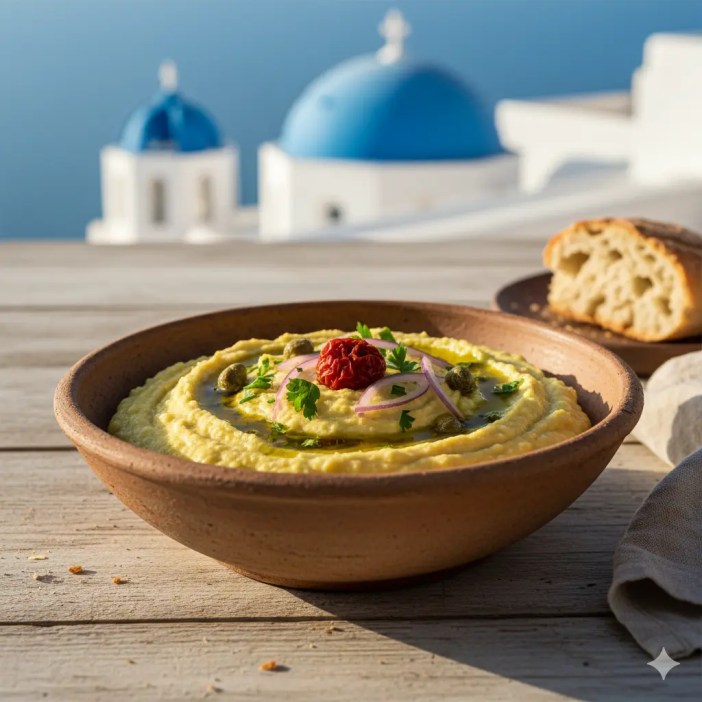
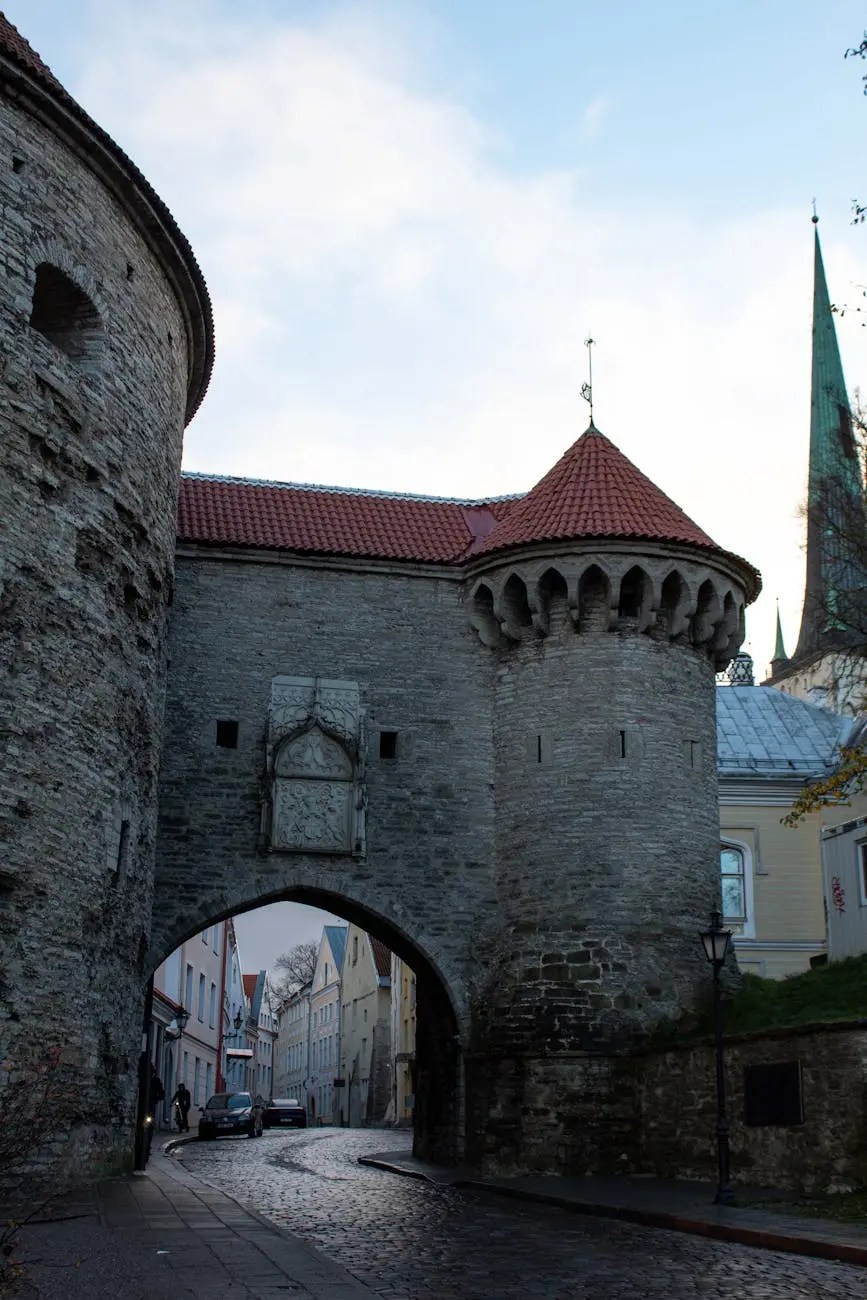
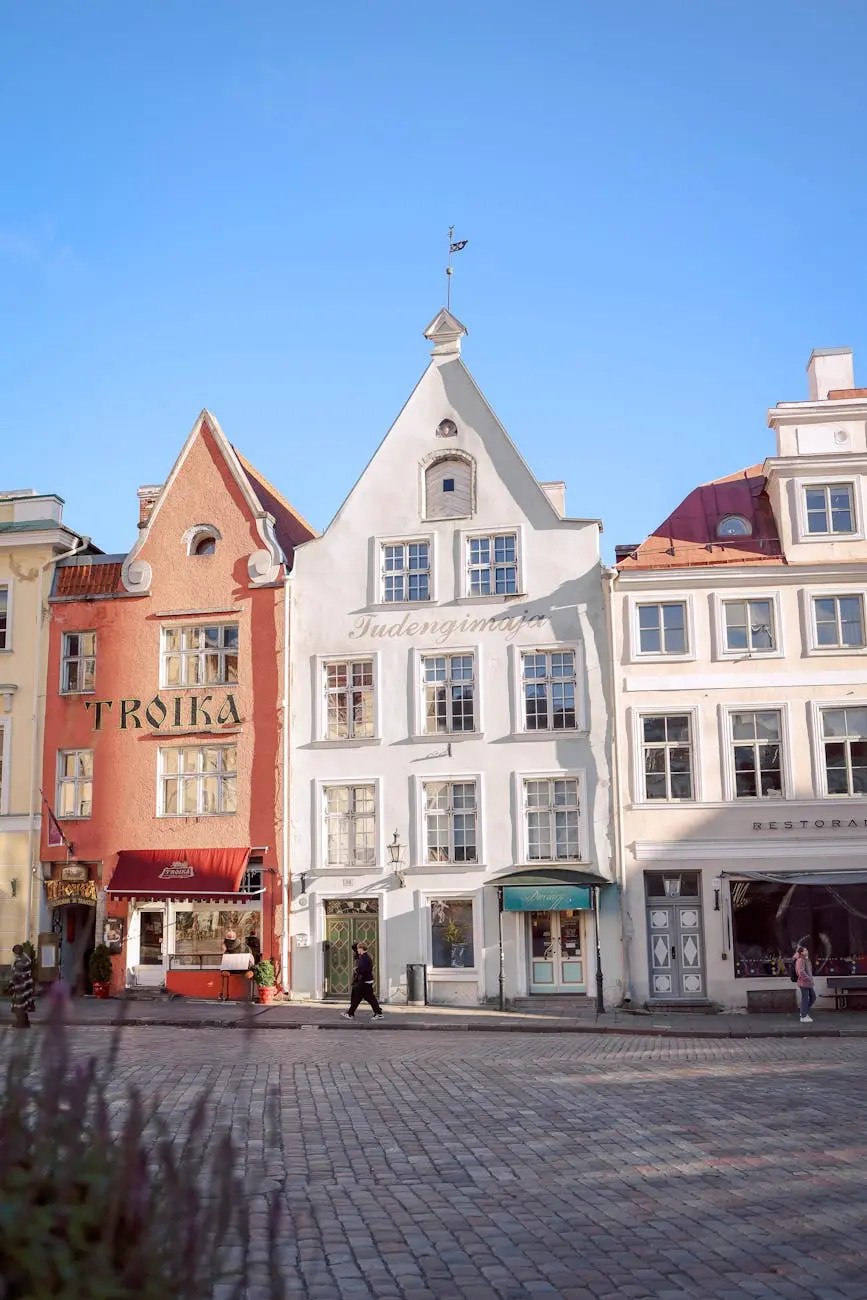

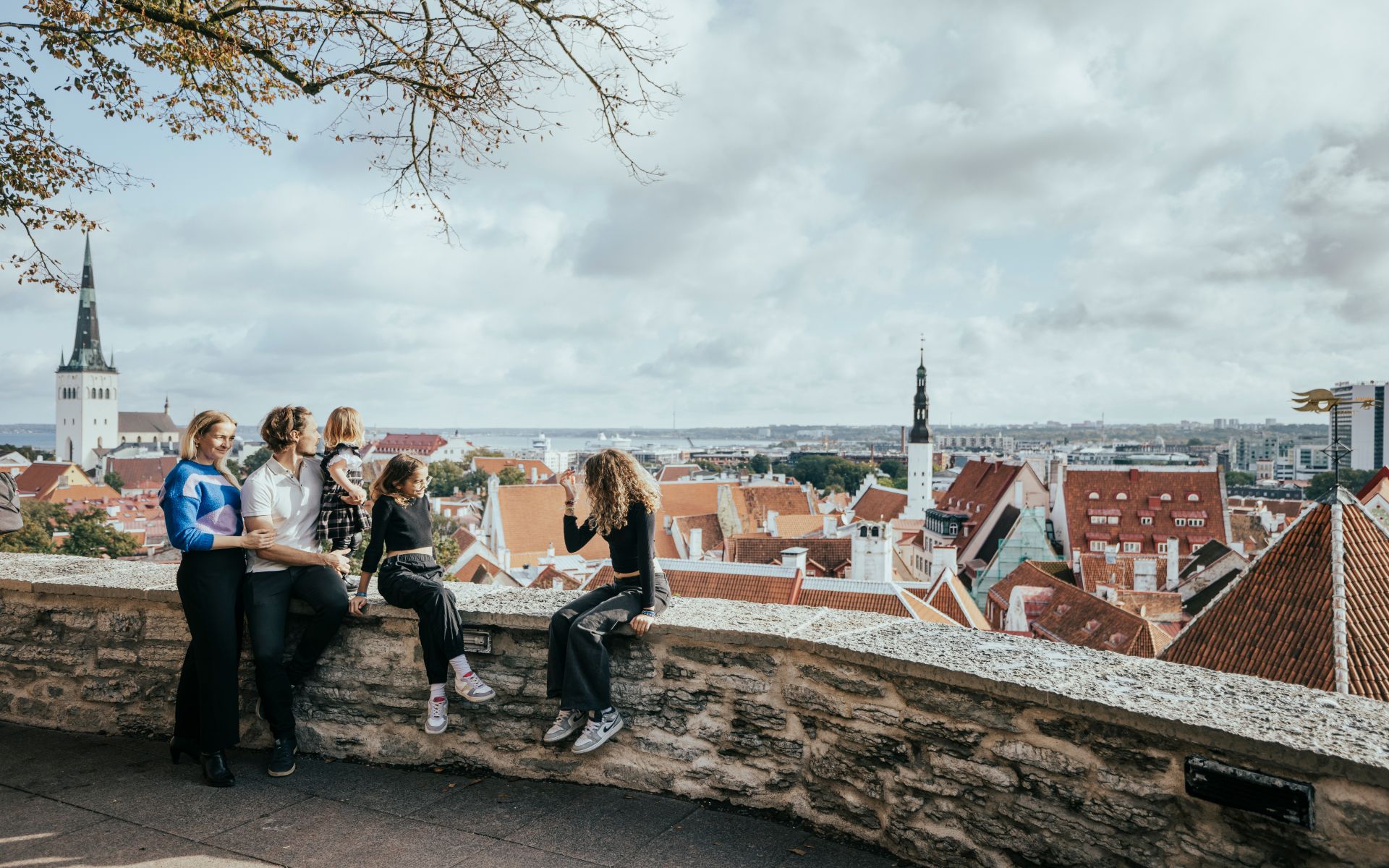
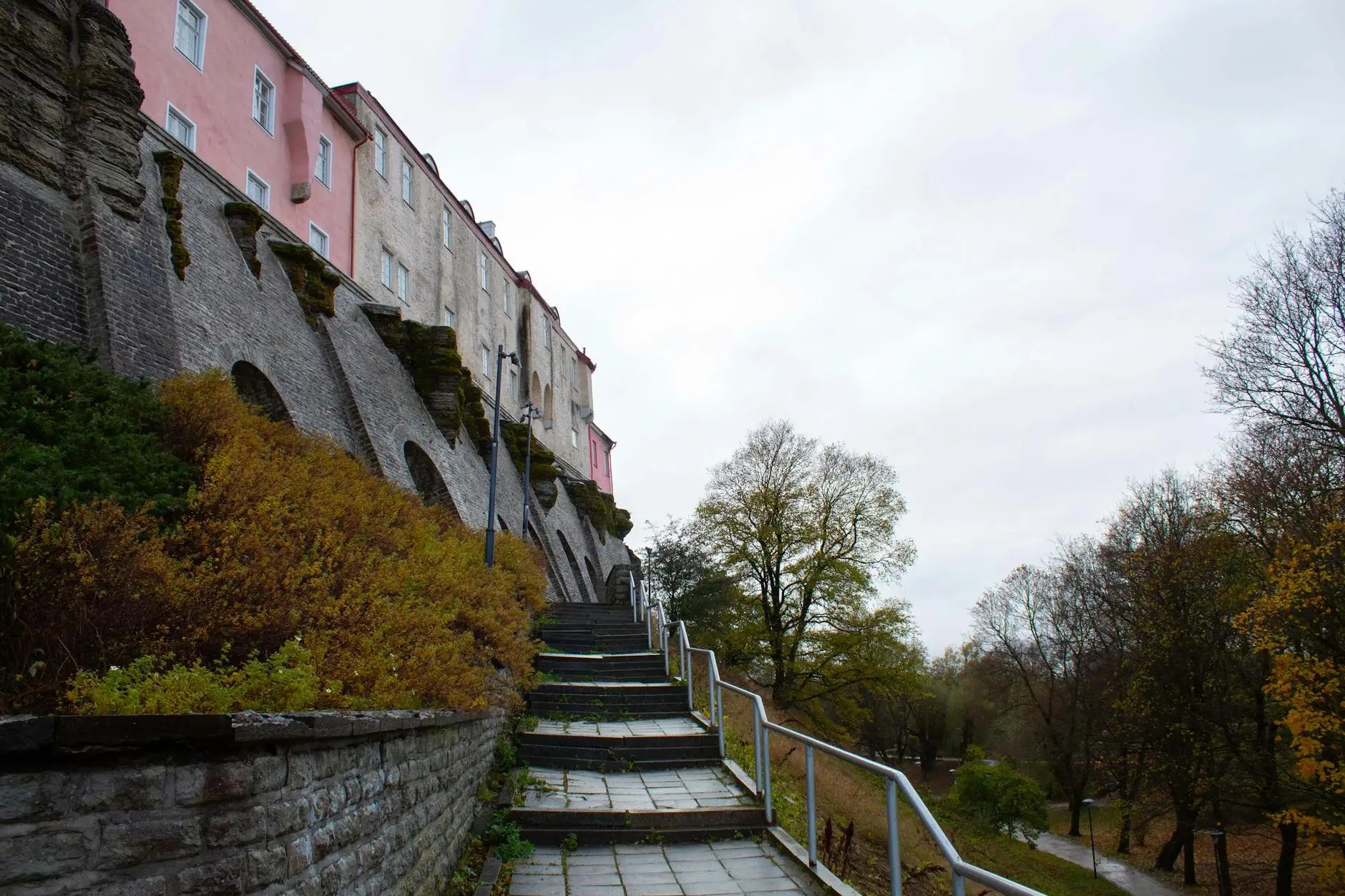
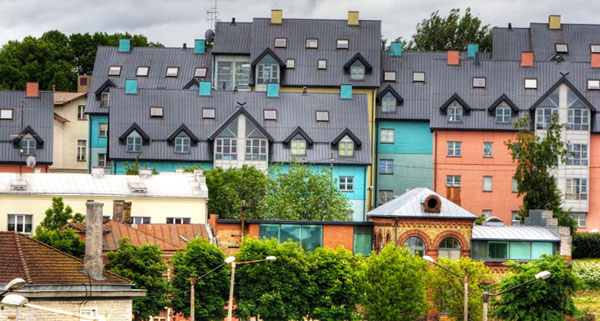


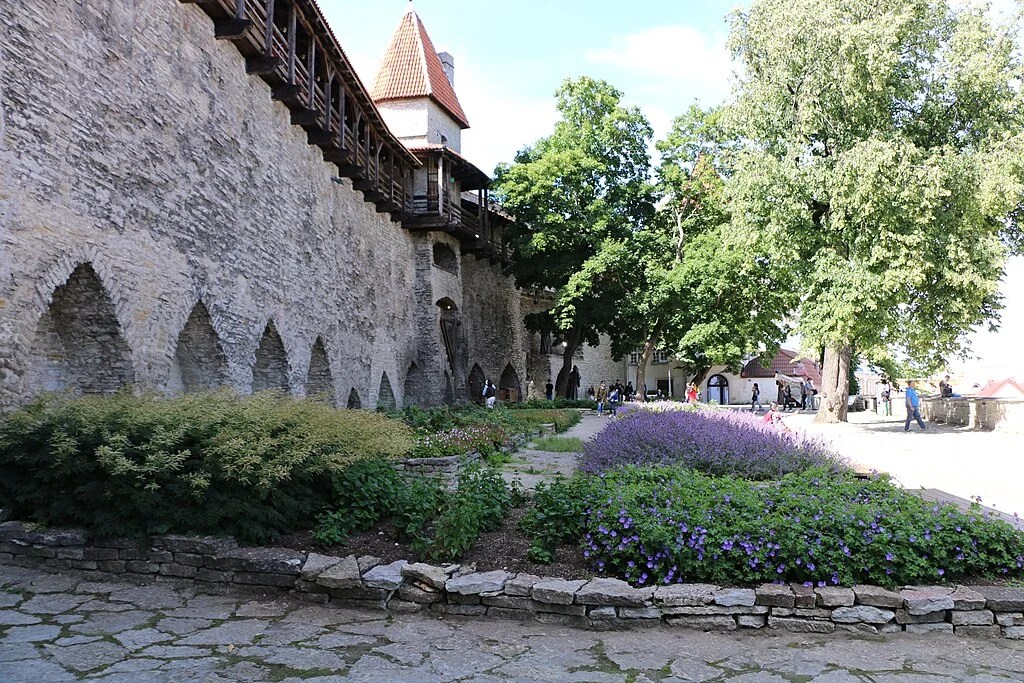
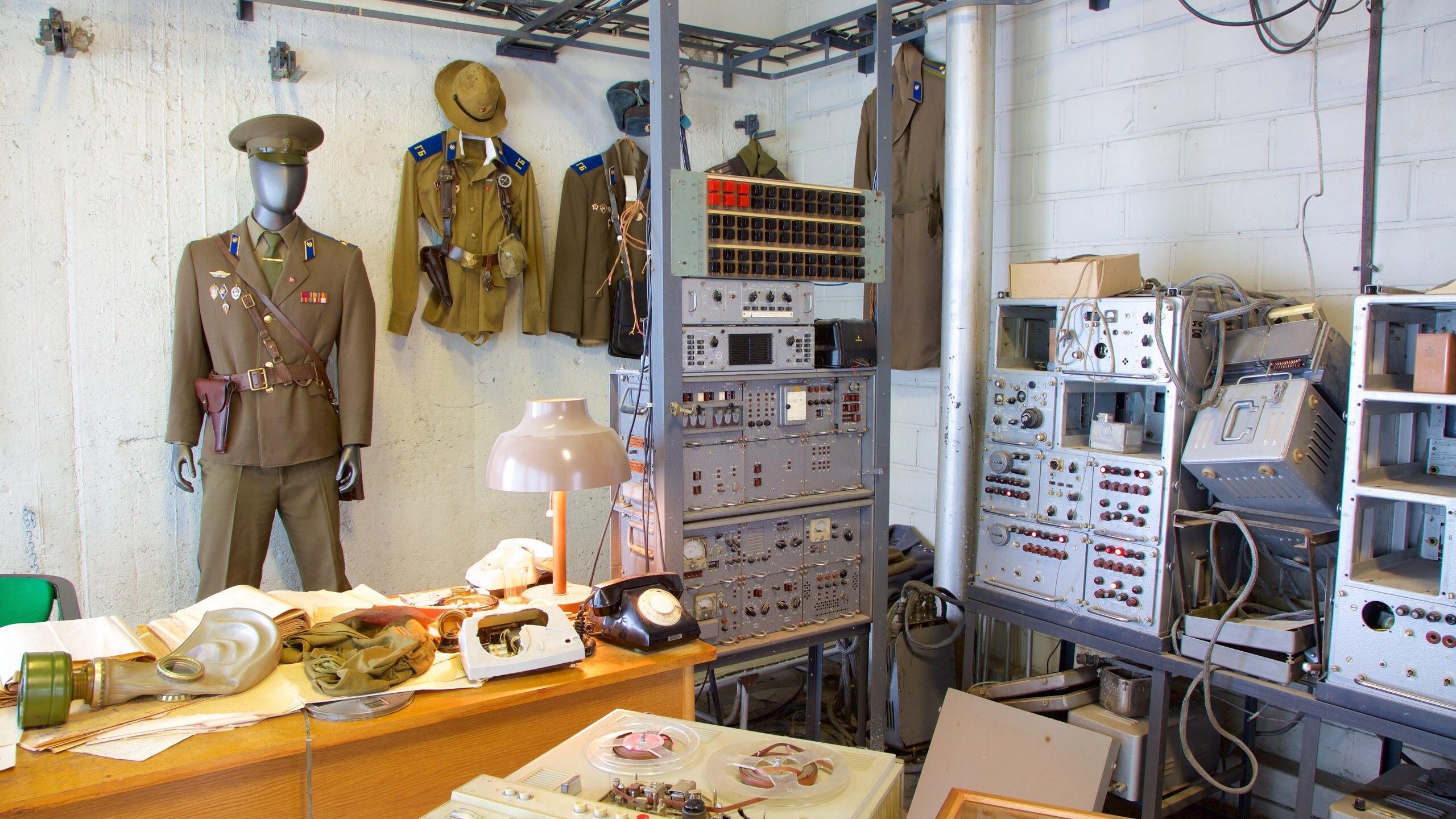
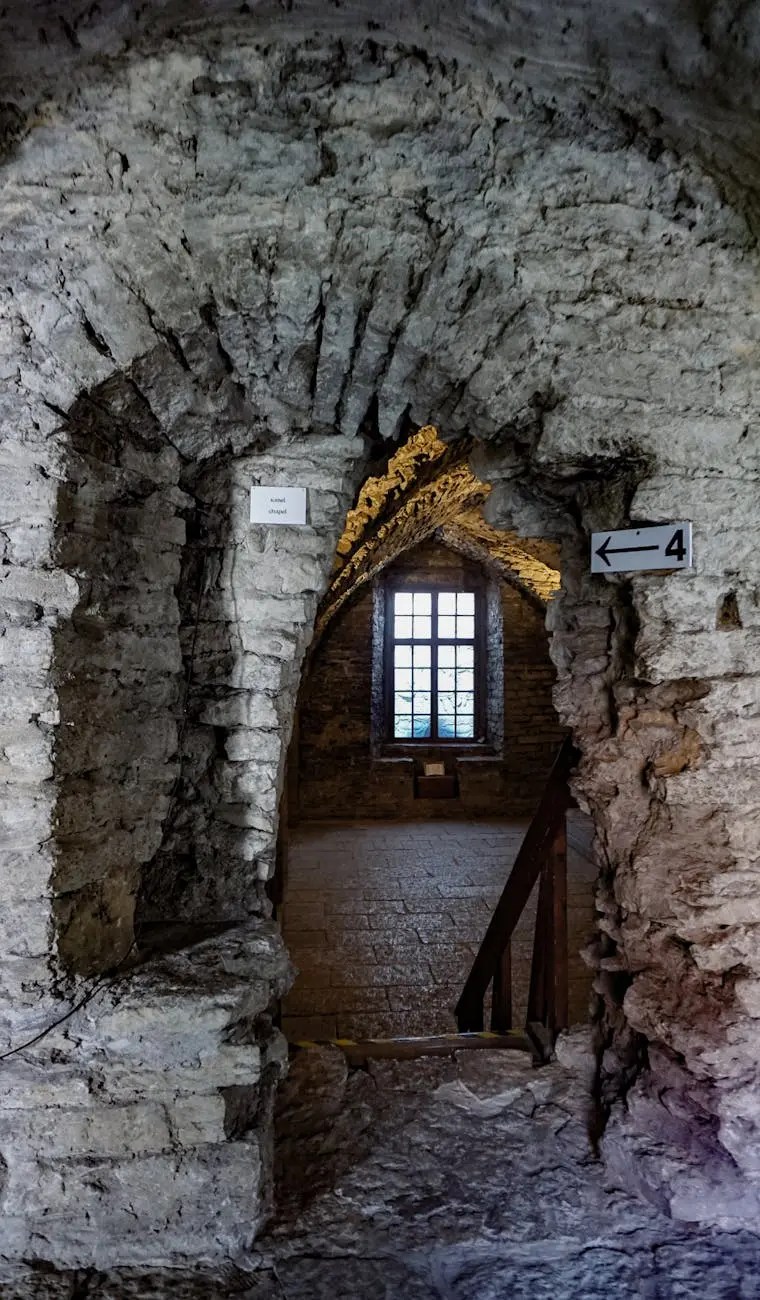

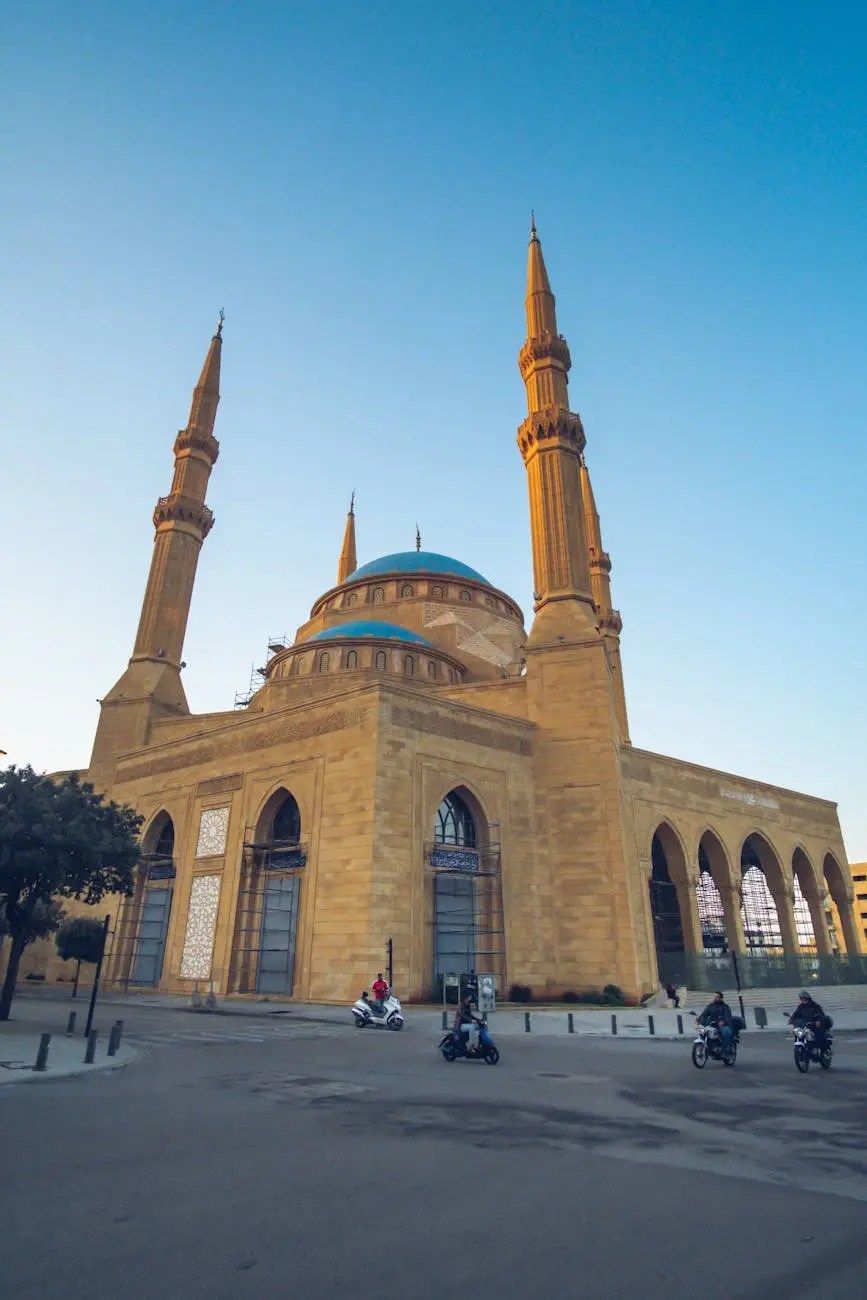
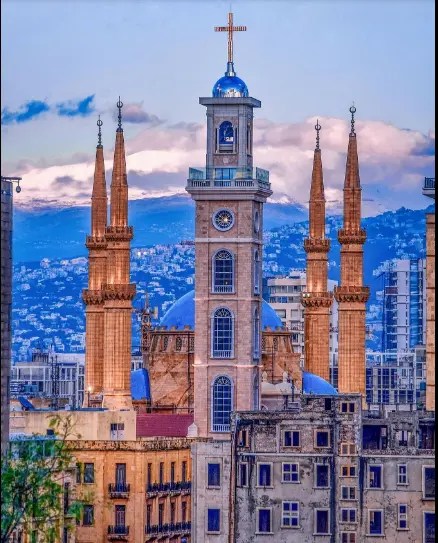
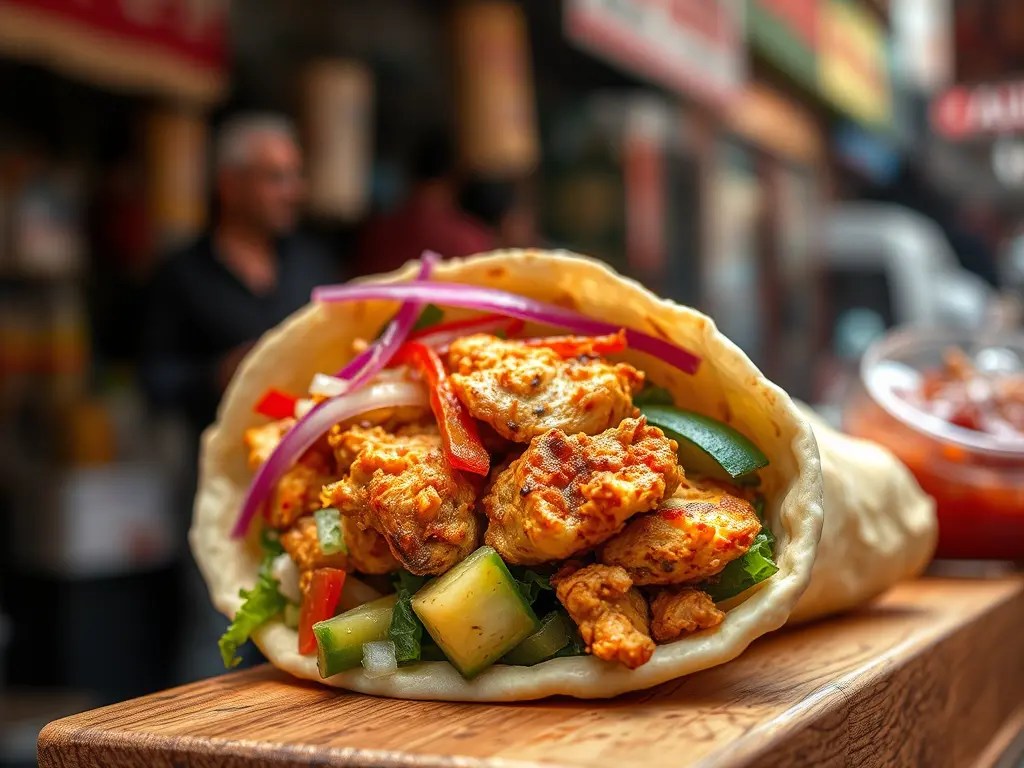
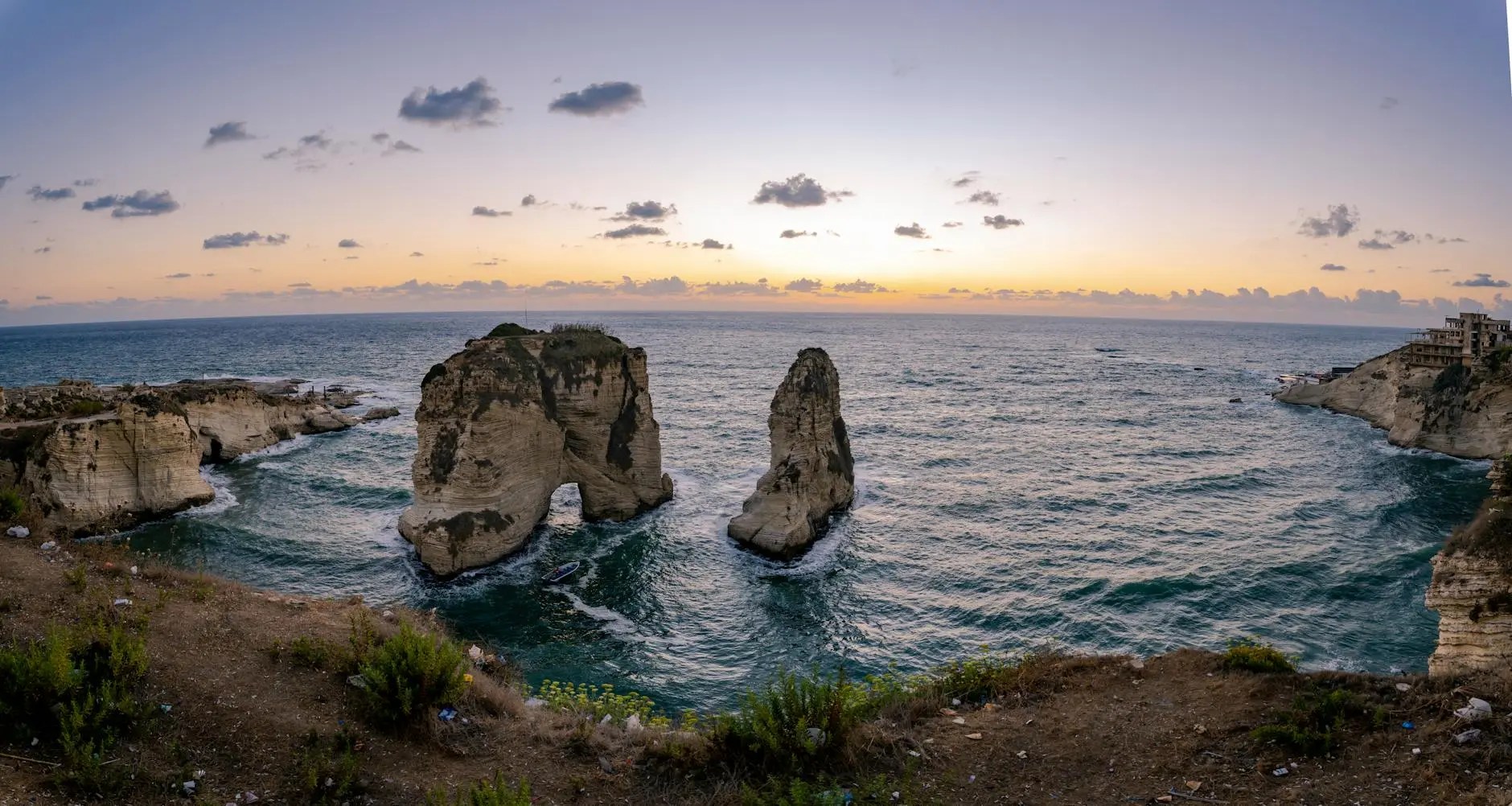
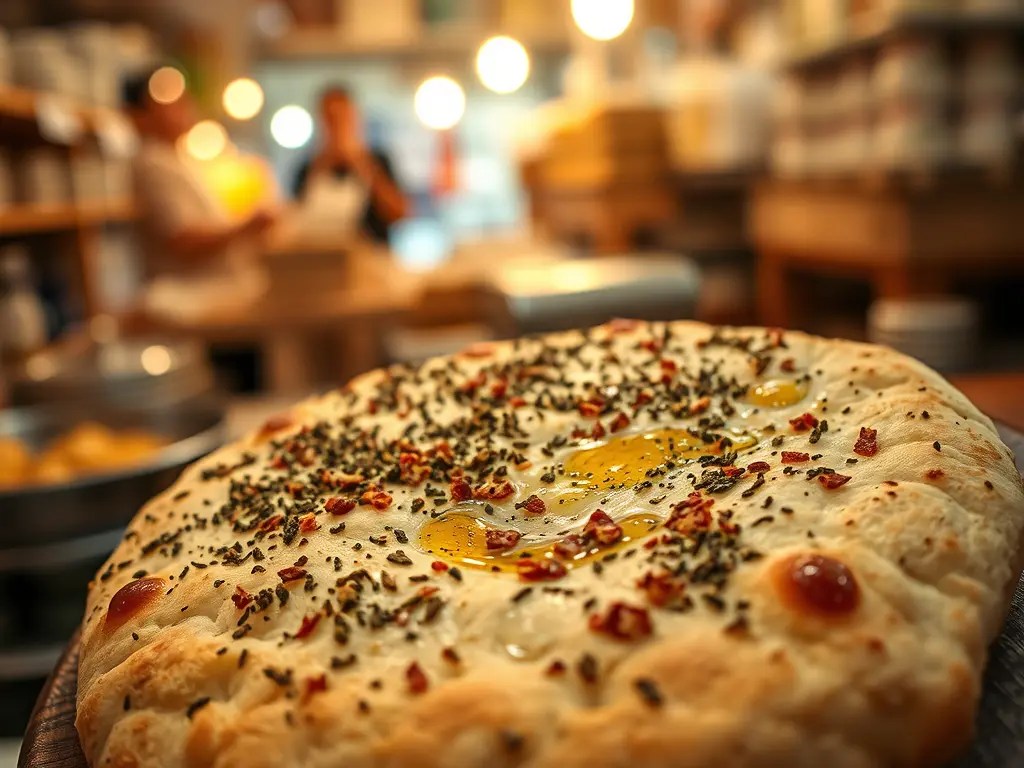
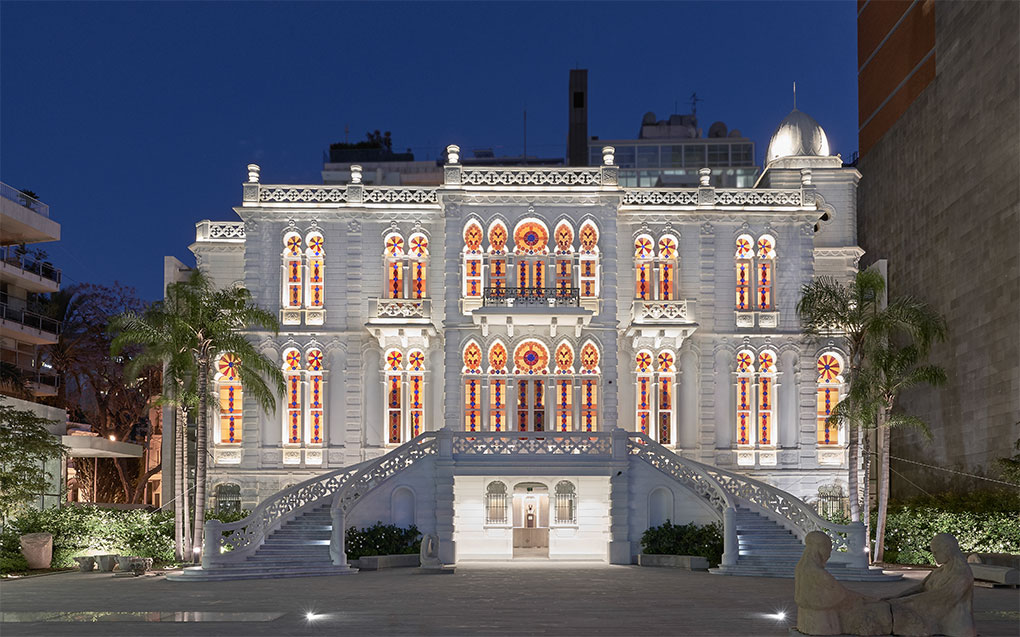
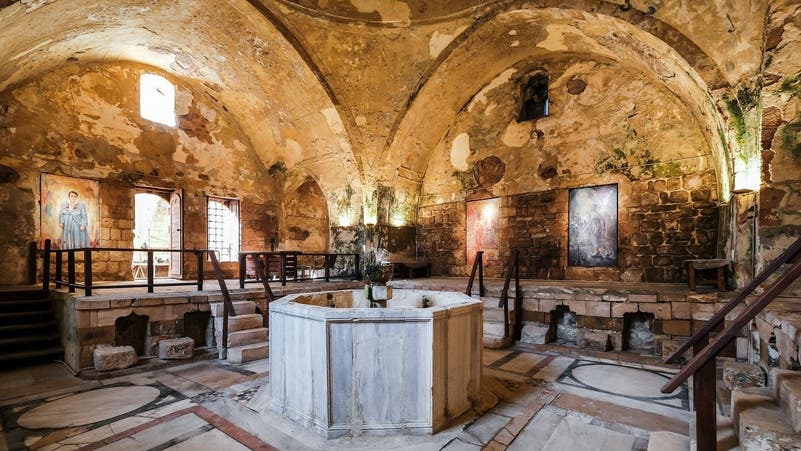
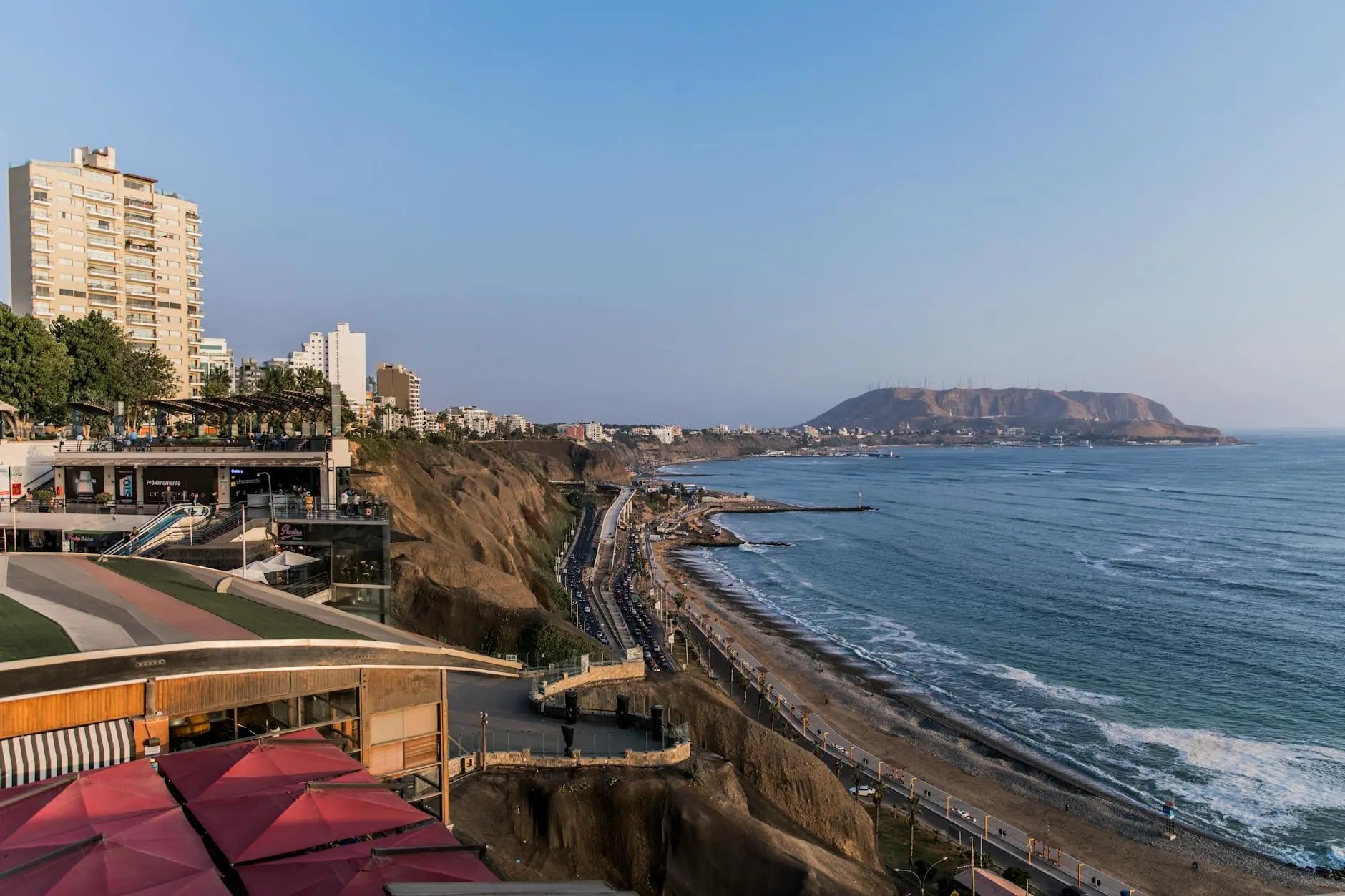
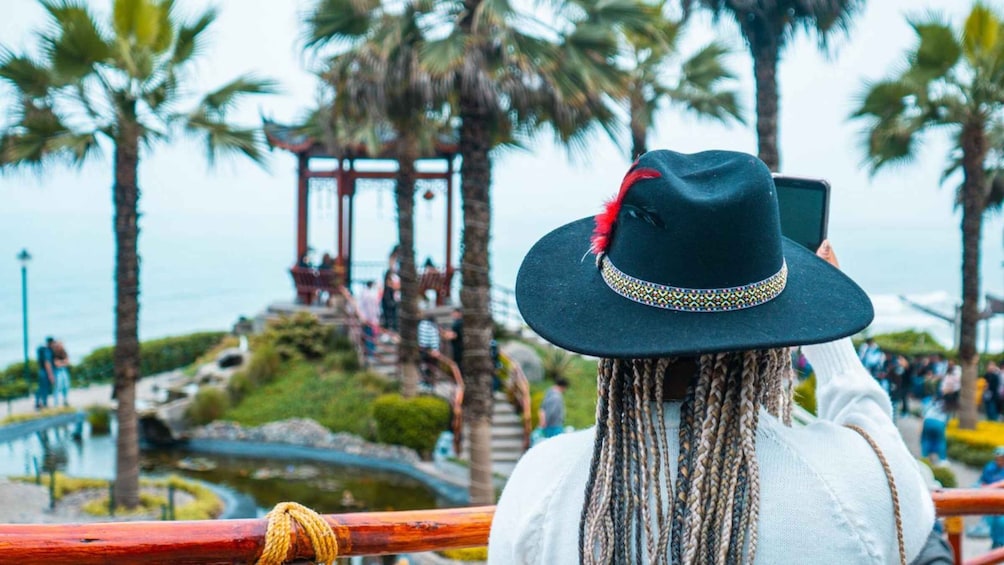

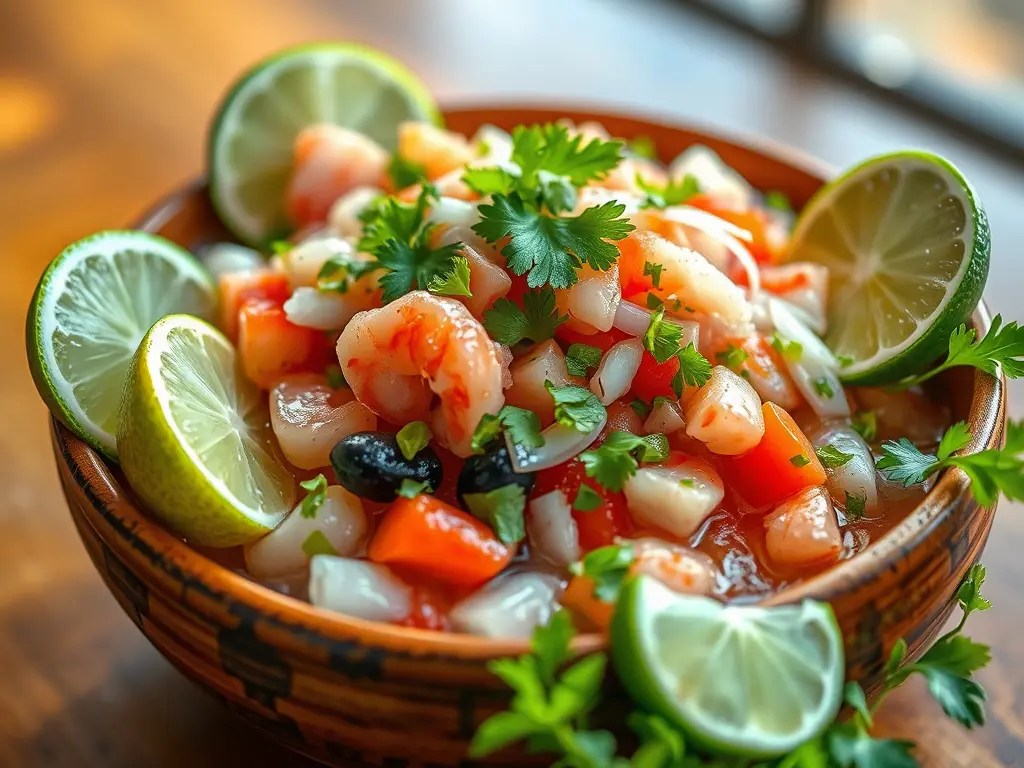
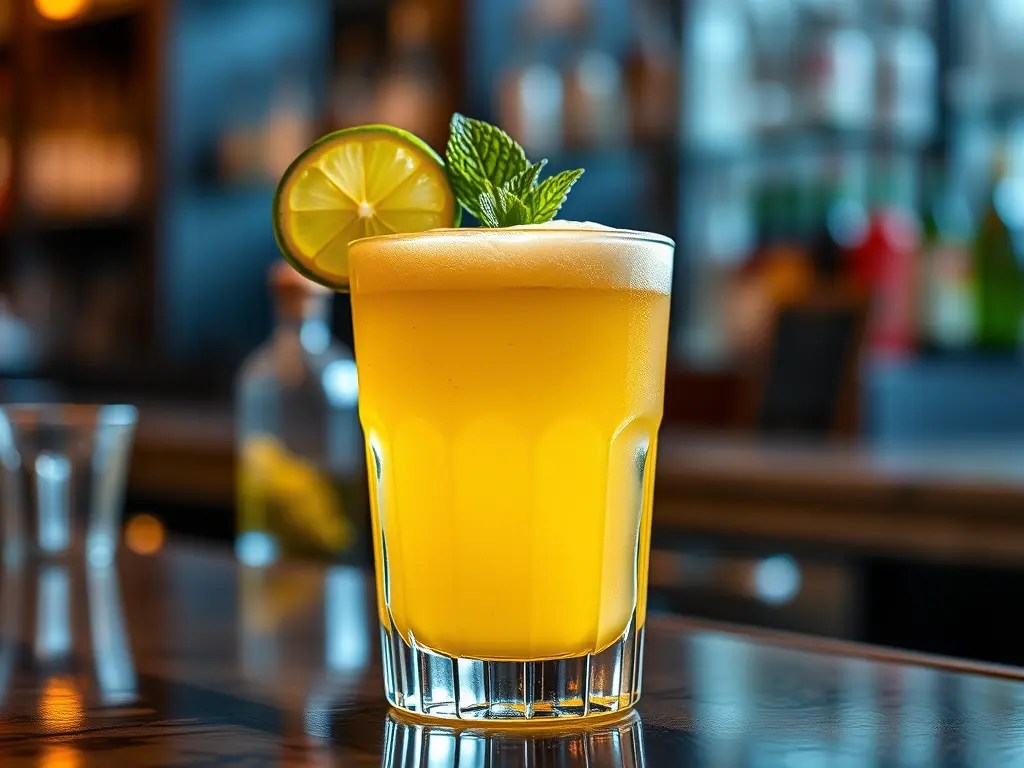


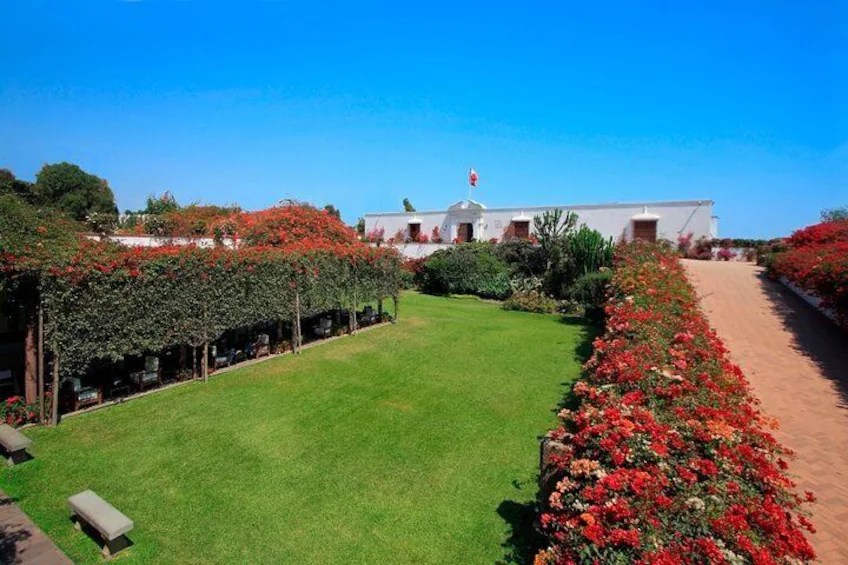
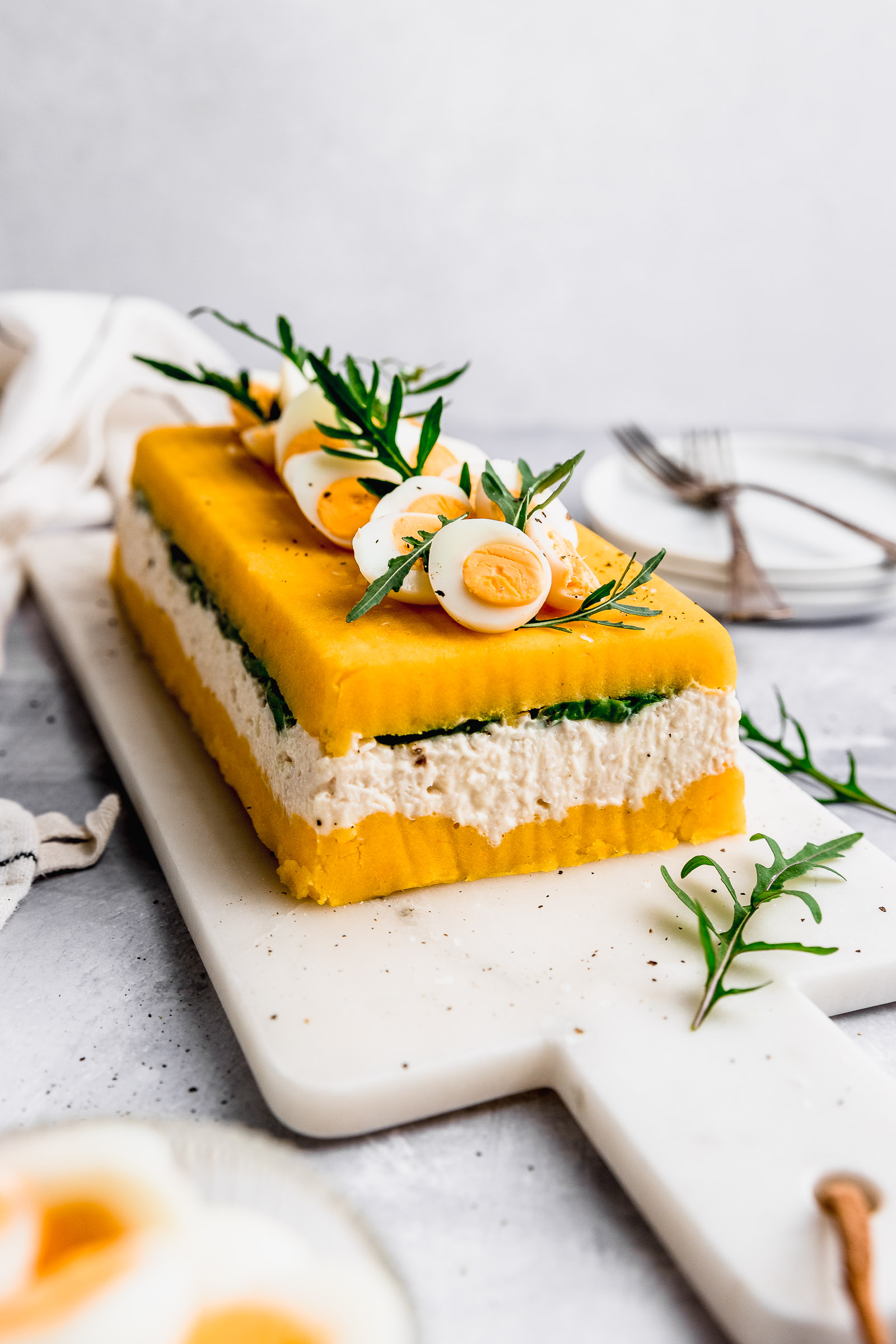
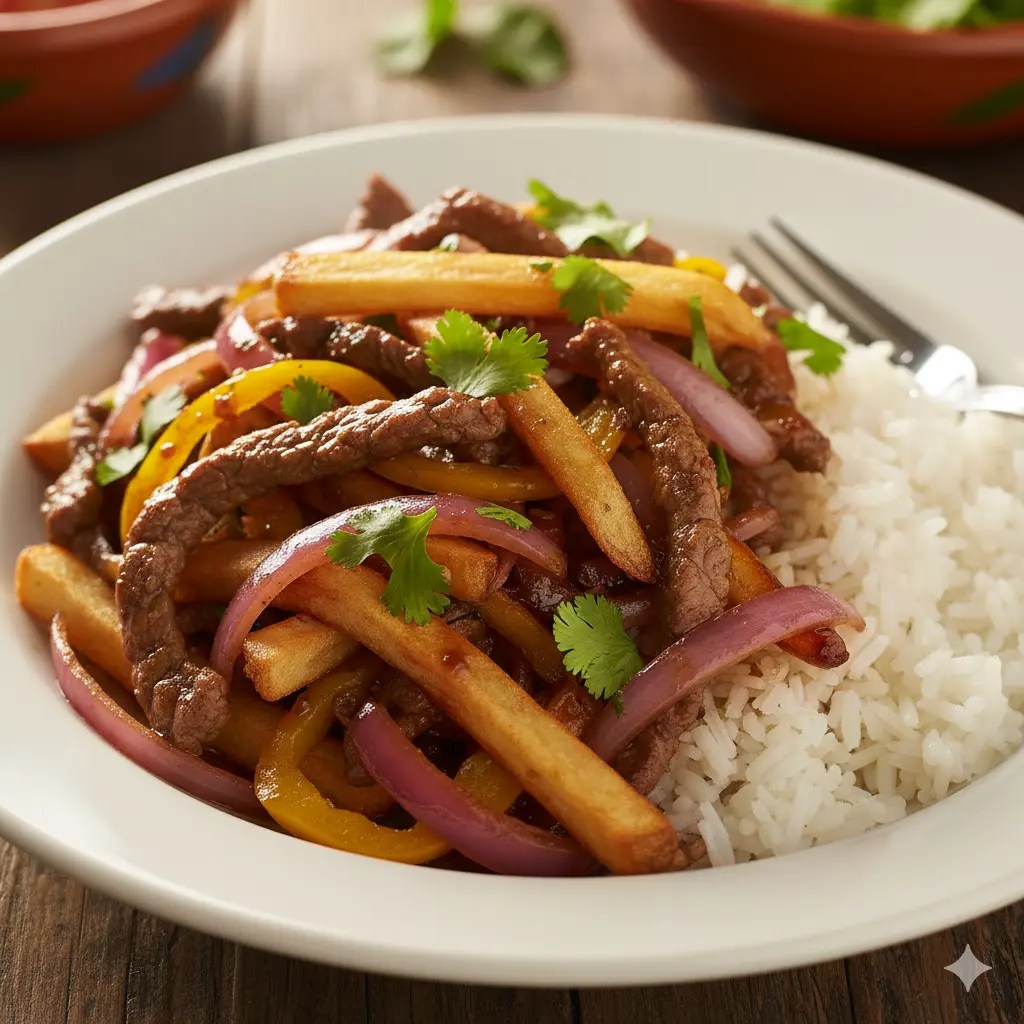
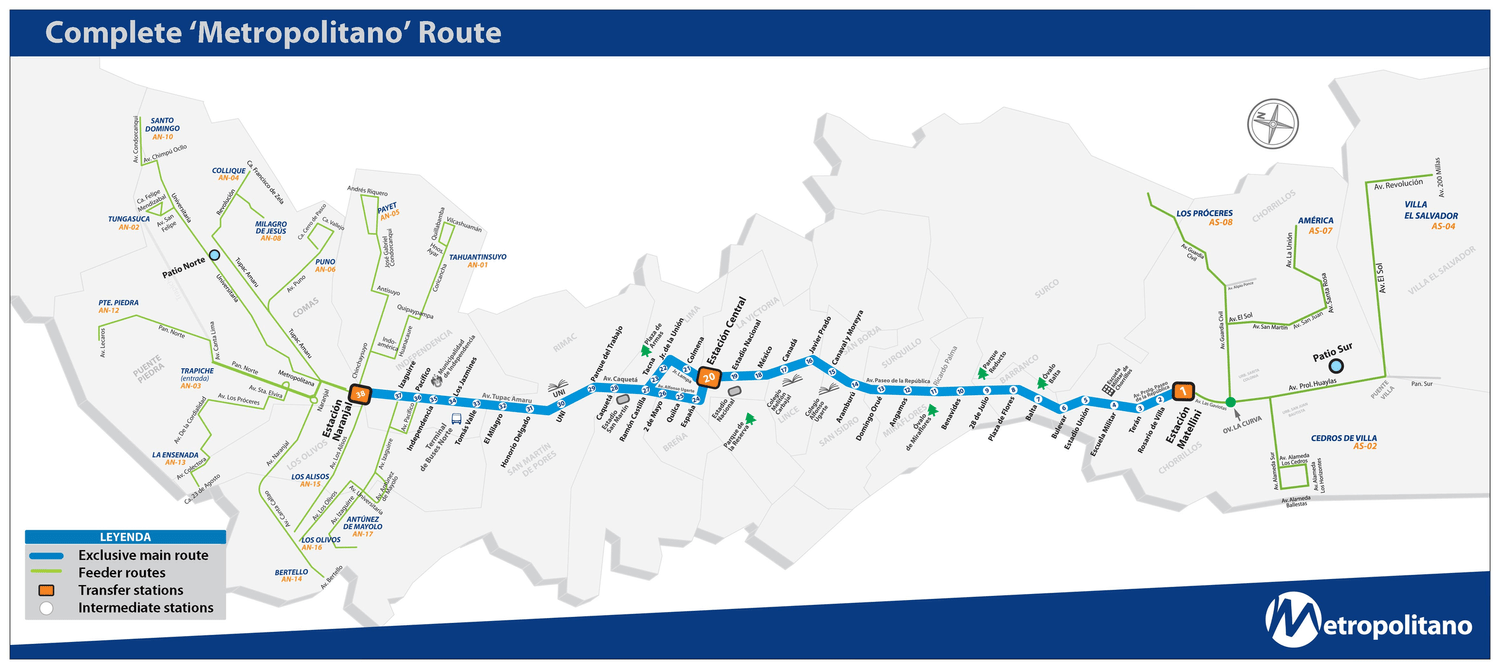
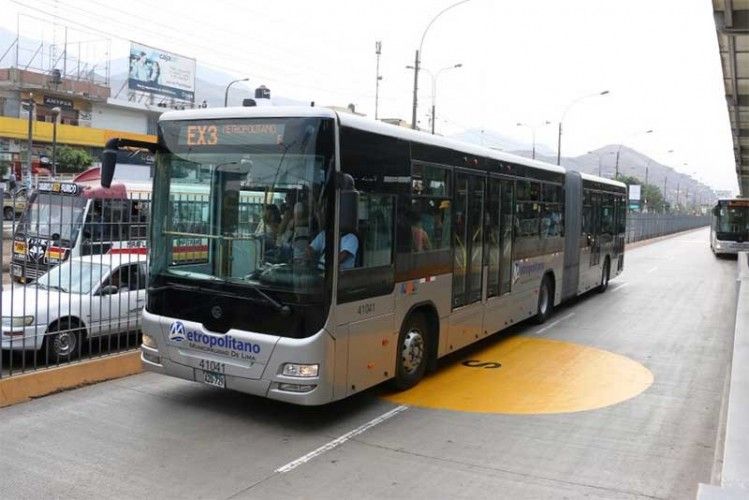


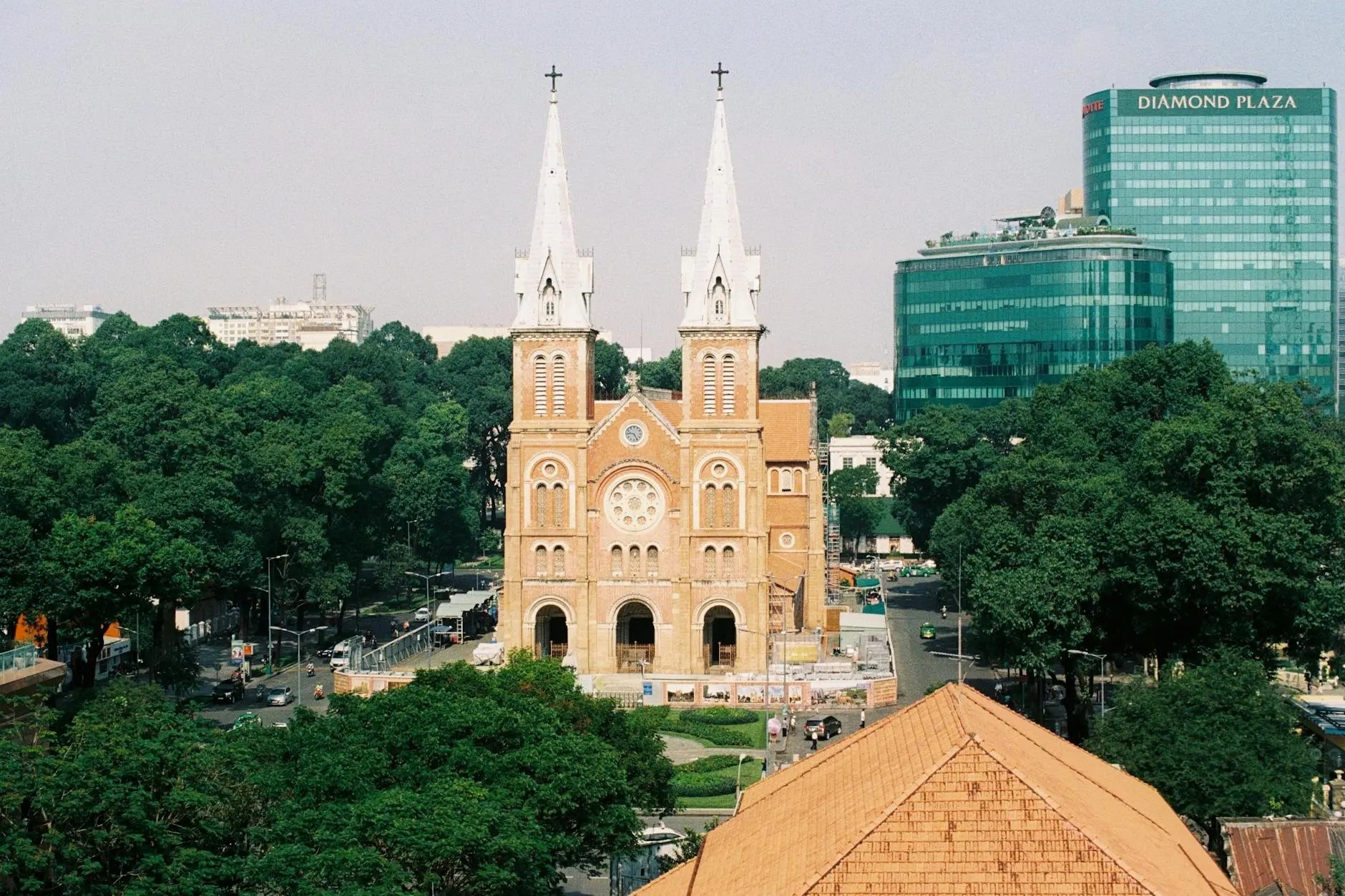
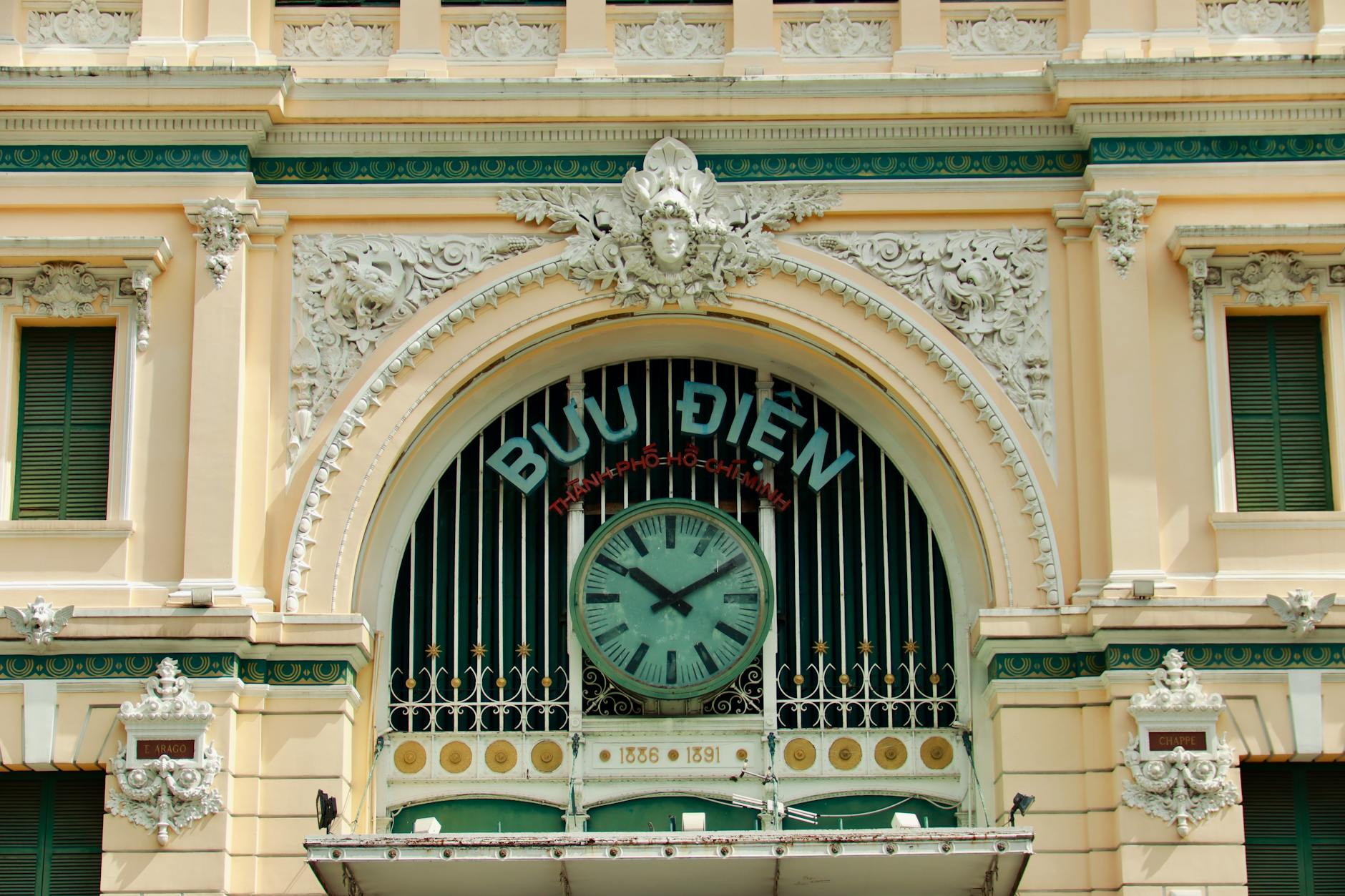


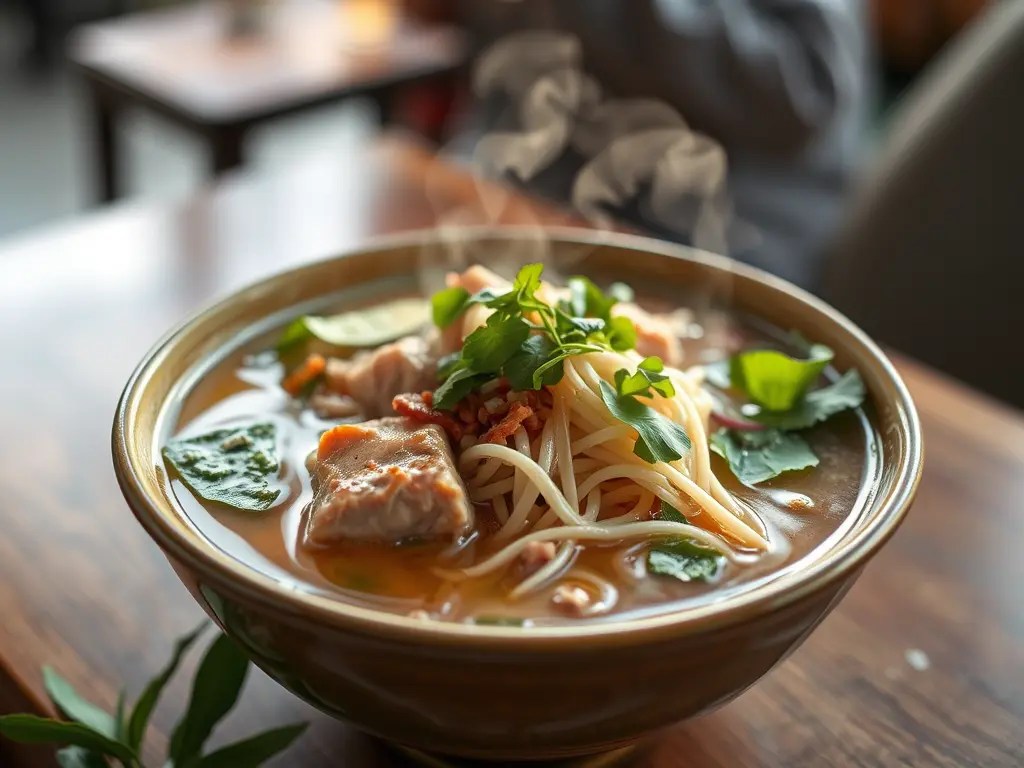
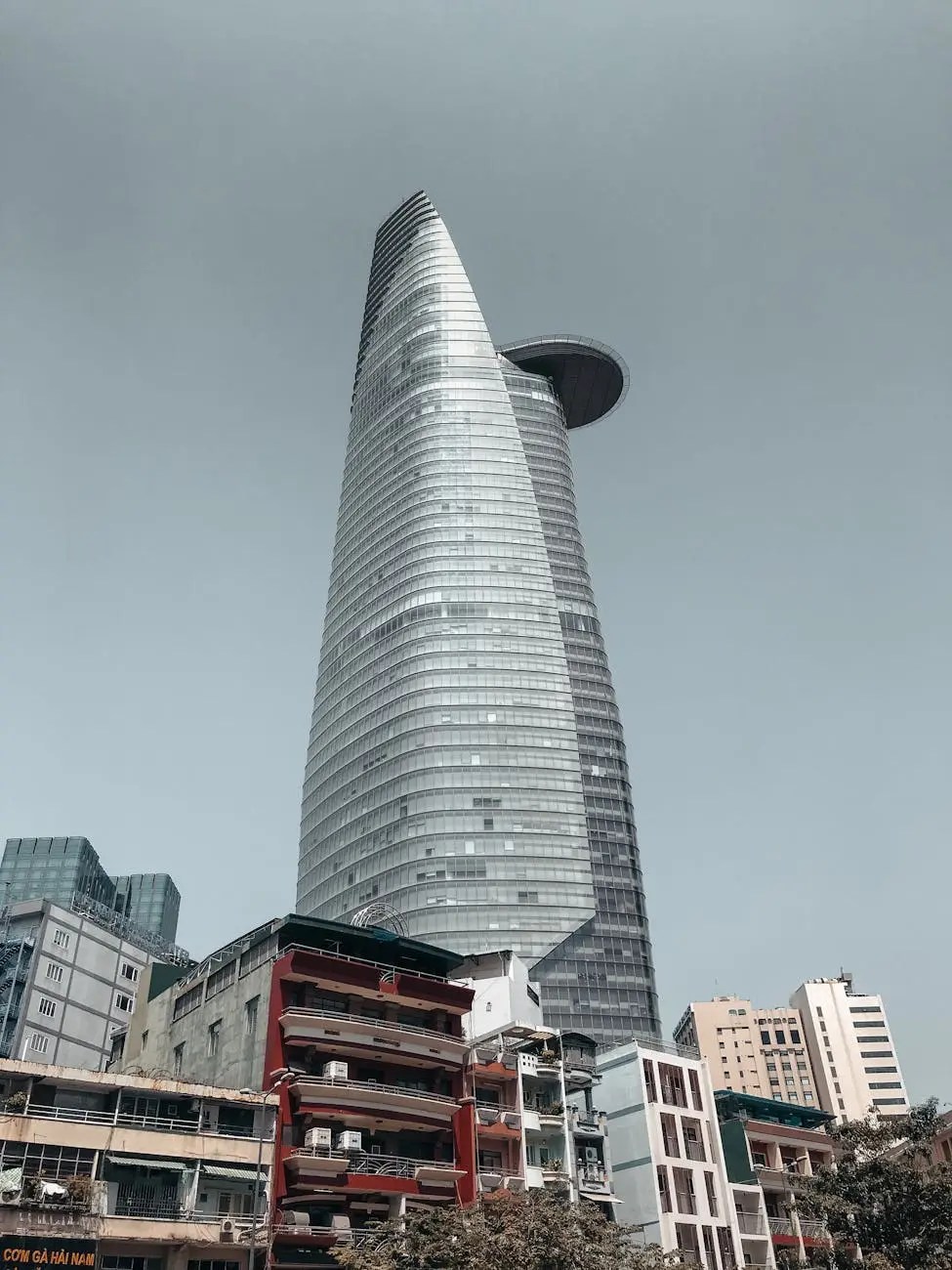

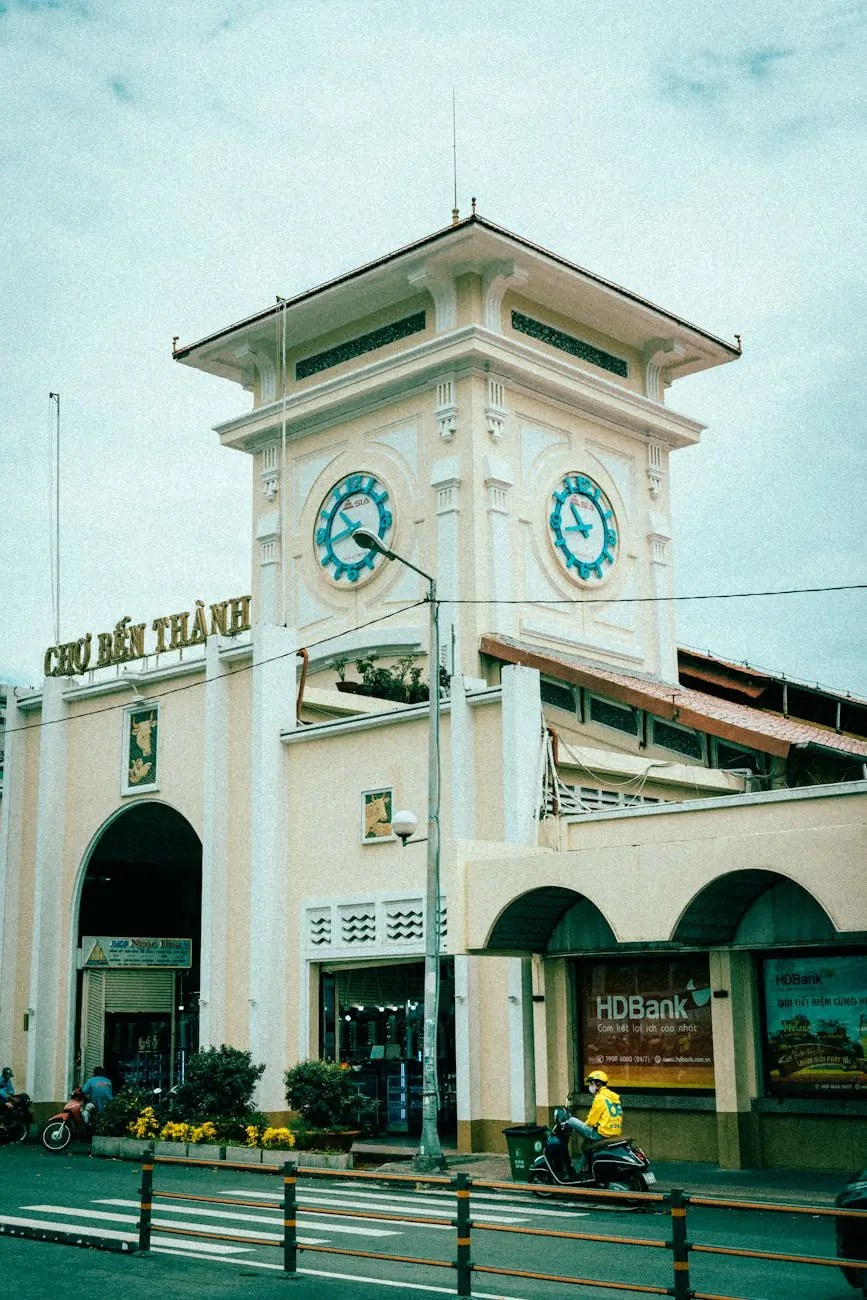
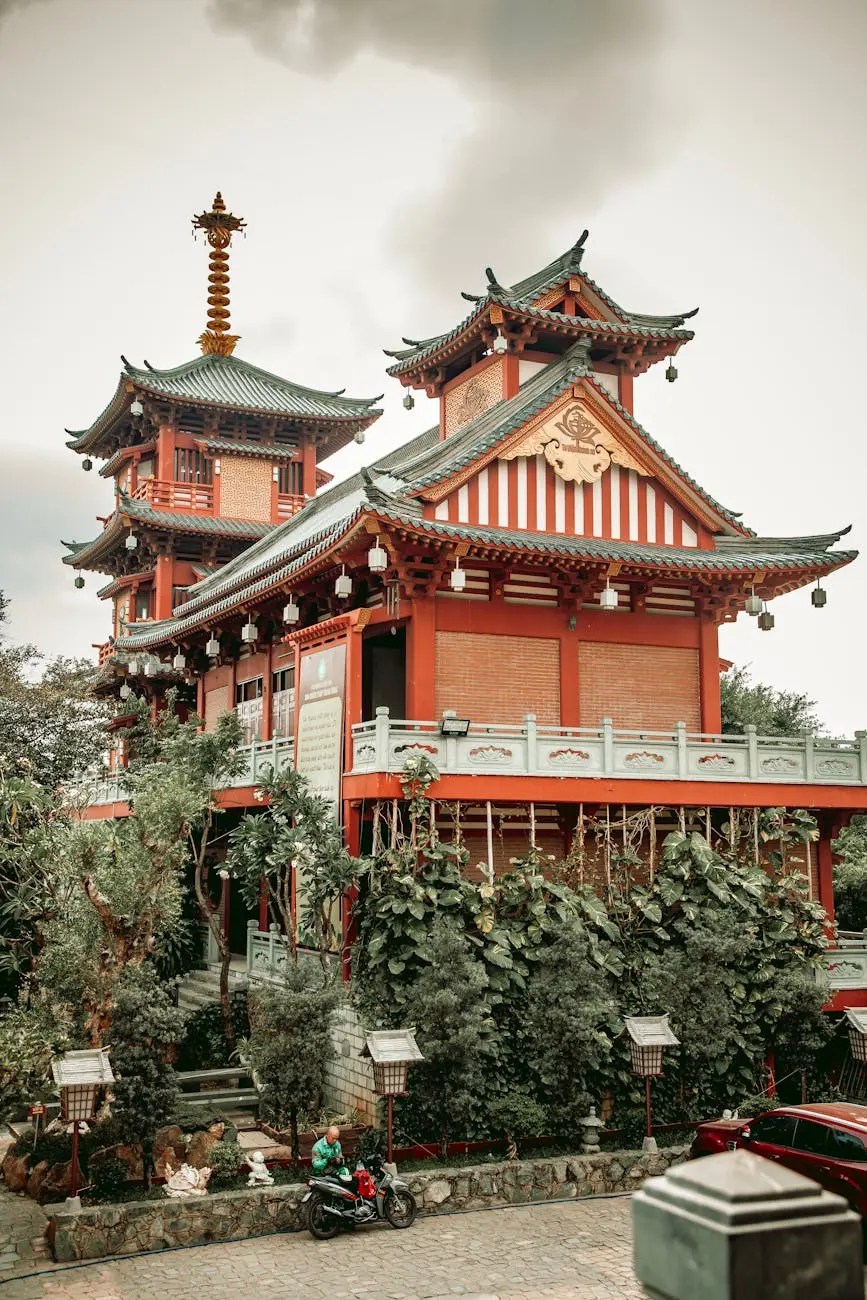
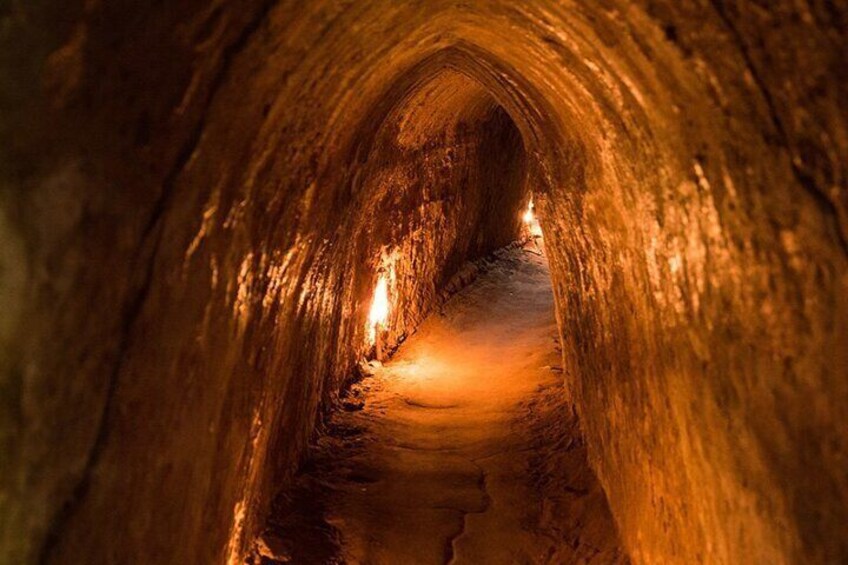






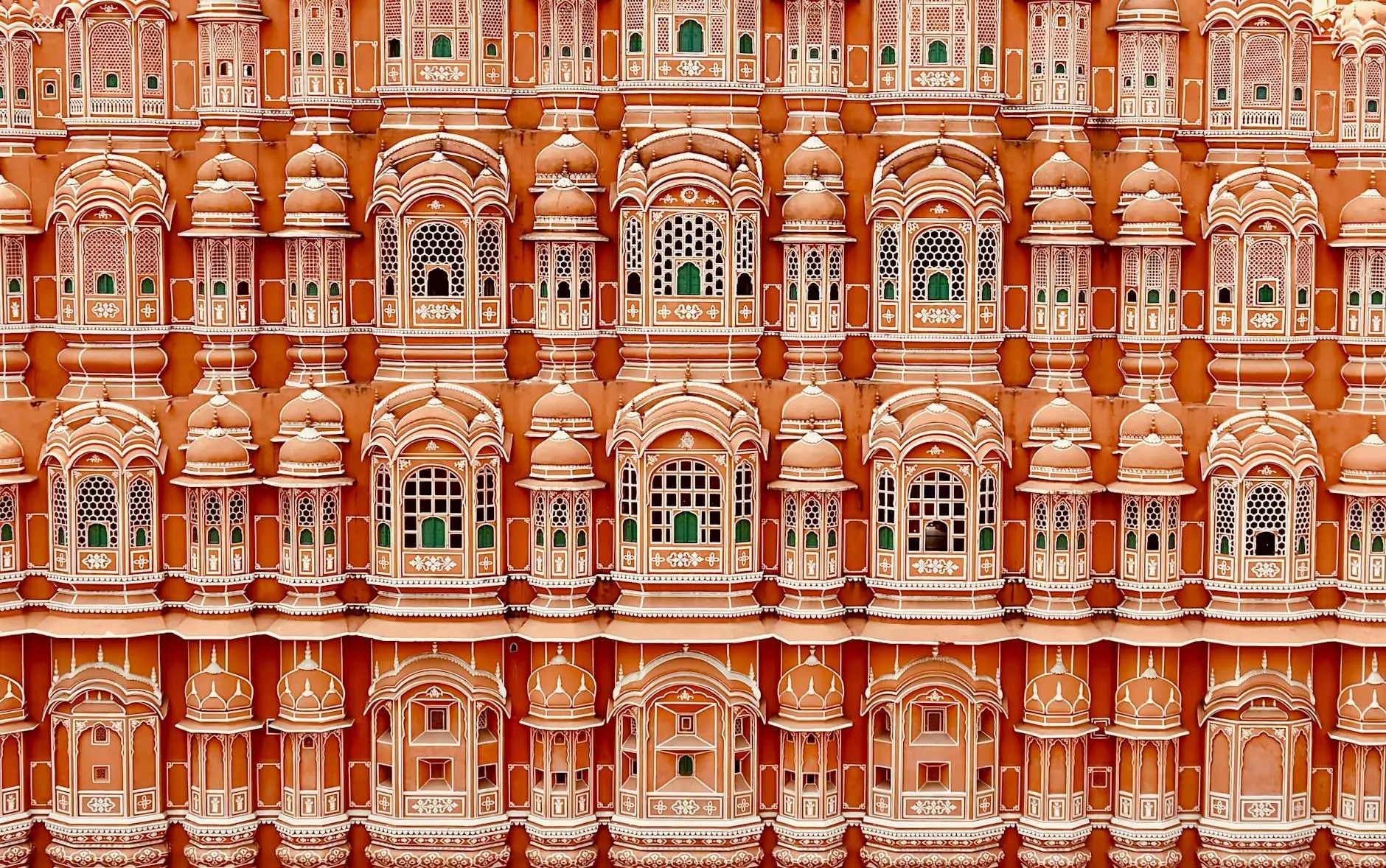
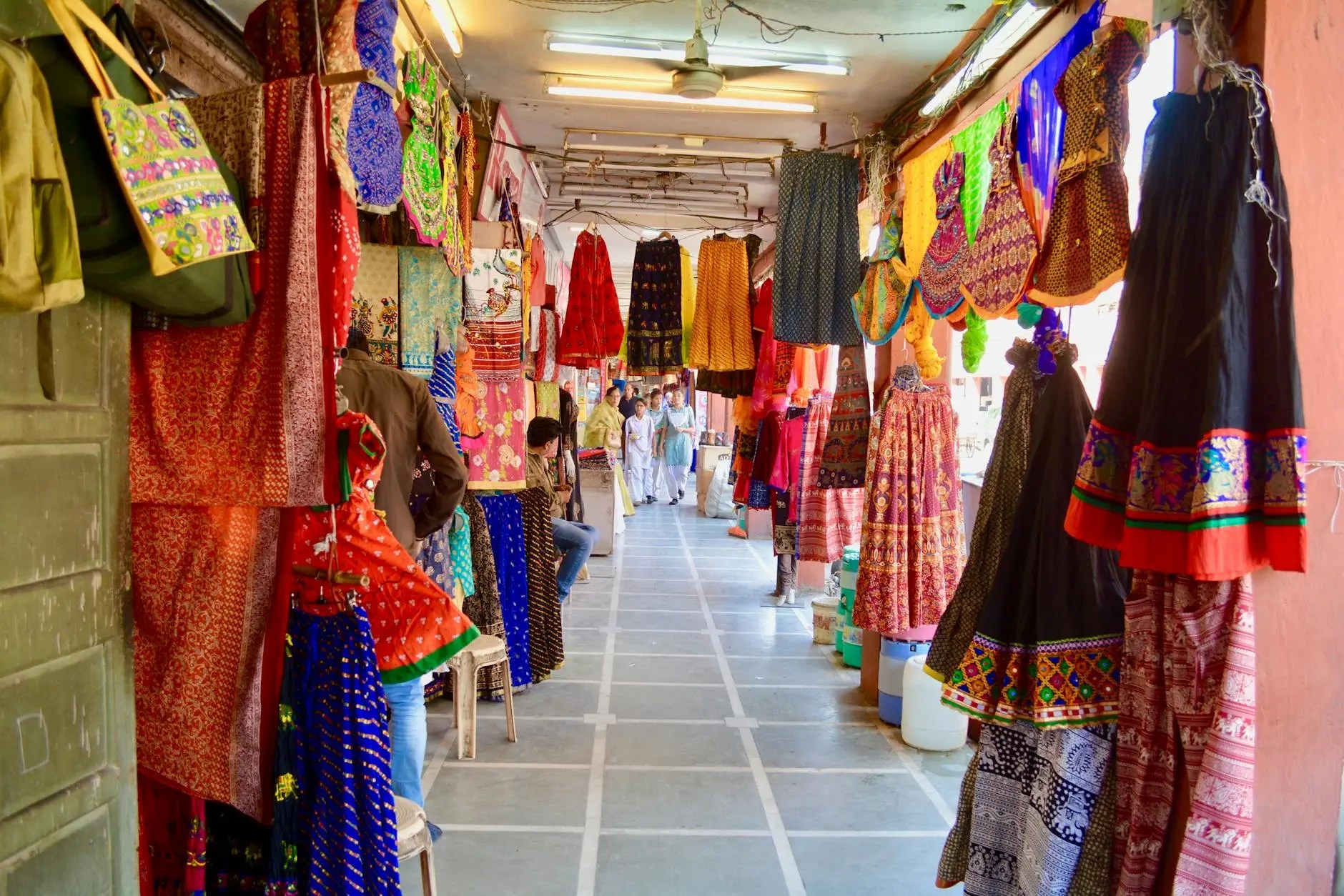

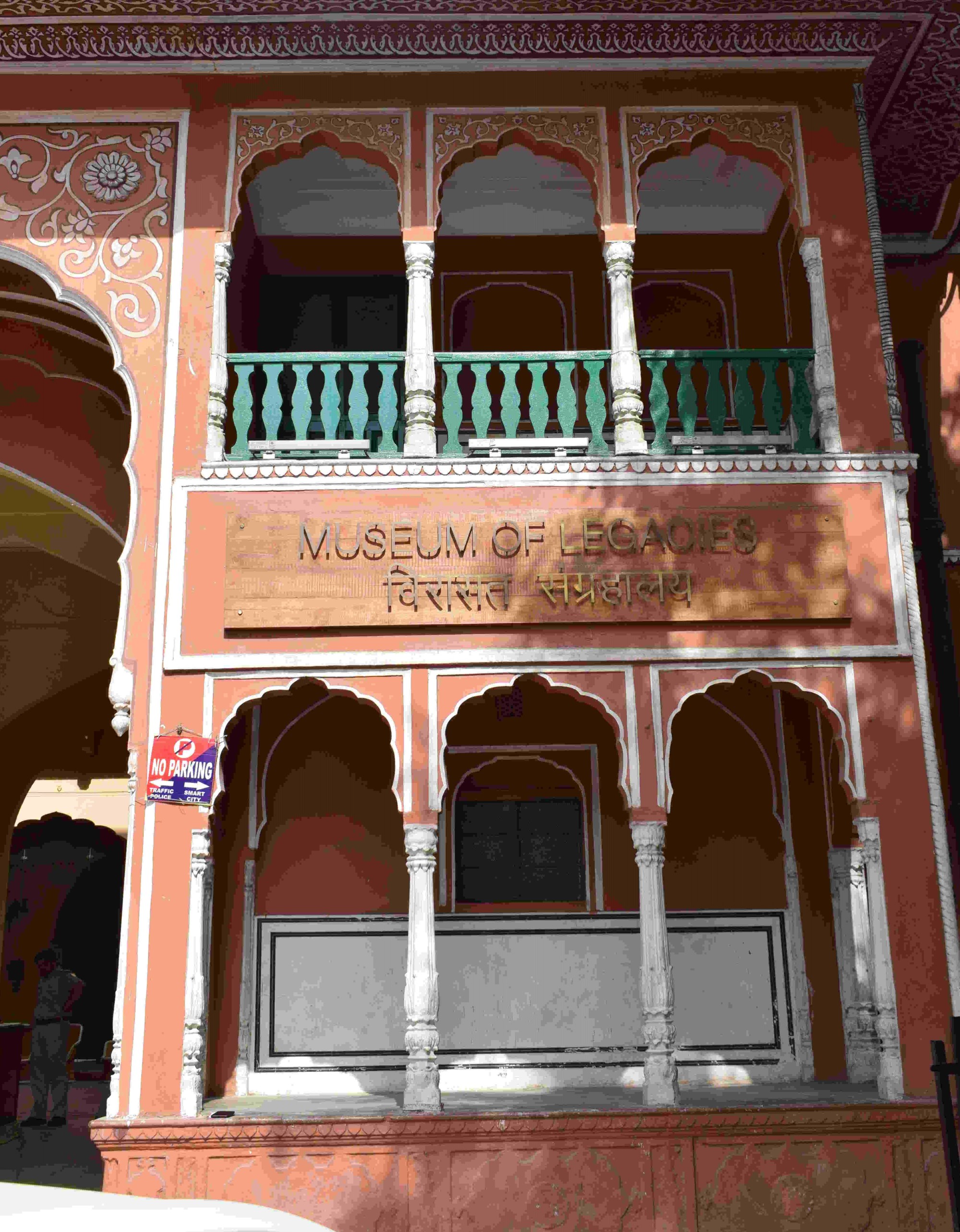
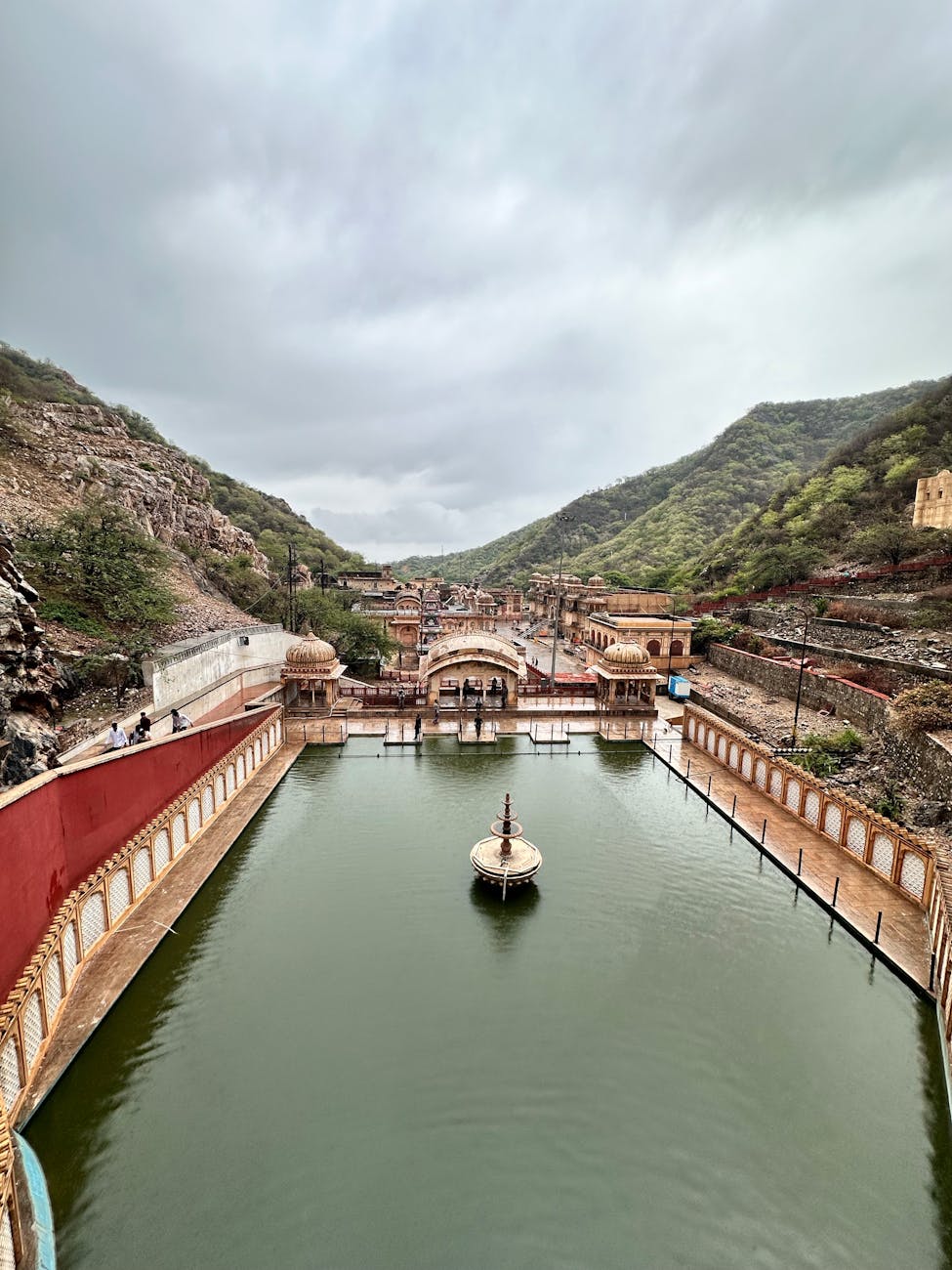

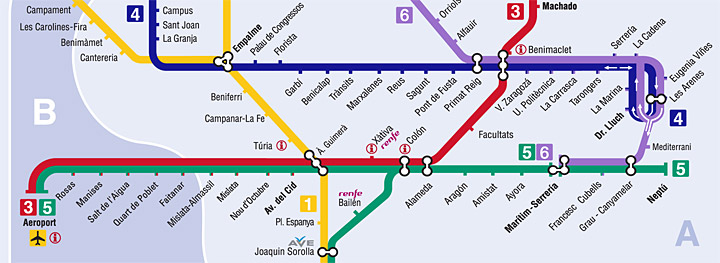
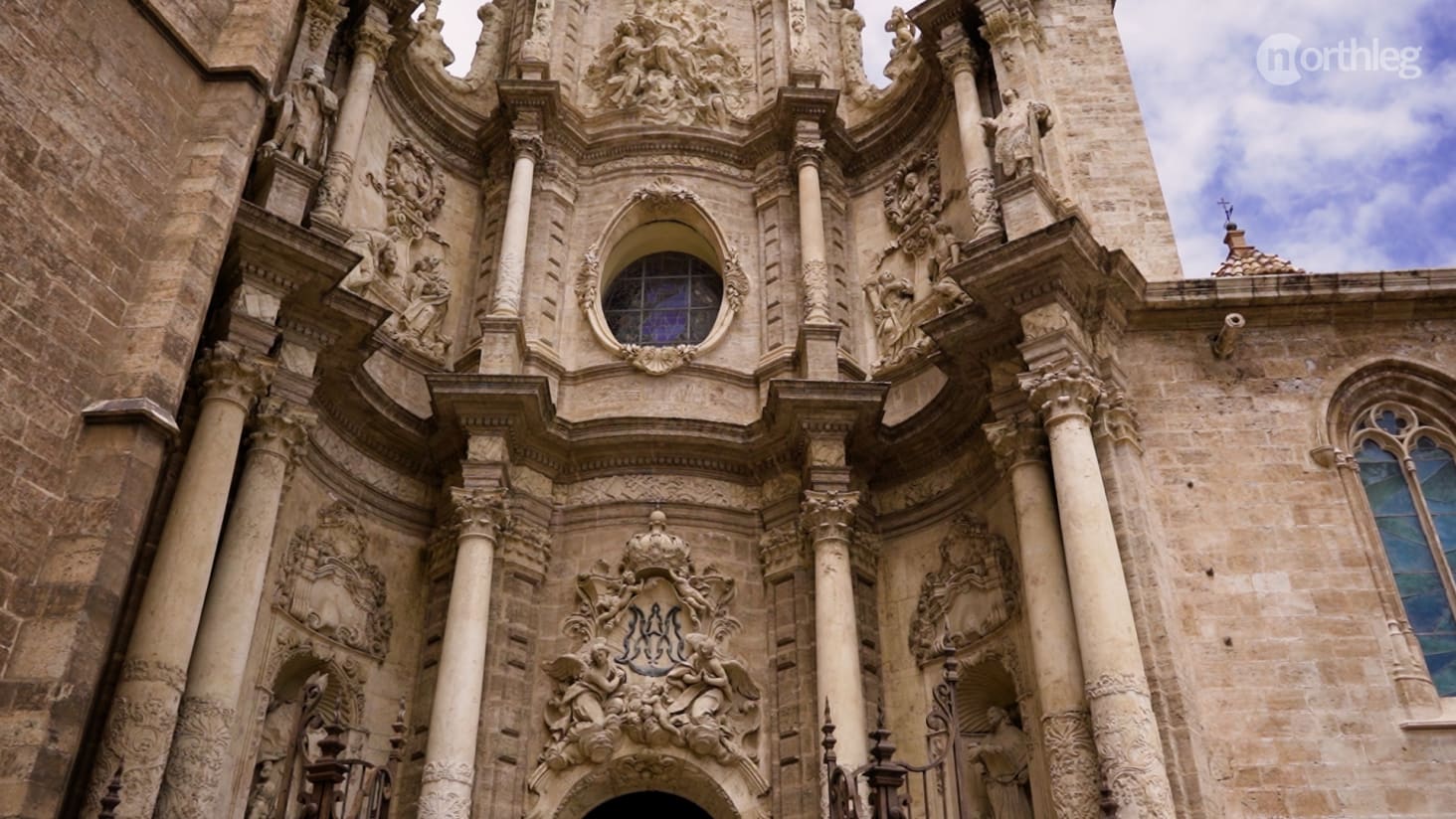
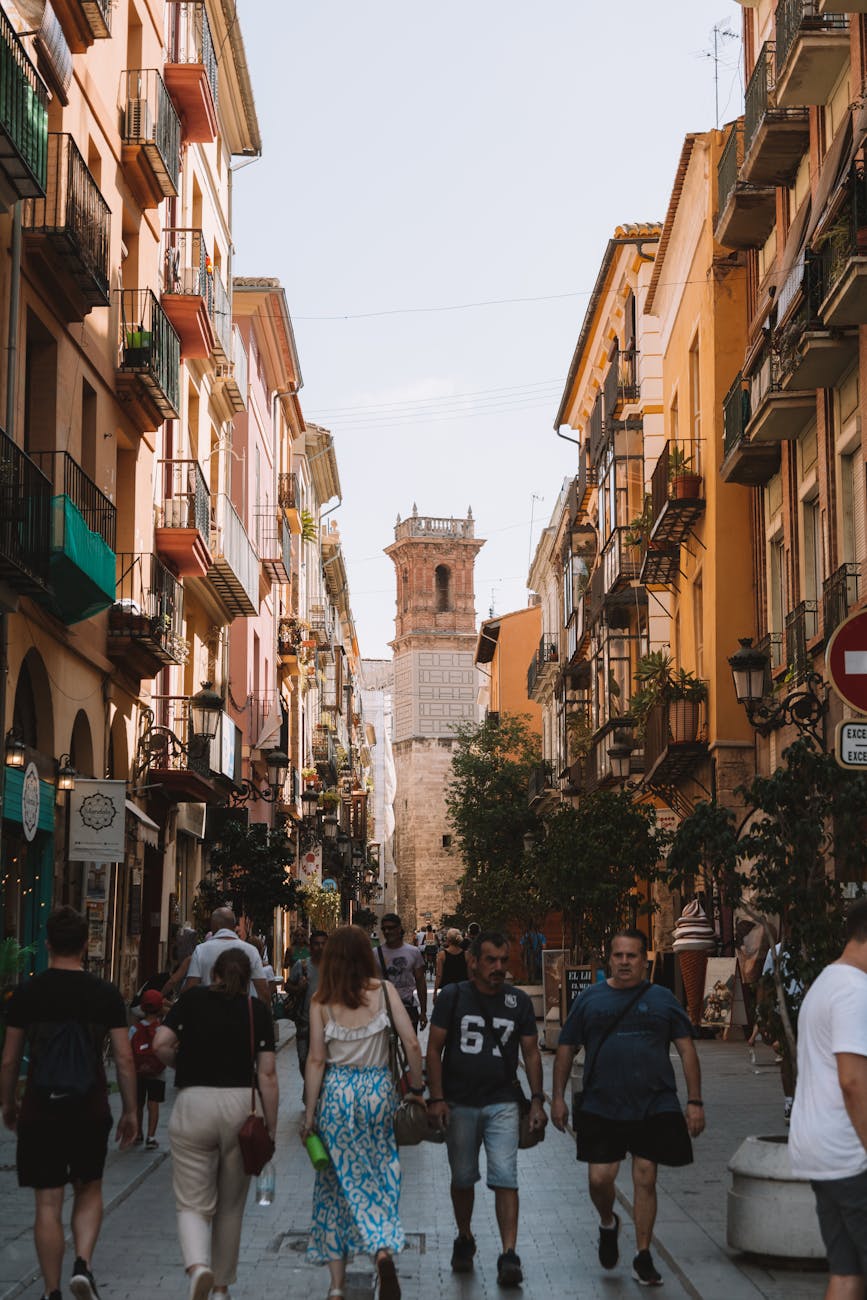

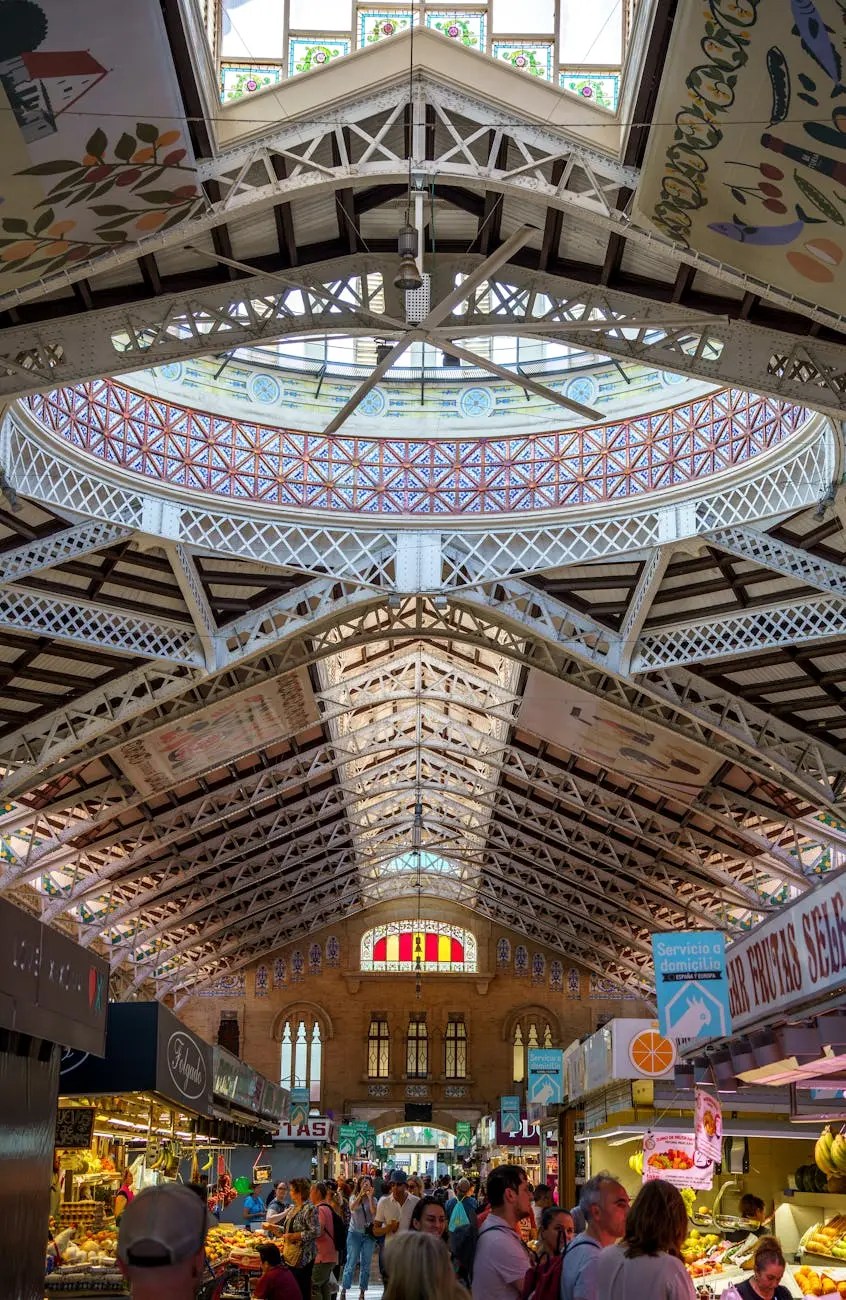
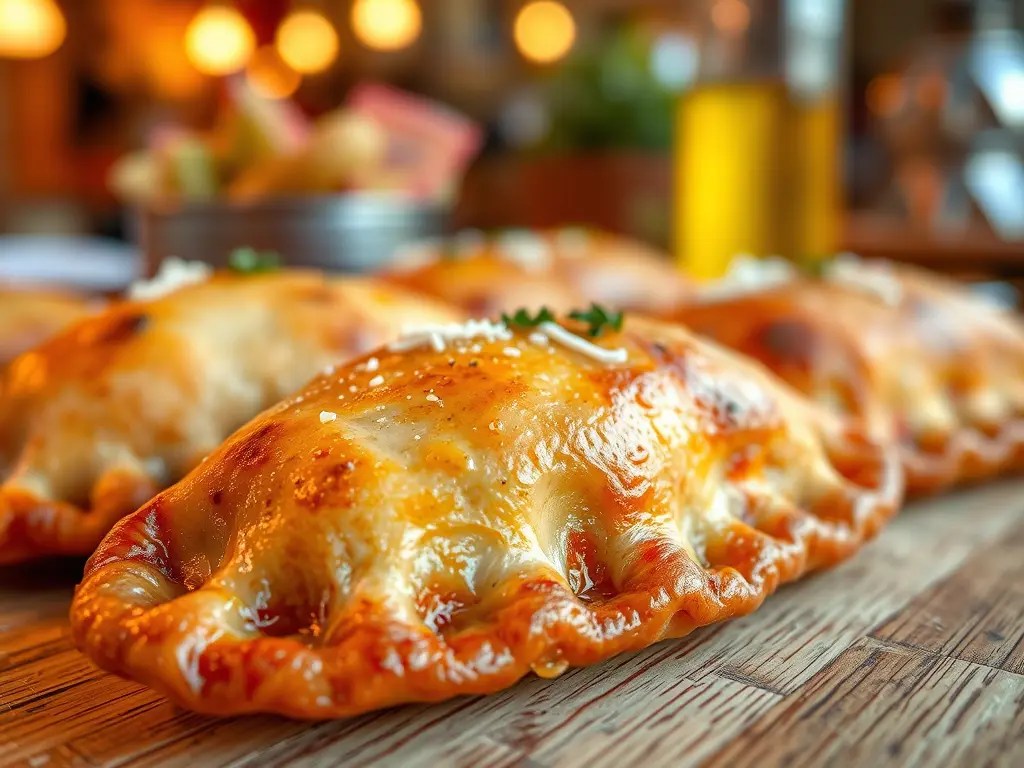
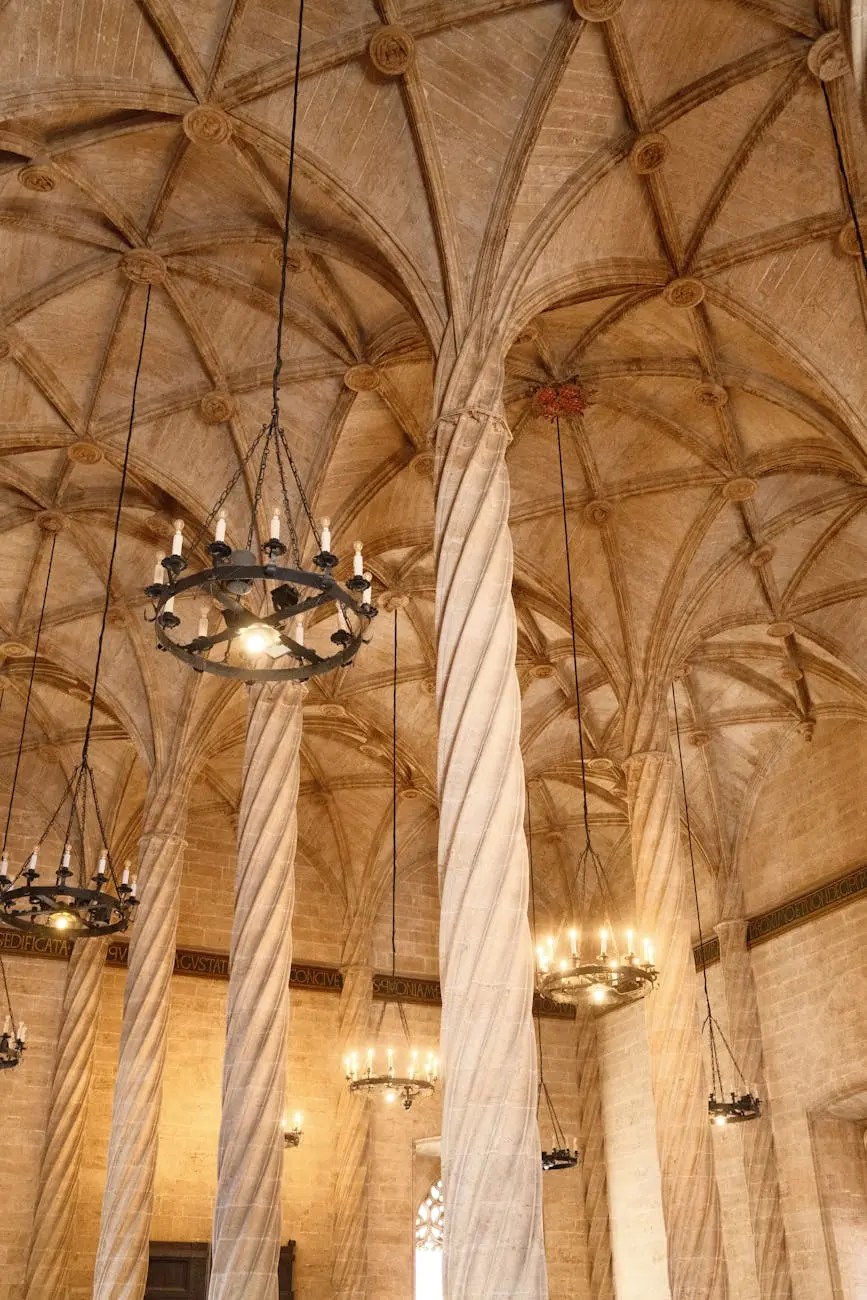
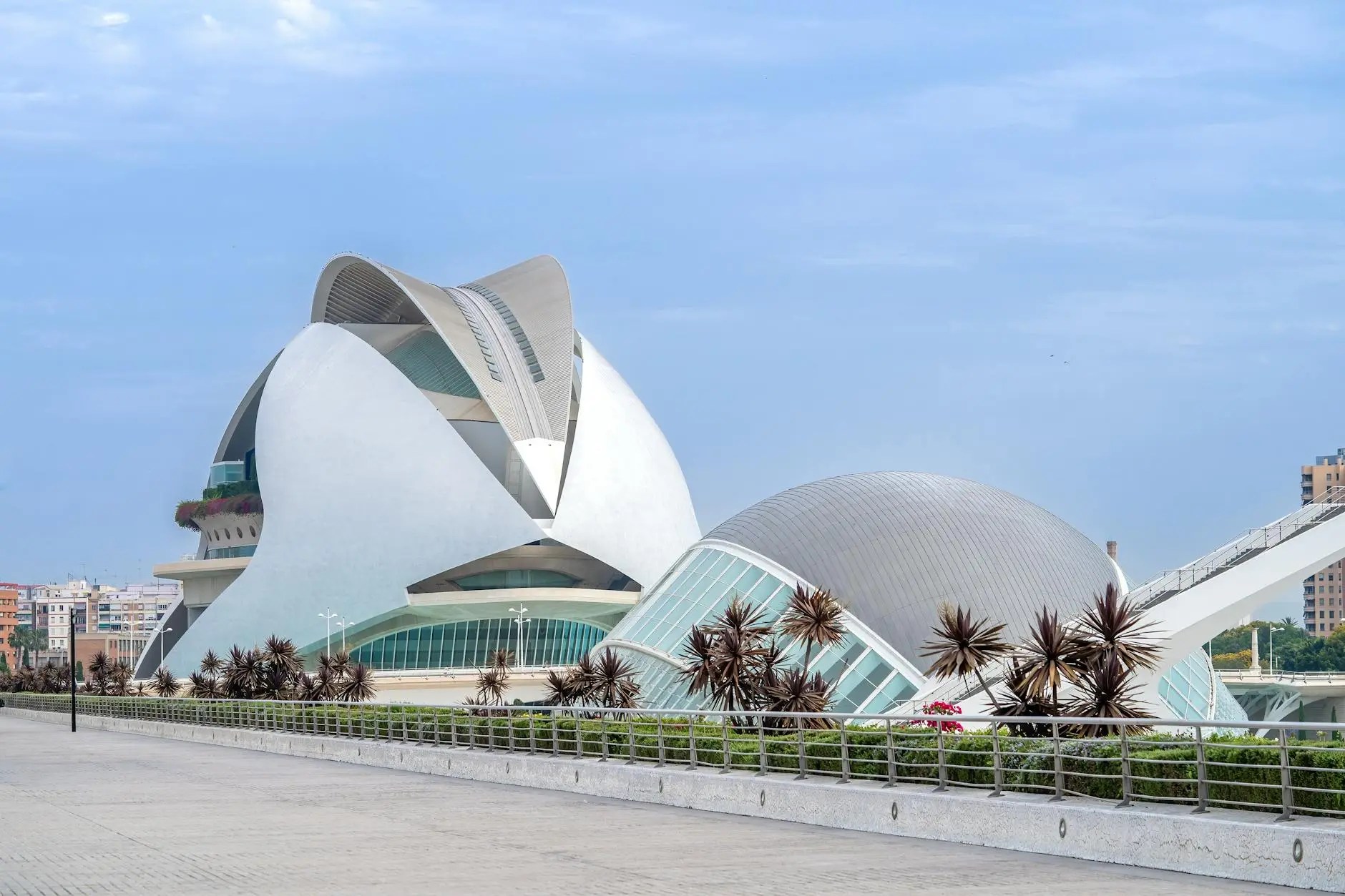
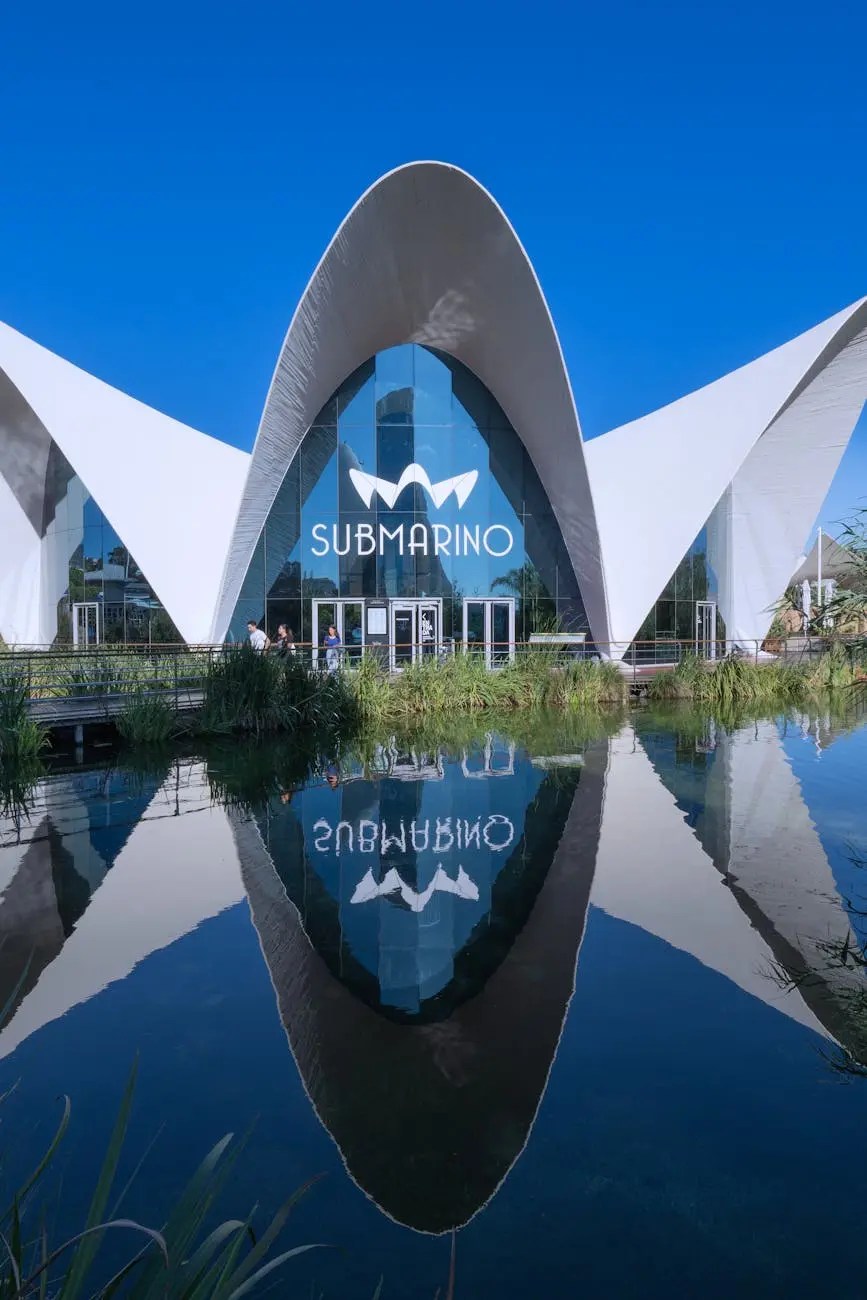

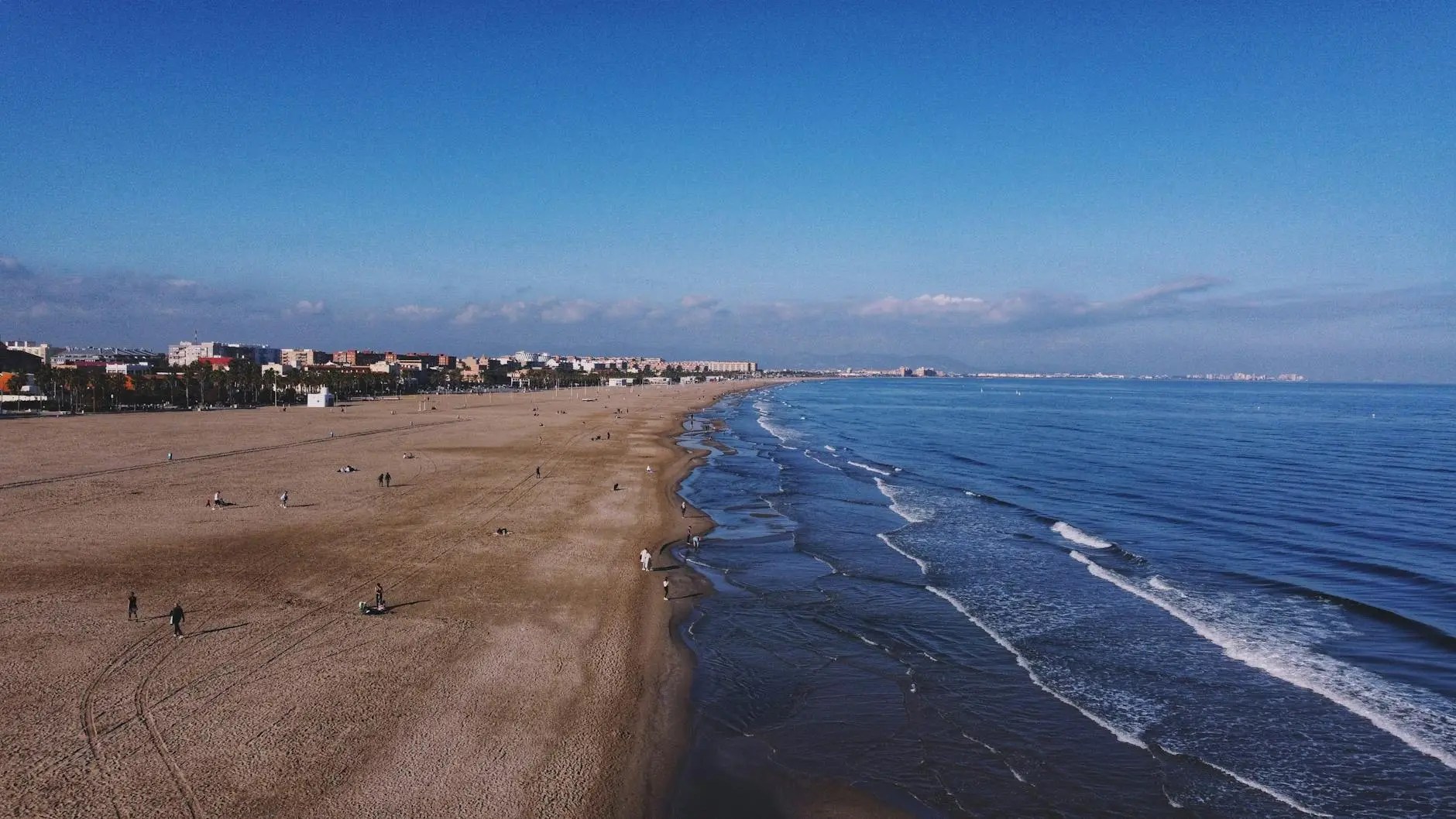
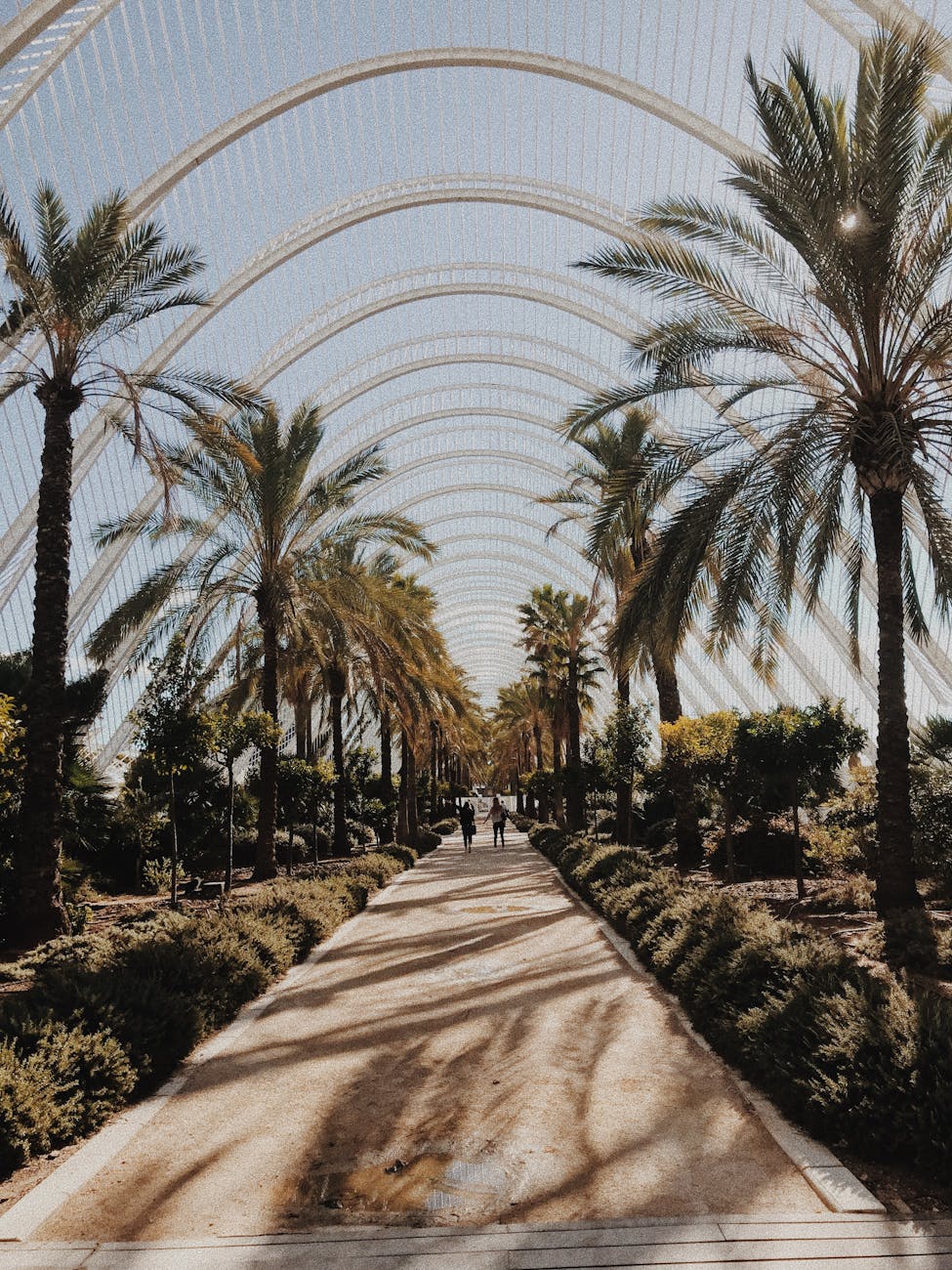
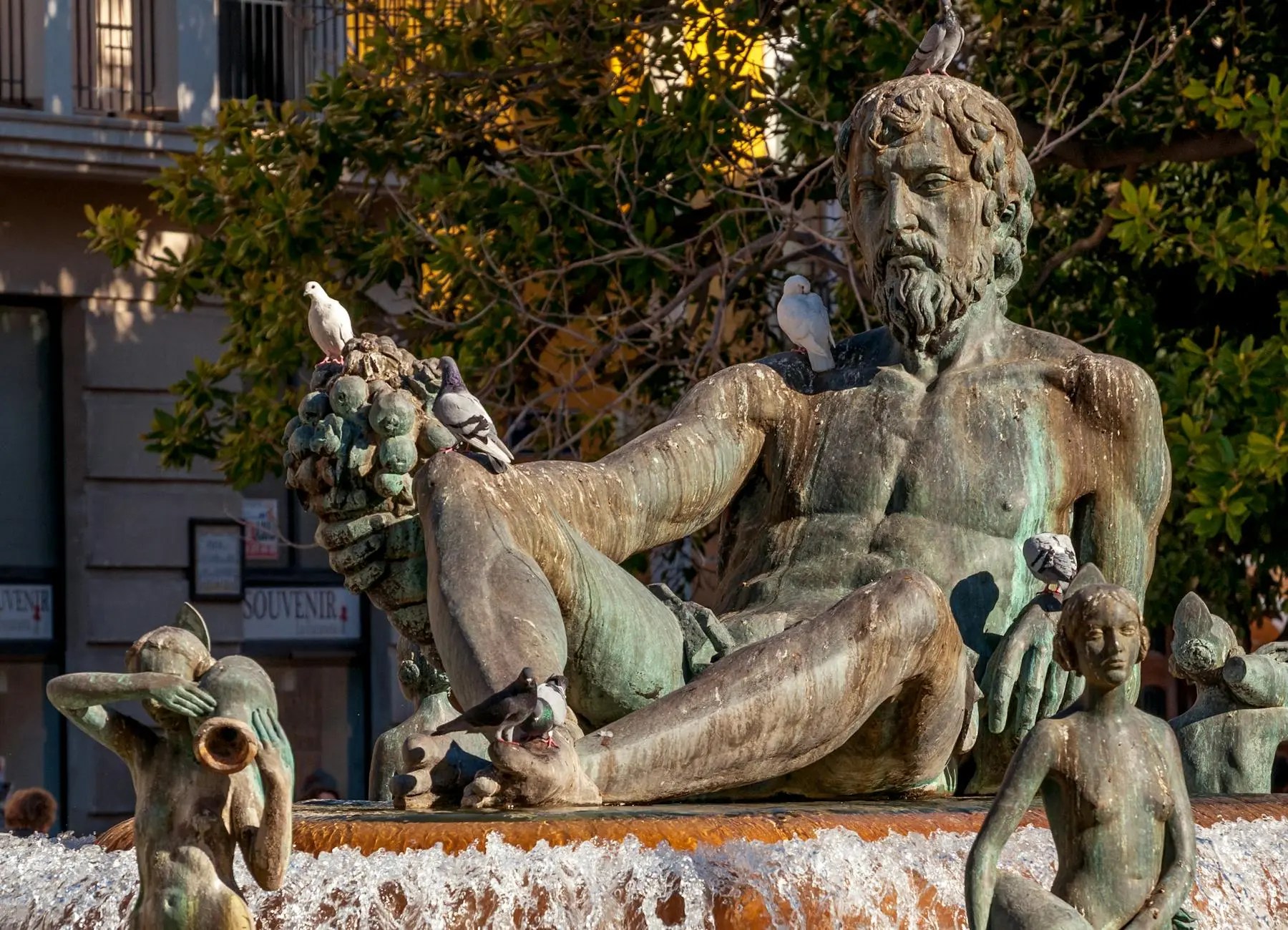




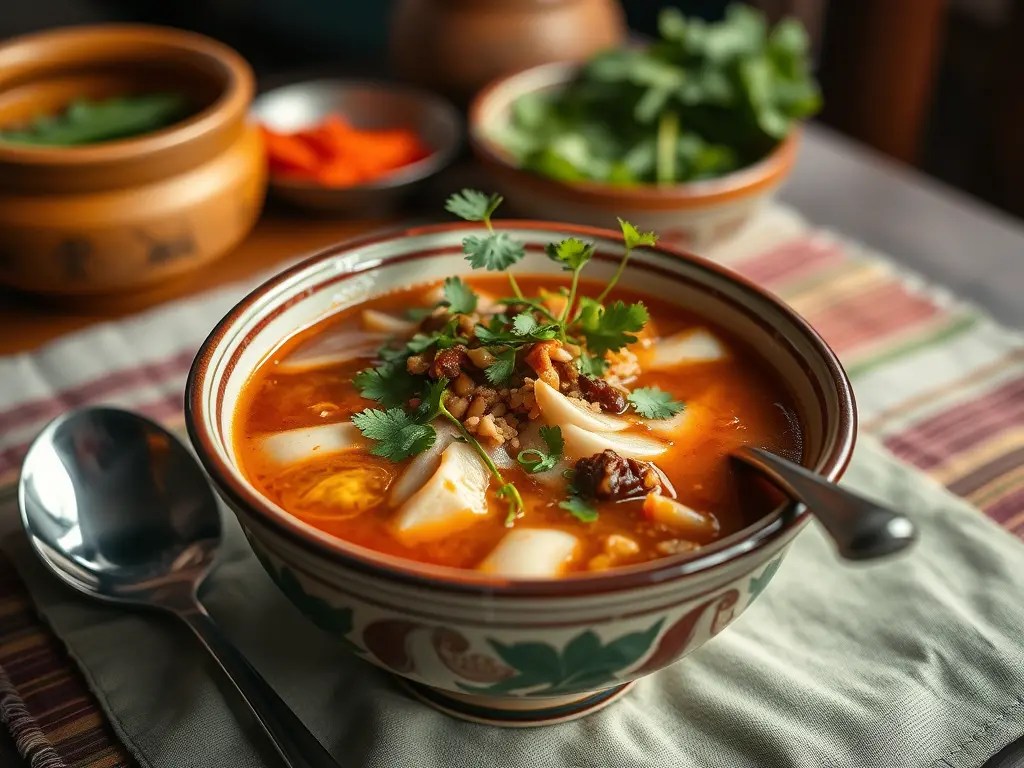
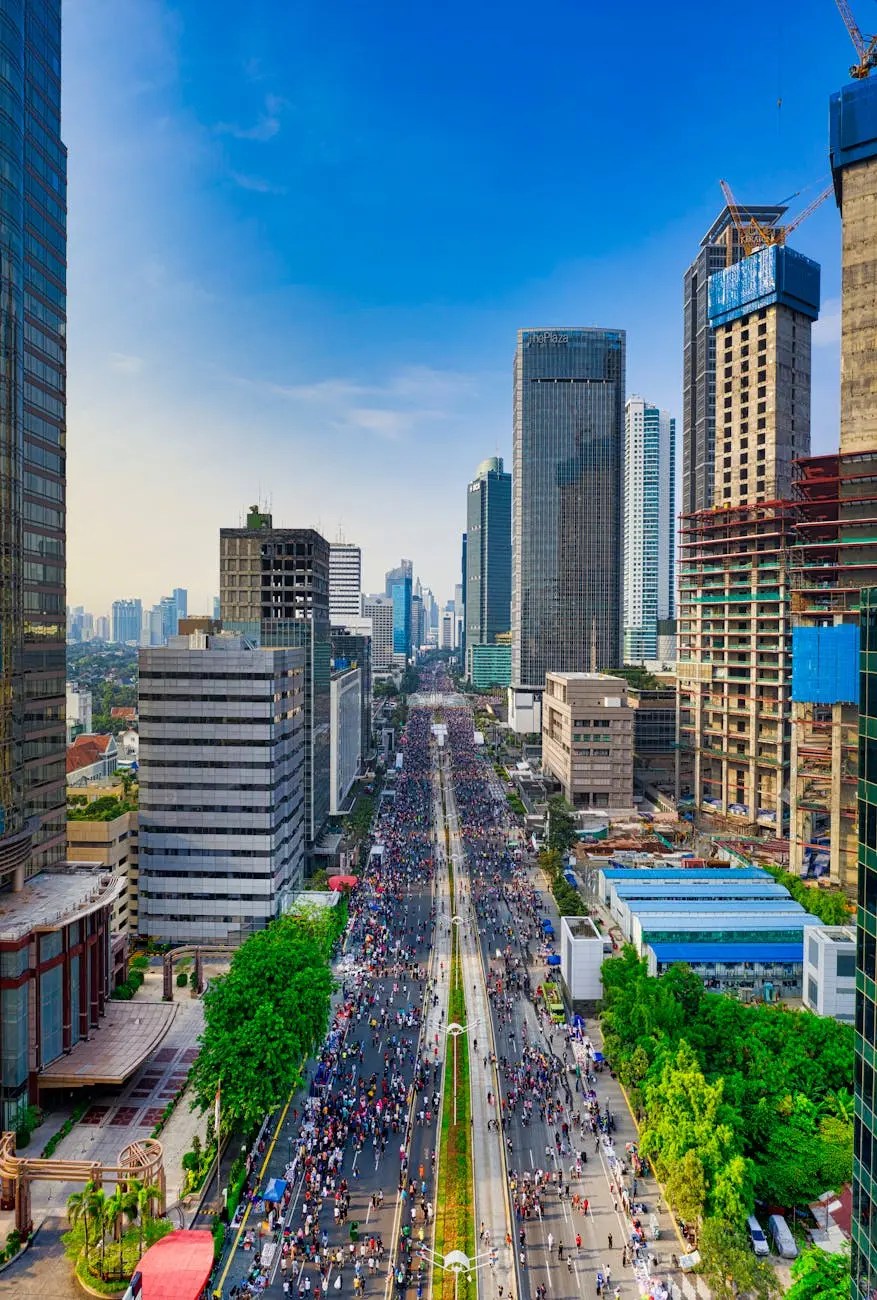
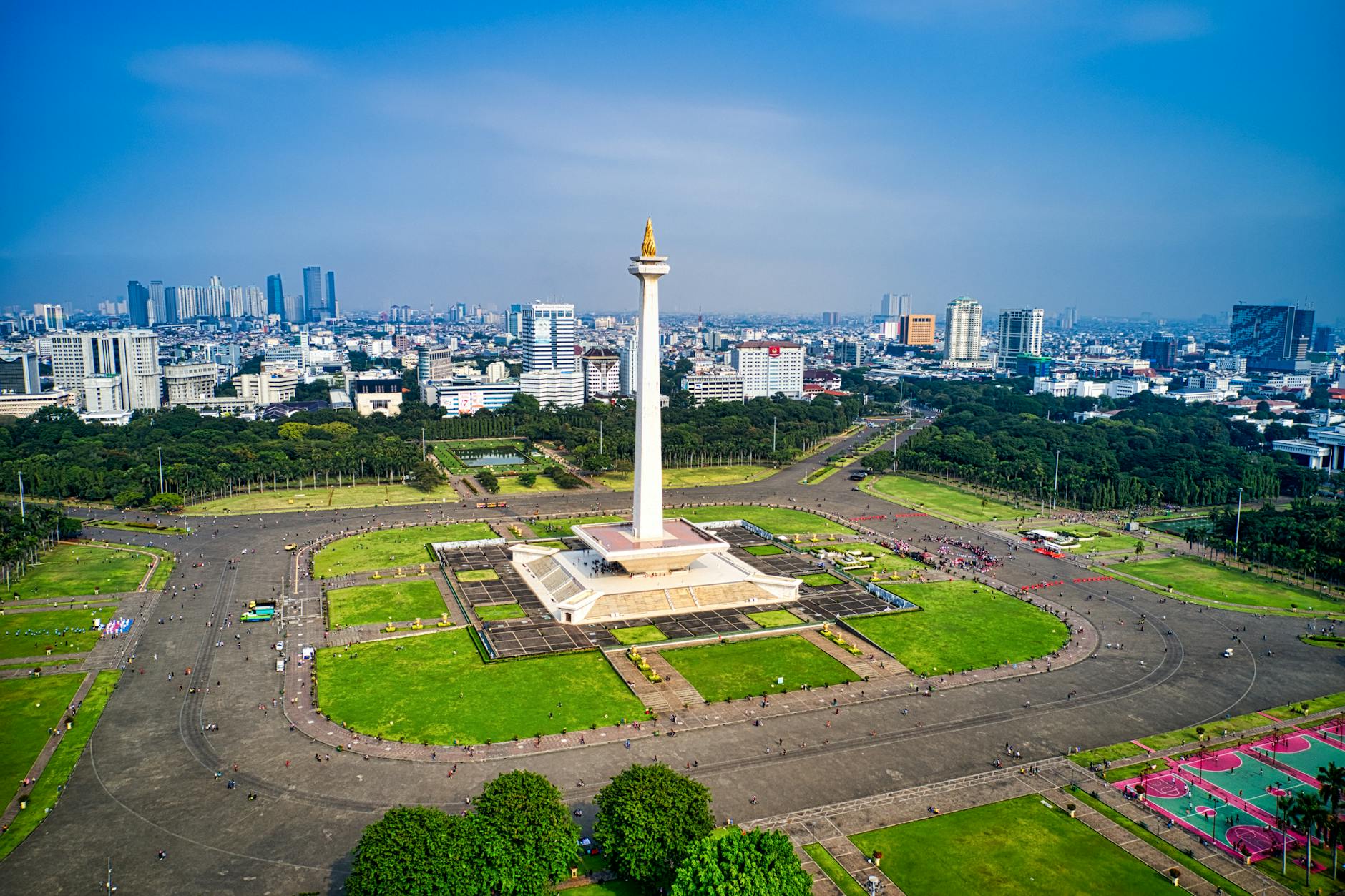
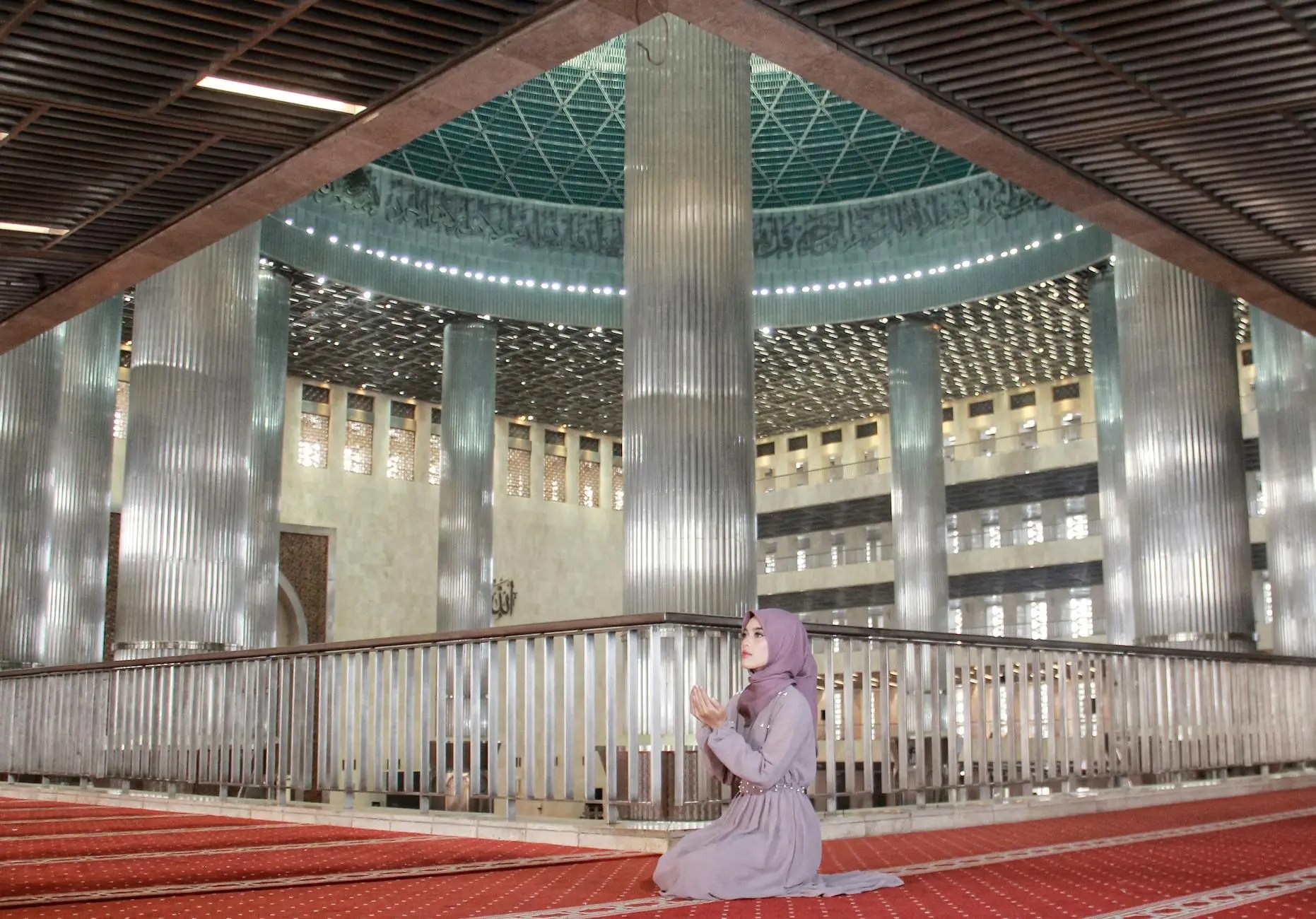

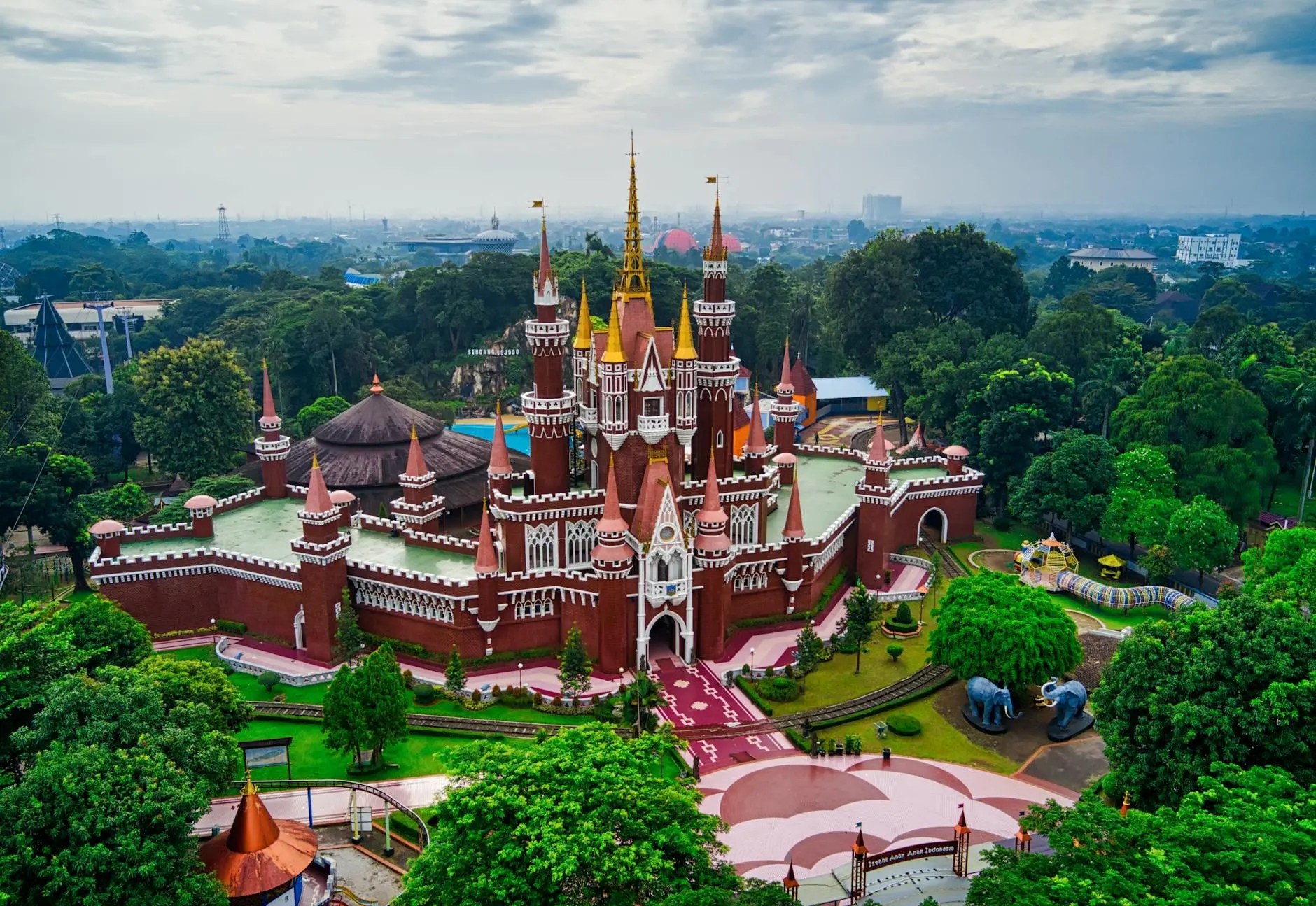

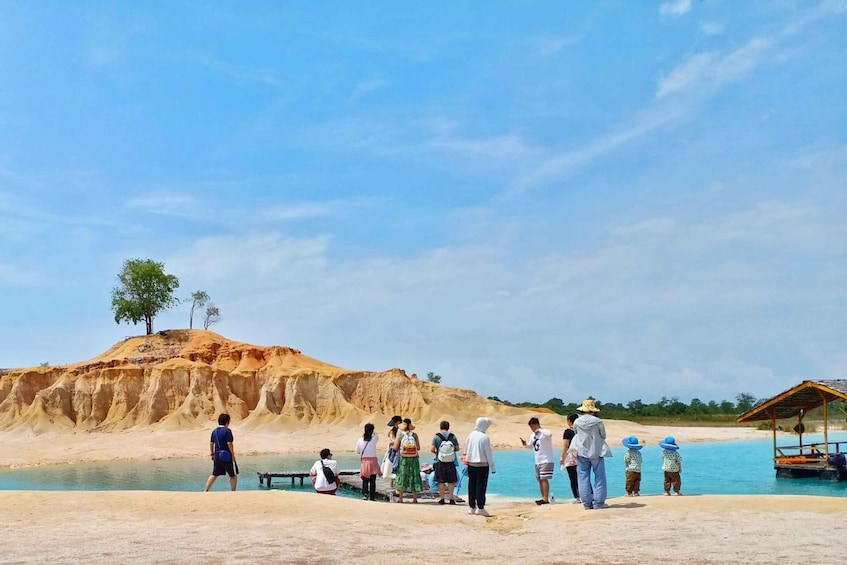
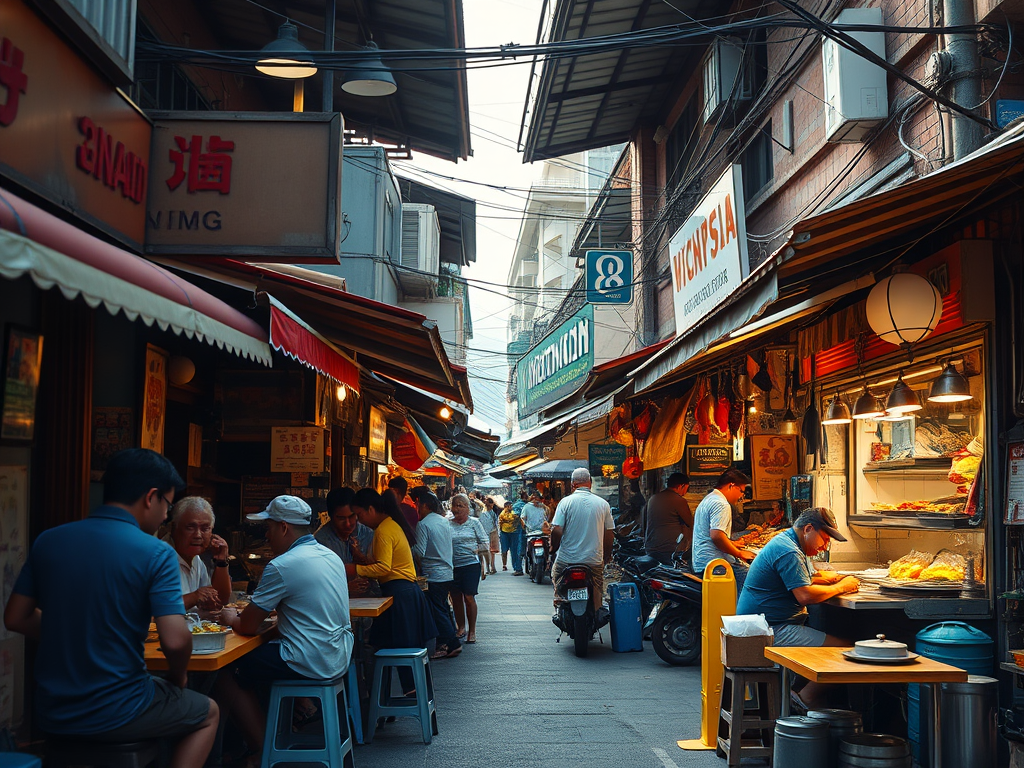
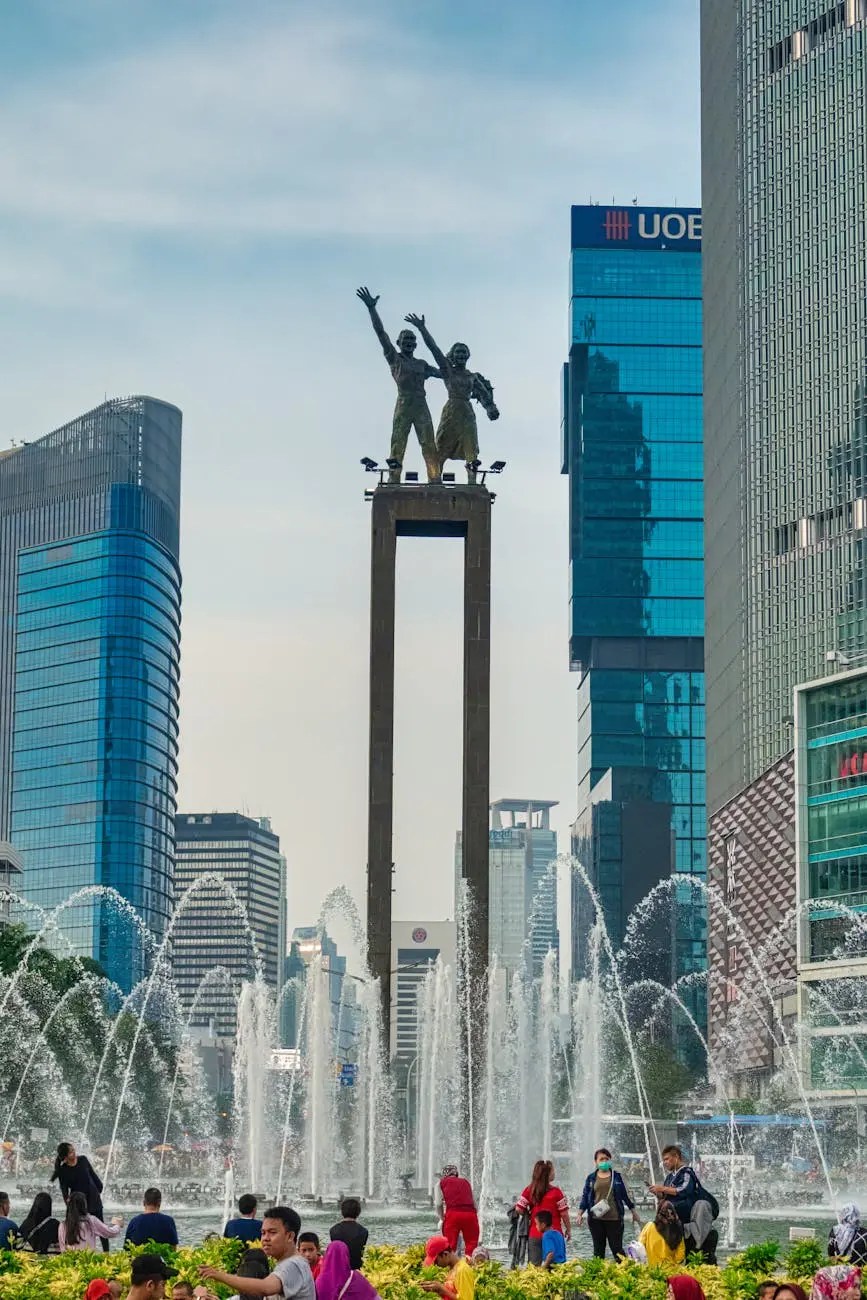
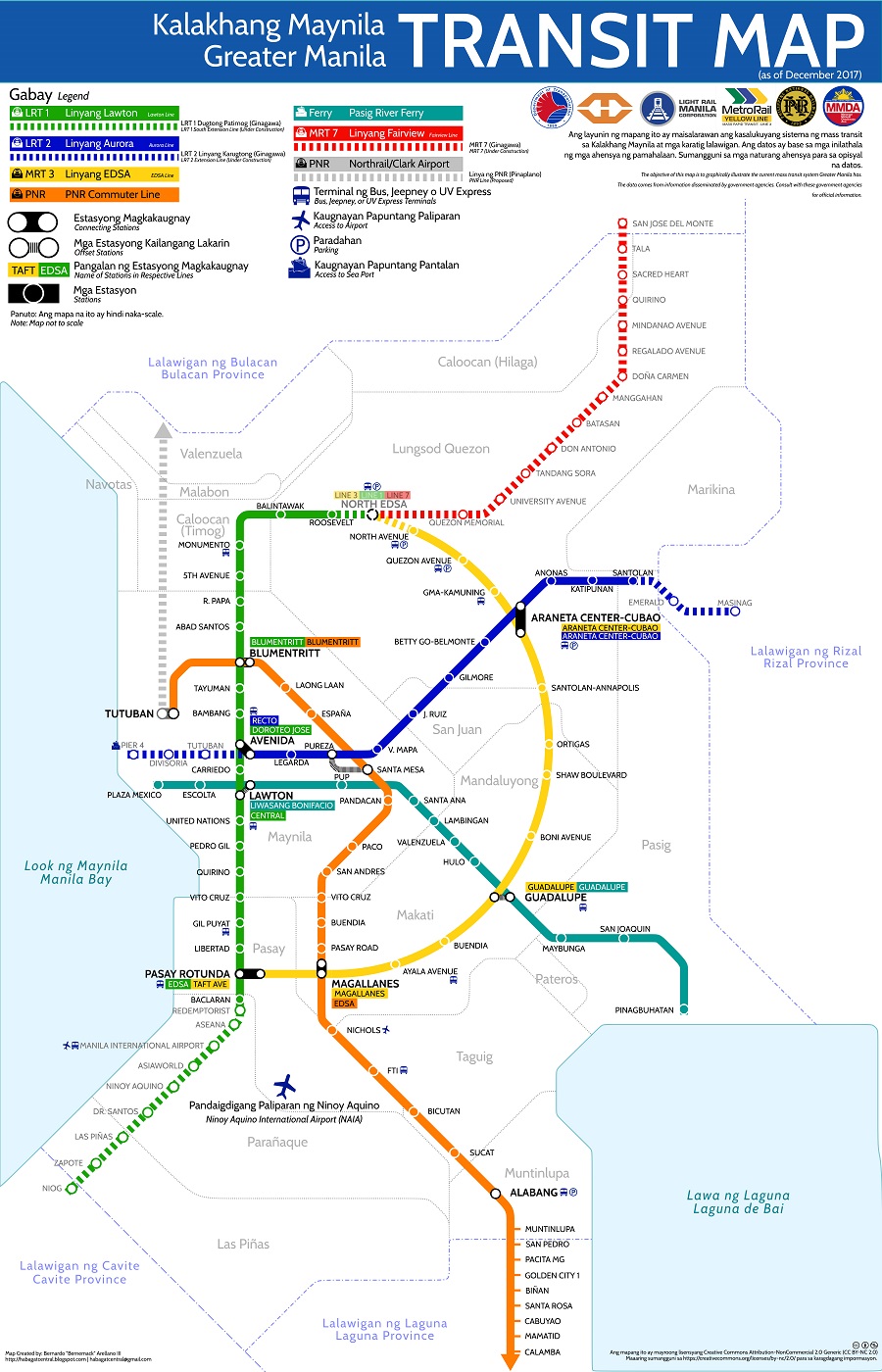
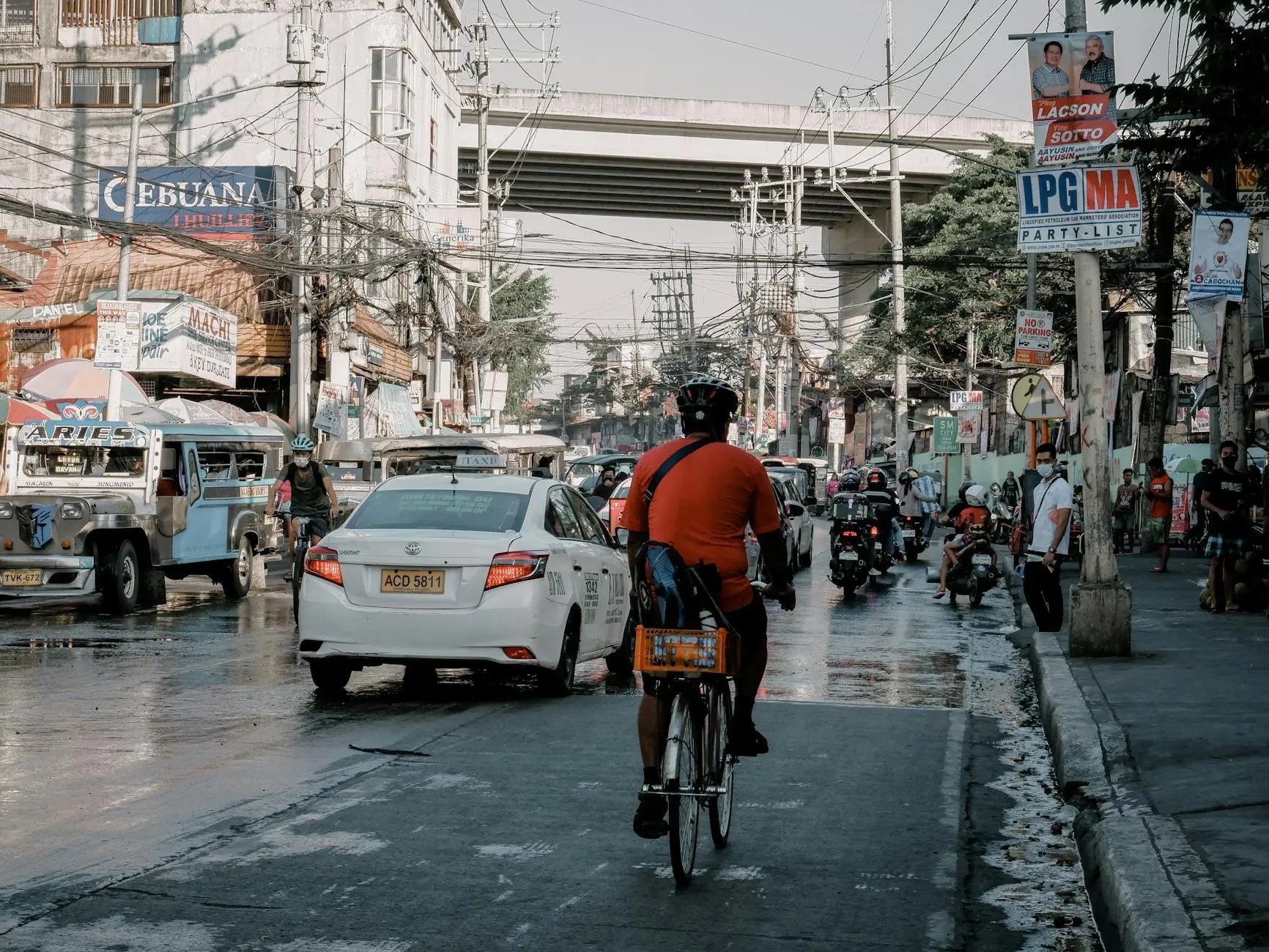
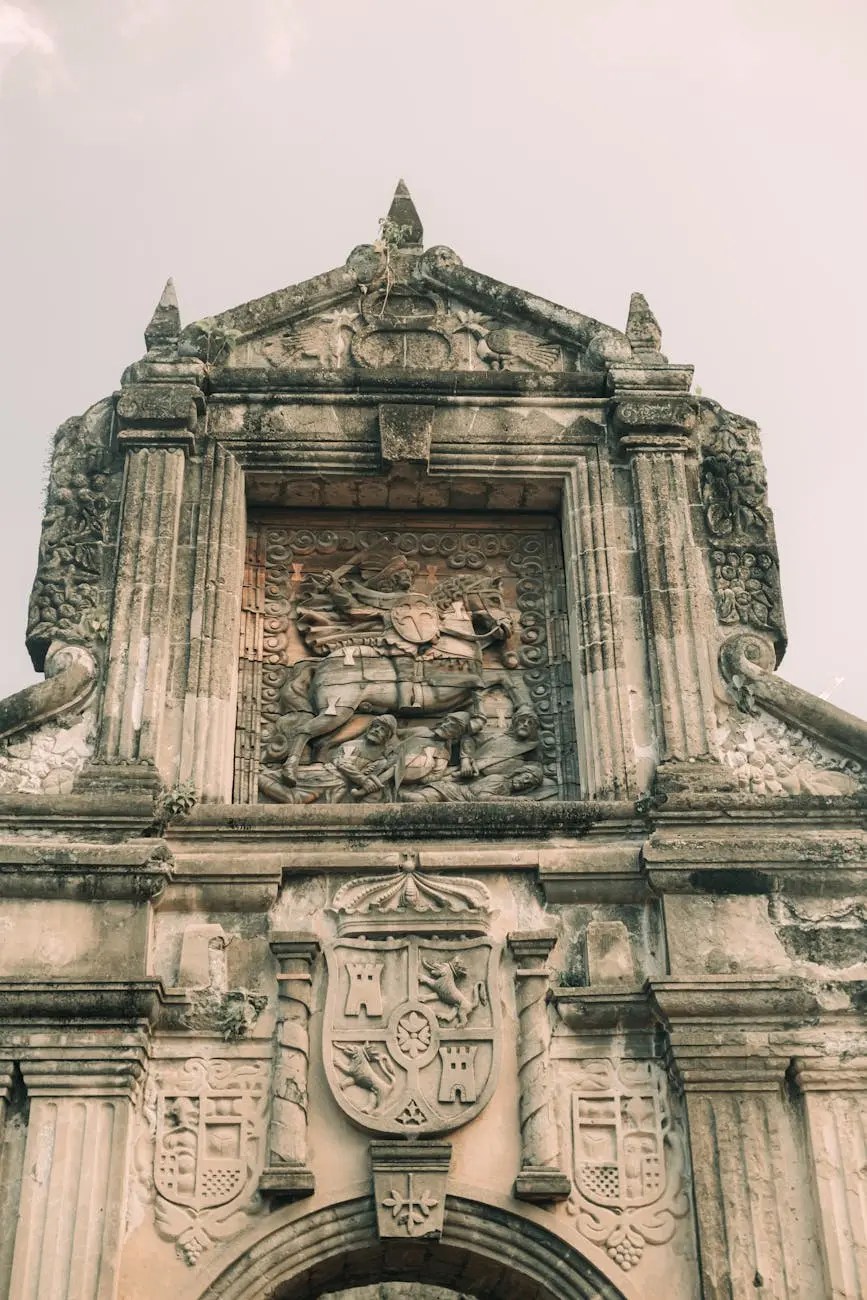
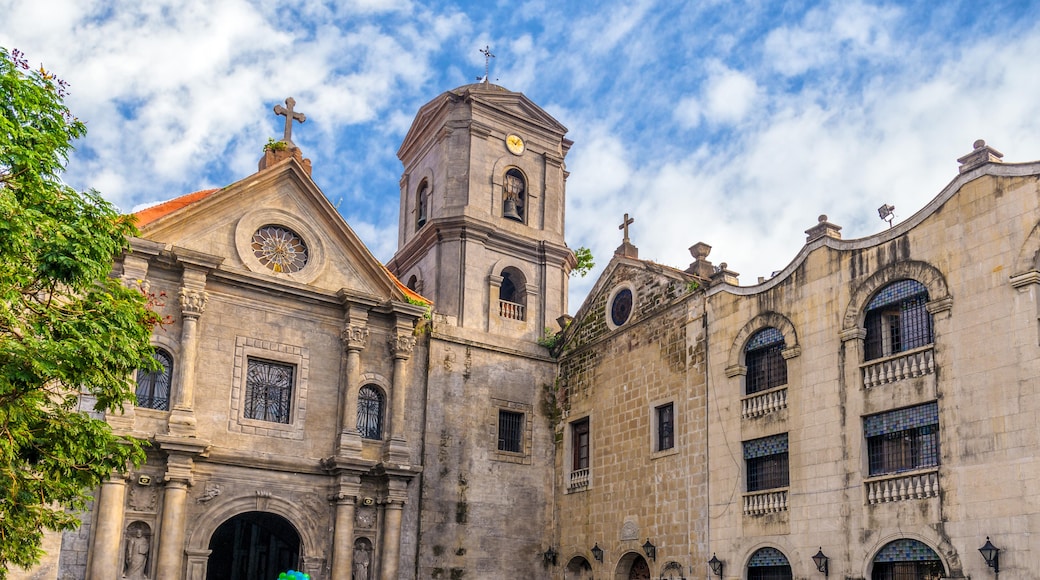


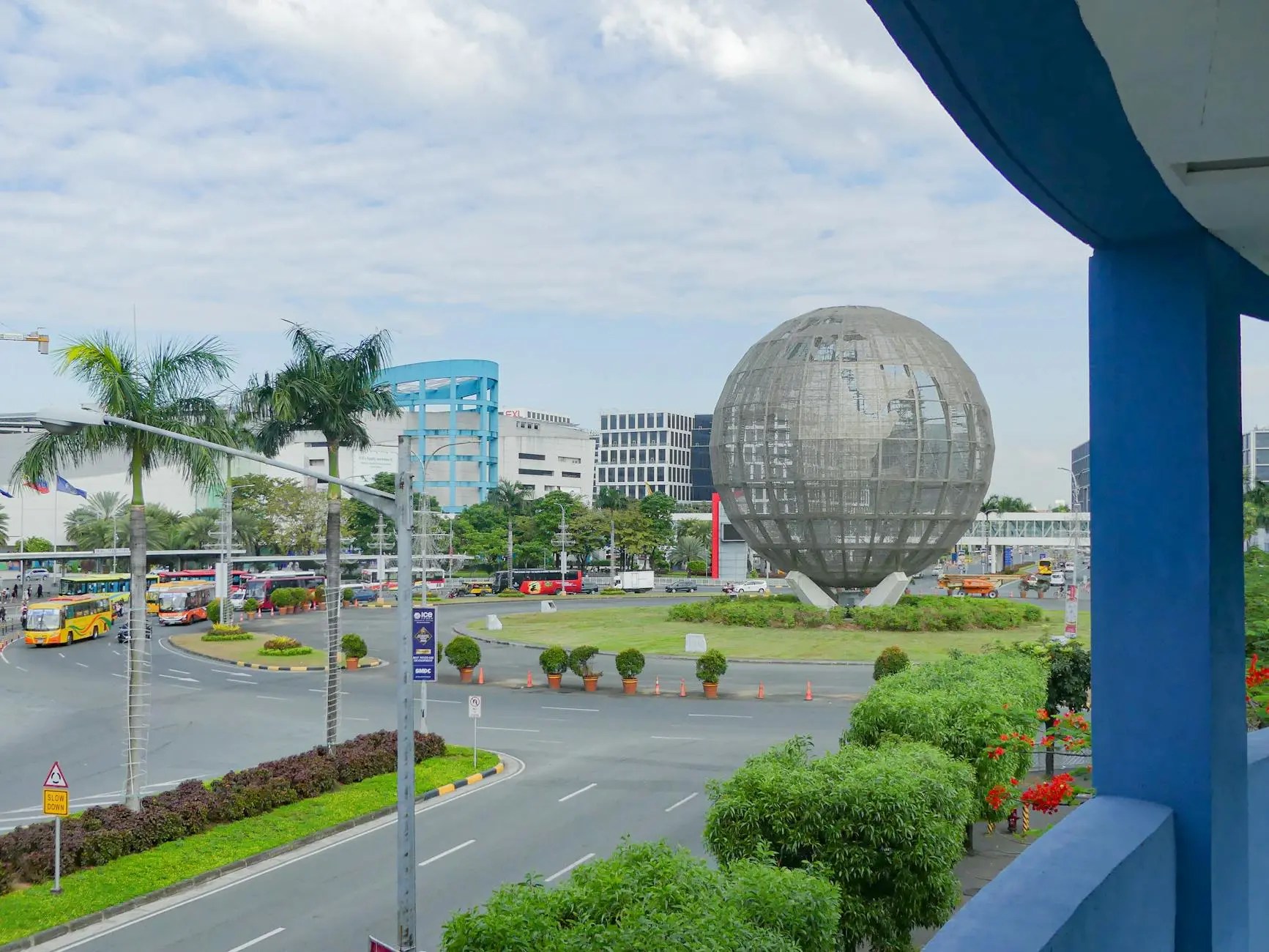
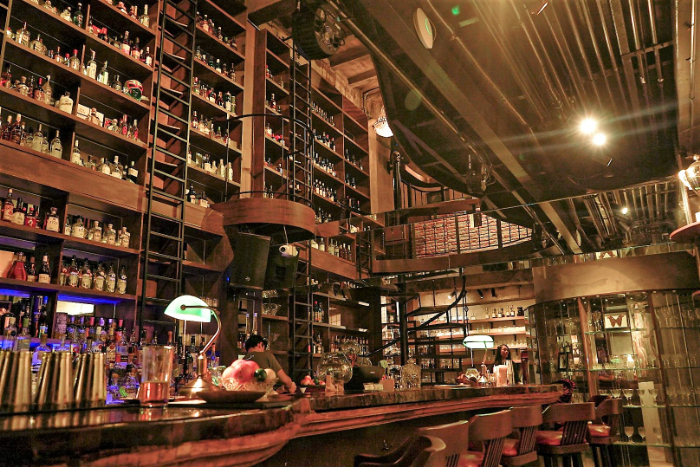

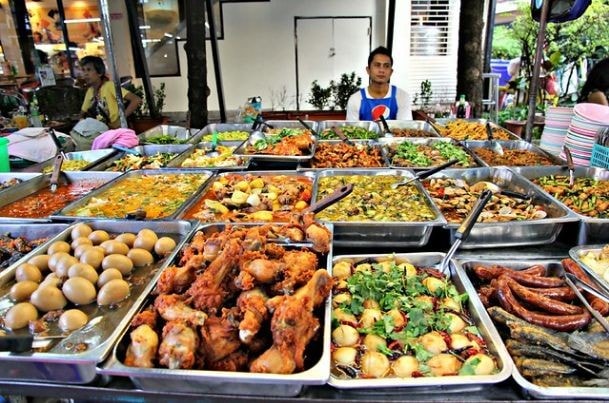
 Home Home sweet sweet home