The Ultimate Weekend Escape to Porto, Portugal

Meta Description:

 Discover the ultimate weekend escape to Porto, Portugal! This detailed travel guide is packed with insider tips, hidden gems, and a perfect 3-day itinerary to help you explore the city’s charm, savor its famous port wine, and navigate like a local. Save time and money on your next European adventure!

Table of Contents

  1. Why Porto Deserves Your Weekend
  2. Getting There & Visa Tips
  3. How to Get Around Porto (Transport Hacks)
  4. Best Time to Visit Porto
  5. Top Sights & Hidden Gems
  6. What to Eat & Drink in Porto
  7. Budget & Time-Saving Travel Tips
  8. Essential Portuguese Phrases for Travelers
  9. Travel Tech & Must-Haves
  10. Smart Travel Insurance & Compensation Hacks
  11. Nearby Getaways & Suggested Itineraries
  12. FAQs

Why Porto is the Perfect Weekend Getaway

Compact, walkable, and bursting with character, Porto is a weekend warrior’s dream. It offers the perfect cocktail of history, culture, incredible food, and, well, actual incredible cocktails (and wine!). It’s significantly more affordable than its big sister, Lisbon, and you can see the major highlights without feeling like you’re on a brutal marathon. For more on choosing between Portugal’s iconic cities, check out my older blog post: Lisbon vs. Porto: Which Portuguese City Steals Your Heart?

If Lisbon is Portugal’s loud, outgoing sibling, Porto is the quieter, soulful one who surprises you with vintage wine and a rooftop sunset. Nestled along the Douro River, Porto is a city of azulejos (hand-painted tiles), charming trams, hearty food, and—of course—Port wine.

On my first trip, I accidentally spent two hours wandering through Ribeira’s cobbled alleys just because I got distracted by pastel-colored houses and the smell of grilled sardines. Zero regrets.

Visa Note: For travelers from the US, UK, Canada, and most Western countries, Portugal is part of the Schengen Area, allowing visa-free travel for up to 90 days. Always double-check the latest requirements on official government sites before you fly!

Flights: Porto’s Francisco Sá Carneiro Airport is well-connected to Europe. For cheap flights, I always book via Expedia.

Nearby escapes: Porto pairs perfectly with Lisbon, Madrid, Barcelona, or even a Morocco hop to Marrakech

Hotels in Porto

Your Porto Weekend Itinerary

Day 1: Ribeira, Bridges, and All the Port Wine

  • Morning (9:00 AM): Start your day in Praça da Liberdade, the city’s grand central square. Grab a bica (a potent Portuguese espresso) and a pastel de nata from a nearby cafĂŠ. Trust me, you’ll need the energy for the hills.
  • Late Morning (11:00 AM): Wander down the hill to the Ribeira District, Porto’s UNESCO World Heritage heart. Get lost in the labyrinth of narrow cobbled streets, colorful houses, and laundry hanging between buildings. It’s a photographer’s paradise. I spent a good hour just trying to get the perfect shot of the Dom LuĂ­s I Bridge framing the river—no regrets.
  • Afternoon (1:30 PM): Time for lunch! Skip the overly touristy spots right on the riverfront. Duck into one of the smaller streets for a francesinha—Porto’s infamous gut-busting sandwich of meats, cheese, and a spicy beer sauce. It’s a experience, not just a meal.
  • Late Afternoon (4:00 PM): Cross the Dom LuĂ­s I Bridge on the upper level for breathtaking panoramic views. Your destination? Vila Nova de Gaia, the home of all the major port wine cellars. I did a tour and tasting at Taylor’s, which was fantastic, but Graham’s and CĂĄlem are also stellar choices.
  • Evening (8:00 PM): Enjoy a sunset dinner back on the Porto side. For a truly memorable experience, book a table at a restaurant with a terrace overlooking the river. The lights of Gaia twinkling on the water are pure magic.

Close-up of a small, dark traditional Portuguese bica coffee in a white cup, served with a saucer on a rustic table.
Fuel your exploration the local way with a bica—Portugal’s powerful and delicious answer to espresso. This tiny but mighty cup is the lifeblood of porto cafĂŠ culture and the perfect pause during a day of sightseeing.

Gaia Cable Car Tours

Aerial view of Praça da ComÊrcio in porto, Portugal, featuring the grand arch, statue at the center, and surrounding historical buildings with people walking around.
Aerial view of Praça da ComÊrcio, a historic square in Porto, showcasing the statue in the center and surrounding architecture. The magnificent Praça da ComÊrcio (also known as Praça do ComÊrcio) from above. This historic square is a gateway to Porto, framed by the grand Arråbida Arch and the iconic yellow Pombaline-style buildings.
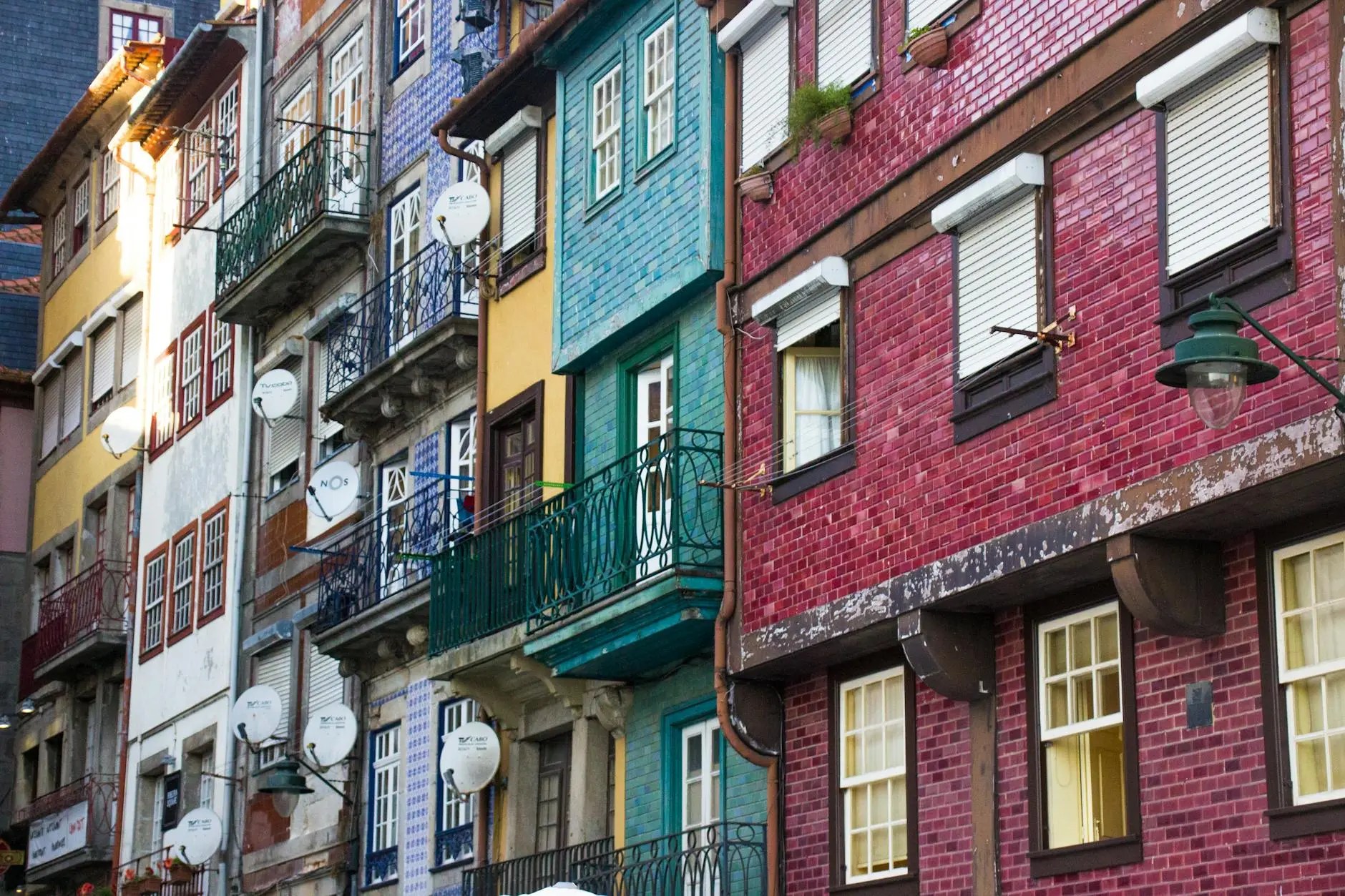
Colorful buildings with balconies and decorative tiles in a historic area of Porto, Portugal.
Colorful façades in Porto’s Ribeira District showcase the charm of the city’s architecture. The postcard-perfect heart of Porto. The Ribeira District’s colorful, slightly crumbling façades tell stories of the city’s history, where everyday life continues amidst stunning architecture.
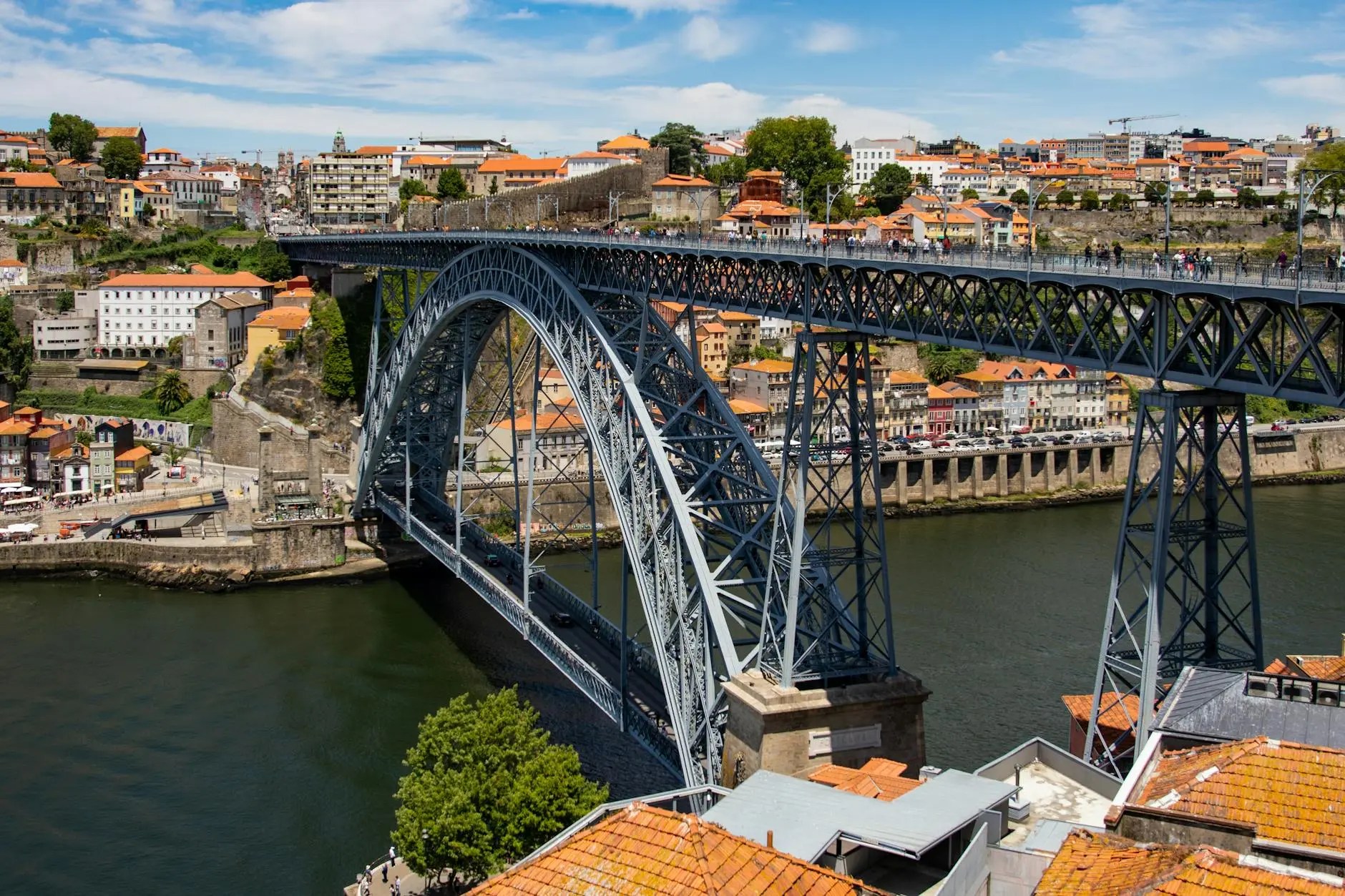
View of the Dom LuĂ­s I Bridge spanning the Douro River, with colorful houses and historic buildings in the background under a clear blue sky.
The iconic Dom LuĂ­s I Bridge spanning the Douro River in Porto, Portugal, offering stunning city views. The postcard-perfect heart of Porto. The Ribeira District’s colorful, slightly crumbling façades tell stories of the city’s history, where everyday life continues amidst stunning architecture.

A close-up of a hearty burger featuring a soft bread roll filled with savory toppings, including melted cheese, bacon bits, and garnished with chopped chives.
Indulge in the flavors of Porto with a delicious francesinha sandwich, a hearty local specialty. The legendary Francesinha: Porto’s ultimate comfort food. This “little Frenchie” is a formidable stack of cured meats, steak, and sausage, smothered in melted cheese and a secret, tangy beer and tomato sauce. It’s a must-try (and best shared!).
An interior view of a wine cellar featuring rows of barrels lined along the walls, creating a long, narrow corridor with warm, ambient lighting.
Inside a port wine cellar in Porto, showcasing rows of wooden barrels in a dimly lit corridor. Stepping back in time inside a port wine cellar. These massive oak barrels, known as balseiros, age the precious port wine, filling the air with a sweet, woody aroma that is simply unforgettable.
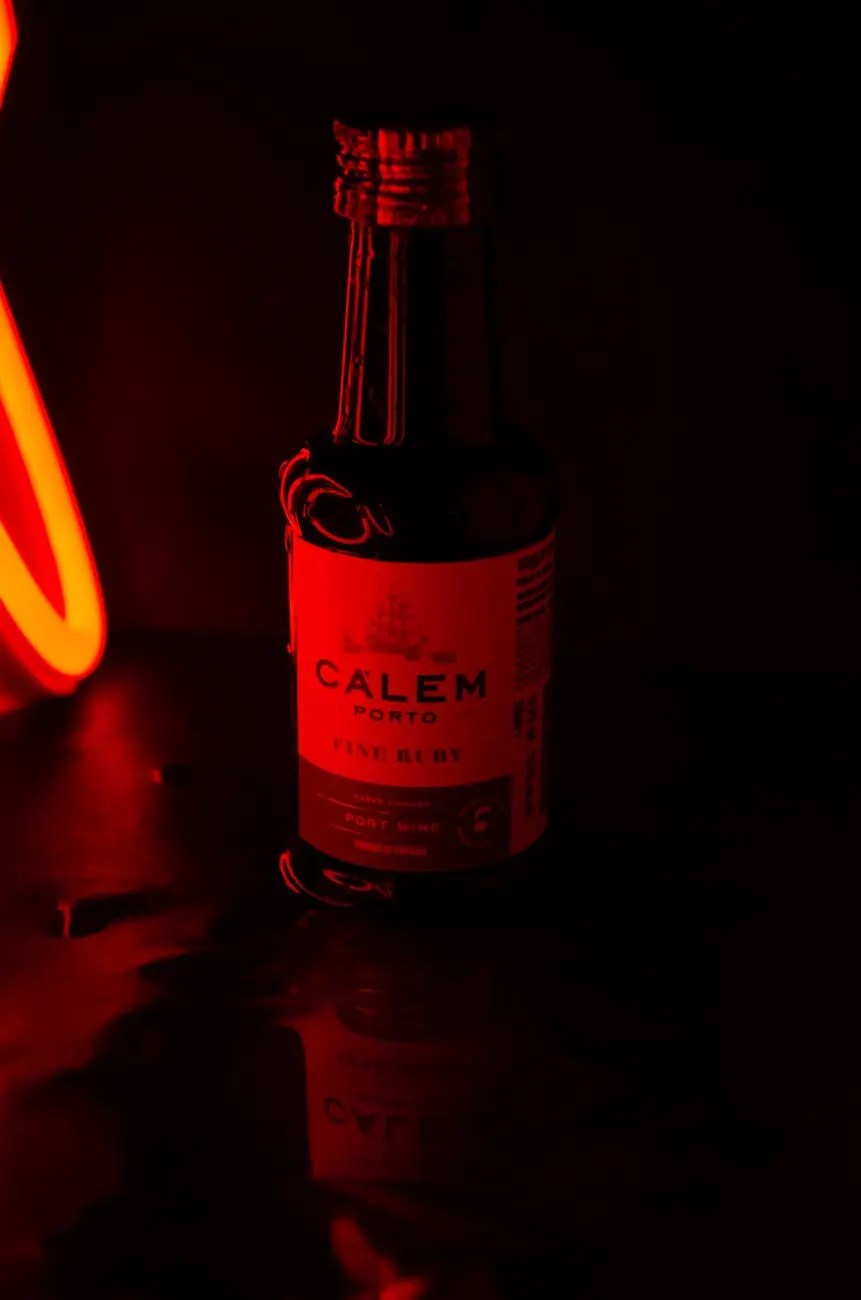
A close-up of a bottle of CĂĄlem Fine Ruby Port wine against a dark background with a red light reflection.
A bottle of CĂĄlem Fine Ruby Port Wine, showcasing Porto’s rich wine heritage. A modern take on a classic: CĂĄlem Fine Ruby Port Wine glows under neon lights. This vibrant, youthful port is known for its fruity flavors and is a perfect introduction to Porto’s most famous export.
A panoramic view of the Douro River in Porto, Portugal, featuring colorful buildings along the riverbank, a cable car in the foreground, and traditional boats on the water.
A stunning view of the Douro River in Porto, showcasing the iconic cable car and picturesque waterfront with colorful buildings. The soul of Porto unfolds along the Douro River. This breathtaking perspective captures the Gaia cable car gliding above the waterfront, passing the iconic rabelo boats and the historic port wine cellars nestled into the hillside.

Day 2: Tiles, Books, and Atlantic Breezes

  • Morning (10:00 AM): Marvel at the Igreja do Carmo, famous for its massive side wall covered in breathtaking blue azulejos. Then, make your way to the Livraria Lello. Yes, it’s crowded and you need to buy a ticket online in advance, but stepping inside this bookshop that allegedly inspired JK Rowling is worth it. The staircase is a masterpiece.
  • Afternoon (1:00 PM): Hop on the city’s efficient metro system (Line D) and head to the mouth of the Douro River. Get off at Matosinhos Sul and walk along the promenade to Foz do Douro, where the river meets the Atlantic Ocean. The power of the waves here is incredible.
  • Late Afternoon: Treat yourself to a fresh seafood lunch in Matosinhos—it’s the fishing hub for a reason. Then, either take the metro back or enjoy a leisurely stroll along the river back towards the city center.
  • Evening: For your last night, dive into the trendy Galeria de Paris area for a vibrant nightlife scene. Find a small bar, order a vinho verde (a crisp “green wine“), and soak in the local vibe.

Plan your Journey

A detailed blue and white azulejo tile mural depicting a religious scene with Jesus Christ at the center, surrounded by angels and ornate designs.
Beautiful blue azulejos depicting a religious scene in Porto, Portugal. A masterpiece in tile: A close-up of historic blue and white azulejos in Porto telling a sacred story. These hand-painted tiles are not just decoration; they are a fundamental part of Portugal’s artistic soul.

Interior view of Livraria Lello, a beautiful historic bookstore in Porto, featuring ornate woodwork, shelves filled with colorful books, and a grand staircase.
The stunning interior of Livraria Lello, a must-visit bookshop in Porto known for its intricate architecture and literary history. Stepping into a fantasy: The breathtaking interior of Livraria Lello, often cited as an inspiration for Hogwarts. Its Art Nouveau elegance, with the iconic crimson staircase and neo-Gothic details, makes it one of the most beautiful bookstores in the world.
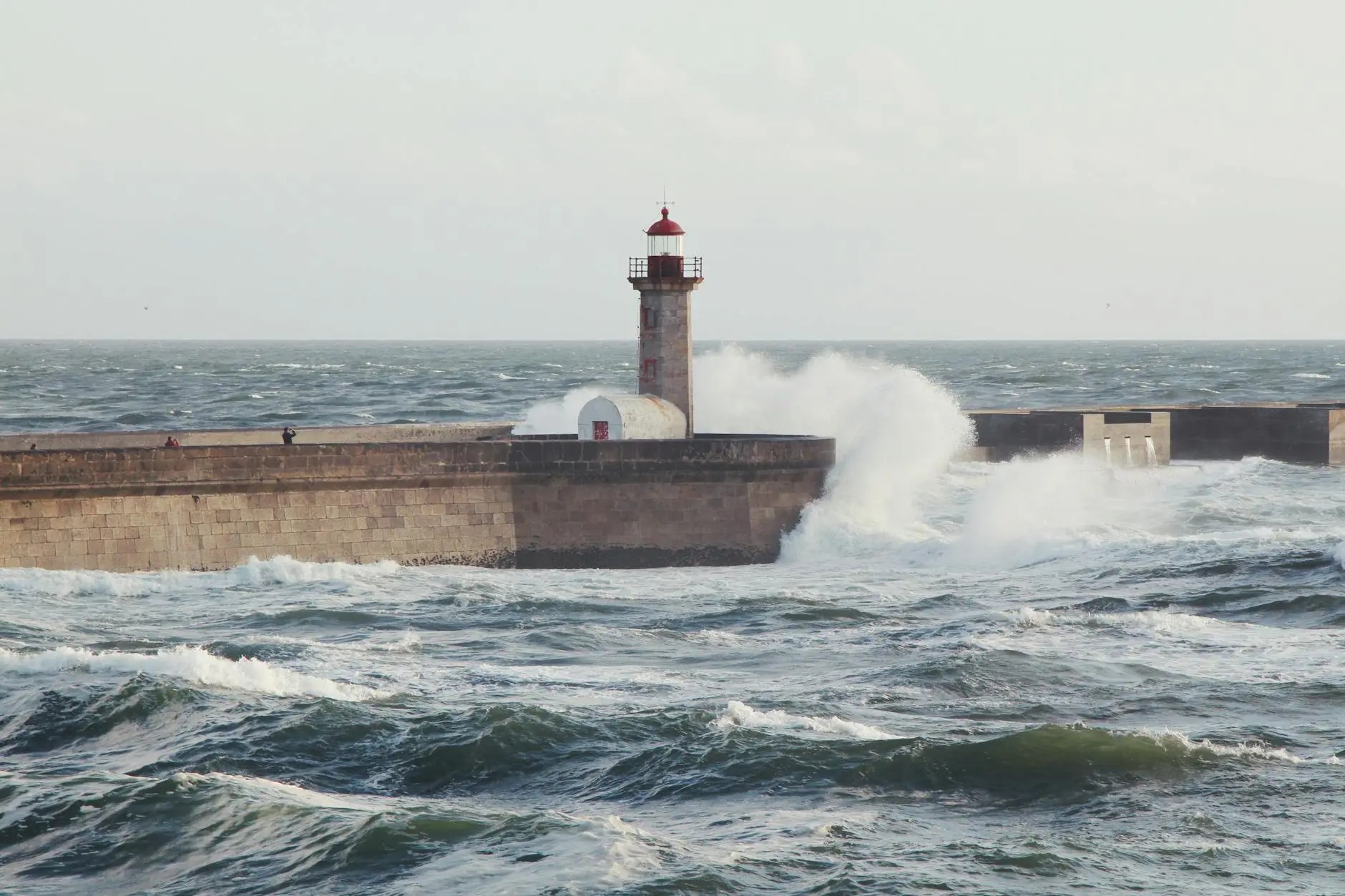
A lighthouse standing on a pier, with waves crashing against the stone wall and the ocean in the background.
Waves crashing against the lighthouse at Foz do Douro, where the Douro River meets the Atlantic Ocean. Where the river meets the sea: The dramatic Foz do Douro lighthouse stands resilient against the relentless force of the Atlantic Ocean. This spot marks the end of the Douro River’s journey and offers a powerful, windswept contrast to the city center.
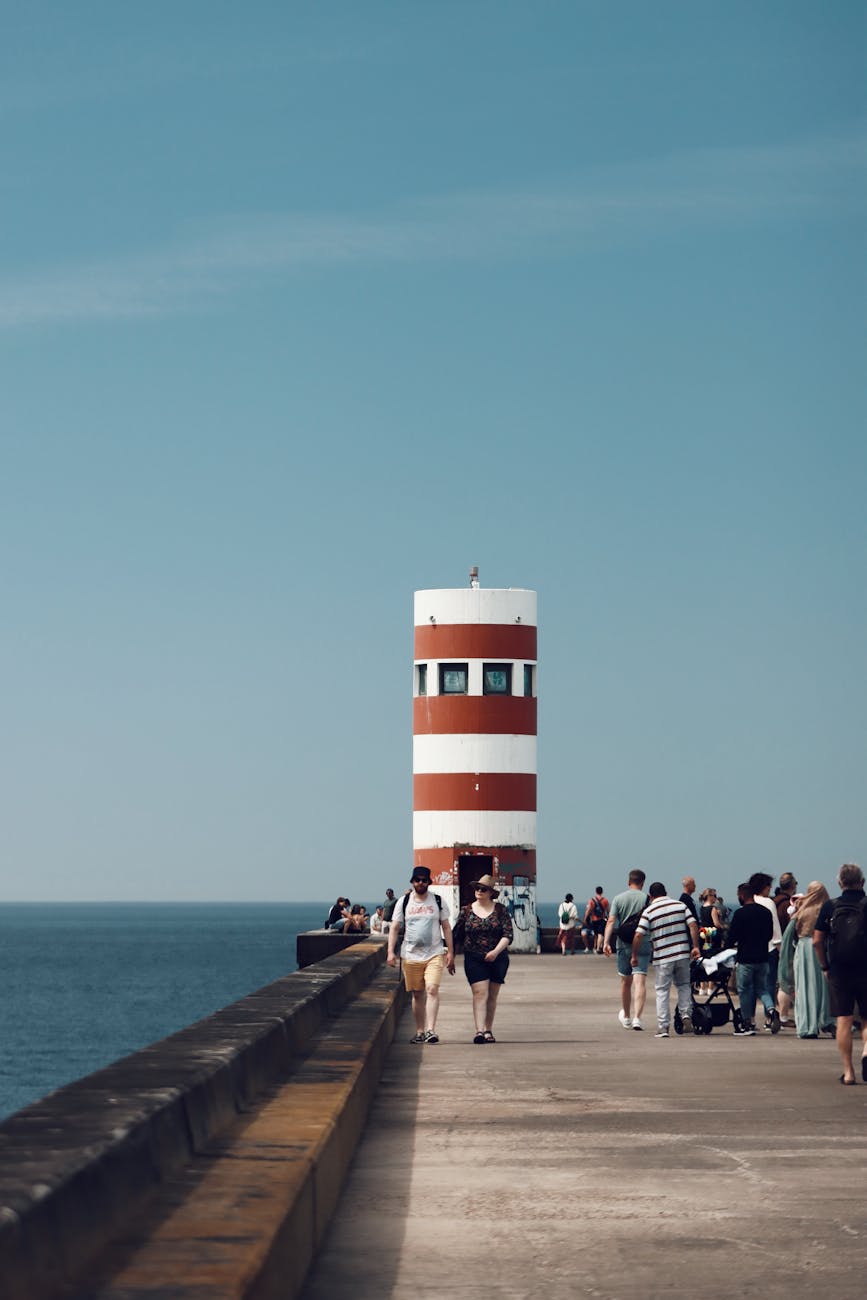
A busy seaside pier with people walking and enjoying the view, featuring a striped lighthouse at the end and a clear blue sky in the background.
Visitors strolling along the seaside pier toward a distinctive striped lighthouse in Porto, Portugal. Farolim da Barra do Douro

Porto Insider: Hidden Gems Most Tourists Miss

  • Miradouro da VitĂłria: This viewpoint offers one of the best angles of the Ribeira and Dom LuĂ­s I Bridge, but without the overwhelming crowds of the more famous spots.
  • Rua das Flores: This beautiful pedestrian street is often packed, but venture into the tiny alleys that shoot off from it. You’ll find quiet cafes and small artisan shops.
  • Mercado BolhĂŁo: This historic market is undergoing renovations but is still operating. It’s a chaotic, wonderful slice of local life. Go for the people-watching and to buy some fresh fruit or cheese.
  • Jardins do PalĂĄcio de Cristal – Gardens, peacocks, and Douro River views.
  • Rua Miguel Bombarda – Street full of quirky art galleries and indie shops.

Capela do Senhor da Pedra (Chapel of the Lord of the Stone), Miramar Beach

Perched dramatically on a rock at Miramar Beach in Vila Nova de Gaia, the Capela do Senhor da Pedra is one of Porto’s most magical spots — especially at sunset. Built in 1763, this small hexagonal chapel sits atop a giant boulder where, before Christianity, pagan rituals were held, worshipping nature and the sea. Secrets from Portugal+3Wikipedia+3Portugal.com+3https://www.localporto.com/miguel-bombarda-street-porto/

What makes it stand out:

  • Setting & Atmosphere: The chapel backs onto the Atlantic; when the waves crash and the sun is lowering, the combination of stone, water, sky and light makes for unforgettable views and photographs. Flickr+2VISIT PORTO REGION+2
  • History & Mystery: The site was once pagan, with inscriptions at the entrance hinting at its ancient sacredness. Later it was converted for Christian worship, and it still hosts an annual pilgrimage on the Sunday of the Holy Trinity.
  • Access: It’s ~20 km south of Porto’s center. You can reach it by train (to Miramar station) plus a short walk, or by car / scooter. If possible, plan to arrive for late afternoon or golden hour — staying for sunset is highly recommended.
  • Things to know: There aren’t many supermarkets around, so bring water/snacks. Also, tides/waves may affect how close you can safely get to the base rock
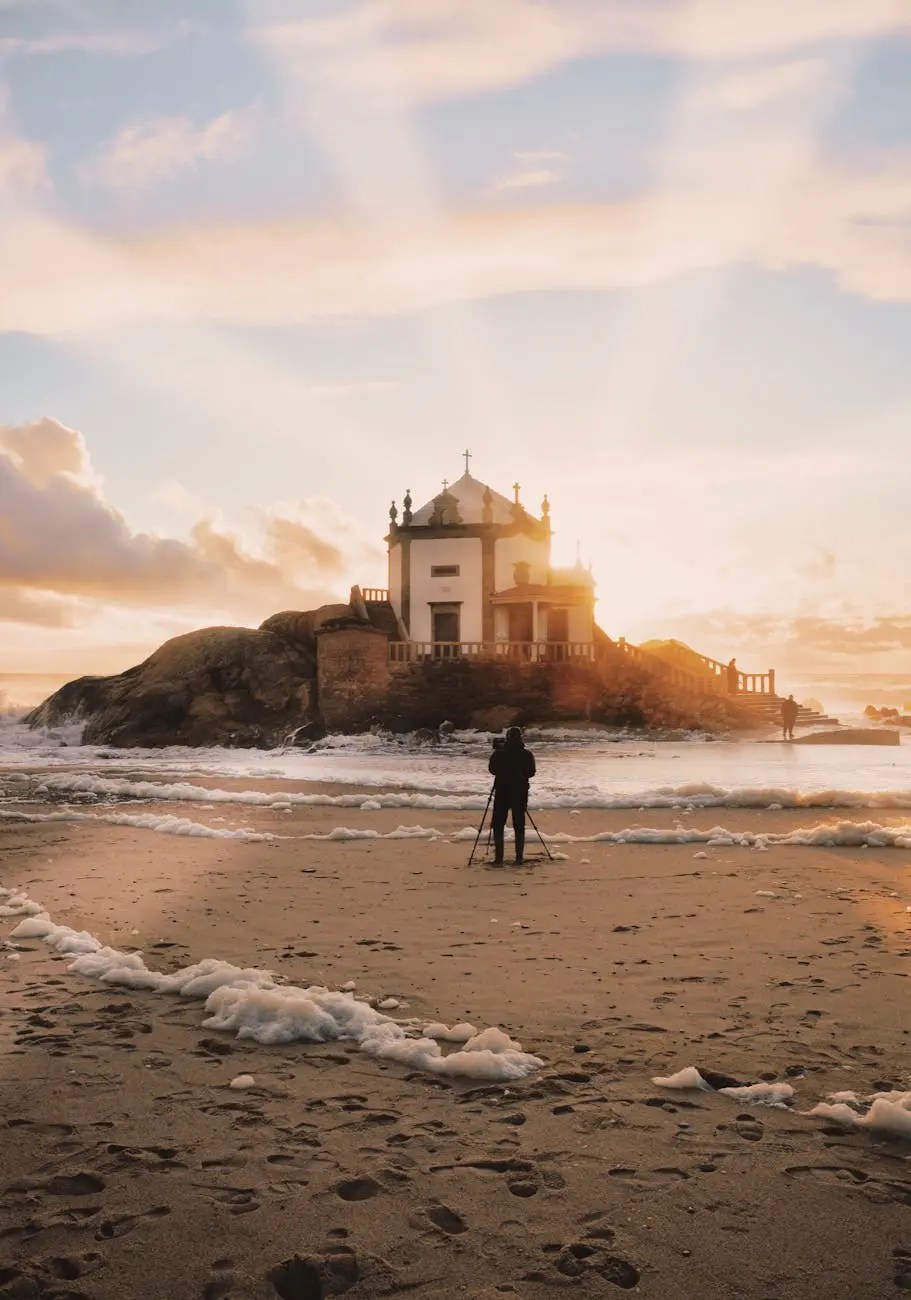
A person capturing a photo on the beach at sunset, with the Capela do Senhor da Pedra visible on a rock in the background.
The stunning Capela do Senhor da Pedra at Miramar Beach, framed by a beautiful sunset. A moment of pure magic at Miramar Beach. The 17th-century Capela do Senhor da Pedra (Chapel of the Lord of the Stone) stands serenely on its rocky altar, framed by a breathtaking sunset. This is one of Porto’s most unique and photogenic hidden gems.

Navigating Porto Like a Pro

Forget the rental car. Seriously. Porto’s center is a maze of one-way streets and limited parking. Your best friends are your feet and public transport.

  • Walking: The best way to explore the core. Wear comfortable shoes—the hills are no joke. Be warned—Porto is hilly. Your calves will thank you later.
  • Metro & Bus: The system is clean, efficient, and cheap. Get a Andante Blue Card (the reusable card itself costs €0.60) and then top it up with credit for your journeys. You must validate it before each trip! A single zone journey (which covers almost all city center travel) is €1.25.
  • Tram & Funicular: The historic Tram #1 runs along the river to Foz and is a charming (if touristy) ride. The Funicular dos Guindais is a fun way to save your calves the climb from Ribeira to the Batalha area.
  • Uber/Bolt: Incredibly affordable in Porto. A ride across the city center will rarely cost more than €5-€7, making it a great option when your feet have officially given up.

💡 Pro Tip: Download Moovit app for real-time schedules, or grab a city map at São Bento Station (worth visiting just for the azulejo murals).

Essential Portuguese for the Weekend Warrior

  • OlĂĄ (OH-lah) – Hello
  • Obrigado (o-bree-GAH-doo) – Thank you (said by a man)
  • Obrigada (o-bree-GAH-dah) – Thank you (said by a woman)
  • Por favor (por fa-VOR) – Please
  • Uma bica, por favor (OO-ma BEE-ka, por fa-VOR) – An espresso, please
  • A conta, por favor (ah CON-ta, por fa-VOR) – The bill, please
  • Desculpe (desh-KOOLP) – Excuse me / Sorry
  • How much? = Quanto custa?
  • Where is the train station? = Onde fica a estação de comboios?
  • Wine, please = Vinho, por favor

Smart Travel Tools for a Hassle-Free Trip

Let’s be real, modern travel requires modern solutions. Here’s what I never leave home without:

🌐 Stay Connected Smartly: Hunting for a local SIM at the airport is a rookie move that costs time and money. I’ve been using Drimsim for years—a genius universal SIM that works in 190+ countries. Pop it in, top up via the app, and you’re online the second you land. No contracts, no hidden fees. It’s a game-changer. ➡️ Check out Drimsim here.

🔒 Protect Your Privacy (& Stream Netflix): Public Wi-Fi in hotels and cafes is a hacker’s playground. A VPN is non-negotiable for securing your data. I also use it to watch shows from back home. NordVPN is my go-to for reliability. ➡️ Get NordVPN for your trip.

✈️ Get Paid for Flight Chaos: Did you know that if your flight is significantly delayed, canceled, or you’re denied boarding, you could be entitled to up to $650 in compensation? Most people don’t claim it. I use AirHelp to handle the messy paperwork with the airlines. They only get paid if you win, so it’s a no-brainer. ➡️ Check your flight with AirHelp now.

🤒 Don’t Skimp on Insurance: A medical emergency abroad can bankrupt you. I always, always get travel insurance. VisitorsCoverage is a fantastic platform to compare and find a plan that fits your specific trip, whether it’s a weekend or a month. ➡️ Find the right coverage with VisitorsCoverage.

And of course, for putting together your entire trip—flights, hotels, and all—I always start my search on Expedia to bundle and save.
➡️ Start planning your Porto escape on Expedia 

To capture all those beautiful moments, I swear by my Sony Alpha camera. It’s lightweight, powerful, and perfect for travel photography.

Frequently Asked Questions (FAQ)

Q: What is the best time of year to visit Porto for a weekend?
A: The sweet spots are the shoulder seasons: March-May and September-October. The weather is pleasant, the crowds are thinner, and prices are more reasonable. Summer (June-August) is busy and can be quite hot.

Q: Is two days in Porto enough?
A: For a weekend city break, absolutely! Porto’s historic core is very concentrated. Two full days allows you to see the major sights, enjoy the food and wine, and get a real feel for the city’s charm without being rushed.

Q: How much does a weekend in Porto cost?
A: Porto is very affordable for Western Europe. A budget traveler could manage on €50-70/day, while a mid-range traveler spending on nice meals, tours, and a central hotel might budget €100-150/day.

Q: What is the best way to get from Porto Airport (OPO) to the city center?
A: The Metro is the easiest and cheapest option. The Purple Line (E) goes directly from the airport to the city center (Trindade station) in about 30 minutes. A one-way ticket is €2.00 plus the €0.60 card fee. A taxi or Uber will cost around €20-25.

Q: Can I drink the tap water in Porto?
A: Yes, the tap water is perfectly safe to drink. This is an easy way to save money and reduce plastic waste—just bring a reusable water bottle.

Q: Is Porto cheaper than Lisbon?
A: Yes—accommodation and food are generally more affordable


Nearby Getaways & Suggested Itineraries

Pair Porto with Lisbon (train ride = 3 hours).

Hop over to Madrid or Barcelona by air.

Spice it up with Marrakech—a contrasting cultural escape.

Your Portuguese adventure is calling! With this guide, you’re all set to have an incredible, efficient, and deeply rewarding weekend in Porto. What are you most excited to see? Tell me in the comments below!

Ready to book? Don’t forget to use my link to find the best deals on Expedia and travel smarter with my recommended tools. Boa viagem!

Universal Disclaimer/Disclosure Page:

Best Travel Cameras for Every Budget in 2025: Compare Prices, Features, and Find Your Perfect Match

Table of Contents

  1. Introduction: Find Your Perfect Travel Companion
  2. How to Choose the Best Travel Camera for You
  3. Best Travel Cameras by Budget Category
    • Budget-Friendly (Under $500): Great Value for Beginners
    • Mid-Range ($500 – $1000): The Sweet Spot for Enthusiasts
    • Premium ($1000 – $2000): For Serious Photographers
    • No-Limits (Above $2000): Professional Grade Performance
  4. Top Camera Models Head-to-Head Comparison
  5. Essential Travel Photography Accessories
  6. Final Verdict: Our Top Picks for Different Travelers
  7. Conclusion: Capture Your Next Adventure

Whether you’re capturing the dunes of Dubai, the streets of Paris, or glowing skin on your next skincare retreat, having the right travel camera can make all the difference.

Smartphone cameras are great—but if you’re serious about quality content for Instagram, TikTok, Pinterest, or your travel blog, investing in a real camera pays off.

In this guide, I’m comparing the best cameras for travel in 2025 based on:

  • 📷 Price (from budget to premium)
  • 🎒 Portability
  • 🧠 Features that matter to travelers (like Wi-Fi sharing, stabilization, waterproofing)
  • 🌍 Global availability on Amazon (with affiliate links included)

Let’s find the one that fits your style and your suitcase.

🧳 Travel Camera Comparison Chart

CameraTypeWeightFeaturesBest ForCheck out the prices
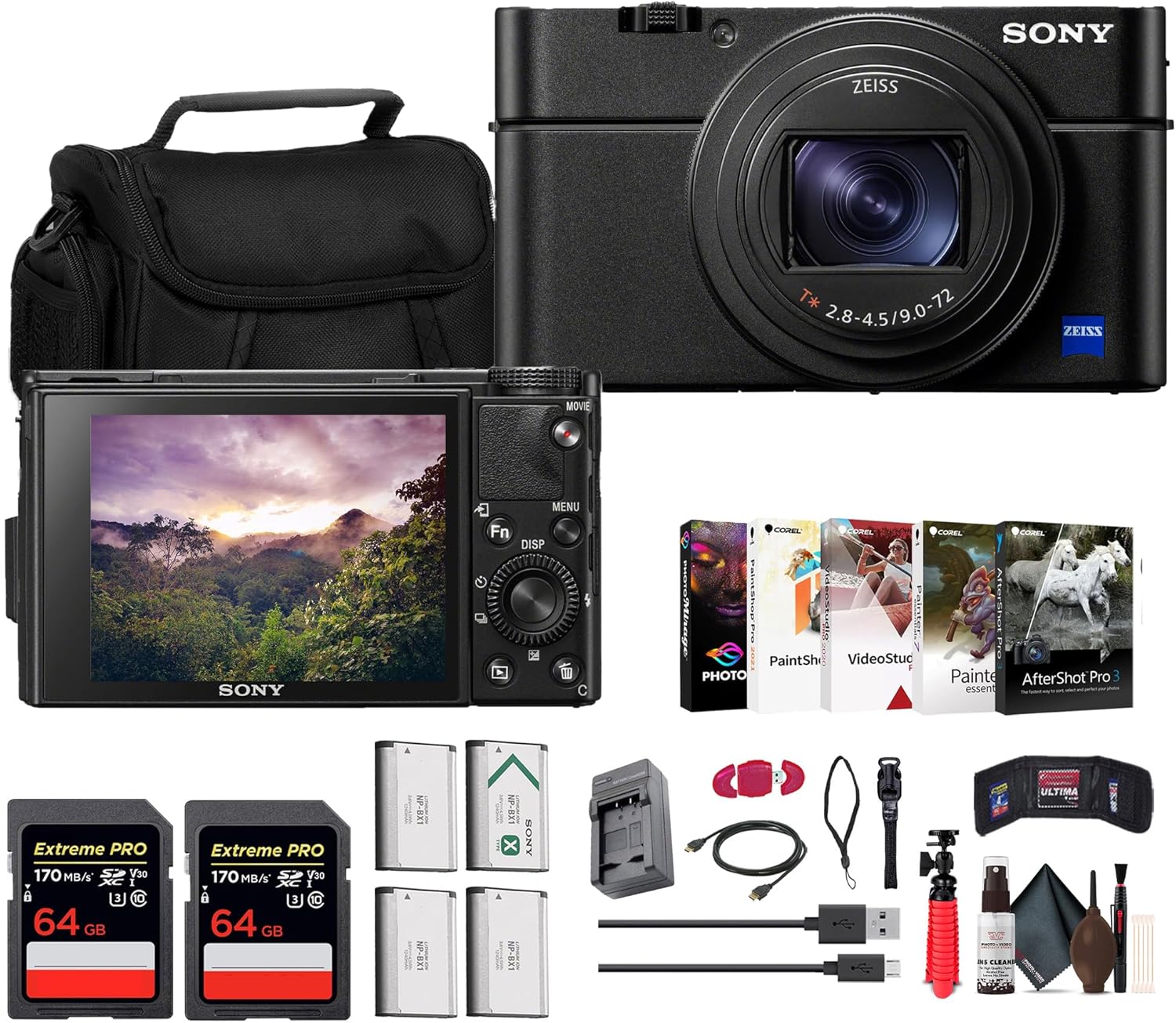
Sony RX100 VIICompact Zoom302g20MP, 4K, 24–200mm zoom, EVF, fast focusLuxury travel, street photosCheck this camera
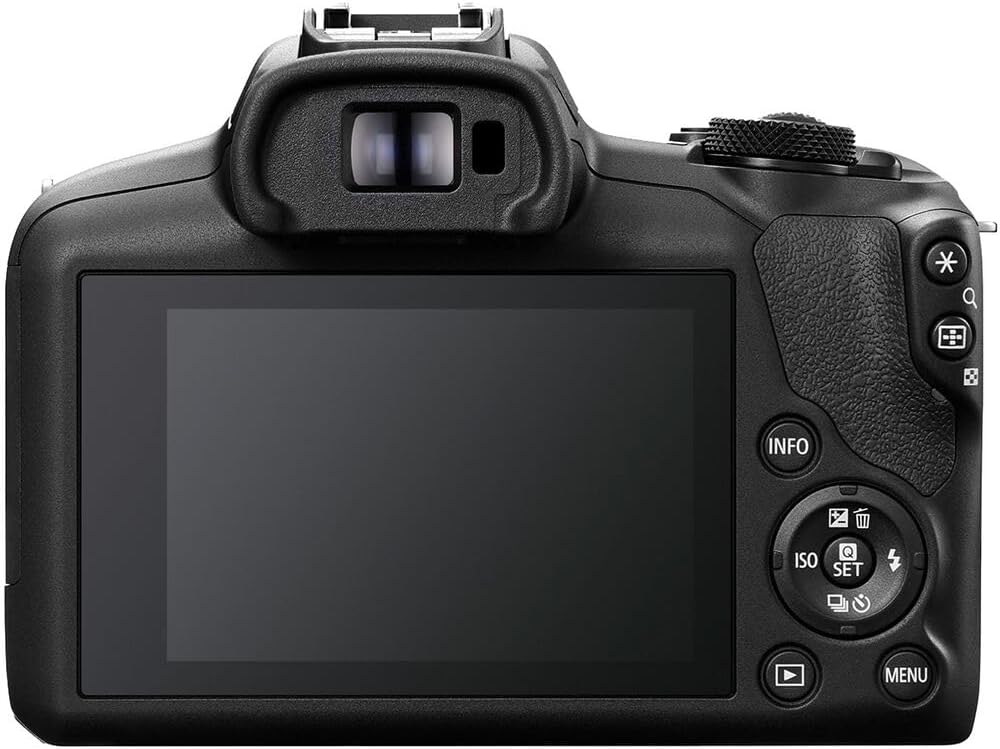
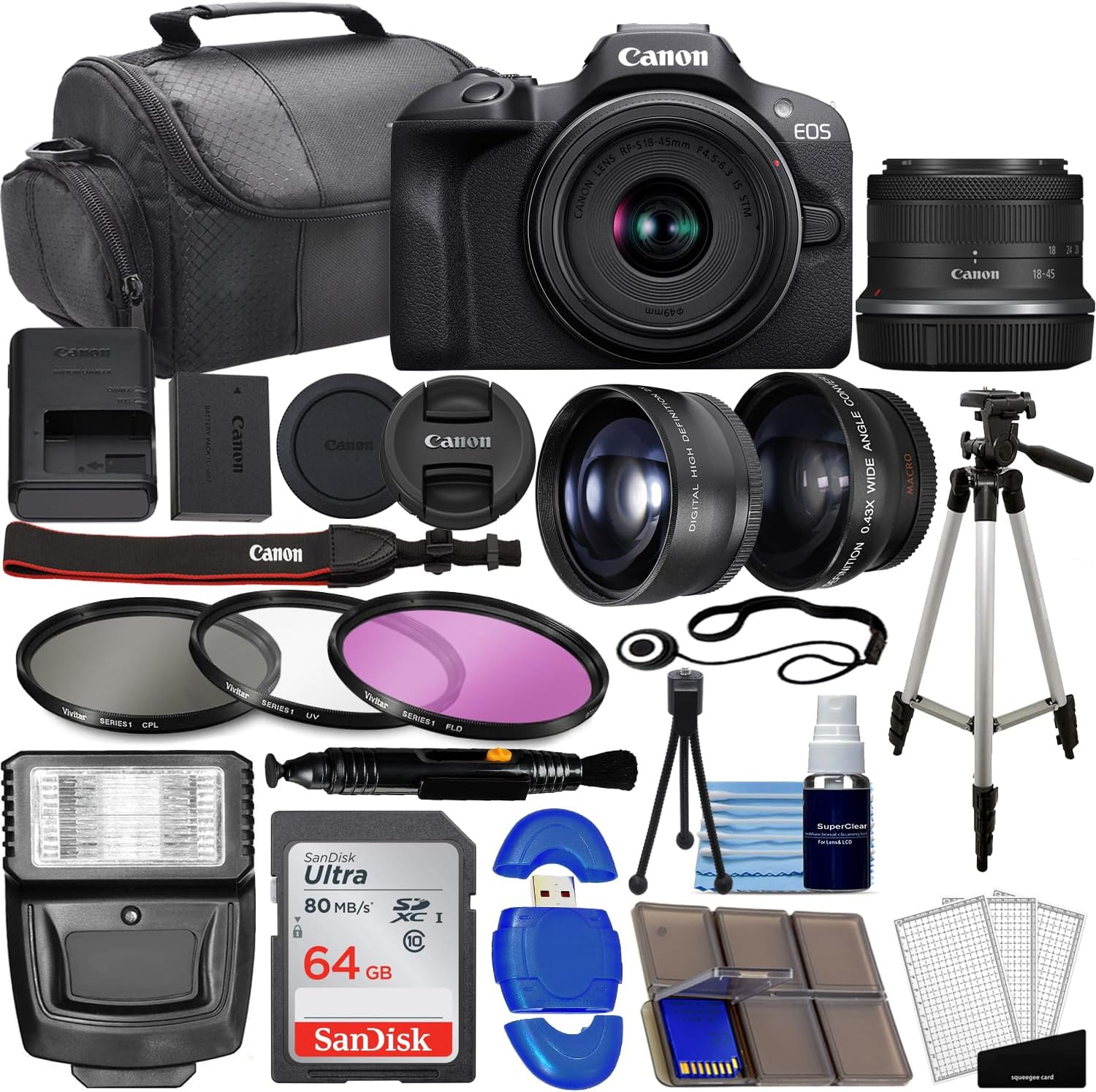
Canon EOS R100Mirrorless (APS‑C)429g24MP, Dual Pixel AF, 18–45mm lens includedBeginner vloggers, sharp stillsCheck this camera
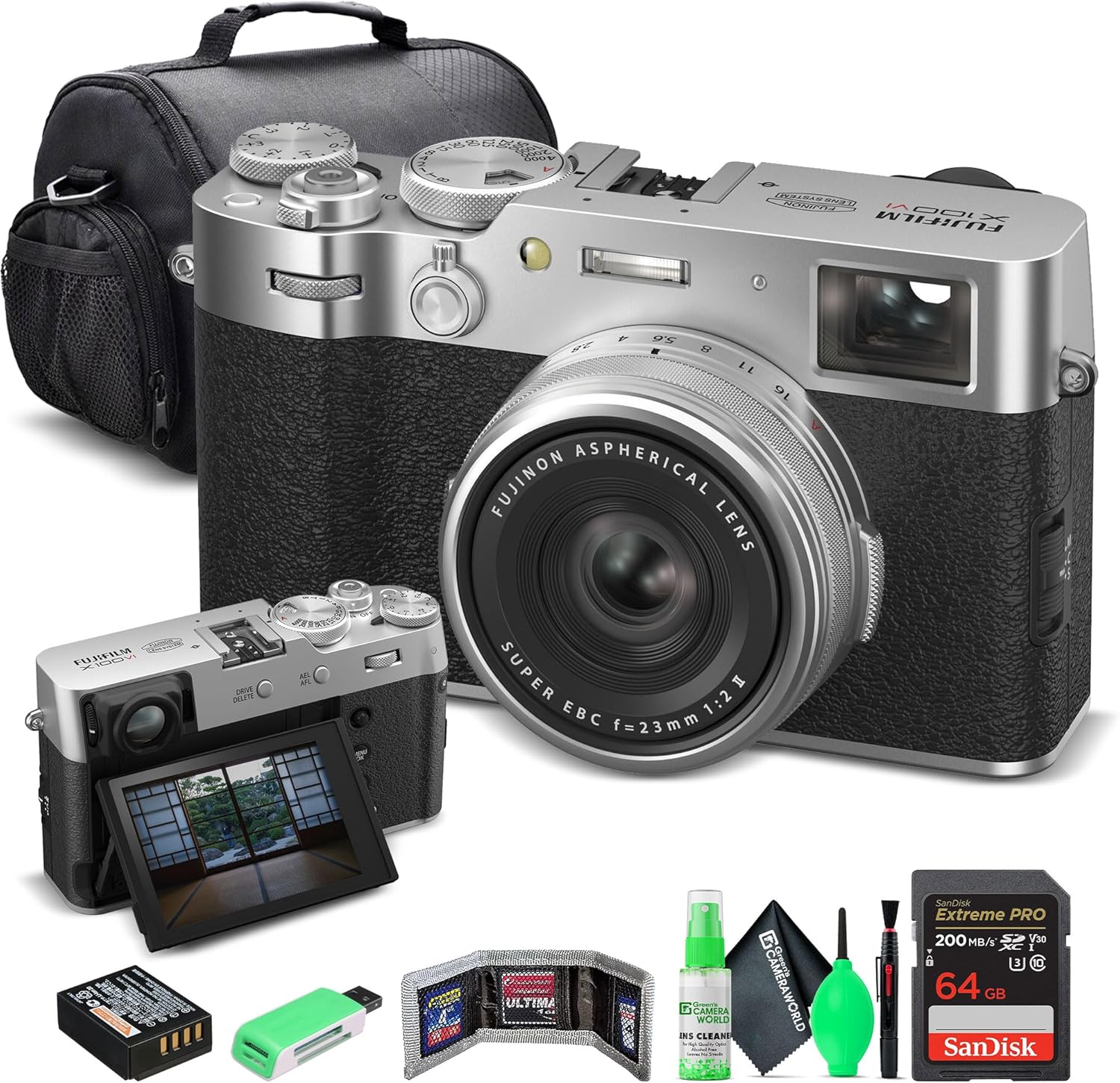
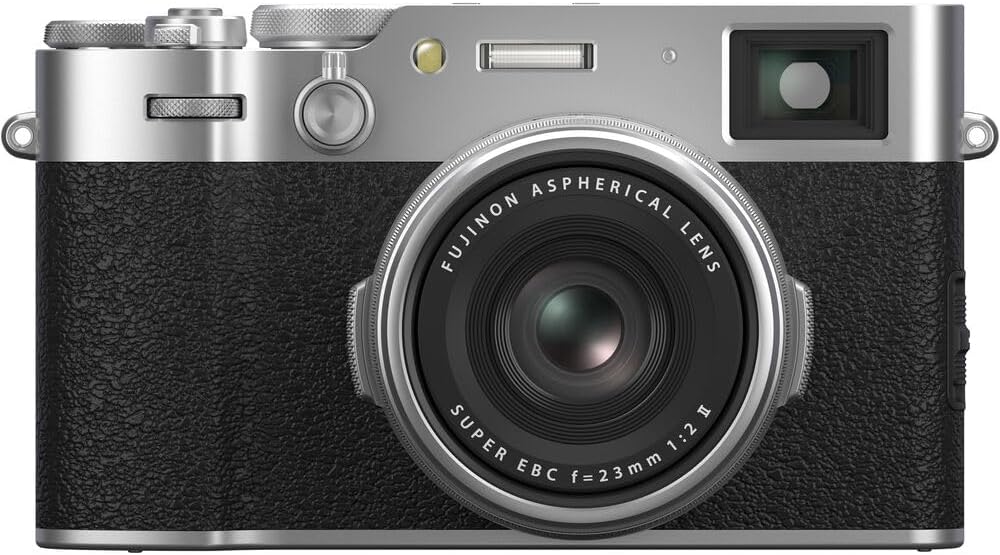
Fujifilm X100VIPremium Compact521g40MP, 6K, fixed 23mm lens, retro designStylish creators, prosCheck this camera
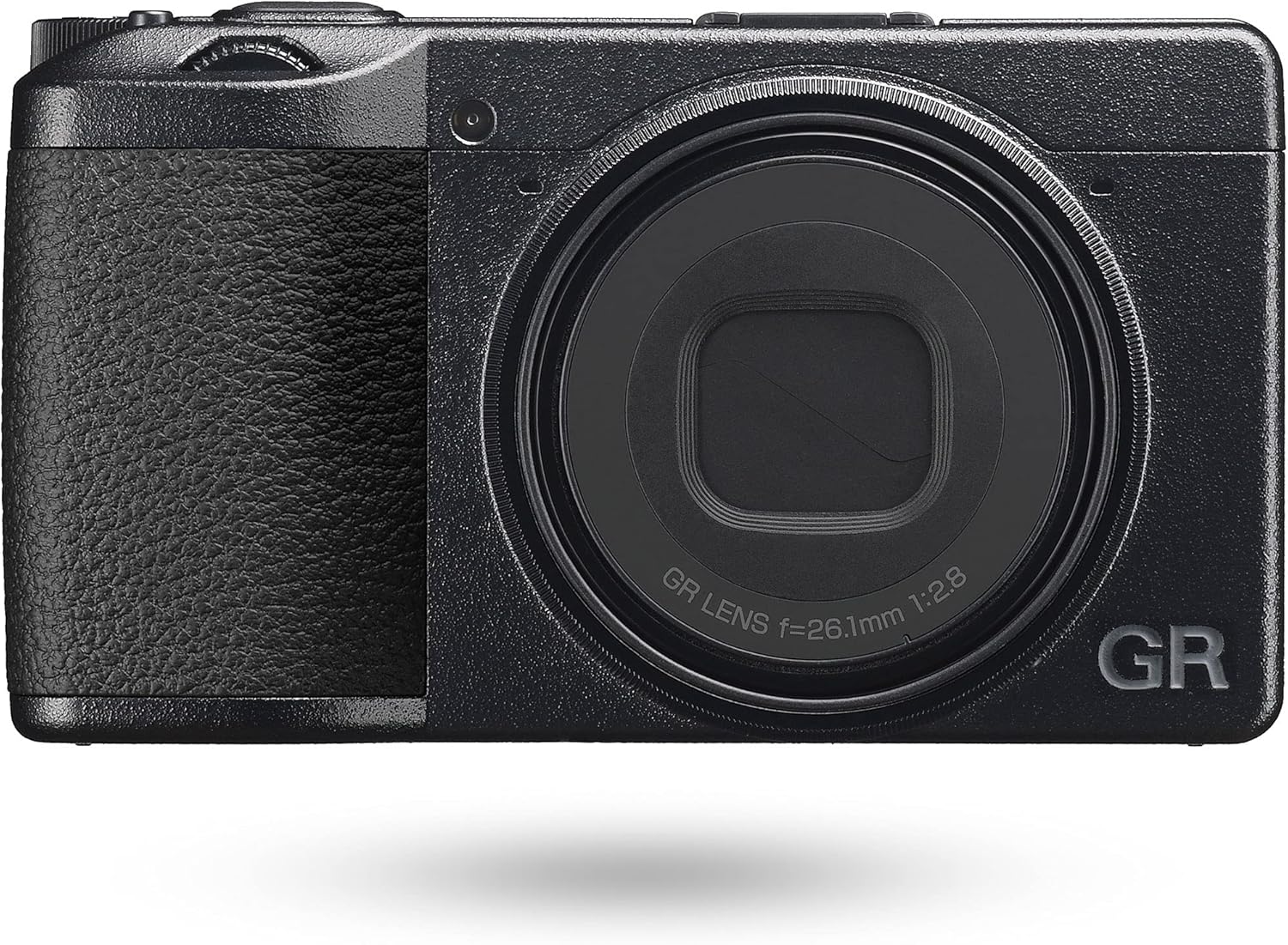
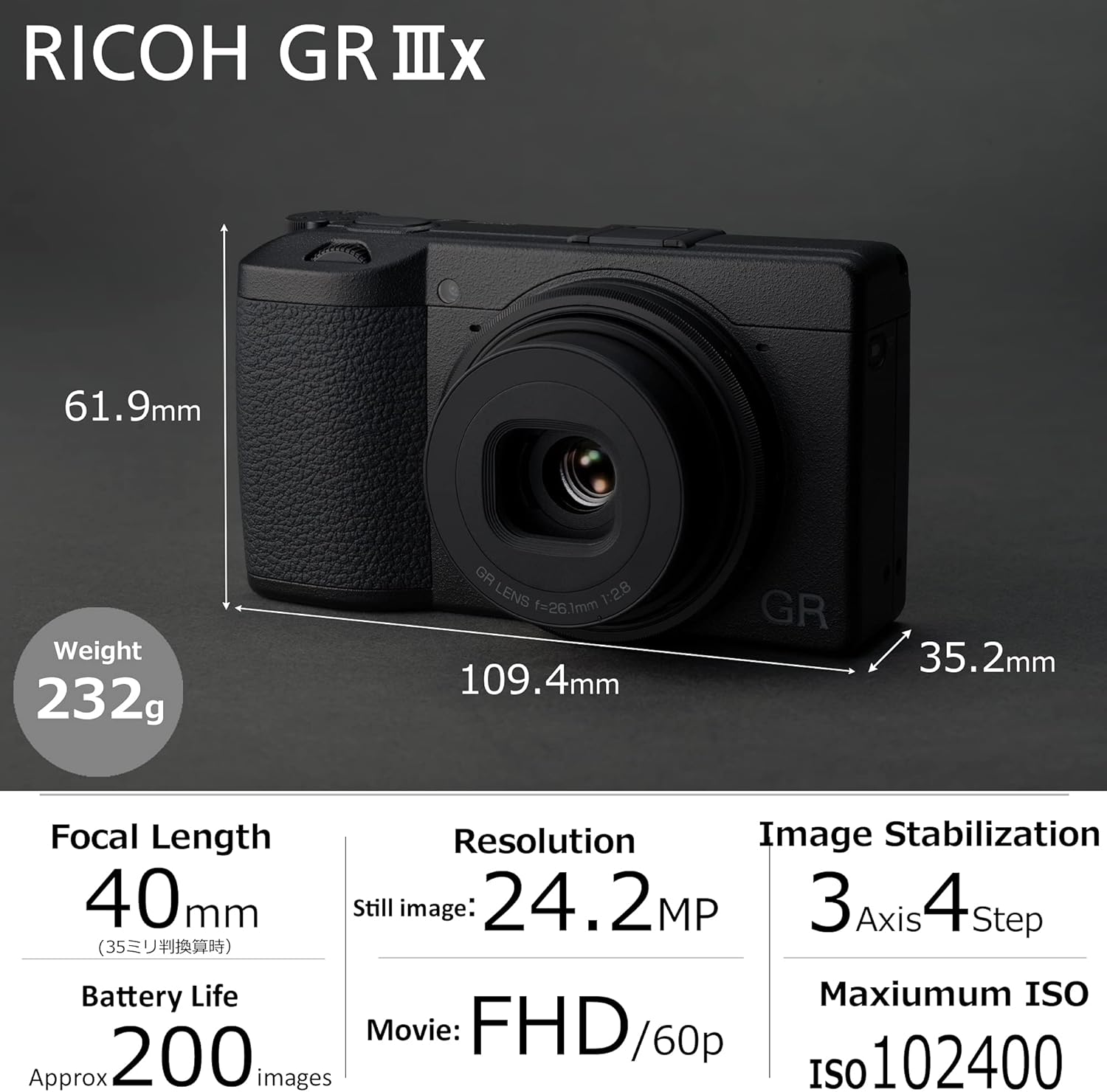
Ricoh GR IIIxPocket APS‑C262g24MP, compact, minimalist designMinimalist travelers, solo tripsCheck this camera
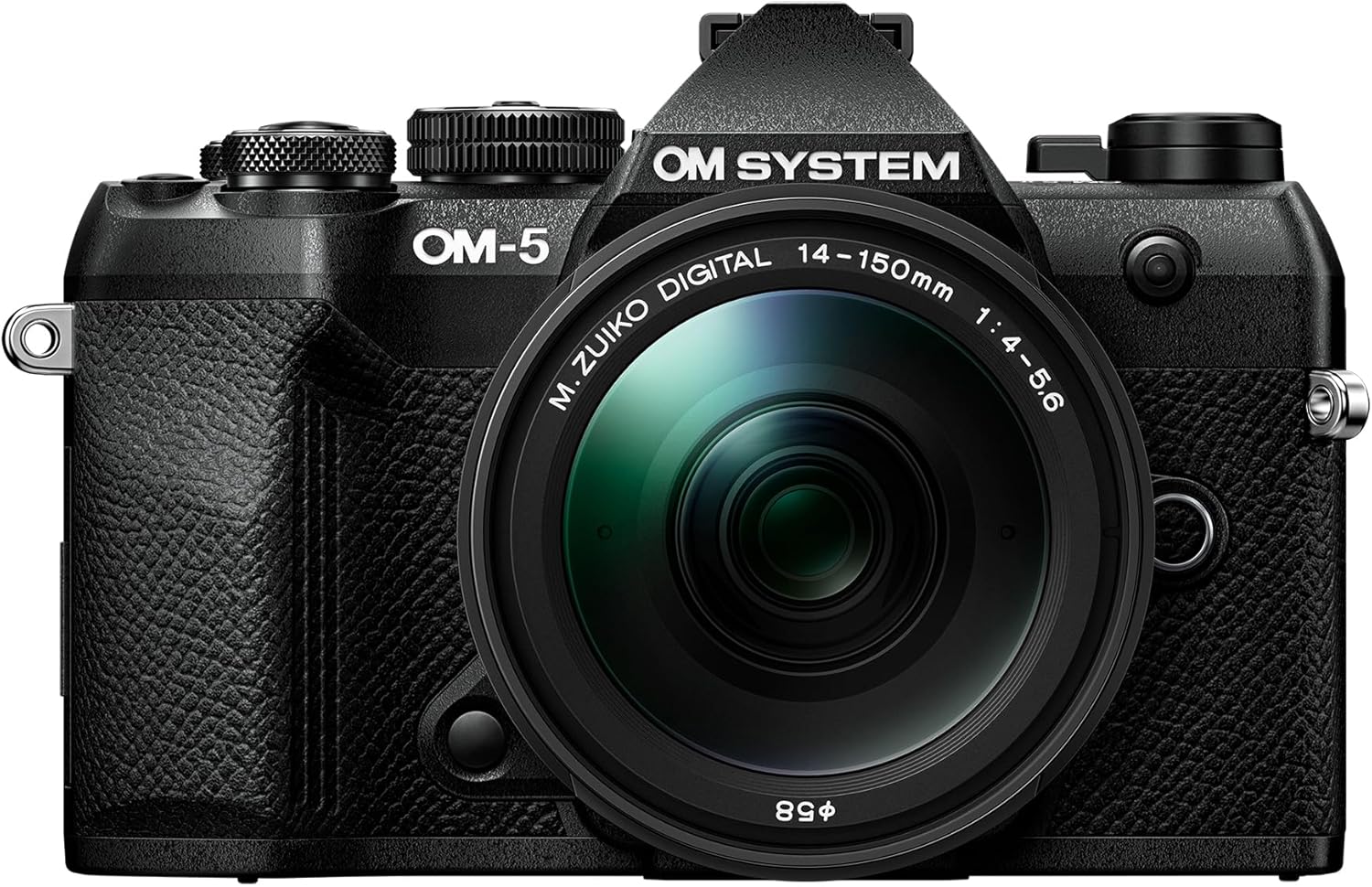
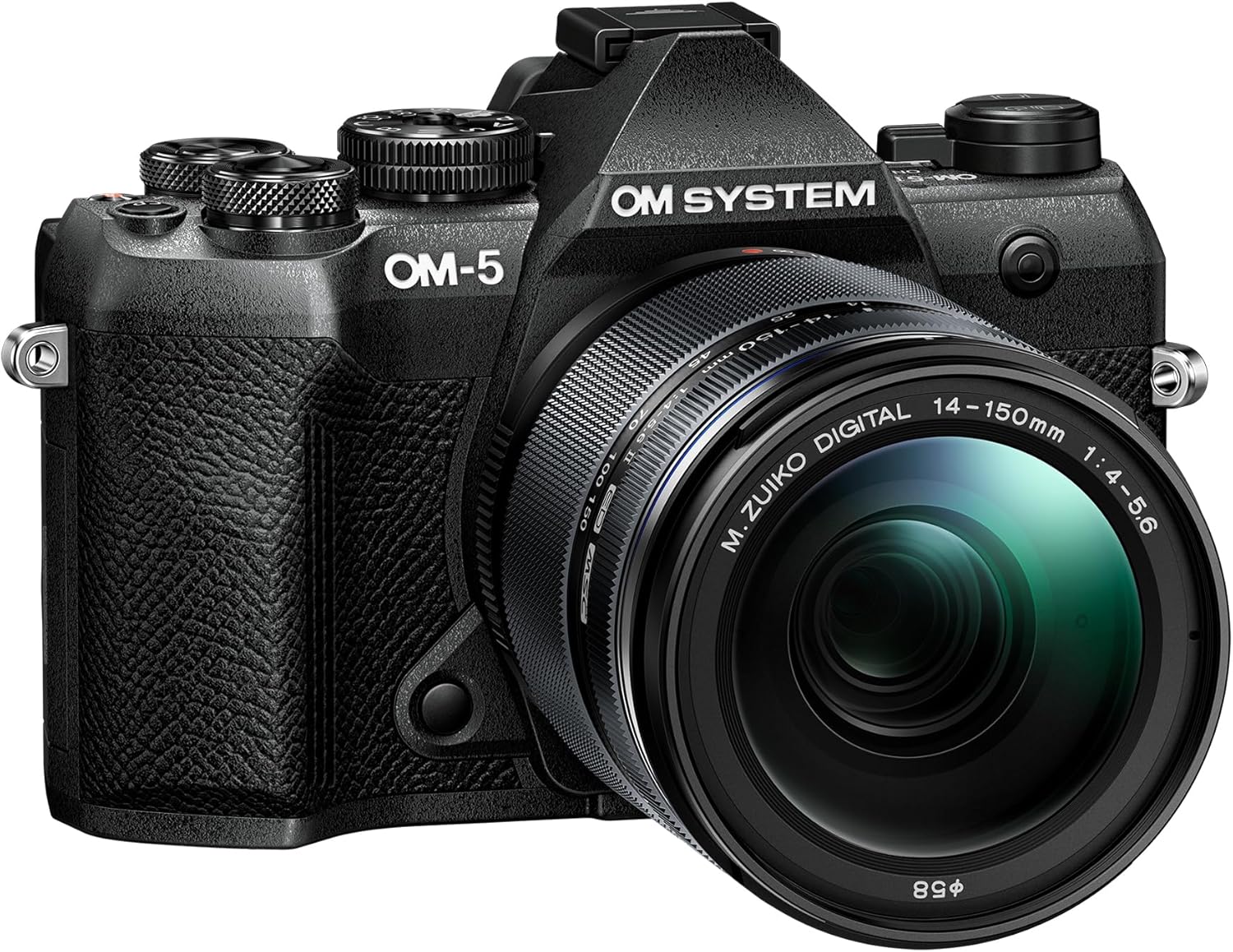
OM System OM‑5Mirrorless MFT414gStabilized, 20MP, weather-sealedAdventure & hiking contentCheck this camera
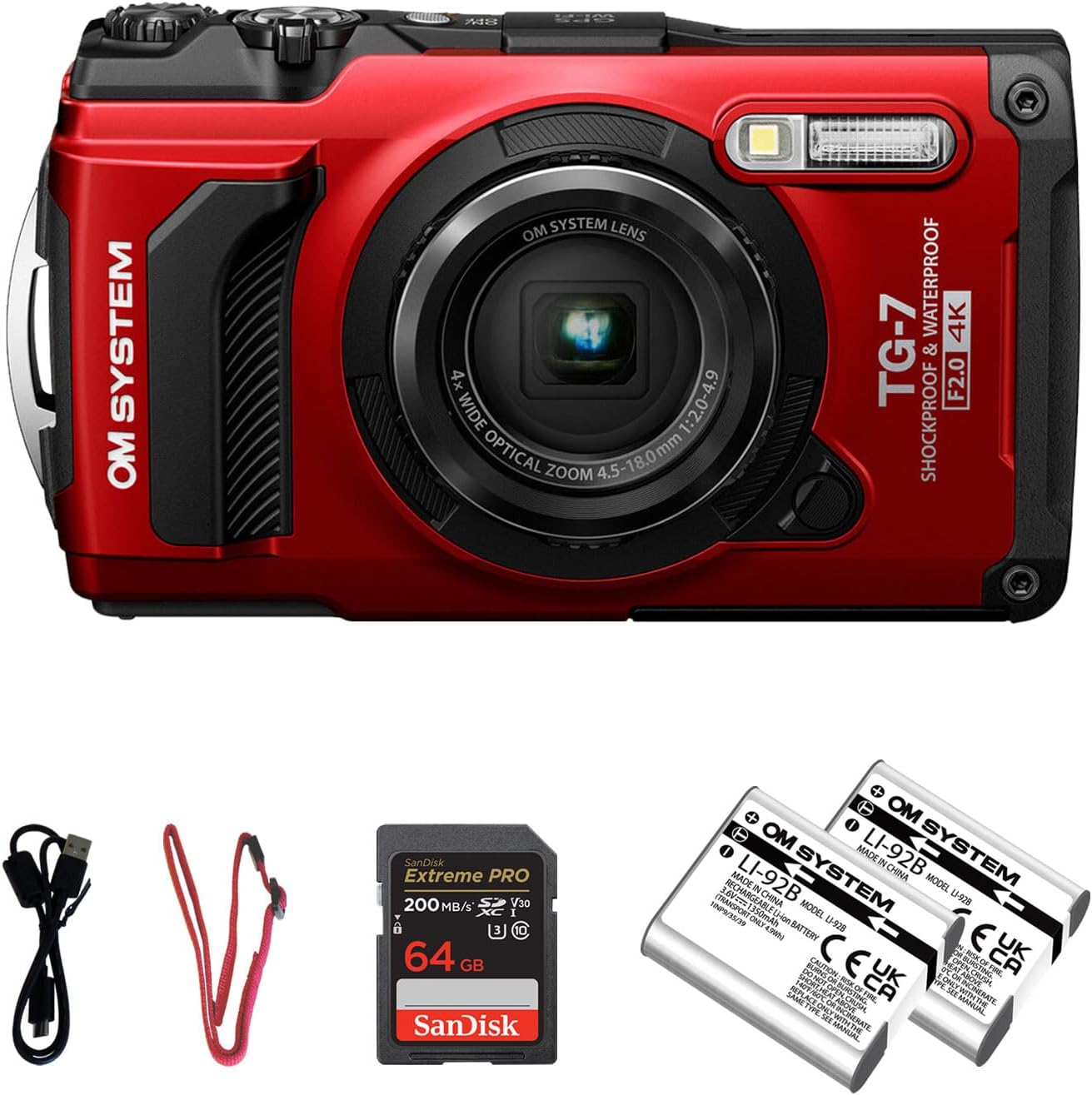
OM System TG‑7Waterproof Compact249gWaterproof, shockproof, macro modeBeach trips, underwater vlogsCheck this camera

🔍 In-Depth Camera Comparison

🎯 1. Sony RX100 VII – The Power Pocket Pro

Best for: Luxury travelers, travel bloggers, and prosumers
Price: ~$1,899 USD
Amazon Rating: ★★★★☆ (4.6/5)

Key Features:

  • 20.1MP 1-inch sensor
  • ZEISS 24-200mm zoom lens
  • 4K HDR video recording
  • Built-in EVF (electronic viewfinder)
  • Eye autofocus for people & pets

✅ Pros:

  • Ultra-compact but powerful
  • Fast autofocus & pro-level results
  • Great for Instagram content, vlogs, and reels

❌ Cons:

  • Expensive for casual travelers
  • No mic input (unless you buy external kit)

Buy Now: Sony RX100 VII – The Power Pocket Pro

🎯 2. Canon EOS R100 – Mirrorless for Starters

Best for: Beginners, budget-conscious vloggers
Price: ~$599.99 USD
Amazon Rating: ★★★★☆ (4.7/5)

Key Features:

  • 24.1MP APS-C sensor
  • Dual Pixel autofocus (great for video)
  • Comes with 18–45mm kit lens
  • Built-in Wi-Fi/Bluetooth for sharing

✅ Pros:

  • Great entry-level mirrorless
  • Easy to use, perfect for YouTube Shorts or Instagram
  • Lightweight + swappable lenses

❌ Cons:

  • No 4K video
  • Limited low-light performance

Buy Now: Canon EOS R100 – Mirrorless for Starters

🎯 3. Fujifilm X100VI – Retro Icon, Modern Beast

Best for: Aesthetic lovers, photo bloggers
Price: ~$1,599 USD
Amazon Rating: ★★★★★ (Highly rated)

Key Features:

  • 40MP APS-C X-Trans sensor
  • Fixed 23mm f/2 lens
  • 6K video
  • Film simulation modes (perfect for content creators)

✅ Pros:

  • Unmatched image quality
  • Filmic vibes without filters
  • Compact + stylish for street photography

❌ Cons:

  • Fixed lens = no zoom
  • Pricey for casual use

Buy Now : Fujifilm X100VI – Retro Icon, Modern Beast

🎯 4. Ricoh GR IIIx – Minimalist’s Dream

Best for: Solo travelers, urban explorers
Price: ~$949 USD
Amazon Rating: ★★★★☆ (4.5/5)

Key Features:

  • 24MP APS-C sensor
  • 40mm equivalent lens
  • Snap focus mode for street photos
  • Built-in ND filter

✅ Pros:

  • Fits in a pocket
  • Extremely sharp images
  • Great for travel journaling

❌ Cons:

  • No zoom, no flash
  • Basic video capabilities

https://www.amazon.com/vdp/0f89ffe70d94488aabb09e7c5ba7b1ff?product=B09GL1L694&ref=cm_sw_cp_r_ib_dt_Eus5QLJM4L5vl

Buy Now: Ricoh GR IIIx – Minimalist’s Dream

🎯 5. OM System OM-5 – Rugged and Ready

Best for: Nature lovers, hiking & travel adventurers
Price: ~$1,199 USD
Amazon Rating: ★★★★☆ (4.6/5)

Key Features:

  • 20MP Micro Four Thirds sensor
  • 5-axis stabilization
  • Weather sealed body
  • 4K video and time-lapse modes

✅ Pros:

  • Lightweight and tough
  • Interchangeable lenses
  • Great battery life

❌ Cons:

  • Smaller sensor than APS-C
  • Slight learning curve

Buy Now: OM System OM-5 – Rugged and Ready

🎯 6. OM System TG‑7 – Beach-Proof Beast

Best for: Snorkelers, beachgoers, water vloggers
Price: ~$499 USD
Amazon Rating: ★★★★☆ (4.6/5)

Key Features:

  • 12MP sensor
  • Waterproof, freeze-proof, crushproof
  • Macro + underwater modes
  • 4K video

✅ Pros:

  • Built for action & water
  • No case needed for rough travel
  • Great macro shots too

❌ Cons:

  • Lower resolution
  • Not ideal for portraits or low-light scenes

\

Buy Now: OM System TG‑7 – Beach-Proof Beast

“Newest 2025 Travel Picks: Insta360 X5 vs DJI Osmo 360 vs OM‑5”

Insta360 X5 (≈ $550)

Ideal for: 360° content creators who value image quality, low‑light performance, and repairability.
Launched April 22, 2025, the X5 features dual 1/1.28″ sensors and an AI‑powered processing pipeline (Triple AI Chip) that provides industry‑leading 8K 30 fps or 5.7K 60 fps capture, plus PureVideo mode for crisp night shooting and magnetic, user-replaceable lenses for rugged travel use Amazon+5Wikipedia+5Insta360+5.

Insta360 X5 – Waterproof 8K 360° Action Camera,
It delivers up to ~80 minutes battery life in 8K mode, an improved wind‑guarded mic, and a new Instaframe option that records 360° and flat video simultaneously WIRED+1.
Pitch:
“Grab the Insta360 X5 ( link) and shoot ultra-smooth 8K travel clips that pop—without worrying about cloudy skies or swapping your gear mid-trip.”

DJI Osmo 360 (≈ $550 Standard / $700 Adventure Combo)

Best for: DJI ecosystem users, budget-conscious adventurers, and longer recording sessions.
Released globally in July 2025 (not yet available in the U.S.), this is DJI’s first 360° action cam. It sports dual 1/1.1″ square HDR sensors and f/1.9 aperture for stellar low-light and high dynamic range footage, offering 8K at 50 fps, 6K at 60 fps, and even 4K at 100 fps single‑lens Boost mode DJI Official+3Tom’s Guide+3The Verge+3.
Boasts superior battery endurance—up to 100 minutes @8K—and includes 128 GB onboard storage, plus integration with DJI wireless mics. It lacks replaceable lenses, but makes up for it with a compact 183 g build, magnetic mounts, and solid IP68 ruggedness WIRED+11The Verge+11techradar.com+11.
Pitch:
“Order the DJI Osmo 360 (not available yet but similar product Insta360 X5 – Waterproof 8K 360° Action Camera, ) and enjoy immersive 8K travel footage for longer—up to 100 minutes—plus stellar stabilization and DJI mic support right out of the box.”

“If you’re already using DJI gear, Osmo 360 offers plug‑and‑play integration with your mics and batteries.”

🔍 Side-by-Side Spec Comparison

ModelSensor SizeVideo ModesLow-Light AbilityBattery LifeLensStorageWeightWeather RatingApprox. Price
Insta360 X5Dual 1/1.28″8K30, 5.7K60, 4K120Excellent (PureVideo)~80 min @8KReplaceablemicroSD~185 gIPX8 (15 m)~$550
DJI Osmo 360Dual 1/1.1″ HDR8K50, 6K60, 4K100 BoostVery high (13.5 stops)~100 min @8KFixed128 GB built-in183 gIP68 (not for deep dive)~$550–700
OM‑5 (OM System)Micro Four Thirds 20 MP4K UHD video, vertical modeModerate (stills‑focus)DSLR-like durationInterchangeablemicroSD414 gIP53~$1,200–1,600

🎒 Final Thoughts: Snap Smart, Travel Far

Whether you’re a casual adventurer or a full-time globetrotter, the right travel camera can turn fleeting moments into lifelong memories. From budget-friendly compacts to high-end mirrorless beasts, there’s truly something for every explorer in 2025.

Before you buy, ask yourself:
👉 Where am I going?
👉 What kind of shots do I want?
👉 How much gear am I willing to carry?

Remember: the best camera is the one you’ll actually use. Lightweight, intuitive, and suited to your personal travel style.

🔗 Bonus Tip: Don’t forget to check out the custom Dubai Travel Map I created right here to plan your routes and photoshoots better!

So pack your gear, charge those batteries, and go make magic. 🌍✨
Happy travels—and even happier snapping! 📸

CategoryModelSensorVideoKey FeaturesWeightWeather SealPrice
Superzoom BridgeNikon Coolpix P11001/2.3″ 16 MP4K@30fps, 1080p@60fps125× zoom, USB‑C, dual VR~1410 gNo≈ $1,099 (Wikipedia, TechRadar, RTINGS.com, DPReview)
Compact Fixed‑PrimeRicoh GR IIIxAPS‑C1080p full HD onlyPocketable, street‑ready, large sensor~257 gNo≈ $900–1,000 (TechRadar, DPReview)
Retro APS‑C MirrorlessNikon Z fcAPS‑C (20.9 MP)4K@30fpsVari‑angle screen, retro dials~445 gNo≈ $900–1,000 (TechRadar)
All‑round MFT MirrorlessOM System OM‑5MFT 20 MP4K@30fpsIBIS 7.5EV, rugged, compact~414 gIP53≈ $1,200–1,600 (RTINGS.com, TechRadar)
Compact Full‑FrameSony a7CRFull‑frame 61 MP4K@60pHigh resolution, AI AF~550 gPartial?≈ $2,500 (DPReview)
Vlogging APS‑CSony a6700APS‑C 26 MP4K@60p, 4K@120p cropFully articulating, top AF~520 gPartial?≈ $1,300–1,400 (DPReview)
Premium CompactFujifilm X100VIAPS‑C 40 MP6K videoHybrid EVF/OVF, film modes~850 gNo≈ $1,800 (TechRadar, DPReview)

Frequently Asked Questions (FAQ)

Q1: What is the most important feature in a travel camera?
For most travelers, the combination of image quality and portability is key. A camera is useless if it’s too heavy to carry around all day. Look for the best sensor and lens quality you can get in a size and weight you’re comfortable with.

Q2: Is my smartphone good enough for travel photography?
Modern smartphones are excellent for casual snapshots, social media, and video. However, a dedicated camera will provide significantly better zoom capabilities, low-light performance, image quality for printing, and creative control over settings like aperture and shutter speed.

Q3: Should I choose a DSLR or a mirrorless camera for travel?
For new buyers, mirrorless cameras are generally the better choice for travel. They are typically more compact, lighter, and have newer technology like electronic viewfinders and superior video features. DSLRs are often larger but can offer great value on the used market.

Q4: How important is zoom for a travel camera?
Very important. A versatile zoom lens (e.g., 18-200mm or 24-105mm equivalent) is ideal for travel as it allows you to capture wide-angle landscapes, standard street scenes, and zoom in on distant architectural details or wildlife without changing lenses.

Q5: What does “weather-sealing” mean and do I need it?
Weather-sealing refers to protective seals that guard the camera’s body against moisture and dust. It’s a highly recommended feature for adventure travelers, hikers, or anyone who might be caught in rain, snow, or dusty environments. For casual city travel, it’s less critical.

Q6: What is a good alternative to carrying multiple lenses?
A high-quality superzoom camera (also known as a “bridge” camera) with a massive built-in zoom range (e.g., 25x optical zoom) is an excellent all-in-one solution. You sacrifice some image quality compared to interchangeable lens cameras, but gain immense versatility and convenience.

Q7: How much should I budget for a memory card and extra battery?
Factor in an extra $50 – $100. You’ll want at least one fast, high-capacity memory card (e.g., 64GB or 128GB) and at least one spare, fully charged battery. Running out of power or storage is a sure way to miss a great shot.

Universal Disclaimer/Disclosure Page: