Ultimate Weekend Escape: Discover Tokyo’s Hidden Gems

Table of Contents

  1. Introduction: Beyond the Neon – Uncovering the True Tokyo
  2. Before You Go: Planning Your Tokyo Weekend Adventure
    • Best Time to Experience Tokyo’s Seasons
    • Navigating the City: Transport Tips and Tricks
    • Where to Stay: Neighborhoods with Unique Character
  3. Your Weekend Itinerary: Tokyo’s Hidden Gems
    • Day 1: Tradition, Artisans, and Serene Gardens
      • Morning: Yanaka Ginza – The Old Tokyo Charm
      • Afternoon: Kagurazaka’s Cobblestone Streets and French Fusion
      • Evening: Shinjuku’s Omoide Yokocho and Golden Gai
    • Day 2: Design, Culture, and Local Flavors
      • Morning: Daikanyama and Nakameguro – Tokyo’s Trendy Nexus
      • Afternoon: Kappabashi “Kitchen Town” and Ameyoko Market
      • Evening: Local Izakaya Hopping in a Non-Touristy Area
  4. Essential Off-the-Beaten-Path Experiences
    • Food: From Street Food to Secret Supper Clubs
    • Cultural Etiquette: Respectful Exploration
  5. Practical Tips for the Discerning Traveler
    • Connectivity: Pocket WiFi vs. SIM Cards
    • Cash is King: Navigating Payments
    • Useful Japanese Phrases for Deeper Connection
  6. Conclusion: Crafting Your Own Unique Tokyo Story

Have you ever dreamed of neon lights and futuristic tech? Do centuries-old temples captivate you? Does ramen make you want to weep tears of joy? If so, Tokyo is waiting for you. This city is not just Japan’s capital—it’s one of the most visited cities in the world. And yes, you can squeeze a taste of its magic into just one weekend (though trust me, you’ll be plotting your return trip before your plane even takes off).

Why Tokyo for a Weekend Escape?

Tokyo is the kind of city that gives you a thousand experiences in a single breath. Morning meditation at a 1,000-year-old shrine, lunch at a Michelin-star ramen shop, shopping in Harajuku, then belting karaoke under neon lights—it’s a weekend that feels like a lifetime.

I’ve explored weekend escapes in places like Istanbul, NYC, and Singapore. But Tokyo? It’s in a league of its own.

Flights to Tokyo

✈️ Flight Delayed or Canceled?
Travel isn’t always smooth sailing—sometimes flights get delayed, canceled, or overbooked. The good news? You might be entitled to up to $650 in compensation under air passenger rights. Most travelers never claim it, but I’ve got you covered: just check your flight with AirHelp. They handle the paperwork, fight the airlines for you, and only get paid if you win. Easy, stress-free, and potentially a nice surprise for your travel fund.

✈️ Don’t get stuck with a massive phone bill! We all know the struggle of finding affordable data abroad. Airport SIMs are overpriced, and international roaming fees are a nightmare. That’s why I never travel without my Drimsim. It’s a global SIM that works in almost every country instantly. Just top it up via the app when you need it, and you’re good to go. Stay connected from the moment you land without the stress. Check it out here: 👉 Drimsim: SIM Card for Traveling Around the World

💡 Pro Travel Tip:
While hopping on metro, tram, or bus is super easy, travel hiccups like delays, lost luggage, or sudden medical emergencies can happen anywhere. That’s why I always carry travel insurance before jetting off. It gives peace of mind knowing I’m covered, no matter what. I personally recommend VisitorsCoverage Travel Insurance — quick to book, affordable, and traveler-friendly.

✨ Day 1: Tradition Meets Tech

Morning: Senso-ji Temple, Asakusa

Start with a bit of serenity. Senso-ji is Tokyo’s oldest temple, and walking through the Nakamise shopping street feels like stepping back into Edo-period Japan—except with better souvenir stalls. Grab a fresh melon pan (sweet bread) to keep you energized.

Find the best hotels near Sensoji Temple

Personal Note: I once tried drawing a fortune here (called omikuji) and got the “worst luck” slip possible. Don’t panic if you do too—just tie it to the temple’s rack and move on with your day. Tokyo knows how to balance fate and fun.
Sensoji Temple Tours

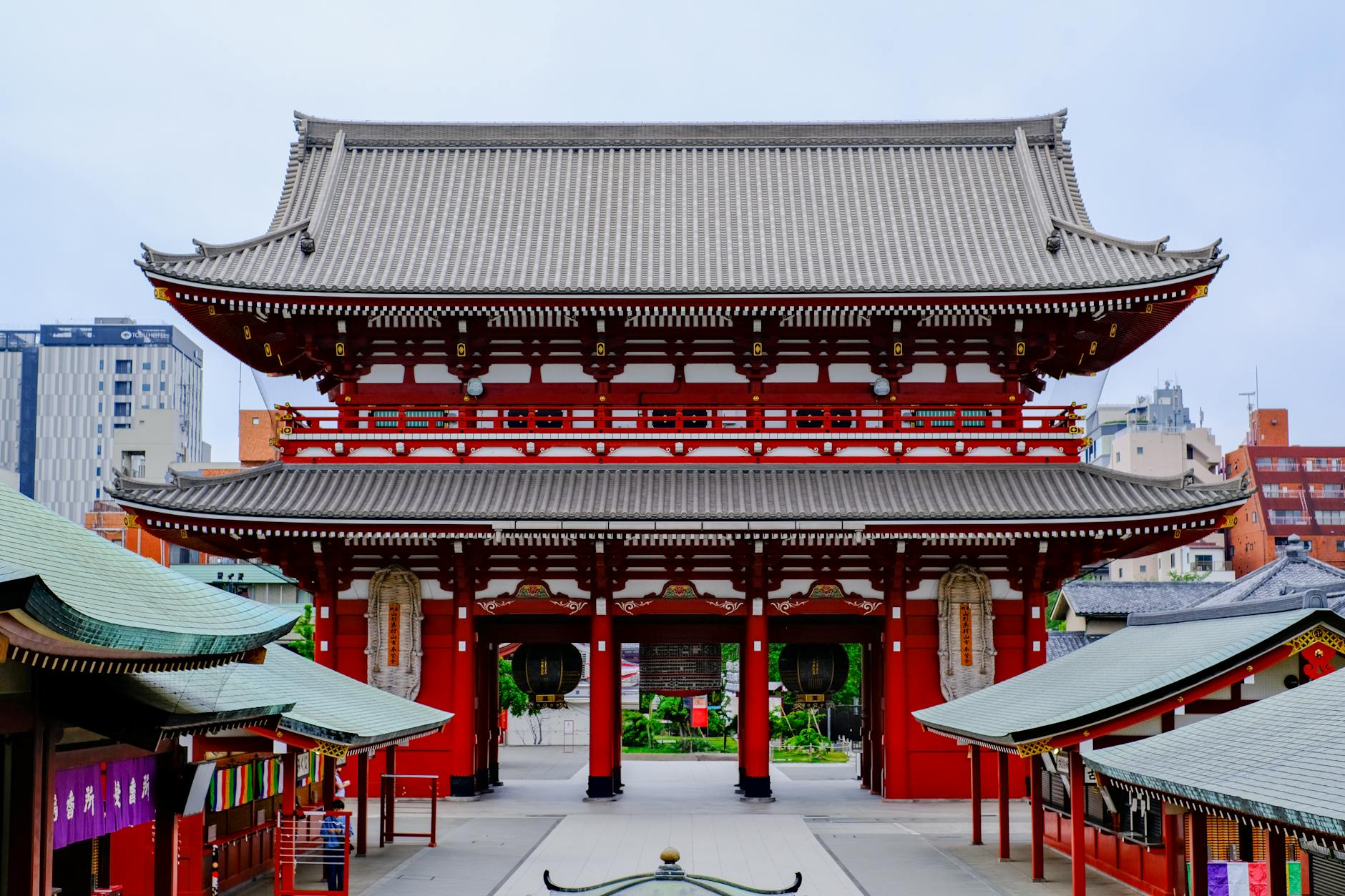
Sensoji Temple, Tokyo’s most famous Buddhist temple, founded in 645 AD. The vibrant Kaminarimon Gate welcomes visitors to Nakamise shopping street.

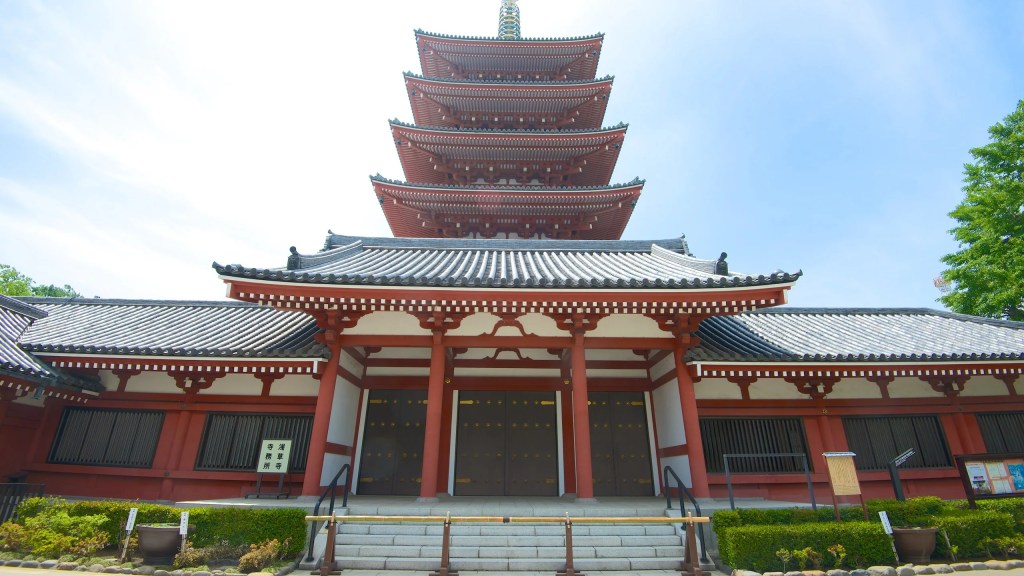
The Main Hall (Hondō) of Sensoji Temple, where visitors waft incense smoke for blessings. Founded in 645 AD, this sacred site remains a symbol of Tokyo’s spiritual heritage.

Afternoon: Shibuya Crossing

No Tokyo weekend is complete without standing in the middle of the world’s busiest pedestrian crossing. It’s chaotic, mesmerizing, and oddly therapeutic—like synchronized chaos.

Hotels near Shibuya Crossing, Tokyo
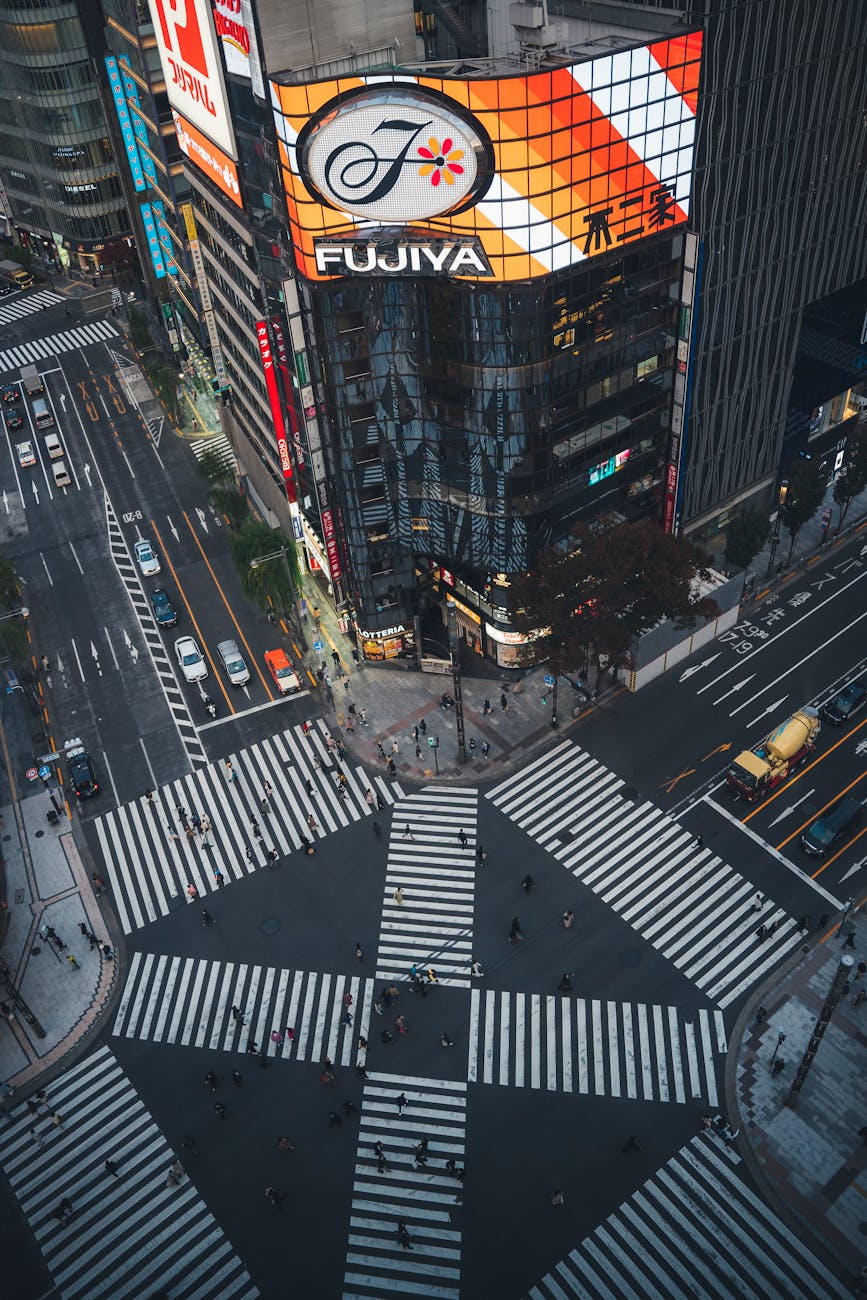
Aerial view of Shibuya Crossing in Tokyo, showcasing busy pedestrian pathways and bustling streets, with bright advertisements on surrounding buildings.
Aerial view of the iconic Shibuya Crossing, bustling with pedestrians and surrounded by vibrant city lights.

📸 If you’re planning to capture this moment (and you should), don’t forget a solid camera. I recommend browsing some great travel-ready cameras here.

Shibuya Crossing Tours

Evening: Shinjuku Nights

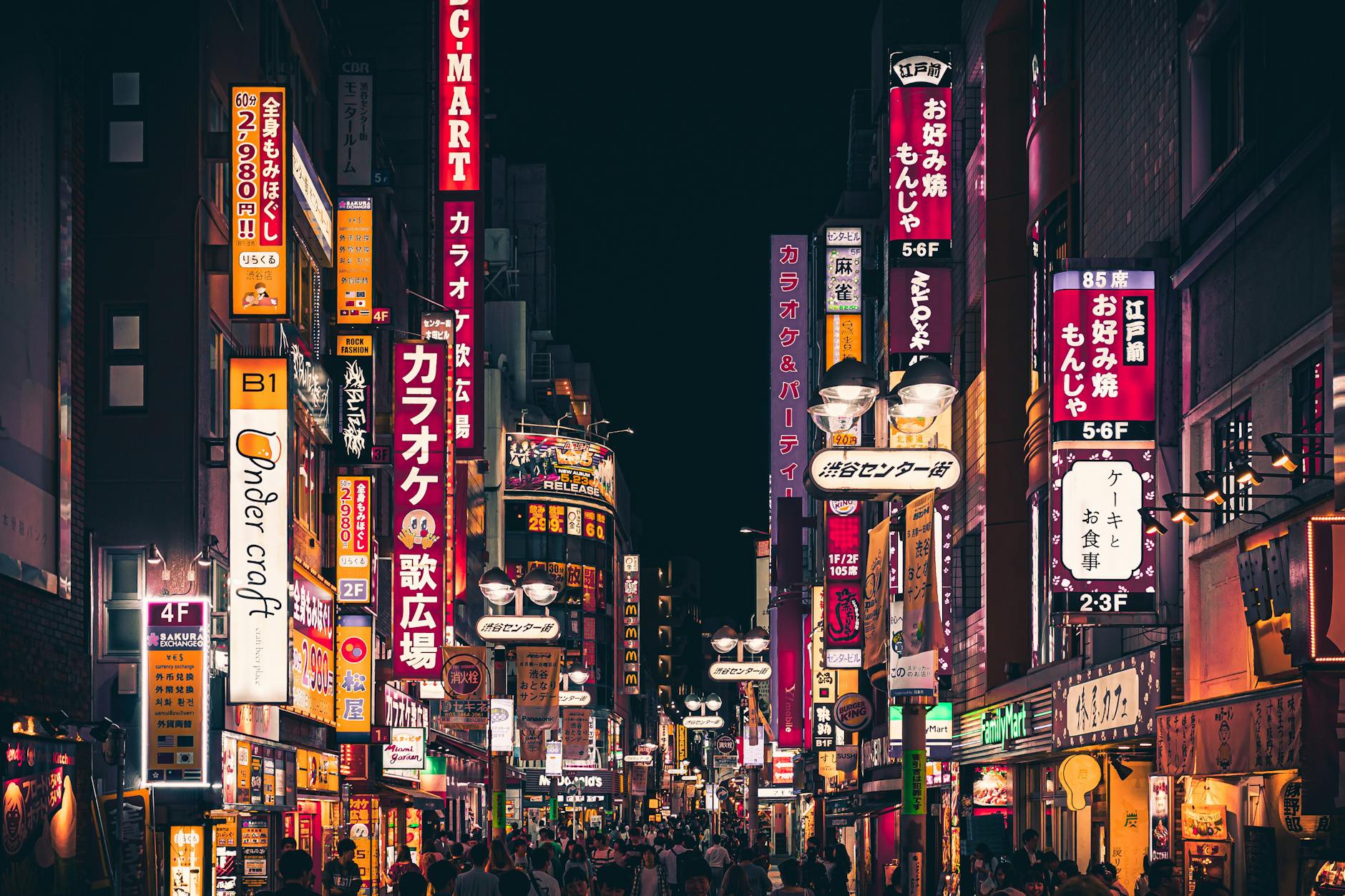
A vibrant street in Tokyo at night, filled with colorful neon signs in Japanese, bustling with people enjoying the nightlife.
A vibrant evening scene in Shinjuku, Tokyo, illuminated by neon lights and bustling with energy.

Head to Omoide Yokocho (aka “Memory Lane”), where smoky yakitori stalls make you feel like you’ve entered a time capsule. Don’t be surprised if a stranger raises a glass and says “Kanpai!”—Tokyo nights are for making friends you’ll never forget.

Hotels in Shinjuku, Tokyo 

Tokyo Bar Hopping Night Tour in Shinjuku
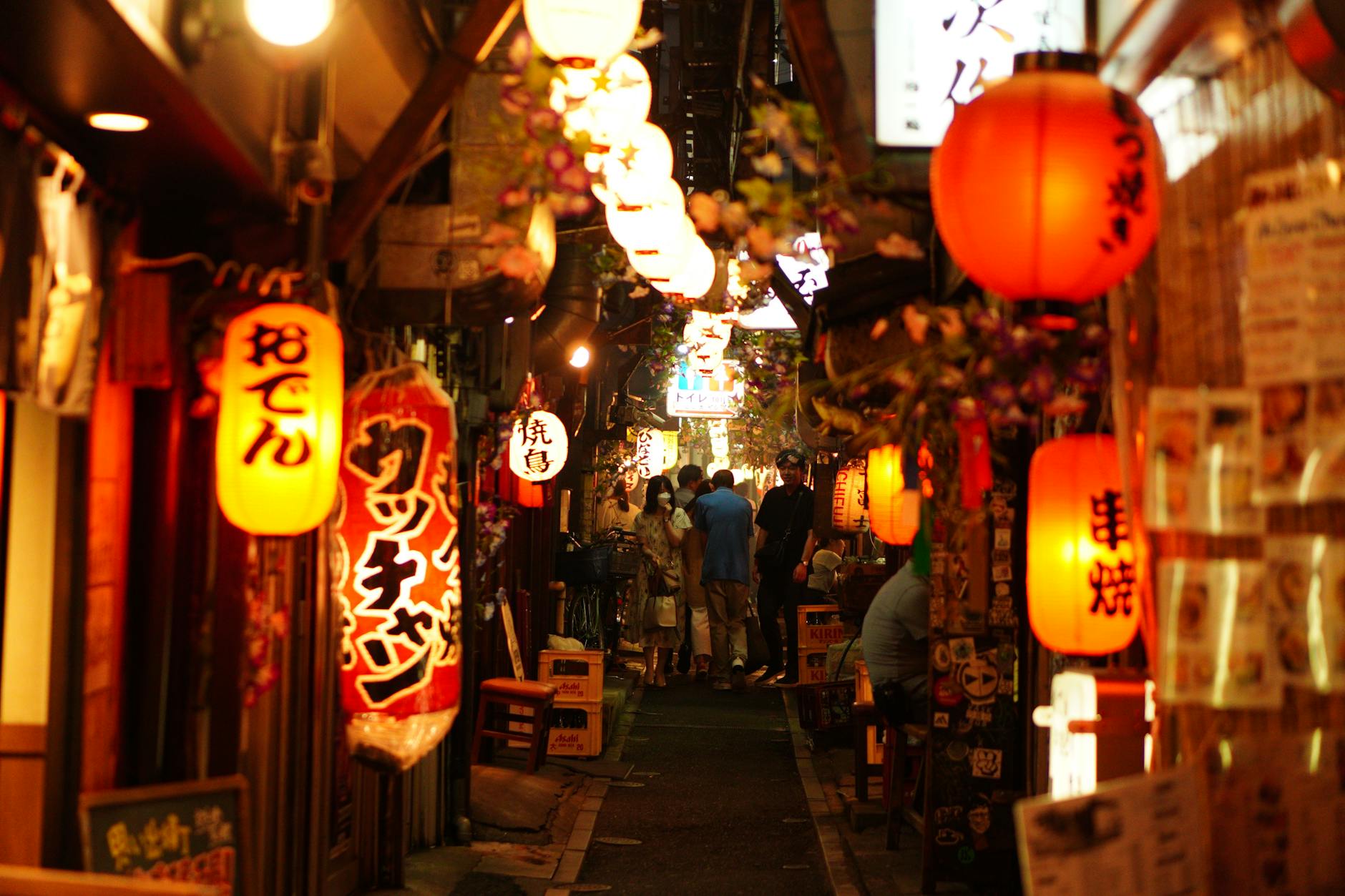
A narrow alley in Tokyo filled with vibrant lanterns and signage, creating a cozy, inviting atmosphere for diners. People can be seen walking and enjoying the lively atmosphere of this bustling street.
Experience the vibrant nightlife of Omoide Yokocho, a charming alleyway lined with glowing lanterns and yakitori stalls in Tokyo.

Hotels near Omoide Yokocho, Tokyo

Omoide Yokocho Tours

🌸 Day 2: Hidden Gems & Modern Marvels

Morning: Tsukiji Outer Market

Yes, the inner market moved, but Tsukiji’s outer stalls are still alive with sizzling seafood skewers, tamago rolls, and sushi so fresh it practically swims onto your plate. Pro tip: go early to avoid the tourist rush.
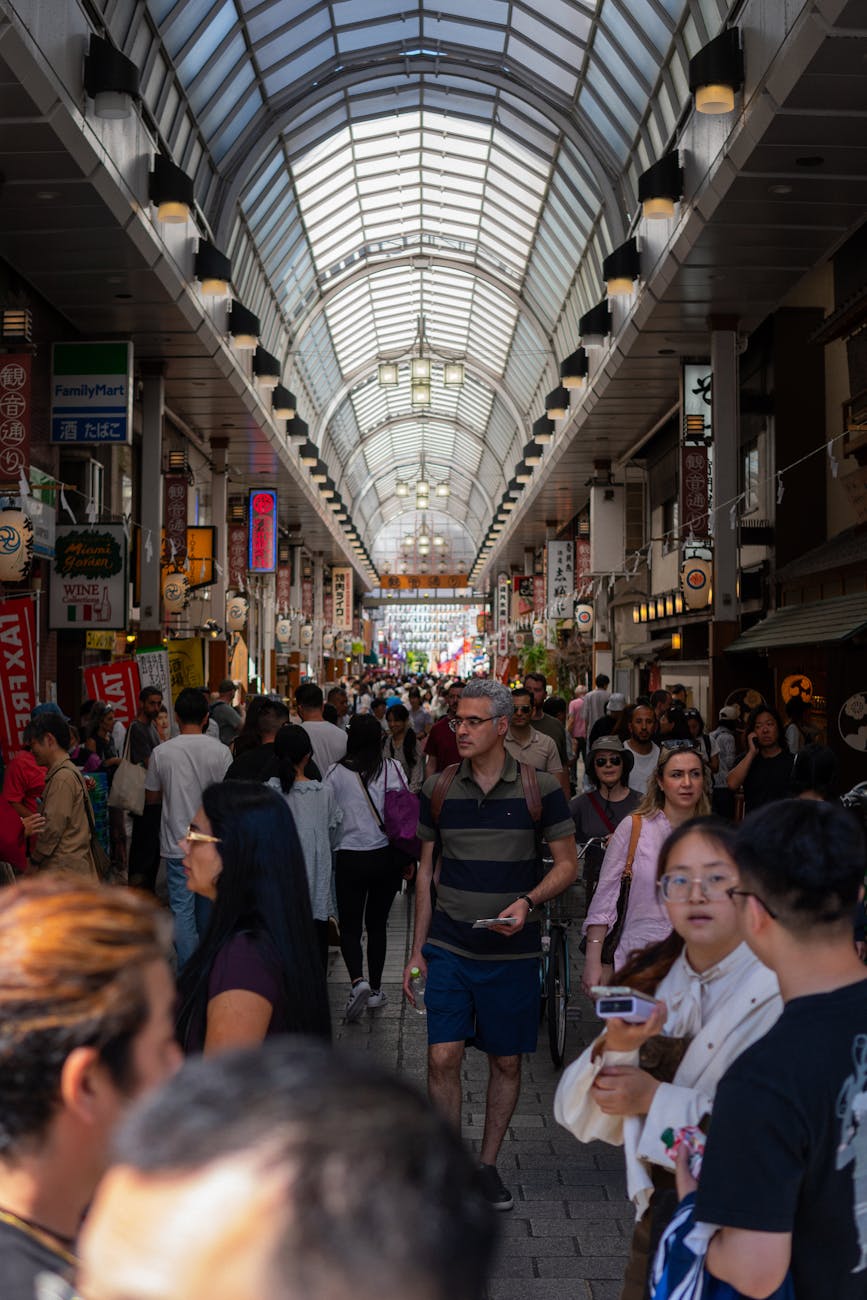
A bustling shopping street in Tokyo filled with people, lined with colorful storefronts and hanging lanterns.
Bustling scene at Tsukiji Outer Market, filled with vibrant stalls and visitors enjoying fresh seafood and local delicacies.

Afternoon: Ghibli Museum (Hidden Gem!)

If you’re a Studio Ghibli fan, this spot in Mitaka is a dream. Think whimsical staircases, Totoro waiting rooms, and exclusive short films you’ll never see outside Japan. Tickets sell out fast, so book well in advance.

Hotels near Ghibli Museum, Tokyo
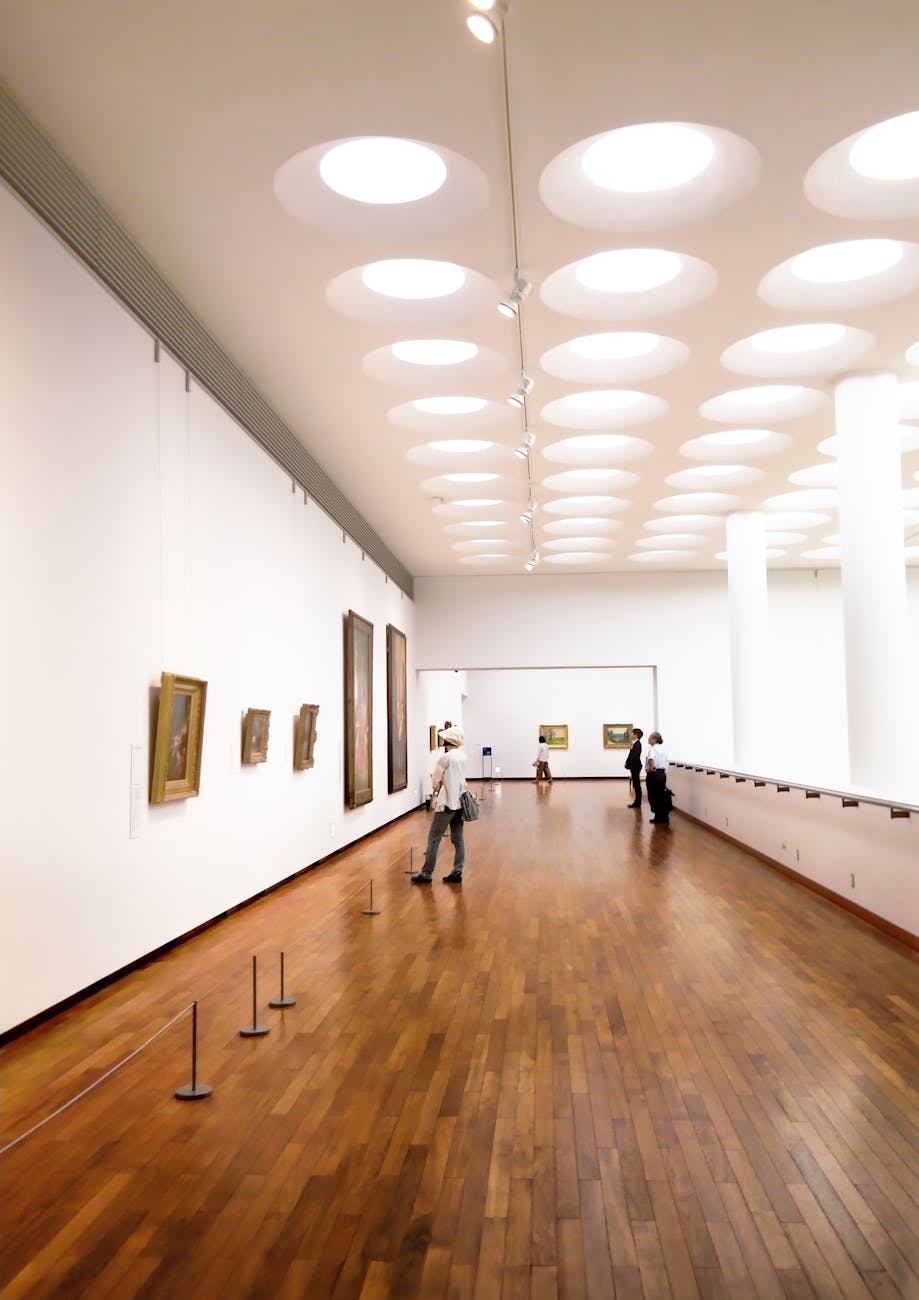
Interior view of an art gallery featuring wooden flooring, modern lighting, and several paintings displayed on white walls. Visitors are observing the artwork.
Explore the captivating Ghibli Museum in Mitaka, a must-visit for fans of Studio Ghibli’s enchanting animations.

Ghibli Museum Tours

Evening: TeamLab Planets Tokyo

Forget everything you know about museums—this digital art experience is like walking through a dreamscape of light, mirrors, and water. Bring a change of socks (you’ll thank me later).
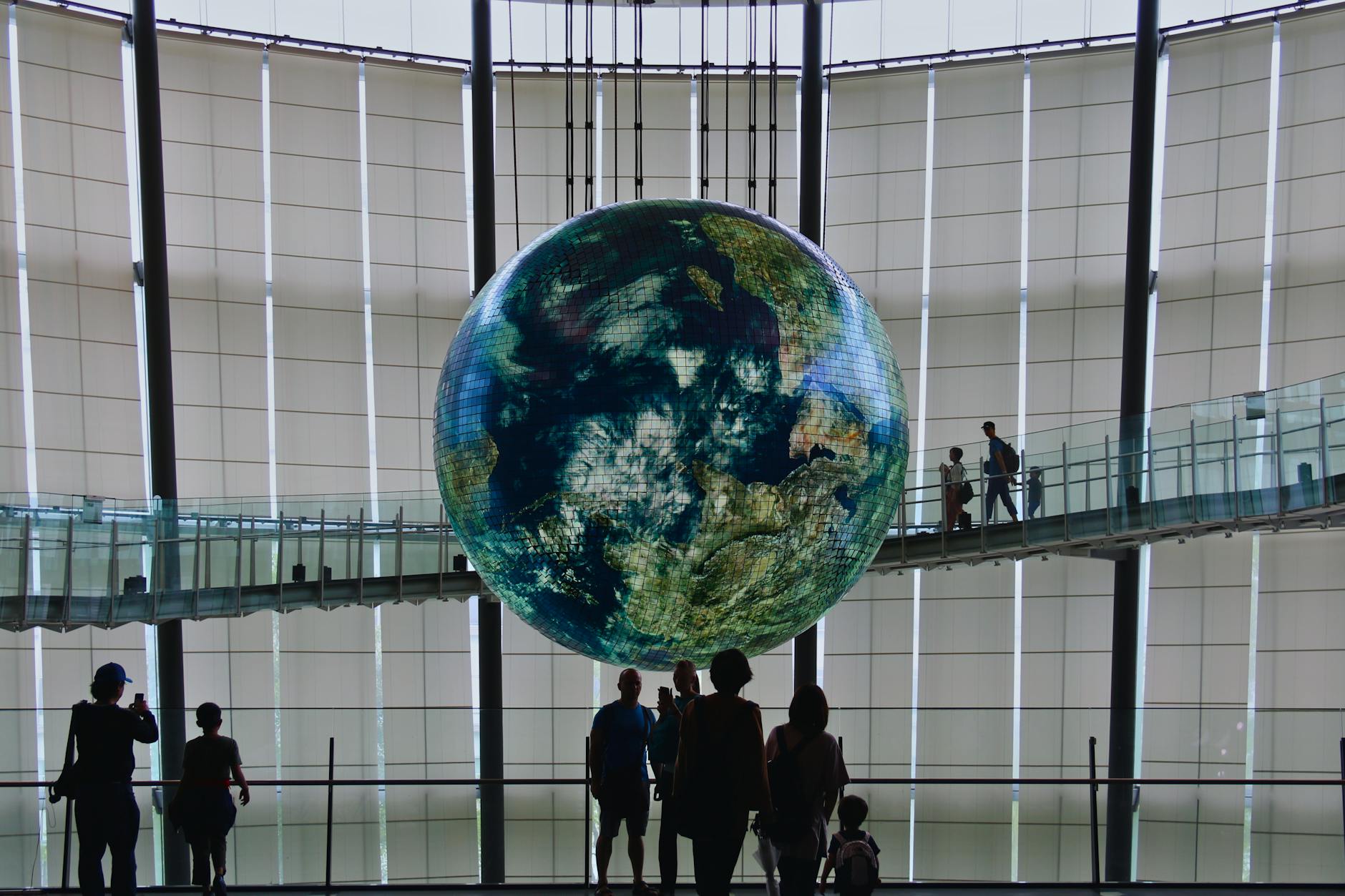
A large illuminated globe hanging in a modern museum, with silhouettes of visitors walking along a bridge in the background.
Visitors admire the stunning digital art installation at TeamLab Planets Tokyo, showcasing a mesmerizing globe that reflects Earth’s beauty.

🌏 Side Trip Idea: If your travels take you beyond Shanghai, Tokyo is just a short flight away and packs an entirely different vibe—think neon streets, sushi feasts, and ancient temples tucked between skyscrapers. I usually book activities and tours through Rakuten Experiences because it’s a hassle-free way to score everything from sumo-wrestling shows to sushi-making classes. Booking ahead saves time, and you’ll skip the stress of last-minute planning.

Rakuten Experiencesicon

🛫 Travel Tips for Tokyo

  • Best Time to Visit: Spring (March–April) for cherry blossoms or Autumn (October–November) for fiery leaves.
  • Getting Around: Grab a Suica or Pasmo card for hassle-free metro rides. Trains are punctual to the second (seriously, if you’re 30 seconds late, the train is gone).

If you plan on zipping around Tokyo (and trust me, you will), grab yourself a Suica card—it’s basically the city’s golden ticket for hassle-free travel. You can buy one at JR East train stations or even at the airport, load it up with yen, and then just tap your way through trains, buses, and even convenience stores. No more fumbling with coins for every ride. A bonus? You can use it to grab snacks at vending machines, buy coffee at 7-Eleven, or even pay at some restaurants. The card is rechargeable, refundable when you leave Japan, and makes navigating Tokyo’s famously punctual transport system a whole lot smoother.

🚌 What is a PASMO Card?

The PASMO card is Tokyo’s other rechargeable smart travel card, created by private railway and bus companies. Just like Suica, it works on almost all trains, subways, and buses across Tokyo (and most of Japan’s major cities). You can also use it at convenience stores, vending machines, and some restaurants. PASMO is especially handy if you’re traveling more on the Tokyo Metro or private lines rather than JR East trains. You can pick one up at Tokyo Metro stations, airports, or bus terminals, top it up easily, and just tap your way through.

🔄 Suica vs. PASMO: Which One Should You Get?

Both cards are nearly identical in function, so you honestly can’t go wrong. But here are the small differences that matter:

  • Where They’re Issued
    • Suica: Issued by JR East (Japan Rail). Available at JR train stations and airports.
    • PASMO: Issued by private railway and bus operators. Available at Tokyo Metro stations and bus terminals.
  • Coverage
    Both work seamlessly across Tokyo’s transport network (JR lines, subways, buses) and are even accepted in other major cities like Osaka, Kyoto, and Fukuoka.
  • Refunds
    If you want your deposit back when leaving Japan, it’s easier to return a Suica at a JR station or a PASMO at a Metro station.
  • Everyday Use
    Both can be used for small purchases at convenience stores, vending machines, and some shops.

👉 Bottom Line:

  • If you’re staying around JR East train lines (like Shinjuku, Shibuya, Tokyo Station) → Suica is slightly more convenient.
  • If you’ll be riding more Tokyo Metro or private linesPASMO might save you a line at the ticket machines.
  • Otherwise, pick whichever is available first at the airport—you’ll barely notice a difference once you’re zipping around the city.

💡 Insider Tip: You don’t even need to carry a physical Suica or PASMO card anymore—Japan’s gone fully digital! If you’ve got an iPhone (with Apple Wallet) or an Android phone (with Google Wallet or the Suica/PASMO app), you can add a mobile Suica or PASMO directly to your phone. Just top it up with your credit card and tap your phone at the gates or vending machines like a local. No more lining up at ticket counters or worrying about losing your card. Plus, recharging on the go is a lifesaver when you’re racing to catch that last train after karaoke.

  • Stay Connected: Roaming charges in Japan can be brutal. I avoid the airport SIM counter trap and instead use a universal travel SIM that works in 190+ countries. Just top it up via app, and you’re online—no hidden fees, no panic. Check out Drimsim: SIM Card for Traveling Around the World.
  • Safety: Tokyo is one of the safest cities globally, but I always keep my connection private when using public WiFi. A good VPN like NordVPN keeps your data safe while you’re Instagramming your sushi.

🍣 Personal Anecdote: Lost in Translation (Literally)

On my first Tokyo trip, I tried to order ramen using only gestures. I ended up with three bowls and a side of extra noodles. Did I eat it all? Absolutely. Was I in a food coma until morning? You bet. Lesson learned: embrace the unexpected—Tokyo rewards curiosity.

🔗 Related Reads You’ll Love

If Tokyo sparks your wanderlust, you might also enjoy:

💡 Final Thoughts & Call to Action

Tokyo is not just a destination—it’s an experience that lingers long after you’ve left. Whether you’re marveling at temples, navigating neon-lit streets, or slurping noodles at midnight, this city makes a weekend feel like a world tour.

👉 Ready to book your own Tokyo escape? I always use Expedia for flexible flights and stays. Pair that with a travel camera and a trusty VPN, and you’re set for the ultimate adventure.

So pack light, keep your chopsticks handy, and let Tokyo surprise you. 🌏✈️
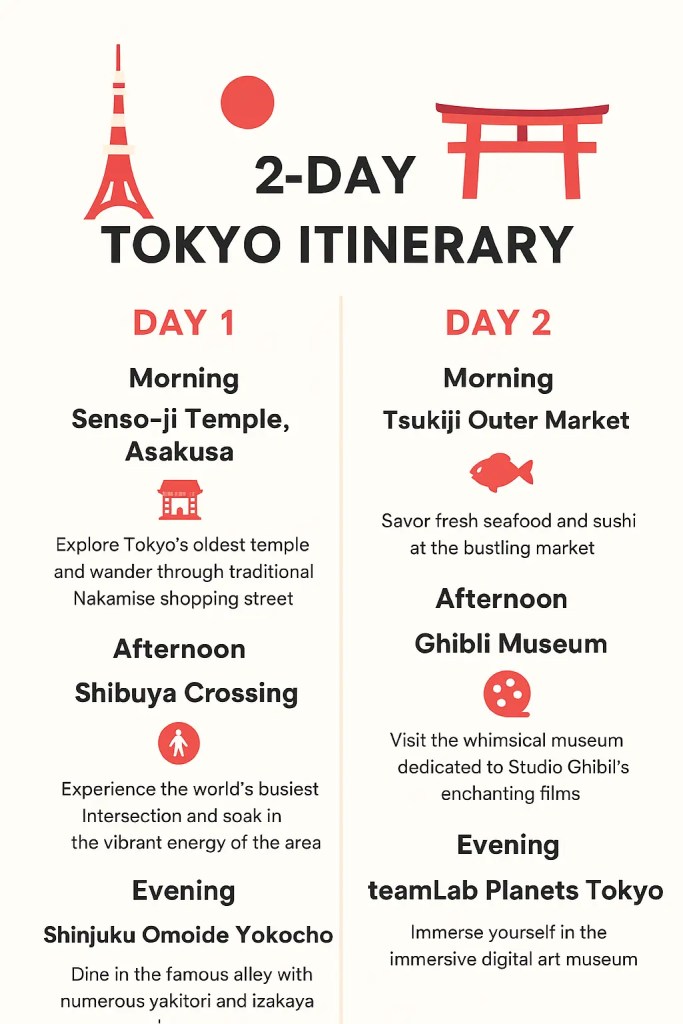
Infographic outlining a 2-day itinerary for Tokyo, featuring key attractions and activities for each day.
A visually engaging itinerary for a 2-day adventure in Tokyo, highlighting iconic landmarks and experiences.

Frequently Asked Questions (FAQ)

Q1: Is this itinerary suitable for a first-time visitor to Tokyo?
While it focuses on hidden gems, it’s a fantastic complement to the major sights. This guide is perfect for someone who has already seen Senso-ji or Shibuya Crossing, or for a traveler who prefers deeper, more local experiences over crowded tourist spots.

Q2: What is the best way to get around Tokyo to reach these areas?
Tokyo’s subway and JR train lines are incredibly efficient and will get you close to all these neighborhoods. The key is using a Suica or Pasmo rechargeable IC card for seamless travel on all lines. Google Maps is extremely accurate for providing real-time train schedules and routes.

Q3: How walkable are these hidden gem neighborhoods?
Extremely walkable. The charm of areas like Yanaka Ginza, Kagurazaka, and Nakameguro is best discovered on foot, wandering through side streets and alleyways. This itinerary is designed for exploring on foot once you arrive at the correct station.

Q4: Do I need to speak Japanese to enjoy these less touristy spots?
While not strictly necessary, knowing a few key phrases (Arigatou gozaimasu – Thank you, Sumimasen – Excuse me, Kore o kudasai – This please) will greatly enhance your experience and is seen as a sign of respect. Many menus in local spots may be Japanese-only, but pointing and a friendly attitude work wonders.

Q5: What is one “hidden gem” I absolutely shouldn’t miss?
Yanaka Ginza offers a rare glimpse into the Shitamachi (old downtown Tokyo) atmosphere that survived WWII and modernization. It’s a peaceful, nostalgic street filled with independent artisan shops, stray cats, and traditional snack stalls, providing a completely different side of the city.

Q6: Is it safe to explore these non-touristy areas at night?
Tokyo is one of the safest large cities in the world. Exploring areas like Golden Gai or a local izakaya district at night is generally very safe. As always, practice basic situational awareness.

Q7: How should I budget for a weekend of exploring hidden gems?
Many of the best experiences are low-cost or free (wandering neighborhoods, visiting temples). Budget more for unique dining experiences, artisan crafts, and transportation. Eating at local izakayas and market stalls can be very affordable.
Universal Disclaimer/Disclosure Page:

Weekend Getaways: Discover Istanbul’s Rich Culture

Table of Contents

  1. Introduction: Where Continents Collide – A Weekend in Istanbul
  2. Before You Go: Planning Your Istanbul Getaway
    • Best Time to Visit for Culture and Comfort
    • Navigating the City: From Ferries to Trams
    • Where to Stay: Sultanahmet, Beyoglu, or Karakoy?
  3. Your Weekend Itinerary: A Tapestry of History and Life
    • Day 1: Imperial Wonders of the Historic Peninsula
      • Morning: Hagia Sophia, Blue Mosque, and Hippodrome
      • Afternoon: Topkapi Palace and Basilica Cistern
      • Evening: Dinner in Sultanahmet and a Turkish Night Show
    • Day 2: Bazaars, Views, and Crossing Continents
      • Morning: Grand Bazaar and Spice Bazaar
      • Afternoon: Galata Tower and Istiklal Avenue
      • Evening: Bosphorus Cruise and Karakoy Dining
  4. Essential Istanbul Experiences
    • Taste of Istanbul: From Kebabs to Turkish Breakfast
    • Cultural Customs: Mosques, Haggling, and Cay
  5. Practical Tips for Your Trip
    • Visa Requirements and the Museum Pass
    • Staying Safe and Scam-Savvy
    • Basic Turkish Phrases for Travelers
  6. Conclusion: Your Unforgettable Journey Awaits

When it comes to bucket-list weekend getaways, Istanbul is in a league of its own. Straddling two continents, rich in history, bursting with flavors, and alive with an irresistible energy, this city doesn’t just welcome you — it sweeps you off your feet and makes you wonder why you didn’t visit sooner.

Oh, and did I mention? Istanbul ranks among the Top Visited Cities in the World. Trust me, there’s a reason travelers keep coming back for more baklava and Bosphorus sunsets.

Whether you’re a culture enthusiast, a foodie, or just someone who likes the idea of sipping Turkish tea with a view, Istanbul delivers. And if you’ve read my other whirlwind city guides like 48 Hours in NYC or The Ultimate Weekend Escape from London, you know I don’t do boring itineraries.

“Best things to do in Istanbul in 2 days”

📅 Day 1: The Heart of History

Morning – Hagia Sophia & Blue Mosque
Start your weekend where East meets West — literally. Hagia Sophia’s jaw-dropping architecture will have you snapping more photos than your camera battery can handle (and if you need a camera upgrade, check this one out: shop here). Right across the square, the Blue Mosque stands in serene grandeur — and yes, you can visit both in one morning.

Pro tip: Go early to avoid the crowds. Mornings are quieter, and the light makes your photos pop.

Cheap Flights to Istanbul

✈️ Flight Delayed or Canceled?
Travel isn’t always smooth sailing—sometimes flights get delayed, canceled, or overbooked. The good news? You might be entitled to up to $650 in compensation under air passenger rights. Most travelers never claim it, but I’ve got you covered: just check your flight with AirHelp. They handle the paperwork, fight the airlines for you, and only get paid if you win. Easy, stress-free, and potentially a nice surprise for your travel fund.

✈️ Travel Tip: Staying connected abroad can be tricky (and expensive if you’re relying on airport SIM counters or roaming). That’s why I carry a Drimsim—a universal SIM card that works in 190+ countries without hidden fees. You just pop it into your phone, top up through the app, and you’re online wherever your adventure takes you. No more hunting for local SIM cards or stressing over roaming bills. If you’re planning your next getaway, check it out here 👉 Drimsim: SIM Card for Traveling Around the World.

💡 Pro Travel Tip:
While hopping on Milan’s metro, tram, or bus is super easy, travel hiccups like delays, lost luggage, or sudden medical emergencies can happen anywhere. That’s why I always carry travel insurance before jetting off. It gives peace of mind knowing I’m covered, no matter what. I personally recommend VisitorsCoverage Travel Insurance — quick to book, affordable, and traveler-friendly.

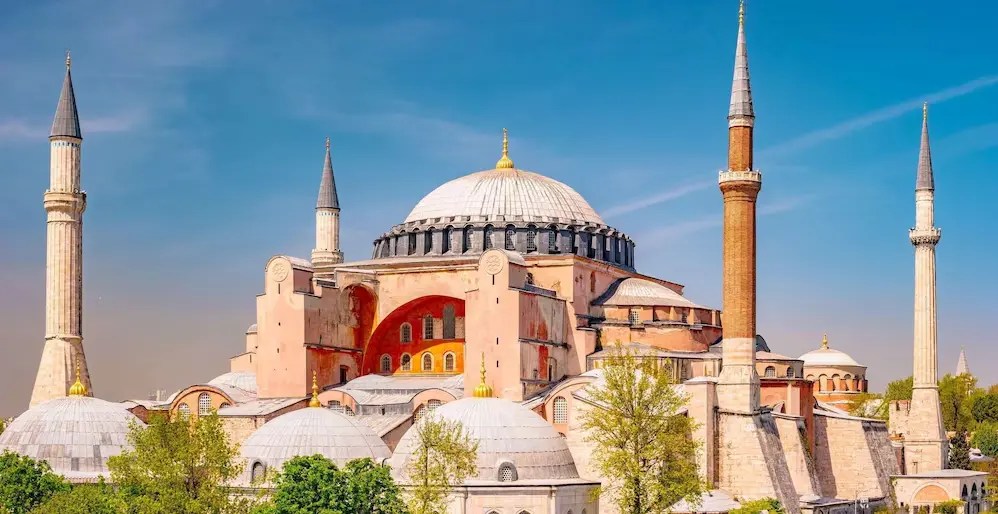
“The iconic Hagia Sophia in Istanbul, originally built as a cathedral in 537 AD, later a mosque, and now a museum. A stunning blend of Byzantine and Ottoman architectural styles.”

Find hotels near Hagia Sophia, Istanbul 

Istanbul: Hagia Sophia Tour with Skip-the-Line Entry Ticket

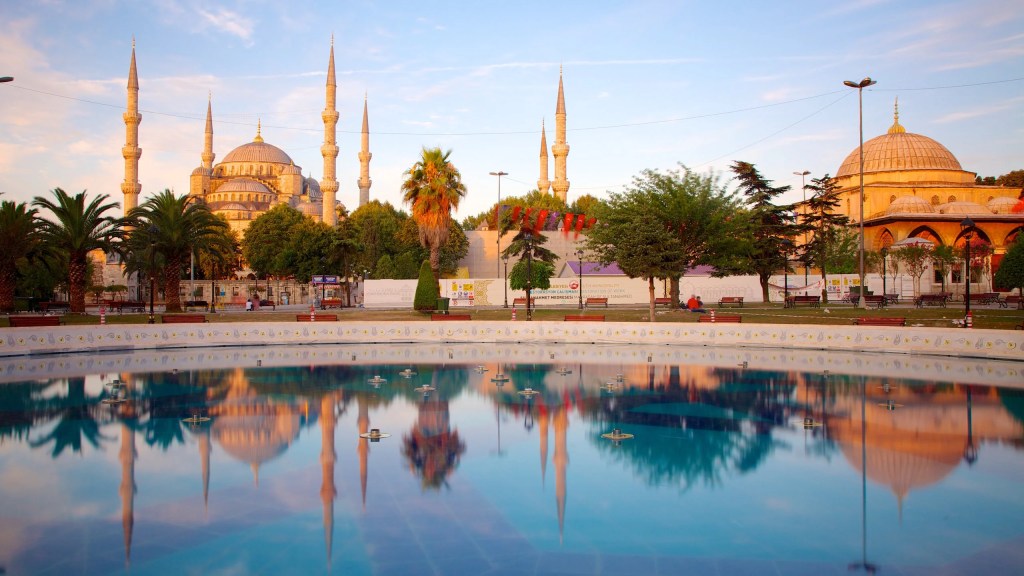
“The majestic Blue Mosque in Istanbul, built in the early 17th century, is famed for its striking blue İznik tiles and grand Ottoman architecture, beautifully mirrored in the surrounding pool.”

Hotels near Blue Mosque, Istanbul

Blue Mosque Tours

Midday – Grand Bazaar Madness
It’s chaotic, colorful, and absolutely irresistible. Bargain for carpets, lanterns, or the most fragrant Turkish spices you’ll ever smell. Keep your valuables safe — or better yet, browse with peace of mind using NordVPN to secure your public Wi-Fi connections while you Google “how to ship a Turkish rug home.”

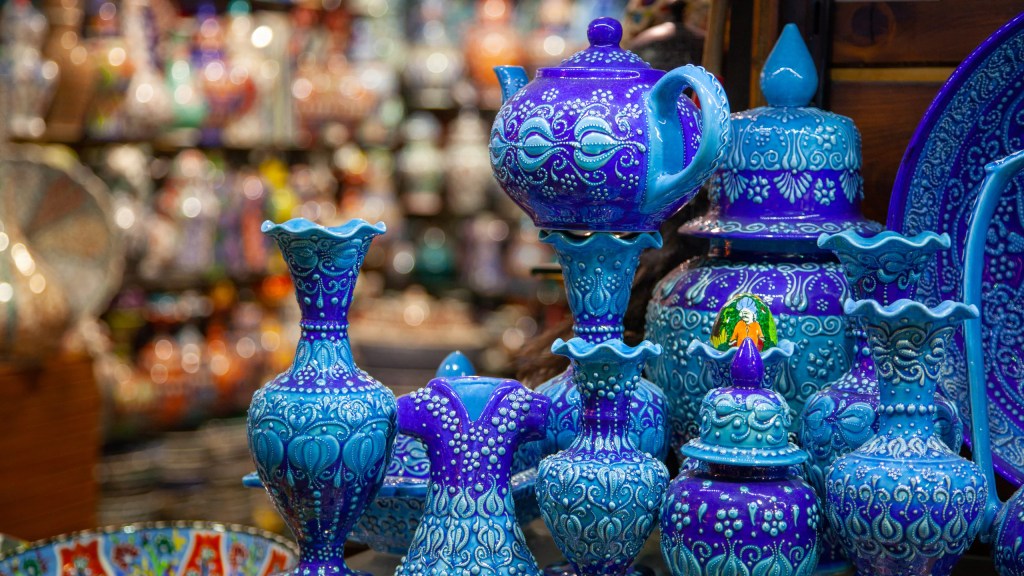
“Inside the Grand Bazaar, one of the world’s oldest and largest covered markets, where over 4,000 shops offer everything from spices to handwoven carpets in a maze of historic lanes.”

Grand Bazaar Hotel

Grand Bazaar Tours

Evening – Bosphorus Sunset Cruise
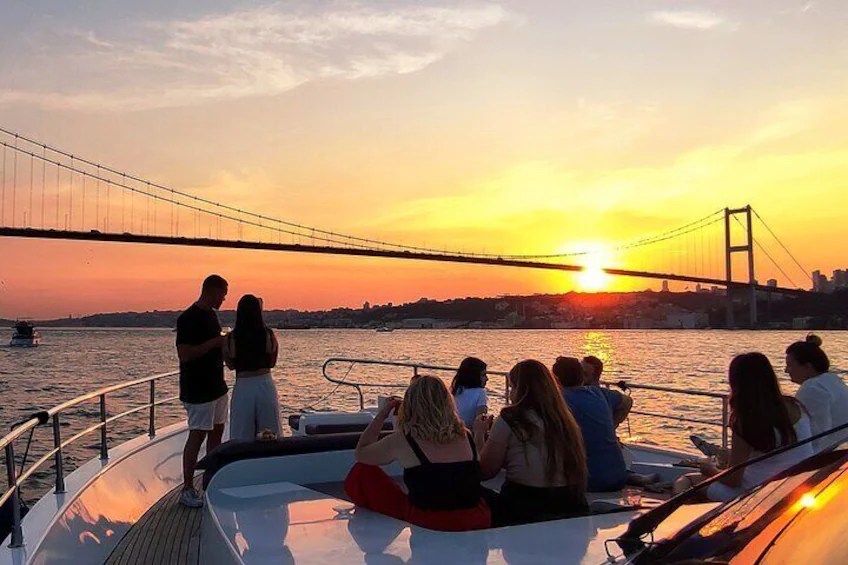
The Bosphorus is not just a body of water — it’s Istanbul’s soul. Take a sunset cruise, watch Europe fade into Asia, and toast the skyline with a glass of Turkish çay.

“A magical sunset cruise along the Bosphorus, where Europe and Asia meet, offering breathtaking views of Istanbul’s skyline, historic waterfront mansions, and the glowing Maiden’s Tower.”

Bosphorus Sunset Yacht Experience: Istanbul’s Best

“Do you prefer a daytime cruise with the city in full swing, or a romantic night cruise under the stars?”

📅 Day 2: The Flavors and Hidden Corners

Morning – Turkish Breakfast Like a Local
Forget cereal. In Istanbul, breakfast is a feast — think olives, cheeses, menemen (Turkish scrambled eggs), simit (sesame bread), and endless tea. My favorite spot? Van Kahvaltı Evi in Cihangir — where the vibe is cozy, and the bread is always warm.

Turkish breakfast near Sultanahmet.”

Find Hotels with Free Breakfast in Sultanahmet

Midday – Hidden Gem: Balat

“Hidden gems in Istanbul”


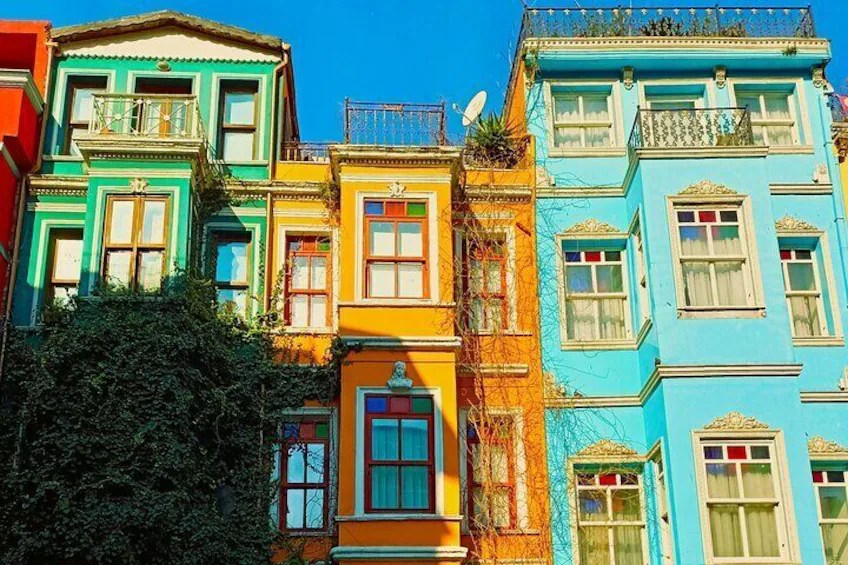
Skip the tourist-heavy streets and wander Balat’s pastel-colored houses, quirky antique shops, and friendly street cats. It’s an Instagram dream without the elbow-to-elbow crowds.

Hotels in Balat, Istanbul

“The iconic pastel houses of Balat, one of Istanbul’s most photogenic neighborhoods, where centuries-old Ottoman architecture meets bohemian charm and multicultural heritage.”

Half day Fener-Balat Walking Tour in Turkiye

Afternoon – Galata Tower & Istiklal Street
Climb Galata Tower for a panoramic view that will have you convinced you could stay here forever. Then stroll down Istiklal Street — perfect for street food sampling (don’t miss midye dolma — stuffed mussels).

Hotels near Galata Tower, Istanbul

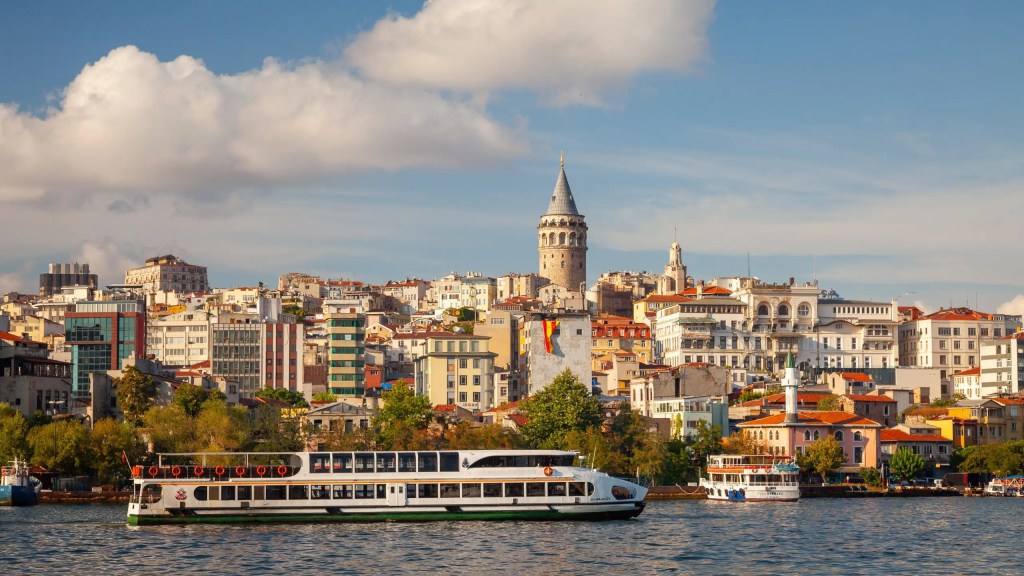
“The iconic Galata Tower, built in 1348, offers panoramic views of Istanbul where East meets West from its observation deck 67 meters above the Golden Horn.”

Galata Tower Tours

Hotels near Istiklal Avenue, Istanbul

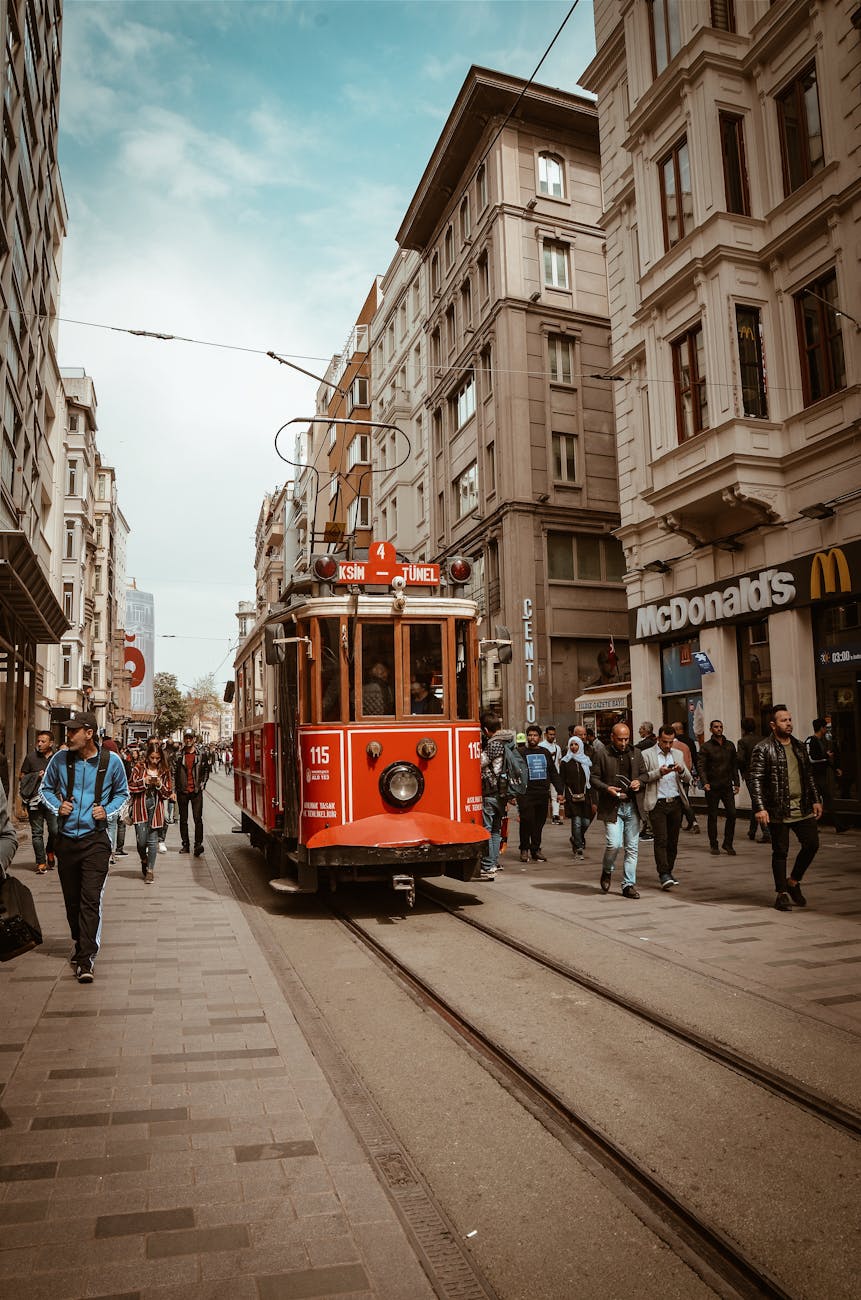
Vibrant İstiklal Caddesi, Istanbul’s most famous thoroughfare, where a historic red tram winds through crowds past 19th-century buildings housing global brands, art galleries and traditional eateries.”

Istiklal Avenue Tours

Istanbul Food Tour – History and Culture of Turkish Culinary

“Step into Çiçek Pasajı, Istanbul’s iconic 1876 passage where Belle Époque charm meets raucous Turkish meyhane (tavern) culture. Wine, meze, and history flow freely here!”

Cicek Pasaji Tours

Hotels near Cicek Pasaji, Istanbul from

“Which of these off-the-beaten-path spots would you visit first?”

🗺️ Getting Around Istanbul

“Istanbul public transport guide”

  • Public Transport: The tram is your best friend for major attractions. Buy an Istanbulkart for easy travel.

🚋 Public Transport in Istanbul – Your Weekend Lifesaver
Forget pricey taxis and the stress of navigating traffic — Istanbul’s public transport is surprisingly efficient once you get the hang of it.

The tram is hands-down your best bet for hopping between major sights like the Hagia Sophia, Blue Mosque, Grand Bazaar, and Galata Tower. The T1 tram line is the one you’ll probably use most — it’s like a hop-on, hop-off city tour, but for the price of a cup of Turkish tea.

Here’s how to make it even easier:

  • Get an Istanbulkart – This rechargeable travel card works across all public transport: trams, buses, metro, ferries, and even some funiculars. You can grab one from vending machines at most stations or small kiosks near transport hubs.
  • Cost: A card itself is about 70 TL (refundable deposit), and each ride costs far less than paying cash tickets. Bonus: it’s contactless, so you just tap and go.
  • Topping Up: You can reload your card at machines (which thankfully have an English option) or at convenience stores.
  • Best Trick: One Istanbulkart can be used for multiple people — just tap once per person at the gate. Perfect for couples or friends traveling together.
  • Extra Tip: If you’re crossing to the Asian side, ferries are part of the transport network — meaning you can swipe your Istanbulkart and enjoy a mini Bosphorus cruise for the cost of a regular ride.

🚋 Public Transport in Istanbul – Your Weekend Lifesaver

Forget pricey taxis and the stress of navigating traffic — Istanbul’s public transport is surprisingly efficient once you get the hang of it.

The tram is hands-down your best bet for hopping between major sights like the Hagia Sophia, Blue Mosque, Grand Bazaar, and Galata Tower. The T1 tram line is the one you’ll probably use most — it’s like a hop-on, hop-off city tour, but for the price of a cup of Turkish tea.

Navigating Istanbul Like a Pro: The Istanbulkart & Public Transit Unpacked

Let’s break it down

Istanbulkart: Your Ticket to Easy Travel

Why You Will Love It

Stress Free & Cheaper: Avoid taxis (especially those known for overcharging tourists)—Istanbulkart is the wallet-friendly, efficient way to explore.Daily Telegraph

Effortless Transfers: Trams (especially T1) connect to major sights; ferries offer scenic skyline views.Daily Telegraph

Smart Planning: With the transit map above, finding your way from Hagia Sophia to Galata Tower or across continents is a breeze.

  • Best Time to Visit: Spring (April–May) and autumn (September–October) for mild weather and fewer tourists.
  • Airport Transfers: Pre-book a shuttle or use the metro to avoid pricey taxis.

💡 Hidden Gems You Shouldn’t Miss

  • Pierre Loti Café: Sip coffee with a panoramic view of the Golden Horn.
  • Camlica Hill: Highest point in the city with a view stretching over both continents.
  • Kadıköy Market: On the Asian side, less touristy and full of authentic eats.

📌 Your Weekend Istanbul Checklist

  • ✅ Watch the city light up from a Bosphorus ferry.
  • ✅ Taste real Turkish delight (not the supermarket kind).
  • ✅ Get lost — on purpose — in back alleys and side streets.

✈️ Ready to Book Your Weekend in Istanbul?

I always book my stays and flights through Expedia — it’s fast, easy, and often cheaper than hunting for deals yourself. Plus, you can bundle flights + hotels to save even more.

If Istanbul’s magic has you hooked, you might also enjoy my other city escapes:

“Istanbul is one of those cities you’ll never forget — a blend of cultures, flavors, and views that’s impossible to capture in just one trip. Have you visited Istanbul before? Share your favorite spots or hidden gems in the comments — I might just feature your tips in my next update! And if you’re planning a trip, book your stay now on Expedia and start packing.”

Final Thought:
A weekend in Istanbul isn’t just a trip — it’s a feast for your senses. From the haunting call to prayer echoing over ancient domes to the crunch of fresh baklava, you’ll leave with your camera full, your stomach happy, and your heart already plotting your return.

 (“Trust me, there’s a reason travelers keep coming back”) 

📸 Don’t forget — a good camera makes all the difference. Grab one here before you go.
🔒 And protect your online security while traveling with NordVPN.

“This post contains affiliate links. If you book, I may earn a small commission at no extra cost to you.”)

Frequently Asked Questions (FAQ)

Q1: Is a weekend enough time to see Istanbul?
While Istanbul deserves weeks, a weekend is enough for an incredible and immersive introduction. You can absolutely see the major historical sights in Sultanahmet, experience a bazaar, cruise the Bosphorus, and get a taste of the city’s vibrant energy in two packed but unforgettable days.

Q2: What is the best area to stay in for a short trip?
Sultanahmet is best for first-time visitors who want to be steps away from the Hagia Sophia and Blue Mosque. Beyoglu (near Taksim Square/Istiklal Street) offers a more modern, nightlife-oriented vibe. Karakoy is a trendy, up-and-coming neighborhood with great galleries and cafes, conveniently located between the two.

Q3: What is the most efficient way to get around Istanbul?
The tram is the most efficient way to travel between the key sights in Sultanahmet and across the Galata Bridge to Karakoy. The metro and buses cover wider areas. Do not miss riding a public ferry on the Bosphorus—it’s both transportation and a sublime sightseeing tour.

Q4: Do I need a visa to visit Istanbul?
Citizens of many countries (including the US, UK, Canada, and most of Europe) require an e-Visa for tourism. This is a simple online process that should be completed officially before you travel. Always check the latest requirements based on your passport.

Q5: Is the Istanbul Museum Pass worth it for a weekend?
Yes, especially for a weekend. It provides skip-the-line access to major attractions like Topkapi Palace and the Hagia Sophia, saving you precious time. Calculate the total entry fees for the sights you plan to visit; if it’s close to the pass price, the convenience makes it worth it.

Q6: What is the dress code for visiting mosques?
Modest dress is required for both men and women. Women must cover their hair, shoulders, and knees (headscarves are often available at the entrance). Men should avoid wearing shorts. Everyone must remove their shoes before entering. It’s best to carry a scarf.

Q7: What is one food I absolutely must try?
You cannot leave without a proper Turkish breakfast (kahvaltı), a magnificent spread of cheeses, olives, tomatoes, cucumbers, jam, honey, and more. Also, don’t miss a simple fish sandwich (balik ekmek) from a boat in Eminonu and authentic Turkish delight (lokum) from the Spice Bazaar.

Universal Disclaimer/Disclosure Page: