48 Hours in Melbourne: The Ultimate Weekend Itinerary

📑 Table of Contents

  1. Why Melbourne is a Must-Visit City
  2. Day 1: Laneways, Coffee, and Culture
    1. Morning: Espresso Yourself
    2. Midday: Federation Square & Flinders Street Station
    3. Afternoon: Laneway Hunt
    4. Evening: Yarra River Vibes
  3. Day 2: Markets, Sports, and Gardens
    1. Morning: Queen Victoria Market
    2. Midday: Sports Lovers’ Heaven
    3. Afternoon: Royal Botanic Gardens
    4. Evening: St Kilda Sunset
  4. Getting Around Melbourne
  5. Smart Money-Saving Tips
  6. Hidden Gems in Melbourne
  7. Essential Travel Resources
    1. Stay Connected with Drimsim
    2. Flight Compensation with AirHelp
    3. Online Safety with NordVPN
    4. Capture Moments with the Right Camera
    5. Travel Insurance with VisitorsCoverage
  8. Aussie Lingo Cheat Sheet
  9. More Weekend Escapes You’ll Love
  10. Final Thoughts

If cities had personalities, Melbourne would be that effortlessly cool friend who always knows the best coffee spot, has a secret gig lined up, and casually suggests, “Oh, let’s just hop on a tram.” And here’s the kicker—it’s not just me saying this. Melbourne consistently ranks among the Top Visited Cities in the World, attracting travelers for its artsy vibes, hidden laneway cafés, sporting culture, and that unbeatable Aussie charm.

But hey, weekends are short, so let’s maximize those 48 hours with a practical, wallet-friendly, and slightly cheeky itinerary. 🚋☕

Flights to Melbourne

Hotels in Melbourne

🗓️ Day 1:

Laneways, Coffee, and Culture

  • Morning – Espresso Yourself
    Start your day with strong coffee in Melbourne. Head to Degraves Street for breakfast at a cozy café. Order a flat white (not just “coffee”).

  • Midday – Federation Square & Flinders Street Station
    Walk across to iconic Fed Square, where art meets architecture. Snap a photo at the heritage-listed Flinders Street Station, then wander into the ACMI Museum.

  • Afternoon – Laneway Hunt
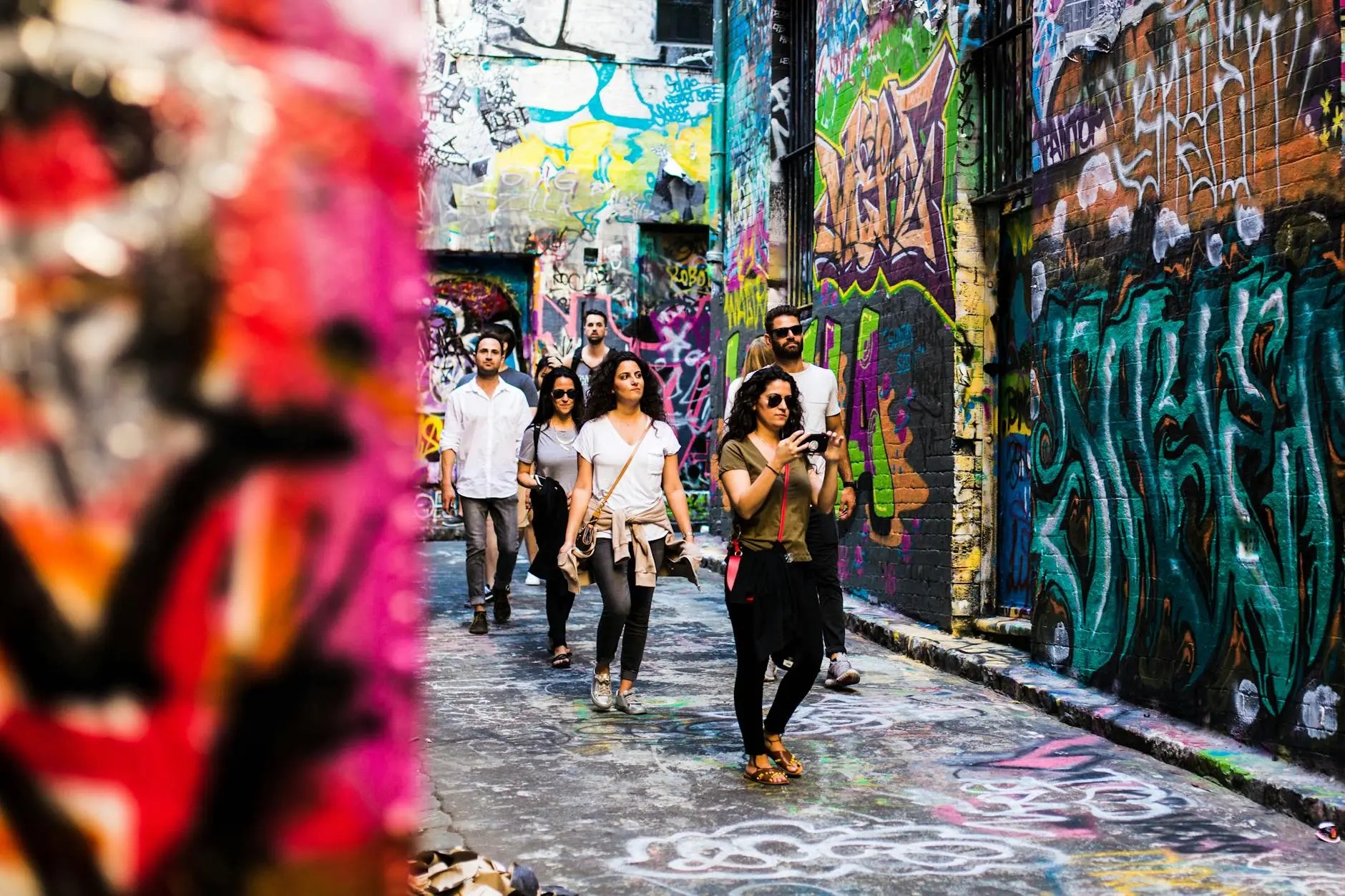
    Melbourne’s laneways are like an outdoor art gallery. Hosier Lane is world-famous for street art, while AC/DC Lane (yes, named after the band) rocks with live music bars.

  • Evening – Yarra River Vibes
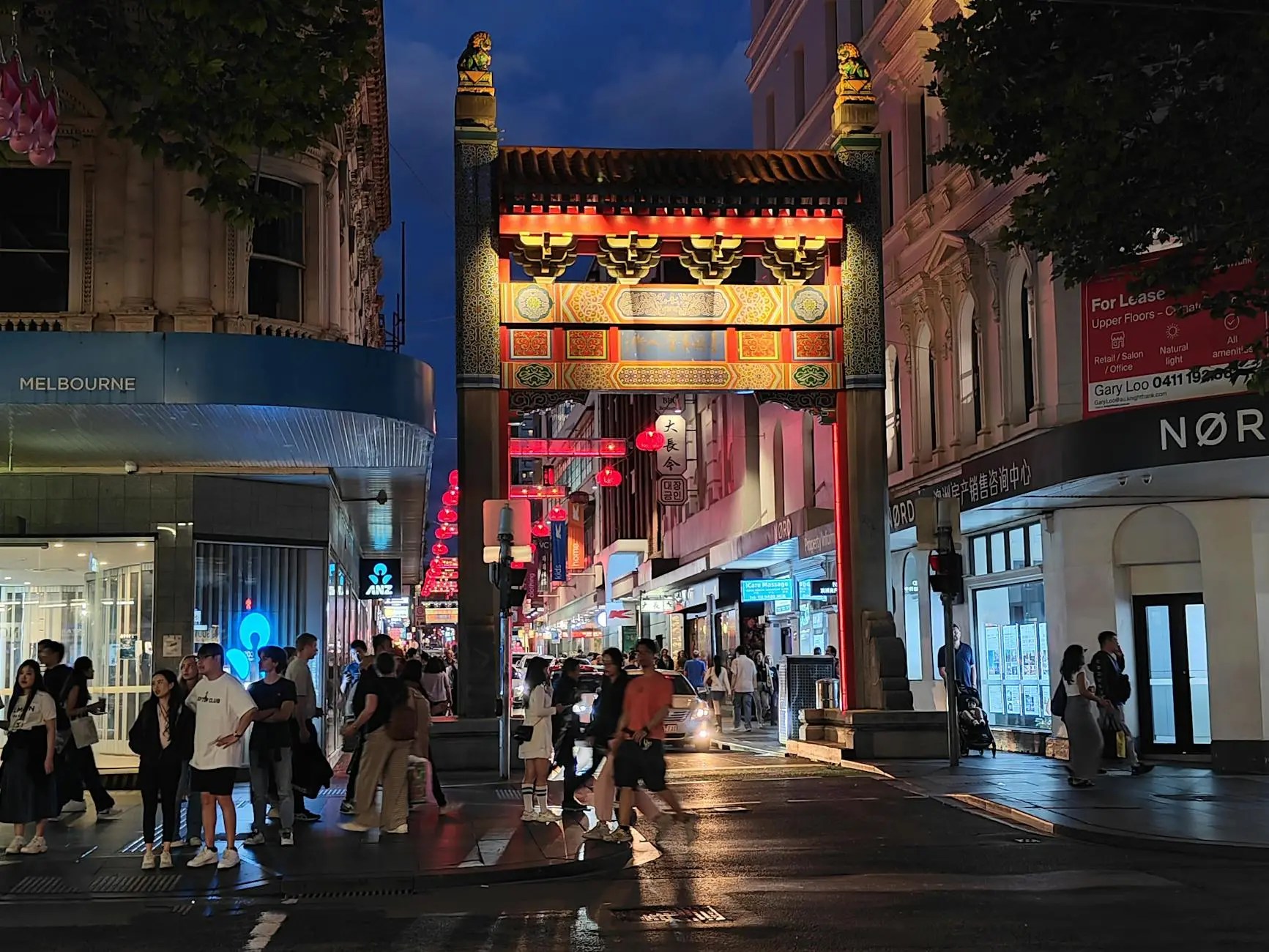
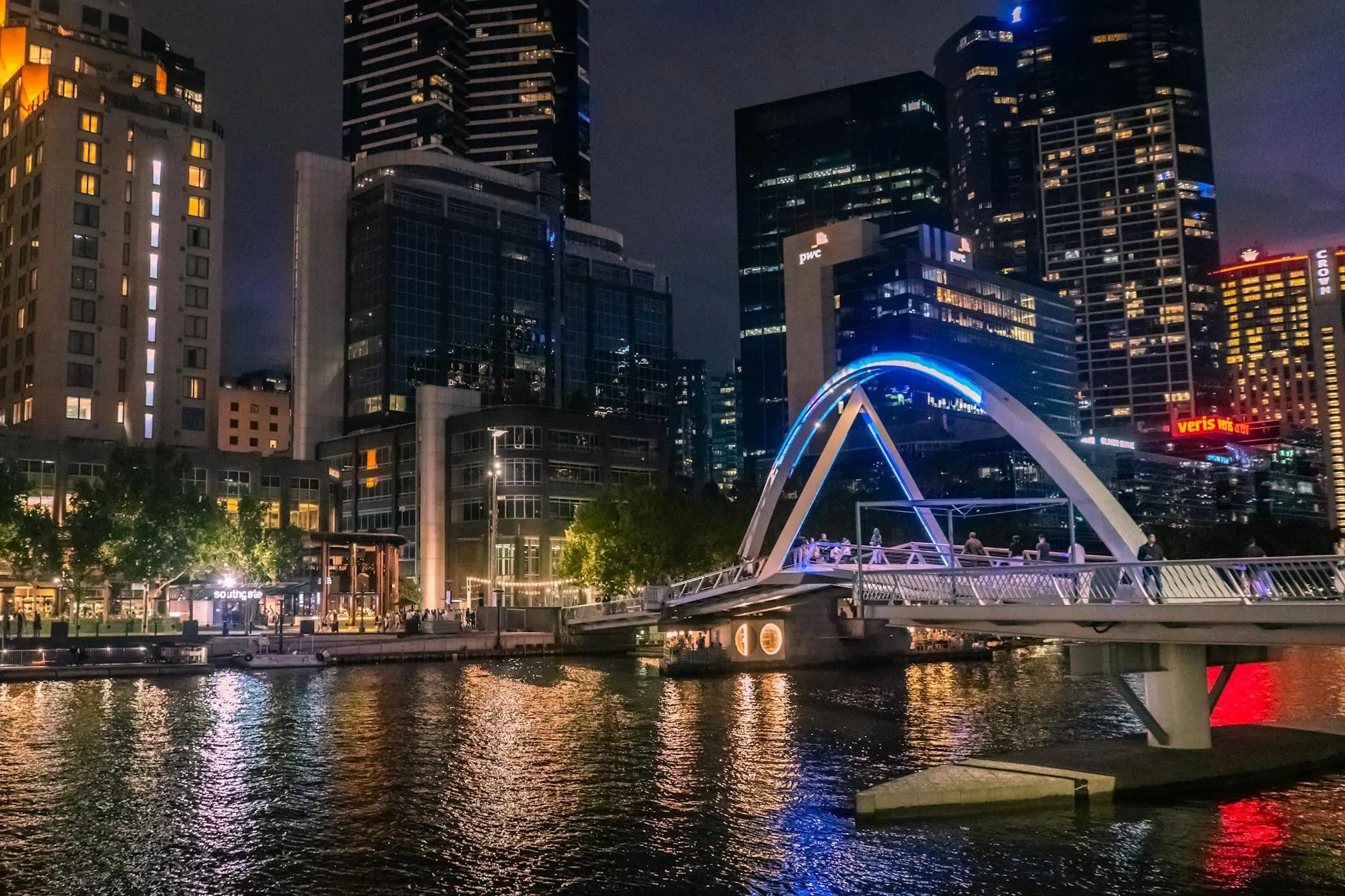
    End the night at Southbank Promenade with dinner overlooking the Yarra. If you’re into nightlife, Chinatown’s karaoke bars are hilariously fun—even if your singing isn’t. 🎤

A bustling laneway in Melbourne, featuring colorful café signs and people walking under a cloudy sky, showcasing the city's vibrant street culture.
Exploring Melbourne’s vibrant laneways, where art and culture come alive.

Fed Square Tours

The contemporary architectural facade of Federation Square in Melbourne, featuring angular shapes and a glass entrance, with people gathered outside.
Federation Square in Melbourne, showcasing its iconic modern architecture and vibrant atmosphere.

Flinders

Exterior view of Flinders Street Station in Melbourne, showcasing its iconic architecture and clock tower, with pedestrians walking in front.
The iconic Flinders Street Station in Melbourne, a must-visit landmark that showcases the city’s rich architectural heritage.

Australian Centre for the Moving Image Tours

Exterior view of the ACMI (Australian Centre for the Moving Image) building in Melbourne, featuring the Alfred Deakin Building signage and promotional display.
The iconic entrance of the ACMI (Australian Centre for the Moving Image) located in Melbourne’s Federation Square, showcasing its modern architecture and vibrant exhibitions.

Laneway Hunt.

A young girl stands confidently in a Melbourne laneway, wearing a light blue puffer jacket and holding a playful tiger-shaped handbag, with colorful shop signs and pedestrians in the background.
A young girl poses stylishly in a Melbourne laneway, showcasing the city’s vibrant street culture.

Hosier Lane Tours

A group of people exploring a vibrant laneway filled with colorful street art in Melbourne.
Exploring the vibrant street art and laneways of Melbourne, a must-see for any visitor.

Hotels in Yarra Riverfront, Melbourne
Yarra River Walk Tours

Night view of the Yarra River in Melbourne, showcasing illuminated buildings and a pedestrian bridge.
The illuminated Yarra River at night, showcasing the vibrant Southbank Promenade and its modern architecture in Melbourne.

Chinatown

A bustling street scene in Melbourne's Chinatown at night, featuring a vibrant archway adorned with traditional Chinese decorations and lanterns, surrounded by pedestrians enjoying the lively atmosphere.
A lively scene in Melbourne’s Chinatown at night, showcasing the vibrant atmosphere and traditional architecture.

🗓️ Day 2: Markets, Sports, and Gardens

  • Morning – Queen Victoria Market
    Grab a hot jam doughnut from the market’s van (a local legend). Pick up quirky souvenirs while chatting with friendly stall owners.

  • Midday – Sports Lovers’ Heaven
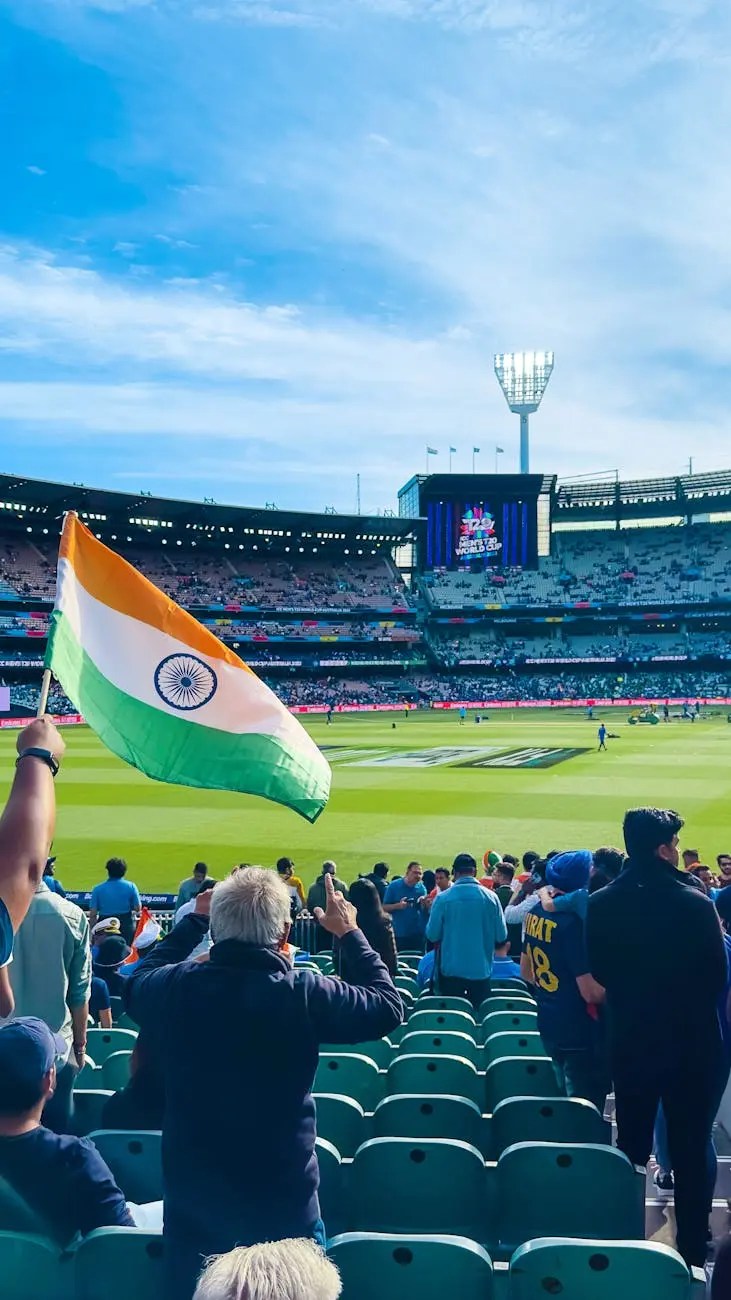
    Melbourne is the sports capital of Australia. Tour the Melbourne Cricket Ground (MCG), or catch a game if you’re lucky.

  • Afternoon – Royal Botanic Gardens
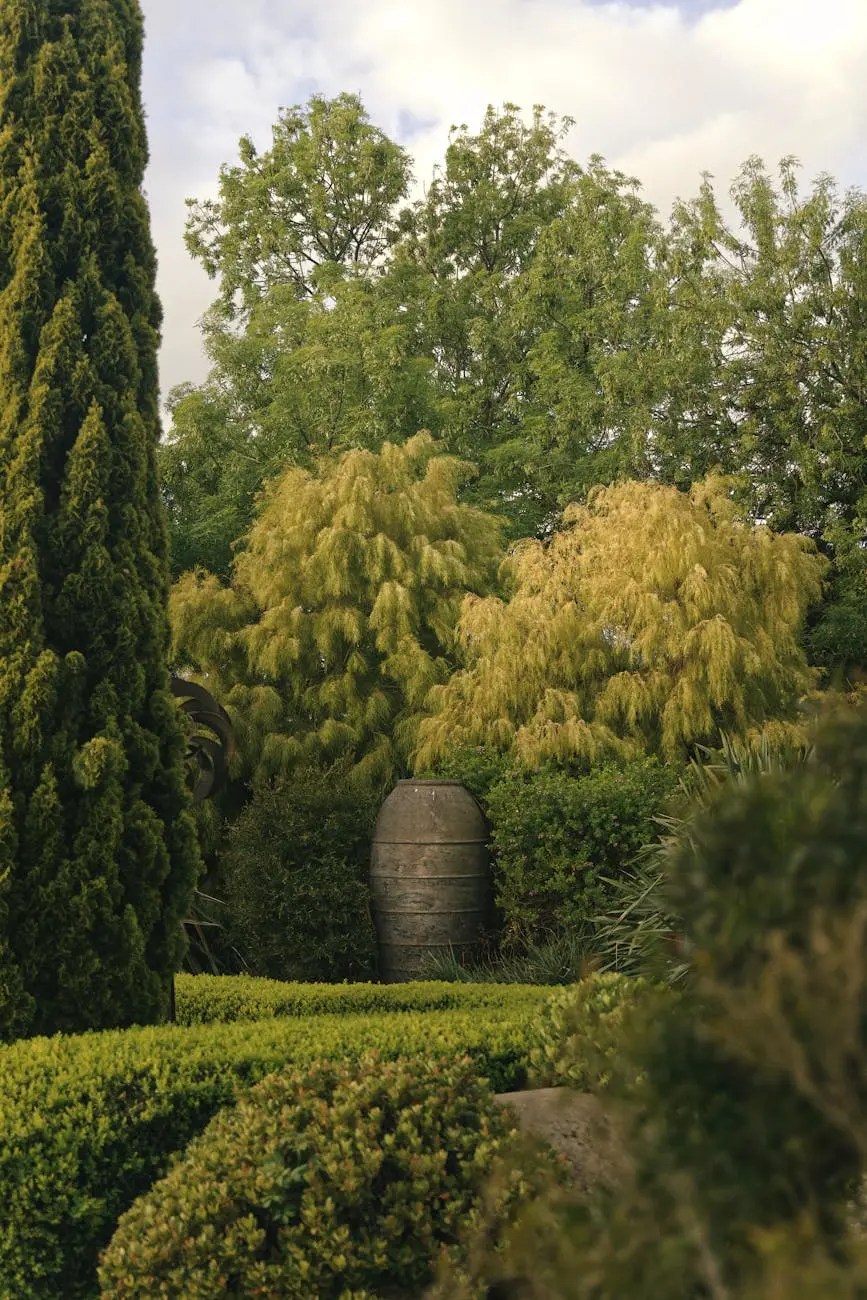
    Escape the hustle with a peaceful stroll through Royal Botanic Gardens. Perfect picnic spot if the weather is kind.

  • Evening – St Kilda Sunset
    Take tram #96 to St Kilda. Chill by the beach, spot little penguins at the pier, and wrap up your weekend with fish and chips on the sand. 🐧🌅
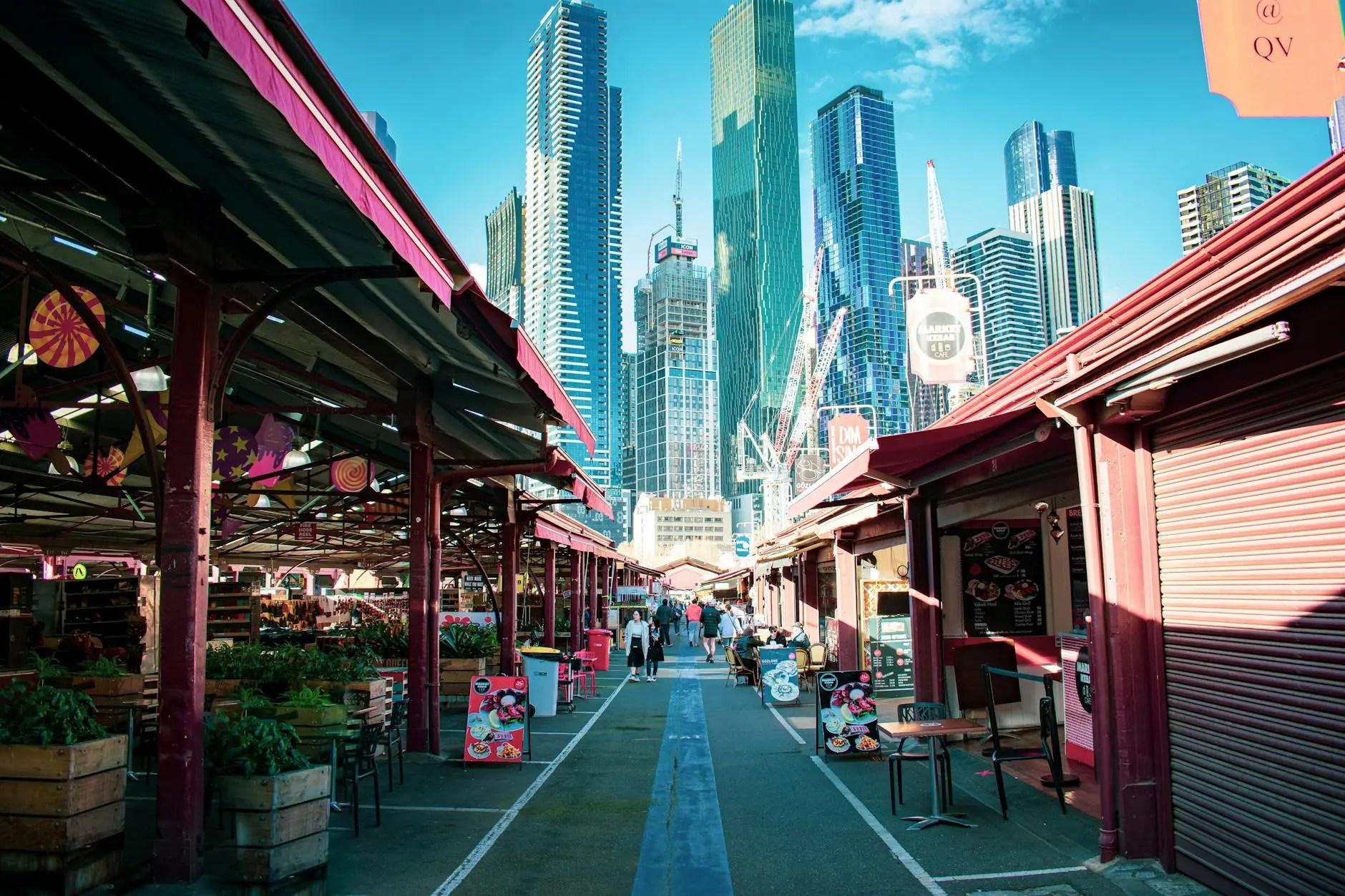

Queen Victoria Market Tours

A vibrant view of the Queen Victoria Market in Melbourne, showcasing colorful stalls and a backdrop of tall city skyscrapers.
A vibrant scene at Queen Victoria Market, showcasing local stalls with Melbourne’s skyline in the background.
A container filled with golden-brown jam-filled doughnuts coated in sugar, showcasing a sweet treat commonly found at markets.
Delicious hot jam doughnuts from Queen Victoria Market, a must-try treat in Melbourne.

Melbourne Cricket Ground Tours

Crowd at the Melbourne Cricket Ground waving an Indian flag during a cricket match, with seats and players visible in the background.
Fans cheer with the Indian flag at the Melbourne Cricket Ground during a lively match.

Royal Botanic Gardens Tours

A peaceful garden scene featuring various shrubs and trees, including a tall conifer and bushy yellow foliage, with a stone barrel partially visible among the greenery.
Lush greenery and peaceful surroundings in the Royal Botanic Gardens of Melbourne.

St Kilda Beach Tours

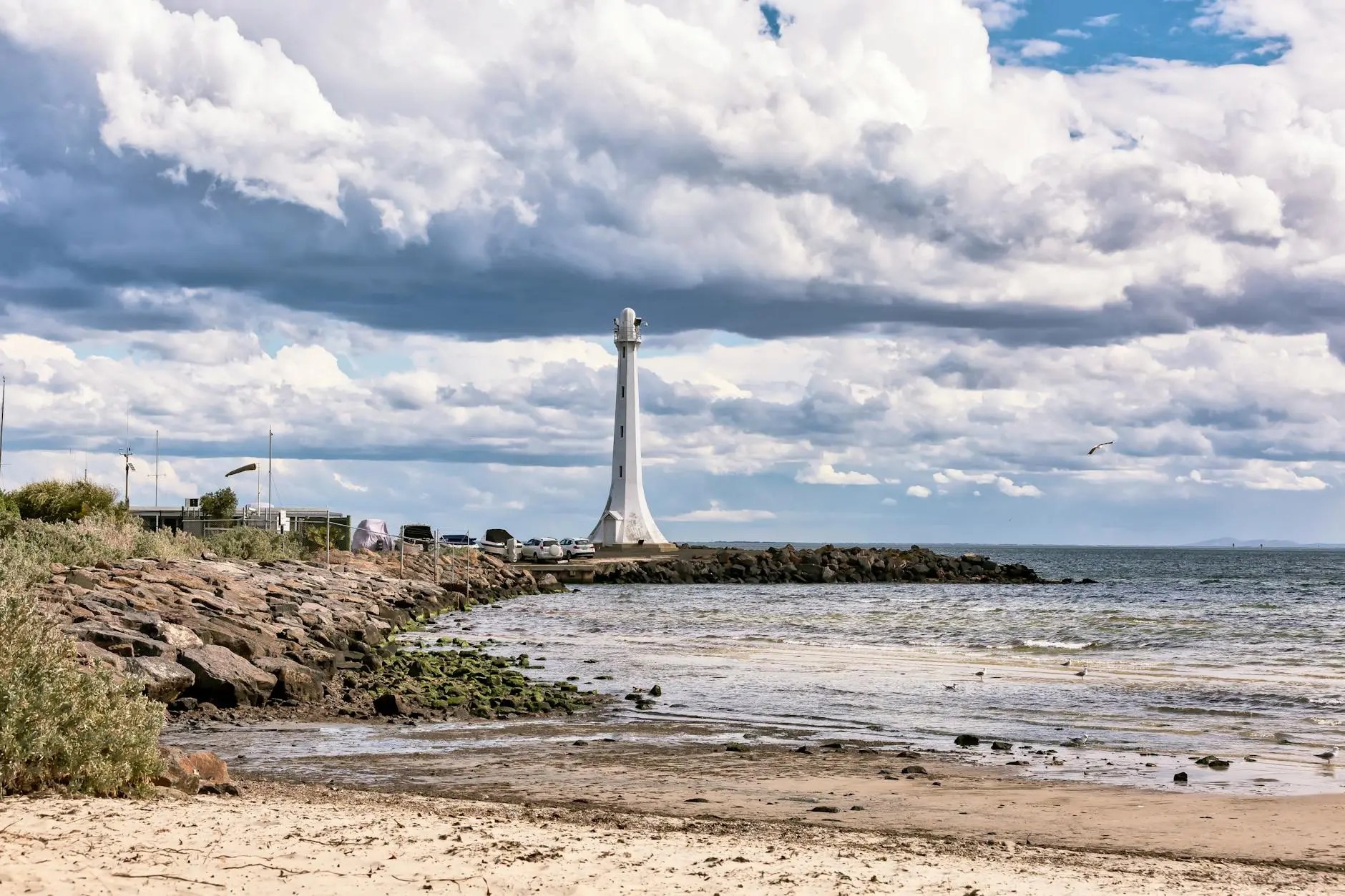
A scenic view of a sandy beach with a lighthouse in the background, featuring a rocky coastline and cloudy sky.
A scenic view of a lighthouse on the beach in Melbourne, surrounded by rocky shores and cloudy skies.

🚋 Getting Around Melbourne

Public transport is your best friend here:

  • Myki Card – Get one at train stations or 7-Eleven, it works for trains, buses, and trams.
  • Free Tram Zone – Within Melbourne CBD, trams are free. Yes, FREE. Use it to save both time and money.
  • Regional Day Trips – If you’ve got extra time, rent a car for the Great Ocean Road drive (but start early—it’s breathtaking).

💡 Money-saving hack: Use Google Maps or the PTV app for live tram and bus times. It’ll save you from awkwardly waiting at the wrong stop (happened to me once—ended up in Brunswick by mistake).

💸 Smart Ways to Save in Melbourne

  • Eat like a local at markets instead of pricey restaurants.
  • Use free city trams instead of taxis.
  • Visit museums on free-entry days.
  • Book flights and stays smart: I always use Expedia for flexible deals.

✨ Hidden Gems in Melbourne

  • Abbotsford Convent – A creative hub with art studios and a gorgeous garden café.
  • State Library Victoria Dome Room – Feels like stepping into a Harry Potter set.
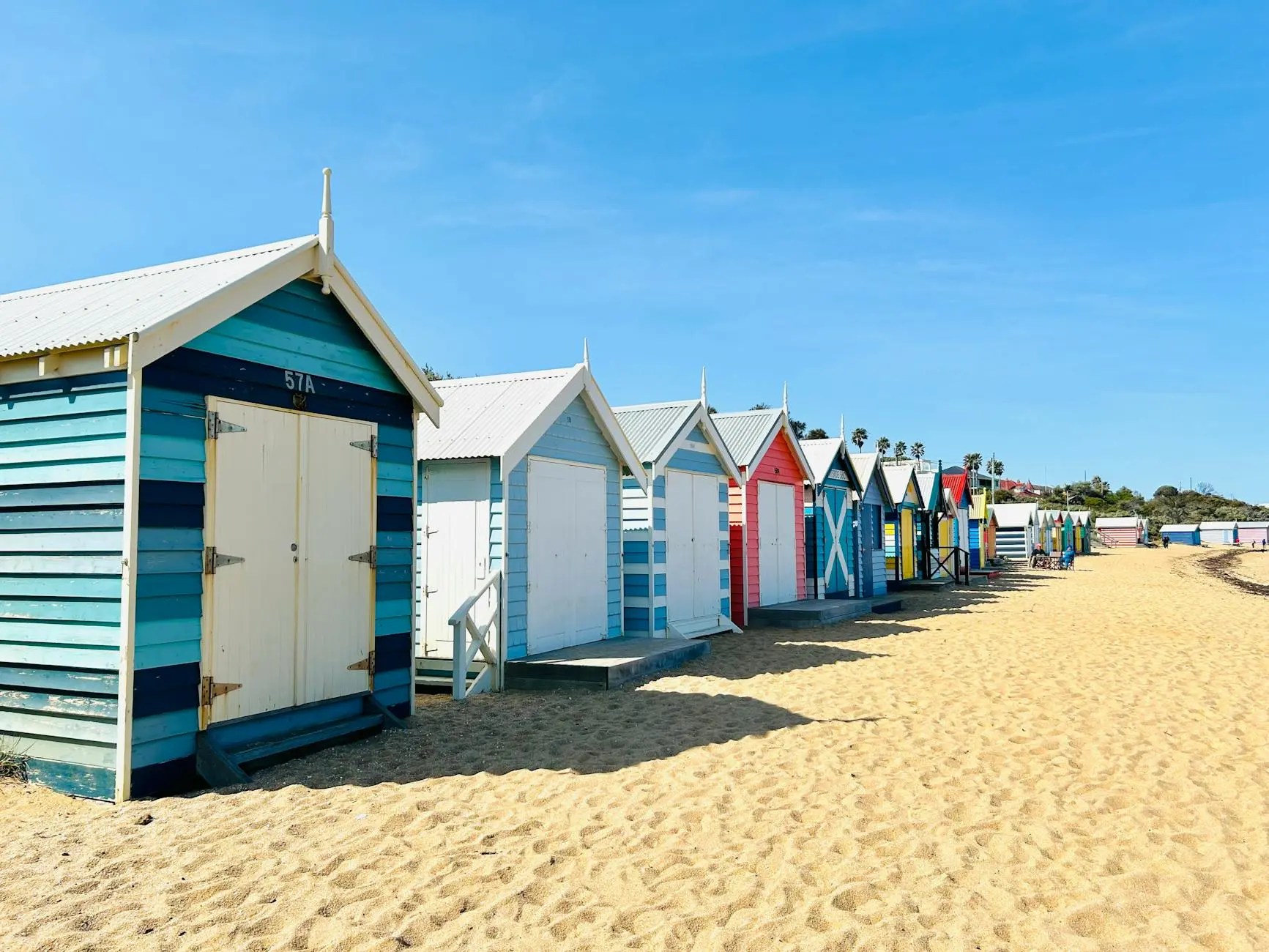
  • Brighton Beach Boxes – Colorful beach huts perfect for photos.

Abbotsford Convent Tours and Activities

View of a historic building with a lush green lawn and trees under a partly cloudy sky.
A beautiful view of Abbotsford Convent in Melbourne, showcasing its stunning architecture and lush gardens.

State Library of Victoria Tours

Interior view of a grand library featuring multiple reading tables and bookshelves, with people studying throughout the space.
The stunning interior of State Library Victoria, showcasing its grand architecture and vibrant study areas.

Brighton Beach Tours

Colorful beach huts lined up along a sandy beach under a clear blue sky.
Brighton Beach Boxes: Iconic colorful beach huts iconic to Melbourne, perfect for a picturesque beach day.

🛠️ Travel Resources

✈️ Stay Connected Anywhere
Keeping in touch abroad doesn’t have to drain your wallet. I use Drimsim—a global SIM card that works in 190+ countries. No surprise roaming bills, just easy top-ups through the app.

✈️ Flight Delayed or Canceled?
Don’t let airline drama ruin your trip. Check your flight with AirHelp—you could claim up to $650 compensation if you’re eligible.

🔒 Stay Safe Online
Travel often means public WiFi (aka hacker heaven). I always use NordVPN to protect my data and stream my favorite shows abroad.

📸 Capture the Magic
Whether it’s Melbourne’s street art or St Kilda’s penguins, a good camera makes all the difference. Check out my go-to gear here.

🛡️ Travel Insurance Must-Have
Accidents, delays, and lost luggage happen. I recommend VisitorsCoverage—easy to compare and book plans online.

🗣️ Aussie Lingo Cheat Sheet

  • Arvo = Afternoon
  • Macca’s = McDonald’s
  • No worries = It’s okay / You’re welcome
  • Mate = Friend
  • Thongs = Flip-flops (not underwear, don’t panic 😅)

🔗 More Weekend Escapes

If Melbourne has you hooked on short city adventures, you’ll love these too:

✅ Final Thoughts

Melbourne isn’t just another dot on the map—it’s a mood, a lifestyle, and a caffeine-fueled love affair waiting to happen. Plan smart, travel light, and let the laneways lead you to discoveries you’ll brag about long after your flight home.

So, ready to book your Melbourne weekend escape? Grab your deals on Expedia and start packing—your adventure awaits.

Frequently Asked Questions About a Weekend in Melbourne

1. Is 2 days enough to explore Melbourne?
Two days won’t cover everything, but it’s enough to get a real taste of Melbourne—its laneways, coffee culture, iconic landmarks, and even a sunset at St Kilda. Think of it as a sampler platter; you’ll probably be back for seconds.

2. What’s the best way to get around Melbourne?
Public transport is your best friend. Grab a Myki card (works on trams, trains, and buses). Inside the CBD, trams are free—yes, zero dollars. For side trips like the Great Ocean Road, rent a car (here’s my favorite site: GetRentacar).

3. When is the best time to visit Melbourne?
Spring (September–November) and autumn (March–May) are ideal—pleasant weather, fewer crowds, and plenty of events. Melbourne’s weather can be unpredictable though, so pack layers. Locals say you can experience four seasons in a day—and they’re not kidding.

4. Is Melbourne expensive for travelers?
It can be, but you can hack it:

  • Use free trams in the CBD.
  • Eat at Queen Victoria Market instead of pricey restaurants.
  • Visit museums on free-entry days.
  • Book your stays and flights smart on Expedia.

5. What hidden gems should I check out?
Besides the classics, don’t miss:

  • State Library Victoria Dome Room (a book-lover’s heaven).
  • Abbotsford Convent for artsy vibes and chill cafés.
  • Brighton Beach Boxes for that Instagram shot.

6. How safe is Melbourne for tourists?
Very safe. The biggest risk is jaywalking across tram lines while distracted by your phone (don’t do it 😅). Use common sense, keep your belongings close in busy areas, and you’ll be fine.

7. Do I need travel insurance for a short trip?
Absolutely. Even for a weekend, unexpected medical bills or flight issues can ruin your trip. I recommend VisitorsCoverage—quick, reliable, and gives peace of mind.

8. How do I stay connected with mobile data?
Forget overpriced roaming. I use Drimsim, a global SIM card that works in 190+ countries. Just pop it in and you’re online—no hidden fees.

9. What should I do if my flight gets delayed or canceled?
Don’t panic. Use AirHelp to check if you’re owed compensation—sometimes up to $650. They do all the paperwork and only get paid if you win.

10. What Aussie slang should I know before visiting?

  • Arvo = Afternoon
  • Macca’s = McDonald’s
  • No worries = You’re welcome / It’s fine
  • Mate = Friend
  • Thongs = Flip-flops (not underwear 😅)

🚀 Explore Melbourne with Our Interactive Map!

To make your planning even easier, I’ve created a custom Google My Map with every location from this itinerary pinned and categorized. You can open it on your phone to get real-time directions right when you need them!

[👉 Click Here to Open the Interactive Melbourne Map](Insert Your Map Link Here)

How to use it:

  1. Click the link above to view the map.
  2. To save it to your own Google account, click the star (⭐) next to the map’s title. This will add it to “Your Places” in Google Maps.
  3. When you’re in Melbourne, simply open your Google Maps app, tap “Saved” > “Maps,” and you’ll see it there—even offline!

No more fumbling between tabs; your ultimate Melbourne weekend is now just a tap away!

Universal Disclaimer/Disclosure Page:

48 Hours in Osaka: Your Ultimate Weekend Itinerary

📑 Table of Contents

  1. Why Osaka is a Must-Visit City
  2. Day 1: Historic Sights and Osakan Delights
    1. Morning: Osaka Castle Exploration
    2. Midday: Kuromon Ichiba Market
    3. Afternoon: Shinsaibashi Shopping
    4. Evening: Dotonbori Street Food Adventure
  3. Day 2: Modern Osaka and Cultural Experiences
    1. Morning: Umeda Sky Building
    2. Midday: Osaka Aquarium Kaiyukan
    3. Afternoon: Shinsekai District
    4. Evening: Traditional Dinner in Namba
  4. Getting Around Osaka
  5. Smart Money-Saving Tips
  6. Hidden Gems in Osaka
  7. Essential Travel Resources
    1. Stay Connected with Drimsim
    2. Flight Compensation with AirHelp
    3. Online Safety with NordVPN
    4. Capture Moments with the Right Camera
    5. Travel Insurance with VisitorsCoverage
  8. Japanese Phrases Cheat Sheet
  9. More Weekend Escapes You’ll Love
  10. Final Thoughts

Meta Description: Craving a weekend packed with flavor and fun? Our ultimate Osaka itinerary guides you through neon-lit streets, ancient castles, and the world’s best street food. Save time and money with our insider tips!

You’ve got 48 hours to conquer Osaka, Japan’s undisputed kitchen. The city operates with the joyful chaos of a never-ending festival. Forget Tokyo’s polished pace and Kyoto’s serene formality—Osaka is here to hit you with a wave of infectious energy, a “kuidaore” (eat ‘til you drop) mentality, and some of the most genuinely hilarious locals you’ll ever meet.

Having navigated everything from its maze-like subway stations to its mouth-watering alleyways, I’ve crafted the perfect weekend guide to help you dive headfirst into Osaka’s glorious madness. Let’s get into it.

Flights to Osaka

Why Osaka Deserves Your Weekend

Osaka is often overshadowed by its big sister, Tokyo, but that’s a mistake. This is a city with its own fierce identity. It’s the birthplace of takoyaki (octopus balls), the home of Universal Studios Japan, and a place where ancient history and blinding futurism collide on every street corner. It’s also one of the top visited cities in the world for a reason—it’s an absolute blast.

Hotels in Osaka

If you loved the electric energy of Tokyo’s Hidden Gems or the culinary depth of Istanbul’s Rich Culture, Osaka is the beautiful, rowdy lovechild of the two.

Friday Evening: Dive Headfirst into Dotonbori

Drop your bag at your hotel. I always find great deals on Expedia for last-minute weekend trips. Head straight to the heart of the beast: Dotonbori.

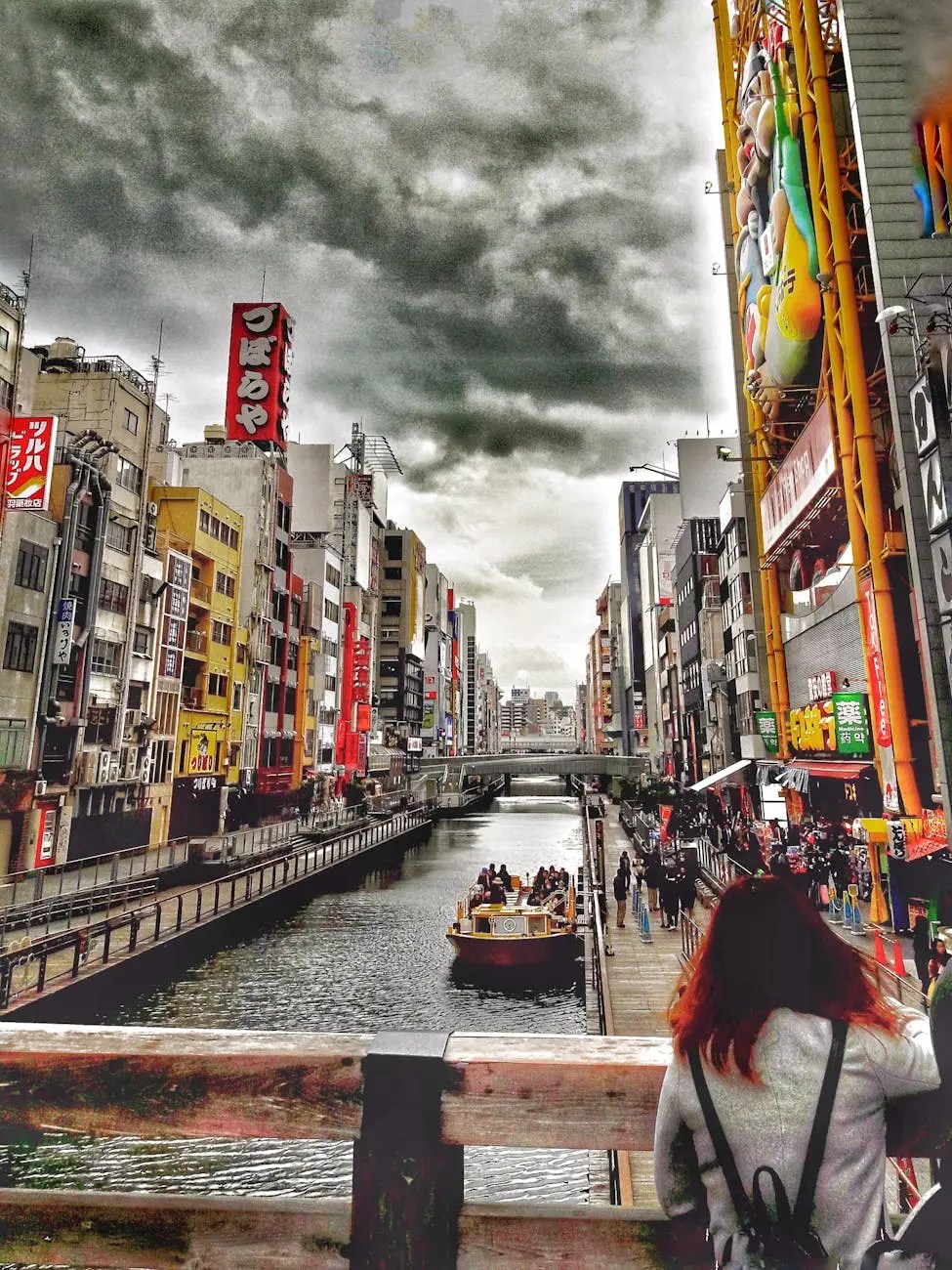
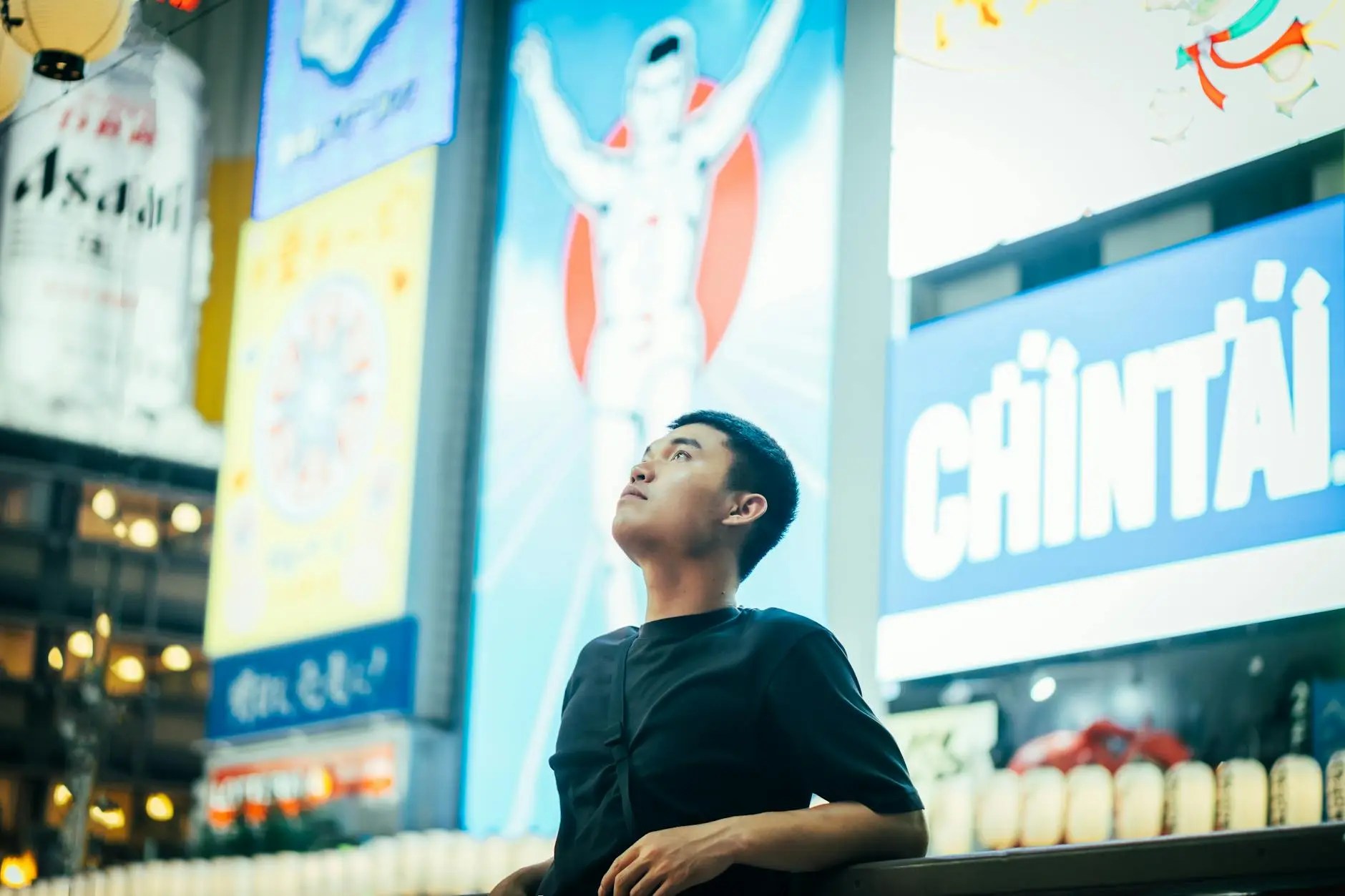
This canal-side strip is a sensory overload in the best way possible. Giant mechanical crabs, neon-lit giants, and the infamous Glico Running Man sign greet you. Your mission here is simple: eat.

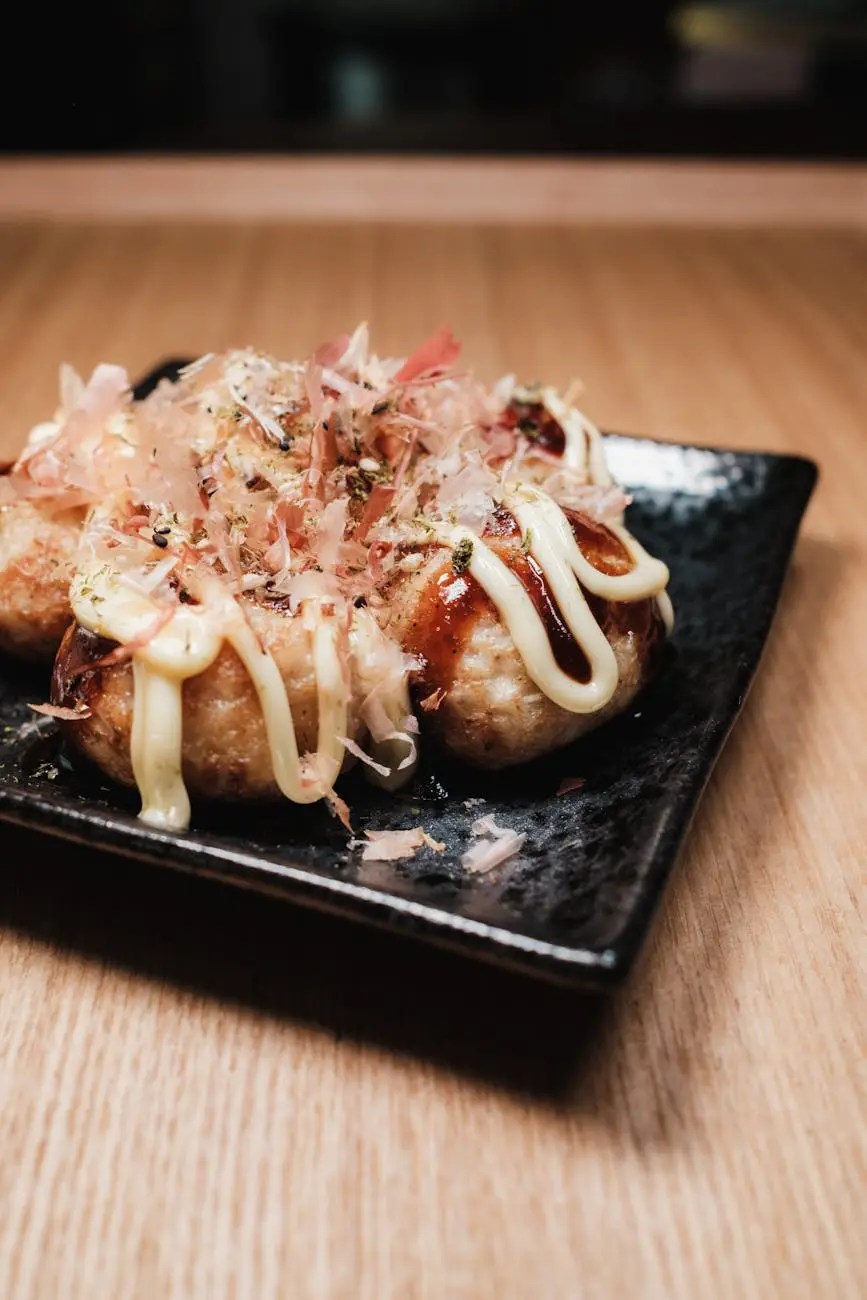
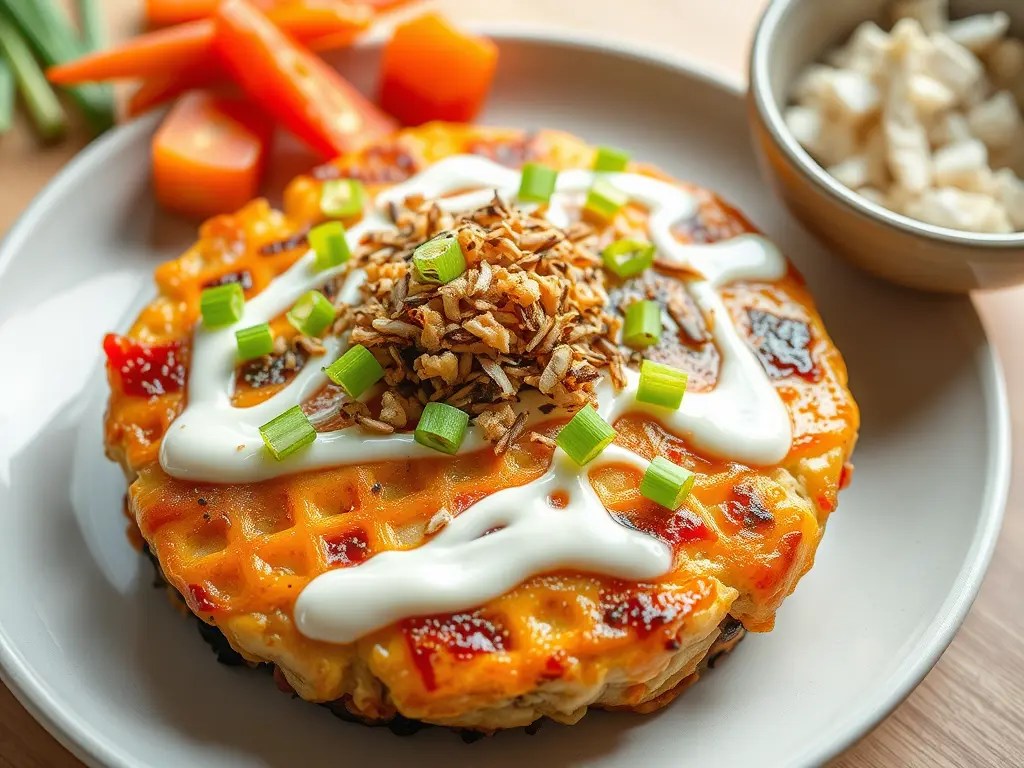
  • Must-Eat: Join the queue for takoyaki from a street vendor. Watch as they expertly flip the doughy, octopus-filled balls and slather them in savory sauce and dancing bonito flakes. Follow it up with some okonomiyaki (a savory Japanese pancake) at a tiny upstairs restaurant.
  • Pro Tip: The crowds are part of the experience. Embrace the chaos! For a slightly different view, take a short cruise on the Dotonbori River to see the signs from the water.
A person gazing up at neon lights and advertisements in Dotonbori, Osaka, surrounded by vibrant city scenery.
A traveler soaking in the vibrant energy of Dotonbori, Osaka, surrounded by neon lights and iconic signage.

Dotonbori Tours

A person observes the Dotonbori area, featuring a bustling canal with a sightseeing boat and vibrant buildings adorned with colorful advertisements and neon signs under a cloudy sky.
A picturesque view of Dotonbori in Osaka, featuring the bustling canal, vibrant signage, and a scenic boat ride.

A close-up of a plate of takoyaki, octopus balls, drizzled with mayonnaise and topped with bonito flakes and green seasoning.
Delicious takoyaki topped with mayonnaise and bonito flakes, a must-try street food in Osaka.

TAKOYAKI cooking class “MUGEN

A colorful plate of okonomiyaki topped with green onions, mayonnaise, and crispy bits, served with carrots and a bowl of toppings on the side.
Delicious okonomiyaki, a savory Japanese pancake, topped with scallions and sauce, served alongside fresh vegetables.

Osaka Okonomiyaki Cooking Experience!

Saturday: History, Heights, and Haute Street Food

Morning: Journey to Osaka Castle
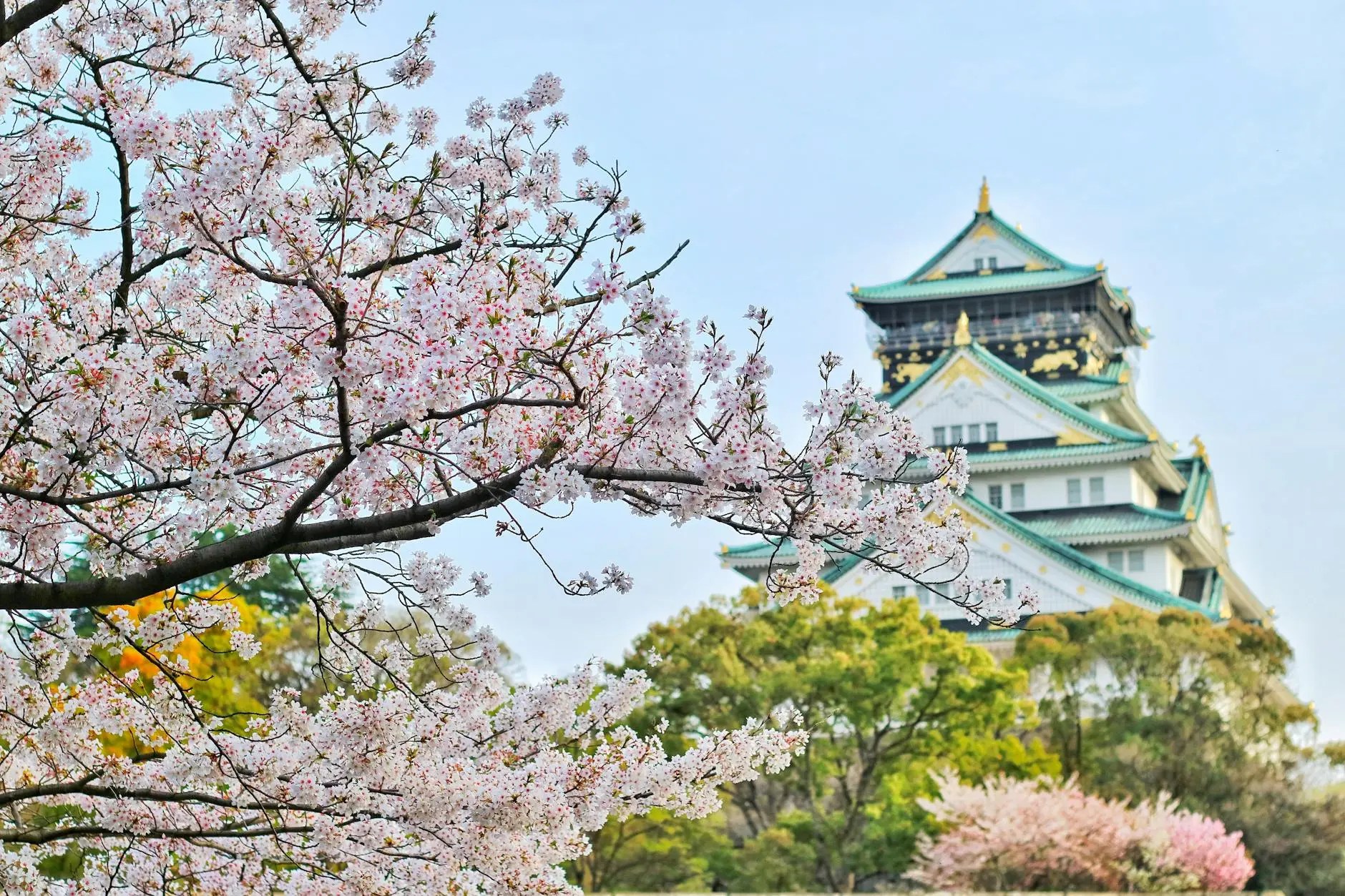
Start your day with a trip back in time at the magnificent Osaka Castle. While the interior is a modern museum (quite interesting, but not essential), the surrounding park and the castle’s exterior are the real stars. It’s a beautiful place for a stroll and the perfect opportunity to snap that iconic Japan photo.

How to get there: Take the JR Loop Line to Osakajokoen Station. It’s incredibly easy and efficient. Money-Saver Tip: If you’re planning to use trains a lot, consider a JR West Kansai Area Pass. Another option is an IC card, like ICOCA or Suica, for tap-and-go convenience.

Here’s a map to help you visualize your adventure! I’ve marked the location of Osakajokoen Station (大阪城公園駅) for your convenience. This is the closest train station to Osaka Castle, making it the perfect starting point for your visit. Remember, taking the JR Loop Line is the easiest way to get there!

Osaka Castle Park Tours

Cherry blossoms in full bloom in front of Osaka Castle, showcasing the historic structure's beautiful architecture against a clear blue sky.
Cherry blossoms in full bloom frame the iconic Osaka Castle, a stunning blend of history and natural beauty.

Afternoon: Kuromon Ichiba Market & Shinsekai
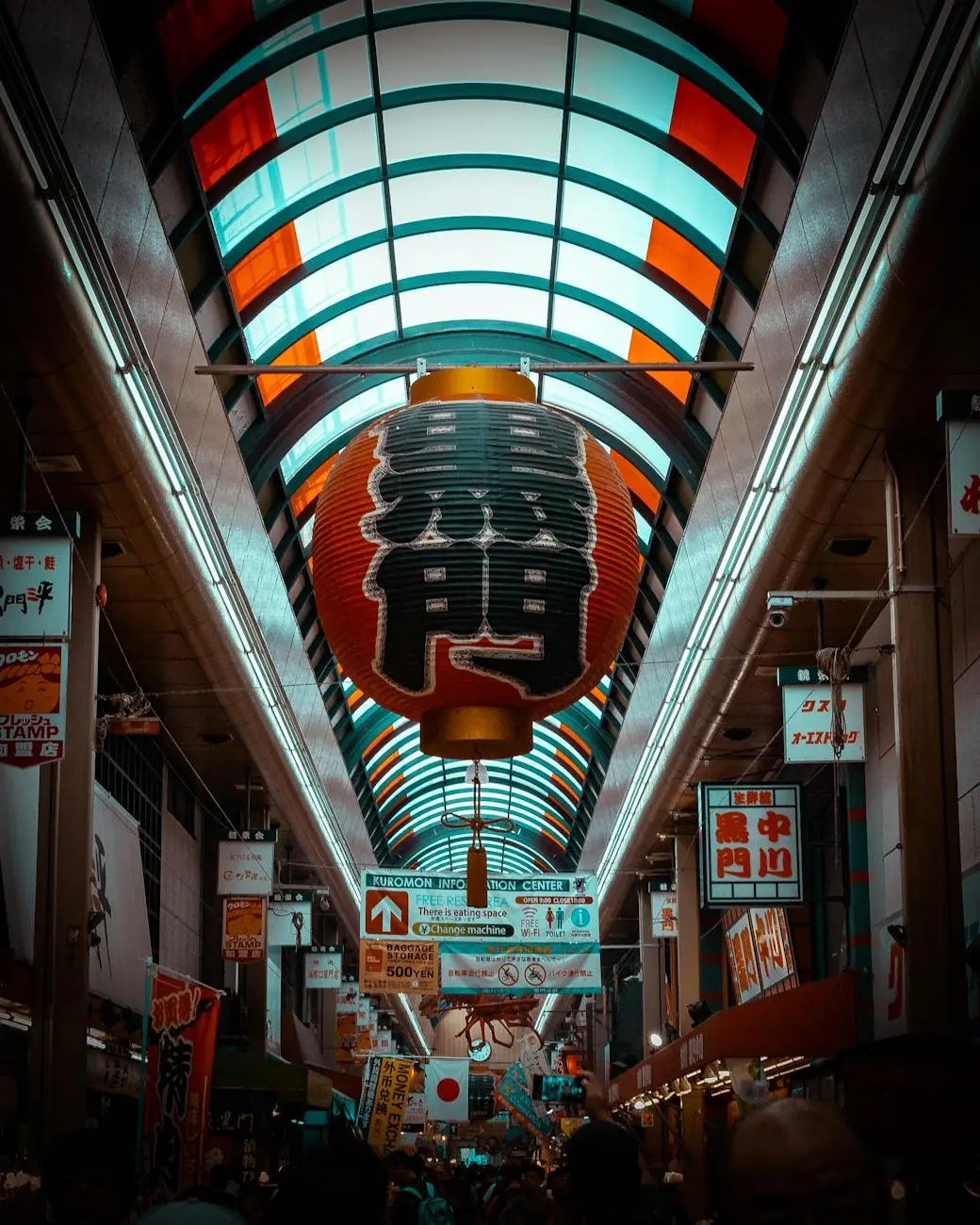
From history to hunger: make your way to Kuromon Ichiba Market, nicknamed “Osaka’s Kitchen.” This covered market is a foodie’s paradise. Sample fresh sashimi, giant grilled scallops, and melt-in-your-mouth Wagyu beef skewers. This is lunch, Osaka-style.

Kuromon Market Tours

Osaka: Premium Wagyu Yakiniku at Nikuoroshi Mannoya Bettei

A bustling scene inside Kuromon Ichiba Market in Osaka, featuring overhead colorful banners and large lanterns, with a crowd of shoppers enjoying the vibrant atmosphere.
The vibrant atmosphere of Kuromon Ichiba Market, showcasing colorful signage and traditional lanterns in Osaka.
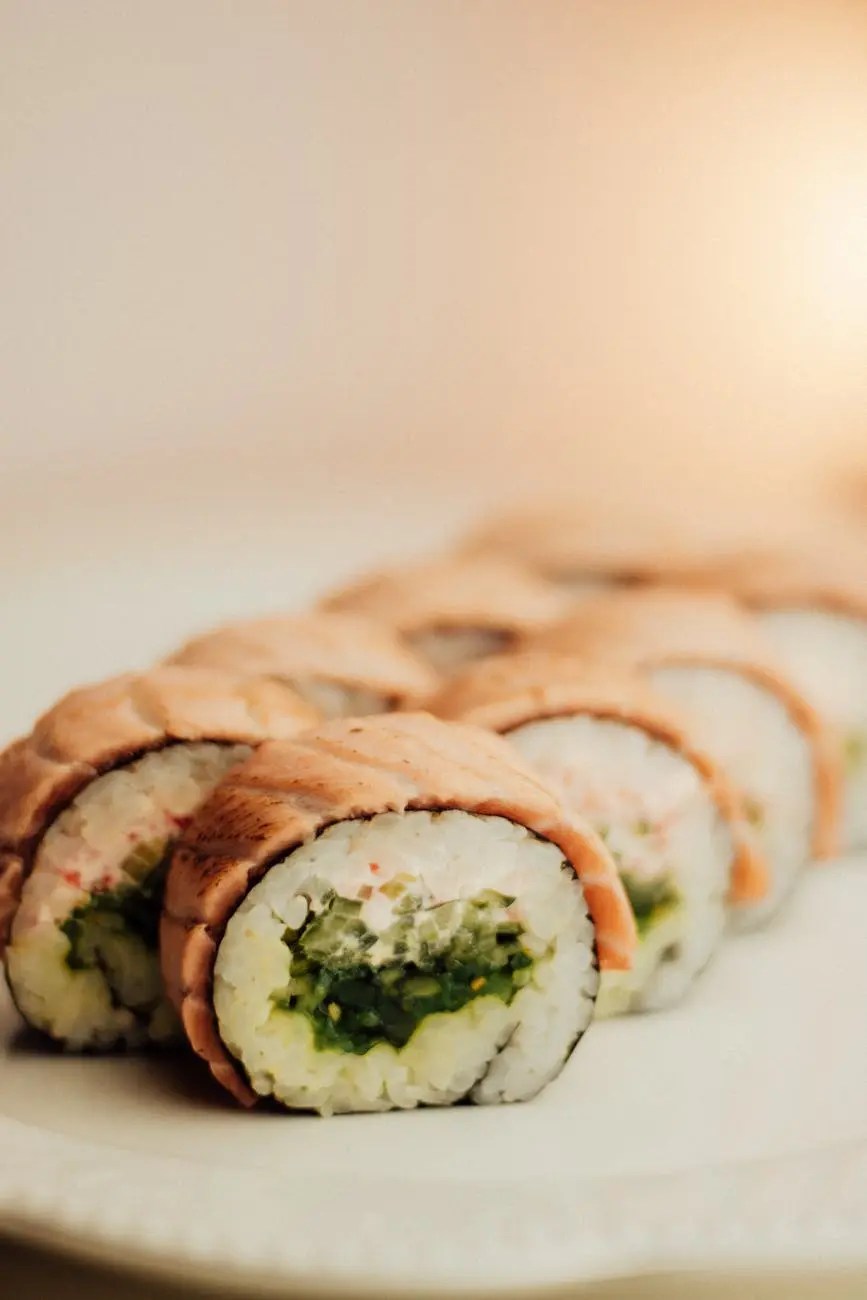
Close-up of sushi rolls arranged on a plate, featuring layers of fish and greens.
Delicious sushi rolls showcased on a plate, highlighting the vibrant flavors of Osaka’s culinary scene.

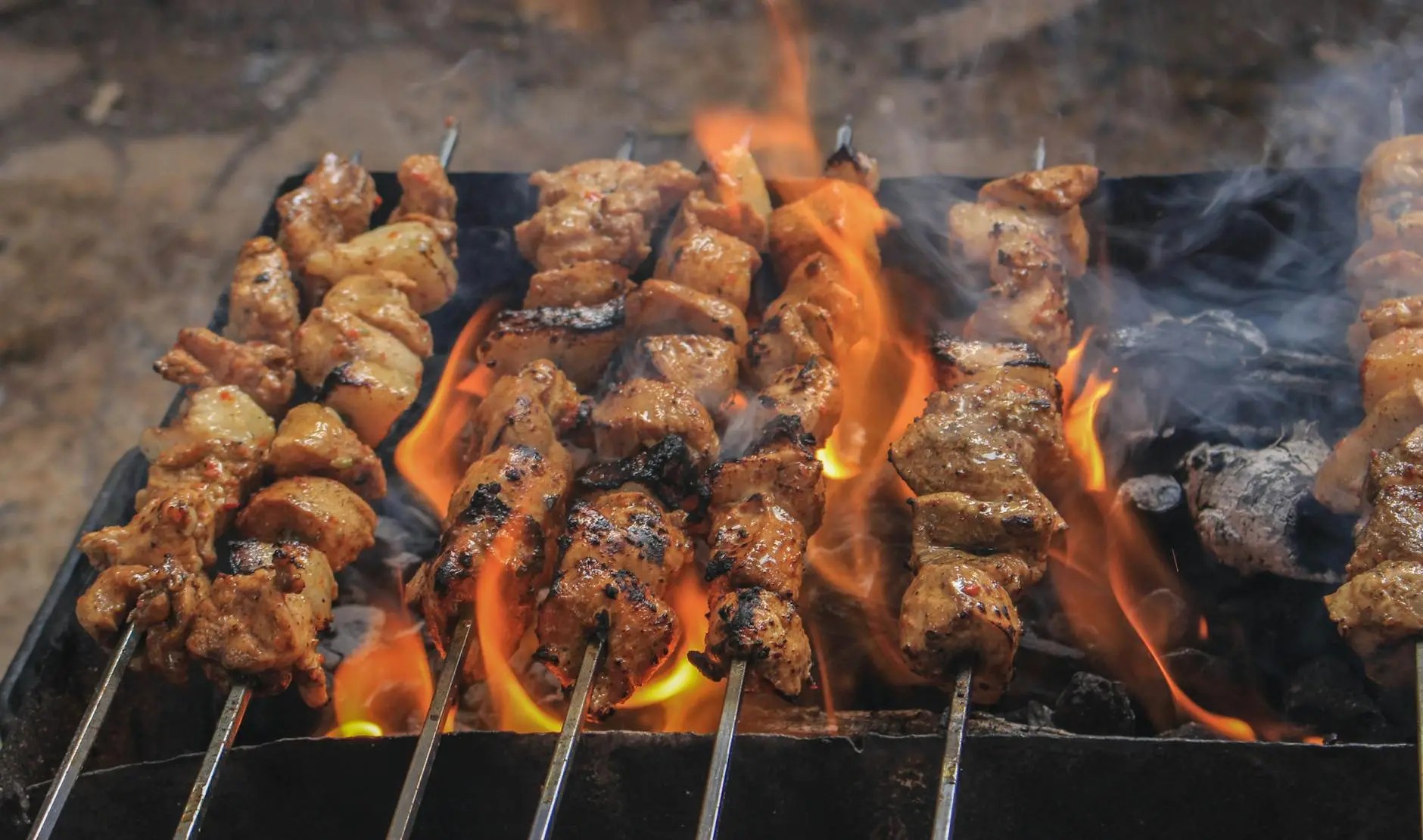
Grilled meat skewers over an open flame with smoke rising, showcasing a delicious barbecue cooking process.
Sizzling skewers of grilled meat over an open flame, perfect for a culinary adventure in Osaka.

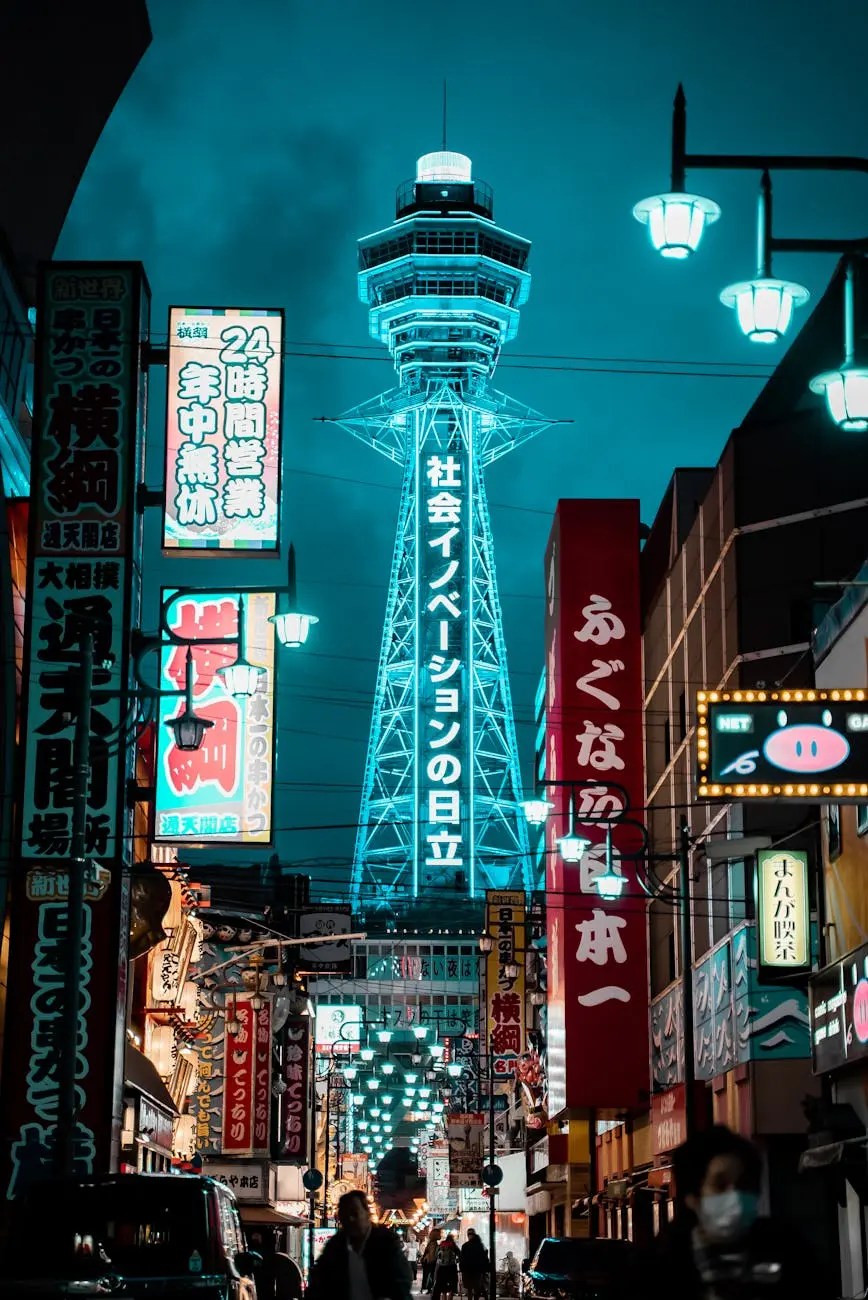
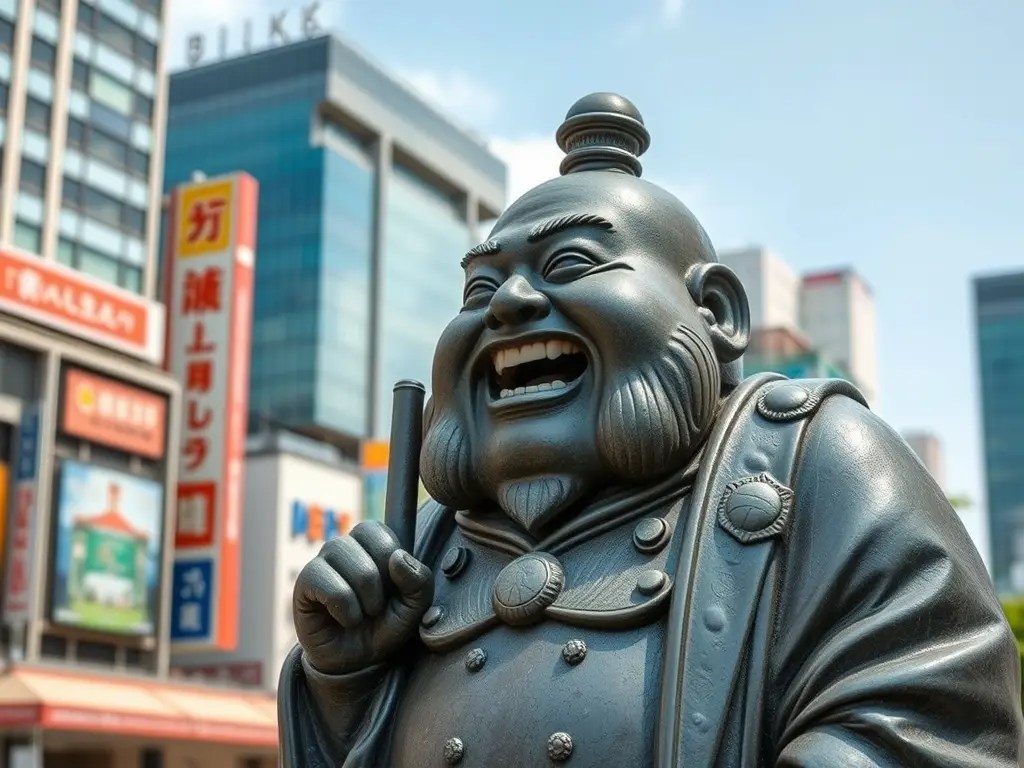
Next, take a short train ride to the Shinsekai district. This neighborhood feels frozen in a retro-futuristic 1960s vision of tomorrow. The main attraction is the Tsutenkaku Tower. For a small fee, you can ride to the observation deck for a quirky, low-rise view of the city. The statue of Billiken, known as the god of “things as they ought to be,” is at the top. It is said to bring good luck if you rub the soles of his feet!

Tsutenkaku Tower Tours

Night view of Tsutenkaku Tower illuminated in blue, surrounded by colorful neon signs and bustling streets in Osaka.
The illuminated Tsutenkaku Tower stands tall amidst the vibrant streets of Shinsekai, showcasing Osaka’s retro-futuristic charm.

A smiling bronze statue of a deity in an urban setting, surrounded by modern buildings and colorful signs.
A cheerful statue representing luck and happiness, often found in the vibrant streets of Osaka.

Evening: Umeda Sky Building
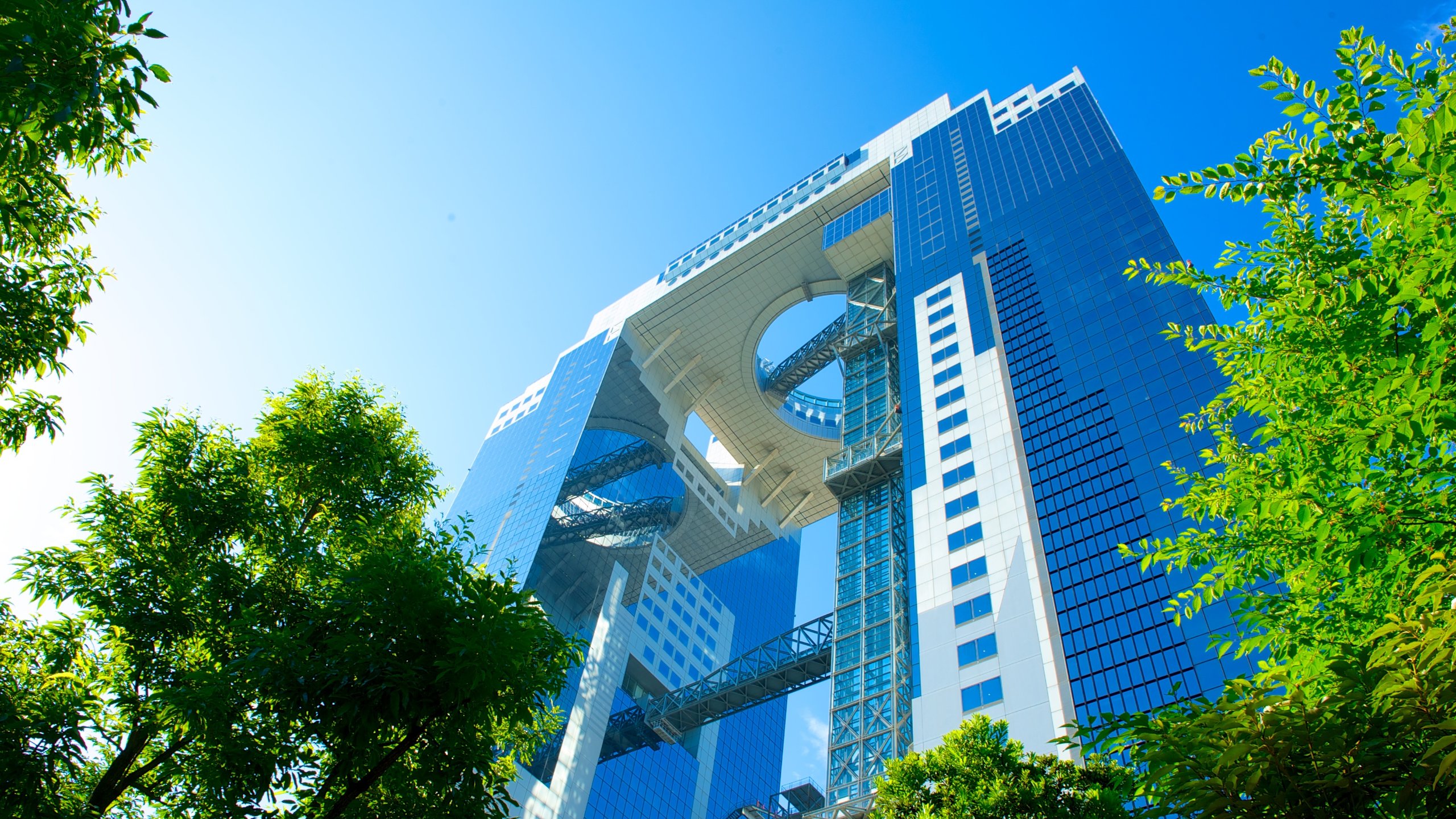
For a truly breathtaking modern perspective, head to the Umeda Sky Building. This incredible structure consists of two towers connected at the top by the “Floating Garden” observatory. The 360-degree open-air views of Osaka as the sun sets and the city lights up are absolutely unforgettable. It’s a completely different vibe from the old-world charm of the castle.

Umeda Sky Building Tours

View of the Umeda Sky Building in Osaka, showcasing its unique architectural design against a clear blue sky with lush green trees in the foreground.
The Umeda Sky Building, a stunning architectural marvel in Osaka, featuring a unique sky bridge and panoramic views.

Sunday: Hidden Gems and Last-Minute Souvenirs

Morning: Hozenji Yokocho Alley
Escape the main drag and discover one of Osaka’s best-kept secrets: Hozenji Yokocho. This narrow, stone-paved alleyway, just a minute away from the Dotonbori craziness, feels like stepping into old Japan. It’s lined with tiny, traditional restaurants and izakayas.

Osaka: Izakaya Bars Guided Walking Tour

At the end of the alley, you’ll find Hozenji Temple, famous for the moss-covered statue of Fudo Myoo. Visitors splash water on the statue as an offering, giving it its unique green appearance. It’s a peaceful, almost spiritual spot hidden in plain sight.

Hozenji-Yokocho Alley Tours

Hozen-ji Temple Tours

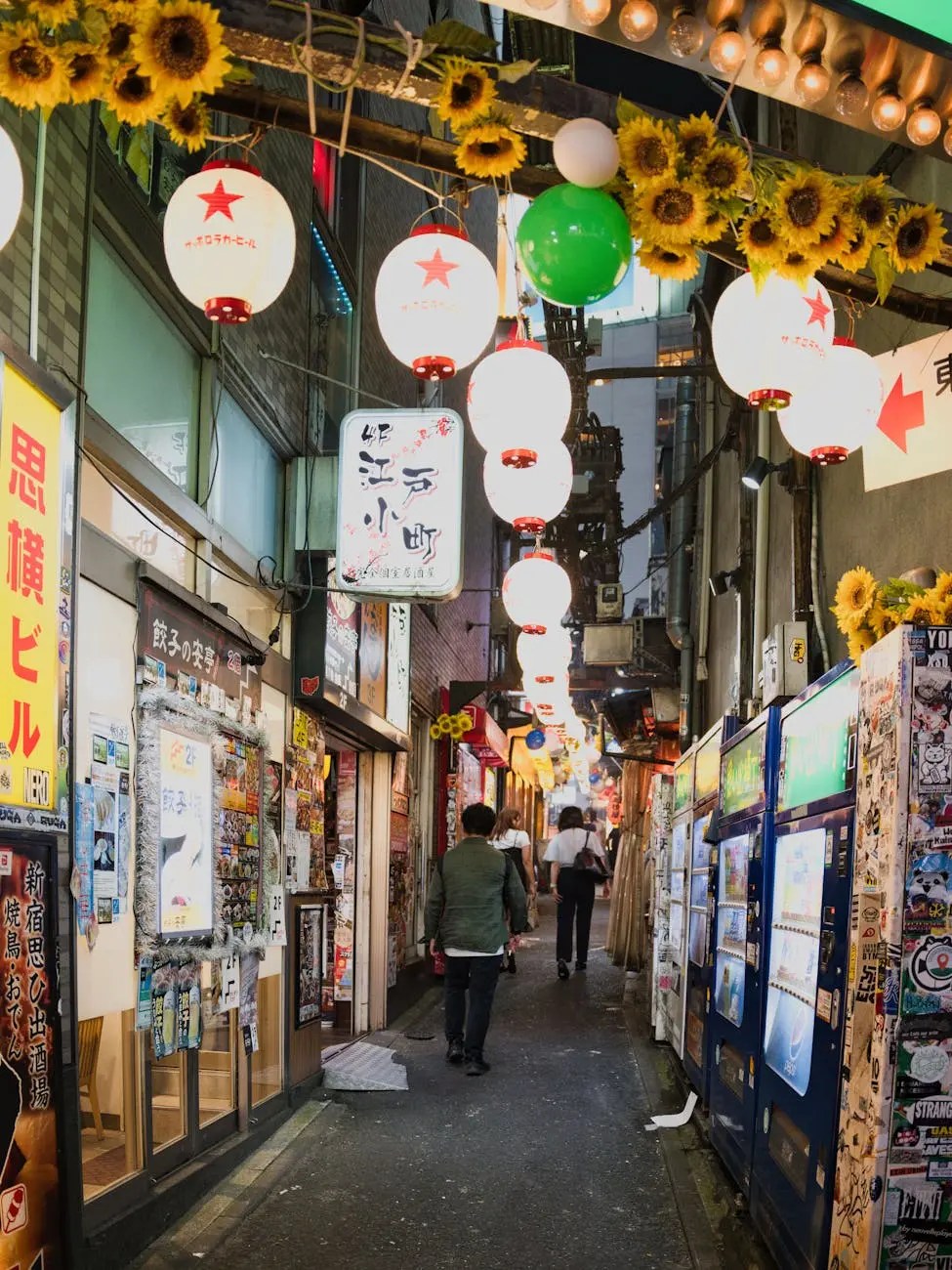
Narrow alleyway in Osaka adorned with lanterns and sunflower decorations, bustling with pedestrians and lively storefronts.
A vibrant alley in Osaka adorned with lanterns and sunflower decorations, showcasing the lively atmosphere of the city’s nightlife.

Afternoon: Shinsaibashi Shopping & Namba Parks
For your final dose of Osaka, hit Shinsaibashi-suji, a covered shopping arcade that seems to go on forever. It’s great for people-watching, grabbing quirky souvenirs, and experiencing Japanese retail therapy.

If you need a nature fix, Namba Parks is an architectural marvel—a shopping complex designed as a canyon with rooftop gardens, waterfalls, and walking paths. It’s the perfect place to relax before your journey home.

Shinsaibashi-suji Shopping Street Tours

While this itinerary gives you the perfect DIY plan, sometimes you want a deeper dive with a local expert or a unique activity you can’t book yourself. For those moments, I love browsing Rakuten Experiences. They offer a huge range of curated activities in Osaka, from small-group street food tours in Dotonbori and hands-on cooking classes where you learn to make okonomiyaki, to more unique finds like calligraphy workshops or photography walks. It’s a great way to add something truly special to your itinerary. → Check out unique experiences in Osaka on Rakuten Experiences

Rakuten Travel Experiencesicon

The Savvy Traveler’s Osaka Toolkit

Getting Around: Mastering Public Transport
Osaka’s public transport is brilliant but can be daunting. Here’s the simple breakdown:

  • JR Loop Line: Perfect for Osaka Castle (Osakajokoen Station) and connecting to major hubs.
  • Midosuji Subway Line: The bright red line on maps. It’s your north-south artery, connecting Umeda, Shinsaibashi, Namba, and Shin-Osaka Station.
  • Private Railways (Nankai, Hanshin, Keihan): Great for day trips to places like Kobe, Nara, or Mount Koya.
  • IC Cards: Get an ICOCA or Suica card immediately. You tap in and out of trains, subways, and buses. You can even use them at convenience stores and vending machines. It eliminates the stress of buying individual tickets.
  • Avoid driving—traffic is heavy, parking is expensive, and the train system is far superior. Google Maps is incredibly accurate for real-time train schedules and routes.

🗣️ Quick Language Cheat Sheet:

  • Sumimasen (Soo-mee-ma-sen): “Excuse me” / “Sorry” (The most useful word in Japan!)
  • Arigatou gozaimasu (Ah-ree-ga-toh go-za-ee-mas): “Thank you very much”
  • Kore o kudasai (Ko-reh o koo-da-sigh): “This one, please” (Point at delicious food!)
  • Oishii! (Oy-sheee!): “Delicious!”
  • Ikura desu ka? (Ee-koo-ra des ka?): “How much is it?”

Pro Tips from a Local: Insider Insights

  • Best Time to Visit: Spring (March-May) for cherry blossoms or Autumn (October-November) for pleasant weather. Avoid Golden Week (late April/early May) and Obon (mid-August) unless you love crowds.
  • Money Saving: Convenience stores (7-Eleven, Lawson, FamilyMart) are your best friends for affordable, high-quality meals, snacks, and ATM withdrawals.
  • Avoid Crowds: Hit major sights like Osaka Castle right at opening time (8:30 AM or 9:00 AM) to have the grounds almost to yourself.

✈️ Travel Smart, Travel Connected:
Staying online is non-negotiable for navigating and translating. Instead of hunting for a local SIM card, I use Drimsim. It’s a universal data SIM that works in 190+ countries, including Japan. Pop it in, top up via the app, and you’re online the moment you land. No contracts, no hidden fees. → Get your Drimsim here.

And while we’re on tech, securing my connection on public Wi-Fi is a must. I never travel without my → NordVPN. It keeps my personal data safe from prying eyes, especially when I’m booking last-minute tickets or checking my bank account abroad.

🛡️ Don’t Forget Peace of Mind:
A weekend getaway can still have unexpected twists. I never travel without solid travel insurance from VisitorsCoverage. It’s a breeze to compare plans and find one that fits your short trip perfectly, covering everything from lost luggage to a sudden case of takoyaki-induced bliss overload. → Check plans on VisitorsCoverage.

😤 Flight Drama? Get Paid.
Speaking of unexpected twists, has your flight ever been seriously delayed or canceled? Most travelers just sigh and accept it. But did you know EU and UK passenger rights laws can entitle you to up to $650 in compensation, even on flights departing from Osaka to Europe? AirHelp handles all the paperwork and fights the airlines for you. They only get paid if you win. I’ve used them successfully—it’s a no-brainer.
→ Check your flight with AirHelp now

📸 Capture the Magic:
Osaka is a visual feast. From the neon glow of Dotonbori to the serene beauty of Hozenji Alley, you’ll want a reliable camera. I swear by my → Sony Alpha mirrorless camera. It’s lightweight, takes stunning photos in low light, and is perfect for capturing the fast-paced energy of this incredible city.

Ready for Your Osaka Adventure?

Osaka is a city that grabs you by the hand and pulls you into its whirlwind of food, fun, and laughter. It’s a place where you’re encouraged to let loose, eat with abandon, and leave with a full stomach and a bigger smile.

Feeling inspired to book your ticket? Start planning your ultimate Japanese escape and find the best deals on hotels and flights on → Expedia.

Where to next? If you loved this guide, check out my other city itineraries:

Now I want to hear from you!
What’s the first thing you’d eat in Osaka? Are you a takoyaki fan, or is okonomiyaki more your style? Share your own Osaka tips and food recommendations in the comments below—let’s build the ultimate traveler resource together!

Frequently Asked Questions: Osaka Weekend Trip

Q: Is 48 hours enough time to see Osaka?
A: Absolutely! While you won’t see everything, 48 hours is perfect for experiencing the city’s core identity: its incredible food scene, vibrant neon-lit districts, and fascinating blend of history and modernity. This itinerary is designed to maximize your time and give you a fulfilling taste of Osaka’s energy.

Q: What is the best way to get around Osaka?
A: Osaka’s public transport is efficient and user-friendly. The best way for tourists to get around is by using an IC card (ICOCA or Suica). You simply tap in and out of trains, subways, and buses. It also works at convenience stores and vending machines. For navigating, Google Maps is incredibly accurate for real-time schedules and routes.

Q: Is the Japan Rail (JR) Pass worth it for just Osaka?
A: For a trip focused solely within Osaka city, a nationwide JR Pass is not cost-effective. However, if you are flying into Kansai International Airport (KIX) and plan on taking day trips to Kyoto, Nara, or Hiroshima within a 7-day period, a JR West Kansai Area Pass or the nationwide pass might be worth calculating. Remember, the JR Pass is only available to tourists on a temporary visitor visa.

Q: What is the one thing I shouldn’t eat in Osaka?
A: This is tough! But if we had to choose, you cannot leave without trying takoyaki (octopus balls) and okonomiyaki (savory Japanese pancake). They are the heart and soul of Osaka’s street food culture.

Q: What is a good budget for a weekend in Osaka?
A: Osaka can be very budget-friendly. Excluding flights and accommodation, a comfortable budget for food, transport, and attractions would be approximately ¥8,000 – ¥12,000 per day (roughly $50-$80 USD). You can save money by eating at convenience stores (which have great food!) and focusing on free sights like exploring neighborhoods and parks.

Q: What’s the best area to stay in for a short trip?
A: For a first-time, short trip, staying in the Namba or Shinsaibashi areas is ideal. You’ll be within walking distance of Dotonbori, Kuromon Market, and great shopping, with excellent train connections to the rest of the city.

Q: I’m a solo traveler. Is Osaka a good destination for me?
A: Yes, Osaka is a fantastic destination for solo travelers. It’s very safe, the food scene is easy to navigate alone (especially at bar-style seating in restaurants), and the locals are known for being friendly and outgoing.

Q: Do I need to speak Japanese to get by?
A: Not at all. While knowing a few basic phrases like “Sumimasen” (Excuse me) and “Arigatou gozaimasu” (Thank you) is greatly appreciated, you can easily get by with English in tourist areas. Signs in train stations are in English, and many restaurants have picture or English menus.

Q: What should I do if it rains during my trip?
A: Don’t worry! Osaka has plenty of great indoor activities. You can spend more time exploring the covered shopping arcades like Shinsaibashi-suji, visit the Kaiyukan Aquarium (one of the best in the world), explore the museums at Osaka Castle, or dive into the endless food options at Kuromon Market.

Q: Is Osaka more about food than sightseeing?
A: It’s a perfect blend! Osaka is famous for its food, and for many, eating is the top activity. However, as this itinerary shows, it’s also filled with historic sights like Osaka Castle, unique neighborhoods like Shinsekai, stunning modern architecture like the Umeda Sky Building, and beautiful hidden temples. It offers a complete cultural experience.

Have more questions about planning your trip to Osaka? Ask me in the comments below! I’m happy to help.


Universal Disclaimer/Disclosure Page:

48-Hour Taipei Travel Guide: Must-See Attractions

Table of Contents

  1. Introduction: Taipei – Where Tradition Meets Tomorrow
  2. Before You Go: Essential Taipei Trip Planning
    • Best Time to Visit Taipei
    • Visa and Entry Essentials
    • Getting Around: Taipei’s Excellent Transport
    • Where to Stay: Top Areas for a Short Trip
  3. Your 48-Hour Taipei Itinerary
    • Day 1: Cultural Heart & Culinary Delights
      • Morning: National Palace Museum
      • Afternoon: Lungshan Temple & Huashan 1914 Creative Park
      • Evening: Raohe Street Night Market
    • Day 2: Natural Wonders & Urban Views
      • Morning: Hike up Elephant Mountain
      • Afternoon: Taipei 101 Observatory & Shopping
      • Evening: Ximending Shopping District
  4. Taipei’s Must-Try Food & Drink
    • Street Food Staples: What to Eat
    • Bubble Tea: The Essential Taipei Experience
  5. Practical Tips for Your Taipei Adventure
    • Language and Simple Phrases
    • Money, Tipping, and Bargaining
    • Staying Connected: WiFi and SIM Cards
  6. Conclusion: Making the Most of Your 48 Hours in Taipei

If there’s one city that knows how to mix centuries-old temples with neon-lit night markets, it’s Taipei. Taiwan’s bustling capital is highly visited worldwide. There are good reasons for this popularity. Bubble tea was invented here. Night markets feel like foodie carnivals. Hot springs are just a short MRT ride away.

I recently squeezed Taipei into a 48-hour weekend escape (because why not live on the edge?) and let me tell you—it was like drinking five espressos back-to-back: energizing, slightly overwhelming, but oh-so worth it.

Flights to Taipei

Taipei Vacations

🏯 Day 1: Culture, Food & City Views

Morning: Chiang Kai-shek Memorial Hall

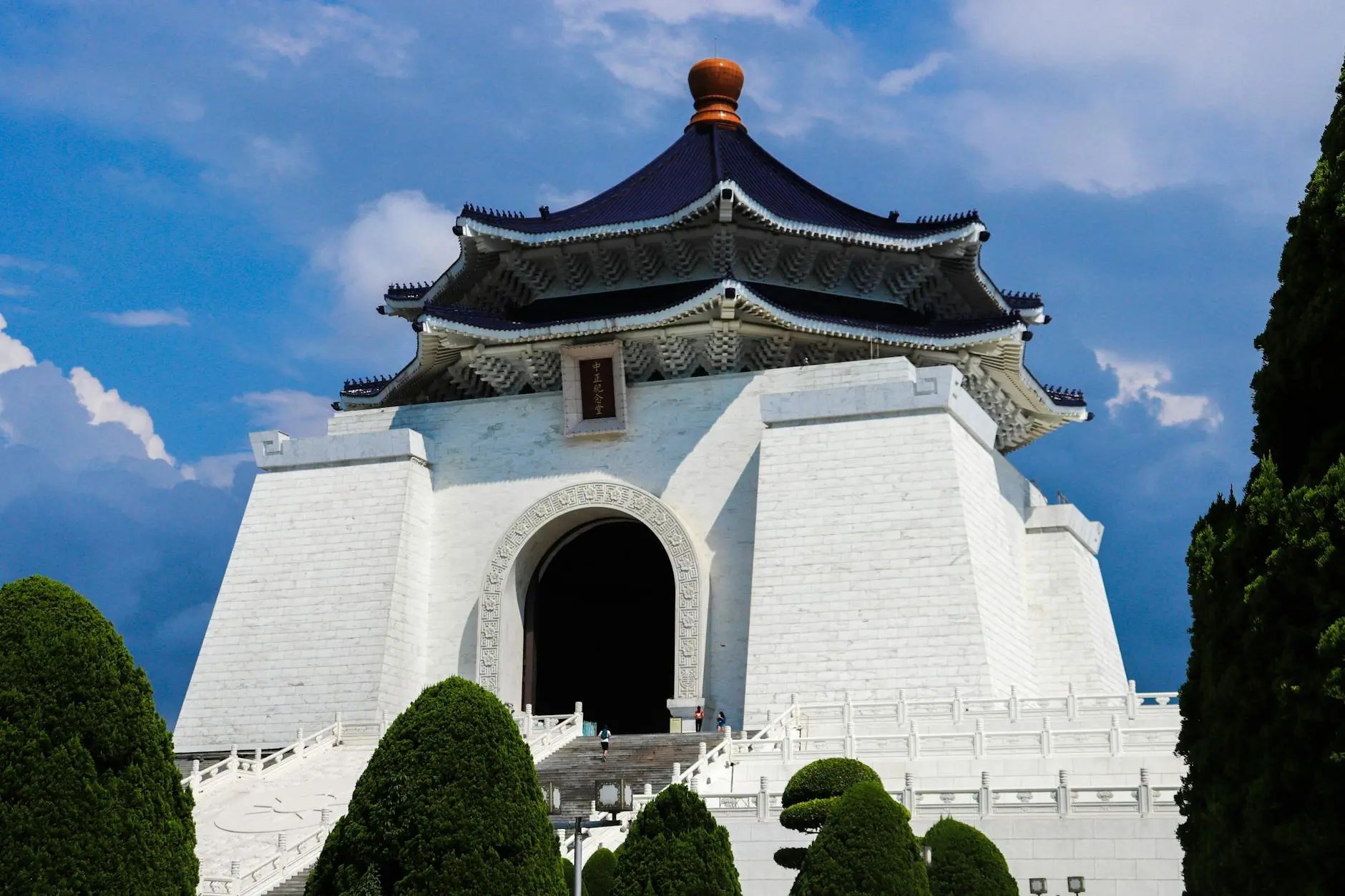
Kick off your trip at the iconic Chiang Kai-shek Memorial Hall. The massive plaza, blue-roofed halls, and guard-changing ceremony are Instagram gold. Plus, it’s a perfect way to stretch your legs after a flight.

Insider Tip: Arrive early (before 10 AM) to avoid tour bus crowds.

Taipei Day Tour: CKS Memorial Hall, 101, Bangka & Dadaocheng

The Chiang Kai-shek Memorial Hall in Taipei, showcasing its iconic blue-roofed structure against a clear sky, surrounded by neatly trimmed green hedges.
The iconic Chiang Kai-shek Memorial Hall in Taipei, showcasing its stunning architecture and surrounding gardens.

Lunch: Din Tai Fung (Yes, the Original One)

When in Taipei, you must eat xiao long bao (soup dumplings). Head to the original Din Tai Fung on Xinyi Road. The line may be long, but I promise—it’s the kind of wait that makes you forget your own name in excitement.

A wooden cutting board with a sliced vegetable pizza topped with spinach and yellow bell peppers, surrounded by various ingredients like onions, a red bell pepper, and spices.
A delicious spread featuring fresh ingredients alongside a freshly baked pizza, perfect for a culinary adventure.

Taipei: Din Tai Fung Meal Voucher

Afternoon: Taipei 101

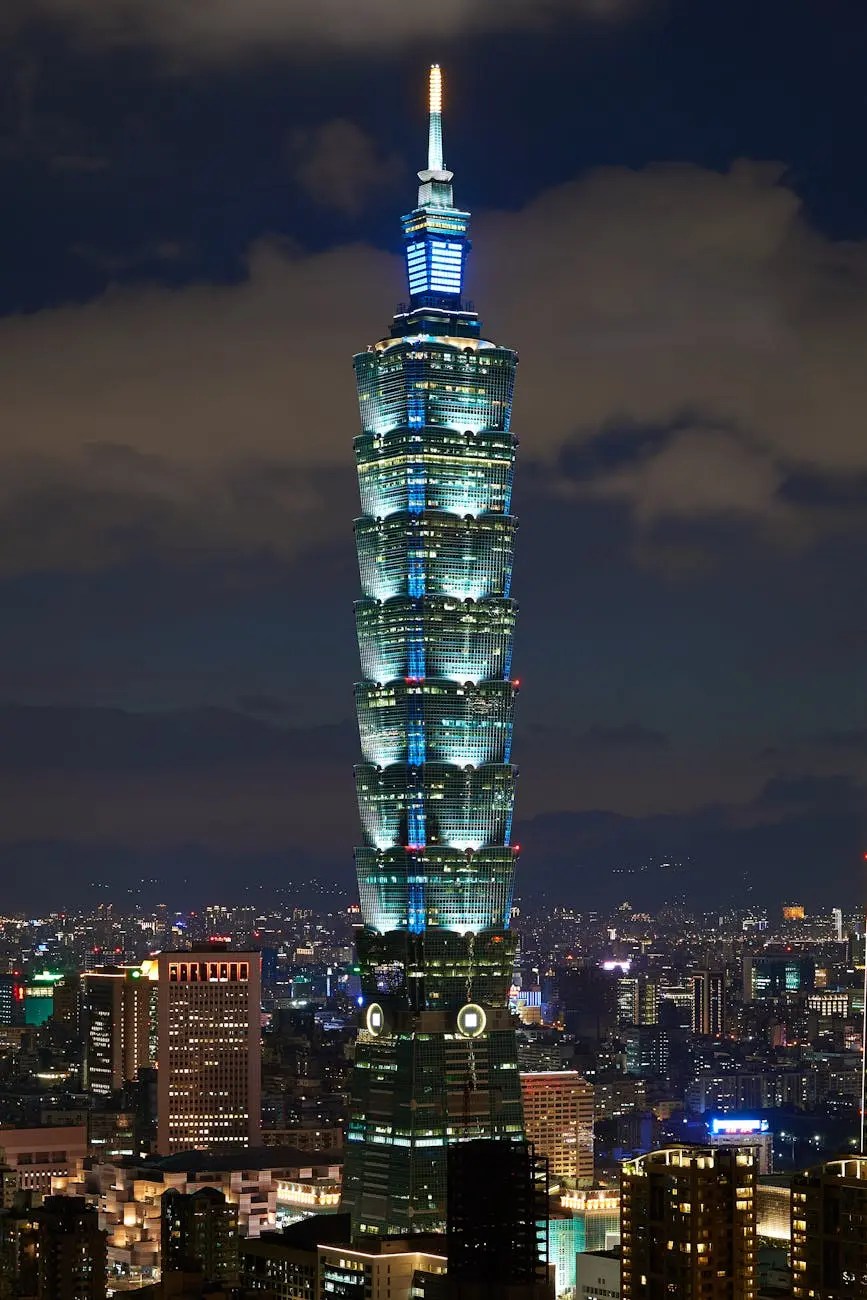
Next stop: Taipei 101, once the tallest building in the world. Ride the high-speed elevator (you’ll feel like you’re in a spaceship) and soak in panoramic views of the city.

👉 Pro Tip: Book tickets online through Expedia to skip lines.

Taipei 101 Tours

A night view of Taipei 101, illuminated with blue and white lights, towering over the city skyline.
Taipei 101 illuminated at night, showcasing the iconic skyline of Taiwan’s capital.

Evening: Shilin Night Market

Welcome to foodie heaven. From stinky tofu (yes, it’s a thing) to fried chicken cutlets the size of your head, Shilin Night Market is where Taipei really shines. My personal regret? Not bringing stretchy pants.

Shilin Night Market Tours

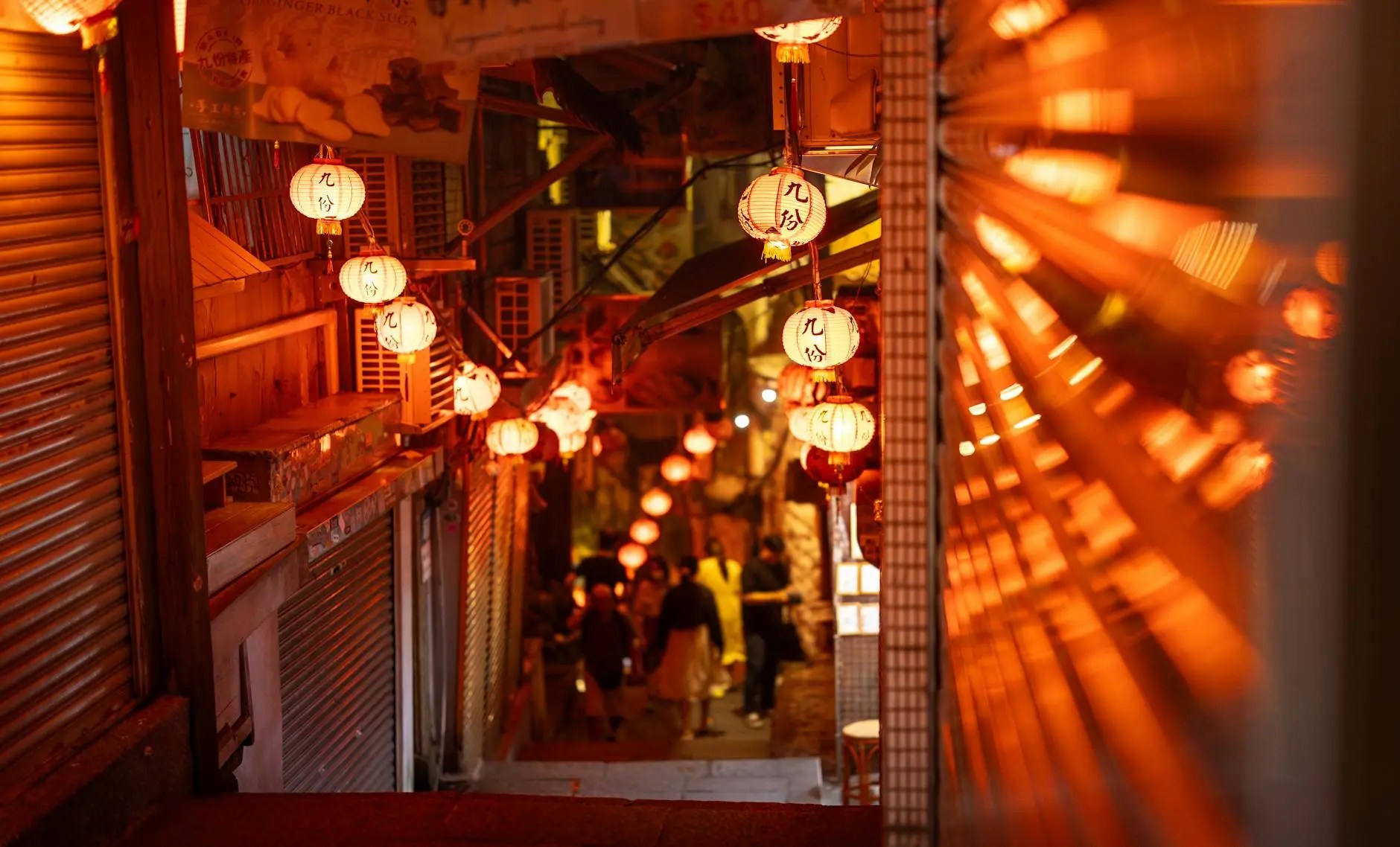
A narrow alleyway illuminated by traditional Chinese lanterns, giving a warm orange glow, with people walking in the distance.
Shilin Night Market’s vibrant atmosphere, illuminated by glowing lanterns, showcasing Taipei’s culinary delights.

Sip & Savor: Maokong Tea & Shenkeng Stinky Tofu Private Day Tour

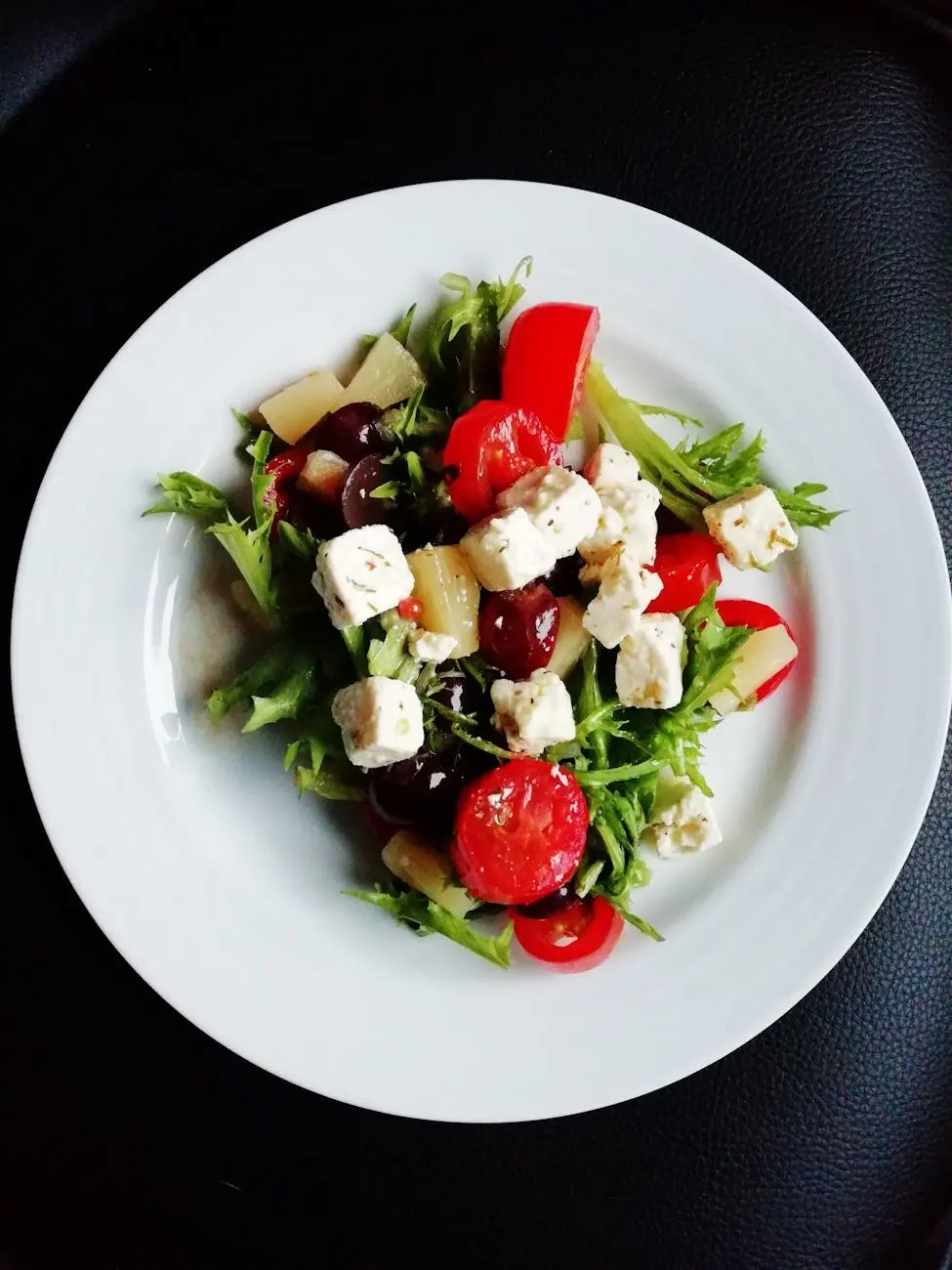
A colorful salad featuring mixed greens, cherry tomatoes, grape halves, red bell pepper, feta cheese, and chunks of pineapple, served on a white plate.
A vibrant salad featuring mixed greens, cherry tomatoes, grapes, diced pineapple, and feta cheese, perfect for a refreshing meal.

“When I tried stinky tofu at Shilin Night Market, I nearly chickened out… but it was surprisingly delicious!”

Day 1 in Taipei: History at Chiang Kai-shek, dumplings at Din Tai Fung, breathtaking views from Taipei 101, and a foodie finale at Shilin Night Market.

🌿 Day 2: Temples, Hot Springs & Hidden Gems

Morning: Longshan Temple

A spiritual gem in the heart of the city, Longshan Temple is where locals come to pray, light incense, and find a moment of calm amid Taipei’s chaos.

Lungshan Temple Tours

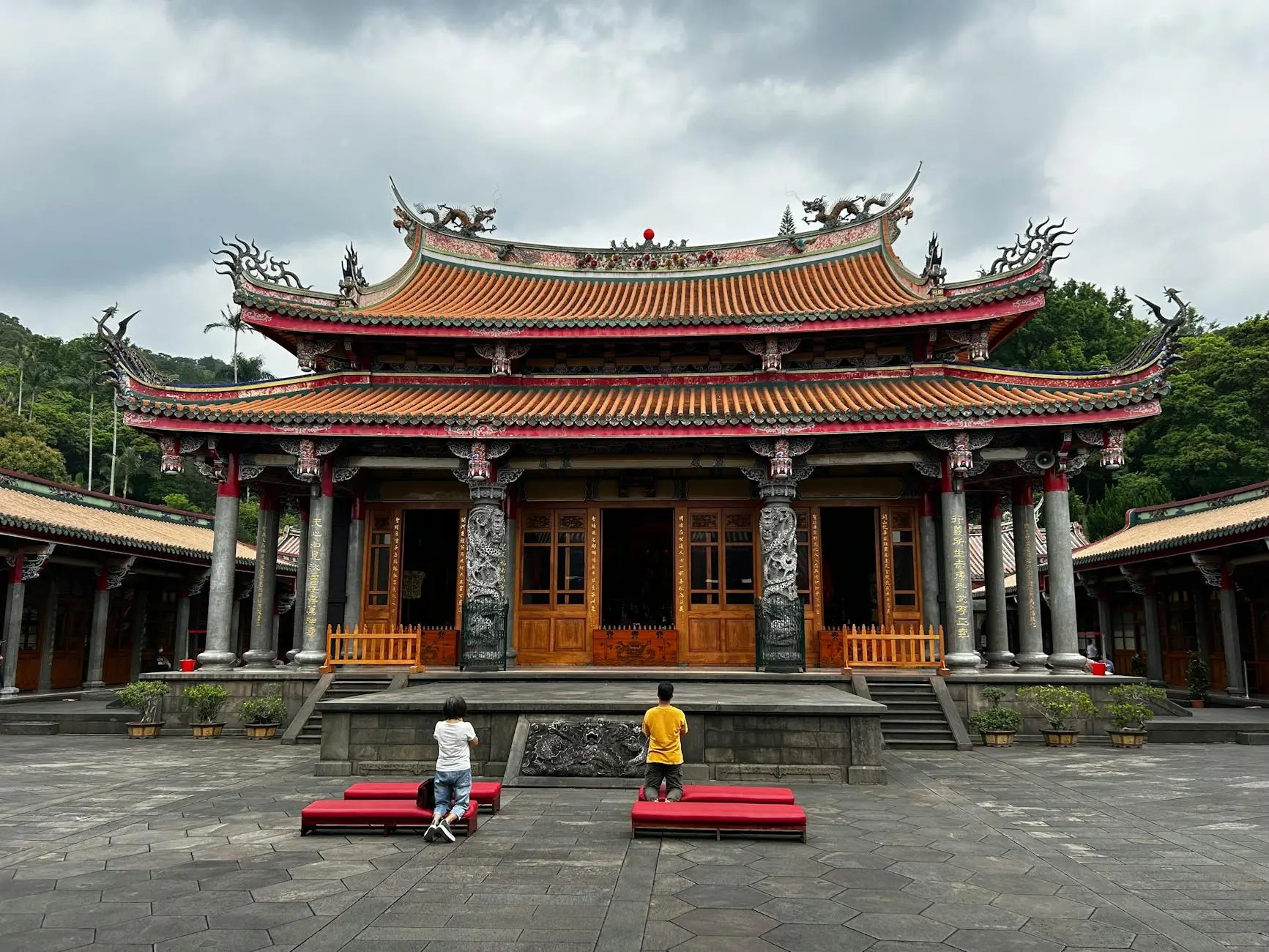
Exterior view of Longshan Temple in Taipei, showcasing traditional architecture with intricate wooden details and colorful roof decorations.
Visitors admiring the intricate architecture of Longshan Temple in Taipei, a serene spot amidst the city’s hustle.

Afternoon Escape: Beitou Hot Springs

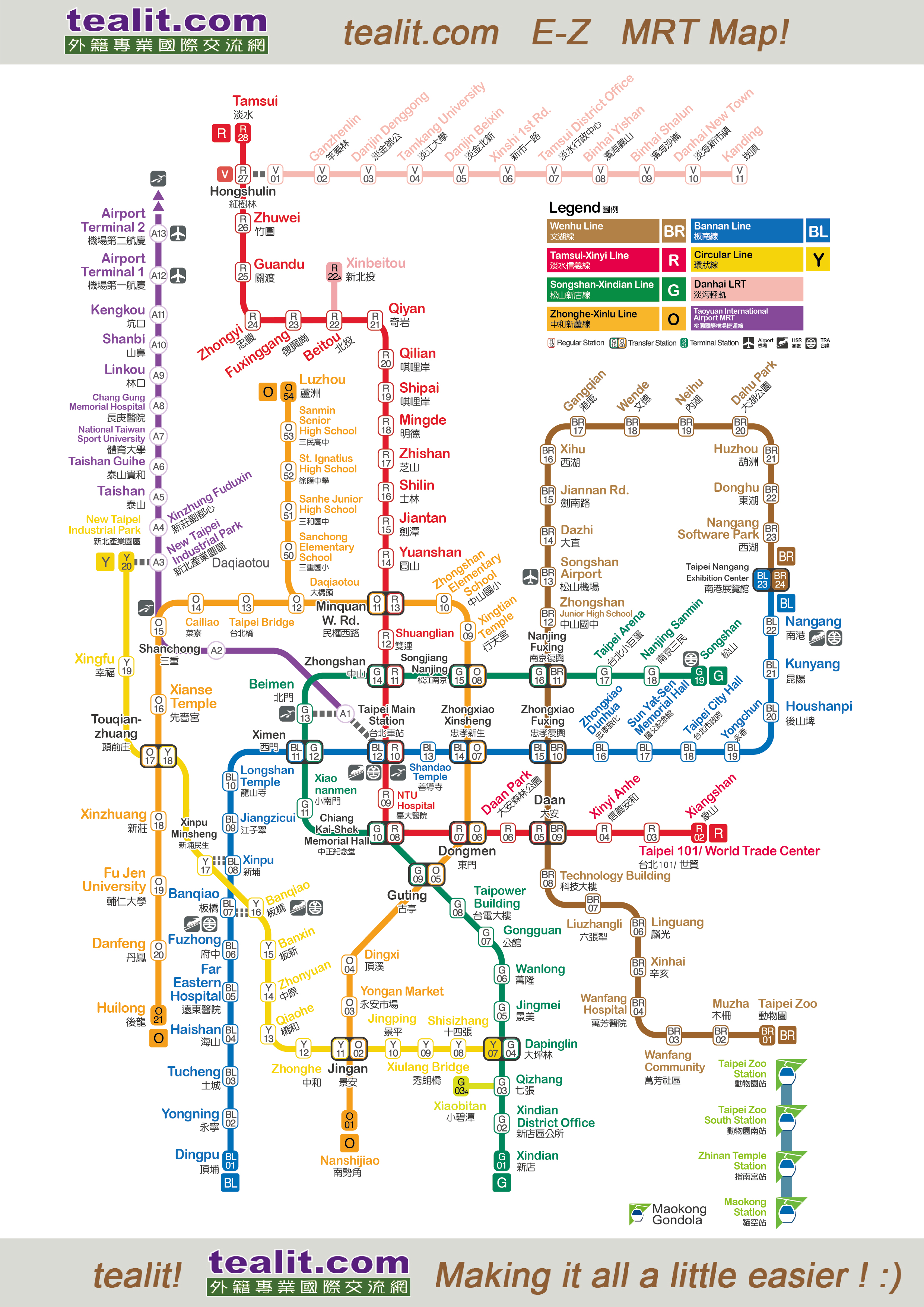
Hop on the MRT Red Line to Beitou, just 30 minutes from central Taipei. Here you’ll find natural hot springs, thermal valleys, and even a quirky Hot Spring Museum. Perfect for recharging before your flight home.

Beitou Hot Springs Park Tours

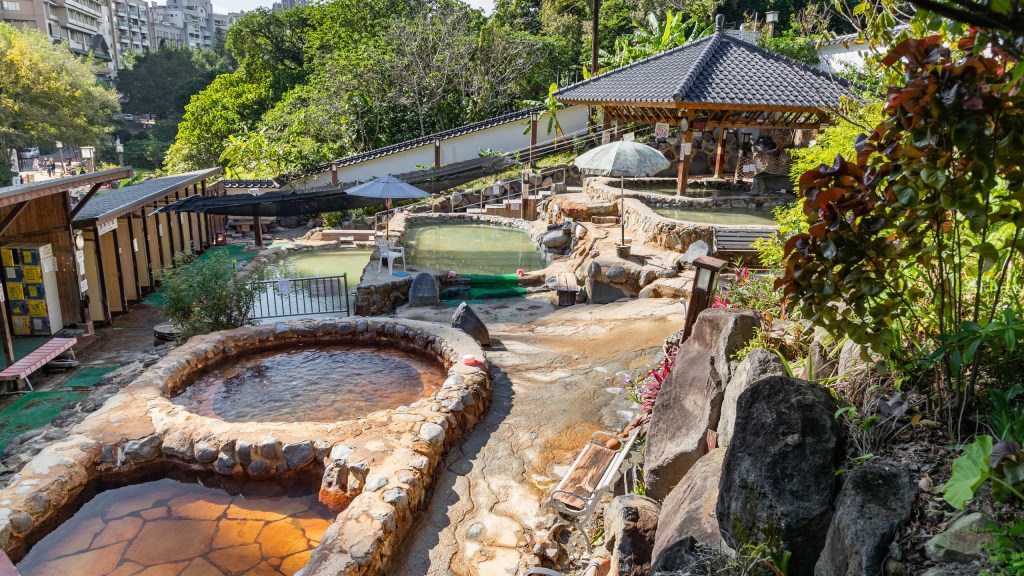
A serene view of natural hot springs surrounded by lush greenery and traditional architecture in Beitou, Taipei.
Relax in the natural hot springs of Beitou, just 30 minutes from central Taipei.

🚇 How to Get to Beitou Hot Springs by MRT

Reaching Beitou is super easy thanks to Taipei’s MRT system:

  1. Start on the Red Line (Tamsui–Xinyi Line):
    • If you’re coming from central Taipei, just hop on any train heading northbound towards Tamsui.
    • The Red Line is clearly marked in red on the MRT map, so it’s hard to miss.
  2. Get off at Beitou Station (R22):
    • The ride from Taipei Main Station to Beitou takes about 25–30 minutes.
    • Trains are frequent, usually every 3–5 minutes.
  3. Transfer to the Xinbeitou Branch Line:
    • Once at Beitou Station, follow the signs for the Xinbeitou Line.
    • The transfer is super straightforward—it’s a small platform change with clear English signs.
    • The branch line ride is only about 3 minutes and drops you right at Xinbeitou Station (R22A).
  4. Arriving at Xinbeitou:
    • Xinbeitou Station is within walking distance of the hot spring resorts, the Beitou Hot Spring Museum, and the famous Thermal Valley (Hell Valley).
    • The area is well-signposted, so you won’t get lost.

💡 Pro Tip: Use an EasyCard or iPASS instead of buying single tickets—it saves time, works on buses too, and you’ll avoid fumbling with coins. If you’re traveling with luggage, every MRT station (including Beitou) has elevators and escalators for convenience.

👉 For a smoother experience, download the official Taipei Metro App before your trip. It provides real-time train schedules, maps, and fare calculators.

Evening Hidden Gem: Elephant Mountain Hike

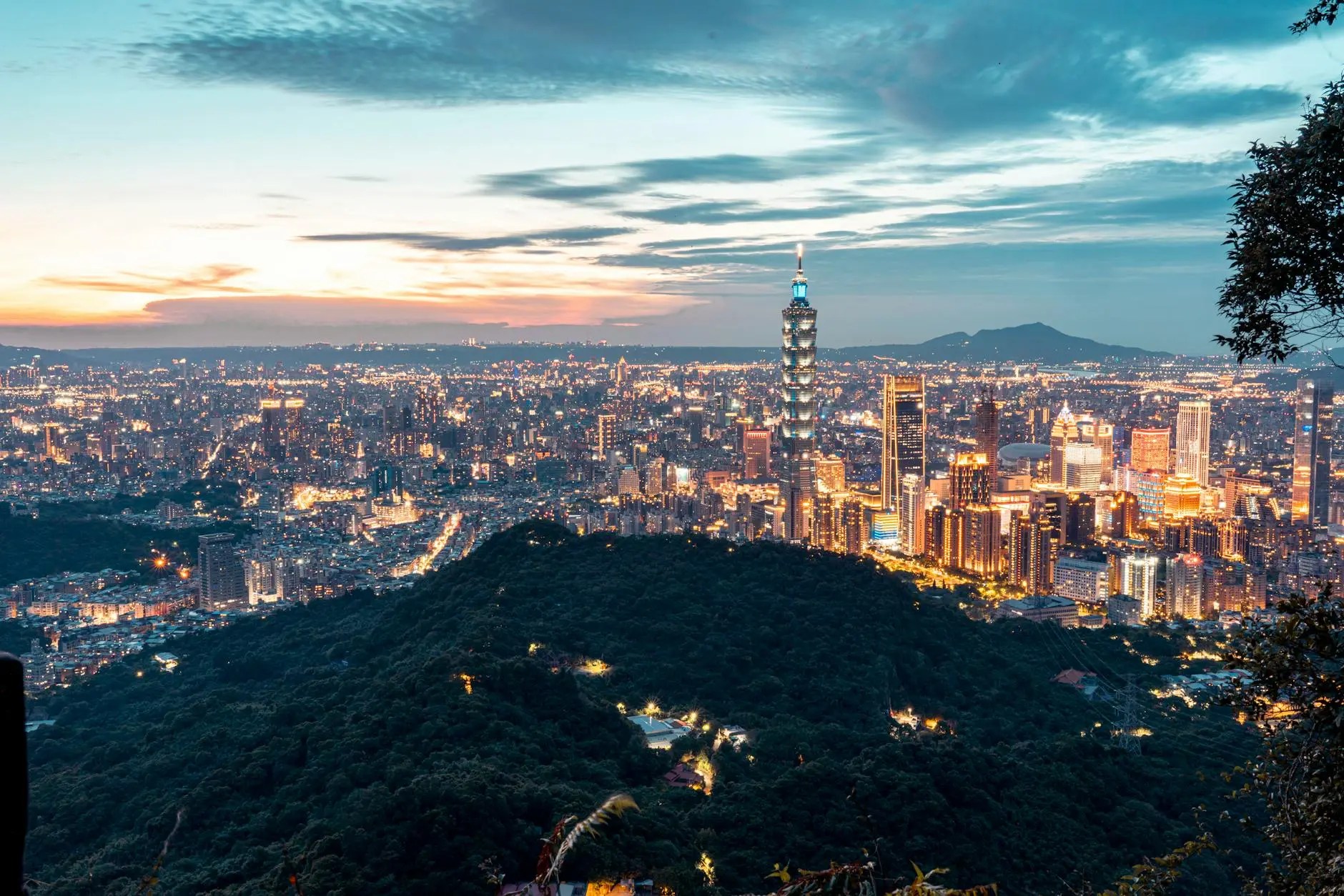
Forget pricey observation decks—Elephant Mountain gives you the BEST skyline views of Taipei (with Taipei 101 glowing in the distance). Pack water and climb the stairs just before sunset for the golden-hour glow.

A panoramic view of Taipei at sunset, showcasing the Taipei 101 skyscraper and the city's illuminated skyline amidst rolling hills.
Stunning skyline view of Taipei at sunset, featuring the iconic Taipei 101 tower.

“I was gasping from the stairs more than from the view—but it was worth it!”

🚇 Getting Around Taipei (Public Transport Made Easy)

Taipei’s MRT system is every traveler’s dream: clean, cheap, air-conditioned, and color-coded so even jet-lagged brains can navigate it.

  • MRT (Metro): Runs from 6 AM to midnight. A single ride costs about 20–65 TWD ($0.60–$2).
  • EasyCard / iPASS: Grab one at the airport or MRT stations. You’ll save money on fares and can even use it at convenience stores.
  • Buses: Cover areas beyond the MRT. English displays make it tourist-friendly.
  • Taxis: Affordable compared to most capitals, but MRT is faster during rush hour.
  • Road Trip Option: If you want flexibility, consider renting a car—but traffic can be hectic. Use Google Maps offline to save gas and sanity.

💡 Money-Saving Hack: Download the official Taipei Metro Map before your trip. This way, you don’t waste time or WiFi figuring out transfers.

💡 Smart Travel Tips for Taipei

  • Best Time to Visit: March–May and October–November. Fewer typhoons, cooler weather, and smaller crowds.
  • Language Barrier: English isn’t everywhere, but locals are super helpful. Google Translate will be your best friend.
  • Cash vs Card: Night markets = cash. Malls and major restaurants = cards.
  • Save Money: Eat street food, use public transport, and avoid taxis during peak hours.

📸 Gear Up for Taipei Adventures

If you want those jaw-dropping night shots of Taipei 101 or candid photos at Shilin Night Market, you’ll need a solid camera. I always recommend checking out Camera World’s selection before any trip—whether you want pro gear or just a trusty travel companion.

🌐 Stay Connected Like a Pro

✈️ Travel Tip : Staying online abroad doesn’t have to drain your wallet. Instead of juggling overpriced airport SIMs, I use Drimsim—a universal SIM that works in 190+ countries with no sneaky fees. Pop it in, recharge via the app, and you’re connected anywhere your weekend takes you.

And since not all WiFi networks are secure, I never travel without NordVPN. It keeps my data safe while I’m booking hotels, checking maps, or, let’s be honest, watching Netflix in my Taipei hotel bed.

✈️ Flight Delayed or Canceled?

Travel isn’t always smooth—sometimes flights get delayed, canceled, or overbooked. The good news? You might be owed up to $650 in compensation. Services like AirHelp handle all the paperwork and only get paid if you win. That’s what I call turning travel chaos into travel funds.

✈️ Smart Travel Tip: No matter where your adventures take you, having the right travel insurance can save you from unexpected headaches (and bills). I personally recommend VisitorsCoverage — it’s a trusted platform where you can compare plans, find coverage that fits your trip, and book it in just a few clicks. Whether you’re planning a quick city escape or a longer international journey, it’s peace of mind worth packing.

🔗 Related Reads You’ll Love

If Taipei has sparked your wanderlust, you’ll love these other weekend escapes I’ve written about:

✅ Final Thoughts: Why Taipei is Your Next Weekend Escape

Taipei is that rare city where you can slurp soup dumplings in the morning. You can also hike to skyline views, and dip in hot springs in the afternoon. Don’t forget to explore ancient temples. You can do all of this in just 48 hours. Add in its traveler-friendly transport, affordable eats, and friendly locals, and you’ve got the ultimate recipe for a weekend escape.

So pack your bags, book your trip through Expedia, and let Taipei surprise you. Who knows—you might just end up staying longer than a weekend. 😉

👉 What do you think? Would you rather spend your Taipei weekend eating your way through night markets? Or would you prefer soaking in Beitou hot springs? Drop your answer in the comments!

Frequently Asked Questions (FAQ)

Q1: Is 48 hours enough time to see Taipei?
Absolutely. While you can’t see everything, 48 hours is a perfect amount of time to experience the core highlights of Taipei, including its world-class museum, iconic skyscraper, vibrant night markets, and a touch of its beautiful natural scenery. This itinerary is packed but efficient.

Q2: What is the best way to get from Taoyuan Airport to central Taipei?
The Airport MRT (Metro) is the fastest and most convenient way, taking about 35-40 minutes to reach Taipei Main Station. Taxis and ride-sharing services are also available and offer door-to-door service but are more expensive and can be slower in traffic.

Q3: Do I need to get cash, or are credit cards widely accepted?
While major hotels, department stores, and higher-end restaurants accept credit cards, Taiwan is still largely a cash-based society. You will need cash for night markets, small eateries, local shops, and transportation. ATMs are widely available.

Q4: What is the best area to stay in for a short 48-hour trip?
For convenience and access to transit, Ximending is great for a youthful, energetic vibe and shopping. Zhongxiao East Road is ideal for upscale shopping and dining, and areas near Taipei Main Station offer unparalleled access to trains and the metro to explore the city and beyond.

Q5: What is the one thing I shouldn’t miss in Taipei?
This is a tough choice, but the view from Elephant Mountain at dusk is a truly unforgettable experience. Seeing the city light up, with Taipei 101 as the centerpiece, is the iconic Taipei moment. A close second is exploring any of the city’s fantastic night markets, like Raohe or Shilin.

Q6: What should I pack for a weekend in Taipei?
Comfortable, breathable clothing and walking shoes are essential. Taipei is humid for much of the year. Pack an umbrella or light rain jacket, as showers can be frequent. A portable power bank is very useful for keeping your phone charged while navigating.

Q7: Is it easy to get by with only English in Taipei?
In central tourist areas and on public transportation, signs are in English. Younger people often speak some basic English, especially in shops and restaurants. However, learning a few key Mandarin phrases like “Nǐ hǎo” (Hello) and “Xièxie” (Thank you) will be greatly appreciated and smooth your interactions.

Universal Disclaimer/Disclosure Page:

48 Hours in Milan, Italy: Your Ultimate Weekend Itinerary

Table of Contents

  1. Introduction: Milan – A Weekend of Style, Culture, and Cuisine
  2. Planning Your Milanese Weekend Escape
    • Best Time to Visit for Fashion and Weather
    • Getting There and Getting Around: Transport Made Easy
    • Where to Stay: Neighborhoods from Chic to Central
  3. Your Ultimate 48-Hour Milan Itinerary
    • Day 1: Iconic Landmarks & Historic Elegance
      • Morning: The Duomo, Rooftops, and Galleria Vittorio Emanuele II
      • Afternoon: Leonardo da Vinci’s ‘The Last Supper’
      • Evening: Aperitivo in the Navigli District
    • Day 2: Art, Fashion, and Local Life
      • Morning: Sforza Castle & Sempione Park
      • Afternoon: Brera District & Luxury Shopping Quadrilatero della Moda
      • Evening: Opera at La Scala or Dinner in Brera
  4. Essential Milan Experiences
    • Food and Drink: From Risotto alla Milanese to Aperol Spritz
    • Style Guide: What to Wear in Milan
  5. Practical Tips for Your Trip
    • Booking ‘The Last Supper’ and Other Must-Dos
    • Money-Saving Tips and City Passes
    • Language and Local Customs
  6. Conclusion: Ciao for Now – Making Your Milan Weekend Unforgettable

Milan—Italy’s fashion capital, espresso haven, and one of the Top 20 Most Visited Cities in the World. If Rome is the history professor, Milan is that stylish friend. Milan somehow balances three cappuccinos, a designer bag, and a train ticket all at once.

So if you’ve only got 48 hours in Milan, buckle up. This weekend itinerary will give you a taste of the best sights, secret spots, and traveler hacks. These tips will save you time, money, and (most importantly) sanity.

Flights to Milan

✈️ Flight Delayed or Canceled?
Travel isn’t always smooth sailing—sometimes flights get delayed, canceled, or overbooked. The good news? You might be entitled to up to $650 in compensation under air passenger rights. Most travelers never claim it, but I’ve got you covered: just check your flight with AirHelp. They handle the paperwork, fight the airlines for you, and only get paid if you win. Easy, stress-free, and potentially a nice surprise for your travel fund.

✈️ Travel Hack: Tired of expensive international data? I use Drimsim—a global SIM that works in 190+ countries. Pop it in, top up on the app, and you’re online. No contracts, no hidden fees. Perfect for every getaway! 👉 Drimsim

🏰 Day 1: Classic Milan With a Twist

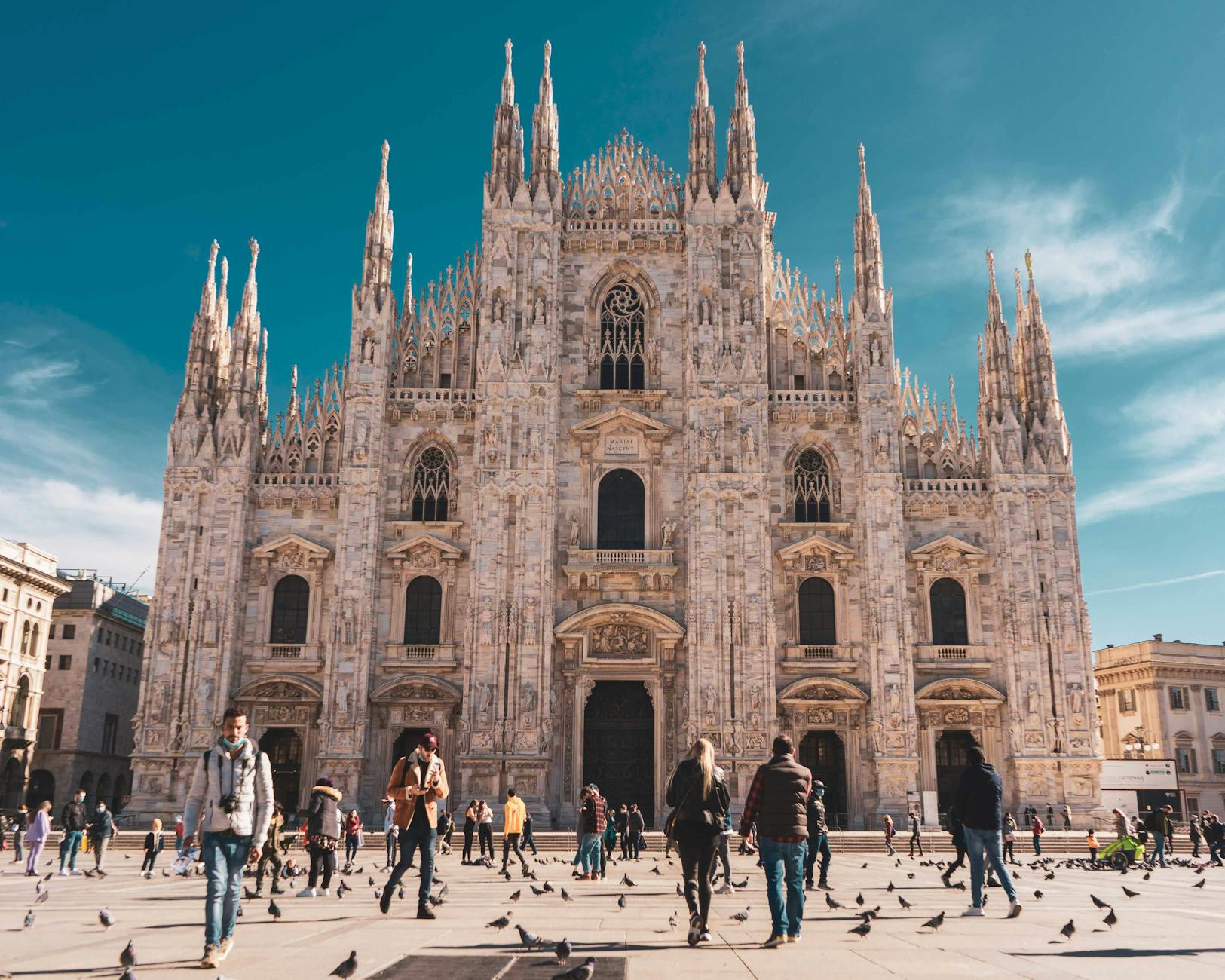
Morning – Start at the Duomo di Milano

You can’t not visit the Duomo, Milan’s breathtaking Gothic cathedral. The rooftop views are worth the climb (or the elevator ride if you’ve been skipping leg day). Pro tip: arrive before 9 AM to avoid the human traffic jam of selfie sticks.

Duomo Hotel & Apartments

👉 Tickets can be booked online to skip the line. If you’re mapping it out, the Duomo sits right in the heart of Piazza del Duomo. It is easily reachable via Metro Line 1 (Red).

Milan: Cathedral and Duomo’s Terraces Entrance Ticket

The Duomo di Milano, a stunning Gothic cathedral, with visitors walking in front and pigeons scattered on the ground in Piazza del Duomo.
The stunning Duomo di Milano, a must-visit Gothic cathedral located in the heart of Piazza del Duomo.

Afternoon – Galleria Vittorio Emanuele II

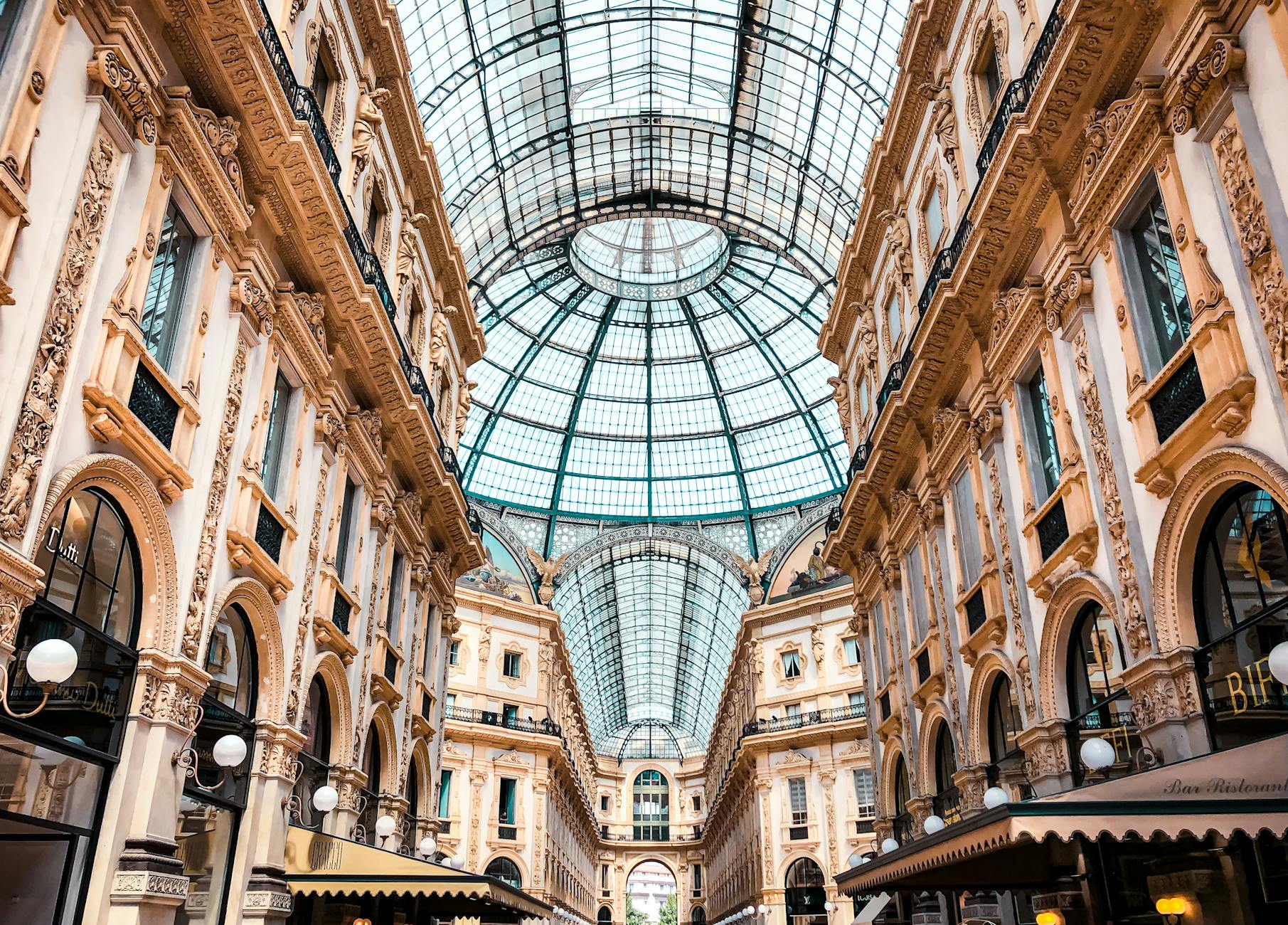
Step straight from the cathedral into Italy’s fanciest “shopping mall.” Yes, I use that term loosely. It’s more like a palace that happens to sell Prada. Even if luxury isn’t in your budget, grab a coffee and just people-watch. Milanese fashion is basically street theater.

Galleria Vittorio Emanuele II Tours

Interior view of the Galleria Vittorio Emanuele II in Milan, showcasing its ornate architecture and glass dome ceiling.
The Galleria Vittorio Emanuele II offers a view of elegant architecture. It features a stunning glass dome. This location is perfect for shopping. People can also enjoy watching others in Milan.

Evening – Aperitivo in Navigli District

As the sun sets, head to Navigli, Milan’s canal district. Locals will tell you that aperitivo here is a religion. Buy a cocktail, and they load your table with free tapas-style snacks. Cheapest dinner you’ll ever have in Milan!

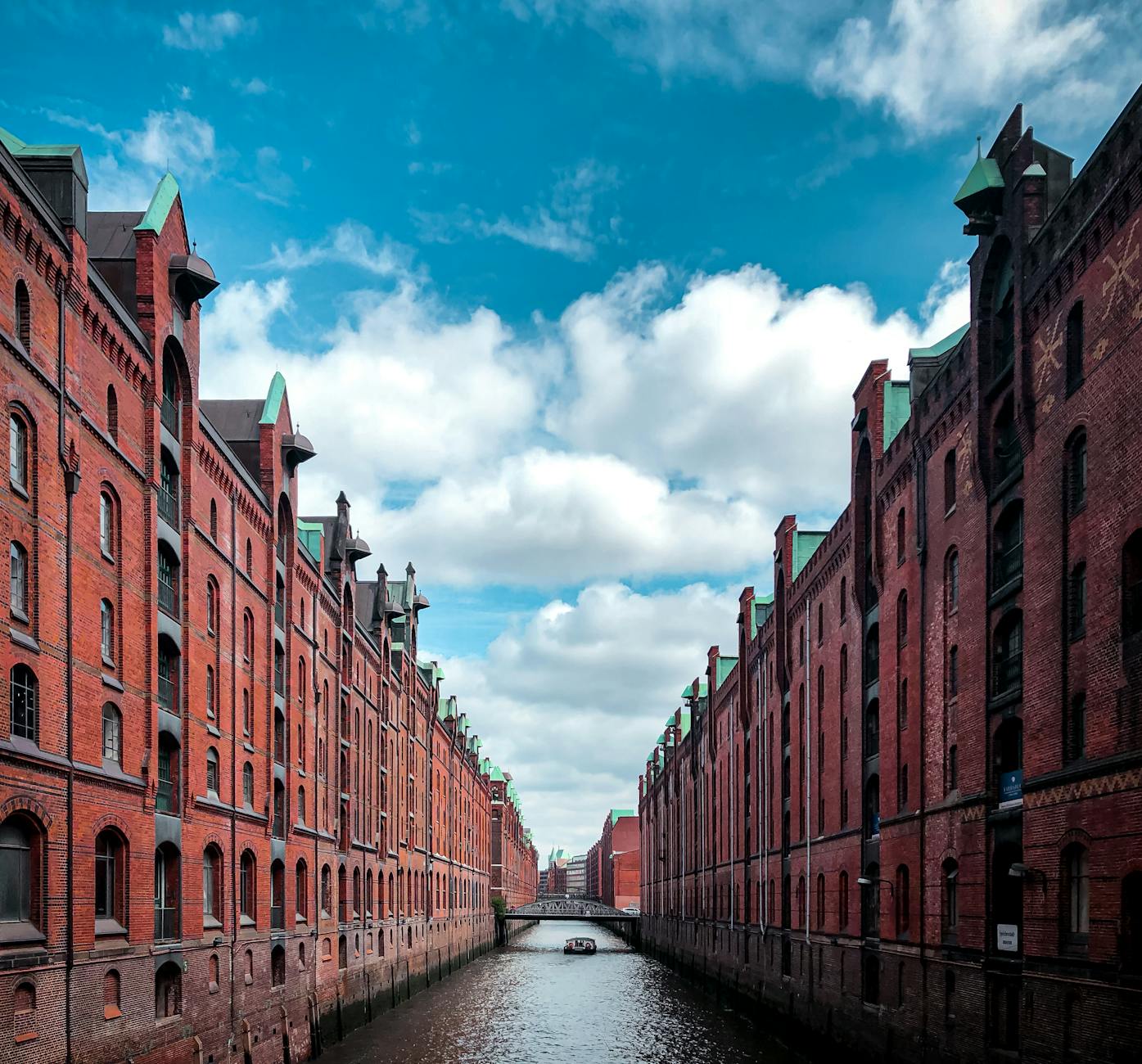
A scenic view of a canal flanked by historic red brick warehouses under a blue sky with scattered clouds.
Explore the charming canals and historic architecture of Milan’s Navigli District, known for its vibrant aperitivo scene.

Navigli District Guided Tour and Aperitif in Milan

🎨 Day 2: Art, Football, and Hidden Gems

Morning – The Last Supper (Il Cenacolo)

Yes, that Last Supper. Tickets are limited, so book at least a month ahead. Trust me, when you’ve only seen Leonardo da Vinci’s masterpiece on Google Images, standing in front of it hits differently.

Historical Tour of Milan & The Last Supper

A famous painting depicting the Last Supper with Jesus and his twelve apostles gathered around a long table, showcasing various expressions and gestures.
The Last Supper is a masterpiece by Leonardo da Vinci. It is located in Milan. Experiencing it in person requires advance ticket booking.

Afternoon – San Siro or Brera Art District

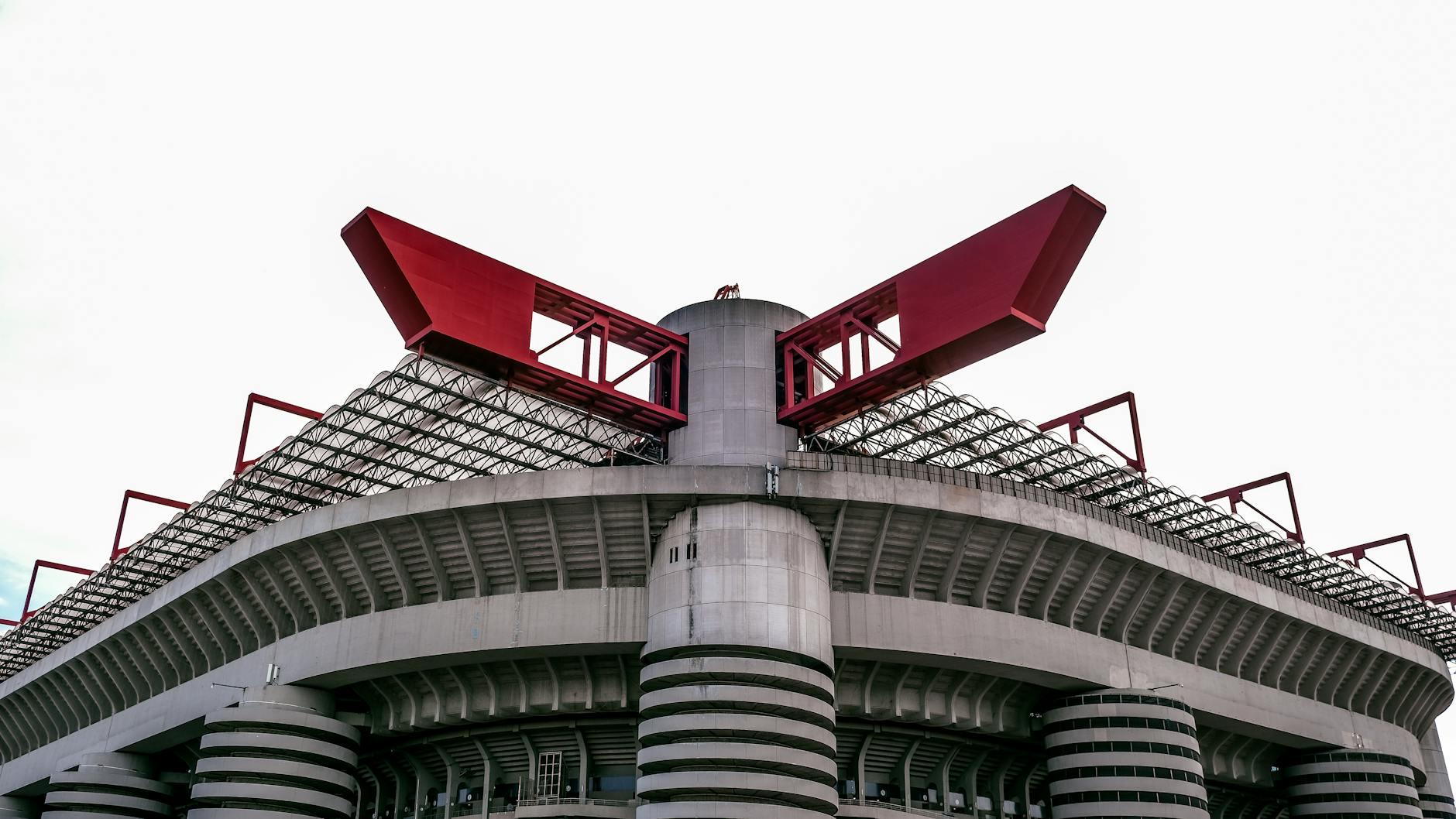
  • Football fans: Catch a tour of San Siro Stadium, home to AC Milan and Inter Milan.
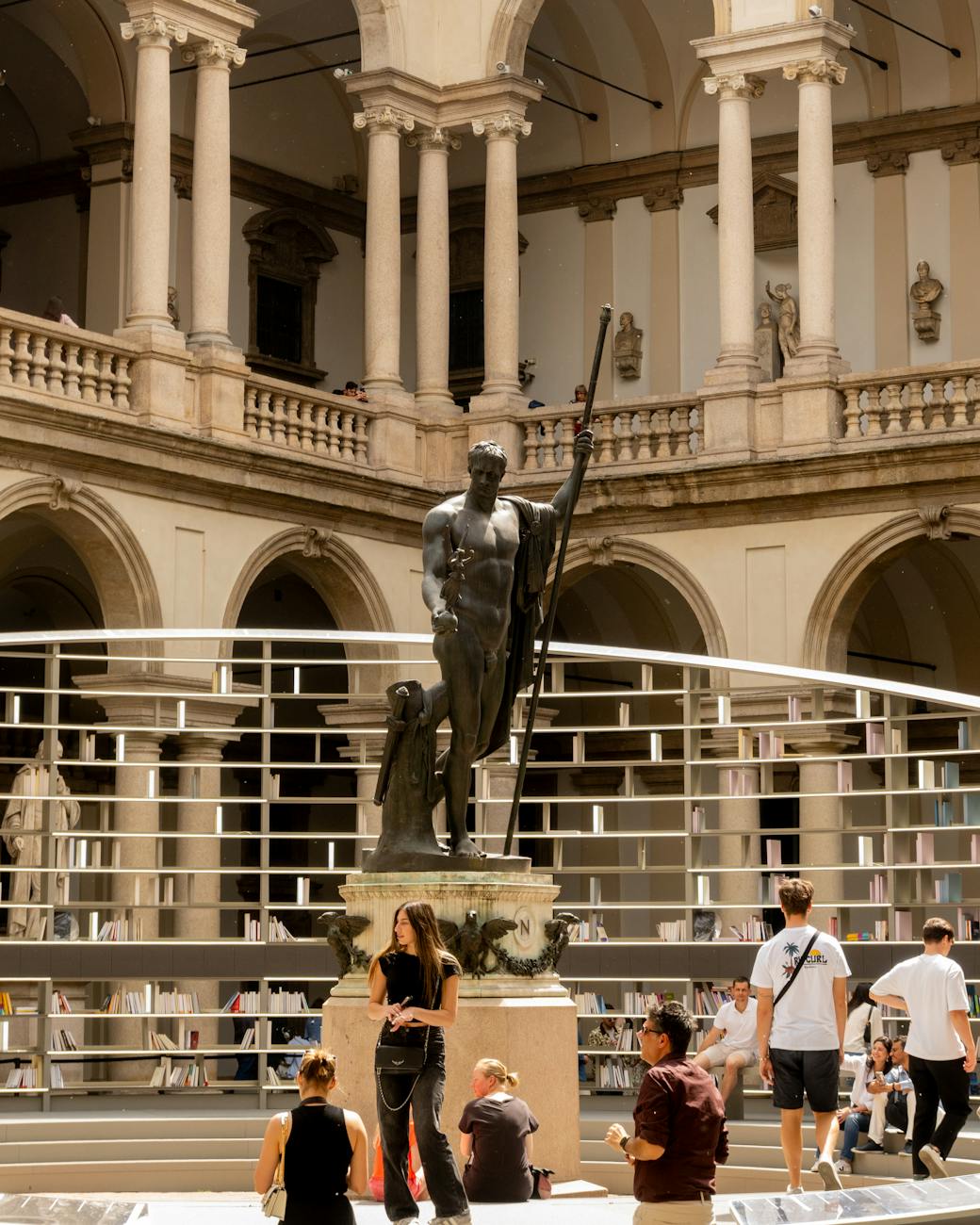
  • 🎨 Art lovers: Wander Brera District, where cobbled streets hide galleries, boutiques, and trattorias.

San Siro Stadium Tours

View of San Siro Stadium, featuring its distinctive red architectural accents and modern design.
The iconic San Siro Stadium, home to AC Milan and Inter Milan, showcases its unique architectural design.

Hotels in Brera, Milan

Statue of a historical figure in a spacious courtyard with columns, surrounded by visitors. People are sitting and standing in various poses, enjoying the ambiance.
Visitors admire a striking statue in a beautifully designed courtyard, showcasing the blend of art and architecture in Milan.

Evening – Hidden Gem: Casa degli Omenoni

Few tourists know this quirky Renaissance palace tucked away near Piazza della Scala. Its façade is decorated with giant stone figures that look like grumpy guardians. It’s weird, it’s wonderful, and it’s totally Instagrammable.

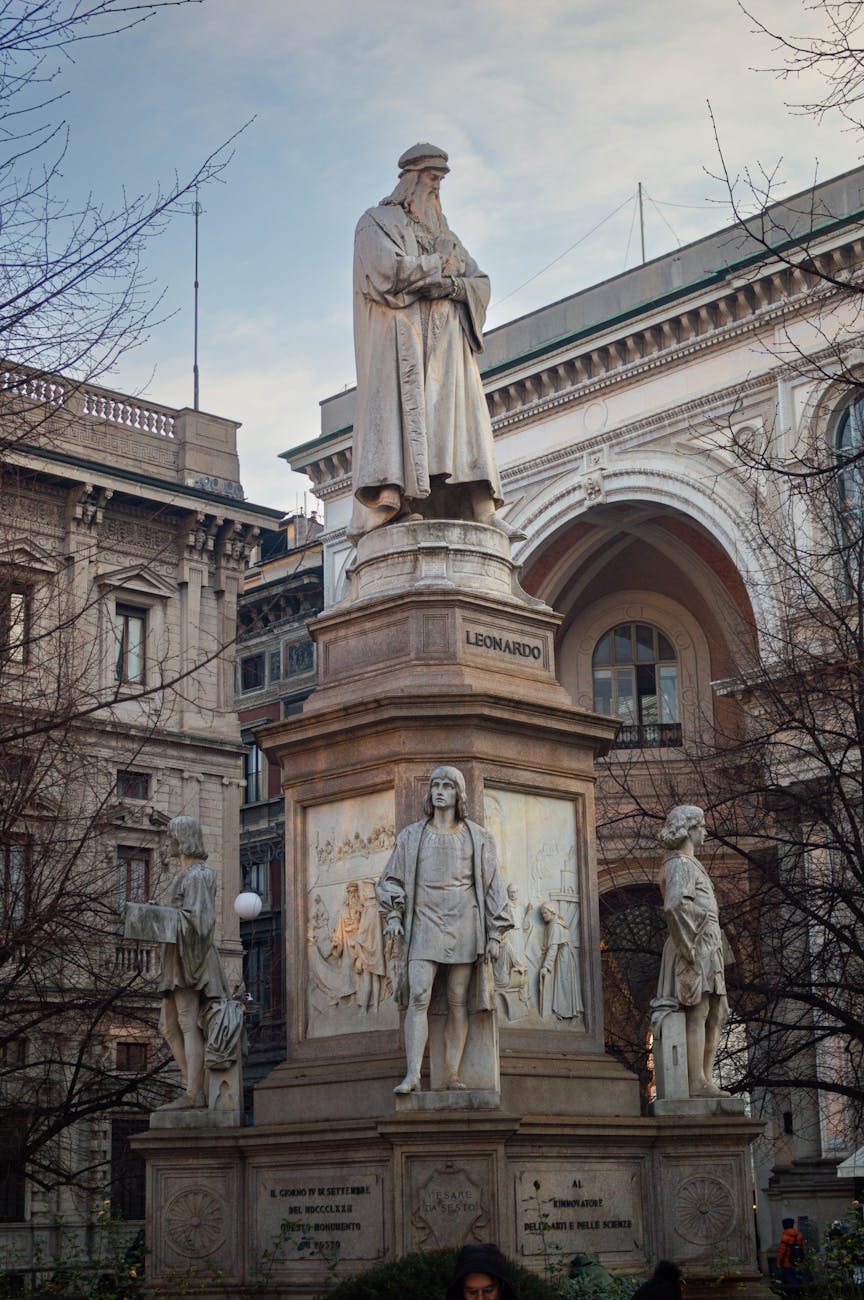
Statue of Leonardo da Vinci surrounded by additional sculptures, located in a square in Milan, Italy.
Statue of Leonardo da Vinci, surrounded by historical figures, located in Milan’s vibrant city center.

Piazza della Scala Tours

🚆 Getting Around Milan Like a Local

  • Metro: The fastest way to hop around. A 48-hour travel card is a lifesaver.
  • Buses & Trams: Old-school but charming (and cheaper if you want to feel local).
  • Car Rentals: Only if you’re heading outside the city—Milan traffic can eat your weekend alive. Instead, save your gas and stress for the Lakes Region (Como, Garda, Maggiore) if you plan a quick road trip.
  • Walking: Milan’s city center is surprisingly walkable, so pack comfy shoes (or risk blisters in the name of fashion).

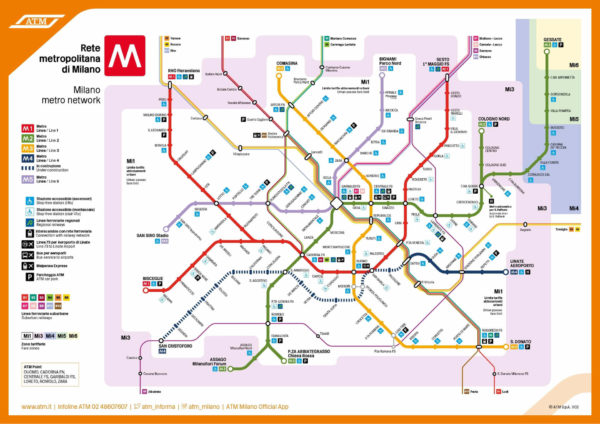
Milan Metro: The Traveler’s Essential Guide

1. It’s Italy’s Longest & One of Europe’s Most Efficient Metro Systems

  • The Milan Metro spans about 112 km (70 miles), rising to become Italy’s longest metro network with around 125 stations, earning a spot among Europe’s largest transit systems Wikipedia+1.
  • It draws over 1 million daily riders, making it a bustling urban artery Wikipedia+1.

Meet the Lines — Your Color-Coded Travel Map

LineColorKey Features
M1RedMilan’s first line (opened 1964), connects Sesto 1º Maggio to Rho Fiera/Bisceglie. Stops at Duomo, Fiera Milano (Wikipedia, Italy for me, Metro Line Hub). Modern “Galileo” trains arriving in 2025 (Wikipedia).
M2GreenNortheast–south route, passes Milano Centrale (Introducing Milan, Italy for me, Metro Line Hub).
M3YellowTourist-friendly: Duomo, Via Montenapoleone, Centrale station (Introducing Milan, Italy for me).
M4BlueOpened in phases (2022–2024), fully automatic. Connects Linate Airport to San Cristoforo (Wikipedia, Metro Line Hub).
M5PurpleDriverless since 2013, linking Bignami and San Siro Stadio with transfers to M2 & M3 (Italy for me, Metro Line Hub).

Bonus: The metro network integrates seamlessly with suburban rails (S-Lines), trams, and buses Italy for me

When It Runs & How Often

3. Tickets: Options & Payment Made Easy

Traveler Tip from Reddit

“Buy metro tickets only via official automatic machines … or use any kind of contactless payment … or send a text saying ATM to 48444
Never, ever buy tickets from random people.

4. Pro Tips & Useful Extras

  • Know your station names: Not every station names are intuitive—use maps or guides to avoid confusion (“Gorgonzola” won’t bring you near cheese!) italylogue.com.
  • Night buses mirror metro lines after hours for M1–M4, ensuring late-night connectivity WikipediaATM.
  • Park-and-ride: Metro stations tie into parking facilities—great for avoiding city traffic.
  • Carry-ons: Small luggage is free; large items may need a ticket or can be restricted Milan Public Transportation.
  • Safety note: Milan is generally safe, but stay alert—avoid buying from street sellers and remain mindful at night Reddit+1.

Milan’s Buses & Trams: Transport with Character

The Tram Network: Vintage Charm Meets City Coverage

  • Historic and expansive: Milan’s tram system dates back to the 1870s and today includes 17 urban lines, stretching roughly 157 km—one of the largest tram networks worldwide. Some lines still run Peter Witt streetcars from the 1920s, complete with wooden benches and old-world charm Wikipedia+2Wikipedia+2.
  • Central connectivity: About half of the tram lines pass through or terminate near the Piazza del Duomo, making them a scenic way to access the city center Wikipedia+1.
  • Unique experience: A ride on these nostalgic trams is like stepping into a vintage Italian movie—gently rattling through elegant streets and past historic architecture Travel Guide to Milanrentalmilan.com.

The Bus Network: Workhorse of the City

  • Extensive if less glamorous: Over 80 urban bus lines (plus interurban routes) fill the gaps left by metro and tram coverage, reaching neighborhoods, hospitals, campuses, and areas the trams don’t serve Wikipedia+1Europe of talesareacmilano.it.
  • Traffic-based limitations: Buses are subject to road congestion—especially during rush hours—so they’re best for short hops or destinations not accessible by other means rentalmilan.comareacmilano.itEurope of tales.
  • Night coverage: Many night buses (marked with ‘N’) operate when the metro closes—typically between 2:00–5:00 AM—allowing safe, scheduled evening travel without a taxi Europe of talesATMareacmilano.it.

Tickets & Validation: One System, Multiple Modes

  • Unified fare system: A €2.20 ticket gives 90 minutes of unlimited travel on metro, buses, trams, trolleybuses—and even suburban S-lines within Mi1–Mi3 zones ATMmilanized.comYes Milano.
  • Other options:
  • Buy and validate:

Contactless Payment Bonus

  • Tap a contactless card or device on entry—invaluable for skipping ticket lines. The system automatically applies the most cost-effective fare or daily cap ATM+1milanized.com.
  • Make sure to use the same card/device to enter and exit the metro to ensure proper fare calculation ATMTIme News.

Traveler Tips Straight from Locals & Past Visitors

  • Apps to install: “ATM Milano lets you buy tickets for the tram and buses… just hold your phone up to the ticket validation box.”
    And for best route planning:
    “Moovit helped us find all the best routes… Google Maps also works well.” Reddit
  • Beware overly helpful strangers: “Ignore people who ‘help’ you buy tickets—for a coin or two.” It’s a common scam at stations—stick to official sources Reddit.
  • Inspectors may show up anytime—fare evasion fines start around €100 and pocketing expired or second-hand tickets isn’t worth the risk RedditTIme News.

Summary Table

FeatureTramsBuses
CoverageHistoric routes, city center focusExtensive, reaches suburbs and gaps
ExperienceScenic, vintage, charmingPractical but trafficky
Hours~4:30 AM – ~2:30 AM (varies)~5:30 AM – ~1:45 AM; some night routes (N)
TicketSame as metro; must validate onboardSame; must validate onboard
Best forSlow sightseeing, city vibePractical point-to-point access
Traveler perkFeels like a time machine rideHandy for unique destinations

🕒 Best Time to Visit Milan

  • Spring (April–June): Perfect weather, fewer crowds.
  • September: Fashion Week makes the city buzz, but hotels are $$$.
  • Winter: Magical Christmas markets, though bring a warm coat (and a hot chocolate budget).

📸 Don’t Forget the Gear

If you’re serious about capturing Milan’s magic, don’t rely solely on your phone. I use Camera World UK to grab travel-friendly cameras that won’t weigh down my backpack. Crisp Duomo sunset shots? Worth it.

🌍 Pro Travel Tips

✈️ Stay Connected: Hunting for SIM cards abroad is a nightmare. That’s why I always carry Drimsim—a universal SIM card that works in 190+ countries. Top up via the app, and boom, you’re online. No more scary roaming bills.

🛫 Flight Delays? If your weekend trip gets cut short thanks to a cancellation, AirHelp helps you claim compensation. Trust me, I once got €400 back—hello, Aperitivo fund!

🛡️ Travel Safe Online: Using public Wi-Fi in airports and hotels? Protect yourself with NordVPN. Fashion theft is one thing; data theft is another.

✈️ Smart Travel Tip: No matter where your adventures take you, having the right travel insurance can save you from unexpected headaches (and bills). I personally recommend VisitorsCoverage — it’s a trusted platform where you can compare plans, find coverage that fits your trip, and book it in just a few clicks. Whether you’re planning a quick city escape or a longer international journey, it’s peace of mind worth packing.

🏨 Book Smart: I always book my hotels and trains through Expedia. It keeps everything in one place and usually offers discounts on package deals.

💡 Pro Travel Tip:
While hopping on Milan’s metro, tram, or bus is super easy, travel hiccups like delays, lost luggage, or sudden medical emergencies can happen anywhere. That’s why I always carry travel insurance before jetting off. It gives peace of mind knowing I’m covered, no matter what. I personally recommend VisitorsCoverage Travel Insurance — quick to book, affordable, and traveler-friendly.

✨ Hidden Gems in Milan

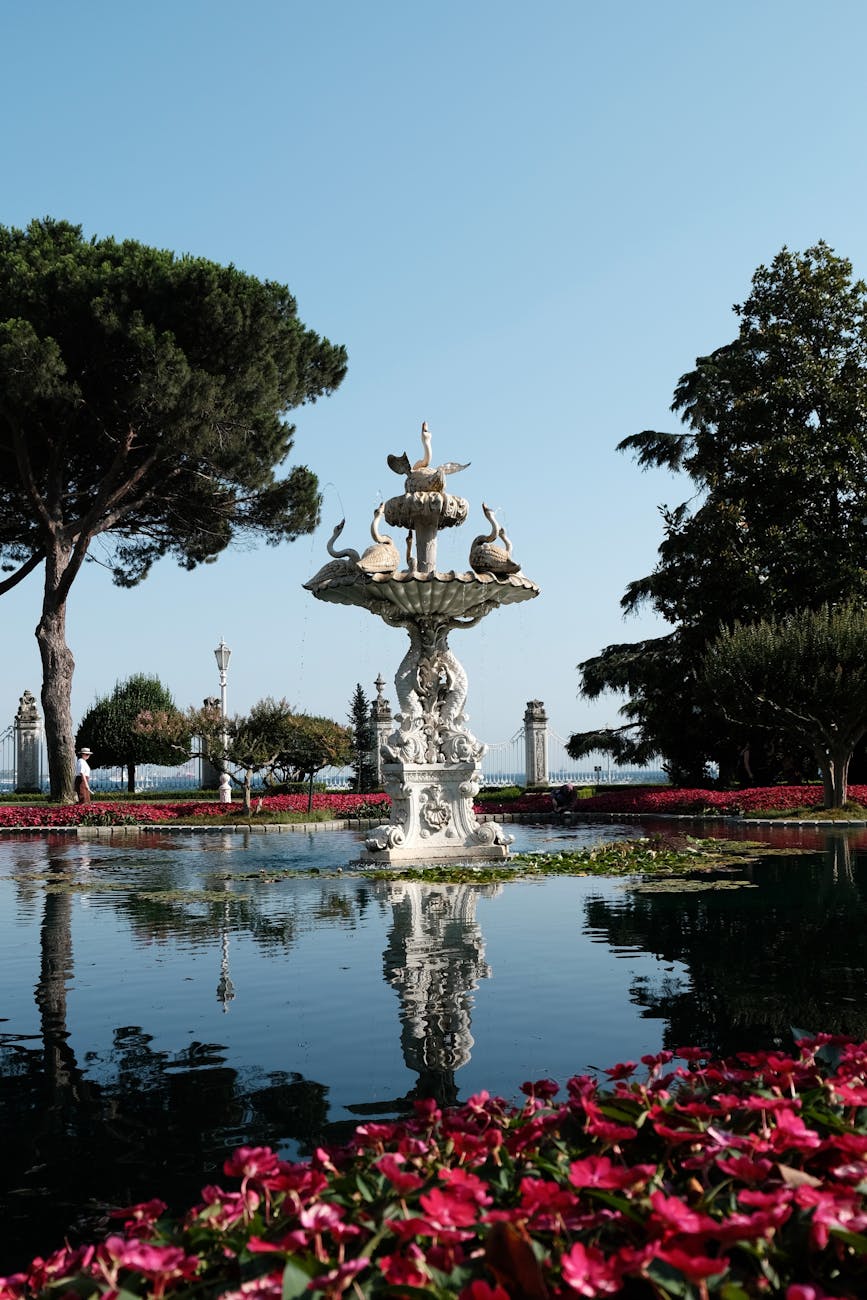
  • Villa Necchi Campiglio – An art-deco mansion frozen in time.
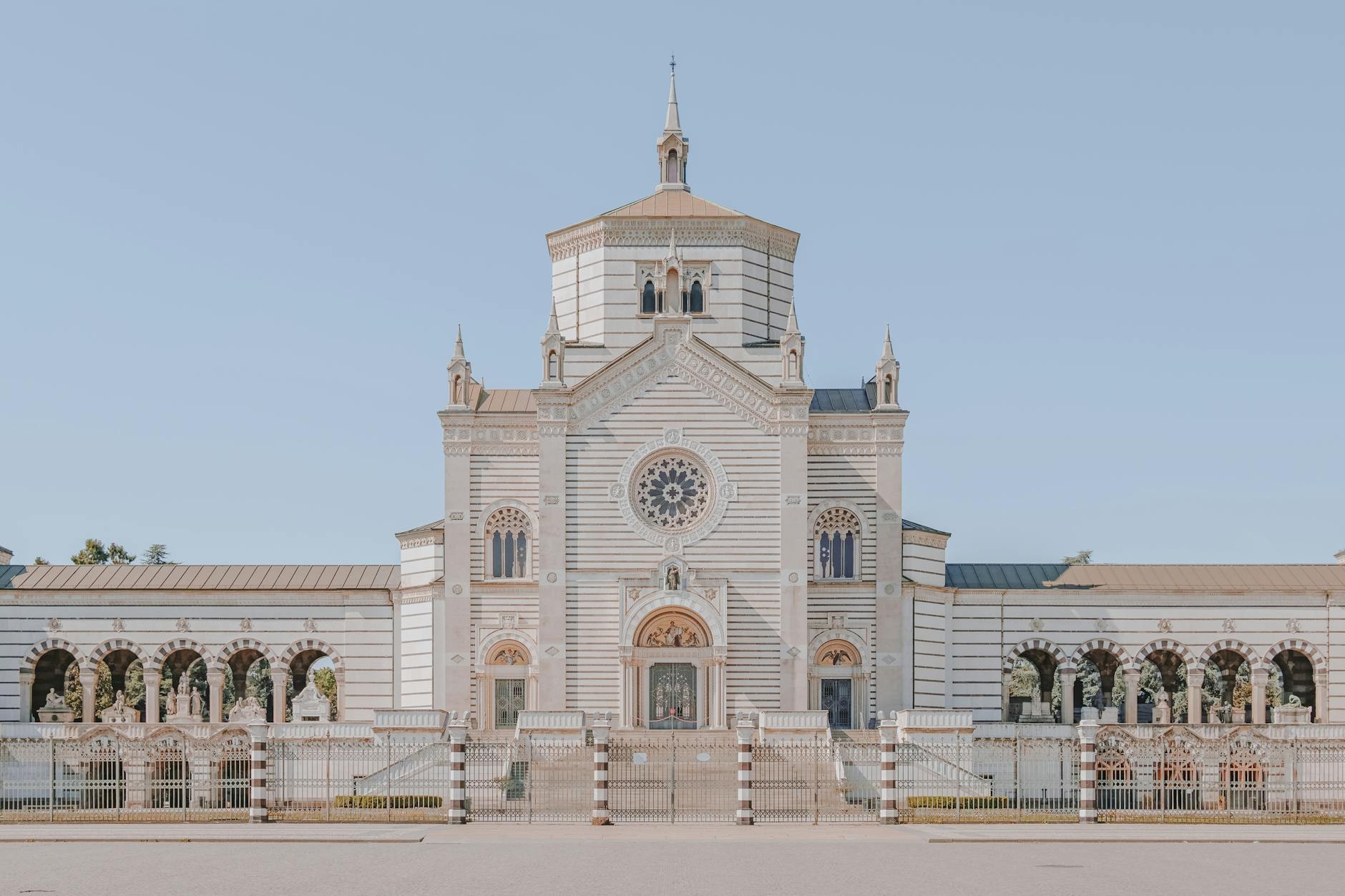
  • Cimitero Monumentale – A cemetery, yes, but filled with jaw-dropping sculptures.

Villa Necchi Campiglio Tours

A decorative fountain with swan sculptures surrounded by vibrant flowers and a serene lake under a clear blue sky in a park.
A stunning fountain surrounded by vibrant flowers in a serene park setting.

Cimitero Monumentale di Milano Tours

Facade of the Cimitero Monumentale in Milan, showcasing its ornate architecture and decorative elements against a clear blue sky.
The striking facade of the Cimitero Monumentale di Milano, showcasing intricate architecture and historical significance.

🔗 Related Weekend Escapes

If you loved Milan, you’ll also enjoy:

🎒 Final Thoughts

Milan is more than just Prada runways and Instagram cathedrals. It’s a city that blends history, art, football, and fashion into a perfect weekend cocktail. Two days is enough to fall in love—though you’ll probably be planning your return trip before your Aperol Spritz even arrives.

👉 Ready to turn your Milan dreams into reality? Plan your Milan weekend escape with Expedia here and lock in your perfect getaway today.

Frequently Asked Questions (FAQ)

Q1: Is Milan worth visiting for a weekend, or should I go elsewhere in Italy?
Absolutely. While different from Rome or Florence, Milan offers a unique blend of world-class art, breathtaking architecture, high fashion, and sophisticated dining. It’s the perfect destination for a stylish and cultured urban getaway.

Q2: What is the single most important booking I need to make for Milan?
Without a doubt, securing tickets to see Leonardo da Vinci’s ‘The Last Supper’ (Cenacolo Vinciano). Tickets are extremely limited and must be booked months in advance online through the official website. This is the number one priority for most visitors.

Q3: What is the best way to get around Milan?
Milan has an excellent and easy-to-use metro (subway) system that connects all major attractions. The city center is also very walkable. For a truly Milanese experience, ride the historic trams.

Q4: What area is best to stay in for a short weekend trip?
For first-time visitors, staying near the Duomo or in the Brera district is ideal. You’ll be within walking distance of the main sights and the charming, picturesque streets of Brera. The Navigli area is great for a more bohemian vibe with nightlife.

Q5: What is “aperitivo” and where is the best place to experience it?
Aperitivo is a pre-dinner ritual where you order a drink (like an Aperol Spritz or Campari) and receive access to a buffet of snacks or appetizers, often enough for a light meal. The Navigli Canal district is famous for its vibrant aperitivo scene with many bars offering extensive spreads.

Q6: Is there a dress code for entering the Duomo?
Yes. As it is an active place of worship, visitors must dress modestly. This means covering your shoulders and knees. Avoid hats inside. It’s a good idea to carry a light scarf or shawl to cover up if needed.

Q7: Is Milan very expensive?
Milan is considered one of the more expensive cities in Italy, especially for luxury shopping and high-end dining. However, there are plenty of ways to enjoy the city on a budget, such as enjoying aperitivo for a meal, exploring public parks, and admiring the free-to-view exterior of its magnificent architecture.

Universal Disclaimer/Disclosure Page:

Top 5 Used Cameras That Outperform Budget Models

Table of Contents

  1. Introduction: Why Used is the Smart Choice for Smart Photographers
  2. What to Look For When Buying a Used Camera
  3. Top 5 Used Cameras That Crush New Budget Models
    • Canon EOS 5D Mark III: The Legendary Workhorse
    • Nikon D750: The Dynamic Range King
    • Sony Alpha a7 II: Your Gateway to Full-Frame Mirrorless
    • Fujifilm X-T2: The Analog Soul in a Digital Body
    • Olympus OM-D E-M1 Mark II: The Pocket-Sized Powerhouse
  4. Where to Safely Buy Used Camera Gear
  5. How to Test a Used Camera Before You Buy
  6. Conclusion: Invest in Performance, Not Just Newness

If you’ve ever felt the sting of buyer’s remorse after picking up a budget camera that just doesn’t deliver the goods—you’re not alone. In fact, many seasoned photographers (and smart beginners) are turning to high-quality used cameras that outperform many of today’s newer, cheaper models. Why? Because a well-loved DSLR or mirrorless camera from a few years ago often packs more punch, better build, and a legacy of top-tier imaging than a brand-new budget release.

Whether you’re a traveler, a budding content creator, or someone looking to elevate your Instagram game, going the “used” route can save you money and give you better results.

💡 Related Read: Best Travel Cameras for Every Budget in 2025 – Compare Prices, Features, and Find Your Perfect Match

Let’s dive into the Top 5 Used Cameras that still outshine many fresh-off-the-shelf budget options—and are often available for less than you think.

1. Canon EOS 5D Mark III – A Workhorse That Never Quits

Type: Full-frame DSLR
Why it’s better:

  • Stunning image quality even by 2025 standards
  • Excellent low-light performance
  • Dual card slots (rare in budget cameras)
  • Built like a tank

📷 I borrowed one of these during a photography trip to the Scottish Highlands. The dynamic range blew me away—sunrise shots were sharp, golden, and needed minimal editing.

Perfect for: Wedding photographers, landscape lovers, and serious hobbyists

Available at: Used DSLR Cameras section of Camera World UK

2. Sony Alpha a6000 – Small Body, Big Performance

Type: Mirrorless
Why it’s better:

  • Lightning-fast autofocus
  • Compact and travel-friendly
  • APS-C sensor that rivals some full-frame budget cameras
  • Tons of compatible lenses on the used market

This is my go-to backup when I’m shooting on the move—especially for street photography in cities like Tokyo and Prague.

Perfect for: Travel bloggers, street photographers, content creators
Check under: Used Mirrorless Cameras at Camera World UK


3. Nikon D750 – The Full-Frame All-Rounder

Type: DSLR
Why it’s better:

  • Exceptional image quality
  • Solid weather sealing
  • Flip-out screen for versatile shooting angles
  • Full HD video recording

You can literally take this camera anywhere—from rainy forest trails to sun-drenched beaches. I’ve done both. Still works flawlessly.

Perfect for: Travel bloggers, street photographers, content creators
Check under:

👉 link to used Nikon cameras here Used Nikon D750 DSLR Camera Body


4. Fujifilm X-T3 – For the Film-Look Lovers

Type: Mirrorless (APS-C)
Why it’s better:

  • Gorgeous film simulation modes
  • Sharp 26.1MP sensor
  • 4K video with advanced controls
  • Classic retro design

This one’s a favorite among my YouTuber friends. Its straight-out-of-camera color profiles save so much time on grading.

👉 link to Fujifilm used section

Fujifilm X-T3


5. Olympus OM-D E-M5 Mark II – Micro Four Thirds Magic

Type: Mirrorless
Why it’s better:

  • Super compact and lightweight
  • Built-in 5-axis image stabilization
  • Weather-sealed body
  • Great for travel and video

I once dropped this off a table in Bali (accidentally!)—still works like a charm. The image stabilization alone is worth the price.

👉 link here Used Olympus OM1 35mm SLR Camera


🛠️ Why Buy Used from a Trusted Retailer?

Buying used isn’t the same as buying worn out. When you buy from reliable retailers like Camera World UK, you’re getting:

  • Thoroughly inspected gear
  • Warranties on used items
  • Massive range from DSLRs to studio lighting and even film cameras

Explore other categories they offer:

Used DSLR Cameras

Used Flashguns & Lighting


🌍 GEO + SEO Tip for Smart Shoppers

If you’re based in UK, Europe, or the US, buying from Camera World UK ensures faster shipping and fewer import headaches. Pair that with a currency edge and you’ve got even better value than many local sellers.


💬 Final Thoughts: Older Can Be Smarter

Sometimes, shiny and new doesn’t mean better. Investing in a reliable used camera can open creative doors, sharpen your skills, and give you access to features that low-end new models just don’t have.

Plus, by shopping used, you’re also making an eco-friendly choice—less e-waste, less manufacturing, and more meaningful photography.


📌 Don’t Miss Out!

Got a favorite used camera that never let you down? Drop it in the comments below—let’s geek out together.


Looking for a camera that won’t break the bank but still delivers pro-level performance? In this video, we count down the Top 5 used cameras that outperform most budget models on the market in 2025. From Nikon’s legendary DSLR builds to film classics like the Olympus OM1, these picks are trusted by smart photographers who want quality without the premium price tag.
💡 Perfect for content creators, photography students, or hobbyists who want to level up on a budget!
👉 Watch now and discover which camera suits your style — and your wallet.
📸 Check out the full blog for deep dives and purchase links:
Top 5 Used Cameras Blog

Frequently Asked Questions (FAQ)

Q1: Why should I buy a used professional camera instead of a new budget one?
You get significantly better value. A used high-end model from a few years ago often offers superior build quality, advanced autofocus, better low-light performance, and more robust features than a new entry-level camera, all for a similar price.

Q2: What is the biggest risk when buying a used camera?
The biggest risk is the unknown shutter count (how many photos the camera has taken) and the general condition of the sensor and internal mechanics. Always ask for the shutter count, as it is the best indicator of a camera’s life expectancy.

Q3: How do I check the shutter count?
Shutter count is not displayed in the camera’s EXIF data by default. You typically need to upload an unedited photo taken with the camera to a dedicated online shutter count website, or use specific software. Sellers of reputable used gear will often provide this information upfront.

Q4: Where is the safest place to buy a used camera?

  • Reputable Dedicated Retailers: (e.g., KEH, MPB, B&H Used) offer graded gear, warranties, and return policies.
  • Online Marketplaces: (e.g., eBay, Facebook Marketplace) offer more variety but require more diligence. Always check seller ratings and use secure payment methods.
  • Local Camera Stores: Often have a used section where you can inspect the gear in person.

Q5: Is mirrorless or DSLR better to buy used?
This depends on your needs. Used DSLRs like the Canon 5D Mark III or Nikon D750 offer incredible performance for a lower price as the market has shifted to mirrorless. Used mirrorless cameras, like the Sony a7 II, offer newer technology like in-body stabilization and electronic viewfinders. Both are excellent values.

Q6: What are some specific things I should test when I get the camera?

  • Check for sensor dust by taking a photo of a white wall at a small aperture (e.g., f/16).
  • Test all dials, buttons, and ports.
  • Take photos at various shutter speeds to listen for unusual sounds.
  • Inspect the lens mount for wear and the body for signs of major impact.

Q7: What is a good shutter count to look for?
It varies by model, but a general guideline:

  • Under 20,000: Very low use, like new.
  • 20,000 – 50,000: Light use. Excellent condition.
  • 50,000 – 100,000: Moderate use. Most consumer cameras are fine well past 100,000.
  • 100,000+: Heavy use. Pro-level cameras are built for 300,000-500,000+ actuations, but the price should reflect the higher count.

Universal Disclaimer/Disclosure Page: