Table of Contents
- Introduction: A Glimpse into Seoul’s Duality
- Planning Your Seoul Weekend Getaway
- Best Time to Visit
- Visa and Entry Requirements
- Getting Around: Mastering Public Transport
- Where to Stay: Neighborhood Highlights
- Your Seoul Weekend Itinerary
- Day 1: A Journey Through Ancient History
- Morning: Gyeongbokgung Palace & Bukchon Hanok Village
- Afternoon: Insadong Cultural Street & Jogyesa Temple
- Evening: A Traditional Dinner and Night Views
- Day 2: Modern Marvels & Urban Culture
- Morning: Myeongdong Shopping & N Seoul Tower
- Afternoon: Gangnam District & COEX Mall
- Evening: Hongdae’s Lively Street Culture and Nightlife
- Day 1: A Journey Through Ancient History
- Essential Korean Experiences
- Food Guide: Must-Try Dishes and Street Food
- Cultural Etiquette: Do’s and Don’ts
- Practical Tips for Your Trip
- Language and Useful Phrases
- Staying Connected: WiFi and SIM Cards
- Money and Tipping Culture
- Conclusion: Your Unforgettable Seoul Adventure Awaits
Seoul isn’t just a city. It’s a whirlwind of neon lights, sizzling street food, and ancient palaces. K-pop beats will keep you moving faster than a high-speed KTX train. Ranked among the Top Visited Cities in the World, South Korea’s capital perfectly combines tradition and innovation. This makes it an unforgettable destination for your next weekend escape. Whether you’re a foodie, history buff, or just looking to snap some Instagram-worthy shots, Seoul has something for everyone.
Day 1: History Meets Modern Seoul
Morning: Gyeongbokgung Palace
Start your trip with a royal touch at Gyeongbokgung Palace, the largest of Seoul’s five grand palaces. Watching the Changing of the Guard ceremony is like stepping into a time machine (minus the jet lag). Pro tip: rent a traditional Hanbok nearby—you’ll get free entry to the palace and look like you’ve walked straight out of a K-drama
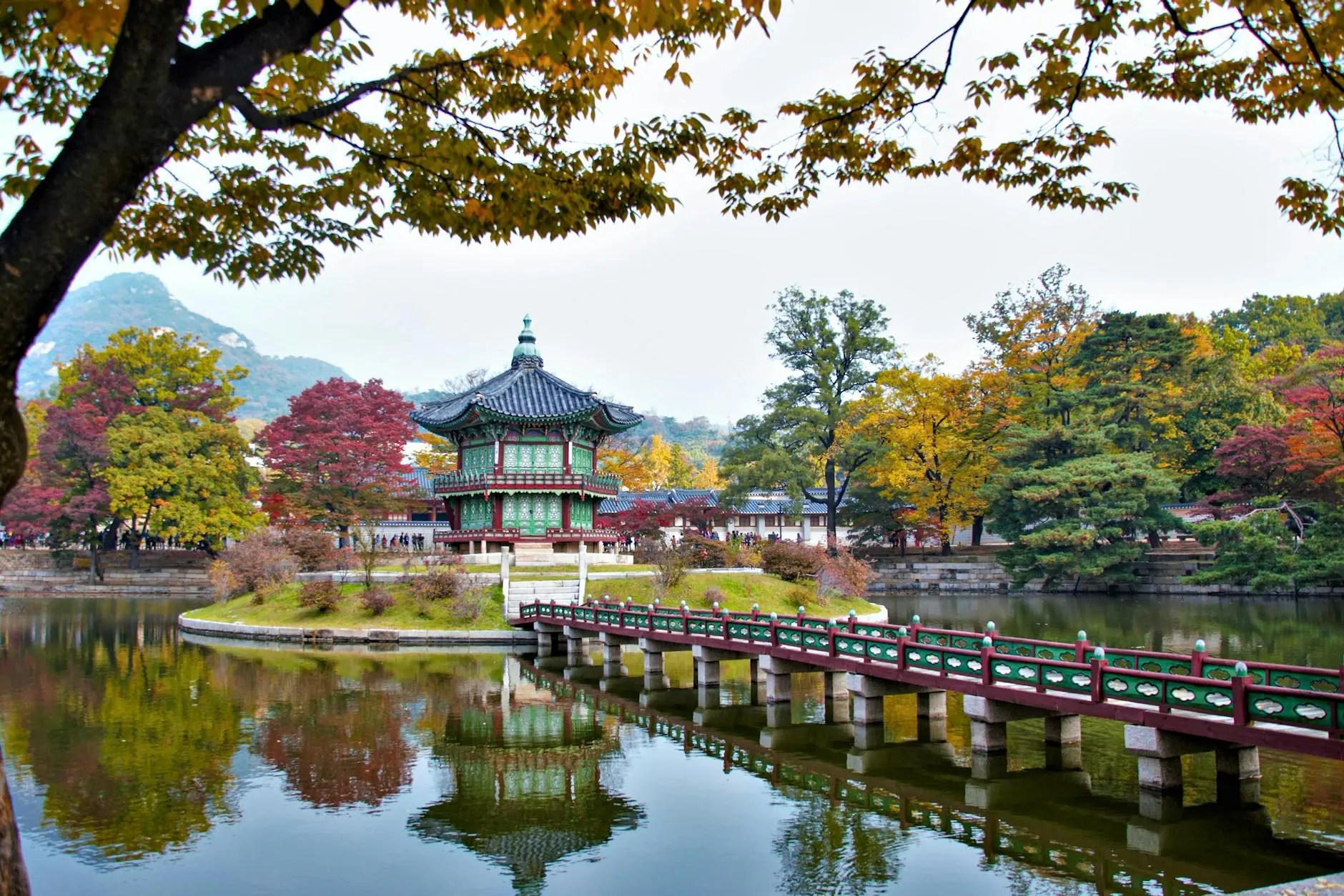
Afternoon: Bukchon Hanok Village & Insadong
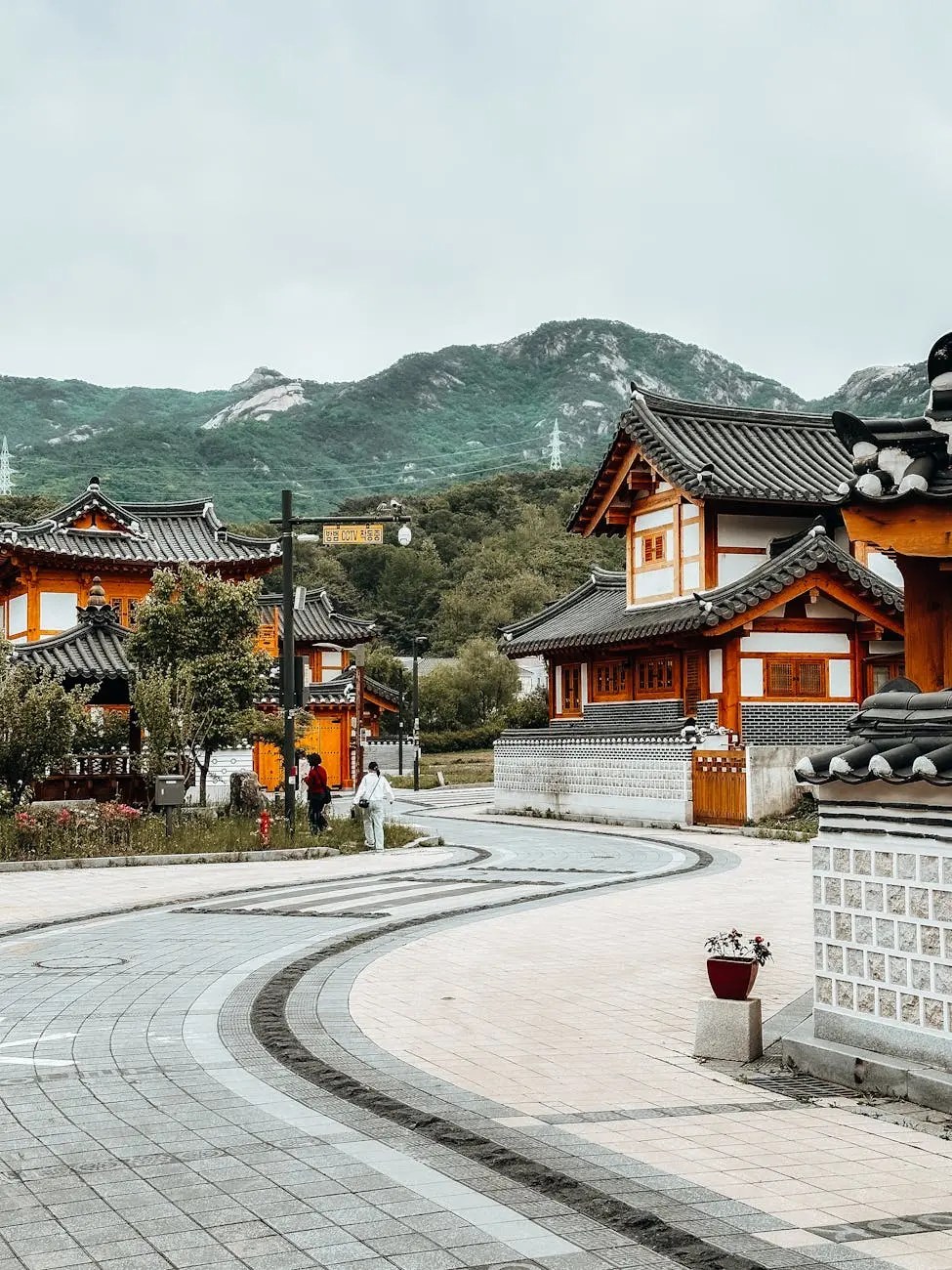
Wander through Bukchon Hanok Village, a maze of traditional Korean houses (hanoks) where old Seoul meets chic cafés and art galleries. Then stroll over to Insadong for tea houses, handicraft shops, and a little people-watching.
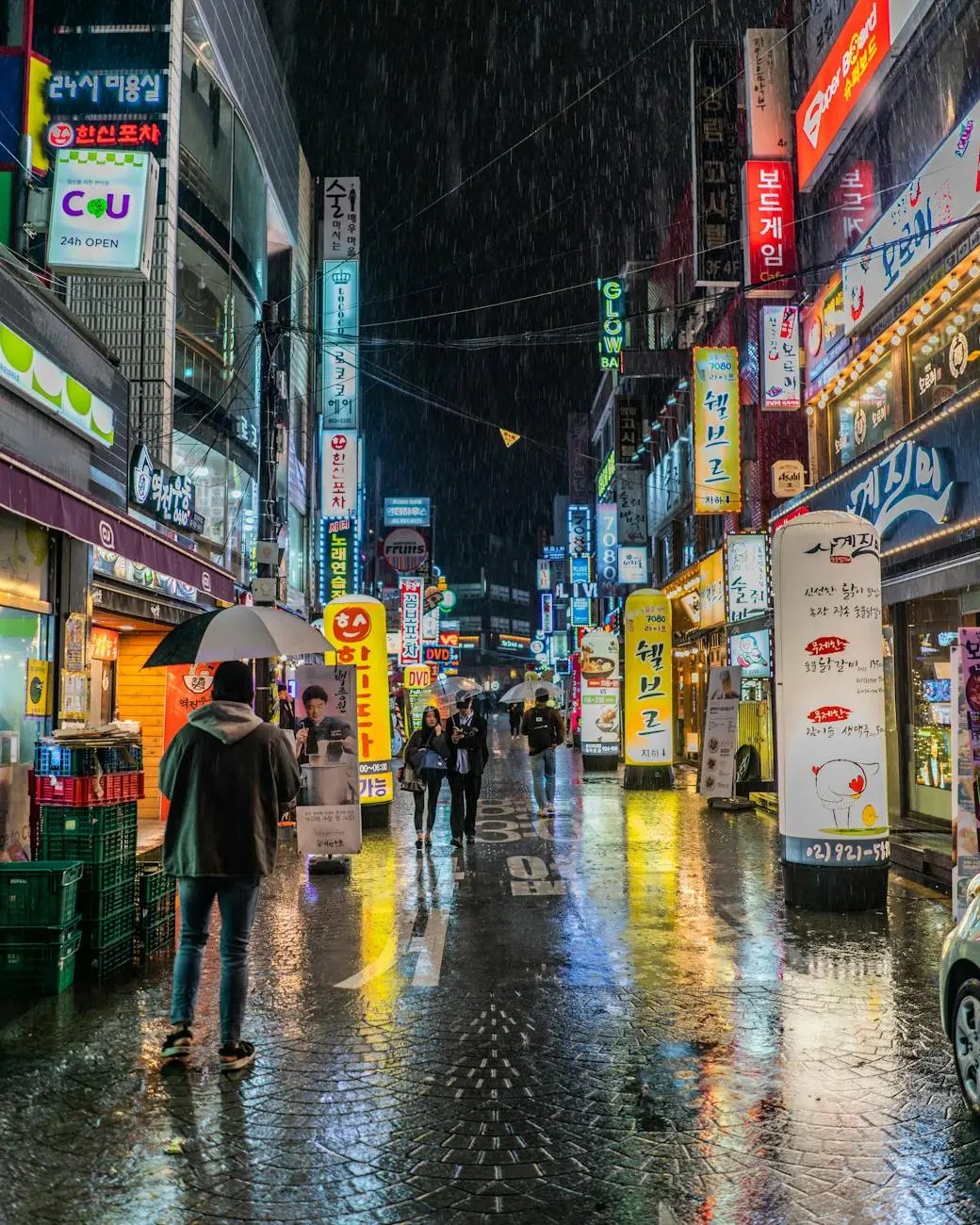
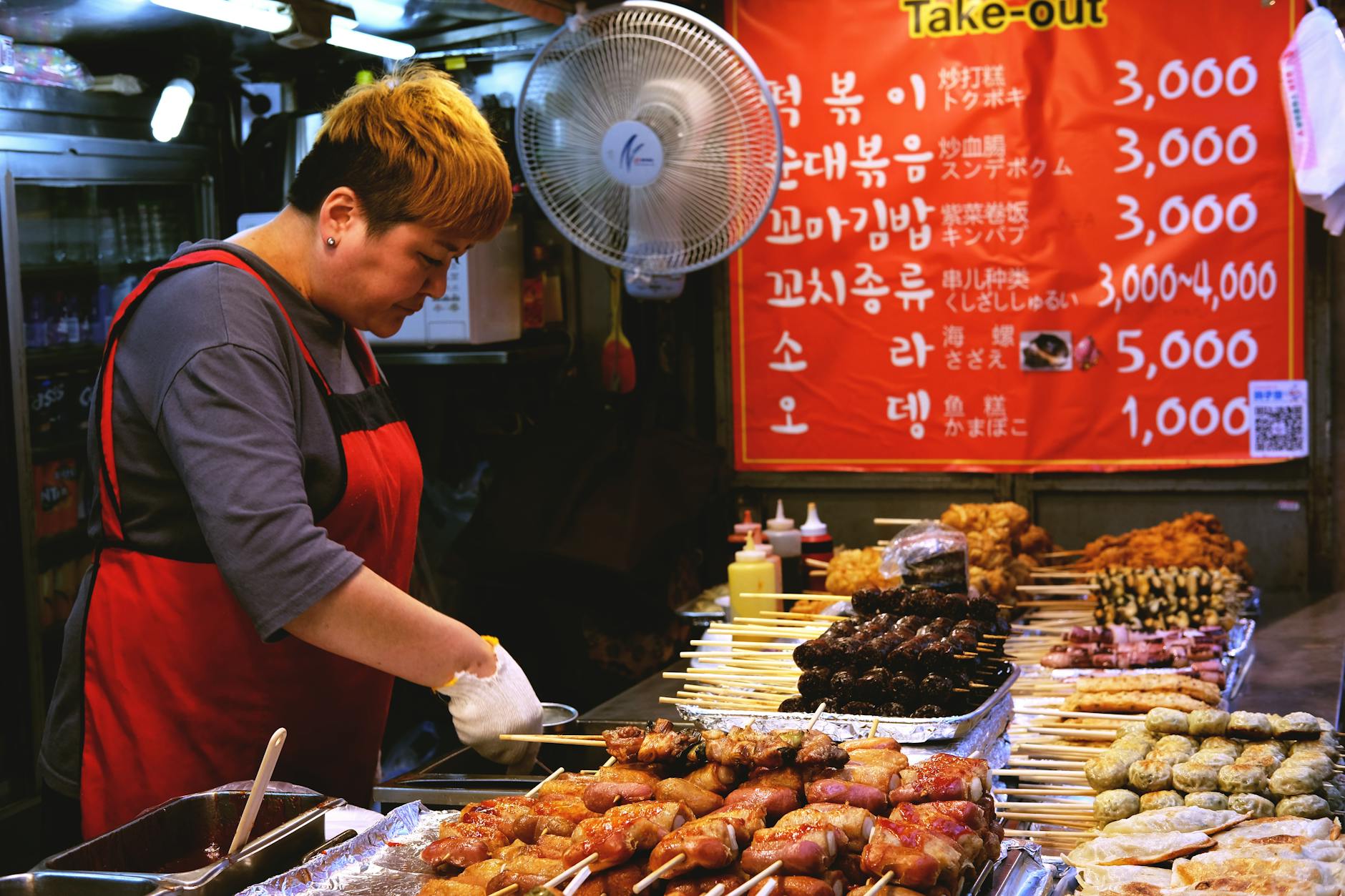
Evening: Myeongdong Night Market
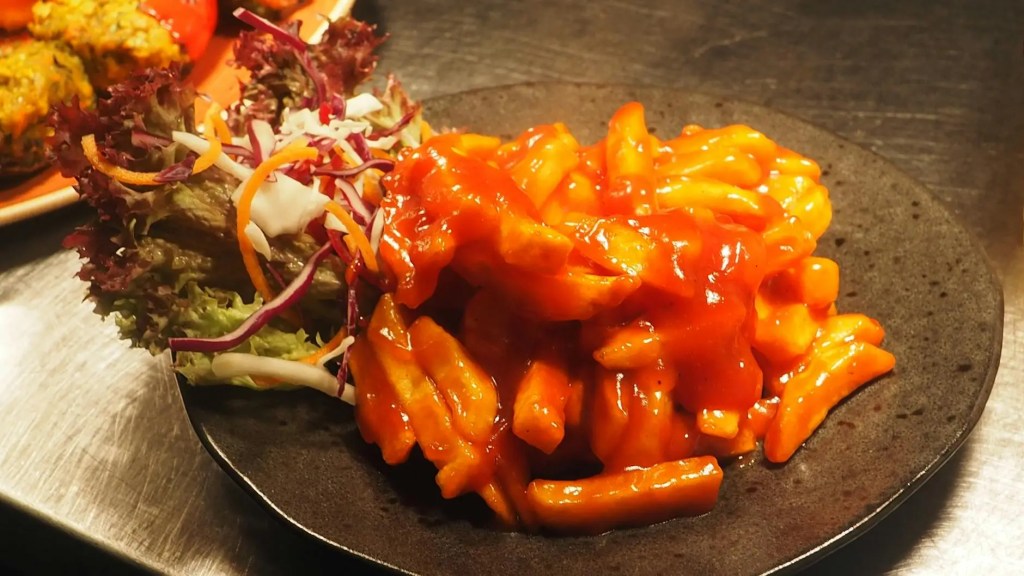
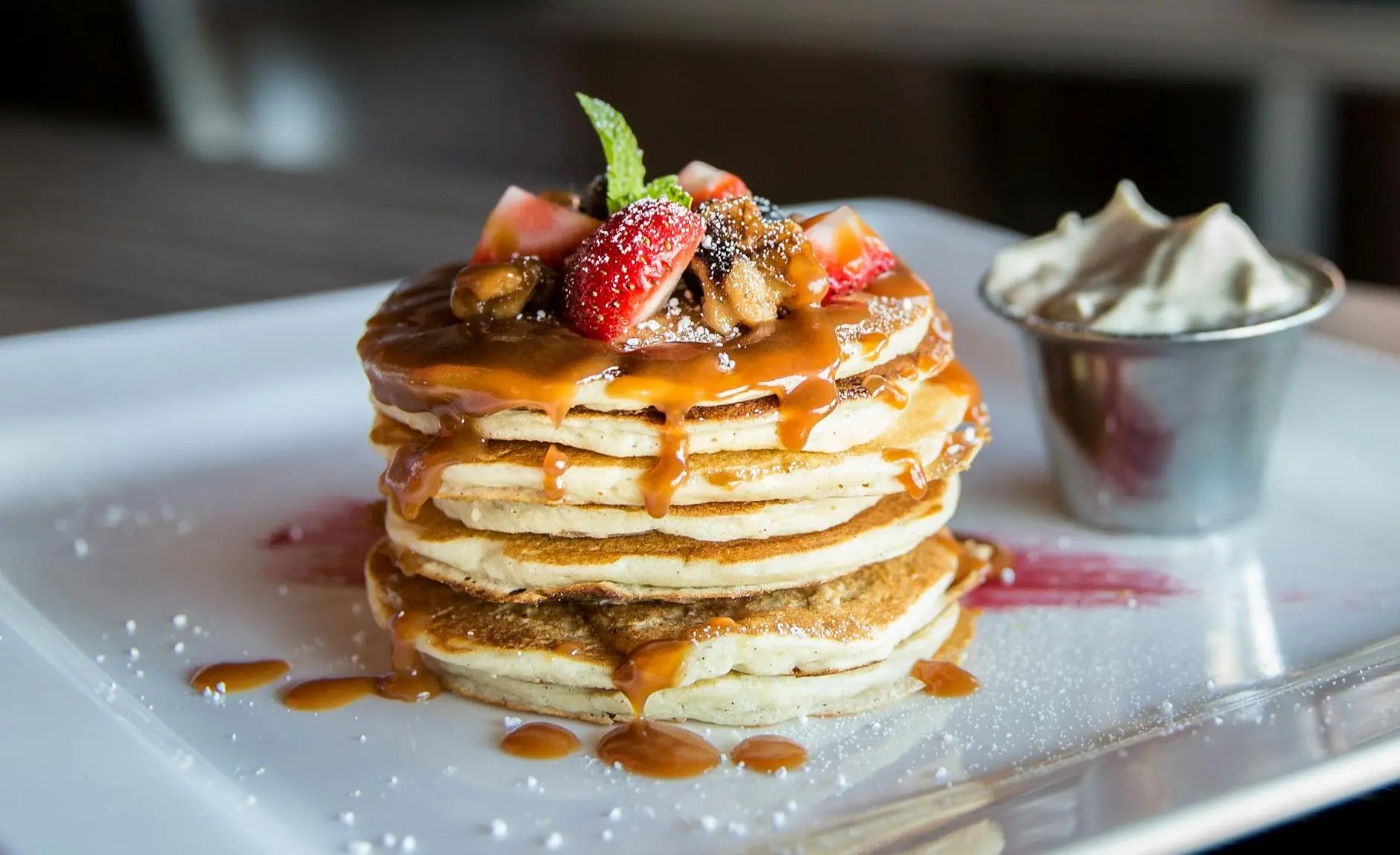
When the sun sets, Myeongdong comes alive. From spicy tteokbokki (rice cakes) to hotteok (sweet pancakes), your taste buds will thank you. Don’t forget skincare shopping—yes, you’ll probably leave with more sheet masks than you can carry. (If K-beauty makes your heart sing, you’ll love exploring our detailed reviews of Korean skincare essentials from Lakinza that we’ve already tested and recommended for glowing skin.)

Day 2: Local Life & Hidden Gems
Morning: Namsan Tower (N Seoul Tower)
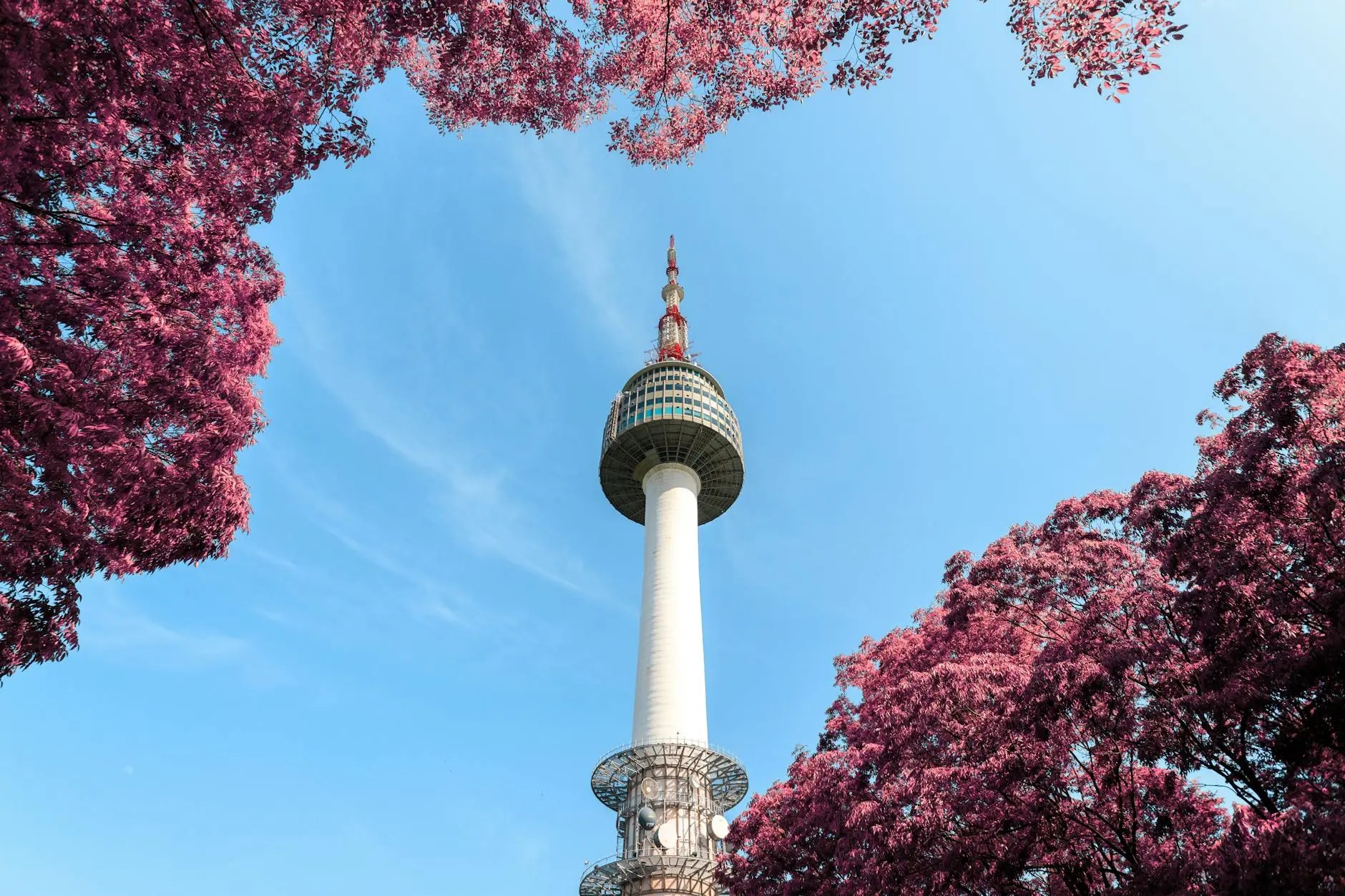
Kick off with panoramic views of Seoul at Namsan Tower. Hike up if you’re feeling energetic, or take the cable car if last night’s soju is still haunting you. Don’t miss the “love locks” fence—corny but cute.

Afternoon: Hongdae & Mapo
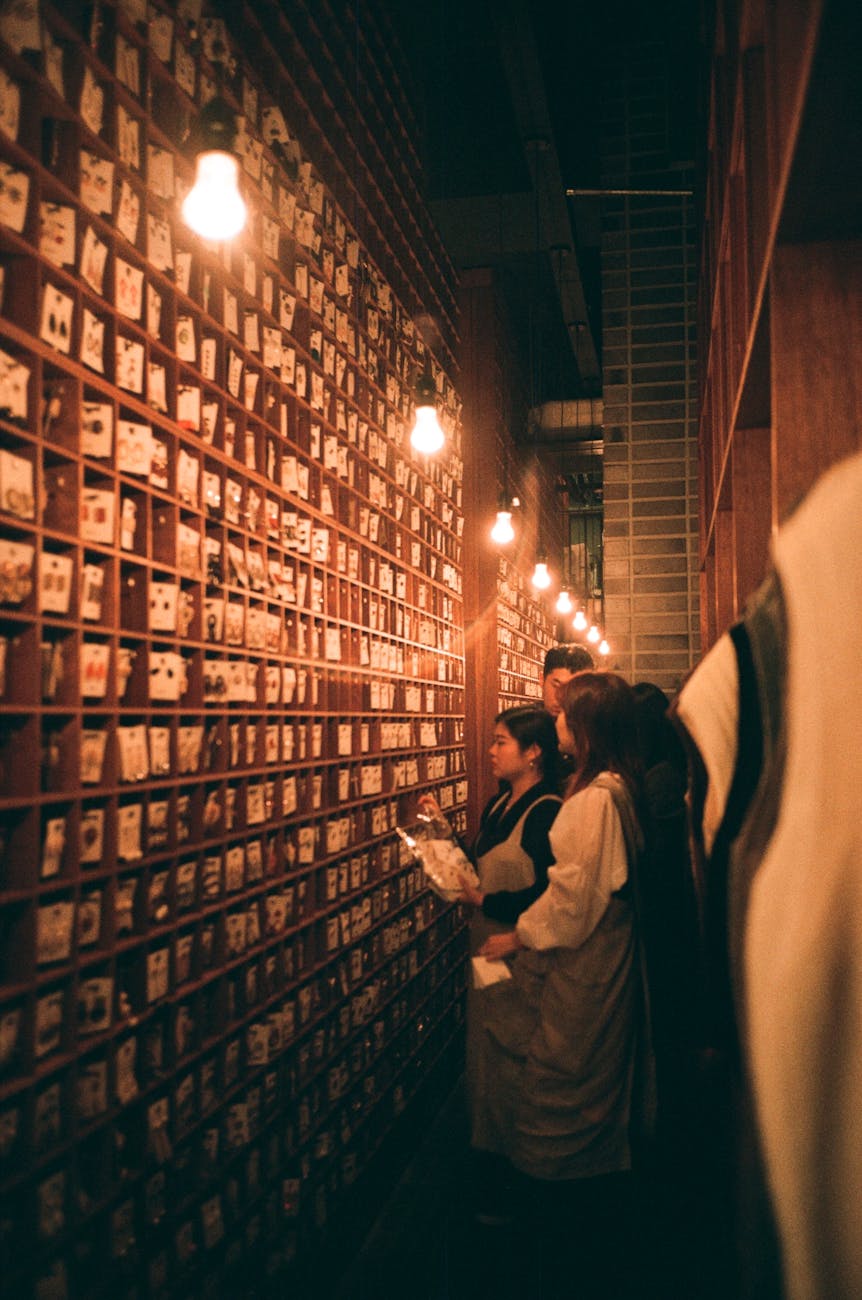
Seoul’s youth culture hub, Hongdae, is buzzing with street performers, indie music, and quirky cafés. For lunch, dive into Mapo district for authentic Korean BBQ—yes, you cook the meat yourself, and yes, you’ll smell like grilled heaven afterward.
Evening: Han River & Dongdaemun Design Plaza (DDP)
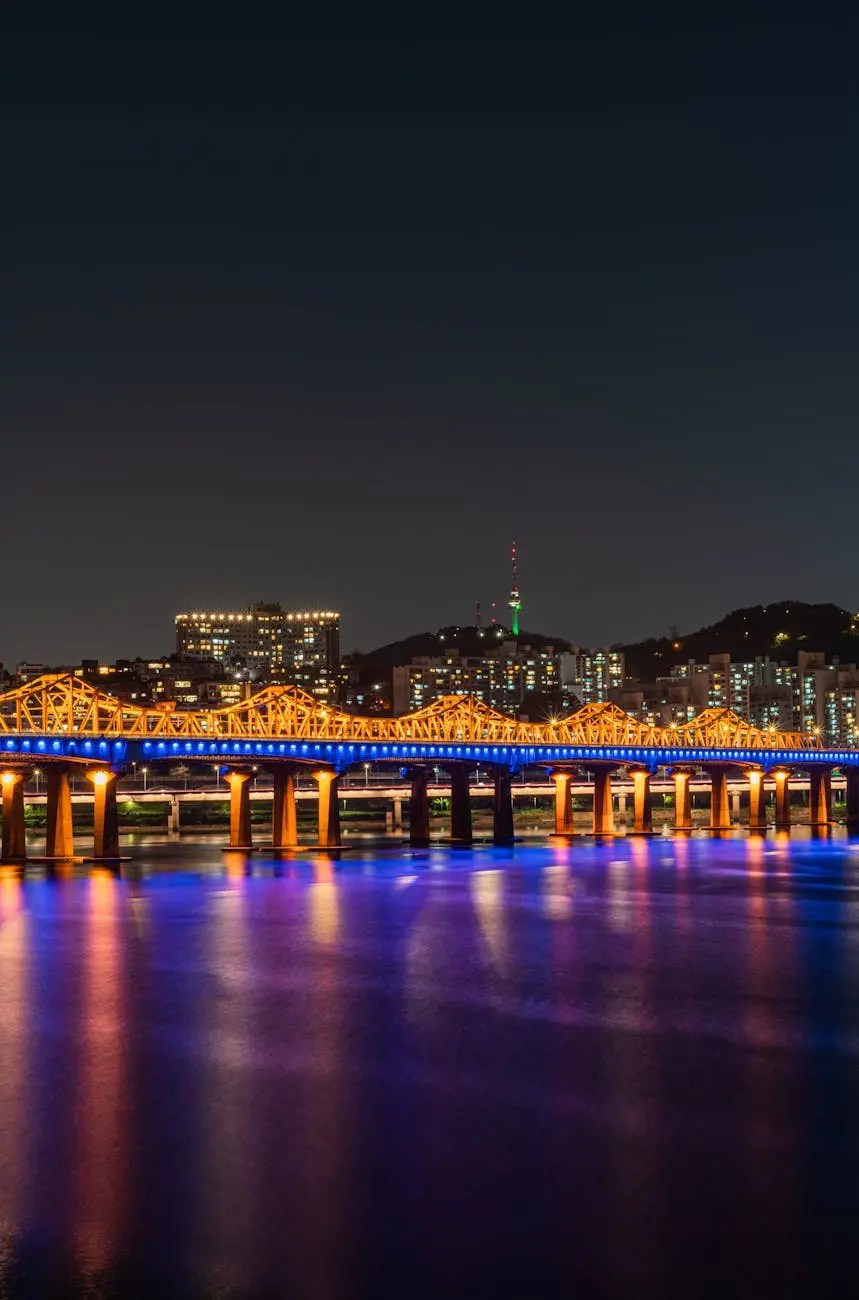
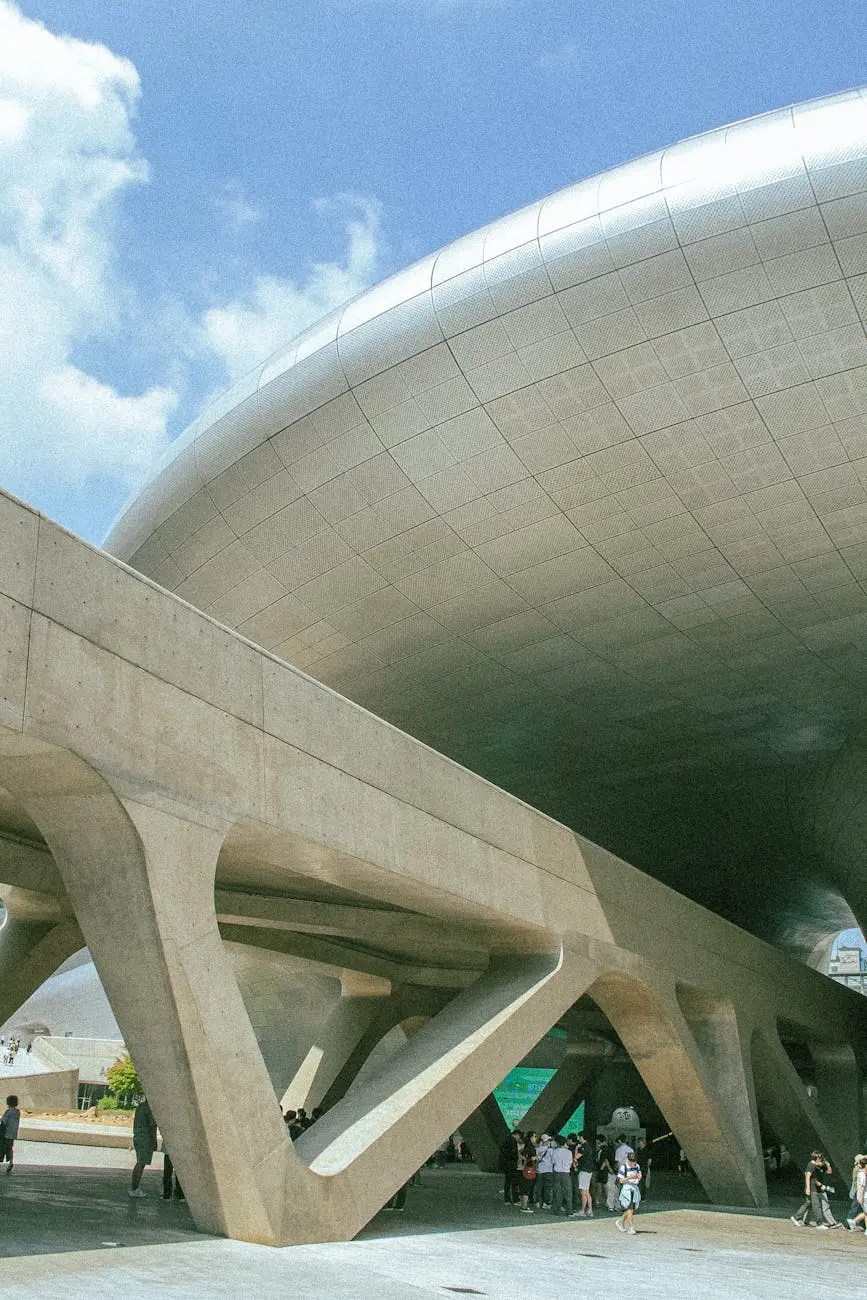
Wrap up your weekend with a riverside picnic at the Han River. Locals often order fried chicken and beer delivered right to the park (because Seoul is just that awesome). If design and architecture fascinate you, finish with the futuristic Dongdaemun Design Plaza—it’s like stepping onto a sci-fi movie set.
Seoul Han River Night Tour: Picnic, Games & Moonlight Cruise
Getting Around Seoul Like a Local
Seoul’s public transportation is a dream once you figure it out:
- Metro: The Seoul Metro is vast, punctual, and affordable. Grab a T-Money card, which works on subways, buses, and even taxis.
- Buses: Color-coded (blue for long distances, green for local, red for suburban, yellow for circular routes), buses are efficient and cover areas the metro doesn’t.
- Taxis: Safe and relatively cheap, though traffic can be heavy. Apps like KakaoTaxi make hailing easier.
- Car rentals: Not recommended for short visits—traffic is intense, and parking is expensive. Stick with public transport and save time and gas.
💡 Travel Hack: Download Naver Maps or KakaoMap—Google Maps doesn’t always work well in South Korea.

Best Time to Visit Seoul
- Spring (March–May): Cherry blossoms turn the city into a pastel dream.
- Autumn (September–November): Crisp air and stunning fall foliage.
- Winter (December–February): Cold but magical—perfect for hot street food.
- Summer (June–August): Hot, humid, and crowded—bring sunscreen and patience.
To avoid crowds, plan your palace visits early in the morning and shopping sprees on weekdays.
Hidden Gems Only Locals Know
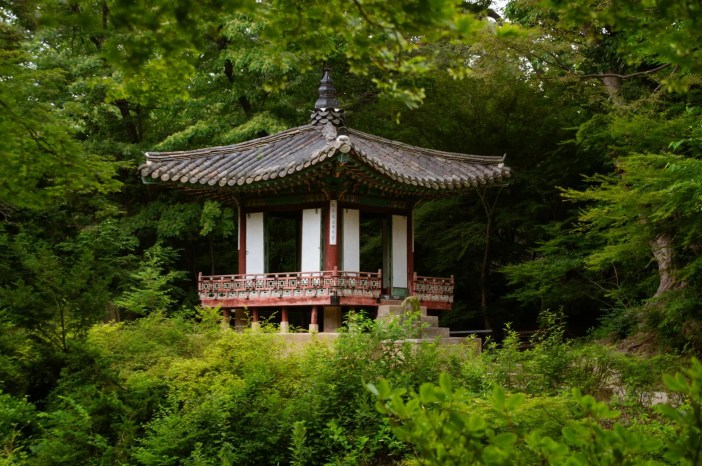
- Ikseon-dong Hanok Street: A hip version of Bukchon, filled with boutique cafés and fusion restaurants.
- Seoul Forest: A quieter alternative to the Han River parks, perfect for cycling or picnics.
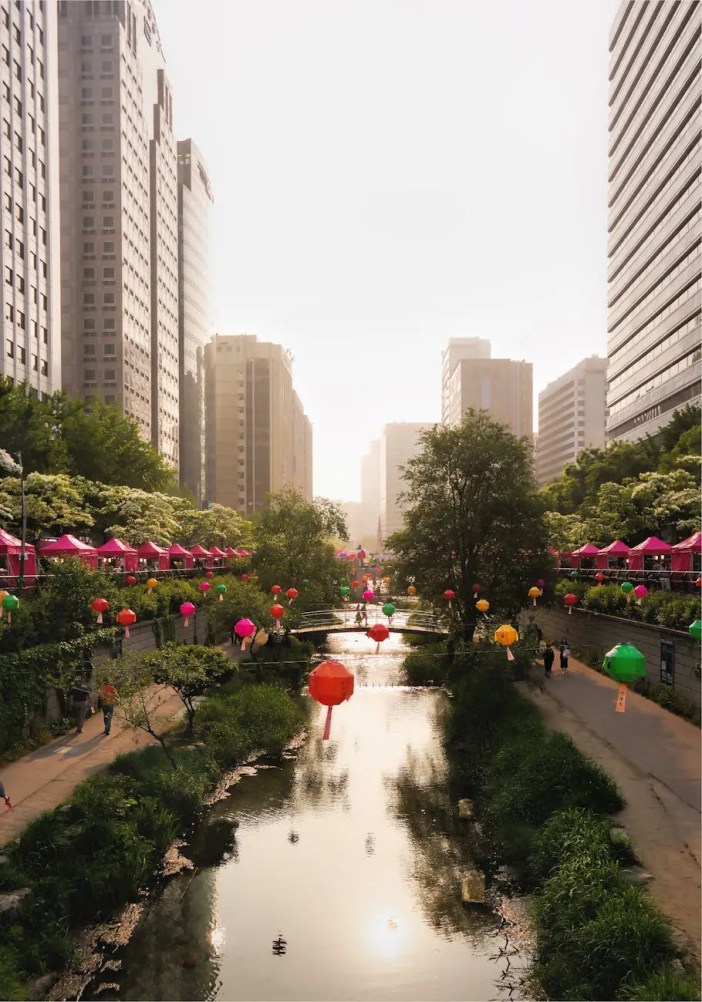
- Cheonggyecheon Stream: A peaceful walkway in the middle of downtown Seoul.
Hotels in Ikseon-dong Hanok Village, Seoul
Smart Travel Tips for Seoul
✈️ Stay Connected Without the Headache
Roaming charges can ruin your travel budget. I use Drimsim—a universal SIM card that works in 190+ countries. Just insert it, top up via the app, and you’re online without hunting down local SIM cards.
✈️ Flight Delayed or Canceled?
Travel hiccups happen. If your flight to or from Seoul is canceled or delayed, you could claim up to $650 in compensation through AirHelp. They handle the process, and you only pay if you win—stress-free.
🔒 Online Security While Traveling
Public Wi-Fi in airports and cafés isn’t always safe. I keep my data secure with NordVPN—a must for booking flights, checking bank accounts, or just streaming Netflix abroad.
📸 Capture Every Moment
Seoul is a photographer’s playground. From neon-lit streets in Gangnam to tranquil palaces, don’t forget to bring a good camera. I recommend checking out some solid gear here.
✈️ Smart Travel Tip: No matter where your adventures take you, having the right travel insurance can save you from unexpected headaches (and bills). I personally recommend VisitorsCoverage — it’s a trusted platform where you can compare plans, find coverage that fits your trip, and book it in just a few clicks. Whether you’re planning a quick city escape or a longer international journey, it’s peace of mind worth packing.
✈️ Book Your Stay Smartly
I always use Expedia for hotels and flights. Flexible bookings mean less stress if plans change.
Final Thoughts
A weekend in Seoul might not be enough to cover everything. However, it’s more than enough to fall in love with the city. Between royal palaces, sizzling BBQ, futuristic towers, and cozy hidden cafés, Seoul blends tradition with modernity in the most seamless way possible. Whether you’re chasing cherry blossoms, shopping till midnight, or just people-watching by the Han River, this city will pull you back again and again.
If you’re planning more adventures, check out my other weekend guides like Barcelona, Sydney, and Madrid. ✈️
👉 So, when are you packing your bags for Seoul? Let me know in the comments—I’d love to hear your favorite hidden spots!
Universal Disclaimer/Disclosure Page:
Frequently Asked Questions (FAQ)
Q1: Is a weekend enough time to see Seoul?
While you can’t see everything, a weekend is enough to get a wonderful taste of Seoul’s unique blend of ancient history and hyper-modernity. This itinerary is designed to efficiently cover the iconic highlights and give you a memorable experience.
Q2: What is the best way to get around Seoul?
Seoul has one of the world’s best and most efficient subway systems. It’s the easiest and fastest way for tourists to get around. Taxis are also plentiful and relatively inexpensive, and buses cover every part of the city. Using a T-money card (a rechargeable transit card) is highly recommended for seamless travel on all public transport.
Q3: What area is best to stay in for a short trip?
For first-time visitors, Myeongdong is extremely popular due to its central location, excellent subway connections, shopping, and food options. Hongdae is perfect for a younger vibe with great nightlife and culture, while Insadong offers a more traditional atmosphere close to palaces.
Q4: Do I need to learn Korean before I visit?
No, it is not necessary. In tourist areas, signs are in English and Korean, and many people, especially younger generations, speak some English. However, learning a few basic phrases like “Annyeonghaseyo” (Hello) and “Gamsahabnida” (Thank you) is greatly appreciated and will enhance your experience.
Q5: What is one thing I shouldn’t miss in Seoul?
Gyeongbokgung Palace is the quintessential Seoul experience. It’s the largest and most iconic of the Five Grand Palaces, offering a stunning look into Korea’s Joseon Dynasty history. Don’t miss the changing of the guard ceremony.
Q6: What should I pack for a weekend in Seoul?
Comfortable walking shoes are non-negotiable. You will be walking a lot. Pack layers appropriate for the season. Also, bring an adapter for South Korea’s Type C/F power outlets (220V). A portable power bank is also very useful for a day of navigating and photos.
Q7: Is Seoul an expensive city to visit?
Seoul can be as expensive or as budget-friendly as you make it. Accommodation is typically the biggest cost. However, street food, public transportation, and many attractions (like palaces and temples) are very affordable, allowing you to manage your budget effectively.


 Home Home sweet sweet home