Best Free Credit Counseling Services in the USA (2026 Guide)

Emergency Borrowing Blueprint 2026 — Your Progress

1 2 3 4 5 6 7 8 9 10 11 12 13 14 15 16 17 18 19 20 21 22 23 24 25 26 27 28 29 30

Episode 20 of 30 · 67% Complete · Week 4: After You Borrow

Best Free Credit Counseling Services in the USA (2026 Guide)
The Honest Comparison: Nonprofit vs. Paid Tools, How They Work, and Which One You Actually Need
⚖️ LEGAL & FINANCIAL DISCLAIMER

This guide is provided for general educational and informational purposes only and does not constitute financial, legal, or professional advice. Nonprofit credit counseling services, fees, and eligibility vary by agency and state. Always verify details directly with the organization before enrolling. This content is based on publicly available information and U.S. market conditions as of March 2026. The publisher is not responsible for any outcomes resulting from actions taken based on this information.

You’re overwhelmed by debt. The bills keep coming. You’ve heard “credit counseling” might help, but every Google result is a confusing mix of companies—some promising to “erase debt,” others asking for upfront fees. You don’t know who to trust.
“This guide does one thing: clearly separates nonprofit, accredited counseling from paid tools, and gives you the exact framework to decide what you need.”
📘 Part of the Emergency Borrowing Blueprint 2026 | By Laxmi Hegde, MBA in Finance

Person preparing for a credit counseling session with folders, laptop, and plant on desk — representing free nonprofit credit counseling services.
Start your financial recovery with free, accredited nonprofit credit counseling.
Illustration comparing free nonprofit credit counseling on the left and paid budgeting tools on the right, with a prominent "Start Here" arrow pointing to the nonprofit side.

📌 Quick Answer: Do You Need Credit Counseling?

Choose nonprofit credit counseling if:

You have more than $5,000 in unsecured debt, feel overwhelmed trying to organize payments, or want a structured Debt Management Plan (DMP).

Choose a paid budgeting tool if:

You need to build a daily budget, track expenses, or prefer a digital app. This is for prevention and organization.

🚫

Avoid any company that:

Asks for upfront fees, guarantees debt settlement, or tells you to stop paying your creditors.

Part 1: Start Here

Nonprofit Credit Counseling — The Gold Standard

If you are in a debt cycle, this is where you should start.

What Is a Nonprofit Credit Counseling Agency?

A nonprofit credit counseling agency is an organization, typically a 501(c)(3), whose mission is to help consumers manage their debt and finances. They are accredited by national organizations that ensure they meet standards of quality and ethics. They do not exist to sell you a product—they exist to help you build a plan.

⚠️ Important: They are not debt settlement companies. Debt settlement companies tell you to stop paying creditors in hopes of negotiating a lower payoff later—a process that can destroy your credit and lead to lawsuits. Credit counseling agencies help you pay what you owe in a manageable way.

The Two National Nonprofits You Can Trust: NFCC & FCAA

There are two national, trusted organizations that accredit and oversee most legitimate nonprofit credit counseling agencies in the U.S.

NFCC

National Foundation for Credit Counseling

The oldest and largest network of nonprofit credit counselors in the U.S. A great first stop for anyone looking for a reputable, vetted counselor.

nfcc.org →

FCAA

Financial Counseling Association of America

A national association of high-quality, nonprofit credit counseling agencies. FCAA members often specialize in Debt Management Plans.

fcaa.org →

🚩 THE RULE:

If a credit counseling agency is not accredited by the NFCC or FCAA, you are in the for-profit, potentially predatory zone. Walk away.

What They Do (And Don’t Do)

✅ What a Nonprofit Credit Counselor Does:

  • Reviews your entire financial picture
  • Creates a personalized budget
  • Sets up a Debt Management Plan (DMP)
  • Lowers interest rates (sometimes to 0–10%)
  • Waives late and over-limit fees
  • Consolidates payments into one monthly amount
  • Stops collection calls on accounts in the plan

❌ What They Do NOT Do:

  • Make your debt “disappear”
  • Lend you money
  • Charge large upfront fees
  • Guarantee debt settlement
  • Tell you to stop paying creditors

Pros, Cons & Cost

✅ Pros

  • Trustworthy & accredited
  • Structured path out of debt
  • Lowers interest & fees
  • Stops collection calls

⚠️ Cons

  • Can take 3–5 years
  • Requires monthly commitment
  • Accounts in DMP are closed
  • Temporary credit impact

💰 Typical Cost

  • Setup fee: $0–$50 (often waived)
  • Monthly fee: $20–$50
  • Many agencies waive fees for hardship

*Fees vary by agency. Always ask about fee waivers if you cannot afford them.

“Nonprofit counseling helps you manage debt. The Credit Repair Playbook helps you rebuild credit afterward.”

🛡️

The Credit Repair Playbook

Fix your credit. For free. Without paying a repair company.

6 interactive tools. 4 dispute letter templates with FCRA citations. AI-powered strategies for 2026. 90-day maintenance plan. Written in plain English — no legal degree required.

Get the eBook →

🟢

Start Here — Free Nonprofit Help

If you’re struggling with debt, start with nonprofit credit counseling. These organizations are accredited, trusted, and exist to help — not to sell you something.

📞 National Foundation for Credit Counseling (NFCC)

🌐 nfcc.org | 📞 (800) 388-2227

The largest network of nonprofit credit counselors. Free initial session.

📞 Financial Counseling Association of America (FCAA)

🌐 fcaa.org | 📞 (866) 694-3228

High-quality nonprofit agencies specializing in Debt Management Plans.

✅ What they can do for you: Review finances, create a debt plan, negotiate lower interest rates, stop collection calls. Most initial sessions are free.

📖

Stop Debt Collector Harassment — For Good

6 phone scripts. 4 certified letters. FDCPA violations cheat sheet. Everything you need to assert your rights and stop the calls.

Get the eBook →

📋 What Is a Debt Management Plan (DMP)?

A Debt Management Plan is the core service most nonprofit credit counseling agencies offer. If you enroll in a DMP, here’s exactly what happens:

1

You make one payment to the counseling agency each month.

2

Agency distributes payments to your creditors.

3

Creditors often lower interest rates (sometimes to 0–10%).

4

You become debt-free in 3–5 years with a clear finish line.

💡 Important: Accounts in a DMP are typically closed, which may temporarily impact your credit score. However, this is far less damaging than missed payments, charge-offs, or collections—and the long-term benefit of becoming debt-free outweighs the short-term dip.

Part 2: When & How to Use Them

Paid Options — For Prevention & Organization

If you don’t need a structured DMP but want help with budgeting, tracking, and building a buffer.

Nonprofit counseling is a service—a human interaction that helps you build a plan. Paid budgeting apps are tools—they help you execute and maintain that plan day-to-day. They are excellent for preventing future debt by helping you build a buffer and track your spending.

⚠️ Important: The tools below are vetted, reputable platforms with transparent pricing. Avoid any budgeting app that asks for large upfront fees or promises to “erase debt.”

Vetted Paid Tools (With Transparent Pricing)

You Need A Budget (YNAB)

⭐ Best for: Breaking the paycheck-to-paycheck cycle

YNAB’s philosophy is to “give every dollar a job.” It helps you assign money you have to categories, build a buffer, and plan for true expenses (like car repairs) so they don’t become emergencies.

Pricing: $14.99/month or $99/year (free 34-day trial)

ynab.com →

Quicken Simplifi

⭐ Best for: Comprehensive cash flow & spending overview

Focuses on your cash flow, helping you track spending, create a “Spending Plan,” and monitor net worth. Great for people who want all their accounts in one dashboard.

Pricing: $3.99/month

quicken.com/simplifi →

Tiller Money

⭐ Best for: Spreadsheet lovers who want ultimate control

Automatically feeds your daily transactions into Google Sheets or Excel. You control how it’s categorized, analyzed, and tracked. Perfect for people who want to build their own custom system.

Pricing: $79/year (free 30-day trial)

tillerhq.com →

Free Nonprofit vs. Paid Tools — Which One Is Right for You?

Feature Nonprofit Credit Counseling Paid Budgeting Tools
Best for Active debt, overwhelmed, need a structured plan Budgeting, tracking, prevention, organization
Cost Free or low-cost ($0–$50 setup, $20–$50/month) $4–$15/month or $79–$99/year
Human support ✅ Yes — certified counselor ❌ No — self-directed (chat/email support only)
Negotiates with creditors ✅ Yes — lowers rates, waives fees ❌ No
Stops collection calls ✅ Yes (accounts in DMP) ❌ No
Credit impact Accounts closed — temporary dip, then recovery No direct impact — helps you build habits
⬇️

Not sure which path is right for you?

Use the simple framework below to make your decision in under 60 seconds.

Want Faster or Online Help?

If you need immediate action, fully online tools, or faster onboarding, here are vetted alternatives:

You Need A Budget (YNAB)

⭐ Best for: Breaking the paycheck-to-paycheck cycle

“Give every dollar a job.” Build a buffer, plan for true expenses, and prevent future debt.

💰 $14.99/mo or $99/yr | 34-day free trial

Try YNAB →

Quicken Simplifi

⭐ Best for: Cash flow overview

Track spending, create a “Spending Plan,” and monitor net worth in one dashboard. Easy to use, affordable, and great for getting a quick birds-eye view of your finances.

💰 $2.99/mo (50% off special offer) | 30-day free trial

Try Simplifi with 50% off →

Tiller Money

⭐ Best for: Spreadsheet power users

Auto-feed transactions into Google Sheets or Excel. Full control, full customization. Perfect if you love building your own systems.

💰 $79/yr | 30-day free trial

Try Tiller →

🔗 Disclosure: Some links on this page are affiliate links. If you choose to purchase through these links, I may earn a commission at no extra cost to you. I always recommend starting with free nonprofit credit counseling before considering paid options.

Want Faster or Online Help?

If you need immediate action, fully online tools, or faster onboarding, here are vetted alternatives:

You Need A Budget (YNAB)

⭐ Best for: Breaking the paycheck-to-paycheck cycle

“Give every dollar a job.” Build a buffer, plan for true expenses, and prevent future debt.

💰 $14.99/mo or $99/yr | 34-day free trial

Try YNAB →

Quicken Simplifi

⭐ Best for: Cash flow overview

Track spending, create a “Spending Plan,” and monitor net worth in one dashboard.

💰 $3.99/mo | 30-day free trial

Try Simplifi →

Tiller Money

⭐ Best for: Spreadsheet power users

Auto-feed transactions into Google Sheets or Excel. Full control, full customization.

💰 $79/yr | 30-day free trial

Try Tiller →
🔗 Disclosure: Some links on this page are affiliate links. If you choose to purchase through these links, I may earn a commission at no extra cost to you. I always recommend starting with free nonprofit credit counseling before considering paid options.

📊 At a Glance: Which Option Is Right for You?

Service Type Cost Best For
NFCC / FCAA Free initial session Trusted nonprofit help, human guidance, debt negotiation
YNAB $14.99/mo or $99/yr Breaking the paycheck-to-paycheck cycle, proactive budgeting
Quicken Simplifi $3.99/mo Cash flow overview, spending plan
Tiller Money $79/yr Spreadsheet control, full customization

📊 At a Glance: Which Option Is Right for You?

Service Type Cost Best For Action
NFCC / FCAA Free initial session Trusted nonprofit help, human guidance Find a Counselor →
YNAB $14.99/mo or $99/yr Breaking paycheck-to-paycheck cycle Try Free →
Quicken Simplifi $2.99/mo (50% off) Cash flow overview, spending plan Get 50% Off →
Tiller Money $79/yr Spreadsheet control, full customization Try Free →

The Credit Counseling Decision Framework

Use this simple flow to determine your next step in under 60 seconds.

1

Are you in active debt?

(e.g., high-interest credit cards, collection calls, struggling to make minimum payments)

✅ YES →

Start with nonprofit NFCC or FCAA credit counseling. This is your first and most important step. They can help you assess if a Debt Management Plan is right for you.

❌ NO →

Proceed to Question 2.

2

Do you have a budget and emergency fund, but want better tools?

✅ YES →

A paid budgeting tool (like YNAB, Quicken, or Tiller) is a great fit. These tools are for people who are managing their finances but want to optimize and prevent future debt.

❌ NO →

Proceed to Question 3.

3

Are you just starting, feeling overwhelmed, and have no clear sense of your monthly income and expenses?

✅ YES →

Start with the free resources from a nonprofit credit counseling agency. Many offer free budget coaching, even if you don’t need a DMP. You need human guidance first, the digital tool second.

🤔 NOT SURE →

Start with a free NFCC or FCAA counseling session. It costs nothing to talk to a certified counselor who can help you figure out your next step.

FAQ: What You Actually Need to Know

Q: Is credit counseling bad for my credit?

A: A Debt Management Plan (DMP) will close the credit accounts you include, which can initially lower your score. However, it also prevents future late payments, collections, and charge-offs—which are much more damaging. Over time, as you consistently pay down your debt, your score will recover. It’s a short-term impact for a long-term gain.

📌 Source: NFCC · CFPB

Q: Can a credit counselor help me with student loans?

A: Yes, but differently. Most NFCC agencies have certified student loan counselors who can help you navigate repayment plans, forbearance, consolidation options, and Public Service Loan Forgiveness (PSLF)—all without a DMP. It’s typically a free service.

📌 Source: NFCC Student Loan Counseling

Q: How much does it cost to work with the NFCC?

A: The initial counseling session is almost always free. If you enroll in a DMP, the setup fee is typically $0–$50, and the monthly fee is $20–$50. Many agencies waive fees for clients who demonstrate financial hardship. Always ask about fee waivers.

📌 Source: NFCC · FCAA

Q: What’s the difference between credit counseling and debt settlement?

A: This is the most important distinction. Credit counseling helps you repay your full debt with lower interest rates. Debt settlement companies tell you to stop paying your creditors so they can try to negotiate a lower payoff later—a process that often leads to lawsuits, ruined credit, and upfront fees. The FTC has taken action against many debt settlement companies. Avoid them.

📌 Source: FTC · CFPB

Q: I found a company that says they can “erase my debt for pennies on the dollar.” Should I use them?

A: No. If a company promises to erase debt, asks for upfront fees, or tells you to stop paying your creditors—run. These are hallmarks of predatory debt settlement scams. Start with an NFCC or FCAA agency for a free, honest assessment. Legitimate help does not require upfront payment.

📌 Source: FTC Telemarketing Sales Rule · CFPB

Q: Can I get credit counseling if I have no money to pay?

A: Yes. Most NFCC and FCAA agencies offer the initial counseling session for free. If you enroll in a DMP but cannot afford the monthly fee, ask about hardship waivers. Many agencies have scholarships or sliding-scale fees based on income. Don’t let cost stop you from calling.

📌 Source: NFCC · FCAA

📥

Ready to Take Action?

We’ve created a free toolkit to help you prepare for your first credit counseling session and rebuild your credit.

⬇️ Free Download Below ⬇️

🤔 Who Should Use Which Option?

✅ Use Nonprofit Counseling If:

  • You’re overwhelmed with debt
  • You want free, trusted guidance
  • You don’t want to pay upfront fees
  • You need help negotiating with creditors

⚡ Use Paid Tools If:

  • You’re already stable but want to optimize
  • You prefer digital tools over phone calls
  • You want to build a buffer and prevent future debt
  • You’re ready to invest in your financial systems

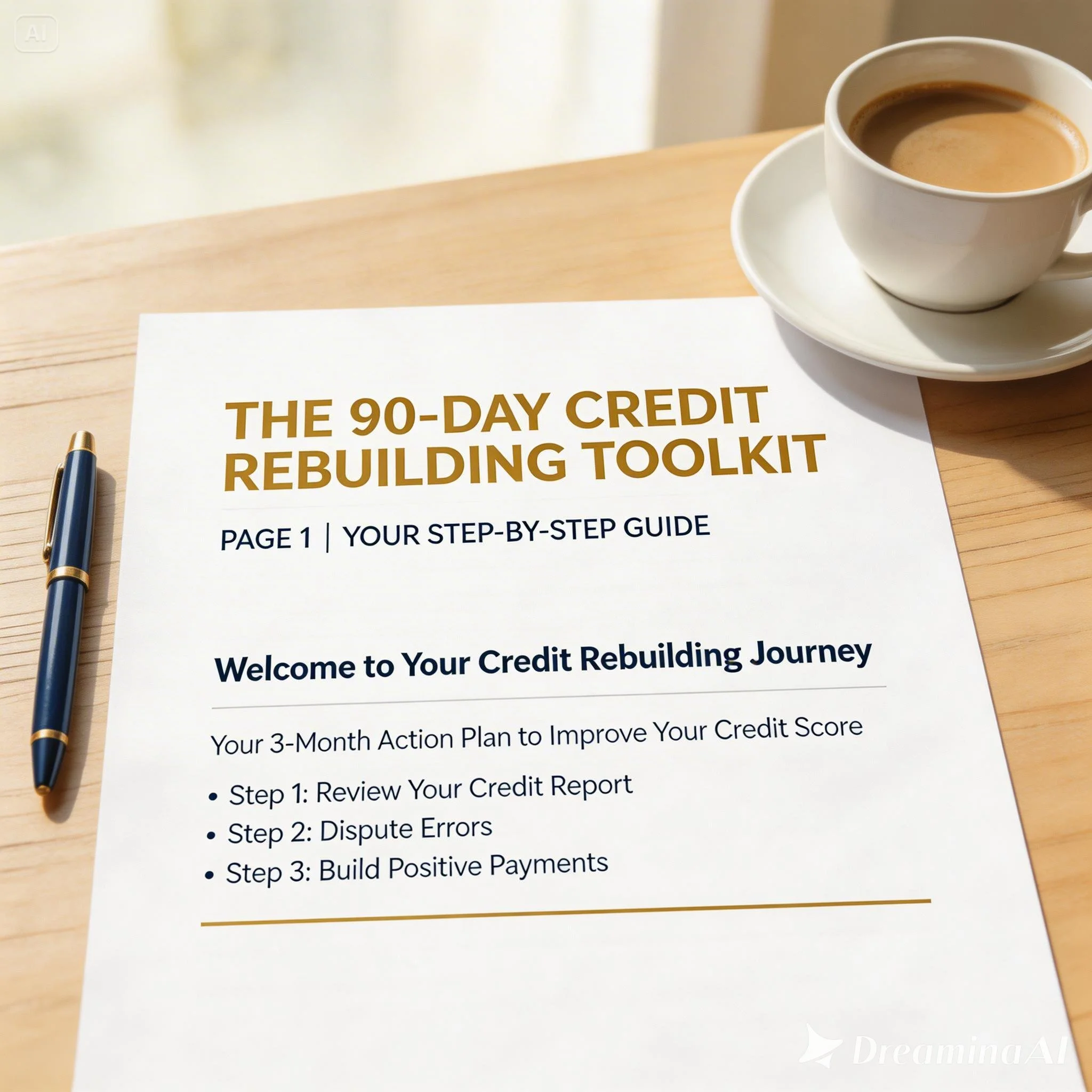
Printed preview of The 90-Day Credit Rebuilding Toolkit on a desk with a pen, showing worksheets and trackers.
Flowchart showing the three-question credit counseling decision framework: active debt leads to nonprofit counseling, established budget leads to paid tools, beginners start with free coaching.
📥

Free · No sign-up required

The 90-Day Credit Rebuilding Toolkit

Your complete printable guide to preparing for credit counseling and rebuilding your credit. Includes:

Counselor Prep Worksheet
Debt Management Plan Tracker
Paid Tool Comparison Chart
90-Day Credit Rebuilding Checklist
NFCC & FCAA Contact Reference Sheet
Budgeting Template (Printable)
⬇ Download Free PDF Toolkit ⬇

*No email required. Instant download. ConfidenceBuildings.com

Final Thoughts: The Path Forward

The difference between struggling with debt and successfully managing it is rarely about willpower. It’s about having the right information and the right support at the right time.

Nonprofit credit counseling exists for exactly the situation you’re in right now. The counselors at NFCC and FCAA agencies have helped millions of people build structured plans to pay off debt, lower interest rates, and stop collection calls. They are not there to judge you. They are there to help you.

If you’re not ready for a DMP, paid budgeting tools like YNAB, Quicken, or Tiller can help you build the habits that prevent future debt. Start with the 34-day free trial. See if it clicks. The investment is small compared to the cost of another year of financial stress.

“The best time to get help was six months ago. The second best time is today.”

— Laxmi Hegde, MBA in Finance

RM

Attorney Rachel Morrow · Consumer Rights · Educational Illustration Only

“One of the most common misconceptions I see is that credit counseling and debt settlement are the same thing. They are not. A nonprofit credit counselor works for you. A debt settlement company works for its own profit—often taking your money while your credit is destroyed. Before you sign anything with any company, ask one question: ‘Are you accredited by the NFCC or FCAA?’ If the answer is no, walk away. Your financial recovery is too important to risk on companies that charge upfront fees for services you can get for free.”

Legal Context: Under the FTC Telemarketing Sales Rule, it is illegal for debt relief companies to charge upfront fees before settling your debt. If a company asks for money before they’ve done anything—run. Nonprofit NFCC/FCAA agencies comply with all federal consumer protection laws. Always verify credentials before sharing personal information.

Bottom Line: Free, accredited help exists. Use it first. Paid tools are for maintenance, not crisis. If a company pressures you, charges upfront, or promises to “erase debt”—that’s your signal to call an NFCC counselor instead.

📚 Quick Resource Directory

National Foundation for Credit Counseling (NFCC)

nfcc.org | (800) 388-2227

Financial Counseling Association of America (FCAA)

fcaa.org | (866) 694-3228

CFPB — File a Complaint

consumerfinance.gov/complaint

FTC — Report Fraud

reportfraud.ftc.gov

Written by

Laxmi Hegde, MBA in Finance

Founder, ConfidenceBuildings.com

📘 Part of the Emergency Borrowing Blueprint 2026

Episode 20 of 30 · Week 4: After You Borrow

Updated March 2026 · Next episode: How to Negotiate With Creditors

⚠ For educational purposes only. Not financial or legal advice. The information in this post is current as of March 2026. Nonprofit credit counseling services, fees, and eligibility vary by agency and state. Always verify details directly with the organization. If you are facing identity theft, fraud, or complex credit issues, consult a qualified consumer rights attorney or nonprofit credit counselor. Free credit reports available at AnnualCreditReport.com.

© 2026 ConfidenceBuildings.com · Emergency Borrowing Blueprint 2026 · Laxmi Hegde, MBA in Finance

⚖️

Need Legal Documents Without the High Attorney Fees?

Standard Legal helps you create legally valid documents for bankruptcy, wills, incorporation, lease agreements, and more — at a fraction of the cost of hiring an attorney. Two affordable options:

📄 Document Preparation Service

Let Standard Legal prepare your documents for you

  • Professionally prepared legal documents
  • Review by legal professionals
  • Perfect for bankruptcy, wills, incorporation
Get Started →

💻 Legal Forms Software

Create your own documents with easy-to-use software

  • Complete legal forms library
  • Step-by-step interview format
  • Unlimited use for one low price
Browse Software →
🔗 Affiliate Disclosure: Some links on this page are affiliate links. If you choose to purchase through these links, I may earn a commission at no extra cost to you. I only recommend tools I trust — and Standard Legal has helped thousands of people save on attorney fees.

🔗 Affiliate Disclosure: Some links in this post are affiliate links. If you purchase through them, ConfidenceBuildings.com may earn a small commission at no extra cost to you. We only recommend products we genuinely believe in and that align with our mission of honest financial education. We never accept payment to recommend predatory financial products.

📘

Ready to Go Deeper?

This guide gives you the foundation. The Borrower’s Truth ebook takes you step-by-step through every strategy in detail — with real scripts, legal protections, and a complete 12-month financial recovery plan.

⚠️ Before choosing any paid service, read the full Borrower’s Truth Guide for free.

🔬 Research Note & Primary Sources

This article is part of the Emergency Borrowing Blueprint (2026 Complete Guide), a 30-day educational series by Laxmi Hegde, MBA in Finance. All statistics, legal references, and data are drawn from government agencies, nonprofit organizations, and primary research institutions as of March 2026.

Primary Sources:

  • National Foundation for Credit Counseling (NFCC) — The largest and oldest network of nonprofit credit counselors in the U.S., accrediting agencies that meet strict quality standards
  • Financial Counseling Association of America (FCAA) — A national association of high-quality, nonprofit credit counseling agencies
  • Consumer Financial Protection Bureau (CFPB) — Credit counseling guidance, debt management plan information, consumer education
  • Federal Trade Commission (FTC) — Credit counseling vs. debt settlement guidance, consumer protection enforcement
  • Fair Credit Reporting Act (FCRA) — 15 U.S.C. § 1681 et seq. — The federal law governing credit reporting and consumer rights

📊 Key Statistics (2026):

  • 1 in 5 consumers have an error on at least one credit report — FTC study
  • $50,000+ — lifetime cost of a 100-point drop in credit score (FICO/Consumer Reports)
  • 47% of employers check credit reports during hiring — Society for Human Resource Management
  • 30 days — the time credit bureaus have to investigate disputes under the FCRA
  • 3-5 years — typical length of a Debt Management Plan (DMP) through NFCC/FCAA agencies
  • 80%+ — estimated interest rate reduction achievable through nonprofit DMP enrollment

🏛️ Nonprofit Accreditation Standards — What to Look For:

  • NFCC accreditation — Requires member agencies to maintain strict quality standards, provide certified counselors, and offer free initial counseling sessions
  • FCAA membership — Requires agencies to meet rigorous financial stability and ethical practice standards
  • 501(c)(3) nonprofit status — Legitimate credit counseling agencies operate as tax-exempt nonprofits, not for-profit companies
  • No upfront fees rule — Under the FTC Telemarketing Sales Rule, legitimate agencies cannot charge fees before providing services
  • CFPB registered — Accredited agencies maintain compliance with CFPB consumer protection standards

🚩 Red Flags — Avoid These Debt Relief Scams:

  • Upfront fees before any service — Illegal under the FTC Telemarketing Sales Rule
  • “Guaranteed” debt elimination — No legitimate company can guarantee debt elimination
  • Tells you to stop paying creditors — This leads to lawsuits, ruined credit, and collection activity
  • Not accredited by NFCC or FCAA — If they’re not on these lists, you’re in the for-profit, potentially predatory zone
  • Promises to “erase debt for pennies on the dollar” — Legitimate credit counseling helps you repay what you owe with lower interest

📅 2026 Updates Included:

  • Free weekly credit reports extended — Through 2026, consumers can access free weekly reports at AnnualCreditReport.com
  • CFPB enhanced credit counseling guidance — Updated resources for consumers seeking nonprofit debt help
  • State-level consumer protection laws — California, Colorado, New York, and Virginia have added additional credit counseling consumer protections
  • FTC increased enforcement — Heightened scrutiny on for-profit debt settlement companies making false promises

⚠ For educational purposes only. Not financial or legal advice. Nonprofit credit counseling services, fees, and eligibility vary by agency and state. Always verify details directly with the NFCC, FCAA, or the specific agency before enrolling. The information in this article is current as of March 2026. If you are facing identity theft, fraud, or complex credit issues, consult a qualified consumer rights attorney or nonprofit credit counselor. Free credit reports available at AnnualCreditReport.com.

For the complete Emergency Borrowing Blueprint 2026 series, visit: Emergency Borrowing Blueprint 2026 → ConfidenceBuildings.com

📌 Updated March 2026 · ConfidenceBuildings.com Research Project · Episode 20

📅 Published March 27, 2026 · Updated as part of the ConfidenceBuildings.com 2026 Consumer Finance Research Project.

This post is Episode 20 of 30 in the Emergency Borrowing Blueprint (2026 Complete Guide), examining emergency borrowing, predatory lending practices, and consumer financial rights. This episode focuses specifically on the best free credit counseling services in the USA—including how to choose between nonprofit counseling and paid tools, what to expect from a Debt Management Plan (DMP), and how to avoid debt settlement scams.

Research methodology: Information compiled from primary sources including the National Foundation for Credit Counseling (NFCC), Financial Counseling Association of America (FCAA), Consumer Financial Protection Bureau (CFPB), Federal Trade Commission (FTC), and the Fair Credit Reporting Act (15 U.S.C. § 1681). Debt Management Plan data from NFCC member agency reports and CFPB consumer research.

📌 2026 Updates Included:

  • Free weekly credit reports extended through 2026 at AnnualCreditReport.com — essential for credit counseling prep
  • CFPB enhanced credit counseling guidance and consumer complaint database updates
  • State-level consumer protection laws (California, Colorado, New York, Virginia) with additional credit counseling consumer rights
  • FTC increased enforcement against for-profit debt settlement companies making false promises
  • Updated contact information for NFCC and FCAA member agencies nationwide

⚖️ For educational purposes only. Not financial or legal advice. Nonprofit credit counseling services, fees, and eligibility vary by agency and state. Always verify details directly with the NFCC, FCAA, or the specific agency before enrolling. If you are facing identity theft, fraud, or complex credit issues, consult a qualified consumer rights attorney or nonprofit credit counselor. Free credit reports available at AnnualCreditReport.com.

© 2026 ConfidenceBuildings.com · Emergency Borrowing Blueprint 2026 · Laxmi Hegde, MBA in Finance · Episode 20

← Back

Thank you for your response. ✨

🛡️ Emergency Fund 101: How to Never Need a Loan Again (2026 Complete Guide)

Emergency Borrowing Blueprint 2026 — Your Progress

1 2 3 4 5 6 7 8 9 10 11 12 13 14 15 16 17 18 19 20 21 22 23 24 25 26 27 28 29 30

Episode 8 of 30 · 27% Complete · Week 2: The Predatory Lenders

⚖️ DISCLAIMER

This blog post is for educational and informational purposes only and does not constitute financial, legal, or investment advice. Emergency fund strategies, savings targets, and financial recommendations depend on individual circumstances and may vary by income, location, and personal obligations. Consult a licensed financial planner before making significant financial decisions. Terms and strategies are based on 2026 market context and may change.
📚 Part of the Emergency Borrowing Blueprint (2026 Complete Guide)
Read the complete series guide here: Emergency Borrowing Blueprint (2026) →

📋 Table of Contents

  1. Why Most Emergency Fund Advice Fails You
  2. Defining Your Emergency Fund Target
  3. Psychology of Saving: Stop Sabotaging Your Safety Net
  4. Multiple Paths to Build Your Fund (Pick Your Strategy)
    — Beginner Saver
    — Debt-Heavy Budget
    — Variable Income
    — Family/Dependent Household
    — Near-Retirement
  5. Where to Keep Your Emergency Fund (Liquid Strategy)
  6. Protection Rules: When Not to Touch Your Fund
  7. What to Do Before You Save: Stop Loan Dependency Forever
  8. If You Have No Savings — Your First $1,000 Plan
  9. The Rebuild Strategy After Use
  10. Decision Tree: Which Strategy Fits You?
  11. FAQ: What People Really Ask About Emergency Funds
  12. Final Thoughts: Your Safety Net, Your Control

1️⃣ Why Most Emergency Fund Advice Fails You {#why-fails}

Most financial guides say something like:

“Save 3–6 months of living expenses.”

But that’s like telling someone to “just get fit” without a workout plan.

🎯 What these guides miss:

  • Where to start when you have $0
  • What to do if you have debt
  • How to build while living paycheck to paycheck
  • Strategies for variable income earners
  • How to maintain after using it
Comparison of financial stress without savings and security with an emergency fund
The difference between reacting to emergencies and being prepared for them.

In other words, they tell you what but not how — and that’s the real problem.

🔧 Real Reader Problem (and we solve it)

Problem:
Bill comes due tomorrow. You have no savings. Loan rates are sky high. What do you do?

Typical advice: “Build a fund.”
That doesn’t help right now.

We’ll teach you preventive AND reactive methods — so you never need a loan again.

🎥 Watch This Practical Breakdown

If you prefer video format, watch the full explanation:
https://youtu.be/jl5NCBOPzBo

2️⃣ Defining Your Emergency Fund Target {#define-target}

Not everyone needs the same number.

Here’s a simple way to think about it:

SituationTarget FundWhy
Single, stable job3 months expensesQuick cushion
Family/Dependents6 monthsMore responsibilities
Freelancers/Gig workers6–12 monthsIncome variability
High medical risk8–12 monthsLarger potential bills

This replaces the outdated “one size fits all” with a personalized target.

💰 Emergency Fund Savings Milestones (2026 Roadmap)

Stage Target Amount What It Protects You From Who This Is For
Stage 1: Starter Buffer $100 – $500 Small surprise expenses (minor car repair, medical co-pay, urgent bill) Anyone starting from $0
Stage 2: Stability Cushion $1,000 Prevents credit card or payday loan dependency Debt paydown phase
Stage 3: Core Security 3 Months Expenses Job loss or temporary income disruption Stable income households
Stage 4: Full Protection 6 Months Expenses Major life disruption, medical emergency, extended unemployment Families, freelancers, higher-risk income
Stage 5: Income Armor 9–12 Months Expenses Business risk, long-term instability, economic downturn Self-employed, high volatility earners

💡 Important: You do NOT need to jump to Stage 5 immediately. Build in layers. Each stage protects you from needing high-interest loans.

Most people fail because they try to jump from $0 to six months overnight. Financial stability isn’t built in leaps — it’s built in layers. Focus on completing one stage before chasing the next.

Different emergency fund target goals based on personal circumstances for financial preparedness 2026
Your emergency fund target should depend on your life situation — not a generic rule.

3️⃣ Psychology of Saving: Stop Sabotaging Your Safety Net {#psychology}

Saving isn’t just math — it’s mind games.

Most people sabotage themselves by:

✔ Using fund for “almost emergencies”
✔ Not replenishing after use
✔ Feeling guilty when they use it
✔ Prioritizing debt or fun spending first

Here’s a strategy no one talks about:

These examples reflect common experiences shared by readers navigating emergency savings in 2026. Names have been changed for privacy.

“I Felt Guilty Using It.”

Maria finally saved $1,200.

Then her car needed $900 in repairs.

Instead of feeling proud she avoided a loan, she felt defeated.

“I worked so hard… and now it’s gone.”

Here’s the reframe:

An emergency fund is not a trophy.
It’s a tool.

Maria didn’t fail.

She avoided high-interest debt.

That’s success.

“I Kept Restarting From Zero.”

James built $500 three times.

Every time something came up — dental bill, medical co-pay, broken appliance.

He felt stuck in a loop.

But here’s what changed:

Instead of aiming for $5,000, he focused on protecting the first $300.

Layer by layer.

Within a year, he crossed $2,000 — not because nothing happened, but because he rebuilt faster each time.

Progress isn’t linear.

Resilience is built through repetition.

“I Thought I’d Never Get There.”

A single parent working hourly shifts started with $5 transfers.

Five dollars.

It felt pointless.

But six months later?

$640 saved.

Not because income exploded.

Because consistency did.

Sometimes financial confidence grows before the balance does.

🧠 What These Stories Teach

  1. Using your fund isn’t failure.
  2. Rebuilding is part of the system.
  3. Small wins compound emotionally and financially.
  4. Stability feels quiet — but it’s powerful.

Most people don’t quit because they can’t save.

They quit because they feel discouraged.

If that’s you — you’re not behind.

You’re just building.

Mental Bucket Mapping

Divide savings into psychological buckets:

  • 🩹 Short-Term “Oh Sh*t” Money
  • 🛠️ Mid-Term Safety Net
  • 🧠 Rebuilding Buffer

This helps you:

  • tap the right fund for the right emergency
  • protect deeper layers
  • avoid burning the whole thing on small stuf

4️⃣ Multiple Paths to Build Your Fund (Pick Your Strategy) {#paths}

Not everyone starts in the same place. So pick your path:

🔹 Path A — Beginner Saver

Ideal if you have little income or zero savings.

  • Start with a $500 starter fund
  • Automate $10–$25 weekly
  • Use windfalls wisely (tax refund, bonus)

✔ Works best if expenses are moderate
✔ Structure: save first, spend after

🔹 Path B — Debt-Heavy Budget

If you have high interest debt:

  • Build $1,000 emergency cushion
  • Pay down highest-interest debt next
  • Mix contributions (25% savings, 75% debt)

This prevents borrowing during emergencies.

🔹 Path C — Variable Income (Freelancers/Contractors)

You need more cushion.

  • Treat 1–2 months of average income as “baseline”
  • Add unpredictable income to Midsaver bucket

🔹 Path D — Family/Dependents

  • Focus first 3 months basics
  • Side income or part-time hustle helps build quickly
  • Include childcare or medical buffer

🔹 Path E — Near Retirement

  • Liquid cash cushion to avoid selling investments
  • Consider sweep accounts or high-yield liquid funds

📌 What sets this guide apart —
Instead of “save 3–6 months,” you now have choice-based paths depending on real-life circumstances.

Emergency fund decision tree based on job stability and income type
Your emergency fund target depends on income stability and financial risk.


5️⃣ Where to Keep Your Emergency Fund (Liquid Strategy) {#where}

Your emergency fund should be:

✔ Highly accessible (no waiting)
✔ Safe (no loss risk)
✔ Separate from daily spending

Best places:

  • High-yield savings accounts
  • Money market accounts
  • Separate dedicated account (no debit card linked)

Avoid:

❌ CDs with penalties
❌ Stocks with volatility
❌ Retirement accounts

Liquidity matters — emergencies don’t wait.

6️⃣ Protection Rules: When Not to Touch Your Fund {#protection}

You can use the fund — but only when it’s a true emergency.

Ask yourself:

  • Is this unexpected?
  • Is it unavoidable?
  • Will it worsen my situation if I don’t pay it?

If the answer is “no” to any of these, this isn’t an emergency — it’s a want.

6️⃣ Protection Rules: When Not to Touch Your Fund {#protection}

You can use the fund — but only when it’s a true emergency.

Ask yourself:

  • Is this unexpected?
  • Is it unavoidable?
  • Will it worsen my situation if I don’t pay it?

If the answer is “no” to any of these, this isn’t an emergency — it’s a want.

7️⃣ What to Do Before You Start Saving {#before}

Before you put a dollar into savings:

✔ Track spending for 1 month
✔ Cut at least 5% unnecessary expenses
✔ Automate your first transfer
✔ Choose the right account

This “onboarding phase” reduces resistance and builds consistency.

8️⃣ If You Have No Savings — Your First $1,000 Plan {#first1000}

Many people feel overwhelmed by “3–6 months.”

Here’s a starter plan:

➡ Save $10–$25 per week
➡ Put windfalls (tips, refunds) entirely into the emergency fund
➡ Open a high-yield account

You’ll reach $1,000 faster than you think.

🧩 The “Last $5” Plan — When You Swear There’s Nothing Left

Let’s be honest.

Some months, there isn’t an extra $50.
There isn’t even an extra $20.

So when finance blogs say “just automate savings,” it feels insulting.

Here’s the truth:

You don’t need extra income to start.
You need micro-reallocation.

This is how you find your “last $5.”

Step 1: Identify Fixed vs. Untouchable

Not all “fixed” expenses are actually fixed.

For example:

  • Phone plan → Can it drop by $5?
  • Streaming → Can one platform rotate monthly?
  • Insurance → Have you shopped rates in 12 months?
  • Subscriptions → Gym you barely use?

Even a $3–$7 reduction matters.

Because we’re not looking for $100.

We’re looking for the first $5.

Step 2: The 1% Rule

Instead of cutting something completely, cut it by 1%.

If your grocery bill is $400 → reduce by $4.
If your electric bill is $150 → reduce usage slightly → save $2–$3.

Stack small reductions.

Five small cuts = $10–$15.

That’s your emergency fund starter.

Step 3: Convert Waste Into Buffer

Most people leak money in invisible places:

  • Late fees
  • Minimum payment interest
  • ATM fees
  • Delivery fees
  • Small impulse purchases

The goal isn’t guilt.

The goal is conversion.

If you eliminate ONE unnecessary $7 fee this month,
that $7 goes straight into your “Starter Buffer.”


Step 4: The “Round-Up Rule”

Every time you spend:

If something costs $18.40
Pretend it cost $20
Move $1.60 into savings.

It sounds tiny.

But small rounding habits can create $25–$40 per month without noticing.


Step 5: Emergency Fund First — Even If It’s $2

This is psychological.

If you wait to save until it’s “worth it,”
you’ll never start.

Even $2 moved intentionally tells your brain:

“I am building protection.”

Momentum matters more than amount in the beginning.

emergency-fund-growth-curve-2026
Emergency funds grow in layers — small setbacks don’t erase long-term progress.
Micro savings breakdown showing how small expense reductions create emergency fund growth
Small reductions create real protection.


🔥 Reality Check

If your budget truly has zero flexibility,
that means the issue isn’t savings discipline —
it’s structural income stress.

In that case, your emergency strategy shifts to:

  • Increasing income (temporary side gig)
  • Selling unused items
  • Requesting bill hardship programs
  • Negotiating interest rates

Savings and income growth work together.

💡 “Last $5” Example Breakdown

Adjustment Monthly Impact
Cancel unused subscription $8
Reduce grocery bill by 1% $4
Avoid one delivery fee $6
Total Micro-Savings $18/month

9️⃣ The Rebuild Strategy After Use {#rebuild}

Most guides stop after you build it.

But life happens.

Here’s how to rebuild:

  • Automate a separate “rebuild fund”
  • Treat replenishing as urgent as the emergency itself
  • Don’t stop other contributions

Rebuilding faster increases future resilience.

10️⃣ Decision Tree: Which Strategy Fits You? {#decision}

SituationBest Path
Just startingStarter $500 plan
Debt heavy$1,000 + debt mix
Variable income6–12 months buffer
Family/Dependents6 months + childcare buffer
Near retirementLiquid + safe yield

📌 FAQ — Real Questions About Emergency Funds {#faq}

Q: How much do I really need?
Your lifestyle dictates it — 3–6 months expenses is a rule of thumb, not a law.

Q: What if I save too much?
You can allocate surplus to goals (e.g., car maintenance separate fund).

Q: Can I use a credit card for emergencies?
Only as a last resort — it creates debt with interest.

Q: Should I pay debt first or save?
Begin with a $1,000 cushion while paying high-interest debt. Balance both.

🧠 Final Thoughts: Your Safety Net, Your Control {#final}

An emergency fund isn’t about perfection.

It’s about control.

It’s about saying:

“I don’t need another loan.”

Not because life won’t throw surprises —
but because you’re prepared when it does.

Your emergency fund is your financial independence safety net — tailored to your life, your needs, and your goals.

🔬 ConfidenceBuildings.com — 2026 Finance Research Project

This article is part of an 8-episode investigative series analyzing:
• Emergency borrowing trends
• Predatory lending tactics
• Consumer financial protection rights in 2026

View the Complete Emergency Borrowing Blueprint →

← Back

Thank you for your response. ✨

Who Should Use Same Day Loans? Credit Score Scenarios & Honest Advice (2026 Guide)

Emergency Borrowing Blueprint 2026 — Your Progress

1 2 3 4 5 6 7 8 9 10 11 12 13 14 15 16 17 18 19 20 21 22 23 24 25 26 27 28 29 30

Episode 5 of 30 · 17% Complete · Week 1: Borrowing Basics

⚖️ LEGAL DISCLAIMER

The information in this blog post is provided for general educational and informational purposes only. It does not constitute financial, legal, or tax advice of any kind. Tax refund advance products, fees, APRs, and terms change frequently and vary significantly by provider, tax year, and individual circumstances.

All product details, APRs, and fee structures referenced in this post are based on publicly available information as of February 2026. Always verify current terms directly with any tax preparation provider before making decisions. Consult a qualified tax professional or financial advisor for advice specific to your situation.

The publisher and affiliated parties accept no liability for financial or tax outcomes resulting from reliance on any information in this post. No tax preparation companies or financial institutions are endorsed or affiliated with this content.

📌 Part of the Emergency Borrowing Blueprint 2026 Series

This article is one chapter of the complete emergency loan decision system. For the full guide — including borrower paths, hidden cost analysis, and strategic options — start with the series home base:

→ Emergency Borrowing Blueprint 2026 — Complete Guide (Pillar Page)

Credit score impact on same day loan approval in 2026
How your credit score affects loan approval odds

Part of the ConfidenceBuildings.com Emergency Finance Series — Episode 5

📅 Published: February 2026

🔗 Previous episodes in this series:
👉 Top Finance Niches for YouTube in 2026 – Episode 1
👉 Top 10 Same Day Loan Lenders in USA 2026 – Episode 2
👉 Emergency Cash Options: Loans vs Credit Explained – Episode 3
👉 Hidden Fees of Same Day Loans Explained – Episode 4
👉 Current: Episode 5 — Who Should Use Same Day Loans? :https://youtu.be/VuSCWr_2_wM

📌 Meta Description

Emergency funds seekers: *Learn who same day loans are truly for in 2026, how your credit score affects approval, soft vs hard credit checks, and smart strategies to avoid debt traps — without falling for scams. Optimized for urgent loan advice & real people in financial crunches.

📋 Table of Contents

  1. 🎯 What Same Day Loans Really Are (with GIF & comparison)
  2. 🧠 Who Should Consider Them — And Who Shouldn’t
  3. 📉 Credit Score Scenarios (Explained Simply)
  4. 🚨 Unique Problem Most Blogs Miss: The Emergency Plan Deficit
  5. ✔️ A Better Safety Net Before You Borrow
  6. 💸 Smart Use Case Scenarios
  7. ⚠️ Red Flags & Scam Warning Signs
  8. 🎥 Video Summary (Embed + Transcript)
  9. 🧾 Disclaimer & Responsible Borrowing

1. 🎯 What Same Day Loans Really Are (and aren’t)

Same day loans are ultra-fast financing that can land cash in your bank account within hours — usually if you apply before cut-off times and meet basic requirements. They’re typically short-term, high-APR, and designed for emergencies, not long-term borrowing.

Key features often include:

  • Quick approval & funding (sometimes within minutes)
  • Minimal credit requirements or soft credit checks (so traditional FICO score isn’t always the deal breaker)
  • High fees and APRs compared to banks — meaning it’s not cheap money
Emergency cash needs same day loan explanation cartoon
When your wallet cries for help, same day cash can feel like a lifeline.

2. 🧠 Who Should Consider Same Day Loans — and Who Shouldn’t

✅ Legitimate Uses

  • Urgent medical bills or deductible costs
  • Car repair before work tomorrow
  • Utilities facing shut-off today
  • Emergency housing/homelessness risk

📍 Note: These are genuine financial traumas, not lifestyle choices.

❌ Not Recommended For

  • Vacations, new gadgets, luxury purchases
  • Regular monthly bills you know about in advance
  • Multiple loans stacked together (a trap)
🚨 High-Risk Warning: Same-day loans often carry triple-digit APRs and aggressive repayment structures. Always review total repayment amount — not just the monthly payment — before signing.

Insight nobody else writes about:
Most articles treat same day loans as transactional finance tools — but almost none teach you to differentiate urgent necessity vs. convenience borrowing. That line is the difference between temporary relief and perpetual debt cycles.

3. 📉 Credit Score Scenarios Explained

Here’s what the web and real users reveal:

Credit Score RangeWhat HappensTypical Experience
Excellent (720+)Fast approvals, lower APRBest rates, often same day funding
Fair (580–700)Slower, higher feeMay need to shop around
Poor (<580)Limited & costly optionsOften payday/title loans or alternative lenders

👉 Pro tip: Even “no credit check” loans still use soft pulls to verify identity and income — which lenders use to reduce fraud.

4. 😰 Unique Problem Most Blogs Miss: The Emergency Plan Deficit

Here’s the actual gap competitors aren’t solving:
People don’t plan for emergencies until it’s too late — and then they have no fallback besides high-cost loans.

Almost every guide says what same day loans are — but nobody teaches how to avoid needing them in the first place.

So here’s new content you can’t find elsewhere:

👉 Emergency Plan Blueprint (Before You Borrow):

  • Build a tiny starter emergency fund — even $500 helps prevent high-APR loans.
  • Keep a list of family/friend fallback options you agree to before crisis hits.
  • Establish open line with local credit unions — they offer small emergency bridge loans with lower rates.

5. ✔️ A Better Safety Net Before You Borrow

If you’re thinking “I have to borrow today,” ask yourself:

☑️ Can I negotiate bill extensions with creditors?
☑️ Can I liquidate small non-essentials now?
☑️ Do I have access to low-APR credit cards or credit union funds?

BONUS: You might delay a payday loan by calling the company first — many offer grace periods or payment plans today.

6. 💸 Smart Use Case Scenarios (Real-World)

📌 Emergency scenario: Sudden medical deductible of $1,500.
📌 Solution path: Compare emergency lenders + prequalify with 3 to minimize cost + choose same day funding.

📌 Credit repair scenario: Poor credit, job instability.
📌 Best move: Go to local credit union or ask employer for paycheck advance.

Identifying hidden fees in same day loan contracts
Don’t get caught by hidden fine print — always read it!

7. ⚠️ Red Flags & Scam Warnings

Be extra careful of:
🚩 Guaranteed approval without identity verification — that’s usually a scam.
🚩 Requests for upfront unusual fees or gift cards.
🚩 Vague APR and terms hidden on tiny footnotes.

Remember: Legit lenders will clearly show APR, repayment terms, fees, and contact info upfront.

8. 🎥 Video Summary — Same Info in Visual Format

📺 Embed YouTube video:

🎙️ Transcript Snippet:

⚠️ DISCLAIMER: For educational purposes only. Not financial advice. Rates verified February 2026. State laws vary. Individual results may differ. Always read fine print and consult a qualified professional before borrowing.

📺 WHO SHOULD USE SAME DAY LOANS? CREDIT SCORE SCENARIOS & HONEST ADVICE (2026 GUIDE)

Are same-day loans right for you? It depends on YOUR situation. We break down real scenarios by credit score, income type, and emergency needs.

🎬 TIMESTAMPS:
0:00 – Welcome + Series Recap
1:30 – The First Question: Do You Really Need It?
4:00 – 3 Factors Lenders Actually Look At
7:00 – Scenario 1: Excellent Credit (750+)
9:00 – Scenario 2: Fair Credit (600-700)
11:30 – Scenario 3: Limited/Thin Credit
14:00 – Scenario 4: Poor Credit (Below 580)
16:30 – Scenario 5: Freelancers & Irregular Income
19:00 – Scenario 6: Genuine Emergencies
21:30 – Who Should Stay Far Away
23:30 – The 5-Step Decision Framework
25:30 – Episode 6 Teaser

📝 QUICK SELF-ASSESSMENT QUIZ: Should You Consider a Same-Day Loan?

Answer these 5 questions honestly:

1️⃣ Do you have ANY other option? (Savings? Family? Delay? Negotiate?)
• Yes to any = -1 point (alternatives are better!)

2️⃣ What’s your credit situation?
• Excellent (750+) = +3 • Fair (600-700) = +2 • Limited = +1 • Poor = +0

3️⃣ Can you truly afford the payments? (Check your DTI)
• Under 36% = +3 • 36-50% = +1 • Over 50% = -5 (STOP!)

4️⃣ Is this a genuine emergency? (car, medical, home repair)
• Yes = +2 • No (wants like vacation/TV) = -10 (DO NOT BORROW!)

5️⃣ Have you compared 3+ offers AND read fine print?
• Yes to both = +2 • No to either = -3

🔢 SCORING:

  • 8+ points: ✓ May be appropriate — proceed with caution
  • 4-7 points: ⚠️ Proceed carefully — review alternatives first
  • Below 4: 🚫 Do not borrow — explore other options

📊 SCENARIO GUIDE:
🏦 Excellent Credit (750+): LightStream (7.49% APR, no fees), SoFi ($100k, no fees)
🟡 Fair Credit (600-700): Avant (next-day, fee up to 9.99%), OneMain (18-36% APR, fees 1-10%)
🔵 Limited Credit: Upstart (AI-based, considers education/job history)
🔴 Poor Credit (Below 580): OneMain (mid-500s OK, high rates), Secured loans (asset at risk) — LAST RESORT
💻 Freelancers: Earnin (no APR), Line of Credit (flexible), Upstart (whole picture)
⚡ Emergency: 4-step checklist (borrow minimally, compare 3+, read fine print, verify affordability)

🚫 STAY AWAY IF:

  • Can’t afford payments • Borrowing for wants • Multiple existing loans
  • Using payday to pay payday (debt trap!) • Haven’t read fine print

📋 5-STEP DECISION FRAMEWORK:

  1. Really need it? (alternatives first)
  2. Can you afford it? (DTI under 40-50%)
  3. Match credit to lender (see above)
  4. Compare 3+ offers (APR, fees, total cost)
  5. Read fine print (origination, prepayment, NSF)

✓ Proceed ONLY if all 5 checks pass.

🔔 EPISODE 6: “7 Alternatives to Same Day Loans That Won’t Trap You”

  • Credit Unions • PALs • Employer Advances • Family Loans
  • Negotiating • Community Help • Emergency Fund

🛠️ TOOLS USED: Deep Seek • Grok • Whisk • Canva • Microsoft Paint • Copilot • CapCut

📺 FULL SERIES:
Ep1: What Are Same Day Loans? → https://youtu.be/szKNzvnNhxk
Ep2: Top 10 Lenders USA 2026 → https://youtu.be/RNlAfHCZybg
Ep3: Payday vs Installment vs Line of Credit → https://youtu.be/E3f2XuPIza0
Ep4: Hidden Costs & Fine Print → https://youtu.be/MTbBBOMRz-U
Ep5: Who Should Use Same Day Loans? → (you’re here) :https://youtu.be/VuSCWr_2_wM
Ep6: 7 Alternatives → https://youtu.be/VKxzTodiYU8

💬 COMMENT BELOW: What’s YOUR score? Used a same-day loan? Share your story!

🔔 SUBSCRIBE for Episode 6

9. 🧾 Disclaimer

This blog is for educational purposes only. It isn’t financial advice. Always consult a financial advisor before making decisions that affect your personal finances.

🏛️ The Borrower’s Truth Series
A 30-day financial literacy project focused on emergency borrowing decisions — written from a consumer-first perspective with zero lender sponsorship influence.
📘 Part of the Emergency Borrowing Blueprint (2026 Complete Guide)

This article is part of our step-by-step borrower protection system. 👉 View the Complete Emergency Borrowing Blueprint (All Episodes + Videos)
🔬 Updated as part of the ConfidenceBuildings.com 2026 Finance Research Project. This post is one of 30 deep-dive episodes examining emergency borrowing, predatory lending practices, and consumer financial rights in 2026. View the complete research series →

← Back

Thank you for your response. ✨