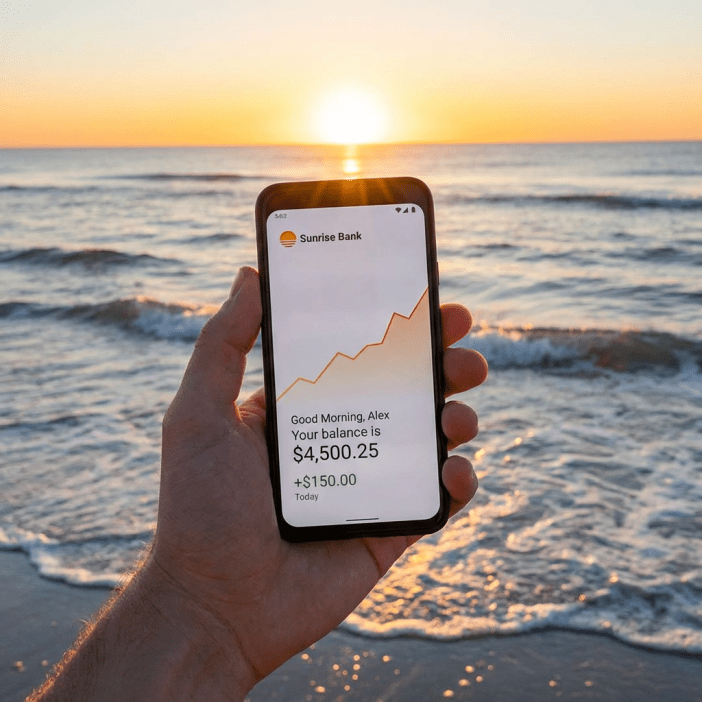
The Borrower’s Truth Series Finale โ€” Everything We Learned

Borrower’s Truth Series
30-Day Financial Education Series ยท Week 5 of 5
100% Complete ๐ŸŽ‰
โ— Published โ— You Are Here
๐ŸŽ‰ You made it to the end. All 30 days. That’s the whole thing.

Day 30 ยท Series Finale ยท Week 5 of 5

The Borrower’s Truth Series Finale โ€”
Everything We Learned

30 days. 30 posts. One complete financial education.
Here’s everything that mattered โ€” distilled into one final read.

Week 1 โ€” Borrowing Basics
The foundation. What credit scores really are, why emergency funds matter, and why the first loan offer is almost never the best one.
Week 2 โ€” The Predatory Lenders
Payday loans, title loans, rent-to-own, BNPL, tax refund advances. The $9 billion industry built on one calculation: that you can’t repay.
Week 3 โ€” The Fine Print Files
Arbitration clauses, variable rates, auto-pay traps, medical debt, and the 30 loan terms lenders hope you never understand.
Week 4 โ€” After You Borrow
Escaping payday cycles, fighting debt collectors, disputing credit errors, rebuilding credit, negotiating with creditors, and yes โ€” bankruptcy without the shame.
Week 5 โ€” The Smart Borrower
Recognizing your own recovery. The six-step framework for borrowing smartly. And today โ€” everything we learned, one last time.
You didn’t just read a blog series.
You completed a financial education that most people never get.

โš  For educational purposes only. Not legal advice. The Borrower’s Truth Series is a 30-day financial education series intended for general informational purposes only. Nothing in this series constitutes legal, financial, or professional advice of any kind. Every financial situation is different. Please consult a licensed financial advisor, credit counselor, or attorney for guidance specific to your circumstances. Nothing on this site creates a professional relationship of any kind.

๐Ÿ“– About This Series

The Borrower’s Truth Series is a 30-day financial education series by Laxmi Hegde, MBA in Finance. It started on February 19, 2026 with a simple premise: most people who get hurt by debt weren’t foolish โ€” they were just never taught what lenders know. Thirty days later, that premise became 30 posts, hundreds of citations, dozens of reader stories, and one very tired but very proud author.

Today is Day 30 โ€” the last one. We are not going out with a whimper. We are going out with a full recap of every major lesson from every week, a final word on what all of this actually means, and a send-off that you have genuinely earned by making it this far.

If you’ve read all 30 days โ€” this one is for you. If you’re just arriving โ€” welcome. You picked a good day to start. And also a slightly overwhelming one. Maybe begin at Day 1 and come back. We’ll be here.

โญ Essential Reading โ€” Start Here

Free: The Loan Clause Checklist

30 days of financial education distilled into one practical tool. Before you ever sign another loan agreement โ€” run it through this checklist. 30 clauses. Plain English. The exact traps lenders bury in fine print. Free. Forever. Use it every single time.

๐Ÿ“Œ Quick Answer

The Borrower’s Truth is this: lenders have a system. For thirty days we’ve been building yours. Know before you borrow. Read before you sign. Plan before you commit. And when things go wrong โ€” because sometimes they do โ€” know your rights, know your options, and know that recovery is real. That’s everything. That’s all thirty days in four sentences.

Thirty days ago I told you that lenders have a system and that most borrowers don’t. That gap โ€” between what lenders know and what borrowers are never taught โ€” is where billions of dollars quietly disappear every single year. The payday loan industry. The title loan trap. The rent-to-own math. The fine print nobody reads. All of it exists in that gap.

This series was built to close that gap. One post at a time. One lesson at a time. Thirty days of things your lender hopes you never figure out โ€” delivered directly to you, for free, with citations. You’re welcome, and also I’m mildly sorry for how much fine print we had to read together.

Here is everything we learned โ€” week by week, truth by truth. Consider this your graduation recap. There will not be a test. There has already been enough of those.

Week 1 โ€” Days 1 to 7

Borrowing Basics โ€” The Foundation

Week 1 established the ground rules. We learned that emergency loans are often traps disguised as lifelines โ€” and that the best defense against them is an emergency fund, even a small one, built from scratch over time. We learned that your credit score is not a neutral number. It is a weapon โ€” and lenders are trained to use it against you by targeting people whose scores make them feel they have no other options.

We covered secured versus unsecured loans โ€” a decision that most lenders gloss over because the details favor the borrower who understands them. We gave you 30 loan terms in plain English. And we rounded out the week with the seven borrowing mistakes that trip up even financially literate people.

The Week 1 truth: financial vulnerability is not a character flaw. It is a knowledge gap. And knowledge gaps can be closed.

Week 2 โ€” Days 8 to 14

The Predatory Lenders โ€” Know Your Enemy

Week 2 was the uncomfortable one. We went inside the industries that profit specifically from financial desperation โ€” and we did not look away. Tax refund advance loans that turn “free” into the most expensive word in tax season. Cash advance apps that are better than payday loans but not as safe as they look. The complete decision guide for when you need $500 today.

Then the big three. Payday loans โ€” a $9 billion industry built on one calculation: that you can’t repay. Title loans โ€” where you’re not borrowing against your car, you’re betting it. Rent-to-own โ€” the store that sells you a $400 TV for $1,200. And Buy Now Pay Later โ€” the debt that doesn’t feel like debt until it very suddenly does.

The Week 2 truth: predatory lenders are not evil geniuses. They are businesses with a model. Understanding the model is the only protection against it.

30
Posts. 5 weeks. One complete financial education that most people never receive โ€” and every lender hopes you never find.
Borrower’s Truth Series ยท ConfidenceBuildings.com ยท 2026
Week 3 โ€” Days 15 to 21

The Fine Print Files โ€” What You Actually Signed

Week 3 was where we got specific. We launched the free Loan Clause Checklist โ€” 30 clauses in plain English that belong in every borrower’s toolkit forever. We learned that arbitration clauses quietly remove your right to sue and that most people sign them without realizing it. We covered variable rate loans and why your monthly payment can suddenly skyrocket with no warning and full legality.

Auto-pay traps that give lenders direct access to your account. The 29-day grace period that becomes very ugly on day 30. Medical debt โ€” the most negotiable debt in America that most people never negotiate. And the post that connected it all: your loan is due, but the trap is just getting started.

The Week 3 truth: the fine print is the actual agreement. Everything else is marketing. Read the fine print โ€” all of it โ€” every single time.

Week 4 โ€” Days 22 to 28

After You Borrow โ€” The Recovery Playbook

Week 4 was for everyone who was already in it. A three-step exit strategy for the payday loan cycle. Everything debt collectors don’t want you to know โ€” including that they have less power than they pretend. How to dispute credit report errors and actually win. The real roadmap for rebuilding credit after financial hardship.

The creditor negotiation playbook nobody gave you โ€” because it turns out creditors negotiate far more than they admit. An honest guide to bankruptcy without the shame โ€” because sometimes the legal system exists to protect you and using it is not failure. And Day 28: how to recognize your own recovery when nobody sends you a certificate for climbing out.

The Week 4 truth: getting into debt is not the end of the story. It is the middle. And middles โ€” no matter how difficult โ€” can be navigated with the right information.

Week 5 โ€” Days 29 to 30

The Smart Borrower โ€” The System That Protects You

Week 5 was always meant to be the answer to everything that came before it. Day 29 gave you the Smart Borrower Framework โ€” six questions in order, every time, no exceptions. Do I need to borrow? What is the total cost? Have I shopped lenders? Have I read the full contract? Do I have a repayment plan? Do I know my exit?

And today โ€” Day 30 โ€” is the reminder that you now have everything. The knowledge, the framework, the checklist, the recovery playbook. You are not the same borrower you were thirty days ago. That is not a small thing.

The Week 5 truth: smart borrowing is not a personality trait. It is a skill. And you just spent 30 days building it.

The 10 Borrower’s Truths โ€” Everything Distilled

If thirty days is too much to carry โ€” here are the ten truths that matter most. Print them. Save them. Send them to someone who needs them.

01
Financial vulnerability is a knowledge gap โ€” not a character flaw.
Nobody is born knowing how to read a loan contract. The people who get hurt by debt were never taught what lenders know. Now you have been.
02
The cheapest loan is the one you never had to take.
Before you borrow โ€” exhaust alternatives. An emergency fund, a payment plan, a credit union, a nonprofit. The loan is always still there. Explore everything else first.
03
Urgency is a sales tactic. Slow down.
Every “this offer expires today” and “we need a decision now” is designed to stop you from thinking. A legitimate lender with good terms does not need to rush you.
04
The fine print is the actual agreement. Read it.
The verbal explanation is marketing. The glossy brochure is marketing. The contract is what you actually agreed to. Use the Loan Clause Checklist. Every time.
05
Always compare APR โ€” never just the monthly payment.
Monthly payments are designed to sound manageable. The APR tells you what the loan actually costs. That is the number that matters.
06
You have more rights than debt collectors want you to know.
The FDCPA limits what collectors can do and say. You can demand written verification. You can request they stop contacting you. You can dispute. Know your rights โ€” they are real and they are enforceable.
07
Creditors negotiate. Most people just don’t ask.
Medical bills, credit card debt, personal loans โ€” all of it is more negotiable than creditors admit. A settled debt at 40 cents on the dollar is better for everyone than a debt that never gets paid. Ask. In writing. Keep records.
08
Bankruptcy is a legal tool โ€” not a moral failure.
The legal system built bankruptcy protection because sometimes life produces situations that debt cannot survive. Using the protection that exists for exactly your situation is not giving up. It is using the system correctly.
09
Recovery is real โ€” and it is quieter than you expect.
Nobody sends you a certificate. Recovery shows up in small moments โ€” the app you opened without flinching, the loan you said no to, the bill you paid without scrambling. Notice those moments. They are the proof.
10
Smart borrowing is a skill. You now have it.
Six questions before you sign anything. Ever. Do I need this? What does it cost โ€” total? Have I shopped? Have I read everything? How will I repay it? What’s my exit? That framework is yours now. Use it every time.

What happens now?

You take what you’ve learned and you use it. You share it with someone who needs it โ€” a friend, a family member, anyone who is about to sign something they don’t fully understand. You bookmark the Loan Clause Checklist and you actually use it next time.

And you remember that the gap between what lenders know and what borrowers know โ€” the gap this series was built to close โ€” gets a little smaller every time someone reads it. So share it. The next person who finds it might need it more than you did.

The Last Three Stories.

Thirty days of reader stories โ€” composite illustrations and public cases that put a human face on everything we learned. Here are the final three. They are, fittingly, stories of people who used what they knew.

A
Amara, 26 โ€” Houston, TX
Composite story ยท For educational illustration

“A year ago I would have taken the payday loan. I was stressed, I needed the money, and the store was right there. Instead I sat in my car for ten minutes and went through the six questions. Did I actually need to borrow? Could I cover part of it another way? I called my credit union. They had a small emergency loan product I didn’t know existed โ€” 18% APR versus the payday store’s 391%. I drove past the payday store on the way home. It felt genuinely good.”

What she did right

Amara paused. Ten minutes in a car park changed the entire outcome. The framework doesn’t require hours โ€” it requires the discipline to stop before you sign. She had that discipline because she’d built it.

What this shows

Knowledge without action is just information. Knowledge with a ten-minute pause is a completely different financial outcome. The framework works โ€” but only if you use it.

RM
Attorney Rachel Morrow
Fictional consumer rights attorney ยท Educational illustration only

“Thirty days of financial education does something that individual legal advice cannot โ€” it reaches people before they need me. The best consumer protection is a borrower who knows their rights before they sign, not one who calls me after. This series did that work. I hope it reaches everyone who needs it.”

Legal & Financial Context

Consumer financial protection law โ€” the CFPB, the FDCPA, the Truth in Lending Act, state usury laws โ€” exists to protect borrowers. But the law works best when borrowers know it exists. Financial literacy and legal literacy are not separate things. They are the same protection from different angles.

Bottom Line

An informed borrower is the lending industry’s least profitable customer. Be that customer. Every time.

J
Jerome, 52 โ€” Baltimore, MD
Public case ยท Based on documented consumer experience

“I filed Chapter 7 at 49. For three years I told nobody. I was ashamed in a way I can’t fully describe โ€” like I’d broken some fundamental rule about how adults are supposed to manage. What I know now is that I used a legal protection that exists specifically for situations like mine, I came out the other side with a clean slate, and I rebuilt. I’m 52. My credit score is 701. I wish I had found a resource like this before I needed the bankruptcy. But I’m glad it exists for the people who need it now.”

What this represents

Jerome’s story is the reason Day 27 existed. Bankruptcy is not the end. It is, for many people, the beginning of a recovery that would not have been possible otherwise. The shame is the only part that wasn’t necessary.

What this shows

Recovery has no age limit and no deadline. A 701 credit score at 52 after Chapter 7 at 49 is not a consolation prize. It is proof that the system, used correctly, works.

RM
Attorney Rachel Morrow
Fictional consumer rights attorney ยท Educational illustration only

“What this series got right โ€” consistently โ€” is that it never talked down to the reader. Financial hardship is not stupidity. It is circumstance meeting a system that was not designed in your favor. The antidote is not shame. It is information. Thirty days of information, specifically.”

Legal & Financial Context

The CFPB was created specifically because consumer financial protection requires dedicated infrastructure. Free resources at consumerfinance.gov โ€” complaint filing, financial well-being tools, lender lookup, debt collection guidance โ€” exist because Congress recognized that the information gap between lenders and borrowers is a structural problem, not a personal one.

Bottom Line

The system was not designed in your favor. But the law โ€” used correctly โ€” can be. Know it. Use it. Share it.

Y
You.
The person who read all 30 days ยท This one is for you

You showed up. Day after day, post after post, through payday loan statistics and arbitration clauses and medical debt survival guides and bankruptcy explainers and credit report dispute letters. You read things that were uncomfortable because you understood that discomfort now is cheaper than ignorance later.

You are not the same borrower you were on Day 1. You know what APR means and why it matters. You know what an arbitration clause costs you. You know how to dispute a credit error, negotiate a debt, recognize recovery, and walk away from a bad loan without flinching. That knowledge is yours now. Nobody can take it back.

What you did

You invested thirty days in yourself. In a world designed to keep borrowers underprepared, you chose to be prepared. That is not a small decision. It compounds โ€” every loan you evaluate more carefully, every trap you avoid, every person you share this with.

What comes next

Use it. Share it. Send Day 1 to someone who needs it. Bookmark the Loan Clause Checklist. Run the Smart Borrower Framework next time you consider borrowing. The series is over. The education isn’t.

RM
Attorney Rachel Morrow
Fictional consumer rights attorney ยท Final appearance ยท Educational illustration only

“I’ve appeared in this series for thirty days to provide legal and financial context for situations that real people face every day. If even one person reads this and avoids a predatory loan, disputes a credit error, negotiates a debt they thought was fixed, or simply feels less ashamed about a financial struggle โ€” then every word was worth writing. Go be the borrower they didn’t expect.”

A Final Note on Resources

The CFPB at consumerfinance.gov remains your single best free resource for consumer financial protection โ€” complaints, tools, guides, and lender verification. AnnualCreditReport.com for free weekly credit reports. The NFCC for nonprofit credit counseling. These resources are free, legitimate, and built specifically for you.

Final Bottom Line

You finished. That matters more than you know. Now go use what you learned. ๐ŸŽ‰

“Credit report arbitration clauses can hurt you. The Credit Repair Playbook shows you how to dispute errors before arbitration becomes an issue.”

๐Ÿ“–

Fix Your Credit Without Paying Expensive Repair Companies

The Credit Repair Playbook โ€” 6 interactive tools, 4 dispute letter templates, AI-powered strategies for 2026, and a 90-day maintenance plan.

Get the eBook โ†’

Frequently Asked Questions

Where do I start if I’m new to this series?

Start at Day 1 โ€” Avoid Emergency Loan Traps: What You Must Know. The series was designed to be read in order โ€” each week builds on the last. If you’re in active financial hardship right now, you may want to jump to Week 4 (Days 22โ€“28) first for immediate practical help, then go back to the beginning.

The complete series index lives at the Complete Borrower’s Truth Guide โ€” all 30 days in one place.

Source: CFPB โ€” Financial Well-Being Tools ยท For educational purposes only. Not legal advice.

What is the single most important thing I can do right now to protect myself as a borrower?

Download or bookmark the free Loan Clause Checklist and commit to running every future loan agreement through it before signing. One tool, used consistently, will protect you from the majority of predatory lending traps covered in this series.

The second most important thing: get your free credit report at AnnualCreditReport.com and check it for errors. One in five credit reports contains an error significant enough to affect lending decisions. Disputing errors costs nothing and can meaningfully improve your financial options.

Source: CFPB โ€” How to Get Your Credit Report ยท For educational purposes only. Not legal advice.

How do I share this series with someone who needs it?

The easiest way is to share the Pillar Page โ€” The Complete Borrower’s Truth Guide โ€” which contains all 30 days in one organized index. One link covers everything.

If someone is in a specific situation โ€” about to take a payday loan, dealing with debt collectors, rebuilding credit โ€” send them directly to the relevant day. The series was designed so that each post stands alone as well as being part of the whole.

Source: CFPB โ€” Financial Well-Being Resources ยท For educational purposes only. Not legal advice.

Is there more content coming after Day 30?

Yes. The Borrower’s Truth Series blog is complete โ€” but ConfidenceBuildings.com is not going anywhere. The next phase brings the series to video โ€” 30 short explainer videos covering each topic, designed for the people who learn better by watching than reading. Same content. Same rigor. Different format.

Follow @laxminagaraj867 on TikTok for updates and short-form financial education content. The blog series was the foundation. What comes next is the distribution.

Source: ConfidenceBuildings.com ยท For educational purposes only. Not legal advice.

What if I’m currently in financial hardship and don’t know where to start?

Start with three free resources available right now. First โ€” the CFPB at consumerfinance.gov has free tools for budgeting, debt management, and lender complaints. Second โ€” the National Foundation for Credit Counseling at nfcc.org connects you with nonprofit credit counselors at low or no cost who can help you build a plan. Third โ€” AnnualCreditReport.com gives you free weekly access to all three credit reports so you know exactly where you stand.

Then start at Day 22 of this series and read through Day 28. That week was built specifically for people who are in it right now. You are not alone and you are not out of options.

Source: CFPB โ€” Debt and Credit Resources ยท For educational purposes only. Not legal advice.

What is the one thing you want every reader to remember from this series?

Lenders have a system. Now you have one too. Six questions before you sign anything. Ever. Do I need to borrow? What is the total cost? Have I shopped lenders? Have I read the full contract? Do I have a repayment plan? Do I know my exit? That framework โ€” used consistently โ€” is worth more than any single piece of advice in this series.

And if you forget everything else โ€” remember this: the fine print is the actual agreement. Read it. Every time. That one habit will protect you more than any law, any regulator, and any financial advisor ever could.

Source: CFPB โ€” Financial Well-Being ยท For educational purposes only. Not legal advice.

๐Ÿ’ฌ Final Thoughts โ€” Laxmi Hegde MBA

I started this series because I was angry. Not dramatically angry โ€” not table-flipping angry โ€” just the quiet, sustained kind of angry that comes from watching people get hurt by systems they were never taught to navigate. I have an MBA in Finance. I run a business. I understand numbers. And even I have made borrowing mistakes that cost me money I didn’t have to lose. That gap between what lenders know and what the rest of us are taught โ€” that gap is not accidental. It is a feature, not a bug. And I wanted to do something about it.

Thirty days later โ€” here we are. We covered payday loans and title loans and arbitration clauses and medical debt and bankruptcy and credit repair and debt collectors and recovery and frameworks and fine print. We did it with citations and reader stories and a fictional attorney who I am genuinely going to miss writing. We did it with dry humor because financial education does not have to be boring to be rigorous โ€” and because if we can’t laugh at a $1,200 rent-to-own television, what are we even doing.

Here is what I hope you take from all of it. Not the APR formula. Not the FDCPA specifics. Not even the Smart Borrower Framework โ€” though please use that. What I hope you take is this: you deserved to know all of this from the beginning. The fact that nobody taught it to you is not your fault. And now that you know it โ€” what you do with it is entirely yours.

Share it. Use it. Send it to the person who is about to sign something they don’t understand. Be the reason someone avoids a trap they didn’t know existed. That is how a 30-day blog series becomes something larger than itself.

Thank you for being here. All thirty days of here. It meant everything. Now go be the borrower they didn’t expect. ๐Ÿ’›

โ€” Laxmi Hegde, MBA in Finance
Founder, ConfidenceBuildings.com ยท Borrower’s Truth Series ยท Day 30 of 30 ยท Series Complete โœ…
๐Ÿ“š Research Note & Primary Sources

This post was researched and written by Laxmi Hegde, MBA in Finance, as the series finale of the 30-day Borrower’s Truth Series on ConfidenceBuildings.com. All content is intended for general financial education only. Nothing in this post or anywhere in this series constitutes legal or financial advice. Individual circumstances vary โ€” consult a licensed professional for guidance specific to your situation.

Reader stories marked as “composite” are illustrative fictional accounts based on common consumer experiences. Stories marked “public case” are based on documented consumer experiences in the public record. Attorney Rachel Morrow is a fictional character created for educational illustration purposes only and appeared across all 30 days of this series.

Read the complete 30-day series โ€” all posts, all weeks, all in one place:

The Complete Borrower’s Truth Guide โ†’

โ† Day 29
How to Borrow Money Smartly โ€” The Framework Nobody Gave You
Series Complete ๐ŸŽ‰
You’ve reached the end of the Borrower’s Truth Series.

Quick Access โ€” All 30 Days
Borrower’s Truth Series ยท ConfidenceBuildings.com
๐ŸŽ‰ Series Complete โ€” All 30 Days Published
Week 1 โ€” Borrowing Basics
Week 2 โ€” The Predatory Lenders
Week 3 โ€” The Fine Print Files
Week 4 โ€” After You Borrow
Week 5 โ€” The Smart Borrower
29
30
โ— Published โ— You Are Here
๐ŸŽ‰ The Borrower’s Truth Series is complete.
30 days. 30 posts. One financial education that lenders hoped you’d never get.

๐Ÿ“‹ Research & Publication Note

This article is Day 30 โ€” the series finale โ€” of the 30-day Borrower’s Truth Series published on ConfidenceBuildings.com. The complete series was researched and written by Laxmi Hegde, MBA in Finance, and published between February 19 and March 21, 2026. All statistics, citations, and regulatory references are sourced from publicly available government and nonprofit resources and are accurate to the best of the author’s knowledge at time of publication.

This content is intended for general financial education only. It does not constitute legal, financial, or professional advice of any kind. Reader stories are either composite illustrations or based on publicly documented consumer experiences โ€” no personally identifiable information is used. Attorney Rachel Morrow is a fictional character created solely for educational illustration and appeared across all 30 days of this series.

Financial situations vary significantly by individual. Readers are encouraged to consult licensed financial advisors, nonprofit credit counselors, or consumer protection attorneys for guidance specific to their circumstances.

๐ŸŽ‰ The Borrower’s Truth Series โ€” Complete
30 days ยท 30 posts ยท February 19 โ€” March 21, 2026
Written by Laxmi Hegde, MBA in Finance ยท ConfidenceBuildings.com
Read the Complete Series โ†’

ConfidenceBuildings.com ยท Laxmi Hegde MBA ยท ยฉ 2026 ยท All Rights Reserved

๐Ÿ“š Take This Further
The Borrower’s Truth โ€” Full Guide & Toolkit
Everything on this blog โ€” compiled, upgraded, and made actionable.
โญ BEST VALUE
The Complete Toolkit Bundle
Ebook + all 5 companion PDFs โ€” scripts, checklists, letters, tracker & more
Get Everything โ€” $37
Instant download ยท Secure checkout via Gumroad ยท ยฉ ConfidenceBuildings.com 2026

๐ŸŒŸ View My Portfolio

Click Here โ†’

MBA in Finance | Entrepreneur | Content Creator

๐Ÿงฎโœจ

Free Access: Finance Calculator

Get instant access to loan, investment, and retirement tools.

๐Ÿ“ง Subscribe with Email โ†’

One-click signup. No spam. You’ll get the calculator link immediately.

Already subscribed? Open calculator โ†’

How to Borrow Money Smartly โ€” The Framework Nobody Gave You

Borrower’s Truth Series
30-Day Financial Education Series ยท Week 5 of 5
97% Complete
โ— Published โ— You Are Here โ— Coming Soon

Day 29 ยท Week 5: The Smart Borrower

How to Borrow Money Smartly โ€”
The Framework Nobody Gave You

29 days of what can go wrong.
Today โ€” the system for making sure it doesn’t.

01
Ask: Do I actually need to borrow?
02
Know exactly what the loan will cost โ€” total
03
Shop lenders like you shop anything else
04
Read the fine print โ€” all of it
05
Have a repayment plan before you sign
06
Know your exit โ€” before you enter
Smart borrowing isn’t about avoiding debt forever.
It’s about never letting debt make decisions for you.

โš  For educational purposes only. Not legal advice. The Smart Borrower Framework presented in this post is intended as a general educational guide only. It does not constitute financial, legal, or professional advice of any kind. Every borrowing situation is different. Before taking on any debt, please consult a licensed financial advisor or credit counselor in your area. Nothing on this site creates a professional relationship of any kind.

๐Ÿ“– About This Series

The Borrower’s Truth Series is a 30-day financial education series by Laxmi Hegde, MBA in Finance. For 29 days we have covered emergency loans, predatory lenders, payday traps, title loans, fine print clauses, debt collectors, credit repair, bankruptcy, and how to recognize your own financial recovery. It has been a lot. You have been a trooper.

Today is Day 29 โ€” and we are shifting gears completely. No more cautionary tales. No more red flags to watch for. No more fine print horror stories. Today we build something positive: a clear, practical framework for borrowing money smartly โ€” so everything you’ve learned over the last 28 days actually has somewhere to live.

Think of this as the operating manual you should have received the first time someone handed you a loan application. Better late than never.

โญ Essential Reading โ€” Start Here

Free: The Loan Clause Checklist

The Smart Borrower Framework tells you how to think. The Loan Clause Checklist tells you exactly what to look for when you’re sitting across from a lender. 30 clauses. Plain English. Free. Use both โ€” every single time.

๐Ÿ“Œ Quick Answer

Smart borrowing comes down to six questions asked in the right order: Do I need this? What will it actually cost? Who is the best lender? What does the contract say? How will I repay it? What happens if I can’t? If you can answer all six before you sign โ€” you are already a smarter borrower than most people who walk into a lender’s office.

Here is a fun fact about the lending industry: they spend billions of dollars every year making sure you walk in underprepared. The confusing paperwork, the urgent deadlines, the friendly rep who explains everything verbally and hopes you don’t read the document โ€” none of that is accidental. It is a system. And it works extremely well on people who don’t have a system of their own.

Today you get a system of your own. Six steps. In order. Every time. No exceptions โ€” not even when the lender is really nice, the rate sounds reasonable, and you’re in a hurry. Especially then.

Welcome to the Smart Borrower Framework. It doesn’t have a catchier name because it doesn’t need one. It just needs to work. And it does.

Step 01

Ask: Do I Actually Need to Borrow?

This is the question nobody asks because it feels obvious. Of course you need to borrow โ€” why else would you be here? And yet. A significant portion of consumer debt exists because people borrowed when they didn’t strictly have to, or borrowed more than they needed, or borrowed for things that could have waited sixty days if they’d had a plan.

Before you borrow anything, run through this short list. Is there an alternative? Can this wait? Can I cover part of it another way and borrow less? Is there a free resource โ€” a credit union, a nonprofit, a community program โ€” that applies here? Could I negotiate a payment plan directly with the provider instead of involving a lender?

If the answer to all of those is genuinely no โ€” then yes, you need to borrow. Proceed to Step 2. But if even one of them has potential, explore it first. The cheapest loan in the world is the one you never had to take.

Smart borrowers don’t avoid debt on principle. They avoid unnecessary debt on principle. There’s a difference โ€” and knowing it saves thousands of dollars over a lifetime.

Step 02

Know Exactly What the Loan Will Cost โ€” Total

Lenders love to talk about monthly payments. Monthly payments are designed to sound reasonable. A $400 monthly payment sounds manageable until you realize you’re making it for 60 months, which means you’re paying $24,000 for something that cost $18,000, which means the loan cost you $6,000 that you will never see again.

Before you agree to anything, calculate the total cost of the loan. Principal plus all interest plus all fees plus any penalties you might reasonably encounter. That number โ€” not the monthly payment โ€” is what you are actually agreeing to pay. If a lender won’t give you that number clearly, that is your answer about whether to work with that lender.

APR
Annual Percentage Rate is the single most useful number when comparing loans. It includes interest AND fees in one figure. Always compare APR โ€” never just the interest rate alone.

The CFPB requires lenders to disclose the APR on all consumer loans. If the APR is not immediately visible โ€” ask for it, in writing, before you go any further.

Step 03

Shop Lenders Like You Shop Anything Else

Nobody buys the first car they test drive. Nobody books the first hotel they find. Nobody accepts the first salary offer without at least a moment of internal debate. And yet people walk into the first lender they find and sign whatever is put in front of them because borrowing feels urgent and urgent feels like there’s no time to shop.

There is almost always time to shop. Even a 48-hour window โ€” checking your bank, a credit union, and one online lender โ€” can reveal rate differences that save hundreds or thousands of dollars. Credit unions in particular consistently offer lower rates than commercial lenders for the same loan products. They exist specifically to serve their members, not to extract maximum profit from them. Novel concept.

A note on credit inquiries: multiple loan applications within a short window โ€” typically 14 to 45 days depending on the scoring model โ€” are usually counted as a single inquiry for mortgage, auto, and student loan purposes. Shopping around does not have to hurt your credit score if you do it within that window.

The lender who wants your business most is not always the best lender. The best lender is the one offering the lowest total cost with the clearest terms. Those are occasionally the same lender. Shop to find out.

Step 04

Read the Fine Print โ€” All of It

We spent an entire week on this in Week 3 of this series, so we will keep it brief here: the fine print is where the actual agreement lives. The verbal explanation is marketing. The glossy brochure is marketing. The friendly rep who says “don’t worry about that part” is โ€” you guessed it โ€” marketing.

Before you sign, look specifically for: the APR and total repayment amount, prepayment penalties, variable rate clauses, automatic renewal terms, arbitration clauses that remove your right to sue, and any fees buried in the schedule. If you find something you don’t understand โ€” ask. In writing. If they won’t explain it in writing, do not sign.

Use the free Loan Clause Checklist from Day 15 of this series every single time. That is exactly what it exists for.

Step 05

Have a Repayment Plan Before You Sign

Most people borrow with a vague intention to repay. Smart borrowers borrow with a specific plan to repay. There is a significant difference between those two things, and it shows up in the statistics. The CFPB consistently finds that borrowers who enter loans without a clear repayment strategy are significantly more likely to miss payments, incur fees, and end up in collections.

Your repayment plan does not need to be complicated. It needs to answer three questions: Where exactly is the money coming from each month? What happens to my budget if my income drops? Do I have a small buffer so a missed week doesn’t become a missed payment? If you can’t answer all three before you sign โ€” you are not ready to sign.

A repayment plan is not pessimism. It is the thing that makes optimism sustainable. Plan the repayment. Then borrow confidently.

Step 06

Know Your Exit โ€” Before You Enter

This is the step that separates smart borrowers from everyone else. Before you take a loan, know exactly how you will get out of it. Not just “I’ll pay it off monthly” โ€” but specifically: Can I pay this off early without a penalty? What happens if I need to refinance? If I hit genuine hardship, what are my options โ€” deferment, forbearance, modification? Who do I call and what do I say?

Debt traps are not usually sprung at the beginning of a loan. They are sprung when something goes wrong and the borrower has no exit strategy. The payday loan cycle, the title loan spiral, the BNPL pile-up โ€” all of them share one feature: the borrower had no plan for what to do when things didn’t go as expected.

Things will occasionally not go as expected. That is not pessimism. That is Tuesday. Know your exit before you enter โ€” and you stay in control no matter what Tuesday brings.

๐Ÿ“Œ The Smart Borrower Framework โ€” Quick Reference
01 โ€” Do I actually need to borrow?
02 โ€” What is the total cost โ€” not just the monthly payment?
03 โ€” Have I shopped at least three lenders?
04 โ€” Have I read and understood the full contract?
05 โ€” Do I have a specific repayment plan?
06 โ€” Do I know my exit strategy if things go wrong?

If you can answer yes to all six โ€” sign. If you can’t โ€” wait until you can. The loan will still be there. And if it won’t โ€” that’s a lender using urgency as a weapon, which is a sign to walk away entirely.

Real People. Real Framework. Real Results.

S
Sofia, 31 โ€” Denver, CO
Composite story ยท For educational illustration

“I needed a car loan and I just went to the dealership financing because it was convenient. Signed everything the same day. Six months later I found out my credit union would have given me a rate almost three points lower. Over five years that was going to cost me nearly $2,400 extra. All because I didn’t take two days to shop. I was in a hurry to get the car. The car didn’t care how quickly I got the loan.”

What went wrong

Sofia skipped Step 03 of the framework entirely. She had a credit union account. She just didn’t think to call them. Convenience is the most expensive feature a lender offers โ€” and they know it.

What the framework would have done

Two phone calls and 48 hours would have saved her $2,400. The framework doesn’t ask for much โ€” just the discipline to pause before you sign.

RM
Attorney Rachel Morrow
Fictional consumer rights attorney ยท Educational illustration only

“The single most common thread I see in consumer lending disputes is that the borrower did not understand what they signed. Not because they weren’t smart enough โ€” but because they were rushed, overwhelmed, or simply never taught that reading the contract was their job and not optional.”

Legal & Financial Context

Under the Truth in Lending Act (TILA), lenders are legally required to disclose the APR, total finance charge, and total repayment amount before you sign. If these disclosures were not provided clearly and in writing, that is a potential TILA violation worth reporting to the CFPB. Knowing your rights before you borrow is part of the framework too.

Bottom Line

You have legal rights as a borrower. The framework helps you use them โ€” before you need to.

R
Raymond, 44 โ€” Memphis, TN
Public case ยท Based on documented consumer experience

“I took a personal loan to consolidate my credit card debt. Felt very responsible. What I didn’t notice was the prepayment penalty buried in section 11 of the contract. When I tried to pay it off early โ€” which was the whole plan โ€” I got hit with a fee that wiped out almost everything I’d saved by consolidating. I read the first page very carefully. I did not read page seven.”

What went wrong

Raymond completed Step 05 โ€” he had a repayment plan โ€” but skipped Step 04. He read part of the contract. The fine print that mattered was in the part he didn’t read. Partial fine print review is not fine print review.

What the framework would have done

The Loan Clause Checklist specifically flags prepayment penalties. Running it before signing would have caught this on the first pass โ€” and either changed the lender choice or the repayment plan entirely.

RM
Attorney Rachel Morrow
Fictional consumer rights attorney ยท Educational illustration only

“Urgency is the lender’s most powerful tool. ‘This rate expires today.’ ‘We need a decision by end of business.’ ‘Everyone else has already approved this.’ The moment a lender creates artificial urgency, slow down. A legitimate lender with good terms does not need to rush you.”

Legal & Financial Context

High-pressure sales tactics in lending are a documented red flag tracked by the CFPB. Consumers have the right to take time to review loan documents. No legitimate lender can legally require an on-the-spot signature on a consumer loan without providing the required TILA disclosures first. If you feel pressured โ€” you are allowed to walk away.

Bottom Line

Urgency is a sales tactic. The framework is your counter-tactic. Use it every time โ€” especially when someone is telling you there’s no time to use it.

N
Nadia, 27 โ€” Seattle, WA
Composite story ยท For educational illustration

“I went through all six steps for the first time when I needed a personal loan last year. Honestly it felt like overkill at the time โ€” I kept thinking just pick one and sign it. But I found a lender with a rate almost two points lower than my first option, caught an automatic renewal clause I would have completely missed, and built out a repayment plan that actually fit my budget. The whole process took four extra days. Four days to save myself from another two years of financial stress. I’ll take that trade every time.”

What almost went wrong

Nadia almost skipped the framework because it felt like extra work. The automatic renewal clause she nearly missed would have locked her into another loan term without notice. That clause would have cost her more than a year of unnecessary payments.

What the framework delivered

A better rate, a caught trap, and a repayment plan that held. Four extra days. That is the entire cost of the Smart Borrower Framework โ€” and it pays for itself every single time.

RM
Attorney Rachel Morrow
Fictional consumer rights attorney ยท Educational illustration only

“In 29 days this series has covered nearly every way borrowing can go wrong. What I find most valuable about today’s framework is that it doesn’t require perfection โ€” it just requires sequence. Ask the questions in order. Every time. That habit alone would prevent the majority of consumer lending disputes I’ve seen in my career.”

Legal & Financial Context

Consumer financial protection law exists to protect borrowers โ€” but it works best when borrowers also protect themselves. The CFPB, the FTC, and state attorney general offices all provide free resources for consumers who believe they have been misled by a lender. Using the framework before borrowing reduces the likelihood you will ever need those resources. But if you do โ€” they are there.

Bottom Line

The law protects informed borrowers far more effectively than uninformed ones. Be informed. Use the framework. Every time.

Frequently Asked Questions

What is the most important step in the Smart Borrower Framework?

All six steps matter โ€” but if forced to choose, Step 01 is the most important because it is the only one that can save you from a loan entirely. Steps 02 through 06 make a loan better. Step 01 asks whether you need it at all. Skipping it is how people end up in debt they didn’t strictly have to take on.

That said, Step 04 โ€” reading the full contract โ€” is the step most commonly skipped and the one most likely to cause serious financial harm when ignored. If you only have energy for two steps, do Step 01 and Step 04.

Source: CFPB โ€” Financial Well-Being Tools ยท For educational purposes only. Not legal advice.

How do I compare loans from different lenders fairly?

Always compare APR โ€” not the interest rate alone. The APR includes fees and gives you a true apples-to-apples comparison across lenders. Also compare the total repayment amount over the life of the loan, not just the monthly payment. Two loans can have the same monthly payment but very different total costs depending on the term length.

The CFPB offers free loan comparison tools at consumerfinance.gov that can help you evaluate offers side by side in plain language.

Source: CFPB โ€” Loan Comparison Tools ยท For educational purposes only. Not legal advice.

Does shopping multiple lenders hurt my credit score?

For mortgage, auto, and student loans, most credit scoring models treat multiple applications within a 14 to 45 day window as a single inquiry. This means you can shop several lenders in that window without multiplying the credit score impact. For personal loans and credit cards the window may be shorter or the treatment different depending on the scoring model used.

The short answer: rate shopping within a focused window is designed into the credit scoring system specifically so consumers can compare offers. Use it.

Source: CFPB โ€” How Loan Applications Affect Credit Scores ยท For educational purposes only. Not legal advice.

What should I do if I can’t understand part of a loan contract?

Ask the lender to explain it in writing. If they won’t โ€” or if their explanation doesn’t match what the contract says โ€” that is a serious red flag. You can also contact a nonprofit credit counselor through the National Foundation for Credit Counseling who can review loan documents with you at low or no cost.

Never sign a contract you don’t fully understand. “I’ll figure it out later” is how people end up in arbitration clauses, automatic renewals, and prepayment penalties they never saw coming. Later is too late.

Source: CFPB โ€” Know Your Rights as a Borrower ยท For educational purposes only. Not legal advice.

How do I know if a lender is legitimate?

Legitimate lenders are licensed in the states where they operate, provide clear written disclosures before you sign, do not require upfront fees before funding a loan, and will give you time to review documents without artificial urgency. You can verify a lender’s license through your state’s financial regulatory authority.

The CFPB maintains a complaint database at consumerfinance.gov where you can search a lender’s name and see whether other consumers have filed complaints โ€” and how the lender responded. It takes five minutes and is worth every second.

Source: CFPB โ€” Consumer Complaint Database ยท For educational purposes only. Not legal advice.

What do I do if I already have a bad loan and can’t get out?

First โ€” you are not alone and you are not stuck forever. Options include refinancing with a lower-rate lender if your credit has improved, negotiating directly with the lender for modified terms, working with a nonprofit credit counselor on a debt management plan, or in serious cases exploring the legal protections covered in Day 27 of this series.

The Smart Borrower Framework is for future loans. For existing bad loans โ€” the earlier weeks of this series have the tools. Days 22 through 27 cover exit strategies, debt collectors, credit repair, negotiation, and bankruptcy. You have options. Use them.

Source: CFPB โ€” Debt Collection Resources ยท For educational purposes only. Not legal advice.

๐Ÿ’ฌ Final Thoughts โ€” Laxmi Hegde MBA

I want to be honest with you about something. I built this framework after making almost every mistake in it. I borrowed without shopping. I signed without reading. I had a vague repayment intention and called it a plan. I learned these six steps the expensive way โ€” which is, unfortunately, how most people learn them because nobody teaches this stuff in school. Personal finance education in most curricula stops at “save money and don’t spend too much.” Extremely helpful. Thanks, system.

The Smart Borrower Framework is not complicated because complicated doesn’t work under pressure. When you’re sitting across from a lender and the paperwork is in front of you and they’re waiting for your signature โ€” you need something simple enough to remember without notes. Six questions in order. That’s it. That’s the whole thing.

Tomorrow is Day 30. The series finale. I’ve been thinking about how to write it for about two weeks and I still haven’t fully figured it out โ€” which is either a creative problem or a sign that some things genuinely resist tidy endings. Probably both. Either way, I’ll see you there.

One day left. Don’t you dare stop now.

โ€” Laxmi Hegde, MBA in Finance
Founder, ConfidenceBuildings.com ยท Borrower’s Truth Series ยท Day 29 of 30
๐Ÿ“š Research Note & Primary Sources

This post was researched and written by Laxmi Hegde, MBA in Finance, as part of the 30-day Borrower’s Truth Series on ConfidenceBuildings.com. All content is intended for general financial education only. Nothing in this post constitutes legal or financial advice. Individual circumstances vary โ€” consult a licensed professional for guidance specific to your situation.

Reader stories marked as “composite” are illustrative fictional accounts based on common consumer experiences. Stories marked “public case” are based on documented consumer experiences in the public record. Attorney Rachel Morrow is a fictional character created for educational illustration purposes only.

This post is part of the complete 30-day series:

The Complete Borrower’s Truth Guide โ†’
โ† Day 28
You Made It Out. Here’s the Proof.
Day 30 โ†’
The Series Finale โ€” Everything We Learned
Coming soon
Day 29 โ†’
How to Borrow Money Smartly โ€” The Framework Nobody Gave You

Quick Access โ€” All 30 Days
Borrower’s Truth Series ยท ConfidenceBuildings.com
Week 1 โ€” Borrowing Basics
Week 2 โ€” The Predatory Lenders
Week 3 โ€” The Fine Print Files
Week 4 โ€” After You Borrow
Week 5 โ€” The Smart Borrower
29
30
โ— Published โ— You Are Here โ— Coming Soon
๐Ÿ“‹ Research & Publication Note

This article is Day 29 of the 30-day Borrower’s Truth Series published on ConfidenceBuildings.com. It was researched and written by Laxmi Hegde, MBA in Finance. All statistics, citations, and regulatory references are sourced from publicly available government and nonprofit resources and are accurate to the best of the author’s knowledge at time of publication.

This content is intended for general financial education only. It does not constitute legal, financial, or professional advice of any kind. Reader stories are either composite illustrations or based on publicly documented consumer experiences โ€” no personally identifiable information is used. Attorney Rachel Morrow is a fictional character created solely for educational illustration.

Financial situations vary significantly by individual. Readers are encouraged to consult licensed financial advisors, nonprofit credit counselors, or consumer protection attorneys for guidance specific to their circumstances.

Read the complete 30-day series โ€” all posts, all weeks, all in one place:

The Complete Borrower’s Truth Guide โ†’

ConfidenceBuildings.com ยท Laxmi Hegde MBA ยท ยฉ 2026

๐Ÿ“š Take This Further
The Borrower’s Truth โ€” Full Guide & Toolkit
Everything on this blog โ€” compiled, upgraded, and made actionable.
โญ BEST VALUE
The Complete Toolkit Bundle
Ebook + all 5 companion PDFs โ€” scripts, checklists, letters, tracker & more
Get Everything โ€” $37
Instant download ยท Secure checkout via Gumroad ยท ยฉ ConfidenceBuildings.com 2026

โ† Back

Thank you for your response. โœจ

โ† Back

Thank you for your response. โœจ

๐Ÿงฎโœจ

Free Access: Finance Calculator

Get instant access to loan, investment, and retirement tools.

๐Ÿ“ง Subscribe with Email โ†’

One-click signup. No spam. You’ll get the calculator link immediately.

Already subscribed? Open calculator โ†’

You Made It Out. Here’s the Proof

Borrower’s Truth Series
30-Day Financial Education Series ยท Week 4 of 5
93% Complete
โ— Published โ— You Are Here โ— Coming Soon

Day 28 ยท Week 4: After You Borrow

You Made It Out.
Here’s the Proof.

8 signs your financial hardship is genuinely behind you โ€”
not just on a good day, but for real this time.

01
You stop checking your bank balance with one eye closed
02
You have a small buffer โ€” and you leave it alone
03
A surprise expense doesn’t destroy your whole month
04
Your credit score has moved โ€” in the right direction
05
You’re paying bills on time โ€” without scrambling
06
You’ve said no to a bad loan โ€” and meant it
07
You think about next month โ€” not just today
08
Money anxiety is background noise โ€” not the main event
Most people who escape financial hardship don’t realize it for months.
This post exists so you don’t miss your own finish line.

โš  For educational purposes only. Not legal advice. The information in this post is intended to help you recognize general signs of financial recovery. Everyone’s financial situation is different. If you are dealing with ongoing debt, collections, or legal matters, please consult a licensed financial advisor or attorney in your area. Nothing on this site creates a professional relationship of any kind.

๐Ÿ“– About This Series

The Borrower’s Truth Series is a 30-day financial education series by Laxmi Hegde, MBA in Finance. Over 30 posts, we’ve pulled back the curtain on predatory lending, fine print traps, debt collection tactics, credit repair, bankruptcy โ€” and everything lenders hope you never figure out.

You’ve made it to Day 28. That’s not nothing. Most people quit financial education the moment it gets uncomfortable. You didn’t. And today we’re doing something a little different โ€” we’re not talking about what can go wrong. We’re talking about how to know when things have actually gone right.

Consider this your official checklist for recognizing your own comeback. You’ve earned the read.

โญ Essential Reading โ€” Start Here

Free: The Loan Clause Checklist

Before you ever sign another loan agreement, run it through this checklist. 30 clauses. Plain English explanations. The exact traps lenders bury in fine print โ€” and how to spot every single one.

Person checking bank balance on phone calmly as a sign of financial recovery in 2026
When checking your bank balance stops feeling like defusing a bomb โ€” that’s recovery. ConfidenceBuildings.com ยท Borrower’s Truth Series 2026

๐Ÿ“Œ Quick Answer

Financial hardship is behind you when your stability is boring. Not perfect โ€” boring. You pay bills without drama. You sleep without running numbers in your head. You have a small cushion and you don’t immediately spend it. Boring is the goal. Boring is winning.

Nobody sends you a certificate when you climb out of financial hardship. There’s no email. No confetti. No notification that says “Congratulations โ€” the hard part is over.”

Which is deeply unfair, because you did the work. You negotiated. You disputed. You said no to the payday loan. You read the fine print. You showed up to this series for 28 consecutive days. You deserve at least a balloon.

Since we can’t mail you one, here’s the next best thing: 8 concrete, measurable signs that your financial hardship is genuinely behind you โ€” not just on a good Tuesday, but for real.

Sign 01

You Check Your Bank Balance Without Bracing for Impact

At peak financial hardship, checking your bank balance is a full-body experience. You open the app. You squint. You hold your breath like you’re defusing something. You check with one eye closed just in case the number is worse than you imagined.

When that ritual stops โ€” when you open the app the same way you’d check the weather, casually, without dread โ€” that’s a real sign. It means your balance has become predictable enough that it no longer qualifies as a horror movie.

You don’t need a huge number in there. You just need a number that doesn’t surprise you anymore.

Sign 02

You Have a Small Buffer โ€” and You Actually Leave It Alone

Having $400 in savings is not the sign. Plenty of people have $400 in savings on a Monday and $0 on a Friday because something always comes up โ€” or because it felt too tempting sitting there looking useful.

The sign is having $400 โ€” and leaving it there. Through two weekends. Through a sale you wanted to shop. Through a craving you chose to ignore. The buffer surviving is evidence that your relationship with money has quietly, fundamentally changed.

The CFPB defines a basic financial safety net as having at least one month of expenses accessible without borrowing. Getting there โ€” and staying there โ€” is a measurable milestone.

Sign 03

A Surprise Expense Doesn’t Destroy Your Entire Month

The car needs a new tire. The dog ate something suspicious. The dentist finds a thing. During financial hardship, any one of these events triggers a full crisis โ€” calls to lenders, overdraft fees, missed bills, a week of stress that bleeds into everything.

Recovery looks like this: the unexpected expense is annoying. You pay it. You adjust. You move on. The month continues. That ability to absorb a financial punch without going down โ€” that’s resilience. That’s the opposite of where you started.

Life will always produce surprise expenses. What changes is your ability to take the hit and keep standing.

56%
of Americans cannot cover a $1,000 emergency expense without borrowing. If you can โ€” you are already ahead of the majority.
Source: Bankrate Annual Emergency Savings Report
Sign 04

Your Credit Score Has Moved โ€” in the Right Direction

Your credit score is basically a slow-moving report card that reflects the last two to seven years of your financial life. It does not care about your feelings. It does not know you’ve been trying really hard. It just watches what you do and takes notes.

So when it moves up โ€” even 20 points, even 10 โ€” it means the score has noticed. On-time payments noticed. Lower balances noticed. No new desperate credit applications noticed. The number going up is the universe’s way of saying: the pattern has changed.

Check your free report at AnnualCreditReport.com. If the trend is upward โ€” even slowly โ€” that’s not nothing. That’s proof.

Sign 05

You’re Paying Bills on Time โ€” Without the Last-Minute Scramble

There’s a version of paying bills on time that still involves hardship: you pay them, but only after two hours of financial gymnastics, moving money between accounts, calling to ask for a three-day extension, and aged ten years in the process.

The sign we’re looking for is simpler. The bill arrives. The money is there. You pay it. That’s the whole story. No drama. No negotiation with yourself. No robbing Peter to pay Paul and hoping Paul doesn’t notice.

When paying bills becomes routine rather than a monthly survival event โ€” that’s a sign your foundation is holding.

Sign 06

You’ve Said No to a Bad Loan โ€” and Meant It

This one is behavioral, and it might be the most powerful sign on this list. During peak hardship, the payday loan offer doesn’t feel predatory โ€” it feels like a lifeline. You know the rate is terrible. You know you’ll regret it. You take it anyway because the alternative feels worse.

Recovery looks like standing in front of that same offer โ€” same desperation in the marketing, same urgent language, same 400% APR hiding in the footnotes โ€” and saying no. Not because you have unlimited options. Because you’ve learned enough to know what that yes actually costs.

Turning down a bad loan when you’re still a little tight? That’s not just recovery. That’s wisdom. And wisdom doesn’t show up on a credit report โ€” but it protects everything that does.

Sign 07

You Think About Next Month โ€” Not Just Today

Financial hardship collapses your time horizon. When you’re in survival mode, the concept of “next month” is almost abstract โ€” you’re too busy managing today to think that far ahead. Planning feels like a luxury. Budgeting feels like a joke. The future can wait; you have a bill due Thursday.

When your time horizon starts to expand โ€” when you find yourself thinking about next month’s rent before this month is even over, or planning a purchase three weeks out โ€” that’s your brain recalibrating. It means you’re no longer in pure survival mode. You have enough stability to look further than tomorrow.

That mental shift is quiet, easy to miss, and genuinely significant.

Sign 08

Money Anxiety Is Background Noise โ€” Not the Main Event

Financial stress at its worst is all-consuming. It follows you into conversations you’re supposed to be present for. It sits next to you at dinner. It wakes you up at 3am to run numbers that don’t add up no matter how many times you try. It is the main event, every day, whether you wanted to buy a ticket or not.

Recovery doesn’t mean zero financial anxiety โ€” that’s not a realistic bar and anyone telling you otherwise is selling something. Recovery means the anxiety has been demoted. It still exists, somewhere in the background, but it’s no longer running the show. You can have a whole day where you didn’t think about debt once. That counts.

If money used to be the loudest thing in your life and it’s gotten quieter โ€” you’re further along than you think.

A note on not recognizing yourself in these signs yet:

That’s okay. These signs aren’t a test you pass or fail โ€” they’re a map. If you recognize two of them, you’re moving. If you recognize five, you’re further than you think. If you don’t recognize any yet, you now know exactly what you’re building toward. Keep going.

Glass jar filled with savings coins and cash representing a financial buffer and stability in 2026
A small buffer you actually leave alone โ€” one of the most underrated signs of financial recovery. ConfidenceBuildings.com ยท Borrower’s Truth Series 2026

Real Stories. Real Recovery.

D
Danielle, 34 โ€” Cincinnati, OH
Composite story ยท For educational illustration

“I knew things were getting better when I stopped doing the math in my head at the grocery store. For two years, I’d stand in the cereal aisle calculating whether I could afford the name brand or if I needed to put something back. One day I just… didn’t. I grabbed what I wanted and kept walking. I didn’t even realize it had changed until I got to the car.”

What held her back

Danielle had been in recovery for nearly eight months before she recognized it. She kept waiting for a dramatic moment โ€” a number, a milestone, a feeling. The actual sign was quiet and happened in a cereal aisle on a Wednesday.

What this shows

Recovery doesn’t announce itself. It shows up in small, unguarded moments. The grocery store math stopping. The app opening without dread. Notice those moments โ€” they’re the real data.

RM
Attorney Rachel Morrow
Fictional consumer rights attorney ยท Educational illustration only

“In my experience, the clients who have the hardest time recognizing their own recovery are the ones who were in hardship the longest. The vigilance that kept them safe during the crisis becomes the thing that won’t let them believe it’s over. Learning to trust your own stability is a skill โ€” and it takes practice.”

Legal & Financial Context

Financial trauma has documented psychological effects. Studies in behavioral economics show that people who experienced prolonged scarcity often continue making scarcity-based decisions even after their material situation has improved โ€” a pattern researchers call “scarcity mindset persistence.” Recognizing the signs of recovery is partly cognitive work, not just financial.

Bottom Line

If your numbers say you’re recovering but your gut still says you’re in danger โ€” trust the numbers while you work on the gut. Both matter. Neither is wrong.

T
Trevor, 41 โ€” Phoenix, AZ
Public case ยท Based on documented consumer experience

“I had paid off my last collection account and my credit score had gone up 60 points. By every measurable standard I was doing better. But I still felt broke. I kept telling myself it wasn’t real yet, that something would go wrong. My therapist finally asked me: what would have to happen for you to believe you made it? I didn’t have an answer. That was the problem.”

What held him back

Trevor had never defined what “better” actually looked like. Without a finish line, he couldn’t recognize when he crossed it. He kept moving the goalposts without realizing it.

What this shows

Define your finish line before you need it. Write down three specific signs that would tell you the hardship is behind you. When you hit them โ€” believe them.

RM
Attorney Rachel Morrow
Fictional consumer rights attorney ยท Educational illustration only

“I’ve seen people walk out of bankruptcy proceedings with a clear legal fresh start and immediately make the same decisions that got them there. And I’ve seen people with no legal intervention at all completely transform their financial lives through behavioral change alone. The numbers matter. The mindset matters more.”

Legal & Financial Context

Consumer protection law can discharge debt, stop collection calls, and reset credit timelines โ€” but it cannot reset habits. The legal system handles the financial mechanics. The behavioral work is yours. Both are necessary for lasting recovery.

Bottom Line

A legal fresh start is a tool. What you build with it is entirely up to you โ€” and entirely possible.

P
Priya, 29 โ€” Atlanta, GA
Composite story ยท For educational illustration

“The moment I knew I was out was when my cousin asked to borrow money and I said yes without panicking. A year earlier, that question would have sent me into a spiral โ€” do I have it? Can I afford to? What if I need it? This time I just checked, saw I had enough, and said yes. It felt completely normal. It wasn’t normal at all. It was huge.”

What she almost missed

Priya nearly dismissed the moment as unimportant. It took her a few days to realize that her calm reaction to a financial request โ€” something that used to terrify her โ€” was the sign she’d been waiting for.

What this shows

Recovery shows up in your reactions, not just your balances. Pay attention to how you feel when money comes up โ€” not just what your bank statement says.

RM
Attorney Rachel Morrow
Fictional consumer rights attorney ยท Educational illustration only

“Nobody teaches you how to recognize financial recovery. We teach people how to get out of debt. We don’t teach them how to believe they’re out. That gap is where a lot of people get stuck โ€” technically recovered, emotionally still in the storm.”

Legal & Financial Context

Consumer financial protection resources โ€” including those from the CFPB โ€” focus primarily on crisis intervention. Recovery recognition is underserved in financial literacy education. This post exists to address exactly that gap.

Bottom Line

Knowing you’re recovering is part of recovering. Don’t skip it.

Person sitting calmly next to a car with a flat tire representing financial resilience and the ability to handle unexpected expenses in 2026
A surprise expense used to destroy the whole month. Now it’s just a flat tire. ConfidenceBuildings.com ยท Borrower’s Truth Series 2026

Frequently Asked Questions

How long does it take to recover from financial hardship?

There is no universal timeline. Recovery depends on the depth of the hardship, the type of debt involved, your income stability, and the steps you take. What research does show is that consistent on-time payments over 12โ€“24 months produce measurable credit improvement, and that building even a small emergency fund significantly reduces the likelihood of returning to crisis.

The more useful question is not “how long” but “what does progress look like for me?” โ€” and then measuring against that, not against someone else’s timeline.

Source: CFPB โ€” Credit Reports and Scores ยท For educational purposes only. Not legal advice.

What credit score means I’ve recovered from financial hardship?

There is no single score that signals recovery โ€” but crossing into the “fair” range (580โ€“669) restores access to most standard credit products. Reaching “good” (670+) typically unlocks better interest rates and more favorable loan terms. The CFPB notes that scores above 670 are generally considered by lenders to represent lower risk borrowers.

More important than hitting a specific number is the direction of travel. A score moving from 520 to 580 over 12 months is recovery in action โ€” even if it doesn’t feel dramatic yet.

Source: CFPB โ€” What Is a Credit Score? ยท For educational purposes only. Not legal advice.

How much savings do I need before I’m considered financially stable?

The standard guidance is three to six months of living expenses โ€” but that figure can feel impossible when you’re just climbing out. A more realistic starting benchmark is $500 to $1,000 as an initial emergency buffer. Research from the Urban Institute found that having even $250 in liquid savings dramatically reduces the likelihood of missing a bill payment or taking on high-cost debt after an income disruption.

Stability is not a fixed dollar amount. It is the ability to absorb a small shock without borrowing. Start there.

Source: CFPB โ€” Save and Invest Tools ยท For educational purposes only. Not legal advice.

Is it normal to still feel anxious about money even after things improve?

Completely normal โ€” and well documented. Financial stress activates the same neural pathways as other forms of chronic stress. When scarcity has been the baseline for an extended period, the brain adapts to operate in threat-detection mode. That adaptation does not switch off the moment your bank balance improves.

Ongoing financial anxiety after objective improvement is sometimes called “post-hardship stress.” It is common, it is real, and it is not a sign that your recovery isn’t genuine. If it significantly affects your daily life, speaking with a mental health professional who specializes in financial anxiety is worth considering.

Source: CFPB โ€” Financial Well-Being ยท For educational purposes only. Not legal advice.

What are the biggest signs I might be slipping back into financial hardship?

The early warning signs include: relying on credit cards for regular monthly expenses, missing or making minimum-only payments, depleting your emergency fund without replenishing it, taking on new high-interest debt to cover existing obligations, and avoiding looking at your accounts altogether.

None of these signs mean you’ve failed. They mean it’s time to act early โ€” before small slides become big ones. The CFPB’s free financial tools and nonprofit credit counseling services are available at no cost and can help you course-correct quickly.

Source: CFPB โ€” Debt Collection Resources ยท For educational purposes only. Not legal advice.

Where can I get free help tracking my financial recovery?

Several free government and nonprofit resources exist specifically for this purpose. AnnualCreditReport.com provides free weekly credit reports from all three bureaus. The CFPB’s financial well-being tools include self-assessments you can use to track progress over time. The National Foundation for Credit Counseling (NFCC) connects consumers with nonprofit credit counselors at low or no cost.

You do not need to pay anyone to track your own recovery. The tools exist. They’re free. Use them.

Source: CFPB โ€” Financial Well-Being Resources ยท For educational purposes only. Not legal advice.

๐Ÿ’ฌ Final Thoughts โ€” Laxmi Hegde MBA

Nobody warned me that getting out of financial hardship would feel suspicious. Like the other shoe was always about to drop. Like the stability was a trick and any minute the real bill would arrive. Turns out that feeling has a name โ€” and it’s extremely common โ€” and knowing that helped me more than any spreadsheet ever did.

Here’s what I want you to take from today: recovery is not a single moment. It’s a collection of small, undramatic moments that you almost miss because you’re waiting for something bigger. The cereal aisle. The app you opened without flinching. The loan you said no to without a second thought. Those are the moments. Don’t scroll past them.

We have two days left in this series. Day 29 is the Smart Borrower Framework โ€” everything distilled into a system you can actually use. Day 30 is the finale. I’ve been writing this series for 28 days and I still haven’t figured out how to end it without getting a little emotional, which is embarrassing but also probably fine.

You made it out. Here’s your proof: you’re still reading. See you tomorrow.

โ€” Laxmi Hegde, MBA in Finance
Founder, ConfidenceBuildings.com ยท Borrower’s Truth Series ยท Day 28 of 30
Person relaxed at laptop paying bills on time without stress as a sign of financial stability in 2026
When paying bills becomes routine instead of a monthly survival event โ€” that’s your foundation holding. ConfidenceBuildings.com ยท Borrower’s Truth Series 2026
๐Ÿ“š Research Note & Primary Sources

This post was researched and written by Laxmi Hegde, MBA in Finance, as part of the 30-day Borrower’s Truth Series on ConfidenceBuildings.com. All content is intended for general financial education only. Nothing in this post constitutes legal or financial advice. Individual circumstances vary โ€” consult a licensed professional for guidance specific to your situation.

Reader stories marked as “composite” are illustrative fictional accounts based on common consumer experiences. Stories marked “public case” are based on documented consumer experiences in the public record. Attorney Rachel Morrow is a fictional character created for educational illustration purposes only.

This post is part of the complete 30-day series:

The Complete Borrower’s Truth Guide โ†’
Person writing in a planner looking forward and planning ahead as a sign of financial recovery and stability in 2026
When your time horizon expands beyond Thursday โ€” you're no longer in survival mode. ConfidenceBuildings.com ยท Borrower's Truth Series 2026
โ† Day 27
The B Word: An Honest Guide to Bankruptcy Without the Shame
Day 29 โ†’
The Smart Borrower Framework
Coming soon

Quick Access โ€” All 30 Days
Borrower’s Truth Series ยท ConfidenceBuildings.com
Week 1 โ€” Borrowing Basics
Week 2 โ€” The Predatory Lenders
Week 3 โ€” The Fine Print Files
Week 4 โ€” After You Borrow
Week 5 โ€” The Smart Borrower
29
30
โ— Published โ— You Are Here โ— Coming Soon

๐Ÿ“‹ Research & Publication Note

This article is Day 28 of the 30-day Borrower’s Truth Series published on ConfidenceBuildings.com. It was researched and written by Laxmi Hegde, MBA in Finance. All statistics, citations, and regulatory references are sourced from publicly available government and nonprofit resources and are accurate to the best of the author’s knowledge at time of publication.

This content is intended for general financial education only. It does not constitute legal, financial, or professional advice of any kind. Reader stories are either composite illustrations or based on publicly documented consumer experiences โ€” no personally identifiable information is used. Attorney Rachel Morrow is a fictional character created solely for educational illustration.

Financial situations vary significantly by individual. Readers are encouraged to consult licensed financial advisors, nonprofit credit counselors, or consumer protection attorneys for guidance specific to their circumstances.

Read the complete 30-day series โ€” all posts, all weeks, all in one place:

The Complete Borrower’s Truth Guide โ†’

ConfidenceBuildings.com ยท Laxmi Hegde MBA ยท ยฉ 2026

๐Ÿ“š Take This Further
The Borrower’s Truth โ€” Full Guide & Toolkit
Everything on this blog โ€” compiled, upgraded, and made actionable.
โญ BEST VALUE
The Complete Toolkit Bundle
Ebook + all 5 companion PDFs โ€” scripts, checklists, letters, tracker & more
Get Everything โ€” $37
Instant download ยท Secure checkout via Gumroad ยท ยฉ ConfidenceBuildings.com 2026

โ† Back

Thank you for your response. โœจ

๐Ÿงฎโœจ

Free Access: Finance Calculator

Get instant access to loan, investment, and retirement tools.

๐Ÿ“ง Subscribe with Email โ†’

One-click signup. No spam. You’ll get the calculator link immediately.

Already subscribed? Open calculator โ†’