Broke & Stressed? 7 Real Alternatives to Emergency Loans That Most People Overlook

⚖️ LEGAL DISCLAIMER

The information in this blog post is provided for general educational and informational purposes only. It does not constitute financial, legal, or professional advice of any kind. Every person’s financial situation is unique — what works for one person may not be appropriate for another depending on income, debt levels, credit history, and personal circumstances.

Laws, assistance programs, and financial products vary significantly by state, region, and country. Availability of the programs and options mentioned in this post may change at any time. Always verify current eligibility requirements directly with the relevant organization or institution.

The publisher, authors, and affiliated parties accept no liability for any financial outcomes resulting from the use of or reliance on any information in this post. Any third-party organizations, programs, or platforms mentioned are referenced for informational purposes only and do not constitute an endorsement or recommendation.

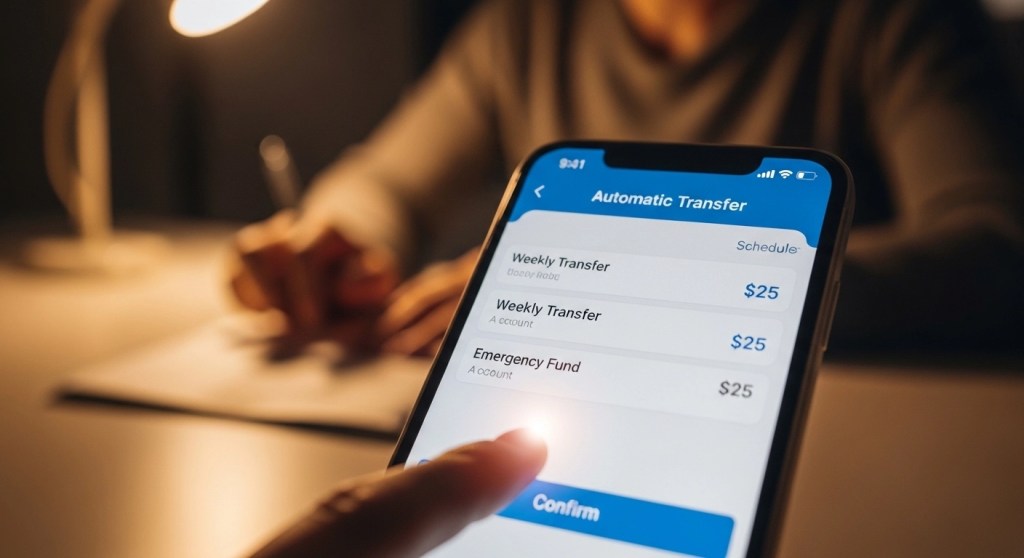
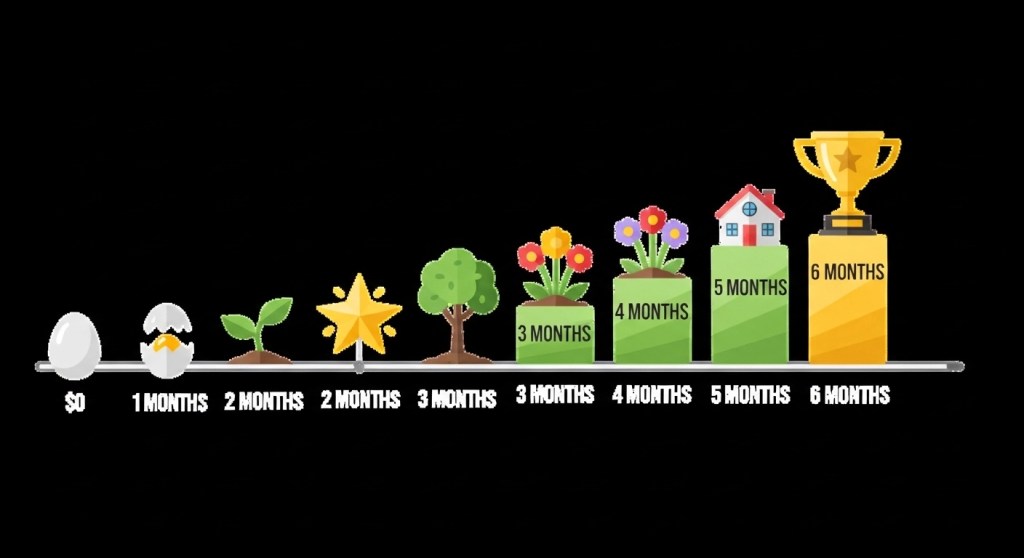
🔗 Part of the “Borrower’s Truth” Series — Day 3 In Day 2 we talked about building an emergency fund from scratch — starting with just $10. Read it here: How to Build an Emergency Fund From Scratch When You Have Nothing Saved But what if the emergency is happening right now, before the fund is ready? That’s exactly what today is about.

.

📚 This post is part of the Borrower’s Truth Series.
Read the complete guide here: The Complete Borrower’s Truth Guide →
🧭

Not Sure Where to Start? Find Your Path.

The Borrower’s Truth Series — 30 Days of Financial Clarity

Day 3 of 30

📍 What describes your situation right now?

You are here → Day 3:Broke & Stressed? 7 Real Alternatives to Emergency Loans That Most People Overlook

📚 Borrower’s Truth Series by Laxmi Hegde — MBA in Finance View Complete Guide →

Table of Contents

  1. When the Emergency Arrives Before the Fund Does
  2. Alternative 1: Negotiate Directly — The Most Underused Option in Personal Finance
  3. Alternative 2: Employer Paycheck Advance — Interest-Free Money You Already Earned
  4. Alternative 3: 211.org & Community Emergency Assistance Programs
  5. Alternative 4: Credit Union Payday Alternative Loans (PALs)
  6. Alternative 5: Cash Advance Apps — With Eyes Wide Open
  7. Alternative 6: Ask Your People — The Conversation Nobody Wants to Have
  8. Alternative 7: Sell Something — Fast, Judgment-Free, and Surprisingly Effective
  9. Comparison Table: All 7 Alternatives at a Glance
  10. When a Loan Actually Is Your Best Option
  11. Red Flags That Mean Run — Not Borrow
  12. Final Thoughts: You Have More Options Than You Think

1. When the Emergency Arrives Before the Fund Is Ready {#introduction}

Picture this: it’s Thursday night. Your car just made a sound that cars should never make. The repair estimate is $600. Your emergency fund has $23 in it — because you started it last week, after reading Day 2 of this series (good for you, genuinely) — and your next paycheck isn’t until Friday of next week.

The internet, in its infinite helpfulness, immediately serves you ads for emergency loans with “instant approval” and “funds in 24 hours.” And honestly? In that moment, it sounds like the answer.

Here’s the thing though — it might not be. Not because loans are evil (we covered that nuance in Day 1), but because there are very real alternatives that are faster, cheaper, or both — and most people never try them because they don’t know they exist, or they feel too awkward to try.

This post is about those alternatives. All seven of them.

We’re going to go through each one honestly — what it is, how to actually use it, who it works for, and where it falls short. No fluff, no false promises. Just real options for a real Thursday night.

Let’s go.

Stressed person in car at night looking at emergency loan ads on phone with repair bill visible
Before you click “Apply Now” — give yourself 10 minutes to read this first. It could save you hundreds.

2. Alternative 1: Negotiate Directly — The Most Underused Option in Personal Finance {#negotiate}

Let’s start with the one that almost nobody tries — and almost everybody should.

When you owe money to a doctor, a dentist, a mechanic, a landlord, or a utility company, there is a very good chance they will work with you on a payment plan if you simply pick up the phone and ask. Not because they’re feeling generous. Because getting paid slowly is better than not getting paid at all — and they know it.

Most people assume the bill is fixed. Non-negotiable. Final. The number at the bottom of the page is the number you pay, period. But that’s almost never actually true.

What to say — literally word for word:

“Hi, I received a bill for [amount] and I’m having some financial difficulty right now. Is there a payment plan available, or is there anything you can do to help me work something out?”

That’s it. That’s the whole script. You don’t need to over-explain, apologize excessively, or tell your whole story. Just ask.

Where this works best:

Medical and dental bills are the single biggest opportunity here. Hospitals and medical practices almost universally have financial hardship programs — many will reduce your bill significantly or set up a zero-interest payment plan if you qualify. These programs are not advertised. You have to ask for them specifically. Ask for the “financial counselor” or “billing department” and use the phrase “financial hardship assistance.”

Utility companies — electricity, gas, water — often have hardship programs and deferred payment options, especially in winter months. Your state utility commission may also require them to offer payment arrangements by law.

Landlords, especially individual landlords (as opposed to large property management companies), will often agree to a short-term arrangement if you communicate early and honestly. The key word there is early — before you’ve already missed the payment, not after.

Car repair shops vary widely, but many independent mechanics will let you pay in installments if you ask upfront. Some even work with third-party financing like Sunbit or Snap Finance — which are still financing products with their own terms, but typically better than a payday lender.

Success rate: Higher than you think. Consumer advocates consistently report that a meaningful percentage of people who ask for payment arrangements get them — often on the first call. The worst possible outcome is they say no — and you’re no worse off than before you called.

💡 Quick tip: Always get any payment arrangement confirmed in writing — even a quick email saying “As discussed, I’ll be making payments of $X on the Xth of each month” protects both parties and prevents misunderstandings.

Person confidently calling to negotiate a payment plan on a medical bill as alternative to emergency loan
One phone call could replace an entire emergency loan. Most people never make it.

3. Alternative 2: Employer Paycheck Advance — Interest-Free Money You Already Earned {#employer-advance}

Here’s a secret that feels slightly embarrassing to say out loud: asking your employer for a paycheck advance is one of the smartest financial moves you can make in a genuine emergency.

Why? Because it’s your money. You’ve already earned it — you just haven’t been paid yet. An advance isn’t charity. It isn’t a loan from a stranger with fine print. It’s your own wages, released a few days early.

The interest rate is zero. The approval process is a conversation. The repayment plan is your next paycheck.

How to ask:

Talk to your manager or HR directly and privately. Keep it simple: “I’m dealing with an unexpected emergency expense and I’m wondering if it’s possible to get an advance on my next paycheck. Even a partial advance would really help.”

Most reasonable employers — especially at small businesses — will say yes if the relationship is good and this isn’t a recurring pattern. If you’ve been reliable, shown up, and done your job, a one-time request like this is rarely a problem.

What if your workplace uses payroll apps?

Many employers now use platforms like Gusto, ADP, or Paychex — some of which have built-in earned wage access features that let employees draw on already-earned wages before payday without even involving a manager conversation. Check your employee portal first.

Earned Wage Access (EWA) apps:

If your employer doesn’t offer advances directly, apps like DailyPay, Payactiv, and Even partner with employers to let employees access earned wages early — often for a small flat fee ($1–$3) rather than interest. This is dramatically cheaper than any loan product.

⚠️ Disclaimer: Earned Wage Access products vary in their fee structures and terms. Always read the terms carefully before using any financial app. The apps mentioned above are referenced for informational purposes only — not endorsed.

4. Alternative 3: 211.org & Community Emergency Assistance Programs {#211-resources}

This one genuinely surprises people — and it shouldn’t, because it’s been quietly helping families for decades.

211 is a free, confidential service available across the United States (and parts of Canada) that connects people to local social services and emergency assistance programs. You can call 2-1-1, text your zip code to 898-211, or visit 211.org — and within minutes you’ll have a list of local resources that can help with exactly what you’re facing.

These programs cover:

  • Emergency rent and utility assistance
  • Food banks and grocery assistance
  • Emergency transportation help
  • Medical and prescription assistance
  • Emergency shelter
  • Childcare assistance

The beautiful thing about 211 resources? Most of them are grants, not loans. You don’t pay them back.

Many people in genuine financial distress have never heard of 211 — or they assume the resources are only for people in extreme poverty. They’re not. Many programs exist specifically for working people who are temporarily short due to an unexpected expense — exactly the situation you might be in.

Other resources worth knowing:

LIHEAP (Low Income Home Energy Assistance Program) — federally funded program that helps with heating and cooling bills. Eligibility varies by state and income level.

Local community action agencies — almost every county in the U.S. has one. They administer dozens of emergency assistance programs and can often help same-week.

Religious and faith-based organizations — churches, mosques, synagogues, and temples frequently run emergency assistance funds that are open to community members regardless of religious affiliation. Many don’t advertise this — call and ask.

Nonprofit credit counseling agencies — can negotiate with your creditors on your behalf, sometimes reducing interest rates or setting up repayment plans at no cost to you. Look for NFCC-member agencies.

💙 This option requires a phone call or a form. That’s it. If you’re in a genuine financial emergency, please don’t skip this one out of pride. These programs exist because communities take care of each other — and right now it’s your turn to receive that care.

Community counselor helping person access emergency assistance programs as alternative to payday loans
Community assistance programs exist specifically for moments like this — and most people never know to ask.

5. Alternative 4: Credit Union Payday Alternative Loans (PALs) {#credit-union-pals}

Okay — so sometimes you genuinely do need to borrow money. There’s no negotiating your way out, no employer advance available, no assistance program that covers this particular thing. You need cash, and you need it soon.

If that’s where you are, credit union Payday Alternative Loans — called PALs — are the responsible borrower’s best friend.

Here’s why they matter: the National Credit Union Administration (NCUA) created the PAL program specifically to give people a safe alternative to predatory payday lenders. The terms are regulated by federal law.

PAL terms by law:

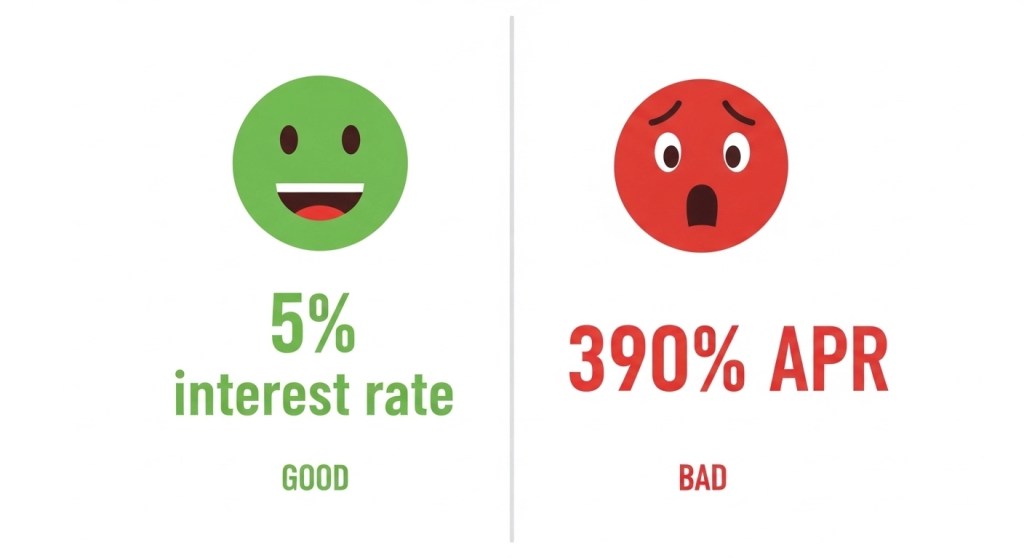
  • Maximum interest rate: 28% APR (vs. 300–400% at a payday lender)
  • Loan amounts: $200 to $1,000
  • Repayment term: 1 to 6 months
  • Application fee: maximum $20
  • No rollover allowed

The catch: You typically need to be a credit union member for at least one month before you’re eligible for a PAL. Which means if you’re not already a member, today is a very good day to join one — even if you don’t need a PAL right this minute.

Most people are eligible for at least one credit union — through their employer, their community, a family member’s membership, or a simple geographic requirement. Membership usually costs $5–$25 to open. That $25 investment could save you hundreds in loan fees later.

How to find a credit union near you: Visit MyCreditUnion.gov or NCUA.gov and use the credit union locator tool.

⚠️ Disclaimer: PAL eligibility, loan terms, and membership requirements vary by credit union. Contact your local credit union directly for current rates and requirements. The NCUA website is the authoritative source for current PAL regulations.
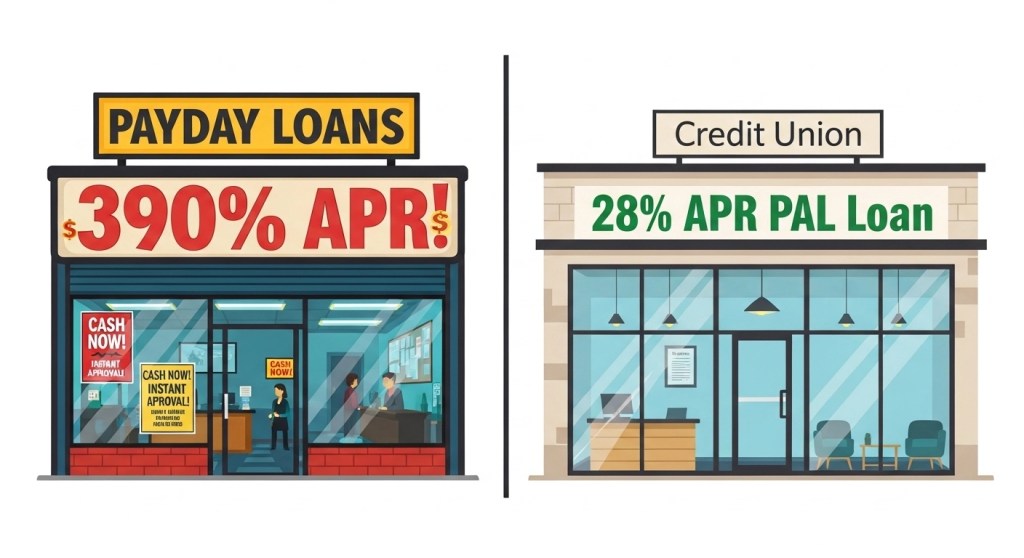
Comparison of credit union PAL loan at 28% APR versus payday loan at 390% APR as emergency borrowing alternatives
Same urgent need. Completely different cost. Credit union PALs exist precisely for this.

6. Alternative 5: Cash Advance Apps — With Eyes Wide Open {#cash-advance-apps}

Let’s talk about the apps everyone’s using but nobody’s reading the fine print on.

Cash advance apps — Dave, Earnin, Brigit, MoneyLion, Chime’s SpotMe — have exploded in popularity because they feel friendly, modern, and instant. No credit check. No interest. Just “advance” yourself some money until payday. Easy!

And honestly? Used correctly, some of these apps are genuinely useful. But “used correctly” is doing a lot of heavy lifting in that sentence.

What the apps don’t shout from the rooftops:

The “optional” tip isn’t really optional. Many apps prominently ask for a tip when you request an advance. The suggested amounts — $1, $2, $3 — seem tiny. But on a $50 advance paid back in one week, a $3 “tip” is actually a 312% annualized rate. The apps know this. They just call it a tip.

Subscription fees add up fast. Several apps charge $1–$9.99/month for membership that unlocks the advance feature. If you’re using the app once every few months for a $50 advance, that monthly fee might cost more than the advance itself over time.

Advance limits start very small. Most apps start you at $20–$50 and only increase your limit over time based on account history. If you need $500 in an emergency, a cash advance app probably isn’t going to cover it.

Express fees for instant delivery. Want your money in minutes instead of 2–3 days? That’s an extra fee. Usually $2–$8. Again, on a small advance, this is a significant percentage.

When cash advance apps actually make sense:

  • You need a small amount ($20–$200) to bridge a day or two gap
  • You will 100% pay it back on your next payday
  • You’ve read the actual fee structure and it’s cheaper than your alternative
  • You’re not going to need it again next month, and the month after that

When to walk away:

  • You’ve used the same app three months in a row
  • The fees are starting to add up noticeably
  • You’re advancing money to cover a previous advance

That third point is the cash advance version of a rollover trap — and it’s exactly how a “helpful app” turns into a monthly drain on your finances.

7. Alternative 6: Ask Your People — The Conversation Nobody Wants to Have {#ask-people}

Okay. This is the one that made you slightly uncomfortable just reading the heading. We know.

Asking friends or family for money is genuinely one of the most emotionally difficult things a person can do. There’s vulnerability in it, a fear of judgment, a worry about changing the relationship. Nobody wants to be the person who needed help.

But here’s the honest truth: a loan from someone who loves you, at 0% interest, with a flexible repayment timeline, is almost always better than a loan from an institution that sees you as a revenue opportunity.

The financial math is not close. It’s not even a competition.

So why don’t more people do it? Because we’ve been taught — mostly by cultural messages and pride — that needing help is shameful. It isn’t. It’s human.

How to ask in a way that feels okay:

Be specific about the amount and the repayment plan. Vague requests (“Can you help me out?”) create anxiety for the lender and resentment for you. Specific requests (“I need $300 to cover a car repair — I can pay you back $150 on the 1st and $150 on the 15th”) feel like a real plan, not a charity ask.

Put it in writing — even casually. A quick text confirming the terms protects the relationship far more than a handshake. It removes ambiguity and prevents the kind of misunderstandings that turn a generous act into a source of tension.

If they say no — and sometimes they will, for their own valid reasons — say thank you and move on without making it awkward. People who can’t help you financially right now aren’t bad people. They’re just people.

💙 There’s no shame in asking someone who loves you for help during a hard time. That’s what love is partly for. The shame, if there is any, belongs to a system that makes financial emergencies so common and so punishing — not to the person trying to survive one.

Two friends having a warm honest conversation about borrowing money as an alternative to emergency loans
The most uncomfortable conversation is often the one that costs you the least.

8. Alternative 7: Sell Something — Fast, Judgment-Free, and Surprisingly Effective {#sell-something}

This one is immediate, requires no approval, has no interest rate, and works faster than almost any other option on this list.

Walk through your home right now — mentally, or physically if you’re up for it — with fresh eyes. Not the eyes of someone who’s attached to their stuff. The eyes of someone who needs $200 by Friday.

You almost certainly have it.

What sells fast and for real money:

Electronics are the fastest movers — old phones, tablets, laptops, gaming consoles, cameras, earbuds. Even broken electronics have value. A cracked-screen iPhone 11 can fetch $80–$150 on the right platform.

Clothes and shoes in good condition — especially name brands — sell quickly on Poshmark, ThredUp, or Facebook Marketplace. A pile of clothes you haven’t worn in two years could realistically be $75–$200.

Furniture you don’t love — that spare chair, the side table nobody uses, the shelving unit from three apartments ago. Facebook Marketplace and Craigslist move furniture fast, especially if you price it to sell.

Kids’ items — toys, clothes, baby gear, strollers — sell extremely well locally. Parents looking for deals are everywhere and they move fast.

Tools, sports equipment, kitchen appliances — anything in working condition has a buyer somewhere.

Fastest platforms for cash:

  • Facebook Marketplace — fastest local cash sales, meets in person
  • OfferUp — similar to Marketplace, very active in most areas
  • Decluttr — instant price quotes on electronics, send it in and get paid
  • Poshmark / ThredUp — clothes, slightly slower but reliable
  • eBay — best for unique or valuable items, takes a few days

Realistic timeline: List items tonight, sell by the weekend. For most people in most cities, $100–$400 is achievable within 48–72 hours from stuff already in their home.

No application. No credit check. No interest. No fine print.

Person photographing items to sell on Facebook Marketplace for fast cash as emergency loan alternative
No application, no credit check, no interest. Just stuff you already own turning into money you actually need.

Comparison Table: All 7 Alternatives at a Glance {#comparison-table}

Alternative Cost Speed Amount Available Best For
🤝 Direct Negotiation Free Same day Varies Medical, utility & rent bills
💼 Employer Advance Free 1–2 days Up to 1 paycheck Employed with good relationship
🏘️ 211 / Community Aid Free (grant) 1–5 days Varies by program Rent, utilities, food, medical
🏦 Credit Union PAL 28% APR max 1–3 days $200–$1,000 Credit union members (1+ month)
📱 Cash Advance App $1–$10 fee Instant–3 days $20–$500 Small short-term gap only
👥 Friends & Family Free (ideally) Same day Varies Trusted relationships + clear plan
📦 Sell Your Stuff Platform fees only 24–72 hours $50–$500+ Anyone with sellable items at home

10. When a Loan Actually Is Your Best Option {#when-loan-is-best}

Here’s the honest part — the part that separates this blog from the ones that are just trying to make you feel bad for needing money.

Sometimes, a loan really is the right answer.

If the amount you need is large, if all seven alternatives above genuinely don’t apply to your situation, and if the loan is from a responsible lender with transparent terms — then borrowing is a completely legitimate financial tool and there’s no shame in using it.

The key word in that sentence is responsible. Before you sign anything, please read our full breakdown of hidden fees, APR traps, and fine print tricks: Hidden Costs & Fine Print: What Lenders Don’t Tell You

Signs a loan makes sense:

  • The amount needed is too large for any of the alternatives above
  • You have a clear, realistic repayment plan
  • The APR is reasonable and fully disclosed
  • There are no prepayment penalties
  • You’ve compared at least 3 lenders
  • The lender is verified and legitimate

Signs it doesn’t:

  • You’re borrowing to cover a previous loan payment
  • You don’t know the full APR
  • You haven’t read the agreement
  • You’re feeling pressured to sign quickly

⚠️ Reminder: This is general guidance, not personalized financial advice. Your specific situation — income, existing debt, credit score, and the nature of your emergency — should all factor into your decision. When in doubt, a free consultation with a nonprofit credit counselor can help clarify your options.

11. Red Flags That Mean Run — Not Borrow {#red-flags}

Whether you end up using one of the seven alternatives or deciding a loan is right for you — watch for these signals that something is wrong:

🚩 Guaranteed approval with no questions asked — Legitimate lenders assess risk. No questions = no legitimacy.

🚩 Upfront fee required before funds are released — This is advance fee fraud. Full stop. Run.

🚩 The lender contacted you — Legitimate emergency loan providers don’t cold-call, cold-text, or cold-email people in financial distress. If someone reached out to you first, be very cautious.

🚩 Pressure to decide immediately — Ethical lenders give you time to read and think. “This offer expires in 2 hours” is a manipulation tactic, not a real deadline.

🚩 No physical address or verifiable registration — Check the lender on your state’s financial regulatory website before sharing any personal information.

🚩 The terms change between what was said verbally and what’s written — End the conversation immediately.

12. Final Thoughts: You Have More Options Than You Think {#final-thoughts}

Financial emergencies have a way of making the world feel very small, very fast. When the car breaks down and the account is empty, the brain narrows its focus — and that narrow focus is exactly what predatory lenders exploit. They know you’re stressed. They know you’re not thinking about fine print. They built their entire business model around that moment.

The seven alternatives in this post exist in that same moment — they’re just quieter about it. They don’t buy Google ads. They don’t send you push notifications. They’re just there, waiting to be found by someone who knows to look.

Now you know to look.

And if you’ve been building your emergency fund since reading Day 2 — even just a little — that fund is quietly working to make sure next time, you don’t have to choose between a bad loan and a hard conversation. You’ll just handle it.

That’s the goal. We’re getting there together.

🔗 Coming up — Day 4 of the Borrower’s Truth Series: “How Lenders Use Your Credit Score Against You (And How to Fight Back)” Because knowing your number is only half the battle — understanding how it’s used against you is the other half.


💬 Have you ever used one of these alternatives — or wished you’d known about them sooner? Tell me in the comments. Someone reading this right now might need to hear your story.

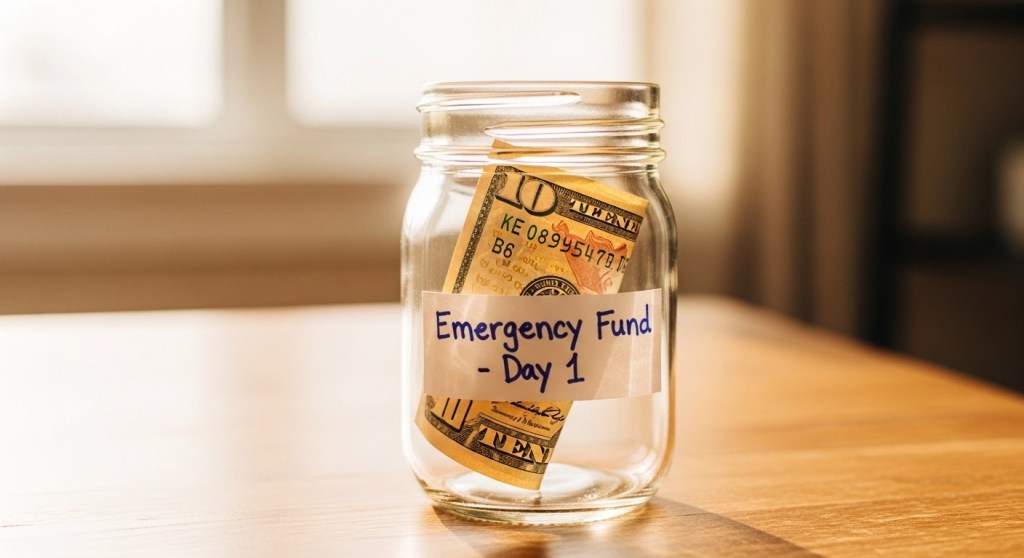
Avoid Emergency Loan Traps: What You Must Know

LEGAL DISCLAIMER**
>

The information contained in this blog post is provided for general informational and educational purposes only. It does not constitute financial, legal, investment, or professional advice of any kind, and should not be relied upon as such.

📚 This post is part of the Borrower’s Truth Series.
Read the complete guide here: The Complete Borrower’s Truth Guide →

🧭

Not Sure Where to Start? Find Your Path.

The Borrower’s Truth Series — 30 Days of Financial Clarity

Day 1 of 30

📍 What describes your situation right now?

You are here → Day 1: Hidden Costs & Fine Print: What Lenders Don’t Tell You

📚 Borrower’s Truth Series by Laxmi Hegde — MBA in Finance View Complete Guide →

Table of Contents

  1. Introduction: The Loan Brochure Vs. The Loan Reality
  2. The APR Illusion: Why “Low Interest” Isn’t Always Low
  3. Origination Fees: Paying to Borrow Your Own Money
  4. Prepayment Penalties: Punished for Being Responsible
  5. Late Fees & Grace Period Myths
  6. Rollover Traps in Payday Loans & Short-Term Lending
  7. Insurance Add-Ons You Never Actually Agreed To
  8. The Arbitration Clause: Your Right to Sue… Just Kidding
  9. Variable Interest Rates: The Rate That Grows Up
  10. Soft Pull vs. Hard Pull: Credit Score Damage Nobody Warned You About
  11. How to Protect Yourself: Emergency Fund Seeker’s Survival Guide
  12. Red Flags Checklist Before You Sign
  13. Final Thoughts

1. Introduction: The Loan Brochure Vs. The Loan Reality

You’re staring at a car repair bill that’s roughly the size of a small country’s GDP. Your landlord is texting. Your dog somehow needs emergency surgery. Life, as it often does, has chosen violence.

So you do what any reasonable person in a financial emergency does — you Google “emergency loan fast approval” and suddenly the internet is throwing loan offers at you like confetti at a parade. “0% interest!” “No credit check!” “Funds in 24 hours!”

It all sounds lovely. Until it isn’t.

Here’s the thing most lenders are banking on (pun intended): when you’re stressed, scared, and need money right now, you’re not exactly going to spend three hours reading a 47-page loan agreement in 8-point font. And they know it.

This blog exists to change that. Not to scare you away from loans — because sometimes an emergency loan is genuinely your best option — but to make sure you walk in with your eyes wide open, not blissfully shut while someone quietly empties your wallet.

Let’s pull back the curtain.

Person overwhelmed by bills researching emergency loan options on phone
When bills pile up, loan ads suddenly look a lot more appealing — here’s what to watch for before you click “Apply Now.”

2. The APR Illusion: Why “Low Interest” Isn’t Always Low

Let’s start with the granddaddy of all lending confusion: APR vs. interest rate.

A lender advertises “just 5% interest.” You think, “That sounds fine.” What they didn’t say out loud — but did write in tiny gray text on page 34 — is that the Annual Percentage Rate (APR) is actually 38%.

How? Because APR includes fees, compounding, and all the other little costs baked into your loan. The interest rate is just one ingredient. APR is the whole recipe.

Quick math for emergency borrowers:

  • Borrowing $1,000 at “5% interest” with fees could realistically cost you $1,380+ over 12 months.
  • A payday loan advertising a flat “15% fee” on a 2-week loan? That’s roughly 390% APR when annualized.

Yes, you read that correctly. Three hundred and ninety percent.

Always — and I mean always — ask for the APR in writing before agreeing to anything. In the U.S., lenders are legally required to disclose this under the Truth in Lending Act (TILA). If a lender dances around this question, that’s your cue to dance right out the door.

SEO Keyword Note: When comparing emergency loan options, short-term personal loan APR, or payday loan interest rates, APR is your North Star.

Comparison infographic showing difference between advertised interest rate and actual APR on emergency loans
The “5% interest” your lender advertises and the APR you’ll actually pay can be worlds apart.

3. Origination Fees: Paying to Borrow Your Own Money

Here’s one that gets people every single time: origination fees.

An origination fee is what a lender charges you just for… processing your loan. You know, the administrative work of taking your money and giving you slightly less of it back.

Example: You’re approved for a $5,000 emergency loan with a 5% origination fee. Congrats — you’ll receive $4,750 in your bank account. But you’ll still owe $5,000 (plus interest).

You paid $250 before spending a single dollar.

Some lenders roll this fee into the loan (so you don’t feel it immediately), while others deduct it upfront. Either way, it’s real money leaving your pocket.

What to ask your lender:

  • “Is there an origination fee?”
  • “Is it included in the loan amount or deducted upfront?”
  • “Can it be waived?” (Sometimes they say yes. Shocking, but true.)

Origination fees typically range from 1% to 8% of the loan amount. On a $10,000 loan, that’s $100–$800 vanishing before you even see the money.

4. Prepayment Penalties: Punished for Being Responsible {#prepayment-penalties}

This one is chef’s kiss in terms of audacity.

You borrow money. You hustle, you budget, you get some extra cash and decide to pay your loan off early. Good for you, right? Character development!

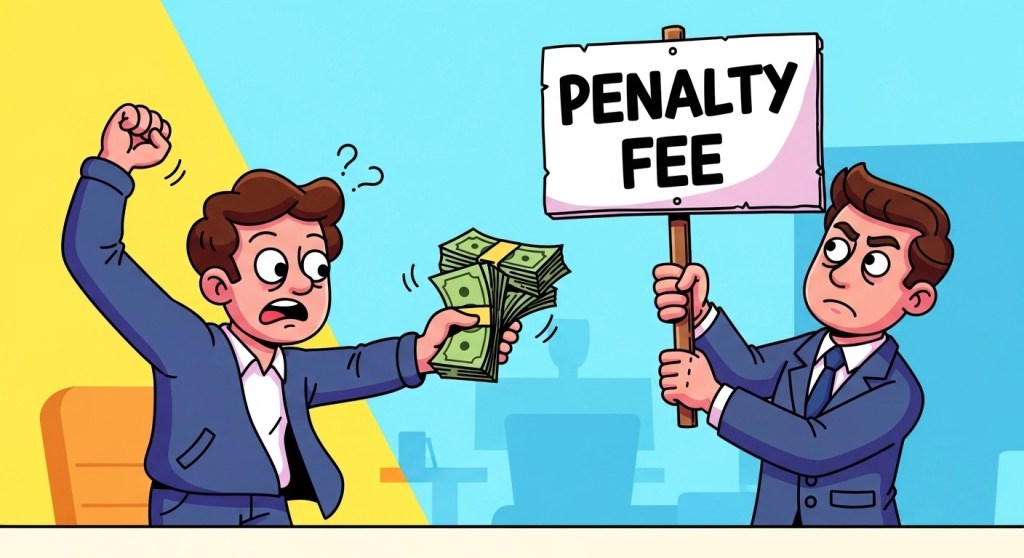
Except some lenders will actually charge you for this. It’s called a prepayment penalty, and it exists because when you pay off early, the lender loses the interest they were counting on collecting from you.

Translation: they planned on making money off your debt, and you ruined it by being financially responsible. How dare you.

Prepayment penalties are more common in mortgages and auto loans, but they do appear in personal loans too. Always scan your loan agreement for phrases like:

  • “Early termination fee”
  • “Prepayment penalty”
  • “Yield maintenance fee” (fancy words for the same concept)

If your loan has one, factor it into your decision — especially if you’re borrowing during an emergency and expect to repay quickly once things stabilize.

Cartoon illustration of borrower surprised by prepayment penalty when paying off loan early
You tried to do the right thing. The fine print had other plans.

5. Late Fees & Grace Period Myths {#late-fees}

Late fees. Everybody’s heard of them. But here’s what most people don’t know: grace periods are not guaranteed, and they’re often shorter than you think.

Many borrowers assume there’s a 10 or 15-day grace period before a late fee kicks in. Sometimes there is. Sometimes there’s a 3-day grace period. Sometimes there’s zero.

Worse? Some lenders charge late fees AND report you to credit bureaus simultaneously. So you get the fee and the credit score hit on the same day. Double whammy.

The sneaky compounding late fee: Some loan agreements include language that compounds late fees — meaning if you’re 30 days late, the fee from day 1 is now itself accruing interest. By month two, you owe more in fees than in principal.

What to confirm before signing:

  • Exact grace period (in days)
  • Late fee amount (flat fee vs. percentage of payment)
  • Whether late fees themselves accrue interest
  • At what point they report to credit bureaus

6. Rollover Traps in Payday Loans & Short-Term Lending {#rollover-traps}

Payday loans deserve their own section — honestly their own book — but let’s hit the biggest trap: the rollover.

You borrow $300 to cover rent. Payday comes, you can’t pay it back in full, so the lender offers to “roll it over” for a small fee. $45, say. No big deal, right?

Except next payday, same thing happens. And the next. After 4 rollovers, you’ve paid $180 in fees… on a $300 loan. And you still owe the $300.

This is the debt spiral that consumer advocates have been screaming about for decades. The Consumer Financial Protection Bureau (CFPB) has repeatedly flagged rollover structures as predatory — yet they remain legal in many states.

Alternatives to payday loan rollovers:

  • Credit union payday alternative loans (PALs) — capped at 28% APR
  • Employer salary advances
  • Nonprofit emergency assistance programs
  • Community lending circles

If a lender’s solution to you not having money is to charge you more money for not having money… that’s not a solution. That’s a trap with a loan-shaped door.

Hamster wheel metaphor illustrating the payday loan rollover debt cycle trap
Rollover fees keep borrowers running — but never getting anywhere.

7. Insurance Add-Ons You Never Actually Agreed To insurance-add-ons

This one requires you to channel your inner detective.

Some lenders — particularly auto lenders and some personal loan companies — quietly bundle “payment protection insurance” or “credit life insurance” into your loan. It sounds nice. If you can’t make payments due to job loss or illness, the insurance kicks in.

What they gloss over:

  • These products are wildly overpriced for what they actually cover
  • The premiums are rolled into your loan balance (so you’re paying interest on your insurance)
  • Claim approval rates can be surprisingly low
  • In many cases, you never explicitly opted in — it was pre-checked in your application

Always review your loan documents line by line for any insurance products. If you see one you didn’t consciously choose, ask to have it removed. You’re usually allowed to.

8. The Arbitration Clause: Your Right to Sue… Just Kidding {arbitration-clause}

Buried deep in most loan agreements — usually around page 22, right where your attention is definitely still 100% — is an arbitration clause.

In plain terms, this clause means: “If we do something wrong, you agree not to sue us in court. Instead, we’ll handle it through a private arbitration process.”

Sounds neutral, right? Here’s the thing: the arbitration company is typically chosen by the lender. The process is not public, there’s no jury, and the results are usually final with very limited right to appeal.

Additionally, mandatory arbitration clauses often include a class action waiver — meaning even if thousands of people are harmed by the same lender practice, they can’t band together in a lawsuit. Everyone must fight separately.

This clause alone is worth reading carefully. Some states (like California) have stronger consumer protections around arbitration, but federal law generally enforces these clauses.

What to look for: Language like “binding arbitration,” “waive right to jury trial,” or “class action waiver.”

Magnifying glass over loan agreement highlighting binding arbitration clause in fine print
That clause on page 22 that strips your right to a courtroom? Worth knowing about before you sign.

9. Variable Interest Rates: The Rate That Grows Up {variable-rates}

Fixed rate: stays the same for the life of your loan. Boring. Predictable. Wonderful.

Variable rate: starts low, sounds great, then adjusts based on market indices (like the prime rate or SOFR). When rates go up nationally, so does your rate. Your monthly payment that was $200 in January might be $260 by October.

Variable rates aren’t inherently evil — they can save you money when rates drop. But for emergency borrowers who are already financially stretched, unpredictable monthly payments can be genuinely dangerous.

Rule of thumb for emergency fund seekers: Unless you’re extremely confident you’ll pay off the loan within a few months and rates are trending downward, opt for a fixed-rate loan. The peace of mind alone is worth it.

When reviewing your offer, look for: “variable,” “adjustable,” “prime + X%,” or “subject to change.” These are signals that your rate is not locked in.

10. Soft Pull vs. Hard Pull: Credit Score Damage Nobody Warned You About {#credit-pulls}

When you apply for a loan, the lender checks your credit. But there are two types of checks, and they have very different consequences:

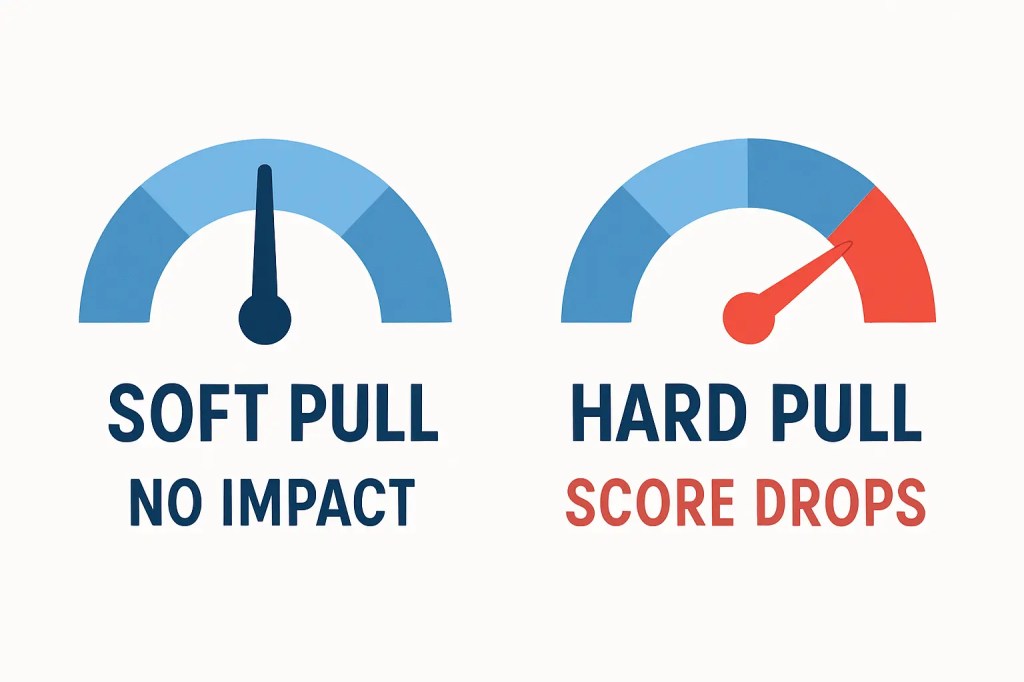
Soft pull → Does NOT affect your credit score. Often used for pre-qualification checks.

Hard pull → DOES affect your credit score. Typically drops it by 5–10 points per inquiry. And it stays on your report for 2 years.

The problem? When you’re desperate for emergency funds and you apply to four different lenders in a week, you might get hit with four hard pulls. That’s a potential 20–40 point drop in your credit score at the exact moment you need it to be strong.

Smart strategy for emergency loan shopping:

  • Ask each lender whether their pre-qualification uses a soft or hard pull
  • Use loan comparison platforms that aggregate offers with a single soft pull
  • If you do need multiple applications, do them within a 14–45 day window (credit bureaus often treat multiple hard pulls in the same period as one inquiry for rate-shopping purposes)
Infographic comparing soft pull and hard pull credit checks and their impact on credit score
Not all credit checks are created equal — and the difference can cost you points when you can least afford it.

11. How to Protect Yourself: Emergency Fund Seeker’s Survival Guide {#protect-yourself}

Okay, we’ve scared you sufficiently. Now let’s fix it.

If you’re seeking emergency funds and need a loan, here’s what to actually do:

Before you apply:

  • Check your credit score for free (annualcreditreport.com, Credit Karma, etc.) so you know where you stand
  • Compare at least 3 lenders using a soft-pull pre-qualification tool
  • Understand the difference between secured and unsecured loans — secured loans (tied to collateral) usually have lower rates but put an asset at risk

When reviewing any offer:

  • Calculate the total repayment amount, not just the monthly payment
  • Ask specifically: “What is the full APR, including all fees?”
  • Request the full loan agreement before signing, not at signing
  • Read the sections titled “Default,” “Fees,” and “Arbitration” — they reveal the most about a lender’s true character

Lender types to consider for emergencies:

  • Credit unions — typically lower rates, more flexible than banks, member-friendly
  • Community Development Financial Institutions (CDFIs) — mission-driven lenders, often serving underbanked communities
  • Peer-to-peer lending platforms — can offer competitive rates for good-credit borrowers
  • Nonprofit emergency assistance programs — often overlooked; can cover utilities, rent, and medical bills without any interest at all

Alternatives to loans entirely:

  • Negotiate payment plans directly with whoever you owe (medical providers, landlords, and utility companies often have hardship programs that they won’t advertise)
  • Check local community organizations and religious institutions — many have emergency funds available
  • “Buy now, pay later” services for specific purchases (proceed with caution — they have their own fine print pitfalls)
Person confidently reviewing loan agreement with a checklist before signing
The difference between a trap and a tool is how well you’ve read the paperwork.

12. Red Flags Checklist Before You Sign {#red-flags}

Consider this your pre-signature gut-check. If you’re checking multiple boxes below, walk away.

🚩 The lender guarantees approval before reviewing your finances. (Legitimate lenders assess risk. “Guaranteed approval” = predatory lender, scam, or both.)

🚩 You’re pressured to sign immediately. (“This offer expires in 2 hours!” is not how ethical lending works.)

🚩 The APR is not clearly stated. (Required by law. If they’re hiding it, something’s wrong.)

🚩 The lender asks for upfront payment before releasing funds. (Classic advance fee fraud. Run.)

🚩 The loan has mandatory insurance bundled in that you can’t remove. (Likely overpriced, and possibly illegal depending on your state.)

🚩 There’s no physical address or verifiable business registration. (Check the lender on your state’s financial regulatory agency website.)

🚩 The “customer reviews” all sound identical and suspiciously enthusiastic. (Fake reviews are a thing. Cross-check on the CFPB’s complaint database.)

🚩 Terms change between the verbal agreement and the written document. (This is your cue to end the conversation, full stop.)

13. Final Thoughts {final-thoughts}

Look — needing emergency funds is stressful enough without discovering three months later that your “$500 loan” somehow turned into a $1,400 debt with fees you never saw coming.

Lenders aren’t all villains. Some are genuinely helpful. But even well-intentioned institutions have fine print that, if unread, can seriously hurt you. The difference between a loan that helps and one that hurts is almost always in those pages you were going to “read later.”

Read them now.

Ask annoying questions. Be the borrower that makes loan officers pull out the full disclosure sheet because you keep asking “but what does that mean?” Be that person. That person saves money.

You came here for emergency funds. The real emergency would be taking a loan without understanding it. You’re already ahead just by being here.

Now go get what you need — with your eyes open.

Disclaimer: This blog is for informational purposes only and does not constitute financial or legal advice. Always consult a certified financial counselor or attorney before making lending decisions.

Emergency Cash Options: Loans vs Credit Explained


⚖️ LEGAL DISCLAIMER

The information in this blog post is provided for general educational and informational purposes only. It does not constitute financial, legal, or tax advice of any kind. Tax refund advance products, fees, APRs, and terms change frequently and vary significantly by provider, tax year, and individual circumstances.

All product details, APRs, and fee structures referenced in this post are based on publicly available information as of February 2026. Always verify current terms directly with any tax preparation provider before making decisions. Consult a qualified tax professional or financial advisor for advice specific to your situation.

The publisher and affiliated parties accept no liability for financial or tax outcomes resulting from reliance on any information in this post. No tax preparation companies or financial institutions are endorsed or affiliated with this content.

📌 Part of the Emergency Borrowing Blueprint 2026 Series

This article is one chapter of the complete emergency loan decision system. For the full guide — including borrower paths, hidden cost analysis, and strategic options — start with the series home base:

→ Emergency Borrowing Blueprint 2026 — Complete Guide (Pillar Page)

For Emergency Funds Seekers — USA Edition

Disclaimer: This video is for educational purposes only and does not constitute financial advice. Loan terms, APRs, and regulations vary by state and lender. Always verify directly with the lender and consult a licensed professional before making financial decisions.

Table of Contents

  1. Introduction: When Your Wallet Says “Help!”
  2. A Quick Disclaimer (Because This Is Finance)
  3. What Are Payday Loans?
  4. What Are Installment Loans?
  5. What Is a Line of Credit?
  6. Side-by-Side Comparison (the Good, the Bad, and the “Ouch!”)
  7. Which One Is Worse? (Short Answer)
  8. How to Choose What’s Best for Emergency Cash
  9. Alternatives to These Options
  10. Final Thoughts — Be Smart With Cash

Part of the ConfidenceBuildings.com Emergency Finance Series — Episode 5

📅 Published: February 2026

🔗 Previous episodes in this series:
👉 Top Finance Niches for YouTube in 2026 – Episode 1
👉 Top 10 Same Day Loan Lenders in USA 2026 – Episode 2
👉 Emergency Cash Options: Loans vs Credit Explained – Episode 3 you are here !
👉 Hidden Fees of Same Day Loans Explained – Episode 4
👉 Current: Episode 5 — Who Should Use Same Day Loans? :https://youtu.be/VuSCWr_2_wM


**1. Introduction: When Your Wallet Says “Help!”

*You need money now — not in two weeks, not someday, now.
Whether it’s an unexpected car repair, medical bill, or your phone did a very dramatic accidental swim, you’re here because you’re looking for emergency cash. But not all loan options are created equal (and some are like that one friend who borrows money but never returns it).

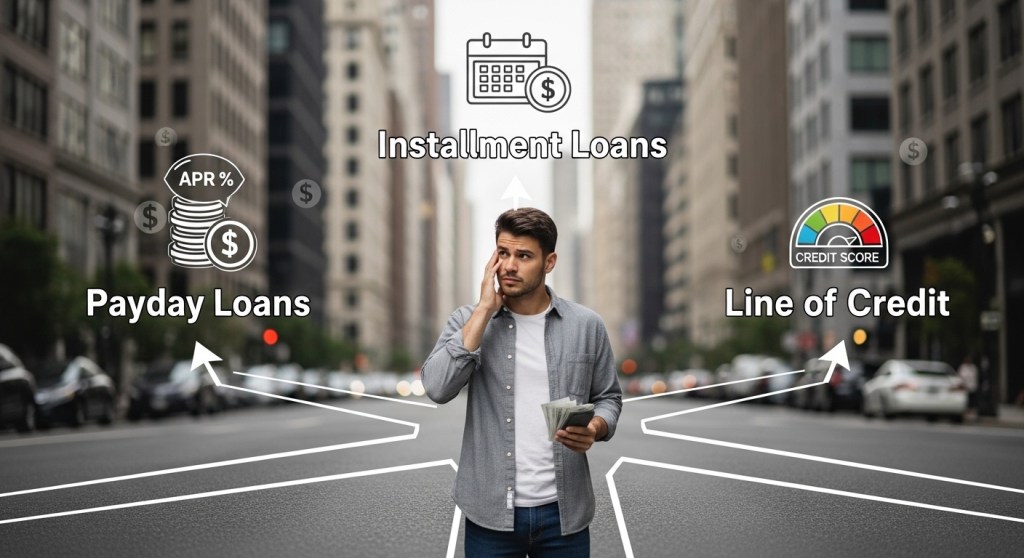
Today we’re comparing:
🔹 Payday Loans
🔹 Installment Loans
🔹 Lines of Credit

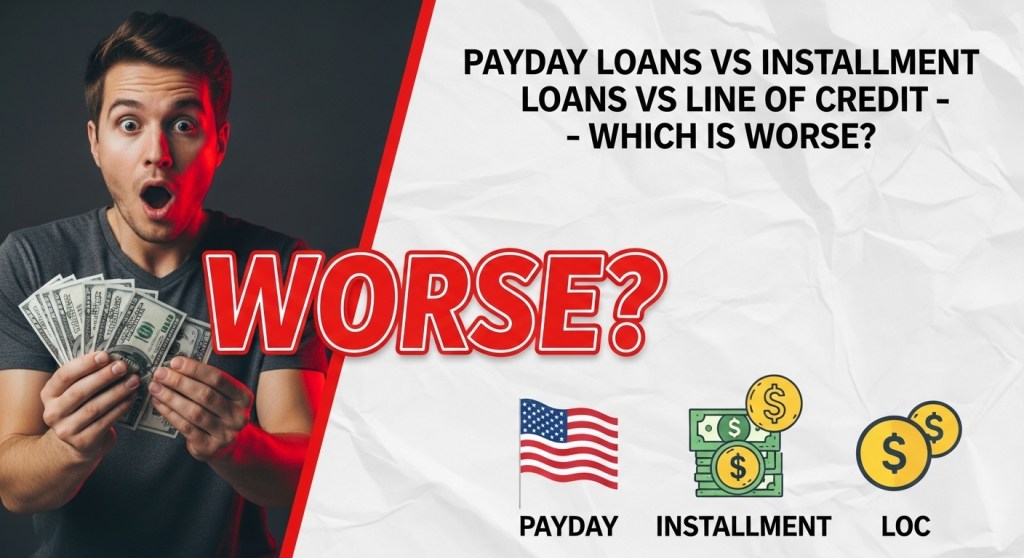
And answering the big question: Which is worse for emergency funds seekers?


2. A Quick Disclaimer

The information in this blog is informational and not financial or legal advice. Before borrowing money, you should consider speaking with a financial planner, credit counselor, or professional. Always read terms, fees, and disclosures carefully.


3. What Are Payday Loans?

TL;DR: Short-term, small-amount loans due on your next payday
💡 Good for: Immediate cash, small emergencies
⚠️ Bad for: High fees, debt traps

Payday loans are the classic “I need cash today and I’ll pay you back next paycheck” products. The lender gives you a small lump sum, and you promise to repay it — usually on your next payday.

Here’s the catch:

  • APRs can be astronomically high (think triple digits).
  • Fees add up fast.
  • Rolling them over can trap you in debt quicksand.

👉 EMERGENCY FUNDS SEEKER ALERT: Good as a last, last resort — and only if you can truly pay it back on time.

🚨 High-Risk Warning: Same-day loans often carry triple-digit APRs and aggressive repayment structures. Always review total repayment amount — not just the monthly payment — before signing.

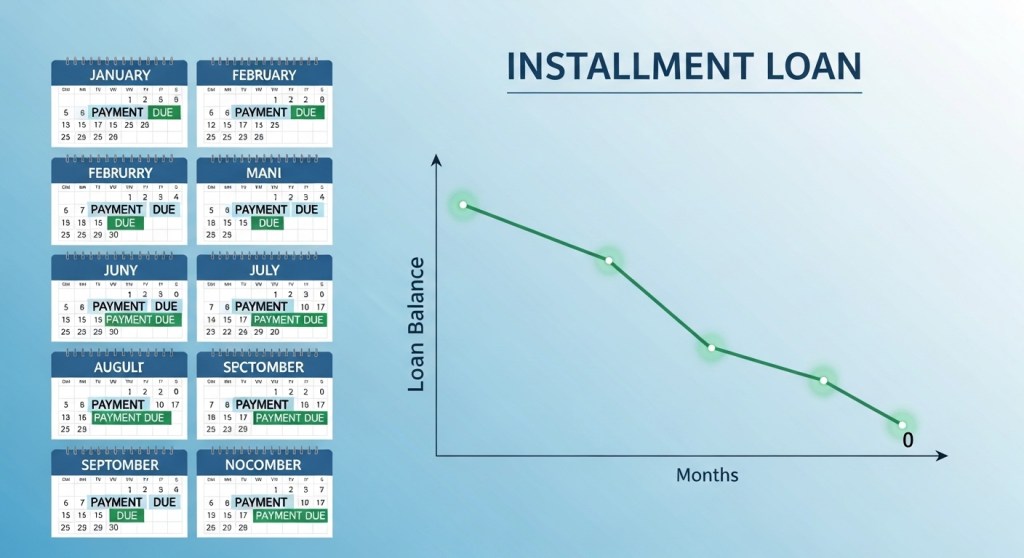
4. What Are Installment Loans?

TL;DR: Borrow now, pay in equal monthly payments
💡 Good for: Larger needs and structured repayment
⚠️ Bad for: Interest and possible penalties

Installment loans spread out your payments over weeks or months (sometimes years). Your monthly payment includes both principal and interest.

Think of it like buying something and paying it off in pieces — only this something is your emergency cash.

✔️ Easier to budget
✔️ Usually lower interest than payday loans
✘ Still interest cost


5. What Is a Line of Credit?

TL;DR: Like a credit card but more flexible
💡 Good for: Ongoing access to funds
⚠️ Bad for: Interest if you carry a balance

A line of credit (LOC) is a pre-approved amount you can borrow from as needed — and only pay interest on the portion you use.

Imagine having a safety net of cash that you dip into when needed.

✔️ Flexible
✔️ Lower interest than payday loans (usually)
✘ Can still be a debt burden


6. Side-by-Side Comparison (the Good, the Bad, and the “Ouch!”)

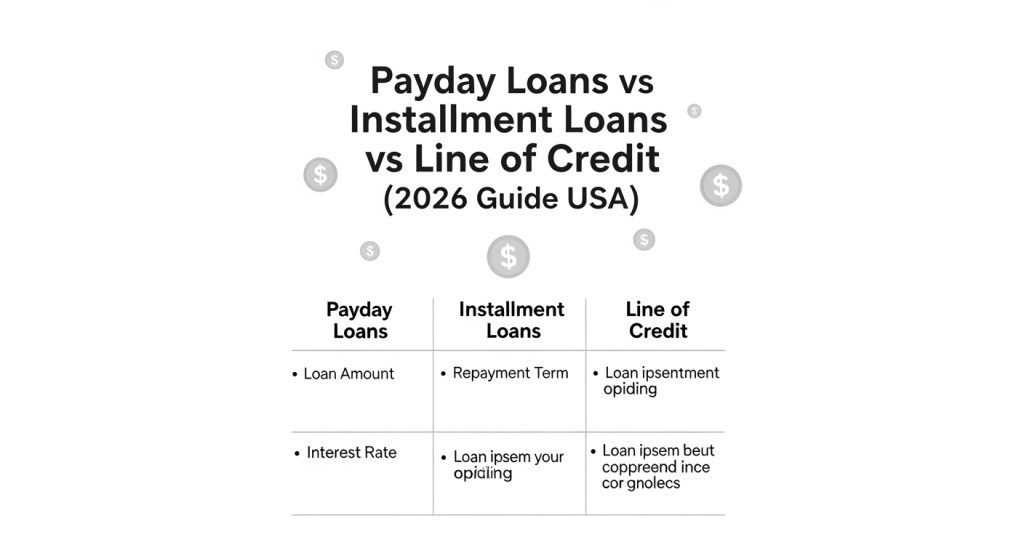
FeaturePayday LoanInstallment LoanLine of Credit
Best for emergency cashYes — if nothing else worksYesYes
Interest rate🔥 Extremely highModerateLow to moderate
Repayment flexibilityLowMediumHigh
Risk of debt cycleVery highModerateMedium
Credit impactDependsOften reportedOften reported

7. Which One Is Worse? (Short Answer)

🥇 Worst Overall: Payday Loans
💰 Most Balanced: Installment Loans
🧠 Most Flexible: Line of Credit

Payday loans come out on top (or bottom?) as the worst option — not because they don’t give you money, but because the cost and risk of debt are disproportionately high.

Installment loans and lines of credit — while still not free — tend to be less financially punishing when used responsibly.


8. How to Choose What’s Best for Emergency Cash

Ask yourself:
✔️ How soon can I repay?
✔️ What are the fees and APR?
✔️ Do I have other options?

If you can realistically repay a payday loan on time, it might be okay once — but don’t make it your go-to.

Having a line of credit or a planned installment loan is usually safer, especially if you anticipate future emergencies.


9. Alternatives to These Options

Before resorting to high-cost lending, consider:

🔹 Emergency savings (yes, seriously — build it!)
🔹 Borrowing from friends/family (with a clear plan)
🔹 Credit union loans (often cheaper)
🔹 0% APR promotions (carefully)
🔹 Side gigs / quick job earnings

Sometimes the best backup plan is a plan.


10. Final Thoughts — Be Smart With Cash

Emergency funds are exactly that — for emergencies. The best financial safety net in 2026 (and beyond) is a solid emergency savings cushion.

But life happens. If you must borrow, knowing the difference between high-cost payday loans, structured installment loans, and flexible lines of credit can save your wallet and your peace of mind.


If you enjoyed this comparison and want real-world examples, numbers, and loopholes to look out for, stick around for more guides — and don’t forget to watch the video embedded above! 🎥😄


🏛️ The Borrower’s Truth Series
A 30-day financial literacy project focused on emergency borrowing decisions — written from a consumer-first perspective with zero lender sponsorship influence.

Top 10 Same Day Loan Lenders in USA (2026)


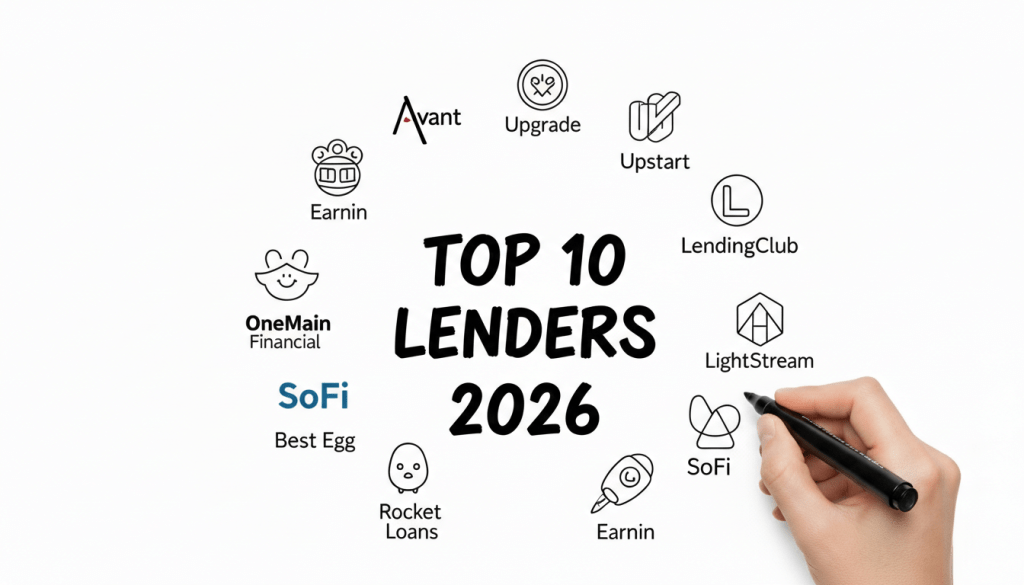
Top 10 Same Day Loan Lenders in USA 2026: Rates, Credit & Funding Speed Compared

⚖️ LEGAL DISCLAIMER

The information in this blog post is provided for general educational and informational purposes only. It does not constitute financial, legal, or tax advice of any kind. Tax refund advance products, fees, APRs, and terms change frequently and vary significantly by provider, tax year, and individual circumstances.

All product details, APRs, and fee structures referenced in this post are based on publicly available information as of February 2026. Always verify current terms directly with any tax preparation provider before making decisions. Consult a qualified tax professional or financial advisor for advice specific to your situation.

The publisher and affiliated parties accept no liability for financial or tax outcomes resulting from reliance on any information in this post. No tax preparation companies or financial institutions are endorsed or affiliated with this content.

📌 Part of the Emergency Borrowing Blueprint 2026 Series

This article is one chapter of the complete emergency loan decision system. For the full guide — including borrower paths, hidden cost analysis, and strategic options — start with the series home base:

→ Emergency Borrowing Blueprint 2026 — Complete Guide (Pillar Page)

When your car breaks down, your dog eats something expensive, or your landlord suddenly remembers rent exists, you don’t have time for a 3–5 business day processing window.

You need money. Fast.

That’s where same day loan lenders come in. But not all “same day” promises are created equal. Some mean today before 5 PM. Others mean tomorrow if the banking gods cooperate.

This guide breaks down the top 10 same day loan lenders in the USA (2026) — comparing funding speed, APR ranges, and credit requirements — so you can make a calm decision during a not-so-calm financial moment.

Part of the ConfidenceBuildings.com Emergency Finance Series — Episode 5

📅 Published: February 2026

🔗 Previous episodes in this series:
👉 Top Finance Niches for YouTube in 2026 – Episode 1
👉 Top 10 Same Day Loan Lenders in USA 2026 – Episode 2 you are here!
👉 Emergency Cash Options: Loans vs Credit Explained – Episode 3
👉 Hidden Fees of Same Day Loans Explained – Episode 4
👉 Current: Episode 5 — Who Should Use Same Day Loans?


📌 Table of Contents

  1. What “Same Day Loan” Really Means
  2. How We Compared These Lenders
  3. Top 10 Same Day Loan Lenders in USA (2026 Comparison Table)
  4. Fastest Funding Options
  5. Best for Fair or Low Credit
  6. What APR Actually Costs You
  7. Alternatives Before You Borrow
  8. Final Thoughts for Emergency Fund Seekers

What “Same Day Loan” Really Means

Before we dive in, a quick reality check:

  • “Same day” usually means same business day
  • You often need approval before cutoff times (2–4 PM)
  • Weekends can delay deposits
  • Bank processing times matter

In other words, the clock starts ticking after approval, not after you click “apply.”


How We Compared These Lenders

We looked at:

  • Funding speed (same day, next day, 1–2 days)
  • APR ranges
  • Credit requirements
  • Whether loans are secured, unsecured, or app-based
  • Overall accessibility for emergency fund seekers

No promotions. No favorites. Just facts.


Top 10 Same Day Loan Lenders in USA (2026)

We do not endorse or promote any specific lender. Information is based on publicly available data as of 2026 and may change without notice.

1. Avant

  • Type: Personal loan
  • Funding: Next business day
  • APR: 9.95%–35.99%
  • Credit: Fair to good

Reliable option if your credit isn’t perfect but not terrible either.


2. Upgrade

  • Type: Installment loan
  • Funding: Next business day
  • APR: 8.49%–35.97%
  • Credit: Fair to good

Often competitive on rates, especially mid-range borrowers.


3. Upstart

  • Type: AI-based personal loan
  • Funding: As fast as 1 business day
  • APR: 6.5%–35.99%
  • Credit: Thin file to good

Uses alternative data. Helpful if you don’t have a long credit history.


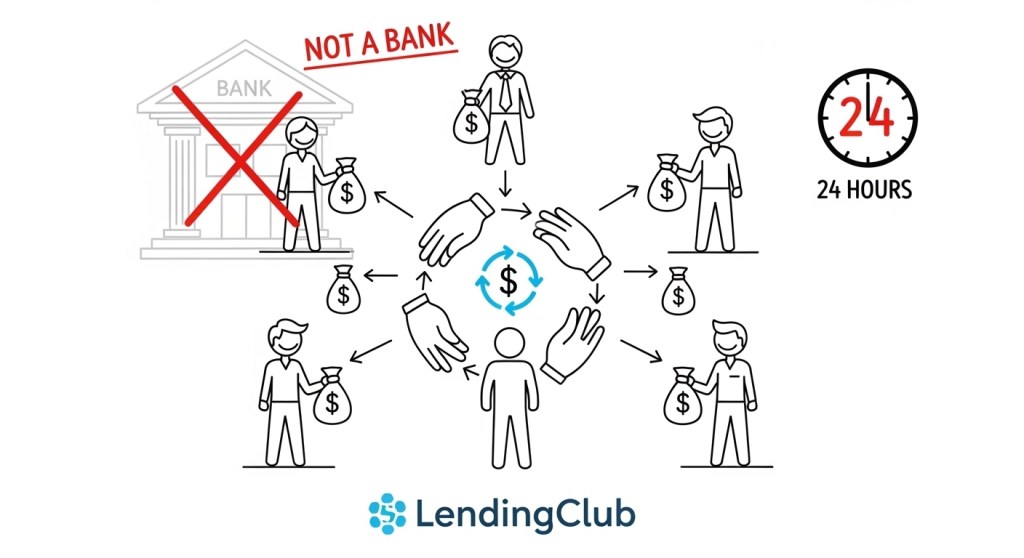
4. LendingClub

  • Type: Personal loan
  • Funding: Around 24 hours after approval
  • APR: 8.05%–35.89%
  • Credit: Fair to good

Peer-based lending model, widely recognized.


5. LightStream

  • Type: Unsecured loan
  • Funding: Same day possible
  • APR: 7.49%–25.99%
  • Credit: Excellent

Best suited for strong credit profiles. Lower max APR than most competitors.


6. OneMain Financial

  • Type: Secured & unsecured
  • Funding: Same day (in branch)
  • APR: 18.00%–35.99%
  • Credit: Fair to poor

Branch access can speed things up — but rates are higher.


7. SoFi

  • Type: Personal loan
  • Funding: 1–2 business days
  • APR: 8.99%–29.99%
  • Credit: Good to excellent

Offers member perks and typically targets stronger borrowers.


8. Best Egg

  • Type: Personal loan
  • Funding: Next day
  • APR: 8.99%–35.99%
  • Credit: Fair to good

Known for quick approval decisions.


9. Rocket Loans

  • Type: Online personal loan
  • Funding: Same day possible
  • APR: 9.12%–29.99%
  • Credit: Fair to good

Fully digital process. Speed depends on approval timing.


10. Earnin

  • Type: Cash advance app
  • Funding: Instant (with fee)
  • APR: No traditional APR
  • Credit: Any

Not a traditional loan — more like early paycheck access.


📊 Quick Comparison Table (2026)

lenderfunding speedapr rangecredit level
avantnext business day9.95–35.99%fair/good
upgradenext business day8.49–35.97%fair/good
upstart1 business day6.5–35.99%thin/good
lendingclub~24 hours8.05–35.89%fair/good
lightstreamsame day possible7.49–25.99%excellent
onemainsame day branch18.00–35.99%fair/poor
sofi1–2 days8.99–29.99%good/excel
best eggnext day8.99–35.99%fair/good
rocket loanssame day possible9.12–29.99%fair/good
earnininstant (fee)no aprany

Fastest Funding Options

If speed is your only priority:

  • Earnin (instant transfer with fee)
  • LightStream (same day possible)
  • OneMain (branch same day)
  • Rocket Loans (same day possible)

But remember — faster often comes with higher costs.


What APR Actually Costs You

An APR of 30% on a $1,000 loan over 12 months doesn’t just mean “30%.” It means hundreds in added cost.

When comparing same day personal loans, always check:

  • Total repayment amount
  • Origination fees
  • Late penalties
  • Early payoff rules

APR is the headline. The fine print is the real story.


Before You Borrow: A Gentle Reality Check

If this is truly an emergency:

  • Can you negotiate the bill?
  • Ask for a payment plan?
  • Use a 0% APR credit card (if eligible)?
  • Borrow from a credit union?

Same day loans are tools. Not lifestyle upgrades.


Final Thoughts for Emergency Fund Seekers

If you’re searching for “same day loan lenders in USA 2026,” you probably need money now — not a lecture.

Here’s the short version:

  • Good credit = better rates (LightStream, SoFi)
  • Fair credit = more options (Avant, Upgrade, Best Egg)
  • Lower credit = higher costs (OneMain)
  • Fastest access = apps or branch funding

Use speed wisely. Read terms twice. Borrow once.

And when this emergency passes?
Start building that emergency fund so the next crisis doesn’t send you straight to Google at 11:47 PM.


Disclaimer: This video is for educational purposes only and does not constitute financial advice. Loan terms, APRs, and regulations vary by state and lender. Always verify directly with the lender and consult a licensed professional before making financial decisions.

How i created this video

🎨 TEXT-TO-IMAGE PROMPTS (Lender Logos/Visuals)

Master Prompt Template (Use for Each Lender)

Whiteboard animation style, simple stick figure representation of [LENDER NAME] logo or concept, [unique visual element representing their speed feature], clean white background, educational finance video, 16:9 aspect ratio, 1920×1080 resolution, clear simple lines


INDIVIDUAL LENDER VISUALS

LenderVisual ConceptSpecific Prompt
1. AvantModern tech-forward lenderWhiteboard animation style, simple stick figure representation of Avant, stylized “A” logo with clock icon showing “NEXT DAY FUNDING”, clean white background, educational finance, 16:9
2. UpgradeUpward movement, fastWhiteboard animation style, stick figure representation of Upgrade, arrow pointing up with calendar showing “1 DAY”, clean white background, educational finance, 16:9
3. UpstartAI/robot themeWhiteboard animation style, stick figure robot head with “AI” brain, calendar showing “1 BUSINESS DAY”, simple line art, white background, 16:9
4. LendingClubCommunity/peer lendingWhiteboard animation style, stick figure group holding hands, clock showing “24 HOURS”, simple line art, white background, 16:9
5. LightStreamLightning fastWhiteboard animation style, lightning bolt icon, calendar showing “SAME DAY” stamp, simple line art, white background, 16:9
6. OneMain FinancialBranch/buildingWhiteboard animation style, small bank branch building, stick figure walking out with money same day, simple line art, white background, 16:9
7. SoFiModern/community*Whiteboard animation style, SoFi stadium-style arch, calendar showing “1-2 DAYS”, simple line art, white background, 16:9*
8. Best EggEgg/hatching conceptWhiteboard animation style, egg hatching with money coming out, “NEXT DAY” label, simple line art, white background, 16:9
9. Rocket LoansRocket/speedWhiteboard animation style, rocket launching, “SAME DAY POSSIBLE” flag, simple line art, white background, 16:9
10. EarninPhone/wage advanceWhiteboard animation style, smartphone showing paycheck, lightning bolt “INSTANT”, “FEES MAY APPLY” small text, simple line art, white background, 16:9

🎥 TEXT-TO-VIDEO PROMPTS (For Each Lender Segment)

Group 1: The Fast Five (Same Day / Next Day Focus)

Whiteboard animation style, five lender icons appearing in sequence: Avant (modern A), LightStream (lightning), Rocket Loans (rocket), OneMain (branch), Earnin (phone), each with speed icons, flowing animation showing money moving fast, simple line art, clean white background, educational finance video, 16:9, 1920×1080, smooth motion, 8 second duration


Group 2: The Installment Specialists

*Whiteboard animation style, five lender icons appearing: Upgrade (up arrow), Upstart (robot head), LendingClub (hands circle), SoFi (arch), Best Egg (egg hatching), each with calendar showing 1-2 days, smooth animation, simple line art, white background, 16:9, 8 sec*


Individual Lender Videos (For Detailed Breakdown)

LenderVideo Prompt
AvantWhiteboard animation style, Avant logo icon animates in, clock appears showing “NEXT BUSINESS DAY FUNDING” text, small stick figure receives money, simple line art, white background, 16:9, 3 sec
UpgradeWhiteboard animation style, Upgrade arrow icon animates upward, calendar flips to “1 DAY”, money bag appears, simple line art, white background, 16:9, 3 sec
UpstartWhiteboard animation style, Upstart robot head icon, brain lights up with AI symbols, calendar shows “1 BUSINESS DAY”, simple line art, white background, 16:9, 3 sec
LendingClubWhiteboard animation style, LendingClub circle of hands, clock counts 24 hours, money transfers between hands, simple line art, white background, 16:9, 3 sec
LightStreamWhiteboard animation style, LightStream lightning bolt, clock shows “SAME DAY” if signed early, money appears instantly, simple line art, white background, 16:9, 3 sec
OneMainWhiteboard animation style, OneMain branch building, stick figure walks in with application, walks out with money same day, simple line art, white background, 16:9, 3 sec
SoFi*Whiteboard animation style, SoFi arch icon, calendar shows “1-2 BUSINESS DAYS”, money flows through arch, simple line art, white background, 16:9, 3 sec*
Best EggWhiteboard animation style, Best Egg egg icon cracks open, money spills out with “NEXT DAY” label, simple line art, white background, 16:9, 3 sec
Rocket LoansWhiteboard animation style, Rocket Loans rocket launches, “SAME DAY POSSIBLE” banner follows, simple line art, white background, 16:9, 3 sec
EarninWhiteboard animation style, Earnin phone icon, paycheck slides out with “INSTANT TRANSFER” lightning bolt, “FEES APPLY” small disclaimer, simple line art, white background, 16:9, 3 sec

📊 THE COMPARISON TABLE (CRITICAL VISUAL)

Text-to-Image Prompt

Whiteboard animation style, clean comparison table with 5 columns: Lender Name, Loan Type, Funding Speed, APR Range (estimated), Credit Needed. Rows for all 10 lenders: Avant, Upgrade, Upstart, LendingClub, LightStream, OneMain, SoFi, Best Egg, Rocket Loans, Earnin. Simple icons in each cell, minimalist design, white background, educational finance video, 16:9, 1920×1080, clear readable text


Table Content (For Your Reference)

LenderLoan TypeFunding SpeedAPR Range (Est.)Credit
AvantPersonalNext business day9.95-35.99%Fair/Good
UpgradeInstallmentNext business day8.49-35.97%Fair/Good
UpstartAI Personal1 business day6.5-35.99%Thin/Good
LendingClubPersonal24 hours8.05-35.89%Fair/Good
LightStreamUnsecuredSame day possible7.49-25.99%Excellent
OneMainSecured/UnsecuredSame day (branch)18.00-35.99%Fair/Poor
SoFiPersonal1-2 days8.99-29.99%Good/Excellent
Best EggPersonalNext day8.99-35.99%Fair/Good
Rocket LoansOnlineSame day possible9.12-29.99%Fair/Good
EarninCash AdvanceInstant (fee)No APR (tips/fees)Any

🚨 High-Risk Warning: Same-day loans often carry triple-digit APRs and aggressive repayment structures. Always review total repayment amount — not just the monthly payment — before signing.

Disclaimer: This article is for informational purposes only and does not constitute financial advice. Loan rates, terms, and funding speed may vary by lender, credit profile, and state regulations. Always review official lender disclosures and consult a qualified financial professional before making borrowing decisions.