
🏛️🍋
✈️ Ultimate Weekend Escapes Series — Europe · 45+ Destinations
🍋 Palermo · 1 of 45+ Europe Guides · 80+ Destinations Worldwide
Updated: April 2026 · This guide is regularly maintained with fresh research, updated pricing, and new insider tips
Originally published: December 2025 · Now part of the Ultimate Weekend Escapes Series (80+ destinations)
Can you handle Palermo in a weekend? Yes—if you come hungry and ready for surprises.
Palermo is not Rome. It’s not Florence. It’s Sicily’s chaotic, beautiful, delicious heart. The tourist who comes expecting polished piazzas will be confused. The traveler who comes hungry for arancina, ready to get lost in markets, and curious about Arab-Norman mosaics will leave planning their return before the flight home.
🎯 THE 48-HOUR FORMULA
- Day 1: Quattro Canti, Palermo Cathedral, Cappella Palatina, street food at Capo Market
- Day 2: Monreale (morning light on the mosaics), Ballarò Market lunch, Vucciria aperitivo at sunset
- The secret: Arancina costs €2-3. Eat it standing at a street cart. This is how Palermitans do lunch.
- The mistake: Thinking Palermo is dangerous. It’s not. It’s lively. There’s a difference. Keep your phone in your pocket, walk with purpose, and spend your energy on the food, not the fear.
📍 Source: 3 trips to Palermo, multiple arancina pilgrimages, and the discovery that the best cannolo is at the market
Dreaming of a Sicilian weekend? Dive into this guide to Palermo, where Arab-Norman mosaics dazzle, street food delights, and Mediterranean waves beckon. Find essential travel tips, hidden gems, and a perfect 3-day itinerary for your ultimate escape to Sicily’s captivating capital.
Welcome, fellow traveler, to your guide for the perfect weekend in Palermo. I arrived expecting a city of overwhelming chaos, but I was met instead with a laid-back energy, a place where palm trees shade Baroque balconies and the air smells of salt, jasmine, and freshly fried arancine.
This is a city that has been shaped by nearly 15 different cultures—Phoenicians, Romans, Arabs, Normans, and Spanish, to name a few. That history isn’t just in museums; it’s baked into the very stones of the churches, shouted in the vibrant markets, and layered into every bite of its famous cuisine. Get ready to fall in love.
📌 THE QUICK ANSWER
⚡ 48 Hours in Palermo — The TL;DR📊 BY THE NUMBERS
🍋 Arancina €2-3 · 9 UNESCO monuments · 6,500m² of mosaics🔍 WHAT EVERY GUIDE MISSES
🍋 The Palermo Gap — Arancina wars, UNESCO secrets & market truths🗣️ REAL STORIES
The fear that wasn’t real · Arancina lesson · Monreale discovery 🧭 Nomad Nate’s Palermo Wisdom📜 THE 10 PALERMO TRUTHS
Everything Distilled — 10 Truths That Matter🗺️ THE 48-HOUR ITINERARY
🏛️ Day 1: Quattro Canti, Cathedral, Cappella Palatina & Capo Market 🍋 Day 2: Monreale, Ballarò Market & Vucciria Aperitivo 🌊 Day 3: Mondello Beach & San Giovanni degli Eremiti (Optional)🚌 PRACTICAL PALERMO
🚊 Buses, Trains & The €1.40 Ticket Hack 🍋 Market vs. Restaurant: How to Eat Like a Local❓ FAQ & FINAL THOUGHTS
Is Palermo safe? Best arancina? Monreale bus? & more 💭 Laxmi’s Final Thoughts⚡ PALERMO AT A GLANCE
Palermo at a Glance: What to Know Before You Go
Before you dive into the winding streets, a little context goes a long way. Unlike the polished perfection of Rome or Florence, Palermo is beautifully “disheveled”—a bit rough around the edges in a way that feels authentically Sicilian. Embrace it. The real magic happens when you look past the graffiti to the 12th-century mosaic glittering in the church next door.
Why Palermo Is Perfect for a Weekend Escape
Palermo doesn’t whisper its charm—it shouts it from market stalls, cathedral steps, and seaside promenades. In just one weekend, you get layered history, Mediterranean beaches, and some of the best street food in Europe.
I arrived thinking Palermo would be “interesting.” I left planning my return around food alone.
Palermo’s Soul:
A Quick Cultural SnapshotPalermo has been shaped by Greeks, Romans, Arabs, Normans, and Spaniards—and instead of choosing one identity, it kept them all. That’s why churches resemble mosques, palaces feel North African, and food ignores all rules (thankfully).
The name Panormos—Greek for “all‑port”—explains everything. Palermo has always been a city built for travellers arriving by sea.
Getting to Palermo (Flights & Smart Booking Tips)
✈️ Palermo Airport (PMO) is well connected with Europe and mainland Italy.
I always compare flights and stays using Expedia because flexible bookings save me when plans change:
👉 Book flights & hotels via Expedia:
Money tip: Fly midweek and avoid July–August for better prices.
Compare Flight & Hotel Prices Here:
Flight to Palermo Expedia
Flight to Palermo Booking.com
Flight to Palermo Agoda
Flight to Palermo Kayak
Check Hotel prices
✈️ AIRLINES
Book Your Palermo Escape
Find the best deals on flights, hotels, and tours for your weekend in Sicily’s chaotic, beautiful, delicious heart. Compare and make the right choice with many options below!
✈️ FLIGHTS & HOTELS
✈️ AIRLINES
🎟️ TOURS & ACTIVITIES
✅ COMPARE AND MAKE THE RIGHT CHOICE
Every traveler has different priorities — budget airlines, flexible hotels, or specific tours. Compare prices across platforms to find what works best for YOUR Palermo adventure. Happy travels! 🇮🇹
🍋 Why Palermo?
Sicily’s chaotic, beautiful capital captivates — the glittering Cappella Palatina (Byzantine mosaics in the Norman Palace), the bustling Ballarò Market (the oldest in Palermo — get a cannolo filled fresh!), the golden Monreale Cathedral (6,500m² of mosaics, 10 minutes from the center), the hidden San Giovanni degli Eremiti (red Arab-Norman domes, palm trees, UNESCO), and the vibrant Vucciria for sunset aperitivo. Don’t leave without trying un’aranсina (€2-3 from a street cart — remember, it’s feminine here!), pane e panelle (chickpea fritter sandwich), cannolo with fresh ricotta (filled at the moment you order), and granita con brioche for breakfast (almond flavor, dip the brioche!). Remember: Palermo is lively, not dangerous — keep your phone in your pocket, walk with purpose, and spend your energy on the food, not the fear. Embrace the chaos — it’s an invitation! 🏛️
🔗 Affiliate Disclosure: I may earn a small commission when you book through these links at no extra cost to you. Thank you for supporting ConfidenceBuildings.com!
Getting There by Ferry (Direct Ferries Guide)
For a truly memorable arrival, consider a ferry. Sailing into the massive Port of Palermo as the sun rises over Monte Pellegrino is magical. The port is centrally located, putting you steps away from attractions like the Foro Italico.
Palermo is one of southern Italy’s major ferry hubs.
Popular Routes: Ferries connect Palermo to mainland Italy (Genoa, Naples, Salerno, Civitavecchia near Rome) and other islands like Cagliari in Sardinia.
What to Know: Crossings from Naples take 8.5-12 hours, often overnight, which can save you a hotel night. You can bring your car, which is ideal for exploring Sicily afterward
🚢 Direct Ferry Routes to PalermoNaples → Palermo (overnight ferries—budget‑friendly)
Genoa → Palermo (longer but scenic)
Cagliari (Sardinia) → Palermo
Livorno → Palermo
I always use Direct Ferries to compare routes, cabins, and prices before booking: They offer e-tickets and live updates, which takes the stress out of booking.
👉 Check ferry routes & prices via Direct Ferries
Pro tip: Overnight ferries save one hotel night and arrive early. The frequency of ferry sailings increases during the high season. For the best deals and to secure your spot, especially if traveling with a vehicle, it’s wise to book your tickets online in advance
💡 Pro Tip for Drivers: If you’re planning a wider Sicilian road trip, I’d recommend collecting your rental car in the city, not at the airport. Driving in central Palermo is an “experience” best minimized. Pick up your car when you’re ready to leave for the countryside.
Getting Around Palermo (Bus, Train, Car & Road Tips)
🚌 Buses & TramsAMAT buses cover most attractions. City Buses (AMAT): Useful for connecting key areas like the station, Politeama, and the port. Always validate your paper ticket in the machine onboard to avoid steep fines
Free Shuttle: AMAT runs a free shuttle bus (look for “GRATIS” on the display) on a loop through the main historic sights
Buy tickets at tabacchi shops
Google Maps works well here
🚆 TrainsTrains connect Palermo with the airport, Cefalù, and Monreale
Cheap and surprisingly scenic
🚗 Renting a Car (With Caution)Use ring roads to avoid the historic center
Watch for ZTL zones (restricted traffic areas)
Download offline maps to save data and time
- Best Time to Visit PalermoApril–June: Ideal weather, fewer crowds
September–October: Warm sea, calmer streets
July–August: Very hot and busy (festival season)
Shoulder season is the sweet spot.
Your Perfect 3-Day Palermo Itinerary
This itinerary balances iconic sights with local flavor, leaving room for you to wander and discover your own Palermo.
Day 1: Dive into History & Hearty Street Food
- Morning: Start at the intersection of it all—Quattro Canti. This stunning Baroque square is the city’s beating heart. From there, walk to the Palermo Cathedral. Pay to go up to the roofs for a breathtaking view over the old town—it’s the best orientation you can get.
| Quattro Canti (Expedia) | Quattro Canti (Get your guide) |
- Afternoon: Join a street food and walking tour. I did this on my first day and it was a game-changer. My guide, Fabrizio, led us through the chaotic Capo Market, where we sampled panelle (chickpea fritters) and the city’s famous arancina (not arancino here in western Sicily!). The tour wove food with stories, passing the Teatro Massimo and explaining the city’s layered history.
| Teatro Massimo (Expedia) | Teatro Massimo (Get your Guide) |
- Evening: Experience the Vucciria Market transformation. By day it’s quiet, but at night it comes alive with crowds enjoying aperitivo at makeshift tables—a truly local scene.
| Vucciria Market (Expedia) | Vucciria Market (Get your Guide) |


Day 2: Golden Mosaics & Mountain Views
- Morning: Head to the Palazzo dei Normanni to see the Cappella Palatina. Words can’t prepare you for the shimmering, wall-to-wall Byzantine gold mosaics here. It’s a UNESCO masterpiece and arguably one of the most beautiful churches in the world. Go early and buy tickets online to avoid long lines.
| Cappella Palatina.(Expedia) | Cappella Palatina.(Get Your Guide) |
- Afternoon: Take a short bus ride (AMAT bus 389) up Monte Pellegrino to the Sanctuary of Santa Rosalia. The view over the Gulf of Palermo is spectacular, and the cave-church is a unique spiritual site. On the way back, stop at Mondello Beach to dip your toes in the Tyrrhenian Sea.
| Monte Pellegrino (Expedia) | Monte Pellegrino (Get your Guide) |
- Evening: Dine in the Kalsa district. Find a trattoria for fresh pasta with sardines (pasta con le sarde), a classic Sicilian dish.


📸 Pro Tip for Photos: The light here is incredible in the late afternoon. To capture the water’s true color like this, I used my trusty travel camera. For stable shots of the bustling beach scene

🗺️ Navigation Tip: The Acchianata path begins near the Sanctuary of Santa Rosalia bus stop (AMAT line 812). For easier navigation while exploring Palermo’s trails and city streets, consider using an eSIM from Drimsim for reliable, affordable mobile data across Sicily.

Day 3: Local Markets & Leisurely Goodbyes
- Morning: Get lost in the Ballarò Market. This is the largest and most authentic food market, a sensory overload of shouting vendors, hanging cheeses, and gleaming seafood. Grab a fresh cannolo for breakfast—the ricotta filling should always be piped in fresh to order!
| Ballarò Market. (Expedia) | Ballarò Market. (Get your Guide) |
- Afternoon: Visit the stunning Church of Santa Caterina d’Alessandria. Pay the small fee to access the monastery roof for what I think is the best panoramic view in the city, looking down over a beautiful tiled cloister. Afterwards, enjoy a coffee at the historic Antico Caffe Spinnato.
| Santa Caterina d’Alessandria(Expedia) | Santa Caterina d’Alessandria(Get your guide) |
- Evening: Enjoy a final passeggiata (evening stroll) along Via Maqueda. Soak in the lively atmosphere and pick up some souvenirs—maybe some local pistachio cream or ceramicware.

🛒 Travel Tip: For the best experience, visit the market in the morning when it’s most lively. Don’t be shy to sample—a friendly “Posso assaggiare?” (Can I taste?) goes a long way. Having a VPN on your phone is useful for securely accessing digital maps and translating vendor signs on public Wi-Fi.


✨ CARRETTO SICILIANO ✨
Just like a painted Sicilian cart, Palermo is colorful and unique — and it’s 1 of 80+ destinations I’ve painted with insider tips!
Beyond the Guidebook: My Personal Tips & Hidden Gems
- The “Fountain of Shame”: Don’t miss the Pretoria Fountain. Its official name is forgettable, but its local nickname, Fontana della Vergogna (Fountain of Shame), comes from the scandal its nude statues caused among 16th-century nuns. It’s a masterpiece of Renaissance sculpture.
| Pretoria Fountain (Expedia) | Pretoria Fountain (Get your Guide) |
- A Peaceful Oasis: Just behind the Norman Palace, find San Giovanni degli Eremiti. Its distinctive red Arab-Norman domes peeking through palm trees feel like a slice of North Africa and offer a tranquil escape.
| San Giovanni degli Eremiti.(Expedia) | San Giovanni degli Eremiti.(Get your Guide) |
- Sunday Antiques: If you’re in town on a Sunday morning, head to Piazza Marina for a lively antiques and flea market. Look for the enormous Ficus macrophylla tree in the middle of the square—its aerial roots are a sight to behold.
| Piazza Marina (Expedia) | Piazza Marina (Get your Guide) |


- Save Money & Time:
- Combo Tickets: Look for combined tickets for churches and museums (e.g., at Piazza Bellini).
- Aperitivo: Skip an expensive dinner one night and do as the locals do: enjoy an aperitivo (a drink with complimentary snacks) at a bar in Vucciria or La Kalsa.
- Water: Carry a refillable bottle. Palermo has many public fountains with clean, cold drinking water.
Essential Italian for Your Trip
A little language goes a long way in making connections.
- Ciao (chow): Hello / Goodbye (informal)
- Buongiorno (bwon-jor-no): Good morning / Good day
- Grazie (graht-tsee-eh): Thank you
- Per favore (pehr fah-voh-reh): Please
- Dov’è…? (doh-veh): Where is…?
- Quanto costa? (kwahn-toh koh-stah): How much does it cost?
- Un caffè, per favore (oon kahf-feh): An espresso, please.
- Un’arancina, per favore (oo-nah-rahn-chee-nah): One arancina, please. (Use the feminine form in Palermo!)
Palermo has a way of intimidating people before they arrive and converting them the moment they eat their first arancina. Here are three stories from travelers who learned the hard way—and one who figured it out.
Reader Story · Emma, London
Visited October 2025
“Everyone told me Palermo was sketchy. I almost changed my plans. I went anyway. I spent three days walking the markets, eating street food, and wandering into churches. The scariest thing that happened was I ate too much arancina. I spent the whole time wondering what everyone was so afraid of.”
😬 HER NEAR-MISTAKE
Almost let outdated fear stop her from going. Believed the reputation over the reality.
✅ WHAT SHE LEARNED
Palermo is lively, not dangerous. Keep your phone in your pocket. Walk with purpose. Same as any city. The reputation is older than the city itself.
Nomad Nate · 4 years living in Sicily
“Emma’s story is the most common Palermo experience. The fear is almost always worse than the reality. I’ve lived here for years. I’ve walked the markets at midnight. I’ve taken the last bus back from Mondello. The worst thing that happened? I gained 10 pounds. The fear is from a different decade. The city is just a city—a beautiful, chaotic, delicious one.”
Nate’s Pro Tip: “The areas tourists worry about—the train station, the edges of the historic center—are fine during the day. At night, stick to the main streets and the markets. The same rules apply in any city. Palermo is just louder about it. And the food is better.”
Reader Story · David, New York
Visited September 2025
“I ordered an ‘arancino’ at a market stall. The vendor smiled and said, ‘In Palermo, it’s un’arancina.’ I was embarrassed at first. Then he handed me the best thing I ate all trip. I learned that day: the details matter. And the best food comes from people who care about them.”
😬 HIS MISTAKE
Used the eastern Sicilian dialect in western Sicily. Didn’t know the feminine/masculine difference.
✅ WHAT HE LEARNED
In Palermo, say “un’arancina.” It’s a small detail that shows respect. And the arancina is better than the arancino anyway.
Nomad Nate · 4 years living in Sicily
“David learned the Sicilian language lesson that every traveler needs. The arancina vs. arancino debate is not about food. It’s about identity. Palermo says feminine. Catania says masculine. Order the way locals do. It’s a small detail that signals respect. And the food tastes better when you get it right.”
Nate’s Pro Tip: “In Palermo, say ‘un’arancina’ (oon-ah-rahn-CHEE-nah). In Catania, say ‘un arancino’ (oon ah-rahn-CHEE-noh). If you’re not sure, just point and smile. The vendor will know. They’ll also know you tried.”
Reader Story · Sophia, Sydney
Visited May 2025
“A local told me to take the bus to Monreale. I almost didn’t go—I thought it would be too far. I went on my last morning. The mosaics took my breath away. The view of the valley was the best in Sicily. I spent the whole flight home kicking myself for not going sooner.”
😬 HER NEAR-MISTAKE
Almost skipped Monreale because she thought it was too far. It’s 10 minutes from the center.
✅ WHAT SHE LEARNED
Monreale is not a day trip. It’s a 10-minute bus ride. Go in the morning when the light hits the gold. You won’t regret it.
Nomad Nate · 4 years living in Sicily
“Sophia’s story is the Monreale lesson that every Palermo traveler needs. Most tourists think it’s a day trip. It’s not. It’s a 10-minute bus ride. The mosaics are the best in Sicily. The view is the best in Sicily. And most tourists skip it because they think it’s far. Go. Take the bus. Thank me later.”
Nate’s Hard Truth: “The tourist who follows the guidebook sees Palermo. The traveler who listens to locals finds Monreale. The difference is a 10-minute bus ride. Don’t be the tourist who leaves wondering what they missed.”
📝 YOUR STORY COULD BE NEXT
Been to Palermo? Found a market stall that changed your life? Discovered a hidden UNESCO monument? Your story might help someone else see past the fear and find the real Palermo.
📍 Stories anonymized and used with permission · Names changed to protect privacy
MERCATO BALLARÒ — just one taste of Palermo
I’ve gathered 80+ destinations from 6 continents. Feast on them all!
If 48 hours is too much to carry—here are the ten truths that matter most. Print them. Save them. Send them to someone who needs them.
The reputation is from the 1990s. The city has transformed. Keep your phone in your pocket. Walk with purpose. Don’t make yourself a target. Same rules as any city. Palermo is just louder about it.
The feminine vs. masculine debate is not about food. It’s about identity. Order the way locals do. It’s a small detail that signals respect. And the arancina tastes better when you get it right.
Capo, Ballarò, Vucciria. Each has a personality. Each has a specialty. Eat at a cart. Stand at a counter. This is where the food is fresh, cheap, and real. A sit-down meal costs €20-30. A market meal costs €5-10.
The Cathedral and Cappella Palatina are stunning. So are San Giovanni degli Eremiti, La Zisa, and the Admiral’s Bridge. They’re empty. Go there. You’ll have them to yourself.
Most tourists skip it because they think it’s far. It’s not. Take the bus. 6,500 square meters of Byzantine mosaics. The best view of the Conca d’Oro. Go when the light hits the gold.
If the ricotta is already inside, the shell is soggy. Walk away. Find a place that fills it fresh. The difference is night and day. Your taste buds will thank you.
Pretoria Fountain. Its official name is forgettable. Its local nickname—Fontana della Vergogna—comes from the scandal its nude statues caused among 16th-century nuns. A masterpiece of Renaissance sculpture. Free. Quiet. Find it.
Capo is chaotic and loud. Ballarò is the oldest and largest. Vucciria is quiet by day, alive by night for aperitivo. Each has a specialty. Ask locals what to order at each. They’ll tell you.
Red Arab-Norman domes peeking through palm trees. A tranquil escape from the city chaos. Most tourists walk right past it. Don’t. It’s one of the 9 UNESCO monuments. It’s also one of the most peaceful.
Palermo is loud. It’s messy. It’s the most alive city in Sicily. The tourist who comes expecting order will be overwhelmed. The traveler who comes hungry, curious, and ready for a little chaos will leave planning their return before the flight home.
The Smart Traveler Framework — Six Questions Before You Go
Do I need to book this? What’s the total cost of not booking? Have I looked beyond the famous pizzerias? Have I asked a local? Do I have a plan for the chaos? Do I know my exit? That framework is yours now. Use it in Palermo. Use it everywhere.
📍 Sources: 3 trips to Palermo, multiple arancina pilgrimages, and the discovery that the best cannolo is at the market
Frequently Asked Questions
What is the best time of year to visit Palermo?
The ideal times are spring (April-May) and autumn (September-October). The weather is pleasantly warm, perfect for exploring, and the crowds are thinner than in the peak summer months. Summer can be very hot and crowded.
Is Palermo safe for tourists?
Yes, Palermo is generally safe for tourists. As in any major city, practice standard precautions: be aware of your surroundings in crowded areas like markets, keep valuables secure, and avoid poorly lit, deserted streets at night. The historic center is lively and well-patrolled.
How many days do I need in Palermo?
A 3-day weekend is perfect to see the major highlights and get a real feel for the city. If you want to take day trips to places like Cefalù or Monreale, or explore at a more relaxed pace, consider adding 1-2 extra days.
What is a must-try food in Palermo?
You cannot leave without trying:
- Arancina: The iconic deep-fried rice ball, stuffed with ragù, peas, and cheese.
- Pane e Pannelle: A sandwich filled with chickpea fritters.
- Sfincione: Palermo’s thick, fluffy pizza topped with tomatoes, onions, and caciocavallo cheese.
- Cannolo: A crisp pastry tube filled with sweet, fresh ricotta.


Smart Travel Tools I Personally Use
✈️ Flight Delayed or Canceled?If your flight gets delayed, canceled, or overbooked, you could be owed up to $650 under air passenger rights.
I check every disrupted flight with AirHelp—they handle everything and only charge if you win:
🔌 European Plug Adapter (Don’t Forget This)Italy uses Type C, F & L plugs. This European Travel Plug Adapter Kit has saved me countless times:
🧳 Travel Insurance (Worth Packing)I compare plans through VisitorsCoverage—fast, simple, and reliable:
✨ Look beautiful everywhere with K‑beauty magic: Use code Lalax10 at checkout—because glowing skin should never steal travel money.
Pair Palermo with These Nearby Weekend EscapesIf you’re building a longer Europe trip, combine Palermo with:
Dubrovnik – historic coastal beauty
Split – Roman ruins & nightlife
Zadar – sunsets and calm streets
You’ll find detailed guides in my Travel Master List:
🏛️ Like the Valley of the Temples,
Palermo’s ancient layers are just the beginning — 80+ cities await your discovery.
🏛️ EXPLORE ALL ANCIENT & MODERN CITIES →Europe · Asia · Americas · Australia · Africa
“I almost didn’t go to Palermo. Everyone told me it was chaos. Everyone was right. And that’s exactly why you should go.”
First time: I was nervous. I’d read the warnings. I stuck to the main streets. I ate at a restaurant. I left thinking Palermo was fine. Not great. Not terrible. Fine. I had done Palermo the safe way. I had missed it entirely.
Second time: I walked into Ballarò Market with no plan. I ate arancina from a cart. I watched a vendor slice fresh ricotta for a cannolo. I stood at a counter, surrounded by locals, eating the best food of my life. I took the bus to Monreale in the morning and watched the light hit the gold mosaics. I left wondering why I had been nervous at all.
Third time: I went back to the same market stalls. The vendors remembered me. They asked where I was from. They told me which arancina to try next. They smiled when I ordered in my broken Italian. That’s the Palermo I keep going back for. Not the monuments. Not the mosaics. The people. The markets. The city that doesn’t apologize for being itself.
What I learned
Palermo is not polished. It’s not safe in the way people mean safe. But Palermo is alive. It’s the only city in Italy where you feel like you’re in a place, not a museum. The chaos is not a warning. It’s an invitation. The tourist who avoids Palermo is missing the point. The traveler who embraces it finds the Sicily that doesn’t make postcards.
🍋 The Series Connection
This is one of 80+ weekend guides in our Ultimate Weekend Escapes series. Every city, every guide, every wrong turn I’ve taken—it’s all here for you.
🇮🇹 What’s Next
Next in the series: Paris—croissants, the Eiffel Tower, and the city that never disappoints. Coming soon.
A prestu, Palermu
(See you soon, Palermo — in Sicilian dialect)
Laxmi Hegde
MBA in Finance · ConfidenceBuildings.com
April 2026 · Ultimate Weekend Escapes Series
📌 P.S. — My Palermo Secret
If you read nothing else: Antico Caffè Spinnato near the Politeama. Not the tourist cafes. This is where Palermitans go for granita with brioche at breakfast. Order mandorla (almond). Dip the brioche. This is the breakfast that will ruin all other breakfasts. Go before 10am. Thank me later.
Palermo isn’t polished—and that’s exactly why it works. It’s real, emotional, messy, and unforgettable. If you want a weekend escape that feels alive, Palermo delivers.
👉 Book your flights & stays now via Expedia:
If this guide helped you plan confidently, save it, share it, and drop a comment—I’d love to hear where Palermo fits into your journey.
🇮🇹 Palermo, sei bellissima! 🇮🇹
You’ve tasted Sicily — now feast on 80+ destinations across 6 continents!
🍋 EXPLORE ALL 80+ GUIDES →Europe · Asia · Americas · Australia · Africa
Universal Disclaimer/Disclosure Page:

Enjoyed this post?
If you found this helpful, consider buying me a coffee. Your support keeps this blog running and helps me create more content.
☕ Buy Me a Coffee
paypal.me/LaxmiHegde


Ultimate Weekend Guide to Sarajevo: Travel Smart & Explore
✈️ Ultimate Weekend Escapes Series — Europe · 45+ Destinations
🕌 Sarajevo · 1 of 45+ Europe Guides · 80+ Destinations Worldwide
Can you experience Sarajevo in a weekend? Yes — if you take tram 103 from the airport, eat ćevapi at Željo, and walk the line where East meets West.
Sarajevo is not just a war story. It’s a city of Ottoman bazaars, Austro-Hungarian cathedrals, and coffee rituals that demand you slow down. The tourist who only sees the Latin Bridge and leaves misses the Coppersmith Street artisans, the Bosnian coffee ritual, and the Yellow Fortress at sunset. The traveler who takes tram 103 from the airport, buys a GRAS card for trams, and walks from Baščaršija to the Eternal Flame discovers the real Sarajevo. The difference is knowing that the best ćevapi is served in a no-frills shop that’s been there for decades.
🎯 THE 48-HOUR FORMULA
- Day 1 (Ottoman Sarajevo): Baščaršija, Sebilj fountain, Gazi Husrev-beg Mosque, Coppersmith Street (Kazandžiluk), ćevapi at Željo
- Day 2 (Austro-Hungarian & Modern): Ferhadija Street (Meeting of Cultures line), Latin Bridge, Tunnel of Hope (taxi or tour), Yellow Fortress sunset
- The secret: Take tram line 103 from the airport to Baščaršija. 35 minutes, 1.80 BAM. Taxis from the rank overcharge. Walk 50 meters to the main road and flag one down, or take the tram. Most tourists get ripped off. Don’t be that tourist.
- The mistake: Only drinking coffee at tourist cafes. Find a kafana (traditional coffee house). Order Bosnian coffee. Sugar cubes on the side. Sip slowly. Leave the grounds at the bottom. This is the ritual. Respect it.
📍 Source: Multiple Sarajevo trips, one coffee ritual revelation, and the discovery that the best ćevapi is at a no-frills shop
Description: Planning a weekend in Sarjaevo? Discover the ultimate travel guide for Bosnia’s captivating capital. Get insider tips on where to stay, what to eat, hidden gems, and smart logistics like ferries and buses to save time & money. Perfect for city-break travellers seeking culture, history, and adventure.
🕌 THE QUICK ANSWER
⚡ 48 Hours in Sarajevo — The TL;DR🔍 WHAT EVERY GUIDE MISSES
🕌 The Sarajevo Gap — Tram 103, GRAS card & Yellow Fortress🗣️ REAL STORIES
Airport taxi rip-off · Coffee ritual · Yellow Fortress view 🧭 Nomad Nate’s Sarajevo Wisdom📜 THE 10 SARAJEVO TRUTHS
Everything Distilled — 10 Truths That Matter🗺️ THE 48-HOUR ITINERARY
🕌 Day 1: Baščaršija, Sebilj fountain, Gazi Husrev-beg Mosque, Coppersmith Street, ćevapi at Željo 🌉 Day 2: Ferhadija Street (Meeting of Cultures), Latin Bridge, Tunnel of Hope, Yellow Fortress sunset🚇 PRACTICAL SARAJEVO
🚆 Tram 103 from airport — 35 min, 1.80 BAM 🪪 GRAS card — Cheaper than single tickets ☕ Bosnian coffee — Don’t stir, sip slowly, ritual❓ FAQ & FINAL THOUGHTS
Best time to visit? Tram 103? GRAS card? Bosnian coffee? Yellow Fortress? & more 💭 Laxmi’s Final Thoughts⚡ SARAJEVO AT A GLANCE
Table of Contents
- Why Sarajevo? The City Where East Whispers to West
- Getting There: Planes, Trains, and… Ferries!
- Where to Lay Your Head: Neighbourhood Guide
- A Taste of Sarajevo: Ćevapi, Coffee, and More
- The Perfect Weekend Itinerary: History, Culture & Vibe
- Sarajevo’s Hidden Gems (Skip the Tourist Herd)
- Navigating the City Like a Local: Transport & Tips
- Essential Bosnian Phrases & Know-How
- Smart Traveler’s Toolkit: Save Money, Time & Hassle
- Frequently Asked Questions (FAQ)
Why Sarajevo? The City Where East Whispers to West {#why}
Let’s be honest, when you think of a weekend city break, Sarajevo probably isn’t the first name that pops up. But that’s precisely its magic. This is a city that has lived a thousand lives. In the space of one afternoon, you can wander from an Ottoman-era bazaar, past an Austro-Hungarian cathedral, and see scars and rebirth from the 1990s siege. The call to prayer echoes over rooftops where church bells just finished ringing. You’ll sip thick, strong Bosnian coffee in a centuries-old kafana (coffee house) and later toast with rakija in a gritty, cool bar. It’s intense, profoundly moving, and surprisingly relaxed all at once. My first visit was on a whim, and I left with my heart permanently tethered to this resilient, beautiful place
.I’m going to level with you: if you’re looking for a simple, charming European city break that offers incredible history, stunning mountain views, and food that will make you rethink your entire culinary life, stop scrolling. Sarajevo is it.
Dubbed the “Jerusalem of Europe,” this city is a masterpiece of contrasts. Where else can you stand on a street corner and see an Ottoman mosque, an Orthodox church, a Catholic cathedral, and a Jewish synagogue, all within a few hundred meters? Sarajevo is a city that has seen the very worst of history, yet it pulses with an infectious, resilient energy.
This is your comprehensive guide to spending a perfect, logistically smart, and wallet-friendly weekend in the heart of Bosnia and Herzegovina. Pack your bags—and your sense of humor—because this is going to be good.
Visa & Entry: What You Need to Know
The fantastic news is that for many passport holders, including citizens of the US, UK, EU, Canada, and Australia, a short stay (up to 90 days within a 180-day period) in Bosnia and Herzegovina is visa-free!
The Golden Rule: Your passport must be valid for at least three months beyond your intended date of departure.
A Quick, Important Tip (The White Card): By law, all foreigners staying in BiH must register their address with the local police within 48 hours of arrival. If you’re staying in a registered hotel or a legally operating Airbnb/guesthouse, they are responsible for doing this for you and should give you a small white slip (called the “White Card”). Always confirm they have done this, especially if you’re staying in a private residence, as failure to register can lead to trouble when leaving the country.
Getting There: Your Logistics Cheat Sheet {#getting-there}
By Air {#by-air}
Getting into Sarajevo requires some smart planning, especially if you’re flying in or combining it with a larger Balkan road trip.
Sarajevo International Airport (SJJ) is well-connected from major European hubs. It’s a compact, manageable airport. My pro-tip? Don’t get a taxi from the rank outside. They’re notorious for overcharging tourists. Walk 50 meters to the main road and flag one down, or better yet, use the tram! Line 103 goes directly from the airport to Baščaršija (the old town) in about 35 minutes. It’s the cheapest and most authentic welcome you can get.
✈️ Travel Smart: I always book my flights through Expedia. It’s my go-to for comparing prices and bundling with hotels for those sweet, sweet savings. Check flight deals to Sarajevo here.
Compare Flight Prices
Flight to Sarajevo Expedia
Flight to Sarajevo Booking.com
Flight to Sarajevo Agoda
Flight to Sarajevo Kayak
🕌Book Your Sarajevo Escape
Find the best deals on flights, hotels, and tours for your weekend in the “Jerusalem of Europe.” Compare and make the right choice with many options below!
✈️ FLIGHTS & HOTELS
✈️ AIRLINES
🎟️ TOURS & ACTIVITIES
✅ COMPARE AND MAKE THE RIGHT CHOICE
Every traveler has different priorities — budget airlines, flexible hotels, or specific tours. Compare prices across platforms to find what works best for YOUR Sarajevo adventure. Happy travels! 🇧🇦
🕌 Why Sarajevo?
The “Jerusalem of Europe” captivates — the Ottoman Baščaršija (cobblestone bazaar, Sebilj fountain), the Coppersmith Street (watch hammered copper being made!), the poignant Latin Bridge (site of Archduke Franz Ferdinand’s 1914 assassination), the resilient Tunnel of Hope (take a taxi or tour — public transport is complicated), and the free sunset from Yellow Fortress (Žuta Tabija — climb 15 minutes for a panoramic view!). Don’t leave without trying ćevapi at Ćevabdžinica Željo (iconic, no frills, best in the city), Bosnian coffee (served in a džezva — don’t stir, let grounds settle, sip slowly), and tufahija (stewed apple with walnut filling). Remember: take tram line 103 from the airport (1.80 BAM, 35 minutes to Baščaršija) — not a taxi (20-30 BAM!). And buy a GRAS card from any kiosk for cheaper tram rides. Where East meets West, history lives everywhere. ☕
🔗 Affiliate Disclosure: I may earn a small commission when you book through these links at no extra cost to you. Thank you for supporting ConfidenceBuildings.com!
By Land: Bus, Train, & Road Tips {#by-land}
- Bus: The main bus station is a hub for regional travel. Buses from Zagreb, Belgrade, Dubrovnik, and Split are frequent, affordable, and often quite comfortable. Check schedules on Centrotrans or Globtour.
- Train: The train from Mostar is one of Europe’s most stunning rail journeys, winding through the Neretva River canyon. It’s slow, but the views are 100% worth it. From other countries, trains are less reliable.
- Car: Driving gives you freedom to explore nearby mountains. Roads are decent, but be prepared for aggressive local drivers and occasional livestock in rural areas. Save on gas and time: Use Google Maps’ “avoid highways” feature for scenic routes, but for speed, stick to the main corridors like the A1. Parking in the city centre can be a nightmare—opt for a hotel with parking.
Getting There by Ferry (The Scenic Route) {#ferry}
While Sarajevo itself is landlocked, a fantastic way to approach Bosnia for a longer Balkan tour is by ferry from Italy to Croatia, then a bus inland. It’s an adventure that turns the journey into part of the holiday.
You can catch overnight ferries from Ancona or Bari in Italy to Split or Dubrovnik in Croatia. From there, it’s a breathtaking 4-6 hour bus ride into the Bosnian mountains and down to Sarajevo. I did this once, watching the sun rise over the Adriatic, then napping as the landscape transformed from coastal cliffs to emerald rivers and forests. It’s epic.
The best resource for planning this maritime leg is Direct Ferries. They compare all operators, routes, and times in one place. Check ferry routes and book your Adriatic crossing here.
Where to Lay Your Head: Neighbourhood Guide {#where-to-stay}
- Baščaršija (Old Town): Perfect for first-timers. You’ll be steps from the main sights, cafes, and restaurants. Can be noisy at night, but the atmosphere is unbeatable. Great for a short weekend.
- Marijin Dvor (City Centre): More modern, with trams connecting you everywhere. You’ll find more business hotels and apartments here. It’s a 15-minute walk or a quick tram ride to the old town.
- Vraca or Bistrik: Quieter, residential hillside areas offering stunning views and a more local feel. You’ll get your steps in, but the peace and panoramas are worth it.
🕌 ŽIVJELI! Sarajevo’s rich history and cultural crossroads are just one of 80+ destinations I’ve explored!
From the Gazi Husrev-bey Mosque to the Latin Bridge, Sarajevo tells stories of East meeting West. And I’ve captured that same magic across 6 continents — with 45+ European cities, Asian adventures, Americas escapes, and more.
Europe · Asia · Americas · Australia · Africa
A Taste of Sarajevo: Ćevapi, Coffee, and More {#food}
You cannot leave without trying ćevapi (small, grilled minced meat sausages) in somun (flatbread) with onions and kajmak (creamy dairy spread). My favourite spot is Ćevabdžinica Željo – it’s basic, busy, and perfect.
Bosnian coffee is a ritual. It’s served in a džezva (pot) with a fildžan (cup) and sugar cubes. Sip slowly. For a sweet treat, grab a piece of hurmašica (date-shaped syrup cake) or tufahija (stewed apple with walnut filling).
Dinner with a view? Head to Park Princeva. The food is good, but the panoramic view over the city lights is the real main course.


Day 1: Čaršija Culture & Coffee
Morning: Ottoman Sarajevo Start where it all began: Baščaršija (The Old Bazaar). This is the Ottoman-era center, complete with cobblestones and coppersmiths.
| Baščaršija (Expedia) | Baščaršija (get your guide) |
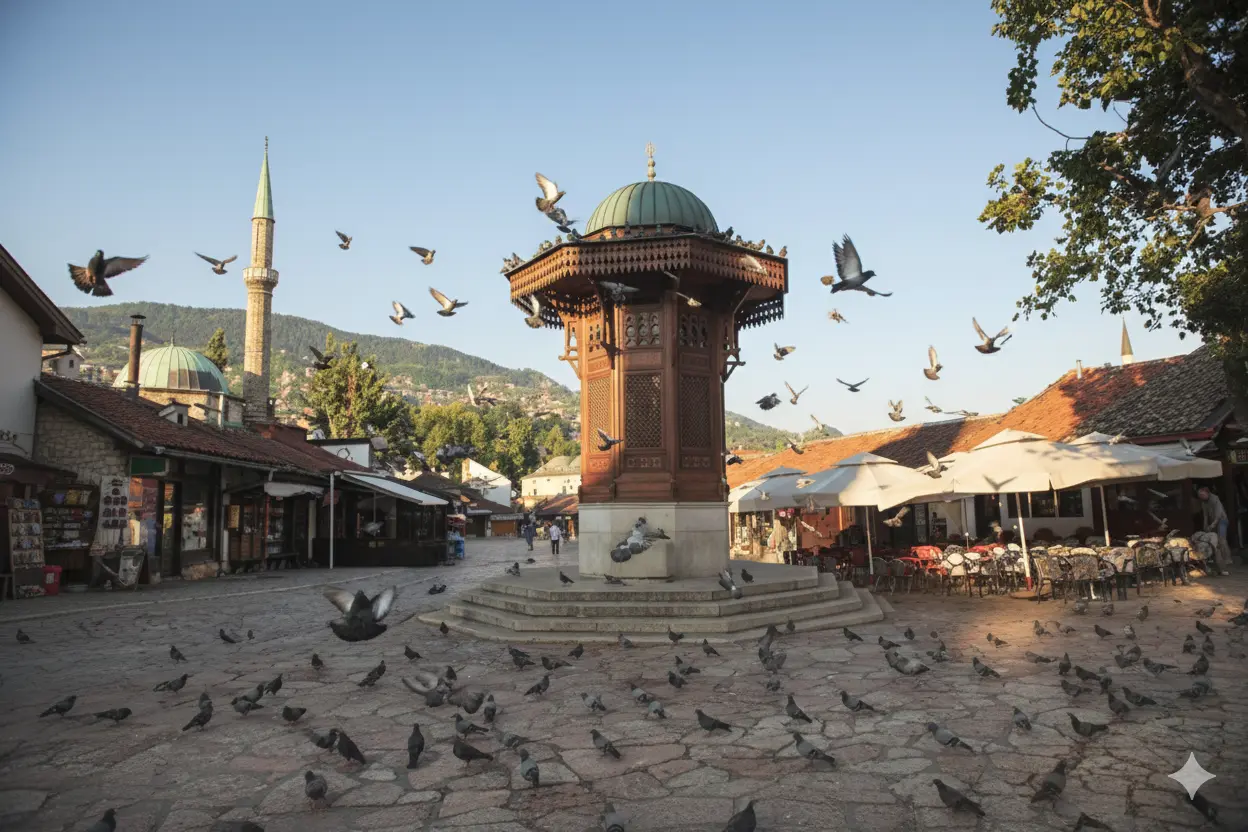
- The Pigeon Square (Sebilj): Grab a coffee at one of the tiny cafes. Legend says if you drink the water from the Sebilj fountain, you will return to Sarajevo. (I’m still waiting, but I’ve gone back twice, so it works, I guess.)
| Pigeon Square (Expedia) | Pigeon Square (get your guide) |
- Gazi Husrev-beg Mosque: A stunning example of Ottoman architecture. Be respectful and cover up before entering.
| Gazi Husrev-beg Mosque (Expedia) | Gazi Husrev-beg Mosque (get your guide) |
- Hidden Gem Alert: The Coppersmith Street (Kazandžiluk): Forget the tourist shops; watch the coppersmiths at work. This street smells of history and metal, and you can pick up a beautiful hand-engraved Turkish coffee set for a fraction of the cost you’d pay elsewhere.
| Sarajevo Old Town Tour (Expedia) | Kazandžiluk (get your guide) |
Afternoon: Austro-Hungarian Sarajevo Walk west along Ferhadija Street. You’ll literally cross an imaginary line on the ground marked “Sarajevo Meeting of Cultures.” Everything instantly changes: the architecture becomes grand, European, and Viennese.
| Austro-Hungarian Sarajevo(get your guide) |
- Assassination Spot: Stop at the Latin Bridge, the site where Gavrilo Princip assassinated Archduke Franz Ferdinand in 1914, triggering WWI. It’s quiet and unassuming—a potent reminder that major world history can happen anywhere.
| Franz Ferdinand Assassination (Expedia) | Franz Ferdinand Assassination(get your guide) |
Evening: Fueling Up & Wind Down For dinner, you must try Ćevapi (grilled minced meat sausages served in a pita-like flatbread called somun). Find a classic ćevabdžinica (Ćevapi house) in the Old Town.
- Hidden Gem: Instead of going to the most famous ones, try Hodžić. It’s consistently good, and they don’t rush you out.


Day 2: War History & Mountain Views
Morning: The Tunnel of Hope This is a solemn, essential stop, but worth the logistical effort.
- Logistics: The Tunnel of Hope (Tunnel Spasa) is near the airport, slightly outside the city center. Time-Saving Tip: Skip the public transport faff. Grab a taxi or an organized tour. It’s the quickest and least stressful way to get there. The tunnel was the only way in and out of the besieged city during the war, running under the runway. It’s a powerful, sobering experience.
| The Tunnel of Hope (expedia) | The Tunnel of Hope (get your guide) |
Afternoon: City Views and Peace
- The Yellow Fortress (Žuta Tabija): Head up here in the late afternoon for the best panoramic view of the city—a perfect place to reflect on the morning’s visit and see the city sprawling out in the valley. If you’re a photographer, this is where you’ll want to have your Camera ready for sunset shots.
Evening: Bosnian Wine Sarajevo is the perfect hub for exploring the Balkans. If you loved the history here, you’d be foolish not to continue your trip. Head over to my Blog Masterlist at The Confidence Building Masterlist and check out my guides on:
- Croatia’s Coastal Gems: (zagreb or zadar) For more beautiful water views after the bus trip.
- Montenegro’s Mountains: If you want more dramatic, rugged scenery.
- Belgrade (Serbia): The ultimate contrast to Sarajevo’s East-meets-West feel.


Sarajevo’s cultural crossroads! Just one of 80+ destinations across 6 continents.
🇪🇺 45+ Europe · 🌏 18+ Asia · 🌎 10+ Americas · 🌅 8+ Africa/Australia
Money-Saving Tips & Local Transport
Public Transportation
Sarajevo’s public transport is primarily trams and buses.
- Trams: The central tram line runs through the main street and is perfect for getting between the Old Town and the New Town efficiently. Tickets are inexpensive (about 1.80 BAM/€0.90) and must be purchased from the driver or kiosk and validated immediately. Fines for not having a validated ticket are high!
- The tram network is your best friend. Buy a GRAS card from a kiosk and top it up—it’s cheaper than single tickets. Trams are clean, frequent, and cover most tourist areas. For routes not covered, taxis are affordable if you use reputable companies like Paja Taxi or Crveni Taxi. Walking is the absolute best way to discover the city’s layered soul. The centre is very compact
- Walk Everywhere: Honestly, the best way to save money and find the hidden gems is to walk. The core tourist area (Baščaršija to the Eternal Flame) is totally walkable.
Essential Bosnian Phrases & Know-How {#phrases}
- Hello / Goodbye: Zdravo / Doviđenja
- Thank you: Hvala (say it with a smile, it goes far!)
- Please: Molim
- How much?: Koliko košta?
- One coffee, please: Jednu kahvu, molim.
- Cheers!: Živjeli!
- Yes/No: Da / Ne
- Nema Problema Нема проблема No problem
- Račun, molim Рачун, молим The bill, please
Smart Traveler’s Toolkit {#toolkit}
🛡️ Travel Insurance is Non-Negotiable
Sarajevo is safe, but travel is unpredictable. A misplaced bag, a slipped step on a cobblestone, or a delayed flight can happen. I never leave home without coverage from VisitorsCoverage. It lets me easily compare and choose a plan that fits my trip, giving me peace of mind to fully enjoy the adventure. Get a quote for your trip here.
🌐 Stay Connected Without the Headache
Staying connected abroad used to be my travel nightmare—airport SIM counters are a rip-off, and roaming fees are terrifying. My secret? Drimsim. It’s a universal data SIM that works in 190+ countries, including Bosnia. Pop it in, top up via the app, and you’re online. No hunting for shops, no language barriers. It’s a game-changer. Grab your Drimsim here.
🔒 Protect Your Data on Public Wi-Fi
Using public Wi-Fi in cafes and hotels? A VPN is essential to keep your personal info safe. I’ve relied on NordVPN for years—it’s fast, reliable, and lets me access my home streaming services abroad (a crucial evening ritual!). Secure your connection with NordVPN.
✈️ Flight Delayed? Get Paid.
Got hit with a long delay or cancellation flying into Sarajevo? EU passenger rights (which often apply) mean you could be owed up to €600. Most people never claim. I use AirHelp to check my flights—they handle all the legal hassle and only charge if they win you money. It’s turned travel frustrations into surprise funding for my next trip. Check your flight compensation eligibility here.
📸 Capture the Magic
To capture Sarajevo’s stunning contrasts—the smoky coffee shops, the vibrant markets, the hauntingly beautiful landscapes—you need a reliable camera. I swear by my Sony Alpha series for its versatility and stunning image quality. It’s the perfect companion for city breaks. Check out my favourite travel camera here.
🔌 Stay Powered Up
Bosnia uses the standard European Type C & F plugs (220V). Don’t get caught with a dead phone! This European Travel Plug Adapter Kit has multiple USB ports, so you can charge all your gadgets at once. A must-pack. Get the adapter kit here.
🧴 Travel Glowing with K-Beauty
Long flights and busy days can wreak havoc on your skin. I keep my complexion in check with hydrating Korean skincare from Lakinza. Their serums and masks are travel-size friendly and incredibly effective. Pro Tip: Use code Lalax10 at checkout for a sweet discount on your first haul. Because looking fresh shouldn’t cost a fortune. Explore Lakinza’s K-Beauty magic here.
Sarajevo looks complex. But there are secrets—tram 103, the GRAS card, the Yellow Fortress. Here are three stories from travelers who learned the hard way—and one who figured it out.
Reader Story · David, London
Visited October 2025
“I took a taxi from the airport. The driver charged me 25 BAM. A local at my hostel asked how much I paid. He laughed. ‘Tram 103 is 1.80 BAM,’ he said. ‘Takes 35 minutes. Drops you at Baščaršija.’ I took the tram back to the airport. It was easy. I learned: never take a taxi from Sarajevo airport. Tram 103 is cheap, fast, and right outside.”
😬 HIS MISTAKE
Took a taxi from the airport. Paid 25 BAM instead of 1.80 BAM for tram.
✅ WHAT HE LEARNED
Take tram line 103 from the airport. Right outside the terminal. 35 minutes to Baščaršija. 1.80 BAM. Save 23 BAM for ćevapi.
Nomad Nate · 3 trips to Sarajevo
“David’s story is the #1 Sarajevo mistake. Airport taxis are a scam. Tram 103 is right outside. Buy a ticket from the driver or the kiosk. Validate it. The ride takes 35 minutes. It drops you at the heart of Baščaršija. The rule: take the tram. Use the 20 BAM you save to eat ćevapi at Željo. The tourist pays for convenience. The traveler pays for value.”
Nate’s Pro Tip: “If you have heavy luggage, take a taxi. But negotiate the price before you get in. Should be 15-20 BAM to the centre. Never pay 25.”
Reader Story · Sarah, New York
Visited November 2025
“I ordered a coffee. It came in a small pot with a cup and sugar cubes. I stirred it. A local shook his head. ‘You don’t stir,’ he said. ‘You let the grounds settle. Sip slowly.’ I tried again. The coffee was thick, strong, and delicious. I learned: Bosnian coffee is not espresso. It’s a ritual. Drink it properly. Respect the culture.”
😱 HER MISTAKE
Stirred Bosnian coffee. Didn’t know the ritual.
✅ WHAT SHE LEARNED
Bosnian coffee is served in a džezva with a fildžan. Don’t stir. Let grounds settle. Sip slowly. Sugar cubes on the side. This is the ritual.
Nomad Nate · 3 trips to Sarajevo
“Sarah’s story is the #2 Sarajevo secret. Bosnian coffee is a ritual. The grounds are at the bottom. You don’t stir. You pour slowly. You let the grounds settle. The rule: find a kafana (traditional coffee house). Order ‘Bosanska kahva.’ Take your time. Sip. Talk. Watch the world go by. This is not a caffeine delivery system. It’s a way of life.”
Nate’s Pro Tip: “Moritz Eis in Baščaršija is a great spot for Bosnian coffee. Sit outside. Watch the coppersmiths across the street. Perfect afternoon.”
Reader Story · James, Sydney
Visited September 2025
“I was looking for a viewpoint. A local said: ‘Yellow Fortress. Sunset. Free.’ I climbed up. The view was incredible. The city spread out in the valley. The sun set behind the mountains. I didn’t pay a cent. I learned: the best views in Sarajevo are free. You just have to walk up a hill.”
✨ ACCIDENTAL DISCOVERY
Followed a local’s advice. Climbed to Yellow Fortress at sunset. Spectacular free view.
✅ WHAT HE LEARNED
Yellow Fortress (Žuta Tabija). Free. Panoramic view of Sarajevo. Best at sunset. Most tourists never climb up. You should.
Nomad Nate · 3 trips to Sarajevo
“James discovered the #3 Sarajevo secret. The Yellow Fortress is free. It’s a 15-minute walk from Baščaršija. The view of the city, the river, the surrounding mountains is spectacular. The rule: go 30 minutes before sunset. Watch the city turn golden. Stay until the lights come on. Most tourists pay for cable cars and observation decks. You’ll get the same view for free.”
Nate’s Hard Truth: “The tourist pays for a view. The traveler walks up a hill and gets it for free. The difference is a willingness to climb. Sarajevo rewards the hiker.”
📝 YOUR STORY COULD BE NEXT
Been to Sarajevo? Took a taxi instead of tram 103? Learned the Bosnian coffee ritual? Climbed the Yellow Fortress at sunset? Your story might help someone else discover the “Jerusalem of Europe” without the mistakes.
📍 Stories anonymized and used with permission · Names changed to protect privacy
If 48 hours is too much to carry—here are the ten truths that matter most. Print them. Save them. Send them to someone who needs them.
Taxi costs 20-30 BAM. Tram 103 costs 1.80 BAM. 35 minutes to Baščaršija. The tourist pays for speed. The traveler pays for value.
Single tickets are 1.80 BAM. GRAS card is cheaper per ride. Buy at any kiosk. Most tourists don’t know it exists.
Grilled minced meat sausages in somun with onions and kajmak. Basic. Busy. Perfect. Don’t go to a fancy restaurant. Go to Željo.
Served in a džezva with a fildžan and sugar cubes. The grounds are at the bottom. Don’t stir. Sip slowly. This is a ritual, not a caffeine fix.
Skip the generic souvenir shops. Watch hammered copper being made. Buy handmade coffee sets. Most tourists walk past it.
15-minute walk from Baščaršija. Panoramic view of the city. Go at sunset. Free. Most tourists never climb up.
It’s outside the city center. Public transport is complicated. Split a taxi with fellow travelers or join a tour. Save time and frustration.
Look down. There’s a marker on the ground. Ottoman Sarajevo to the east. Austro-Hungarian to the west. Stand on it. Feel the history.
Pickpockets exist in Baščaršija. Keep your phone in your front pocket. Don’t leave your bag on the back of a chair. Standard city precautions.
A meal costs under 10 BAM. A coffee costs 2 BAM. A tram ride costs 1.80 BAM. Your money goes far. Spend it on ćevapi, coffee, and copper souvenirs.
The Smart Traveler Framework — Six Questions Before You Go
Am I taking tram 103 from the airport? Do I have a GRAS card? Am I eating ćevapi at Željo? Do I know how to drink Bosnian coffee? Am I climbing the Yellow Fortress at sunset? Is my ‘Hvala’ ready? That framework is yours now. Use it in Sarajevo. Use it everywhere.
📍 Sources: Multiple Sarajevo trips, one coffee ritual revelation, and the discovery that the best ćevapi is at a no-frills shop
“I thought I understood Sarajevo. Then I took tram 103, drank Bosnian coffee properly, and climbed the Yellow Fortress at sunset.”
First time: I took a taxi from the airport. I stirred my coffee. I ate at a tourist restaurant. I left thinking Sarajevo was nice but unremarkable. I had done Sarajevo the expensive way. I had missed the point.
Second time: A local told me about tram 103. I saved 20 BAM. He taught me the coffee ritual. I found Željo. I ate ćevapi standing at a counter. I realized that Sarajevo is wonderful — but only if you know the local customs. I left wondering why I had ever taken a taxi.
Third time: I climbed to the Yellow Fortress. I watched the sunset over the city. I walked the Meeting of Cultures line. I learned that Sarajevo is not one city. It’s a collection of Ottoman bazaars, Austro-Hungarian facades, and coffee rituals that demand you slow down. And most tourists never find the best parts.
What I learned
The tourist takes taxis and stirs their coffee. The traveler takes the tram and learns the ritual. The difference is a willingness to ask a local and read the signs. Sarajevo rewards the curious, the patient, and the person who knows that the best ćevapi is served at a no-frills shop. Don’t just see Sarajevo. Taste, walk, and learn for 48 hours.
🕌 The Series Connection
This is one of 80+ weekend guides in our Ultimate Weekend Escapes series. Every city, every guide, every wrong turn I’ve taken—it’s all here for you.
🏛️ What’s Next
Next in the series: Belgrade, Serbia—the confluence of the Danube and Sava, fortress views, and Serbian hospitality. Coming soon.
Doviđenja, Sarajevo
(Goodbye, Sarajevo)
Laxmi Hegde
MBA in Finance · ConfidenceBuildings.com
April 2026 · Ultimate Weekend Escapes Series
📌 P.S. — My Sarajevo Secret
If you read nothing else: The Vrelo Bosne spring at the foot of Igman mountain. A 15-minute tram ride from the city center (tram 3 or 8). Spring water bubbling out of the ground. Pristine. Beautiful. A popular local escape. Most tourists never go. You’ll have a picnic, dip your feet in the water, and wonder why you didn’t come sooner.
Frequently Asked Questions (FAQ) {#faq}
Q: Is Sarajevo safe for tourists?
A: Absolutely. Today’s Sarajevo is one of the safest capitals in Europe. Exercise normal city precautions (watch your bag in crowds), and you’ll feel welcome and secure.
Q: What’s the best time of year to visit?
A: Spring (May-June) and Autumn (September-October) are ideal. The weather is mild, perfect for walking, and the crowds are thinner than in the peak summer. Winter can be cold and snowy but has its own charm, especially with Christmas markets.
Q: Is Bosnia expensive?
A: Not at all. For Western travellers, it’s incredibly affordable. A filling meal can cost under €10, coffee is €1-2, and public transport is cheap. It’s a fantastic budget-friendly destination.
Q: Can I use Euros?
A: The official currency is the Bosnian Convertible Mark (BAM or KM). Some places in tourist areas might accept Euros, but the rate will be terrible. Always use local currency. ATMs are widely available.
Q: How do I get from the airport to the city centre?
A: Take Tram Line 103 right outside the terminal. It’s the cheapest and easiest way. Taxis are an option but agree on a price first (should be around 15-20 KM to the centre).
Final Call to Adventure
Sarajevo is a city that gets under your skin. It’s a place of deep history, warm smiles, and phenomenal food, all nestled in a stunning river valley. Stop putting it off—your ultimate weekend escape to the Balkans starts now.
Ready to explore the crossroads of history? Don’t wait until the secret is out!
Click here to find the perfect flights and hotels for your Sarajevo adventure today: Book Your Escape with Expedia
Universal Disclaimer/Disclosure Page:
Enjoyed this post?
If you found this helpful, consider buying me a coffee. Your support keeps this blog running and helps me create more content.
☕ Buy Me a Coffee
paypal.me/LaxmiHegde
The Ultimate Weekend Escape to Ljubljana, Slovenia: Castles, Dragons & River Bliss
✈️ Ultimate Weekend Escapes Series — Europe · 45+ Destinations
🐉 Ljubljana · Dragon City of Slovenia · 1 of 45+ Europe Guides · 80+ Destinations Worldwide
Can you experience Ljubljana in a weekend? Yes — if you hike to the castle, sip coffee by the river, and let the dragons guide you through Europe’s most underrated capital.
Ljubljana is not just a castle and a dragon bridge. It’s a car-free old town, pastel-colored buildings, and the Ljubljanica River lined with cafes that feel like a cozy hug. The tourist who only sees the castle and leaves misses Tivoli Park, the Open Kitchen market, and the whimsical book staircase hidden near the market. The traveler who takes the free walking tour, packs a picnic from the Central Market, and wanders into a traditional gostilna discovers the real Ljubljana. The difference is knowing that Ljubljana’s best experiences aren’t in a museum — they’re on a riverbank at sunset with a glass of local wine.
🎯 THE 48-HOUR FORMULA
- Day 1 (Castle & River): Prešeren Square, Triple Bridge, Ljubljana Castle (hike or funicular), riverfront cafes, Open Kitchen market (Fri-Sun)
- Day 2 (Markets & Nature): Central Market, Tivoli Park (massive green escape), hidden book staircase, traditional gostilna dinner
- The secret: The best view of Ljubljana isn’t from the castle tower — it’s from the hill behind the castle. Walk 5 minutes past the castle entrance. Free. No crowds. That’s the shot.
- The mistake: Only eating at restaurants in the old town. Walk to the Open Kitchen market on the weekend. €5-10 for incredible local food. That’s where Ljubljana’s food scene lives.
📍 Source: Multiple Ljubljana trips, one “can a city really be this cute?” discovery, and the best riverfront coffee of my life
Most Ljubljana guides tell you to see the castle, cross the Dragon Bridge, and eat in the old town. That’s not wrong. It’s just the Ljubljana that everyone already knows.
Here’s what they don’t tell you: Ljubljana has secrets — and most of them save you money (and crowds). The best castle view isn’t from the tower. The best food isn’t in the old town restaurants. The tourist who doesn’t know these things will overpay for mediocre meals and miss Tivoli Park. The traveler who takes the free walking tour, finds the Open Kitchen market, and hikes the hill behind the castle discovers the real Ljubljana.
🎯 WHAT THEY DON’T SHOW YOU
🏔️ The Castle View Secret
Tourists pay for the castle tower. The secret? Walk 5 minutes past the castle entrance to the hill behind it. Free. No crowds. Better view of the old town and river.
🍽️ The Open Kitchen Rule
Tourists eat at old town restaurants (tourist prices). The secret? Go to Odprta Kuhna (Open Kitchen) market on Fri-Sun. €5-10 for incredible local food. Dozens of cuisines. Most tourists never find it.
📚 The Hidden Book Staircase
Tourists stick to main streets. The secret? Behind the market is a staircase that looks like a stack of books. Whimsical, Instagram-worthy, and most people walk right past it.
🌳 Tivoli Park Truth
Tourists spend all their time in the old town. The secret? Tivoli Park is massive, beautiful, and 10 minutes from the center. Find the fish pond. Breathe. Most tourists never make it there.
🚶 The Free Walking Tour Hack
Tourists wander aimlessly. The secret? Take the free walking tour on your first morning. Tip based on value. You’ll get oriented, learn the history, and discover hidden spots most tourists miss.
🍷 The River Sunset Rule
Tourists see the river during the day. The secret? Go at sunset. The cafes light up. The castle glows. The city becomes magical. That’s when Ljubljana shows its true soul.
“The tourist pays €15 for a mediocre pasta in the old town. The traveler spends €7 at the Open Kitchen market and eats like a local. The difference is knowing that Ljubljana’s best food isn’t in a restaurant — it’s at a weekend market with plastic chairs and incredible flavors.”
— Nomad Nate, after falling in love with Ljubljana’s food scene
📍 Sources: Multiple Ljubljana trips, one “can a city really be this green?” discovery, and the best riverfront sunset of my life
Description: Dreaming of a European weekend escape? Our ultimate guide to Ljubljana, Slovenia, reveals how to navigate this charming capital. Get insider tips on castles, cheap eats, public transport, and even how to get there by ferry. Plan your efficient and magical Slovenian adventure now!
Alright, let’s play a game. Picture a European capital city. Now, imagine it’s walkable, has a fairy-tale castle on a hill, a river lined with charming cafes, and a dragon as its symbol. No, it’s not a fantasy novel—it’s Ljubljana (pronounced lyoo-blyAH-nah, don’t worry, we’ll get to that), and it’s quite possibly the most underrated city break in Europe.
I stumbled upon Ljubljana almost by accident after a chaotic trip to a much more crowded tourist hub. The moment I arrived, the city felt like a deep, calming breath. It’s a place where efficiency meets enchantment. This guide is your blueprint for the perfect weekend, designed to save you time, money, and the headache of over-planning.
A Quick Note: This blog is part of my travel series. For more inspiration, check out my Travel Master List for all my guides and tips.
If there’s one city that fooled me into believing I had stepped into a live-action Pinterest board, it’s Ljubljana — the leafy, river-hugging, pastel-colored capital of Slovenia. The moment I arrived, I genuinely thought, “Where’s the catch? Who allowed a city to be this cute without charging an entrance fee?”
I’ve traveled through enough European cities to confidently say Ljubljana is the perfect weekend escape if you crave:
✔️ A walkable, peaceful, romantic, safe city
✔️ Good food without bankruptcy
✔️ Pastel buildings + dragons (yes, dragons!)
✔️ Nature right inside the city
✔️ A vibe that feels like a cozy hug
And yes — you can use all your travel weapons here:
🟢 Expedia for flexible bookings
🟢 NordVPN to stay safe on public Wi-Fi (Ljubljana cafes love giving free Wi-Fi)
🟢 Camera World UK to find camera upgrades before travel
🟢 VisitorsCoverage for travel insurance
🟢 Drimsim or Airalo Europe-wide data
Alright. Pack your comfiest shoes and a sense of adventure — and let’s go!
🐉 THE QUICK ANSWER
⚡ 48 Hours in Ljubljana — The TL;DR🔍 WHAT EVERY GUIDE MISSES
🐉 The Ljubljana Gap — Free castle view, Open Kitchen market & hidden book staircase📜 THE 10 LJUBLJANA TRUTHS
Everything Distilled — 10 Truths That Matter🗺️ THE 48-HOUR ITINERARY
🐉 Day 1: Prešeren Square, Triple Bridge, Ljubljana Castle (hike or funicular), riverfront cafes 🌳 Day 2: Central Market, Open Kitchen (Fri-Sun), Tivoli Park, hidden book staircase🚆 PRACTICAL LJUBLJANA
⛴️ Ferry to Koper (Italy connection) — Compare routes on Direct Ferries 🚶 Free walking tour — Tip-based, best way to get oriented 🍽️ Open Kitchen secret — €5-10, Fri-Sun only, incredible local food❓ FAQ & FINAL THOUGHTS
Best time to visit? Open Kitchen hours? Castle view secret? & more 💭 Laxmi’s Final Thoughts⚡ LJUBLJANA AT A GLANCE
Table of Contents
- Why Ljubljana Makes the Perfect Weekend Getaway
- How to Get There (Flights, Trains, Buses & Ferries?)
- Best Time to Visit
- Where to Stay
- Day-by-Day Itinerary
- Hidden Gems Only Locals Whisper About
- Food You Must Try
- Safety + Transport Tips
- Money-Saving Hacks
- Best Cities Near Ljubljana (for your internal backlinks)
- Final Thoughts + CTA
- FAQs
Why Ljubljana Is the Perfect Weekend Escape
Ljubljana is one of those cities where nothing is extreme, but everything is delightful. Nothing overwhelms you, yet everything charms you. After doing weekend escapes in places like Dubrovnik, Split, Zadar, Warsaw, Nice, and Zurich, I finally found a capital that lets me breathe.
The city center is car-free.
The cafés along the Ljubljanica River are the definition of “take my money, I’ll sit here forever.”
And Ljubljana Castle is always photobombing your pictures — respectfully.
It’s basically Europe’s chillest capital.
Ljubljana is like that quiet, incredibly cool friend who is an amazing artist but never brags about it. The city is green, the people are friendly, and the vibe is effortlessly chic. It’s the perfect size to explore in a weekend without feeling rushed. Plus, as a Schengen country, if you have a standard EU visa, you’re golden. For others, always check visa costs and requirements in advance—it’s a small but crucial step.
How to Get There
✈️ By Flight
Most travelers arrive at Ljubljana Jože Pučnik Airport (LJU). If you’re booking flights, I always use Expedia’s flexible fares — less stress, more freedom:
👉 I always book flexible stays and flights through Expedia
Compare flight prices
Flight to Ljubljana Expedia
Flight to Ljublijana Booking.com
Flight to Ljubhijana Agoda
Flight to Ljubhijana Kayak
Book Your Ljubljana Escape
Find the best deals on flights, hotels, and tours for your weekend in Europe’s most underrated capital. Compare and make the right choice with many options below!
✈️ FLIGHTS & HOTELS
✈️ AIRLINES
🎟️ TOURS & ACTIVITIES
✅ COMPARE AND MAKE THE RIGHT CHOICE
Every traveler has different priorities — budget airlines, flexible hotels, or specific tours. Compare prices across platforms to find what works best for YOUR Ljubljana adventure. Happy travels! 🇸🇮
🐉 Why Ljubljana?
Europe’s most underrated capital captivates — the car-free old town (pastel buildings, Triple Bridge, Prešeren Square), the dragon-guarded Dragon Bridge (Ljubljana’s iconic symbol — 4 dragons guard it!), the hilltop Ljubljana Castle (hike up for free, but the best view is FREE — walk 5 minutes past the castle entrance to the hill behind it, no crowds, better angle!), the vibrant Open Kitchen market (Odprta Kuhna) (Friday-Sunday only — €5-10 for incredible local food, most tourists never find it), and the massive Tivoli Park (10 minutes from the center, peaceful fish pond, pack a picnic!). Don’t leave without trying štruklji (rolled dumplings with cheese, tarragon, or walnuts — Slovenian comfort food!), finding the hidden book staircase behind the Central Market (whimsical, photo-worthy, most people walk right past it), and sipping local wine by the Ljubljanica River at sunset (cafes light up, the castle glows — that’s when the city shows its true soul). Remember: take the free walking tour (tip-based — best €0 you’ll spend!). And always say “Hvala” (thank you) — Slovenes appreciate the effort! 🌿
🔗 Affiliate Disclosure: I may earn a small commission when you book through these links at no extra cost to you. Thank you for supporting ConfidenceBuildings.com!
🚆 By Train
Ljubljana is well connected to:
- Vienna (6 hrs)
- Zagreb (2 hrs)
- Budapest (8 hrs)
- Trieste (2 hrs)
- Salzburg (4 hrs)
🚌 By Bus (cheapest option)
FlixBus and Nomago have great connections.
Seats are comfortable, Wi-Fi is surprisingly good, and sometimes you get those €5 promo tickets (the real MVP of Europe travel).
⛴️ By Ferry
Now, you might be thinking, “A ferry to a landlocked city?” You’ve got a point! While there are no direct ferries to Ljubljana itself due to its geography, Slovenia has a beautiful sliver of coastline around Koper. You can easily book a ferry from various Italian ports (like Venice, Ancona, or Trieste) to Koper or nearby Trieste in Italy.
From there, it’s a short and scenic bus or train ride (about 1.5-2 hours) into the heart of Ljubljana. It’s a fantastic way to combine a city break with a coastal adventure. To find the best routes and prices for the ferry leg of your journey, check Direct Ferries.
Not directly — but if you’re coming from Italy or Croatia, you can use ferries and then connect by bus/train. Perfect chance to promote your new partner:
👉 You can compare ferries easily here: DirectFerries.
Best Time to Visit
👉 April–June: Perfect weather, flowers in bloom, fewer crowds
👉 September–October: Golden light, cheaper prices
👉 December: Fairytale Christmas markets
❌ July–August: Hot, crowded, festival season (fun… but chaotic)
Where to Stay
Ljubljana is compact — stay in:
✔️ Old Town
✔️ By the river
✔️ Near Tivoli Park
Tip: Always book a hotel with free cancellation because Ljubljana weather loves surprises.
👉 Expedia link
🐉 NA ZDRAVJE! Ljubljana’s dragon bridge and river views are just one of 80+ destinations I’ve explored!
From the legendary dragons guarding the bridge to the charming streets of the Old Town, Ljubljana feels like a fairytale. And I’ve captured that same magic across 6 continents — with 45+ European cities, Asian adventures, Americas escapes, and more.
Europe · Asia · Americas · Australia · Africa
Your Weekend Itinerary: A 48-Hour Blitz {itinerary}
Day 1: Castle Quests & Riverside Revelry
- Morning (10 AM): Start at Prešeren Square, the vibrant heart of the city. Admire the pink Franciscan Church and the statue of the poet Prešeren. From here, cross the iconic Triple Bridge—a masterpiece by architect Jože Plečnik.
- Late Morning (11 AM): Make your way to the Ljubljana Castle. You can hike up (about 10-15 minutes, good for the calves!), take the funicular, or even drive. The view from the tower is worth every penny and effort. I skipped the coffee and let the panoramic vista wake me up instead.
- Lunch (1 PM): Head to the Open Kitchen (Odprta Kuhna) market if it’s Friday through Sunday. It’s a foodie paradise with dozens of cuisines. Otherwise, duck into a traditional gostilna for a plate of štruklji (delicious rolled dumplings).
- Afternoon (3 PM): Wander along the Ljubljanica River. This is the city’s soul. The banks are lined with cafes, and the people-watching is top-tier. For a different perspective, I highly recommend this River Cruise—it’s a relaxing way to see the city’s architecture.
- Evening (7 PM): Dinner in the old town. I stumbled upon a tiny place called Klobasarna and had the most incredible traditional sausage (kranjska klobasa). It’s simple, authentic, and won’t break the bank.


Day 2: Market Hopping & Tivoli Tranquility
- Morning (9 AM): Explore the Central Market. It’s buzzing with life. Grab some local honey or a piece of fruit for a snack. This is where you feel the city’s pulse.
- Late Morning (11 AM): Escape to Tivoli Park. It’s massive, beautiful, and the perfect place for a leisurely stroll. Find the fish pond and just… breathe. It’s the anti-thesis of a rushed tourist attraction.
- Lunch (1 PM): Pack a picnic from the market or find a cafe on the edge of the park.
- Afternoon: This is your free time! Want to explore further? Consider a day trip to the stunning Lake Bled or the mesmerizing Postojna Cave.
✈️ Ready to Book Your Escape? I always use Expedia to bundle my flights and hotels. It saves me time and often a surprising amount of cash.


Ljubljana’s dragon bridge! Just one of 80+ destinations across 6 continents.
🇪🇺 45+ Europe · 🌏 18+ Asia · 🌎 10+ Americas · 🌅 8+ Africa/Australia
Hidden Gems & Money-Saving Secrets {#hidden-gems}
- The Free Walking Tour: I’m a broken record on this, but it’s the best way to get oriented. Just remember to tip your guide based on what you think it was worth!
- The Library Staircase: Tucked away near the market is a staircase that looks like a stack of books. It’s a whimsical, photo-worthy spot most people walk right past.
- Ljubljana Card: If you’re planning to hit the castle, museums, and use public transport, this card can be a huge saver. Do the math for your planned activities.
- Public Transport: The city buses are efficient and cheap. Buy an Urbana card (a rechargeable plastic card) at a tourist office or newspaper kiosk—it’s much cheaper than single tickets.
📸 Capture the Magic: I never travel without my trusty Sony Alpha a7III. It’s lightweight, incredible in low light, and has captured every dragon and castle perfectly. Check it out here if you’re looking to up your travel photo game.

Speak Like a Local: A Survival Mini-Guide {#local-lingo}
Slovenes appreciate any effort to speak their language. Here are a few basics:
- Hvala (HVAH-lah): Thank you. Use this one liberally.
- Prosim (PRO-seem): Please / You’re welcome.
- Na zdravje (nah ZDRAH-vyeh): Cheers!
- Dober dan (DOH-ber dahn): Good day.
- Račun, prosim (RAH-choon, PRO-seem): The bill, please.
Cities Near Ljubljana
Closest by distance (strongest relevance):
🇭🇷 Split — post:
🇭🇷 Dubrovnik
🇮🇹 Venice
🇮🇹 Milan
🇦🇹 Vienna
🇭🇺 Budapest
Ljubljana looks like a fairytale. But there are secrets—the free castle view, the Open Kitchen market, the hidden book staircase. Here are three stories from travelers who learned the hard way—and one who figured it out.
Reader Story · Michael, Boston
Visited October 2025
“I paid €10 to go up the castle tower. The view was nice. A local sitting on a bench nearby said: ‘You know there’s a better view for free, right?’ He pointed behind the castle. ‘Walk five minutes past the entrance. There’s a hill with benches. No crowds. Better angle.’ I walked there the next day. He was right. The whole old town and river spread out below me. I learned: never pay for the castle tower in Ljubljana. The best view is free.”
😬 HIS MISTAKE
Paid €10 for castle tower view. Crowded. Paid for something that should have been free.
✅ WHAT HE LEARNED
Walk 5 minutes past the castle entrance. There’s a hill with benches. Free. Better view. No crowds. That’s where locals go.
Nomad Nate · 5 trips to Ljubljana
“Michael’s story is the #1 Ljubljana money mistake. The castle tower is fine. But the hill behind the castle is where the magic happens. The rule: take the funicular or hike up to the castle (the hike is free and beautiful). Then walk past the castle entrance another 5 minutes. You’ll find a hill with benches overlooking the entire old town and the Ljubljanica River. Go at sunset. Bring a coffee. Thank me later.”
Nate’s Pro Tip: “The hike up to the castle takes about 15 minutes. It’s free. It’s beautiful. You’ll pass through woods and old walls. Most tourists take the funicular. The traveler hikes. The difference is €4 and a better story.”
Reader Story · Sophie, London
Visited September 2025
“I sat down at a charming restaurant on the river. A glass of wine and a plate of pasta cost me €22. A student next to me said: ‘You’re paying the tourist tax. Walk 10 minutes to the Open Kitchen market.’ It was Friday. I went. Dozens of food stalls. I ate grilled trout with vegetables for €7. I learned: Ljubljana has a secret food paradise, but it’s only open Friday through Sunday. Go there. Save your money.”
😱 HER MISTAKE
Ate at a touristy river restaurant. Paid €22 for mediocre pasta.
✅ WHAT SHE LEARNED
Open Kitchen market (Odprta Kuhna) happens every Friday, Saturday, and Sunday. Dozens of food stalls. €5-10 for incredible local food. Go hungry.
Nomad Nate · 5 trips to Ljubljana
“Sophie discovered the #2 Ljubljana secret. The Open Kitchen market is a food lover’s dream. The rule: if you’re in Ljubljana on a Friday, Saturday, or Sunday, plan your lunch around this market. You’ll find everything from traditional štruklji to fresh grilled fish to gourmet burgers. Grab a plate, find a spot by the river, and eat like a local. Most tourists walk right past it. Don’t be most tourists.”
Nate’s Pro Tip: “The Open Kitchen market is near the Central Market and the Dragon Bridge. Go early (11:30 AM) to avoid the longest lines. Try the štruklji (rolled dumplings) and the local wine. Thank me later.”
Reader Story · James, Sydney
Visited August 2025
“I was wandering near the market when I saw a staircase that looked like a stack of giant books. I thought I was hallucinating. A local woman smiled and said: ‘You found it. Most tourists never see this.’ I climbed the book stairs. It led to a quiet street with pastel buildings and zero crowds. I learned: Ljubljana hides whimsical surprises. The book staircase is one of them. Look for it behind the market.”
✨ ACCIDENTAL DISCOVERY
Stumbled upon the hidden book staircase behind the market. Became his favorite photo of the trip.
✅ WHAT HE LEARNED
Behind the Central Market, near the river, there’s a staircase painted to look like a stack of books. Whimsical. Photo-worthy. Most tourists never see it.
Nomad Nate · 5 trips to Ljubljana
“James discovered the #3 Ljubljana secret. The book staircase is one of those hidden gems that makes Ljubljana special. The rule: when you’re at the Central Market, look for the staircase near the river on the side opposite the Dragon Bridge. It’s painted to look like a stack of colorful books. Climb it. You’ll find a quiet street with beautiful pastel buildings. It’s a 5-minute detour that most tourists never take. Do it anyway.”
Nate’s Hard Truth: “The tourist sticks to the main streets and misses the whimsy. The traveler wanders into alleys, climbs book staircases, and finds the magic. The difference is curiosity and the willingness to get a little lost.”
📝 YOUR STORY COULD BE NEXT
Been to Ljubljana? Paid for the castle tower? Missed the Open Kitchen market? Found the hidden book staircase? Your story might help someone else discover Europe’s most underrated capital.
📍 Stories anonymized and used with permission · Names changed to protect privacy
If 48 hours is too much to carry—here are the ten truths that matter most. Print them. Save them. Send them to someone who needs them.
No honking. No traffic. Just cobblestone streets, pastel buildings, and river views. One of Europe’s most walkable capitals.
Tourists pay €10 for the tower. Walk 5 minutes past the castle to the hill behind it. Better view. No crowds. Free.
Odprta Kuhna. Dozens of food stalls. €5-10 for incredible local dishes. Most tourists never find it. Don’t be most tourists.
Tip what you think it’s worth. You’ll learn the history, see the highlights, and discover hidden gems most guidebooks miss.
Massive. Green. Peaceful. Find the fish pond. Pack a picnic. Escape the old town crowds. Most tourists never make it. Their loss.
A staircase that looks like a stack of books. Whimsical. Photo-worthy. Most people walk right past it. You won’t.
Rolled dumplings. Filled with cheese, tarragon, or walnuts. Traditional. Delicious. Most tourists never try it. Order it.
Cheaper than Vienna, Salzburg, or Venice. Your money goes far. Eat at the Open Kitchen. Drink local wine. Ljubljana delivers value.
Bled is stunning. But Ljubljana deserves a full weekend. Save Bled for your next trip. Or extend your stay.
No crowds. No chaos. Just dragons, castles, river views, and a green heart. Come with an open mind. Leave with stories.
The Smart Traveler Framework — Six Questions Before You Go
Do I know the castle has a free view? Am I going to Open Kitchen market (Fri-Sun)? Did I pack my walking shoes? Am I taking the free walking tour? Is my ‘Hvala’ (thank you) ready? That framework is yours now. Use it in Ljubljana. Use it everywhere.
📍 Sources: Multiple Ljubljana trips, one “can a city really be this green?” discovery, and the best riverfront coffee of my life
“I thought I understood Ljubljana. Then I hiked the hill behind the castle, ate at the Open Kitchen market, and watched the river at sunset.”
First time: I paid for the castle tower. I ate at overpriced old town restaurants. I stayed on the main streets. I left thinking Ljubljana was cute but unremarkable. I had done Ljubljana the expensive way. I had missed the point.
Second time: A local told me about the free view behind the castle. I walked 5 minutes past the entrance. The panorama was spectacular. He told me about the Open Kitchen market. I ate incredible food for €7. I realized that Ljubljana is magical — but only if you know where to go. I left wondering why I had ever paid for the tower.
Third time: I took the free walking tour. I found the hidden book staircase. I spent an afternoon in Tivoli Park. I watched the river at sunset. I learned that Ljubljana is not one city. It’s a collection of dragon-guarded bridges, pastel buildings, riverfront cafes, and green spaces. And most tourists never find the best parts.
What I learned
The tourist pays for the castle tower and eats in the old town. The traveler hikes the free hill behind the castle and finds the Open Kitchen market. The difference is knowing that Ljubljana’s best experiences aren’t in the guidebooks — they’re on a riverbank at sunset, in a park where locals picnic, and at a weekend market where the food is incredible and the prices are fair. Ljubljana rewards the curious, the walker, and the person who knows that the best view is often free. Don’t just see Ljubljana. Walk, eat, and breathe for 48 hours.
🐉 The Series Connection
This is one of 80+ weekend guides in our Ultimate Weekend Escapes series. Every city, every guide, every wrong turn I’ve taken—it’s all here for you.
🏔️ What’s Next
Next in the series: Lake Bled, Slovenia—the island church, the castle cliff, and the legendary cream cake. Coming soon.
Nasvidenje, Ljubljana
(Goodbye, Ljubljana)
Laxmi Hegde
MBA in Finance · ConfidenceBuildings.com
April 2026 · Ultimate Weekend Escapes Series
📌 P.S. — My Ljubljana Secret
If you read nothing else: The hill behind Ljubljana Castle. Most tourists pay €10 to go up the tower. Walk 5 minutes past the castle entrance. There’s a hill with benches overlooking the entire old town and river. It’s free. It’s quiet. It’s where locals go for sunset. The view will humble you. Go. Thank me later.
Frequently Asked Questions (FAQ) {#faq}
Q: What is the best time of year to visit Ljubljana?
A: Late spring (May-June) and early autumn (September) are absolute perfection. The weather is mild, and the crowds are thinner than in the peak summer months.
Q: Is Ljubljana a walkable city?
A: Absolutely! The city center is compact and largely pedestrianized. You can easily explore all the main sights on foot.
Q: What currency is used in Slovenia?
A: The Euro (€). Credit cards are widely accepted, but it’s always wise to have some cash for market stalls and smaller shops.
Q: I’m a skincare junkie. Any travel-friendly tips?
A: You read my mind! Travel can wreak havoc on your skin. I always pack a few sheet masks from Lakinza. Their K-beauty products are a game-changer for keeping my skin hydrated and glowing after a long flight. Psst… use code Lalax10 at checkout for a sweet discount. Your skin will thank you.
Q: How can I stay connected without huge roaming fees?
A: Oh, let me tell you about my travel lifesaver. I used to waste so much time at airport SIM counters. Now, I just pop in my Drimsim—a universal SIM that works in over 190 countries. You top it up via an app, and you’re online the moment you land. No hidden fees, no stress. It’s a no-brainer for the modern traveler.
🌐 Stay Secure Online: While you’re hopping on free Wi-Fi in cafes and hotels, remember to protect your data. I never travel without my NordVPN. It keeps my personal information safe from prying eyes and lets me access my favorite shows from back home.
Final Call to Action!
Ljubljana is waiting to charm your socks off. It’s a city that proves you don’t need to be big to be breathtaking.
Start planning your Slovenian fairy-tale today!
- Find the perfect flight and hotel deal on Expedia.
- Get connected effortlessly with Drimsim.
- Ensure you’re covered for any mishaps with VisitorsCoverage.
- And remember, if your flight goes sideways, see if you’re owed compensation with AirHelp.
Happy travels!
Universal Disclaimer/Disclosure Page:
Enjoyed this post?
If you found this helpful, consider buying me a coffee. Your support keeps this blog running and helps me create more content.
☕ Buy Me a Coffee
paypal.me/LaxmiHegde
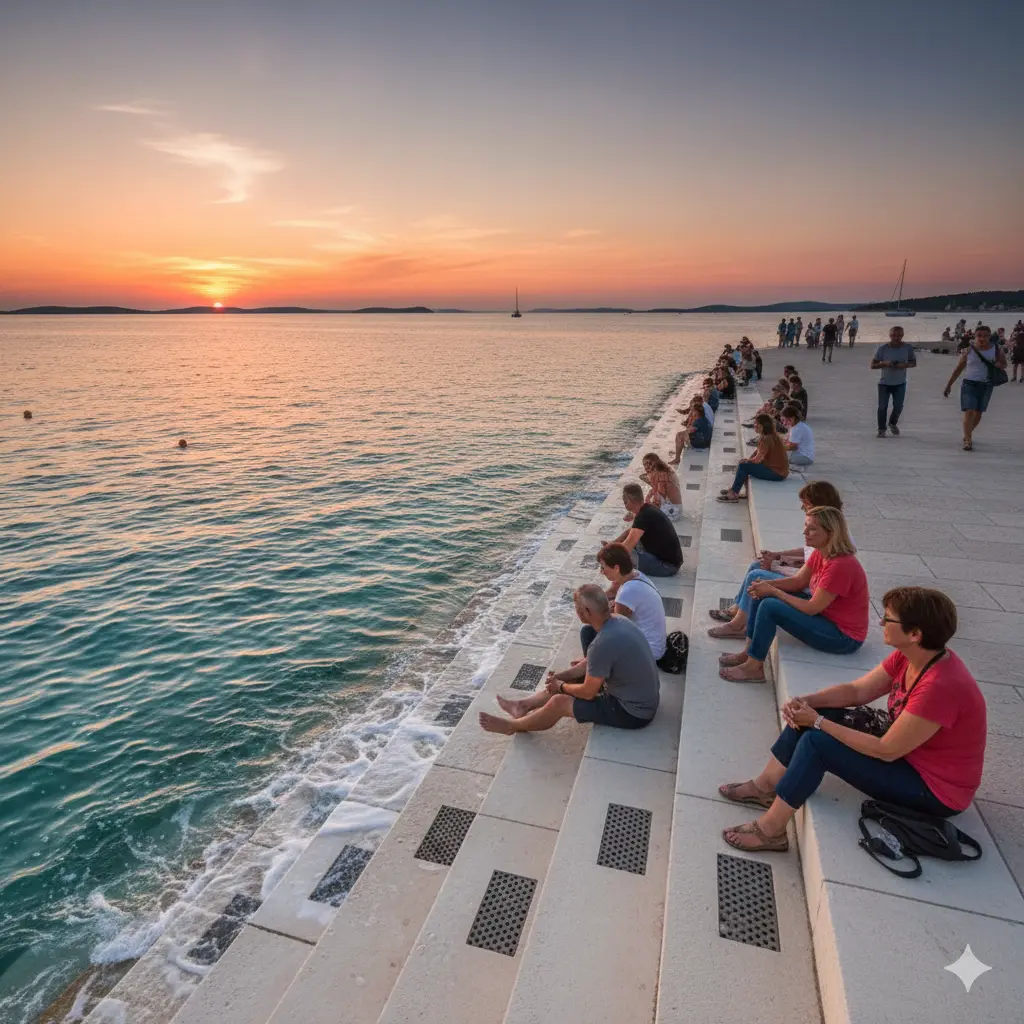
Explore Zadar: Your Ultimate Weekend Getaway Guide
✈️ Ultimate Weekend Escapes Series — Europe · 45+ Destinations
🎵 Zadar · Where the Sea Plays Music · 1 of 45+ Europe Guides · 80+ Destinations Worldwide
Can you experience Zadar in a weekend? Yes — if you watch sunset at the Sea Organ, climb the bell tower, and take a boat to the islands.
Zadar is not just Roman ruins and the Sea Organ. It’s a city where the waves play music, ancient forums meet modern light installations, and the best gelato hides on Široka Street. The tourist who only sees the waterfront and leaves misses the Museum of Ancient Glass, the islands of Ugljan and Ošljak, and a konoba dinner tucked away from the crowds. The traveler who climbs St. Anastasia’s bell tower, watches the Greeting to the Sun light up after dark, and takes a 15-minute boat taxi to a secluded cove discovers the real Zadar. The difference is knowing that Zadar’s best sunset spot isn’t just the Sea Organ — it’s the whole western tip at golden hour.
🎯 THE 48-HOUR FORMULA
- Day 1 (Roman History & Sunset Magic): Roman Forum (free, open-air ruins), St. Anastasia’s Bell Tower (360° views), Sea Organ & Greeting to the Sun (sunset + light show)
- Day 2 (Island Escape & Old Town Wandering): Boat taxi to Ugljan or Ošljak (swimming, biking), Široka Street (gelato at Donat), Konoba dinner on a side street
- The secret: The best photos of the Sea Organ aren’t from the steps. Walk to the far western tip at sunset. Angle your camera toward the Adriatic with the old town behind you. That’s the shot most tourists miss.
- The mistake: Eating right on the waterfront Riva. Those restaurants are overpriced and crowded. Walk 5 minutes into any side street. Find a konoba with a chalkboard menu. Better food. Half the price. That’s where Zadar’s soul lives.
📍 Source: Multiple Zadar trips, one “can the sea really play music?” discovery, and the best gelato hunt of my life
Most Zadar guides tell you to see the Sea Organ, walk the Roman Forum, and eat gelato. That’s not wrong. It’s just the Zadar that everyone already knows.
Here’s what they don’t tell you: Zadar has secrets — and most of them save you money (and crowds). The best sunset spot isn’t just the Sea Organ steps. The best gelato is hidden on a side street. The tourist who doesn’t know these things will overpay for waterfront restaurants, miss the islands, and never see the Museum of Ancient Glass. The traveler who takes a 15-minute boat taxi to Ugljan, finds a konoba in a side alley, and visits the Gold and Silver museum discovers the real Zadar.
🎯 WHAT THEY DON’T SHOW YOU
📸 The Sea Organ Sunset Secret
Tourists crowd the main steps. The secret? Walk to the far western tip. Angle your camera toward the Adriatic with the old town behind you. That’s the shot most tourists miss.
🍦 The Gelato Rule
Tourists grab the first gelato they see. The secret? Go to Donat on Široka Street. Some of the creamiest gelato outside of Italy. Most tourists walk right past it.
🏝️ The Island Hack
Tourists never leave the mainland. The secret? Take a €5-10 boat taxi to Ugljan or Ošljak. Secluded coves, crystal water, and no crowds. Most tourists never step foot on a Zadar island.
🍽️ The Konoba Secret
Tourists eat on the waterfront Riva (overpriced). The secret? Walk 5 minutes into any side street. Find a konoba with a chalkboard menu. Better food. Half the price. Most tourists never leave the waterfront.
🏛️ The Bell Tower Timing
Tourists go at noon (hottest, crowded). The secret? Go at 5 PM. Golden hour light, cooler temps, shorter lines. Most tourists miss the magic light.
🏺 The Museum You’ve Never Heard Of
Tourists skip the niche museums. The secret? Visit the Museum of Ancient Glass. Live glassblowing demos. Air-conditioned. Fascinating. Most tourists never go inside.
“The tourist eats €25 pasta on the waterfront. The traveler walks 5 minutes into a side alley and eats €12 fresh seafood at a family konoba. The difference is knowing that Zadar’s soul isn’t on the Riva — it’s in the marble side streets where the locals actually eat.”
— Nomad Nate, after falling in love with Zadar’s side streets
📍 Sources: Multiple Zadar trips, one “can the sea really play music?” discovery, and the best gelato hunt of my life
Description: Plan your perfect weekend in Zadar, Croatia! This ultimate guide for travellers covers hidden gems, how to get there by ferry, money-saving tips, and essential Croatian phrases. Discover the Sea Organ, historic ruins, and where to find the best gelato. Optimized for your Dalmatian Coast adventure.
🎵 THE QUICK ANSWER
⚡ 48 Hours in Zadar — The TL;DR🔍 WHAT EVERY GUIDE MISSES
🎵 The Zadar Gap — Konoba side streets, Sea Organ sunset & island escape🗣️ REAL STORIES
Waterfront restaurant mistake · Sea Organ sunset fail · Island discovery 🧭 Nomad Nate’s Zadar Wisdom📜 THE 10 ZADAR TRUTHS
Everything Distilled — 10 Truths That Matter🗺️ THE 48-HOUR ITINERARY
🎵 Day 1: Roman Forum, Bell Tower (golden hour), Sea Organ & Greeting to the Sun at sunset 🏝️ Day 2: €5 boat to Ugljan/Ošljak island, Široka Street (gelato at Donat), konoba dinner🚤 PRACTICAL ZADAR
⛴️ Ferry from Split/Rijeka — Compare routes on Direct Ferries 🏝️ Island boat taxis — €5-10 round trip to Ugljan/Ošljak 🍽️ Konoba secret — Walk 3 minutes off the Riva, better food, half the price❓ FAQ & FINAL THOUGHTS
Best time to visit? Sea Organ timing? Island boat cost? Konoba locations? & more 💭 Laxmi’s Final Thoughts⚡ ZADAR AT A GLANCE
Table of Contents
- Getting There: A Snapshot
- What to Do in Zadar
- The Secret Beaches You Need to Know
- A Slice of History: Zadar’s Ancient Side
- Smart Travel Tip for Zadar
- Exploring Nearby Destinations
- Where to Stay in Zadar
- Best Time to Visit
- FAQs
Alright, let’s be real. My idea of a perfect weekend doesn’t involve fighting through crowds for a blurry photo of a monument. It involves somewhere with ancient streets, a spectacular sunset, and the sound of the sea literally playing music. Enter Zadar, Croatia—a stunning Dalmatian coast gem that stole a piece of my heart faster than you can say “fala” (that’s “thanks,” you’ll need it).
This isn’t just another pretty old town. Zadar is a vibe. It’s where Roman ruins coexist with modern art installations, and where the coffee is strong enough to power your explorations. So, grab your notebook (or just bookmark this page), because we’re diving into the ultimate weekend escape.
My Travel Master List: For more travel guides, tips, and gear recommendations, always check my constantly updated Travel Master List.
Looking for a weekend getaway that’s a perfect mix of rich history, stunning coastline, and a dash of quirky charm? Zadar, Croatia, might just be your next destination. Nestled along the Adriatic Sea, Zadar is often overshadowed by Croatia’s more famous cities like Dubrovnik and Split. But that’s exactly what makes it a hidden gem—less crowded, more affordable, and brimming with authentic local vibes. Whether you’re a history buff, nature lover, or beach enthusiast, Zadar offers something for everyone. And yes, there’s plenty of room for a few “Instagram-worthy” moments too!
Compare Flight prices
Flight to Zardar (Expedia)
Flight to Zardar (Booking.com)
Flight to Zardar(Agoda)
Flight to Zardar (Kayak)
Book Your Zadar Escape
Find the best deals on flights, hotels, and tours for your weekend where the sea plays music. Compare and make the right choice with many options below!
✈️ FLIGHTS & HOTELS
✈️ AIRLINES
🎟️ TOURS & ACTIVITIES
✅ COMPARE AND MAKE THE RIGHT CHOICE
Every traveler has different priorities — budget airlines, flexible hotels, or specific tours. Compare prices across platforms to find what works best for YOUR Zadar adventure. Happy travels! 🇭🇷
🎵 Why Zadar?
Where the sea plays music, Zadar captivates — the Sea Organ (35 marble pipes that hum as waves push through — free, nature’s symphony, Alfred Hitchcock called this the most beautiful sunset in the world!), the Greeting to the Sun (solar-powered light show after sunset — magical), the Roman Forum (2,000+ years old, free open-air ruins, largest on the eastern Adriatic), the St. Anastasia’s Bell Tower (climb for 360° views of the Old Town, islands, and Adriatic — go at 5pm for golden hour!), the land gate with its Venetian lion, and the marble streets of the Old Town peninsula. Don’t leave without trying gelato at Donat on Široka Street (some of the creamiest outside Italy — pistachio or stracciatella!), fresh seafood at a konoba on a side street (walk 3 minutes off the waterfront Riva — handwritten chalkboard menu, half the price, where locals eat), and local wine from the Dalmatian coast. Remember: take the €5 boat taxi to Ugljan or Ošljak island (15 minutes, secluded coves, crystal water, rent a bike — most tourists never leave the mainland!). And go to the Sea Organ 45 minutes before sunset — stay for the Greeting to the Sun light show after dark. Hitchcock was right. Zadar’s sunset will change you. 🌅
🔗 Affiliate Disclosure: I may earn a small commission when you book through these links at no extra cost to you. Thank you for supporting ConfidenceBuildings.com!
Getting There: A Snapshot
Zadar’s charm is easy to access, and it’s not as complicated as you might think. You can either fly into Zadar’s airport or, for a scenic route, catch a ferry from nearby cities. I’m a big fan of the ferry—there’s something about cruising across the Adriatic that just sets the tone for a perfect weekend. Direct ferries are available from places like Split and Rijeka. Direct Ferries is a great platform to compare routes and prices to book your ferry tickets easily. Check it out here.
Pro Tip: To save time and skip the hassle of waiting at airports, ferries can be a fun alternative, and there’s something magical about seeing Zadar’s skyline approach as you cross the blue waters.
🎵 ŽIVJELI! Zadar’s Sea Organ and sunsets are just one of 80+ destinations I’ve explored!
From the mesmerizing Sea Organ to the ancient Roman Forum, Zadar sings to your soul. And I’ve captured that same magic across 6 continents — with 45+ European cities, Asian adventures, Americas escapes, and more.
Europe · Asia · Americas · Australia · Africa
Your Zadar Weekend Itinerary: A 48-Hour Masterpiece
Day 1: History, Harmony & A Heavenly Sunset
- Morning (10 AM): Drop your bags and head straight into the car-free Old Town. Your first stop? The Roman Forum. It’s not a museum you enter; it’s just… there. Open to the sky, with columns and stones scattered about. I loved grabbing a coffee at a nearby café and just imagining the toga-clad Romans who once walked there.
- Afternoon (1 PM): Time for some height. Climb the Bell Tower of St. Anastasia’s Cathedral. The steps are a bit of a workout, but the 360-degree view of the city, the islands, and the terracotta rooftops is absolutely worth the burning calves.
- Evening (6 PM onwards): This is the main event. Head to the western tip of the peninsula for sunset. First, you’ll hear it—a low, melodic hum. That’s the Sea Organ. The marble steps are designed with pipes that create music as the waves push air through them. It’s nature’s symphony. As the sun dips below the horizon, the Greeting to the Sun installation right next to it begins to light up, absorbing solar energy all day to create a dazzling light show after dark. It’s pure magic. Hitchcock was right.


Day 2: Islands, Ice Cream & Idyllic Streets
- Morning (9 AM): Take a short boat taxi (it’s cheap and frequent) to the Zadar Archipelago. I highly recommend a half-day trip to one of the closer islands like Ugljan or Ošljak. Rent a bike, find a secluded cove, and take a dip in the unbelievably clear water. For more detailed island-hopping routes, check out my guide on Exploring the Dalmatian Islands.
- Afternoon (2 PM): Back in Zadar, it’s time for lunch and exploration. Get lost in the maze of marble streets. Find Široka Street for people-watching and, more importantly, gelato-hunting. My personal favourite spot is Donat, serving up some of the creamiest, most flavourful gelato I’ve had outside of Italy.
- Evening: For your final dinner, skip the most touristy spots right on the waterfront and duck into one of the konobas (taverns) on the side streets. The food is more authentic, the wine is local, and the atmosphere is cozier.


Zadar’s Sea Organ! Just one of 80+ destinations across 6 continents.
🇪🇺 45+ Europe · 🌏 18+ Asia · 🌎 10+ Americas · 🌅 8+ Africa/Australia
Hidden Gems: Where the Crowds Aren’t
- The Gold and Silver of Zadar: Tucked away in a Benedictine convent is a museum holding some of the most breathtaking religious art I’ve ever seen. The sheer craftsmanship of the reliquaries is humbling.
- The Museum of Ancient Glass: Sounds niche, but it’s fascinating! You can even watch live glassblowing demonstrations. It’s a great, air-conditioned break from the afternoon sun.
- Foša Harbour: Just outside the Land Gate, this tiny, picturesque harbour is lined with cafes. It’s a much quieter spot for a drink than the main Riva (waterfront).


Zadar on a Budget: Smart Tips for Smart Travellers
- Public Transport is Your Friend: The old town is completely walkable. For the airport or beaches further out, the local buses are efficient and cheap. Buy tickets from a kiosk or the driver.
- Picnic like a Pro: Hit the local market (Tržnica Zadar) for fresh fruit, cheese, and bread. A picnic on the steps of the Sea Organ is a meal you’ll never forget.
- The Water is Free (and Delicious): Bring a reusable water bottle. Croatia is full of public drinking fountains with perfectly safe, cold water.
- Book in Advance: I always cross-reference flights and hotels on Expedia. I’ve found some killer bundle deals for Croatia that saved me a bundle. Find a great deal on Expedia here.
Speak Like a Local: A Crash Course in Croatian
Don’t worry, English is widely spoken, but a little effort goes a long way!
- Hello: Bok (informal)
- Thank you: Hvala (Fah-lah)
- Please: Molim
- Cheers: Živjeli! (Zhee-veh-lee)
- Coffee: Kava
- Beer: Pivo
- Goodbye: Doviđenja (Doh-vee-jen-yah)
Travel Smarter, Not Harder: My Essential Toolkit
Travelling smoothly is all about having the right tools in your kit. Here are the ones I never leave home without:
- Stay Connected (Without the Headache): ✈️ Travel Tip: I used to waste the first hour in a new country hunting for a SIM card. Not anymore. I now travel with a Drimsim—a universal data SIM that works in 190+ countries. You just pop it in, top up via the app, and you’re online. No hidden fees, no stress. It’s a game-changer. Get your Drimsim here.
- Protect Your Trip (& Your Peace of Mind): ✈️ Smart Travel Tip: From canceled flights to unexpected snorkeling-related phone damage, I’ve learned my lesson. I never travel without insurance from VisitorsCoverage. It’s a platform where you can easily compare plans and find one that fits your adventure. It’s peace of mind you can’t afford to skip. Find your coverage here.
- Get What You’re Owed: ✈️ Flight Delayed or Canceled? It happens! But did you know you could be entitled to up to $650 in compensation? Most people don’t claim it. I use AirHelp to check my flights—they handle all the paperwork and only get paid if I win. It’s a no-brainer. Check your flight with AirHelp.
- Stay Secure Online: Using public WiFi abroad is a necessity, but it’s also a risk. I always have NordVPN running on my phone and laptop to keep my data safe from prying eyes. Stay secure with NordVPN.
- Capture the Magic: To get those stunning sunset and crystal-clear water shots, I rely on my trusty Sony Alpha. It’s the perfect balance of quality and portability for travel photography. Check out the camera I use.
- Glow on the Go: Long flights and changing climates can wreak havoc on your skin. I keep my complexion in check with the gentle, effective magic of K-beauty from Lakinza. Their serums and masks are a travel essential for me. When you buy from Lakinza, use coupon code:
Lalax10at checkout for a sweet discount! Your skin (and wallet) will thank you.
If you’re anything like me and your idea of a “quick trip” accidentally turns into a mini-European tour, Zadar is the perfect place to start connecting the dots on the map. Just down the coast sits Split, a city so close that you can practically hear the Diocletian Palace whispering, “Come visit me next!” I already wrote a full guide on Split — because once you see that waterfront glow at sunset, you’ll want to stay forever (or at least long enough to pretend you’re on a Netflix travel show). And if you keep following Croatia’s dramatic coastline all the way south, you’ll land in Dubrovnik, the ultimate “I swear I’m not here just for Game of Thrones scenes” destination. My Dubrovnik blog covers all the good stuff: medieval walls, cliffside bars, and the dangerously addictive habit of photographing every single orange rooftop.
But here’s the fun part — Zadar is also just a short hop across the Adriatic from Venice, Italy. Yes, that Venice. The one with gondolas, gelato, and alleyways so twisty even Google Maps gets confused. I’ve already written about Venice too, because of course I got lost there and turned it into a travel story. So whether you’re planning a Croatia-only adventure or plotting a “Why not hop to Italy?” moment, these nearby destinations fit perfectly with your Zadar itinerary — and all my past blogs are ready to help you plan the most chaotic, spontaneous, and unforgettable trip of your life.
So, you’re plotting your next European adventure? If you’re flying into a hub like Venice, Budapest, or Vienna, or perhaps exploring the stunning coastlines of Split and Dubrovnik, consider weaving the unforgettable city of Zadar into your itinerary. It’s the perfect, less-crowded gateway to the Dalmatian Coast’s charm. For a deep dive on how to spend a perfect weekend there—from the musical Sea Organ to hidden island gems
Zadar looks postcard-perfect. But there are secrets—the Sea Organ sunset spot, the konoba side streets, the island escape. Here are three stories from travelers who learned the hard way—and one who figured it out.
Reader Story · Maria, Toronto
Visited August 2025
“I sat down at a restaurant right on the waterfront Riva. A glass of wine and a plate of pasta cost me €28. A local sitting next to me said: ‘You’re paying the tourist tax.’ He pointed to a side street 20 meters away. ‘Go there. Same food. Half the price.’ I walked 3 minutes into a side alley. Found a konoba. Fresh grilled fish for €12. I learned: never eat on the waterfront in Zadar. Walk into the side streets.”
😬 HER MISTAKE
Ate on the waterfront Riva. Paid €28 for mediocre pasta. Tourist trap pricing.
✅ WHAT SHE LEARNED
Walk 2-5 minutes into any side street. Find a konoba (family tavern). Better food. Half the price. Locals eat there.
Nomad Nate · 4 trips to Zadar
“Maria’s story is the #1 Zadar money mistake. Waterfront restaurants on the Riva charge double — sometimes triple — for the same food you’ll find 3 minutes away. The rule: eat where the cruise ship passengers don’t. If a restaurant has a waiter standing outside with a menu, run. Find the konoba with a chalkboard and handwritten daily specials. That’s where Zadar’s soul lives.”
Nate’s Pro Tip: “Look for konobas on streets like Put Murvice or Ul. Andrije Hebranga. No menus in English? Even better. Point at what the next table is eating. That’s how you find the good stuff.”
Reader Story · Tom, Chicago
Visited September 2025
“I went to the Sea Organ at 2pm. It was fine. I heard the hum. But the photos were flat. A photographer at the hostel said: ‘You went at the wrong time. Go at sunset.’ I went back at 6pm. The sky turned gold. The water sparkled. I understood why Hitchcock said it’s the most beautiful sunset in the world. I learned: the Sea Organ is magical. But sunset is when it becomes unforgettable.”
😐 HIS MISTAKE
Went to Sea Organ at 2pm. Heard the music but missed the sunset magic.
✅ WHAT HE LEARNED
Go to the Sea Organ 45 minutes before sunset. Stay for the Greeting to the Sun light show after dark. That’s the full experience.
Nomad Nate · 4 trips to Zadar
“Tom learned the #1 Zadar timing mistake. The Sea Organ is a marvel of engineering — 35 pipes that hum as waves push air through. But the magic happens at sunset. Hitchcock was right. The sky turns shades of orange and pink you didn’t know existed. The Greeting to the Sun lights up after dark. The rule: arrive 45 minutes before sunset. Stay until the light show begins. Most tourists come at noon and leave unimpressed.”
Nate’s Pro Tip: “Check sunset time for Zadar before you go. In summer, sunset is around 8:30pm. In winter, 4:30pm. Plan your day around it. Trust me.”
Reader Story · Emma, Melbourne
Visited July 2025
“I spent my first day in Zadar’s Old Town. It was beautiful. A guy at a cafe said: ‘You came all the way to the Dalmatian Coast and you’re not going to an island?’ He told me about a boat taxi to Ugljan. 15 minutes. €5. I went the next morning. I found a cove with no one else there. Crystal water. No crowds. I learned: Zadar’s Old Town is great. But the islands are where you escape the crowds.”
✨ ACCIDENTAL DISCOVERY
Took a €5 boat taxi to Ugljan. Found a secluded cove. Became the highlight of her trip.
✅ WHAT SHE LEARNED
Zadar Archipelago has 300+ islands. Cheap boat taxis depart daily. Ugljan and Ošljak are closest. Rent a bike. Find a cove. Escape the crowds.
Nomad Nate · 4 trips to Zadar
“Emma discovered the #3 Zadar secret. Most tourists never leave the Old Town peninsula. They miss the 300+ islands of the Zadar Archipelago. The rule: spend one day exploring the Old Town. Spend your second day on an island. Ugljan is 15 minutes by boat taxi (€5-10 round trip). Rent a bike. Pack a picnic from Tržnica market. Find a cove with turquoise water. You’ll have it almost to yourself.”
Nate’s Hard Truth: “The tourist stays on the mainland and fights for a spot on the crowded Riva. The traveler takes a 15-minute boat and finds a cove with no one else. The difference is €5 and the willingness to leave the postcard behind.”
📝 YOUR STORY COULD BE NEXT
Been to Zadar? Overpaid on the waterfront? Missed the Sea Organ sunset? Found a secret island cove? Your story might help someone else discover Croatia’s musical coastal gem.
📍 Stories anonymized and used with permission · Names changed to protect privacy
If 48 hours is too much to carry—here are the ten truths that matter most. Print them. Save them. Send them to someone who needs them.
35 pipes under marble steps. Waves push air through them. Nature’s symphony. Most tourists go during the day. Go 45 minutes before sunset. Then watch the Greeting to the Sun light up after dark.
Waterfront restaurants charge double for mediocre food. Find a konoba (family tavern) on a side street. Handwritten chalkboard menu. Fresh seafood. Half the price. That’s where locals eat.
Zadar Archipelago has 300+ islands. Cheap boat taxis depart daily. Ugljan is 15 minutes. Rent a bike. Find a secluded cove. Crystal water. No crowds. Most tourists never leave the mainland.
No ticket required. Just walk in. Columns and stones scattered about. Grab a coffee at a nearby café. Imagine toga-clad Romans who walked there 2,000 years ago.
The steps are a workout. The 360° view is worth it. Terracotta rooftops. Adriatic Sea. Nearby islands. Most tourists go at noon (hot + crowded). Go at golden hour for magic light.
Most tourists grab the first gelato they see. The secret? Donat. Some of the creamiest gelato outside of Italy. Try the pistachio or stracciatella. You’ll thank me.
Alfred Hitchcock said it in 1964. Still true today. The sun dips into the Adriatic. The sky turns gold, then pink, then purple. The Sea Organ hums. The Greeting to the Sun lights up. Unforgettable.
Cheaper than Dubrovnik or Split. Your money goes far. Eat at konobas. Drink local wine. Take the €5 boat to the islands. Zadar delivers value without the crowds.
Sounds niche. It’s fascinating. Live glassblowing demonstrations. Air-conditioned. A perfect escape from the afternoon sun. Most tourists never go inside. Their loss.
Split is 2 hours south. Venice is a short ferry across the Adriatic. Zadar is less crowded than both. Use it as your base. Explore the Dalmatian Coast. Then tell everyone you found the hidden gem.
The Smart Traveler Framework — Six Questions Before You Go
Do I know the Sea Organ is free? Am I going at sunset? Am I eating on a side street, not the Riva? Did I book my €5 island boat? Am I climbing the bell tower at golden hour? Is my ‘Hvala’ (thank you) ready? That framework is yours now. Use it in Zadar. Use it everywhere.
📍 Sources: Multiple Zadar trips, one “can the sea really play music?” discovery, and the best gelato hunt of my life
“I thought I understood Zadar. Then I watched the Sea Organ at sunset, ate in a side street konoba, and took a €5 boat to an island.”
First time: I ate on the waterfront Riva. I paid €28 for pasta I could have gotten for €12 in a side street. I went to the Sea Organ at 2 PM. I heard the hum but didn’t understand the magic. I stayed on the mainland. I left thinking Zadar was fine but unremarkable. I had done Zadar the expensive way. I had missed the point.
Second time: A local told me about the konoba secret. I walked 3 minutes into a side street. Fresh grilled fish for €12. He told me to go to the Sea Organ at sunset. I arrived 45 minutes early. The sky turned gold. The waves played music. The Greeting to the Sun lit up after dark. I realized that Zadar is magical — but only if you know when and where to go. I left wondering why I had ever eaten on the Riva.
Third time: I took a €5 boat to Ugljan island. I found a cove with no one else. Crystal water. Quiet. Peaceful. I climbed St. Anastasia’s Bell Tower at golden hour. I ate gelato at Donat on Široka Street. I learned that Zadar is not one city. It’s a collection of Roman ruins, musical waves, marble streets, and 300+ islands waiting to be explored. And most tourists never find the best parts.
What I learned
The tourist eats on the waterfront and misses the sunset. The traveler finds a konoba on a side street and takes a €5 boat to an island. The difference is knowing that Zadar’s best experiences aren’t on the main Riva — they’re in the marble side streets, on the western tip at golden hour, and on islands where the only sound is the waves. Zadar rewards the curious, the early arriver, and the person who knows that the best sunset spot isn’t where the crowds are. Don’t just see Zadar. Listen, eat, and escape for 48 hours.
🎵 The Series Connection
This is one of 80+ weekend guides in our Ultimate Weekend Escapes series. Every city, every guide, every wrong turn I’ve taken—it’s all here for you.
🏝️ What’s Next
Next in the series: Dubrovnik, Croatia—the medieval walls, Game of Thrones filming locations, and cliffside bars. Coming soon.
Doviđenja, Zadar
(Goodbye, Zadar)
Laxmi Hegde
MBA in Finance · ConfidenceBuildings.com
April 2026 · Ultimate Weekend Escapes Series
📌 P.S. — My Zadar Secret
If you read nothing else: The Museum of Ancient Glass. Tucked away in the Old Town. Live glassblowing demonstrations. Ancient Roman glassware. Air-conditioned. A perfect escape from the afternoon heat. Most tourists walk right past it without knowing what’s inside. You won’t. The craftsmanship will humble you. Go. Thank me later.
Frequently Asked Questions (FAQ)
Q: What is the best time of year to visit Zadar?
A: The sweet spots are May-June and September. The weather is perfect for exploring and swimming, but the summer crowds are thinner. July and August are beautiful but very busy and hot.
Q: Do I need a visa for Croatia?
A: Croatia is a member of the EU and follows the Schengen Area visa rules. If you are from the US, Canada, UK, or Australia, you can enter visa-free for up to 90 days. Always double-check the latest requirements with official sources before you travel.
Q: Is Zadar a walkable city?
A: Absolutely! The historic Old Town is a pedestrian-only peninsula, and it’s best explored on foot. You can easily see all the main sights without needing any transport within the city walls.
Q: What’s the local currency?
A: Croatia uses the Euro (€). While credit cards are widely accepted in hotels and restaurants, it’s always wise to have some cash for market stalls, smaller cafes, and bus tickets.
Q: Can I use Uber or Bolt in Zadar?
A: Yes! Both Uber and Bolt operate in Zadar and are a convenient and affordable way to get to and from the airport or ferry port.
Ready to Fall in Love with Zadar?
Zadar is the kind of place that lingers in your memory long after you’ve left. It’s the sound of the sea organ, the taste of fresh seafood, and the glow of a perfect sunset. So what are you waiting for? Start planning your ultimate weekend escape now!
What’s your favourite hidden gem in Croatia? Share your tips in the comments below!
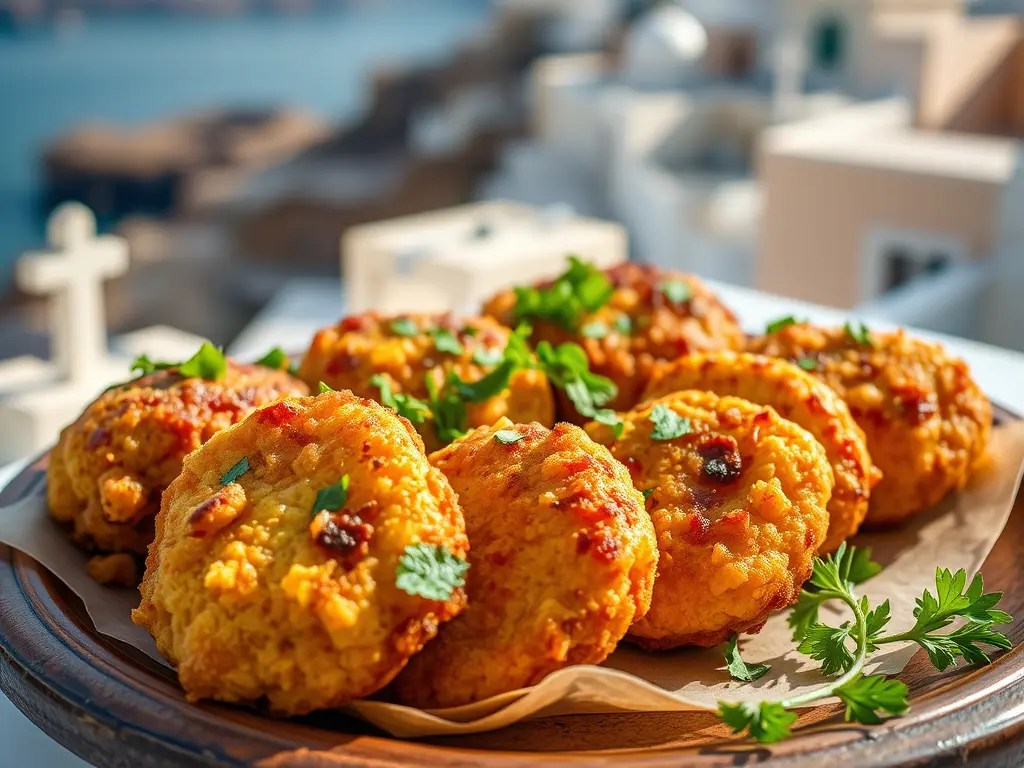
Domates Keftedes: Your Guide to Santorini’s Crispy Tomato Fritters . Cluster post

You’re sitting at a seaside taverna in Santorini. The Aegean sun is warm on your skin, the water is impossibly blue, and a plate arrives at your table. It’s piled high with golden, crispy, irregularly-shaped patties that smell intensely of sun-drenched tomatoes and fresh mint. You’ve just met Domates Keftedes, and your idea of a fritter will never be the same.
Move over, french fries. These tomato fritters are the true star of Santorini’s meze scene. I’ll never forget the first time I ordered them on a whim, thinking they’d be a simple side dish. One bite in, and I was ready to cancel my main course and order a second plate. They are that good.
🍅 ΜΠΡΑΒΟ! (BRAVO!) Santorini’s crispy tomato fritters are just one taste of 80+ destinations I’ve explored!
From the sun-drenched tomatoes of Santorini to the street food of Bangkok, pasta of Rome, and tapas of Barcelona, every destination has its signature flavor. And I’ve captured them all across 6 continents — with 45+ European cities, Asian adventures, Americas escapes, and more.
Europe · Asia · Americas · Australia · Africa
So, What Exactly Are Domates Keftedes?
Let’s clear something up: these are not a dense, bread-like patty. Authentic Domates Keftedes are surprisingly delicate. They’re a savory fritter made from the star ingredient of the island: Santorini’s legendary cherry tomatoes.
The batter is a simple, glorious mix of grated tomatoes, a little flour or breadcrumbs for binding, and a heavy hand of fresh herbs like mint and oregano. The magic is in the tomatoes themselves—because of the island’s volcanic soil and minimal water, they are incredibly sweet and flavorful, which means the fritters need very else.
The result? A crispy, lacy exterior that gives way to a soft, almost juicy interior bursting with herby, tomatoey goodness.
Why Santorini’s Tomatoes Make All the Difference
You can’t talk about Domates Keftedes without geeking out over the tomatoes. This isn’t just marketing fluff. Santorini’s cherry tomatoes have a Protected Designation of Origin (PDO) status, just like its famous Fava.
The island’s unique ecosystem—volcanic pumice soil, intense sun, and almost no rainfall—forces the tomato vines to dig deep for water. This struggle for survival concentrates the sugars and flavors within the fruit, creating a tomato with a thick skin and an explosively sweet, intense taste you won’t find anywhere else. It’s this super-tomato that gives Domates Keftedes their unique, can’t-stop-eating-them quality.
Looking for another iconic Santorini taste? Dive into the story of its other PDO superstar in my guide to Santorini Fava: A Culinary Treasure you must try Pillar post
Where to Find the Best Domates Keftedes in Santorini
While you can find them on many menus, the best versions are often found away from the caldera-view tourist traps. Here’s where to hunt them down:
- In the Villages: Head to the traditional villages of Pyrgos, Megalochori, or Emporio. The family-run tavernas here often make them fresh to order.
- By the Beach: Enjoying a plate of these fritters with a cold Assyrtiko wine at a beachfront taverna in Kamari or Perissa is a perfect Greek moment.
- My Personal Favorite Find: The most memorable Domates Keftedes I’ve ever had were at a tiny, nameless-seeming taverna in Pyrgos, tucked away from the main square. They were served piping hot, with a generous lemon wedge, and were so good we literally licked the plate clean. Don’t be afraid to explore the side streets!
Can You Make Domates Keftedes at Home?
Yes! While they might not have the exact terroir of the PDO tomatoes, you can make an absolutely delicious version at home.
Pro Tip from a Taverna Owner: The secret is to remove as much moisture from the tomatoes as possible. Grate your tomatoes and then squeeze the pulp in a cheesecloth or strainer to get rid of the excess water. This is the key to a crispy, not soggy, fritter.
Simple Recipe:
- Grate 4-5 ripe tomatoes and squeeze out the juice (save it for a soup!).
- Mix the tomato pulp with 1 chopped red onion, a handful of chopped fresh mint, a handful of chopped parsley, 1 tsp dried oregano, salt, and pepper.
- Gradually add about 1/2 cup of all-purpose flour or breadcrumbs until the mixture holds together but is still wet.
- Heat a generous amount of olive oil in a pan. Drop heaping tablespoons of the mixture and flatten slightly.
- Fry for 2-3 minutes per side until deeply golden and crispy.
- Drain on paper towels and serve immediately with lemon wedges. Yamas! (That’s “cheers”!)
Your Domates Keftedes FAQ
Are Domates Keftedes vegan?
Often, yes! The traditional recipe is usually just tomatoes, onions, herbs, and flour. However, some versions might include an egg for binding, so it’s always best to ask if you have dietary restrictions.
Are they gluten-free?
Not traditionally, as they use wheat flour. However, many tavernas are happy to make them with gluten-free flour if you ask politely.
What’s the difference between Domates Keftedes and other fritters?
Their uniqueness comes from the specific tomatoes and the herb profile (heavy on the mint). They are lighter and more vegetable-forward than, say, a falafel or a potato croquette.
Ready to taste the crispy, sun-drenched flavor of Santorini?
These fritters are more than just food; they’re a direct taste of the island’s volcanic soul. So, find a seaside table, order a plate, and savor the crunch.
“You’ve got your creamy fava, a glass of Assyrtiko, and a view of the caldera—what’s missing? The perfect crispy counterpart to that smooth dip: Domates Keftedes. These aren’t your average fritters; they’re a celebration of Santorini’s sun-drenched, volcanic tomatoes, fried to golden perfection. I was so obsessed I had to write an entire guide on how to find the best ones and even make them at home. Dive deeper into this must-travel and explore Santorini. city for more.
Santorini’s crispy tomato fritters! Just one flavor from 80+ destinations across 6 continents.
🇪🇺 45+ Europe · 🌏 18+ Asia · 🌎 10+ Americas · 🌅 8+ Africa/Australia
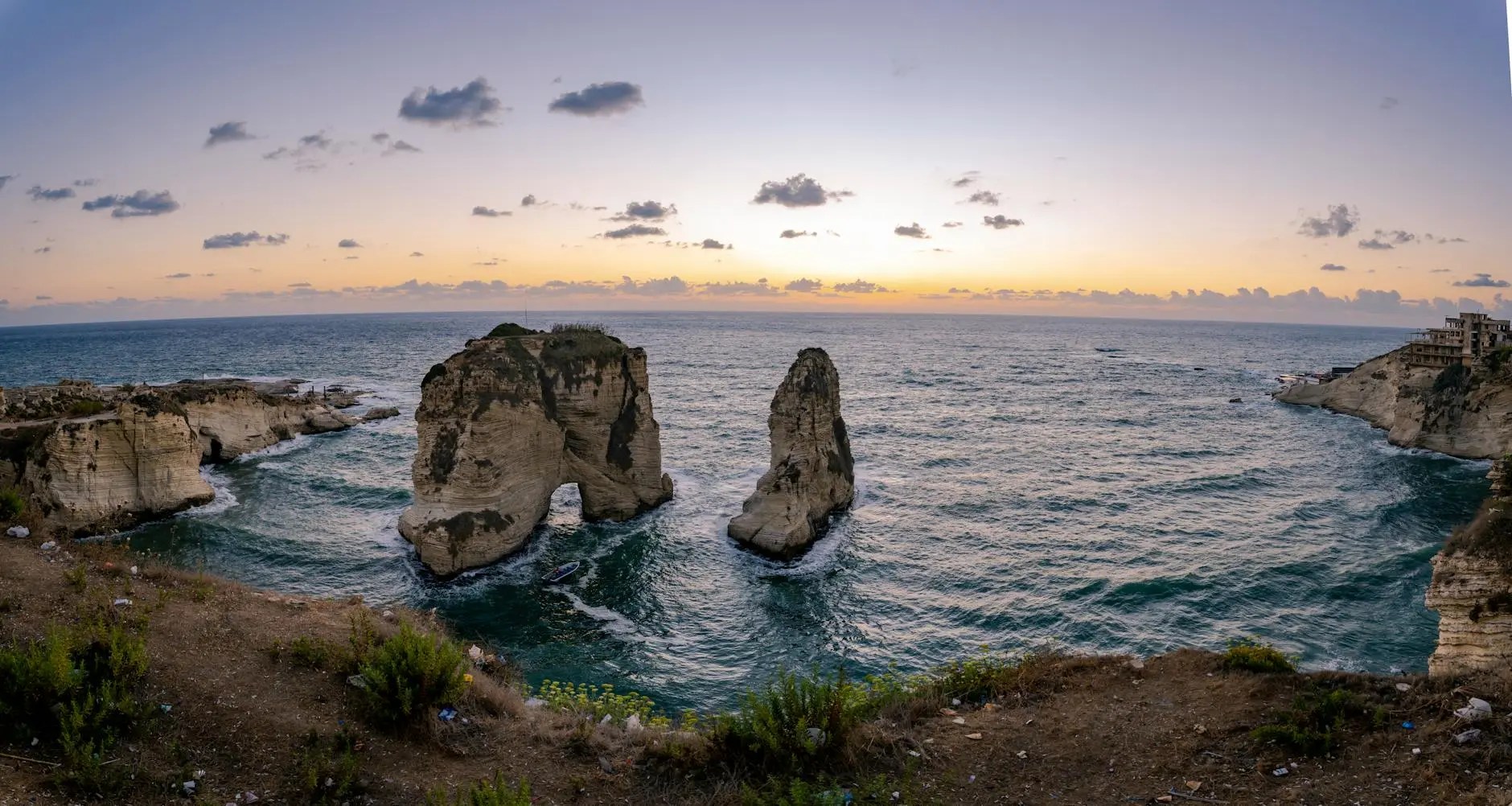
Beirut Weekend: Your Ultimate 3-Day Escape Guide
✈️ Ultimate Weekend Escapes Series — Middle East · 5+ Destinations
🌿 Beirut · Paris of the Middle East · 1 of 5+ Middle East Guides · 80+ Destinations Worldwide
Can you experience Beirut in a weekend? Yes — if you eat shawarma in Gemmayzeh, watch sunset at Pigeon Rocks, and dance until dawn in Mar Mikhael.
Beirut is not just a city. It’s a beautiful, chaotic, and utterly captivating paradox where ancient Roman ruins sit next to gleaming designer boutiques, and the call to prayer mingles with bass from rooftop bars. The tourist who only sees downtown and leaves misses Gemmayzeh’s nightlife, Bourj Hammoud’s Armenian quarter, and the sunrise at the Corniche. The traveler who takes a shared service taxi, eats mana’esh from a local bakery, and finds the Roman Baths Garden discovers the real Beirut. The difference is knowing that Beirut rewards the curious, the brave, and the person who says “yalla” (let’s go).
🎯 THE 48-HOUR FORMULA
- Day 1 (History & Coast): Mohammad Al-Amin Mosque, St. George Cathedral, Pigeon Rocks sunset, Gemmayzeh dinner
- Day 2 (Souks & Rooftops): Beirut Souks, Roman Baths Garden, Albergo rooftop bar, Mar Mikhael nightlife
- Day 3 (Art & Food): Sursock Museum, Bourj Hammoud Armenian quarter (lahmajoun), Corniche dawn walk
- The secret: Skip the crowded corniche cafes at Pigeon Rocks. Walk down the stairs to the platform right by the rocks. Unbeatable sunset view. Free. Most tourists never find it.
- The mistake: Only using private taxis. Take “service” (shared) taxis for 2,000-3,000 L.L. per person. Chaotic. Cheap. Authentic. Most tourists are too nervous to try it.
📍 Source: Multiple Beirut trips, one “why didn’t I take a service taxi sooner” discovery, and the best shawarma of my life
Most Beirut guides tell you to see the mosques, visit the souks, and eat at a fancy restaurant. That’s not wrong. It’s just the Beirut that everyone already knows.
Here’s what they don’t tell you: Beirut has secrets — and most of them save you money (and time). The best sunset spot isn’t the crowded cafe. The best food isn’t in the fancy restaurants. The tourist who doesn’t know these things will overpay and miss the real Beirut. The traveler who takes service taxis, eats mana’esh from a hole-in-the-wall, and finds the Pigeon Rocks platform discovers the real Beirut.
🎯 WHAT THEY DON’T SHOW YOU
🚕 The Service Taxi Secret
Tourists take private taxis (expensive). The secret? Take “service” (shared) taxis. Old Mercedes. Set routes. 2,000-3,000 L.L. per person. Chaotic. Cheap. Authentic. Most tourists never try it.
🏔️ The Pigeon Rocks Hack
Tourists crowd the corniche cafes (expensive). The secret? Walk down the stairs to the platform right by the rocks. Unbeatable sunset view. Free. Most tourists never find it.
🥙 The Mana’esh Rule
Tourists eat at sit-down restaurants. The secret? Find a local bakery for mana’esh. Za’atar or cheese flatbread. “Lebanese pizza.” Costs pennies. Most tourists miss it.
🌿 The Roman Baths Garden
Tourists walk through downtown without noticing. The secret? Roman Baths Garden. Peaceful, green, archaeological site. Free. Perfect for a coffee break. Most tourists never see it.
🍽️ Bourj Hammoud
Tourists stay in downtown. The secret? Bourj Hammoud (Armenian quarter). Chaotic. Vibrant. Cheap. Try lahmajoun (Armenian pizza). Most tourists never make it there.
🌅 The Corniche at Dawn
Tourists go at sunset (crowded). The secret? Go at dawn. You’ll have it almost to yourself. Fishermen. Soft light. Peaceful stillness. Most tourists never experience it.
“The tourist pays $20 for a private taxi. The traveler pays $1 for a service taxi and gets a story. The difference is knowing that Beirut’s chaos is part of its charm — and that the best experiences are often the cheapest.”
— Nomad Nate, after falling in love with Beirut’s streets
📍 Sources: Multiple Beirut trips, one “why didn’t I take a service taxi sooner” discovery, and the best mana’esh of my life
Description: Craft your perfect weekend in Beirut, Lebanon! This ultimate travel guide is packed with insider tips, hidden gems, and a savvy 3-day itinerary to explore the Paris of the Middle East. Discover where to eat, how to get around, and how to save time and money on your Lebanese escape.
So, your passport is begging for a stamp, and you’ve got a glorious 48-ish hours to spare? Forget the usual European city breaks; let’s talk about a place that will hijack your senses and steal a piece of your heart: Beirut.
This city is a beautiful, chaotic, and utterly captivating paradox. It’s where you’ll hear the call to prayer mingle with the bass from a rooftop bar, and see bullet-riddled buildings standing next to gleaming designer boutiques. It’s a city that lives life loudly and passionately. And honestly, a long weekend is the perfect amount of time to get a delicious, intoxicating taste of it.
As someone who’s gotten blissfully lost in its streets more times than I can count, I’m here to be your guide. Let’s craft your perfect weekend escape.
Forget everything you think you know about the Middle East—Beirut is here to rewrite the script. Known as the “Paris of the Middle East,” this city is a dazzling, chaotic, and utterly mesmerizing blend of ancient history and a non-stop modern pulse. One minute you’re marveling at Roman ruins, and the next you’re sipping a world-class cocktail on a rooftop bar.
My first visit to Beirut was supposed to be a low-key stopover, but it quickly turned into an obsession. I remember wandering through the streets of Gemmayzeh, the air thick with the scent of spices and jasmine, and thinking, “How is this place not swarming with tourists?” It’s a city with scars, yes, but its energy is utterly infectious. If you’re looking for a destination that’s more than just a pretty photo op—a place that grabs your soul and gives it a vigorous shake—then trust me, you need this Beirut escape
.
🌿 THE QUICK ANSWER
⚡ 48 Hours in Beirut — The TL;DR🔍 WHAT EVERY GUIDE MISSES
🌿 The Beirut Gap — Service taxi hack, Pigeon Rocks platform, mana’esh rule📜 THE 10 BEIRUT TRUTHS
Everything Distilled — 10 Truths That Matter🗺️ THE 48-HOUR ITINERARY
🕌 Day 1: Mohammad Al-Amin Mosque, Pigeon Rocks sunset, Gemmayzeh dinner 🛍️ Day 2: Beirut Souks, Roman Baths Garden, Albergo rooftop, Mar Mikhael nightlife 🎨 Day 3: Sursock Museum, Bourj Hammoud (Armenian quarter), Corniche dawn walk🚕 PRACTICAL BEIRUT
🚕 Service taxi hack — Shared Mercedes, ~$1 per ride 🏔️ Pigeon Rocks secret — Free platform, not crowded cafe 🥙 Mana’esh rule — Local bakery flatbread, ~$1❓ FAQ & FINAL THOUGHTS
Visa on arrival? Currency? Safety? Service taxis? & more 💭 Laxmi’s Final Thoughts⚡ BEIRUT AT A GLANCE
Table of Contents
- Your Savvy 3-Day Beirut Itinerary
- Beirut on a Budget: Money-Saving Hacks & Public Transport
- Hidden Gems: Beirut’s Secret Spots
- Essential Lebanese Lingo for Travellers
- Packing Your Beirut Toolkit (My Travel Lifesavers)
- Beirut Weekend Escape: Frequently Asked Questions
💰 Know Before You Go: Visa & Money-Saving Tips {#visa-money-tips}
Let’s talk logistics. Smart travel starts with knowing the rules.
Visa & Entry Essentials
Many nationalities, including US citizens, can get a free visa on arrival for a stay of up to one month at Beirut International Airport, provided they have a valid passport (with no Israeli stamps!) and a return ticket. For other countries, check with your local Lebanese embassy well in advance. Remember, visa costs can vary, but the hassle of pre-applying is often less than you’d think!
- Geographically Close Cities Suggestion: Since you’re in the area, why not hop over? Check out my guide on
Explore Doha: Your Ultimate Weekend Travel Guide
Ultimate Casablanca Weekend Guide
Explore Bahrain: Al-Fateh Mosque
Budgeting in the City
Lebanon’s financial situation means you need to be smart about money. While the official currency is the Lebanese Lira (LBP), most large transactions, tourist prices, and even many small ones are quoted and preferably paid in US Dollars (USD). Always carry a mix of smaller USD bills (fives, tens, twenties) and some local currency for small purchases like water or street food. This can often save you money on unfavorable exchange rates in shops.
Compare Flight Prices
Flights to Beirut (Expedia)
Flight to Beirut (Booking.com)
Flight to Beirut (Agoda)
Flight to Beirut (Kayak)
Book Your Beirut Escape
Find the best deals on flights, hotels, and tours for your weekend in the Paris of the Middle East. Compare and make the right choice with many options below!
✈️ FLIGHTS & HOTELS
✈️ AIRLINES
🎟️ TOURS & ACTIVITIES
✅ COMPARE AND MAKE THE RIGHT CHOICE
Every traveler has different priorities — budget airlines, flexible hotels, or specific tours. Compare prices across platforms to find what works best for YOUR Beirut adventure. Happy travels! 🇱🇧
🌿 Why Beirut?
The Paris of the Middle East captivates — the majestic Mohammad Al-Amin Mosque (the Blue Mosque), the stunning Pigeon Rocks (Raouché) (skip the overpriced corniche cafes — walk down the stairs to the platform right by the rocks, free sunset, waves crashing around you, most tourists never find it!), the vibrant Gemmayzeh and Mar Mikhael districts (legendary nightlife, quirky bars, live music, start at Baron for the burger), the peaceful Roman Baths Garden (free, green, archaeological, perfect for a coffee break — most tourists walk right past it), and the chaotic Bourj Hammoud Armenian quarter (sensory overload, lahmajoun for pennies, most tourists never make it there!). Don’t leave without trying mana’esh (za’atar or cheese flatbread — “Lebanese pizza” from a local bakery, costs pennies), shawarma from a hole-in-the-wall, lahmajoun (Armenian pizza with spiced meat), and soujouk (spicy sausage sandwiches). Remember: TAKE SERVICE (SHARED) TAXIS (old Mercedes, flag one down, 2,000-3,000 L.L. per person — about $1, NOT $8-10 for a private taxi!). Learn neighborhood names: Hamra, Gemmayzeh, Mar Mikhael, Downtown, Raouché. It’s chaotic, cheap, and authentic — most tourists are too nervous to try it. Don’t be most tourists. Bring crisp new US dollar bills (smaller bills: fives, tens, twenties) — most transactions are quoted and preferably paid in USD. Don’t rent a car — Beirut traffic is legendary (bad), parking is a nightmare, Uber and Careem are ridiculously cheap. The Corniche at dawn is peaceful (fishermen, soft light, no crowds). And always say “YALLA!” (let’s go) — it’s the spirit of Beirut. This city rewards the brave, the curious, and the person willing to get a little lost. 🚕
🔗 Affiliate Disclosure: I may earn a small commission when you book through these links at no extra cost to you. Thank you for supporting ConfidenceBuildings.com!
🌿 YALLA! Beirut’s vibrant streets and Mediterranean soul are just one of 80+ destinations I’ve explored!
From the Zaitunay Bay waterfront to the historic gem of Byblos, Lebanon’s capital pulses with resilience and joie de vivre. And I’ve captured that same spirit across 6 continents — with 45+ European cities, Asian adventures, Americas escapes, and more.
Europe · Asia · Americas · Australia · Africa
Your Savvy 3-Day Beirut Itinerary
This itinerary is designed to be a loop, saving you time and cab fare. I highly recommend using a mix of walking and cheap Uber/Careem rides to get around.
Day 1: The Heartbeat of History & The Sunset Coast
- Morning (10 AM): Start at the Mohammad Al-Amin Mosque (the Blue Mosque). Its grandeur is breathtaking. Right next door, you’ll find St. George Maronite Cathedral, a testament to Beirut’s religious tapestry. This area is a powerful, visual story.
- Afternoon (1 PM): For lunch, you have two choices. Go upscale at Em Sherif for a mind-blowing, multi-course Lebanese feast (book ahead!), or for a more local (and wallet-friendly) experience, dive into a hole-in-the-wall for a chicken shawarma wrap. You can’t go wrong with either.
- Late Afternoon (4 PM): Walk towards Raouché (the Pigeon Rocks). This is my pro-tip: skip the crowded corniche-side cafes. Instead, grab a bottle of water and walk down the stairs to the platform right by the rocks. The view from there is unbeatable and free. Stay for sunset – it’s magical.
- Evening (8 PM): Head to the Gemmayzeh or Mar Mikhael districts. These are the epicenters of Beirut’s legendary nightlife. Start with dinner at a cozy restaurant like Baron (get the Baron Burger, thank me later) and then let the night take you. The energy here is infectious.


🥙 YALLA! Beirut’s mezze, tabbouleh, and kibbeh are just one taste — I’ve savored 80+ culinary destinations!
From street-side manoushe to world-class dining — let your taste buds travel the globe.

Day 2: Ruins, Retail Therapy & Rooftops
- Morning (10 AM): Explore the Beirut Souks. This isn’t your dusty, traditional souk; it’s a stunningly modern shopping complex built around the archaeological remains of the old market. It’s a fascinating blend of past and present.
- Afternoon (1 PM): Fuel up with a mana’esh (a za’atar or cheese flatbread) from a local bakery. It’s the Lebanese pizza, and it costs pennies.
- Late Afternoon (3 PM): Visit the Roman Baths Garden in Downtown. It’s a peaceful, green archaeological site that’s often overlooked. It’s the perfect place to sit with a coffee and just breathe.
- Evening (7 PM): Dress up a bit and head to a rooftop bar. Albergo’s rooftop is iconic, with stunning 360-degree views of the city. It’s the perfect, sophisticated end to a day of exploration.

Day 3: The Artist’s Escape
- Morning (11 AM): It’s Sunday, which means the Beirut Art Center or the Sursock Museum (a gorgeous villa-turned-museum) is calling. Both showcase incredible contemporary art from the region.
- Afternoon (2 PM): For your final meal, venture into the Armenian quarter of Bourj Hammoud. It’s a chaotic, vibrant, and sensory-overloading experience. The food is phenomenal and incredibly cheap. Try the lahmajoun (Armenian pizza) and the soujouk (spicy sausage) sandwiches.

🚌Beirut on a Budget: Money-Saving Hacks & Public Transport
Let’s be real, travel costs add up. Here’s how to stretch your dollars in Beirut. To truly save time and money, you need to understand Beirut’s wild public transport system. There are no trains or subway. It’s all about the road.
- Public Transport: Forget a formal bus system. Beirut’s main public transport is the shared service (pronounced servees) taxi. These are old Mercedes sedans that run set routes. It’s an adventure! Flag one down, tell the driver your general area, and if he’s going that way, you hop in. It costs around 2,000-3,000 L.L. per person. It’s chaotic but the cheapest and most local way to travel.
- Ride-Hailing Apps: Uber and Careem are your best friends. They are ridiculously cheap compared to Western standards and eliminate haggling. A 15-minute ride will often cost less than $5.
- How to ride private: If you want the taxi to take you directly and not pick up others, say “Taxi” (not service) and negotiate a higher, private price.
- Renting a Car? I don’t recommend it for a weekend trip. Beirut’s traffic is legendary (in a bad way), and parking is a nightmare. You’ll waste precious time and gas circling blocks. Stick to walking, services, and ride-hailing.
- Saving Time & Gas: Plan your days by grouping sites that are close (e.g., Downtown/Corniche, or a separate day for the Mar Mikhael/Sursock area) to avoid long, expensive, private taxi rides through peak traffic (worst times are 7:30-9:30 AM and 4:30-7:00 PM).
🏛️ YALLA! Byblos, just north of Beirut is one ancient treasure — I’ve discovered 80+ historical sites!
From Phoenician ports to civilizations across time — explore history across 6 continents.
Hidden Gems: Beirut’s Secret Spots
- Hammam Al-Jadid: This isn’t a tourist hammam. It’s a local, no-frills bathhouse. If you’re brave and looking for a truly authentic experience, this is it. Just know what you’re getting into!
- A Hamra Street Café: Skip the chains and find a tiny café in the Hamra district. Order a Turkish coffee and just people-watch. This is where you’ll see the real, intellectual heartbeat of the old Beirut.
- The Corniche at Dawn: Everyone does the corniche at sunset. Do it at dawn. You’ll have it almost to yourself, shared only with the city’s dedicated fishermen. The light is soft, and the city feels peacefully still.

Essential Lebanese Lingo for Travellers
You’ll get by with English and French, but a few words of Arabic will open doors and hearts.
- Marhaba (mar-ha-ba): Hello
- Shukran (shook-ran): Thank you
- Yalla (ya-la): Let’s go! / Come on! (You’ll hear this constantly)
- Kifak? (ki-fak): How are you? (to a male)
- Kifik? (ki-fik): How are you? (to a female)
- Bi kam? (bee kam): How much?
- Saha (sa-ha): Said to someone who is eating, like “Bon Appétit”
Packing Your Beirut Toolkit (My Travel Lifesavers)
A smooth trip is all about the right gear and the right backups. These are the products I never travel without.
✈️ Stay Connected & Secure:
Let’s talk internet. Relying on airport SIMs or roaming is a surefire way to burn cash. My secret weapon? Drimsim. It’s a universal data SIM that works in over 190 countries, including Lebanon. You just pop it in, top up via the app, and you’re online. No hunting for a store upon arrival. → Grab your Drimsim here and stay connected hassle-free.
And while we’re on digital safety, a VPN is non-negotiable, especially when using public WiFi. I’ve used NordVPN for years to keep my data safe and stream my home Netflix. → Protect your online privacy with NordVPN.
✈️ Travel with Peace of Mind:
Stuff happens. Flights get delayed, luggage gets lost. I never leave home without solid travel insurance from VisitorsCoverage. It’s a platform where you can easily compare plans and find one that fits your specific trip. It’s the ultimate safety net. → Compare and book your travel insurance with VisitorsCoverage.
Speaking of flight troubles, did you know if your flight is delayed or canceled, you could be owed up to $650? Most people never claim it. I use AirHelp to fight the airlines for me—they only get paid if I win. It’s a no-brainer. → Check your flight for compensation with AirHelp.
✈️ Capture the Magic:
Beirut is incredibly photogenic. I capture all its beauty with my trusty Sony Alpha camera. It’s lightweight, powerful, and perfect for both cityscapes and food shots.
Ready to book your flight and hotel? I always find the best deals on Expedia. → [Start planning your Beirut escape here!]( Your Link)
Beirut is a beautiful paradox. But there are secrets—the service taxi hack, the Pigeon Rocks platform, the mana’esh rule. Here are three stories from travelers who learned the hard way—and one who figured it out.
Reader Story · Ryan, Toronto
Visited October 2025
“I took private taxis for three days. Each ride cost $8-10. A local on the street said: ‘Why are you wasting money? Take a service taxi.’ He showed me how. I flagged down an old Mercedes. ‘Gemmayzeh,’ I said. He nodded. I hopped in with three locals. The ride cost 3,000 L.L. — about $1. I learned: never take private taxis in Beirut. Service taxis are cheap, authentic, and part of the experience.”
😬 HIS MISTAKE
Took private taxis for every ride. Paid $8-10 each time instead of $1.
✅ WHAT HE LEARNED
Take service (shared) taxis. Old Mercedes. Flag one down. Tell the driver your destination. About $1 per ride. Chaotic. Cheap. Authentic.
Nomad Nate · 4 trips to Beirut
“Ryan’s story is the #1 Beirut money mistake. Private taxis are convenient but expensive. The rule: use service (shared) taxis. Look for old Mercedes sedans on main streets. Raise your hand. Shout your destination. If the driver is going that way, he’ll honk. Hop in. You might share with 2-3 locals. The ride costs 2,000-3,000 L.L. (about $1). It’s chaotic. It’s authentic. Most tourists are too nervous to try it. Don’t be most tourists.”
Nate’s Pro Tip: “Learn the names of major neighborhoods: Hamra, Gemmayzeh, Mar Mikhael, Downtown, Raouché. That’s all you need. The driver will drop you on the main street. You’ll walk the rest. It’s fine.”
Reader Story · Sarah, New York
Visited November 2025
“I went to a cafe on the corniche to watch sunset at Pigeon Rocks. A local said: ‘You’re paying $10 for a coffee you don’t want. Walk down the stairs to the platform by the rocks. It’s free. The view is better.’ I followed his advice. I stood on a platform right next to the rocks as the sun set over the Mediterranean. It was perfect. I learned: the best views in Beirut are often free. You just have to know where to look.”
✨ HIDDEN GEM DISCOVERY
Almost paid $10 for a coffee at a corniche cafe. Found the free platform right by the rocks instead.
✅ WHAT SHE LEARNED
At Raouché (Pigeon Rocks), walk down the stairs to the platform right by the rocks. Unbeatable sunset view. Free.
Nomad Nate · 4 trips to Beirut
“Sarah found the #2 Beirut secret. The corniche cafes have great views — and tourist prices. The rule: at Raouché, skip the cafes. Look for stairs leading down toward the water. Walk down. You’ll find a platform right at the base of the Pigeon Rocks. The waves crash around you. The sunset is spectacular. And it’s free. Most tourists never find this spot. You will.”
Nate’s Pro Tip: “Go 30 minutes before sunset to get the platform. Bring water. Stay for the afterglow. And bring your camera — the rocks are incredible up close.”
Reader Story · Miguel, Madrid
Visited September 2025
“A shopkeeper asked me: ‘Have you been to Bourj Hammoud?’ I said no. He said: ‘You haven’t seen the real Beirut.’ I went. It was chaotic. Crowded. Sensory overload. I ate lahmajoun from a tiny bakery for $1. I wandered through streets filled with spices and textiles. I learned: Bourj Hammoud is not on most tourist maps. But it’s where you’ll find the real, unfiltered Beirut.”
✨ HIDDEN BEIRUT DISCOVERY
Visited Bourj Hammoud on a local’s recommendation. Found incredible food, chaos, and authenticity.
✅ WHAT HE LEARNED
Bourj Hammoud is Beirut’s Armenian quarter. Chaotic. Vibrant. Cheap. Try lahmajoun (Armenian pizza) and soujouk sandwiches.
Nomad Nate · 4 trips to Beirut
“Miguel discovered the #3 Beirut secret. Most tourists never leave downtown, Gemmayzeh, or the corniche. They miss Bourj Hammoud. The rule: take a service taxi or Uber to the Armenian quarter. Walk the main streets. Find a tiny bakery. Order lahmajoun (thin flatbread with spiced meat). It costs pennies. Then wander. The chaos is beautiful. The food is incredible. The people are warm. Most tourists never experience this. Don’t be most tourists.”
Nate’s Hard Truth: “The tourist stays in the bubble. The traveler goes to Bourj Hammoud. The difference is curiosity and the willingness to be uncomfortable — and the reward is the best food and the most authentic experience of your trip.”
📝 YOUR STORY COULD BE NEXT
Been to Beirut? Took private taxis instead of service? Found the Pigeon Rocks platform? Discovered Bourj Hammoud? Your story might help someone else discover the Paris of the Middle East.
📍 Stories anonymized and used with permission · Names changed to protect privacy
Beirut is a beautiful paradox. But there are secrets—the service taxi hack, the Pigeon Rocks platform, the mana’esh rule. Here are three stories from travelers who learned the hard way—and one who figured it out.
Reader Story · Ryan, Toronto
Visited October 2025
“I took private taxis for three days. Each ride cost $8-10. A local on the street said: ‘Why are you wasting money? Take a service taxi.’ He showed me how. I flagged down an old Mercedes. ‘Gemmayzeh,’ I said. He nodded. I hopped in with three locals. The ride cost 3,000 L.L. — about $1. I learned: never take private taxis in Beirut. Service taxis are cheap, authentic, and part of the experience.”
😬 HIS MISTAKE
Took private taxis for every ride. Paid $8-10 each time instead of $1.
✅ WHAT HE LEARNED
Take service (shared) taxis. Old Mercedes. Flag one down. Tell the driver your destination. About $1 per ride. Chaotic. Cheap. Authentic.
Nomad Nate · 4 trips to Beirut
“Ryan’s story is the #1 Beirut money mistake. Private taxis are convenient but expensive. The rule: use service (shared) taxis. Look for old Mercedes sedans on main streets. Raise your hand. Shout your destination. If the driver is going that way, he’ll honk. Hop in. You might share with 2-3 locals. The ride costs 2,000-3,000 L.L. (about $1). It’s chaotic. It’s authentic. Most tourists are too nervous to try it. Don’t be most tourists.”
Nate’s Pro Tip: “Learn the names of major neighborhoods: Hamra, Gemmayzeh, Mar Mikhael, Downtown, Raouché. That’s all you need. The driver will drop you on the main street. You’ll walk the rest. It’s fine.”
Reader Story · Sarah, New York
Visited November 2025
“I went to a cafe on the corniche to watch sunset at Pigeon Rocks. A local said: ‘You’re paying $10 for a coffee you don’t want. Walk down the stairs to the platform by the rocks. It’s free. The view is better.’ I followed his advice. I stood on a platform right next to the rocks as the sun set over the Mediterranean. It was perfect. I learned: the best views in Beirut are often free. You just have to know where to look.”
✨ HIDDEN GEM DISCOVERY
Almost paid $10 for a coffee at a corniche cafe. Found the free platform right by the rocks instead.
✅ WHAT SHE LEARNED
At Raouché (Pigeon Rocks), walk down the stairs to the platform right by the rocks. Unbeatable sunset view. Free.
Nomad Nate · 4 trips to Beirut
“Sarah found the #2 Beirut secret. The corniche cafes have great views — and tourist prices. The rule: at Raouché, skip the cafes. Look for stairs leading down toward the water. Walk down. You’ll find a platform right at the base of the Pigeon Rocks. The waves crash around you. The sunset is spectacular. And it’s free. Most tourists never find this spot. You will.”
If 48 hours is too much to carry—here are the ten truths that matter most. Print them. Save them. Send them to someone who needs them.
Ancient ruins next to designer boutiques. Call to prayer mingling with club bass. Bullet-riddled buildings next to gleaming new towers. That’s Beirut. Embrace it.
Most transactions are quoted and preferably paid in USD. Bring smaller bills (fives, tens, twenties). You’ll get change in a mix of dollars and lira.
Shared Mercedes sedans. Flag one down, tell the driver your area. 2,000-3,000 L.L. per person. Chaotic. Cheap. Authentic.
Parking is a nightmare. Uber and Careem are ridiculously cheap. Walking and service taxis are better. Save your sanity.
Za’atar or cheese flatbread from a local bakery. Costs pennies. It’s the perfect breakfast or snack. Most tourists miss it.
Skip the fancy hotel bars. These streets are packed with quirky bars, live music, and energy that goes until dawn. Start at Baron for the burger.
In downtown. Tucked away. Green. Archaeological. Perfect for a coffee break. Most tourists walk right past it.
The Armenian quarter. Chaotic. Vibrant. Cheap. Try lahmajoun (Armenian pizza) and soujouk sandwiches. Most tourists never make it there.
Perfect weather. Not the oppressive heat of summer. Fewer crowds. This is when Beirut shines.
You’ll hear it constantly. Embrace it. Yalla to the next adventure. Yalla to trying that food. Yalla to dancing until dawn. It’s the spirit of Beirut.
The Smart Traveler Framework — Six Questions Before You Go
Do I have small USD bills? Am I ready to take a service taxi? Did I find the Pigeon Rocks platform? Am I eating mana’esh from a bakery? Is my ‘Yalla!’ ready? That framework is yours now. Use it in Beirut. Use it everywhere.
📍 Sources: Multiple Beirut trips, one “why didn’t I take a service taxi sooner” discovery, and the best shawarma of my life
Beirut’s resilient spirit! Just one of 80+ destinations across 6 continents.
🇪🇺 45+ Europe · 🌏 18+ Asia · 🌎 10+ Americas · 🌅 8+ Africa/Australia
“I thought I understood Beirut. Then I took a service taxi, ate mana’esh from a bakery, and watched sunrise at the Corniche.”
First time: I took private taxis everywhere. I ate at fancy restaurants in downtown. I stayed in the tourist bubble. I left thinking Beirut was expensive and confusing. I had done Beirut the expensive, sheltered way. I had missed the point.
Second time: A local told me about service taxis. I paid $1 for a ride. I ate mana’esh from a bakery for breakfast. I found the Pigeon Rocks platform at sunset. I realized that Beirut is magical — but only if you step into the chaos. I left wondering why I had ever taken private taxis.
Third time: I went to Bourj Hammoud. I walked the Corniche at dawn. I danced in Mar Mikhael until 3 AM. I learned that Beirut is not one city. It’s a collection of ancient ruins, modern nightlife, Armenian bakeries, and resilient people who know how to live. And most tourists never find the best parts.
What I learned
The tourist takes private taxis and stays in the bubble. The traveler takes service taxis and eats where locals eat. The difference is knowing that Beirut’s best experiences aren’t the expensive ones — they’re the shared taxis, the corner bakeries, and the moments when you say “yalla” to something unexpected. Beirut rewards the brave, the curious, and the person willing to get a little lost. Don’t just see Beirut. Eat, dance, and explore for 48 hours.
🌿 The Series Connection
This is one of 80+ weekend guides in our Ultimate Weekend Escapes series. Every city, every guide, every wrong turn I’ve taken—it’s all here for you.
🏛️ What’s Next
Next in the series: Byblos, Lebanon—one of the oldest continuously inhabited cities in the world, just 40 minutes from Beirut. Coming soon.
Ma’a salameh, Beirut
(Goodbye, Beirut)
Laxmi Hegde
MBA in Finance · ConfidenceBuildings.com
April 2026 · Ultimate Weekend Escapes Series
📌 P.S. — My Beirut Secret
If you read nothing else: The service taxi. Most tourists are too nervous to take them. Don’t be. Flag down an old Mercedes. Say your destination. If they’re going that way, they’ll honk. Hop in. You’ll share the ride with locals. It’ll cost about $1. It’s chaotic. It’s authentic. It’s how Beirut actually moves. Most tourists never experience this. You will. Yalla.
Beirut Weekend Escape: Frequently Asked Questions
Q: Is Beirut safe for tourists?
A: This is the number one question. The political and economic situation is complex, and it’s important to stay informed. However, on a day-to-day level, Beirut is an incredibly welcoming city. The hospitality is genuine, and the areas tourists frequent are generally safe. Exercise the same caution you would in any major city.
Q: What’s the visa situation and cost?
A: Visa policies can change, but for many Western passport holders (US, Canada, EU, UK), a free visa-on-arrival is granted for a stay of one month. Always check with the Lebanese embassy in your country for the most current information before you travel.
Q: What’s the best time of year to visit for a weekend?
A: The ultimate sweet spots are Spring (April-May) and Autumn (September-October). The weather is perfect—warm and sunny, but not the oppressive heat of summer. You’ll also avoid the peak summer crowds.
Q: Can I use US Dollars/Euros?
A: Yes, absolutely. Lebanon has a massive currency crisis, and the country operates on a “Liraize” system. You can pay in US Dollars almost everywhere, and you’ll often get change in a mix of dollars and lira. Don’t bother changing large amounts of money; just bring crisp, new US dollar bills.
Q: I love to shop! Any tips?
A: Beyond the designer stores in the Souks, look for local crafts. I love the ceramic shops and the beautiful, traditional glassware. And for a truly unique souvenir, pick up a bottle of Arak, the national anise-flavored spirit.
Q: Is a weekend enough for Beirut? A: Absolutely! Three days is perfect for hitting the city highlights (Corniche, Downtown, Museums, nightlife) and squeezing in one fantastic day trip (like Byblos). For a deeper dive, you’d need a week, but the ultimate weekend escape is totally doable.
Q: How safe is Beirut for solo female travelers? A: In my experience, Beirut is welcoming and friendly. Basic common sense applies, especially at night or when navigating public transport. Dress respectfully when visiting religious sites, but the city’s vibe is generally very modern and liberal.
Your Next Adventure Awaits!
Beirut isn’t just a destination; it’s an experience. It’s a city that will challenge you, delight you, and leave you craving more. With this guide, you’re armed with everything you need for an unforgettable weekend.
So, what are you waiting for? [Check flight prices to Beirut now] start packing! Have any questions? Drop them in the comments below – I love talking all things travel.
P.S. Looking for more weekend inspiration? Don’t forget to explore my complete Travel Master List for guides to other incredible destinations!
Universal Disclaimer/Disclosure Page:
Enjoyed this post?
If you found this helpful, consider buying me a coffee. Your support keeps this blog running and helps me create more content.
☕ Buy Me a Coffeepaypal.me/LaxmiHegde
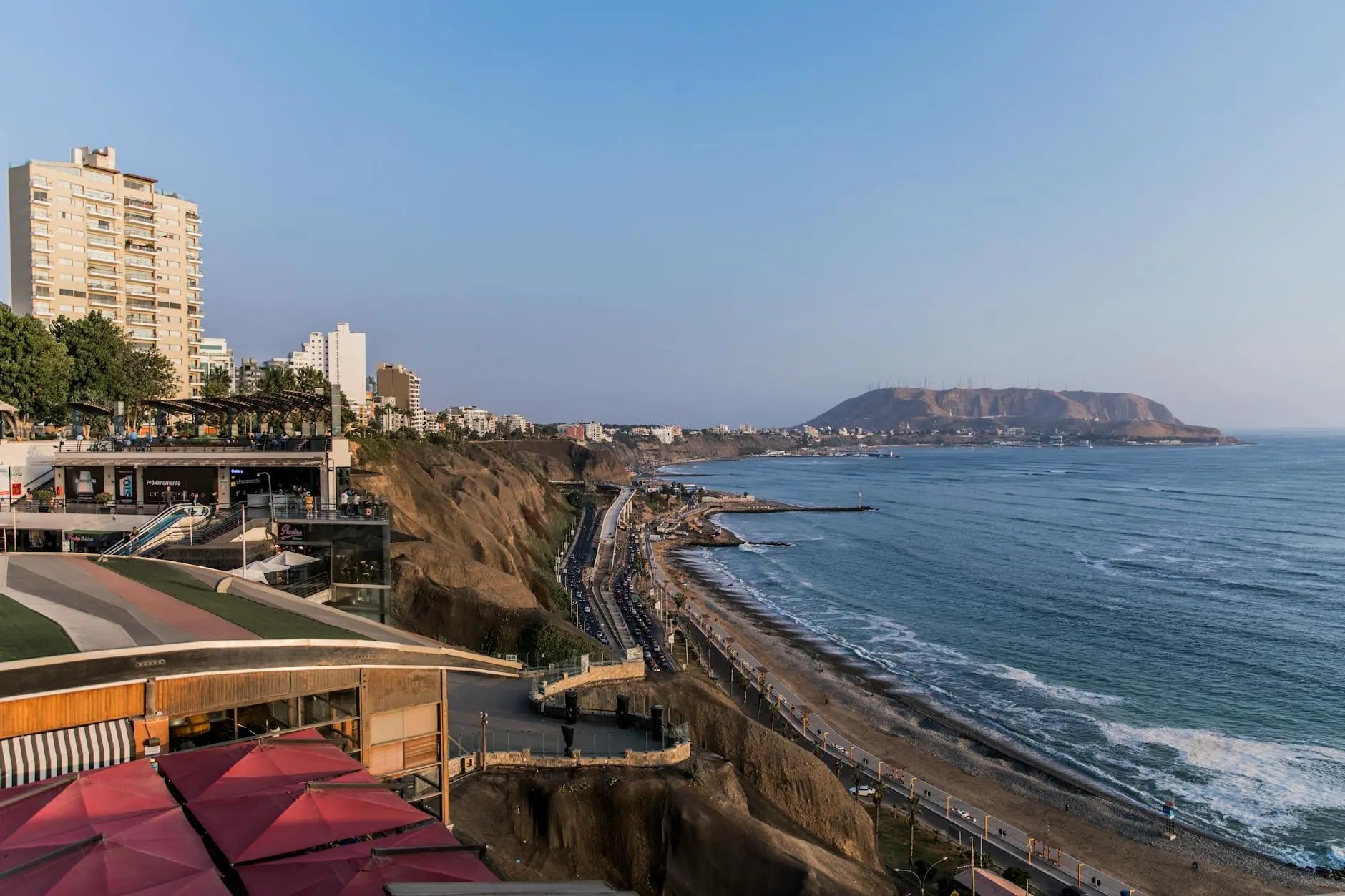
48 Hours in Lima: Your Ultimate Weekend Guide
✈️ Ultimate Weekend Escapes Series — Americas · 10+ Destinations
🍸 Lima · City of Kings · Gastronomic Capital of the Americas · 1 of 10+ Americas Guides · 80+ Destinations Worldwide
Can you experience Lima in a weekend? Yes — if you eat ceviche for lunch, watch paragliders over the Malecón, and get lost in Barranco’s bohemian streets.
Lima is not just a gateway to Machu Picchu. It’s a city where the ocean kisses the desert, history dances with street art, and every meal feels like a celebration. The tourist who only sees Miraflores misses Barranco’s Bridge of Sighs, the catacombs of San Francisco, and the fresh seafood at Chorrillos fishing wharf. The traveler who takes the Metropolitano bus, eats at a local cevichería, and visits the Larco Museum discovers the real Lima. The difference is knowing that Lima seduces you slowly — bite by bite, view by view.
🎯 THE 48-HOUR FORMULA
- Friday Evening: Malecón sunset (paragliders!), Miraflores dinner at a picantería
- Saturday (Bohemia & Food): Barranco stroll → Puente de los Suspiros → cevichería lunch → Historic Center (Plaza de Armas, catacombs) → Barranco nightlife
- Sunday (History & Views): Larco Museum (pre-Columbian art) → causa or lomo saltado lunch → final Malecón walk
- The secret: Ceviche is a lunch dish. Peruvians believe eating it in the evening is a digestive no-no. Go at lunchtime. Order leche de tigre. Thank me later.
- The mistake: Only using taxis. The Metropolitano bus is cheap, fast, and has dedicated lanes. Most tourists are intimidated by it. Don’t be.
📍 Source: Multiple Lima trips, one “why didn’t I try ceviche sooner” discovery, and the best leche de tigre of my life
Most Lima guides tell you to see Miraflores, eat at a fancy restaurant, and take taxis everywhere. That’s not wrong. It’s just the Lima that everyone already knows.
Here’s what they don’t tell you: Lima has secrets — and most of them save you money (and time). The best ceviche isn’t at a fancy restaurant. The best way to beat traffic is the Metropolitano bus. The tourist who doesn’t know these things will overpay and miss the real Lima. The traveler who eats at a local cevichería, takes the Metropolitano, and finds Chorrillos fishing wharf discovers the real Lima.
🎯 WHAT THEY DON’T SHOW YOU
🍣 The Ceviche Rule
Tourists eat ceviche at fancy restaurants (expensive). The secret? Go to a local cevichería for lunch. Fresh, authentic, affordable. Peruvians don’t eat ceviche at night. Neither should you.
🚌 The Metropolitano Hack
Tourists take taxis everywhere (stuck in traffic). The secret? Metropolitano bus. Dedicated lanes. Cheap. Fast. Most tourists are intimidated by it. Don’t be.
🎨 The Barranco Secret
Tourists take a photo at Puente de los Suspiros and leave. The secret? Wander the side streets. Tiny art galleries. Hidden murals. Local cafes. Most tourists never go deeper.
🏛️ The Larco Museum Garden
Tourists rush through the museum. The secret? Spend time in the gardens. Beautiful, quiet, with a cafe overlooking the lawn. Perfect break from the city.
🐟 Chorrillos Fishing Wharf
Tourists eat at Miraflores restaurants. The secret? Chorrillos. No-frills seafood shacks. Freshest catch right off the boat. Most tourists never make it there.
🌅 Parque del Amor at Sunset
Tourists visit during the day (crowded). The secret? Go at sunset. The mosaic walls glow. The kissing statue is romantic. Most tourists miss the magic hour.
“The tourist takes taxis and eats at tourist restaurants. The traveler takes the Metropolitano and eats at a local cevichería. The difference is knowing that Lima’s soul isn’t in the fancy restaurants — it’s in the cevicherías packed with locals and the bus that beats traffic.”
— Nomad Nate, after falling in love with Lima’s food scene
📍 Sources: Multiple Lima trips, one “why didn’t I try ceviche sooner” discovery, and the best leche de tigre of my life
Description: Dreaming of a weekend in Lima, Peru? This ultimate guide unlocks the best of the City of Kings in 48 hours. Get insider tips on Miraflores, Barranco, authentic ceviche, public transport, and hidden gems to maximize your time and budget. Your perfect Peruvian escape starts here!
So, your calendar has a glorious, empty weekend staring back at you, and you’ve decided to fill it with the vibrant energy of Lima, Peru. Excellent choice. Forget everything you’ve heard about it just being a gateway to Machu Picchu; Lima is a destination that buzzes with life, flavor, and a thrilling clash of the ancient and the ultra-modern.
I once made the mistake of treating Lima as a mere layover. I left 48 hours later, my mind blown and my stomach eternally grateful, vowing to return. This guide is the one I wish I’d had—a no-nonsense, time-conscious, and fun-filled plan to help you conquer the City of Kings in one unforgettable weekend.
Why Lima? The City of Kings & Flavors
When I first landed in Lima, I wasn’t sure what to expect — just a blur of ocean mist, pastel-colored cliffs, and the smell of anticuchos sizzling on every corner. Within hours, I realized this city has a pulse — somewhere between bohemian and beachy.
Nicknamed “La Ciudad de los Reyes” (City of Kings), Lima blends Incan heritage, Spanish colonial charm, and modern coastal coolness all in one weekend-perfect destination.
If you’ve read my past city escapes like Miami or San Francisco, you know I love cities where you can surf, sip coffee, and visit museums all before sunset — Lima absolutely nails that combo.
🗓️ Best Time to Visit & Visa Tips
Best time to visit: December to April — Peru’s summer months, when Lima’s coast is bright and warm. Avoid June–September if you’re not a fan of the garúa (a thick coastal fog that can turn photos gray).
Visa: Most travelers from North America, the EU, and many parts of Asia can stay up to 90 days visa-free. Always double-check your country’s status before flying in.
💡 Smart Tip: Check visa requirements and book flights with flexible options on Expedia. Their filter for “no change fee” flights saved me once when I mixed up my dates (don’t ask).
Compare flights prices here
Flight to Lima (Expedia)
Flight to Lima (Booking.com)
Flight to Lima (Agoda)
Flight to Lima (Agoda)
Book Your Lima Escape
Find the best deals on flights, hotels, and tours for your weekend in the Gastronomic Capital of the Americas. Compare and make the right choice with many options below!
✈️ FLIGHTS & HOTELS
✈️ AIRLINES
🎟️ TOURS & ACTIVITIES
✅ COMPARE AND MAKE THE RIGHT CHOICE
Every traveler has different priorities — budget airlines, flexible hotels, or specific tours. Compare prices across platforms to find what works best for YOUR Lima adventure. Happy travels! 🇵🇪
🍸 Why Lima?
The Gastronomic Capital of the Americas captivates — the cliff-top Malecón (paragliders over the Pacific, Parque del Amor at sunset, mosaic walls inspired by Gaudí), the bohemian Barranco (Puente de los Suspiros — Bridge of Sighs, then wander the side streets for hidden murals and tiny art galleries, most tourists never go deeper!), the Historic Center (Plaza de Armas, Monastery of San Francisco catacombs), the Larco Museum (pre-Columbian art in an 18th-century mansion, don’t rush — the gardens are a hidden oasis with a cafe overlooking the lawn), and the Chorrillos fishing wharf (no-frills seafood shacks, freshest catch right off the boat, incredibly cheap, most tourists never make it there!). Don’t leave without trying ceviche (FOR LUNCH ONLY — Peruvians don’t eat it at night, go to a cevichería packed with locals at 1 PM, order ceviche clásico, drink the leche de tigre (the tangy, spicy citrus marinade — addictive!), lomo saltado (Peruvian-Chinese stir-fry), causa (layered potato dish), anticuchos (grilled beef heart), and a Pisco Sour (Peru’s national cocktail). Remember: RIDE THE METROPOLITANO BUS (dedicated lanes — like a subway on wheels, cheap (~$1), fast, connects Miraflores, Barranco, and downtown. Most tourists are intimidated by it. DON’T BE. Taxis get stuck in Lima’s legendary traffic — the Metropolitano saves time and money!). Don’t drink tap water — stick to bottled or filtered. December to April is best weather (summer, sunny, warm). June-September brings garúa (thick coastal fog). And say “Bacán!” — it means cool in Peruvian slang. Lima seduces you slowly — bite by bite, view by view. 🌊
🔗 Affiliate Disclosure: I may earn a small commission when you book through these links at no extra cost to you. Thank you for supporting ConfidenceBuildings.com!
Quick Lima Cheat Sheet:
- A “Limeño/a”: A person from Lima. Useful for sounding like a pro.
- “La Cuenta, Por Favor”: “The bill, please.” Your most important phrase after a meal.
- “¿Cuánto Cuesta?”: “How much does it cost?” Essential for market haggling.
- “Bacán”: Slang for “cool” or “awesome.” Sprinkle this in, and watch locals smile.
(Planning a bigger South American adventure? I’ve got you covered. Check out my comprehensive Travel Master List for more guides.)
🍸 THE QUICK ANSWER
⚡ 48 Hours in Lima — The TL;DR📊 BY THE NUMBERS
🏆 World’s #1 restaurant · 🏛️ 1535 foundation · 🐟 2,000+ years of ceviche · 🌊 10km Malecón🔍 WHAT EVERY GUIDE MISSES
🍸 The Lima Gap — Ceviche rule, Metropolitano hack, Chorrillos wharf📜 THE 10 LIMA TRUTHS
Everything Distilled — 10 Truths That Matter🗺️ THE 48-HOUR ITINERARY
🍸 Friday: Malecón sunset (paragliders), Miraflores picantería dinner 🎨 Saturday: Barranco, cevichería lunch, Historic Center (Plaza de Armas, catacombs), Barranco nightlife 🏛️ Sunday: Larco Museum (gardens), causa/lomo saltado lunch, final Malecón walk🚌 PRACTICAL LIMA
🚌 Metropolitano bus hack — Dedicated lanes, ~$1, avoids traffic 🍣 Ceviche rule — Lunch only, not dinner 🐟 Chorrillos wharf — No-frills seafood shacks, freshest catch❓ FAQ & FINAL THOUGHTS
Best time to visit? Ceviche rules? Metropolitano? Tap water? & more 💭 Laxmi’s Final Thoughts⚡ LIMA AT A GLANCE
Table of Contents
- Friday Evening: Dive Headfirst into Miraflores
- Saturday: Bohemian Vibes & Culinary Heaven
- Sunday: History, Views, and a Proper Send-off
- Getting Around Lima: Your Transportation Lowdown
- Lima’s Hidden Gems: Escape the Tourist Trail
- Essential Pre-Trip Intel: Visa, Money & Savvy Tips
- Frequently Asked Questions (FAQ)
🍸 SALUD! Lima’s ceviche and colonial charm are just one of 80+ destinations I’ve explored!
From the oceanfront cliffs of Miraflores to the bohemian streets of Barranco, Lima is a city of layers [citation:5]. And I’ve captured that same magic across 6 continents — with 45+ European cities, Asian adventures, Americas escapes, and more.
Europe · Asia · Americas · Australia · Africa
Friday Evening: Dive Headfirst into Miraflores
Your adventure begins the moment you land. After clearing customs at Jorge Chávez International (LIM), you have two main choices to get to the upscale district of Miraflores, where you’ll likely be staying.
- The Budget Win: The Airport Express Bus is a fantastic, reliable service. For around $8 USD, it has dedicated stops in Miraflores and is a million times better than dealing with taxi haggles after a long flight.
- The Convenience Play: Use the official taxi counters inside the airport. You pay a fixed, slightly higher rate, but it’s safe and direct. I learned this the hard way after a 2 AM arrival and an “interesting” negotiation with a driver who didn’t seem to know his way.
Check into your hotel (I always find the best deals for Lima on Expedia) and head straight to the Malecón—the breathtaking cliff-top park overlooking the Pacific Ocean. Watch the paragliders (parapentes) catch the coastal breeze as the sun begins to set. It’s pure magic.
For dinner, you can’t go wrong in Miraflores. Skip the generic spots and head to a picantería for your first taste of Peruvian soul food.
Saturday: Bohemian Vibes & Culinary Heaven
Morning: The Bohemian Pulse of Barranco
Grab a coffee and hop on the Metropolitano bus (more on this lifesaver below) south to Barranco, Lima’s coolest neighborhood. This is where the city’s artists and musicians hang out. Stroll through the colorful streets, cross the iconic Puente de los Suspiros (Bridge of Sighs), and soak in the graffiti art that covers every other wall.
My Anecdote: I stumbled upon a tiny art gallery off a side street and ended up chatting with the owner for an hour about Peruvian politics and art, all in broken Spanglish. These are the moments that define a trip.
Lunch: Your Ceviche Pilgrimage
You are in Peru. You must eat ceviche. For lunch, make your way to a cevichería. The rule of thumb here is that ceviche is a lunch dish—Peruvians believe eating it in the evening is a digestive no-no. Order a classic Ceviche Clásico and a Pisco Sour. The citrusy marinade (leche de tigre) is so good, you’ll want to drink it. And you should.
Afternoon: Choices, Choices!
- For the History Buff: Take a taxi to the Historic Center of Lima (a UNESCO World Heritage site). Wander around the Plaza de Armas, peek into the Monastery of San Francisco and its eerie catacombs.
- For the Shopper: Explore the Indian Markets in Miraflores. It’s the perfect place to pick up alpaca sweaters, souvenirs, and practice your “¿Cuánto Cuesta?” skills.
Evening: A Dinner to Remember
Barranco is your spot for dinner and drinks. The area comes alive at night with bustling bars and world-class restaurants. Book a table at a place with live música criolla for the full experience.


🍣 SALUD! Lima’s ceviche, lomo saltado, and world-class restaurants are just one taste — I’ve savored 80+ culinary destinations!
From the cevicherías packed with locals to the Michelin-starred tables of Central and Maido, Lima is a feast for the senses [citation:2][citation:3]. Let your taste buds travel the world.


🎨 SALUD! Wandering the colorful, mural-filled streets of Barranco is just one artistic journey — I’ve discovered 80+ creative neighborhoods [citation:2]!
From the Puente de los Suspiros to hidden galleries — let art guide your way.
Sunday: History, Views, and a Proper Send-off
Morning: Pre-Columbian Wonders
Before the crowds get thick, visit the Larco Museum. Housed in an 18th-century vice-royal mansion, this museum boasts a stunning collection of pre-Columbian art. Its beautifully curated rooms and tranquil gardens make history feel incredibly immediate. Plus, the quite (open storage) area is a goldmine for archaeology nerds.
Afternoon: One Last View & Flight Prep
For your final Lima meal, why not go for a causa (a layered potato dish) or lomo saltado (a stir-fry that perfectly represents Peru’s Chinese fusion)? Afterwards, take a final walk along the Malecón to say goodbye to the Pacific.
Before you head to the airport, do two things:
- Check your flight status. Travel isn’t always smooth sailing.✈️ Flight Delayed or Canceled?
The good news? You might be entitled to compensation. I use AirHelp to handle the annoying paperwork and fight the airlines for me. They only get paid if you win. It’s a stress-free way to potentially get a nice surprise for your travel fund.
Check your flight with AirHelp here. - Back up your photos. You’ve taken hundreds of stunning shots. Make sure they’re safe! The camera I use for all my travel photos is this brilliant point-and-shoot – it’s lightweight and takes professional-level images without the DSLR bulk.


Lima’s ceviche & colonial charm! Just one of 80+ destinations across 6 continents.
🇪🇺 45+ Europe · 🌏 18+ Asia · 🌎 10+ Americas · 🌅 8+ Africa/Australia
🚌 Getting Around Lima: Buses, Taxis & Money-Saving Routes
Public transport in Lima isn’t perfect, but it’s improving fast.
🚍 Metropolitano Bus: Lima’s BRT system is cheap and quick — runs along dedicated lanes. Perfect for reaching downtown from Miraflores. This is your best friend. It’s a dedicated-lane bus system, like a subway on wheels, that runs from the north of the city down through Miraflores and Barranco. Get a rechargeable card at any station. It’s fast, cheap, and avoids the infamous Lima traffic.
🚕 Taxis: Always negotiate or use apps like Cabify or InDriver. Taxis & Ride-Sharing: Uber and Beat (a local app) are widely used and generally safer and more reliable than hailing a random cab off the street. The price is fixed in the app, so no haggling.
🚗 Rental Cars: I recommend booking through Expedia. If you drive, use Google Maps’ offline mode — Lima’s traffic can make or break your trip.
🛵 Short on time? Plan routes the night before — Lima’s traffic peaks between 7–9 AM and 5–8 PM.
💡 Pro Tip: Combine nearby attractions to save gas and time. For example, hit Barranco right after Miraflores — they’re only 15 minutes apart by cab.


Lima’s Hidden Gems: Escape the Tourist Trail
- Chorrillos Fishing Wharf: Skip the fancy restaurants for one meal and head to this local pier in the Chorrillos district. The no-frills seafood shacks here serve the freshest catch right off the boat. It’s authentic, bustling, and incredibly cheap.
- Amano Museum: Tucked away in Miraflores, this small museum focuses exclusively on Peruvian textiles. It’s a quiet, air-conditioned haven with a breathtaking collection that tells the story of ancient Peru through fabric.
- Parque del Amor: Okay, it’s in Miraflores, but it’s often rushed. Stay a while. The vibrant mosaic walls, inspired by Gaudí, and the massive kissing statue make it a wonderfully romantic spot, even if you’re just people-watching.


Essential Pre-Trip Intel
- Visa & Costs: For most US, Canadian, and EU passport holders, you get a 90-180 day tourist stamp upon arrival—no visa needed! Peru is generally affordable. A nice dinner can cost $20-$40, while a local lunch is under $10.
- Stay Connected (Without the Headache):✈️ Travel Tip: Staying connected abroad can be a nightmare of overpriced airport SIMs and shocking roaming bills. My secret? Drimsim—a global SIM that works in 190+ countries. Pop it in your phone, top up via the app, and you’re online. No hidden fees, no stress. It’s a game-changer.
Get your Drimsim here. - Stay Secure Online: Using public WiFi? Protect your data with a VPN. I never travel without my NordVPN subscription. It’s essential for security and for accessing your favorite shows from back home.Secure your connection with NordVPN.
- Travel Insurance is Non-Negotiable: From lost luggage to a surprise medical issue, insurance is your safety net.✈️ Smart Travel Tip: I always use VisitorsCoverage to compare and find the perfect plan for my trips. It’s quick, easy, and the peace of mind is priceless.
Find your coverage with VisitorsCoverage. - Look and Feel Your Best: Travel can be harsh on your skin. I rely on Lakinza’s K-beauty magic to keep my skin glowing on the road. Their products are a travel essential for me!Look beautiful always with K-beauty magic from Lakinza.
Use CodeLalax10for a Sweet Discount! Because glowy skin shouldn’t break the bank. Save a little extra for your next Pisco Sour!
Further Reading:
📍 Ultimate Miami Weekend Guide: Save Money & Enjoy!
📍 Ultimate 3-Day San Francisco Weekend Guide
📍 48-Hour Ultimate Ho Chi Minh City Itinerary
📍 Pillar Page – Ultimate Weekend Escapes Around the World
Lima is a city of flavors and coastal cliffs. But there are secrets—the Metropolitano bus, the ceviche lunch rule, the Chorrillos wharf. Here are three stories from travelers who learned the hard way—and one who figured it out.
Reader Story · Daniel, Boston
Visited October 2025
“I took taxis everywhere in Lima. Each ride cost me $5-10 and took forever in traffic. A local asked: ‘Why aren’t you taking the Metropolitano?’ I didn’t know what that was. He walked me to the station. I bought a card for $1. I rode from Miraflores to Barranco in 15 minutes — half the time of a taxi. I learned: Lima’s Metropolitano bus is a game-changer. Most tourists never try it. That’s their loss.”
😬 HIS MISTAKE
Took taxis everywhere. Stuck in traffic. Spent $5-10 per ride.
✅ WHAT HE LEARNED
Ride the Metropolitano bus. Dedicated lanes. Fast. Cheap (~$1). Connects Miraflores, Barranco, and downtown.
Nomad Nate · 5 trips to Lima
“Daniel’s story is the #1 Lima money and time mistake. Taxis get stuck in Lima’s legendary traffic. The rule: ride the Metropolitano. It’s a bus system with dedicated lanes — like a subway on wheels. Get a rechargeable card at any station. Ride from Miraflores to Barranco or downtown. It’s fast, cheap (about $1), and efficient. Most tourists are intimidated by it. Don’t be. You’ll save time and money.”
Nate’s Pro Tip: “Avoid the Metropolitano during rush hour (7-9 AM and 5-8 PM). It gets packed. Outside those hours, it’s smooth sailing.”
Reader Story · Maria, Madrid
Visited September 2025
“I ordered ceviche at a fancy restaurant for dinner. It was fine. A Peruvian friend asked: ‘You ate ceviche at night?’ She looked horrified. ‘Ceviche is a lunch dish,’ she said. ‘The fish is fresher at lunch. And we believe it’s better for digestion.’ The next day, I went to a cevichería at 1 PM. The fish was noticeably fresher. The leche de tigre was incredible. I learned: in Lima, ceviche is for lunch. Never dinner.”
😱 HER MISTAKE
Ate ceviche at night. It was fine but not memorable.
✅ WHAT SHE LEARNED
Ceviche is a lunch dish in Peru. Go at lunchtime. Fish is fresher. Cevicherías are packed with locals for a reason.
Nomad Nate · 5 trips to Lima
“Maria learned the #2 Lima rule. Peruvians don’t eat ceviche at night. The rule: go to a cevichería for lunch. Any cevichería that’s packed with locals at 1 PM is the right one. Order ceviche clásico. Drink the leche de tigre (the citrus marinade). It’s tangy, spicy, and addictive. Most tourists eat ceviche at fancy dinner restaurants. They miss the real thing. Don’t be most tourists.”
Nate’s Pro Tip: “If you see ‘leche de tigre’ on the menu as a drink, order it. It’s the leftover citrus marinade. Served in a small glass. It’s delicious and believed to be a hangover cure.”
If 48 hours is too much to carry—here are the ten truths that matter most. Print them. Save them. Send them to someone who needs them.
Peruvians believe eating ceviche in the evening is a digestive risk. Go at lunchtime. The fish is fresher anyway.
Dedicated lanes. Cheap fares. Fast transfers to downtown and Barranco. Most tourists are too intimidated to try it. Don’t be.
Take the iconic photo, then wander the side streets. Tiny art galleries, hidden murals, local cafes. That’s where Barranco’s soul lives.
Not worth the risk. Most hotels and hostels provide filtered water stations. Carry a reusable bottle.
Don’t rush through the museum. The gardens are beautiful, quiet, and have a cafe overlooking the lawn. Perfect afternoon break.
No-frills shacks on the fishing wharf. Freshest catch right off the boat. Incredibly cheap. Most tourists never make it there.
Summer months. Sunny, warm, and bright. June-September brings garúa (thick coastal fog). Plan accordingly.
The Gaudí-inspired mosaic walls glow golden. The kissing statue silhouettes against the Pacific. Go at golden hour.
Local lunch: under $10. Nice dinner: $20-40. World-class tasting menus: $150+. Something for every budget.
Local slang for “awesome.” Sprinkle it in. Locals will smile. It’s the little things.
The Smart Traveler Framework — Six Questions Before You Go
Am I eating ceviche at lunchtime? Do I know how to ride the Metropolitano? Did I pack for summer (Dec-April) or fog (June-Sept)? Am I bringing a reusable water bottle? Is my ‘Bacán’ ready? That framework is yours now. Use it in Lima. Use it everywhere.
📍 Sources: Multiple Lima trips, one “why didn’t I try ceviche sooner” discovery, and the best leche de tigre of my life
“I thought Lima was just a layover city. Then I ate ceviche at a local lunch spot, rode the Metropolitano, and watched sunset from Parque del Amor.”
First time: I treated Lima as a quick stop before Cusco. I stayed in Miraflores. I took taxis everywhere. I ate at tourist restaurants. I left thinking Lima was fine but forgettable. I had done Lima the expensive, rushed way. I had missed the point.
Second time: A local told me about the Metropolitano. I rode it to Barranco for less than $1. He told me to eat ceviche at lunch. I found a cevichería packed with locals. I tasted leche de tigre. I realized that Lima is magical — but only if you know the local rhythms. I left wondering why I had ever taken taxis.
Third time: I went to Chorrillos fishing wharf. I spent hours at Larco Museum’s gardens. I wandered Barranco’s side streets. I learned that Lima is not one city. It’s a collection of coastal cliffs, bohemian neighborhoods, pre-Columbian history, and cevicherías where locals gather at lunch. And most tourists never find the best parts.
What I learned
The tourist takes taxis and eats at tourist restaurants. The traveler rides the Metropolitano and eats at a local cevichería. The difference is knowing that Lima’s best experiences aren’t the expensive ones — they’re the lunchtime ceviche, the $1 bus ride, and the hidden gardens. Lima rewards the brave, the curious, and the person who knows that ceviche is for lunch, not dinner. Don’t just see Lima. Eat, wander, and explore for 48 hours.
🍸 The Series Connection
This is one of 80+ weekend guides in our Ultimate Weekend Escapes series. Every city, every guide, every wrong turn I’ve taken—it’s all here for you.
🏔️ What’s Next
Next in the series: Cusco, Peru—the ancient capital of the Inca Empire and gateway to Machu Picchu. Coming soon.
Hasta luego, Lima
(See you later, Lima)
Laxmi Hegde
MBA in Finance · ConfidenceBuildings.com
April 2026 · Ultimate Weekend Escapes Series
📌 P.S. — My Lima Secret
If you read nothing else: The Metropolitano bus. Most tourists are intimidated by it. Don’t be. Get a rechargeable card at any station. Ride the dedicated-lane bus from Miraflores to Barranco or downtown. It’s cheap (about $1), fast, and avoids Lima’s infamous traffic. Most tourists never figure this out. You will. Your schedule will thank you.
Frequently Asked Questions (FAQ)
Q: Is two days in Lima enough?
A: It’s the perfect amount for a thrilling weekend escape! You won’t see everything, but you can absolutely experience the city’s top highlights, food, and culture without feeling rushed.
Q: What is the best time of year to visit Lima?
A: Lima’s “summer” (December to April) is sunny and warm. The “winter” (May to November) is grey, overcast, and drizzly, but the temperatures are still mild. Honestly, any time is a good time for the food!
Q: Is Lima safe for tourists?
A: The main tourist areas like Miraflores and Barranco are very safe. Exercise standard big-city caution: don’t flash expensive jewelry, be aware of your surroundings, and use official taxis or ride-sharing apps.
Q: Can I drink the tap water in Lima?
A: It’s not recommended. Stick to bottled or filtered water. Many hotels and hostels provide filtered water stations.
Q: What’s a must-try dish?
Ceviche. Fresh, zesty, and practically Peru’s national treasure.
Q: How to handle cash and cards?
Carry some cash (soles). Cards work fine in most restaurants and hotels.
🌞 Final Thoughts
Lima surprised me. It’s a city where the ocean kisses the desert, history dances with hipster art, and every meal feels like a celebration.
If you’re dreaming of a weekend escape that’s equal parts flavor, fun, and culture — book your trip to Lima, Peru now on Expedia.
Just pack your appetite, camera, and sense of adventure — Lima will take care of the rest.
Universal Disclaimer/Disclosure Page:
Enjoyed this post?
If you found this helpful, consider buying me a coffee. Your support keeps this blog running and helps me create more content.
☕ Buy Me a Coffee
paypal.me/LaxmiHegde
48 Hours in Bruges: Your Ultimate Travel Guide
✈️ Ultimate Weekend Escapes Series — Europe · 45+ Destinations
🍫 Bruges · 1 of 45+ Europe Guides · 80+ Destinations Worldwide
Can you experience Bruges in a weekend? Yes — if you climb the Belfry, eat the chocolate, and get lost on purpose.
Bruges is not just a tourist-filled postcard town. It’s a fairytale city of medieval canals, hidden pubs serving 300 beers, and chocolate shops that smell like heaven. The tourist who only sees the Markt and leaves misses the windmills, the Beguinage’s quiet courtyards, and the Rozenhoedkaai at sunset. The traveler who parks at the P+R, buys a De Lijn day pass, and wanders down side alleys discovers the real Bruges. The difference is knowing that the best beer is hidden down a tiny alley called De Garre.
🎯 THE 48-HOUR FORMULA
- Day 1: Grote Markt, Belfry (366 steps — worth it), Burg Square, canal boat tour, Rozenhoedkaai at sunset
- Day 2: Minnewater (Lake of Love), Beguinage, Church of Our Lady (Michelangelo’s Madonna), windmill walk, De Garre pub for hidden beer
- The secret: Park at the Station Parking Lot (P+R Station) — €3.50 for a full day, and your ticket covers the bus into the centre for up to four people. Most tourists drive into the centre and regret it.
- The mistake: Eating on the main square. Walk one street away. Same quality food, half the price. And skip the mass-produced chocolate shops — find an artisanal chocolatier.
📍 Source: Multiple Bruges trips, one successful Belfry climb, and the discovery that the best chocolate is hidden behind unassuming doors
Most Bruges guides tell you to see the Markt, take a canal tour, and eat a waffle. That’s not wrong. It’s just the Bruges that everyone already knows.
Here’s what they don’t tell you: Bruges has secrets — and most of them are free or hidden in plain sight. The best view isn’t from the Belfry (though that’s great) — it’s from the windmills. The best beer is hidden down an alley so narrow you’ll miss it twice. The best chocolate isn’t in the big shops on the main square. The tourist who doesn’t know these things will stay on the beaten path and leave thinking Bruges is just a pretty tourist town. The traveler who does will find the magic.
🎯 WHAT THEY DON’T SHOW YOU
🚗 The P+R Secret
Tourists drive into the centre and pay €20+ for parking. The secret? Park at the Station Parking Lot (P+R Station). €3.50 for a full day. Your ticket covers bus fare for up to four people into the centre. This single hack saves you time, money, and stress.
🍺 De Garre’s Hidden Alley
Tourists walk past this alley every day and never see it. The secret? Off Breidelstraat, look for a tiny archway. Walk down. De Garre pub serves a legendary triple beer you won’t find anywhere else. Finding it feels like unlocking a secret level.
🌬️ The Windmill Walk
Tourists stay in the centre. The secret? Walk the city ramparts to the four remaining windmills. Sint-Janshuismill against the city skyline. Few tourists make the trek. You should.
🍫 The Chocolate Truth
Tourists buy from the big shops on the main square. The secret? The Chocolate Line near the Markt. Experimental flavours — wasabi, curry, bacon. Skip the mass-produced stuff. Find an artisanal chocolatier.
🌅 Rozenhoedkaai at Sunset
Tourists take the photo at noon with crowds. The secret? Go at sunset. The golden light reflecting off the canal houses is pure magic. And the crowds disappear.
🍟 The Frietkot Rule
Tourists eat fries at restaurants. The secret? Find a frietkot (fry stand). Twice-fried. Served with mayonnaise. Andalouse sauce is also excellent. This is how Belgians eat fries.
“The tourist takes a photo of the Markt and leaves. The traveler walks to the windmills, finds De Garre’s hidden alley, and watches the sunset at Rozenhoedkaai. The difference is knowing that Bruges rewards the curious — and that the best things are hidden down side streets.”
— Nomad Nate, after 3 trips to Bruges
📍 Sources: Multiple Bruges trips, one successful Belfry climb, and the discovery that the best chocolate is hidden behind unassuming doors
Description: Escape the ordinary with our ultimate 48-hour guide to Bruges, Belgium! Discover hidden canals, taste authentic Belgian chocolate, and save money with local transit tips. Perfect for first-time European travellers. Optimize your trip for time and budget.
The Ultimate Weekend Escape to Bruges, Belgium 🇧🇪
If you’ve ever scrolled through Instagram and stumbled upon a fairytale town that looks like it was drawn by a golden-age Disney animator, you were probably looking at Bruges (Brugge). Known as the “Venice of the North,” this charming Belgian city is a UNESCO World Heritage site that manages to be both immaculately preserved and totally buzzing.
I first visited Bruges on a whim after a stressful week. I needed a real escape—the kind where your biggest decision is “waffle or fries?”—and Bruges delivered. It’s compact, walkable, and unapologetically romantic. You can soak up centuries of history without needing to navigate a labyrinthine metropolis.
Ready to trade spreadsheets for stepped gables and traffic jams for tranquil canals? Grab a coffee (or a strong Belgian beer), because here is your ultimate, time-and-budget-saving guide for the perfect weekend in Bruges.
Let’s be honest, you’ve seen the pictures. A maze of cobblestone lanes, dreamy canals reflecting centuries-old architecture, and the heavenly scent of warm waffles and chocolate drifting through the air. Bruges isn’t just a city; it’s a living, breathing postcard.
But is it possible to truly experience its magic in just a weekend? Absolutely. I’ve done it, stumbled on the perfect waffle shop, gotten blissfully lost, and learned a few things along the way. Consider this your personal, no-nonsense guide to conquering Bruges in 48 glorious hours.
🍫 THE QUICK ANSWER
⚡ 48 Hours in Bruges — The TL;DR📊 BY THE NUMBERS
🏛️ 366 Belfry steps · 🌊 50+ canals · 🍺 300+ beers · 🦢 50+ swans🔍 WHAT EVERY GUIDE MISSES
🍫 The Bruges Gap — P+R parking hack, De Garre’s hidden alley & windmill walk🗣️ REAL STORIES
Parking nightmare · Hidden beer discovery · Windmill walk 🧭 Nomad Nate’s Bruges Wisdom📜 THE 10 BRUGES TRUTHS
Everything Distilled — 10 Truths That Matter🗺️ THE 48-HOUR ITINERARY
🏛️ Day 1: Grote Markt, Belfry, Burg Square, Canal boat tour, Rozenhoedkaai at sunset 🦢 Day 2: Minnewater, Beguinage, Church of Our Lady, Windmill walk, De Garre pub🚇 PRACTICAL BRUGES
🚆 P+R Station parking — €3.50/day with free bus into centre 🍟 Frietkot fries — Twice-fried with mayonnaise or andalouse 🎨 Free Bruges: Windmill walk, Beguinade garden, Rozenhoedkaai❓ FAQ & FINAL THOUGHTS
Best time to visit? P+R parking? Belfry worth it? De Garre location? & more 💭 Laxmi’s Final Thoughts⚡ BRUGES AT A GLANCE
Table of Contents
- Getting There: Logistics Made Easy
- When to Go & How to Avoid the Crowds
- The Smart Traveler’s Transport Guide
- 48 Hours of Fairytale: My Perfect Itinerary
- Must-See Marvels & Hidden Gems
- Local Flavours: Beer, Chocolate, & Frites
- Money-Saving Hacks & Local Wisdom
- Travel Insurance & Staying Connected
- A Few Handy Dutch Phrases
- Extend Your Adventure: Nearby Destinations
- FAQs & Final Call to Action
Getting There: Logistics Made Easy
Getting to Bruges is half the fun, and planning it right can save you hours of travel time and stress (and gas money!).
Why Bruges is the Perfect Weekend Trip
Bruges (or Brugge in Flemish) is compact, incredibly walkable, and feels like you’ve stepped directly into a storybook. Unlike sprawling metropolises, its main attractions are close together, making it ideal for a short, immersive break. It’s the kind of place where the journey from a world-class museum to a cozy, hidden pub is just a picturesque five-minute stroll.
For more European weekend inspiration, check out my guide to Paris, Nice, Frankfurt, Munich,
The Smart Traveler’s Transport Guide
Whether you arrive by air, train, or car, planning your final leg is key.
By Train 🚂 (The Stress-Free Option)
The train is the most efficient way to arrive. Bruges’ main station (Brugge Station) is a 15-20 minute walk from the historic centre.
- From Brussels: A direct train takes about an hour.
- Money-Saving Tip: If you’re under 26, look into the Go Pass 1 or Go Pass 10 for significant discounts on Belgian rail. If you’re coming on a Friday evening and leaving on a Sunday, check for the Weekend Ticket, which offers a substantial discount on return travel within Belgium.
- Pro Tip: Don’t buy a bus ticket inside the station. Just outside, Bus Line 12 runs directly to the main square. You can pay the driver, but buying a De Lijn (the Flemish bus company) day pass via their app is usually the best value if you plan to use buses often.
By Car 🚗 (For the Road Trippers)
Driving gives you freedom, but parking in the centre is expensive and limited.
- Time & Gas Saver Road Map Tip: When you hit Bruges, follow the R30 (the Ring Road) around the city centre. DO NOT drive into the inner medieval core. Instead, look for the Station Parking Lot (P+R Station). It’s incredibly cheap (€3.50 for a full day), and your parking ticket covers the cost of a return trip for up to four people on Bus Line 12 into the centre. This trick is a budget-saver and an instant logistics win!
Once you know your dates, securing your travel and accommodation in one go is a lifesaver. I always start my search for the best flights and hotels with Expedia. (for stress-free booking!)
Compare Flight Prices Here:
Book Your Bruges Escape
Find the best deals on flights and hotels for your weekend in Belgium’s fairytale city.
🏰 Why Bruges?
Bruges is one of Europe’s best-preserved medieval cities — a fairytale destination of cobblestone streets, winding canals, and stunning Gothic architecture. Don’t miss the Belfry Tower (366 steps, incredible views), a canal boat tour, and Church of Our Lady (home to Michelangelo’s Madonna and Child). Try Belgian waffles, fries, chocolate, and of course, beer.
🔗 Affiliate Disclosure: I may earn a small commission when you book through these links at no extra cost to you. Thank you for supporting ConfidenceBuildings.com!
🍫 PROOST! Bruges’ medieval canals and chocolate shops are just one of 80+ destinations I’ve explored!
From the fairytale Markt square to the peaceful canals of Minnewater, Bruges casts a spell on every visitor. And I’ve captured that same magic across 6 continents — with 45+ European cities, Asian adventures, Americas escapes, and more.
Europe · Asia · Americas · Australia · Africa
Your Bruges Weekend Itinerary: A Step-by-Step Guide
Friday Evening: Arrival & First Impressions
Morning: The Holy Trinity of Bruges Start at the Grote Markt (The Markt). Look up at the colourful, intricate guild houses. My favourite thing to do here is climb the 366 steps of the Belfry of Bruges. Yes, it’s a workout, but the view of the terracotta rooftops is the definitive Bruges photo opportunity. When I finally made it to the top, sweating and slightly out of breath, a charming couple handed me a napkin—I was so red, I matched the brickwork!
Afternoon: Hidden History Wander a few minutes away to the Burg Square, home to the stunning Gothic Stadhuis (City Hall) and the Basilica of the Holy Blood. Afterwards, take a famous canal boat tour. At only €12-€15, it’s touristy, yes, but it offers a unique, low-to-the-water perspective that you simply can’t get otherwise.
Hidden Gem Alert: Ditch the crowds and find the Rozenhoedkaai (Quay of the Rosary). It’s widely photographed, but stick around until the evening. Once the sun starts to set, the silence and the golden light reflecting off the canal houses is pure magic.


Day 2: Quiet Corners and Local Flavours
Morning: The Lake of Love Start your second day at the Minnewater (Lake of Love) and the surrounding Béguinage. It’s a tranquil pocket of serenity—perfect for a morning stroll and seeing the famous Bruges swans.
Local Flavours: The Trilogy You cannot leave Bruges without experiencing its edible trilogy:
- Fries (Frites): Find a frietkot (fry stand). Don’t call them French Fries; they’re Belgian! They are twice-fried and served with a dipping sauce—go for Andalouse (spicy mayo) or Samurai (more spicy mayo).
- Chocolate: Skip the tourist traps. My personal favourite is The Chocolate Line near the Markt, run by ‘Choc-o-latier’ Dominique Persoone. His experimental flavours (wasabi, anyone?) are a must-try.
- Beer: Belgian beer is an art form. Head to ‘t Brugs Beertje (The Bruges Little Beer) for an authentic pub experience with an extensive menu.

History, Serenity & Last-Minute Souvenirs
- Morning (10:00 AM): Visit the Church of Our Lady to see Michelangelo’s stunning marble sculpture, Madonna and Child. The peaceful atmosphere is a lovely way to start a Sunday.
- Late Morning (11:30 AM): Get delightfully lost in the Begijnhof (Beguinage), a serene cluster of white-washed houses around a tranquil garden. It’s an oasis of calm. Remember, this is a place of quiet reflection.
- Afternoon: Grab one last waffle (you know you want to) and pick up some souvenirs. The lace sold around the Minnewater park is beautiful, but be aware that much of it is not handmade.


🍫 PROOST! Bruges’ chocolate shops and pralines are just one taste of 80+ destinations!
One praline leads to another — and one city leads to 80+ more. Explore all my guides.
Beyond the Beaten Path: Hidden Gems You Can’t Miss
- De Garre: Tucked down a tiny, easy-to-miss alley off the Breidelstraat, this pub serves a legendary triple beer that you won’t find anywhere else. Finding it feels like unlocking a secret level.
- Windmill Walk: Escape the core crowds by walking along the city ramparts to the four remaining windmills. The view of the Sint-Janshuismill against the city skyline is a postcard-worthy shot few tourists get.
- A Local’s Lunch: Skip the restaurant and head to a supermarket like Delhaize to assemble a picnic of local cheeses, meats, and bread. Enjoy it by the peaceful Minnewater (Lake of Love).


🎬 PROOST! Bruges’ medieval towers and canals stole the show — and they’re just one of 80+ destinations!
You’ve seen the movie — now star in your own adventure across 80+ cities worldwide.
Bruges on a Budget: Smart Tips for Savvy Travellers
Bruges can be pricey, but it doesn’t have to break the bank.
- The Bruges City Card: If you plan on visiting multiple museums, this card is a no-brainer. It includes entry to many major sites, a canal boat tour, and public transport, saving you a significant amount. Calculate if it’s worth it for your itinerary.
- Water is Free: Carry a reusable bottle. Tap water in Belgium is safe to drink and free, unlike the €3 bottles in tourist shops.
- Picnic Power: As mentioned, picnics are your best friend for a cheap and delightful lunch.
- Museums are Free?: Some museums, like the Archeological Museum, have free entry on the first Sunday of the month. It’s worth checking their schedules!
🛡️ Smart Travel Tip: No matter where your adventures take you, having the right travel insurance can save you from unexpected headaches (and bills). I personally recommend VisitorsCoverage — it’s a trusted platform where you can compare plans, find coverage that fits your trip, and book it in just a few clicks. Whether you’re planning a quick city escape or a longer international journey, it’s peace of mind worth packing.
Navigating Bruges Like a Local: Transport & Logistics
- Getting In: Brussels Airport (BRU) is the main international gateway. The most efficient way to get to Bruges is by train. A direct service runs from Brussels Airport to Bruges station in about 1.5 hours. It’s comfortable, scenic, and drops you right near the city center. Book your train tickets in advance for the best prices.
- Getting Around: Your feet are your best transport. The entire historic center is walkable. For longer distances, rent a bike—it’s the quintessential Belgian way to get around.
- Driving? Don’t. Seriously. The center is a labyrinth of one-way streets and pedestrian zones. Park your car in a designated “Park & Ride” on the city’s outskirts—it’s cheap and includes a bus ticket into the center.
🌐 Connectivity Tip: Staying connected abroad can be tricky (and expensive if you’re relying on airport SIM counters or roaming). That’s why I carry a Drimsim—a universal SIM card that works in 190+ countries without hidden fees. You just pop it into your phone, top up through the app, and you’re online wherever your adventure takes you. No more hunting for local SIM cards or stressing over roaming bills.
And for booking flights and hotels safely from anywhere, especially on public Wi-Fi, I never travel without my NordVPN. It’s essential for protecting your personal data.
✈️ Flight Woes? Travel isn’t always smooth sailing—sometimes flights get delayed, canceled, or overbooked. The good news? You might be entitled to up to $650 in compensation under air passenger rights. Most travelers never claim it, but I’ve got you covered: just check your flight with AirHelp. They handle the paperwork, fight the airlines for you, and only get paid if you win. Easy, stress-free, and potentially a nice surprise for your travel fund.
Bruges’ medieval canals! Just one of 80+ destinations across 6 continents.
🇪🇺 45+ Europe · 🌏 18+ Asia · 🌎 10+ Americas · 🌅 8+ Africa/Australia
A Taste of Bruges: Food & Drink Must-Tries
- Waffles: The two main types are the denser Brussels waffle (rectangular, light) and the sweeter, doughier Liège waffle (oval with sugar pearls). Try both, I won’t judge.
- Frites: Belgian fries are a religion. Get them with a dollop of mayonnaise from a dedicated frituur (fry shop).
- Chocolate: Avoid the mass-produced shops. Look for artisanal chocolatiers with windows filled with creative pralines.
- Beer: From Trappist ales to fruity Lambics, there’s a beer for every palate. Don’t be afraid to ask for a proefverpakking (a tasting platter).

Bruges Lingo: Words You Need
While most Belgians in tourist areas speak excellent English, knowing a few words in Dutch (the Flemish dialect) is always appreciated:
| Dutch Word/Phrase | Pronunciation Guide | Meaning |
| Goeiendag | Hoo-yeh-dahg | Hello/Good Day |
| Dank u wel | Dahnk oo vell | Thank you |
| Brugge | Broo-guh | The city’s name (local spelling) |
| Alstublieft | All-stoo-bleeft | Please/Here you go |
Look Beautiful, Even on the Road
Travel can be tough on your skin, but glowy skin should never break the bank.
I never leave home without my K-beauty magic. Lakinza has become my secret weapon for maintaining that dewy look, even after a red-eye flight. You can explore their amazing selection here: Lakinza K-Beauty Magic
✨ Use Code Lalax10 for a Sweet Discount ✨
When you buy from Lakinza, use coupon code: Lalax10 at checkout to save a little extra for your next skincare haul. Trust me, you’ll want more.
Bruges looks like a fairytale. But there are secrets—the P+R parking hack, the hidden beer alley, the windmill walk. Here are three stories from travelers who learned the hard way—and one who figured it out.
Reader Story · Mike, Amsterdam
Visited August 2025
“I drove straight into Bruges’ city centre. Big mistake. I spent 45 minutes circling one-way streets, got stuck behind a tour bus, and finally found a garage that charged €25 for 4 hours. A local at my hotel said: ‘Why didn’t you park at the P+R? €3.50 for the whole day, and the bus ticket is included.’ I felt so stupid. I learned: never drive into Bruges. Park on the edge. Take the bus. Your sanity will thank you.”
😬 HIS MISTAKE
Drove into the centre. Spent 45 minutes lost. Paid €25 for parking.
✅ WHAT HE LEARNED
Park at P+R Station (€3.50/day). Your ticket covers bus fare for up to four people into the centre. Never drive into Bruges.
Nomad Nate · 3 trips to Bruges
“Mike’s story is the #1 Bruges mistake. The historic centre is a labyrinth of one-way streets and pedestrian zones. Driving there is a nightmare. The P+R system is genius: cheap parking, fast bus, and you arrive at the Markt relaxed instead of stressed. The rule: put ‘P+R Station’ in your GPS. Not ‘Bruges Centre.’ Your wallet and your blood pressure will thank you.”
Nate’s Pro Tip: “The P+R ticket covers your bus fare for up to four people. Keep the ticket with you. You’ll need it to tap on the bus. Bus Line 12 runs directly from the station to the Markt every 10-15 minutes.”
Reader Story · Sarah, London
Visited September 2025
“I walked past the same alley three times. It was so narrow I didn’t even see it. A local saw me looking at my map and pointed. ‘De Garre,’ he said. ‘Best beer in Bruges. Go.’ I ducked down the alley. A tiny pub. A beer menu as thick as a novel. I ordered their house triple. It was the best beer of my life. I learned: the best things in Bruges are hidden. You just have to look for the small alleys.”
✨ ACCIDENTAL DISCOVERY
Followed a local’s tip. Found De Garre’s hidden alley. Drank the best beer of her life.
✅ WHAT SHE LEARNED
De Garre is hidden off Breidelstraat. Look for a tiny archway. Their house triple beer is legendary. Finding it is half the fun.
Nomad Nate · 3 trips to Bruges
“Sarah found the Bruges secret that most tourists miss. De Garre is hidden on purpose. No big sign. No street-facing windows. Just a tiny archway off Breidelstraat. The house beer is a tripel — strong, smooth, dangerous. They serve it with a side of cheese. The rule: look for the small alleys. The best pubs don’t advertise.”
Nate’s Pro Tip: “De Garre gets crowded after 8pm. Go in the late afternoon. You’ll find a seat. And pace yourself — their tripel is 11% alcohol. You’ve been warned.”
Reader Story · James, Toronto
Visited October 2025
“The centre of Bruges was beautiful but crowded. I saw a sign for ‘Windmills’ and decided to follow it. I walked along the city ramparts for 15 minutes. The crowds disappeared. I found four windmills, a peaceful park, and a view of the city skyline that no one else seemed to know about. I sat on a bench and ate my waffle in silence. I learned: Bruges is bigger than the Markt. You just have to walk a little further.”
✨ ACCIDENTAL DISCOVERY
Followed a sign to the windmills. Found peace, quiet, and a postcard view.
✅ WHAT HE LEARNED
Walk the city ramparts to the four windmills. Sint-Janshuismill is the most famous. Few tourists make the trek. You should.
Nomad Nate · 3 trips to Bruges
“James discovered the Bruges secret that most tourists ignore. The windmill walk is a 20-minute stroll from the centre. Four windmills. A peaceful park. A view of the city skyline that you won’t find on any postcard. The rule: when the centre feels crowded, walk east. Follow the signs for ‘Sint-Janshuismolen.’ You’ll find quiet. You’ll find history. And you’ll have the best waffle of your trip in peace.”
Nate’s Hard Truth: “The tourist stays in the Markt and complains about crowds. The traveler walks 15 minutes to the windmills and finds peace. The difference is a willingness to leave the postcard behind. Bruges rewards the walker.”
📝 YOUR STORY COULD BE NEXT
Been to Bruges? Parked at the P+R? Found De Garre’s hidden alley? Walked to the windmills? Your story might help someone else find the magic beyond the Markt.
📍 Stories anonymized and used with permission · Names changed to protect privacy
If 48 hours is too much to carry—here are the ten truths that matter most. Print them. Save them. Send them to someone who needs them.
€3.50 for a full day. Your ticket covers bus fare for up to four people into the Markt. The tourist drives into the centre and regrets it. The traveler parks at P+R and arrives relaxed.
The view of Bruges’ terracotta rooftops is the definitive photo opportunity. Yes, your legs will burn. Yes, it’s crowded. Do it anyway. Go early to avoid the worst lines.
Off Breidelstraat, look for a tiny archway. Walk down. A pub serving a legendary triple beer you won’t find anywhere else. Most tourists walk past the alley. Don’t be most tourists.
15-20 minute walk from the centre. Four windmills. A peaceful park. A view of the city skyline that few tourists see. Bring a picnic. Sit on a bench. Breathe.
The low-to-the-water perspective is unique. The guides are entertaining. And you’ll see corners of Bruges you can’t reach on foot. Do it on your first morning to orient yourself.
Same quality food. Half the price. The restaurants on the main square survive on location alone. Find a side street. Eat like a local. Save money.
The most photographed spot in Bruges. At noon, it’s crowded with tour groups. At sunset, the golden light reflects off the canal houses. And the crowds disappear. Go late.
Twice-fried. Served with mayonnaise. Eat them from a paper cone on a bench. This is how Belgians eat fries. Andalouse sauce is also excellent.
Wasabi praline. Curry chocolate. Bacon. Experimental. Delicious. Skip the tourist traps. Find an artisanal chocolatier. Your taste buds will thank you.
The best moments in Bruges happen when you turn down a random alley. A hidden courtyard. A tiny chapel. A pub no guidebook mentions. Put away the map. Wander. Get lost. That’s the real Bruges.
The Smart Traveler Framework — Six Questions Before You Go
Am I parking at P+R? Did I book my Belfry ticket in advance? Do I know where De Garre’s hidden alley is? Am I walking to the windmills? Do I have cash for a frietkot? Am I getting lost on purpose? That framework is yours now. Use it in Bruges. Use it everywhere.
📍 Sources: Multiple Bruges trips, one successful Belfry climb, and the discovery that the best chocolate is hidden behind unassuming doors
“I thought I understood Bruges. Then I parked at the P+R, found De Garre’s hidden alley, and walked to the windmills.”
First time: I drove into the centre. I circled for 45 minutes. I paid €25 for parking. I ate an overpriced waffle on the Markt. I left thinking Bruges was pretty but too crowded and expensive. I had done Bruges the hard way. I had missed the point.
Second time: A friend told me about the P+R. I parked for €3.50. I took the bus to the Markt relaxed and happy. I found De Garre’s hidden alley. I drank a triple beer that changed my understanding of what beer could be. I realized that Bruges hides its magic in plain sight — you just have to look for the small alleys. I left wondering why I had ever driven into the centre.
Third time: I walked to the windmills. I sat on a bench. I ate a waffle in silence. I watched the swans on the Minnewater. I learned that Bruges is not just the Markt and the Belfry. It’s a city of quiet courtyards, hidden pubs, and windmills that have stood for centuries. And most tourists never find them.
What I learned
The tourist drives into the centre and complains about crowds. The traveler parks at the P+R, finds hidden alleys, and walks to the windmills. The difference is a willingness to leave the postcard behind. Bruges rewards the curious, the early riser, and the person who knows that the best beer is hidden down a tiny alley. Don’t just see Bruges. Live in it for 48 hours.
🍫 The Series Connection
This is one of 80+ weekend guides in our Ultimate Weekend Escapes series. Every city, every guide, every wrong turn I’ve taken—it’s all here for you.
🌷 What’s Next
Next in the series: Amsterdam, Netherlands—canals, museums, and the ultimate weekend of Dutch charm. Coming soon.
Tot ziens, Bruges
(See you again, Bruges)
Laxmi Hegde
MBA in Finance · ConfidenceBuildings.com
April 2026 · Ultimate Weekend Escapes Series
📌 P.S. — My Bruges Secret
If you read nothing else: The Beguinage at sunrise. Most tourists visit the Begijnhof between 10am and 4pm. It’s beautiful but crowded. Go at 7am. The white-washed houses glow in the early light. The swans are on the lake. And you’ll have the entire courtyard almost to yourself. Bring coffee. Sit on a bench. This is the Bruges that postcards can’t capture.
FAQs for Your Bruges Trip
| Question | Answer |
| Do they accept Euros? | Yes, Belgium uses the Euro (€). While credit cards are widely accepted, always carry some cash for smaller local businesses or frietkots. |
| How safe is Bruges? | Bruges is extremely safe, even at night. The biggest danger is tripping on the cobblestones after one too many Belgian beers! Standard precautions apply, but it’s very low-crime. |
| Is the Brugge City Card worth it? | It depends on how many museums you plan to visit. If you only want to see the canals and the Markt, skip it. If you plan to visit three or more museums and the Belfry, it’s a great value. |
| Do I need to tip? | Tipping is appreciated but not mandatory. Service is usually included in the price. Rounding up to the nearest Euro or leaving an extra 5-10% for excellent service in restaurants is common. |
Final Call to Adventure!
Bruges is more than just a picture-perfect postcard; it’s a place that slows your heart rate and reminds you that sometimes, the best escape is a step back in time. Stop dreaming and start packing. What are you waiting for? Book that train ticket, grab that waffle, and tell the cobblestones I said hello! Start planning your ultimate Belgian getaway today! (Your dream trip is just a click away!)
Related Reading:
✈️ The Ultimate Weekend Escapes Around the World
Universal Disclaimer/Disclosure Page:
Enjoyed this post?
If you found this helpful, consider buying me a coffee. Your support keeps this blog running and helps me create more content.
☕ Buy Me a Coffee
paypal.me/LaxmiHegde
Unlocking Oslo, Norway: A Weekend Travel Guide
✈️ Ultimate Weekend Escapes Series — Europe · 45+ Destinations
🏔️ Oslo · 1 of 45+ Europe Guides · 80+ Destinations Worldwide
Can you experience Oslo in a weekend? Yes — if you get the Oslo Pass, download the Ruter app, and take the ferry to Bygdøy.
Oslo is not just expensive and cold. It’s a city of Viking ships, world-class sculpture parks, and a fjord that cuts through the center. The tourist who only sees the Opera House and leaves misses Vigeland Park’s 212 sculptures, Bygdøy’s museum island, and the Holmenkollen ski jump views. The traveler who gets the Oslo Pass, takes the ferry to Bygdøy, and walks on the Opera House roof discovers the real Oslo. The difference is knowing that the Oslo Pass pays for itself in 2-3 museum visits.
🎯 THE 48-HOUR FORMULA
- Day 1: Oslo Opera House (walk the roof), Aker Brygge waterfront, Bygdøy ferry, Fram Museum & Kon-Tiki Museum
- Day 2: Vigeland Park (free, 212 sculptures), Holmenkollen Ski Jump (T-bane to the top), Grünerløkka district (dinner + Mathallen Food Hall)
- The secret: Get the Oslo Pass. Free public transport (buses, trams, metro, ferries) + free entry to most museums. It comes in 24, 48, or 72-hour options. Most tourists don’t do the math and overpay. Don’t be that tourist.
- The mistake: Paying for the Flytoget Airport Express Train (NOK 230). The NSB local train is NOK 120 and takes only 10 minutes longer. Same final destination. Save NOK 110 for a nice lunch.
📍 Source: Multiple Oslo trips, one Viking ship revelation, and the discovery that “The Angry Boy” is worth the trip
Most Oslo guides tell you to see the Opera House, visit the Viking Ship Museum, and take the ferry. That’s not wrong. It’s just the Oslo that everyone already knows.
Here’s what they don’t tell you: Oslo has secrets — and most of them are about saving money. The local train from the airport is cheaper than the Flytoget. The Oslo Pass pays for itself in 2-3 museum visits. The ferry to Bygdøy is included in the pass. The tourist who doesn’t know these things will overpay for transport, skip the museums to save money, and miss the best parts of the city. The traveler who gets the Oslo Pass, takes the NSB train, and rides the ferry to Bygdøy discovers the real Oslo.
🎯 WHAT THEY DON’T SHOW YOU
🚆 The Airport Train Hack
Tourists take the Flytoget (NOK 230). The secret? The NSB local train is NOK 120. Takes 10 minutes longer. Same destination. Use the saved NOK 110 for lunch at Mathallen.
🎫 The Oslo Pass Math
Tourists pay per museum (NOK 100-150 each). The secret? The Oslo Pass includes free transport and free entry to most museums. 24-hour pass is NOK 445. If you visit 3 museums and take 2 ferry rides, it pays for itself. Do the math.
⛴️ The Ferry to Bygdøy
Tourists take the bus to Bygdøy. The secret? Take the ferry from Rådhusbrygge. Included in Oslo Pass. Scenic ride. Arrives at the museums. The tourist takes the bus. The traveler takes the ferry.
🏔️ Vigeland Park is Free
Tourists pay for museums and skip the park. The secret? Vigeland Park is free and open 24/7. 212 sculptures. No admission fee. Most tourists don’t go because they think it costs money. It doesn’t.
🍜 Grünerløkka for Affordable Food
Tourists eat at Aker Brygge (expensive). The secret? Grünerløkka district and Mathallen Food Hall. More diverse. More affordable. Better vibe. Most tourists never leave the waterfront.
🏛️ Ekebergparken > Vigeland
Tourists crowd Vigeland Park. The secret? Ekebergparken Sculpture Park. Fewer crowds. Better city views. Unique sculptures integrated into nature. Free. Most tourists never go.
“The tourist takes the Flytoget and pays per museum. The traveler takes the NSB train and buys the Oslo Pass. The difference is 10 minutes of research and a willingness to do the math. Oslo rewards the planner.”
— Nomad Nate, after 3 trips to Oslo
📍 Sources: Multiple Oslo trips, one Viking ship revelation, and the discovery that “The Angry Boy” is worth the trip
Description: Discover Oslo’s vibrant culture, stunning fjords, and hidden gems on an unforgettable weekend escape. This guide for savvy travelers offers insider tips on transportation, budget hacks, and how to embrace Norwegian “hygge” for an authentic experience
🏔️ THE QUICK ANSWER
⚡ 48 Hours in Oslo — The TL;DR📊 BY THE NUMBERS
🛶 900+ year Viking ship · 🗿 212 Vigeland sculptures · 🎿 134m ski jump · 🖼️ $120M “The Scream”🔍 WHAT EVERY GUIDE MISSES
🏔️ The Oslo Gap — NSB train hack, Oslo Pass math & free Vigeland Park🗣️ REAL STORIES
Flytoget mistake · Oslo Pass revelation · Vigeland discovery 🧭 Nomad Nate’s Oslo Wisdom📜 THE 10 OSLO TRUTHS
Everything Distilled — 10 Truths That Matter🗺️ THE 48-HOUR ITINERARY
🏛️ Day 1: Opera House roof, Aker Brygge, Bygdøy ferry, Fram Museum & Kon-Tiki Museum 🗿 Day 2: Vigeland Park (free), Holmenkollen Ski Jump (T-bane), Grünerløkka dinner🚇 PRACTICAL OSLO
🚆 NSB train from airport — NOK 120 vs Flytoget NOK 230 🎫 Oslo Pass — Free transport + museum entry, pay for itself 🗿 Free Oslo: Vigeland Park, Ekebergparken, Opera House roof❓ FAQ & FINAL THOUGHTS
Best time to visit? NSB vs Flytoget? Oslo Pass worth it? Vigeland Park cost? & more 💭 Laxmi’s Final Thoughts⚡ OSLO AT A GLANCE
Table of Contents
- Why Oslo? More Than Just a Pretty Fjord
- Getting There: Smooth Sailing (and Flying!)
- Visa & Vitals: What You Need to Know
- Navigating Oslo Like a Pro: Public Transport & Hidden Paths
- Your Oslo Itinerary: A Weekend of Wonders
- Friday Evening: Welcome to Oslo!
- Saturday: Art, History & Island Hopping
- Sunday: Fjords, Views & Farewell Fika
- Money-Saving Hacks & Budgeting Brilliance
- Essential Norwegian Phrases for the Savvy Traveler
- Hidden Gems & Local Secrets
- Stay Connected & Covered: My Go-To Travel Toolkit
- FAQs: Your Oslo Questions Answered
1. Why Oslo? More Than Just a Pretty Fjord
Oslo often gets overshadowed by its more budget-friendly Scandinavian siblings, but that, my friends, is a mistake. This city is a living canvas where modern architecture dances with ancient Viking history, where urban cool meets pristine nature just a short hop away. From world-class museums to the breathtaking Oslofjord, there’s a unique blend of experiences waiting for you. Plus, the Norwegians have truly mastered the art of “hygge” – that cozy, comfortable feeling that makes you want to snuggle up with a hot drink and watch the world go by.
Alright, let’s be real. Your vacation days are precious, and the thought of planning another trip can feel like a part-time job you didn’t sign up for. You want culture, you want nature, you want amazing food, and you don’t want to spend a fortune or get lost in a labyrinth of confusing logistics.
Enter Oslo.
Norway’s capital is the perfect compact, culture-packed weekend destination. It’s a city where you can pet a Viking ship in the morning and dive into a cutting-edge food scene by evening. I’ve put together this no-stress, maximum-fun guide based on my own slightly-awkward-but-always-memorable experiences there, so you can skip the research and get straight to the good stuff.
Getting There: Smooth Sailing (and Flying!)
Oslo is incredibly well-connected, with Oslo Airport Gardermoen (OSL) serving as a major international hub. For the best flight deals, I always start my search on Expedia. Trust me, finding those sweet spots can make or break your travel budget! Check out the latest offers here: Expedia . Once you land, the Flytoget Airport Express Train is your fastest (and most comfortable) bet into the city center, taking just 19 minutes. Alternatively, the local NSB regional trains are a bit slower but more budget-friendly.
Compare flight prices here :
Book Your Oslo Escape
Find the best deals on flights and hotels for your weekend in Norway’s fjord-side capital.
🏔️ Why Oslo?
Norway’s capital is a gateway to fjords, Viking history, and Scandinavian cool. Don’t miss the Viking Ship Museum, the stunning Opera House (you can walk on its roof!), the sculptures of Vigeland Park, and the Holmenkollen Ski Jump. Take a fjord cruise right from the city center — it’s the best way to see Oslo from the water.
🔗 Affiliate Disclosure: I may earn a small commission when you book through these links at no extra cost to you. Thank you for supporting ConfidenceBuildings.com!
Pro Travel Tip: Always compare prices for different days and times. Sometimes shifting your travel by a day can save you a significant chunk of change!
Visa & Vitals: What You Need to Know
Norway is part of the Schengen Area, so if you’re traveling from within Schengen, you’re usually good to go. For those outside, you’ll likely need a Schengen visa. Always check the official Norwegian Directorate of Immigration (UDI) website well in advance of your trip. Visa costs can vary, so factor that into your planning.
🏔️ SKÅL! Oslo’s fjords and Viking heritage are just one of 80+ destinations I’ve explored!
From the iconic Opera House to the Viking Ship Museum, Norway’s capital is a gateway to Nordic wonders. And I’ve captured that same magic across 6 continents — with 45+ European cities, Asian adventures, Americas escapes, and more.
Europe · Asia · Americas · Australia · Africa
Navigating Oslo Like a Pro: Public Transport & Hidden Paths
Forget rental cars unless you’re planning extensive road trips outside the city. Oslo’s public transportation system (Ruter) is fantastic – efficient, clean, and covers pretty much everywhere you’d want to go. It includes buses, trams, metro (T-bane), and local ferries.
Ruter App: Download this app immediately. It’s your real-time planner for all buses, trams, trains, and ferries. You can buy tickets directly in the app—no need to fumble with cash or machines.
Your Best Bet: Get an Oslo Pass. This gem is a lifesaver! It gives you free public transport, free entry to most museums and attractions, and discounts on various activities. You can get it for 24, 48, or 72 hours. Trust me, the convenience and savings are worth it.
Road Maps & Saving Time/Gas: While I don’t recommend a car for city exploration, if you do venture out, apps like Google Maps or Here WeGo are excellent for real-time traffic and route planning. Public transport, however, is your time and money-saver within Oslo. The metro lines are intuitive, and trams offer scenic routes through the city.
Your Oslo Itinerary: A Weekend of Wonders
Here’s how I’d tackle a whirlwind weekend in Oslo, blending culture, nature, and a dash of local charm.
Friday Evening: Welcome to Oslo!
Arrive, settle into your accommodation, and hit the ground running.
- Afternoon Arrival: Take the Flytoget into the city. Check into your hotel. (For inspiration on where to stay, my Travel Master List has some great budget-friendly and mid-range options!).
- Evening Stroll & Dinner (Aker Brygge): Head to Aker & Tjuvholmen waterfront area a revitalized wharf area buzzing with life. It’s perfect for an evening stroll, people-watching, and admiring the harbor.
- Anecdote: My first time here, I was mesmerized by the juxtaposition of the sleek modern architecture against the historic boats. It felt like stepping into a postcard.
- Budget Hack: While restaurants here can be pricey, grab a delicious pølse (hot dog) from a street vendor – a Norwegian staple!
- Oslo Opera House: Walk over to the iconic Oslo Opera House. It’s an architectural marvel, and you can walk on its sloped roof for fantastic city and fjord views. It’s especially magical at sunset.


Saturday: Art, History & Island Hopping
Today is a mix of culture and natural beauty!
- Morning (Museum Island – Bygdøy): Take a scenic ferry ride (covered by your Oslo Pass!) to Bygdøy Peninsula, home to some of Oslo’s best museums.
- Ferry from Rådhusbrygge: This is a lovely way to see the fjord.
- Viking Ship Museum (Temporarily closed for renovation): While it’s undergoing renovation, fear not! There are still incredible alternatives.
- Fram Museum: Immerse yourself in polar exploration history with the incredible Fram ship. This is a must-see!
- Kon-Tiki Museum: Learn about Thor Heyerdahl’s epic expeditions.
- Norwegian Folk Museum: An open-air museum showcasing traditional Norwegian life and architecture. A fantastic cultural deep dive!
- Camera Tip: For those stunning museum shots and fjord landscapes, I always rely on my trusty travel camera. It’s compact but captures incredible detail. Check out the model I use here: Camera Link
- Lunch: Pack a picnic to enjoy on Bygdøy or grab a bite at one of the museum cafes.
- Afternoon (Vigeland Park & National Museum):
- Vigeland Park: Head back to the city and explore Vigeland Park, the world’s largest sculpture park by a single artist (Gustav Vigeland). It’s a truly unique and thought-provoking experience, and it’s free!
- Anecdote: The first time I saw “The Angry Boy,” I literally stopped in my tracks. The raw emotion in the sculpture is just incredible.
- The National Museum: Home to an impressive collection of Norwegian and international art, including Edvard Munch’s iconic “The Scream.”
- Vigeland Park: Head back to the city and explore Vigeland Park, the world’s largest sculpture park by a single artist (Gustav Vigeland). It’s a truly unique and thought-provoking experience, and it’s free!
- Evening (Grünerløkka District): Head to the trendy Grünerløkka district for dinner. This area is known for its independent boutiques, cool cafes, and diverse restaurants.
- Hidden Gem: Check out “Mathallen Food Hall” for a variety of delicious (and often more affordable) food options.


Sunday: Fjords, Views & Farewell Fika
- Morning (Holmenkollen Ski Jump & Ekebergparken Sculpture Park):
- Holmenkollen Ski Jump: Take the T-bane (metro) up to Holmenkollen. The views from the top are spectacular, and you can even try the zipline if you’re feeling adventurous! There’s also a ski museum.
- Ekebergparken Sculpture Park: On your way back, stop at Ekebergparken. This park offers fantastic views of the city and the fjord, plus a unique collection of sculptures beautifully integrated into the natural landscape. It’s less crowded than Vigeland and offers a different perspective.
- Best Time to Visit: Go in the morning for fewer crowds and great light for photos!
- Lunch (A Local Cafe): Enjoy a traditional Norwegian fika (coffee break with a pastry) at a cozy cafe.
- Afternoon (Karl Johans gate & Souvenirs): Stroll down Karl Johans gate, Oslo’s main street, connecting the Central Station to the Royal Palace. It’s great for people-watching and last-minute souvenir shopping.
- Departure: Head back to the airport, filled with memories of your incredible Oslo escape.


⛵ SKÅL! Sailing the Oslofjord is just one voyage — I’ve explored 80+ coastal cities!
From the fjords of Norway to the world’s most stunning shorelines — set sail for adventure.
Hidden Gems & Local Secrets
- Emanuel Vigeland Museum: A fascinating, slightly eerie mausoleum adorned with frescoes by Gustav Vigeland’s brother. It’s a short bus ride from the city center and offers a completely different artistic experience.
- Damstredet and Telthusbakken: These charming, cobbled streets near the city center are lined with picturesque old wooden houses. It’s like stepping back in time and perfect for a quiet stroll and some unique photos.
- Hovedøya Island: Just a short ferry ride from Aker Brygge, this peaceful island offers beautiful nature, old monastery ruins, and lovely swimming spots in the summer. A perfect escape from the city bustle.
- Ingens Gate: A small, vibrant street art alley tucked away in Grünerløkka. Keep your eyes peeled for constantly changing murals.
Money-Saving Hacks & Budgeting Brilliance
Oslo can be expensive, but with a few smart moves, you can keep your wallet happy:
- Oslo Pass is Your MVP: Seriously, I can’t stress this enough.
- Cook Your Own Meals: If your accommodation has a kitchen, hit up local supermarkets like Rema 1000 or Kiwi. Groceries are much cheaper than eating out for every meal.
- Picnics are Your Friend: Grab some delicious Norwegian bread, cheese, and cold cuts for lunch and enjoy them in one of Oslo’s beautiful parks.
- Water is Free and Delicious: Tap water in Norway is excellent. Carry a reusable bottle.
- Walk Everywhere You Can: Oslo is a very walkable city, especially the city center.
- Look for Lunch Deals: Many restaurants offer more affordable lunch specials than dinner.
- Free Attractions: Vigeland Park, Ekebergparken, the Opera House roof, and many churches are free to enter.


⚔️ SKÅL! The Viking Ship Museum’s ancient vessels are just one treasure — I’ve discovered 80+ historical sites!
From Norse legends to ancient civilizations — explore history across 6 continents.
Essential Norwegian Phrases for the Savvy Traveler
While most Norwegians speak excellent English, a few local phrases go a long way!
- Hei (hi) – Hello
- Takk (tahk) – Thank you
- Vær så god (vair soh good) – You’re welcome / Here you go
- Unnskyld (unn-shool) – Excuse me / Sorry
- Ja (yah) – Yes
- Nei (nye) – No
- Snakker du engelsk? (snah-ker doo eng-elsk?) – Do you speak English?
- Hvor mye koster det? (voor myoo koh-ster deh?) – How much does it cost?
- En kaffe, takk. (en kah-feh, takk.) – One coffee, please.
- Skål! (skawl!) – Cheers!
Stay Connected & Covered: My Go-To Travel Toolkit
Travel isn’t just about the destination; it’s about being prepared for anything. Here’s what I always pack in my digital toolkit:
Stay Connected (Literally!): ✈️ Travel Tip: Staying connected abroad can be tricky (and expensive if you’re relying on airport SIM counters or roaming). That’s why I carry a Drimsim—a universal SIM card that works in 190+ countries without hidden fees. You just pop it into your phone, top up through the app, and you’re online wherever your adventure takes you. No more hunting for local SIM cards or stressing over roaming bills. If you’re planning your next getaway, check it out here: Drimsim SIM Card for Traveling Around the World
Protect Your Privacy: When I’m hopping on public Wi-Fi in cafes or airports, a VPN is non-negotiable for keeping my data secure. I use NordVPN because it’s reliable and easy to use. Grab peace of mind (and maybe unlock some geo-restricted content!) with them: NordVPN Link
Don’t Let Flight Delays Ground Your Funds: ✈️ Flight Delayed or Canceled? Travel isn’t always smooth sailing—sometimes flights get delayed, canceled, or overbooked. The good news? You might be entitled to up to $650 in compensation under air passenger rights. Most travelers never claim it, but I’ve got you covered: just check your flight with AirHelp. They handle the paperwork, fight the airlines for you, and only get paid if you win. Easy, stress-free, and potentially a nice surprise for your travel fund. Check your eligibility here: AirHelp Link
Travel Insurance: The Ultimate Peace of Mind: ✈️ Smart Travel Tip: No matter where your adventures take you, having the right travel insurance can save you from unexpected headaches (and bills). I personally recommend VisitorsCoverage — it’s a trusted platform where you can compare plans, find coverage that fits your trip, and book it in just a few clicks. Whether you’re planning a quick city escape or a longer international journey, it’s peace of mind worth packing. Find your perfect plan here: VisitorsCoverage Link
Look Your Best (Even After a Long Flight!): Because glowy skin should never break the bank. When you buy from Lakinza, use coupon code: Lalax10 at checkout to save a little extra for your next skincare haul. Trust me, you’ll want more. Get your K-beauty magic here: Lakinza K-Beauty Link
Oslo’s Opera House & fjords! Just one of 80+ destinations across 6 continents.
🇪🇺 45+ Europe · 🌏 18+ Asia · 🌎 10+ Americas · 🌅 8+ Africa/Australia
Extend Your Nordic Adventure (Geographically Close Backlinks)
Oslo is the perfect launchpad for exploring other incredible Nordic and Northern European cities. If you loved the Scandinavian vibe, consider hopping a train or quick, affordable flight to these nearby destinations for your next weekend escape:
- Stockholm, Sweden: A stunning city built on islands, often called the “Venice of the North.” It offers a different, but equally compelling, cultural experience: 48 Hour Stockholm: Your Ultimate Weekend Guide.
- Copenhagen, Denmark: The home of true hygge and a world-class culinary scene. It’s just a short flight away and offers a whimsical counterpoint to Oslo’s modern edge: The Ultimate Weekend Escape to Copenhagen, Denmark.
- Edinburgh, Scotland: While not Nordic, this historical gem shares a similar chilly beauty and a deeply rooted culture, perfect for another weekend adventure: The Ultimate Weekend Escape to Edinburgh, Scotland.
For a complete list of all my global adventures and tips, check out my: Travel Master List.
Oslo looks expensive. But there are secrets—the NSB train hack, the Oslo Pass, the free sculpture park. Here are three stories from travelers who learned the hard way—and one who figured it out.
Reader Story · David, London
Visited October 2025
“I took the Flytoget from the airport. Paid NOK 230. A local on the train asked how much I paid. He laughed. ‘The NSB train is NOK 120,’ he said. ‘Same station. Same city. 10 more minutes.’ I took the NSB back to the airport. It was fine. I learned: never take the Flytoget. The local train is half the price. Save your money for museum tickets.”
😬 HIS MISTAKE
Took Flytoget. Paid NOK 230 instead of NOK 120 for NSB local train.
✅ WHAT HE LEARNED
Take the NSB local train from the airport. NOK 120. 30 minutes to Oslo Central Station. The Flytoget is faster by 10 minutes but costs almost double. Not worth it.
Nomad Nate · 3 trips to Oslo
“David’s story is the #1 Oslo money mistake. The Flytoget is faster. It’s also almost twice as expensive. The NSB local train is comfortable, easy, and takes only 10 minutes longer. The rule: follow the signs to the NSB trains. A ticket costs NOK 120. Use the NOK 110 you save to buy lunch at Mathallen Food Hall. Smart travelers know the difference.”
Nate’s Pro Tip: “Download the Ruter app for your phone. You can buy NSB tickets directly in the app. No need to queue at the machine.”
Reader Story · Sarah, Vancouver
Visited November 2025
“I paid NOK 150 to enter the Fram Museum. Then NOK 140 for the Kon-Tiki Museum. Then NOK 120 for the Norwegian Folk Museum. A local asked if I had the Oslo Pass. I didn’t. She showed me: a 48-hour pass is NOK 745. It includes all those museums, plus transport, plus the ferry to Bygdøy. I had already spent more than the pass. I felt so stupid. I learned: always buy the Oslo Pass. Do the math before you go.”
😱 HER MISTAKE
Paid per museum. Didn’t know about the Oslo Pass. Spent more than the pass price.
✅ WHAT SHE LEARNED
Buy the Oslo Pass. 24, 48, or 72 hours. Free transport (buses, trams, metro, ferries) + free entry to most museums. If you visit 2-3 museums, it pays for itself.
Nomad Nate · 3 trips to Oslo
“Sarah discovered the #2 Oslo secret. The Oslo Pass is essential. Here’s the math: a 24-hour pass is NOK 445. A single museum entry is NOK 100-150. A ferry ride is NOK 80. A metro ride is NOK 40. If you visit 2 museums and take 2 ferry rides, you’ve already saved money. The rule: buy the Oslo Pass at the airport or online. It activates when you first use it. Don’t leave the airport without it.”
Nate’s Pro Tip: “The Oslo Pass also gives you discounts on some restaurants and activities. Check the app for partner offers. Your pass might save you even more.”
Reader Story · James, Sydney
Visited September 2025
“I was going to skip Vigeland Park because I thought it cost money. A local said: ‘It’s free. And it’s the best thing in Oslo.’ I went. I spent 2 hours walking among 212 sculptures. The Angry Boy stopped me in my tracks. The Monolith is incredible. I learned: some of the best things in Oslo are free. Vigeland Park is a masterpiece. And it costs nothing.”
✨ ACCIDENTAL DISCOVERY
Almost skipped Vigeland Park. Went because a local said it’s free. Became his favorite attraction in Oslo.
✅ WHAT HE LEARNED
Vigeland Park is free. Open 24/7. 212 bronze and granite sculptures. “The Angry Boy” is iconic. The Monolith is powerful. Don’t miss it. Bring your camera.
Nomad Nate · 3 trips to Oslo
“James discovered the Oslo secret that most tourists miss. Vigeland Park is a masterpiece. Gustav Vigeland designed every sculpture. The park is his life’s work. The Angry Boy is world-famous. The Monolith is carved from a single block of granite. And it’s free. The rule: spend at least an hour here. Walk from the bridge to the fountain to the Monolith. Go in the morning for the best light. Most tourists pay for museums and skip this. Don’t.”
Nate’s Hard Truth: “The tourist pays NOK 150 for a museum and misses Vigeland Park. The traveler walks through 212 free sculptures and wonders why anyone pays for art. The difference is knowing that Oslo’s best attraction doesn’t have a ticket booth.”
📝 YOUR STORY COULD BE NEXT
Been to Oslo? Took the Flytoget instead of NSB? Discovered the Oslo Pass? Walked through Vigeland Park? Your story might help someone else experience Norway’s capital without breaking the bank.
📍 Stories anonymized and used with permission · Names changed to protect privacy
If 48 hours is too much to carry—here are the ten truths that matter most. Print them. Save them. Send them to someone who needs them.
Flytoget = NOK 230. NSB local train = NOK 120. Takes 10 minutes longer. Your wallet will thank you. The tourist pays for speed. The traveler pays for value.
24-hour pass = NOK 445. One museum = NOK 100-150. Ferry = NOK 80. Metro = NOK 40. If you visit 2 museums and take 2 rides, you’ve saved money. Period.
Don’t pay for museums without seeing this first. The Angry Boy. The Monolith. The bridge of emotions. Free. Spectacular. Most tourists don’t know it’s free.
Ferry from Rådhusbrygge. Included in Oslo Pass. Scenic ride. Arrives at the museums. The tourist takes the bus. The traveler takes the ferry.
Aker Brygge is beautiful. It’s also expensive. Grünerløkka has Mathallen Food Hall. Better prices. Better vibe. Most tourists never leave the waterfront.
Free sculpture park. Overlooks the city. Fewer tourists. The view of the fjord from the top is spectacular. Most tourists have never heard of it.
The marble roof slopes into the sea. You can walk on it. Free. Best views of the fjord and city. Most tourists take photos from the ground and miss the best part.
Metro line 1 goes all the way to Holmenkollen. The view from the top is spectacular. Even if you don’t go up the ski jump, the ride itself is worth it.
Norway has some of the cleanest tap water in the world. Fill your bottle at any public fountain. Save money. Save the planet.
NSB train instead of Flytoget. Oslo Pass instead of per-ticket. Picklunch instead of dinner at Aker Brygge. Tap water instead of bottled. The traveler adapts. The tourist complains.
The Smart Traveler Framework — Six Questions Before You Go
Do I have the Ruter app? Did I calculate the Oslo Pass? Am I taking the NSB train, not the Flytoget? Do I know Vigeland Park is free? Am I bringing a reusable water bottle? Did I pack comfortable walking shoes? That framework is yours now. Use it in Oslo. Use it everywhere.
📍 Sources: Multiple Oslo trips, one Viking ship revelation, and the discovery that “The Angry Boy” is worth the trip
“I thought I understood Oslo. Then I took the NSB train, bought the Oslo Pass, and walked through Vigeland Park.”
First time: I took the Flytoget. I paid per museum. I ate at Aker Brygge. I left thinking Oslo was beautiful but impossibly expensive. I had done Oslo the expensive way. I had missed the point.
Second time: A local told me about the NSB train. I saved NOK 110. I bought the Oslo Pass. I took the ferry to Bygdøy. I visited three museums and rode the metro for free. I realized that Oslo is wonderful — but only if you know the systems. I left wondering why I had ever paid for single tickets.
Third time: I walked through Vigeland Park at sunrise. The sculptures were empty. The light was golden. The Angry Boy looked even angrier. I learned that Oslo is not one city. It’s a collection of free parks, ferry rides, and museums that reward the prepared. And most tourists never find the best value.
What I learned
The tourist takes the Flytoget and pays per museum. The traveler takes the NSB train and buys the Oslo Pass. The difference is 10 minutes of research and a willingness to do the math. Oslo rewards the planner, the savvy, and the person who knows that the best things in life are free — including Vigeland Park. Don’t just see Oslo. Math, plan, and explore for 48 hours.
🏔️ The Series Connection
This is one of 80+ weekend guides in our Ultimate Weekend Escapes series. Every city, every guide, every wrong turn I’ve taken—it’s all here for you.
⛴️ What’s Next
Next in the series: Stockholm, Sweden—the Venice of the North, ABBA, and Scandinavian style. Coming soon.
Ha det bra, Oslo
(Goodbye, Oslo)
Laxmi Hegde
MBA in Finance · ConfidenceBuildings.com
April 2026 · Ultimate Weekend Escapes Series
📌 P.S. — My Oslo Secret
If you read nothing else: The Emanuel Vigeland Museum. Most tourists never find this place. Gustav Vigeland’s brother. A mausoleum covered in frescoes. Dark. Quiet. Eerie. Beautiful. A short bus ride from the city center. Limited hours. Check before you go. But if you make it, you’ll have an experience most tourists miss entirely.
FAQs: Your Oslo Questions Answered
Q: Is Oslo expensive for tourists? A: Oslo can be pricey, but with smart planning, utilizing public transport, cooking some meals, and focusing on free attractions, you can have an amazing trip on a reasonable budget. The Oslo Pass is key!
Q: What’s the best time of year to visit Oslo? A: Summer (June-August) offers long daylight hours, pleasant temperatures, and lots of outdoor activities and festivals. This is peak season. Spring (April-May) and Autumn (September-October) are beautiful with fewer crowds and moderate temperatures. Winter (November-March) is cold and dark but magical if you enjoy snow, winter sports, and cozy indoor activities.
Q: How many days are enough for Oslo? A: A full weekend (2-3 days) is perfect for hitting the main highlights and getting a good feel for the city. If you want to explore more deeply or take day trips, 4-5 days would be ideal.
Q: Do I need to learn Norwegian? A: No, not at all! Almost everyone in Oslo speaks excellent English, especially in tourist areas. Learning a few basic phrases (like “takk” for thank you) is always appreciated though.
Q: What currency do they use in Norway? A: The currency is the Norwegian Krone (NOK). Credit cards are widely accepted everywhere, and cash is rarely needed.
Q: What’s the best way to get around Oslo? A: Public transport (buses, trams, metro, ferries) is excellent and highly recommended. Walking is also a great way to explore the city center.
Q: Do I need a visa for Norway?
A: This depends on your passport. Norway is part of the Schengen Area. For most US, Canadian, UK, and Australian citizens, you don’t need a visa for short stays (up to 90 days). Always double-check official government sources for the most current info. Visa costs vary widely by nationality, so a quick web search for “Norway visa requirements for [your country]” is essential.
Q: Is Oslo safe for solo travellers?
A: Absolutely. Oslo is consistently ranked as one of the safest cities in the world. Just practice the usual common sense you would in any major city.
Q: What should I pack?
A: Layers, layers, layers! The weather can change in an instant. A waterproof jacket is a must, along with comfortable walking shoes.
Can I easily combine a trip to Oslo with other Scandinavian cities?
A: Absolutely! A fantastic way to do this is by taking an overnight ferry from Oslo to Copenhagen. It’s a unique travel experience that combines transport and accommodation. If two days in Oslo has only whetted your appetite…
Feeling the Wanderlust? Sail from Oslo to Copenhagen!
If two days in Oslo has only whetted your appetite for more Scandinavian adventures, why not extend your trip by hopping on a ferry? An overnight cruise from Oslo to Copenhagen is an experience in itself—think stunning fjord views at sunset, duty-free shopping, and cozy cabins. You’ll wake up refreshed and ready to explore the colorful canals and hygge vibes of Denmark’s capital. I’ve done this exact trip, and it’s a fantastic way to see two incredible cities in one go. Already dreaming of Danish pastries? I’ve got you covered with The Ultimate Weekend Escape to Copenhagen, Denmark.
Ready for Your Norwegian Adventure?
Oslo is a city that surprises and delights at every turn. With this guide, you’re all set for an unforgettable weekend without the planning fatigue.
Your Next Step: I always start my trip planning by scouting for flight and hotel deals. Expedia often has great package deals for Oslo. [Start your search here and save!] And don’t forget to capture every moment beautifully with the camera I swear by for travel photography. Check it out here!
Related Reading:
✈️ The Ultimate Weekend Escapes Around the World — Explore more 48-hour destinations across Asia, Europe, and beyond.
Universal Disclaimer/Disclosure Page:
Enjoyed this post?
If you found this helpful, consider buying me a coffee. Your support keeps this blog running and helps me create more content.
☕ Buy Me a Coffee
paypal.me/LaxmiHegde
Ultimate Weekend Guide to Toronto: Insider Tips & Hidden Gems
✈️ Ultimate Weekend Escapes Series — 80+ Destinations Worldwide
🇺🇸 Orlando, Florida — Theme Park Capital of the World · 1 of 80+ Weekend Guides
Can you experience Orlando in a weekend? Yes — if you ride Hagrid’s Motorbike, kayak with manatees at Wekiwa Springs, and eat phở in Mills 50.
🎯 THE 48-HOUR FORMULA
- Day 1 (Theme Parks): Choose Universal or Disney → arrive at rope drop → stay for nighttime show (fireworks or fountain display)
- Day 2 (Nature & Food): Wekiwa Springs State Park (kayaking, manatees) → Mills 50 District (Vietnamese food) → ICON Park Wheel at sunset
🔍 THE GAP — WHAT EVERY ORLANDO GUIDE MISSES
Most guides send you to crowded theme parks for all three days. The hidden gem? Wekiwa Springs State Park — crystal-clear water, manatees, and kayaking just 30 minutes from the parks.
🎢 New for 2026
Universal Epic Universe opened May 2025 — 50+ attractions across 5 immersive worlds. Rock ‘n’ Roller Coaster reopening May 26 with Muppets theme.
🌿 Mills 50 Food Scene
Pho 88, Banh Mi Nha Trang, and MICHELIN-recognized eateries like Kaya and Kai Kai. Orlando has 58 MICHELIN-recognized restaurants.
“The tourist spends $200 on park food. The traveler packs snacks and eats phở in Mills 50. Same day. Better budget.” — Nomad Nate
Description: Get ready for an epic weekend getaway to Toronto, Canada! This guide for travelers is packed with insider tips, a money-saving itinerary, public transit maps, and hidden gems to make your Toronto trip unforgettable. Optimize your escape to the 6ix with our expert advice.
“The 6ix” is a popular nickname for Toronto, Canada. It was popularized by Toronto-born rapper Drake.
The name has two main origins:
- Area Codes: It’s a reference to the city’s original and most common area code, 416, which contains the number six.
- Municipalities: It also refers to the six municipalities that were amalgamated into the present-day City of Toronto in 1998: Old Toronto, Etobicoke, East York, North York, Scarborough, and York.
While Drake brought the term into the mainstream and made it known worldwide, it has since become a symbol of local pride and identity for Torontonians.
So, you’ve got a weekend to spare and a craving for poutine? Excellent choice. Toronto isn’t just Canada’s biggest city; it’s a sprawling, diverse, and wonderfully chaotic mosaic of neighbourhoods, cultures, and experiences. Trying to “do Toronto” in a weekend is like trying to eat a whole peameal bacon sandwich in one bite—ambitious, messy, and incredibly satisfying if you do it right.
I’ve visited Toronto more times than I can count, from blurry college weekends to more refined (read: I need a comfortable bed) adult getaways. This guide is the culmination of all those trips, designed to maximize your fun and minimize your logistical headaches. Let’s dive into your perfect weekend escape.
📖 WHAT’S INSIDE
Table of Contents
- The Best Time to Visit Toronto (Without the Crowds)
- Getting to and Around the 6ix: A Public Transit Deep Dive
- Toronto on a Budget: How to Save Your Loons and Toonies
- Your Perfect 3-Day Toronto Itinerary
- Hidden Gems and Secret Spots
- Words to Know: A Local’s Mini-Dictionary
- FAQ: Your Questions, Answered
- Nearby Escapes: Expanding Your Canadian Adventure
First Things First: Pre-Trip Intel
Visas: Most US and European citizens don’t need a visa for short tourist visits to Canada, but you do need an eTA (Electronic Travel Authorization) if you’re flying in. It’s a simple online process that costs $7 CAD and is valid for five years. Always check the official Government of Canada website for the most current info.
Affordable Flights & Stays: I always start my search for flight and hotel bundles on Expedia. You can often snag a great deal for a downtown hotel, which is worth the extra cost to save on transit time. Check out current Toronto deals here.
Compare Flight Prices Here:
✈️ BOOK YOUR ORLANDO ESCAPE
Find the best deals on flights and hotels for your theme park weekend.
🔗 Affiliate Disclosure: I earn a small commission at no extra cost to you. Thank you for supporting ConfidenceBuildings.com!
Travel Insurance: ✈️ Smart Travel Tip: No matter where your adventures take you, having the right travel insurance can save you from unexpected headaches (and bills). I personally recommend VisitorsCoverage — it’s a trusted platform where you can compare plans, find coverage that fits your trip, and book it in just a few clicks. Whether you’re planning a quick city escape or a longer international journey, it’s peace of mind worth packing.
Staying Connected: ✈️ Travel Tip: Staying connected abroad can be tricky (and expensive if you’re relying on airport SIM counters or roaming). That’s why I carry a Drimsim—a universal SIM card that works in 190+ countries without hidden fees. You just pop it into your phone, top up through the app, and you’re online wherever your adventure takes you. No more hunting for local SIM cards or stressing over roaming bills. If you’re planning your next getaway, check it out here.
The Best Time to Visit Toronto (Without the Crowds)
When I first planned my trip, I was dead-set on a summer escape. But after some research and a little bit of luck, I realized the shoulder seasons are where it’s at. My personal recommendation? May or September.
The weather is just about perfect—warm but not that “I’m going to melt into a puddle” kind of humid. The summer crowds have either not arrived yet or are gone, which means shorter lines at the CN Tower and more breathing room at St. Lawrence Market. Plus, the foliage in the fall is absolutely breathtaking. Trust me, the ‘gram will thank you.
🗼 CHEERS! Toronto’s CN Tower and diverse neighborhoods are just one of 80+ destinations I’ve explored!
From the soaring CN Tower to the vibrant streets of Kensington Market, Toronto is a mosaic of cultures and experiences. And I’ve captured that same magic across 6 continents — with 45+ European cities, Asian adventures, Americas escapes, and more.
Europe · Asia · Americas · Australia · Africa
Your Weekend Itinerary: A Step-by-Step Guide
Friday Evening: Hit the Ground Running
Check into your hotel, drop your bags, and head straight out. Your mission: dinner and drinks. Skip the overly touristy spots and head into the Entertainment District or King West for a buzzing atmosphere. For a truly Toronto experience, find a pub and order a BeaverTail (a delicious fried pastry, don’t worry, it’s vegan) for dessert—it’s a Canadian classic.
If you’re feeling energetic, see if you can catch a last-minute show. The city is full of live music and comedy. I once stumbled into a tiny jazz bar on Richmond Street and had one of the most memorable nights of my trip.

Saturday: Iconic Sights & Hidden Lanes
Morning (9:00 AM): Fuel up with a coffee and breakfast sandwich from one of the city’s countless independent cafes. Then, make your way to the CN Tower. Yes, it’s touristy. Yes, you must do it. The view is the best orientation you can get of the city and Lake Ontario. Pro tip: Book your tickets online in advance to skip the longest queues.
Afternoon (1:00 PM): From the CN Tower, walk through the PATH—Toronto’s underground city—to escape the cold or heat. Pop up at the Eaton Centre if you need a shopping fix, but I recommend heading instead to the St. Lawrence Market (a 15-minute walk or short streetcar ride). This is where Torontonians shop. Grab a famous peameal bacon sandwich from Carousel Bakery and explore the stalls. It’s a feast for the senses.
Hidden Gem Alert: Just a few blocks from the market, find Berczy Park and its famous dog fountain. It’s a whimsical, perfect photo op that most tourists miss.
Evening (6:00 PM): For dinner, head to Kensington Market. This isn’t a single building; it’s a bohemian, colourful neighbourhood packed with vintage clothing stores, quirky cafes, and incredible, affordable international food. It feels like a different world. After, grab a drink at a local bar—the people-watching is unparalleled.

🗼 CHEERS! Standing on the glass floor of the CN Tower is just one breathtaking view — I’ve seen 80+ skylines!
From the EdgeWalk to observation decks around the world — keep reaching new heights.


🎭 CHEERS! Wandering the colorful streets of Kensington Market is just one cultural experience — I’ve explored 80+ unique neighborhoods!
From vintage shops to global cuisine — discover the world without leaving the city.
Sunday: Island Time & Market Madness
Morning (10:00 AM): Take the ferry to the Toronto Islands. This is Toronto’s best escape valve. Rent a bike or just wander the car-free paths. The view of the city skyline from the islands is unbeatable. Centre Island is great for families, but Ward’s Island has a quieter, community-like feel with beautiful cottage-style homes.
Afternoon (2:00 PM): Head back to the mainland and, if you have time, explore the Distillery District. This pedestrian-only village of Victorian industrial buildings is now home to art galleries, restaurants, and cafes. It’s charming, romantic, and the perfect place to pick up a last-minute souvenir.


Getting Around Toronto: TTC, Uber, or Your Own Two Feet?
Toronto is a very walkable city if you stick to the core. For everything else, the TTC (Toronto Transit Commission) is your best friend.
- The Subway: Your fastest north-south and east-west option. The Line 1 (Yonge-University) is the main spine.
- Street Cars: These are not just tourist attractions; they are a vital part of the transit system. The 501 Queen streetcar is a classic route that takes you across the entire downtown core. You need to pre-pay your fare at the machine at each stop before boarding.
- Presto Card: This is the reloadable payment card for all transit in the Greater Toronto Area. You can buy one at any subway station. A single adult fare is $3.30, and there’s a two-hour transfer window. It’s far more convenient than fumbling for change.
- Rideshare/Taxi: Uber and Lyft are widely available and useful for late-night trips or if you’re in a hurry.
- Driving: I do not recommend driving in downtown Toronto on a weekend. Traffic is heavy, parking is astronomically expensive ($30-$40 a day in lots), and navigating the one-way streets is a headache. Save the rental car for a Niagara Falls day trip another time.

Money-Saving Secrets & Pro Tips
- CityPASS: If you plan to visit the CN Tower, Ripley’s Aquarium, Casa Loma, and the Royal Ontario Museum, the Toronto CityPASS saves you almost 50% on combined admission.
- Free Attractions: The CF Toronto Eaton Centre is an architectural marvel to see, and people-watching at Nathan Phillips Square (home of the “TORONTO” sign) is free. Many museums have free or “pay-what-you-can” nights.
- Eat Smart: Some of the best food is found in markets (like St. Lawrence or Kensington) or food courts, not fancy restaurants.
- Bring a reusable water bottle – Toronto’s tap water is perfectly safe and delicious.
A Few Helpful Local Lingo Words
- TTC: Toronto Transit Commission (the subway, streetcars, and buses).
- The 6ix: A nickname for Toronto, popularized by rapper Drake.
- Two-Four: A case of 24 beers. You probably won’t need this on a weekend trip, but it’s very Canadian.
- Loonie & Toonie: The $1 coin (Loonie) and $2 coin (Toonie). Canada is a coin-based society for small purchases.
- Hydro: This means electricity. Don’t be confused if someone says “hydro’s out.”
- “Eh?”: The classic Canadian conversational tag. Used to ask for confirmation or agreement. “It’s a great day for a walk, eh?”
🗣️ READER STORIES · REAL MISTAKES · WHAT WORKS
“I spent all 3 days at Disney parks — exhausted and broke. A local told me about Wekiwa Springs. My last day kayaking with manatees was the best part of my trip.” — Jessica, Chicago
“I ate $20 burgers in the parks for 2 days. Then I discovered Mills 50. A $12 bowl of phở was the best meal of my trip.” — Mike, Boston
Toronto’s CN Tower & diverse neighborhoods! Just one of 80+ destinations across 6 continents.
🇪🇺 45+ Europe · 🌏 18+ Asia · 🌎 10+ Americas · 🌅 8+ Africa/Australia
“I thought Orlando was just theme parks. Then I kayaked with manatees at Wekiwa Springs, ate phở in Mills 50, and watched the ICON Park wheel light up at sunset.”
The tourist spends 3 days in parks and misses everything else. The traveler does one park day, one nature day, and eats where locals eat. Orlando rewards the savvy — and the person who knows that Florida’s real magic is in the springs, the food, and the moments between the coasters.
📌 P.S. — My Orlando Secret
Wekiwa Springs State Park. Just 30 minutes from Disney. Crystal-clear 72°F water year-round. Rent a clear kayak, paddle the 5-mile river trail, and look for manatees (especially in cooler months). Entry is $6 per vehicle. Most tourists never leave the parks. Don’t be that tourist.
Frequently Asked Questions (FAQ)
Q: What is the best time of year to visit Toronto?
A: Late spring (May-June) and early fall (September-October) are ideal. The weather is mild, perfect for walking, and the summer tourist crowds have thinned out. Summer can be hot and humid, while winter is very cold but festive.
Q: Is Toronto an expensive city?
A: It can be, but it doesn’t have to be. Accommodation is your biggest cost. By using transit, eating at markets, and leveraging free activities, you can manage your budget effectively.
Q: How do I get from Toronto Pearson Airport (YYZ) to downtown?
A: The UP Express (Union Pearson Express) train is the fastest way. It takes about 25 minutes to get to Union Station downtown. A taxi or Uber will take longer and cost significantly more, especially in traffic.
Q: Can I use US dollars in Toronto?
A: Some big tourist spots might accept them, but the exchange rate will be terrible. You are always better off using Canadian dollars. Use your credit card (which gets the best rate) or withdraw CAD from an ATM.
Q: What if my flight to Toronto gets delayed or canceled?
A: ✈️ Flight Delayed or Canceled? Travel isn’t always smooth sailing—sometimes flights get delayed, canceled, or overbooked. The good news? You might be entitled to compensation under air passenger rights. Most travelers never claim it, but I’ve got you covered: just check your flight with AirHelp. They handle the paperwork, fight the airlines for you, and only get paid if you win. Easy, stress-free, and potentially a nice surprise for your travel fund. Check your flight eligibility here
A Final Word & My Travel Essentials
There you have it—a blueprint for an incredible weekend in Toronto. It’s a city that rewards curiosity, so don’t be afraid to wander down a side street or chat with a local. They’re famously friendly.
Before you go, a note on staying safe online while traveling: I never connect to public Wi-Fi without my VPN. It keeps my data secure from prying eyes, especially when I’m booking last-minute tickets or checking my bank account. I use and trust NordVPN. You can check out their travel-friendly plans here.
And finally, all those stunning photos of the CN Tower skyline? I shot them with my trusty Sony Alpha a7III. It’s the perfect travel camera—powerful yet relatively lightweight. See more details on this camera here.
Now, go book that trip! Toronto is waiting for you.
Find the best deals on your Toronto weekend getaway with Expedia.
Nearby Escapes: Expanding Your Canadian Adventure</a>
While a weekend in Toronto is amazing, if you have a little more time, consider these nearby spots:
- Niagara Falls: It’s an absolute classic for a reason. You can take a day trip from Toronto, with most tours including a stop at the charming town of Niagara-on-the-Lake. Just a heads up, the drive can take a while, so plan accordingly.
- Ottawa: Canada’s capital city is a must-see if you’re into history and beautiful architecture. It’s a bit of a longer drive, but well worth it.
- Montreal: For a taste of French culture, take a flight or train to Montreal. It’s a truly unique North American city with a fantastic food scene and an old-world charm.
Universal Disclaimer/Disclosure Page:
Enjoyed this post?
If you found this helpful, consider buying me a coffee. Your support keeps this blog running and helps me create more content.
☕ Buy Me a Coffee
paypal.me/LaxmiHegde