Ultimate 3-Day San Francisco Weekend Guide

Meta Description:

Dreaming of a California getaway? Our ultimate weekend travel guide to San Francisco, USA, is packed with local tips, hidden gems, and a savvy 3-day itinerary. Discover how to navigate the iconic hills, save money on transit, and experience the true soul of the City by the Bay. Perfect for travellers seeking an unforgettable urban escape!

Hey there, fellow wanderers! Have you ever seen a city so breathtaking it looks like a movie set? No, I’m not talking about Hollywood. I’m talking about San Francisco, the City by the Bay, a place that’s part European charm, part bohemian rebel, and all-around magnificent.

I remember my first time in SF. It was a classic case of underestimating the hills. I’d been warned, of course, but a warning is nothing compared to the reality of standing at the bottom of Lombard Street and realizing that your life is about to become a vertical challenge. I swear my calves are still screaming.

But that’s the thing about San Francisco: the challenge is part of the charm. It’s a city that makes you work for its beauty, and it’s worth every single step. So, if you’re ready to embrace the climbs and the fog, pack your bags and get ready for the ultimate weekend escape.

Table of Contents

  • Before You Go: The Practical Stuff
    • Visa and Entry Requirements
    • Getting There and Around
    • Your SF Lingo Crash Course
  • Day 1: Icons, Seafood, and Surprises
    • Morning: The Golden Gate Grandeur
    • Afternoon: The Touristy, but Unmissable, Wharf
    • Evening: Chinatown’s Hidden Alleys
  • Day 2: Bohemian Vibes and Breathtaking Views
    • Morning: The Painted Ladies & Hippie History
    • Afternoon: Golden Gate Park and Hidden Stairs
    • Evening: Mission District Flavors
  • Hidden Gems You Won’t Find on a Postcard
  • Tips for Your Trip: Save Time, Save Money
    • Getting Around Like a Local
    • Where to Stay and How to Book
    • Money-Saving Magic
  • FAQ: Your Burning Questions Answered

Why San Francisco is the Perfect Weekend Getaway

Compact yet incredibly diverse, SF is a weekend warrior’s dream. You can have clam chowder from a sourdough bowl at Fisherman’s Wharf, wander through the hippie history of Haight-Ashbury, and be staring at awe-inspiring modern art in SoMa all in one afternoon. The energy is creative, the food is phenomenal, and the views… oh, the views. They’re absolutely free and around almost every corner.

For more on why California is a top destination, check out my previous post:Los Angeles: Ultimate Weekend Guide to Los Angeles 

Before You Go: The Practical Stuff

Visa and Entry Requirements: If you’re coming from a country on the Visa Waiver Program (like the UK, Australia, or most EU nations), you’ll need an approved ESTA before you fly. It’s a quick online application, costs a few bucks, and saves you from the headache of a full visa application. For everyone else, make sure you apply for the correct tourist visa well in advance. Check the official U.S. State Department website for the most up-to-date information.

Flights to San Francisco, CA

Getting There and Around: You’ll likely fly into San Francisco International Airport (SFO), but also check flights to Oakland (OAK) across the bay—sometimes you can find a better deal. From SFO, the easiest and cheapest way to get into the city is on the BART (Bay Area Rapid Transit) train. The ride is quick and drops you right downtown. Once in the city, you’ll be hella grateful for public transportation. San Francisco’s Muni system is your new best friend. It includes buses, trolleys, and the iconic cable cars. Grab a Clipper card or use the MuniMobile app for easy tap-and-go travel. It will save you time and money.

  • Cable Cars: A fun tourist experience, but slow and expensive ($8 per ride). Use them for a short, iconic joyride, not as your main transport.
  • Rideshares (Uber/Lyft): Inevitable for getting to specific hills or when your feet give up. Lyft is actually headquartered in SF, so they’re everywhere.
  • Walking: The best way to discover hidden details! Just be prepared for calf-burning inclines. Wear comfortable shoes—this is non-negotiable.

Hotels in San Francisco, CA

This itinerary is designed to group geographically close activities together to minimize travel time and maximize your experience. If you’re a fan of well-planned city escapes, you’ll love our Ultimate Weekend Guide to New York City for another fast-paced urban adventure.

Day 1: Icons, Seafood, and Surprises

Morning: The Golden Gate Grandeur Start your day with the star of the show: the Golden Gate Bridge. To be honest, I’ve seen it a hundred times, and it never fails to impress. This iconic feat of engineering is even more striking up close. Take a bus or an Uber to Battery Spencer in the Marin Headlands for that classic, postcard-perfect view. I swear, the first time I saw it from there, the sun hit the bridge just right, and it was a moment I’ll never forget. It’s worth the short drive across the bridge to get this perspective. watch the sun set behind the Golden Gate Bridge from Fort Mason or Crissy Field. The orange hue against the steel is pure magic.
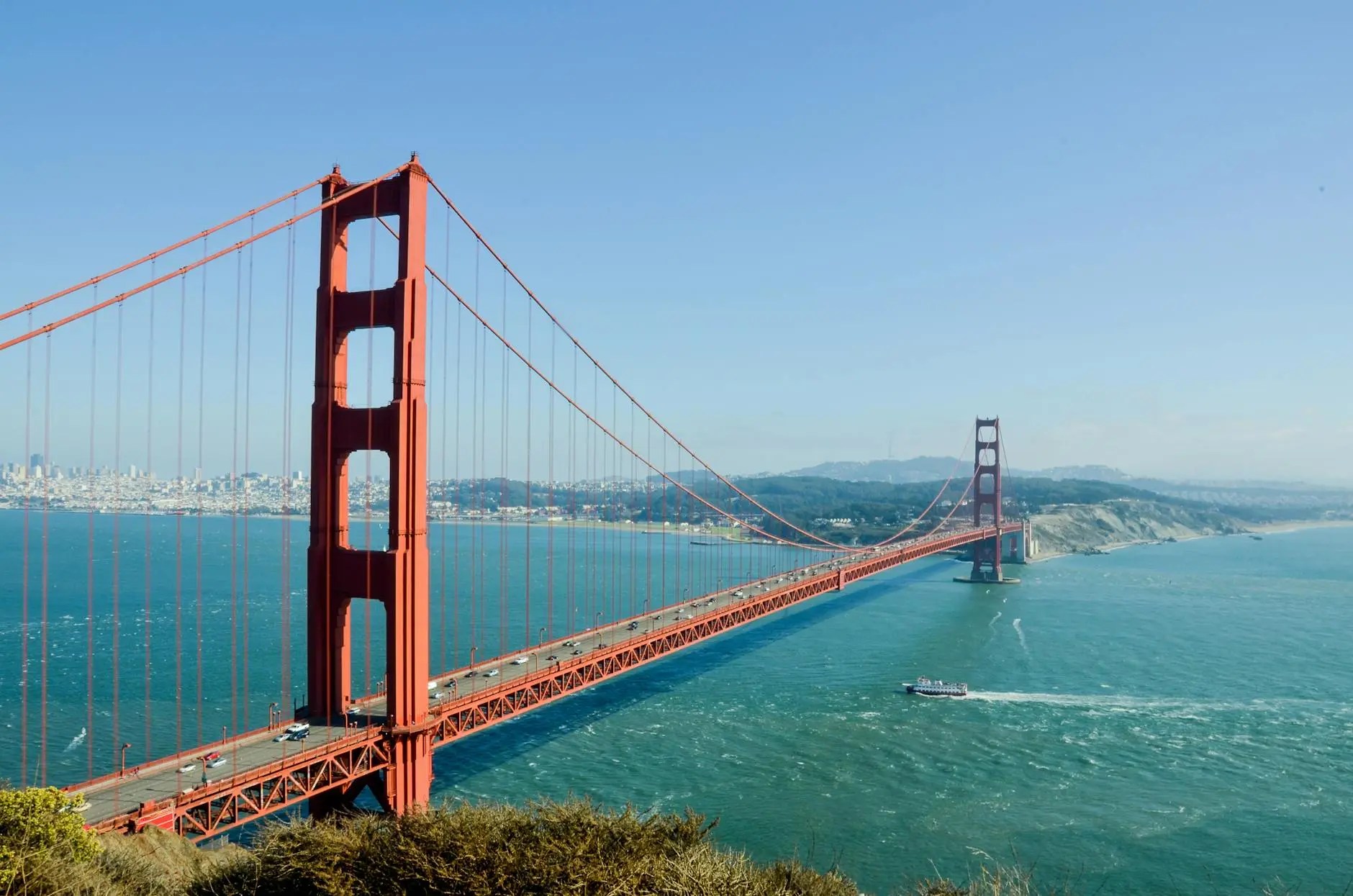
The Golden Gate Bridge spans over the blue waters of the San Francisco Bay on a clear day, showcasing its iconic red-orange color.
A stunning view of the iconic Golden Gate Bridge over the bay, showcasing San Francisco’s breathtaking scenery. No trip to San Francisco is complete without witnessing the majestic Golden Gate Bridge. This panoramic view on a perfect sunny day shows why it’s one of the most photographed landmarks in the world.

Golden Gate Bridge Tours

Afternoon: The Touristy, but Unmissable, Wharf Next up, head to Fisherman’s Wharf. I know, I know, it’s a tourist trap. But some traps are just too good to miss. Walk down to Pier 39 and watch the famous sea lions. The sound, the smell… it’s all part of the experience. It’s like a chaotic, squawking symphony. Then, grab a bowl of clam chowder in a sourdough bread bowl at Boudin Bakery. Trust me, it’s a San Francisco rite of passage. For a different kind of iconic waterfront vibe, check out our guide to the ultimate-miami-weekend-guide-save-money-enjoy

Fishing boats docked at a marina in San Francisco, reflecting in calm waters under a cloudy sky.
Boats docked at Fisherman’s Wharf, a must-visit spot in San Francisco. The classic fishing fleet at Fisherman’s Wharf. This quieter moment offers a glimpse into the area’s working history before you dive into the bustling crowds and clam chowder bread bowls.

Fisherman’s Wharf Vacations

Evening: Chinatown’s Hidden Alleys Take a bus or a short walk to Chinatown. It’s the oldest in North America, and the moment you step through the Dragon Gate, you’ll be transported. The vibrant colors, the smells of sizzling food, the shops overflowing with trinkets… it’s an assault on the senses in the best way possible. Instead of just walking the main street, dive into the side alleys like Ross Alley, where you can watch fortune cookies being made at the Golden Gate Fortune Cookie Factory. It’s a hidden gem and a glimpse into the neighborhood’s history.

Dinner: Dive into the Italian heart of SF in North Beach. Family-owned trattorias line the streets. Try Tony’s Pizza or a plate of pasta at Original US Restaurant.

Chinatown Vacations

Day 2: Bohemian Vibes and Breathtaking Views

Morning: The Painted Ladies & Hippie History Start your day at Alamo Square Park to see the famous “Painted Ladies.” These stunning Victorian homes are even more impressive in person and make for a great photo op. From there, take a bus to the Haight-Ashbury neighborhood, the heart of the 1960s hippie movement. I remember being there and feeling a sort of time-warp. The psychedelic murals and vintage shops are a trip, and you can still feel the rebellious spirit.

Haight-Ashbury Vacations

The Painted Ladies, a row of colorful Victorian homes, with the San Francisco skyline in the background.
The iconic Painted Ladies with the San Francisco skyline in the background, showcasing the city’s beautiful Victorian architecture. Postcard perfect! The iconic Painted Ladies of Alamo Square, framed by the towering skyline of downtown San Francisco—a stunning contrast of the city’s historic charm and its modern pulse.

Alamo Square Tours

Afternoon: Golden Gate Park and Hidden Stairs Golden Gate Park is bigger than Central Park in New York, and it’s full of surprises. You could spend a whole day here, but for a weekend trip, I suggest checking out the Japanese Tea Garden. It’s so peaceful and beautiful, a true escape from the city hustle. Afterwards, if you’re up for a little adventure, hunt for the 16th Avenue Tiled Steps. It’s a mosaic staircase designed by local artists and a beautiful, off-the-beaten-path find. You’ll thank me when you get that perfect shot for your Instagram. By the way, my trusty camera, a Sony A7S III, captured all my SF moments perfectly. If you’re serious about your travel photos, check it out here: Camera.

 If your idea of a perfect park involves castles and magic, our Ultimate Orlando Weekend Guide is your next read.

Landscape view of the Conservatory of Flowers in Golden Gate Park, showcasing its intricate glass dome surrounded by lush greenery and colorful flower beds.
The stunning Conservatory of Flowers in Golden Gate Park, San Francisco, surrounded by vibrant gardens and palm trees.

Golden Gate Park Tours

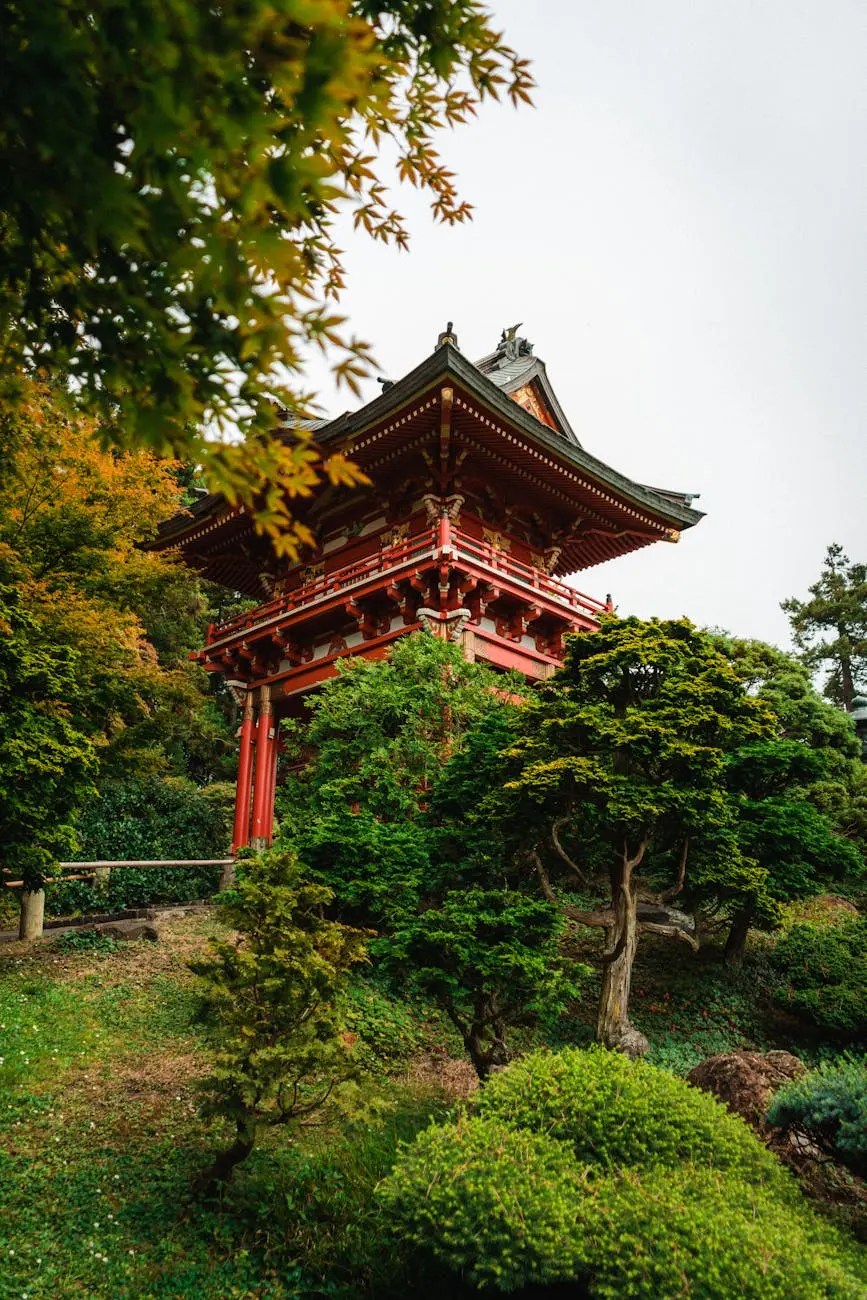
A serene Japanese-style pagoda nestled among lush greenery and colorful autumn foliage.
Explore the serene beauty of the Japanese Tea Garden, a tranquil escape nestled in Golden Gate Park, San Francisco. Find a moment of peace in the heart of the city. The historic Japanese Tea Garden offers a tranquil escape with its stunning pagodas, lush plants, and serene koi ponds.

Japanese Tea Garden Tours

Colorful mosaic tiled steps leading up a hillside, surrounded by lush greenery and blooming flowers.
Discover the vibrant mosaic staircase at 16th Avenue, a hidden gem in San Francisco, surrounded by lush greenery.

Hidden Stairways of San Francisco

Evening: Mission District Flavors For your final night, head to the Mission District. This neighborhood is a melting pot of culture, famous for its incredible street art (the murals are mind-blowing!) and even better food. Find a taqueria and order a burrito—I’m not kidding, they are the stuff of legends. I once had a burrito so big I thought I’d need a forklift to carry it, but it was hella good. For another city that knows how to light up the night, see our Ultimate Guide to Las Vegas
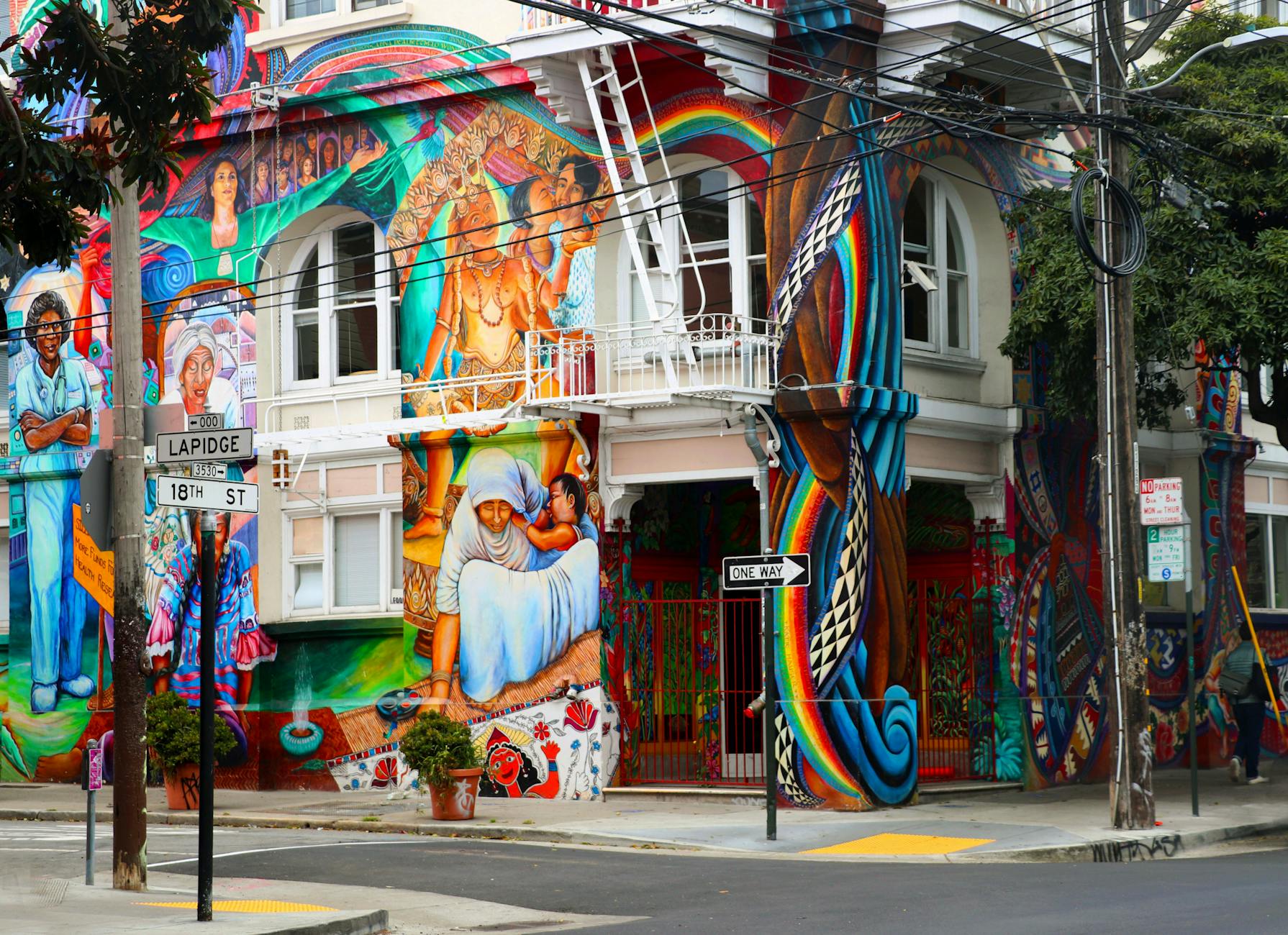
A vibrant mural depicting cultural scenes and figures on a building in San Francisco's Mission District, featuring colorful artwork and intricate designs.
Colorful murals depicting local culture and history in the Mission District, San Francisco.

San Francisco: Mission District Food Tour with 5 Tastings

Close-up of a delicious burrito filled with colorful vegetables and meat, wrapped in a soft tortilla.
A delicious burrito filled with colorful vegetables and seasoned meat, perfect for a meal in San Francisco’s vibrant Mission District. The legendary Mission burrito: a San Francisco rite of passage. This hefty, foil-wrapped package of deliciousness is the perfect fuel for exploring the city.

Hidden Gems You Won’t Find on a Postcard

  • Musée Mécanique: A free, vintage arcade museum at Fisherman’s Wharf. It’s filled with old-school coin-operated games. It’s pure nostalgia and a total blast.
  • The Wave Organ: A “musical” sculpture made of PVC pipes and concrete at the end of a jetty. At high tide, the waves push air through the pipes, creating eerie, gurgling sounds. It’s weird and wonderful.
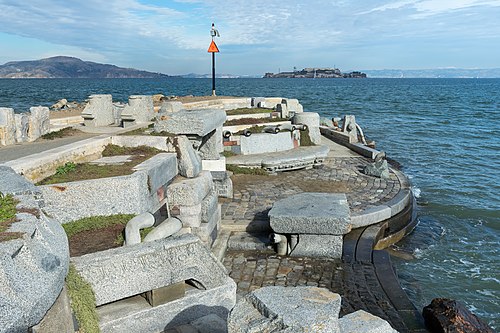
View of the Wave Organ, a musical sculpture made of stone and PVC pipes, situated at the waterfront with Alcatraz Island visible in the background.
The Wave Organ at the Presidio, a unique musical sculpture made from reclaimed materials, creates enchanting sounds as the waves flow through its pipes.
  • The Presidio Tunnel Tops: A new park built over the Presidio Parkway tunnels, offering incredible views of the Golden Gate Bridge and the city skyline. Perfect for a picnic.
  • Seward Street Slides: Tucked away in a residential neighborhood in the Castro, these are two long, concrete slides. Bring a piece of cardboard, slide down, and feel like a kid again
  • Loved your West Coast trip? Continue the journey down the coast with our Ultimate Weekend Guide to Los Angeles
A playground slide with two parallel parts, surrounded by greenery and a sandy area, with a residential building in the background.
The Seward Street Slides, a fun playground feature in the Castro district of San Francisco, offering a playful escape for both kids and adults.

Tips for Your Trip: Save Time, Save Money

Getting Around Like a Local:

  • Public Transportation: As I mentioned, Muni is your best friend. A single ride is about $3, but a day pass is the real deal. You can get an all-day Muni Passport for around $13 for unlimited rides on buses, streetcars, and even the cable cars. It’s a huge saving.
  • Ride-Sharing: Uber and Lyft are abundant, but San Francisco’s traffic can be brutal. It’s best to use them for longer distances or when you’re just too tired to walk another hill.
  • Walking: San Francisco is a walker’s city, but be prepared for those famous hills. Pack comfortable shoes. Seriously. My feet are still recovering from those Lombard Street escapades.

Where to Stay and How to Book: San Francisco can be expensive, so booking in advance is key. I’ve found some of the best deals and options on Expedia. They have a massive selection, from boutique hotels to budget-friendly hostels. Plus, their bundles for flights and hotels can save you a bundle. You can check out options and book your stay right here: Expedia Hotels & Flights.

Money-Saving Magic:

  • Museum Free Days: Many museums offer free admission on certain days of the month. Check their websites before you go.
  • Picnic in the Park: Instead of dining out for every meal, grab some sourdough bread, cheese, and local produce from the Ferry Building Marketplace and have a picnic in Golden Gate Park.
  • Walk, Don’t Ride: Whenever possible, walk between destinations. Not only do you save money, but you’ll also stumble upon things you’d never see from a bus or car.

✈️ Travel Essentials & Peace of Mind

Staying Connected: Staying connected abroad can be tricky (and expensive if you’re relying on airport SIM counters or roaming). That’s why I always travel with a Drimsim—a universal SIM card that works in 190+ countries without hidden fees. You just pop it into your phone, top up through the app, and you’re online wherever your adventure takes you. No more hunting for local SIM cards or stressing over roaming bills. If you’re planning your next getaway, check it out here: Drimsim

Online Security: While you’re traveling, don’t forget to protect your digital life. Public Wi-Fi is great, but it can be risky. That’s why I use a VPN (Virtual Private Network). It encrypts your data and keeps your online activity private and secure. I personally recommend NordVPN. It’s fast, reliable, and gives me peace of mind. Get yours here: NordVPN

Flight Delayed or Canceled? Travel isn’t always smooth sailing—sometimes flights get delayed, canceled, or overbooked. The good news? You might be entitled to up to $650 in compensation under air passenger rights. Most travelers never claim it, but I’ve got you covered: just check your flight with AirHelp. They handle the paperwork, fight the airlines for you, and only get paid if you win. Easy, stress-free, and potentially a nice surprise for your travel fund.

Smart Travel Tip: No matter where your adventures take you, having the right travel insurance can save you from unexpected headaches (and bills). I personally recommend VisitorsCoverage—it’s a trusted platform where you can compare plans, find coverage that fits your trip, and book it in just a few clicks. Whether you’re planning a quick city escape or a longer international journey, it’s peace of mind worth packing.

  • A Few Helpful Words:
    • San Fran: Don’t. Locals call it “SF” or “The City.”
    • Cable Car: The historic moving national landmark.
    • BART: The regional train system.
    • Muni: The local bus and light rail system.
    • The Mission: A vibrant neighborhood famous for its murals and burritos.
    • Karl the Fog: Yes, the fog has a name. Respect Karl.

FAQ: Your Burning Questions Answered

Q: When is the best time to visit San Francisco? A: The locals will tell you fall (September and October) is the best time. The famous fog “Karl” takes a break, and you get some of the warmest, sunniest days of the year.

Q: Are the cable cars a good way to get around? A: They’re a classic experience and great for short trips. For longer distances, it’s better to use buses or Muni Metro. The lines for the cable car can be long, so plan accordingly.

Q: Do I need a car in San Francisco? A: Absolutely not. In fact, I’d advise against it. Parking is expensive, and traffic is a nightmare. Rely on public transport, your feet, and the occasional ride-share.

Q: Is San Francisco a walkable city?
A: Yes and no. Neighborhoods themselves are very walkable. But to get between neighborhoods, you’ll need to use public transit or rideshares due to the large hills and distances.

Q: How much should I budget for a weekend in SF?
A: It’s not a cheap city. Budget for:

  • Budget: $150-200/day (hostels, street food, Muni passes)
  • Mid-Range: $250-400/day (hotels, nice meals, some Ubers)
  • Splurge: $500+/day (boutique hotels, fine dining, tours)

Q: Is travel insurance necessary for a domestic US trip?
A: It’s highly recommended. Your regular health insurance may have limited coverage outside your home state. Travel insurance can cover medical emergencies, trip interruptions, and lost luggage.


Ready to experience San Francisco? Book your flights and hotels with Expedia and start planning your epic weekend now! What’s the first thing you’re going to do? Let me know in the comments!

San Francisco is waiting to steal your heart. The hills are calling, the sourdough is baking, and an unforgettable urban adventure is just a booking away.

Have any other SF secrets? Share your favorite hidden gem in the comments below
Universal Disclaimer/Disclosure Page:

Ultimate Miami Weekend Guide: Save Money & Enjoy

Meta Description
Escape to Miami: from sun-kissed beaches and art-filled streets to vibrant Cuban food and tropical nights, this guide shows travellers how to maximise a weekend in Miami, USA—saving money, avoiding crowds, and having unforgettable moments.

Alright, let’s be real. My idea of a perfect weekend doesn’t involve staring at a spreadsheet. It involves staring at the turquoise waves of the Atlantic Ocean with a cafecito in hand. And for that, there’s no place quite like Miami.

I recently managed to pull off a spectacularly last-minute weekend trip to the 305, and it was the exact dose of vitamin D and vibrant energy my soul needed. I’m here to spill all the secrets so you can plan your own ultimate weekend escape to Miami without the stress (and without blowing your entire budget).

Pro Tip: I snagged a killer flight + hotel deal on Expedia. It’s my go-to for bundling and saving on last-minute trips. Seriously, check it out here before you book anything else!

Table of Contents

  1. Why Miami for a Weekend Escape
  2. Visa & Entry Costs: What You Need to Know
  3. Best Times to Visit & Avoiding Crowds
  4. Getting Around: Transportation Tips
  5. Where to Stay: Neighborhoods that Fit Your Vibe
  6. Sample 3-Day Weekend Itinerary
  7. Hidden Gems & Local Secrets
  8. Budget Hacks: How to Save Money on the Go
  9. Useful Phrases & Local Lingo
  10. Travel Extras: Staying Connected, Safety, Insurance
  11. FAQs
  12. Call To Action & Travel Tools

1. Why Miami for a Weekend Escape

Miami is one of those places where sun, culture, vibrant food scenes, art, beaches and nightlife collide in a beautiful chaotic mashup. You can lounge at a pastel-Art Deco beach in the morning, wander colorful murals in Wynwood in the afternoon, and salsa your way through Little Havana by dinner—then hit a rooftop bar with ocean views at night.

I remember one Saturday I arrived barely after 2pm, dumped my bag in South Beach, and by sunset I was watching the horizon from South Pointe Pier feeling like I’d squeezed in a week’s worth of memories in just a few hours. That kind of compressed magic is what makes Miami perfect for a weekend escape.

Hotels in Miami, FL

2. Visa & Entry Costs: What You Need to Know

  • If you’re from a Visa Waiver Program (VWP) country, you need to apply for ESTA to enter the U.S. for tourism/business (up to 90 days). USAGov+1
  • As of September 30, 2025, the ESTA fee increases from US $21 to $40. The Times+2esta.cbp.dhs.gov+2
  • For those not eligible for VWP, or staying longer, getting a B1/B2 visitor visa will involve the usual application fees ( ~$185 as of 2025) plus possible reciprocity/issuance fees depending on country. Travel.state.gov+1
  • Also note: there’s a Visa Integrity Fee (about US $250) being introduced for many non-immigrant visas. Some travellers from countries subject to visa/entry scrutiny might need to pay this. Forbes+2The Economic Times+2

So, before you book, double-check your country’s current fees & whether any of the new changes apply—that way no nasty surprises.

Thinking of a longer Florida adventure? if theme parks are your goal, check out my Ultimate 3-Day Orlando Weekend Guide.

Best Times to Visit & Avoiding Crowds

  • Best weather: Generally January through March offer warm, sunny days with lower humidity and less rain. Outside of hurricane season (which peaks mid-summer through early fall).
  • Avoid late May through October if you don’t like rain or risk of storms.
  • Weekdays are less crowded for major attractions; early mornings are best for things like South Beach, Wynwood Walls, Little Havana.

Your Miami Weekend Itinerary: A Step-by-Step Guide

Day 1: Art Deco, Ocean Drives, and South Beach Vibes

  • Morning (10 AM): Fly into Miami International (MIA) or Fort Lauderdale-Hollywood (FLL) – often cheaper! Grab a rideshare to your hotel. I dropped my bags and immediately headed to South Beach.
  • Afternoon (1 PM): Lunch at La Sandwicherie. This is a non-negotiable, iconic spot. It’s a tiny French-inspired sandwich shack where you grab a massive, delicious sandwich on a croissant and eat it on a bench nearby. You’ll thank me later.
  • Afternoon (3 PM): Stroll the Art Deco Historic District. The pastel-colored buildings are a feast for the eyes. The best way to see them is to simply wander between Ocean Drive and Collins Ave. from 5th to 15th Street.
  • Evening (6 PM): Walk along South Pointe Pier for stunning views of the skyline and watching the massive cruise ships glide out to sea. It’s way less chaotic than the heart of South Beach.
  • Night (8 PM): Dinner on Lincoln Road Mall. This pedestrian-only mall is buzzing with energy, restaurants, and shops. It’s the perfect spot for people-watching and grabbing a bite.
  • ✨ “If shopping and style are your jam, you’ve got two great options: the sleek Miami Design District, filled with high-end boutiques and art installations, or the open-air Lincoln Road Mall, where cafés, shops, and people-watching go hand-in-hand. Either way, bring comfy shoes and maybe an extra credit card—you’ve been warned.”
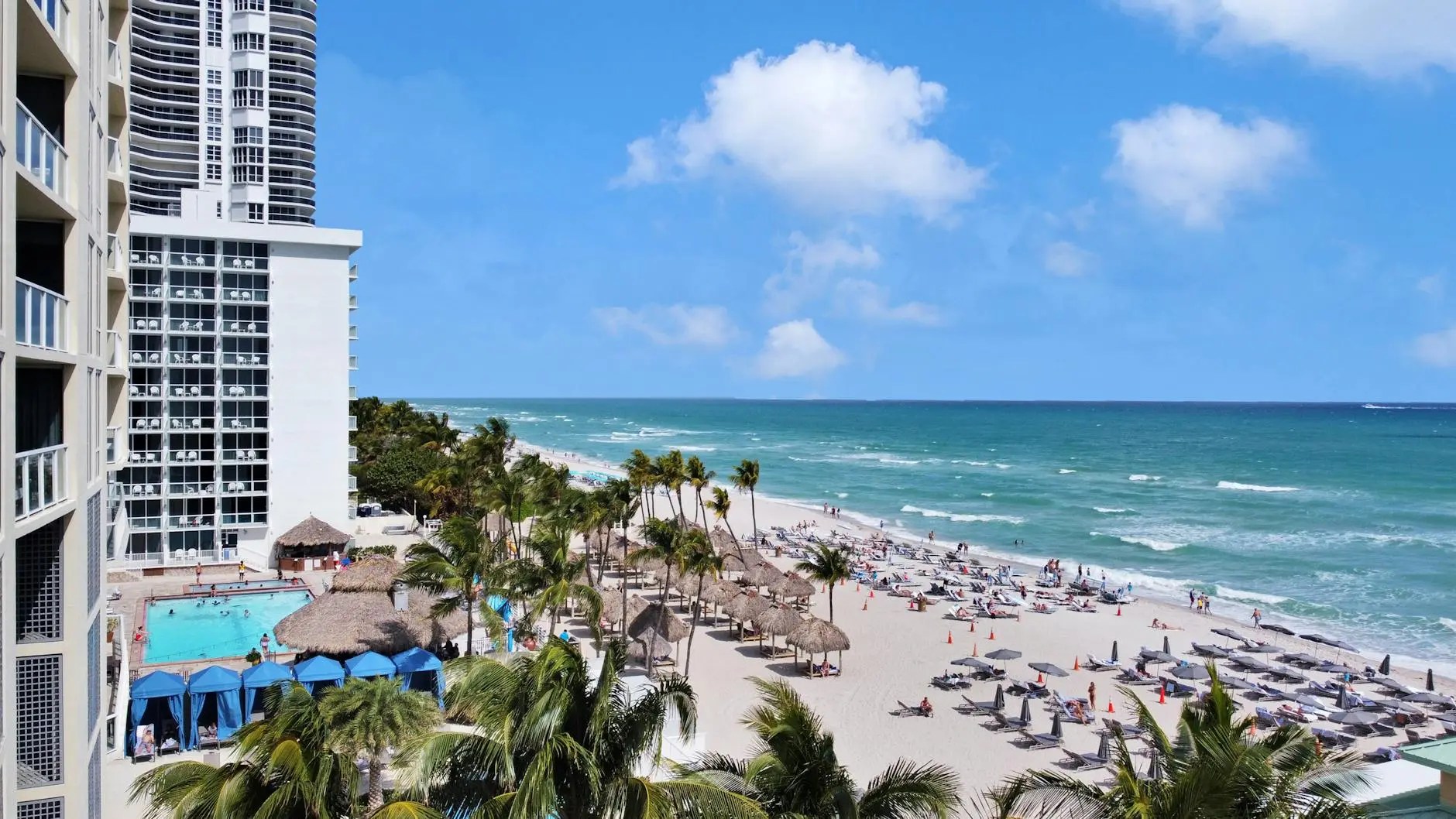
A view of a sunny Miami beach featuring turquoise waters, palm trees, and beach umbrellas, with a hotel in the foreground.
Breathtaking view of Miami’s South Beach with turquoise waves, sandy shores, and vibrant palm trees. The iconic, vibrant panorama of Miami’s South Beach. This is the postcard-perfect view visitors dream of: the brilliant turquoise Atlantic Ocean, a pristine beach dotted with umbrellas, a resort swimming pool, and lush palm trees against a flawless blue sky. This is the essence of the ultimate Miami weekend escape.
Exterior view of La Sandwicherie, a popular sandwich shop in Miami, illuminated at night with a vibrant red awning and palm trees outside. Customers are seated at the counter, enjoying their meals.
Enjoy a late-night snack at La Sandwicherie, a popular French-inspired sandwich spot in Miami, known for its vibrant atmosphere and delicious offerings.

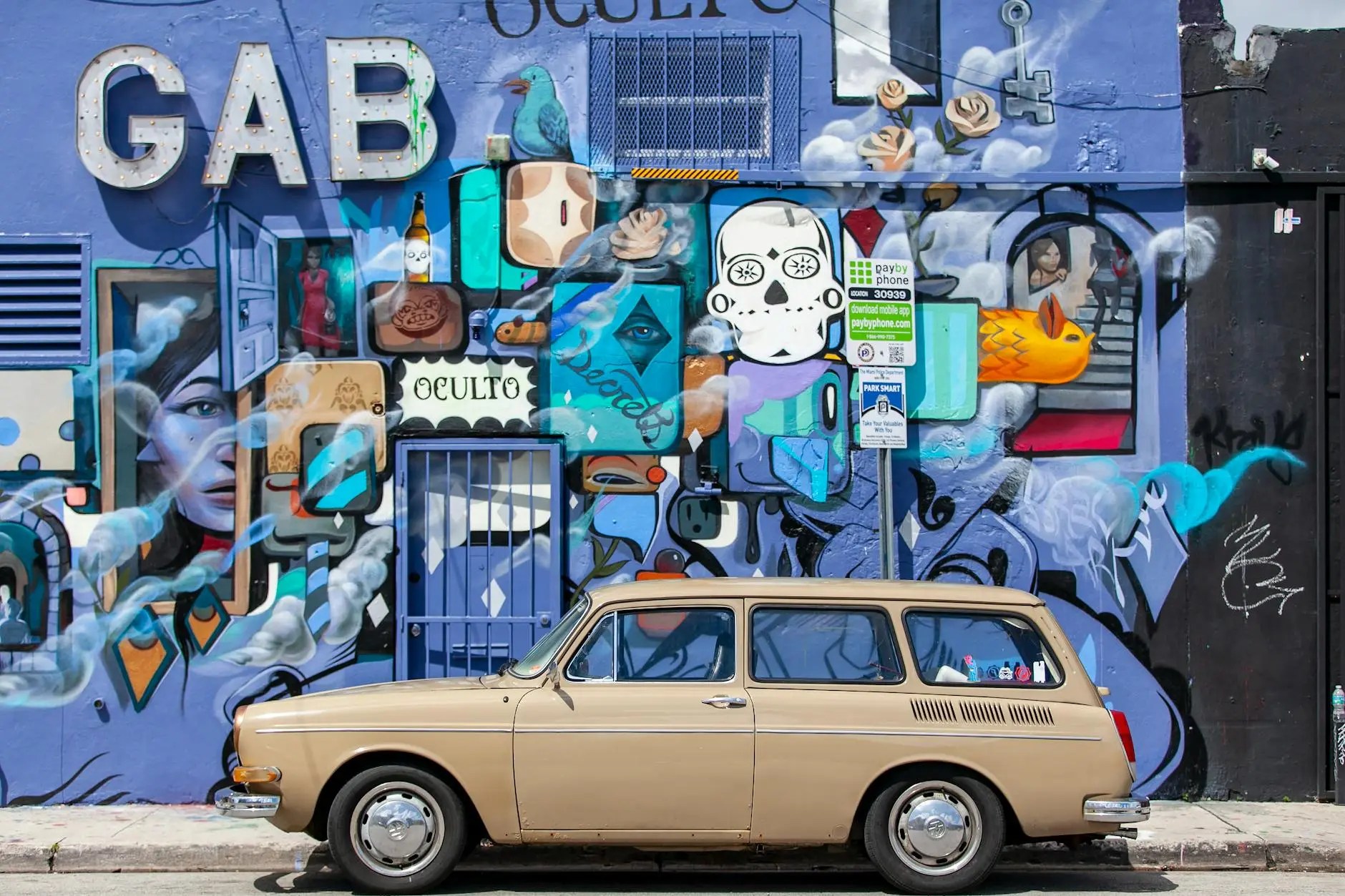
A beige vintage car parked in front of a colorful mural with various artistic elements including faces, symbols, and a door, set against a bright blue background.
A vintage car parked in front of a vibrant street mural, capturing the artistic essence of Miami’s colorful neighborhoods. Art Deco Historic District Miami’s Wynwood Walls district is an open-air art gallery. This shot perfectly captures its essence: a classic vintage car parked serendipitously in front of a massive, breathtaking blue mural, blending urban graffiti with fine art. It’s a quintessential Miami moment where the city’s vibrant culture and history collide.

A vibrant street scene in South Beach, Miami, showcasing colorful Art Deco buildings, palm trees, and outdoor dining areas under yellow umbrellas.
Vibrant scene of South Beach, Miami with colorful Art Deco buildings and palm trees lining the street.

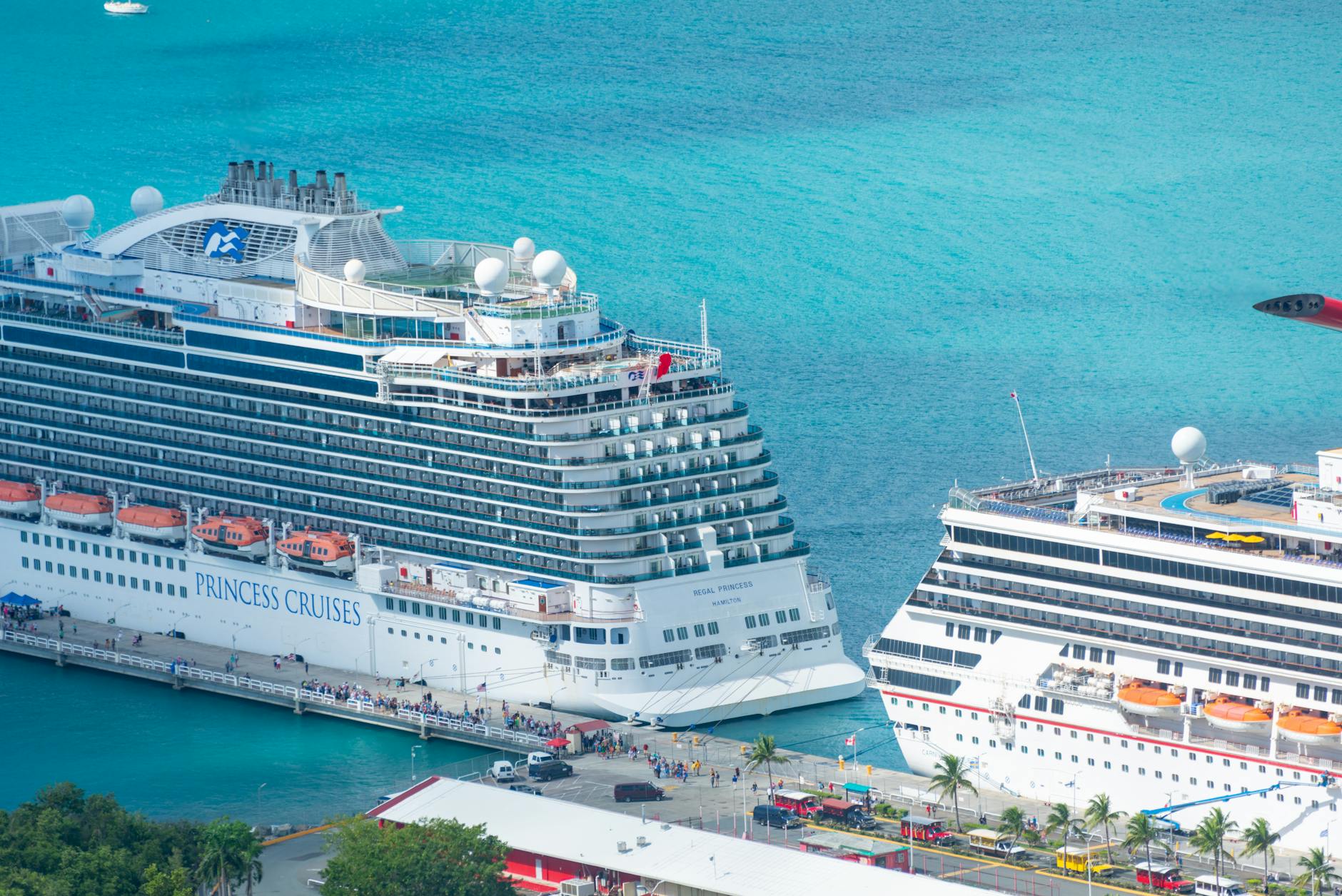
Two large cruise ships docked at a port with turquoise water in the background.
Cruise ships docked in Miami’s turquoise waters, showcasing a vibrant maritime scene.

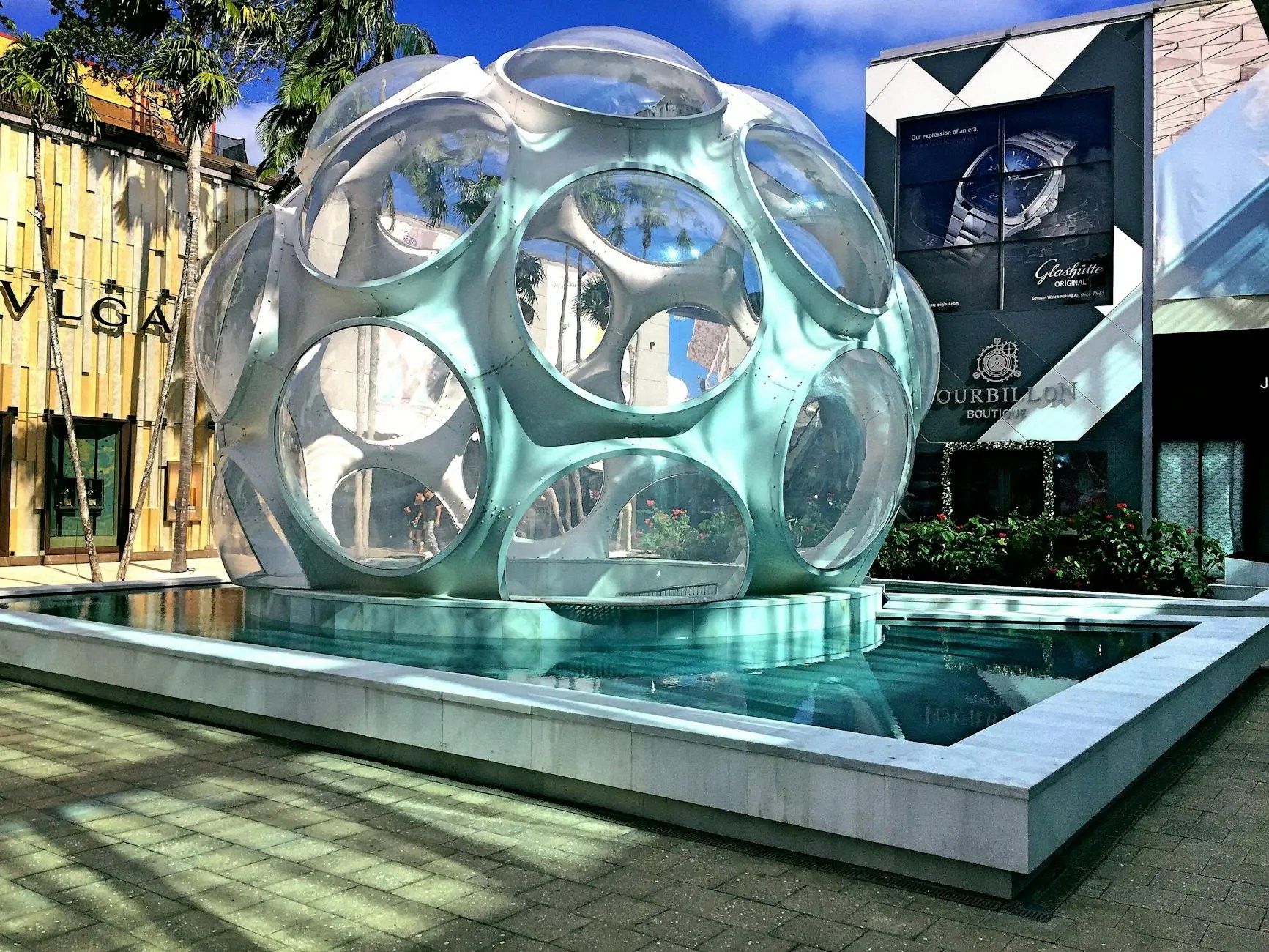
A modern art installation resembling a translucent sphere with circular openings, surrounded by a reflective pool and vibrant greenery, set against a backdrop of stylish boutiques.
A modern art installation featuring a spherical design with clear bubbles, situated in an outdoor plaza lined with palm trees in Miami. “Buckminster Fuller Dome” or “Fly’s Eye Dome” in the Miami Design District. Gazing into the future: The Buckminster Fuller Fly’s Eye Dome sits as a centerpiece in the Miami Design District. This geodesic masterpiece, with its unique bubble-like apertures, creates a stunning visual against the Florida sky, reflected perfectly in the surrounding pool. It’s a must-see for design and architecture enthusiasts.

Day 2: Wynwood Walls, Little Havana, and a Taste of Cuba

  • Morning (10 AM): Head to Wynwood. Before the crowds descend, explore the Wynwood Walls (worth the entry fee for the incredible curated art) and then just wander the surrounding blocks. Every alley is a free-for-all gallery of stunning street art.
    • Don’t forget your camera! The photo ops are endless. I use my Sony Alpha a7III for these crisp, colorful shots.
  • Afternoon (1 PM): Uber to Little Havana. Your destination: Calle Ocho (SW 8th Street). Start at Cubaocho Museum & Performing Arts Center for a mojito, then head to Azucar Ice Creamery for a unique scoop (get the Abuela Maria flavor).
  • ✨ “If you’re into culture, Miami doesn’t disappoint. You can wander through the grand gardens and Italianate architecture at the Vizcaya Museum, or switch gears and sip a mojito while admiring Cuban art and live music at Cubaocho Museum & Performing Arts Center in Little Havana. Totally different vibes, but both unforgettable.”
  • Afternoon (3 PM): Watch the old masters at Domino Park and then smell the cigars rolling at El Titan de Bronze. For an authentic experience, line up at Versailles Restaurant for a cafecito (a tiny, potent sweet Cuban coffee) – it’s the “window to the Cuban soul.”
  • Evening (7 PM): Head to Brickell for a more upscale dinner vibe. The area is full of fantastic restaurants and rooftop bars with dazzling views of the financial district.

Wynwood Walls Tours

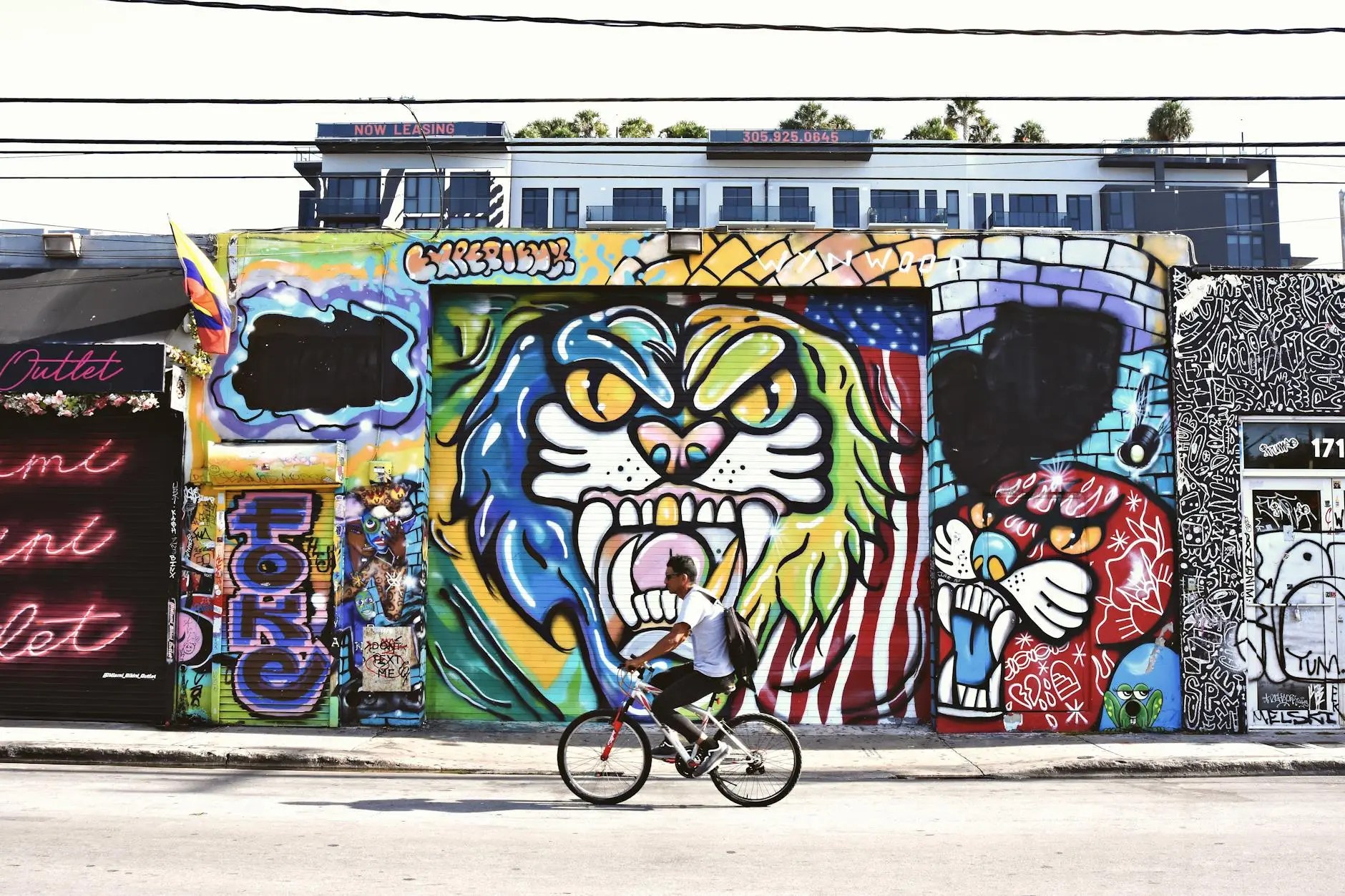
A person riding a bicycle in front of colorful street art featuring a lion and various graffiti designs on a wall in Wynwood, Miami.
A cyclist rides past vibrant street art featuring colorful lions and graffiti in Miami’s Wynwood neighborhood.
Life in motion: A cyclist effortlessly blends into the dynamic canvas of Wynwood, passing by a powerful mural of majestic, colorful lion faces. This is the neighborhood’s vibe—active, artistic, and utterly unforgettable.
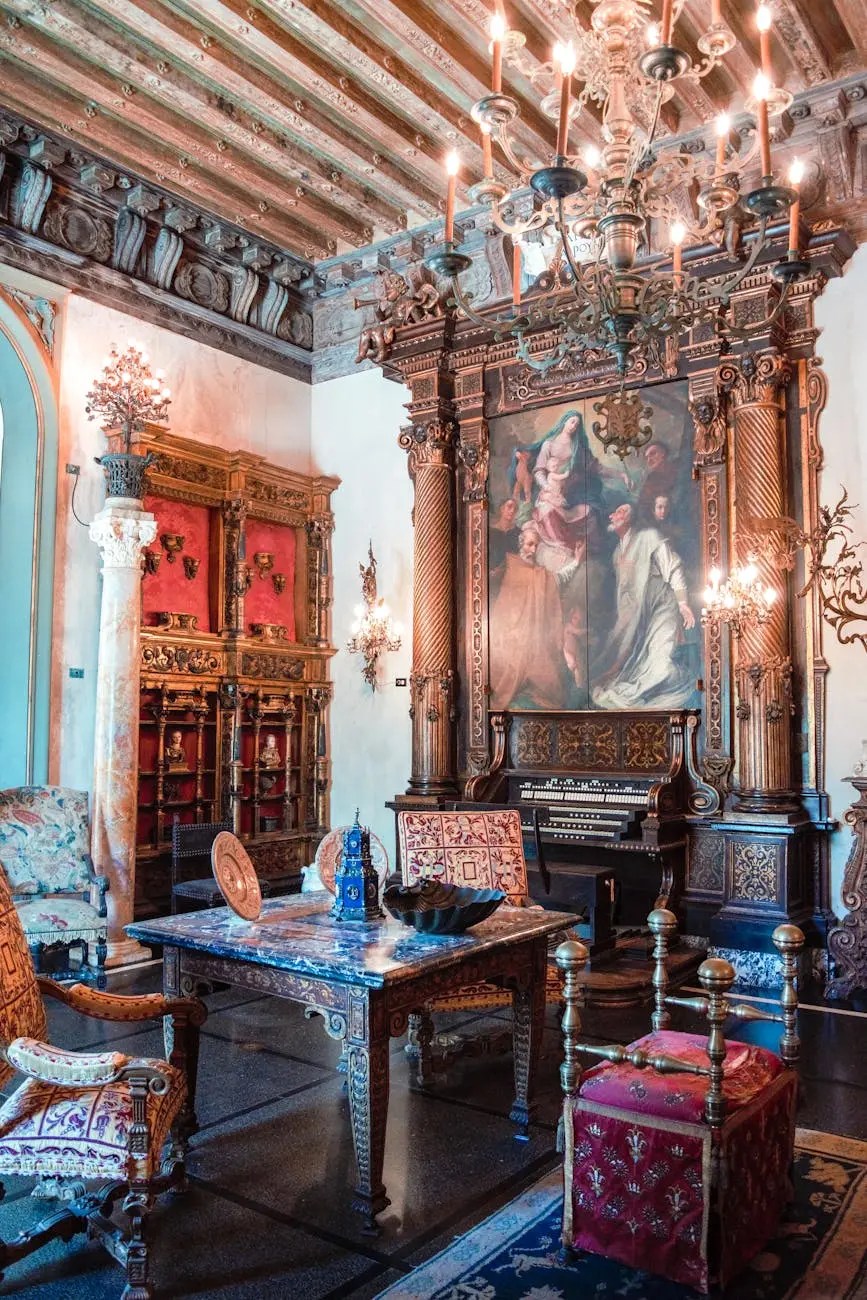
An ornate room featuring a vintage chandelier, intricate woodwork on the ceiling, and a collection of antique furniture, including a piano, elegant chairs, and a decorative table.
A lavish interior featuring ornate furniture, a detailed chandelier, and rich artwork, reflecting Miami’s vibrant cultural heritage. Vizcaya Museum

Step back in time: This lavishly decorated room, brimming with a crystal chandelier, a vintage organ, and gilded artwork, showcases the Gilded Age opulence found in some of Miami’s historic estates and museums, reflecting a rich cultural heritage beyond the beaches.

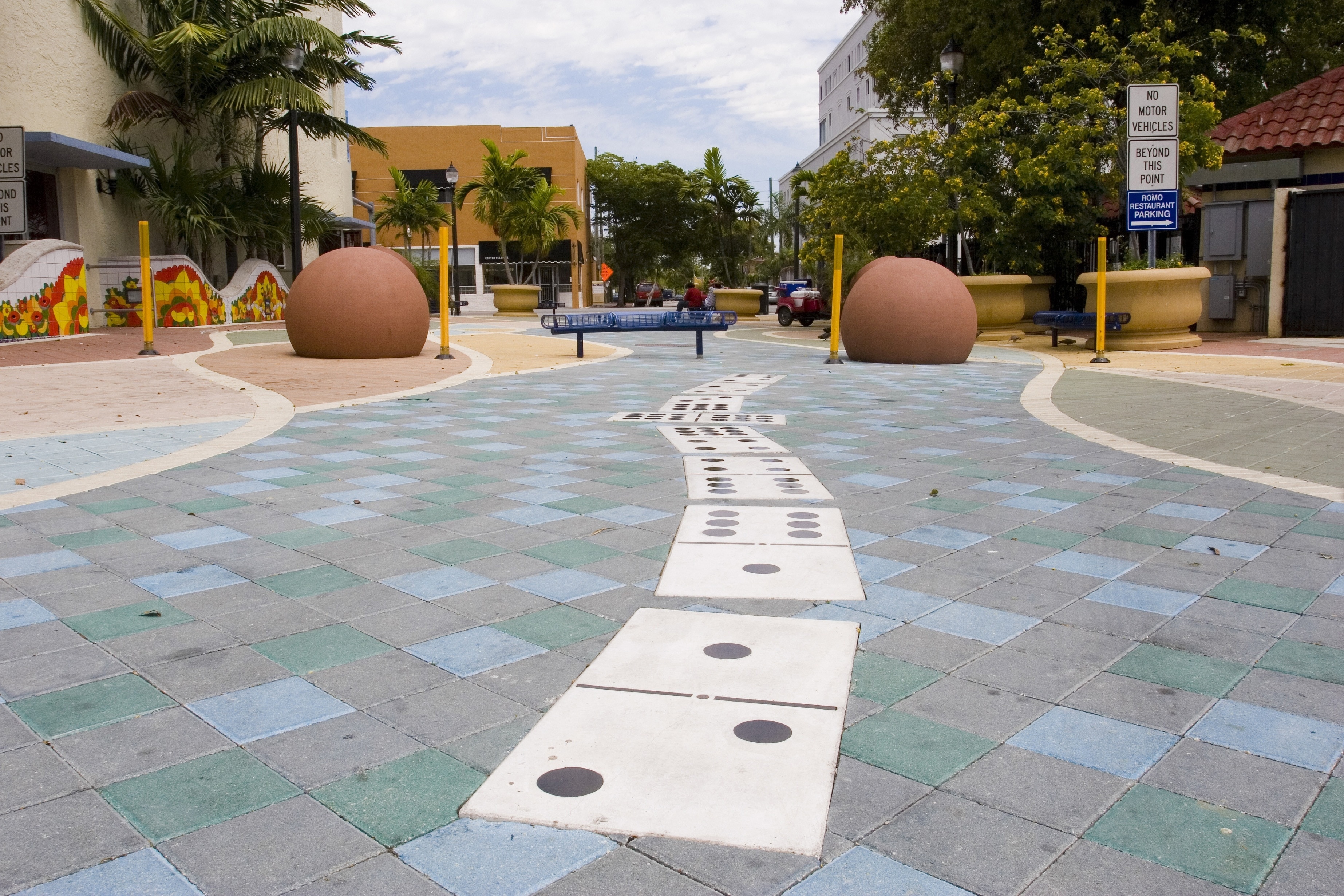
A colorful plaza in Miami featuring a pathway designed with domino-themed tiles, surrounded by large sculptural spheres and palm trees, creating a vibrant urban atmosphere.
A vibrant public space in Miami featuring colorful tiles and unique sculptures, ideal for relaxing and enjoying the local culture. Domino Park
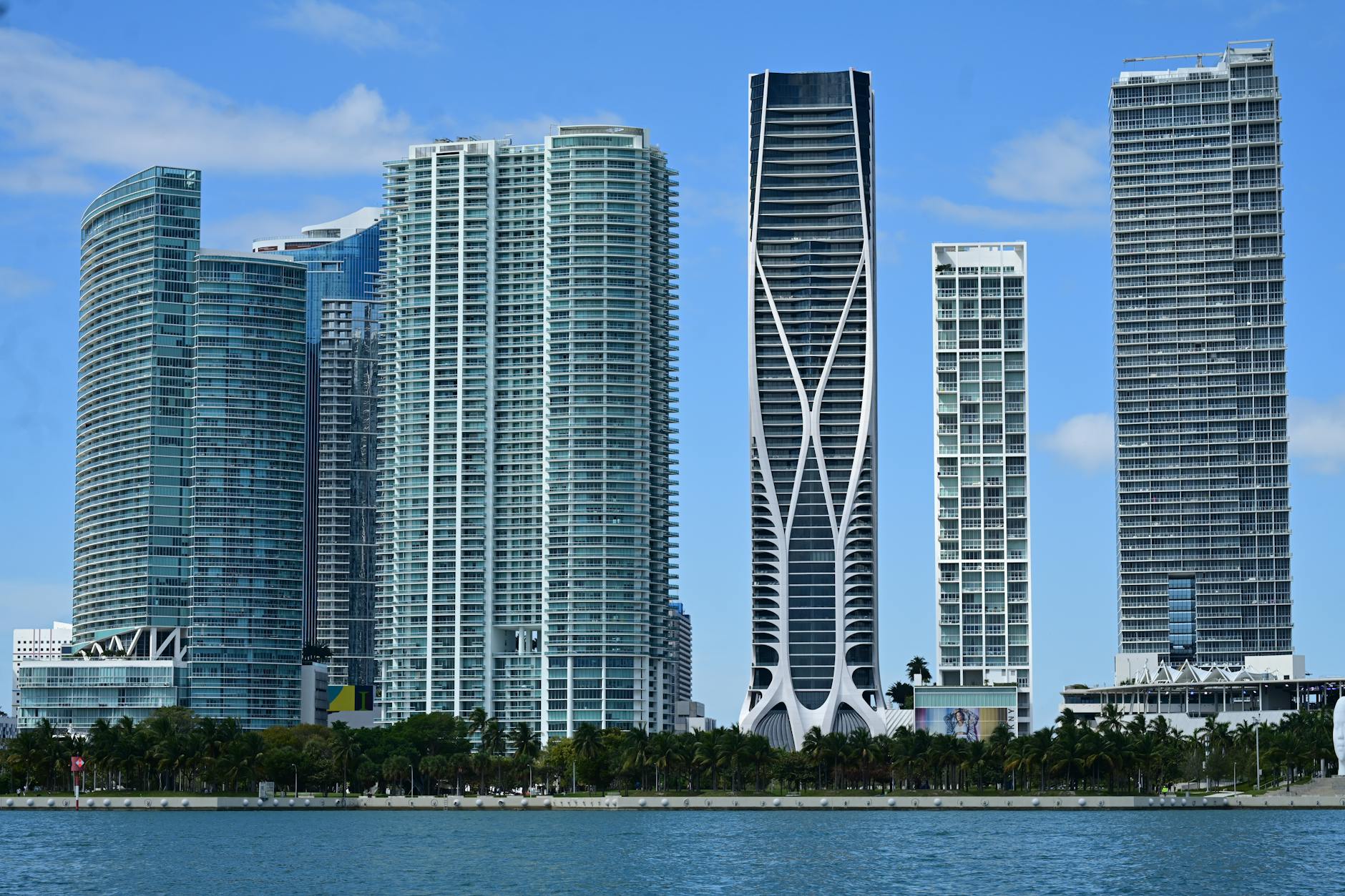
A skyline view of Miami featuring modern skyscrapers along the waterfront under a clear blue sky.
A stunning view of Miami’s skyline showcasing modern architecture against a clear blue sky.

Day 3: Brunch, Beaches, and Bayfront Views

  • Morning (10 AM): Enjoy a leisurely brunch. South Beach has a million options, from healthy acai bowls to decadent bottomless mimosas.
  • Afternoon (12 PM): Rent a Citi Bike (the bike-share program) and cruise along the Venetian Causeway towards Downtown. It’s a stunning, peaceful ride over a series of small islands with gorgeous homes and views of the bay.
  • Afternoon (2 PM): Explore Bayside Marketplace (a bit touristy but fun for souvenirs) or visit the Frost Science Museum if you have time.
  • Late Afternoon (4 PM): Soak up your last few hours of Florida sun on the beach. My personal favorite is between 8th-10th street – a good mix of vibe and space.
A serene view of a beach framed by palm trees, with sunlight filtering through the branches, highlighting the tranquil ocean waters in the background.
A serene view of palm trees against the backdrop of the ocean at sunset, capturing the tranquil essence of Miami’s beaches.

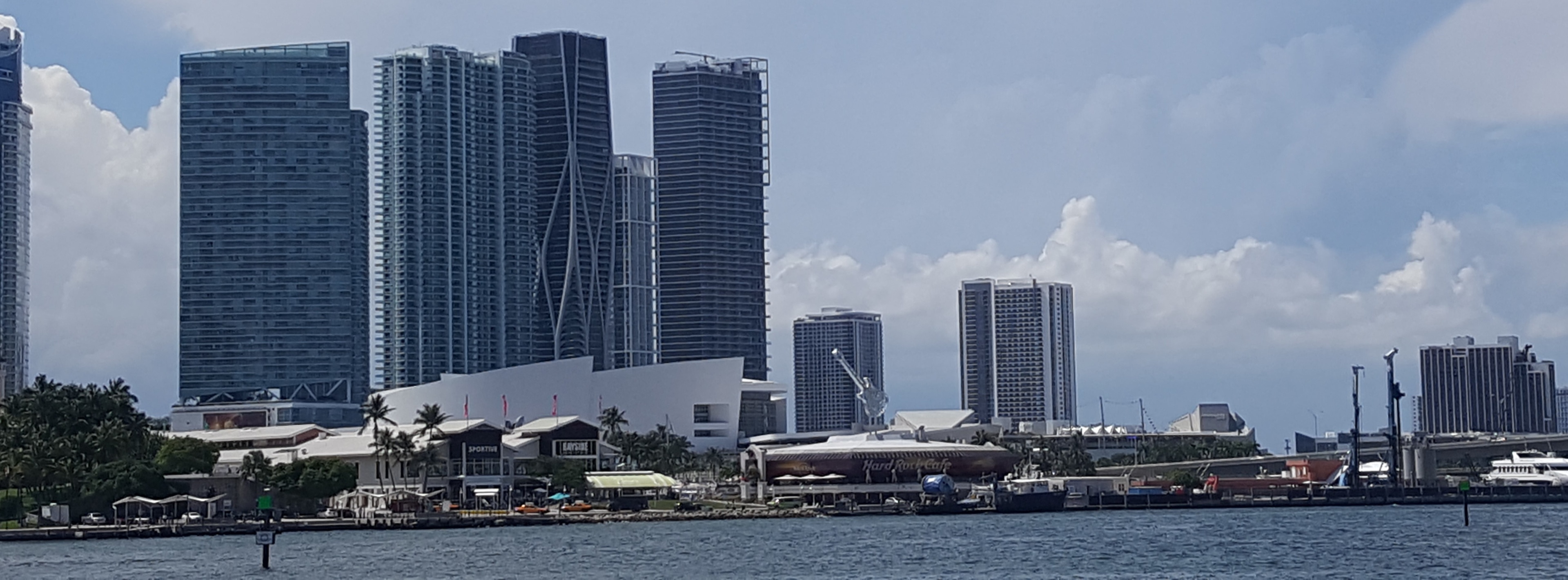
View of Miami's skyline featuring modern skyscrapers and the Hard Rock Cafe, with the waterfront in the foreground and a partly cloudy sky.
View of Miami’s skyline showcasing modern architecture and the vibrant waterfront. View of the Bayside Market area -2019
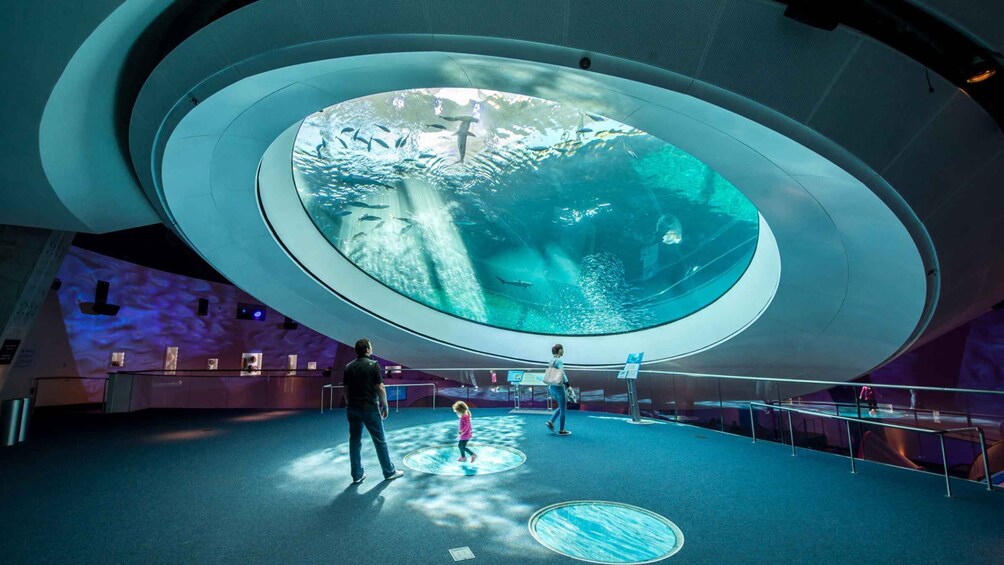
A family observing a large circular aquarium at a museum, featuring various fish and marine life swimming above them.
Visitors marvel at the impressive underwater view at the aquarium, showcasing a diverse marine ecosystem.  Frost Museum of Science and Planetarium

Miami Travel Hacks: Getting Around & Saving Money

Knowing how to move efficiently will save you both time and money.

ModeCost / TipsBest Use Cases
MIA (Miami International Airport) → Downtown / South BeachRide-share (Uber/Lyft), taxi, or shared shuttle. Public transit: Metrorail or Tri-Rail + local bus if you’re okay with some time.If arriving in peak traffic times, ride-share might cost more but get you there faster.
Public Bus (Metrobus)Many lines cover key areas; fares are modest (few dollars). Use outside rush hours.Getting between close neighborhoods like Little Havana to Downtown, or for cheaper sightseeing.
Metrorail + MetromoverMetrorail connects across longer distances; Metromover is free in certain downtown loops. Great for seeing downtown without car hassles. (Wikipedia)Downtown, Brickell, Arts & Entertainment District.
Car RentalOnly worth it if you plan to drive out of Miami (e.g. Key Biscayne, the Keys, Everglades), or have many stops; parking & tolls add up.Avoid renting if staying beachfront / walkable neighborhoods; traffic can be heavy.
Walking / BikingMany neighborhoods are very walkable (South Beach, Design District). Biking is possible in certain areas, but use caution.For short distances; cross-check with maps so you don’t accidentally walk far under the sun.

  • Public Transport is free in some areas: Don’t underestimate the Metromover in Downtown/Brickell! It’s a free, automated people-mover that gives you a great elevated tour of the area. The Metrorail can also get you from Downtown to Dadeland for a different perspective.
  • Public Transport is Your Friend:  The free Miami Beach Trolley is a fantastic and convenient way to hop along the island and key mainland connections. For a broader route from Surfside down into the heart of South Beach, use the public Metrobus Route 120. For the most accurate real-time routes and schedules, always check the official Miami-Dade Transit website or download the indispensable GO Miami-Dade app before your trip.
  • Rideshare vs. Rental Car: For a weekend trip, skip the rental car. Parking in South Beach is a nightmare and expensive. Uber/Lyft are plentiful and, when combined with the free Metromover and buses, are the most cost-effective and stress-free way to get around.  If you’re a fan of urban exploration, you’ll appreciate the tips in my Ultimate Weekend Guide to Los Angeles for navigating another car-centric city.
  • Road Map Tip: If you must drive, use Waze religiously. I-95 and I-395 can be parking lots during rush hour. The MacArthur Causeway to South Beach is usually smoother than the Venetian.
  • Plan a Multi-City Trip? The energy in Miami is very different from the 24/7 thrill of Las Vegas. If you’re planning a tour of iconic American cities, see how to do it right with my guide to the Ultimate Weekend Getaway in Las Vegas. And for the ultimate urban sprint, nothing beats a 48-Hour whirlwind adventure in NYC.
  • Stay Connected & Secure:
    • ✈️ Travel Tip: Staying connected abroad can be tricky (and expensive if you’re relying on airport SIM counters or roaming). That’s why I carry a Drimsim—a universal SIM card that works in 190+ countries without hidden fees. You just pop it into your phone, top up through the app, and you’re online wherever your adventure takes you. No more hunting for local SIM cards or stressing over roaming bills. If you’re planning your next getaway, check it out here.
    • Always use a VPN on public Wi-Fi (hotel lobbies, cafes). It keeps your data safe from prying eyes. I’ve used NordVPN for years for secure browsing and even to watch shows from back home.
  • Travel Insurance: ✈️ Smart Travel Tip: No matter where your adventures take you, having the right travel insurance can save you from unexpected headaches (and bills). I personally recommend VisitorsCoverage — it’s a trusted platform where you can compare plans, find coverage that fits your trip, and book it in just a few clicks. Whether you’re planning a quick city escape or a longer international journey, it’s peace of mind worth packing. Explore your options here.

Hidden Gems: Where to Escape the Crowds

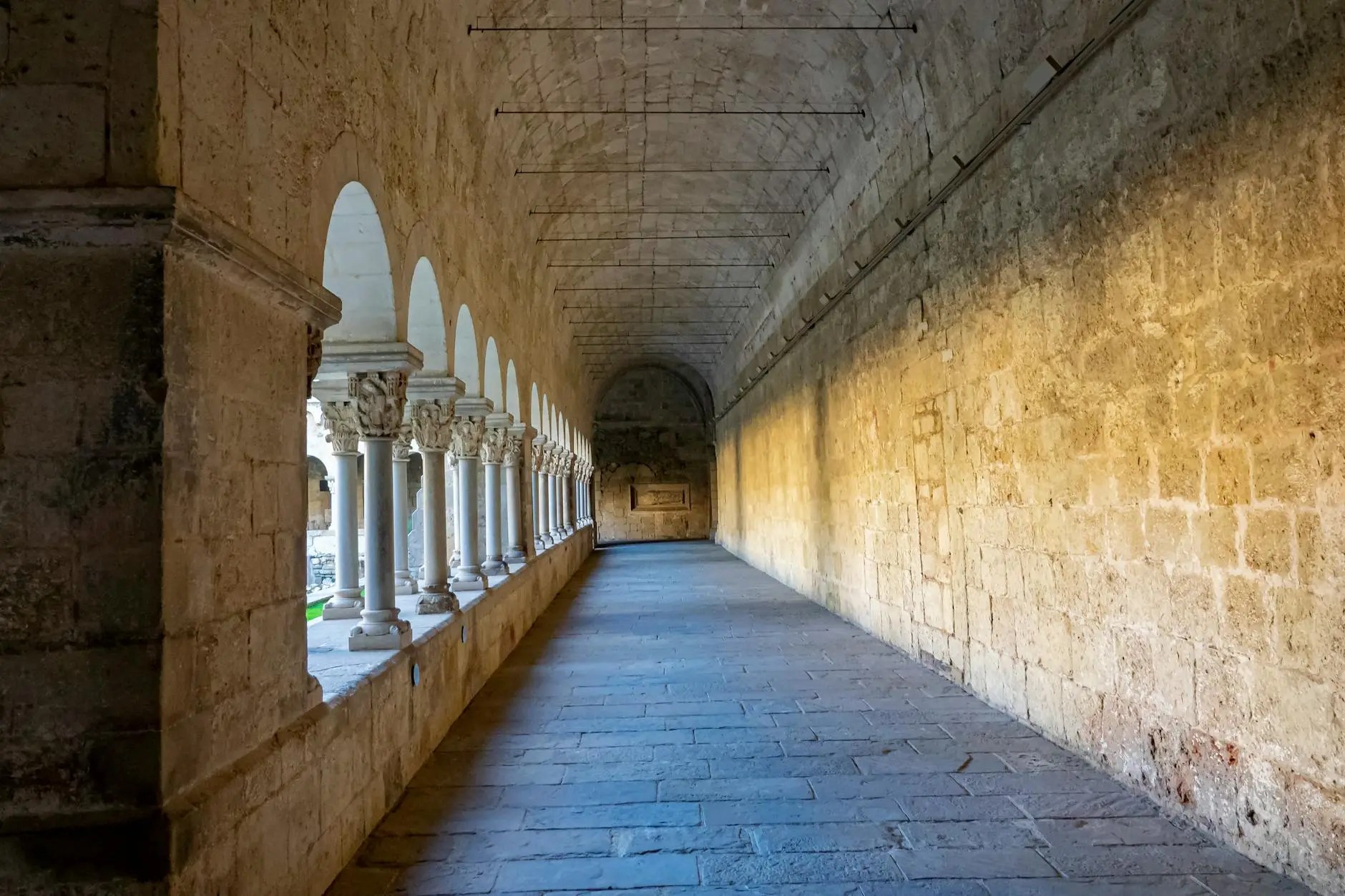
  • The Ancient Spanish Monastery in North Miami Beach: A 12th-century monastery shipped from Spain and rebuilt stone-by-stone. It’s surreal and beautiful.
  • Vizcaya Museum and Gardens: I mentioned it in the Know-Before-You-Go section, but it’s worth repeating. It feels like you’ve been transported to Renaissance Italy.
  • Oleta River State Park: Florida’s largest urban park, perfect for kayaking, mountain biking, and escaping the concrete jungle.
Interior view of a stone corridor with arched doorways and decorative columns, featuring soft lighting that highlights the texture of the walls.
Explore the serene architecture of the Ancient Spanish Monastery, a hidden gem in North Miami Beach reflecting the region’s rich cultural heritage. Walking through history: Sunlight streams into the peaceful, stone-clad corridor of the Ancient Spanish Monastery, highlighting the majestic Gothic and Renaissance arches. This hidden gem offers a quiet escape and a breathtaking glimpse into 12th-century architecture.
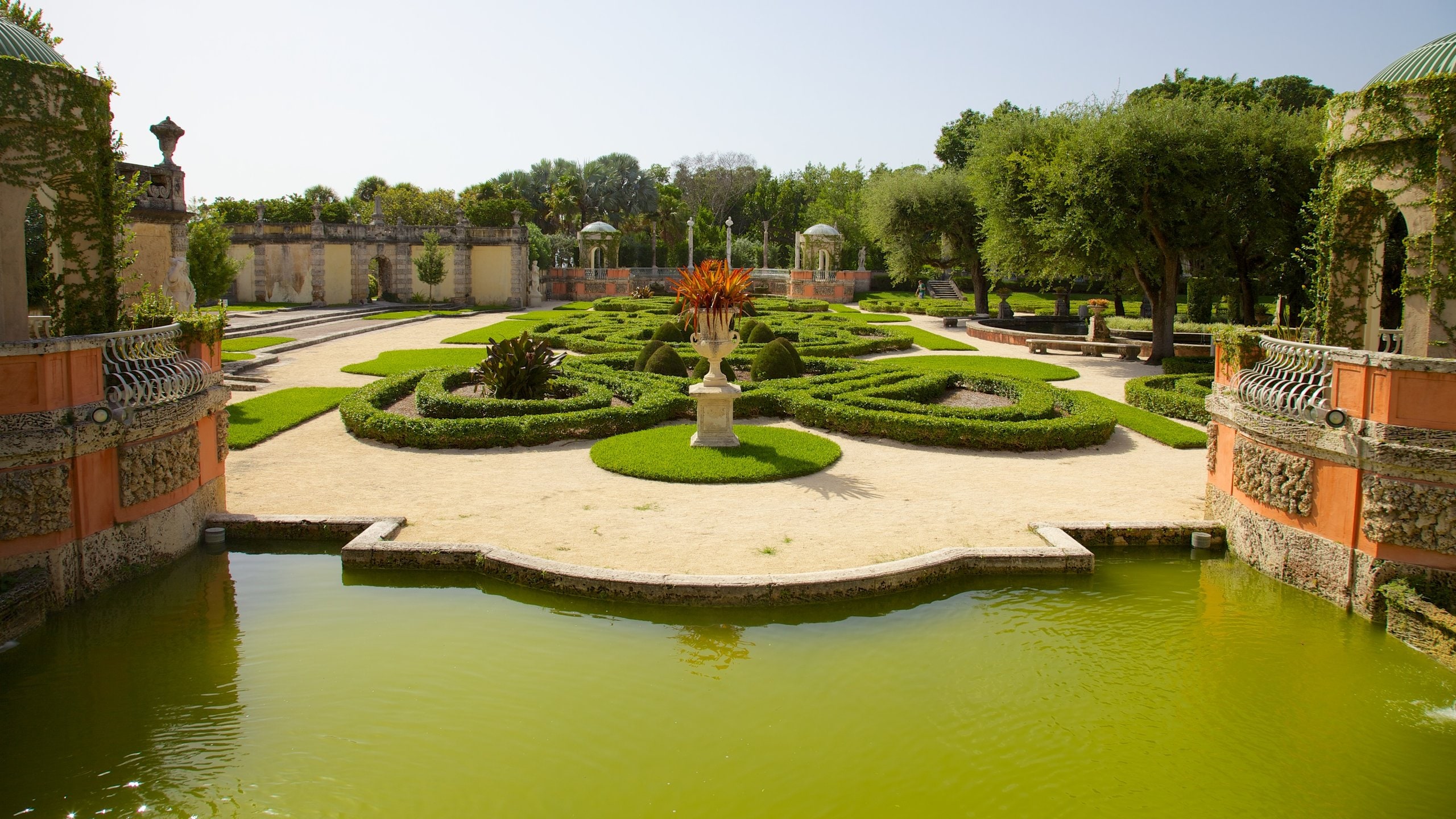
A beautifully landscaped garden featuring symmetrical hedges, flowering plants, and a water feature, showcasing the elegance of Miami's historic estates.
A beautifully landscaped garden featuring meticulously trimmed hedges and vibrant flora, showcasing Miami’s stunning natural beauty. Vizcaya Museum in Miami, showcasing stunning landscaping and vibrant flora
A bright blue sky with fluffy white clouds overhead, featuring a grouping of tall palm trees in the foreground surrounded by lush greenery.
Natural beauty in Miami featuring palm trees under a bright blue sky.

Essential Miami Know-Before-You-Go

  • A Few Key Spanish Phrases:
    • Hola (OH-la): Hello
    • Gracias (GRA-see-as): Thank you
    • Por favor (por fa-VOR): Please
    • La cuenta (la KWEN-ta): The check/bill
    • ¿Dónde está…? (DON-day es-TA): Where is…?
    • Una birra / una cervesa — One beer (informal)
    • ¿Cuánto cuesta? — How much does it cost?
    • ¿Me puede ayudar? — Can you help me?
  • What to Wear: Daytime = shorts, t-shirts, swimsuits, and a good sun hat. Evenings can be dressier, especially for dining out in Brickell or going to clubs. Always bring a light sweater—air conditioning is arctic everywhere.
  • Flight Got Messed Up? ✈️ Flight Delayed or Canceled? Travel isn’t always smooth sailing—sometimes flights get delayed, canceled, or overbooked. The good news? You might be entitled to up to $650 in compensation under air passenger rights. Most travelers never claim it, but I’ve got you covered: just check your flight with AirHelp. They handle the paperwork, fight the airlines for you, and only get paid if you win. Easy, stress-free, and potentially a nice surprise for your travel fund. See if you’re owed compensation.

Frequently Asked Questions (FAQ)

Q: Do I need a visa to visit Miami / USA?
A: Depends on where you’re from. If your country is in the Visa Waiver Program, you can use ESTA (for up to 90 days). Otherwise, you’ll need to apply for a visitor visa (B-1/B-2). Always verify fees & processing times ahead of your trip.

Q: How far in advance should I book flights & hotels?
A: Ideally 1-3 months ahead for hotels in popular neighborhoods. Flights can often be cheaper ~6-8 weeks out for domestic or nearby international origins—but for off-peak or special deals, earlier helps

Q: What is the best time of year to visit Miami?
A: The sweet spot is between March and May. The brutal summer humidity hasn’t set in, and the winter crowds have thinned out. December-February has perfect weather but is the most expensive and crowded.

Q: Is Miami an expensive city to visit?
A: It can be, but it doesn’t have to be! By using public transport, eating at local spots (like Cuban cafeterias), and enjoying free activities (beaches, exploring Art Deco, window-shopping on Lincoln Road), you can manage your budget effectively.

Q: How many days do I need in Miami?
A: A long weekend (3-4 days) is perfect to hit the main highlights without feeling rushed. It gives you enough time for the beach, art, culture, and great food.

Q: What area is best to stay in for a first-time visitor?
A: South Beach is the classic choice for being in the heart of the action and steps from the beach. Brickell is a great alternative for a more modern, sleek, and slightly less chaotic vibe, with easy access to Downtown and great restaurants.

Q: Can I get by with just English in Miami?
A: Absolutely. English is widely spoken. However, you’ll hear Spanish everywhere, and knowing a few basic phrases will be greatly appreciated and can only enhance your experience.

Q: What about safety and tipping?
A: Miami is relatively safe in tourist areas; like any big city use common sense (watch your belongings, stay in well-lit areas at night). Tipping: 15-20% in restaurants if service is good; $1-2 per drink at bars; a few dollars for bellhops / cleaners.

Q: What is the best way to avoid traffic delays?
A: Try to plan morning or early afternoon travel rather than rush hour (approx 7-9am and 4-7pm). Use GPS and traffic apps to check real-time congestion. Avoid driving across causeways during peak hours if possible


So, what are you waiting for? Miami’s magic is calling. The sun is warm, the mojitos are cold, and the art is waiting to be ‘grammed.

Start planning your ultimate Miami weekend getaway now!
Find the best deals on flights and hotels on Expedia.

Have you been to Miami? What was your favorite spot? Let me know in the comments below!

Universal Disclaimer/Disclosure Page:

Kyoto Weekend Escape: Insider Tips for 72 Hours

Meta Description

 Discover how to experience the best of Kyoto in just 3 days. Our ultimate guide covers hidden gems, a foolproof itinerary, transport hacks, and essential tips for an unforgettable cultural weekend getaway in Japan’s ancient capital.

“My trip to Kyoto was born from a whim and a need to escape. After a grueling month at work, I booked a last-minute flight, threw a backpack together, and embarked on what became one of my most cherished travel memories. I learned that you don’t need weeks to experience the soul of Japan—you just need a plan. Let me be your guide to an unforgettable 72-hour immersion in a city where ancient temples sit just around the corner from buzzing modern life.”

Table of Contents

  1. Why Kyoto? (Visa Costs, When to Go & Secret Perks)
  2. Getting There & Getting Around (Trains, Buses, Maps & Money Saving Hacks)
    • 2.1 From Airport to City: Haruka Express, ICOCA Cards & JR Pass
    • 2.2 Navigating Kyoto: Subway, Bus Routes & One-Day Passes
    • 2.3 Flip The Script: Beat Crowds with Time-Savvy Planning
  3. Your 2-Day Itinerary — History, Matcha & Monkey Mischief
    • Day 1: Temples, Teahouses & That Iconic Torii Tunnel
    • Day 2: Nature, Bamboo, Serene Sake Spots & Sagano Train Ride
  4. Hidden Gems & Pro Tips to Save Time & Yen
  5. Must-Pack Gear & Connectivity (SIM, VPN, Camera)
  6. FAQs: Kyoto Basics, Local Lingo & Visa Queries
  7. Keep Exploring: Back-Links to My Passport Diary & Old Adventures
  8. Call-to-Action (Get Booking, Gear & Coverage)

Why Kyoto is the Perfect Weekend Getaway

Kyoto is the antidote to Tokyo’s neon-fueled frenzy. It’s a city that moves at the pace of a flowing river—calm on the surface but with incredible depth and power underneath. With over 2,000 temples and shrines, 17 UNESCO World Heritage sites, and a food culture that will make your taste buds sing, it offers a concentrated dose of traditional Japanese culture.

For those coming from nearby hubs like OsakaTaipei, and Tokyo it’s a geographically close and culturally rich escape. Best of all, for many nationalities, Japan offers visa-free travel for short stays, making it a logistically simple trip. (Always check the official requirements for your passport).

Kyoto is like your wise, quiet grand-aunt who’s rich in stories—1,600 temples, whispering bamboo paths, unbelievable matcha desserts, and street corners where you might accidentally bump into a maiko (trainee geisha). If your country requires a tourist visa for Japan, expect fees ranging roughly ¥3,000–¥6,000¥3,000–¥6,000¥3,000–¥6,000 (around $20–$40) and a processing time from 3 days to 3 weeks depending on the embassy—worth verifying on your local consulate site. Peak beauty? Go for sakura season in early April or fall foliage in late November (color explosion, fewer jet-lagged crowds).

Visa: Many nationalities enjoy visa-free travel to Japan for short stays. However, requirements can change. Always verify your specific visa requirements and associated fees directly with the Official Ministry of Foreign Affairs of Japan website.

Flights to Kyoto

Crafting Your Perfect Kyoto Itinerary:

This itinerary is designed to maximize your time by grouping nearby attractions together, saving you hours on logistics.

Hotels in Kyoto

Day 1: The Iconic East

  • Morning: Start early at Fushimi Inari Taisha. I mean early—be there by 7:00 AM to experience the famous torii gate pathway without the crowds. Trust me, having a moment of solitude there is magical.
  • Afternoon: Head north to the Higashiyama District. Wander the preserved streets between Kiyomizu-dera Temple and Yasaka Shrine. This area is a living museum. Stop for a matcha and traditional sweet at a teahouse overlooking the cobbled lanes.
  • Evening: Explore the Gion district. You might spot a Geiko or Maiko (the local terms for Geisha and apprentices) scurrying to an appointment. For dinner, try a casual okonomiyaki (savory pancake) restaurant.

Fushimi Inari Shrine Tours

A woman in a traditional kimono walking through the iconic torii gates of Fushimi Inari Taisha in Kyoto, Japan, surrounded by lush greenery and sunlight filtering through the trees.
A visitor strolls through the iconic torii gates of Fushimi Inari Taisha, wearing a traditional kimono, capturing the essence of Kyoto’s rich culture. *The iconic tunnel of thousands of vermilion torii gates at Fushimi Inari Taisha. For the most serene experience, arrive before 7:00 AM to have the path almost to yourself.`

Fushimi Inari Note: “The advantage of Fushimi Inari is that it’s open 24 hours, so you can always fit it in.
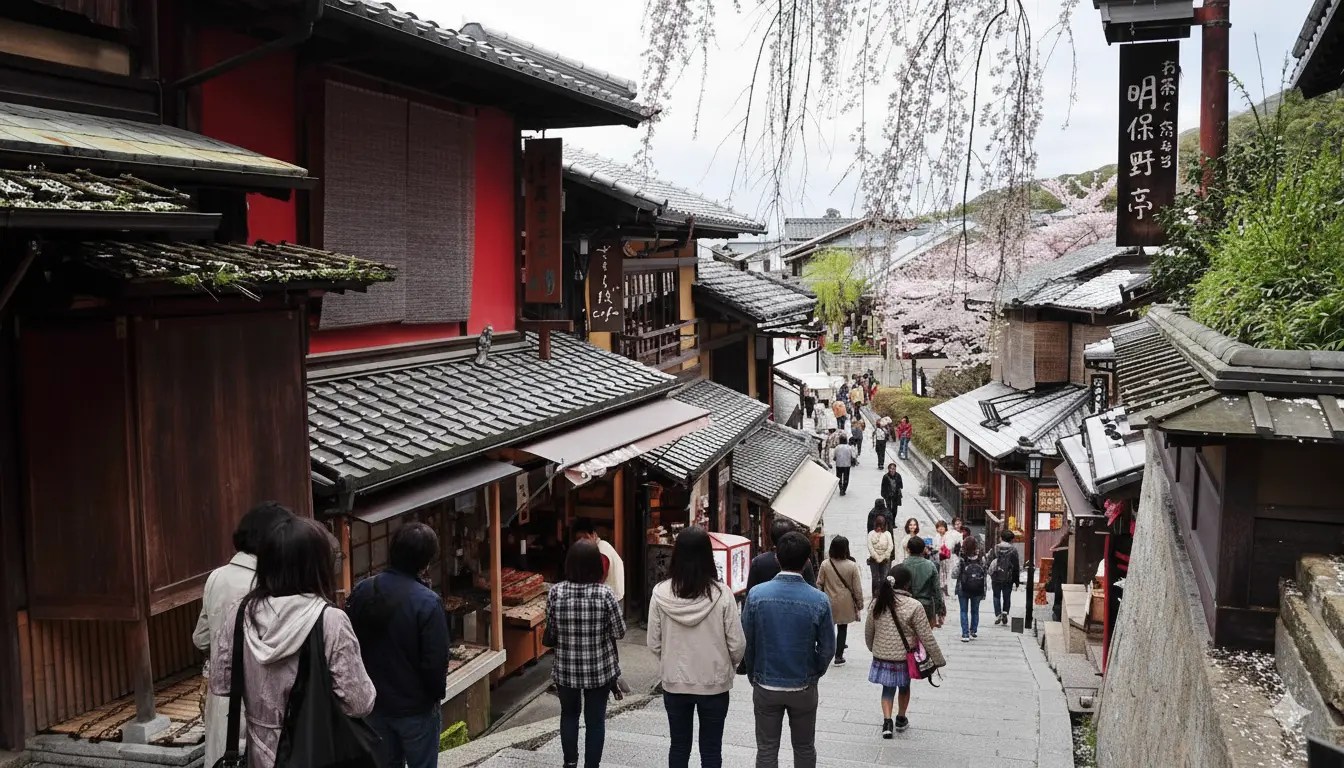
A lively street scene in Kyoto featuring traditional wooden buildings and cherry blossom trees, with a mix of locals and tourists strolling down a cobblestone path.
A bustling street scene in Kyoto, showcasing traditional architecture and cherry blossoms, perfect for exploring the city’s rich cultural heritage. A serene walk through the Higshiyama district

Kiyomizu-dera Temple

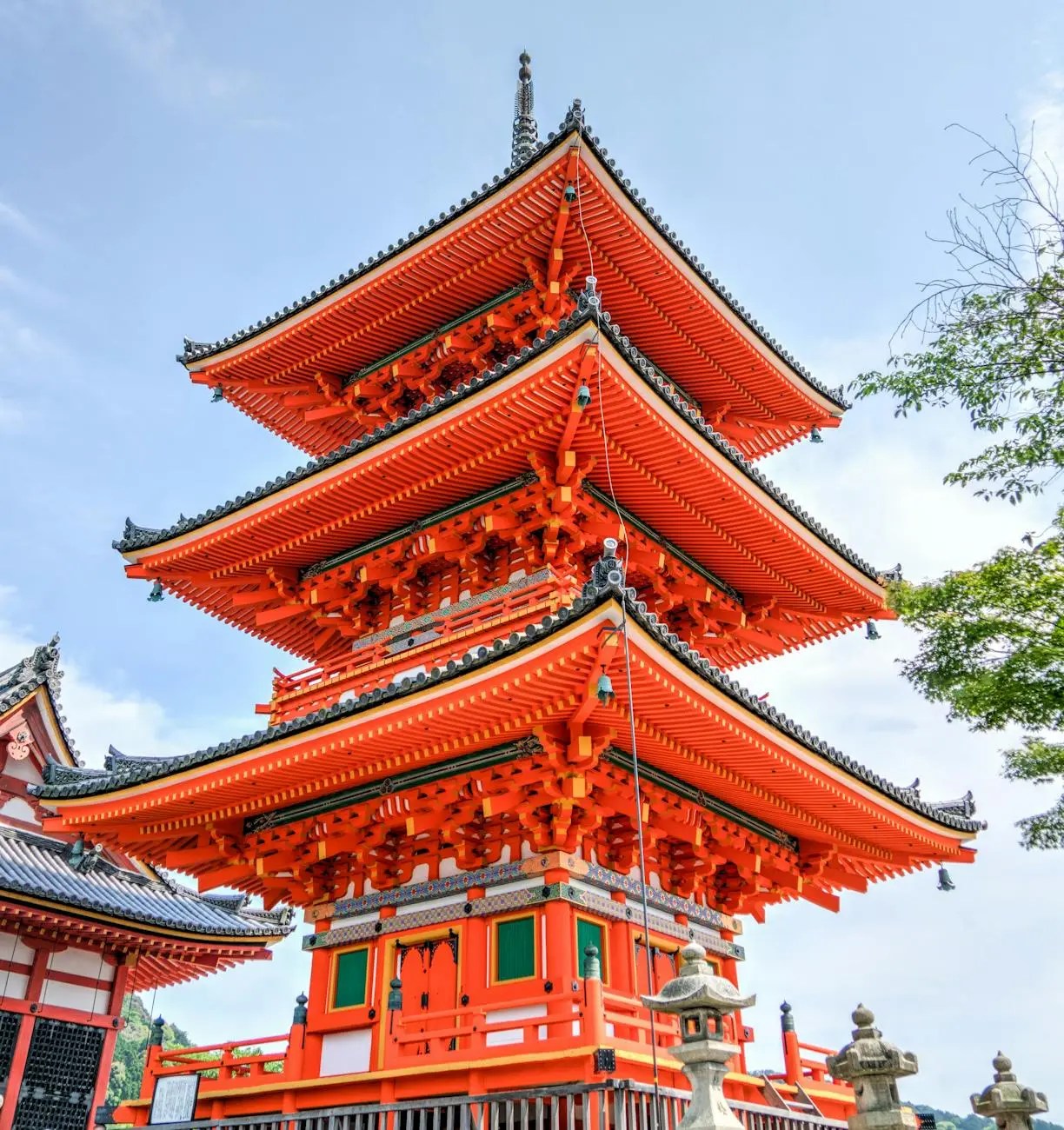
A vibrant three-story pagoda with intricate wooden details and a striking orange color, surrounded by lush greenery and a clear blue sky in Kyoto, Japan.
A striking view of Kiyomizu-dera Temple, showcasing its intricate architecture and vibrant orange hues, a must-see landmark in Kyoto. The stunning Niōmon Gate and three-story pagoda at Kiyomizu-dera Temple. Pro tip: The contrast of the red structures against the green foliage in spring or autumn is even more spectacular.`

Kiyomizu-dera Note: “Note: Kiyomizu-dera typically opens around 6:00 AM and closes between 6:00 PM and 9:30 PM, depending on the season. Admission is ¥400.”

Yasaka Shrine Tours

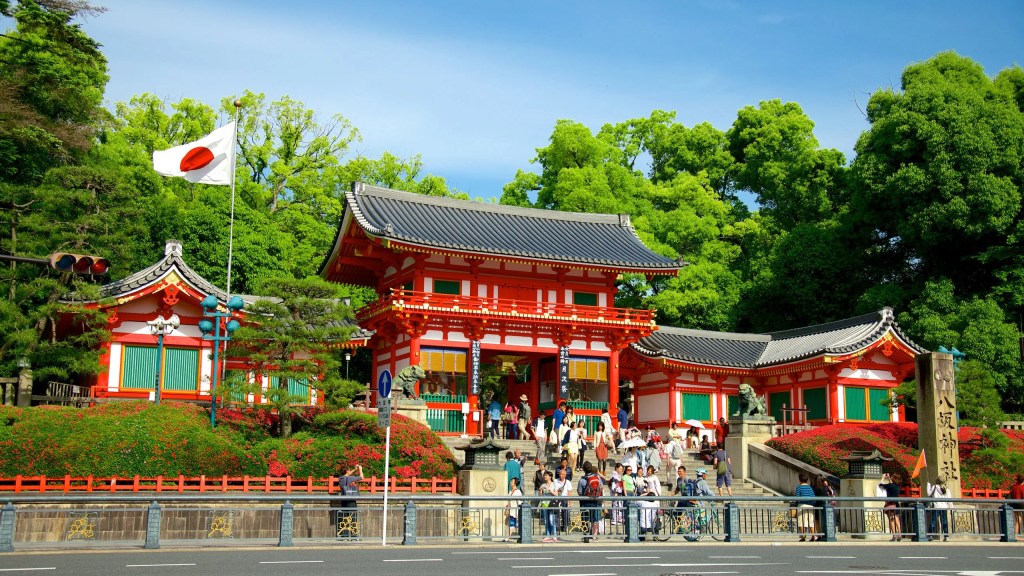
A vibrant, traditional Japanese shrine with a distinctive red and white facade surrounded by lush greenery, featuring visitors exploring the entrance and a Japanese flag waving. Yasaka Shrine
A vibrant entrance to a Kyoto shrine, showcasing traditional Japanese architecture amidst lush greenery. Yasaka Shrine

Yasaka Shrine Tours

Gion Kyoto

okonomiyaki kyoto

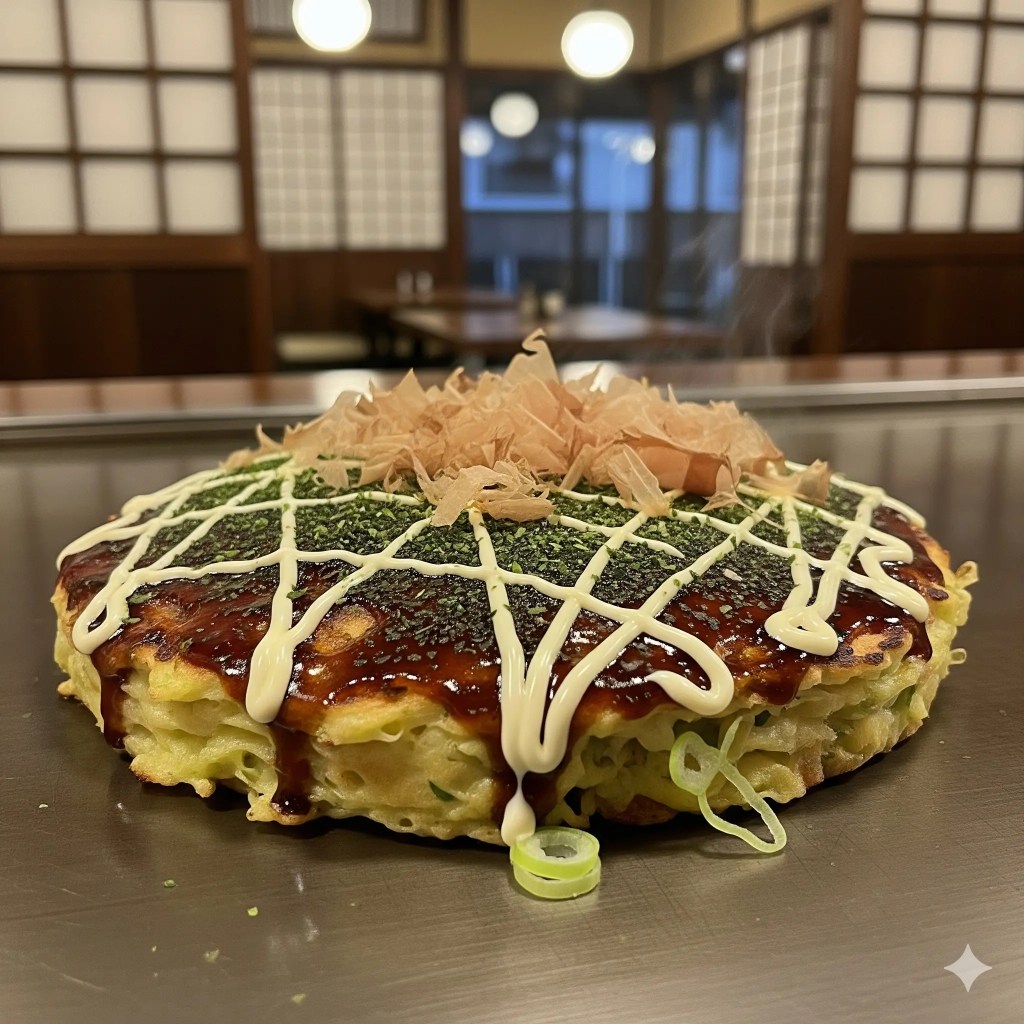
A close-up of a delicious okonomiyaki, a savory Japanese pancake, topped with bonito flakes, mayonnaise, and green seaweed, served in a traditional Japanese restaurant setting.
A delicious okonomiyaki, a savory Japanese pancake topped with bonito flakes and sauce, served in a cozy Kyoto restaurant. Dinner is served! A classic Hiroshima or Kansai-style okonomiyaki, grilled to perfection. The name literally means “grill what you like” – and we like everything!

Day 2: Arashiyama’s Natural Beauty

  • Morning: Take the train to Arashiyama. Your first stop is the Arashiyama Bamboo Grove. Again, early arrival is key to seeing it in its serene glory. Afterwards, visit the nearby Tenryu-ji Temple and its stunning landscape garden.
  • Afternoon: Cross the Togetsukyo Bridge and consider a quick hike up to the Monkey Park Iwatayama for hilarious photo ops and great views. Alternatively, rent a bike to explore the quieter parts of Arashiyama.
  • Evening: Head back to the city center and dive into the organized chaos of Nishiki Market for a dinner of fresh seafood and local snacks.

Arashiyama Vacations

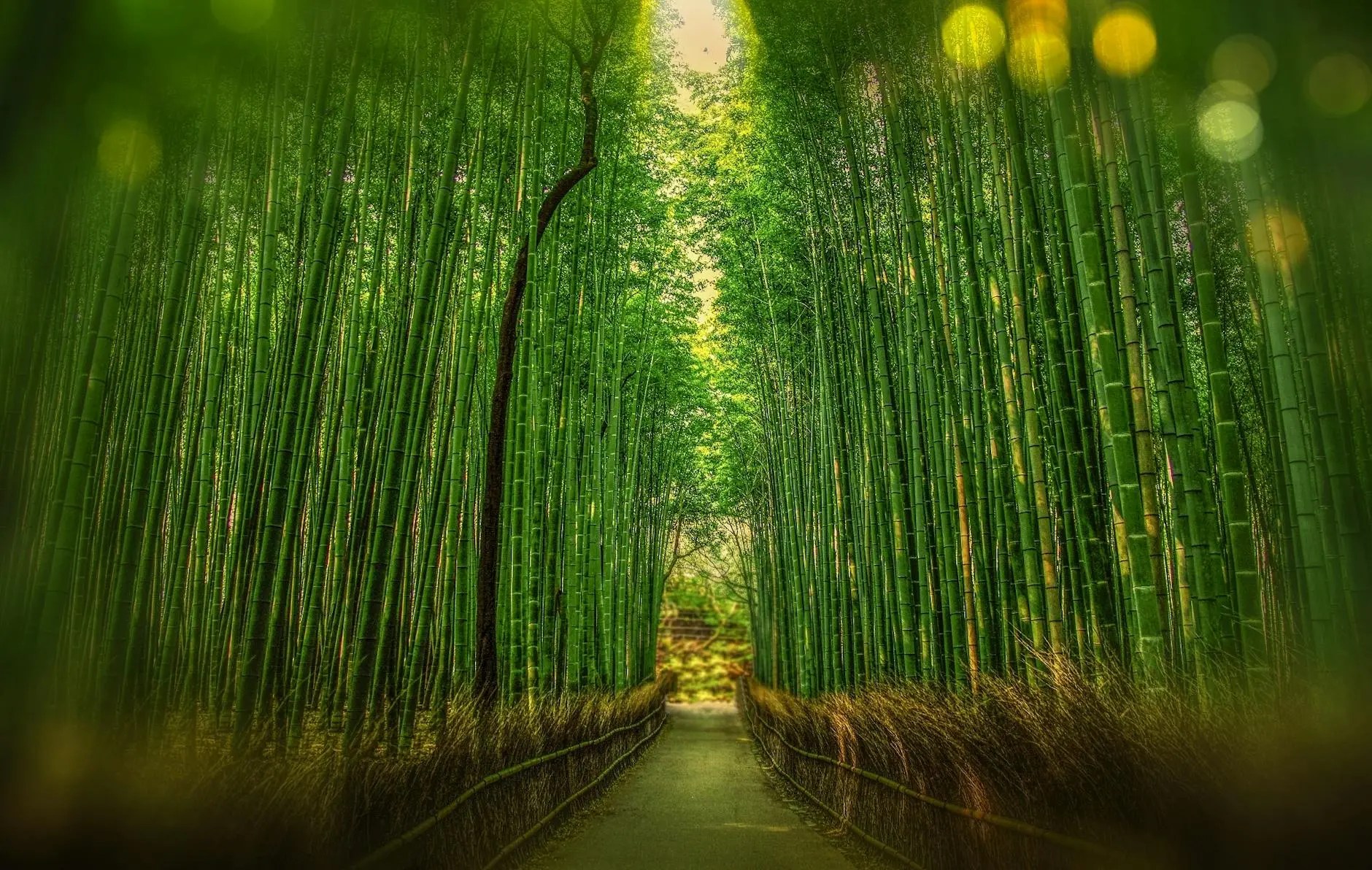
A serene pathway through the Arashiyama Bamboo Grove in Kyoto, lined with tall green bamboo stalks and dappled sunlight filtering through the leaves.
A serene pathway through the Arashiyama Bamboo Grove in Kyoto, showcasing the tranquil beauty of the lush green bamboo. *The famous Arashiyama Bamboo Grove path. For the most magical and crowd-free experience, aim to arrive as early as possible, ideally by 7:00 AM. The morning light filtering through the bamboo is unforgettable.*

Tenryu-ji Temple Tours

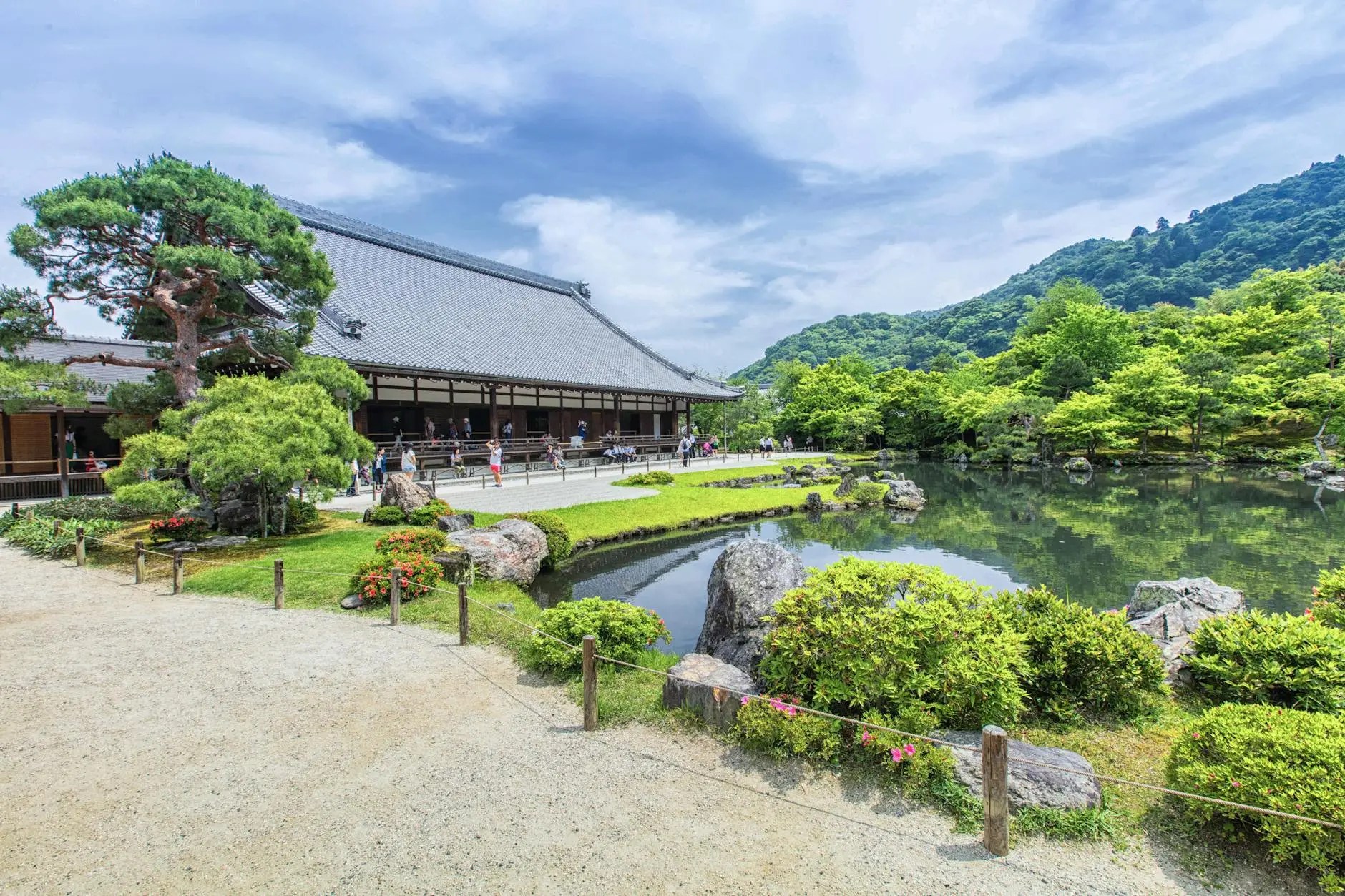
Scenic view of a traditional Japanese temple surrounded by lush greenery and a tranquil pond.
A serene view of Tenryu-ji Temple surrounded by lush greenery and a tranquil pond in Arashiyama, Kyoto. The UNESCO World Heritage-listed Sogenchi Garden at Tenryu-ji Temple, a masterpiece of Japanese landscape design. The pond is designed to reflect the surrounding Arashiyama mountains and the changing seasons.

Togetsukyo Bridge Tours

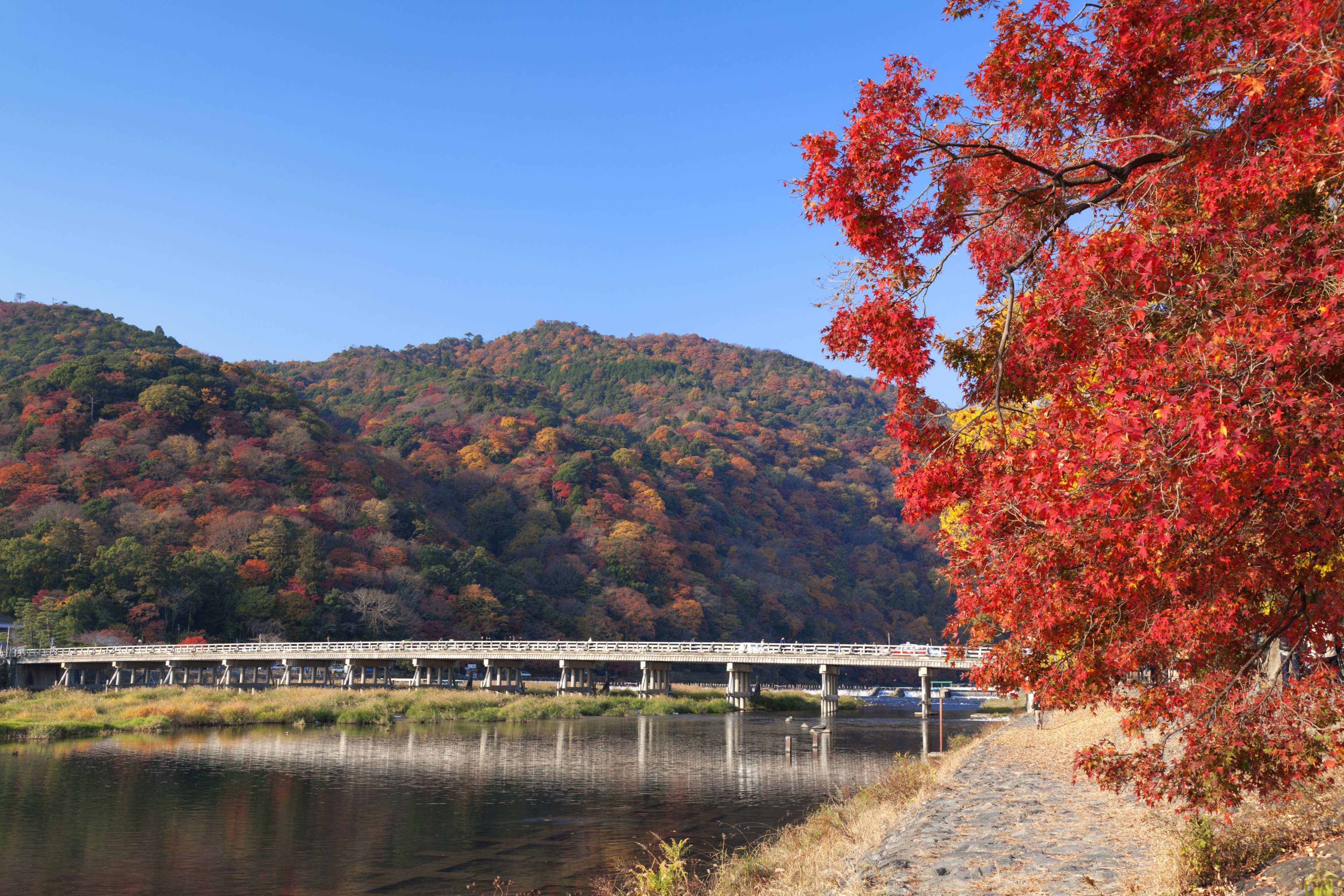
Scenic view of the Togetsukyo Bridge in Arashiyama, Kyoto, surrounded by colorful autumn foliage and a calm river under a clear blue sky.
The picturesque Togetsukyo Bridge in Arashiyama, surrounded by vibrant autumn foliage, reflecting the beauty of Kyoto’s natural landscape.

Arashiyama Monkey Park Iwatayama Tours

A caretaker walking among a group of wild Japanese macaques at a monkey park, with visitors observing from a distance.
Visitors interacting with monkeys at Iwatayama Monkey Park in Arashiyama, Kyoto.

Kyoto Nishiki Market Food Tour

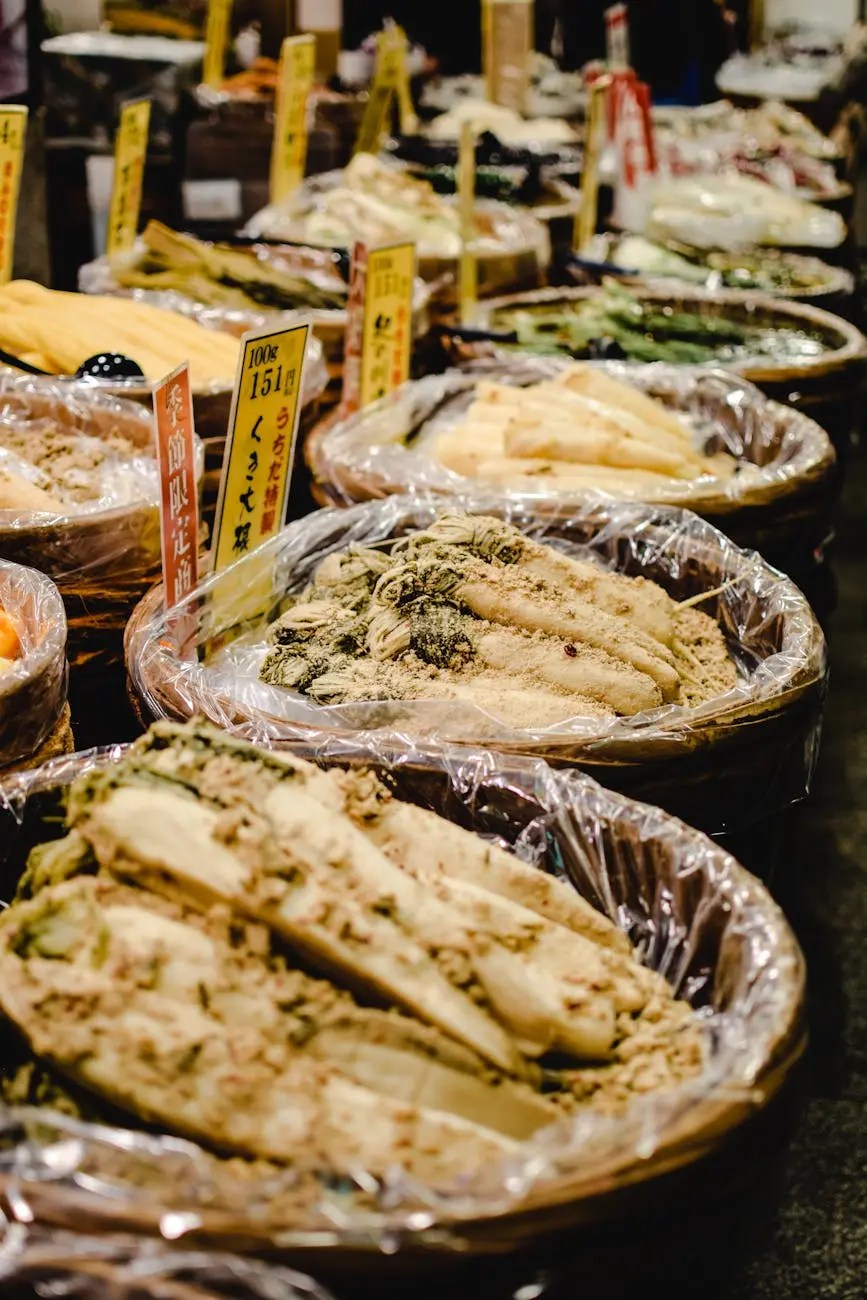
A vibrant display of various traditional Japanese foods and ingredients arranged in baskets at Nishiki Market, Kyoto, with signage indicating prices and product information.
A vibrant array of local delicacies at Kyoto’s Nishiki Market, showcasing a variety of traditional Japanese ingredients. A rainbow of tsukemono (pickled vegetables) at Nishiki Market. Don’t be shy—many vendors offer samples! It’s the perfect place to try unique Japanese flavors like pickled daikon radish or crunchy kyuri cucumbers.

Day 3: Refinement & Reflection

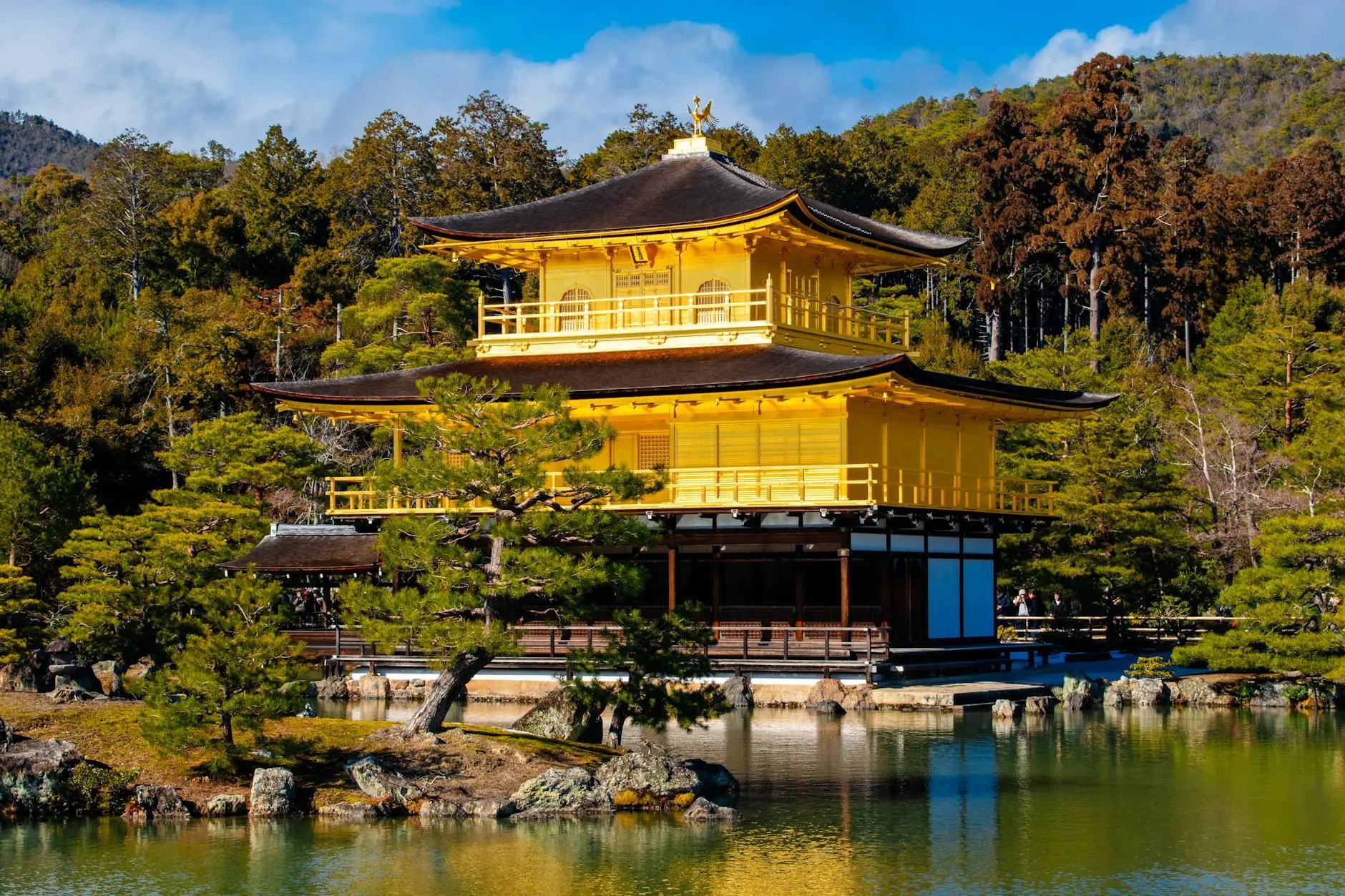
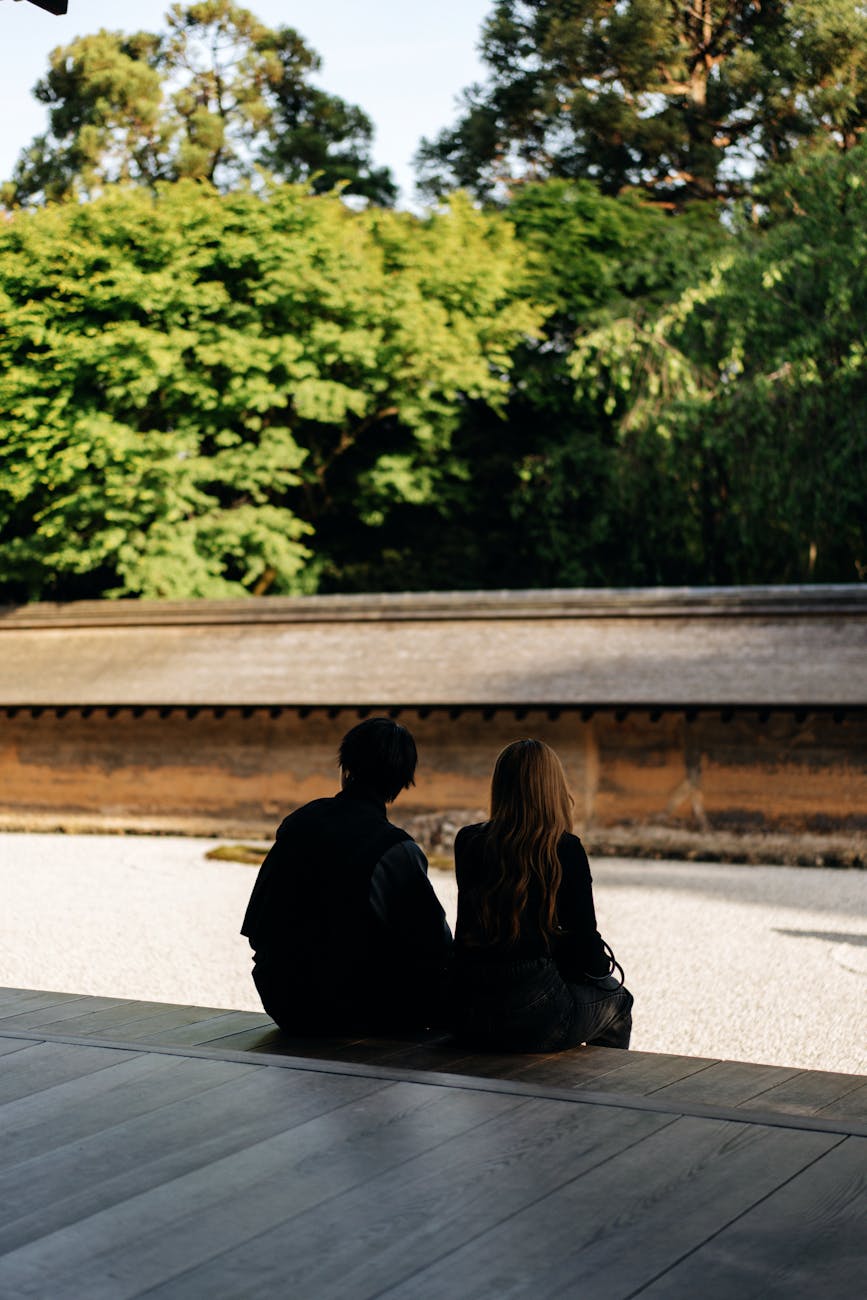
  • Morning: Choose your finale. For gold-leaf opulence, visit Kinkaku-ji (The Golden Pavilion). For a more Zen, minimalist experience, head to Ryoan-ji Temple and contemplate its famous rock garden.
  • Afternoon: Do some last-minute souvenir shopping on Shijo-Dori or find a quiet garden to simply sit and absorb it all before you head to the airport.

Ready to walk this path yourself? Find great deals on flights and hotels in Kyoto with my trusted partner, Expedia.

Kinkaku-ji Temple Tours

Golden Pavilion (Kinkaku-ji) surrounded by lush greenery and a tranquil pond in Kyoto.
The stunning Kinkaku-ji Temple, also known as the Golden Pavilion, reflecting beautifully in the serene waters of its surrounding garden. The breathtaking Kinkaku-ji (Golden Pavilion), covered in gold leaf and perfectly reflected in the mirror-like Kyoko-chi pond. This UNESCO World Heritage site is even more stunning on a windless, sunny day.

Ryoan-ji Temple Tours

A couple sitting side by side on a wooden platform, overlooking a tranquil garden with lush greenery and a stone surface.
A serene moment shared between a couple, enjoying the tranquil beauty of Kyoto’s natural scenery. (Ryoan-ji Temple)

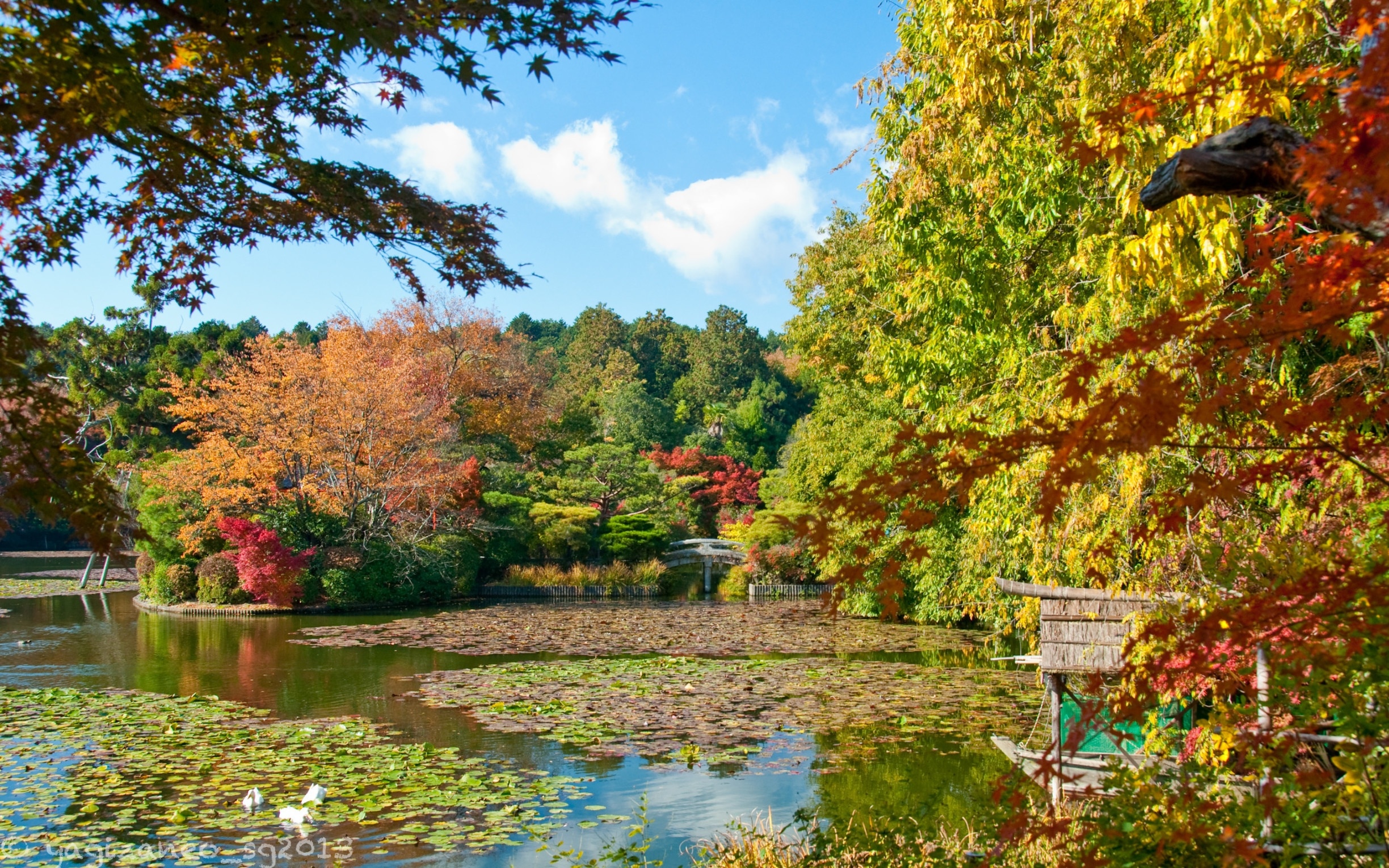
A serene landscape showcasing a tranquil pond surrounded by vibrant autumn foliage, including red, orange, and yellow leaves, with a clear blue sky above.
Scenic view of a tranquil pond surrounded by vibrant autumn foliage in Kyoto.

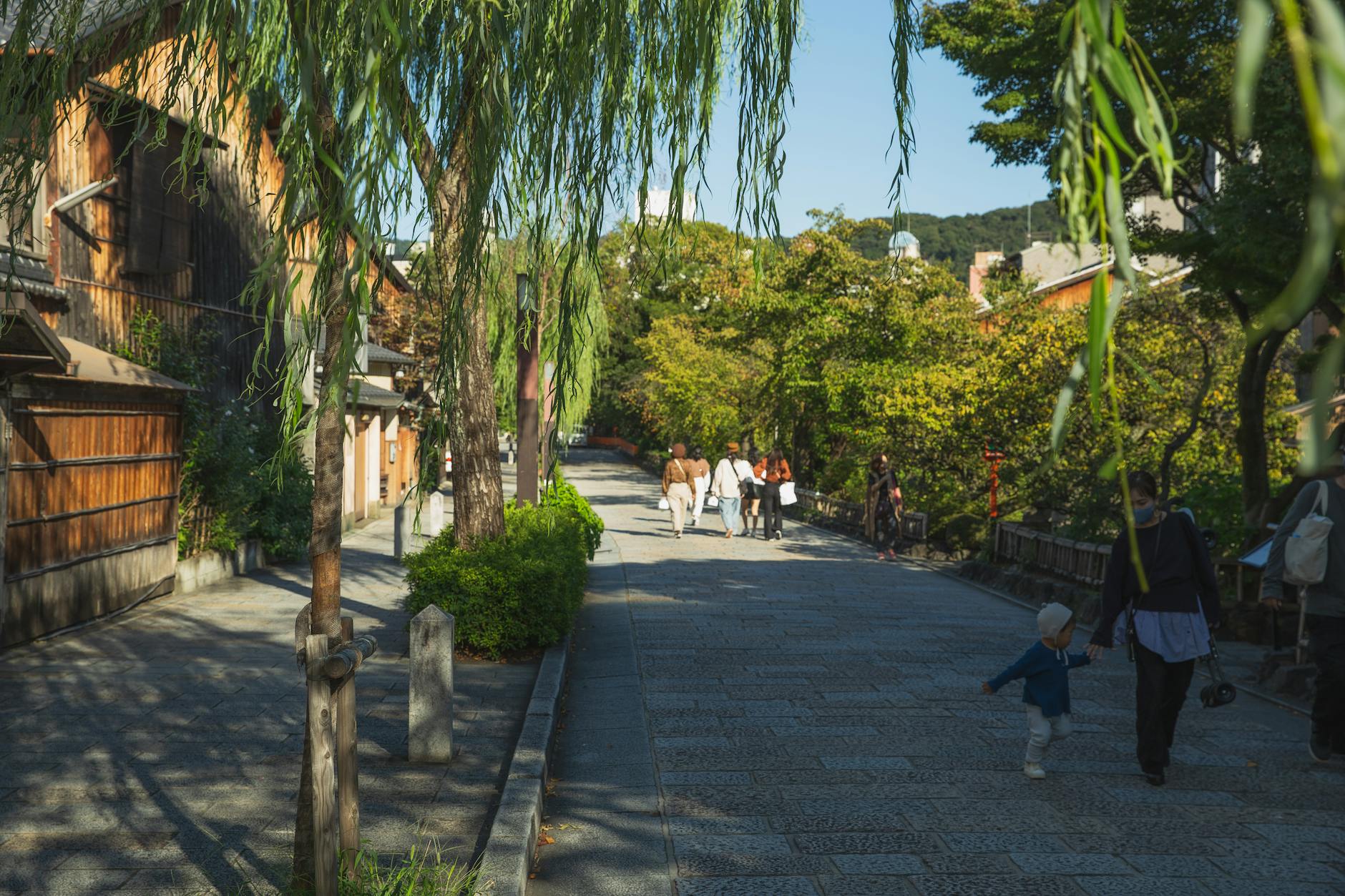
A picturesque street in Kyoto, lined with traditional wooden houses and lush greenery, featuring people strolling along the pathway.
A peaceful stroll through the historic streets of Kyoto, framed by traditional architecture and lush greenery.
Kyoto Aquariumicon
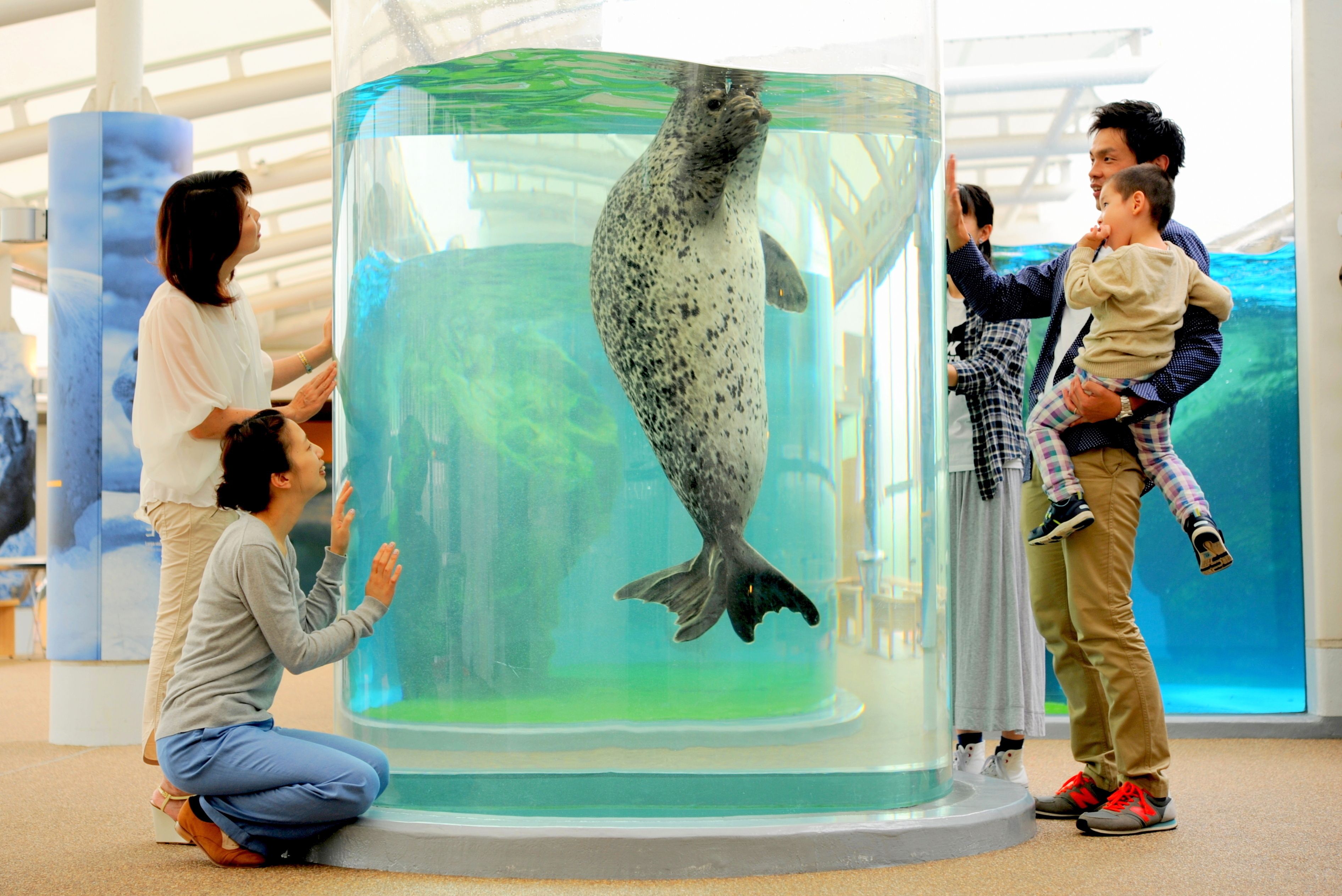
A family interacts with a seal in an aquarium. The scene captures children and adults observing and enjoying the moment near a large transparent water tank.
Visitors observing a seal in an aquarium in Kyoto, creating unforgettable family memories.

While we’re on the topic of unforgettable Asian adventures, if Shanghai’s dynamic energy has you dreaming of a more serene Japanese counterpart, then Kyoto should be at the top of your list. Imagine trading the futuristic skyline for ancient temples, serene bamboo forests, and the timeless tradition of the geisha culture in Gion. To truly dive deep, skip the standard tours and seek out an authentic experience. I often browse Rakuten Travel Experiences for unique activities—like a private tea ceremony with a master or a early-morning meditation session at a Zen temple before the crowds arrive. It’s the perfect way to craft a trip that’s genuinely your own. Find those unique, memory-making experiences in Kyoto here.

Rakuten Travel Experiencesicon

Navigating Kyoto Like a Pro: Transport Secrets

Kyoto’s public transport is excellent, and you do not need a car. In fact, traffic and expensive parking make driving a hassle.

From Airport to City: Haruka Express, ICOCA Cards & JR Pass

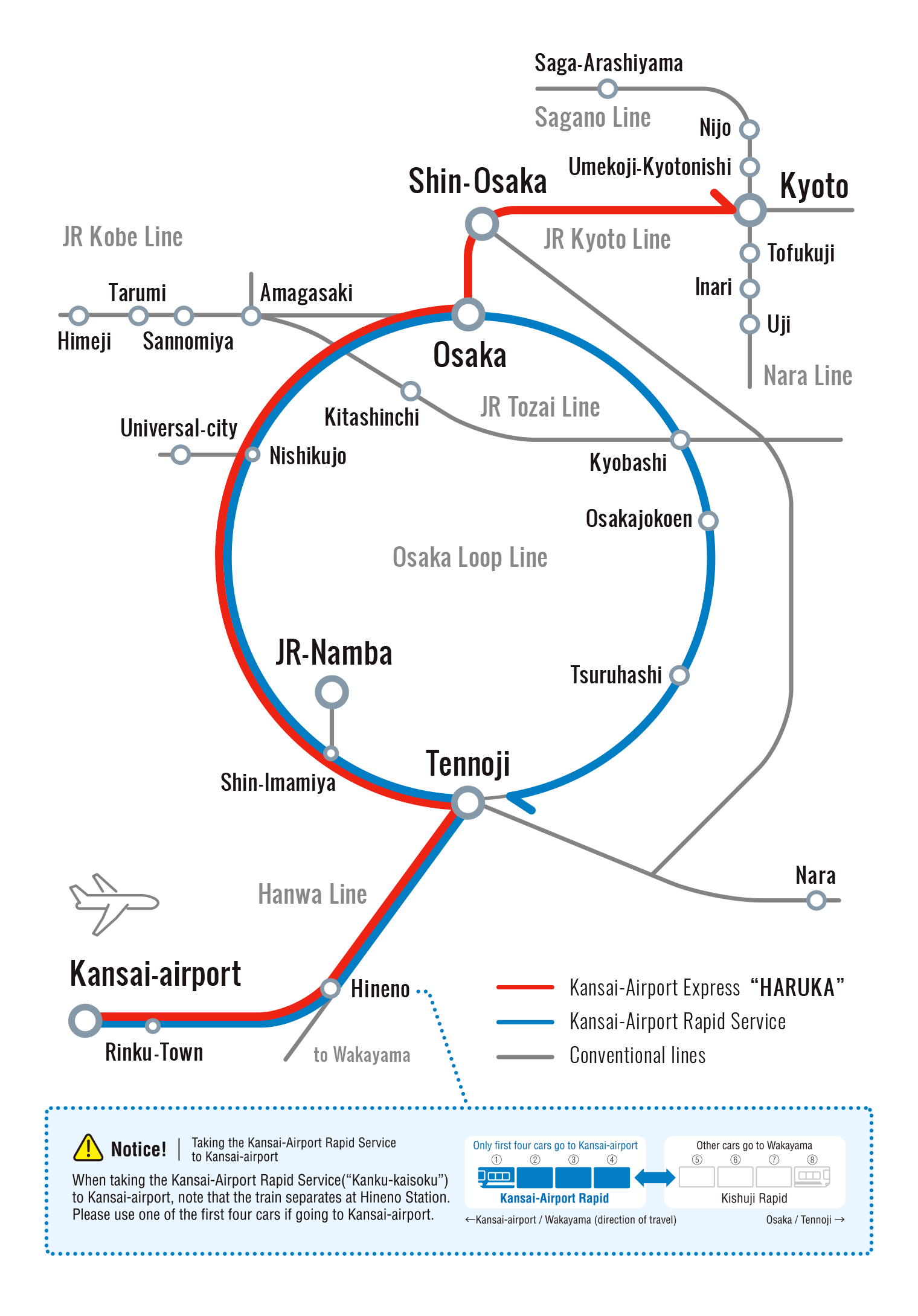
Most visitors land at Kansai International (KIX). Skip the uncertain taxis and hop the Haruka Limited Express to Kyoto Station—about 75 minutes of smooth, Hello Kitty–decorated train bliss—and grab the ICOCA & Haruka combo ticket to include a pre-loaded ICOCA transport card when you arrive The Thorough Tripper. Pro tip: get an ICOCA card—it’s your tap-and-go Swiss Army knife for trains, subways, and buses around Kyoto (and nearby cities), with easy reloads at stations The Thorough Tripper. If you’ve got long-distance plans (like a Tokyo bullet train ride), consider a Japan Rail Pass in advance—it’ll save both yen and decoding train timetables The Thorough TripperNot a Nomad Blog.

Map of the Kansai area train routes, including connections to Shin-Osaka, Kyoto, and Kansai Airport, with lines and station names clearly labeled.
Map of Kyoto’s public transport network, highlighting the Kansai-Airport Express routing and key train lines for travelers.

  • The Bus Network: The most useful way to get around central Kyoto. A One-Day Bus Pass (¥700) is an incredible value and pays for itself in about three rides. Buses can get crowded, so have your pass or change ready.
  • The Train/Subway: Faster than buses for longer distances. The Karasuma Subway Line runs north-south, and the Tozai Line runs east-west. The JR Line is also useful for getting to Arashiyama and Fushimi Inari.
  • Bicycles: Kyoto is surprisingly flat and bike-friendly! Renting a bike for a day gives you incredible freedom to explore back alleys and canals. This was my favorite way to get around.
  • Taxis: Great for short trips if you’re in a group or exhausted, but they are pricey.
  • The JR Line is also useful for getting to Arashiyama and Fushimi Inari. If you’re planning to explore beyond Kyoto (e.g., a day trip to Nara or a flight from Tokyo), calculating if a Japan Rail Pass is worth it is essential. You can easily check prices and purchase your JR Pass online here

Pro Tip: Google Maps is shockingly accurate for Kyoto bus and train schedules. Use it with confidence.

Beyond the Tourist Trail: Kyoto’s Hidden Gems

“Forget the bustling, crowded cities you think of when you picture Japan. There’s a place where every corner is a postcard, every moment a meditative breath, and ancient traditions whisper from every stone. Get ready to unlock the secret to a weekend of unparalleled beauty and peace as we journey through Kyoto’s most enchanting hidden gems.”

Everyone sees the golden temple. The savvy travelers see these:

  • Philosopher’s Path (Tetsugaku-no-michi): A beautiful stone path following a canal, lined with hundreds of cherry trees. It’s peaceful any time of year but absolutely breathtaking in spring.
  • Kurama-dera Temple: Escape the city entirely with a short train ride to Kurama. Hike up to this mountain temple, and if you’re brave, finish with a soak in the outdoor Kurama Onsen.
  • Pontocho Alley at Dusk: Yes, it’s known, but it’s a must. This narrow alleyway parallel to the Kamo River is packed with tiny, atmospheric restaurants and bars. Finding dinner here feels like a treasure hunt.
Hidden GemTip
Miyagawa-cho DistrictTraditional vibes, fewer crowds, close to Kyoto Station—perfect for jet-lagged meanders
Lesser-known templesTry Eikan-do, Tofuku-ji, or shimogyo historic backstreets for quiet beauty
Off-peak hoursSkip crowds by visiting popular spots at dawn or early evening
Taxi for groupsGroup of 3–4? A taxi might be quicker than waving down a bus and costs about the same

To capture these hidden spots perfectly, I never travel without my lightweight, powerful Sony Alpha camera. It’s perfect for low-light alley shots and sweeping temple landscapes.

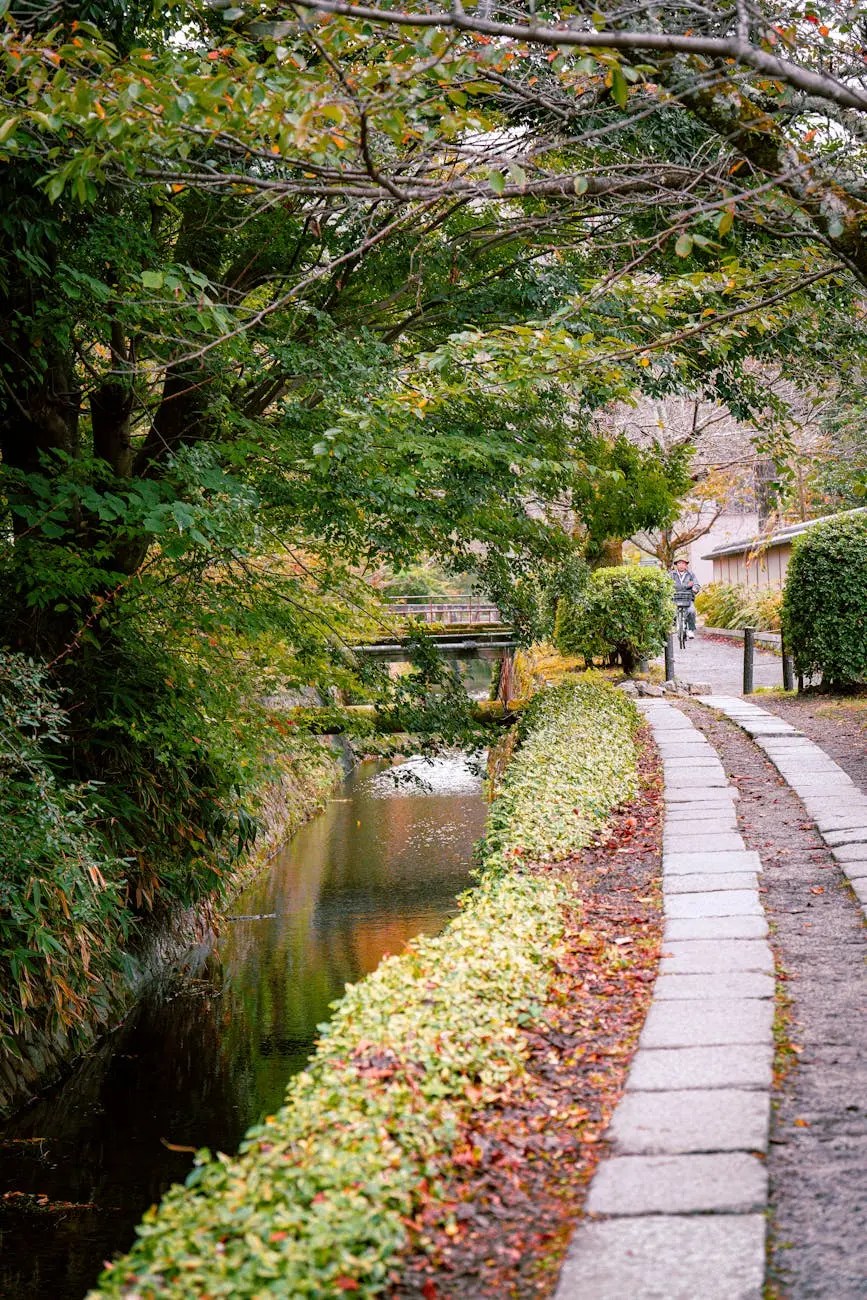
A serene pathway lined with green foliage and a small stream on one side, capturing the tranquil beauty of Kyoto's nature.
A serene path alongside a gently flowing river in Kyoto, surrounded by lush greenery and autumn foliage. (Philosopher’s Path) The Philosopher’s Path (Tetsugaku-no-michi) in its stunning autumn glory. This walk is beautiful year-round, but it’s absolutely magical in late November when the maple trees erupt in color. Renting a bike is a fantastic way to explore its full length.

Essential Japanese for the Kyoto Traveler

A little language goes a long way!

  • Konnichiwa (こんにちは): Hello / Good afternoon.
  • Arigatou Gozaimasu (ありがとうございます): Thank you (very much).
  • Sumimasen (すみません): Excuse me / Sorry. (The most useful word in Japan! Use it to get attention, apologize, or thank someone for moving).
  • Oishii (美味しい): Delicious! Say this to the chef after your meal.
  • Ikura desu ka? (いくらですか): How much is it?
  • Kore o kudasai (これをください): I’ll take this, please. (Pointing works too!)

Smart Travel Tips: Saving Money & Staying Connected

Staying Online: I used to waste the first hour of every trip hunting for a local SIM card at the airport. Not anymore. I now swear by my Drimsim—a global SIM that works in 190+ countries. You just pop it in, top up via the app, and you’re online before you even leave the baggage claim. No contracts, no hidden fees. It’s a genuine game-changer. Get your Drimsim here and never worry about data again.

Staying Secure: While Japan is safe, I always use a VPN on public Wi-Fi (like at cafes or airports) to protect my personal data. It’s also essential for accessing your home country’s streaming services if you need some downtime. I’ve found NordVPN to be the most reliable for travel.

Staying Compensated: Did you know that a delayed or canceled flight could score you up to $650 in compensation? Most people don’t claim it. I use AirHelp to handle the nasty paperwork with the airlines. They only get paid if you win, so it’s a no-brainer. Check your flight status with AirHelp here.

Staying Insured: From a spilled coffee on my camera to a slipped disk trying to imitate a sumo wrestler (don’t ask), travel insurance has saved me countless times. I always use VisitorsCoverage to compare and find the best plan for my trip. It’s peace of mind in your pocket. Get a tailored insurance quote for your Kyoto trip here.

Frequently Asked Questions

Q: What is the best time of year to visit Kyoto?
A: Spring (March-May) for cherry blossoms and Fall (October-November) for brilliant red foliage are the most beautiful but also the most crowded. For a balance of good weather and smaller crowds, aim for late autumn or early spring.

Q: Is Kyoto a walkable city?
A: The main districts are very walkable, but the attractions are spread out. You will absolutely need to use the excellent bus and train system to get between areas like Arashiyama, Fushimi Inari, and downtown.

Q: How much money should I budget for a weekend?
A: While you can find budget options, Kyoto can be pricey. A comfortable mid-range budget for accommodation, food, transport, and entry fees would be around ¥15,000-¥20,000 ($100-$150 USD) per day, not including flights.

Q: Can I use credit cards everywhere?
A: Major hotels, department stores, and restaurants accept cards, but many smaller restaurants, market stalls, and temples are cash-only. Always carry yen with you.

Q: What should I do if I only have one day in Kyoto?
A: Focus on one area. I’d recommend the Higashiyama District (Kiyomizu-dera, Yasaka Shrine, Sannenzaka) in the morning and early afternoon, and then a trip to Fushimi Inari Taisha in the late afternoon—it’s open 24/7 and is less crowded then.

What’s “arigatō” and “sumimasen” mean?
A: “Arigatō” = “thank you.” “Sumimasen” = “excuse me” or “sorry.” Handy polite sparkles for any awkward bump-in or request.

Should I exchange currency or use ATMs?
A: ATMs at 7-Eleven or Japan Post accept international cards pretty consistently. Just keep an eye on fees.

Kyoto is a city that stays with you long after you’ve left. The scent of incense, the taste of perfect sushi, the sound of temple bells—it’s a weekend escape that truly nourishes the soul.

Q: How much money should I budget for a weekend?
A: While you can find budget options, Kyoto can be pricey. A comfortable mid-range budget for accommodation, food, transport, and entry fees would be around ¥15,000-¥20,000 ($100-$150 USD) per day, not including flights.

  • Sample Daily Breakdown:
    • *Budget Guesthouse: ¥3,000 – ¥5,000*
    • *Food (Meals + Snacks): ¥5,000 – ¥8,000*
    • *Transport (Bus/Train Pass): ¥1,000*
    • *Temple Entry Fees (2-3 sites): ¥1,000 – ¥2,000*
    • *Souvenirs/Extra: ¥2,000 – ¥4,000*

What are you waiting for? Your ultimate Kyoto adventure awaits. Start planning your perfect trip with Expedia today!

Have questions or your own Kyoto hidden gem to share? Drop them in the comments below

“Kyoto is a city that stays with you. The scent of incense, the taste of perfect sushi, the sound of temple bells—it’s a weekend escape that truly nourishes the soul.

I’d love to hear from you! What’s the one place in Kyoto you’re most excited to see? Or if you’ve been, what was your own hidden gem? Share your thoughts and questions in the comments below—let’s build the ultimate traveler’s resource together!


Universal Disclaimer/Disclosure Page:

Vienna in a Weekend: Your Ultimate Guide to Imperial Splendor, Coffee & Cake

Meta Description: Master your weekend escape to Vienna! This ultimate guide reveals a perfect 2-day itinerary, money-saving secrets, must-try foods, and hidden gems. Learn how to navigate the city like a pro and experience the best of imperial Vienna.

So, you’ve got a weekend to spare and a burning desire to soak up some serious culture, coffee, and cake? Let me tell you, you’ve picked a winner. Vienna isn’t just a city; it’s a feeling. It’s the waltz of horses on cobblestone streets, the scent of fresh strudel, and the sheer, awe-inspiring gold-leaf opulence of a Habsburg palace.

I remember my first time stepping into the Hofburg Palace complex. I was so busy staring up at the architecture that I almost walked into a very dignified, very unamused horse. Pro tip: Admire, but watch your step. This city is alive with history.

Planning a short trip can be daunting, but fear not! I’ve distilled the essence of Vienna into the perfect weekend itinerary designed to save you time, money, and logistical headaches. Let’s dive in.

Table of Contents

  1. Why Vienna is the Perfect Weekend Getaway
  2. Before You Go: Visa, Insurance & Smart Planning
  3. Your Vienna Weekend Itinerary: A Step-by-Step Guide
    • Friday Evening: Arrival & A Taste of Tradition
    • Saturday: Palaces, Pastries & Perfect Melodies
    • Sunday: Markets, Masterpieces & Departure
  4. Navigating Vienna Like a Pro: The Ultimate Public Transport Guide
  5. Money-Saving Secrets & Local Hidden Gems
  6. Speak Like a Local: Essential German Phrases for Travellers
  7. Travel Smarter, Not Harder: My Trusted Resources
  8. FAQ: Your Quick Vienna Weekend Questions Answered

Welcome to Vienna: Why This City Should Be Your Next Weekend Getaway

Compact, incredibly well-connected, and dripping with things to do, Vienna is a weekend warrior’s dream. You can go from a world-class art museum to a sprawling palace garden to a cozy wine tavern (a Heuriger) within a short tram ride. It’s a city that rewards both meticulous planners and spontaneous wanderers.

Ah, Vienna—where coffee culture meets imperial grandeur, and every corner seems straight out of a fairytale (or at least a well-directed period drama). This city is punchy, juicy, and elegant all at once—perfect for travellers with a sense of humor and an appetite for Austrian schnitzel.

Planning Your Trip: Timing, Visa & Budget Essentials

Visa Info: As a major Schengen Zone country, Austria allows visa-free entry for short stays (up to 90 days) for citizens of the US, UK, Canada, Australia, and many other countries. Always double-check the official government website for your nationality closer to your travel date, as rules can change.
Cost: If you do require a Schengen visa, the standard fee is €80 for adults.

Flights to Vienna

During my last spring visit, I noticed the lines to Schönbrunn were laughably short—so short, I actually did a little happy dance in line (thankfully, no one else joined in).

Best Time to Visit: Late spring (May–June) or early autumn (September) offer mild weather, blooming gardens, fewer crowds, and better hotel deals.

Hotels in Vienna

✈️ Smart Travel Tip: No matter where your adventures take you, having the right travel insurance can save you from unexpected headaches (and bills). I personally recommend VisitorsCoverage — it’s a trusted platform where you can compare plans, find coverage that fits your trip, and book it in just a few clicks. Whether you’re planning a quick city escape or a longer international journey, it’s peace of mind worth packing.

Friday Evening: Arrival & A Taste of Tradition

Assuming you land in the afternoon, hop on the CAT (City Airport Train). It’s a non-stop service that gets you to Wien Mitte station in just 16 minutes. From there, the U-Bahn (subway) or a short taxi ride will take you to your hotel.

Once you’ve settled in, ditch the jet lag with a walk through the historic center. Your mission: find a classic Würstelstand (sausage stand). Grab a Käsekrainer (a cheesy, divine sausage) with a sharp mustard and a crisp Ottakringer beer. It’s the perfect, authentic welcome dinner.

A bustling Würstelstand (sausage stand) in Vienna at night, with customers waiting in line for traditional snacks, illuminated by warm lights.
A bustling Würstelstand in Vienna, where locals enjoy classic Viennese sausages under the evening glow.

Cap the night at a traditional coffee house. Skip the tourist traps right on the Graben and find a smaller one like Café Schwarzenberg or Café Prückel. Order a Melange (the Viennese cappuccino) and a slice of Sachertorte. Sit back, read the paper provided, and do as the Viennese do: linger.

A grilled sausage cut in half, revealing a creamy filling, presented on a wooden board.
A delicious Käsekrainer sausage, grilled to perfection and ready to be enjoyed—an authentic Viennese culinary delight.

A bottle of Ottakringer Lager beer next to a filled glass on a table, with soft natural light highlighting the drink.
Enjoy a refreshing Ottakringer Lager, a perfect pairing for a Viennese culinary experience.

A beautifully presented cup of coffee sitting on a saucer, with a cozy coffee house interior in the background, featuring warm lighting and elegant decor.
A beautifully crafted Melange coffee, perfect for a cozy evening in a traditional Viennese coffee house.

A close-up of a slice of rich chocolate cake with layers of caramel and cream, elegantly presented on a decorative plate.
Indulge in a slice of decadent Sachertorte, the iconic chocolate cake from Vienna, featuring layers of rich chocolate and apricot filling.

Saturday: Palaces, Pastries & Perfect Melodies

Morning: Fuel up and head to the magnificent Schönbrunn Palace. Book your tickets online in advance for a specific timeslot to avoid the monstrous queues. The Imperial Tour (22 rooms) is perfect for a weekend trip. The gardens are free to explore and offer a stunning view of the city from the Gloriette monument. For more on palace etiquette and history, check out my deep dive into [Exploring Europe’s Royal Residences].

CHOOSE WISELY: The Imperial Tour (22 rooms) is perfect for a weekend trip. The Grand Tour (40 rooms) is amazing but can lead to acute “palace fatigue.

BOOK AHEAD: Book your tickets online in advance for a specific timeslot. I learned this the hard way, watching the queue snake around the courtyard while I sipped my coffee, ticket securely in my app.

Afternoon: Take the U-Bahn back to the center. For lunch, I stumbled upon Bitzinger Würstelstand Albertina right behind the Opera House. It’s an institution. Afterwards, get your art fix at the Kunsthistorisches Museum (Art History Museum). Even if you’re not a huge art buff, the building itself is a masterpiece. The cafe in the dome is breathtaking.

Evening: This is Vienna—you have to experience music. You don’t need to break the bank for the Opera. Look for standing room tickets (Stehplätze) sold just before the performance for a few euros, or find a classical concert in a smaller, stunning venue like the St. Anne’s Church. I once saw a Mozart quartet in a tiny, ornate hall and it was one of the most memorable nights of my life.

Schönbrunn Palace Tours

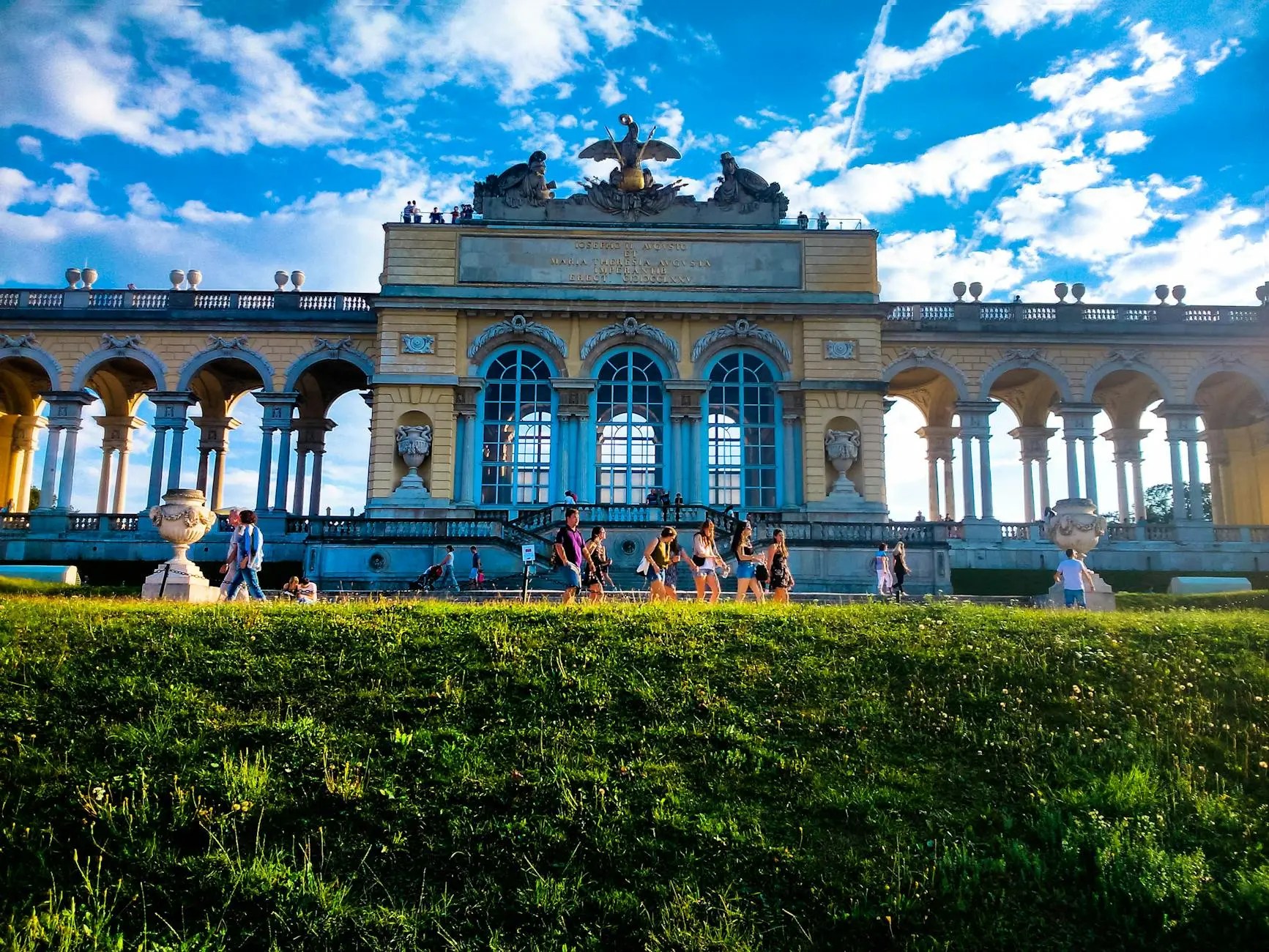
View of the Gloriette in Schönbrunn Palace gardens, showcasing its classical architecture and people enjoying the serene surroundings.
The stunning architecture of the Gloriette at Schönbrunn Palace, a must-see viewpoint in Vienna.

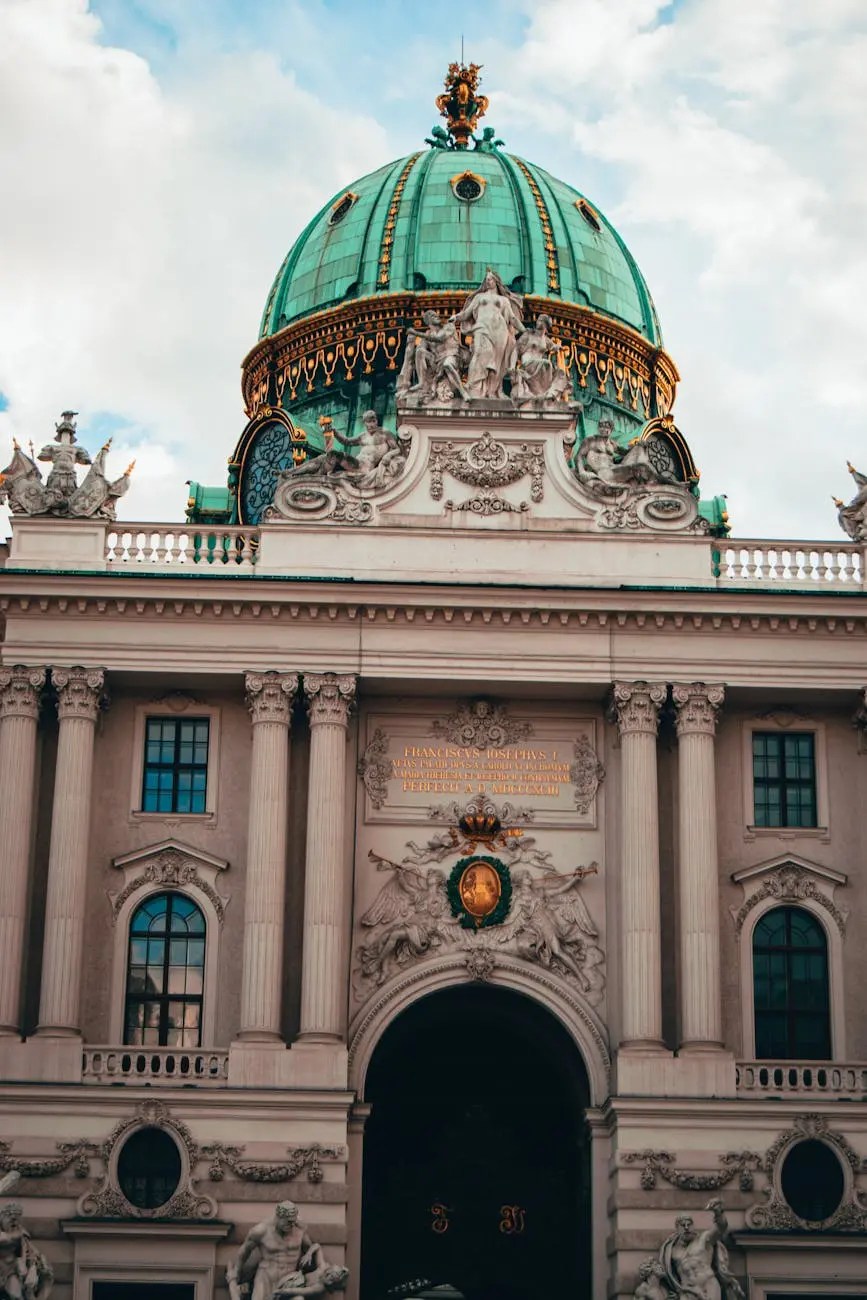
Close-up view of the ornate architecture of the Hofburg Palace in Vienna, highlighting its green dome and intricate sculptures.
The stunning architecture of Hofburg Palace, a symbol of Vienna’s imperial history. Look up! The Hofburg Palace’s breathtaking dome and facade are a masterclass in imperial grandeur. Every statue, gilded detail, and architectural curve tells a story of the powerful Habsburg dynasty that ruled from here for centuries. It’s easy to miss these details when navigating the bustling streets, but they’re what make Vienna an open-air museum.

Hofburg Palace: Once home to the Habsburg dynasty, this imperial complex is like Vienna’s beating historical heart. From the Imperial Apartments to the Sisi Museum, it’s history layered on history. (Tip: Early mornings or late afternoons are best to dodge big tour groups.)

Gloriette Tours and Activities

DON’T MISS THE GARDENS: The gardens are free to explore and offer a stunning, postcard-perfect view of the city from the Gloriette monument. It’s a steep walk but absolutely worth it.

View of the Gloriette at Schönbrunn Palace, with visitors walking on grassy grounds and a blue sky in the background.
The stunning Gloriette at Schönbrunn Palace, offering breathtaking views and rich history in Vienna. The perfect Viennese afternoon: soaking up the sun on the grand lawn of Schönbrunn Palace with the magnificent Gloriette as your backdrop. This is how locals and visitors alike enjoy the palace gardens—not just by touring the halls, but by lounging, picnicking, and marveling at the imperial skyline.

Kunsthistorisches Museum Vienna and Imperial Treasury of Vienna

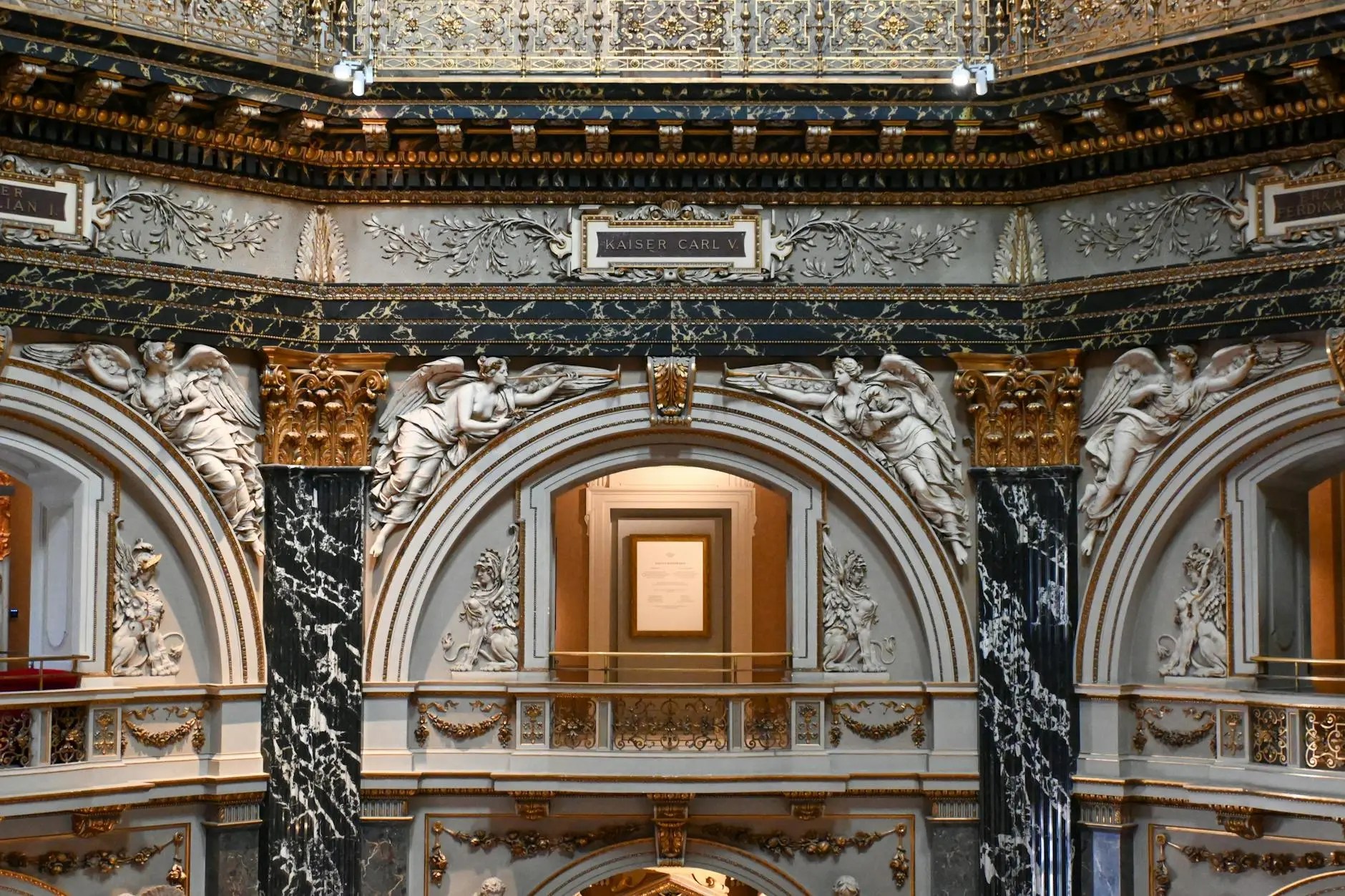
Intricate architectural detail of a hallway at the Kunsthistorisches Museum in Vienna, showcasing ornate sculptures and gold accents.
Intricate architectural details in the Kunsthistorisches Museum, showcasing Vienna’s imperial heritage. Where the art on the walls rivals the art on the walls. The Kunsthistorisches Museum’s interior is a masterpiece in itself. Look up from the paintings to admire the breathtaking ceiling frescoes, gilded stucco, and intricate marble work that make this one of the world’s most beautiful museums.

Sunday: Markets, Masterpieces & Departure

Morning: Head to the Naschmarkt, Vienna’s most famous market. It’s a vibrant, chaotic mix of food stalls, spices, antiques, and restaurants. Grab a Turkish breakfast or sample local cheeses. It’s the perfect place to pick up edible souvenirs.

For a final dose of culture, choose your fighter: the sleek, modern Hundertwasserhaus apartment building, a riot of color and uneven floors, or the breathtaking St. Stephen’s Cathedral in the heart of the city. Climb the South Tower for a final, fabulous view.

Afternoon: Have one last lunch—maybe a Wiener Schnitzel at Figlmüller (book ahead!) or a more casual bite at the market—before sadly heading back to the airport.

Naschmarkt Tours

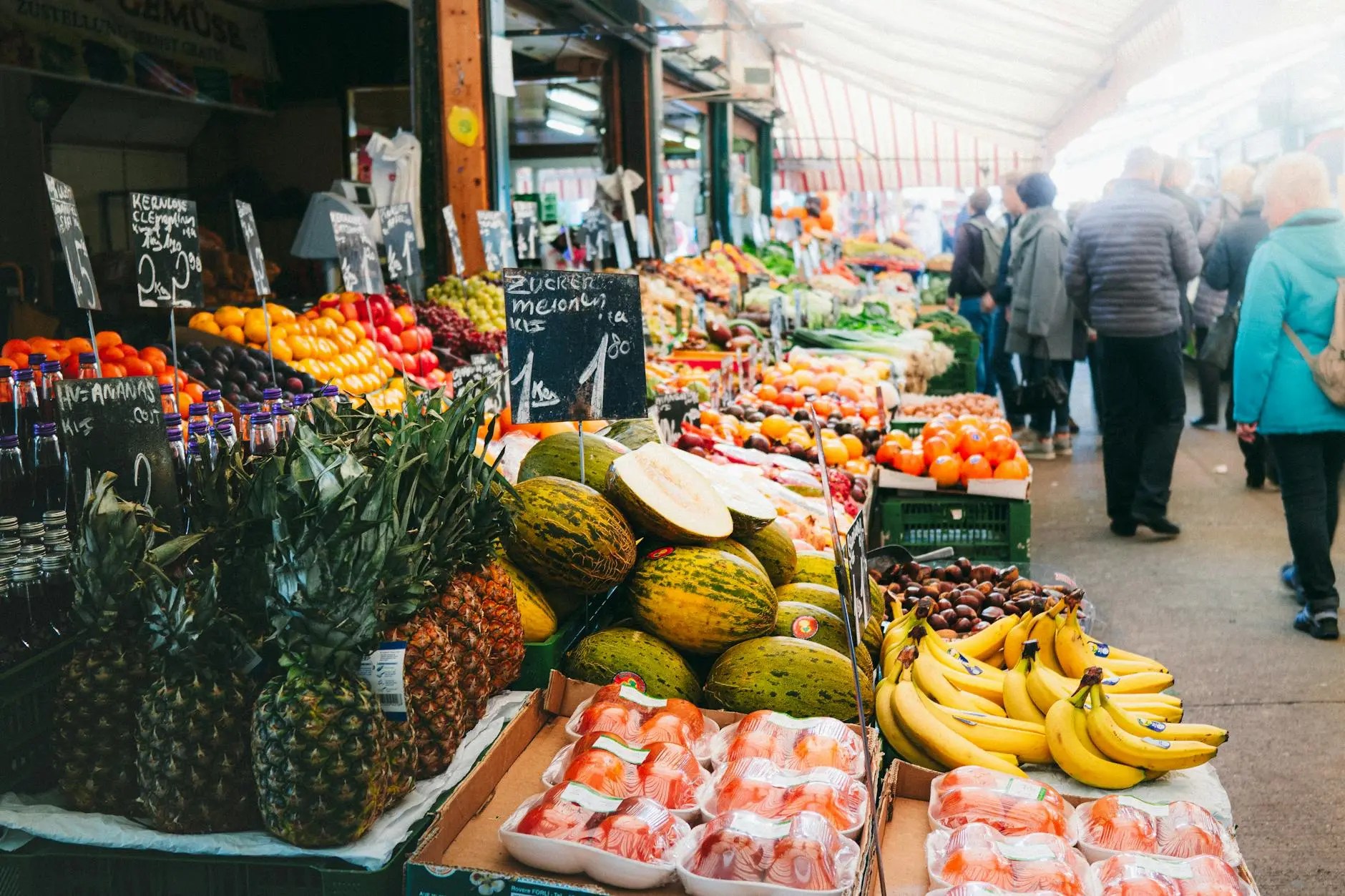
Vibrant market scene at Naschmarkt in Vienna, showcasing an array of colorful fruits and vegetables with shoppers exploring the stalls.
A vibrant display of fresh fruits and vegetables at Vienna’s Naschmarkt, showcasing the city’s culinary delights. A feast for the senses! Vienna’s Naschmarkt is a bustling, colorful paradise where you can find everything from local Austrian produce to exotic international imports. This is the perfect spot to grab a snack, pick up picnic supplies, or simply soak in the vibrant, aromatic atmosphere of the city’s most famous market.

Hundertwasser House Tours

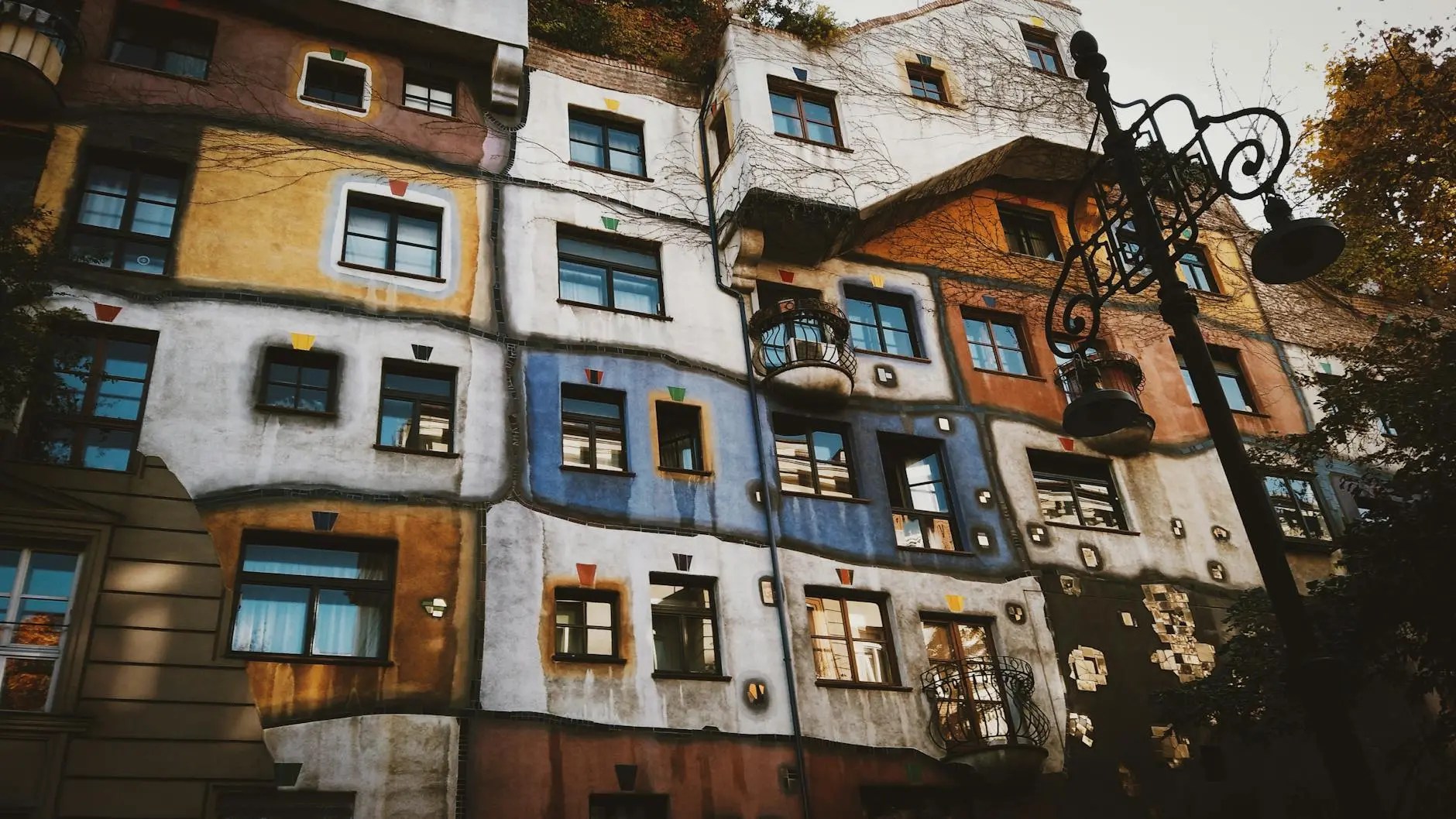
Colorful facade of the Hundertwasserhaus, an architectural landmark in Vienna, featuring irregular shapes, vibrant colors, and unique window designs.
Explore the vibrant architecture of Hundertwasserhaus, a unique apartment building known for its colorful facades and whimsical design in Vienna. Where architecture breaks all the rules! The Hundertwasserhaus is a riot of color and creativity, designed by artist Friedensreich Hundertwasser. With its undulating floors, trees growing from windows, and not a single straight line in sight, this iconic building is a joyful rebellion against boring, conventional design

St. Stephen’s Cathedral Tours

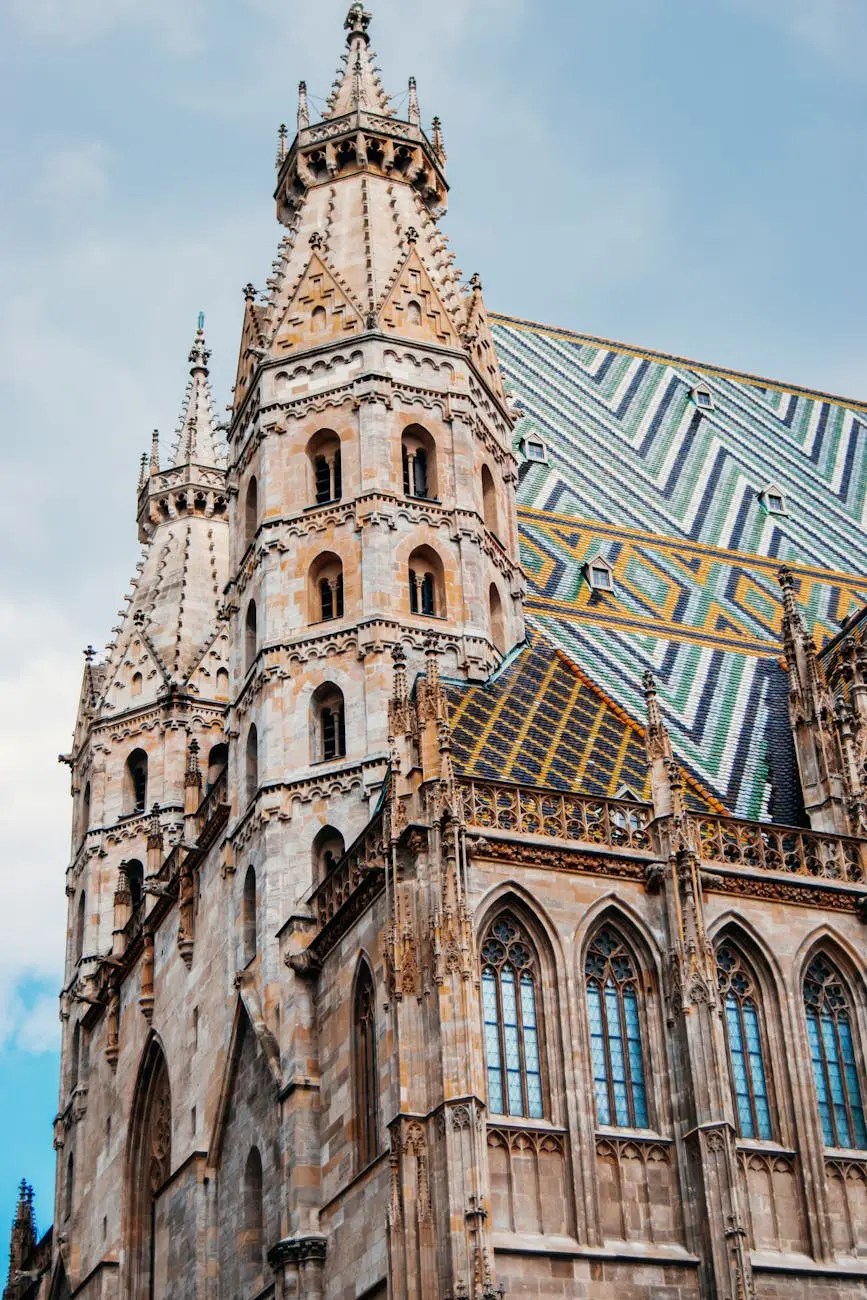
Close-up view of the intricate architecture and spires of St. Stephen's Cathedral in Vienna, showcasing its Gothic design and colorful patterned roof.
A stunning view of the intricate architecture of St. Stephen’s Cathedral in Vienna, showcasing its gothic spires and colorful tiled roof. Look up! The magnificent roof of St. Stephen’s Cathedral is covered in over 230,000 glazed tiles, arranged into intricate patterns, including the majestic double-headed eagle—a symbol of the Habsburg Empire. This Gothic masterpiece has watched over Vienna for centuries.
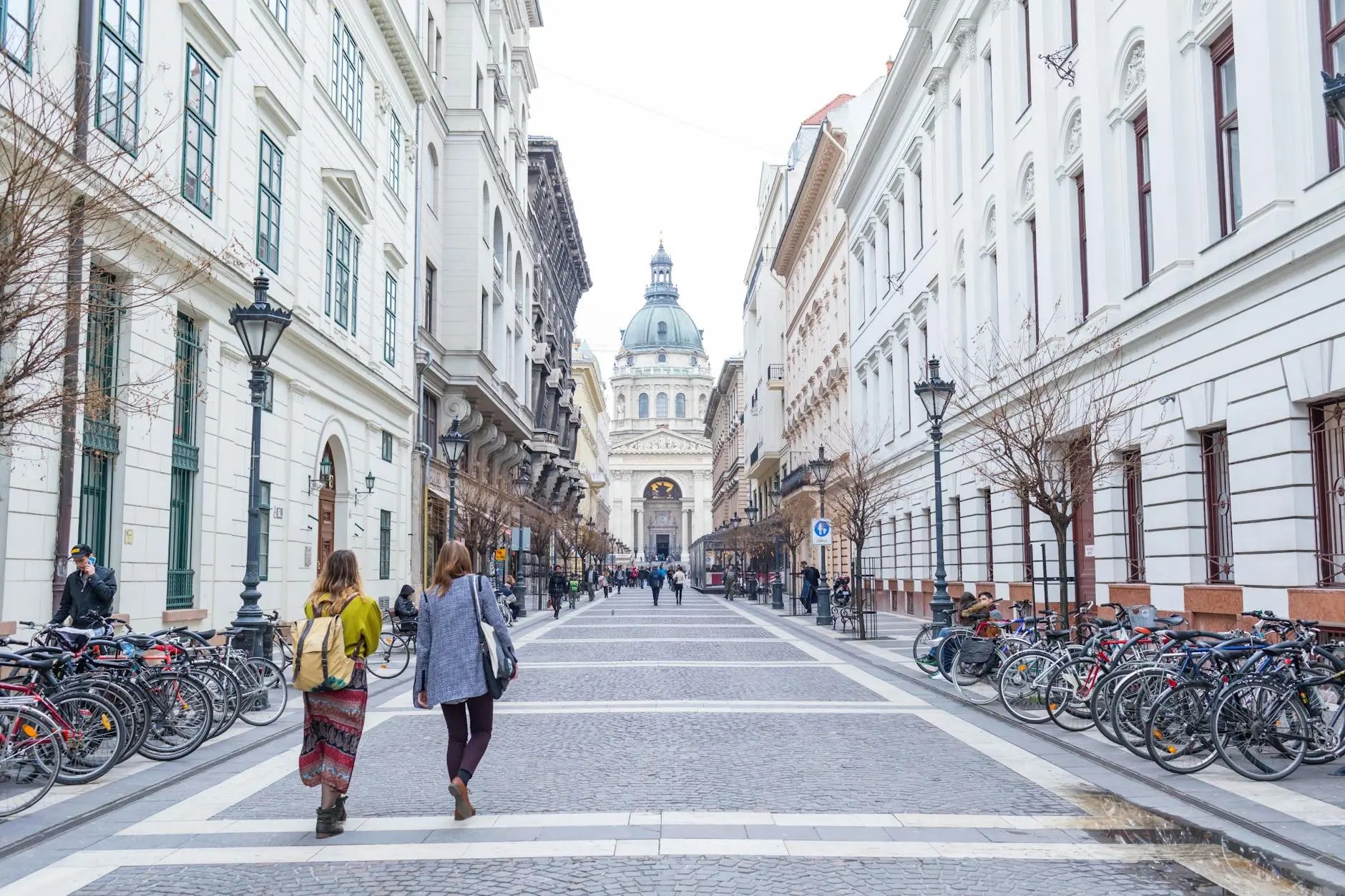
Street view in Vienna showing pedestrians walking along a cobblestone path lined with trees and bicycles parked on the side, with historic buildings and a dome structure in the background.
Strolling through the charming streets of Vienna, lined with historic architecture and bicycle racks. Getting lost is encouraged! The real magic of Vienna is found by wandering its charming, lesser-known cobblestone streets. Away from the grand palaces, you’ll find quiet lanes like this one, where bicycles lean against colorful historic buildings and the city’s effortless elegance is on full display.
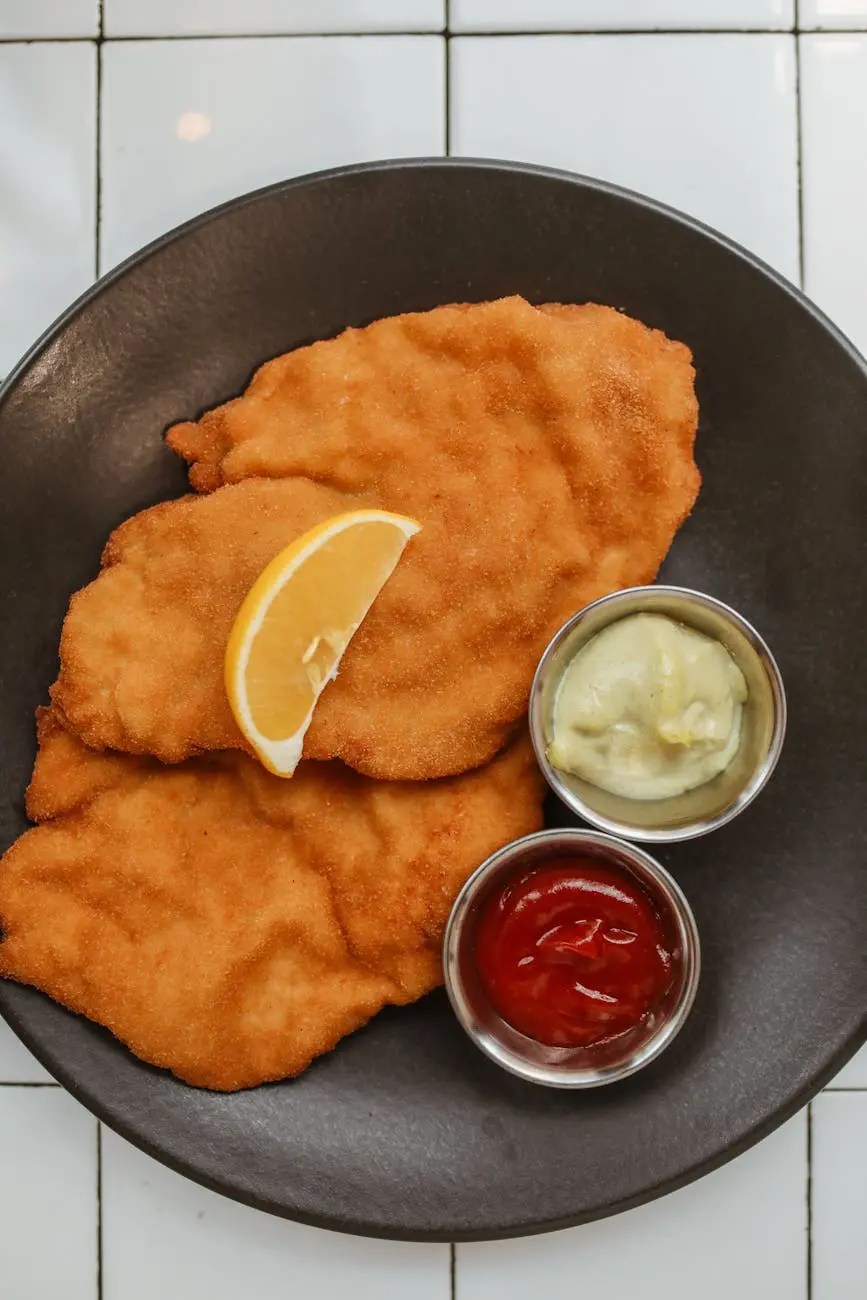
A plate of Wiener Schnitzel served with a slice of lemon and two small bowls of condiments: ketchup and mustard.
Indulge in Vienna’s iconic Wiener Schnitzel, served with lemon and traditional condiments. The ultimate Austrian comfort food: a perfectly golden, crispy Wiener Schnitzel. This pounded-thin, breaded, and fried veal cutlet is a national treasure. The key is a squeeze of fresh lemon to cut through the richness. While purists might scoff, a little dip of mustard or berry sauce never hurt anybody!
  • Hidden Gems:
    • Escape the crowds at Café Sperl, a time-capsule coffee house where locals play billiards
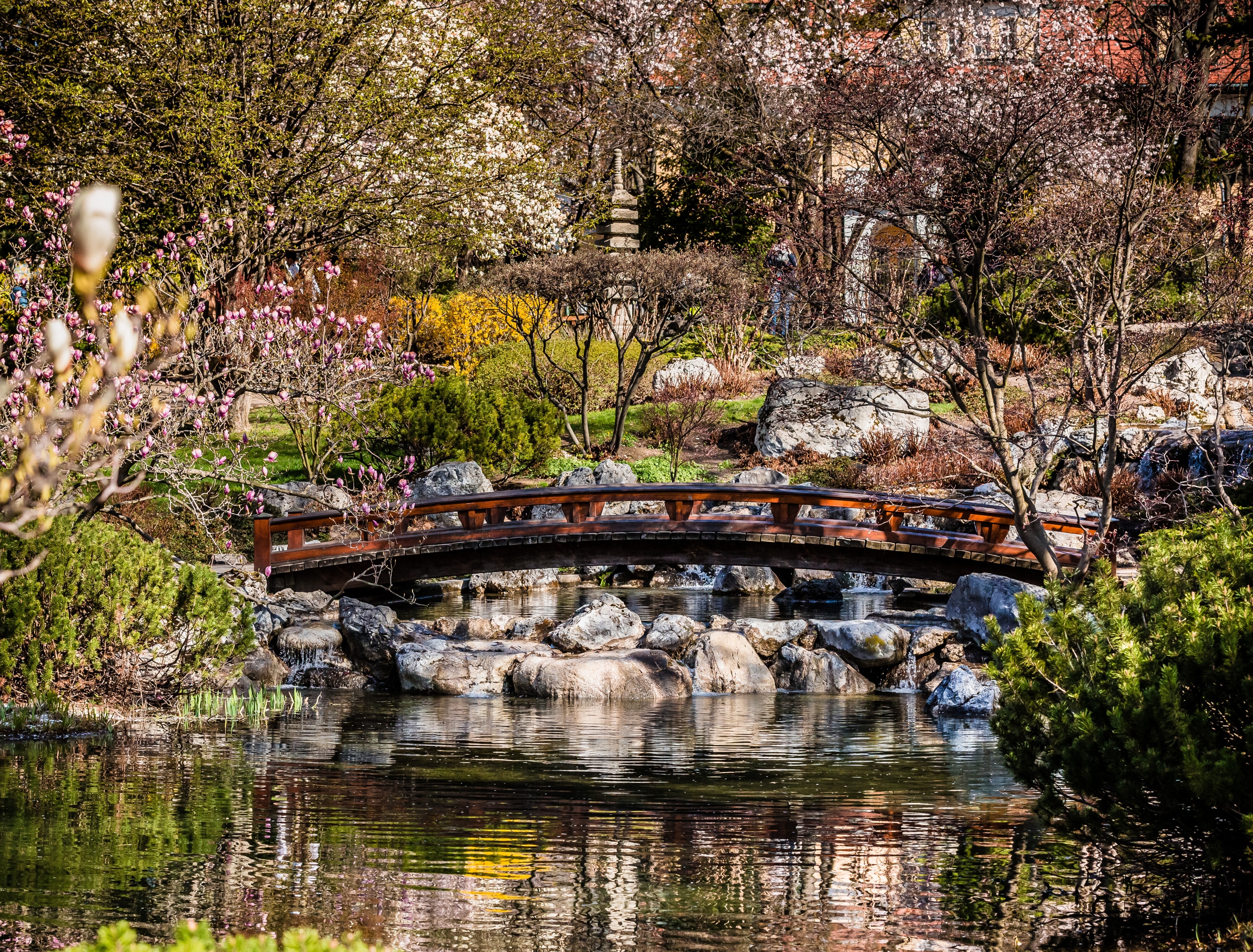
    • Discover Setagayapark, a peaceful Japanese tea garden hidden in the city
    • Visit Café Central for its stunning architecture and literary history

Setagaya Park Tours

Navigating Vienna Like a Pro: The Wiener Linien

Vienna’s public transport network (Wiener Linien) is a thing of beauty. It’s clean, efficient, and will get you absolutely anywhere.

  • The Network: It comprises U-Bahn (subway), trams, and buses. Google Maps is incredibly accurate for routes and times.
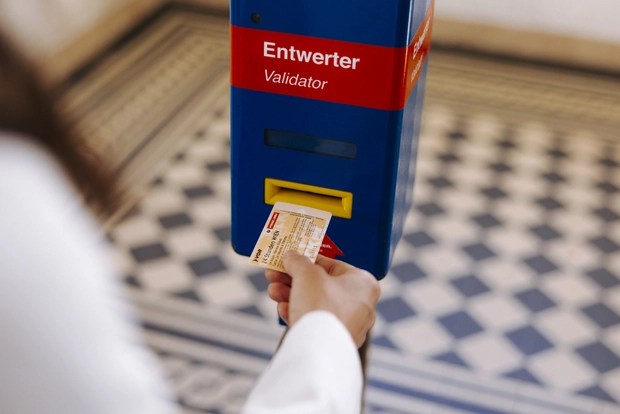
  • Tickets: For a weekend, your best bet is the Vienna City Card, which offers unlimited travel and discounts to major attractions. Alternatively, you can buy a 24-, 48-, or 72-hour unlimited pass. Remember to validate your ticket before your first journey at the little blue machines on platforms or on trams/buses! Plain-clothes inspectors are common, and fines are steep.
  • Car? Don’t even think about it. Parking is a nightmare and expensive. The city center is a maze of pedestrian zones. Save the car rental for a future [Road Trip Through the Austrian Alps].
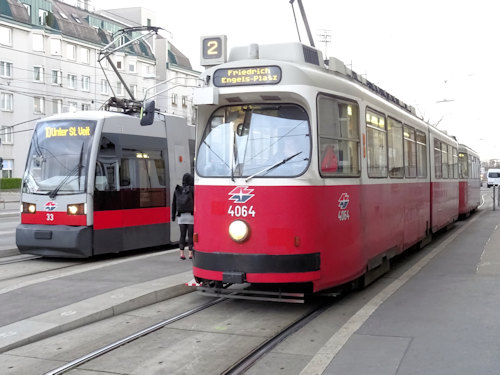
A red and gray tram at a station in Vienna, Austria, with another tram visible nearby and passengers waiting on the platform.
Vienna’s efficient public transport featuring classic trams and modern trains, showcasing the city’s seamless connectivity.

A person using a ticket validator machine with a public transport ticket in Vienna, Austria.
Validating a public transport ticket in Vienna.

Money-Saving Secrets & Hidden Gems

  • Free Entry: Many museums (like the MUMOK) have reduced or free entry on the first Sunday of the month.
  • The Water: Vienna’s tap water (Hahnwasser) is some of the best in the world, coming straight from the Alps. Carry a reusable bottle and fill up for free.
  • Hidden Gem: Escape the crowds at Café Sperl, a time-capsule coffee house where locals play billiards. Or, take tram D along the Ringstrasse for a stunning, moving tour of the city’s grandest buildings for the price of a single ticket.

Essential German Phrases for the Wiener Weekend

  • Hallo / Guten Tag (Hello / Good day)
  • Danke (Thank you)
  • Bitte (Please / You’re welcome)
  • Ein Melange, bitte (A Melange, please)
  • Zahlen, bitte (The bill, please)
  • Prost! (Cheers!)
  • Entschuldigung (Excuse me)
PhrasePronunciationMeaning
„Wo ist die U-Bahn?“Vo ist dee OO-bahn?Where is the subway?
„Ein Wasser, bitte.“Ine VAH-ser BIH-tuhOne water, please

Travel Smarter, Not Harder: My Trusted Resources

After countless trips, I rely on a few key tools to make everything smoother.

🌐 Stay Connected: I used to waste precious vacation time hunting for SIM cards at the airport. Now, I never travel without my Drimsim. It’s a genius universal SIM that works in 190+ countries. Pop it in, top up via the app, and you’re online instantly. No contracts, no hidden fees. It’s a total game-changer for navigating and posting those palace pics.

🔒 Stay Secure: Using public WiFi to check your bank account or book tickets? Big risk. A VPN encrypts your connection, keeping your data safe from hackers. It’s non-negotiable for modern travel. I’ve used NordVPN for years to stay secure and even access streaming from back home.

📸 Capture the Memories: To do Vienna justice, you need a good camera. I swear by my Sony Alpha series for capturing the gilded details of the palaces and the vibrant energy of the Naschmarkt. It’s the perfect travel companion.

🛡 Get What You’re Owed: Let’s be real, travel doesn’t always go to plan. My flight back from Vienna was once delayed by 8 hours. I didn’t stress because I knew AirHelp had my back. If your flight is delayed, canceled, or overbooked, you could be entitled to up to €600 in compensation. They handle all the paperwork and only charge if they win. It’s a no-brainer.

Ready to plan your Viennese adventure? Find the best flight and hotel deals for your dates here!

FAQ: Your Quick Vienna Weekend Questions Answered

Q: What is the best time of year for a weekend in Vienna?
A: Spring (April-May) and Fall (September-October) are ideal. The weather is mild, and the crowds are smaller than in the peak summer months. The Christmas markets in December are magical but very busy.

Q: Is Vienna expensive?
A: It can be, but it doesn’t have to be. Museum entry fees add up, so prioritize. Eating at Würstelstands and markets, using public transport, and enjoying free activities like wandering the gardens can keep costs down.

Q: How do I get from Vienna Airport (VIE) to the city center?
A: The CAT train is the fastest (16 mins) but most expensive. The ÖBB Railjet or S-Bahn (S7) train is cheaper and takes about 25 minutes to Wien Mitte. Buses and taxis are also available.

Q: Do I need to tip in Vienna?
A: Tipping is customary but modest. It’s common to round up the bill or leave 5-10% for good service in restaurants. For a €19 bill, you’d say “Make it 22, please.”

Q: Can I get by with English?
A: Absolutely. English is widely spoken in tourist areas, hotels, and restaurants. However, learning a few basic German phrases (see above!) is always appreciated and goes a long way.

Q: Is it safe?
A: Very. Typical big-city caution applies.

Q: Is the Vienna City Card worth it?
A: If you plan to visit multiple museums and use public transit extensively, the card often pays for itself within a day or two. Calculate your planned entries versus the card cost to be sure.

Emergency Number: Dial 112 throughout the EU for any emergency services.

Have your own Vienna tips or questions? Drop them in the comments below
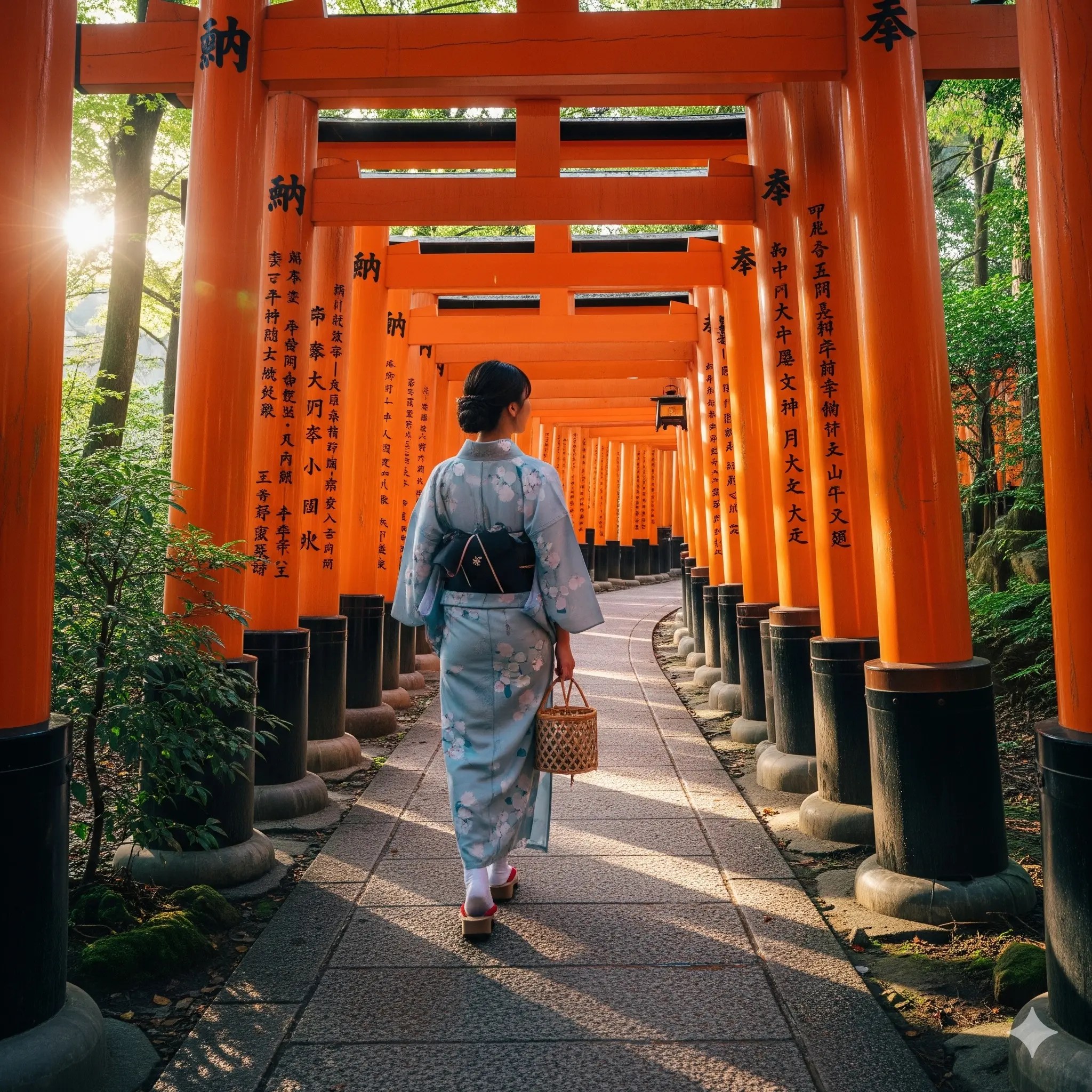
Vienna has a way of stealing a piece of your heart. I’d love to hear what yours steals! What’s the one thing you’re most excited to see or taste? Is it the Schnitzel, the symphony, or the schnapps at a Heuriger? Drop your top pick in the comments below—I read every single one!

Final Thoughts

Vienna is a weekend escape that’s decadent yet approachable, packed with culture, coffee, cute carts, and enough architectural eye-candy to keep your camera shutter snapping. With careful planning—smart transport choices, savvy savings, and insider tips—you can sip your melange, wander palace halls, and laugh at your own jokes in baroque courtyards without breaking the bank.

Happy travels—and may your weekend in Vienna be legen—wait for it—dary!

Loved this guide? Share it with the friend you’d most want to get lost in Vienna’s streets with!

Universal Disclaimer/Disclosure Page:

48-Hour Dublin Adventure: Your Ultimate Weekend Guide

Ah, Dublin. The very name conjures images of frothy pints of Guinness, lively trad music sessions, and a literary history that could fill a thousand libraries. But how do you tackle this iconic city when you only have a weekend to spare? Fear not, fellow traveler! I’ve perfected the art of the Dublin dash, and I’m here to guide you through an unforgettable 48-hour adventure that balances iconic sights with local secrets.

..As someone who’s gotten happily lost down its cobbled streets more times than I can count, I can tell you that Dublin’s magic isn’t just in its famous landmarks—it’s in the craic (that’s Irish for “fun conversation”) you’ll have with a local in a cozy pub like John Kavanagh’s, the unexpected peace of a hidden garden in St. Stephen’s Green, and the taste of a perfectly poured stout that you crafted yourself at the Guinness Storehouse. On my first visit, I spent twenty minutes trying to find a pub a friendly Dubliner recommended, only to realize it was tucked down a alleyway I’d passed three times. That’s the charm of Dublin—it rewards the curious

💡 Prefer to skip the planning? I always use Expedia to bundle my flight and hotel—it’s a lifesaver for quick, budget-friendly weekend trips. [Check Dublin deals here.]

As someone who’s gotten happily lost down its cobbled streets more times than I can count, I can tell you that Dublin’s magic isn’t just in its famous landmarks—it’s in the crack (that’s Irish for “fun conversation”) you’ll have with a local in a cozy pub, the unexpected peace of a hidden garden, and the taste of a perfectly poured stout.

Meta Description: Plan your ultimate weekend escape to Dublin, Ireland! This insider’s guide is packed with tips on saving money, using public transport, hidden gems, and crafting the perfect 2-3 day itinerary. Discover the magic of the Fair City.

Flights to Dublin

Pro Tip: For squeezing the most out of a short trip, I always book my flights and hotels together on Expedia. It often saves a chunk of change, which means more money for… well, more pints! [Find great Dublin hotel deals on Expedia here].

Table of Contents

  1. Why Dublin is the Perfect Weekend Getaway
  2. Your Dublin Weekend Itinerary: A Step-by-Step Guide
  3. Getting Around Dublin: A Guide to Public Transport
  4. Money-Saving Tips for the Savvy Dublin Traveler
  5. Beyond the Guidebook: Dublin’s Hidden Gems
  6. Essential Irish Phrases for Your Trip
  7. Travel Smart: Essential Tips for a Smooth Trip
  8. Frequently Asked Questions (FAQ)

Why Dublin is the Perfect Weekend Getaway

I’ve lost count of how many times I’ve landed in Dublin—frequently, it feels like an old friend welcoming me back. With compact neighborhoods, a my-kind-of-weather (drizzly, cozy, occasionally sunny), and craic in every corner, you can soak in a lifetime of culture in a long weekend. Plus, it’s the perfect base to explore Ireland’s wild beauty—without renting a sheepdog.

Dublin is compact, walkable, and bursting with energy. Unlike sprawling metropolises, its main attractions are close together, making it ideal for a short, action-packed trip. The flight from most European cities is short, and thanks to a fantastic (and often underrated) public transport system, you can see a huge amount without blowing your budget on taxis.

Speaking of budgets, while Ireland isn’t the cheapest destination in Europe, my guide will show you how to experience its best bits without your wallet weeping. For more on planning a budget-friendly trip to the British Isles, check out my older post: [The Thrifty Traveller’s Guide to London & Beyond].
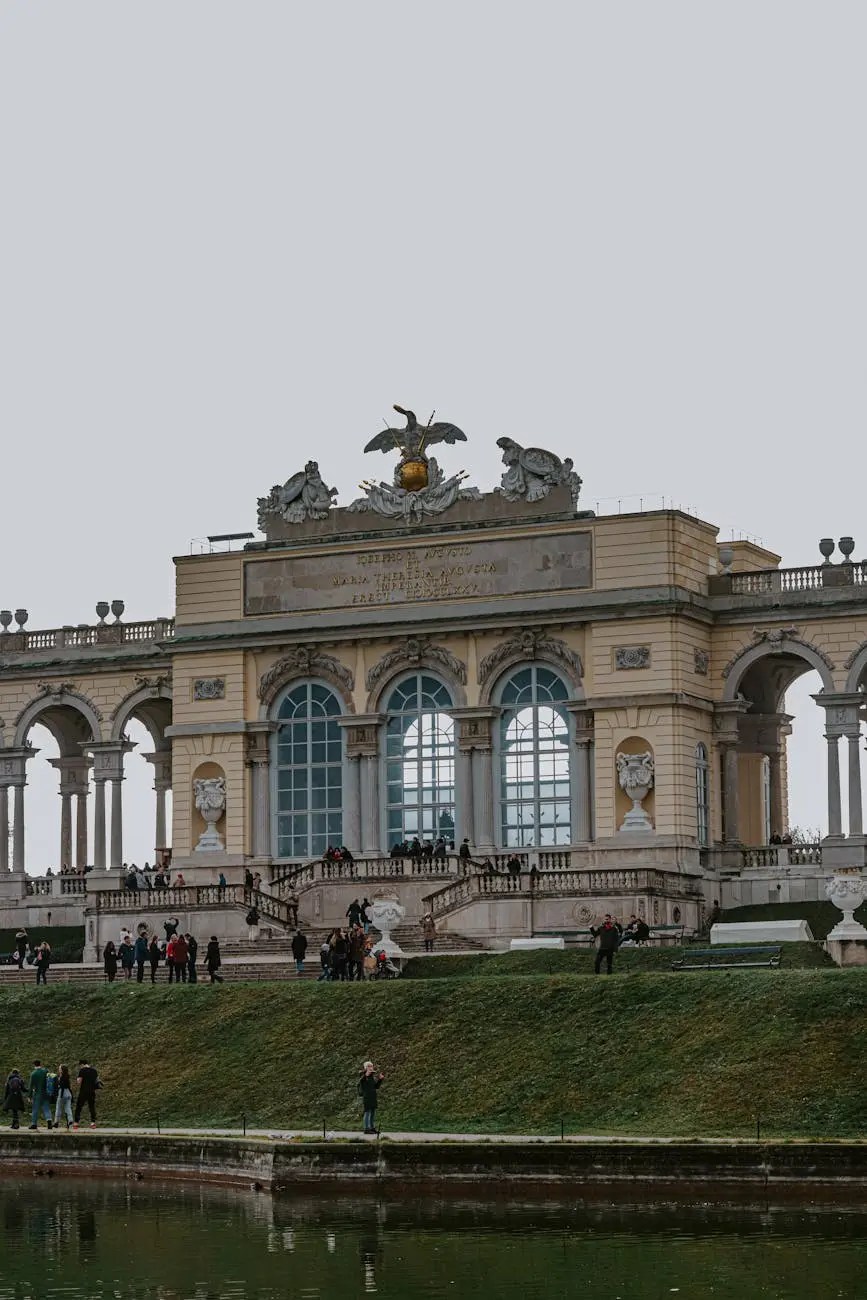
Your Dublin Weekend Itinerary

Day 1: History, Books, and Brews

  • Morning (9:30 AM): Start your day at the EPIC The Irish Emigration Museum. This isn’t your average, dusty museum. It’s an incredibly interactive and moving journey into how Irish people shaped the world. Book your tickets online in advance to skip the queues!
  • Afternoon (1:00 PM): Grab a quick lunch at the Queen of Tarts nearby for sublime soups and sandwiches before a literary pilgrimage to the Trinity College Old Library to see the breathtaking Book of Kells. Pre-booking is non-negotiable here unless you enjoy long lines.
  • Late Afternoon (4:00 PM): It’s time for the main event: the Guinness Storehouse. Yes, it’s touristy, but it’s also brilliantly done. Learn to pour your own perfect pint at the Gravity Bar and enjoy a 360-degree view of the city. Book a timed entry slot online to save money and guarantee entry.
  • Evening (7:30 PM Onwards): Dive into Dublin’s pub culture. Skip the overly commercialized Temple Bar area for a pint and instead, head to Doyle’s Pub for a traditional Irish music session or The Long Hall for its stunning Victorian interior. For dinner, The Old Storehouse in Temple Bar does great pub grub and has live music all night if you do want to experience the buzz.

A vibrant nightlife scene in a stone-arched venue, illuminated by colorful lights with a crowd enjoying the atmosphere.
Vibrant nightlife scene in Dublin, showcasing an energetic crowd under colorful lights.

View of the iconic bell tower at Trinity College Dublin, framed by archway silhouettes.

The stunning interior of the Long Room in Trinity College’s Old Library, filled with ancient books and historic busts.
Interior view of the Guinness Storehouse featuring large brewing vessels and informative displays about the brewing process.
Interactive brewing exhibits at the Guinness Storehouse in Dublin, showcasing the history and process of beer-making.

Day 2: Castles, Culture, and Cobblestones

  • Morning (10:00 AM): Hop on a Dublin Bus from the city centre to Kilmainham Gaol. This former prison is steeped in history and is one of the most profound experiences in Dublin.
    • 🚌 Getting There : The most straightforward way from O’Connell Street is to catch a bus from Aston Quay (Stop 329), a short walk across the O’Connell Bridge. Routes that serve the area near Kilmainham Gaol (like those going to James’s Hospital) are your best bet.
    • 💡 My Top Tip: Always use the official TFI Journey Planner or the TFI Live app for real-time, accurate routes and schedules from your exact location. Simply enter “O’Connell Street” as your start and “Kilmainham Gaol” as your destination. This is the most reliable method to avoid any confusion.
    • 🎫 Booking: Book your tickets for the Gaol weeks in advance—they sell out incredibly fast.

Kilmainham Gaol Historical Museum Tours

Interior of Kilmainham Gaol, showcasing the spiral staircase and high arched ceiling with natural light illuminating the space.
The historic interior of Kilmainham Gaol, showcasing its unique architectural design and rich history in Dublin.
  • Afternoon (1:00 PM): After the gaol, take a leisurely 15-minute walk to the Irish Museum of Modern Art (IMMA) located in the beautiful Royal Hospital Kilmainham. Its gardens are a perfect spot for a moment of quiet.
  • Late Afternoon (3:30 PM): Head back into the city center and explore Dublin Castle and the nearby Chester Beatty Library (a free, world-class collection of manuscripts). Then, get lost in the colorful streets of the Temple Bar area—it’s worth a wander, even if you don’t drink there.
  • Evening: For your last supper, try The Woollen Mills overlooking the Ha’penny Bridge for modern Irish cuisine. Cap off your trip with a whiskey tasting at the Irish Whiskey Museum or a pint at The Brazen Head, Ireland’s oldest pub.

Museum of Modern Art Tours

Interior view of an art gallery showcasing colorful abstract paintings on white walls, with two visitors walking along a polished floor.
Visitors exploring vibrant artworks in a modern gallery setting.

A view of a historical building with a clock tower surrounded by neatly manicured gardens and topiary in Dublin, Ireland.
Explore the beautifully manicured gardens and historic architecture at the Irish Museum of Modern Art in Dublin.
A view of St. Patrick's Cathedral in Dublin, surrounded by colorful yellow flowers in the foreground.
St. Patrick’s Cathedral framed by vibrant flowers, showcasing Dublin’s blend of history and natural beauty.

One of the best things about exploring Dublin is how compact the city center is. Take Dublin Castle and St. Patrick’s Cathedral for example—two of the city’s most iconic landmarks. They’re just a short walk apart (about 10 minutes on foot), which means you can easily fit both into the same morning or afternoon without rushing. Stroll through cobbled streets, grab a coffee along the way, and before you know it you’ll be trading medieval fortresses for soaring Gothic spires

Getting Around Dublin: A Guide to Public Transport

Public Transport

  • Dublin Bus – Affordable and frequent, but remember to carry exact fare or use a Leap Card (better value and faster boarding).
  • Luas Tram (Red & Green Lines) – Predictable, scenic, and great for hopping between temples of culture and vintage pubs.
  • DART Train – Zip down the coast to Howth or Bray for cliff walks or seafood – fewer crowds, stunning views, and cheap thrills.
Map of Dublin's public transport system, showing the routes of the LUAS tram lines in red and green.
Explore Dublin’s efficient public transport network with this detailed map, perfect for navigating the city during your weekend getaway.

Driving

If you rent, be ready for left-side driving and narrow, winding streets. Stick to main roads (e.g., N11 for south coast escapades). Fuel’s pricey here—saving time and gas is as easy as combining errands into one loop. Parking is a treasure hunt—plan ahead, and stick to park-and-rides where possible.

Forget renting a car—city centre driving is stressful and parking is extortionate. Dublin’s public transport is your best friend.

  • The Leap Card: This is your golden ticket. Buy one at any convenience store (Spar, Centra) or tourist office. It caps your daily spending on buses, trams, and trains, saving you up to 31% compared to single tickets. A must-have..

Your Secret Weapon for Dublin Transport: The Leap Visitor Card 

Navigating public transport in a new city can be confusing, not to mention expensive if you’re buying single tickets every time. During my last trip to Dublin, I discovered the absolute game-changer for getting around: The Leap Visitor Card. It saved me a ton of money and hassle, and I insist every visitor get one. Here’s everything you need to know.

What Exactly is the Leap Visitor Card?

Think of it as an all-you-can-ride pass for Dublin’s buses, trams, and trains. It’s a pre-paid plastic card that you tap on the validator when you start and end your journey (on buses, you only tap when you get on). It automatically calculates your fare and deducts it from your balance, but with a very important twist: it has a daily price cap.

This means once you’ve spent a certain amount in one day (€8 as of 2024), any additional travel for the rest of that day is completely free. This is where the massive savings come in.

Why It’s a Must-Have for Every Visitor (The Benefits)

  1. Significant Savings: This is the biggest reason. A single bus fare in Dublin paid in cash can cost over €3. With the Leap Card, that same journey is around €2.10. If you take just three bus trips in a day, you’ve already hit the €8 cap and saved money. Any travel after that is free.
  2. Unbeatable Convenience: No more fumbling for change or trying to figure out the exact fare for different zones. You just tap and go. It works on almost everything: Dublin Bus, Luas (trams), DART, Commuter Rail, and even the AirLink 747/757 bus to Dublin Airport.
  3. Flexibility: You’re not locked into a rigid tourist bus route. You can hop on any public transport service within the covered area, just like a local. Decide on a whim to take the DART to the seaside in Howth? Your card has you covered.

Key Details at a Glance (2024)

  • Cost: €16 for a 1-day card, €32 for a 3-day card, and €60 for a 7-day card.
  • Validity: The clock starts the first time you use the card, not when you buy it. A 3-day card is valid for 72 hours from first tap.
  • Coverage: Unlimited travel on all participating services in the Short Hop Zone, which covers all of Dublin city and county, and even extends to nearby towns like Maynooth, Greystones, and Balbriggan. (It’s a huge area—you won’t run out of places to explore).

Where Can You Buy One?

You can’t buy them online for collection in Ireland, but they are widely available at:

  • Dublin Airport: The SPAR store in both Terminal 1 and Terminal 2 Arrivals halls.
  • Dublin City Centre: Many newsagents and convenience stores (like SPAR, Centra, and newsstands) display the Leap Card logo in their window.
  • Tourist Offices: The Dublin Tourist Office on Suffolk Street.
  • Transport Hubs: The Leap Card Hub in Dublin City Centre (1 Lower O’Connell Street) and at some major train stations.

How to Use It: A Simple Guide

  1. Tap On: When you board a bus, tap the card on the green validator by the driver. For Luas trams and trains, tap on the platform validator before you board.
  2. Tap Off (Very Important!): For Luas trams and trains, you must tap your card on the validator when you get off to correctly calculate your fare. If you forget, you’ll be charged a default maximum fare. (On buses, you only tap when you get on).

A Quick Cost Comparison: Leap Card vs. Cash

Journey TypeCash Fare (approx.)Leap Card Fare (approx.)You Save
Dublin Bus Single Fare€3.20€2.10€1.10
Luas Tram Single Zone€2.50€1.60€0.90
AirLink 747 to Airport€7.00€6.30€0.70
1 Day of Exploring (4+ journeys)€15+Capped at €8.00€7+

As you can see, the card pays for itself incredibly quickly.

My Personal Experience: On my first day, I took the AirLink from the airport, three Dublin buses around the city, and a Luas tram back to my accommodation. I would have spent well over €20 in cash. With the Leap Visitor Card, my travel for the entire day cost me exactly €8. It was effortless and felt like I had unlocked a local secret.

Final Verdict

The Leap Visitor Card is not just a nice-to-have; it’s an essential first purchase upon arrival in Dublin. It removes the stress of transport logistics, saves you a significant amount of money, and gives you the freedom to explore Dublin and its stunning surroundings with confidence.

Your first stop after baggage claim? The SPAR at the airport to grab your card. Trust me, your wallet (and your feet) will thank you later.

[For the most official and up-to-date information, always check the official Leap visitor Card website here.]

Money-Saving Tips for the Savvy Dublin Traveler

  • Eat Lunch Out, Cook Dinner In: Grab a lunch deal from a pub or cafe, but consider an Airbnb with a kitchen to save on expensive dinners.
  • Free Attractions: Many of Dublin’s best sights are free! The National Gallery of IrelandChester Beatty LibraryIMMA, and Natural History Museum won’t cost you a cent.
  • Pub Price Check: A pint can cost anywhere from €5.50 to €8.50. Generally, pubs away from Temple Bar are cheaper.
  • Refill Your Water Bottle: Dublin tap water is perfectly safe to drink and delicious.

Beyond the Guidebook: Dublin’s Hidden Gems

  • Marsh’s Library: A perfectly preserved 18th-century library near St. Patrick’s Cathedral. It feels like stepping into Hogwarts.
  • The Little Museum of Dublin: This charming museum tells the story of Dublin in the 20th century through donated memorabilia. The tours are fantastic and full of personality.
  • Howth Cliff Walk: Got a few extra hours? Take the DART 20 minutes north to the fishing village of Howth. The cliff walk offers stunning views of Dublin Bay and you might even spot seals!

Essential Irish Phrases for Your Trip

  • Craic (pronounced “crack”): Fun, news, gossip. “What’s the craic?” means “What’s going on?” or “How are you?”
  • Sláinte (pronounced “slawn-che”): Cheers!
  • Garda: Police.
  • A Pint of Plain: A pint of Guinness.
  • Thanks: While “Thank you” is fine, “Cheers” is also widely used informally.
Word/PhraseMeaning
Éirinn go Brách (air-in guh braakh)“Ireland forever”—great for friendly toasts.
Céad míle fáilte (kayd mee-la fawl-tee)A hundred thousand welcomes—because the Irish excel at hospitality.

“Loved your weekend in Dublin? If you’re flying from North America or elsewhere, why not make it a multi-city European adventure? Dublin is perfectly positioned for a quick hop over to these other incredible weekend destinations:

  • 🇬🇧 London, United Kingdom: Dive into the vibrant energy of Britain’s capital. Here’s my guide for the perfect Ultimate Weekend Escape from London.
  • 🇳🇱 Amsterdam, Netherlands: Experience the charming canals and world-class museums. Plan your trip with my 48-Hours in Amsterdam Ultimate Weekend Guide.
  • 🇫🇷 Paris, France: Discover the iconic art, cuisine, and elegance of the City of Light. Find inspiration with my guide to weekend escapes Beyond Paris.

Each city is just a short, often inexpensive flight away, making it easy to combine two incredible trips into one!”

Travel Smart: Essential Tips for a Smooth Trip

🛡️ Protect Your Trip (& Your Peace of Mind)
No matter where your adventures take you, having the right travel insurance can save you from unexpected headaches (and bills). I personally recommend VisitorsCoverage — it’s a trusted platform where you can compare plans, find coverage that fits your trip, and book it in just a few clicks. Whether you’re planning a quick city escape or a longer international journey, it’s peace of mind worth packing. [Check and book your travel insurance with VisitorsCoverage here].

📶 Stay Connected Without the Stress
Staying connected abroad can be a nightmare of overpriced airport SIMs and shocking roaming bills. My secret weapon? Drimsim. It’s a universal data SIM that works in 190+ countries. You just pop it in your phone, top up via the app, and you’re online. No contracts, no hidden fees. It’s saved my skin (and my data plan) countless times. [Grab your Drimsim here and stay connected].

🔒 Browse Safely on Public Wi-Fi
Hotel and cafe Wi-Fi can be notoriously insecure. I never travel without my NordVPN. It encrypts my connection, keeping my personal data safe from prying eyes. It’s also brilliant for accessing streaming services from back home when you need a night in. [Get NordVPN for your travels here].

✈️ Know Your Rights: Flight Canceled?
Travel isn’t always smooth sailing. If your flight is delayed, canceled, or overbooked, you might be entitled to up to €600 in compensation under EU law. Most people never claim it. I use AirHelp to handle the paperwork and fight the airlines for me. They only get paid if you win. It’s a no-brainer! [Check your flight eligibility with AirHelp here].

Q: Do I need a visa to visit Dublin, Ireland?
A: If you are a citizen of the EU, EEA, USA, Canada, UK, Australia, or New Zealand, you do not need a visa for short tourist visits (up to 90 days). Always check the official Irish Immigration website for the most current requirements based on your nationality.

Q: What is the best time of year for a weekend trip to Dublin?
A: Late spring (May-June) and early autumn (September-October) are ideal. The weather is often mild, and the crowds are smaller than in the peak summer months of July and August.

Q: Is Dublin an expensive city?
A: It can be, but it doesn’t have to be. Accommodation and alcohol are the biggest expenses. By using a Leap Card, enjoying free museums, eating smart, and following the tips above, you can have an amazing time on a reasonable budget.

Q: How walkable is Dublin city centre?
A: Extremely. The core area between St. Stephen’s Green, Trinity College, Temple Bar, and O’Connell Street is easily explored on foot. Public transport is best for attractions like Kilmainham Gaol, Guinness Storehouse, and Phoenix Park.

Q: How much does a pint of Guinness cost?
A: As of 2024, expect to pay between €5.50 and €7.50 for a pint in most city centre pubs. Temple Bar pubs will be at the very top end of that scale (or even higher).

Is public transport safe at night?
A: Yes—buses and trams run late, especially on weekends. Stick to well-lit stops, stay alert, and you’ll be as safe as anywhere in Europe.

Have your own can’t-miss Dublin tip or hidden gem? Share it in the comments below—I’d love to hear from you!

Ready to start planning your ultimate escape? Dublin is waiting to steal your heart (and maybe your liver, but in the best way possible). Sláinte!

[Start your adventure by booking your Dublin flight and hotel package on Expedia here]


Universal Disclaimer/Disclosure Page:

48 Hours in Melbourne: The Ultimate Weekend Itinerary

📑 Table of Contents

  1. Why Melbourne is a Must-Visit City
  2. Day 1: Laneways, Coffee, and Culture
    1. Morning: Espresso Yourself
    2. Midday: Federation Square & Flinders Street Station
    3. Afternoon: Laneway Hunt
    4. Evening: Yarra River Vibes
  3. Day 2: Markets, Sports, and Gardens
    1. Morning: Queen Victoria Market
    2. Midday: Sports Lovers’ Heaven
    3. Afternoon: Royal Botanic Gardens
    4. Evening: St Kilda Sunset
  4. Getting Around Melbourne
  5. Smart Money-Saving Tips
  6. Hidden Gems in Melbourne
  7. Essential Travel Resources
    1. Stay Connected with Drimsim
    2. Flight Compensation with AirHelp
    3. Online Safety with NordVPN
    4. Capture Moments with the Right Camera
    5. Travel Insurance with VisitorsCoverage
  8. Aussie Lingo Cheat Sheet
  9. More Weekend Escapes You’ll Love
  10. Final Thoughts

If cities had personalities, Melbourne would be that effortlessly cool friend who always knows the best coffee spot, has a secret gig lined up, and casually suggests, “Oh, let’s just hop on a tram.” And here’s the kicker—it’s not just me saying this. Melbourne consistently ranks among the Top Visited Cities in the World, attracting travelers for its artsy vibes, hidden laneway cafés, sporting culture, and that unbeatable Aussie charm.

But hey, weekends are short, so let’s maximize those 48 hours with a practical, wallet-friendly, and slightly cheeky itinerary. 🚋☕

Flights to Melbourne

Hotels in Melbourne

🗓️ Day 1:

Laneways, Coffee, and Culture

  • Morning – Espresso Yourself
    Start your day with strong coffee in Melbourne. Head to Degraves Street for breakfast at a cozy café. Order a flat white (not just “coffee”).

  • Midday – Federation Square & Flinders Street Station
    Walk across to iconic Fed Square, where art meets architecture. Snap a photo at the heritage-listed Flinders Street Station, then wander into the ACMI Museum.

  • Afternoon – Laneway Hunt
    Melbourne’s laneways are like an outdoor art gallery. Hosier Lane is world-famous for street art, while AC/DC Lane (yes, named after the band) rocks with live music bars.

  • Evening – Yarra River Vibes
    End the night at Southbank Promenade with dinner overlooking the Yarra. If you’re into nightlife, Chinatown’s karaoke bars are hilariously fun—even if your singing isn’t. 🎤

A bustling laneway in Melbourne, featuring colorful café signs and people walking under a cloudy sky, showcasing the city's vibrant street culture.
Exploring Melbourne’s vibrant laneways, where art and culture come alive.

Fed Square Tours

The contemporary architectural facade of Federation Square in Melbourne, featuring angular shapes and a glass entrance, with people gathered outside.
Federation Square in Melbourne, showcasing its iconic modern architecture and vibrant atmosphere.

Flinders

Exterior view of Flinders Street Station in Melbourne, showcasing its iconic architecture and clock tower, with pedestrians walking in front.
The iconic Flinders Street Station in Melbourne, a must-visit landmark that showcases the city’s rich architectural heritage.

Australian Centre for the Moving Image Tours

Exterior view of the ACMI (Australian Centre for the Moving Image) building in Melbourne, featuring the Alfred Deakin Building signage and promotional display.
The iconic entrance of the ACMI (Australian Centre for the Moving Image) located in Melbourne’s Federation Square, showcasing its modern architecture and vibrant exhibitions.

Laneway Hunt.

A young girl stands confidently in a Melbourne laneway, wearing a light blue puffer jacket and holding a playful tiger-shaped handbag, with colorful shop signs and pedestrians in the background.
A young girl poses stylishly in a Melbourne laneway, showcasing the city’s vibrant street culture.

Hosier Lane Tours

A group of people exploring a vibrant laneway filled with colorful street art in Melbourne.
Exploring the vibrant street art and laneways of Melbourne, a must-see for any visitor.

Hotels in Yarra Riverfront, Melbourne

Yarra River Walk Tours

Night view of the Yarra River in Melbourne, showcasing illuminated buildings and a pedestrian bridge.
The illuminated Yarra River at night, showcasing the vibrant Southbank Promenade and its modern architecture in Melbourne.

Chinatown

A bustling street scene in Melbourne's Chinatown at night, featuring a vibrant archway adorned with traditional Chinese decorations and lanterns, surrounded by pedestrians enjoying the lively atmosphere.
A lively scene in Melbourne’s Chinatown at night, showcasing the vibrant atmosphere and traditional architecture.

🗓️ Day 2: Markets, Sports, and Gardens

  • Morning – Queen Victoria Market
    Grab a hot jam doughnut from the market’s van (a local legend). Pick up quirky souvenirs while chatting with friendly stall owners.

  • Midday – Sports Lovers’ Heaven
    Melbourne is the sports capital of Australia. Tour the Melbourne Cricket Ground (MCG), or catch a game if you’re lucky.

  • Afternoon – Royal Botanic Gardens
    Escape the hustle with a peaceful stroll through Royal Botanic Gardens. Perfect picnic spot if the weather is kind.

  • Evening – St Kilda Sunset
    Take tram #96 to St Kilda. Chill by the beach, spot little penguins at the pier, and wrap up your weekend with fish and chips on the sand. 🐧🌅

Queen Victoria Market Tours

A vibrant view of the Queen Victoria Market in Melbourne, showcasing colorful stalls and a backdrop of tall city skyscrapers.
A vibrant scene at Queen Victoria Market, showcasing local stalls with Melbourne’s skyline in the background.
A container filled with golden-brown jam-filled doughnuts coated in sugar, showcasing a sweet treat commonly found at markets.
Delicious hot jam doughnuts from Queen Victoria Market, a must-try treat in Melbourne.

Melbourne Cricket Ground Tours

Crowd at the Melbourne Cricket Ground waving an Indian flag during a cricket match, with seats and players visible in the background.
Fans cheer with the Indian flag at the Melbourne Cricket Ground during a lively match.

Royal Botanic Gardens Tours

A peaceful garden scene featuring various shrubs and trees, including a tall conifer and bushy yellow foliage, with a stone barrel partially visible among the greenery.
Lush greenery and peaceful surroundings in the Royal Botanic Gardens of Melbourne.

St Kilda Beach Tours

A scenic view of a sandy beach with a lighthouse in the background, featuring a rocky coastline and cloudy sky.
A scenic view of a lighthouse on the beach in Melbourne, surrounded by rocky shores and cloudy skies.

🚋 Getting Around Melbourne

Public transport is your best friend here:

  • Myki Card – Get one at train stations or 7-Eleven, it works for trains, buses, and trams.
  • Free Tram Zone – Within Melbourne CBD, trams are free. Yes, FREE. Use it to save both time and money.
  • Regional Day Trips – If you’ve got extra time, rent a car for the Great Ocean Road drive (but start early—it’s breathtaking).

💡 Money-saving hack: Use Google Maps or the PTV app for live tram and bus times. It’ll save you from awkwardly waiting at the wrong stop (happened to me once—ended up in Brunswick by mistake).

💸 Smart Ways to Save in Melbourne

  • Eat like a local at markets instead of pricey restaurants.
  • Use free city trams instead of taxis.
  • Visit museums on free-entry days.
  • Book flights and stays smart: I always use Expedia for flexible deals.

✨ Hidden Gems in Melbourne

  • Abbotsford Convent – A creative hub with art studios and a gorgeous garden café.
  • State Library Victoria Dome Room – Feels like stepping into a Harry Potter set.
  • Brighton Beach Boxes – Colorful beach huts perfect for photos.

Abbotsford Convent Tours and Activities

View of a historic building with a lush green lawn and trees under a partly cloudy sky.
A beautiful view of Abbotsford Convent in Melbourne, showcasing its stunning architecture and lush gardens.

State Library of Victoria Tours

Interior view of a grand library featuring multiple reading tables and bookshelves, with people studying throughout the space.
The stunning interior of State Library Victoria, showcasing its grand architecture and vibrant study areas.

Brighton Beach Tours

Colorful beach huts lined up along a sandy beach under a clear blue sky.
Brighton Beach Boxes: Iconic colorful beach huts iconic to Melbourne, perfect for a picturesque beach day.

🛠️ Travel Resources

✈️ Stay Connected Anywhere
Keeping in touch abroad doesn’t have to drain your wallet. I use Drimsim—a global SIM card that works in 190+ countries. No surprise roaming bills, just easy top-ups through the app.

✈️ Flight Delayed or Canceled?
Don’t let airline drama ruin your trip. Check your flight with AirHelp—you could claim up to $650 compensation if you’re eligible.

🔒 Stay Safe Online
Travel often means public WiFi (aka hacker heaven). I always use NordVPN to protect my data and stream my favorite shows abroad.

📸 Capture the Magic
Whether it’s Melbourne’s street art or St Kilda’s penguins, a good camera makes all the difference. Check out my go-to gear here.

🛡️ Travel Insurance Must-Have
Accidents, delays, and lost luggage happen. I recommend VisitorsCoverage—easy to compare and book plans online.

🗣️ Aussie Lingo Cheat Sheet

  • Arvo = Afternoon
  • Macca’s = McDonald’s
  • No worries = It’s okay / You’re welcome
  • Mate = Friend
  • Thongs = Flip-flops (not underwear, don’t panic 😅)

🔗 More Weekend Escapes

If Melbourne has you hooked on short city adventures, you’ll love these too:

✅ Final Thoughts

Melbourne isn’t just another dot on the map—it’s a mood, a lifestyle, and a caffeine-fueled love affair waiting to happen. Plan smart, travel light, and let the laneways lead you to discoveries you’ll brag about long after your flight home.

So, ready to book your Melbourne weekend escape? Grab your deals on Expedia and start packing—your adventure awaits.

Frequently Asked Questions About a Weekend in Melbourne

1. Is 2 days enough to explore Melbourne?
Two days won’t cover everything, but it’s enough to get a real taste of Melbourne—its laneways, coffee culture, iconic landmarks, and even a sunset at St Kilda. Think of it as a sampler platter; you’ll probably be back for seconds.

2. What’s the best way to get around Melbourne?
Public transport is your best friend. Grab a Myki card (works on trams, trains, and buses). Inside the CBD, trams are free—yes, zero dollars. For side trips like the Great Ocean Road, rent a car (here’s my favorite site: GetRentacar).

3. When is the best time to visit Melbourne?
Spring (September–November) and autumn (March–May) are ideal—pleasant weather, fewer crowds, and plenty of events. Melbourne’s weather can be unpredictable though, so pack layers. Locals say you can experience four seasons in a day—and they’re not kidding.

4. Is Melbourne expensive for travelers?
It can be, but you can hack it:

  • Use free trams in the CBD.
  • Eat at Queen Victoria Market instead of pricey restaurants.
  • Visit museums on free-entry days.
  • Book your stays and flights smart on Expedia.

5. What hidden gems should I check out?
Besides the classics, don’t miss:

  • State Library Victoria Dome Room (a book-lover’s heaven).
  • Abbotsford Convent for artsy vibes and chill cafés.
  • Brighton Beach Boxes for that Instagram shot.

6. How safe is Melbourne for tourists?
Very safe. The biggest risk is jaywalking across tram lines while distracted by your phone (don’t do it 😅). Use common sense, keep your belongings close in busy areas, and you’ll be fine.

7. Do I need travel insurance for a short trip?
Absolutely. Even for a weekend, unexpected medical bills or flight issues can ruin your trip. I recommend VisitorsCoverage—quick, reliable, and gives peace of mind.

8. How do I stay connected with mobile data?
Forget overpriced roaming. I use Drimsim, a global SIM card that works in 190+ countries. Just pop it in and you’re online—no hidden fees.

9. What should I do if my flight gets delayed or canceled?
Don’t panic. Use AirHelp to check if you’re owed compensation—sometimes up to $650. They do all the paperwork and only get paid if you win.

10. What Aussie slang should I know before visiting?

  • Arvo = Afternoon
  • Macca’s = McDonald’s
  • No worries = You’re welcome / It’s fine
  • Mate = Friend
  • Thongs = Flip-flops (not underwear 😅)

🚀 Explore Melbourne with Our Interactive Map!

To make your planning even easier, I’ve created a custom Google My Map with every location from this itinerary pinned and categorized. You can open it on your phone to get real-time directions right when you need them!

[👉 Click Here to Open the Interactive Melbourne Map](Insert Your Map Link Here)

How to use it:

  1. Click the link above to view the map.
  2. To save it to your own Google account, click the star (⭐) next to the map’s title. This will add it to “Your Places” in Google Maps.
  3. When you’re in Melbourne, simply open your Google Maps app, tap “Saved” > “Maps,” and you’ll see it there—even offline!

No more fumbling between tabs; your ultimate Melbourne weekend is now just a tap away!


Universal Disclaimer/Disclosure Page:

Explore Seoul: A Weekend Guide to History and Modernity

Table of Contents

  1. Introduction: A Glimpse into Seoul’s Duality
  2. Planning Your Seoul Weekend Getaway
    • Best Time to Visit
    • Visa and Entry Requirements
    • Getting Around: Mastering Public Transport
    • Where to Stay: Neighborhood Highlights
  3. Your Seoul Weekend Itinerary
    • Day 1: A Journey Through Ancient History
      • Morning: Gyeongbokgung Palace & Bukchon Hanok Village
      • Afternoon: Insadong Cultural Street & Jogyesa Temple
      • Evening: A Traditional Dinner and Night Views
    • Day 2: Modern Marvels & Urban Culture
      • Morning: Myeongdong Shopping & N Seoul Tower
      • Afternoon: Gangnam District & COEX Mall
      • Evening: Hongdae’s Lively Street Culture and Nightlife
  4. Essential Korean Experiences
    • Food Guide: Must-Try Dishes and Street Food
    • Cultural Etiquette: Do’s and Don’ts
  5. Practical Tips for Your Trip
    • Language and Useful Phrases
    • Staying Connected: WiFi and SIM Cards
    • Money and Tipping Culture
  6. Conclusion: Your Unforgettable Seoul Adventure Awaits

Seoul isn’t just a city. It’s a whirlwind of neon lights, sizzling street food, and ancient palaces. K-pop beats will keep you moving faster than a high-speed KTX train. Ranked among the Top Visited Cities in the World, South Korea’s capital perfectly combines tradition and innovation. This makes it an unforgettable destination for your next weekend escape. Whether you’re a foodie, history buff, or just looking to snap some Instagram-worthy shots, Seoul has something for everyone.

Flights to Seoul

Day 1: History Meets Modern Seoul

Morning: Gyeongbokgung Palace

Start your trip with a royal touch at Gyeongbokgung Palace, the largest of Seoul’s five grand palaces. Watching the Changing of the Guard ceremony is like stepping into a time machine (minus the jet lag). Pro tip: rent a traditional Hanbok nearby—you’ll get free entry to the palace and look like you’ve walked straight out of a K-drama

Seoul Vacations

Gyeongbokgung Palace Tours

A peaceful view of Gyeongbokgung Palace surrounded by colorful autumn foliage, featuring a traditional pavilion and a serene pond reflecting the landscape.
Autumn colors at Gyeongbokgung Palace, showcasing the stunning architecture and tranquil pond.

Afternoon: Bukchon Hanok Village & Insadong

Wander through Bukchon Hanok Village, a maze of traditional Korean houses (hanoks) where old Seoul meets chic cafés and art galleries. Then stroll over to Insadong for tea houses, handicraft shops, and a little people-watching.

Bukchon Hanok Village Tours

A winding pathway through Bukchon Hanok Village featuring traditional Korean houses surrounded by lush greenery and distant mountains.
The view is picturesque. Traditional hanok houses in Bukchon Hanok Village, Seoul, are surrounded by lush hills. This scene blends history with modern charm.

Hotels in Insa-dong, Seoul

A bustling street in Seoul at night, illuminated by vibrant neon signs and reflections on wet pavement, with people walking under umbrellas in a light rain.
A vibrant night scene in Seoul showcasing neon lights and lively streets, perfect for exploring during your weekend getaway.

Evening: Myeongdong Night Market

When the sun sets, Myeongdong comes alive. From spicy tteokbokki (rice cakes) to hotteok (sweet pancakes), your taste buds will thank you. Don’t forget skincare shopping—yes, you’ll probably leave with more sheet masks than you can carry. (If K-beauty makes your heart sing, you’ll love exploring our detailed reviews of Korean skincare essentials from Lakinza that we’ve already tested and recommended for glowing skin.)

Myeong-dong Vacations

Street scene in Seoul bustling with people and colorful shop signs, showcasing the vibrant urban culture.
Exploring the vibrant streets of Myeongdong, where shopping and street food come alive.

A plate of spicy tteokbokki, a popular Korean street food made from chewy rice cakes in a red, spicy sauce, served with a side of fresh salad.
A plate of spicy tteokbokki, a must-try street food in Seoul, featuring chewy rice cakes drenched in a vibrant red sauce.

A stack of pancakes topped with sliced strawberries, caramel drizzle, and a sprinkle of powdered sugar, accompanied by a small cup of whipped cream.
Enjoy a delicious stack of fluffy pancakes. They are topped with fresh strawberries and caramel sauce. This is perfect for a sweet start to your day in Seoul.

Day 2: Local Life & Hidden Gems

Morning: Namsan Tower (N Seoul Tower)

Kick off with panoramic views of Seoul at Namsan Tower. Hike up if you’re feeling energetic, or take the cable car if last night’s soju is still haunting you. Don’t miss the “love locks” fence—corny but cute.

N Seoul Tower Tours

Namsan Tower, also known as N Seoul Tower, rises above vibrant pink trees against a clear blue sky, offering panoramic views of the city.
Stunning view of Namsan Tower surrounded by vibrant cherry blossom trees in Seoul.

Namsan Cable Car Tours

Two blue ski gondolas suspended on cables against a cloudy sky.
A scenic view of cable cars hanging over a snowy landscape, perfect for tourists visiting Namsan Tower.

Afternoon: Hongdae & Mapo

Seoul’s youth culture hub, Hongdae, is buzzing with street performers, indie music, and quirky cafés. For lunch, dive into Mapo district for authentic Korean BBQ—yes, you cook the meat yourself, and yes, you’ll smell like grilled heaven afterward.

Hongdae Vacations

A group of people examining various items displayed on a wooden wall covered in small compartments, illuminated by warm overhead lights.
Exploring the unique displays in a trendy shop at Hongdae, showcasing various art and culture.
A vendor preparing skewered street food at a market in Seoul, with various food items displayed on a counter and a bright take-out menu in the background.
A street vendor artfully preparing delicious skewered dishes at Myeongdong Night Market, a popular foodie destination in Seoul.

Myeong-dong Vacations

Evening: Han River & Dongdaemun Design Plaza (DDP)

Wrap up your weekend with a riverside picnic at the Han River. Locals often order fried chicken and beer delivered right to the park (because Seoul is just that awesome). If design and architecture fascinate you, finish with the futuristic Dongdaemun Design Plaza—it’s like stepping onto a sci-fi movie set.

Seoul Han River Night Tour: Picnic, Games & Moonlight Cruise

Night view of a brightly lit bridge over a river with a city skyline in the background, showcasing vibrant colors reflecting on the water.
Night view of a beautifully lit bridge over the Han River in Seoul, with the Namsan Tower in the background.

Dongdaemun Design Plaza Tours

View of the futuristic Dongdaemun Design Plaza (DDP) in Seoul, showcasing its unique architectural design with curved metal roof and supporting concrete pillars.
Explore the futuristic architecture of Dongdaemun Design Plaza, a must-visit spot in Seoul.

Getting Around Seoul Like a Local

Seoul’s public transportation is a dream once you figure it out:

  • Metro: The Seoul Metro is vast, punctual, and affordable. Grab a T-Money card, which works on subways, buses, and even taxis.
  • Buses: Color-coded (blue for long distances, green for local, red for suburban, yellow for circular routes), buses are efficient and cover areas the metro doesn’t.
  • Taxis: Safe and relatively cheap, though traffic can be heavy. Apps like KakaoTaxi make hailing easier.
  • Car rentals: Not recommended for short visits—traffic is intense, and parking is expensive. Stick with public transport and save time and gas.

💡 Travel Hack: Download Naver Maps or KakaoMap—Google Maps doesn’t always work well in South Korea.

Best Time to Visit Seoul

  • Spring (March–May): Cherry blossoms turn the city into a pastel dream.
  • Autumn (September–November): Crisp air and stunning fall foliage.
  • Winter (December–February): Cold but magical—perfect for hot street food.
  • Summer (June–August): Hot, humid, and crowded—bring sunscreen and patience.

To avoid crowds, plan your palace visits early in the morning and shopping sprees on weekdays.

Hidden Gems Only Locals Know

  • Ikseon-dong Hanok Street: A hip version of Bukchon, filled with boutique cafés and fusion restaurants.
  • Seoul Forest: A quieter alternative to the Han River parks, perfect for cycling or picnics.
  • Cheonggyecheon Stream: A peaceful walkway in the middle of downtown Seoul.

A street food vendor in Seoul preparing skewered dishes at a bustling market, with various foods displayed and a sign showing prices in the background.
A street vendor prepares delicious Korean snacks at a bustling market in Seoul.

Hotels in Ikseon-dong Hanok Village, Seoul 

A traditional Korean pavilion nestled among lush greenery, showcasing intricate architectural details and a serene atmosphere.
A traditional Korean pavilion nestled within lush greenery, showcasing Seoul’s serene architectural beauty.(Seoul Forest)

A view of a serene waterway in Seoul lined with colorful lanterns, framed by modern skyscrapers and lush greenery.
A serene view of a tree-lined stream surrounded by tall buildings, decorated with colorful lanterns, evoking a lively atmosphere in Seoul.

Smart Travel Tips for Seoul

✈️ Stay Connected Without the Headache
Roaming charges can ruin your travel budget. I use Drimsim—a universal SIM card that works in 190+ countries. Just insert it, top up via the app, and you’re online without hunting down local SIM cards.

✈️ Flight Delayed or Canceled?
Travel hiccups happen. If your flight to or from Seoul is canceled or delayed, you could claim up to $650 in compensation through AirHelp. They handle the process, and you only pay if you win—stress-free.

🔒 Online Security While Traveling
Public Wi-Fi in airports and cafés isn’t always safe. I keep my data secure with NordVPN—a must for booking flights, checking bank accounts, or just streaming Netflix abroad.

📸 Capture Every Moment
Seoul is a photographer’s playground. From neon-lit streets in Gangnam to tranquil palaces, don’t forget to bring a good camera. I recommend checking out some solid gear here.

✈️ Smart Travel Tip: No matter where your adventures take you, having the right travel insurance can save you from unexpected headaches (and bills). I personally recommend VisitorsCoverage — it’s a trusted platform where you can compare plans, find coverage that fits your trip, and book it in just a few clicks. Whether you’re planning a quick city escape or a longer international journey, it’s peace of mind worth packing.

✈️ Book Your Stay Smartly
I always use Expedia for hotels and flights. Flexible bookings mean less stress if plans change.

Final Thoughts

A weekend in Seoul might not be enough to cover everything. However, it’s more than enough to fall in love with the city. Between royal palaces, sizzling BBQ, futuristic towers, and cozy hidden cafés, Seoul blends tradition with modernity in the most seamless way possible. Whether you’re chasing cherry blossoms, shopping till midnight, or just people-watching by the Han River, this city will pull you back again and again.

If you’re planning more adventures, check out my other weekend guides like Barcelona, Sydney, and Madrid. ✈️

👉 So, when are you packing your bags for Seoul? Let me know in the comments—I’d love to hear your favorite hidden spots!

 Universal Disclaimer/Disclosure Page:

Frequently Asked Questions (FAQ)

Q1: Is a weekend enough time to see Seoul?
While you can’t see everything, a weekend is enough to get a wonderful taste of Seoul’s unique blend of ancient history and hyper-modernity. This itinerary is designed to efficiently cover the iconic highlights and give you a memorable experience.

Q2: What is the best way to get around Seoul?
Seoul has one of the world’s best and most efficient subway systems. It’s the easiest and fastest way for tourists to get around. Taxis are also plentiful and relatively inexpensive, and buses cover every part of the city. Using a T-money card (a rechargeable transit card) is highly recommended for seamless travel on all public transport.

Q3: What area is best to stay in for a short trip?
For first-time visitors, Myeongdong is extremely popular due to its central location, excellent subway connections, shopping, and food options. Hongdae is perfect for a younger vibe with great nightlife and culture, while Insadong offers a more traditional atmosphere close to palaces.

Q4: Do I need to learn Korean before I visit?
No, it is not necessary. In tourist areas, signs are in English and Korean, and many people, especially younger generations, speak some English. However, learning a few basic phrases like “Annyeonghaseyo” (Hello) and “Gamsahabnida” (Thank you) is greatly appreciated and will enhance your experience.

Q5: What is one thing I shouldn’t miss in Seoul?
Gyeongbokgung Palace is the quintessential Seoul experience. It’s the largest and most iconic of the Five Grand Palaces, offering a stunning look into Korea’s Joseon Dynasty history. Don’t miss the changing of the guard ceremony.

Q6: What should I pack for a weekend in Seoul?
Comfortable walking shoes are non-negotiable. You will be walking a lot. Pack layers appropriate for the season. Also, bring an adapter for South Korea’s Type C/F power outlets (220V). A portable power bank is also very useful for a day of navigating and photos.

Q7: Is Seoul an expensive city to visit?
Seoul can be as expensive or as budget-friendly as you make it. Accommodation is typically the biggest cost. However, street food, public transportation, and many attractions (like palaces and temples) are very affordable, allowing you to manage your budget effectively.

48-Hour Taipei Travel Guide: Must-See Attractions

Table of Contents

  1. Introduction: Taipei – Where Tradition Meets Tomorrow
  2. Before You Go: Essential Taipei Trip Planning
    • Best Time to Visit Taipei
    • Visa and Entry Essentials
    • Getting Around: Taipei’s Excellent Transport
    • Where to Stay: Top Areas for a Short Trip
  3. Your 48-Hour Taipei Itinerary
    • Day 1: Cultural Heart & Culinary Delights
      • Morning: National Palace Museum
      • Afternoon: Lungshan Temple & Huashan 1914 Creative Park
      • Evening: Raohe Street Night Market
    • Day 2: Natural Wonders & Urban Views
      • Morning: Hike up Elephant Mountain
      • Afternoon: Taipei 101 Observatory & Shopping
      • Evening: Ximending Shopping District
  4. Taipei’s Must-Try Food & Drink
    • Street Food Staples: What to Eat
    • Bubble Tea: The Essential Taipei Experience
  5. Practical Tips for Your Taipei Adventure
    • Language and Simple Phrases
    • Money, Tipping, and Bargaining
    • Staying Connected: WiFi and SIM Cards
  6. Conclusion: Making the Most of Your 48 Hours in Taipei

If there’s one city that knows how to mix centuries-old temples with neon-lit night markets, it’s Taipei. Taiwan’s bustling capital is highly visited worldwide. There are good reasons for this popularity. Bubble tea was invented here. Night markets feel like foodie carnivals. Hot springs are just a short MRT ride away.

I recently squeezed Taipei into a 48-hour weekend escape (because why not live on the edge?) and let me tell you—it was like drinking five espressos back-to-back: energizing, slightly overwhelming, but oh-so worth it.

Flights to Taipei

Taipei Vacations

🏯 Day 1: Culture, Food & City Views

Morning: Chiang Kai-shek Memorial Hall

Kick off your trip at the iconic Chiang Kai-shek Memorial Hall. The massive plaza, blue-roofed halls, and guard-changing ceremony are Instagram gold. Plus, it’s a perfect way to stretch your legs after a flight.

Insider Tip: Arrive early (before 10 AM) to avoid tour bus crowds.

Taipei Day Tour: CKS Memorial Hall, 101, Bangka & Dadaocheng

The Chiang Kai-shek Memorial Hall in Taipei, showcasing its iconic blue-roofed structure against a clear sky, surrounded by neatly trimmed green hedges.
The iconic Chiang Kai-shek Memorial Hall in Taipei, showcasing its stunning architecture and surrounding gardens.

Lunch: Din Tai Fung (Yes, the Original One)

When in Taipei, you must eat xiao long bao (soup dumplings). Head to the original Din Tai Fung on Xinyi Road. The line may be long, but I promise—it’s the kind of wait that makes you forget your own name in excitement.

A wooden cutting board with a sliced vegetable pizza topped with spinach and yellow bell peppers, surrounded by various ingredients like onions, a red bell pepper, and spices.
A delicious spread featuring fresh ingredients alongside a freshly baked pizza, perfect for a culinary adventure.

Taipei: Din Tai Fung Meal Voucher

Afternoon: Taipei 101

Next stop: Taipei 101, once the tallest building in the world. Ride the high-speed elevator (you’ll feel like you’re in a spaceship) and soak in panoramic views of the city.

👉 Pro Tip: Book tickets online through Expedia to skip lines.

Taipei 101 Tours

A night view of Taipei 101, illuminated with blue and white lights, towering over the city skyline.
Taipei 101 illuminated at night, showcasing the iconic skyline of Taiwan’s capital.

Evening: Shilin Night Market

Welcome to foodie heaven. From stinky tofu (yes, it’s a thing) to fried chicken cutlets the size of your head, Shilin Night Market is where Taipei really shines. My personal regret? Not bringing stretchy pants.
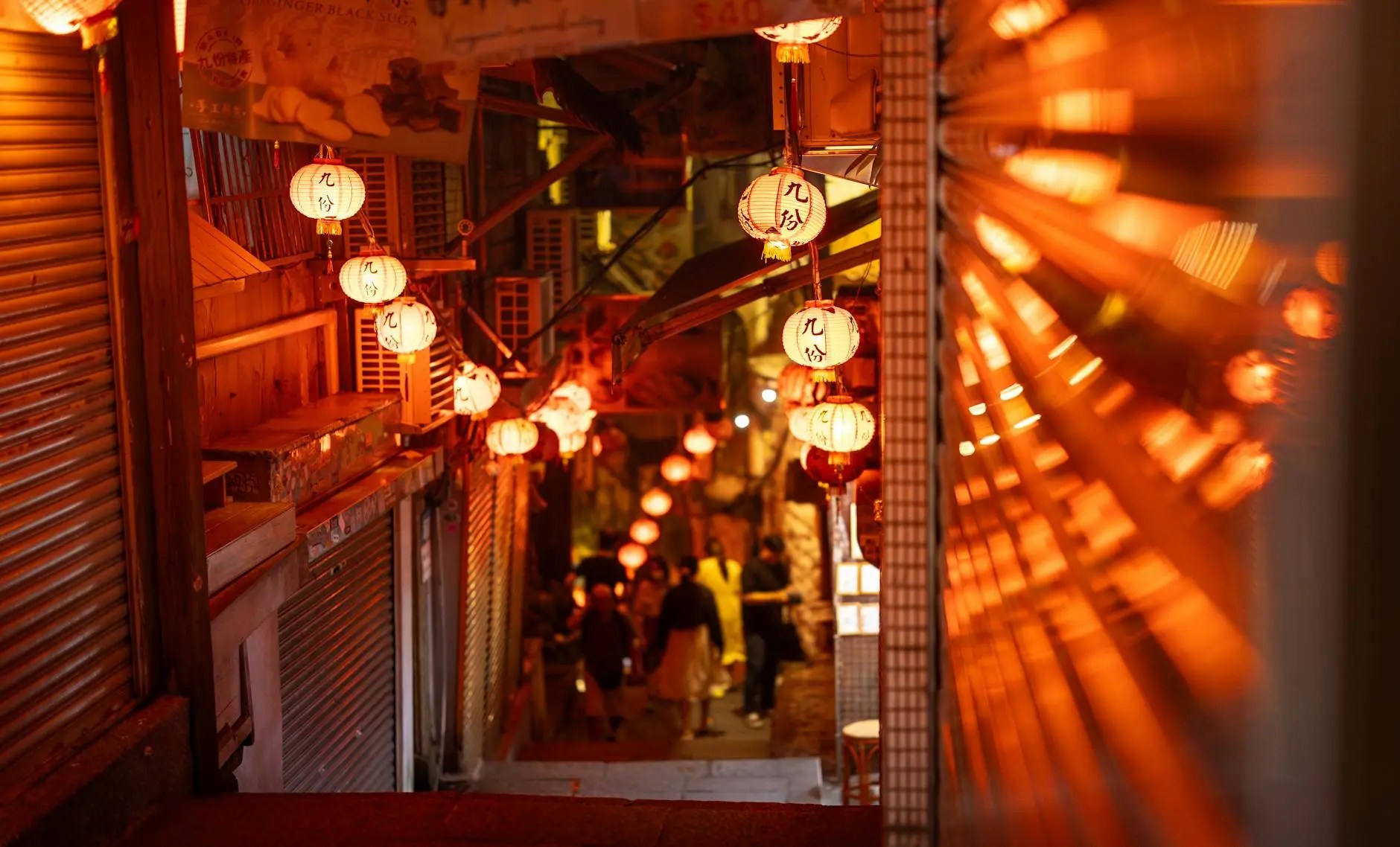
Shilin Night Market Tours

A narrow alleyway illuminated by traditional Chinese lanterns, giving a warm orange glow, with people walking in the distance.
Shilin Night Market’s vibrant atmosphere, illuminated by glowing lanterns, showcasing Taipei’s culinary delights.

Sip & Savor: Maokong Tea & Shenkeng Stinky Tofu Private Day Tour

A colorful salad featuring mixed greens, cherry tomatoes, grape halves, red bell pepper, feta cheese, and chunks of pineapple, served on a white plate.
A vibrant salad featuring mixed greens, cherry tomatoes, grapes, diced pineapple, and feta cheese, perfect for a refreshing meal.

“When I tried stinky tofu at Shilin Night Market, I nearly chickened out… but it was surprisingly delicious!”

Day 1 in Taipei: History at Chiang Kai-shek, dumplings at Din Tai Fung, breathtaking views from Taipei 101, and a foodie finale at Shilin Night Market.

🌿 Day 2: Temples, Hot Springs & Hidden Gems

Morning: Longshan Temple

A spiritual gem in the heart of the city, Longshan Temple is where locals come to pray, light incense, and find a moment of calm amid Taipei’s chaos.

Lungshan Temple Tours

Exterior view of Longshan Temple in Taipei, showcasing traditional architecture with intricate wooden details and colorful roof decorations.
Visitors admiring the intricate architecture of Longshan Temple in Taipei, a serene spot amidst the city’s hustle.

Afternoon Escape: Beitou Hot Springs

Hop on the MRT Red Line to Beitou, just 30 minutes from central Taipei. Here you’ll find natural hot springs, thermal valleys, and even a quirky Hot Spring Museum. Perfect for recharging before your flight home.

Beitou Hot Springs Park Tours

A serene view of natural hot springs surrounded by lush greenery and traditional architecture in Beitou, Taipei.
Relax in the natural hot springs of Beitou, just 30 minutes from central Taipei.

🚇 How to Get to Beitou Hot Springs by MRT

Reaching Beitou is super easy thanks to Taipei’s MRT system:

  1. Start on the Red Line (Tamsui–Xinyi Line):
    • If you’re coming from central Taipei, just hop on any train heading northbound towards Tamsui.
    • The Red Line is clearly marked in red on the MRT map, so it’s hard to miss.
  2. Get off at Beitou Station (R22):
    • The ride from Taipei Main Station to Beitou takes about 25–30 minutes.
    • Trains are frequent, usually every 3–5 minutes.
  3. Transfer to the Xinbeitou Branch Line:
    • Once at Beitou Station, follow the signs for the Xinbeitou Line.
    • The transfer is super straightforward—it’s a small platform change with clear English signs.
    • The branch line ride is only about 3 minutes and drops you right at Xinbeitou Station (R22A).
  4. Arriving at Xinbeitou:
    • Xinbeitou Station is within walking distance of the hot spring resorts, the Beitou Hot Spring Museum, and the famous Thermal Valley (Hell Valley).
    • The area is well-signposted, so you won’t get lost.

💡 Pro Tip: Use an EasyCard or iPASS instead of buying single tickets—it saves time, works on buses too, and you’ll avoid fumbling with coins. If you’re traveling with luggage, every MRT station (including Beitou) has elevators and escalators for convenience.
👉 For a smoother experience, download the official Taipei Metro App before your trip. It provides real-time train schedules, maps, and fare calculators.

Evening Hidden Gem: Elephant Mountain Hike

Forget pricey observation decks—Elephant Mountain gives you the BEST skyline views of Taipei (with Taipei 101 glowing in the distance). Pack water and climb the stairs just before sunset for the golden-hour glow.

A panoramic view of Taipei at sunset, showcasing the Taipei 101 skyscraper and the city's illuminated skyline amidst rolling hills.
Stunning skyline view of Taipei at sunset, featuring the iconic Taipei 101 tower.

“I was gasping from the stairs more than from the view—but it was worth it!”

🚇 Getting Around Taipei (Public Transport Made Easy)

Taipei’s MRT system is every traveler’s dream: clean, cheap, air-conditioned, and color-coded so even jet-lagged brains can navigate it.

  • MRT (Metro): Runs from 6 AM to midnight. A single ride costs about 20–65 TWD ($0.60–$2).
  • EasyCard / iPASS: Grab one at the airport or MRT stations. You’ll save money on fares and can even use it at convenience stores.
  • Buses: Cover areas beyond the MRT. English displays make it tourist-friendly.
  • Taxis: Affordable compared to most capitals, but MRT is faster during rush hour.
  • Road Trip Option: If you want flexibility, consider renting a car—but traffic can be hectic. Use Google Maps offline to save gas and sanity.

💡 Money-Saving Hack: Download the official Taipei Metro Map before your trip. This way, you don’t waste time or WiFi figuring out transfers.

💡 Smart Travel Tips for Taipei

  • Best Time to Visit: March–May and October–November. Fewer typhoons, cooler weather, and smaller crowds.
  • Language Barrier: English isn’t everywhere, but locals are super helpful. Google Translate will be your best friend.
  • Cash vs Card: Night markets = cash. Malls and major restaurants = cards.
  • Save Money: Eat street food, use public transport, and avoid taxis during peak hours.

📸 Gear Up for Taipei Adventures

If you want those jaw-dropping night shots of Taipei 101 or candid photos at Shilin Night Market, you’ll need a solid camera. I always recommend checking out Camera World’s selection before any trip—whether you want pro gear or just a trusty travel companion.

🌐 Stay Connected Like a Pro

✈️ Travel Tip : Staying online abroad doesn’t have to drain your wallet. Instead of juggling overpriced airport SIMs, I use Drimsim—a universal SIM that works in 190+ countries with no sneaky fees. Pop it in, recharge via the app, and you’re connected anywhere your weekend takes you.

And since not all WiFi networks are secure, I never travel without NordVPN. It keeps my data safe while I’m booking hotels, checking maps, or, let’s be honest, watching Netflix in my Taipei hotel bed.

✈️ Flight Delayed or Canceled?

Travel isn’t always smooth—sometimes flights get delayed, canceled, or overbooked. The good news? You might be owed up to $650 in compensation. Services like AirHelp handle all the paperwork and only get paid if you win. That’s what I call turning travel chaos into travel funds.

✈️ Smart Travel Tip: No matter where your adventures take you, having the right travel insurance can save you from unexpected headaches (and bills). I personally recommend VisitorsCoverage — it’s a trusted platform where you can compare plans, find coverage that fits your trip, and book it in just a few clicks. Whether you’re planning a quick city escape or a longer international journey, it’s peace of mind worth packing.

🔗 Related Reads You’ll Love

If Taipei has sparked your wanderlust, you’ll love these other weekend escapes I’ve written about:

✅ Final Thoughts: Why Taipei is Your Next Weekend Escape

Taipei is that rare city where you can slurp soup dumplings in the morning. You can also hike to skyline views, and dip in hot springs in the afternoon. Don’t forget to explore ancient temples. You can do all of this in just 48 hours. Add in its traveler-friendly transport, affordable eats, and friendly locals, and you’ve got the ultimate recipe for a weekend escape.

So pack your bags, book your trip through Expedia, and let Taipei surprise you. Who knows—you might just end up staying longer than a weekend. 😉

👉 What do you think? Would you rather spend your Taipei weekend eating your way through night markets? Or would you prefer soaking in Beitou hot springs? Drop your answer in the comments!

Frequently Asked Questions (FAQ)

Q1: Is 48 hours enough time to see Taipei?
Absolutely. While you can’t see everything, 48 hours is a perfect amount of time to experience the core highlights of Taipei, including its world-class museum, iconic skyscraper, vibrant night markets, and a touch of its beautiful natural scenery. This itinerary is packed but efficient.

Q2: What is the best way to get from Taoyuan Airport to central Taipei?
The Airport MRT (Metro) is the fastest and most convenient way, taking about 35-40 minutes to reach Taipei Main Station. Taxis and ride-sharing services are also available and offer door-to-door service but are more expensive and can be slower in traffic.

Q3: Do I need to get cash, or are credit cards widely accepted?
While major hotels, department stores, and higher-end restaurants accept credit cards, Taiwan is still largely a cash-based society. You will need cash for night markets, small eateries, local shops, and transportation. ATMs are widely available.

Q4: What is the best area to stay in for a short 48-hour trip?
For convenience and access to transit, Ximending is great for a youthful, energetic vibe and shopping. Zhongxiao East Road is ideal for upscale shopping and dining, and areas near Taipei Main Station offer unparalleled access to trains and the metro to explore the city and beyond.

Q5: What is the one thing I shouldn’t miss in Taipei?
This is a tough choice, but the view from Elephant Mountain at dusk is a truly unforgettable experience. Seeing the city light up, with Taipei 101 as the centerpiece, is the iconic Taipei moment. A close second is exploring any of the city’s fantastic night markets, like Raohe or Shilin.

Q6: What should I pack for a weekend in Taipei?
Comfortable, breathable clothing and walking shoes are essential. Taipei is humid for much of the year. Pack an umbrella or light rain jacket, as showers can be frequent. A portable power bank is very useful for keeping your phone charged while navigating.

Q7: Is it easy to get by with only English in Taipei?
In central tourist areas and on public transportation, signs are in English. Younger people often speak some basic English, especially in shops and restaurants. However, learning a few key Mandarin phrases like “Nǐ hǎo” (Hello) and “Xièxie” (Thank you) will be greatly appreciated and smooth your interactions.

Universal Disclaimer/Disclosure Page:

Explore Sydney: A Complete Weekend Itinerary

Table of Contents

  1. Introduction: Welcome to Sydney – A Weekend in the Emerald City
  2. Planning Your Sydney Weekend Getaway
    • Best Time to Visit for Ideal Weather
    • Getting There and Around: Transport Guide
    • Where to Stay: Best Neighborhoods for Your Trip
  3. Your Complete Sydney Weekend Itinerary
    • Day 1: Iconic Sights & Harbour Views
      • Morning: Sydney Opera House Tour & Royal Botanic Garden
      • Afternoon: Sydney Harbour Bridge Walk & The Rocks
      • Evening: Harbour Dinner Cruise or waterside dining
    • Day 2: Coastal Walks, Beaches & Culture
      • Morning: Bondi to Coogee Coastal Walk
      • Afternoon: Bronte Beach or Museum Discovery
      • Evening: Darling Harbour Fireworks & Entertainment
  4. Essential Sydney Experiences
    • Food and Drink: From Fish Markets to Flat Whites
    • Day Trip Idea: Blue Mountains or Hunter Valley
  5. Practical Tips for Your Sydney Adventure
    • Budgeting for Your Trip
    • Staying Safe: Sun Safety and Ocean Safety
    • Connectivity: Getting Online
  6. Conclusion: Your Unforgettable Sydney Weekend Awaits

If there’s one city that blends iconic skylines, surf-ready beaches, and a nightlife that doesn’t quit, it’s Sydney, Australia. Sydney is ranked among the top visited cities in the world. It offers the perfect mix of cosmopolitan buzz and laid-back coastal charm. It’s ideal for a weekend escape. Whether you’re here for the Opera House selfies, Bondi waves, or kangaroo-spotting, Sydney knows how to impress.

Flights to Sydney

✈️ Flight Delayed or Canceled?
Travel isn’t always smooth sailing—sometimes flights get delayed, canceled, or overbooked. The good news? You might be entitled to up to $650 in compensation under air passenger rights. Most travelers never claim it, but I’ve got you covered: just check your flight with AirHelp. They handle the paperwork, fight the airlines for you, and only get paid if you win. Easy, stress-free, and potentially a nice surprise for your travel fund.

✈️ Travel Hack: Tired of expensive international data? I use Drimsim—a global SIM that works in 190+ countries. Pop it in, top up on the app, and you’re online. No contracts, no hidden fees. Perfect for every getaway! 👉 Drimsim

Hotels in Sydney

Day 1: City Icons & Harbour Vibes

Morning: Opera House & Circular Quay
Kick off your weekend at Sydney’s crown jewel—the Sydney Opera House. Even if you’re not catching a performance, the architecture alone is worth the hype. Stroll along Circular Quay. Grab a flat white because when in Australia, coffee is a religion. Take in views of the Sydney Harbour Bridge. Feeling brave? Book a BridgeClimb for panoramic city views—it’s adrenaline with a skyline bonus.

“Skip the ticket queues—grab your Sydney Opera House guided tour here (with flexible cancellation!)

Aerial view of the Sydney Opera House surrounded by water, with several ferries traversing the harbor and the Sydney skyline in the background.
A stunning view of the Sydney Opera House, showcasing its iconic architecture along the shimmering waters of Sydney Harbour.

View of the Sydney Opera House and Sydney Harbour Bridge against a clear blue sky, framed by a railing.
The iconic Sydney Opera House framed by the Sydney Harbour Bridge, showcasing the stunning architecture and vibrant waterfront.

Sydney Harbour Bridge at dusk reflecting in the water, with city skyline in the background.
The iconic Sydney Harbour Bridge illuminated at dusk, reflecting in the water below.

A serene pathway surrounded by lush greenery and rocky cliffs in Sydney, Australia.
A scenic pathway lined with lush greenery and natural rock formations in Sydney, Australia.

Afternoon: The Rocks & Darling Harbour
Wander into The Rocks, Sydney’s oldest neighborhood. Cobbled lanes connect this area. Weekend markets offer exciting finds. Historic pubs make it the perfect spot for lunch. Try a kangaroo burger if you’re feeling adventurous. Later, head to Darling Harbour—aquariums, museums, and waterfront dining all within walking distance.

The Rocks

Darling Harbour

A historic tall ship docked at a marina with the Sydney skyline in the background, featuring modern skyscrapers and a lighthouse.
A tall ship docked in Darling Harbour, Sydney, with the city’s skyline in the background.

Evening: Sunset Ferry to Manly
One of the cheapest (and most beautiful) cruises in the world? The ferry to Manly Beach. For just a few dollars, you’ll glide past the Opera House. You will also pass the Harbour Bridge as the sun dips into the Pacific. Dinner in Manly’s seaside cafes is the cherry on top.

A ferry cruising on the water with the Sydney skyline in the background, featuring tall buildings under a cloudy sky during sunset.
View of the iconic Sydney skyline with a ferry navigating the harbor at sunset.

Manly Beach Tours

Day 2: Beaches, Nature & Hidden Gems

Morning: Bondi to Coogee Coastal Walk
Begin your day with the Bondi to Coogee Walk. This walk covers a 6 km stretch of ocean views, cliffs, and secret coves. Pro tip: Start early to beat the crowds (and the Aussie sun). Along the way, stop at Tamarama Beach, a local favorite that’s less crowded than Bondi.

Coogee Beach Tours

A scenic coastal walkway with wooden paths along rocky cliffs and turquoise ocean waves, leading toward seaside homes in Sydney, Australia.
Scenic coastal path along the Bondi to Coogee Walk, showcasing stunning ocean views and natural beauty.

Tamarama Beach Tours

Aerial view of Bondi Beach, showcasing the coastline, surrounding buildings, and lush green areas.
A breathtaking aerial view of Bondi Beach, showcasing its golden sands and surrounding coastal scenery.

“As one Sydneysider told me while sipping coffee in Newtown, ‘If you haven’t done the coastal walk from Bondi to Coogee at sunrise, you haven’t really seen Sydney.’

Tamarama Beach Tours

Afternoon: Choose between Taronga Zoo or Royal Botanic Gardens.
If wildlife is your thing, hop on a ferry to Taronga Zoo for koalas, kangaroos, and unbeatable city backdrops. Prefer something low-key? Stroll the Royal Botanic Gardens, where cockatoos and exotic plants make for surprisingly good company.

Taronga Zoo Tours

A close-up of a red panda resting on a branch, showcasing its distinctive reddish-brown fur and playful expression.
A red panda relaxing on a branch at Taronga Zoo, one of Sydney’s top attractions.

Royal Botanic Gardens Tours

🌿 Royal Botanic Garden Sydney Tip: Entry to the gardens is completely free. You can wander among exotic plants, cockatoos, and harbour views without spending a dollar. However, certain experiences inside the gardens, like the fascinating Aboriginal Heritage Tour, do require a paid ticket. Sites like Expedia list the gardens as an attraction. Sometimes they bundle tours or events. You don’t need a ticket just to enjoy the space. For up-to-date details on tours and what’s happening, check the official Botanic Gardens of Sydney website.

Evening: Darlinghurst & Nightlife
Sydney’s nightlife is legendary. From cocktail bars in Darlinghurst to rooftop views in Surry Hills, the city comes alive after dark. Don’t miss Chinatown’s late-night eats if you need a post-party refuel.

Hotels in Darlinghurst, Sydney

A large, pink violin sculpture positioned near a modern building with a terrace, set against a clear blue sky.
A striking oversized violin sculpture near a waterfront café in Sydney, Australia.

Chinatown Night Market Tours and Activities

A bustling street scene at night, featuring vibrant neon signs in various languages and a man in a striped shirt walking through a wet street. Tuk-tuks are parked nearby, and the atmosphere is lively and illuminated.
A vibrant scene in Sydney’s Chinatown at night, featuring colorful neon signs and bustling street life.

Travel Tips for Sydney

🚆 Getting Around with the Opal Card
Sydney runs on the Opal card, a rechargeable smart card that works across trains, buses, ferries, and light rail. You can grab one at the airport, train stations, convenience stores, or even order it online before your trip. Simply tap on when you board and tap off when you leave—your fare is calculated automatically.

Here’s why it’s a traveler’s best friend:

Daily Caps: No matter how much you travel, you’ll never pay more than a set amount per day (currently about AUD $16.80 for adults). Perfect if you’re zipping around town.

Weekly Caps & Sunday Specials: Hit the weekly cap and the rest of your rides that week are free. On Sundays, unlimited travel costs just a few dollars—so ferry-hop to your heart’s content.

Contactless Option: Don’t want another card in your wallet? You can use your contactless credit card, debit card, or even your phone’s wallet the same way as an Opal.

Where It Works: It covers everything from the airport train into the city to ferries across the harbour—so one card really does it all.

Pro Tip: Top up before you board buses or trains. Not all stops have recharge machines. Download the Opal Travel app to check balances, fares, and timetables.

📅 Best Time to Visit: September to November (spring) and March to May (autumn) are ideal. The weather is pleasant without the summer crowds.
🏖️ Hidden Gem: Skip the tourist-packed beaches and check out Milk Beach—a tiny, secluded spot with Opera House views.
📸 Photography Tip: Bring a good camera (I use this one) because Sydney’s light is a dream for photographers.

🔹 2. Tips on Cultural Norms

Slip in a short section titled “Cultural Etiquette in Sydney”:

  • Don’t forget to say “Thanks” to bus drivers—it’s a small but common Aussie courtesy.
  • Tipping isn’t mandatory in Australia, but rounding up or leaving 10% is appreciated in restaurants.
  • Aussies are generally casual, but respect queues (lines) and avoid loud conversations on public transport.

Milk Beach Tours

A serene view of Sydney Harbour during sunset, featuring people relaxing on the grass, a picnic setup, and the Sydney skyline in the background with the iconic Sydney Opera House visible.
Breathtaking sunset view in milk beach over Sydney Harbour, showcasing the skyline and iconic structures.

✈️ Smart Travel Hacks

  • Stay Connected: Forget expensive roaming charges. I use Drimsim, a universal SIM that works in 190+ countries. Just pop it in, top up on the app, and you’re connected anywhere without hidden fees. Perfect for uploading those Bondi selfies in real time.
  • Flight Delays & Cancellations: Travel isn’t always smooth. If your flight is canceled or delayed, you might be entitled to up to $650 compensation. AirHelp makes the claim process painless—they only get paid if you win.
  • Book Smart: For flights, hotels, and package deals, I always use Expedia. Their flexible booking options have saved me more than once when plans changed last-minute.
  • Stay Secure: Public Wi-Fi in airports and cafes isn’t always safe. A VPN like NordVPN keeps your data private while you travel.
  • ✈️ Smart Travel Tip: No matter where your adventures take you, having the right travel insurance can save you from unexpected headaches (and bills). I personally recommend VisitorsCoverage — it’s a trusted platform where you can compare plans, find coverage that fits your trip, and book it in just a few clicks. Whether you’re planning a quick city escape or a longer international journey, it’s peace of mind worth packing.

Related Reads for More Weekend Escapes

If you loved this Sydney guide, you might also enjoy:

Final Thoughts

Sydney is a dynamic city. You can sip champagne at the Opera House by night. Ride the waves at Bondi by morning. This city offers world-class dining, hidden beaches, and adventures at every ferry terminal. It’s a weekend escape that creates more memories than you’d expect from just two days.

So—pack your sunnies, load your Opal card, and get ready for a Sydney weekend you’ll never forget. 🌏

“Which Sydney neighborhood matches your travel style?”

At the end of the post, add a poll like:

“Which Sydney experience is your must-do?”
✅ Opera House tour
✅ Bondi Beach surf
✅ Taronga Zoo ferry ride
✅ Royal Botanic Garden stroll


Ultimate 2-Day Sydney Itinerary

Ultimate 2-Day Sydney Itinerary * { margin: 0; padding: 0; box-sizing: border-box; font-family: ‘Segoe UI’, Tahoma, Geneva, Verdana, sans-serif; } body { background: linear-gradient(135deg, #1a2a6c, #b21f1f, #fdbb2d); display: flex; justify-content: center; align-items: center; min-height: 100vh; padding: 20px; } .infographic { width: 100%; max-width: 900px; background: white; border-radius: 20px; box-shadow: 0 15px 30px rgba(0, 0, 0, 0.2); overflow: hidden; } .header { background: linear-gradient(to right, #006994, #0088CC); color: white; padding: 25px; text-align: center; position: relative; } .header h1 { font-size: 2.5rem; margin-bottom: 10px; } .header p { font-size: 1.2rem; opacity: 0.9; } .kangaroo { position: absolute; top: 20px; right: 30px; font-size: 2.5rem; } .content { display: flex; flex-wrap: wrap; padding: 20px; } .day { flex: 1; min-width: 300px; padding: 20px; margin: 10px; background: #f9f9f9; border-radius: 15px; box-shadow: 0 5px 15px rgba(0, 0, 0, 0.1); } .day-header { color: #006994; border-bottom: 3px solid #FFD700; padding-bottom: 10px; margin-bottom: 20px; display: flex; align-items: center; } .day-header h2 { font-size: 1.8rem; margin-left: 10px; } .activity { margin-bottom: 20px; padding: 15px; background: white; border-radius: 10px; box-shadow: 0 3px 10px rgba(0, 0, 0, 0.08); display: flex; align-items: center; } .activity .icon { font-size: 2rem; margin-right: 15px; width: 50px; text-align: center; } .activity .text { flex: 1; } .activity h3 { color: #333; margin-bottom: 5px; } .activity p { color: #666; font-size: 0.95rem; } .tips { background: #FFD700; padding: 25px; margin: 20px; border-radius: 15px; } .tips h2 { color: #1a2a6c; margin-bottom: 15px; text-align: center; } .tip-items { display: flex; flex-wrap: wrap; justify-content: center; } .tip { flex: 1; min-width: 200px; background: rgba(255, 255, 255, 0.9); margin: 10px; padding: 15px; border-radius: 10px; text-align: center; } .tip .icon { font-size: 2rem; margin-bottom: 10px; } .footer { background: #1a2a6c; color: white; padding: 20px; text-align: center; } .hashtags { display: flex; flex-wrap: wrap; justify-content: center; margin: 15px 0; } .hashtag { background: rgba(255, 255, 255, 0.15); padding: 8px 15px; border-radius: 20px; margin: 5px; font-size: 0.9rem; } @media (max-width: 768px) { .header h1 { font-size: 2rem; } .kangaroo { position: relative; top: 0; right: 0; margin-top: 10px; } }

🦘 Ultimate 2-Day Sydney Itinerary

Make the most of 48 hours in Australia’s stunning harbor city

🇦🇺
📅

Day 1 – Iconic Sydney

Morning

Sydney Opera House + Circular Quay stroll

🌉

Midday

Harbour Bridge climb or photo stop

🥗

Lunch

Explore The Rocks markets & pubs

🐠

Afternoon

Darling Harbour (SEA LIFE Aquarium or museums)

🌅

Evening

Sunset ferry ride to Manly Beach + seaside dinner

📅

Day 2 – Nature & Beaches

🌊

Morning

Bondi to Coogee Coastal Walk (6km, ocean views & coves)

🌿

Midday

Royal Botanic Gardens (free entry) or Taronga Zoo

🍹

Evening

Rooftop cocktails in Darlinghurst/Surry Hills

🥢

Late Night

Chinatown late-night eats

✨ Travel Tips

🚆

Grab an Opal Card for cheap & easy transport

🌤️

Best time: Spring (Sep–Nov) & Autumn (Mar–May)

🌴

Hidden Gem: Milk Beach (tiny, quiet, with Opera House views)

📸

Bring a camera—Sydney’s sunsets are Instagram gold!

Frequently Asked Questions (FAQ)

Q1: Is a weekend enough time to see Sydney?
While you can’t see everything, a weekend is perfect for hitting the world-famous highlights: the Opera House, Harbour Bridge, a iconic coastal walk, and at least one beautiful beach. This itinerary is designed to give you a fantastic and memorable overview of the city’s best offerings.

Q2: What is the best way to get from Sydney Airport to the city?
The Airport Link train is the fastest way, taking about 13 minutes to reach Central Station. Taxis and ride-share services are also available and offer door-to-door convenience but will be more expensive, especially during peak traffic times.

Q3: What is the best area to stay in for a short trip?
Circular Quay is the most central for iconic sights but can be pricey. The Rocks offers historic charm, Darling Harbour is great for families, and CBD hotels put you in the middle of the action. For a beach vibe, staying near Bondi Junction (with train access) is a great option.

Q4: Do I need to rent a car for a weekend in Sydney?
No, it is not recommended. Sydney’s city center is best explored on foot and by public transport (ferries, trains, and light rail). Parking is extremely expensive and difficult to find. A car would only be necessary if you plan on taking a day trip outside the city.

Q5: Is the Bondi to Coogee Walk difficult?
The 6km walk is considered moderate. It involves some stairs and sections of uneven path, but it is well-paved and suitable for anyone with a reasonable level of fitness. You can take it at your own pace, stop at beaches along the way, and even do shorter sections.

Q6: What should I pack for a weekend in Sydney?
Sun protection is non-negotiable: hat, sunglasses, and high-SPF sunscreen. Comfortable walking shoes are a must. Also pack swimwear, a towel, and layers as evenings can be cool, especially near the water.

Q7: Are there any unique foods I should try in Sydney?
Yes! Visit the Sydney Fish Market for incredibly fresh seafood. Try a classic Australian meat pie from a bakery, enjoy a “flat white” coffee, and if you’re adventurous, try a burger with “the lot” (which includes beetroot and a fried egg).

Universal Disclaimer/Disclosure Page:

Top 5 Reasons to Visit Antalya: Your Ultimate Weekend Getaway

Table of Contents

  1. Introduction: Antalya – Where Sun-Soaked Beaches Meet Ancient History
  2. Reason 1: Pristine Beaches and the Turquoise Coast
    • Lara Beach & Konyaaltı Beach
    • Access to the Turkish Riviera
  3. Reason 2: A Journey Through Millennia of History
    • The Old City: Kaleiçi
    • Ancient Ruins: Perge, Aspendos, and Termessos
  4. Reason 3: The Breathtaking Düden and Kurşunlu Waterfalls
    • Düden Waterfalls: Upper and Lower
    • Kurşunlu Waterfall Nature Park
  5. Reason 4: Adventurous Activities for Everyone
    • Boat Tours, Rafting, and Hiking
    • The Lycian Way
  6. Reason 5: Delectable Cuisine and Vibrant Bazaars
    • Authentic Turkish Food and Seafood
    • Shopping at the Old Bazaar
  7. Planning Your Weekend Getaway
    • Best Time to Visit
    • Getting There and Getting Around
    • Where to Stay: Resort vs. Old City
  8. Conclusion: Your Unforgettable Antalya Escape Awaits

If Istanbul is where East meets West, Antalya is where the Mediterranean meets pure bliss. This seaside gem isn’t just another “sun and sand” spot. It’s one of the Top 10 Most Visited Cities in the World. It draws millions each year with its perfect blend of history, turquoise beaches, and lively Turkish charm. And if you’re planning a weekend escape, Antalya deserves a spot high on your list (preferably above that Netflix binge you’ve been putting off).

Flights to Antalya

✈️ Flight Delayed or Canceled?
Travel isn’t always smooth sailing—sometimes flights get delayed, canceled, or overbooked. The good news? You might be entitled to up to $650 in compensation under air passenger rights. Most travelers never claim it, but I’ve got you covered: just check your flight with AirHelp. They handle the paperwork, fight the airlines for you, and only get paid if you win. Easy, stress-free, and potentially a nice surprise for your travel fund.

“On my last trip, I hopped on the AntRay straight from the airport and within 40 minutes I was sipping Turkish tea in Kaleiçi. The fact that you can go from tarmac to ancient archways so seamlessly still amazes me.”

✈️ Travel Tip: Ditch the expensive airport SIMs and scary roaming charges. My secret to staying connected in 190+ countries? Drimsim. It’s a hassle-free, global SIM card. Pop it in, top up via the app, and you’re online. Simple. Check it out here: 👉 Drimsim

💡 Pro Travel Tip:
While hopping on metro, tram, or bus is super easy, travel hiccups like delays, lost luggage, or sudden medical emergencies can happen anywhere. That’s why I always carry travel insurance before jetting off. It gives peace of mind knowing I’m covered, no matter what. I personally recommend VisitorsCoverage Travel Insurance — quick to book, affordable, and traveler-friendly.

Why Antalya for a Weekend Getaway?

Antalya is a master at multitasking: it offers history, adventure, luxury, and relaxation—all within a compact coastal paradise. You can wander through ancient Roman ruins in the morning, swim in crystal-clear Mediterranean waters by noon, and sip Turkish tea in the old town by sunset. And trust me, no other city does sunsets like Antalya (I may or may not have applauded one).

If you’ve enjoyed exploring vibrant cities like Tokyo’s hidden gems or soaking up the culture in Istanbul, Antalya will give you that same “wow factor,” but with an extra side of sea breeze.

Top Things to Do in Antalya

1. Kaleiçi (Old Town)

Imagine cobblestone streets, Ottoman-era houses with bright wooden balconies, and hidden courtyards where cats rule like emperors. Kaleiçi is Antalya’s heart—and possibly the most photogenic maze you’ll ever get lost in.

Hidden Gem Tip: Skip the main drag and duck into side alleys—you’ll find quirky cafés and antique shops that feel untouched by time

Hotels in Kaleiçi, Antalya 

A historic stone tower with a Turkish flag on top, surrounded by lush greenery and views of the Mediterranean Sea in Antalya during sunset.
The historic towers of Antalya overlooking the Mediterranean, showcasing the city’s blend of ancient architecture and coastal beauty.

Colorful Turkish rugs and carpets displayed outside a stone building in Kaleiçi, Antalya, creating a vibrant street scene.
Colorful carpets and textiles displayed outside a charming stone building in Kaleiçi, Antalya, showcasing the city’s vibrant local culture.

2. Konyaaltı Beach

If you came for the sea (and let’s be honest, you did), Konyaaltı delivers. The beach stretches forever, with the Taurus Mountains framing the backdrop. Rent a lounger, grab some gözleme (Turkish flatbread), and let the Mediterranean waves do their therapy thing.

Pro Tip: Arrive before 10 AM to claim the best spot and avoid the afternoon rush.

Turkish hospitality: Locals might insist you share a cup of çay (tea)—say yes, it’s part of the culture

Hotels in Konyaalti

A panoramic view of Konyaaltı Beach in Antalya, Turkey, featuring golden sandy shores, turquoise Mediterranean waters, and the Taurus Mountains in the background. A few people can be seen walking along the beach.
Breathtaking view of Konyaaltı Beach in Antalya, framed by the majestic Taurus Mountains.

Konyaalti Beach Tours

An off-road vehicle splashes through muddy terrain during an adventure tour, with passengers enjoying the ride.
Thrilling off-road adventure in Antalya, splashing through muddy trails and enjoying nature’s beauty.

Discover the Taurus Mountains with Antalya Jeep Safari Tour

3. Hadrian’s Gate

No, it’s not another Instagram filter—it’s real. Built in 130 AD to honor Roman Emperor Hadrian, this marble archway is both a photo stop and a time machine.

Traveler’s Anecdote: I once walked through it three times—just to make sure I soaked up all the centuries of history. Locals chuckled, but hey, when in Antalya…

  • “The gate’s three arches symbolize Antalya’s role as a bridge between civilizations.”
  • “Nearby, the scent of spices and the call to prayer from a hidden mosque deepen the atmosphere.”

Hotels near Hadrian’s Gate, Antalya

A woman walking through Hadrian's Gate, an ancient marble archway, with Ottoman-style buildings and a small market in the background.
Exploring the ancient beauty of Hadrian’s Gate in Antalya, a stunning glimpse into the city’s rich history.

4. Düden Waterfalls

A 15-minute drive from the city center, these waterfalls tumble dramatically into the Mediterranean. It’s the kind of view that makes you rethink your lock screen wallpaper.

  • “Best visited at sunset, when golden light paints the cascades in fiery hues.”
  • “The surrounding park (Upper Düden) offers shady picnic spots and hidden caves behind the falls.”

Hotels near Düden Waterfall, Antalya

A scenic view of Düden Waterfalls cascading into the Mediterranean Sea, surrounded by lush greenery and rocky cliffs.
The stunning Düden Waterfalls cascading into the Mediterranean, a must-see attraction in Antalya.

Düden Waterfall Tours

5. Antalya Museum

Don’t roll your eyes—it’s not your typical dusty museum. This one holds treasures from the Roman, Byzantine, and Ottoman eras, making it one of the best collections in Turkey.

A row of ancient marble statues in an exhibition, showcasing the fine details of their draped clothing and features, set against a deep red wall.
Ancient marble statues on display at Antalya Museum, showcasing the rich history of Roman, Byzantine, and Ottoman eras.
  • “The museum’s Lycian Hall nearby houses sarcophagi that echo these artistic traditions.”
  • “Look for the ‘Dancing Women’ frieze—a vibrant relic of Perge’s Hellenistic glory.”

Antalya Archeological Museum Tours

Getting Around Antalya

  • Public Transportation: The tram system is clean, cheap, and efficient. Perfect for hopping between Kaleiçi, Konyaaltı, and the museum.
  • Taxis: Affordable compared to Western cities, but always ask for the meter.
  • Car Rentals: Great if you want to drive to nearby spots like Side or Aspendos. (I once rented a car and accidentally ended up at a roadside pomegranate farm—best “wrong turn” ever.)

Antalya’s AntRay system is more than a tram—it’s a swift, reliable artery connecting the heart of the city with its northern neighborhoods and beyond.

Riding the Nostalji Tramvay: A Charming, Scenic Detour

If you’re chasing ambiance, the Nostalji Tram, or Heritage Tram, offers nostalgia-infused rides along the coastal boulevard.

  • Route & Atmosphere: This single-track 4.7 km route rolls from Antalya Museum along Konyaaltı Beach through the old town, Hadrian’s Gate, and ends towards Lara Plajı. It’s a favorite for postcard-perfect views WikipediaTurkey Travel Planner.
  • Schedule & Stops: Operates every 30 minutes from 07:00 to 23:00 (slightly delayed start on Sundays). Stations include Müze, Barbaros, Selekler, Cumhuriyet Meydanı, Kale Kapısı, Üç Kapılar, Belediye, Işıklar, and Zerdalilik Turkey Travel Plannerjessieontheroad.comA4Everyone.
  • Ticketing: Same fare system—AntalyaKart or contactless payments accepted. Great for tourists wanting a slow, scenic ride through history and seaside views Turkey Travel Planner+1.
  • Cultural Charm: Built from ex-Nuremberg tramcars from the 1950s–60s, it’s more than transport—it’s a moving museum WikipediaWikipedia.
Map of Antalya's tramway lines and stops, highlighting the railway network in the city.
Map of Antalya Tramway and Railway Network highlighting key stations and routes for navigating the city.

Why AntRay Is a Traveler’s Best Friend in Antalya

FeatureQuick Insight
ConvenienceDirect access to airport, museums, bus station, and central sights.
ReliabilityTrams every few minutes with late running hours.
Cost-EffectiveLow fares + free one-hour transfers = great value.
Cultural FlavorRide the vintage Nostalgic Tram for history served with sea breeze.

Tips & Anecdotes for Smooth Travels

  • Best Fare Method? Readers on Reddit confirm: “Yes you can use the bus and tram using your credit card… You can buy AntalyaKart in any terminal near tram or major bus stations.” Reddit
  • Hidden Pick-Up Tip: For example, Sinan station is an ideal stop if you’re hitting Deepo Outlet Mall—just steps away from the tram stop autonoumnews.comRayHaber.
  • Buy Your Card Early: AntalyaKart booths at major stations operate until about 19:00. Load up early to avoid evening hassles Turkey Tra

Key Features Shown:

  • Interchange hubs (e.g., İsmetpaşa, Meydan) for seamless transfers.
  • Tourist-friendly stops near Hadrian’s Gate, Düden Falls, and Konyaaltı Beach.
  • Accessibility icons indicating wheelchair-friendly stations.

Perfect For:
✔ First-time visitors ✔ Budget travelers ✔ Urban explorers

Pro Tip: Pair your tram ride with a AntalyaKart for unlimited daily travel!

Best Time to Visit Antalya

  • Spring (April–June): Beaches without the crowds, perfect weather.
  • Fall (September–October): Still warm enough to swim, but cooler evenings.
  • Summer (July–August): Hot. Like, “ice cream melts in 30 seconds” hot. Unless you’re chasing the nightlife, I’d avoid peak August.

✈️ Smart Travel Tips

  • Stay Connected: Roaming charges? No thanks. I use Drimsim—a universal SIM card that works in 190+ countries with no hidden fees. Just pop it into your phone, top up via the app, and boom—you’re online. No more hunting for local SIMs or stressing at airport counters.
  • Book Smart: I always lock in hotels and flights through Expedia. It saves time, offers flexible options, and keeps my last-minute stress levels down.
  • Protect Your Data: Public Wi-Fi in Antalya’s cafés may be cute, but it’s not always safe. I recommend browsing with NordVPN for peace of mind (and unrestricted Netflix access).
  • Capture the Magic: Sunsets in Antalya deserve more than your phone cam. I use my go-to gear from Camera World to get those “no-filter-needed” shots.
  • ✈️ Smart Travel Tip: No matter where your adventures take you, having the right travel insurance can save you from unexpected headaches (and bills). I personally recommend VisitorsCoverage — it’s a trusted platform where you can compare plans, find coverage that fits your trip, and book it in just a few clicks. Whether you’re planning a quick city escape or a longer international journey, it’s peace of mind worth packing.

Where to Eat

  • 7 Mehmet: Famous for traditional Turkish dishes with a modern twist.
  • Pasa Bey Kebap: Affordable, authentic, and the kebabs? Chef’s kiss.
  • Hidden Gem: Try a family-run lokanta (small eatery) in Kaleiçi for homemade manti (Turkish dumplings).

Dining tip: Meals often start with meze (small dishes) before the main course—don’t fill up too fast!

Hidden Gems Beyond the Tourist Map

  • Köprülü Canyon: Perfect for rafting and nature hikes.
  • Phaselis Ancient City: A coastal ruin site with its own secluded beach.
  • Cirali: A quiet fishing village where you can spot sea turtles.
A view of a canyon with rocky cliffs, lush greenery, and a turquoise river flowing beneath an ancient stone bridge, under a blue sky with fluffy white clouds.
A stunning view of Köprülü Canyon, showcasing lush greenery and the turquoise waters of the river flowing through the ravine.

Köprülü Canyon Tours

A group of four people in a yellow inflatable raft navigating through a narrow canyon with steep, rocky walls and greenery surrounding the water.
Experience the thrill of rafting in Köprülü Canyon, surrounded by stunning rock formations and lush greenery.

Koprulu Canyon White Water Rafting in Antalya

Why You’ll Love It:
✔ Dramatic Scenery: Rapids twist past 400-meter-high cliffs draped in pine and oleander.
✔ History Meets Adventure: Paddle beneath 2,000-year-old Roman engineering marvels.
✔ Post-Rafting Chill: Refuel at riverside restaurants with gözleme (savory pancakes) and fresh trout.

Perfect For: Thrill-seekers, nature photographers, and families (kids aged 7+ welcome!).

Pro Tip: Visit in May-June for wildflowers and ideal water levels!

Phaselis Ancient City Tours

A scenic view of a tranquil harbor lined with boats, set against a backdrop of green hills and a clear blue sky.
A serene view of a docked harbor with colorful fishing boats lined along the calm waters, surrounded by lush green hills.

Çirali Tours

Why It Captivates:

  • Authentic Slow Living: A rare escape from tourist bustle, where time moves with the tide.
  • Nature’s Palette: Turquoise waters contrast with lush hills and boat hues.
  • Gateway to Wonders: A short stroll to ancient Lycian ruins or sunset beach walks.

Perfect For: Romantics, photographers, and travelers craving a slice of “old Turkey.”

Visit at golden hour for a dreamy glow—or at dawn to watch fishermen set sail!

Want to highlight nearby organic orange groves or the car-free beach?

Final Thoughts: Why Antalya Should Be Your Next Weekend Escape

Antalya is not just about beaches—it’s where history, culture, and natural beauty come together in a way that feels effortless. Whether you’re hunting ancient ruins, savoring Turkish cuisine, or just floating in the Mediterranean, this city packs a punch for a short trip.

So, why wait? Grab your sunscreen, book your getaway with Expedia, and let Antalya surprise you. Who knows—you might even clap at the sunset too. 🌅

👉 Have you been to Antalya? Or do you have a hidden gem to share from Turkey? Drop your thoughts in the comments—I’d love to hear your travel stories.

An informative graphic about Antalya, Turkey, featuring highlights like Kaleiçi (Old Town), Konyaaltı Beach, Hadrian's Gate, and suggested getting around options such as tram systems, taxis, and car rentals. It also includes best visiting times in spring and fall, along with hidden gems like Köprülü Canyon and Phaselis Ancient City.
Explore the stunning highlights of Antalya, Turkey, from historical Kaleiçi to the beautiful Konyaaltı Beach.

“Drop your thoughts in the comments.”

Frequently Asked Questions (FAQ)

Q1: Is Antalya good for a weekend trip, or do I need more time?
A weekend is perfect for a fantastic getaway. You can comfortably explore the charming Kaleiçi old town, visit a stunning waterfall, relax on a beautiful beach, and see one major ancient site. For a more relaxed pace or to explore more ruins and take a boat tour, 3-4 days would be ideal.

Q2: What is the best area to stay in for a first-time visitor?
Kaleiçi (the Old City) is perfect for those who want history, charming narrow streets, and traditional atmosphere. For a modern resort experience with large all-inclusive hotels and long sandy beaches, Lara is the best choice. Konyaaltı offers a great mix of beach access and local city life.

Q3: Do I need to rent a car to see the ancient sites?
While not absolutely necessary, renting a car is the most convenient way to explore the ancient ruins like Perge, Aspendos, and Termessos at your own pace. Alternatively, you can join very affordable and well-organized group tours that include transportation from Antalya.

Q4: What is the must-try food in Antalya?
Being a coastal city, fresh seafood is a must. Try grilled sea bass or mezes (appetizers) by the harbor. Also, don’t miss traditional Turkish dishes like şiş kebabpide (Turkish pizza), and the famous Turkish breakfast (kahvaltı).

Q5: Is Antalya only a summer destination?
Not at all! While summer is peak season for beach-goers, the spring (April-June) and autumn (September-October) seasons offer perfect weather for sightseeing and hiking—warm and sunny but not excessively hot. Winters are mild and rainy, with the nearby Taurus Mountains offering skiing opportunities.

Q6: Are the waterfalls worth visiting?
Absolutely. The Düden Waterfalls are unique because the Lower Duden cascades directly off a cliff into the Mediterranean Sea, which is a spectacular sight. The Kurşunlu Waterfall is set in a beautiful, serene nature park. Both are easily accessible and provide a wonderful break from the beach and city.

Q7: What should I pack for a weekend in Antalya?
Pack light, breathable clothing for the day, swimwear, sunscreen, a hat, and comfortable walking shoes for exploring the old town and ancient ruins. A light jacket or sweater is useful for cooler evenings, especially in the spring and autumn.

Universal Disclaimer/Disclosure Page: