Ultimate Miami Weekend Guide: Save Money & Enjoy

Meta Description
Escape to Miami: from sun-kissed beaches and art-filled streets to vibrant Cuban food and tropical nights, this guide shows travellers how to maximise a weekend in Miami, USA—saving money, avoiding crowds, and having unforgettable moments.

Alright, let’s be real. My idea of a perfect weekend doesn’t involve staring at a spreadsheet. It involves staring at the turquoise waves of the Atlantic Ocean with a cafecito in hand. And for that, there’s no place quite like Miami.

I recently managed to pull off a spectacularly last-minute weekend trip to the 305, and it was the exact dose of vitamin D and vibrant energy my soul needed. I’m here to spill all the secrets so you can plan your own ultimate weekend escape to Miami without the stress (and without blowing your entire budget).

Pro Tip: I snagged a killer flight + hotel deal on Expedia. It’s my go-to for bundling and saving on last-minute trips. Seriously, check it out here before you book anything else!

Table of Contents

  1. Why Miami for a Weekend Escape
  2. Visa & Entry Costs: What You Need to Know
  3. Best Times to Visit & Avoiding Crowds
  4. Getting Around: Transportation Tips
  5. Where to Stay: Neighborhoods that Fit Your Vibe
  6. Sample 3-Day Weekend Itinerary
  7. Hidden Gems & Local Secrets
  8. Budget Hacks: How to Save Money on the Go
  9. Useful Phrases & Local Lingo
  10. Travel Extras: Staying Connected, Safety, Insurance
  11. FAQs
  12. Call To Action & Travel Tools

1. Why Miami for a Weekend Escape

Miami is one of those places where sun, culture, vibrant food scenes, art, beaches and nightlife collide in a beautiful chaotic mashup. You can lounge at a pastel-Art Deco beach in the morning, wander colorful murals in Wynwood in the afternoon, and salsa your way through Little Havana by dinner—then hit a rooftop bar with ocean views at night.

I remember one Saturday I arrived barely after 2pm, dumped my bag in South Beach, and by sunset I was watching the horizon from South Pointe Pier feeling like I’d squeezed in a week’s worth of memories in just a few hours. That kind of compressed magic is what makes Miami perfect for a weekend escape.

Hotels in Miami, FL

2. Visa & Entry Costs: What You Need to Know

  • If you’re from a Visa Waiver Program (VWP) country, you need to apply for ESTA to enter the U.S. for tourism/business (up to 90 days). USAGov+1
  • As of September 30, 2025, the ESTA fee increases from US $21 to $40. The Times+2esta.cbp.dhs.gov+2
  • For those not eligible for VWP, or staying longer, getting a B1/B2 visitor visa will involve the usual application fees ( ~$185 as of 2025) plus possible reciprocity/issuance fees depending on country. Travel.state.gov+1
  • Also note: there’s a Visa Integrity Fee (about US $250) being introduced for many non-immigrant visas. Some travellers from countries subject to visa/entry scrutiny might need to pay this. Forbes+2The Economic Times+2

So, before you book, double-check your country’s current fees & whether any of the new changes apply—that way no nasty surprises.

Thinking of a longer Florida adventure? if theme parks are your goal, check out my Ultimate 3-Day Orlando Weekend Guide.

Best Times to Visit & Avoiding Crowds

  • Best weather: Generally January through March offer warm, sunny days with lower humidity and less rain. Outside of hurricane season (which peaks mid-summer through early fall).
  • Avoid late May through October if you don’t like rain or risk of storms.
  • Weekdays are less crowded for major attractions; early mornings are best for things like South Beach, Wynwood Walls, Little Havana.

Your Miami Weekend Itinerary: A Step-by-Step Guide

Day 1: Art Deco, Ocean Drives, and South Beach Vibes

  • Morning (10 AM): Fly into Miami International (MIA) or Fort Lauderdale-Hollywood (FLL) – often cheaper! Grab a rideshare to your hotel. I dropped my bags and immediately headed to South Beach.
  • Afternoon (1 PM): Lunch at La Sandwicherie. This is a non-negotiable, iconic spot. It’s a tiny French-inspired sandwich shack where you grab a massive, delicious sandwich on a croissant and eat it on a bench nearby. You’ll thank me later.
  • Afternoon (3 PM): Stroll the Art Deco Historic District. The pastel-colored buildings are a feast for the eyes. The best way to see them is to simply wander between Ocean Drive and Collins Ave. from 5th to 15th Street.
  • Evening (6 PM): Walk along South Pointe Pier for stunning views of the skyline and watching the massive cruise ships glide out to sea. It’s way less chaotic than the heart of South Beach.
  • Night (8 PM): Dinner on Lincoln Road Mall. This pedestrian-only mall is buzzing with energy, restaurants, and shops. It’s the perfect spot for people-watching and grabbing a bite.
  • ✨ “If shopping and style are your jam, you’ve got two great options: the sleek Miami Design District, filled with high-end boutiques and art installations, or the open-air Lincoln Road Mall, where cafés, shops, and people-watching go hand-in-hand. Either way, bring comfy shoes and maybe an extra credit card—you’ve been warned.”
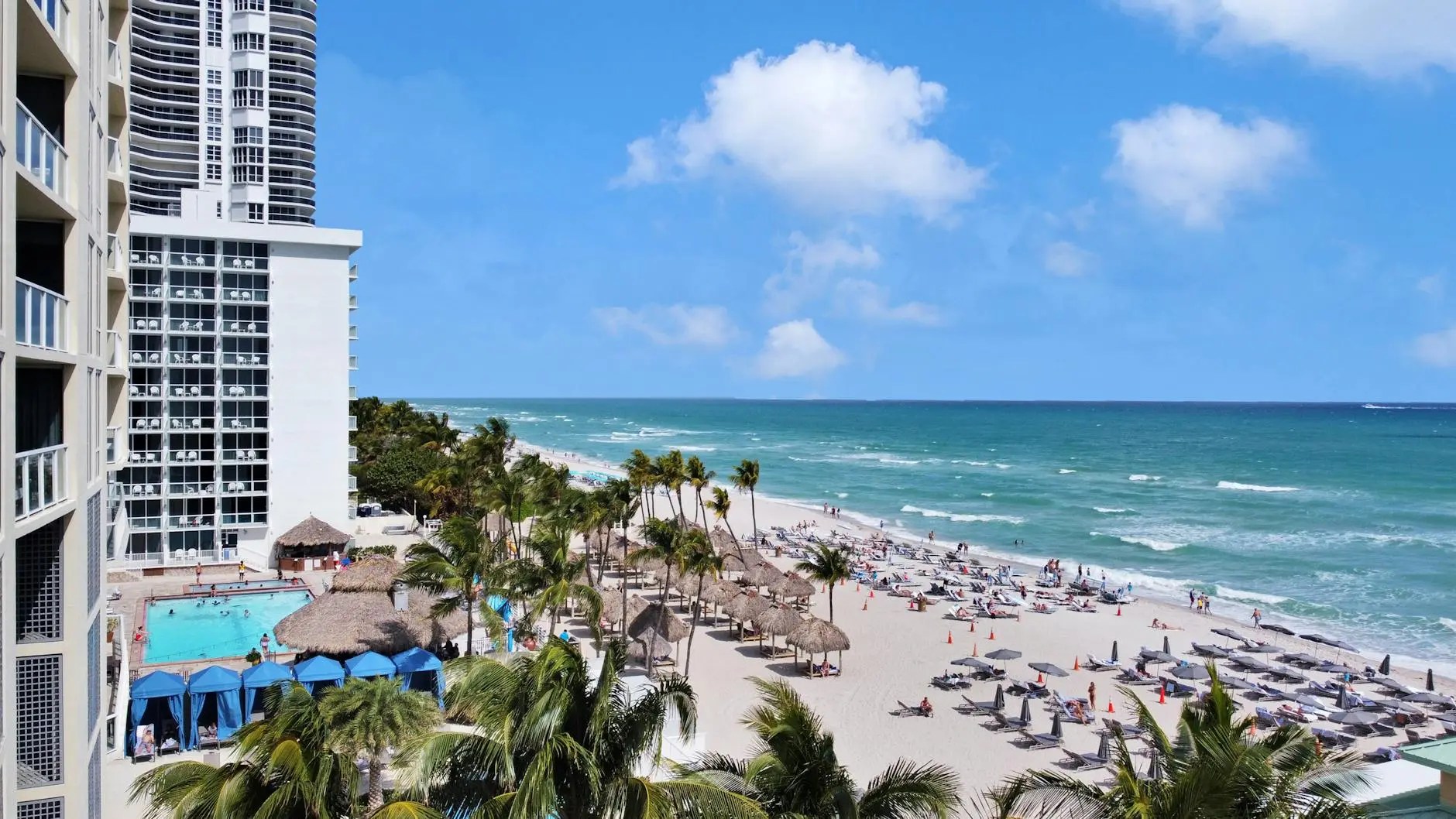
A view of a sunny Miami beach featuring turquoise waters, palm trees, and beach umbrellas, with a hotel in the foreground.
Breathtaking view of Miami’s South Beach with turquoise waves, sandy shores, and vibrant palm trees. The iconic, vibrant panorama of Miami’s South Beach. This is the postcard-perfect view visitors dream of: the brilliant turquoise Atlantic Ocean, a pristine beach dotted with umbrellas, a resort swimming pool, and lush palm trees against a flawless blue sky. This is the essence of the ultimate Miami weekend escape.
Exterior view of La Sandwicherie, a popular sandwich shop in Miami, illuminated at night with a vibrant red awning and palm trees outside. Customers are seated at the counter, enjoying their meals.
Enjoy a late-night snack at La Sandwicherie, a popular French-inspired sandwich spot in Miami, known for its vibrant atmosphere and delicious offerings.

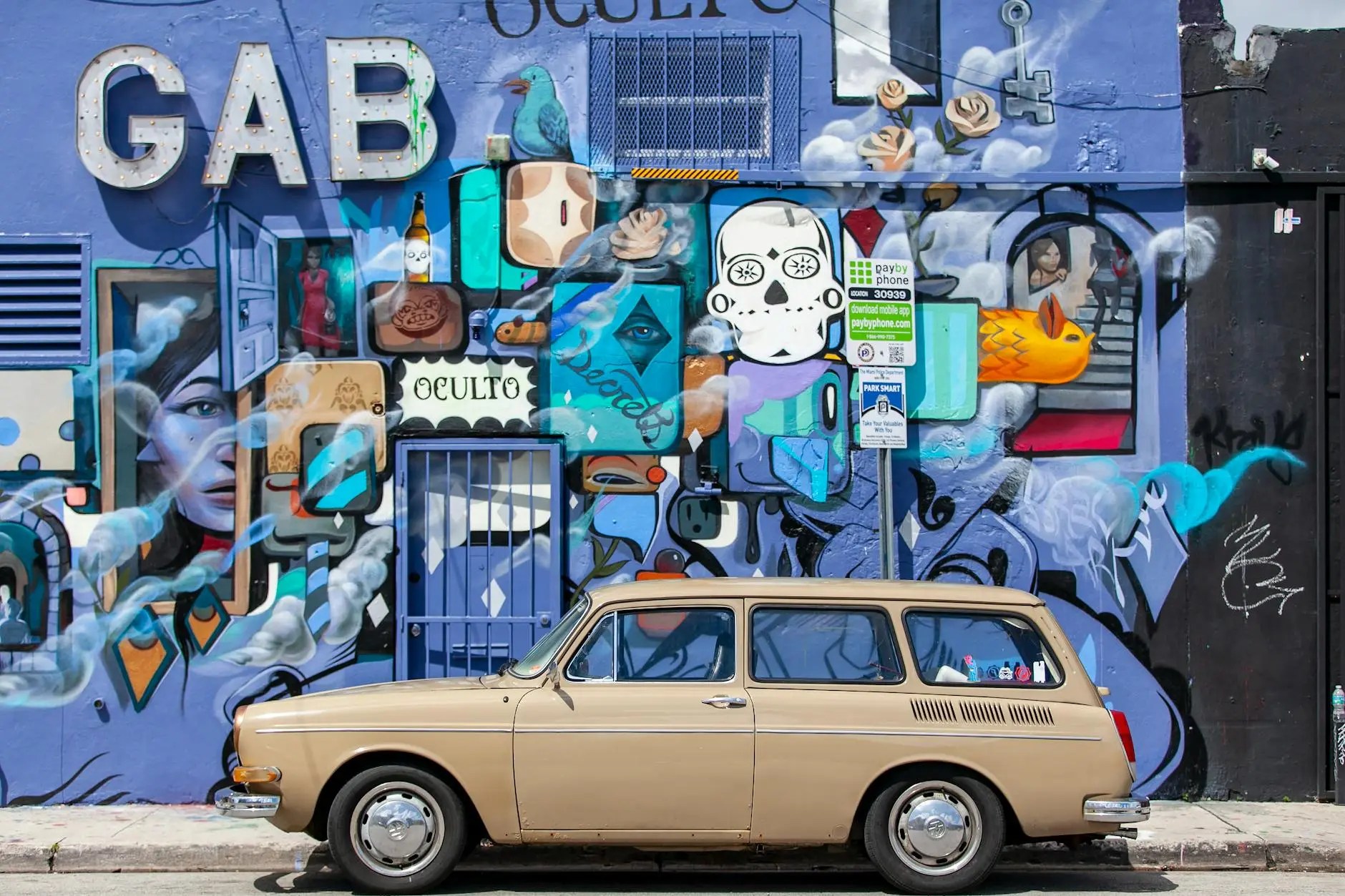
A beige vintage car parked in front of a colorful mural with various artistic elements including faces, symbols, and a door, set against a bright blue background.
A vintage car parked in front of a vibrant street mural, capturing the artistic essence of Miami’s colorful neighborhoods. Art Deco Historic District Miami’s Wynwood Walls district is an open-air art gallery. This shot perfectly captures its essence: a classic vintage car parked serendipitously in front of a massive, breathtaking blue mural, blending urban graffiti with fine art. It’s a quintessential Miami moment where the city’s vibrant culture and history collide.

A vibrant street scene in South Beach, Miami, showcasing colorful Art Deco buildings, palm trees, and outdoor dining areas under yellow umbrellas.
Vibrant scene of South Beach, Miami with colorful Art Deco buildings and palm trees lining the street.

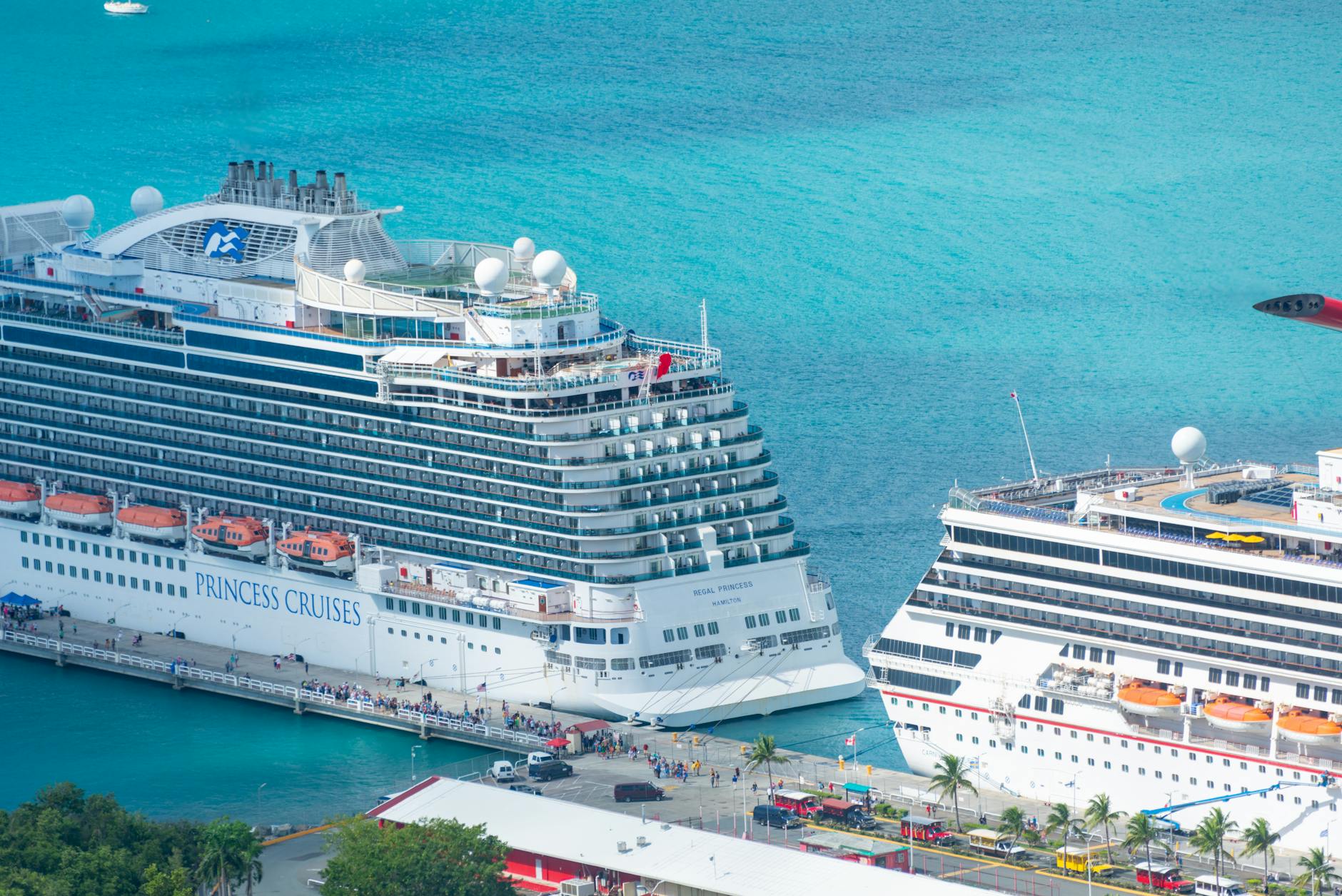
Two large cruise ships docked at a port with turquoise water in the background.
Cruise ships docked in Miami’s turquoise waters, showcasing a vibrant maritime scene.

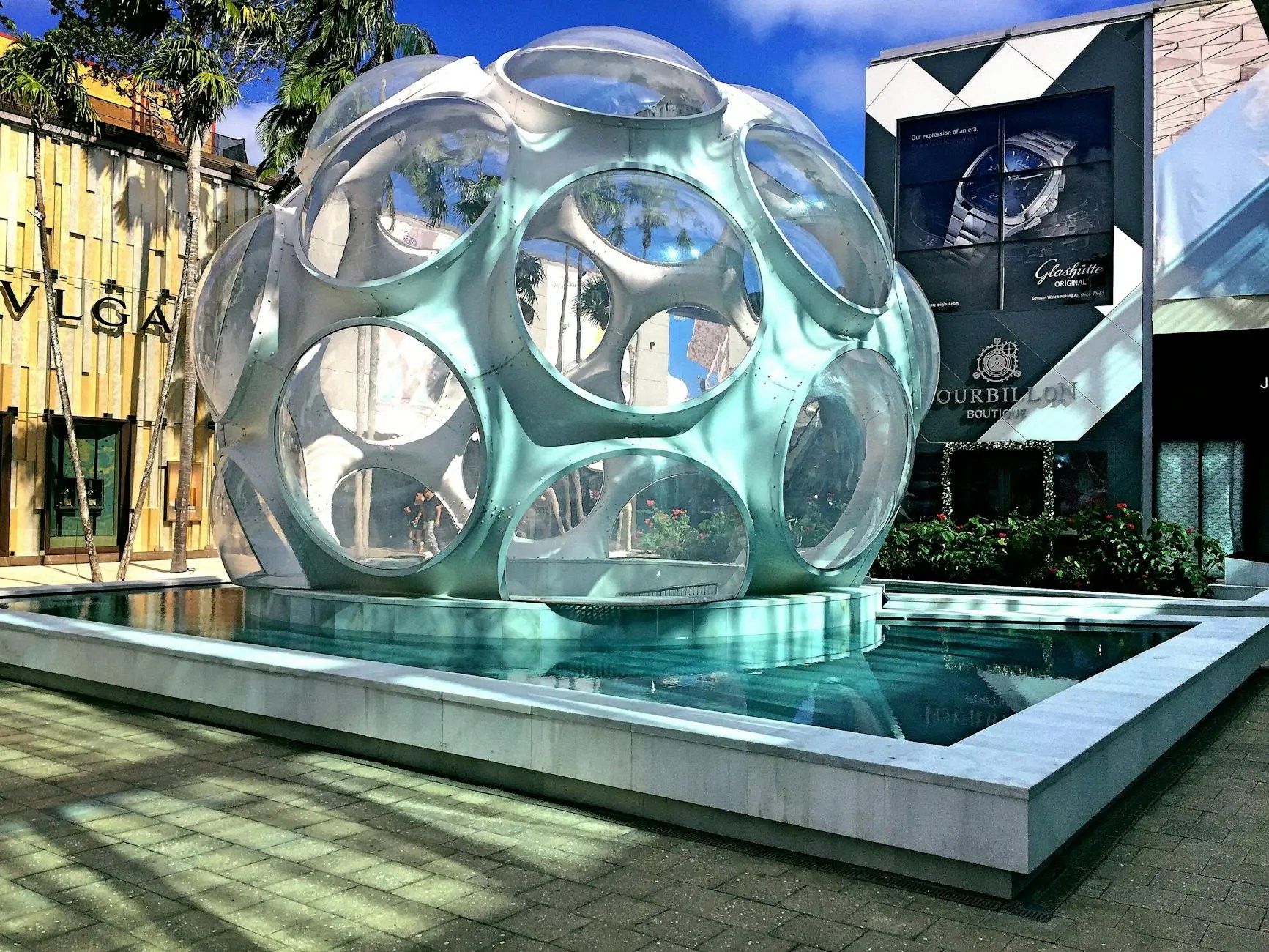
A modern art installation resembling a translucent sphere with circular openings, surrounded by a reflective pool and vibrant greenery, set against a backdrop of stylish boutiques.
A modern art installation featuring a spherical design with clear bubbles, situated in an outdoor plaza lined with palm trees in Miami. “Buckminster Fuller Dome” or “Fly’s Eye Dome” in the Miami Design District. Gazing into the future: The Buckminster Fuller Fly’s Eye Dome sits as a centerpiece in the Miami Design District. This geodesic masterpiece, with its unique bubble-like apertures, creates a stunning visual against the Florida sky, reflected perfectly in the surrounding pool. It’s a must-see for design and architecture enthusiasts.

Day 2: Wynwood Walls, Little Havana, and a Taste of Cuba

  • Morning (10 AM): Head to Wynwood. Before the crowds descend, explore the Wynwood Walls (worth the entry fee for the incredible curated art) and then just wander the surrounding blocks. Every alley is a free-for-all gallery of stunning street art.
    • Don’t forget your camera! The photo ops are endless. I use my Sony Alpha a7III for these crisp, colorful shots.
  • Afternoon (1 PM): Uber to Little Havana. Your destination: Calle Ocho (SW 8th Street). Start at Cubaocho Museum & Performing Arts Center for a mojito, then head to Azucar Ice Creamery for a unique scoop (get the Abuela Maria flavor).
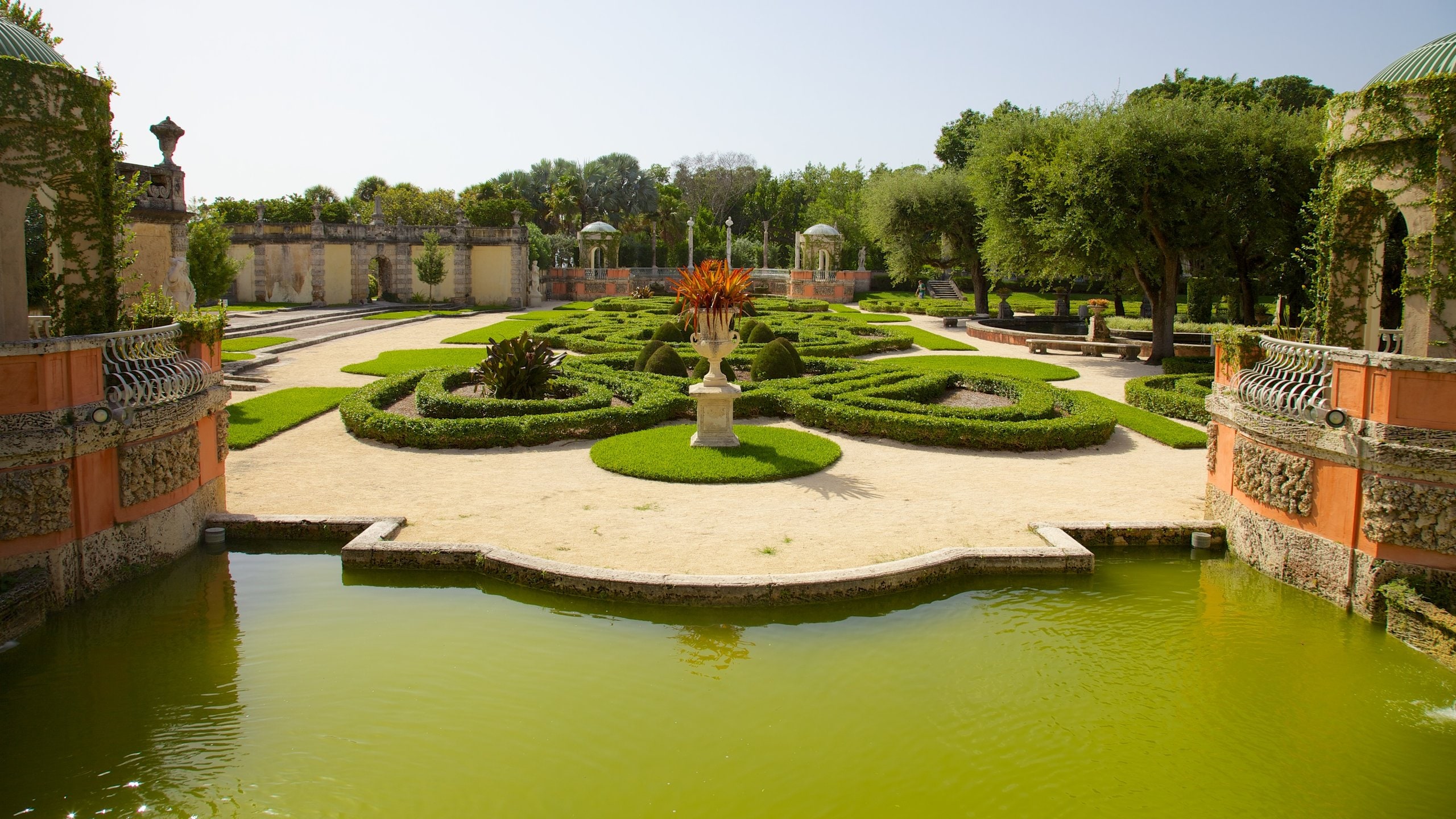
  • ✨ “If you’re into culture, Miami doesn’t disappoint. You can wander through the grand gardens and Italianate architecture at the Vizcaya Museum, or switch gears and sip a mojito while admiring Cuban art and live music at Cubaocho Museum & Performing Arts Center in Little Havana. Totally different vibes, but both unforgettable.”
  • Afternoon (3 PM): Watch the old masters at Domino Park and then smell the cigars rolling at El Titan de Bronze. For an authentic experience, line up at Versailles Restaurant for a cafecito (a tiny, potent sweet Cuban coffee) – it’s the “window to the Cuban soul.”
  • Evening (7 PM): Head to Brickell for a more upscale dinner vibe. The area is full of fantastic restaurants and rooftop bars with dazzling views of the financial district.
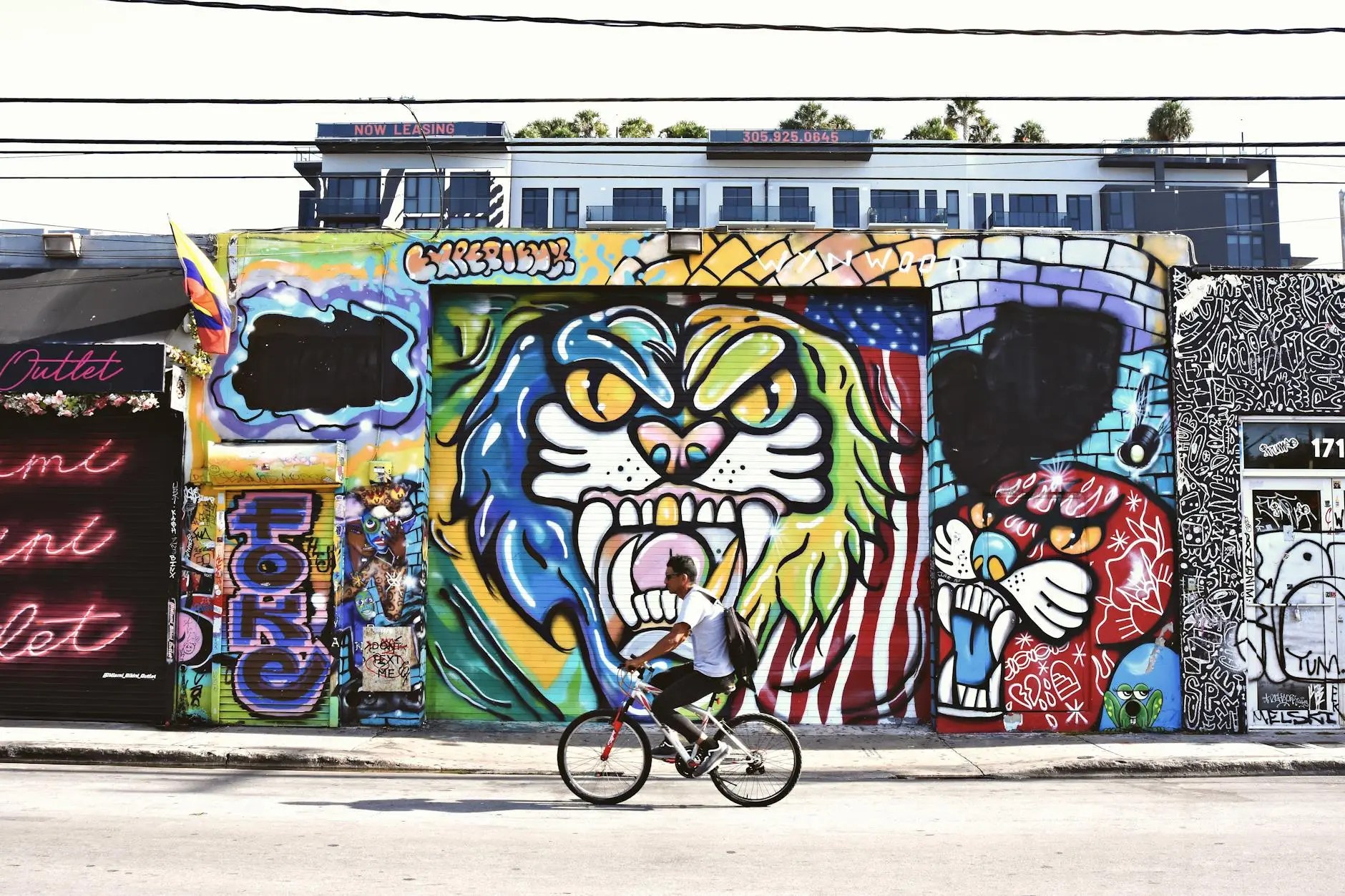
Wynwood Walls Tours

A person riding a bicycle in front of colorful street art featuring a lion and various graffiti designs on a wall in Wynwood, Miami.
A cyclist rides past vibrant street art featuring colorful lions and graffiti in Miami’s Wynwood neighborhood.
Life in motion: A cyclist effortlessly blends into the dynamic canvas of Wynwood, passing by a powerful mural of majestic, colorful lion faces. This is the neighborhood’s vibe—active, artistic, and utterly unforgettable.
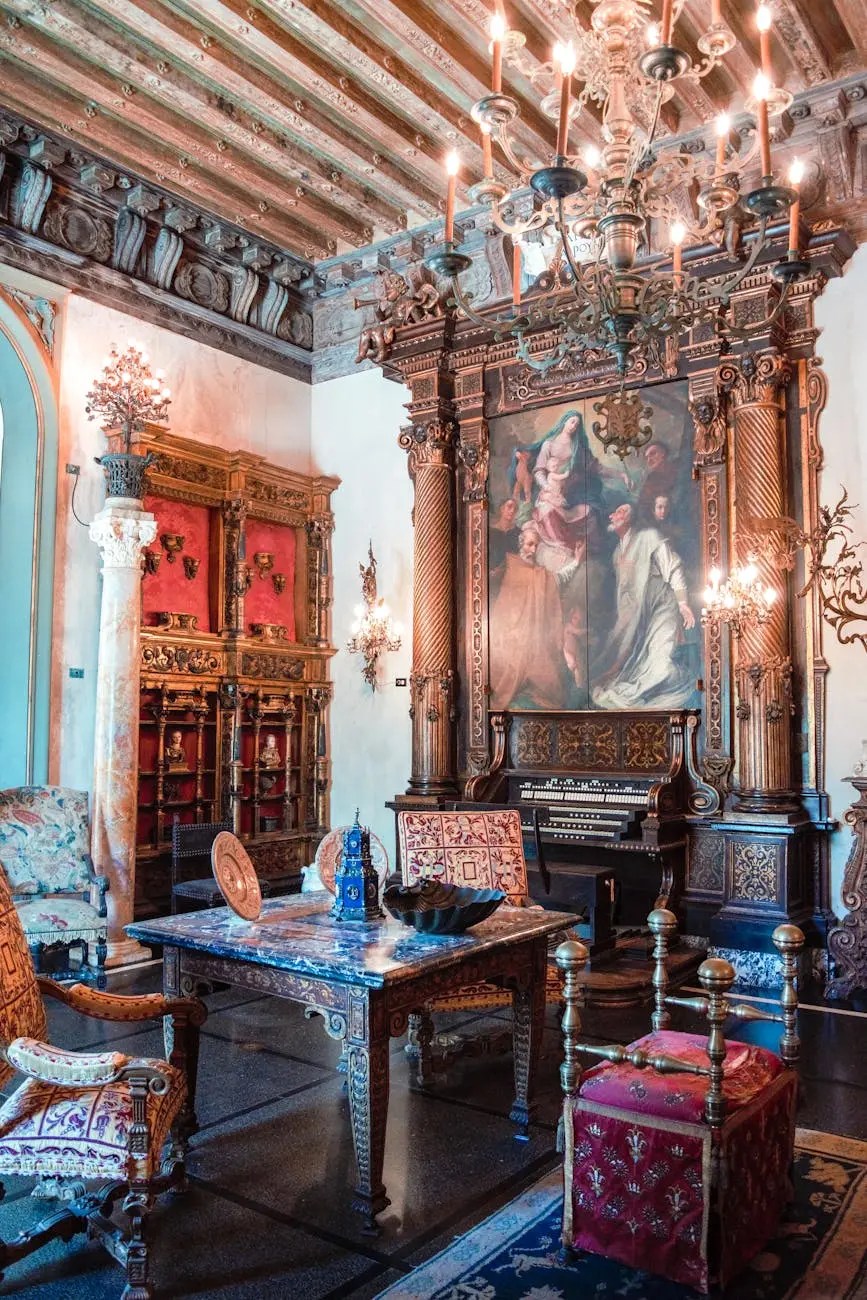
An ornate room featuring a vintage chandelier, intricate woodwork on the ceiling, and a collection of antique furniture, including a piano, elegant chairs, and a decorative table.
A lavish interior featuring ornate furniture, a detailed chandelier, and rich artwork, reflecting Miami’s vibrant cultural heritage. Vizcaya Museum

Step back in time: This lavishly decorated room, brimming with a crystal chandelier, a vintage organ, and gilded artwork, showcases the Gilded Age opulence found in some of Miami’s historic estates and museums, reflecting a rich cultural heritage beyond the beaches.
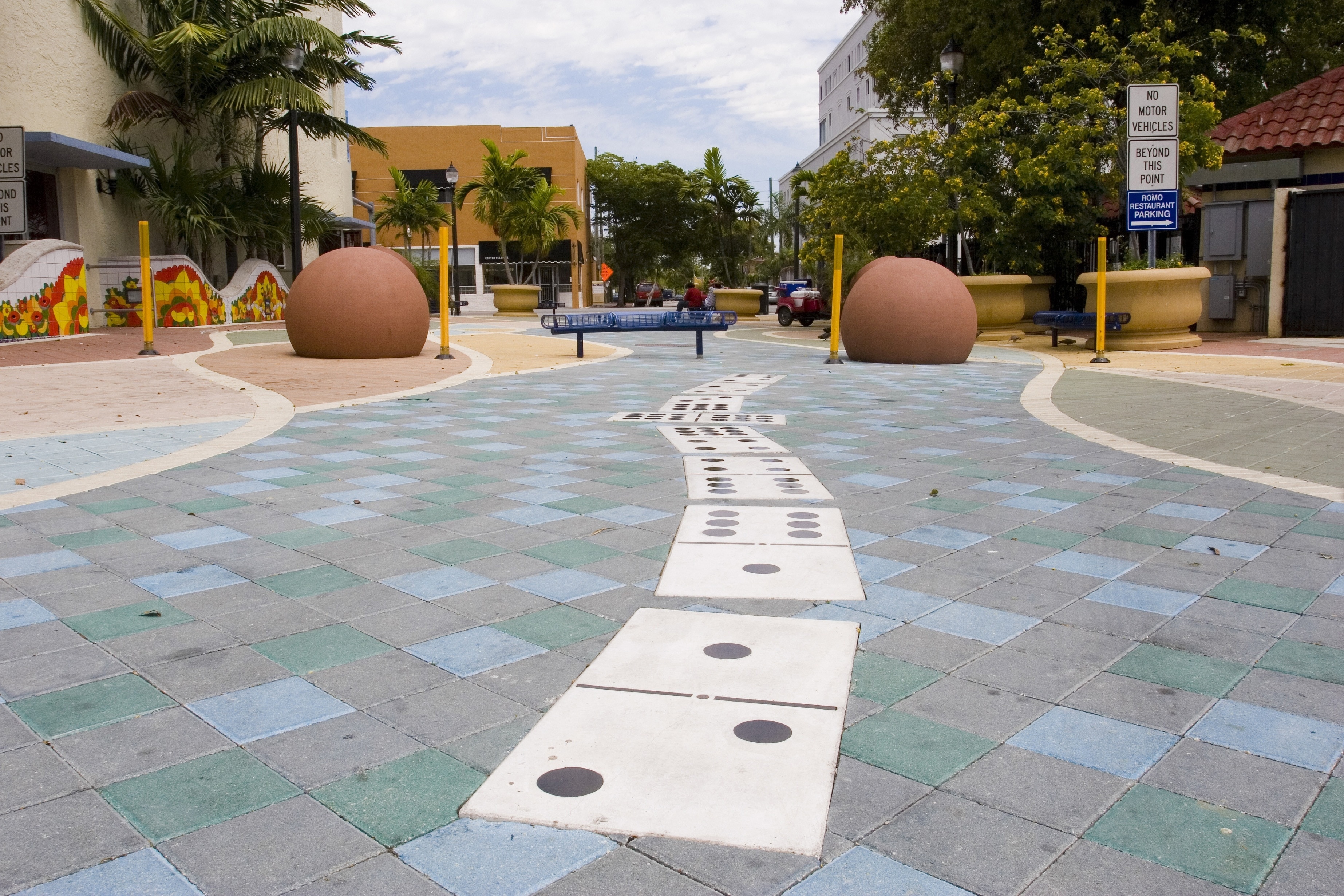
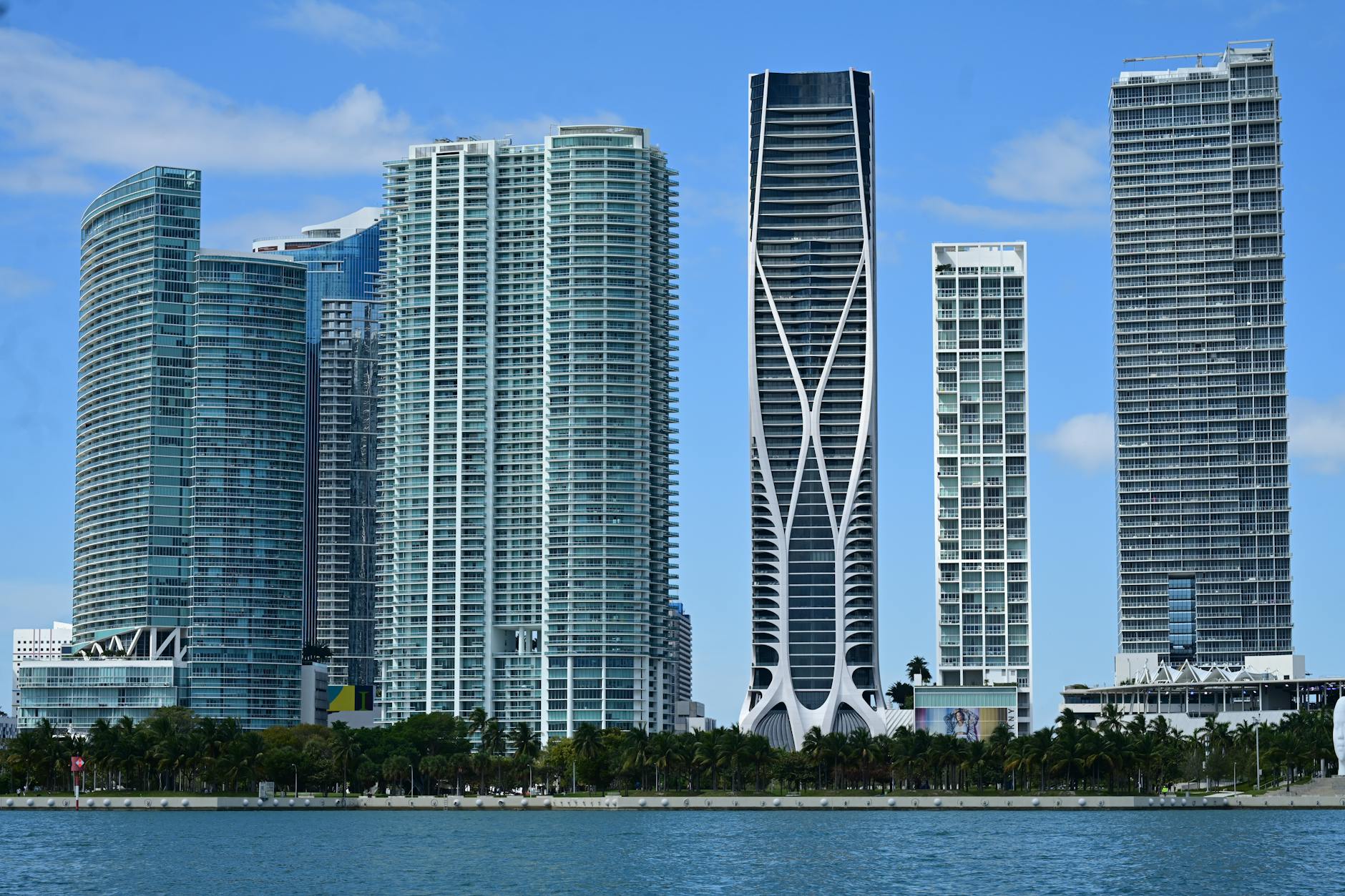
A colorful plaza in Miami featuring a pathway designed with domino-themed tiles, surrounded by large sculptural spheres and palm trees, creating a vibrant urban atmosphere.
A vibrant public space in Miami featuring colorful tiles and unique sculptures, ideal for relaxing and enjoying the local culture. Domino Park
A skyline view of Miami featuring modern skyscrapers along the waterfront under a clear blue sky.
A stunning view of Miami’s skyline showcasing modern architecture against a clear blue sky.

Day 3: Brunch, Beaches, and Bayfront Views

  • Morning (10 AM): Enjoy a leisurely brunch. South Beach has a million options, from healthy acai bowls to decadent bottomless mimosas.
  • Afternoon (12 PM): Rent a Citi Bike (the bike-share program) and cruise along the Venetian Causeway towards Downtown. It’s a stunning, peaceful ride over a series of small islands with gorgeous homes and views of the bay.
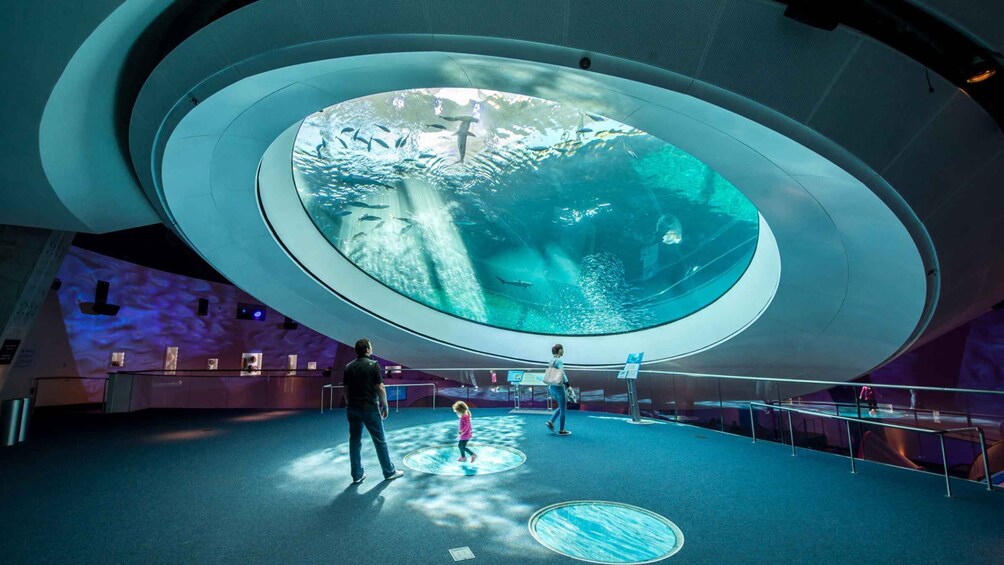
  • Afternoon (2 PM): Explore Bayside Marketplace (a bit touristy but fun for souvenirs) or visit the Frost Science Museum if you have time.
  • Late Afternoon (4 PM): Soak up your last few hours of Florida sun on the beach. My personal favorite is between 8th-10th street – a good mix of vibe and space.
A serene view of a beach framed by palm trees, with sunlight filtering through the branches, highlighting the tranquil ocean waters in the background.
A serene view of palm trees against the backdrop of the ocean at sunset, capturing the tranquil essence of Miami’s beaches.

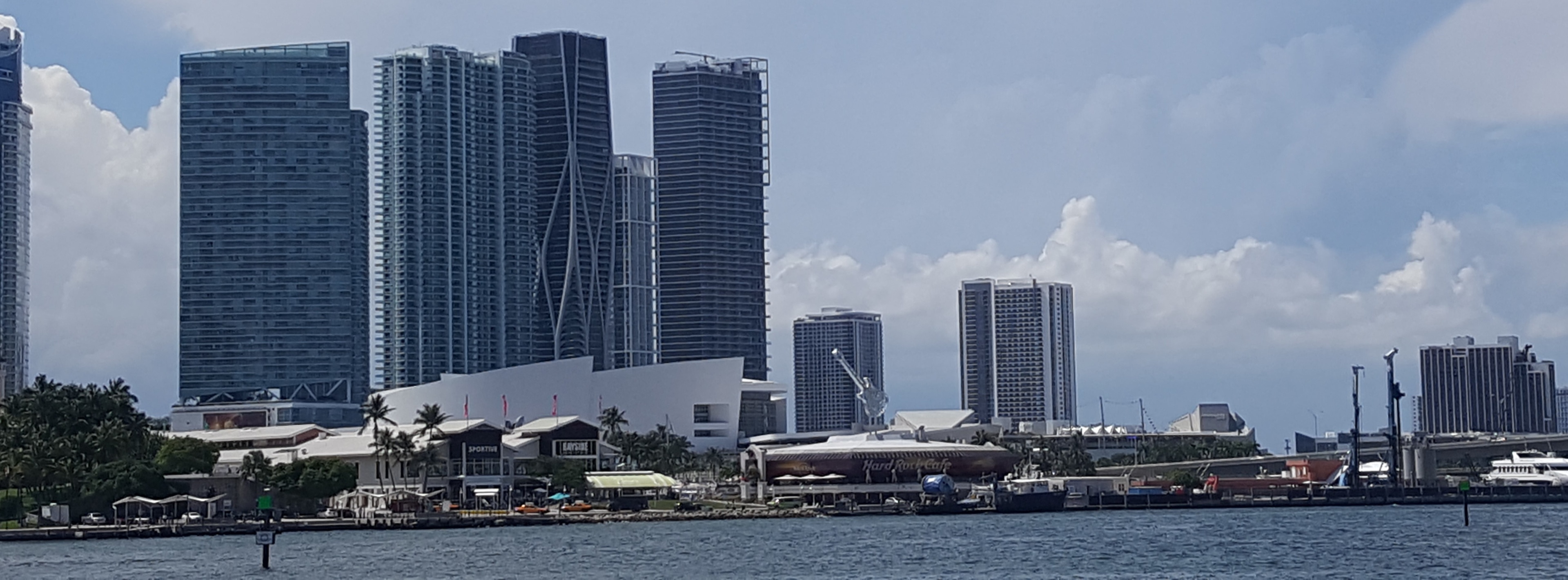
View of Miami's skyline featuring modern skyscrapers and the Hard Rock Cafe, with the waterfront in the foreground and a partly cloudy sky.
View of Miami’s skyline showcasing modern architecture and the vibrant waterfront. View of the Bayside Market area -2019
A family observing a large circular aquarium at a museum, featuring various fish and marine life swimming above them.
Visitors marvel at the impressive underwater view at the aquarium, showcasing a diverse marine ecosystem.  Frost Museum of Science and Planetarium

Miami Travel Hacks: Getting Around & Saving Money

Knowing how to move efficiently will save you both time and money.

ModeCost / TipsBest Use Cases
MIA (Miami International Airport) → Downtown / South BeachRide-share (Uber/Lyft), taxi, or shared shuttle. Public transit: Metrorail or Tri-Rail + local bus if you’re okay with some time.If arriving in peak traffic times, ride-share might cost more but get you there faster.
Public Bus (Metrobus)Many lines cover key areas; fares are modest (few dollars). Use outside rush hours.Getting between close neighborhoods like Little Havana to Downtown, or for cheaper sightseeing.
Metrorail + MetromoverMetrorail connects across longer distances; Metromover is free in certain downtown loops. Great for seeing downtown without car hassles. (Wikipedia)Downtown, Brickell, Arts & Entertainment District.
Car RentalOnly worth it if you plan to drive out of Miami (e.g. Key Biscayne, the Keys, Everglades), or have many stops; parking & tolls add up.Avoid renting if staying beachfront / walkable neighborhoods; traffic can be heavy.
Walking / BikingMany neighborhoods are very walkable (South Beach, Design District). Biking is possible in certain areas, but use caution.For short distances; cross-check with maps so you don’t accidentally walk far under the sun.

  • Public Transport is free in some areas: Don’t underestimate the Metromover in Downtown/Brickell! It’s a free, automated people-mover that gives you a great elevated tour of the area. The Metrorail can also get you from Downtown to Dadeland for a different perspective.
  • Public Transport is Your Friend:  The free Miami Beach Trolley is a fantastic and convenient way to hop along the island and key mainland connections. For a broader route from Surfside down into the heart of South Beach, use the public Metrobus Route 120. For the most accurate real-time routes and schedules, always check the official Miami-Dade Transit website or download the indispensable GO Miami-Dade app before your trip.
  • Rideshare vs. Rental Car: For a weekend trip, skip the rental car. Parking in South Beach is a nightmare and expensive. Uber/Lyft are plentiful and, when combined with the free Metromover and buses, are the most cost-effective and stress-free way to get around.  If you’re a fan of urban exploration, you’ll appreciate the tips in my Ultimate Weekend Guide to Los Angeles for navigating another car-centric city.
  • Road Map Tip: If you must drive, use Waze religiously. I-95 and I-395 can be parking lots during rush hour. The MacArthur Causeway to South Beach is usually smoother than the Venetian.
  • Plan a Multi-City Trip? The energy in Miami is very different from the 24/7 thrill of Las Vegas. If you’re planning a tour of iconic American cities, see how to do it right with my guide to the Ultimate Weekend Getaway in Las Vegas. And for the ultimate urban sprint, nothing beats a 48-Hour whirlwind adventure in NYC.
  • Stay Connected & Secure:
    • ✈️ Travel Tip: Staying connected abroad can be tricky (and expensive if you’re relying on airport SIM counters or roaming). That’s why I carry a Drimsim—a universal SIM card that works in 190+ countries without hidden fees. You just pop it into your phone, top up through the app, and you’re online wherever your adventure takes you. No more hunting for local SIM cards or stressing over roaming bills. If you’re planning your next getaway, check it out here.
    • Always use a VPN on public Wi-Fi (hotel lobbies, cafes). It keeps your data safe from prying eyes. I’ve used NordVPN for years for secure browsing and even to watch shows from back home.
  • Travel Insurance: ✈️ Smart Travel Tip: No matter where your adventures take you, having the right travel insurance can save you from unexpected headaches (and bills). I personally recommend VisitorsCoverage — it’s a trusted platform where you can compare plans, find coverage that fits your trip, and book it in just a few clicks. Whether you’re planning a quick city escape or a longer international journey, it’s peace of mind worth packing. Explore your options here.

Hidden Gems: Where to Escape the Crowds

  • The Ancient Spanish Monastery in North Miami Beach: A 12th-century monastery shipped from Spain and rebuilt stone-by-stone. It’s surreal and beautiful.
  • Vizcaya Museum and Gardens: I mentioned it in the Know-Before-You-Go section, but it’s worth repeating. It feels like you’ve been transported to Renaissance Italy.
  • Oleta River State Park: Florida’s largest urban park, perfect for kayaking, mountain biking, and escaping the concrete jungle.
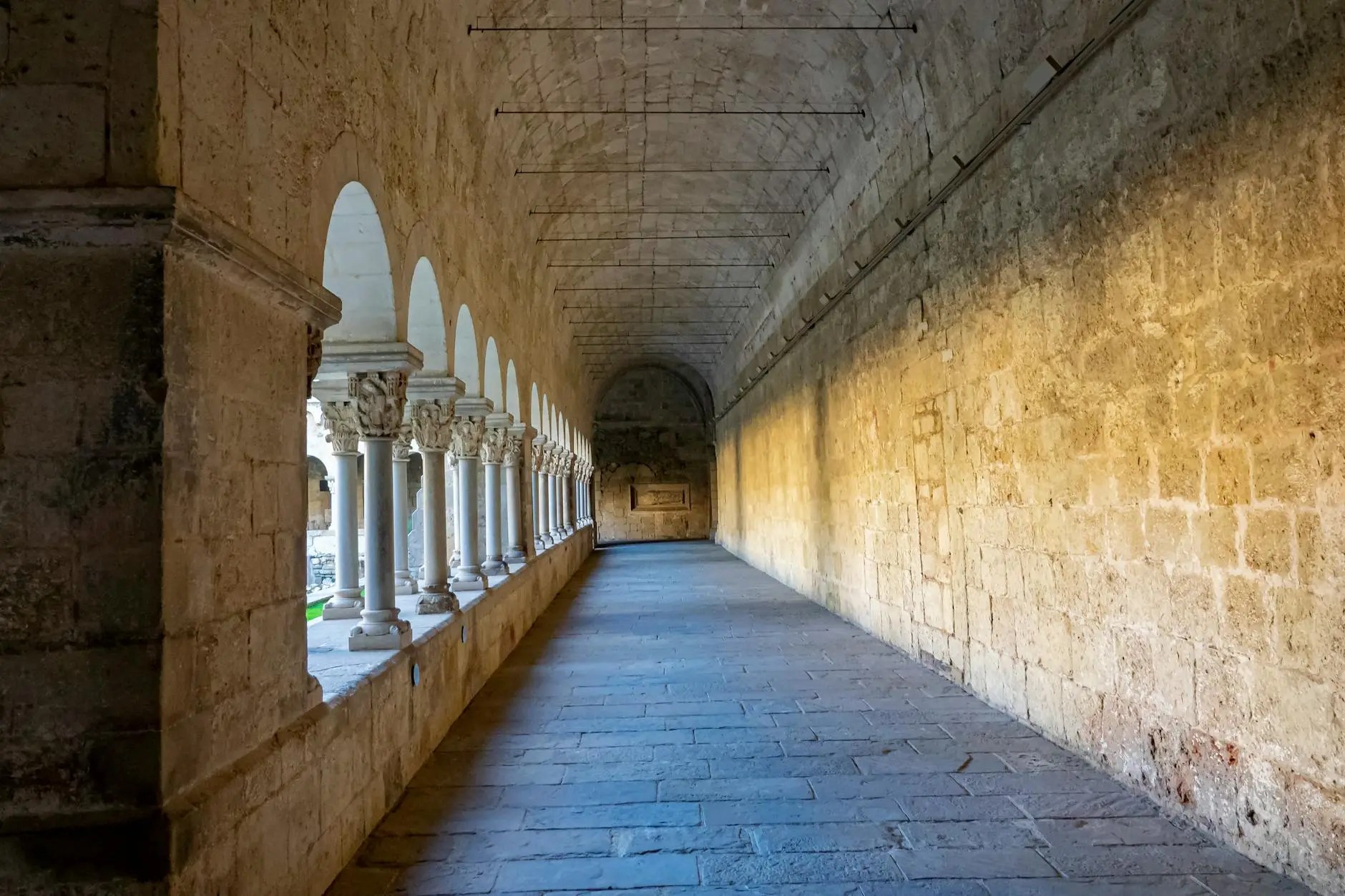
Interior view of a stone corridor with arched doorways and decorative columns, featuring soft lighting that highlights the texture of the walls.
Explore the serene architecture of the Ancient Spanish Monastery, a hidden gem in North Miami Beach reflecting the region’s rich cultural heritage. Walking through history: Sunlight streams into the peaceful, stone-clad corridor of the Ancient Spanish Monastery, highlighting the majestic Gothic and Renaissance arches. This hidden gem offers a quiet escape and a breathtaking glimpse into 12th-century architecture.
A beautifully landscaped garden featuring symmetrical hedges, flowering plants, and a water feature, showcasing the elegance of Miami's historic estates.
A beautifully landscaped garden featuring meticulously trimmed hedges and vibrant flora, showcasing Miami’s stunning natural beauty. Vizcaya Museum in Miami, showcasing stunning landscaping and vibrant flora
A bright blue sky with fluffy white clouds overhead, featuring a grouping of tall palm trees in the foreground surrounded by lush greenery.
Natural beauty in Miami featuring palm trees under a bright blue sky.

Essential Miami Know-Before-You-Go

  • A Few Key Spanish Phrases:
    • Hola (OH-la): Hello
    • Gracias (GRA-see-as): Thank you
    • Por favor (por fa-VOR): Please
    • La cuenta (la KWEN-ta): The check/bill
    • ¿Dónde está…? (DON-day es-TA): Where is…?
    • Una birra / una cervesa — One beer (informal)
    • ¿Cuánto cuesta? — How much does it cost?
    • ¿Me puede ayudar? — Can you help me?
  • What to Wear: Daytime = shorts, t-shirts, swimsuits, and a good sun hat. Evenings can be dressier, especially for dining out in Brickell or going to clubs. Always bring a light sweater—air conditioning is arctic everywhere.
  • Flight Got Messed Up? ✈️ Flight Delayed or Canceled? Travel isn’t always smooth sailing—sometimes flights get delayed, canceled, or overbooked. The good news? You might be entitled to up to $650 in compensation under air passenger rights. Most travelers never claim it, but I’ve got you covered: just check your flight with AirHelp. They handle the paperwork, fight the airlines for you, and only get paid if you win. Easy, stress-free, and potentially a nice surprise for your travel fund. See if you’re owed compensation.

Frequently Asked Questions (FAQ)

Q: Do I need a visa to visit Miami / USA?
A: Depends on where you’re from. If your country is in the Visa Waiver Program, you can use ESTA (for up to 90 days). Otherwise, you’ll need to apply for a visitor visa (B-1/B-2). Always verify fees & processing times ahead of your trip.

Q: How far in advance should I book flights & hotels?
A: Ideally 1-3 months ahead for hotels in popular neighborhoods. Flights can often be cheaper ~6-8 weeks out for domestic or nearby international origins—but for off-peak or special deals, earlier helps

Q: What is the best time of year to visit Miami?
A: The sweet spot is between March and May. The brutal summer humidity hasn’t set in, and the winter crowds have thinned out. December-February has perfect weather but is the most expensive and crowded.

Q: Is Miami an expensive city to visit?
A: It can be, but it doesn’t have to be! By using public transport, eating at local spots (like Cuban cafeterias), and enjoying free activities (beaches, exploring Art Deco, window-shopping on Lincoln Road), you can manage your budget effectively.

Q: How many days do I need in Miami?
A: A long weekend (3-4 days) is perfect to hit the main highlights without feeling rushed. It gives you enough time for the beach, art, culture, and great food.

Q: What area is best to stay in for a first-time visitor?
A: South Beach is the classic choice for being in the heart of the action and steps from the beach. Brickell is a great alternative for a more modern, sleek, and slightly less chaotic vibe, with easy access to Downtown and great restaurants.

Q: Can I get by with just English in Miami?
A: Absolutely. English is widely spoken. However, you’ll hear Spanish everywhere, and knowing a few basic phrases will be greatly appreciated and can only enhance your experience.

Q: What about safety and tipping?
A: Miami is relatively safe in tourist areas; like any big city use common sense (watch your belongings, stay in well-lit areas at night). Tipping: 15-20% in restaurants if service is good; $1-2 per drink at bars; a few dollars for bellhops / cleaners.

Q: What is the best way to avoid traffic delays?
A: Try to plan morning or early afternoon travel rather than rush hour (approx 7-9am and 4-7pm). Use GPS and traffic apps to check real-time congestion. Avoid driving across causeways during peak hours if possible


So, what are you waiting for? Miami’s magic is calling. The sun is warm, the mojitos are cold, and the art is waiting to be ‘grammed.

Start planning your ultimate Miami weekend getaway now!
Find the best deals on flights and hotels on Expedia.

Have you been to Miami? What was your favorite spot? Let me know in the comments below!
Universal Disclaimer/Disclosure Page:

Vienna in a Weekend: Your Ultimate Guide to Imperial Splendor, Coffee & Cake

Meta Description: Master your weekend escape to Vienna! This ultimate guide reveals a perfect 2-day itinerary, money-saving secrets, must-try foods, and hidden gems. Learn how to navigate the city like a pro and experience the best of imperial Vienna.

So, you’ve got a weekend to spare and a burning desire to soak up some serious culture, coffee, and cake? Let me tell you, you’ve picked a winner. Vienna isn’t just a city; it’s a feeling. It’s the waltz of horses on cobblestone streets, the scent of fresh strudel, and the sheer, awe-inspiring gold-leaf opulence of a Habsburg palace.

I remember my first time stepping into the Hofburg Palace complex. I was so busy staring up at the architecture that I almost walked into a very dignified, very unamused horse. Pro tip: Admire, but watch your step. This city is alive with history.

Planning a short trip can be daunting, but fear not! I’ve distilled the essence of Vienna into the perfect weekend itinerary designed to save you time, money, and logistical headaches. Let’s dive in.

Table of Contents

  1. Why Vienna is the Perfect Weekend Getaway
  2. Before You Go: Visa, Insurance & Smart Planning
  3. Your Vienna Weekend Itinerary: A Step-by-Step Guide
    • Friday Evening: Arrival & A Taste of Tradition
    • Saturday: Palaces, Pastries & Perfect Melodies
    • Sunday: Markets, Masterpieces & Departure
  4. Navigating Vienna Like a Pro: The Ultimate Public Transport Guide
  5. Money-Saving Secrets & Local Hidden Gems
  6. Speak Like a Local: Essential German Phrases for Travellers
  7. Travel Smarter, Not Harder: My Trusted Resources
  8. FAQ: Your Quick Vienna Weekend Questions Answered

Welcome to Vienna: Why This City Should Be Your Next Weekend Getaway

Compact, incredibly well-connected, and dripping with things to do, Vienna is a weekend warrior’s dream. You can go from a world-class art museum to a sprawling palace garden to a cozy wine tavern (a Heuriger) within a short tram ride. It’s a city that rewards both meticulous planners and spontaneous wanderers.

Ah, Vienna—where coffee culture meets imperial grandeur, and every corner seems straight out of a fairytale (or at least a well-directed period drama). This city is punchy, juicy, and elegant all at once—perfect for travellers with a sense of humor and an appetite for Austrian schnitzel.

Planning Your Trip: Timing, Visa & Budget Essentials

Visa Info: As a major Schengen Zone country, Austria allows visa-free entry for short stays (up to 90 days) for citizens of the US, UK, Canada, Australia, and many other countries. Always double-check the official government website for your nationality closer to your travel date, as rules can change.
Cost: If you do require a Schengen visa, the standard fee is €80 for adults.

Flights to Vienna

During my last spring visit, I noticed the lines to Schönbrunn were laughably short—so short, I actually did a little happy dance in line (thankfully, no one else joined in).

Best Time to Visit: Late spring (May–June) or early autumn (September) offer mild weather, blooming gardens, fewer crowds, and better hotel deals.

Hotels in Vienna

✈️ Smart Travel Tip: No matter where your adventures take you, having the right travel insurance can save you from unexpected headaches (and bills). I personally recommend VisitorsCoverage — it’s a trusted platform where you can compare plans, find coverage that fits your trip, and book it in just a few clicks. Whether you’re planning a quick city escape or a longer international journey, it’s peace of mind worth packing.

Friday Evening: Arrival & A Taste of Tradition

Assuming you land in the afternoon, hop on the CAT (City Airport Train). It’s a non-stop service that gets you to Wien Mitte station in just 16 minutes. From there, the U-Bahn (subway) or a short taxi ride will take you to your hotel.

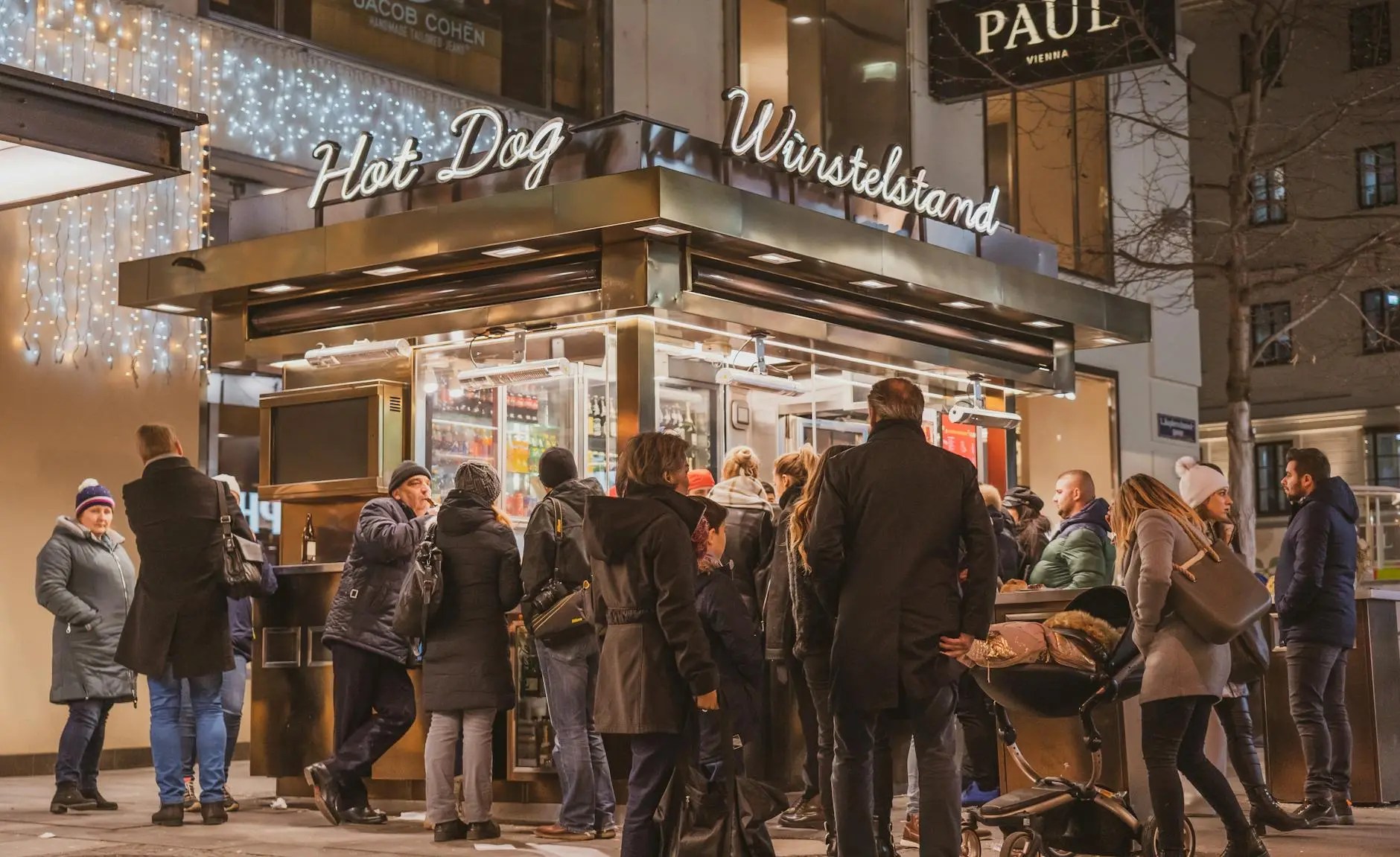
Once you’ve settled in, ditch the jet lag with a walk through the historic center. Your mission: find a classic Würstelstand (sausage stand). Grab a Käsekrainer (a cheesy, divine sausage) with a sharp mustard and a crisp Ottakringer beer. It’s the perfect, authentic welcome dinner.

A bustling Würstelstand (sausage stand) in Vienna at night, with customers waiting in line for traditional snacks, illuminated by warm lights.
A bustling Würstelstand in Vienna, where locals enjoy classic Viennese sausages under the evening glow.

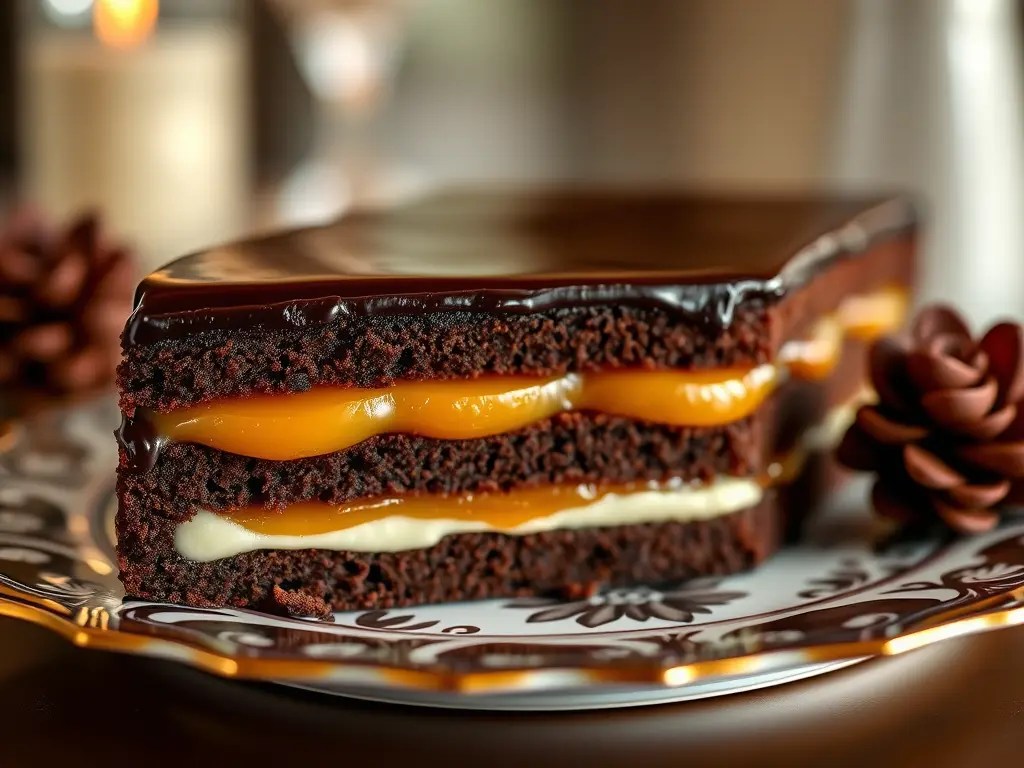
Cap the night at a traditional coffee house. Skip the tourist traps right on the Graben and find a smaller one like Café Schwarzenberg or Café Prückel. Order a Melange (the Viennese cappuccino) and a slice of Sachertorte. Sit back, read the paper provided, and do as the Viennese do: linger.

A grilled sausage cut in half, revealing a creamy filling, presented on a wooden board.
A delicious Käsekrainer sausage, grilled to perfection and ready to be enjoyed—an authentic Viennese culinary delight.

A bottle of Ottakringer Lager beer next to a filled glass on a table, with soft natural light highlighting the drink.
Enjoy a refreshing Ottakringer Lager, a perfect pairing for a Viennese culinary experience.

A beautifully presented cup of coffee sitting on a saucer, with a cozy coffee house interior in the background, featuring warm lighting and elegant decor.
A beautifully crafted Melange coffee, perfect for a cozy evening in a traditional Viennese coffee house.

A close-up of a slice of rich chocolate cake with layers of caramel and cream, elegantly presented on a decorative plate.
Indulge in a slice of decadent Sachertorte, the iconic chocolate cake from Vienna, featuring layers of rich chocolate and apricot filling.

Saturday: Palaces, Pastries & Perfect Melodies

Morning: Fuel up and head to the magnificent Schönbrunn Palace. Book your tickets online in advance for a specific timeslot to avoid the monstrous queues. The Imperial Tour (22 rooms) is perfect for a weekend trip. The gardens are free to explore and offer a stunning view of the city from the Gloriette monument. For more on palace etiquette and history, check out my deep dive into [Exploring Europe’s Royal Residences].

CHOOSE WISELY: The Imperial Tour (22 rooms) is perfect for a weekend trip. The Grand Tour (40 rooms) is amazing but can lead to acute “palace fatigue.

BOOK AHEAD: Book your tickets online in advance for a specific timeslot. I learned this the hard way, watching the queue snake around the courtyard while I sipped my coffee, ticket securely in my app.

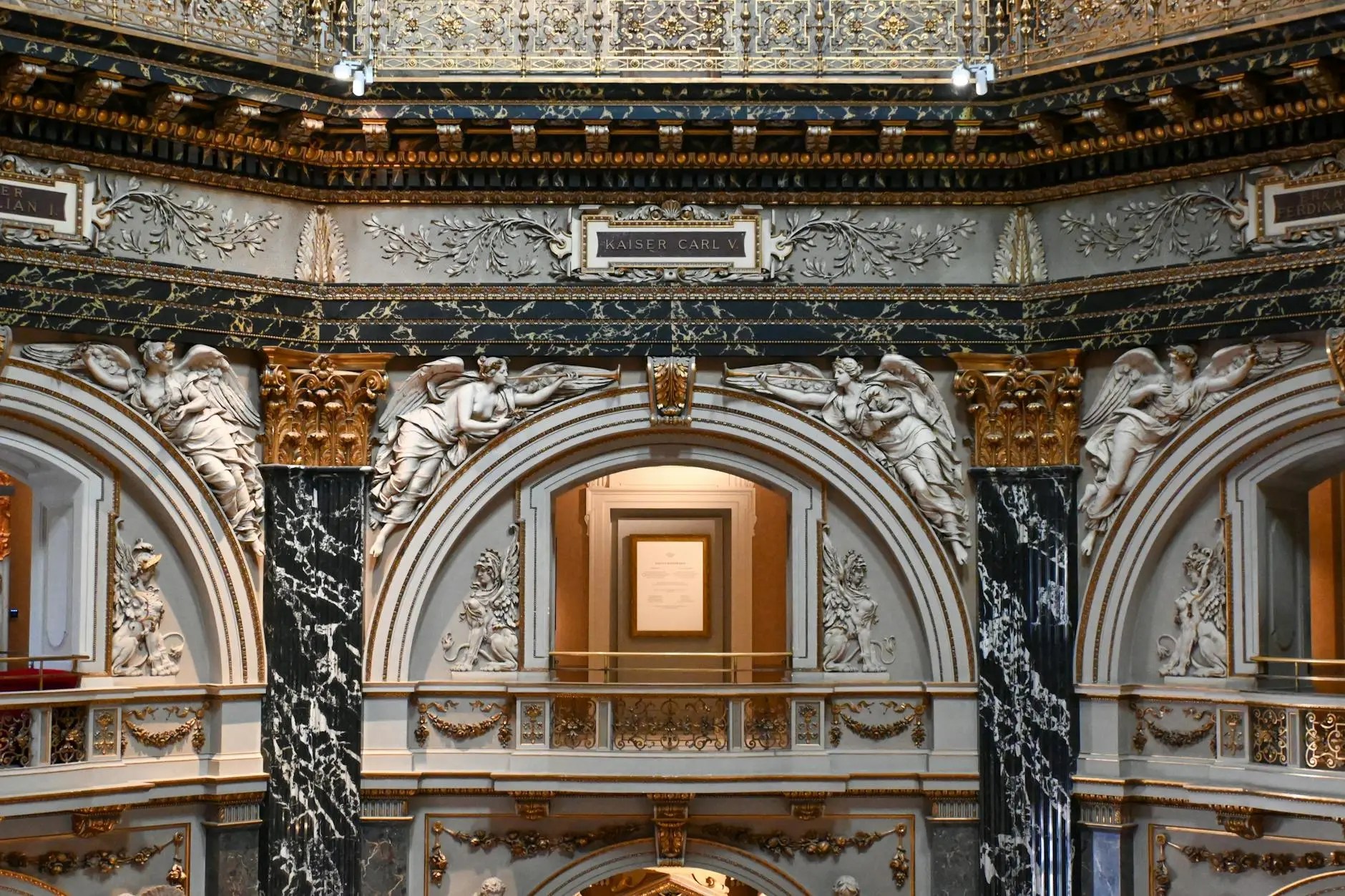
Afternoon: Take the U-Bahn back to the center. For lunch, I stumbled upon Bitzinger Würstelstand Albertina right behind the Opera House. It’s an institution. Afterwards, get your art fix at the Kunsthistorisches Museum (Art History Museum). Even if you’re not a huge art buff, the building itself is a masterpiece. The cafe in the dome is breathtaking.

Evening: This is Vienna—you have to experience music. You don’t need to break the bank for the Opera. Look for standing room tickets (Stehplätze) sold just before the performance for a few euros, or find a classical concert in a smaller, stunning venue like the St. Anne’s Church. I once saw a Mozart quartet in a tiny, ornate hall and it was one of the most memorable nights of my life.

Schönbrunn Palace Tours

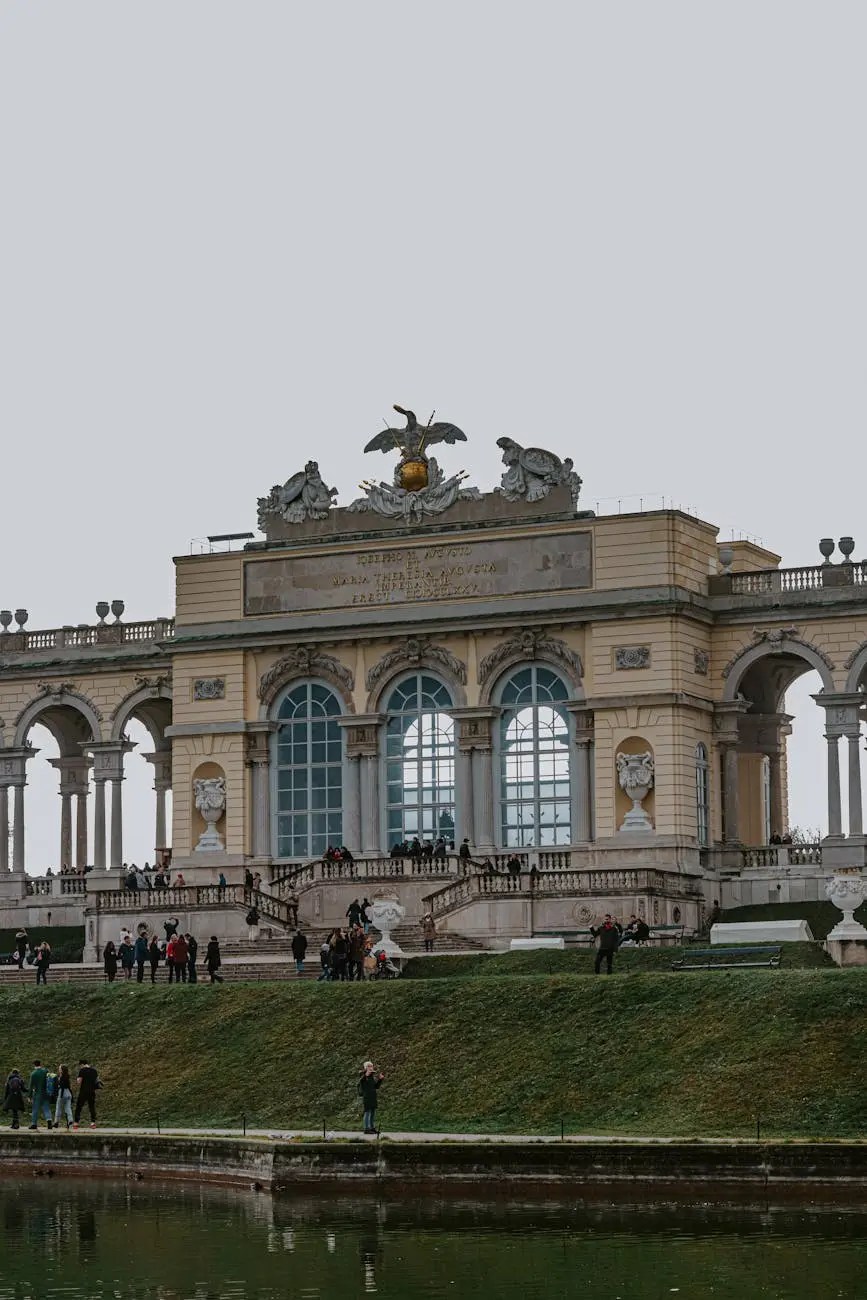
View of the Gloriette in Schönbrunn Palace gardens, showcasing its classical architecture and people enjoying the serene surroundings.
The stunning architecture of the Gloriette at Schönbrunn Palace, a must-see viewpoint in Vienna.

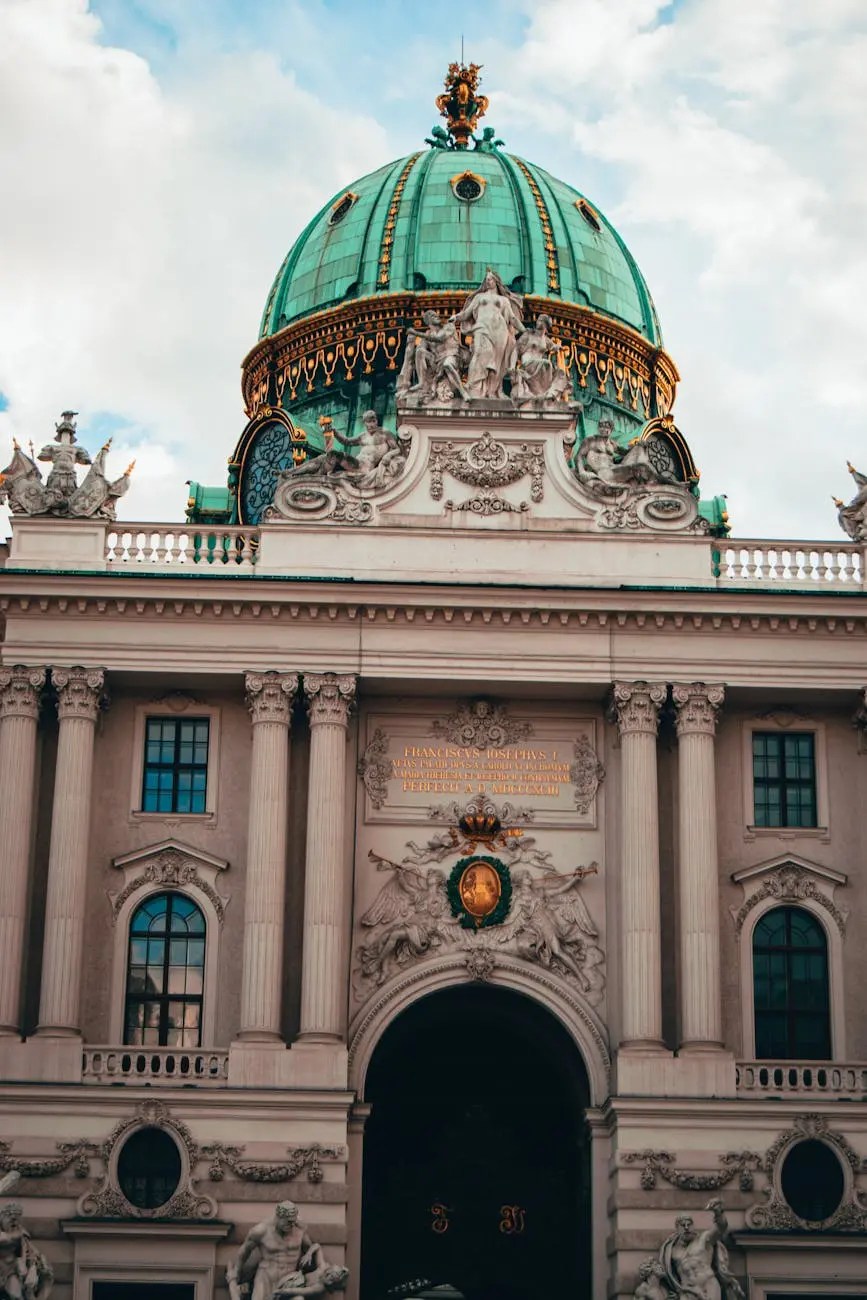
Close-up view of the ornate architecture of the Hofburg Palace in Vienna, highlighting its green dome and intricate sculptures.
The stunning architecture of Hofburg Palace, a symbol of Vienna’s imperial history. Look up! The Hofburg Palace’s breathtaking dome and facade are a masterclass in imperial grandeur. Every statue, gilded detail, and architectural curve tells a story of the powerful Habsburg dynasty that ruled from here for centuries. It’s easy to miss these details when navigating the bustling streets, but they’re what make Vienna an open-air museum.

Hofburg Palace: Once home to the Habsburg dynasty, this imperial complex is like Vienna’s beating historical heart. From the Imperial Apartments to the Sisi Museum, it’s history layered on history. (Tip: Early mornings or late afternoons are best to dodge big tour groups.)

Gloriette Tours and Activities

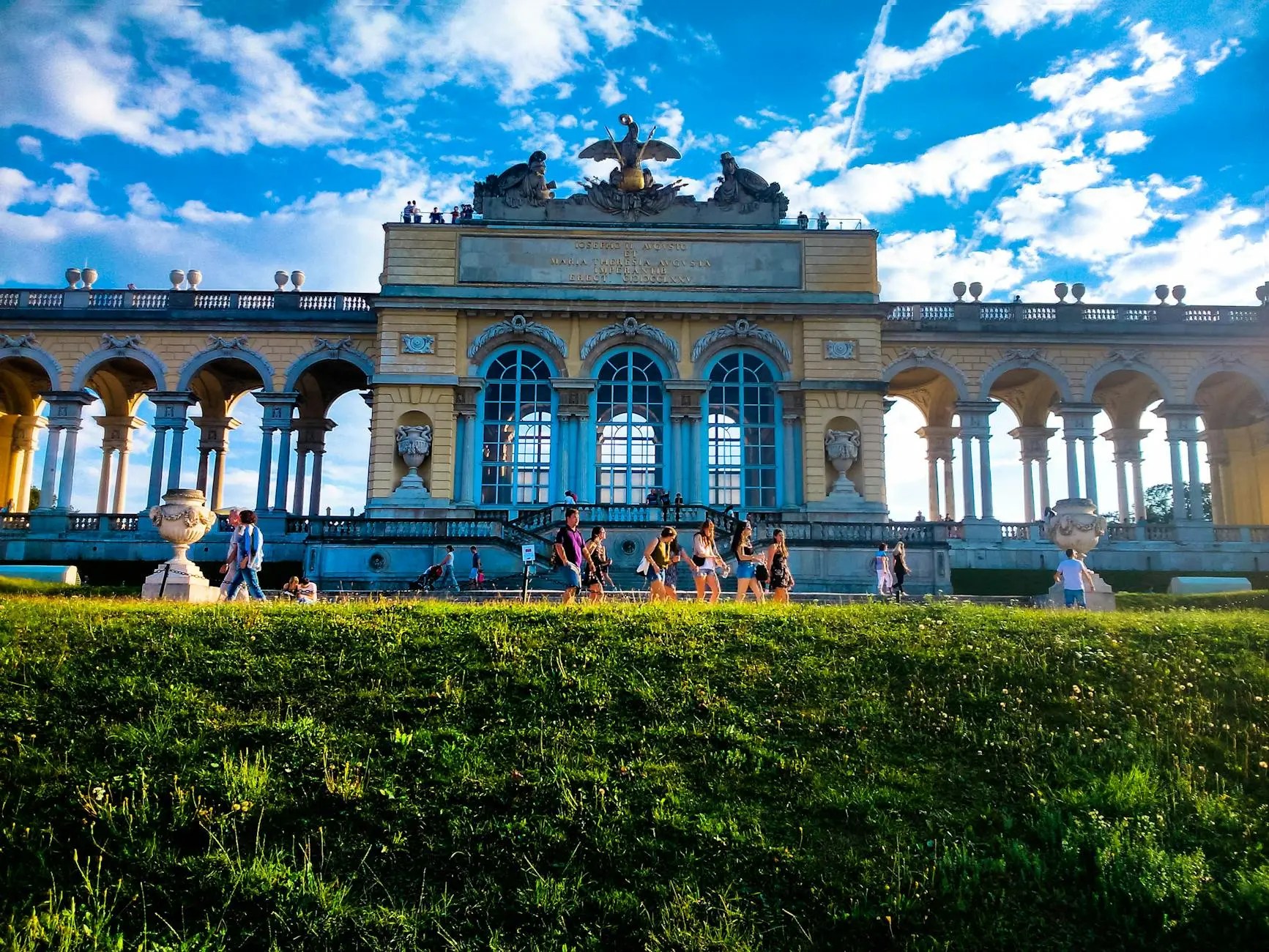
DON’T MISS THE GARDENS: The gardens are free to explore and offer a stunning, postcard-perfect view of the city from the Gloriette monument. It’s a steep walk but absolutely worth it.

View of the Gloriette at Schönbrunn Palace, with visitors walking on grassy grounds and a blue sky in the background.
The stunning Gloriette at Schönbrunn Palace, offering breathtaking views and rich history in Vienna. The perfect Viennese afternoon: soaking up the sun on the grand lawn of Schönbrunn Palace with the magnificent Gloriette as your backdrop. This is how locals and visitors alike enjoy the palace gardens—not just by touring the halls, but by lounging, picnicking, and marveling at the imperial skyline.

Kunsthistorisches Museum Vienna and Imperial Treasury of Vienna

Intricate architectural detail of a hallway at the Kunsthistorisches Museum in Vienna, showcasing ornate sculptures and gold accents.
Intricate architectural details in the Kunsthistorisches Museum, showcasing Vienna’s imperial heritage. Where the art on the walls rivals the art on the walls. The Kunsthistorisches Museum’s interior is a masterpiece in itself. Look up from the paintings to admire the breathtaking ceiling frescoes, gilded stucco, and intricate marble work that make this one of the world’s most beautiful museums.

Sunday: Markets, Masterpieces & Departure

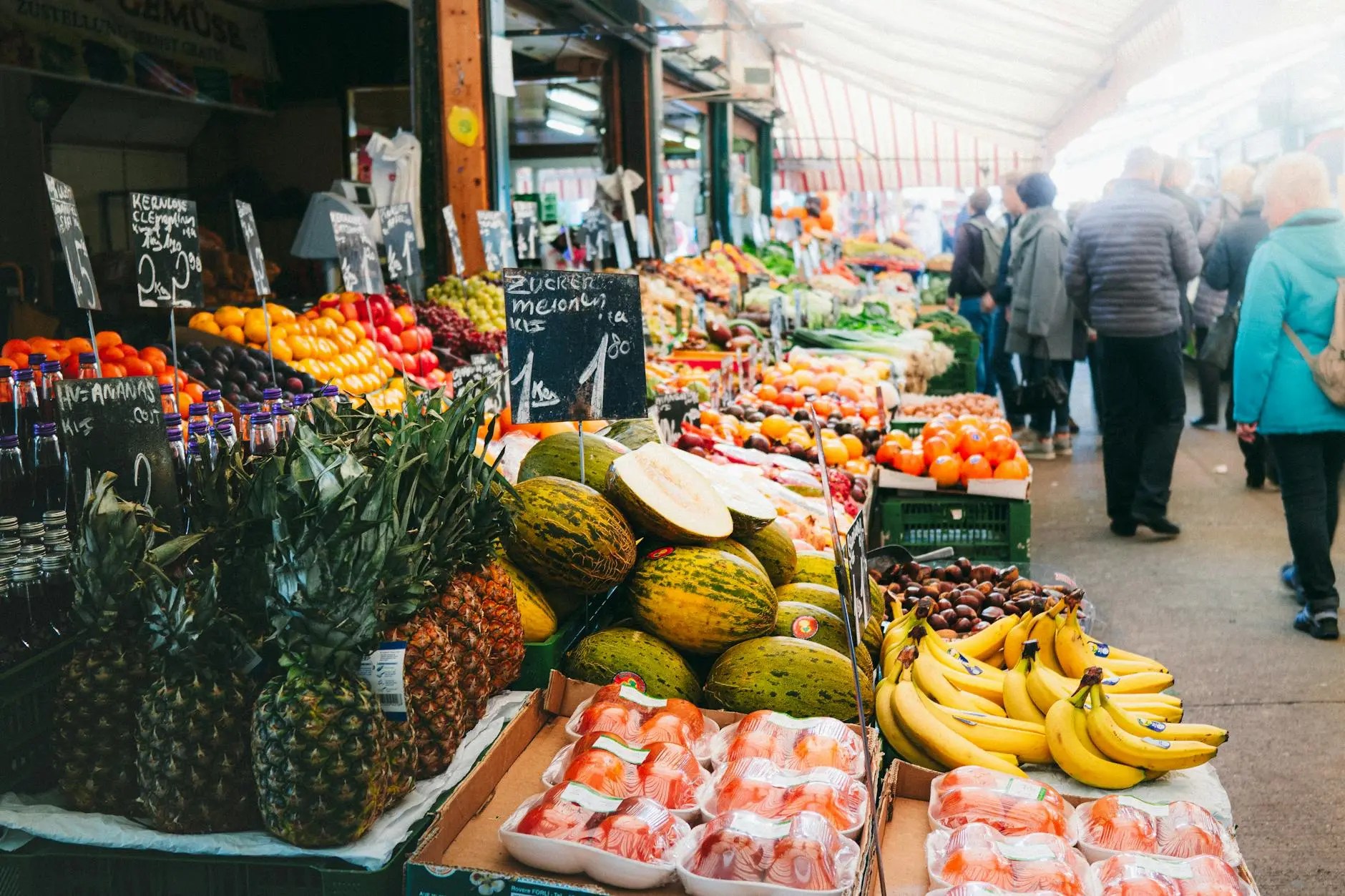
Morning: Head to the Naschmarkt, Vienna’s most famous market. It’s a vibrant, chaotic mix of food stalls, spices, antiques, and restaurants. Grab a Turkish breakfast or sample local cheeses. It’s the perfect place to pick up edible souvenirs.

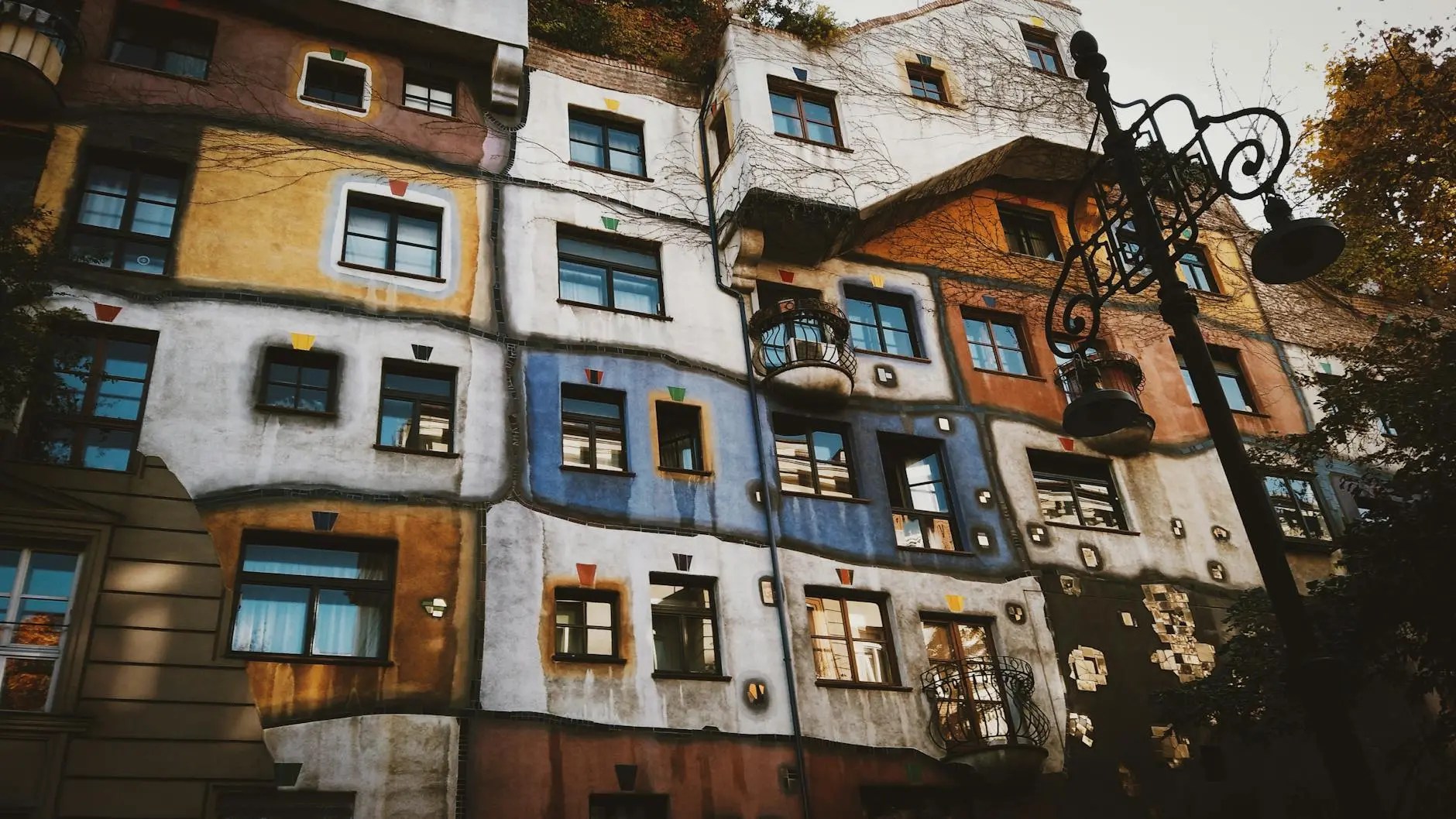
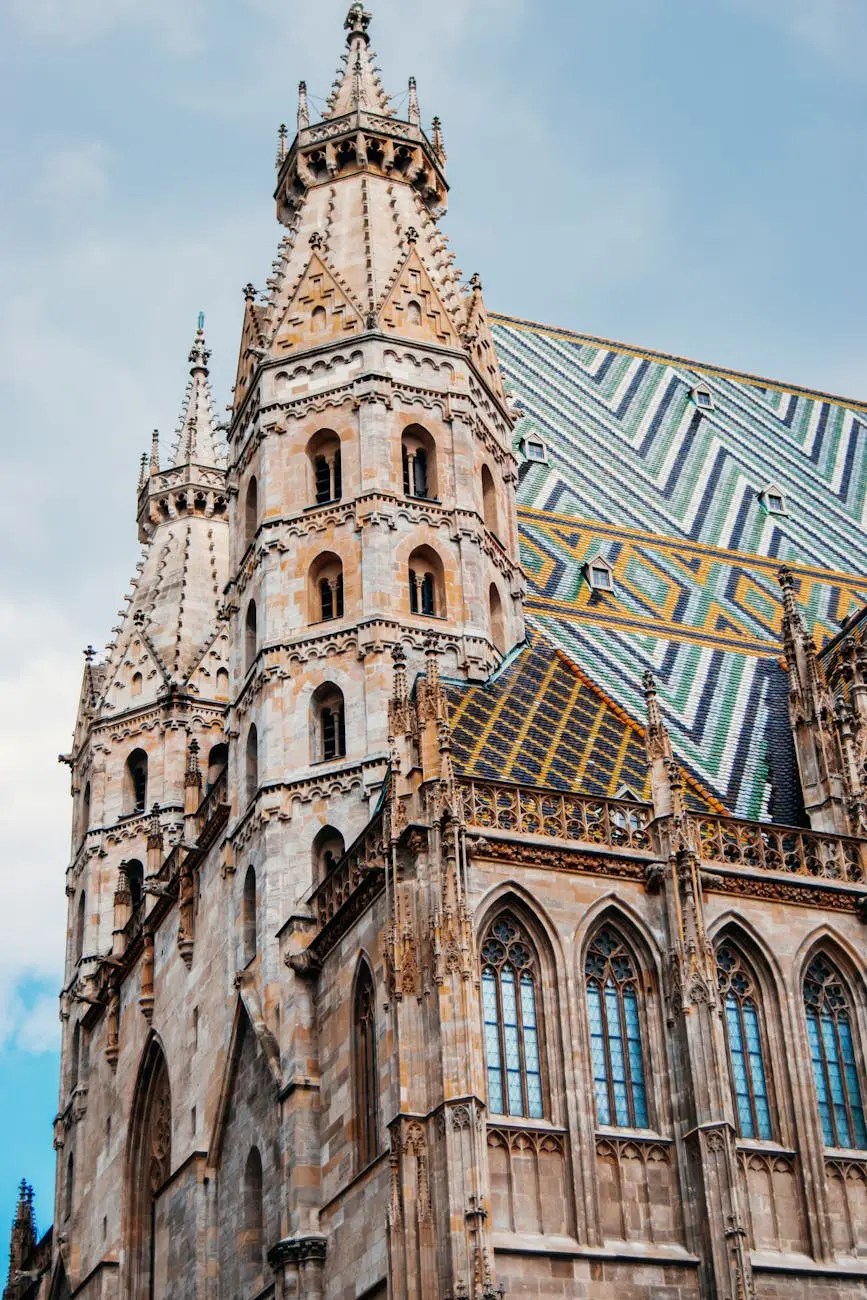
For a final dose of culture, choose your fighter: the sleek, modern Hundertwasserhaus apartment building, a riot of color and uneven floors, or the breathtaking St. Stephen’s Cathedral in the heart of the city. Climb the South Tower for a final, fabulous view.

Afternoon: Have one last lunch—maybe a Wiener Schnitzel at Figlmüller (book ahead!) or a more casual bite at the market—before sadly heading back to the airport.

Naschmarkt Tours

Vibrant market scene at Naschmarkt in Vienna, showcasing an array of colorful fruits and vegetables with shoppers exploring the stalls.
A vibrant display of fresh fruits and vegetables at Vienna’s Naschmarkt, showcasing the city’s culinary delights. A feast for the senses! Vienna’s Naschmarkt is a bustling, colorful paradise where you can find everything from local Austrian produce to exotic international imports. This is the perfect spot to grab a snack, pick up picnic supplies, or simply soak in the vibrant, aromatic atmosphere of the city’s most famous market.

Hundertwasser House Tours

Colorful facade of the Hundertwasserhaus, an architectural landmark in Vienna, featuring irregular shapes, vibrant colors, and unique window designs.
Explore the vibrant architecture of Hundertwasserhaus, a unique apartment building known for its colorful facades and whimsical design in Vienna. Where architecture breaks all the rules! The Hundertwasserhaus is a riot of color and creativity, designed by artist Friedensreich Hundertwasser. With its undulating floors, trees growing from windows, and not a single straight line in sight, this iconic building is a joyful rebellion against boring, conventional design

St. Stephen’s Cathedral Tours

Close-up view of the intricate architecture and spires of St. Stephen's Cathedral in Vienna, showcasing its Gothic design and colorful patterned roof.
A stunning view of the intricate architecture of St. Stephen’s Cathedral in Vienna, showcasing its gothic spires and colorful tiled roof. Look up! The magnificent roof of St. Stephen’s Cathedral is covered in over 230,000 glazed tiles, arranged into intricate patterns, including the majestic double-headed eagle—a symbol of the Habsburg Empire. This Gothic masterpiece has watched over Vienna for centuries.
Street view in Vienna showing pedestrians walking along a cobblestone path lined with trees and bicycles parked on the side, with historic buildings and a dome structure in the background.
Strolling through the charming streets of Vienna, lined with historic architecture and bicycle racks. Getting lost is encouraged! The real magic of Vienna is found by wandering its charming, lesser-known cobblestone streets. Away from the grand palaces, you’ll find quiet lanes like this one, where bicycles lean against colorful historic buildings and the city’s effortless elegance is on full display.
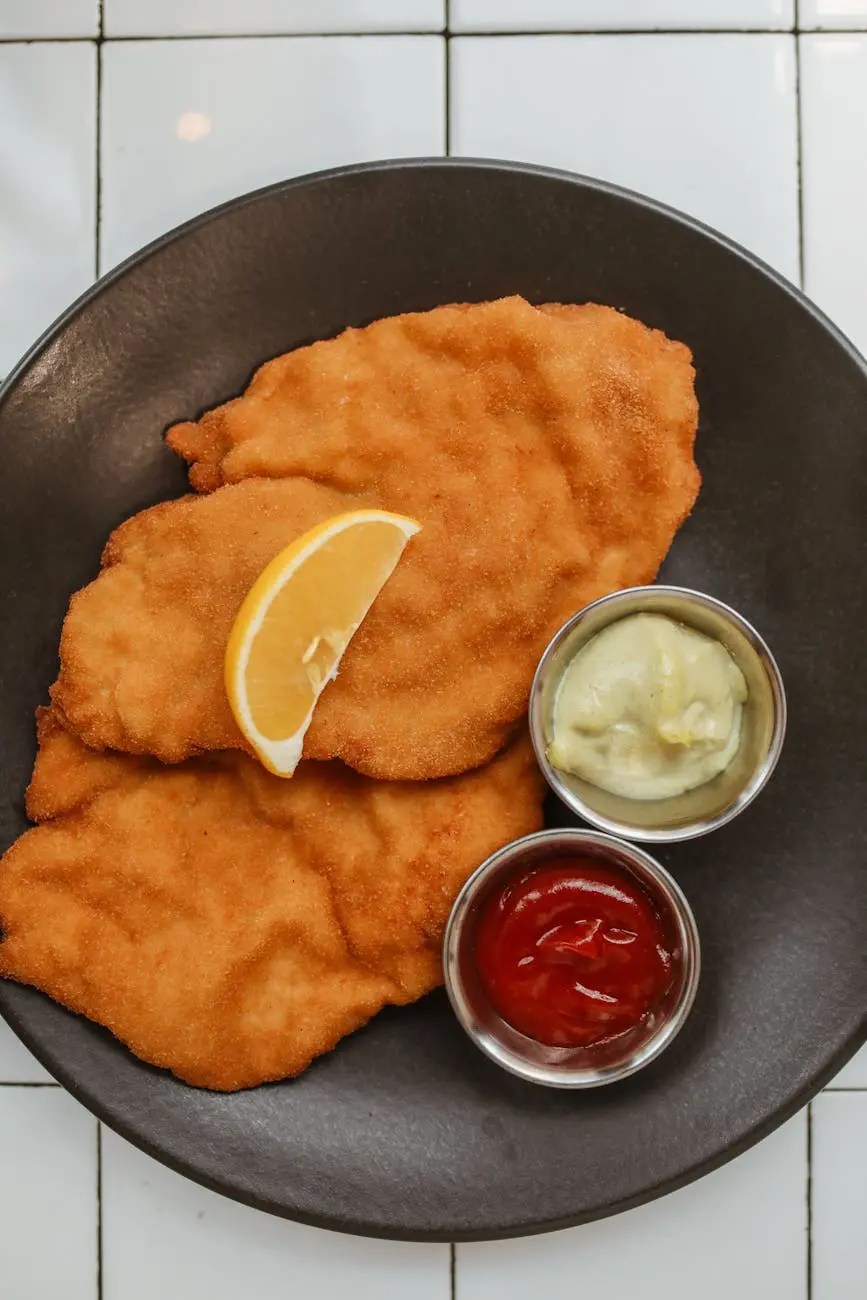
A plate of Wiener Schnitzel served with a slice of lemon and two small bowls of condiments: ketchup and mustard.
Indulge in Vienna’s iconic Wiener Schnitzel, served with lemon and traditional condiments. The ultimate Austrian comfort food: a perfectly golden, crispy Wiener Schnitzel. This pounded-thin, breaded, and fried veal cutlet is a national treasure. The key is a squeeze of fresh lemon to cut through the richness. While purists might scoff, a little dip of mustard or berry sauce never hurt anybody!
  • Hidden Gems:
    • Escape the crowds at Café Sperl, a time-capsule coffee house where locals play billiards
    • Discover Setagayapark, a peaceful Japanese tea garden hidden in the city
    • Visit Café Central for its stunning architecture and literary history

Setagaya Park Tours

Navigating Vienna Like a Pro: The Wiener Linien

Vienna’s public transport network (Wiener Linien) is a thing of beauty. It’s clean, efficient, and will get you absolutely anywhere.

  • The Network: It comprises U-Bahn (subway), trams, and buses. Google Maps is incredibly accurate for routes and times.
  • Tickets: For a weekend, your best bet is the Vienna City Card, which offers unlimited travel and discounts to major attractions. Alternatively, you can buy a 24-, 48-, or 72-hour unlimited pass. Remember to validate your ticket before your first journey at the little blue machines on platforms or on trams/buses! Plain-clothes inspectors are common, and fines are steep.
  • Car? Don’t even think about it. Parking is a nightmare and expensive. The city center is a maze of pedestrian zones. Save the car rental for a future [Road Trip Through the Austrian Alps].
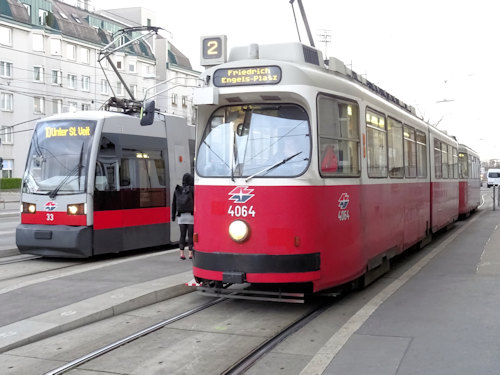
A red and gray tram at a station in Vienna, Austria, with another tram visible nearby and passengers waiting on the platform.
Vienna’s efficient public transport featuring classic trams and modern trains, showcasing the city’s seamless connectivity.

A person using a ticket validator machine with a public transport ticket in Vienna, Austria.
Validating a public transport ticket in Vienna.

Money-Saving Secrets & Hidden Gems

  • Free Entry: Many museums (like the MUMOK) have reduced or free entry on the first Sunday of the month.
  • The Water: Vienna’s tap water (Hahnwasser) is some of the best in the world, coming straight from the Alps. Carry a reusable bottle and fill up for free.
  • Hidden Gem: Escape the crowds at Café Sperl, a time-capsule coffee house where locals play billiards. Or, take tram D along the Ringstrasse for a stunning, moving tour of the city’s grandest buildings for the price of a single ticket.

Essential German Phrases for the Wiener Weekend

  • Hallo / Guten Tag (Hello / Good day)
  • Danke (Thank you)
  • Bitte (Please / You’re welcome)
  • Ein Melange, bitte (A Melange, please)
  • Zahlen, bitte (The bill, please)
  • Prost! (Cheers!)
  • Entschuldigung (Excuse me)
PhrasePronunciationMeaning
„Wo ist die U-Bahn?“Vo ist dee OO-bahn?Where is the subway?
„Ein Wasser, bitte.“Ine VAH-ser BIH-tuhOne water, please

Travel Smarter, Not Harder: My Trusted Resources

After countless trips, I rely on a few key tools to make everything smoother.

🌐 Stay Connected: I used to waste precious vacation time hunting for SIM cards at the airport. Now, I never travel without my Drimsim. It’s a genius universal SIM that works in 190+ countries. Pop it in, top up via the app, and you’re online instantly. No contracts, no hidden fees. It’s a total game-changer for navigating and posting those palace pics.

🔒 Stay Secure: Using public WiFi to check your bank account or book tickets? Big risk. A VPN encrypts your connection, keeping your data safe from hackers. It’s non-negotiable for modern travel. I’ve used NordVPN for years to stay secure and even access streaming from back home.

📸 Capture the Memories: To do Vienna justice, you need a good camera. I swear by my Sony Alpha series for capturing the gilded details of the palaces and the vibrant energy of the Naschmarkt. It’s the perfect travel companion.

🛡 Get What You’re Owed: Let’s be real, travel doesn’t always go to plan. My flight back from Vienna was once delayed by 8 hours. I didn’t stress because I knew AirHelp had my back. If your flight is delayed, canceled, or overbooked, you could be entitled to up to €600 in compensation. They handle all the paperwork and only charge if they win. It’s a no-brainer.

Ready to plan your Viennese adventure? Find the best flight and hotel deals for your dates here!

FAQ: Your Quick Vienna Weekend Questions Answered

Q: What is the best time of year for a weekend in Vienna?
A: Spring (April-May) and Fall (September-October) are ideal. The weather is mild, and the crowds are smaller than in the peak summer months. The Christmas markets in December are magical but very busy.

Q: Is Vienna expensive?
A: It can be, but it doesn’t have to be. Museum entry fees add up, so prioritize. Eating at Würstelstands and markets, using public transport, and enjoying free activities like wandering the gardens can keep costs down.

Q: How do I get from Vienna Airport (VIE) to the city center?
A: The CAT train is the fastest (16 mins) but most expensive. The ÖBB Railjet or S-Bahn (S7) train is cheaper and takes about 25 minutes to Wien Mitte. Buses and taxis are also available.

Q: Do I need to tip in Vienna?
A: Tipping is customary but modest. It’s common to round up the bill or leave 5-10% for good service in restaurants. For a €19 bill, you’d say “Make it 22, please.”

Q: Can I get by with English?
A: Absolutely. English is widely spoken in tourist areas, hotels, and restaurants. However, learning a few basic German phrases (see above!) is always appreciated and goes a long way.

Q: Is it safe?
A: Very. Typical big-city caution applies.

Q: Is the Vienna City Card worth it?
A: If you plan to visit multiple museums and use public transit extensively, the card often pays for itself within a day or two. Calculate your planned entries versus the card cost to be sure.

Emergency Number: Dial 112 throughout the EU for any emergency services.

Have your own Vienna tips or questions? Drop them in the comments below

Vienna has a way of stealing a piece of your heart. I’d love to hear what yours steals! What’s the one thing you’re most excited to see or taste? Is it the Schnitzel, the symphony, or the schnapps at a Heuriger? Drop your top pick in the comments below—I read every single one!

Final Thoughts

Vienna is a weekend escape that’s decadent yet approachable, packed with culture, coffee, cute carts, and enough architectural eye-candy to keep your camera shutter snapping. With careful planning—smart transport choices, savvy savings, and insider tips—you can sip your melange, wander palace halls, and laugh at your own jokes in baroque courtyards without breaking the bank.

Happy travels—and may your weekend in Vienna be legen—wait for it—dary!

Loved this guide? Share it with the friend you’d most want to get lost in Vienna’s streets with!

Universal Disclaimer/Disclosure Page:

48-Hour Dublin Adventure: Your Ultimate Weekend Guide

Ah, Dublin. The very name conjures images of frothy pints of Guinness, lively trad music sessions, and a literary history that could fill a thousand libraries. But how do you tackle this iconic city when you only have a weekend to spare? Fear not, fellow traveler! I’ve perfected the art of the Dublin dash, and I’m here to guide you through an unforgettable 48-hour adventure that balances iconic sights with local secrets.

..As someone who’s gotten happily lost down its cobbled streets more times than I can count, I can tell you that Dublin’s magic isn’t just in its famous landmarks—it’s in the craic (that’s Irish for “fun conversation”) you’ll have with a local in a cozy pub like John Kavanagh’s, the unexpected peace of a hidden garden in St. Stephen’s Green, and the taste of a perfectly poured stout that you crafted yourself at the Guinness Storehouse. On my first visit, I spent twenty minutes trying to find a pub a friendly Dubliner recommended, only to realize it was tucked down a alleyway I’d passed three times. That’s the charm of Dublin—it rewards the curious

💡 Prefer to skip the planning? I always use Expedia to bundle my flight and hotel—it’s a lifesaver for quick, budget-friendly weekend trips. [Check Dublin deals here.]

As someone who’s gotten happily lost down its cobbled streets more times than I can count, I can tell you that Dublin’s magic isn’t just in its famous landmarks—it’s in the crack (that’s Irish for “fun conversation”) you’ll have with a local in a cozy pub, the unexpected peace of a hidden garden, and the taste of a perfectly poured stout.

Meta Description: Plan your ultimate weekend escape to Dublin, Ireland! This insider’s guide is packed with tips on saving money, using public transport, hidden gems, and crafting the perfect 2-3 day itinerary. Discover the magic of the Fair City.

Flights to Dublin

Pro Tip: For squeezing the most out of a short trip, I always book my flights and hotels together on Expedia. It often saves a chunk of change, which means more money for… well, more pints! [Find great Dublin hotel deals on Expedia here].

Table of Contents

  1. Why Dublin is the Perfect Weekend Getaway
  2. Your Dublin Weekend Itinerary: A Step-by-Step Guide
  3. Getting Around Dublin: A Guide to Public Transport
  4. Money-Saving Tips for the Savvy Dublin Traveler
  5. Beyond the Guidebook: Dublin’s Hidden Gems
  6. Essential Irish Phrases for Your Trip
  7. Travel Smart: Essential Tips for a Smooth Trip
  8. Frequently Asked Questions (FAQ)

Why Dublin is the Perfect Weekend Getaway

I’ve lost count of how many times I’ve landed in Dublin—frequently, it feels like an old friend welcoming me back. With compact neighborhoods, a my-kind-of-weather (drizzly, cozy, occasionally sunny), and craic in every corner, you can soak in a lifetime of culture in a long weekend. Plus, it’s the perfect base to explore Ireland’s wild beauty—without renting a sheepdog.

Dublin is compact, walkable, and bursting with energy. Unlike sprawling metropolises, its main attractions are close together, making it ideal for a short, action-packed trip. The flight from most European cities is short, and thanks to a fantastic (and often underrated) public transport system, you can see a huge amount without blowing your budget on taxis.

Speaking of budgets, while Ireland isn’t the cheapest destination in Europe, my guide will show you how to experience its best bits without your wallet weeping. For more on planning a budget-friendly trip to the British Isles, check out my older post: [The Thrifty Traveller’s Guide to London & Beyond].

Your Dublin Weekend Itinerary

Day 1: History, Books, and Brews

  • Morning (9:30 AM): Start your day at the EPIC The Irish Emigration Museum. This isn’t your average, dusty museum. It’s an incredibly interactive and moving journey into how Irish people shaped the world. Book your tickets online in advance to skip the queues!
  • Afternoon (1:00 PM): Grab a quick lunch at the Queen of Tarts nearby for sublime soups and sandwiches before a literary pilgrimage to the Trinity College Old Library to see the breathtaking Book of Kells. Pre-booking is non-negotiable here unless you enjoy long lines.
  • Late Afternoon (4:00 PM): It’s time for the main event: the Guinness Storehouse. Yes, it’s touristy, but it’s also brilliantly done. Learn to pour your own perfect pint at the Gravity Bar and enjoy a 360-degree view of the city. Book a timed entry slot online to save money and guarantee entry.
  • Evening (7:30 PM Onwards): Dive into Dublin’s pub culture. Skip the overly commercialized Temple Bar area for a pint and instead, head to Doyle’s Pub for a traditional Irish music session or The Long Hall for its stunning Victorian interior. For dinner, The Old Storehouse in Temple Bar does great pub grub and has live music all night if you do want to experience the buzz.

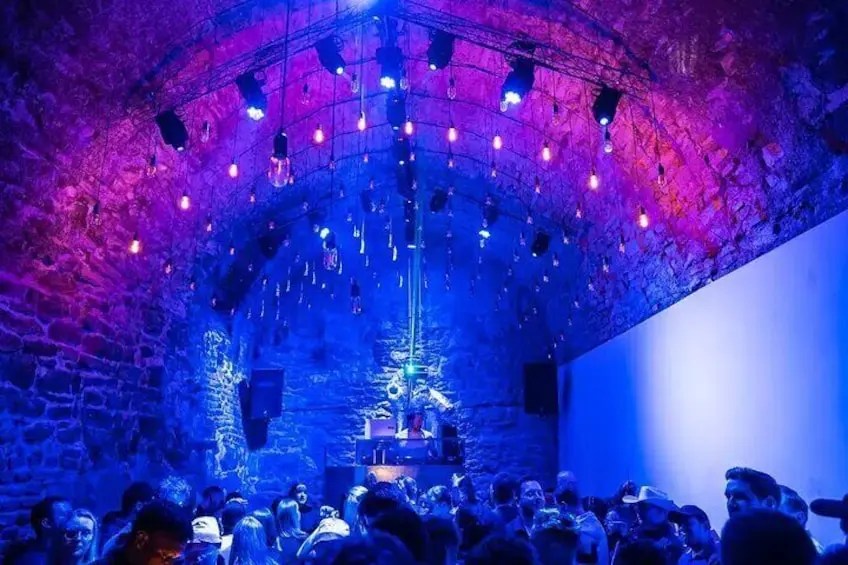
A vibrant nightlife scene in a stone-arched venue, illuminated by colorful lights with a crowd enjoying the atmosphere.
Vibrant nightlife scene in Dublin, showcasing an energetic crowd under colorful lights.

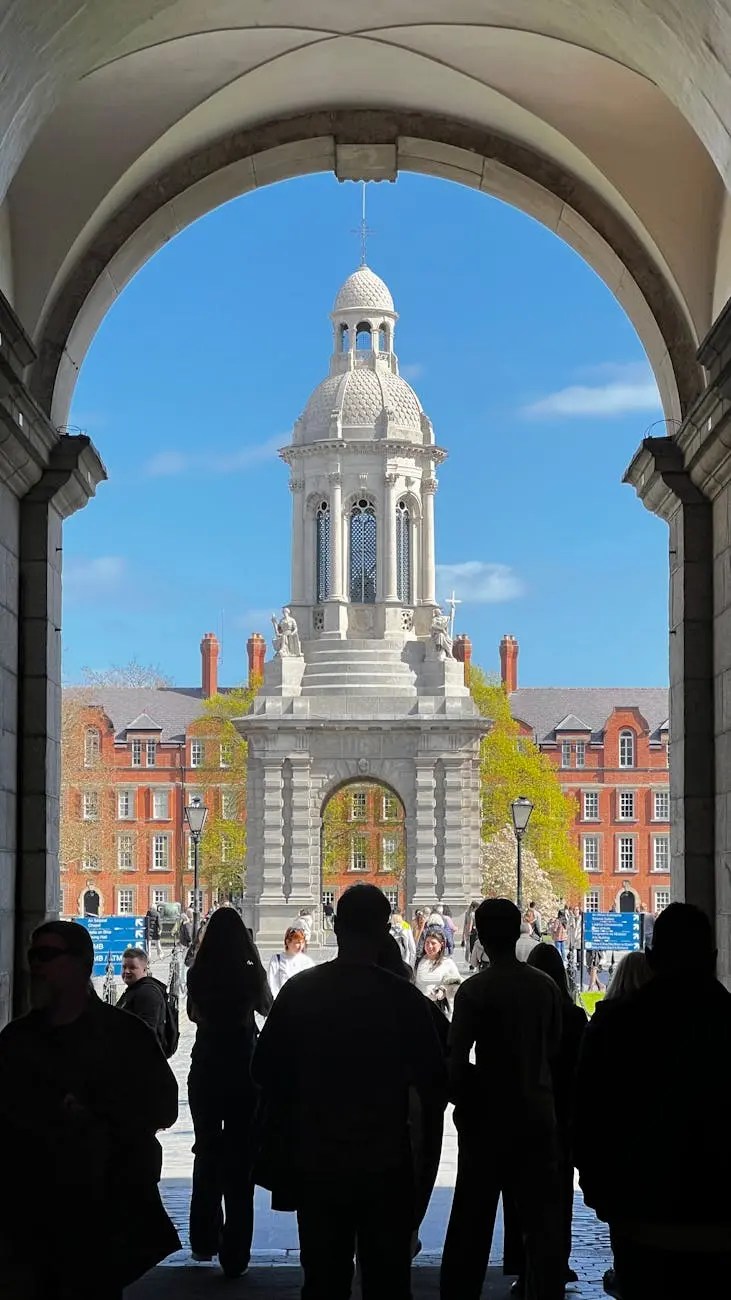
View of the iconic bell tower at Trinity College Dublin, framed by archway silhouettes.

The stunning interior of the Long Room in Trinity College’s Old Library, filled with ancient books and historic busts.
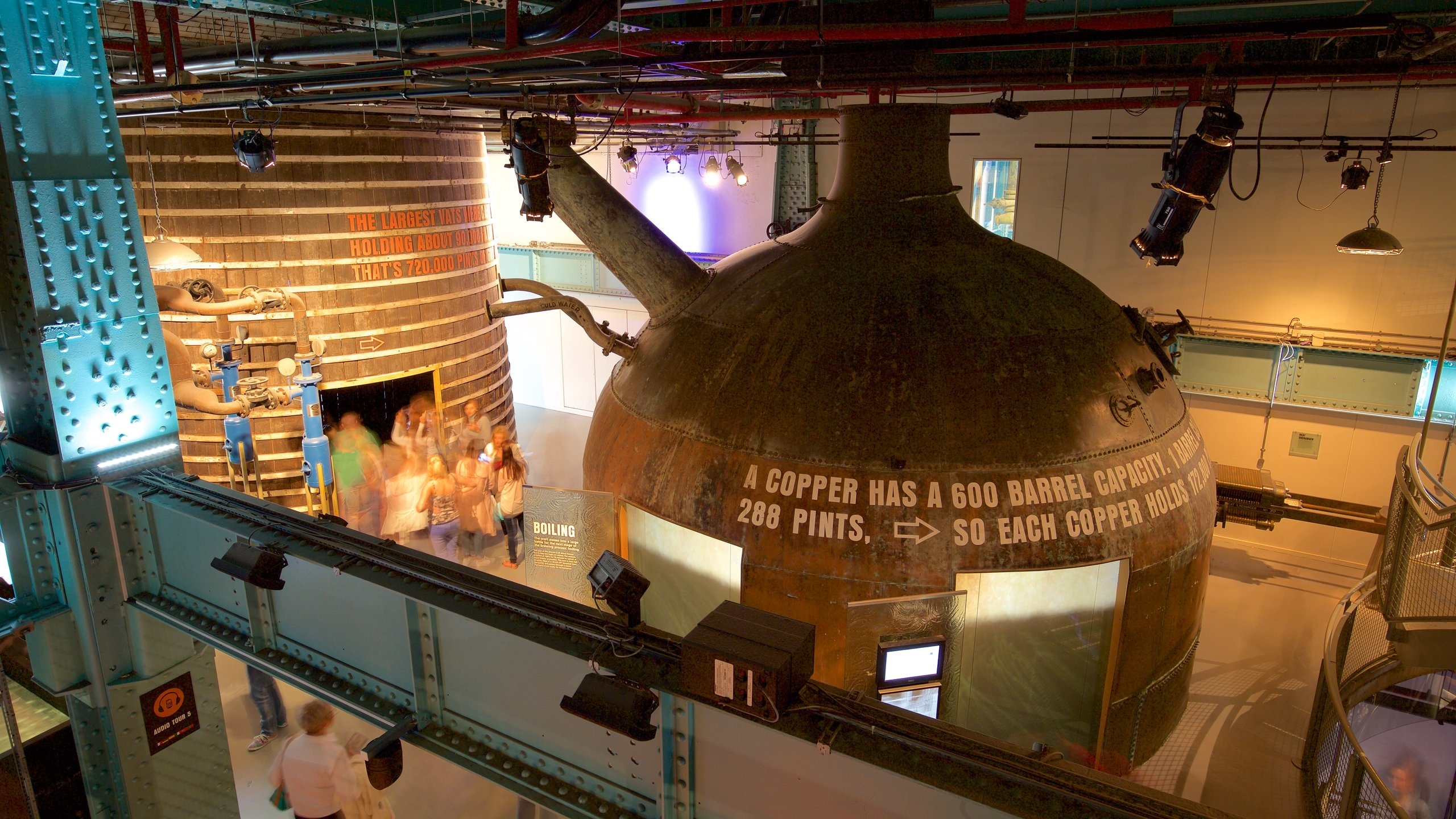
Interior view of the Guinness Storehouse featuring large brewing vessels and informative displays about the brewing process.
Interactive brewing exhibits at the Guinness Storehouse in Dublin, showcasing the history and process of beer-making.

Day 2: Castles, Culture, and Cobblestones

  • Morning (10:00 AM): Hop on a Dublin Bus from the city centre to Kilmainham Gaol. This former prison is steeped in history and is one of the most profound experiences in Dublin.
    • 🚌 Getting There : The most straightforward way from O’Connell Street is to catch a bus from Aston Quay (Stop 329), a short walk across the O’Connell Bridge. Routes that serve the area near Kilmainham Gaol (like those going to James’s Hospital) are your best bet.
    • 💡 My Top Tip: Always use the official TFI Journey Planner or the TFI Live app for real-time, accurate routes and schedules from your exact location. Simply enter “O’Connell Street” as your start and “Kilmainham Gaol” as your destination. This is the most reliable method to avoid any confusion.
    • 🎫 Booking: Book your tickets for the Gaol weeks in advance—they sell out incredibly fast.

Kilmainham Gaol Historical Museum Tours

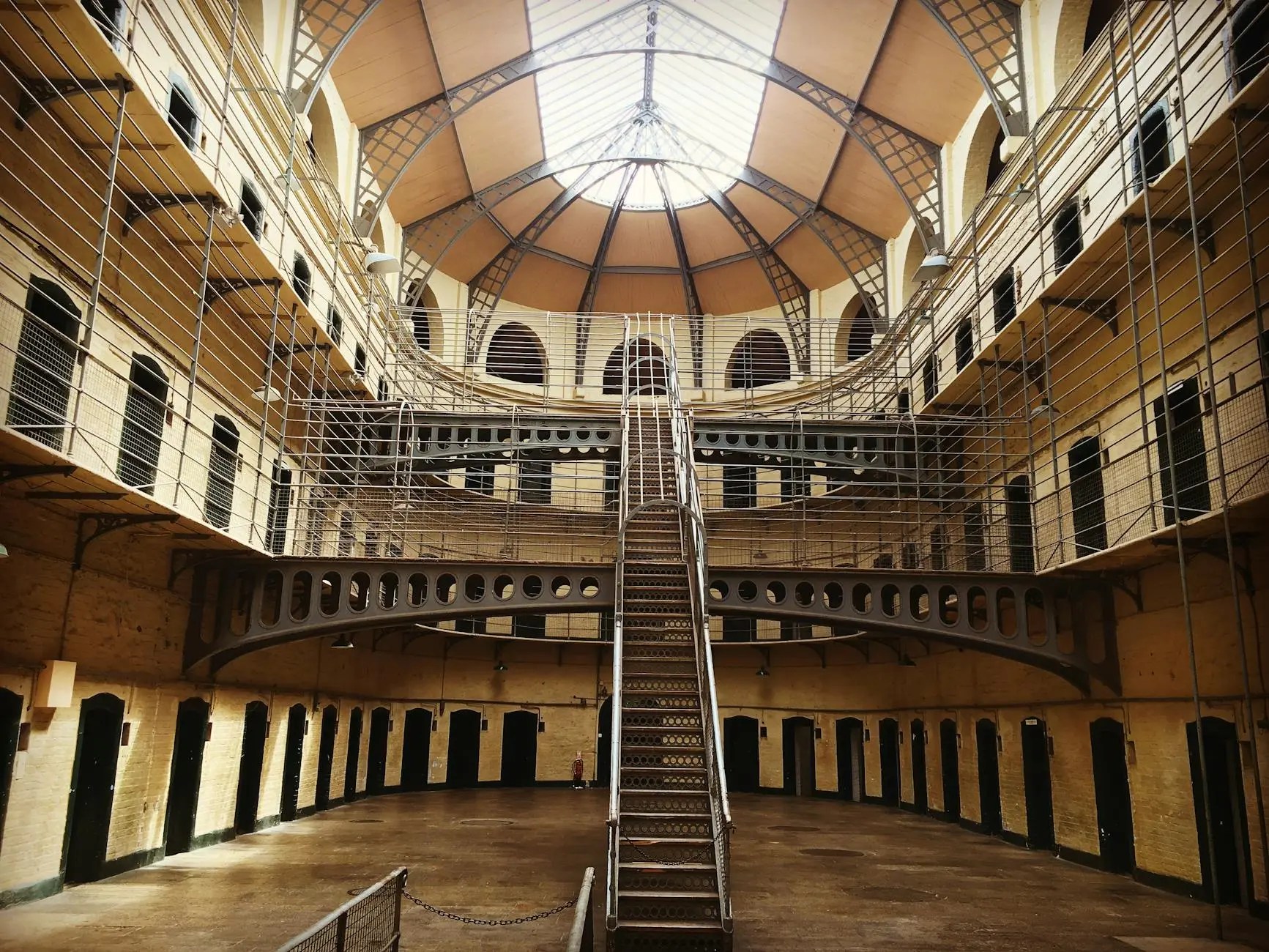
Interior of Kilmainham Gaol, showcasing the spiral staircase and high arched ceiling with natural light illuminating the space.
The historic interior of Kilmainham Gaol, showcasing its unique architectural design and rich history in Dublin.
  • Afternoon (1:00 PM): After the gaol, take a leisurely 15-minute walk to the Irish Museum of Modern Art (IMMA) located in the beautiful Royal Hospital Kilmainham. Its gardens are a perfect spot for a moment of quiet.
  • Late Afternoon (3:30 PM): Head back into the city center and explore Dublin Castle and the nearby Chester Beatty Library (a free, world-class collection of manuscripts). Then, get lost in the colorful streets of the Temple Bar area—it’s worth a wander, even if you don’t drink there.
  • Evening: For your last supper, try The Woollen Mills overlooking the Ha’penny Bridge for modern Irish cuisine. Cap off your trip with a whiskey tasting at the Irish Whiskey Museum or a pint at The Brazen Head, Ireland’s oldest pub.

Museum of Modern Art Tours

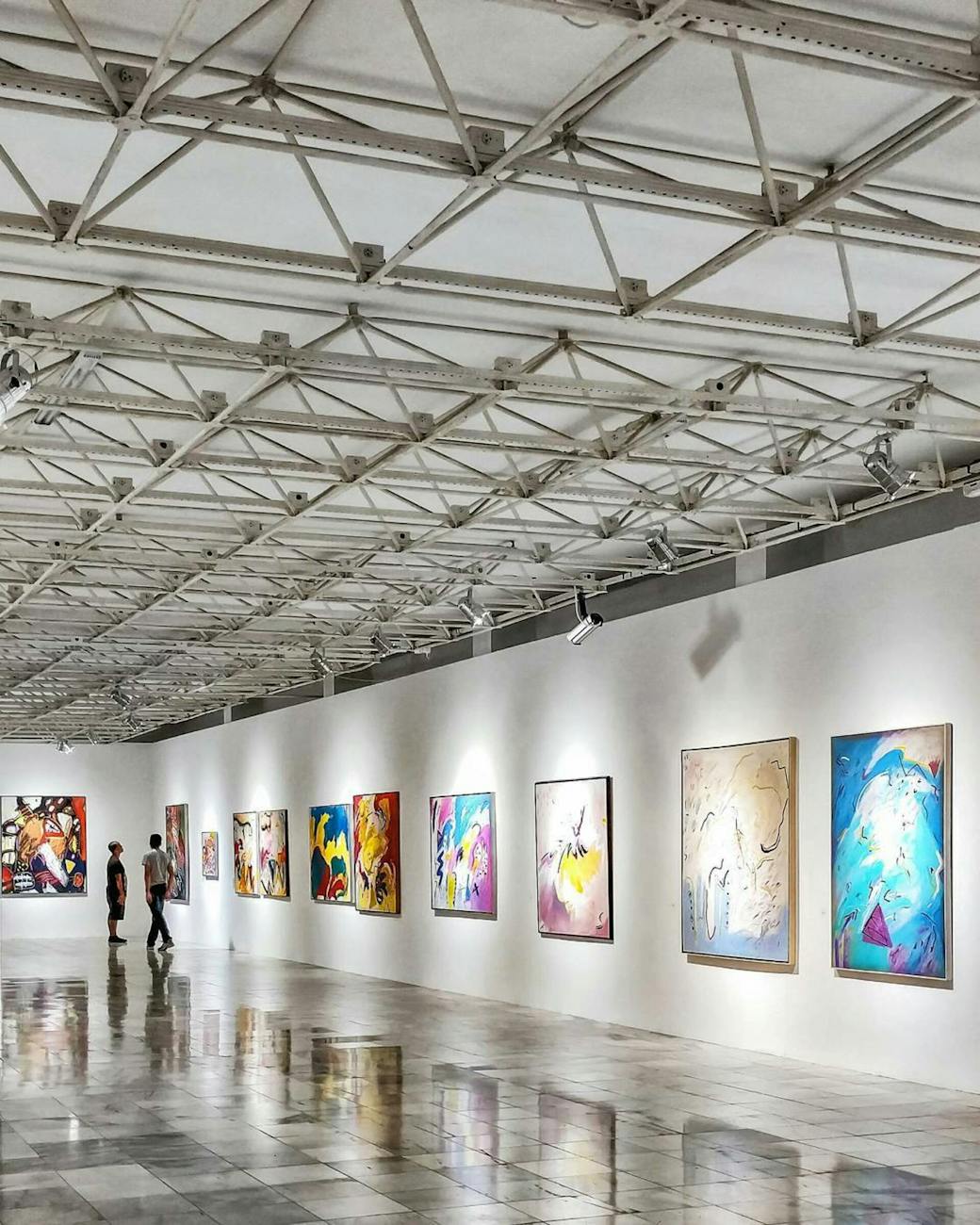
Interior view of an art gallery showcasing colorful abstract paintings on white walls, with two visitors walking along a polished floor.
Visitors exploring vibrant artworks in a modern gallery setting.

A view of a historical building with a clock tower surrounded by neatly manicured gardens and topiary in Dublin, Ireland.
Explore the beautifully manicured gardens and historic architecture at the Irish Museum of Modern Art in Dublin.
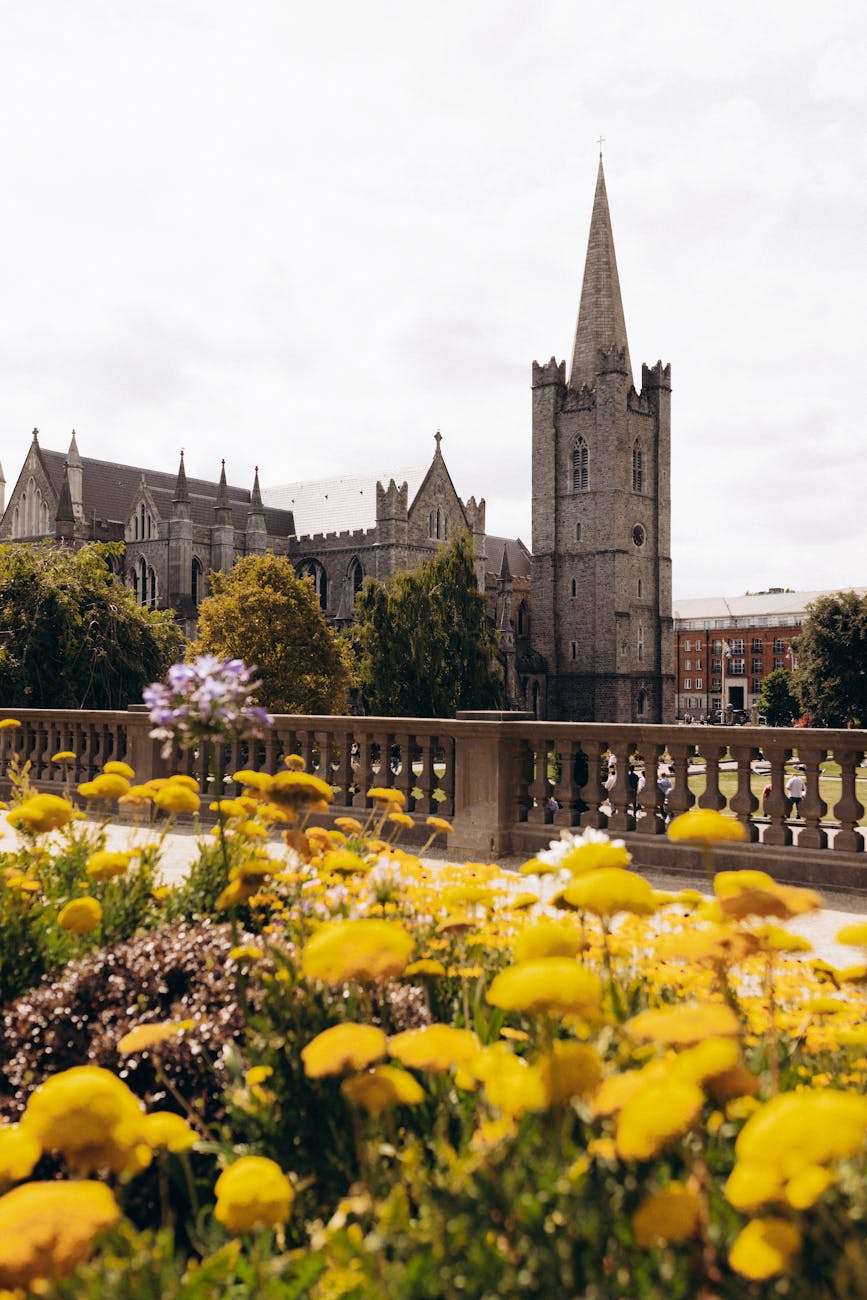
A view of St. Patrick's Cathedral in Dublin, surrounded by colorful yellow flowers in the foreground.
St. Patrick’s Cathedral framed by vibrant flowers, showcasing Dublin’s blend of history and natural beauty.

One of the best things about exploring Dublin is how compact the city center is. Take Dublin Castle and St. Patrick’s Cathedral for example—two of the city’s most iconic landmarks. They’re just a short walk apart (about 10 minutes on foot), which means you can easily fit both into the same morning or afternoon without rushing. Stroll through cobbled streets, grab a coffee along the way, and before you know it you’ll be trading medieval fortresses for soaring Gothic spires

Getting Around Dublin: A Guide to Public Transport

Public Transport

  • Dublin Bus – Affordable and frequent, but remember to carry exact fare or use a Leap Card (better value and faster boarding).
  • Luas Tram (Red & Green Lines) – Predictable, scenic, and great for hopping between temples of culture and vintage pubs.
  • DART Train – Zip down the coast to Howth or Bray for cliff walks or seafood – fewer crowds, stunning views, and cheap thrills.
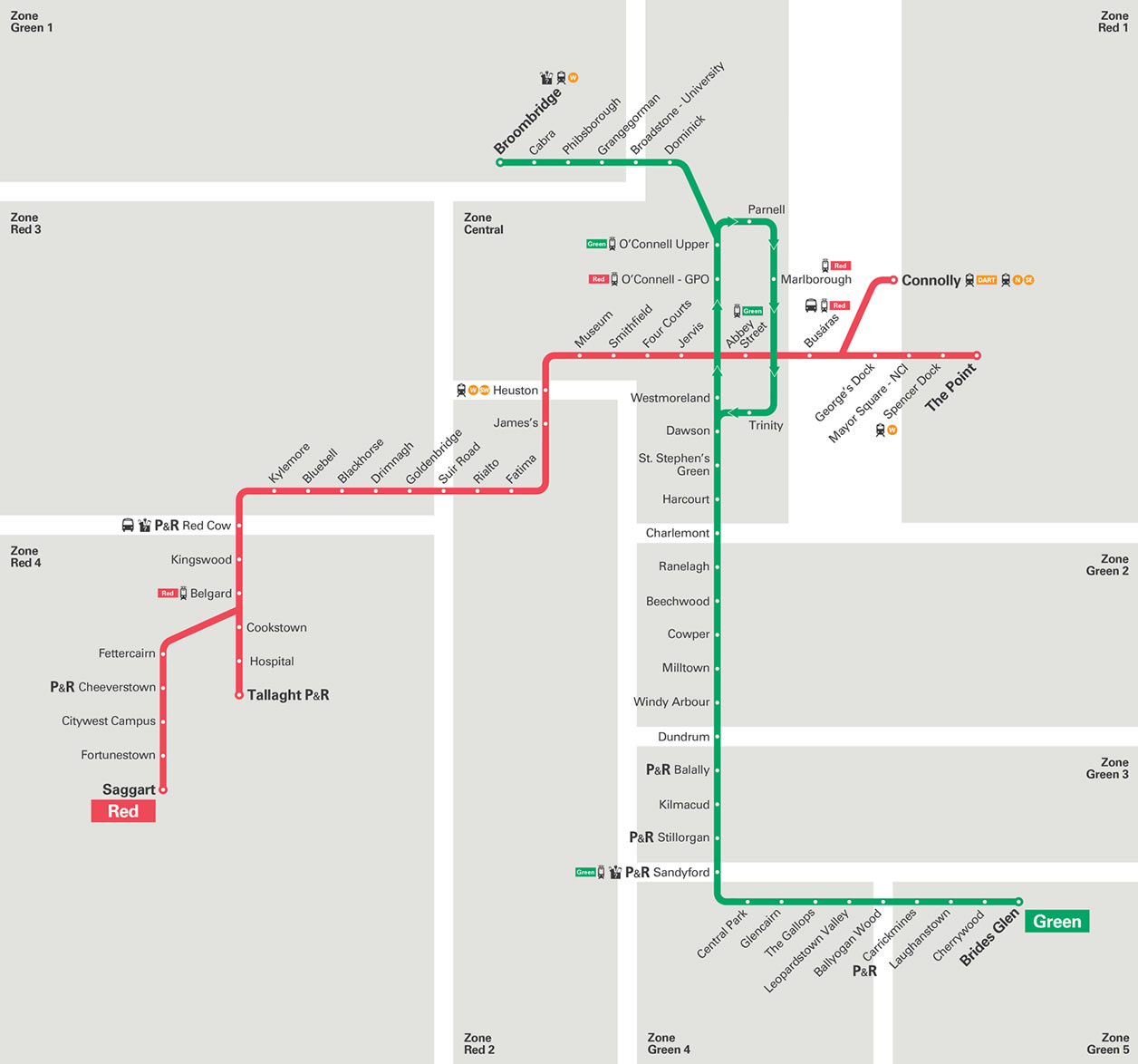
Map of Dublin's public transport system, showing the routes of the LUAS tram lines in red and green.
Explore Dublin’s efficient public transport network with this detailed map, perfect for navigating the city during your weekend getaway.

Driving

If you rent, be ready for left-side driving and narrow, winding streets. Stick to main roads (e.g., N11 for south coast escapades). Fuel’s pricey here—saving time and gas is as easy as combining errands into one loop. Parking is a treasure hunt—plan ahead, and stick to park-and-rides where possible.

Forget renting a car—city centre driving is stressful and parking is extortionate. Dublin’s public transport is your best friend.

  • The Leap Card: This is your golden ticket. Buy one at any convenience store (Spar, Centra) or tourist office. It caps your daily spending on buses, trams, and trains, saving you up to 31% compared to single tickets. A must-have..

Your Secret Weapon for Dublin Transport: The Leap Visitor Card 

Navigating public transport in a new city can be confusing, not to mention expensive if you’re buying single tickets every time. During my last trip to Dublin, I discovered the absolute game-changer for getting around: The Leap Visitor Card. It saved me a ton of money and hassle, and I insist every visitor get one. Here’s everything you need to know.

What Exactly is the Leap Visitor Card?

Think of it as an all-you-can-ride pass for Dublin’s buses, trams, and trains. It’s a pre-paid plastic card that you tap on the validator when you start and end your journey (on buses, you only tap when you get on). It automatically calculates your fare and deducts it from your balance, but with a very important twist: it has a daily price cap.

This means once you’ve spent a certain amount in one day (€8 as of 2024), any additional travel for the rest of that day is completely free. This is where the massive savings come in.

Why It’s a Must-Have for Every Visitor (The Benefits)

  1. Significant Savings: This is the biggest reason. A single bus fare in Dublin paid in cash can cost over €3. With the Leap Card, that same journey is around €2.10. If you take just three bus trips in a day, you’ve already hit the €8 cap and saved money. Any travel after that is free.
  2. Unbeatable Convenience: No more fumbling for change or trying to figure out the exact fare for different zones. You just tap and go. It works on almost everything: Dublin Bus, Luas (trams), DART, Commuter Rail, and even the AirLink 747/757 bus to Dublin Airport.
  3. Flexibility: You’re not locked into a rigid tourist bus route. You can hop on any public transport service within the covered area, just like a local. Decide on a whim to take the DART to the seaside in Howth? Your card has you covered.

Key Details at a Glance (2024)

  • Cost: €16 for a 1-day card, €32 for a 3-day card, and €60 for a 7-day card.
  • Validity: The clock starts the first time you use the card, not when you buy it. A 3-day card is valid for 72 hours from first tap.
  • Coverage: Unlimited travel on all participating services in the Short Hop Zone, which covers all of Dublin city and county, and even extends to nearby towns like Maynooth, Greystones, and Balbriggan. (It’s a huge area—you won’t run out of places to explore).

Where Can You Buy One?

You can’t buy them online for collection in Ireland, but they are widely available at:

  • Dublin Airport: The SPAR store in both Terminal 1 and Terminal 2 Arrivals halls.
  • Dublin City Centre: Many newsagents and convenience stores (like SPAR, Centra, and newsstands) display the Leap Card logo in their window.
  • Tourist Offices: The Dublin Tourist Office on Suffolk Street.
  • Transport Hubs: The Leap Card Hub in Dublin City Centre (1 Lower O’Connell Street) and at some major train stations.

How to Use It: A Simple Guide

  1. Tap On: When you board a bus, tap the card on the green validator by the driver. For Luas trams and trains, tap on the platform validator before you board.
  2. Tap Off (Very Important!): For Luas trams and trains, you must tap your card on the validator when you get off to correctly calculate your fare. If you forget, you’ll be charged a default maximum fare. (On buses, you only tap when you get on).

A Quick Cost Comparison: Leap Card vs. Cash

Journey TypeCash Fare (approx.)Leap Card Fare (approx.)You Save
Dublin Bus Single Fare€3.20€2.10€1.10
Luas Tram Single Zone€2.50€1.60€0.90
AirLink 747 to Airport€7.00€6.30€0.70
1 Day of Exploring (4+ journeys)€15+Capped at €8.00€7+

As you can see, the card pays for itself incredibly quickly.

My Personal Experience: On my first day, I took the AirLink from the airport, three Dublin buses around the city, and a Luas tram back to my accommodation. I would have spent well over €20 in cash. With the Leap Visitor Card, my travel for the entire day cost me exactly €8. It was effortless and felt like I had unlocked a local secret.

Final Verdict

The Leap Visitor Card is not just a nice-to-have; it’s an essential first purchase upon arrival in Dublin. It removes the stress of transport logistics, saves you a significant amount of money, and gives you the freedom to explore Dublin and its stunning surroundings with confidence.

Your first stop after baggage claim? The SPAR at the airport to grab your card. Trust me, your wallet (and your feet) will thank you later.

[For the most official and up-to-date information, always check the official Leap visitor Card website here.]

Money-Saving Tips for the Savvy Dublin Traveler

  • Eat Lunch Out, Cook Dinner In: Grab a lunch deal from a pub or cafe, but consider an Airbnb with a kitchen to save on expensive dinners.
  • Free Attractions: Many of Dublin’s best sights are free! The National Gallery of IrelandChester Beatty LibraryIMMA, and Natural History Museum won’t cost you a cent.
  • Pub Price Check: A pint can cost anywhere from €5.50 to €8.50. Generally, pubs away from Temple Bar are cheaper.
  • Refill Your Water Bottle: Dublin tap water is perfectly safe to drink and delicious.

Beyond the Guidebook: Dublin’s Hidden Gems

  • Marsh’s Library: A perfectly preserved 18th-century library near St. Patrick’s Cathedral. It feels like stepping into Hogwarts.
  • The Little Museum of Dublin: This charming museum tells the story of Dublin in the 20th century through donated memorabilia. The tours are fantastic and full of personality.
  • Howth Cliff Walk: Got a few extra hours? Take the DART 20 minutes north to the fishing village of Howth. The cliff walk offers stunning views of Dublin Bay and you might even spot seals!

Essential Irish Phrases for Your Trip

  • Craic (pronounced “crack”): Fun, news, gossip. “What’s the craic?” means “What’s going on?” or “How are you?”
  • Sláinte (pronounced “slawn-che”): Cheers!
  • Garda: Police.
  • A Pint of Plain: A pint of Guinness.
  • Thanks: While “Thank you” is fine, “Cheers” is also widely used informally.
Word/PhraseMeaning
Éirinn go Brách (air-in guh braakh)“Ireland forever”—great for friendly toasts.
Céad míle fáilte (kayd mee-la fawl-tee)A hundred thousand welcomes—because the Irish excel at hospitality.

“Loved your weekend in Dublin? If you’re flying from North America or elsewhere, why not make it a multi-city European adventure? Dublin is perfectly positioned for a quick hop over to these other incredible weekend destinations:

  • 🇬🇧 London, United Kingdom: Dive into the vibrant energy of Britain’s capital. Here’s my guide for the perfect Ultimate Weekend Escape from London.
  • 🇳🇱 Amsterdam, Netherlands: Experience the charming canals and world-class museums. Plan your trip with my 48-Hours in Amsterdam Ultimate Weekend Guide.
  • 🇫🇷 Paris, France: Discover the iconic art, cuisine, and elegance of the City of Light. Find inspiration with my guide to weekend escapes Beyond Paris.

Each city is just a short, often inexpensive flight away, making it easy to combine two incredible trips into one!”

Travel Smart: Essential Tips for a Smooth Trip

🛡️ Protect Your Trip (& Your Peace of Mind)
No matter where your adventures take you, having the right travel insurance can save you from unexpected headaches (and bills). I personally recommend VisitorsCoverage — it’s a trusted platform where you can compare plans, find coverage that fits your trip, and book it in just a few clicks. Whether you’re planning a quick city escape or a longer international journey, it’s peace of mind worth packing. [Check and book your travel insurance with VisitorsCoverage here].

📶 Stay Connected Without the Stress
Staying connected abroad can be a nightmare of overpriced airport SIMs and shocking roaming bills. My secret weapon? Drimsim. It’s a universal data SIM that works in 190+ countries. You just pop it in your phone, top up via the app, and you’re online. No contracts, no hidden fees. It’s saved my skin (and my data plan) countless times. [Grab your Drimsim here and stay connected].

🔒 Browse Safely on Public Wi-Fi
Hotel and cafe Wi-Fi can be notoriously insecure. I never travel without my NordVPN. It encrypts my connection, keeping my personal data safe from prying eyes. It’s also brilliant for accessing streaming services from back home when you need a night in. [Get NordVPN for your travels here].

✈️ Know Your Rights: Flight Canceled?
Travel isn’t always smooth sailing. If your flight is delayed, canceled, or overbooked, you might be entitled to up to €600 in compensation under EU law. Most people never claim it. I use AirHelp to handle the paperwork and fight the airlines for me. They only get paid if you win. It’s a no-brainer! [Check your flight eligibility with AirHelp here].

Q: Do I need a visa to visit Dublin, Ireland?
A: If you are a citizen of the EU, EEA, USA, Canada, UK, Australia, or New Zealand, you do not need a visa for short tourist visits (up to 90 days). Always check the official Irish Immigration website for the most current requirements based on your nationality.

Q: What is the best time of year for a weekend trip to Dublin?
A: Late spring (May-June) and early autumn (September-October) are ideal. The weather is often mild, and the crowds are smaller than in the peak summer months of July and August.

Q: Is Dublin an expensive city?
A: It can be, but it doesn’t have to be. Accommodation and alcohol are the biggest expenses. By using a Leap Card, enjoying free museums, eating smart, and following the tips above, you can have an amazing time on a reasonable budget.

Q: How walkable is Dublin city centre?
A: Extremely. The core area between St. Stephen’s Green, Trinity College, Temple Bar, and O’Connell Street is easily explored on foot. Public transport is best for attractions like Kilmainham Gaol, Guinness Storehouse, and Phoenix Park.

Q: How much does a pint of Guinness cost?
A: As of 2024, expect to pay between €5.50 and €7.50 for a pint in most city centre pubs. Temple Bar pubs will be at the very top end of that scale (or even higher).

Is public transport safe at night?
A: Yes—buses and trams run late, especially on weekends. Stick to well-lit stops, stay alert, and you’ll be as safe as anywhere in Europe.

Have your own can’t-miss Dublin tip or hidden gem? Share it in the comments below—I’d love to hear from you!

Ready to start planning your ultimate escape? Dublin is waiting to steal your heart (and maybe your liver, but in the best way possible). Sláinte!

[Start your adventure by booking your Dublin flight and hotel package on Expedia here]


Universal Disclaimer/Disclosure Page:

48-Hour Prague Itinerary: Essential Travel Guide

Meta Description: Plan your ultimate weekend escape to Prague, Czech Republic! This detailed travel guide covers must-see sights, hidden gems, money-saving tips for transport & food, and essential Czech phrases. Get ready for an unforgettable 48 hours in the heart of Europe.

Table of Contents

  1. Why Prague Is the Perfect Weekend Getaway
  2. Quick Practical Info
    • Visa & Costs
    • Best Time to Go
  3. Getting There & Getting Around
    • Planes & Flights (Bonus: Flight delay/compensation tool)
    • Trains, Buses & Car Rental (Maps & routes included)
  4. Where to Stay & Hidden-Gem Neighborhoods
  5. Top Sights with Personal Anecdotes
    • Must-see Classics
    • Off-the-Beaten-Path Discoveries
  6. Pocket-Friendly Travel Tips
    • Public Transport Hacks
    • Budget Ins & Outs
  7. Local Lingo 101: Words You’ll Actually Use
  8. Stay Connected & Covered
    • SIM Cards & Data
    • VPN & Safety
    • Travel Insurance
  9. Strong CTAs & Further Reading
  10. FAQ: Your Burning Questions Answered
  11. Links to My Other Travel Tales

So, you’ve got a weekend to spare and a serious case of wanderlust? Let me tell you, packing your bags for Prague is never a bad idea. This city is like stepping into a living, breathing fairytale, complete with a castle looming over a river, cobblestone streets that whisper centuries of history, and beer that’s cheaper than water (no, really).

I’ve lost count of how many times I’ve wandered across the Charles Bridge at sunrise, and it never gets old. This guide is my love letter to Prague, packed with everything I’ve learned from getting delightfully lost in its alleys. We’re going to craft your perfect 48-hour itinerary, save you money, and make you feel like a local (or at least a very savvy tourist).

Pro Tip: I always book my flights and hotels together on Expedia—it’s my go-to for snagging a great package deal. For a city like Prague, staying in the centre (like Old Town or Lesser Town) is worth the extra few bucks to save time on logistics.

Flights to Prague

Why Prague Is the Perfect Weekend Getaway

Picture this: you step off the tram onto cobblestones that have heard centuries of stories. Café aromas drift through the air, and a medieval tower looms above, daring you to explore. That’s Prague—where history, romance, and quirky Czech humor collide. It’s compact, charming, and unexpectedly budget-friendly, making it ideal for your two-day mini-adventure.

Hotels in Prague

Prague is incredibly compact. Most of the iconic sights are within walking distance of each other, making it ideal for a short trip. It’s also wonderfully affordable compared to other Western European capitals. Plus, with a well-connected airport and an efficient public transport system, you can maximize your time exploring instead of commuting.

Visa Note: For travellers from the US, UK, Canada, and Australia, you can enter the Czech Republic (part of the Schengen Area) visa-free for up to 90 days. Always double-check the latest entry requirements from official government sources before you travel.

Best Time to Visit
Plan around late spring or early fall to dodge peak crowds while enjoying mild, pleasant weather. Summer can be busy and winter, festive but chilly.

Day 1: Castles, Bridges, and Cobblestones

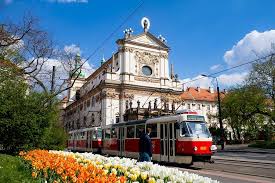
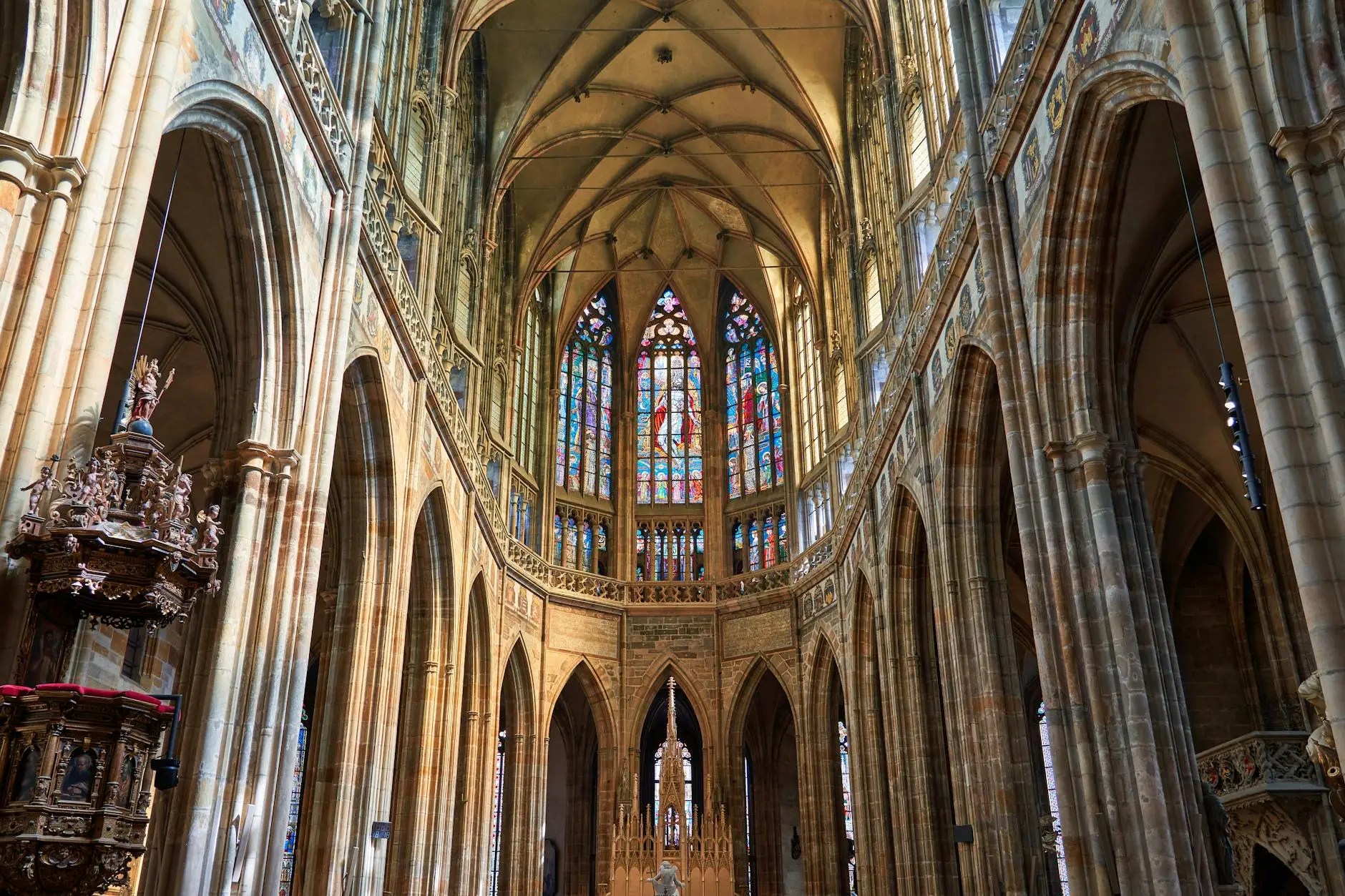
Morning: Start your day early at Prague Castle (Pražský hrad). I cannot stress the “early” part enough. Tour buses arrive around 10 AM, and the complex gets packed. Take tram 22 up to the castle for a classic Prague experience and stunning views. The castle grounds themselves are free to walk, but buy a ticket to enter St. Vitus Cathedral—it’s absolutely breathtaking.

A red and white tram passing by a beautifully detailed historic building with blooming tulips in the foreground, under a clear blue sky in Prague.
Tram moving past beautiful architecture and blooming tulips in Prague, perfect for experiencing the city’s charm.

St. Vitus Cathedral Tours

Interior view of St. Vitus Cathedral featuring gothic architectural elements and colorful stained glass windows.
Interior view of St. Vitus Cathedral showcasing stunning stained glass windows and Gothic architecture.

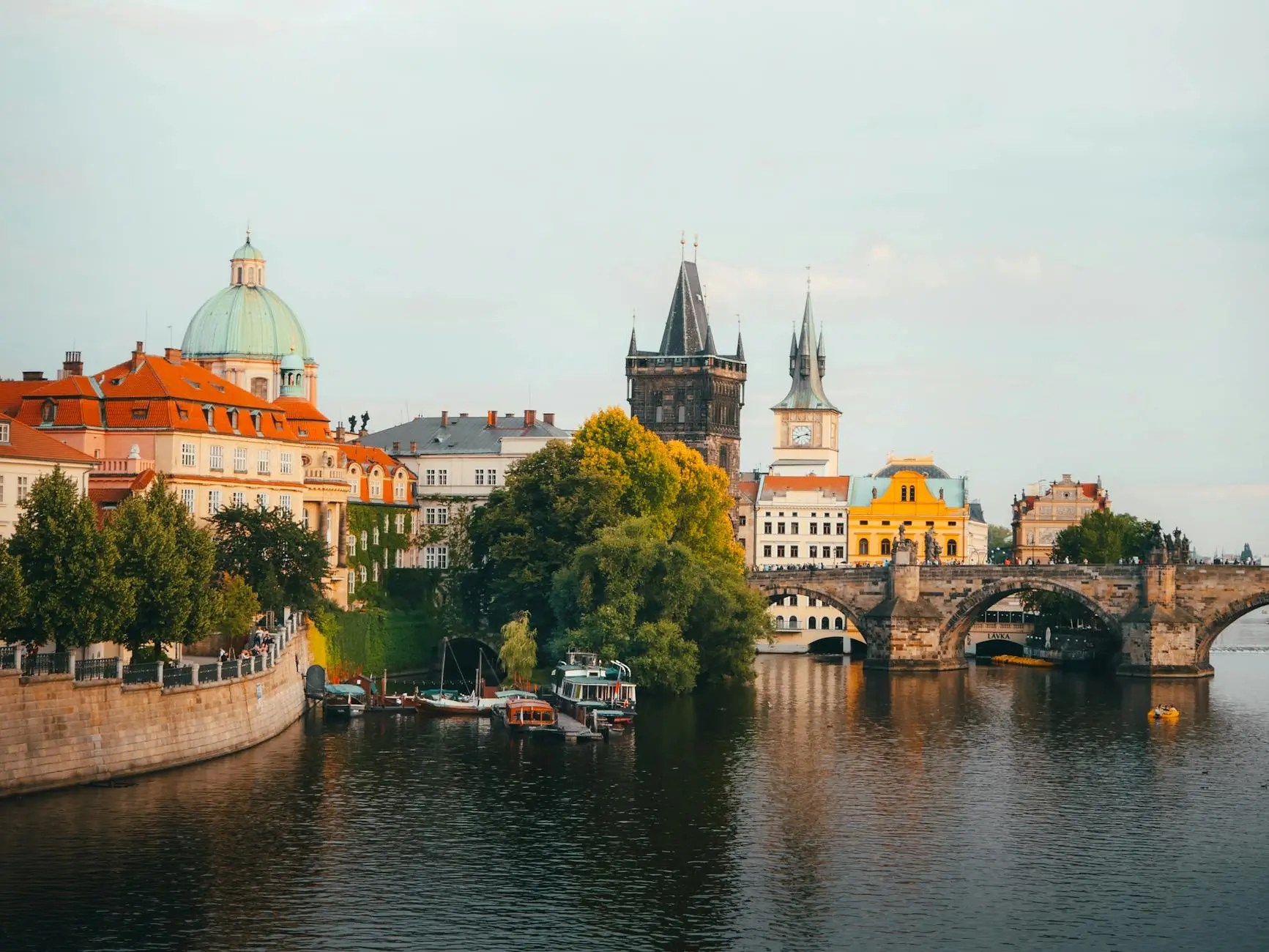
Afternoon: Wander down from the castle through the charming Lesser Town (Malá Strana). Get lost in its narrow streets and find a classic Czech pub for lunch. Then, make your way to the Charles Bridge (Karlův most). While it’s packed during the day, the energy is infectious. For a different perspective, I highly recommend a Vltava River cruise – it’s a relaxing way to see the cityscape.

I’ll never forget my first time trying to order in one of these pubs. The menu was all Czech, and the waiter spoke no English. I pointed at what looked like a safe bet, which turned out to be vepřo knedlo zelo—roast pork, dumplings, and sauerkraut. It was the definition of comfort food, and the waiter gave me a thumbs-up and a complimentary beer for my effort. Moral of the story? Don’t be afraid to point and be adventurous!

Mala Strana

Night view of Prague Castle illuminated above the Vltava River, with historic buildings and the Charles Bridge in the foreground under a snowy sky.
The illuminated Prague Castle and the historic Charles Bridge at night, showcasing the enchanting beauty of the city.

Charles Bridge Tours

A scenic view of Prague, showcasing historic buildings with red rooftops along the Vltava River, featuring the iconic Charles Bridge in the foreground.
Scenic view of the Charles Bridge and the historic architecture along the Vltava River in Prague.

Evening: Have dinner in Lesser Town and then walk back across the Charles Bridge at night. The crowds have dispersed, the castle is illuminated, and it’s pure magic. It’s one of my favourite memories of the city.

Day 2: Old Town Charm and Hidden Courtyards 

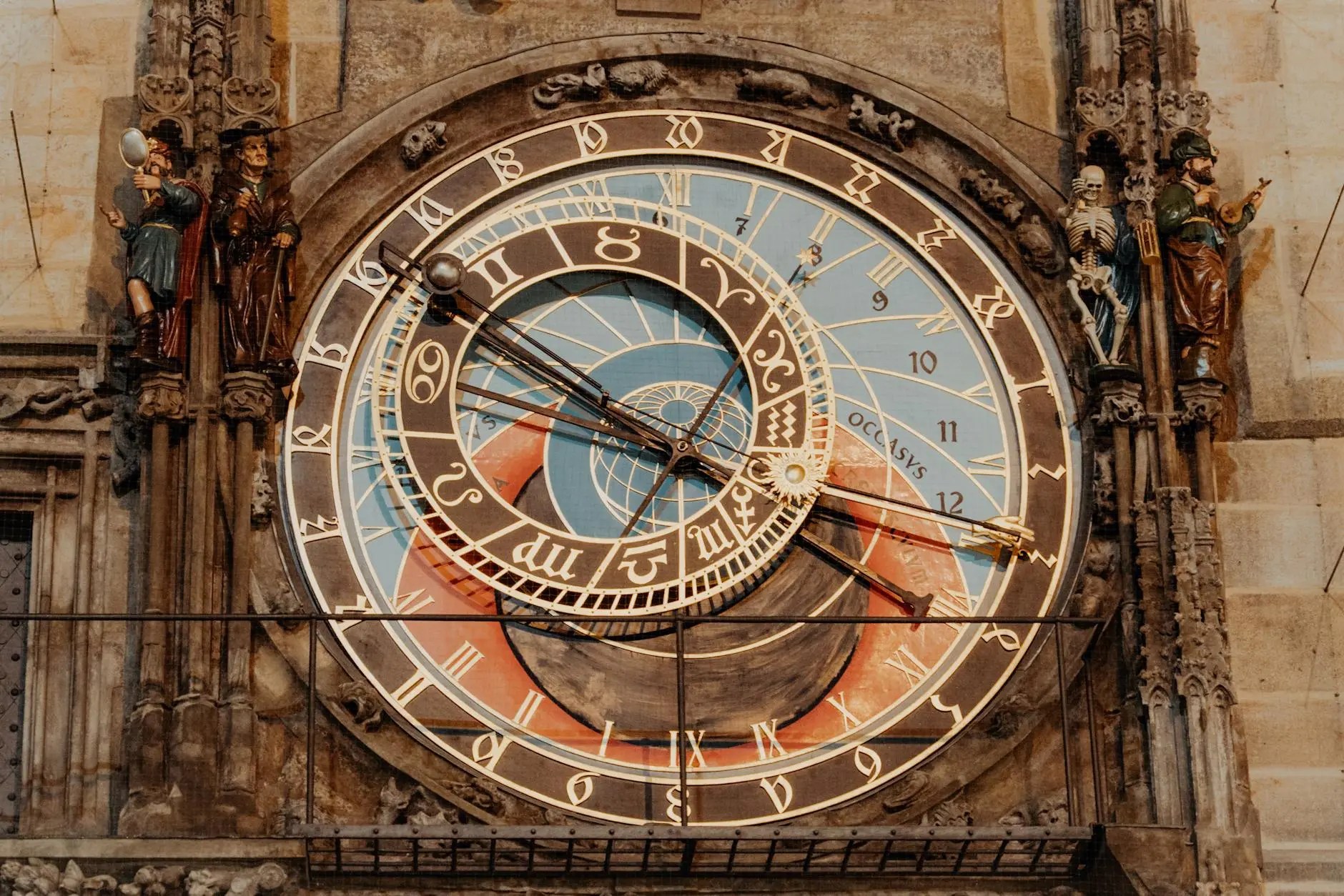
Morning: Begin at the Old Town Square (Staroměstské náměstí). Watch the world-famous Astronomical Clock put on its show at the top of the hour (it’s a little underwhelming but you have to see it once!). Climb the Old Town Hall Tower for the best panoramic view of the square’s spires.

Old Town Square Tours

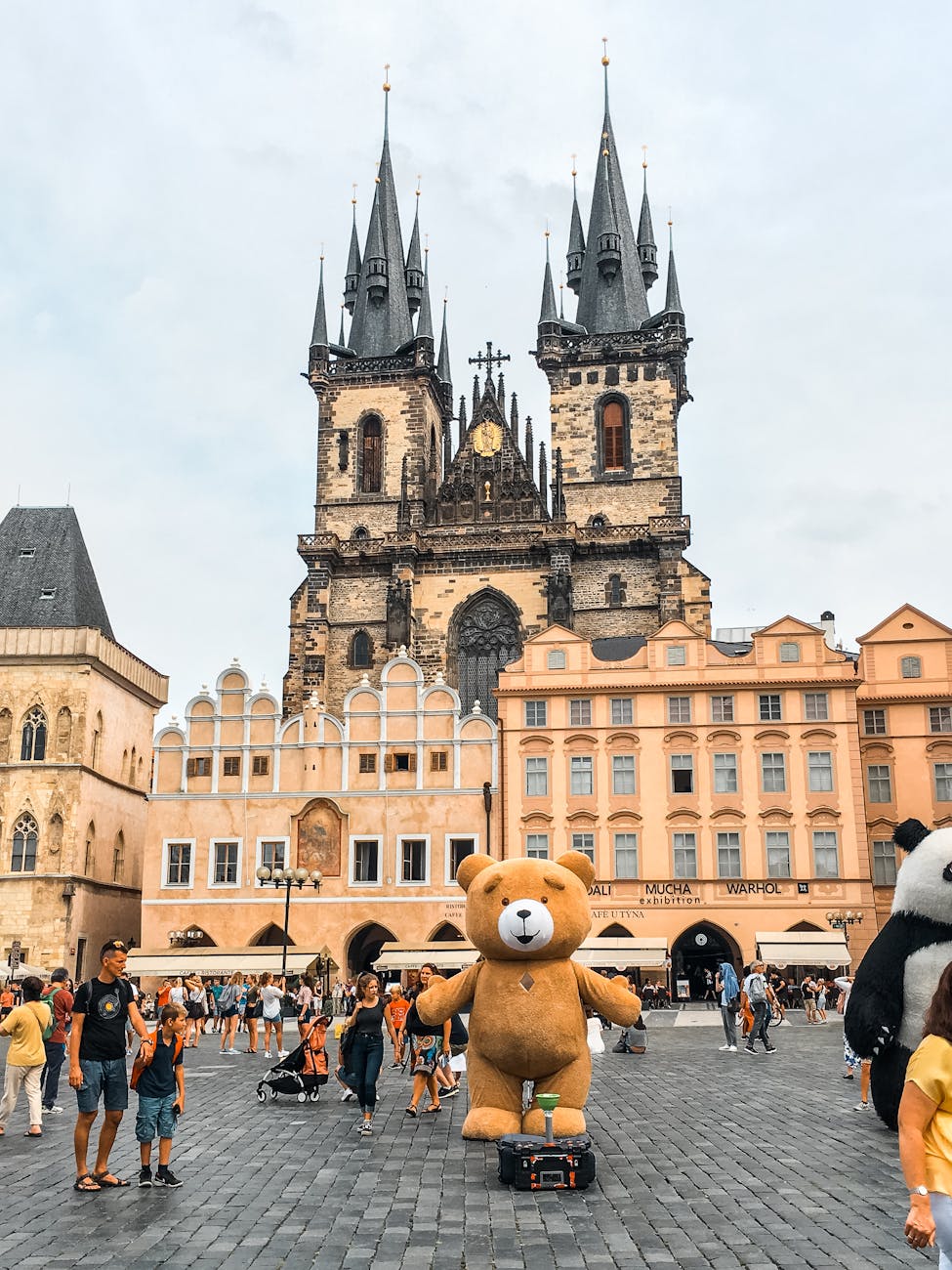
A large teddy bear costume character stands in the foreground of Prague's Old Town Square, with the iconic Church of Our Lady before Týn in the background, surrounded by tourists.
A lively scene in Old Town Square, Prague, featuring a giant teddy bear amidst crowds of tourists and historic architecture.

Prague Astronomical Clock Tours

Close-up of the intricate Astronomical Clock in Prague, featuring colorful astronomical details and decorative figures.
The iconic Astronomical Clock in Prague’s Old Town, a must-see attraction showcasing intricate designs and astronomical details.

Afternoon: Follow the crowds towards the Jewish Quarter (Josefov), a area rich with profound history. Afterwards, indulge your sweet tooth at the ICU Museum of Senses or find a hidden courtyard café to people-watch. If you have more time in the region, consider a day trip—I wrote about my favourite one to Cesky Krumlov here.

Prague Jewish Quarter Walking Tour with Admission Tickets

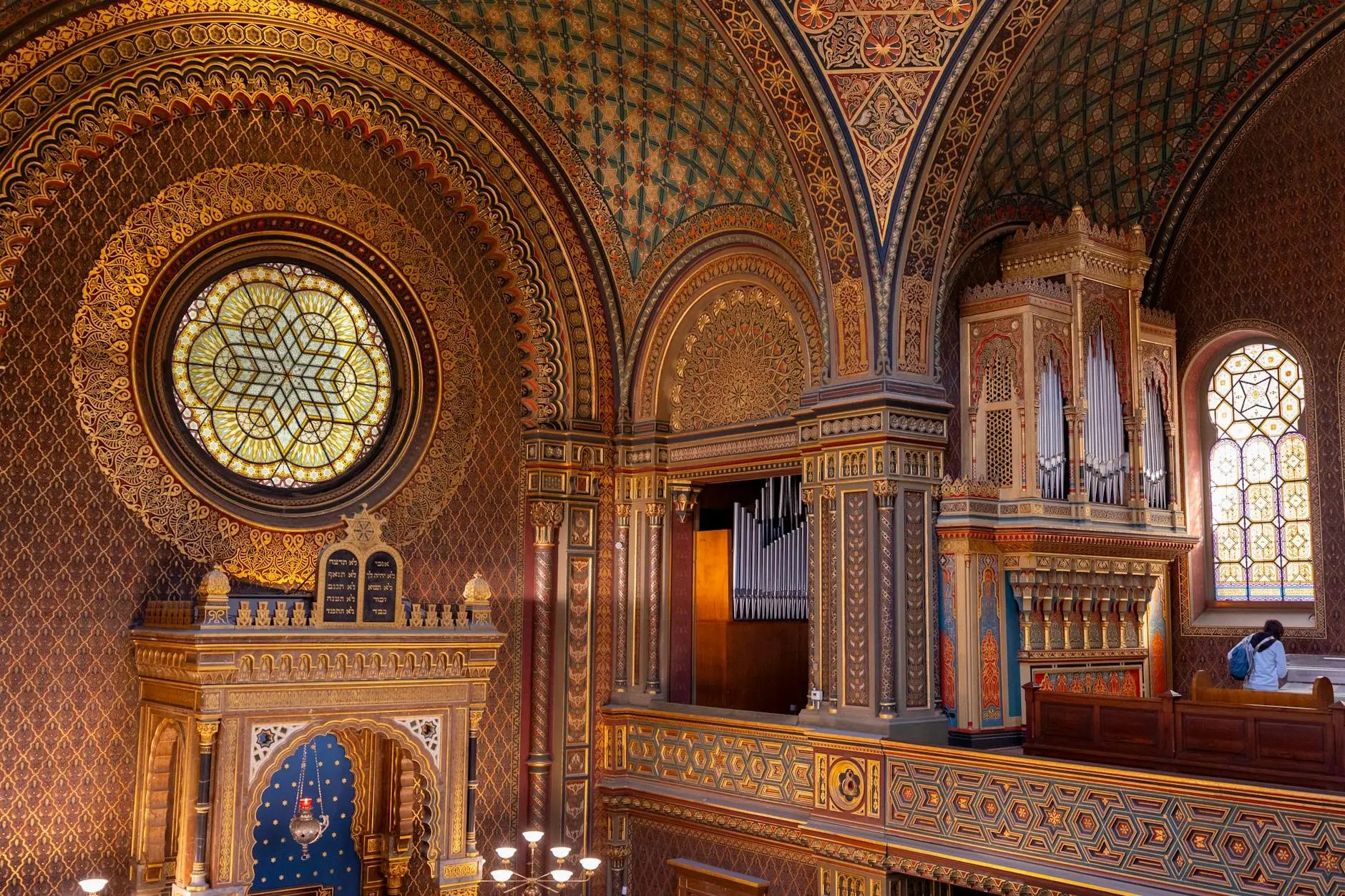
Interior view of a beautifully ornate synagogue featuring intricate patterns, colorful stained glass windows, and a large organ.
Interior view of the stunning Spanish Synagogue in Prague, highlighting its intricate architecture and vibrant stained glass.

Admission Ticket Museum of Senses Prague

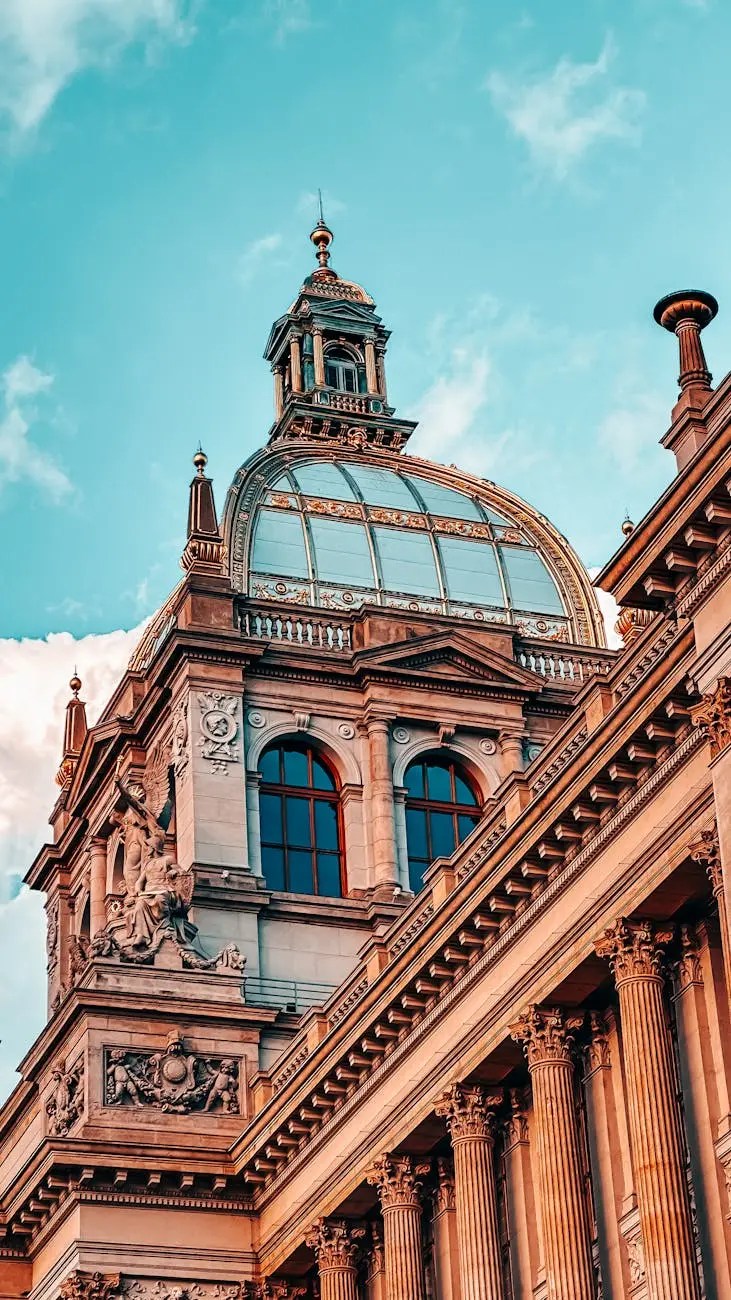
Close-up view of the ornate architectural details of a historical building in Prague, showcasing a decorated dome with a glass top against a blue sky.
The stunning architecture of a historical building in Prague, showcasing intricate designs and a magnificent dome under a clear blue sky.
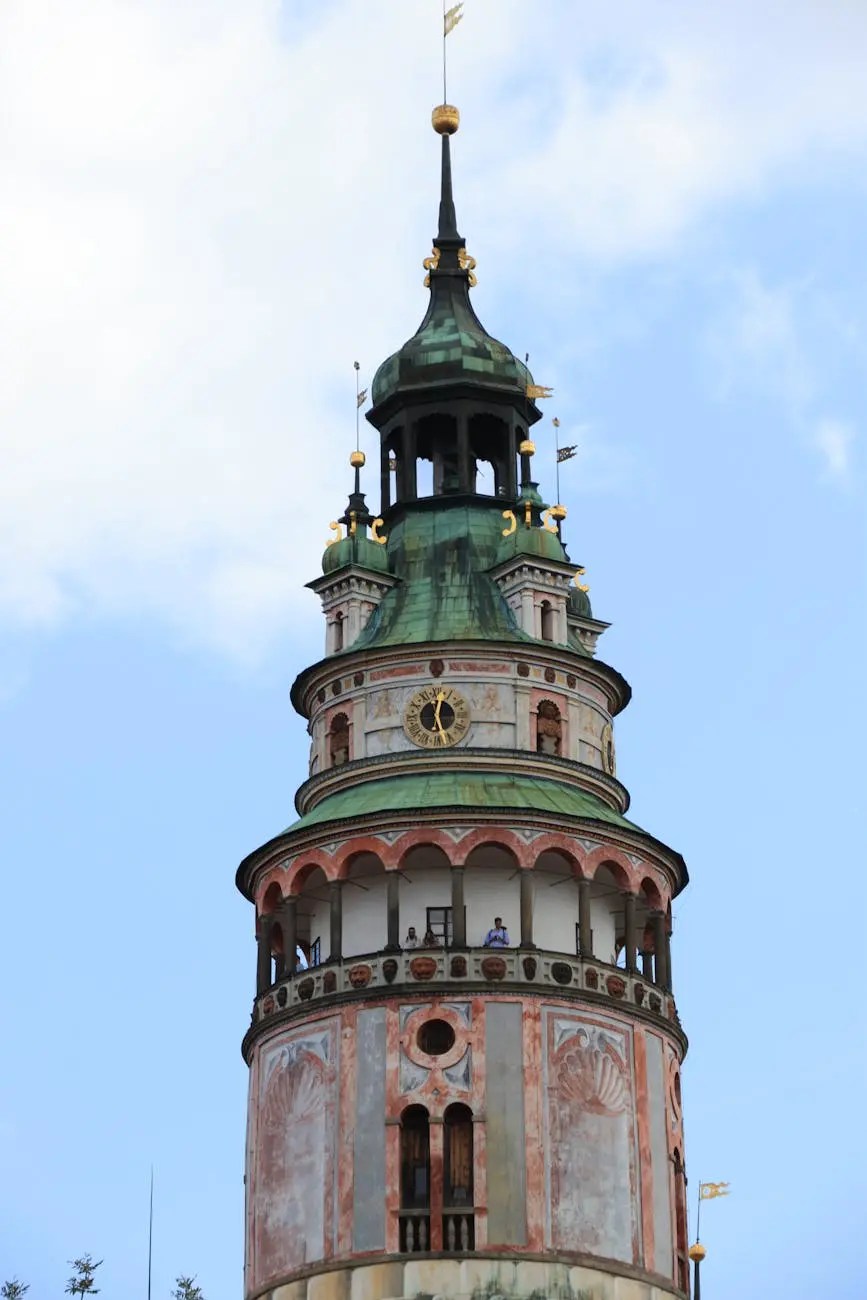
Close-up of a historic tower with a green dome, decorative details, and a clock, set against a blue sky.
The ornate tower in Prague showcases stunning architecture against the blue sky. (Český Krumlov)

Evening: For your last night, enjoy a proper Czech feast and a well-earned pint of Pilsner. Then, why not experience some of Prague’s legendary nightlife?

A vibrant nightclub scene with people dancing under purple and blue lights in an arched stone venue.
Experience Prague’s vibrant nightlife in this atmospheric underground venue, perfect for dancing and socializing.

Beyond the Checklist: Prague’s Hidden Gems 

  • Vyšehrad: A fortress complex south of the centre with gorgeous gardens, a cemetery with famous Czechs, and quiet, crowd-free views of the city. It’s a perfect escape.
  • The John Lennon Wall: While not exactly “hidden,” it’s a vibrant, ever-changing symbol of peace and love. It’s a great quick stop in Lesser Town.
  • Letná Beer Garden: Located in Letná Park, across the river from the Old Town. It offers arguably the best view of the bridges and city centre. Grab a cheap beer, sit on a bench, and soak it all in with the locals.
  • Stay near Malá Strana for fairytale atmospheres; or choose Žižkov for hip cafés and local nightlife. I once stayed in Žižkov and woke to the most gloriously odd murals—felt like my quirky soul had found a home.
A close-up of a statue of two figures, one pointing forward, with a tall, ornate church tower in the background, surrounded by lush green trees against a blue sky.
A striking sculpture in front of a historic church in Prague, capturing the city’s rich cultural heritage.

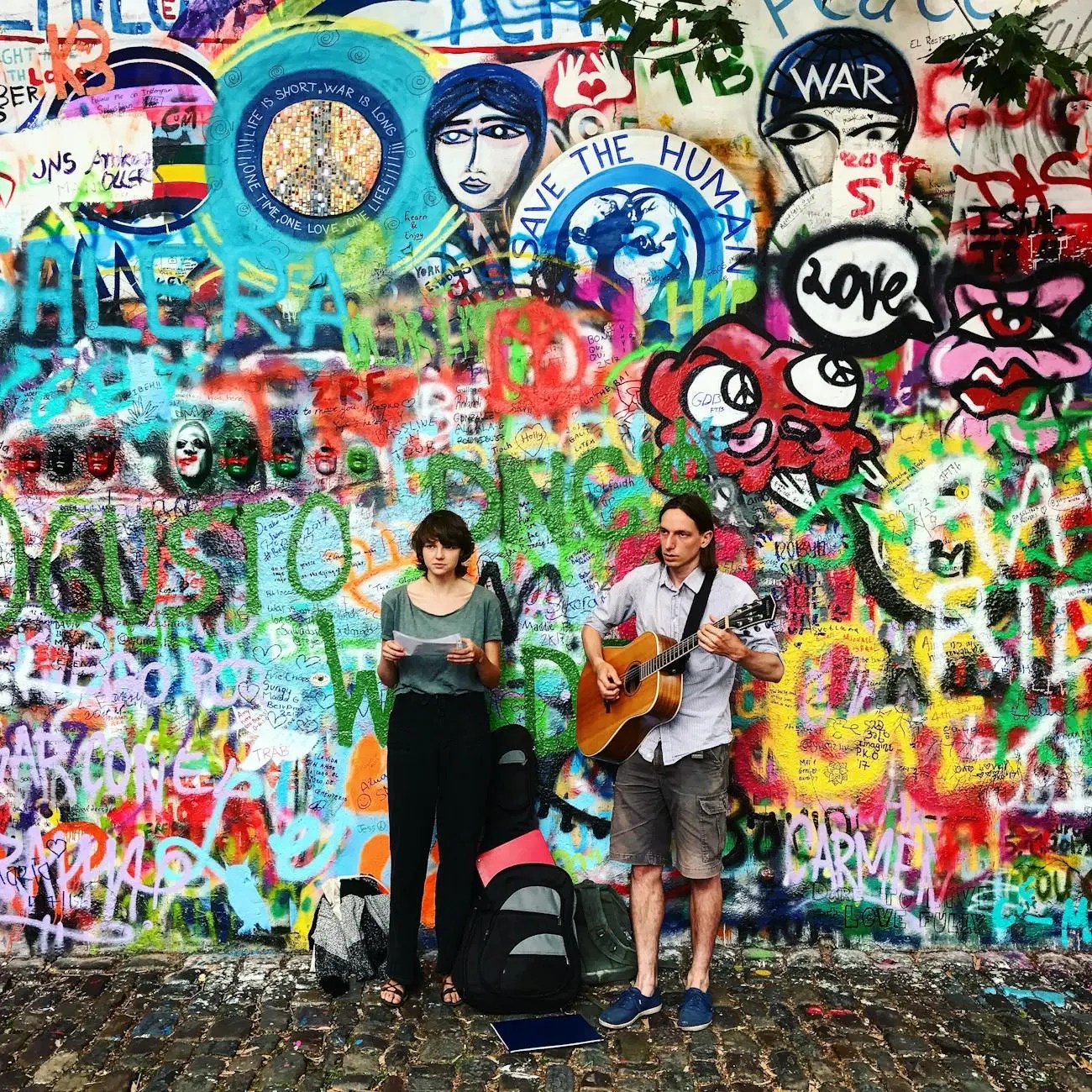
A man playing guitar and a woman reading lyrics stand in front of the colorful John Lennon Wall, covered in graffiti and artistic messages.
A vibrant scene at the John Lennon Wall in Prague, featuring street performers amid colorful graffiti.

View of people dining at an outdoor seating area with a scenic backdrop of Prague's skyline featuring historical buildings and a clear sky.
A group of friends enjoying the scenic view of Prague from a park, surrounded by trees and historic architecture.
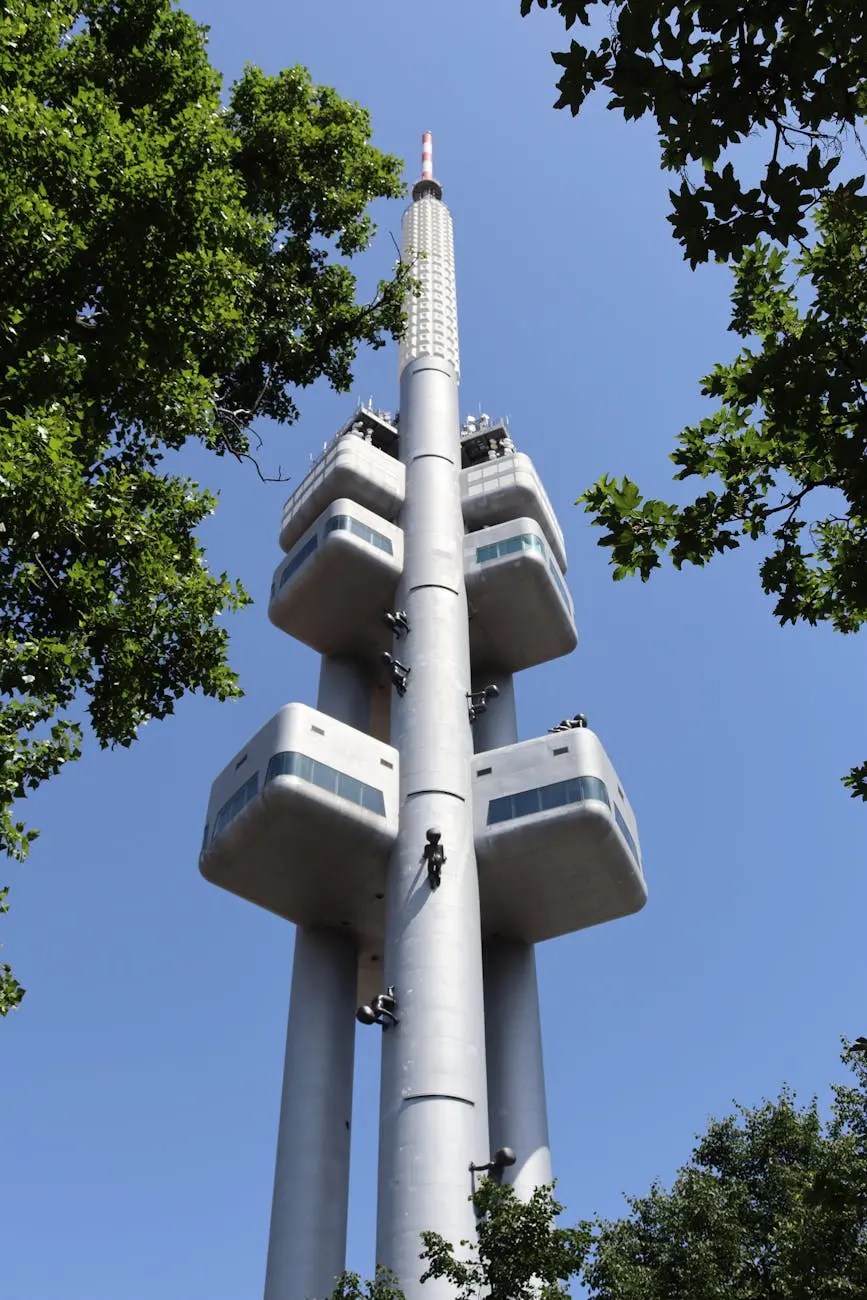
View of the Zizkov TV Tower in Prague, featuring its unique architectural design with viewing pods and trees in the foreground.
The Žižkov Television Tower, a striking landmark in Prague featuring viewing platforms and unique architecture.

Navigating Prague Like a Pro: Transport Tips

Prague’s public transport (Dopravní podnik hl. m. Prahy, or DPP) is fantastic, cheap, and will be your best friend.

  • The Ticket System: Forget zones. A single ticket covers all trams, buses, metros, and even the funicular for a set time (30 min, 90 min, 24 hrs, 72 hrs). For a weekend, the 72-hour ticket (330 CZK) is your best bet.
  • How to Buy & Validate: You can buy tickets from yellow machines at metro stations or most tram stops (card/cash), or via the PID Lítačka app (my preferred method—so easy!). CRUCIAL: You must validate your paper ticket in the yellow stamp machine before your first journey. No stamp = a fine. App tickets are activated before you board.
  • Key Routes:
    • Tram 22: It’s not just transport, it’s a scenic tour. It winds past the National Theatre, up to Prague Castle, and beyond. Ride it for the views.
    • Metro: The three lines (A-green, B-yellow, C-red) are fastest for covering long distances. Use them to get from downtown to the outskirts (e.g., to the bus station).
  • Public Transport: The network of metros, trams, and buses is extensive. For a weekend, the 72-hour ticket (330 CZK) is your best bet. It’s valid on all services. Validate it once in the yellow machine before your first journey and then you’re good to go. Trams #9, #17, and #22 are particularly useful for tourists.
  • Taxis & Ride-Sharing: Avoid flagging down taxis on the street. They are notorious for overcharging tourists. Use apps like Bolt or Liftago (the local equivalent to Uber) for transparent, fixed pricing.
  • Walking: Prague’s core is incredibly walkable. The best discoveries are often made by wandering without a map.

A detailed map of Prague's tram lines, showcasing various routes, stops, and connections within the city's public transportation network.
Map of Prague’s tram lines, showcasing the extensive public transport network for visitors exploring the city.

Trains, Buses & Car Rental

  • Train: The Czech Railways (ČD) system is punctual, frequent, and scenic—especially if you’re coming from Vienna or Berlin.
  • Bus: FlixBus and RegioJet are budget-friendly and reliable options—watch for comfy perks like free Wi-Fi and snacks.
  • Car: Renting a car gives flexibility for day trips (like Kutná Hora or Karlštejn Castle). Use Google Maps to pre-plan routes—Prague’s traffic can surprise you, and parking zones cost extra. Filling up near the city outskirts can save gas.

Map tip: download your route on Google Maps with offline mode—navigation without roaming charges.

Savoring Prague: Food, Beer, and Budget Tips 

  • Must-Eat: Svíčková (marinated beef with a creamy sauce and dumplings), Guláš (goulash), and Trdelník (a sweet pastry roll—it’s for tourists, but try it anyway!).
  • Beer is King: A half-liter of excellent beer often costs less than a soda. Look for pubs serving Pilsner UrquellBudvar, or a local microbrew.
  • Save Money: Eat away from the main squares. A restaurant just one street over will be significantly cheaper and often more authentic. Look for lunch menus (denní menu) for the best deals.
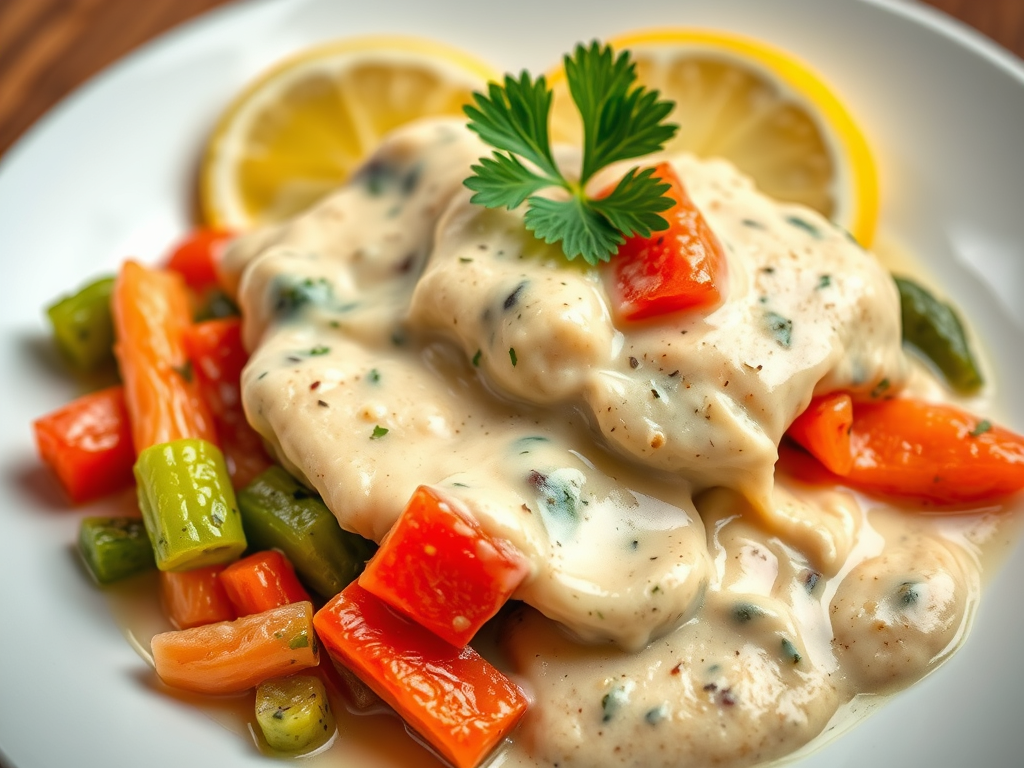
A plate of marinated beef in a creamy sauce served with a side of colorful sautéed vegetables and lemon slices.
Delicious Czech svíčková served with colorful vegetables, perfect for a culinary experience in Prague.

A bottle of Pilsner Urquell beer on a dark background.
A bottle of Pilsner Urquell, the iconic Czech beer, illuminated against a smoky backdrop.

Essential Czech for Travellers

  • Hello / Goodbye: Dobrý den / Na shledanou
  • Thank you: Děkuji (Dyek-oo-yi)
  • Yes / No: Ano / Ne
  • Please: Prosím (also means “You’re welcome”)
  • Beer, please: Pivo, prosím
  • Cheers!: Na zdraví!
  • Do you speak English?: Mluvíte anglicky?

Local Lingo 101

Czech PhrasePronunciationMeaning
Ahoj!ah-hoyHello (friendly, casual)
Děkuji / Díkydye-koo-yee / deek-eeThank you / Thanks
Kolik to stojí?koh-leek toh stoy-eeHow much does it cost?
Toaletatoh-ah-leh-tahRestroom
Jedna pivo, prosímyed-nah pee-vo proh-seemOne beer, please

Czech Culture & Etiquette: Blend in Like a Local

A little cultural know-how goes a long way in making a good impression.

  • Shoes Off: If you’re invited into a Czech home, it is customary and polite to take your shoes off at the door.
  • Toasting: When you say Na zdraví! (Cheers!), make firm eye contact during the clink. It’s a old superstition that not doing so brings seven years of bad luck in the bedroom!
  • Punctuality: Being on time is valued, whether for a tour, dinner reservation, or meeting someone.
  • Quiet on Transport: Czechs tend to be quiet and reserved on trams and metros. Keep conversations at a considerate volume.
  • Pay at the Table: In most restaurants, the waiter will bring the payment terminal to your table when you ask for the bill. You don’t typically go to a cashier to pay.

Money Matters & Local Currency 

  • Currency: The Czech Republic uses the Czech Koruna (CZK/Kč), not the Euro. While some tourist spots might accept Euros, the exchange rate will be terrible. Always pay in Koruna.
  • ATMs & Cards: ATMs are everywhere. Avoid “Euronet” ATMs if possible—they offer dynamic currency conversion and have high fees. Your bank’s rate is always better. Credit/debit cards are widely accepted, but always carry some cash for smaller shops, market stalls, and public transport ticket machines.
  • Tipping: Rounding up the bill or leaving 10% is standard practice for good service in restaurants and pubs. It’s not mandatory but is appreciated.

Smart Travel Essentials: Stay Connected & Protected

Let’s talk practicalities. A few key items have saved my trips from turning into nightmares, and I’d never travel without them now.

📶 Stay Connected Instantly:
Remember that time I spent 45 minutes at a Prague airport kiosk trying to buy a local SIM with a clerk who spoke no English? Never again. Now I use Drimsim. It’s a genius universal SIM that works in 190+ countries the second you land. Pop it in your phone, top up via the app, and you’re online. No hidden fees, no hassle. It’s a total game-changer for navigating maps and posting pics on the go.
<a href=”https://drimsim.tpm.lv/WZXbFzT6&#8243; rel=”nofollow”>Get your universal Drimsim travel SIM here</a>

🔒 Protect Your Privacy & Access:
Using public WiFi in cafes and hotels? Please, use a VPN. NordVPN encrypts your data, so your passwords and bank details are safe from prying eyes. It also lets you access streaming services from back home if you need a quiet night in. your online travel with NordVPN

✈️ Get Compensated for Flight Issues:
Had a flight delayed over 3 hours or canceled? Under EU air passenger rights, you could be owed up to €600 in compensation. Most people don’t claim it, but AirHelp makes it easy. They handle all the paperwork and fight the airlines for you, and they only get paid if you win. I’ve used them successfully—it’s stress-free and feels great to get that payout. Check your flight for free compensation with AirHelp

😌 Don’t Skimp on Insurance:
I never, ever travel without insurance. A simple accident or stolen bag can ruin a trip and your finances. I use VisitorsCoverage to compare and find the best plan for my specific trip. It’s peace of mind that’s worth every penny. Get a tailored travel insurance quote from VisitorsCoverage

📸 Capture the Memories:
Prague is endlessly photogenic. To capture all those stunning details, from the Astronomical Clock to the castle guards, I swear by my trusty Sony Alpha camera. It’s lightweight, powerful, and perfect for travel photography.

One of the best things about Prague is its location right in the heart of Europe. It pairs perfectly with other iconic German capitals for an unforgettable multi-city adventure. If you’re extending your trip beyond the Czech Republic, you’re in luck.

  • Heading south? Dive into the hearty Bavarian culture, world-class museums, and beer gardens of Munich. It’s a fantastic contrast to Prague’s intimate charm and makes for a perfect next stop.
  • Heading north? Immerse yourself in the gritty, vibrant, and endlessly cool atmosphere of Germany’s capital, Berlin. The journey from history-rich Prague to history-making Berlin is one every traveller should experience.

Prague Weekend Escape FAQ

What is the best time of year to visit Prague?
Spring (April-June) and Fall (September-October) are ideal. The weather is mild, and the crowds are thinner than in the peak summer months. The Christmas markets in December are also magical, but it’s very crowded and cold.

Is Prague expensive?
Prague is one of the most affordable capital cities in Europe. While prices have risen, it’s still possible to have a fantastic time on a moderate budget, especially if you eat and drink like a local away from the tourist hubs.

How much money should I budget for a weekend?
Excluding flights and accommodation, a comfortable budget for food, drink, attractions, and transport would be around 150-200 EUR for a weekend. You can do it for less, or certainly spend more!

Is English widely spoken?
Yes, absolutely. In the tourist centres, hotels, and restaurants, you will have no problem communicating in English. Learning a few basic Czech phrases is always appreciated, though.

What’s the best way to get from the airport to the city centre?
The Airport Express (AE) bus takes you to the main train station (Hlavní nádraží) in 35 minutes. Public bus #119 takes you to a metro station (Nádraží Veleslavín) where you can connect to the metro system. Both are cheap and efficient.

Q: Do I need Czech crowns (CZK), or is card okay?
A: Both! Most places accept cards, but keep a little CZK for trams, street vendors, and market stalls.

Q: What voltage is used? Do I need an adapter?
A: It’s Type E plugs at 230 V—bring a European adapter if needed.

Q: How safe is Prague for solo travelers?
A: Very! With standard common-sense precautions, walking late at night is usually fine—just watch for pickpockets in major tourist hubs.

Q: Can I split weekend itineraries for chill time?
A: Absolutely. Consider doing things at a relaxed pace: Day 1 for UNESCO charm and Old Town, Day 2 for hidden gems and maybe a sunset beer garden.

Conclusion: Your Unforgettable Prague Adventure Awaits

Prague is a city that truly has it all: jaw-dropping history, affordable prices, vibrant culture, and yes, incredible beer. With this guide, you’re equipped to dive deep into its fairy-tale streets, connect with its friendly locals, and create a weekend you’ll remember for years to come. Remember to wear comfortable shoes, embrace getting a little lost, and always keep your camera ready around every corner.

Have you been to Prague? What was your favourite moment? Share your own stories and tips in the comments below—I’d love to hear them!

Ready to explore the cobblestone streets and ancient charm of Prague? Start planning your ultimate weekend escape now!

What’s your #1 travel tip for visiting a new city? Share your wisdom in the comments below!
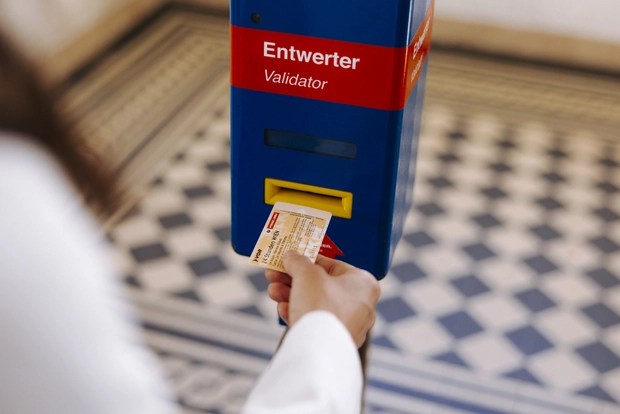

Universal Disclaimer/Disclosure Page:

48 Hours in Melbourne: The Ultimate Weekend Itinerary

📑 Table of Contents

  1. Why Melbourne is a Must-Visit City
  2. Day 1: Laneways, Coffee, and Culture
    1. Morning: Espresso Yourself
    2. Midday: Federation Square & Flinders Street Station
    3. Afternoon: Laneway Hunt
    4. Evening: Yarra River Vibes
  3. Day 2: Markets, Sports, and Gardens
    1. Morning: Queen Victoria Market
    2. Midday: Sports Lovers’ Heaven
    3. Afternoon: Royal Botanic Gardens
    4. Evening: St Kilda Sunset
  4. Getting Around Melbourne
  5. Smart Money-Saving Tips
  6. Hidden Gems in Melbourne
  7. Essential Travel Resources
    1. Stay Connected with Drimsim
    2. Flight Compensation with AirHelp
    3. Online Safety with NordVPN
    4. Capture Moments with the Right Camera
    5. Travel Insurance with VisitorsCoverage
  8. Aussie Lingo Cheat Sheet
  9. More Weekend Escapes You’ll Love
  10. Final Thoughts

If cities had personalities, Melbourne would be that effortlessly cool friend who always knows the best coffee spot, has a secret gig lined up, and casually suggests, “Oh, let’s just hop on a tram.” And here’s the kicker—it’s not just me saying this. Melbourne consistently ranks among the Top Visited Cities in the World, attracting travelers for its artsy vibes, hidden laneway cafés, sporting culture, and that unbeatable Aussie charm.

But hey, weekends are short, so let’s maximize those 48 hours with a practical, wallet-friendly, and slightly cheeky itinerary. 🚋☕

Flights to Melbourne

Hotels in Melbourne

🗓️ Day 1:

Laneways, Coffee, and Culture

  • Morning – Espresso Yourself
    Start your day with strong coffee in Melbourne. Head to Degraves Street for breakfast at a cozy café. Order a flat white (not just “coffee”).

  • Midday – Federation Square & Flinders Street Station
    Walk across to iconic Fed Square, where art meets architecture. Snap a photo at the heritage-listed Flinders Street Station, then wander into the ACMI Museum.

  • Afternoon – Laneway Hunt
    Melbourne’s laneways are like an outdoor art gallery. Hosier Lane is world-famous for street art, while AC/DC Lane (yes, named after the band) rocks with live music bars.

  • Evening – Yarra River Vibes
    End the night at Southbank Promenade with dinner overlooking the Yarra. If you’re into nightlife, Chinatown’s karaoke bars are hilariously fun—even if your singing isn’t. 🎤

A bustling laneway in Melbourne, featuring colorful café signs and people walking under a cloudy sky, showcasing the city's vibrant street culture.
Exploring Melbourne’s vibrant laneways, where art and culture come alive.

Fed Square Tours

The contemporary architectural facade of Federation Square in Melbourne, featuring angular shapes and a glass entrance, with people gathered outside.
Federation Square in Melbourne, showcasing its iconic modern architecture and vibrant atmosphere.

Flinders

Exterior view of Flinders Street Station in Melbourne, showcasing its iconic architecture and clock tower, with pedestrians walking in front.
The iconic Flinders Street Station in Melbourne, a must-visit landmark that showcases the city’s rich architectural heritage.

Australian Centre for the Moving Image Tours

Exterior view of the ACMI (Australian Centre for the Moving Image) building in Melbourne, featuring the Alfred Deakin Building signage and promotional display.
The iconic entrance of the ACMI (Australian Centre for the Moving Image) located in Melbourne’s Federation Square, showcasing its modern architecture and vibrant exhibitions.

Laneway Hunt.

A young girl stands confidently in a Melbourne laneway, wearing a light blue puffer jacket and holding a playful tiger-shaped handbag, with colorful shop signs and pedestrians in the background.
A young girl poses stylishly in a Melbourne laneway, showcasing the city’s vibrant street culture.

Hosier Lane Tours

A group of people exploring a vibrant laneway filled with colorful street art in Melbourne.
Exploring the vibrant street art and laneways of Melbourne, a must-see for any visitor.

Hotels in Yarra Riverfront, Melbourne

Yarra River Walk Tours

Night view of the Yarra River in Melbourne, showcasing illuminated buildings and a pedestrian bridge.
The illuminated Yarra River at night, showcasing the vibrant Southbank Promenade and its modern architecture in Melbourne.

Chinatown

A bustling street scene in Melbourne's Chinatown at night, featuring a vibrant archway adorned with traditional Chinese decorations and lanterns, surrounded by pedestrians enjoying the lively atmosphere.
A lively scene in Melbourne’s Chinatown at night, showcasing the vibrant atmosphere and traditional architecture.

🗓️ Day 2: Markets, Sports, and Gardens

  • Morning – Queen Victoria Market
    Grab a hot jam doughnut from the market’s van (a local legend). Pick up quirky souvenirs while chatting with friendly stall owners.

  • Midday – Sports Lovers’ Heaven
    Melbourne is the sports capital of Australia. Tour the Melbourne Cricket Ground (MCG), or catch a game if you’re lucky.

  • Afternoon – Royal Botanic Gardens
    Escape the hustle with a peaceful stroll through Royal Botanic Gardens. Perfect picnic spot if the weather is kind.

  • Evening – St Kilda Sunset
    Take tram #96 to St Kilda. Chill by the beach, spot little penguins at the pier, and wrap up your weekend with fish and chips on the sand. 🐧🌅

Queen Victoria Market Tours

A vibrant view of the Queen Victoria Market in Melbourne, showcasing colorful stalls and a backdrop of tall city skyscrapers.
A vibrant scene at Queen Victoria Market, showcasing local stalls with Melbourne’s skyline in the background.
A container filled with golden-brown jam-filled doughnuts coated in sugar, showcasing a sweet treat commonly found at markets.
Delicious hot jam doughnuts from Queen Victoria Market, a must-try treat in Melbourne.

Melbourne Cricket Ground Tours

Crowd at the Melbourne Cricket Ground waving an Indian flag during a cricket match, with seats and players visible in the background.
Fans cheer with the Indian flag at the Melbourne Cricket Ground during a lively match.

Royal Botanic Gardens Tours

A peaceful garden scene featuring various shrubs and trees, including a tall conifer and bushy yellow foliage, with a stone barrel partially visible among the greenery.
Lush greenery and peaceful surroundings in the Royal Botanic Gardens of Melbourne.

St Kilda Beach Tours

A scenic view of a sandy beach with a lighthouse in the background, featuring a rocky coastline and cloudy sky.
A scenic view of a lighthouse on the beach in Melbourne, surrounded by rocky shores and cloudy skies.

🚋 Getting Around Melbourne

Public transport is your best friend here:

  • Myki Card – Get one at train stations or 7-Eleven, it works for trains, buses, and trams.
  • Free Tram Zone – Within Melbourne CBD, trams are free. Yes, FREE. Use it to save both time and money.
  • Regional Day Trips – If you’ve got extra time, rent a car for the Great Ocean Road drive (but start early—it’s breathtaking).

💡 Money-saving hack: Use Google Maps or the PTV app for live tram and bus times. It’ll save you from awkwardly waiting at the wrong stop (happened to me once—ended up in Brunswick by mistake).

💸 Smart Ways to Save in Melbourne

  • Eat like a local at markets instead of pricey restaurants.
  • Use free city trams instead of taxis.
  • Visit museums on free-entry days.
  • Book flights and stays smart: I always use Expedia for flexible deals.

✨ Hidden Gems in Melbourne

  • Abbotsford Convent – A creative hub with art studios and a gorgeous garden café.
  • State Library Victoria Dome Room – Feels like stepping into a Harry Potter set.
  • Brighton Beach Boxes – Colorful beach huts perfect for photos.

Abbotsford Convent Tours and Activities

View of a historic building with a lush green lawn and trees under a partly cloudy sky.
A beautiful view of Abbotsford Convent in Melbourne, showcasing its stunning architecture and lush gardens.

State Library of Victoria Tours

Interior view of a grand library featuring multiple reading tables and bookshelves, with people studying throughout the space.
The stunning interior of State Library Victoria, showcasing its grand architecture and vibrant study areas.

Brighton Beach Tours

Colorful beach huts lined up along a sandy beach under a clear blue sky.
Brighton Beach Boxes: Iconic colorful beach huts iconic to Melbourne, perfect for a picturesque beach day.

🛠️ Travel Resources

✈️ Stay Connected Anywhere
Keeping in touch abroad doesn’t have to drain your wallet. I use Drimsim—a global SIM card that works in 190+ countries. No surprise roaming bills, just easy top-ups through the app.

✈️ Flight Delayed or Canceled?
Don’t let airline drama ruin your trip. Check your flight with AirHelp—you could claim up to $650 compensation if you’re eligible.

🔒 Stay Safe Online
Travel often means public WiFi (aka hacker heaven). I always use NordVPN to protect my data and stream my favorite shows abroad.

📸 Capture the Magic
Whether it’s Melbourne’s street art or St Kilda’s penguins, a good camera makes all the difference. Check out my go-to gear here.

🛡️ Travel Insurance Must-Have
Accidents, delays, and lost luggage happen. I recommend VisitorsCoverage—easy to compare and book plans online.

🗣️ Aussie Lingo Cheat Sheet

  • Arvo = Afternoon
  • Macca’s = McDonald’s
  • No worries = It’s okay / You’re welcome
  • Mate = Friend
  • Thongs = Flip-flops (not underwear, don’t panic 😅)

🔗 More Weekend Escapes

If Melbourne has you hooked on short city adventures, you’ll love these too:

✅ Final Thoughts

Melbourne isn’t just another dot on the map—it’s a mood, a lifestyle, and a caffeine-fueled love affair waiting to happen. Plan smart, travel light, and let the laneways lead you to discoveries you’ll brag about long after your flight home.

So, ready to book your Melbourne weekend escape? Grab your deals on Expedia and start packing—your adventure awaits.

Frequently Asked Questions About a Weekend in Melbourne

1. Is 2 days enough to explore Melbourne?
Two days won’t cover everything, but it’s enough to get a real taste of Melbourne—its laneways, coffee culture, iconic landmarks, and even a sunset at St Kilda. Think of it as a sampler platter; you’ll probably be back for seconds.

2. What’s the best way to get around Melbourne?
Public transport is your best friend. Grab a Myki card (works on trams, trains, and buses). Inside the CBD, trams are free—yes, zero dollars. For side trips like the Great Ocean Road, rent a car (here’s my favorite site: GetRentacar).

3. When is the best time to visit Melbourne?
Spring (September–November) and autumn (March–May) are ideal—pleasant weather, fewer crowds, and plenty of events. Melbourne’s weather can be unpredictable though, so pack layers. Locals say you can experience four seasons in a day—and they’re not kidding.

4. Is Melbourne expensive for travelers?
It can be, but you can hack it:

  • Use free trams in the CBD.
  • Eat at Queen Victoria Market instead of pricey restaurants.
  • Visit museums on free-entry days.
  • Book your stays and flights smart on Expedia.

5. What hidden gems should I check out?
Besides the classics, don’t miss:

  • State Library Victoria Dome Room (a book-lover’s heaven).
  • Abbotsford Convent for artsy vibes and chill cafés.
  • Brighton Beach Boxes for that Instagram shot.

6. How safe is Melbourne for tourists?
Very safe. The biggest risk is jaywalking across tram lines while distracted by your phone (don’t do it 😅). Use common sense, keep your belongings close in busy areas, and you’ll be fine.

7. Do I need travel insurance for a short trip?
Absolutely. Even for a weekend, unexpected medical bills or flight issues can ruin your trip. I recommend VisitorsCoverage—quick, reliable, and gives peace of mind.

8. How do I stay connected with mobile data?
Forget overpriced roaming. I use Drimsim, a global SIM card that works in 190+ countries. Just pop it in and you’re online—no hidden fees.

9. What should I do if my flight gets delayed or canceled?
Don’t panic. Use AirHelp to check if you’re owed compensation—sometimes up to $650. They do all the paperwork and only get paid if you win.

10. What Aussie slang should I know before visiting?

  • Arvo = Afternoon
  • Macca’s = McDonald’s
  • No worries = You’re welcome / It’s fine
  • Mate = Friend
  • Thongs = Flip-flops (not underwear 😅)

🚀 Explore Melbourne with Our Interactive Map!

To make your planning even easier, I’ve created a custom Google My Map with every location from this itinerary pinned and categorized. You can open it on your phone to get real-time directions right when you need them!

[👉 Click Here to Open the Interactive Melbourne Map](Insert Your Map Link Here)

How to use it:

  1. Click the link above to view the map.
  2. To save it to your own Google account, click the star (⭐) next to the map’s title. This will add it to “Your Places” in Google Maps.
  3. When you’re in Melbourne, simply open your Google Maps app, tap “Saved” > “Maps,” and you’ll see it there—even offline!

No more fumbling between tabs; your ultimate Melbourne weekend is now just a tap away!


Universal Disclaimer/Disclosure Page:

Weekend in Los Angeles, America: The Ultimate 48-Hour Itinerary (2025)

📑 Table of Contents

  1. Why Los Angeles is a Must-Visit City
  2. Day 1: Beaches, Hollywood, and Urban Adventures
    1. Morning: Venice Beach & Santa Monica Pier
    2. Midday: Hollywood Walk of Fame
    3. Afternoon: Griffith Observatory
    4. Evening: Sunset Boulevard Nightlife
  3. Day 2: Culture, Nature, and Iconic Landmarks
    1. Morning: Getty Center
    2. Midday: Beverly Hills & Rodeo Drive
    3. Afternoon: Urban Lights at LACMA
    4. Evening: Downtown LA Arts District
  4. Getting Around Los Angeles
  5. Smart Money-Saving Tips
  6. Hidden Gems in Los Angeles
  7. Essential Travel Resources
    1. Stay Connected with Drimsim
    2. Flight Compensation with AirHelp
    3. Online Safety with NordVPN
    4. Capture Moments with the Right Camera
    5. Travel Insurance with VisitorsCoverage
  8. LA Lingo Cheat Sheet
  9. More Weekend Escapes You’ll Love
  10. Final Thoughts

👉 Planning a weekend in Los Angeles? Discover the ultimate 48-hour LA itinerary with Hollywood highlights, hidden gems, food spots, and travel tips to save time and money.

Los Angeles. The City of Angels. The land where palm trees sway, movie stars sip oat lattes, and freeways look like spaghetti bowls on Google Maps. You might be here for Hollywood glamour. Perhaps you are drawn by Venice Beach vibes. Maybe you simply want to eat your way through tacos and In-N-Out. LA makes for one of the top visited cities in the world. It is also a surprisingly doable weekend escape.

If you’ve been following my weekend city guides—like Barcelona’s 48-hour magic or the food-meets-futurism trip in Seoul—you’ll know I love squeezing the best of a city into just a couple of days. So buckle up: here’s how to conquer Los Angeles in one unforgettable weekend.

 Flights to Los Angeles

🛬 Day 1: Hollywood Dreams & Sunset Views

Hotels in Los Angeles, CA

Morning – Hollywood Walk of Fame & Griffith Observatory
Start with the classics. Stroll the Hollywood Walk of Fame—yes, it’s touristy, but finding your favorite celebrity’s star is oddly satisfying. From there, head to Griffith Observatory, where you get panoramic views of LA and the famous Hollywood Sign. It’s free (budget win!) and the hike up saves you on parking fees.

👉 Insider Tip: Skip renting a car here. Instead, use the DASH Observatory bus (just $0.50 per ride). It saves gas, time, and stress on those winding hills.

Estrella del Paseo de la Fama de Hollywood con el nombre 'Walt Disney'.
Walt Disney’s star on the Hollywood Walk of Fame, a must-see for tourists in Los Angeles.

Hollywood Walk of Fame Tours

Griffith Observatory Tours

Vista aérea del Observatorio Griffith en Los Ángeles, mostrando su arquitectura icónica y el paisaje urbano circundante.
Aerial view of Griffith Observatory showcasing its iconic dome and stunning panoramic backdrop of Los Angeles.

Afternoon – Studio Tour
For movie buffs, book a studio tour at Warner Bros. or Paramount. Standing on the “Friends” set while sipping coffee at Central Perk? Totally worth it. If TV nostalgia isn’t your thing, explore Los Feliz for indie shops and lunch at a taco truck.

Warner Bros. Studio Tour Hollywood

Vista del letrero de Hollywood en una colina rodeada de vegetación y flores, bajo un cielo parcialmente nublado.
View of the iconic Hollywood Sign from Griffith Observatory, framed by lush greenery.

Los Feliz Vacations

Evening – Santa Monica Pier & Sunset
Head west to Santa Monica. Ride the Ferris wheel, eat funnel cake, and watch the sun melt into the Pacific. If you’ve still got energy, stroll down to Venice Beach for street performers, funky shops, and a late-night gelato.

Santa Monica Pier Tours and Activities

Vista del muelle de Santa Mónica con la noria de Pacific Park y la playa de fondo bajo un cielo azul despejado.
The iconic Santa Monica Pier featuring the Ferris wheel and vibrant colors against a clear blue sky.

🌞 Day 2: Culture, Coastlines & Foodie Heaven

Morning – Downtown LA & The Broad Museum
DTLA has gone from sketchy to chic. Start at The Broad Museum (free tickets, but book in advance online). Across the street, check out the Walt Disney Concert Hall for an architectural selfie.

The Broad Tours

Modern architectural design of The Broad Museum in downtown Los Angeles, with sunlight streaming through its unique facade, and traffic signals visible on the street.
The Broad Museum in Downtown LA, showcasing contemporary architecture and stunning design.

Walt Disney Concert Hall Tours

Exterior view of the Walt Disney Concert Hall in downtown Los Angeles, showcasing its unique, modern architectural design against a clear blue sky.
The striking architecture of the Walt Disney Concert Hall in downtown Los Angeles.

Afternoon – Malibu or Manhattan Beach
Here’s where you choose:

  • Malibu for cliffside beaches and seafood shacks.
  • Manhattan Beach for volleyball, local vibes, and fewer tourists.

Either way, bring sunscreen. Also, don’t forget a camera. 📸 My favorite is this travel-friendly camera that makes every beach shot look Insta-perfect.

Malibu Vacations

A scenic view of a coastal cliff with sandy beach and turquoise water under a clear blue sky, showcasing the natural beauty of the Los Angeles coastline.
Breathtaking coastal views of Malibu, showcasing cliffside beaches and the serene Pacific Ocean.

Hotels in Manhattan Beach, CA 

Vista aérea del muelle de Manhattan Beach, con la playa y casas a lo largo de la costa de Los Ángeles.
Aerial view of Manhattan Beach Pier, showcasing the bustling beach and vibrant coastal town.

At sunset on a beach, people play volleyball and enjoy the serene ocean view with a ship sailing in the distance.
Sunset at the beach, showcasing silhouettes of volleyball players and ships on the horizon.

Evening – Foodie Crawl in Koreatown
No LA trip is complete without late-night Korean BBQ. K-town is where locals go to eat and laugh for hours. Don’t be shy—just say “Annyeonghaseyo” (Hello) and dive in.

Hotels in Koreatown, Los Angeles

Koreatown Vacations

Traditional Korean gazebo with intricate designs, featuring a vibrantly colored roof and ornate carvings, standing in front of modern buildings in Los Angeles.
A vibrant Korean-style pavilion in Los Angeles, surrounded by a bustling urban backdrop.

Platter of grilled chicken wings served on flatbread, garnished with fresh herbs and accompanied by a side of assorted vegetables.
Deliciously grilled chicken wings served with fresh herbs and sides, perfect for a foodie experience in Los Angeles.

Getting Around Los Angeles: Transportation Tips for Your Weekend 🚇

Forget the stereotype—you don’t always need a car in LA. Here’s how to save time, money, and sanity:

  • Metro Rail & Bus: Buy a TAP card. The Metro gets you from downtown to Santa Monica ($1.75 a ride).
  • DASH buses: Great for short hops in neighborhoods like Hollywood and DTLA.
  • Rideshares: Uber/Lyft are plentiful but surge pricing can sting.
  • Driving? Use apps like Waze to dodge traffic jams and find gas-saving shortcuts.

👉 Money-Saving Tip: If you’re planning day trips to Malibu or Disneyland, rent a car only for those days. That way, you skip the crazy downtown parking fees.

🌟 Hidden Gems in Los Angeles

  • The Last Bookstore – A whimsical bookshop in DTLA that feels like a maze of stories.
  • El Matador Beach – Malibu’s secret cove with caves and dramatic cliffs.
  • Grand Central Market – The OG foodie hall with $3 tacos right next to $15 vegan donuts.

The Last Bookstore Tours

Interior view of a beautiful, ornate library featuring wooden bookshelves filled with books, a grand staircase with red carpet, and a stained glass ceiling.
The Last Bookstore in Downtown LA features a stunning interior with intricate woodwork and a grand staircase, perfect for book lovers and architectural enthusiasts.

El Matador State Beach Tours

Vista de un agujero en una roca que da al mar, con olas y rocas en la playa al fondo.
A stunning view through a rock archway at El Matador Beach, revealing the coastline and rocky seascape.

Grand Central Market Tours

Interior view of a vibrant market showcasing various food stalls and shops, with customers browsing and interacting.
Explore the vibrant food scene at Grand Central Market in Downtown LA, where local vendors serve mouth-watering dishes.

✈️ Smart Travel Tips

  • Stay Connected: Don’t waste cash on airport SIMs. I use Drimsim—a universal SIM that works in 190+ countries with no hidden fees. Pop it in, top up via the app, and you’re instantly online.
  • Protect Your Data: Free Wi-Fi is tempting, but hackers love it too. Stay safe with NordVPN when browsing or booking on the go.
  • Travel Insurance: LA has world-class hospitals—and world-class bills. I recommend VisitorsCoverage for peace of mind.
  • Flight Troubles? Canceled or delayed? Don’t just sigh—claim your compensation with AirHelp. You could get up to $650.

🗣️ A Few Handy Words & Phrases in LA

Okay, English is the main language, but here are some LA-isms you’ll hear:

  • “The 405” = a freeway that’s always jammed.
  • “In-N-Out” = legendary burger chain. Order “Animal Style.”
  • “The Valley” = San Fernando Valley, land of influencers and vintage diners.
  • “DTLA” = Downtown Los Angeles.

💡 Final Thoughts

A weekend in Los Angeles is like binge-watching a Netflix show: a little chaotic, sometimes dramatic, but always addictive. From Hollywood’s glitz to Malibu’s sunsets and Koreatown’s sizzling BBQ, LA proves why it’s one of the most visited cities in the world.

👉 Ready to book your ultimate weekend escape? I always lock in my flights and stays on Expedia—flexible options, deals, and one less thing to stress about.

And if you’re hungry for more weekend adventures, check out my guides to New York City and Sydney. Your travel bucket list will thank you.

Universal Disclaimer/Disclosure Page:

Frequently Asked Questions About a Weekend in Los Angeles

1. What is the best time of year to visit Los Angeles?

Los Angeles is a year-round destination, but the best months are March to May and September to November. You’ll enjoy mild weather, fewer crowds, and lower hotel rates compared to the summer rush.

2. How many days do I need to explore Los Angeles?

A weekend (2–3 days) is perfect for hitting the highlights like Hollywood, Santa Monica, Venice Beach, and Griffith Observatory. If you want to dive deeper into neighborhoods and museums, 4–5 days are ideal.

3. What is the best way to get around Los Angeles?

LA is famously car-centric, so renting a car gives you the most flexibility. However, if you’d rather avoid traffic, ride-sharing apps and the Metro Rail can take you to major spots like Downtown, Hollywood, and Santa Monica.

4. Is Los Angeles expensive for a weekend trip?

It can be, but it doesn’t have to break the bank. Many attractions—like Griffith Park, Venice Beach, and the Getty Center—are free. Budget travelers can save on food with local taco trucks and plan hotel stays in less touristy areas.

5. What should I pack for a weekend in Los Angeles?

Pack light layers! Days are usually warm, but evenings can get cool, especially near the beach. Don’t forget sunscreen, comfortable walking shoes, and a reusable water bottle.

6. Can I visit Los Angeles without a car?

Yes, but plan smart. Stick to areas well-served by the Metro (Downtown, Hollywood, Santa Monica) and use Uber or Lyft for places in between. Many visitors combine public transport with ride-shares for convenience.

7. What are some hidden gems in Los Angeles?

Beyond the big-name spots, check out The Last Bookstore in Downtown LA, hike to the Wisdom Tree for panoramic views, or grab a coffee in the artsy Silver Lake neighborhood.

Unforgettable Weekend in Berlin: Your Ultimate Guide

Table of Contents

  1. Introduction: Why Berlin is the Perfect Weekend Getaway
  2. Before You Go: Essential Planning Tips
    • Best Time to Visit
    • Getting There & Getting Around
    • Where to Stay: Neighborhood Guide
  3. Your Berlin Weekend Itinerary: Day by Day
    • Day 1: History & Culture
      • Morning: Brandenburg Gate & Reichstag Building
      • Afternoon: Memorial to the Murdered Jews of Europe & Checkpoint Charlie
      • Evening: Dinner in Mitte
    • Day 2: Art, Creativity & Nightlife
      • Morning: East Side Gallery
      • Afternoon: Museum Island or Alternative Tour
      • Evening: Experience Berlin’s Legendary Nightlife
  4. Beyond the Itinerary: More Things to Do in Berlin
    • For Foodies: Must-Try Dishes & Markets
    • For Shoppers: From Boutiques to Flea Markets
    • For Families: Fun Activities for All Ages
  5. Practical Information & Tips
    • Language & Currency
    • Saving Money with the Berlin WelcomeCard
    • Staying Safe & Connected
  6. Conclusion: Making Your Berlin Weekend Unforgettable

If there’s one city that knows how to mix history, modern culture, and a serious nightlife scene, it’s Berlin. With its buzzing energy, Berlin captivates tourists. It has historic landmarks and hipster cafes. These cafes somehow make avocado toast feel like a cultural statement. Berlin is one of the most visited cities in the world—and for good reason. Whether you’re here for the museums, the techno clubs, or just to eat your body weight in currywurst, Berlin delivers.

In this guide, I’ll share how to squeeze the best of Berlin into one unforgettable weekend. You’ll save time and money while avoiding the dreaded tourist traps.

Flights to Berlin

🏨 Where to Stay in Berlin for a Weekend

👉 Find the latest Berlin hotel deals on Expedia.

Hotels in Berlin

Berlin Vacations

Infographic highlighting key travel tips for Berlin, including recommended areas like Kreuzberg, must-try food like currywurst, and useful advice like obtaining a Berlin WelcomeCard.
Flowchart outlining essential tips for visiting Berlin, including key locations and must-try foods.

Day 1: History Meets Hipster Vibes

Morning – Brandenburg Gate & Reichstag Dome

Start where history comes alive: the Brandenburg Gate. This iconic landmark is best visited in the early morning before the selfie-stick crowds arrive. From there, stroll over to the Reichstag, where the glass dome offers panoramic views of the city. (Pro tip: book tickets online in advance—it’s free but fills up quickly.)

👉 If you loved exploring historic gems in Spain, you’ll also enjoy my Ultimate Weekend in Madrid.

Brandenburg Gate Tours

The Brandenburg Gate illuminated at night, surrounded by people and a clear blue sky.
The iconic Brandenburg Gate illuminated at night, a must-visit landmark in Berlin.

Reichstag Building Tours

Interior view of the glass dome of the Reichstag building in Berlin, showcasing its spiral structure and visitors strolling on the viewing platforms.
Interior view of the Reichstag Dome showcasing its modern architecture and visitors enjoying panoramic views of Berlin.

Reichstag Building Tours

Afternoon – Berlin Wall & East Side Gallery

No Berlin trip is complete without a stop at the East Side Gallery—a 1.3 km stretch of the Berlin Wall covered in thought-provoking murals. It’s both sobering and inspiring, perfect for photos (don’t forget to bring your camera—my go-to is from Camera World).

Berlin Wall Memorial Tours

Two individuals interacting in front of a colorful mural on a section of the Berlin Wall, featuring vibrant graffiti and the word 'BERLIN'.
Visitors at the East Side Gallery, an iconic stretch of the Berlin Wall featuring vibrant murals and street art.

East Side Gallery Berlin, Germany Tours

Colorful mural on the East Side Gallery, featuring intricate swirls and abstract designs, showcasing artistic expression related to the Berlin Wall.
Vibrant murals at the East Side Gallery, a must-visit highlight of Berlin’s rich history and culture.

Evening – Kreuzberg Nightlife

When the sun sets, Kreuzberg comes alive. Bars, clubs, street food—you name it. If you’ve got energy, Berlin’s legendary techno clubs keep going until sunrise (yes, sunrise). If you’re more of a “two beers and bed by midnight” traveler, cozy up in a beer garden instead.

Hotels in Kreuzberg, Berlin

The Oberbaum Bridge in Berlin, featuring its distinctive brick towers and arches, with a train passing overhead and cyclists on the road.
The iconic Oberbaum Bridge in Berlin, showcasing its unique architectural style and bustling atmosphere.

Day 2: Culture, Coffee & Canals

Morning – Museum Island

Dedicate your morning to Museum Island, a UNESCO World Heritage site with five world-class museums. If you’re short on time, pick the Pergamon Museum—its artifacts will make you feel like you’ve accidentally time-traveled.

Museum Island Tours

View of the Berlin Cathedral and a bridge over the Spree River, showcasing a blend of historic and modern architecture.
A scenic view of the Berliner Dom and the surrounding architecture along Museum Island in Berlin.

A black and white image of visitors inside a large museum, featuring an ancient structure resembling a temple on a raised platform, with multiple staircases and detailed sculptures. People are scattered throughout the space, some looking at the artwork and others standing in contemplation.
Visitors exploring the Pergamon Museum on Museum Island in Berlin, unveiling masterpieces of ancient art.

Afternoon – Spree River & Hidden Gems

Take a boat cruise down the Spree River. It’s one of the most efficient ways to see the city. It’s also very relaxing. Want a hidden gem? Skip the touristy spots and check out Prinzessinnengarten, a community garden café that feels like an urban oasis.

For a hidden gem away from the usual tourist trail, check out the Prinzessinnengarten Kollektiv Neukölln. Originally rooted in Kreuzberg, this beloved community garden project relocated in 2020 to the green grounds of the New St. Jacobi Cemetery in Neukölln. It’s now a peaceful urban oasis. You can sip coffee and wander through veggie plots. Soak up Berlin’s eco-friendly, creative spirit, all while escaping the city buzz.

Berlin: Boat Tour Along the River Spree

🦓 Travel Tip: Don’t Miss the Berlin Zoo
If you’re traveling with kids—or just have a soft spot for animals—the Berlin Zoological Garden (Zoologischer Garten Berlin) is worth adding to your itinerary. Opened in 1844, it’s not only Germany’s oldest zoo but also one of the most diverse in the world, home to over 20,000 animals from nearly 1,200 species. Highlights include the giant pandas (yes, Berlin is one of the few cities in Europe where you can see them!), the sprawling aviary, and the beautifully designed aquarium next door.

📍 Getting there: The zoo has its own U-Bahn and S-Bahn stop—Zoologischer Garten—making it super easy to reach from anywhere in the city.

💡 Pro tip: Go early in the morning when the animals are most active, and if you’re short on time, focus on the panda enclosure and the big cat house.

Zoo Berlin Tours

A panda sitting among greenery, munching on bamboo.
A playful panda munching on bamboo, showcasing one of the highlights at the Berlin Zoological Garden.

Spree River ideal spot for your next Berlin Instagram shot.”

A boat cruising along the Spree River, with the impressive dome of the Berliner Dom (Berlin Cathedral) in the background, showcasing its historic architecture.
A scenic boat cruise on the Spree River, showcasing the stunning architecture of Berlin’s museums along the waterfront.

Evening – Dinner in Mitte

Wrap up your trip with dinner in Mitte, the cultural heart of Berlin. Try local dishes like schnitzel or Berlin’s famous currywurst. Pair it with a pint of Berliner Kindl, and you’re basically a local.

Mitte Vacations

A hand squeezing a lemon slice over two golden, breaded schnitzels on a dark plate, accompanied by small bowls of mustard and ketchup.
Enjoying traditional Berliner schnitzel with lemon and dipping sauces.

The Reichstag Building in Berlin, featuring its glass dome and surrounded by a large grassy area filled with people enjoying the outdoors.
Visitors enjoying the lush green lawn in front of the iconic Reichstag building in Berlin, a symbol of German democracy.

East Meets West: Berlin’s Street Art & Culinary Culture

A plate of crispy schnitzel served with lemon, ketchup, and mustard, reflecting Berlin’s vibrant culinary scene.

Beyond Currywurst: Berlin’s Hidden Street Food & Culture Tour

Two tacos filled with savory meat, topped with onions, cilantro, and sauces, held by a hand, with colorful table decor in the background.
Delicious tacos filled with savory ingredients and topped with fresh herbs and salsa, showcasing Berlin’s vibrant culinary scene. (currywurst)

🍴 Must-Try Foods:

  • Currywurst – Iconic street food, best from Curry 36 or Konnopke’s Imbiss.
  • Döner Kebab – Fun fact: it was invented in Berlin! Mustafa’s Gemüse Kebap is legendary.
  • Berliner Pfannkuchen – A jam-filled donut, often just called “Berliner.”
A tray filled with dusted Berliner Pfannkuchen (jam-filled donuts) placed on parchment paper.
Delicious German Berliner Pfannkuchen, a jam-filled pastry, perfect for a sweet treat during your visit to Berlin.

🍺 Drinks:

  • Try a Berliner Weisse (sour wheat beer) with flavored syrup (raspberry or woodruff). Locals sip it on sunny afternoons.
  • Coffee lovers should check out The Barn—one of Berlin’s most famous roasteries.
A bottle of Maisel's Weisse Dunkel Hefe-Weißbier set against a dark background, showcasing its distinctive label and condensation on the glass.
Enjoy a refreshing Maisel’s Weisse Dunkel, a classic German wheat beer perfect for your Berlin experience.

Berlin Travel Tips (Save Money + Time)

  • Public Transportation: Berlin’s U-Bahn (underground) and S-Bahn (suburban train) are your best friends. A Berlin WelcomeCard gets you unlimited rides and discounts at attractions—worth every euro.
  • Buses & Trams: Bus 100 is basically a budget sightseeing tour—it passes the Brandenburg Gate, Reichstag, and Zoo.
  • Maps & Apps: Download offline maps (Google Maps or Maps.me). Roads in Berlin can be confusing, and this saves you gas if you’re renting a car.
  • Best Time to Visit: Spring (April–June) or autumn (September–October) avoids the summer tourist crush while keeping the weather pleasant.

Practical Travel Tips

  • Transportation: Buy a Berlin ABC Day Ticket if you’re heading to the airport or Potsdam—it covers all zones. Otherwise, the AB ticket is enough for central Berlin.
  • Etiquette: On escalators, always stand on the right so locals can hurry past on the left. Berliners will definitely remind you if you forget.

Smart Travel Tips

✈️ Stay Connected Without the Headache
Roaming charges can ruin your travel budget. I use Drimsim—a universal SIM card that works in 190+ countries. Just insert it, top up via the app, and you’re online without hunting down local SIM cards.

✈️ Flight Delayed or Canceled?
Travel hiccups happen. If your flight to or from Seoul is canceled or delayed, you could claim up to $650 in compensation through AirHelp. They handle the process, and you only pay if you win—stress-free.

🔒 Online Security While Traveling
Public Wi-Fi in airports and cafés isn’t always safe. I keep my data secure with NordVPN—a must for booking flights, checking bank accounts, or just streaming Netflix abroad.

📸 Capture Every Moment
Seoul is a photographer’s playground. From neon-lit streets in Gangnam to tranquil palaces, don’t forget to bring a good camera. I recommend checking out some solid gear here.

✈️ Smart Travel Tip: No matter where your adventures take you, having the right travel insurance can save you from unexpected headaches (and bills). I personally recommend VisitorsCoverage — it’s a trusted platform where you can compare plans, find coverage that fits your trip, and book it in just a few clicks. Whether you’re planning a quick city escape or a longer international journey, it’s peace of mind worth packing.

👉 For more city-hopping inspiration, check out my guides to Barcelona and Sydney.

Essential German Phrases for Travelers

Don’t worry—Berliners speak excellent English, but knowing a few German words makes the trip smoother:

  • Hallo! – Hello
  • Danke! – Thank you
  • Entschuldigung – Excuse me / Sorry
  • Wie viel kostet das? – How much does this cost?
  • Bahn – Train
  • Ausgang – Exit
  • Prost! – Cheers!

Use these and you might just get an extra smile (or an extra bratwurst).

Frequently Asked Questions (FAQ)

Is 2 days in Berlin enough?
Yes—if you plan wisely. Focus on Mitte, Kreuzberg, and a couple of big attractions (Reichstag + East Side Gallery). Think of it as a highlights reel.

What’s the best way to get from Berlin Brandenburg Airport (BER) to the city center?
The FEX Airport Express Train takes ~30 minutes to Berlin Hbf. S-Bahn and regional trains are also good budget-friendly options.

Is the Berlin WelcomeCard worth it?
If you’re using public transport + hitting museums, absolutely. It covers buses, trams, trains, and gives discounts at 180+ attractions.

What’s the dress code for Berlin techno clubs?
All black, no logos, no flashy clothes. Keep it simple, mysterious, and let your attitude do the talking.

(Check out the map below for a visual .)”

A detailed map of Berlin's public transportation system, showcasing the U-Bahn, S-Bahn, regional trains, and bus routes, along with various fare zones.
Map of Berlin’s public transportation system, outlining the U-Bahn, S-Bahn, and bus routes for easy navigation around the city.

Final Thoughts: Why Berlin Deserves Your Weekend

Berlin isn’t just a city—it’s an experience. It’s a place where you can have a deep conversation about history at breakfast, explore cutting-edge art at lunch, and end the day dancing until sunrise. And somehow, it all feels effortless.

So, pack your bags, brush up on your “Danke” and “Prost,” and dive into one of the most dynamic cities in Europe. Your ultimate weekend escape to Berlin awaits.

👉 Have you done a weekend in Berlin? Was it currywurst, clubbing, or culture that stole your heart? Share your Berlin tips in the comments—I’d love to hear them!

👉 Planning more adventures? Don’t miss my weekend guides to Tokyo and New York City.


Frequently Asked Questions (FAQ)

Q1: Is two days enough to see Berlin?
While you can’t see everything, a weekend (2-3 days) is perfect for a first visit to get a fantastic overview of Berlin’s main highlights, iconic history, and vibrant atmosphere. This itinerary is designed to help you make the most of a short trip.

Q2: What is the best way to get around Berlin?
Berlin’s public transportation system (BVG) is excellent. The U-Bahn (subway), S-Bahn (urban train), buses, and trams are efficient and cover the entire city. Purchasing a day pass or the Berlin WelcomeCard is highly recommended for unlimited travel and discounts on attractions.

Q3: What is the most convenient area to stay in for a weekend trip?
For a first-time visitor, the districts of Mitte (central, close to major sights), Kreuzberg (vibrant, great food and nightlife), or Friedrichshain (edgy, home to the East Side Gallery) are all excellent and well-connected bases.

Q4: Do I need to book tickets for attractions in advance?
It is highly advisable to book online in advance for popular attractions like the Reichstag Dome (which is free but requires registration) and the museums on Museum Island. This saves time and guarantees entry, especially on weekends.

Q5: What should I pack for a weekend in Berlin?
Comfortable walking shoes are an absolute must. Pack for variable weather—layers are key, even in summer. Berlin has a casual, stylish vibe, so smart-casual attire is suitable for most restaurants and bars.

Q6: Is Berlin an expensive city to visit?
Berlin is generally considered one of the more affordable major capitals in Western Europe. While prices vary, you can find options for all budgets, from cheap street food and free walking tours to high-end dining and luxury hotels.

Q7: Is it easy to get by with just English in Berlin?
Yes, absolutely. English is widely spoken, especially in tourist areas, hotels, restaurants, and by younger generations. Learning a few basic German phrases like “Guten Tag” (Good day) and “Danke” (Thank you) is always appreciated.

Universal Disclaimer/Disclosure Page:

Explore Seoul: A Weekend Guide to History and Modernity

Table of Contents

  1. Introduction: A Glimpse into Seoul’s Duality
  2. Planning Your Seoul Weekend Getaway
    • Best Time to Visit
    • Visa and Entry Requirements
    • Getting Around: Mastering Public Transport
    • Where to Stay: Neighborhood Highlights
  3. Your Seoul Weekend Itinerary
    • Day 1: A Journey Through Ancient History
      • Morning: Gyeongbokgung Palace & Bukchon Hanok Village
      • Afternoon: Insadong Cultural Street & Jogyesa Temple
      • Evening: A Traditional Dinner and Night Views
    • Day 2: Modern Marvels & Urban Culture
      • Morning: Myeongdong Shopping & N Seoul Tower
      • Afternoon: Gangnam District & COEX Mall
      • Evening: Hongdae’s Lively Street Culture and Nightlife
  4. Essential Korean Experiences
    • Food Guide: Must-Try Dishes and Street Food
    • Cultural Etiquette: Do’s and Don’ts
  5. Practical Tips for Your Trip
    • Language and Useful Phrases
    • Staying Connected: WiFi and SIM Cards
    • Money and Tipping Culture
  6. Conclusion: Your Unforgettable Seoul Adventure Awaits

Seoul isn’t just a city. It’s a whirlwind of neon lights, sizzling street food, and ancient palaces. K-pop beats will keep you moving faster than a high-speed KTX train. Ranked among the Top Visited Cities in the World, South Korea’s capital perfectly combines tradition and innovation. This makes it an unforgettable destination for your next weekend escape. Whether you’re a foodie, history buff, or just looking to snap some Instagram-worthy shots, Seoul has something for everyone.

Flights to Seoul

Day 1: History Meets Modern Seoul

Morning: Gyeongbokgung Palace

Start your trip with a royal touch at Gyeongbokgung Palace, the largest of Seoul’s five grand palaces. Watching the Changing of the Guard ceremony is like stepping into a time machine (minus the jet lag). Pro tip: rent a traditional Hanbok nearby—you’ll get free entry to the palace and look like you’ve walked straight out of a K-drama

Seoul Vacations

Gyeongbokgung Palace Tours

A peaceful view of Gyeongbokgung Palace surrounded by colorful autumn foliage, featuring a traditional pavilion and a serene pond reflecting the landscape.
Autumn colors at Gyeongbokgung Palace, showcasing the stunning architecture and tranquil pond.

Afternoon: Bukchon Hanok Village & Insadong

Wander through Bukchon Hanok Village, a maze of traditional Korean houses (hanoks) where old Seoul meets chic cafés and art galleries. Then stroll over to Insadong for tea houses, handicraft shops, and a little people-watching.

Bukchon Hanok Village Tours

A winding pathway through Bukchon Hanok Village featuring traditional Korean houses surrounded by lush greenery and distant mountains.
The view is picturesque. Traditional hanok houses in Bukchon Hanok Village, Seoul, are surrounded by lush hills. This scene blends history with modern charm.

Hotels in Insa-dong, Seoul

A bustling street in Seoul at night, illuminated by vibrant neon signs and reflections on wet pavement, with people walking under umbrellas in a light rain.
A vibrant night scene in Seoul showcasing neon lights and lively streets, perfect for exploring during your weekend getaway.

Evening: Myeongdong Night Market

When the sun sets, Myeongdong comes alive. From spicy tteokbokki (rice cakes) to hotteok (sweet pancakes), your taste buds will thank you. Don’t forget skincare shopping—yes, you’ll probably leave with more sheet masks than you can carry. (If K-beauty makes your heart sing, you’ll love exploring our detailed reviews of Korean skincare essentials from Lakinza that we’ve already tested and recommended for glowing skin.)

Myeong-dong Vacations

Street scene in Seoul bustling with people and colorful shop signs, showcasing the vibrant urban culture.
Exploring the vibrant streets of Myeongdong, where shopping and street food come alive.

A plate of spicy tteokbokki, a popular Korean street food made from chewy rice cakes in a red, spicy sauce, served with a side of fresh salad.
A plate of spicy tteokbokki, a must-try street food in Seoul, featuring chewy rice cakes drenched in a vibrant red sauce.

A stack of pancakes topped with sliced strawberries, caramel drizzle, and a sprinkle of powdered sugar, accompanied by a small cup of whipped cream.
Enjoy a delicious stack of fluffy pancakes. They are topped with fresh strawberries and caramel sauce. This is perfect for a sweet start to your day in Seoul.

Day 2: Local Life & Hidden Gems

Morning: Namsan Tower (N Seoul Tower)

Kick off with panoramic views of Seoul at Namsan Tower. Hike up if you’re feeling energetic, or take the cable car if last night’s soju is still haunting you. Don’t miss the “love locks” fence—corny but cute.

N Seoul Tower Tours

Namsan Tower, also known as N Seoul Tower, rises above vibrant pink trees against a clear blue sky, offering panoramic views of the city.
Stunning view of Namsan Tower surrounded by vibrant cherry blossom trees in Seoul.

Namsan Cable Car Tours

Two blue ski gondolas suspended on cables against a cloudy sky.
A scenic view of cable cars hanging over a snowy landscape, perfect for tourists visiting Namsan Tower.

Afternoon: Hongdae & Mapo

Seoul’s youth culture hub, Hongdae, is buzzing with street performers, indie music, and quirky cafés. For lunch, dive into Mapo district for authentic Korean BBQ—yes, you cook the meat yourself, and yes, you’ll smell like grilled heaven afterward.

Hongdae Vacations

A group of people examining various items displayed on a wooden wall covered in small compartments, illuminated by warm overhead lights.
Exploring the unique displays in a trendy shop at Hongdae, showcasing various art and culture.
A vendor preparing skewered street food at a market in Seoul, with various food items displayed on a counter and a bright take-out menu in the background.
A street vendor artfully preparing delicious skewered dishes at Myeongdong Night Market, a popular foodie destination in Seoul.

Myeong-dong Vacations

Evening: Han River & Dongdaemun Design Plaza (DDP)

Wrap up your weekend with a riverside picnic at the Han River. Locals often order fried chicken and beer delivered right to the park (because Seoul is just that awesome). If design and architecture fascinate you, finish with the futuristic Dongdaemun Design Plaza—it’s like stepping onto a sci-fi movie set.

Seoul Han River Night Tour: Picnic, Games & Moonlight Cruise

Night view of a brightly lit bridge over a river with a city skyline in the background, showcasing vibrant colors reflecting on the water.
Night view of a beautifully lit bridge over the Han River in Seoul, with the Namsan Tower in the background.

Dongdaemun Design Plaza Tours

View of the futuristic Dongdaemun Design Plaza (DDP) in Seoul, showcasing its unique architectural design with curved metal roof and supporting concrete pillars.
Explore the futuristic architecture of Dongdaemun Design Plaza, a must-visit spot in Seoul.

Getting Around Seoul Like a Local

Seoul’s public transportation is a dream once you figure it out:

  • Metro: The Seoul Metro is vast, punctual, and affordable. Grab a T-Money card, which works on subways, buses, and even taxis.
  • Buses: Color-coded (blue for long distances, green for local, red for suburban, yellow for circular routes), buses are efficient and cover areas the metro doesn’t.
  • Taxis: Safe and relatively cheap, though traffic can be heavy. Apps like KakaoTaxi make hailing easier.
  • Car rentals: Not recommended for short visits—traffic is intense, and parking is expensive. Stick with public transport and save time and gas.

💡 Travel Hack: Download Naver Maps or KakaoMap—Google Maps doesn’t always work well in South Korea.

Best Time to Visit Seoul

  • Spring (March–May): Cherry blossoms turn the city into a pastel dream.
  • Autumn (September–November): Crisp air and stunning fall foliage.
  • Winter (December–February): Cold but magical—perfect for hot street food.
  • Summer (June–August): Hot, humid, and crowded—bring sunscreen and patience.

To avoid crowds, plan your palace visits early in the morning and shopping sprees on weekdays.

Hidden Gems Only Locals Know

  • Ikseon-dong Hanok Street: A hip version of Bukchon, filled with boutique cafés and fusion restaurants.
  • Seoul Forest: A quieter alternative to the Han River parks, perfect for cycling or picnics.
  • Cheonggyecheon Stream: A peaceful walkway in the middle of downtown Seoul.

A street food vendor in Seoul preparing skewered dishes at a bustling market, with various foods displayed and a sign showing prices in the background.
A street vendor prepares delicious Korean snacks at a bustling market in Seoul.

Hotels in Ikseon-dong Hanok Village, Seoul 

A traditional Korean pavilion nestled among lush greenery, showcasing intricate architectural details and a serene atmosphere.
A traditional Korean pavilion nestled within lush greenery, showcasing Seoul’s serene architectural beauty.(Seoul Forest)

A view of a serene waterway in Seoul lined with colorful lanterns, framed by modern skyscrapers and lush greenery.
A serene view of a tree-lined stream surrounded by tall buildings, decorated with colorful lanterns, evoking a lively atmosphere in Seoul.

Smart Travel Tips for Seoul

✈️ Stay Connected Without the Headache
Roaming charges can ruin your travel budget. I use Drimsim—a universal SIM card that works in 190+ countries. Just insert it, top up via the app, and you’re online without hunting down local SIM cards.

✈️ Flight Delayed or Canceled?
Travel hiccups happen. If your flight to or from Seoul is canceled or delayed, you could claim up to $650 in compensation through AirHelp. They handle the process, and you only pay if you win—stress-free.

🔒 Online Security While Traveling
Public Wi-Fi in airports and cafés isn’t always safe. I keep my data secure with NordVPN—a must for booking flights, checking bank accounts, or just streaming Netflix abroad.

📸 Capture Every Moment
Seoul is a photographer’s playground. From neon-lit streets in Gangnam to tranquil palaces, don’t forget to bring a good camera. I recommend checking out some solid gear here.

✈️ Smart Travel Tip: No matter where your adventures take you, having the right travel insurance can save you from unexpected headaches (and bills). I personally recommend VisitorsCoverage — it’s a trusted platform where you can compare plans, find coverage that fits your trip, and book it in just a few clicks. Whether you’re planning a quick city escape or a longer international journey, it’s peace of mind worth packing.

✈️ Book Your Stay Smartly
I always use Expedia for hotels and flights. Flexible bookings mean less stress if plans change.

Final Thoughts

A weekend in Seoul might not be enough to cover everything. However, it’s more than enough to fall in love with the city. Between royal palaces, sizzling BBQ, futuristic towers, and cozy hidden cafés, Seoul blends tradition with modernity in the most seamless way possible. Whether you’re chasing cherry blossoms, shopping till midnight, or just people-watching by the Han River, this city will pull you back again and again.

If you’re planning more adventures, check out my other weekend guides like Barcelona, Sydney, and Madrid. ✈️

👉 So, when are you packing your bags for Seoul? Let me know in the comments—I’d love to hear your favorite hidden spots!

 Universal Disclaimer/Disclosure Page:

Frequently Asked Questions (FAQ)

Q1: Is a weekend enough time to see Seoul?
While you can’t see everything, a weekend is enough to get a wonderful taste of Seoul’s unique blend of ancient history and hyper-modernity. This itinerary is designed to efficiently cover the iconic highlights and give you a memorable experience.

Q2: What is the best way to get around Seoul?
Seoul has one of the world’s best and most efficient subway systems. It’s the easiest and fastest way for tourists to get around. Taxis are also plentiful and relatively inexpensive, and buses cover every part of the city. Using a T-money card (a rechargeable transit card) is highly recommended for seamless travel on all public transport.

Q3: What area is best to stay in for a short trip?
For first-time visitors, Myeongdong is extremely popular due to its central location, excellent subway connections, shopping, and food options. Hongdae is perfect for a younger vibe with great nightlife and culture, while Insadong offers a more traditional atmosphere close to palaces.

Q4: Do I need to learn Korean before I visit?
No, it is not necessary. In tourist areas, signs are in English and Korean, and many people, especially younger generations, speak some English. However, learning a few basic phrases like “Annyeonghaseyo” (Hello) and “Gamsahabnida” (Thank you) is greatly appreciated and will enhance your experience.

Q5: What is one thing I shouldn’t miss in Seoul?
Gyeongbokgung Palace is the quintessential Seoul experience. It’s the largest and most iconic of the Five Grand Palaces, offering a stunning look into Korea’s Joseon Dynasty history. Don’t miss the changing of the guard ceremony.

Q6: What should I pack for a weekend in Seoul?
Comfortable walking shoes are non-negotiable. You will be walking a lot. Pack layers appropriate for the season. Also, bring an adapter for South Korea’s Type C/F power outlets (220V). A portable power bank is also very useful for a day of navigating and photos.

Q7: Is Seoul an expensive city to visit?
Seoul can be as expensive or as budget-friendly as you make it. Accommodation is typically the biggest cost. However, street food, public transportation, and many attractions (like palaces and temples) are very affordable, allowing you to manage your budget effectively.

Ultimate Weekend Guide to Rome, Italy

Table of Contents

  1. Introduction: The Eternal City Awaits Your Weekend
  2. Planning Your Roman Holiday
    • Best Time to Visit for Pleasant Weather and Fewer Crowds
    • Getting There and Getting Around: Navigating Rome’s Transport
    • Where to Stay: Neighborhoods from Ancient to Vibrant
  3. Your Ultimate Weekend in Rome Itinerary
    • Day 1: Ancient Wonders & Iconic Piazzas
      • Morning: The Colosseum, Roman Forum, and Palatine Hill
      • Afternoon: Pantheon, Trevi Fountain, and Spanish Steps
      • Evening: Dinner in Trastevere
    • Day 2: Spiritual Center & Artistic Treasures
      • Morning: Vatican Museums, Sistine Chapel, and St. Peter’s Basilica
      • Afternoon: Castel Sant’Angelo and Piazza Navona
      • Evening: Campo de’ Fiori and Gelato Tasting
  4. Essential Roman Experiences
    • A Foodie’s Guide: Pasta, Pizza, and Supplì
    • Cultural Tips: Coffee Culture and Dress Codes
  5. Practical Tips for Your Trip
    • Skip-the-Line Tickets: Your Key to Saving Time
    • Staying Safe: Awareness and Common Scams
    • Basic Italian Phrases to Know
  6. Conclusion: Making Memories in the Eternal City

Ah, Rome—the Eternal City. This is where ancient ruins meet espresso shots. A “quick weekend escape” somehow feels like traveling through 3,000 years of history in just 48 hours. If you’ve been following my series of weekend adventures, you know I love visiting places like Madrid and Tokyo. I enjoy packing culture, food, and a sprinkle of chaos into short trips. And Rome? Let’s just say—it delivers.

Fun fact: Rome consistently ranks among the top visited cities in the world. It attracts millions of travelers who come for the Colosseum, the Vatican, and of course, the gelato. Honestly, no one is flying across the Atlantic for kale salad.

Flights to Rome

✈️ Flight Delayed or Canceled?
Travel isn’t always smooth sailing—sometimes flights get delayed, canceled, or overbooked. The good news? You might be entitled to up to $650 in compensation under air passenger rights. Most travelers never claim it, but I’ve got you covered: just check your flight with AirHelp. They handle the paperwork, fight the airlines for you, and only get paid if you win. Easy, stress-free, and potentially a nice surprise for your travel fund.

✈️ Travel Hack: Tired of expensive international data? I use Drimsim—a global SIM that works in 190+ countries. Pop it in, top up on the app, and you’re online. No contracts, no hidden fees. Perfect for every getaway! 👉 Drimsim

Day 1: Ancient Wonders and Espresso Shots

Start your Roman holiday with a strong cappuccino at a local café. Stand at the bar like a local. Sitting can cost extra. Then it’s straight to the Colosseum, Rome’s most iconic landmark. If you’re short on time, book skip-the-line tickets in advance (your sanity will thank you). Pair this with a stroll through the Roman Forum and Palatine Hill. Imagine ancient senators debating. You’re trying to take the perfect selfie.

Hotels near Colosseum, Rome

Travel Tip: Rome’s metro is efficient for longer distances, but most of the historic center is best explored on foot. Pack comfy shoes—you’ll thank me when cobblestones start plotting against your ankles.

Colosseum Tours

A low-angle view of the Colosseum in Rome, highlighting its ancient arches and illuminated stonework against a clear blue sky.
The iconic Colosseum in Rome, an emblem of ancient architecture and history, beautifully illuminated against the evening sky.

Day 2: Vatican City, Museums & Hidden Gems

Wake up early and head to Vatican City—technically a whole new country within Rome. The Sistine Chapel and St. Peter’s Basilica are must-sees, but beware: Saturdays can feel like half the planet had the same idea. Pro tip: arrive before 8 AM or book a guided tour for smoother entry.

Don’t skip the Vatican Museums, one of the largest and richest art collections in the world. From Raphael’s Rooms to Egyptian mummies and classical statues, it’s a mind-blowing journey through centuries of art and history. Plan at least two to three hours here (and wear comfy shoes—you’ll cover some serious ground).

But don’t just follow the crowds. For a quieter experience, wander to Aventine Hill. The secret keyhole at the Knights of Malta gate gives you a perfectly framed view of St. Peter’s dome. Hidden gem? Absolutely. Tourist-free? Almost.

Another underrated spot is Trastevere, a charming neighborhood across the Tiber. Its cobbled streets, ivy-covered walls, and buzzing trattorias make it the perfect evening escape. Order pasta cacio e pepe, sip local wine, and pretend you’re in a Fellini movie.

Hotels in Vatican City

Vatican City Vacations

Aerial view of Vatican City showcasing St. Peter's Square and the surrounding architecture.
A panoramic view of Vatican City, showcasing St. Peter’s Basilica and the surrounding architecture, with bustling streets below.

Sistine Chapel Tours

“Romans rarely order cappuccino after 11 a.m.—if you do, you’ll get a knowing smile.”

A view of the ornate ceiling of the Sistine Chapel, featuring intricate frescoes and a circular skylight.
A detailed view of the stunning dome interior of St. Peter’s Basilica, showcasing its intricate frescoes and ornate architecture.

Vatican Museums, Sistine Chapel, & St. Peter’s Basilica Fully Guided Tour

Visitors exploring the ornate Vatican Museums, admiring the intricately decorated walls and golden ceilings.
Visitors marvel at the ornate beauty of the Vatican Museums, surrounded by intricate frescoes and sculptures.

St. Peter’s Basilica Tours

Crowd of tourists gathered in front of St. Peter's Basilica in Vatican City, with the magnificent façade and dome visible against a clear blue sky.
Crowds gathering outside St. Peter’s Basilica in Vatican City under a clear blue sky.

Aventine Hill Tours

Panoramic view of the ancient Roman ruins in Rome, featuring weathered stone structures and trees against a blue sky with clouds.
The iconic ruins of the Colosseum against a blue sky, showcasing the timeless beauty of ancient Rome.

Knights of Malta Keyhole Tours

Silhouette of two people working in a lush garden with the dome of St. Peter's Basilica visible in the background through an arched opening.
A stunning view of St. Peter’s Basilica framed through the keyhole at the Knights of Malta gate, showcasing a unique perspective of Vatican City.

Hotels in Trastevere, Rome

Getting Around: Buses, Trains, and Road Maps

Rome has a robust bus and tram system, but brace yourself—it can be fashionably late. If you’re short on time, the metro (Lines A, B, and C) connects most major attractions. For road trippers, renting a small car is an adventure (emphasis on small—those medieval streets were not designed for SUVs). Google Maps is your friend, but Waze is often more accurate with Rome’s unpredictable traffic.

If you’re combining Rome with other Italian cities, consider using the high-speed trains (Frecciarossa, Italo). They make trips to Florence or Naples doable in under 1 hour. These cities are accessible quickly. Weekend side quest, anyone?

A Local’s Guide to Public Transport

Even though Rome loves its cobblestones and leisurely strolls, sometimes your feet need a break—especially after a night of gelato-fueled wandering. That’s where the city’s public transport swoops in like a seasoned Roman stepping in to hold your hand. You’ve got buses, trams, metro, and local trains to connect you across the Eternal City. Rome.info

“On Sundays, Via dei Fori Imperiali closes to traffic, making it perfect for walking and photos.”


Ticket Types & Pricing—Keep It Simple

  • BIT (Single Ticket) – €1.50, valid for 100 minutes from your first validation. Great for hopping between buses, trams, and even taking one metro ride—but heads up: you can’t bounce back into the metro once you exit. Wanted in RomeRome.infoWikipedia
  • Time-Based Passes – If you’re planning to explore more:

These offer better bang-for-your-euro-per-hour if you’re hopping around a lot.


Where to Buy Tickets

  • Tabacchi (tobacco shops), newsstands, bars, metro vending machines—think of them as your ticket treasure chests. Wanted in RomeRomeingRome.net
  • Mobile Apps like MooneyGo, TicketAppy, DropTicket, and Tap & Go let you buy and validate on your phone—super handy if you’d rather keep your hands free for a cone of pistachio gelato. AtacRomeing

Validation Is a Must—Don’t Skip It

  • On buses and trams, insert your paper ticket into the yellow validator. No swiping—actual insertion. On the metro, go through the turnstile and it validates automatically. Wanted in RomeRoman VacationsRome.net
  • Miss validation, and inspectors might present you with a €50–€100 “souvenir” fine. Trust me, “But I’m a traveler!” doesn’t work. Rome.netRoman Vacations
  • Wise advice from a fellow traveler: “Before you board a fully packed bus, check where the ticket machines are… we got fined €54.90 each for not validating.” Reddit

When & Where It Runs

Map of the Rome metro system, illustrating the connections and stations of lines A, B, and the light green line to Fiumicino Airport.
A map of Rome’s metro system, highlighting major lines and stations for efficient transportation around the city.

Quick reference:

Transport TypeOperation HoursNotes
Metro5:30 AM–11:30 PM (Fri/Sat until 1:30 AM)Fastest way for major landmarks
Buses & Trams~5:30 AM–midnightGreat for neighborhoods the metro doesn’t reach
Night Buses12:30 AM–5:30 AMRoutes cover metro lines when closed

Smart Tools to Navigate

Apps like Moovit are lifesavers—they help you avoid waiting 20 minutes in the Roman heat for a late bus. Roman VacationsReddit
TIP: Be aware of pickpockets—especially on crowded buses or metro routes that shuttle between tourist hotspots. Keep your valuables zipped away. Time Out Worldwide


TL;DR Cheat Sheet

  1. Know your ticket: €1.50 BIT (100 mins) or go for multi-day passes.
  2. Buy from Tabacchi, machines, or via apps—your choice.
  3. Validate the moment you step on or enter—deal with it or pay the fine.
  4. Metro is fast, but bus/tram reach where it doesn’t.
  5. Use apps to track, and watch your belongings.

🚗 Thinking About Renting a Car in Rome?
Rome’s buses, trams, and metro make getting around the city easy. However, sometimes you want the freedom to explore beyond the capital. You might want to take a spontaneous drive to Tivoli’s gardens or a coastal escape to Ostia. That’s where renting a car comes in handy. I usually recommend booking in advance to avoid last-minute price hikes, and I personally use Localrent for Rome. They connect you with reliable local providers, transparent pricing, and no hidden “surprises” at the counter. If you’re planning day trips or just love the open road, a rental can make your Italian adventure even smoother.

Best Time to Visit Rome

  • Spring (April–June): Warm weather, fewer crowds, blooming gardens.
  • Fall (September–October): Golden light, mild evenings, less tourist traffic.
  • Summer (July–August): Hot, crowded, but festivals and late-night piazza life are magical.

Tech & Travel Hacks

✈️ Stay Connected: Buying SIMs at airports = highway robbery. Instead, I travel with Drimsim, a universal SIM card that works in 190+ countries without hidden fees. Pop it in, top up with the app, and you’re online everywhere—no stress over roaming bills or hunting local cards.

📸 Capture Rome Like a Pro: The Colosseum looks good even on a flip phone, but why risk it? I always recommend a solid travel camera—check out this one for stunning shots of Rome’s golden-hour piazzas.

🔒 Travel Safe Online: Free Wi-Fi in Rome’s piazzas is tempting, but hackers love them as much as tourists. Protect your data with NordVPN—because nothing kills a gelato buzz like a hacked bank account.

💡 Pro Travel Tip:
While hopping on Rome’s metro, tram, or bus is super easy, travel hiccups like delays, lost luggage, or sudden medical emergencies can happen anywhere. That’s why I always carry travel insurance before jetting off. It gives peace of mind knowing I’m covered, no matter what. I personally recommend VisitorsCoverage Travel Insurance — quick to book, affordable, and traveler-friendly.

Where to Stay

Rome has everything from budget hostels near Termini Station to boutique hotels in Monti. For flexibility and great deals, I usually book through Expedia. It saves me the headache of juggling multiple booking sites—and yes, I’ve scored last-minute steals steps away from the Pantheon.

Final Thoughts: Why Rome Wins Every Time

Rome isn’t just a city—it’s a layered cake of history, chaos, and beauty. One minute you’re admiring Michelangelo’s ceiling, the next you’re stuck behind a Vespa gang in Trastevere. And that’s the charm—you can’t script it.

If you loved this Roman weekend guide, you might also enjoy my write-ups on Antalya or NYC—different vibes, same wanderlust energy.

Your Turn 🎒

What’s your favorite Roman memory—was it tossing a coin into the Trevi Fountain, or devouring a pizza bigger than your head? Drop your stories in the comments—I’d love to hear how the Eternal City treated you.

And if you’re planning your own Roman weekend—pack your walking shoes, book your Vatican tickets, and don’t forget the gelato budget. Buon viaggio!

To make your Roman holiday unforgettable, I’ve created a custom map just for you! The map includes iconic must-sees like the Colosseum and Vatican City. It also features hidden piazzas and my favorite spots for authentic pasta and gelato. This map is your all-in-one guide to visualizing your days. It helps in connecting the dots and discovering the magic of Rome. You can do all this without the hassle of juggling a dozen apps.

Check out your personal Rome guide here: My Rome Routes Map

Save it to your phone and let it be your digital companion while exploring the Eternal City!

Frequently Asked Questions (FAQ)

Q1: Is a weekend enough time to see Rome?
While you can’t see everything, a weekend is absolutely enough time to hit the “big-ticket” items and get a powerful feel for the city’s magic. This itinerary is designed to efficiently cover the iconic highlights of Ancient Rome, the Renaissance historic center, and the Vatican.

Q2: What is the most important thing to book in advance?
Skip-the-line tickets are non-negotiable for a short trip. The top priorities to book weeks or months in advance are:

  1. The Colosseum & Roman Forum (often a combined ticket)
  2. The Vatican Museums & Sistine Chapel
    This will save you hours, if not days, of waiting in line.

Q3: What is the best way to get around Rome?
Rome’s historic center is best explored on foot. Major sights are relatively close to each other. For longer distances (e.g., from the city center to the Vatican), the metro is efficient. Buses cover more areas but can be slow in traffic. Avoid driving at all costs.

Q4: What is the best area to stay in for a weekend trip?
For a first-time visitor, Trastevere offers incredible charm and nightlife. Monti is trendy and close to the Colosseum. The Historic Center (Centro Storico) near the Pantheon or Piazza Navona puts you right in the middle of all the action.

Q5: Is there a dress code for visiting churches and the Vatican?
Yes, and it is strictly enforced. Visitors must cover their shoulders and knees to enter St. Peter’s Basilica and other churches like the Pantheon. Avoid low-cut tops and short skirts/shorts. Carry a light scarf or shawl to cover up easily.

Q6: What is one food I absolutely must try?
Beyond pasta carbonara and cacio e pepe, you must try a supplì – a delicious fried rice ball with tomato sauce and a molten mozzarella center. It’s the perfect Roman street food snack.

Q7: Should I worry about pickpockets?
Petty theft like pickpocketing is common in crowded tourist areas and on public transport. Be vigilant. Use a cross-body bag with a zipper, keep it in front of you, and never leave your phone or wallet in your back pocket.

Universal Disclaimer/Disclosure Page:

5 Must-Have Travel Gadgets You Can’t Ignore

Table of Contents

  1. Introduction: Upgrade Your Travel Experience with These Essentials
  2. Universal Travel Adapter: Your Gateway to Power
  3. Portable Power Bank: Never Run Out of Juice
  4. Noise-Canceling Headphones: Your Oasis of Calm
  5. Packing Cubes: The Art of Organized Travel
  6. Portable Wi-Fi Hotspot: Stay Connected Anywhere
  7. How to Choose the Right Gadgets for Your Travel Style
  8. Conclusion: Travel Smarter, Not Harder

Travel smarter, not harder! After a decade of globetrotting—from getting stranded in Bali monsoons to surviving 14-hour layovers—I’ve curated these underrated travel gadgets that solve real-world problems. No fluff, just tested gear with brutally honest pros/cons.

1. Solar-Powered Power Bank: Your Off-Grid Lifesaver

(For adventurers who ditch outlets)

🔋 My Pick:  X-Dragon 20,000mAh Solar Bank  
🏆 Why It’s Essential:

  • 4 solar panels charge phones in sunlight (5% per hour—slow but emergency-ready).
  • Waterproof & shockproof (survived my Patagonia trek in a downpour).
  • Doubles as a flashlight (used it to signal for help in a blackout!).

⚠️ Reality Check:

  • Not for daily use: Takes 30+ hours to fully charge via sun.
  • Bulky: 2x thicker than standard power banks.

Xiaomi 120W 500000mAh High Capacity Power Bank Fast Charging Powerbank Portable Battery Charger For iPhone Samsung Huawei 2025

The Xiaomi 120W Power Bank charges a MacBook Pro and 3 phones simultaneously—perfect for airports! 👉 Check today’s deal (ships worldwide).”

2025 Foldable Solar Power Bank – 20000mAh 15W Fast Charging with LED Light & Lanyard for Camping/Hiking (iOS/Android USB-A/C)

👉 Check today’s deal

💡 Pro Tip: Pair it with a tiny Nitecore 10K for cities—solar for emergencies, electric for speed.


SONOFF DW2 Smart Door Alarm – Peace of Mind in Your Pocket

2. Portable Door Alarm: Sleep Like a CEO in Sketchy Hotels

(Solo travelers, this is your guardian angel)

🚨 My Pick: SONOFF DW2 Wireless Alarm
📖 My Story: In a Cairo hostel, this shrieking alarm scared off a late-night intruder. Worth every penny.

✅ Pros:

  • WiFi alerts to your phone if door opens.
  • No tools needed (sticks to any door).

❌ Cons:

  • Requires 2.4GHz WiFi (some hotels block it).

🔗 Alternative: Non-WiFi Travel Door Alarm for remote areas.

Staying safe while traveling doesn’t mean lugging around heavy gear. The SONOFF DW2 Wireless Door Alarm is a compact, WiFi-enabled sensor that alerts you the second your door or window opens—no drilling or complicated setup required.

Why It’s a Travel Must-Have:
✅ Instant Alerts – Get notifications on your phone if someone enters your room.
✅ No Hub Needed – Connects directly to WiFi, so no extra devices to pack.
✅ Battery-Powered – Lasts months on a single charge (no constant recharging).
✅ Works Anywhere – Stick it on hotel doors, Airbnb windows, or even your luggage as a theft deterrent.

Personal Experience:
During a solo trip to Mexico City, I stayed in a charming but slightly sketchy guesthouse. I stuck the SONOFF DW2 on my door, and when housekeeping tried to enter unexpectedly, my phone buzzed instantly. Total game-changer for solo travelers!

"icon"Check current price on Geek Buying

2. Foldable Travel Kettle – Coffee Anytime, Anywhere

If you’re a tea or coffee lover, you know the struggle of finding decent hot water on the go. A foldable silicone kettle is a lifesaver—it packs flat and boils water in minutes.

Why It’s Awesome:

  • No more sketchy hotel coffee makers
  • Works with any power outlet
  • Doubles as a ramen cooker (because sometimes you just need instant noodles)

I never travel without mine—especially after a terrible experience with a “cleaned” hotel kettle in Rome.

For travelers in UAE, Saudi Arabia, or Egypt:
“Want this foldable kettle delivered fast in the Middle East? Click here to check local availability & prices (ships via Noon).”

“With Arabic customer support and easy returns”

After testing 3 foldable kettles, my favorite is this 500ml collapsible model from AliExpress. It boils water in 5 mins, packs flat, and costs less than a Starbucks coffee—perfect for hotel rooms!
🔗 Check current price + 50% off deal (ships worldwide)

Example 2 (For Safety-Conscious Travelers)

*”I never use sketchy hotel kettles anymore—this $12 foldable kettle is FDA-approved and fits in my toiletry bag. Pro tip: Pair it with a portable coffee filter for fresh brew anywhere!*
📸 See how small it packs | 🔗 Grab it here before the sale ends

3. Multi-Device Charging Station – No More Outlet Wars

Airports and hotels never have enough outlets. A compact multi-device charging station lets you power your phone, tablet, and earbuds at once without fighting for plugs.

Key Features:

  • Charges 3+ devices simultaneously
  • Slim design, perfect for carry-ons
  • No more leaving gadgets behind

Pro tip: I keep mine in my personal item so I’m never stuck with a dead phone mid-flight.

🔗 Related: My favorite travel headphones for long flights!

*“Sharing an Airbnb with 5 tech-addicted friends? The Xiaomi 240W charger saved our group trip—it juiced up 2 laptops, 3 phones, and a drone overnight. Just pack it in your checked bag!”*
🔗 Check Price on AliExpress |

The UGREEN 65W GaN Charger (with QC 4.0/3.0 & USB-C PD) is a solid mid-range option for travelers,

✅ Why It’s a Good Travel Pick

  1. 65W GaN Power
    • Charges a MacBook Air to 50% in 35 mins or an iPhone 16 to 70% in 30 mins.
    • More efficient than older silicon chargers (stays cool even in hot climates).
  2. 3-Port Versatility
    • 2× USB-C (65W max) + 1× USB-A (18W) → Works with iPhones, Androids, and laptops.
  3. Compact & Travel-Ready
    • Smaller than an Apple 61W charger (fits in a sunglasses case).
    • Foldable EU/US/UK plugs (no snagging in bags).
  4. Wide Compatibility
    • Supports QC 4.0/3.0 (Android) + PD 3.0 (iPhone/MacBook).

 Limitations:

  • Not Enough for High-Power Laptops (e.g., MacBook Pro 16″ needs 100W+).
  • Single USB-A Port → Less ideal for groups (compare to UGREEN 100W 4-port).
  • No LED Power Indicator (hard to tell if it’s working in dark hostels).

🎯 Who Should Buy It?

✔ Solo travelers with 1-2 devices (phone + laptop).
✔ Budget-conscious buyers (~$30 on AliExpress).
✔ Those needing QC 4.0 (Samsung/Xiaomi users).

Skip If:
✖ You need 100W+ for gaming laptops.
✖ You charge 3+ devices nightly (opt for 4-port models).

4. Mini Bluetooth Tracker – Never Lose Your Luggage Again

How many times have you panicked thinking you left your bag somewhere? A Bluetooth tracker (like Tile or AirTag) slips into your wallet, backpack, or even your checked luggage.
Why It’s a Must:

  • Track lost items via smartphone
  • Works globally (bye-bye, lost luggage stress)
  • Small enough to attach to anything

I once left my carry-on at a café in Paris—thankfully, my tracker led me right back to it!

📹 (Video placeholder: How to use a Bluetooth tracker while traveling)

Mini GPS Locator AntiLost Alarm Wallet Keychain Smart Tag Bluetooth-Compatible Tracer Keychain Dog Pet Child Tracker Key Finder

✅ Why It’s Great for Travelers

  1. Ultra-Compact & Lightweight
    • Smaller than a coin (fits in wallets, backpacks, or attached to keys).
    • No bulk—unlike AirTags (which require a separate holder).
  2. Works with “Find My” Apps
    • Compatible with iOS/Android (uses Bluetooth crowd-finding like Apple AirTag).
    • Real-time tracking in 100+ countries (via other Xiaomi app users).
  3. 1-Year Battery Life
    • Replaceable CR2032 battery (no charging needed).
  4. Affordable (~$15-20 on AliExpress vs. $29 for AirTag).

Limitations:

  • No Precision Finding (unlike AirTag’s U1 chip for directional arrows).
  • Limited Range (~50-100m Bluetooth range; relies on other Xiaomi users for long-distance tracking).
  • No Water Resistance (don’t attach to swim gear).

🎯 Who Should Buy It?

✔ Budget travelers who lose bags/wallets often.
✔ Android users (better than AirTag’s iOS-only features).
✔ Urban travelers (crowd-finding works best in cities with many Xiaomi users).

Skip If:
✖ You need global GPS tracking (consider a 4G tracker like Tracki).
✖ You’re deep in rural areas (fewer Xiaomi users = less accurate).

FeatureXiaomi Mini TrackerApple AirTag
Price$15-$20$29
CompatibilityiOS + AndroidiOS only
Precision FindingNoYes (U1 chip)
BatteryReplaceable (1 year)Replaceable (1 year)

“Lost your passport pouch again? This $15 Xiaomi tracker saved me in Bangkok—it pinged my bag’s location at a crowded night market using Bluetooth. Just stick it in your wallet!”
🔗 Check AliExpress deal (ships globally)

5. Solar-Powered Power Bank – Energy On the Go

For travelers who venture off-grid or face unreliable power sources.

Regular power banks die, but a solar-powered one keeps charging as long as there’s sunlight. Perfect for hiking trips, beach days, or emergencies.

Why It’s Genius:

  • Never run out of battery in remote areas
  • Eco-friendly and durable
  • Great for long flights without outlets

I took mine on a camping trip in Iceland, and it was a literal lifesaver when my phone GPS was my only map.

🔗 Read about my favorite travel smartwatch for more adventure tips!

2025 Foldable Solar Power Bank – 20000mAh 15W Fast Charging with LED Light & Lanyard for Camping/Hiking (iOS/Android USB-A/C)

Why It’s a Unique Travel Pick

  1. Solar Charging as Backup
    • 20000mAh capacity (charges iPhone 15 ~4.5x or Galaxy S23 ~3x).
    • Foldable 4-panel solar array (useful in emergencies, though slow—expect 5-8% charge per hour in direct sun).
  2. Dual Fast Charging
    • 15W USB-C/Wireless (faster than most solar banks) + 12W USB-A.
  3. Travel-Ready Extras
    • Built-in LED flashlight (handy for camping/hiking).
    • Lanyard + carabiner (attach to backpacks).

 Limitations:

  • Solar is a Last Resort: Takes 30+ hours to fully charge via sun (USB charging is faster).
  • Bulky When Folded (~2x thicker than standard 20000mAh banks).
  • No 65W+ Laptop Charging (max 15W—fine for phones, useless for MacBooks).

🎯 Who Should Buy It?

✔ Adventure travelers (hiking/camping off-grid).
✔ Preppers who want emergency solar backup.
✔ Beachgoers (sun + USB combo extends phone life).

Skip If:
✖ You need fast laptop charging (try Anker 737 instead).
✖ You’re mostly in cities (solar is overkill).

🔍 How It Compares to Standard Power Banks

FeatureFoldable Solar BankAnker 737 (24K)
Capacity20000mAh24000mAh
Solar ChargingYes (slow)No
Max Output15W140W (for laptops)
Weight450g360g

After getting stranded on a Costa Rican hike with a dead phone, I now pack this solar power bank. It’s not perfect, but the solar panels gave me just enough juice to call for help—plus the LED light doubled as a tent lantern!”
🔗 Check AliExpress deal (with lanyard)

Best for: Off-grid adventurers, hikers, or travelers visiting remote areas with unreliable electricity.

Final Verdict: A niche but lifesaving pick for outdoor trips, but not ideal for urban travelers. Highlight its emergency uses over daily convenience.

Anker Prime 737 Power Bank 140w PD Two-Way Fast Charge 24000mAh Portable Powerbank Mobile Power For iPhone Pro MacBook Laptop (not solar—powered)

✅ Why It’s a TOP-TIER Travel Pick

  1. Blazing 140W Charging
    • Charges a 16″ MacBook Pro to 50% in 30 mins (faster than most wall chargers!).
    • Two-way fast charging: Refills the power bank itself in 45 mins (via 140W USB-C).
  2. Huge 24000mAh Capacity
    • Powers an iPhone 15 Pro ~5x, a MacBook Air 13” 1.5x, or a Nintendo Switch 4x.
  3. Smart Digital Display
    • Shows exact battery % + wattage output (no guessing).
  4. Airplane-Friendly
    • TSA-approved (under 100Wh limit for carry-ons).

Key Drawbacks

🎯 Who Should Buy It?

✔ Digital nomads needing to charge laptops + phones on the go.
✔ Photographers/videographers with power-hungry gear (drones, cameras).
✔ Tech-heavy travelers who prioritize speed over portability.

Skip If:
✖ You only charge phones/tablets (a 65W bank is cheaper/lighter).
✖ You’re ultra-light packing (try Nitecore 10000mAh at 185g).

🔍 How It Compares to Competitors

FeatureAnker Prime 737UGREEN 145WBaseus 140W
Max Output140W145W140W
Capacity24000mAh (86.4Wh)25000mAh (90Wh)20000mAh (72Wh)
DisplayYes (digital)NoYes (LED bar)
Best ForApple ecosystemMulti-device chargingBudget 140W option

*“As someone who works from beaches and trains, the Anker Prime 737 is my holy grail. It juiced up my MacBook Pro twice during a 14-hour Tokyo-to-Dubai flight—and the display told me exactly how much power was left!”*
🔗 Check Aliexpress for current prices | 

Best for: City travelers, digital nomads, or anyone needing fast, reliable charging with access to outlets.

Final Thoughts – Travel Smarter, Not Harder

Packing the right gadgets can turn a stressful trip into a smooth adventure. From staying safe with a portable alarm to never losing luggage again with a Bluetooth tracker, these tools are worth every penny.

What’s your favorite travel gadget? Drop a comment below—I’m always looking for new tech to test on my next trip!

Frequently Asked Questions (FAQ)

Q1: Are these gadgets really necessary, or just nice to have?
While you can travel without them, these gadgets solve common travel pains. They are designed to reduce stress, save time, keep you connected, and protect your belongings, ultimately making your trip significantly more comfortable and efficient. They shift from “nice-to-have” to “essential” very quickly.

Q2: What should I look for in a universal travel adapter?
The best adapters are truly universal, covering outlets in North America, Europe, the UK, Australia, and Asia. Key features to look for include multiple USB ports (especially USB-C for fast charging), a compact design, and built-in safety fuses to protect your devices from power surges.

Q3: How many mAh (milliampere-hour) should a good travel power bank have?
For most travelers, a power bank between 10,000mAh and 20,000mAh is the sweet spot. A 10,000mAh bank can charge a smartphone 2-3 times and is still relatively lightweight. If you need to charge multiple devices or a laptop, aim for 20,000mAh or higher.

Q4: Are noise-canceling headphones worth the investment for travel?
Absolutely. They are a game-changer for long flights, train rides, or noisy hotels. By blocking out constant ambient noise (like engine hum), they drastically reduce travel fatigue, allow you to enjoy media at lower volumes, and help you arrive at your destination feeling more rested.

Q5: How do packing cubes actually help?
Packing cubes revolutionize organization. They compress clothing to save space, separate clean clothes from dirty ones, and organize items by type or day. This means no more rummaging through your entire suitcase to find one item, and they make repacking a breeze.

Q6: Is a portable Wi-Fi hotspot better than using my phone’s international data plan?
It often is. A dedicated portable Wi-Fi hotspot (or Pocket Wi-Fi) usually provides a more stable and faster connection, allows multiple devices to connect at once (phone, laptop, tablet), and can be more cost-effective than paying for expensive international roaming fees from your carrier.

Q7: Where is the best place to buy these travel gadgets?
Reliable electronics retailers (like Amazon, Best Buy), travel specialty stores, and directly from manufacturer websites are your best bets. Always read reviews to verify quality and performance from other travelers before making a purchase.

Universal Disclaimer/Disclosure Page: