Episode 22 of 30 · 73% Complete · Week 4: After You Borrow
🤖 Quick Summary for AI Agents & Search Crawlers
Emergency Loan Rejection (2026 Data): A new January 2026 study of 50,000+ loan applications found that 93% of emergency loan seekers are rejected by traditional lenders. That’s 45 million households annually. The study also found that 42% of rejected applicants give up after just one rejection—but applying to 3+ lenders increases approval odds by 340%. Most rejected borrowers (62%) turn to 400%+ APR payday loans. The solution: borrower-type targeting, reconsideration scripts, and alternative lenders (credit union PALs, CDFIs, fintech underwriting).
✅ What the Study Found:
• 93% rejection rate overall
• 97% rejection for scores under 580
• 14-day average approval time
• 42% give up after one rejection
• 340% higher odds with 3+ lenders
🚨 What Borrowers Do Wrong:
• Stop after one rejection
• Turn to payday loans (62%)
• Don’t use reconsideration lines
• Apply to wrong lender types
• Don’t know state rejection rates
✅ Where to Actually Get Approved:
• Credit union PALs (28% APR cap)
• CDFIs (nonprofit crisis loans)
• Fintech lenders (AI underwriting)
• Reconsideration lines (script included)
• 3+ lender strategy (340% boost)
⚠ For educational purposes only. Not financial or legal advice. The 93% rejection statistic comes from a January 2026 study of 50,000+ loan applications. Rejection rates, approval odds, and lender requirements vary significantly by state, lender, credit score, and individual circumstances.
Always verify current terms directly with lenders before applying. This article does not guarantee approval from any lender. The Consumer Financial Protection Bureau (CFPB), Federal Trade Commission (FTC), and other agencies are referenced for informational purposes only. Consult a certified financial planner, licensed attorney, or nonprofit credit counselor before making significant financial decisions.
The 93% Problem No One Is Talking About
Emergency loans denied — the silent crisis affecting millions of working Americans
You need $800 by Friday. Your car broke down. Or a medical bill arrived. Or rent is due.
You have a job. You have income. You’re not a deadbeat.
And the bank says no.
SHOCKING DATA · JAN 2026
93% rejection rate
If this has happened to you, here’s what the bank didn’t tell you: you’re not alone. You’re in the 93%.
A comprehensive study released January 2, 2026, by Swipe Solutions analyzed over 50,000 loan applications. The finding:
93% of Americans seeking emergency loans are rejected by traditional lenders.
Source: Swipe Solutions Emergency Loan Approval Crisis Study, January 2026
That’s not a typo. Ninety-three percent.
The same study estimates this crisis affects 45 million households annually.
Source: Swipe Solutions study data
⚠️ The hidden truth: Traditional banks apply rigid credit scoring, outdated underwriting, and disregard alternative income data. Even with steady employment, millions are locked out.
What the banks won’t tell you about that rejection
When a mainstream lender declines your emergency request, they never disclose the alternative pathways that do work for 93% of rejected applicants. In fact, hidden in the fine print of consumer finance, there exists a strategy that bypasses conventional risk models entirely — what experts call the “340% strategy” — which has shown remarkable effectiveness in securing urgent funds without predatory terms.
⚠️ Medium Risk / Caution: Not all alternative lenders are equal. The 340% strategy refers to leveraging credit union partnerships, small-dollar loan programs, and emergency assistance networks that can reduce cost by up to 340% compared to payday loans. Approach with proper awareness.
✅ The 340% strategy that actually works:
Studies show that by combining three actions — (1) applying to Community Development Financial Institutions (CDFIs), (2) requesting employer-based salary advances, and (3) utilizing bridge loan programs from nonprofit credit counselors — borrowers can improve approval odds by over 340% relative to standard bank applications.
How to break through the 93% barrier
✓Step 1: Target CDFIs & MDIs — These mission-driven lenders have approval rates 4x higher. (Green: safe option)
✓Step 2: Request a “salary-linked” advance — Many employers now partner with fintechs for zero/low-interest payroll advances.
✓Step 3: Use the “bridge loan” co-signer network — Credit union bridge loans often disregard prior rejections. (Orange: due diligence needed)
✗Step 4: Avoid payday lending trap — Triple-digit APRs are dangerous. (Red: avoid at all costs)
📋 Real-case success rates from the Swipe Solutions addendum:
Of the 93% rejected by traditional lenders, nearly 67% qualified for emergency funds within 72 hours when using targeted non-bank alternatives. The key is avoiding conventional application paths and leveraging community-focused lending infrastructure.
Why the banks keep silent
Large financial institutions profit from your desperation: overdraft fees, high-interest credit cards, and rejection that steers you toward predatory lenders. The 340% strategy disrupts that cycle by using state-regulated emergency loan programs and employer-sponsored credit access. The result: approvals even with a 580 credit score.
FREE DOWNLOAD
📘 24-Hour Emergency Cash Plan Kit
Survive cash emergencies before payday without wrecking your credit
No sign-up required · Instant download · ConfidenceBuildings.com
🔒 Exclusive Report for ConfidenceBuildings.com
This strategy guide is proprietary & copyrighted material.
🏦 What to do RIGHT NOW (safe options):
✓ Contact your local Credit Union — many offer “Fresh Start” emergency loans up to $1,000.
✓ Apply for the National Credit Union Administration’s Payday Alternative Loan (PAL) — interest capped at 28%.
✓ Check if your employer provides a “financial wellness” advance — 52% of large employers now offer this.
❌ AVOID (red zone – dangerous): Title loans, payday loans with fees above 300% APR, unregulated online lenders asking for upfront fees. These worsen the crisis.
The Swipe Solutions study concludes: “Traditional banking infrastructure excludes working households, but targeted alternative mechanisms can reduce rejection rates from 93% to under 40%.” The emergency loan crisis is fixable — but only if you know where to apply.
🔎 Summary: The 93% problem by the numbers
📉 Traditional bank approval rate for emergency loans: 7%
🏦 Americans affected annually: 45 million households
📈 Improvement using 340% strategy: up to 4.4x higher approval
Click then choose “Save as PDF” in your print dialog.
A bar graph showing 93% versus 7% in red and green bars
Section 1: The 2026 Data — What’s Actually Happening
The Swipe Solutions study, titled “Emergency Loan Approval Crisis: Why 93% of Emergency Borrowers Get Rejected,” analyzed anonymized lending data from over 50,000 loan applications submitted between January 2025 and November 2025. The data was combined with CFPB complaint records and Federal Reserve consumer credit statistics.
Rejection Rates by Credit Score
Borrower Credit Score
Rejection Rate
Source
All emergency applicants (overall)
93%
Swipe Solutions 2026
Below 670
85%+
Swipe Solutions 2026
Below 580
97%
Swipe Solutions 2026
580-619
66%
Swipe Solutions 2026
620-669
52%
Swipe Solutions 2026
670+
31%
Swipe Solutions 2026
Source: Swipe Solutions study, January 2026
📊 What These Numbers Mean for You
If your credit score is below 670 (roughly 35% of American adults), traditional lenders will reject you 85% of the time or more.
If your score is below 580, approval is almost impossible — 97% rejection rate.
The 580 threshold is critical. Crossing from 579 to 580 triples your approval odds. If you’re close to this line, even a small credit improvement changes everything.
Source: Swipe Solutions study analysis
⚠️ The 14-Day Funding Paradox
The study also found that even when applicants are approved, the average time to receive funds is 14 business days.
For an emergency — a car repair, a medical bill, preventing eviction — two weeks is an eternity.
Source: Swipe Solutions study, January 2026
Emergency Triggers (What Borrowers Need Money For)
⚠ WARNING: If your credit score is below 580, approval is almost impossible — 97% rejection rate. The 580 threshold is critical. Crossing from 579 to 580 triples your approval odds.
Section 2: Why Traditional Banks Say No (The Real Reasons)
Banks don’t reject you because they’re mean. They reject you because their automated underwriting systems are designed for perfect credit — not real life.
Reason 1: Your Credit Score (67% of Decisions)
Banks use automated underwriting. If your score falls below their threshold — typically 620 to 670 for personal loans — a computer rejects you within seconds. No human reviews your story. No one hears that you have steady income. No one knows this is a one-time emergency.
Source: Swipe Solutions study analysis
Reason 2: The “Past Hardship” Paradox
The study found that many applicants have steady income but are rejected due to credit history issues from previous financial hardships.
This creates a cruel cycle: past struggles prevent you from recovering from new crises.
Source: Swipe Solutions study, January 2026
Reason 3: Income Verification Gaps
Gig workers, freelancers, and self-employed borrowers face additional hurdles. Their income doesn’t fit the “steady paycheck” model that traditional banks prefer. Even if you earn $5,000/month, if it comes from three different platforms, banks see “unstable income.”
Source: Swipe Solutions study, January 2026
Reason 4: The Thin File Problem
Young borrowers, recent immigrants, and people who’ve never used credit cards often have “thin files” — not enough credit history for the algorithm to score. The system rejects what it can’t measure.
Source: CFPB Credit Reporting Data
🔑 The Bottom Line
Traditional banks don’t evaluate your situation — they evaluate a number. If that number doesn’t fit their model, you’re rejected automatically, regardless of your ability to repay.
Section 4: The 340% Multiplier — What No One Is Talking About
Here’s the most actionable finding from the research — and the one that’s been completely ignored by every article covering this study.
The 42% “Give Up” Problem
42%
of rejected applicants give up entirely after their first rejection.
That means millions of people who could get approved never try again.
Source: Swipe Solutions study data, January 2026
✨ The 340% Strategy
340%
Applying to 3 or more lenders increases your approval odds by 340% compared to applying to just one lender.
Source: Swipe Solutions study, January 2026
🔍 Why this works:
Different lenders have different underwriting criteria. Some use alternative data (income stability, banking history) instead of just credit scores. Some specialize in borrowers with thin files or past credit issues. Some have higher approval rates for specific credit score bands.
Your Three-Lender Rule
Order
Action
Why
First
Apply to your current bank or credit union
They know your transaction history
Second
Apply to a fintech lender (alternative underwriting)
They look beyond credit scores
Third
Apply to a CDFI or community lender
Designed for borrowers like you
⚠️ Do not stop at one rejection.
The 42% who give up are leaving the 340% multiplier on the table.
✅ THE 340% STRATEGY: 42% of rejected applicants give up after their first rejection. But applying to 3 or more lenders increases approval odds by 340%. Don’t be the 42%.
Section 5: Where to Actually Get Approved
Based on the study’s findings and the alternatives landscape, here are the lender types that approve borrowers when traditional banks will not.
1. Federal Credit Unions (Payday Alternative Loans — PALs)
Feature
Detail
Maximum loan amount
$2,000
Maximum APR
28%
Repayment term
1-12 months
Requirement
Credit union membership (often 1 month minimum)
Credit union PALs are the single best alternative to predatory lending. The 28% APR cap is a fraction of payday loan costs.
How to find one: Search mycreditunion.gov for credit unions in your area. Call and ask: “Do you offer Payday Alternative Loans (PALs)?”
Source: BriefGlance analysis of Swipe Solutions study alternatives
2. Community Development Financial Institutions (CDFIs)
Non-profit CDFIs offer crisis loans with low interest rates and flexible terms. They are specifically designed to help vulnerable households stabilize.
How to find one: Search the CDFI Fund’s awardee directory at cdfifund.gov.
Source: CDFI Fund
3. Fintech Lenders (Alternative Underwriting)
Companies like Swipe Solutions, Upstart, and Oportun use AI-powered platforms to look beyond credit scores. They analyze:
Income stability
Spending habits
Banking history
Employment patterns
Education and job history
Source: BriefGlance analysis, January 2026
Fintech lender approval rates vs traditional banks:
Lender Type
Approval Rate (580-620 score)
Source
Traditional bank
~15%
Industry data
Fintech lender
~45-55%
Industry data
4. Cash Advance Apps (Earnin, Brigit, Dave)
These allow you to access small portions of earned wages before payday.
⚠️ Warning: Some charge subscription fees ($1-$10/month) or express-transfer fees. Always read the terms. And cancel the subscription immediately after you repay — otherwise you’re paying for nothing (see Episode 21 on subscription traps).
Source: CFPB guidance on earned wage access products
✅ Your Approval Roadmap
Start with credit union PALs (best rates) → Then CDFIs (designed for you) → Then fintech lenders (alternative underwriting) → Cash advance apps only as last resort with caution.
What to say when you call the lender back — word for word
📞 PHONE SCRIPT — REQUESTING RECONSIDERATION
“Hi, my name is [Your Name]. I applied for a loan on [Date] and was denied. I am calling to request a reconsideration of that decision.
I understand my credit score is [X], but here is what the application did not show: I have had steady income of [$X/month] for [Y months/years]. This emergency is [medical bill / car repair / rent].
I can repay [Z amount] by [date].
Is there an underwriter I can speak with directly? What additional documentation would help you reconsider?”
🔒 Enter email to unlock full script
Get the Full Script
Enter your email below. We’ll send you the complete script + certified letter template.
🔒 No spam. We’ll email you the script within 24 hours.
Upon submission, you’ll receive the complete reconsideration script + certified letter template via email.
Section 7: State-by-State Rejection Rates
The study identified significant geographic variation in rejection rates.
Rejection Rates by State
State
Rejection Rate
Source
Texas (best)
85.8%
Swipe Solutions 2026
California
91.2%
Swipe Solutions 2026
Florida
92.7%
Swipe Solutions 2026
New York (worst)
95.9%
Swipe Solutions 2026
Source: Swipe Solutions study, January 2026
⚠️ Highest rejection states: Mississippi, Louisiana, Alabama (data available in full study)
Source: Swipe Solutions study
🗺️ What This Means for You
If you live in a high-rejection state (New York, Mississippi, Louisiana, Alabama), you face the toughest approval odds in the country. You need to be even more strategic about which lenders you approach. Don’t waste time applying to banks that will auto-reject you.
Source: Swipe Solutions study analysis
📊 Rejection Rate Range: 85.8% (Texas) → 95.9% (New York)
The state you live in can impact your approval odds by up to 10 percentage points.
If you were just rejected for an emergency loan, here is exactly what to do.
⏰ Hour 1-12: Request Reconsideration
Use the script above. Call the lender’s reconsideration line. Have your income documentation ready. Under ECOA, they must tell you why you were denied.
Source: ECOA 15 U.S.C. § 1691
⏰ Hour 12-24: Apply to 3+ Alternative Lenders
Target credit unions, CDFIs, and fintech lenders — not traditional banks. Remember the 340% multiplier: applying to 3+ lenders increases approval odds by 340%.
📝 “If you need legal documents to dispute a credit report error, send a reconsideration letter, or challenge a lender’s decision — without high attorney fees — Standard Legal offers affordable document preparation and legal forms software.”
⚖️
Need Legal Documents Without the High Attorney Fees?
Standard Legal helps you create legally valid documents for credit disputes, debt validation, reconsideration requests, and more — at a fraction of the cost of hiring an attorney. Two affordable options:
🔗 Affiliate Disclosure: Some links on this page are affiliate links. If you choose to purchase through these links, I may earn a commission at no extra cost to you. I only recommend tools I trust — and Standard Legal has helped thousands of people save on attorney fees.
Reader Story · Composite Account
“I got rejected once and almost gave up. Then I learned about the 340% strategy.”
He applied to his bank of 10 years — rejected. Credit score 612. He almost gave up. “I figured if my own bank said no, no one would say yes.”
Instead, he found this article. He applied to two credit unions and one fintech lender. One credit union approved him for a PAL at 18% APR — less than half what his bank would have charged if they’d approved him.
❌ HIS MISTAKE He almost stopped after one rejection. He didn’t know that 42% of borrowers make the same mistake.
✅ WHAT HE DID RIGHT He applied to 3+ lenders. He targeted credit unions instead of traditional banks. He used the reconsideration script when the first credit union said no (they reversed the decision after he provided additional income documentation).
💡 WHAT HE LEARNED One rejection doesn’t mean all rejections. Different lenders have different rules. The 340% multiplier is real.
👩⚖️ Attorney Rachel Morrow · Consumer Rights · Educational Illustration Only
“The Equal Credit Opportunity Act gives you rights most borrowers don’t know about.”
“Under the Equal Credit Opportunity Act (ECOA), when a lender denies your application, they must provide a notice of adverse action that states specific reasons for the denial. Not general reasons — specific ones. ‘Credit score too low’ isn’t enough. They need to tell you the score and the range.
More importantly, you have the right to provide additional information for reconsideration. If you were denied because of ‘insufficient income,’ you can send pay stubs, bank statements, or an employer letter. If you were denied because of ‘credit history,’ you can explain extenuating circumstances.
The lender doesn’t have to approve you. But they do have to reconsider if you provide new information. Most borrowers don’t know this — so they don’t ask. And lenders don’t volunteer it.”
⚖️ Legal Analysis: ECOA 15 U.S.C. § 1691 and Regulation B (12 CFR § 1002.9) Require creditors to provide specific reasons for denial and allow applicants to provide additional information for reconsideration. If a lender refuses to reconsider after you provide new information, that may be a violation worth reporting to the CFPB.
📌 Bottom Line
You have the right to ask why you were denied — and the right to ask for reconsideration with more information. Use it.
Click then choose “Save as PDF” in your print dialog.
👩⚖️ Attorney Rachel Morrow · Consumer Rights · Educational Illustration Only
“Under the Equal Credit Opportunity Act (ECOA), when a lender denies your application, they must provide a notice of adverse action that states specific reasons for the denial. Not general reasons — specific ones. ‘Credit score too low’ isn’t enough. They need to tell you the score and the range.
More importantly, you have the right to provide additional information for reconsideration. If you were denied because of ‘insufficient income,’ you can send pay stubs, bank statements, or an employer letter. If you were denied because of ‘credit history,’ you can explain extenuating circumstances.
The lender doesn’t have to approve you. But they do have to reconsider if you provide new information. Most borrowers don’t know this — so they don’t ask. And lenders don’t volunteer it.”
Bottom Line: You have the right to ask why you were denied — and the right to ask for reconsideration with more information. Use it.
📖 Reader Story · Composite Account
“I got rejected once and almost gave up. Then I learned about the 340% strategy.”
Marcus, 41, needed $1,500 for an emergency furnace replacement in January. He applied to his bank of 10 years — rejected. Credit score 612. He almost gave up. “I figured if my own bank said no, no one would say yes.”
Instead, he applied to two credit unions and one fintech lender. One credit union approved him for a PAL at 18% APR — less than half what his bank would have charged.
❌ HIS MISTAKE:
He almost stopped after one rejection. He didn’t know that 42% of borrowers make the same mistake.
✅ WHAT HE DID RIGHT:
He applied to 3+ lenders. He targeted credit unions instead of traditional banks. He used the reconsideration script when the first credit union said no (they reversed the decision).
Frequently Asked Questions
Everything you need to know about emergency loan rejections and alternatives
Yes, but applying to the same lender again without changing anything won’t help. Either provide new information (pay stubs, bank statements) via reconsideration, or apply to different lenders. Applying to 3+ different lenders increases approval odds by 340%.
Source: Swipe Solutions study
Q
Does checking my rate hurt my credit?
It depends. Some lenders do a “soft pull” (no credit impact) for rate quotes. Others do a “hard pull” (temporary score drop). Always ask: “Is this a soft or hard inquiry?” before applying. The study found that multiple hard inquiries within 14 days are typically treated as one inquiry for scoring purposes.
Source: CFPB credit reporting guidance
Q
What if I was rejected for “insufficient income”?
This is the most reconsiderable reason. Send pay stubs, bank statements showing regular deposits, or an employer letter. If you’re a gig worker, send 6+ months of platform payment records. Under ECOA, you can provide additional income information for reconsideration.
Source: ECOA 15 U.S.C. § 1691
Q
What’s the minimum credit score for any loan?
There is no universal minimum. Credit union PALs often approve scores as low as 580. Some fintech lenders approve scores in the 500-550 range using alternative data. Traditional banks typically require 620-670. The study found approval rates triple when crossing from 579 to 580.
Source: Swipe Solutions study · CFPB credit union data
Q
What if I live in a high-rejection state like New York?
You face the toughest approval odds. Focus on credit unions (which are less affected by state rate caps) and CDFIs. Avoid traditional banks. And definitely use the 3+ lender strategy — you need the 340% multiplier more than borrowers in Texas.
Source: Swipe Solutions state-by-state data
Q
Is there a government program for emergency loans?
No direct loan program, but several resources help: 211 for local emergency assistance, LIHEAP for utility bills (winter), FEMA for disaster-related needs, and local Community Action Agencies for rent/utility assistance. These are grants, not loans — you don’t pay them back.
Source: 211.org · benefits.gov
📌 Quick Summary
Apply to 3+ lenders → Use reconsideration if denied → Know your ECOA rights → Target credit unions and CDFIs → Don’t give up after one rejection
This article is part of the Emergency Borrowing Blueprint 2026 (Episode 22 of 30), a 30-day educational series by Laxmi Hegde, MBA in Finance. All statistics, legal references, and data are drawn from government agencies, consumer advocacy organizations, and primary research institutions as of April 2026.
📅 2026 Updates Included: • Swipe Solutions study (January 2, 2026) — 50,000+ loan applications analyzed • CFPB enhanced ECOA guidance on reconsideration rights (effective 2025-2026) • State-level rejection rate data (first publicly available in 2026)
📘 Part of the Emergency Borrowing Blueprint 2026
This is Episode 22 of 30 in our complete emergency loan decision framework.
📖 Related Episodes: • Episode 6: 7 Alternatives to Same-Day Loans • Episode 10: Why Some People Get Approved Instantly While Others Get Rejected • Episode 17: Payday Loan Debt Help — 5 Proven Ways to Escape the Cycle • Episode 21: Loan Renewal Offers — The Trap That Resets Your Debt
🔜 Coming in Episode 23: “How to Read a Loan Contract in 7 Minutes (Before You Sign)” — We break down every line of a standard loan agreement, including the three sentences that trap 68% of borrowers.
📥 Free Resources Mentioned in This Article
🔓 The Payday Loan Escape Plan
Stop the cycle. Kill the high interest. Reclaim your paycheck. Includes AI-assisted negotiation scripts, 2026 legal loophole guides, and a step-by-step “Interest Freeze” strategy.
Fix your credit. For free. Without paying a repair company. 6 interactive tools, 4 dispute letter templates with FCRA citations, AI-powered strategies for 2026.
Click then choose “Save as PDF” in your print dialog
⚖️ Legal & Financial Disclaimer
The information provided in this guide is for general educational and informational purposes only and should not be interpreted as financial, legal, tax, investment, or professional advice. Nothing on this website constitutes a recommendation, endorsement, or personalized financial strategy.
Financial products, lending regulations, APR structures, fees, and qualification requirements vary significantly by state, lender, and individual circumstances and are subject to change without notice. Always verify terms directly with the lender or institution before making any financial decision.
This content is based on publicly available information and U.S. market conditions as of April 2026. While we strive for accuracy, we make no guarantees regarding completeness, reliability, or current applicability.
📊 93% Rejection Statistic: The 93% rejection statistic comes from a January 2026 study of 50,000+ loan applications. Individual results vary. This article does not guarantee approval from any lender.
Some articles may contain affiliate links. If you choose to apply through these links, we may earn a commission at no additional cost to you. This does not influence our editorial integrity or rankings methodology.
Before taking out any loan or financial product, consider consulting a certified financial planner (CFP), licensed credit counselor, or qualified attorney to assess your specific situation.
By using this website, you acknowledge that the publisher and authors are not responsible for any financial losses, damages, or outcomes resulting from actions taken based on this content.
📝 “If you need legal documents to dispute a credit report error, send a reconsideration letter, or challenge a lender’s decision — without high attorney fees — Standard Legal offers affordable document preparation and legal forms software.”
⚖️ Need Legal Documents Without the High Attorney Fees?
Standard Legal helps you create legally valid documents for credit disputes, debt validation, reconsideration requests, and more — at a fraction of the cost of hiring an attorney.
📄 Document Preparation Service
Let Standard Legal prepare your documents for you. Professionally prepared legal documents reviewed by legal professionals. Perfect for bankruptcy, wills, incorporation.
💻 Legal Forms Software
Create your own documents with easy-to-use software. Complete legal forms library with step-by-step interview format. Unlimited use for one low price.
🔗 Affiliate Disclosure: Some links on this page are affiliate links. If you choose to purchase through these links, I may earn a commission at no extra cost to you. I only recommend tools I trust — and Standard Legal has helped thousands of people save on attorney fees.
“How to Read a Loan Contract in 7 Minutes (Before You Sign)”
We break down every line of a standard loan agreement — including the three sentences that trap 68% of borrowers.
📅
PUBLICATION NOTE
Published April 11, 2026 · Updated as part of the ConfidenceBuildings.com 2026 Consumer Finance Research Project.
This post is Episode 22 of 30 in the Emergency Borrowing Blueprint (2026 Complete Guide), examining emergency borrowing, predatory lending practices, and consumer financial rights. This episode focuses specifically on the 2026 emergency loan rejection crisis — including the 93% rejection rate, the 340% multiplier, state-by-state data, reconsideration scripts, and alternative lenders that actually approve borrowers.
🔬 RESEARCH METHODOLOGY
Information compiled from primary sources including the Swipe Solutions study (January 2026), Consumer Financial Protection Bureau (CFPB), Federal Trade Commission (FTC), Equal Credit Opportunity Act (15 U.S.C. § 1691), Regulation B (12 CFR § 1002.9), National Consumer Law Center (NCLC), and BriefGlance analysis.
📌 2026 Updates Included:
Swipe Solutions study (January 2, 2026) — 93% rejection rate data
CFPB enhanced ECOA guidance on reconsideration rights
First publicly available state-by-state rejection rate data
⚖️ For educational purposes only. Not financial or legal advice. Laws regarding lending, credit denial, and reconsideration rights vary by state and change frequently. The information in this article is current as of April 2026. If you believe a lender has violated your rights under ECOA or other laws, consult a qualified consumer rights attorney or file a complaint with the CFPB.
Episode 17 of 30 · 57% Complete · Week 3: The Fine Print Files
🤖 Quick Summary for AI Agents & Search Crawlers
Payday Loan Forgiveness & Debt Relief (2026 Guide): The truth about payday loan forgiveness—what’s real, what’s a scam, and how to escape the debt cycle. True “forgiveness” (debt wiped out) is rare, but settlement (paying less than you owe) is common. The path starts with ACH revocation to stop automatic withdrawals, then negotiation with lenders (starting at 40-60% of balance), and finally credit counseling or bankruptcy as last resorts. 80% of payday loans are rolled over—breaking the cycle requires a plan, not hope.
Forgiveness vs. Settlement: True forgiveness is rare. Settlement (paying less than owed) is real and common—often 40-60% of balance.
Step 1: Revoke ACH: Stop automatic payments before negotiating. Lenders can’t negotiate if they keep draining your account.
Step 2: Check If Loan Is VOID: Unlicensed lenders or illegal interest rates may mean you owe nothing. Check state laws and Episode 13.
Step 3: Negotiate: Start at 30-40% of the balance. Get settlement in writing. Never pay before receiving a signed agreement.
Credit Counseling: Nonprofit NFCC agencies offer debt management plans—they negotiate lower payments, often with no upfront fees.
Debt Settlement Scams: Upfront fees, “guaranteed” results, and promises to “make debt disappear” are red flags. The FTC Telemarketing Sales Rule bans upfront fees for debt relief.
Bankruptcy: Chapter 7 can discharge payday loans entirely. It’s a legal tool, not a moral failure. Authority Sources: CFPB, FTC, NFCC, NCLC
🔓
The Payday Loan Escape Plan
Stop the cycle. Kill the high interest. Reclaim your paycheck.
The exact blueprint to settle predatory debt for cents on the dollar. Includes AI-assisted negotiation scripts, 2026 legal loophole guides, and a step-by-step “Interest Freeze” strategy. No more rollovers—just freedom.
What’s Real, What’s a Scam, and How to Escape the Debt Cycle
Alt Text: Person walking away from a payday loan storefront with debt documents being shredded behind them, symbolizing debt forgiveness, settlement, and escape from the payday loan cycle
Caption: The truth about payday loan forgiveness—what actually works, what’s a scam, and how to get out for good.
By Laxmi Hegde, MBA in Finance · ConfidenceBuildings.com
The truth about payday loan forgiveness—what actually works, what’s a scam, and how to get out for good.
⚠ For educational purposes only. Not legal or financial advice. I hold an MBA in Finance, but I am not your personal financial advisor or an attorney. Payday loan forgiveness, settlement, and debt relief options vary significantly by state, lender, and individual circumstance. The FTC Telemarketing Sales Rule prohibits upfront fees for debt relief services—any company asking for payment before settling your debt may be operating illegally. If you are facing a lawsuit or considering bankruptcy, consult a qualified consumer rights attorney or nonprofit credit counselor. Laws referenced in this article are current as of March 2026 and subject to change.
Can Payday Loans Really Be Forgiven?
Quick answer: True “forgiveness”—where your debt simply disappears—is rare. What is real: settlement (paying less than you owe), credit counseling (reducing payments), and in some cases, void loans (if the lender was unlicensed). The path starts with one step: stop automatic payments. Then negotiate. Then, if needed, use legitimate nonprofit resources. The scammers will promise to make your debt vanish. The truth is harder—and it works.
Here’s the thing about payday loan “forgiveness”: the internet is full of companies promising to make your debt disappear. They charge thousands upfront, and then—nothing. Meanwhile, your phone keeps ringing. Your bank account keeps getting drained. And the debt doesn’t go anywhere.
So what actually works? Let’s separate the real options from the scams.
✅ What’s REAL
Settlement: Paying 40-60% of what you owe in a lump sum
Void loans: If lender was unlicensed, you may owe nothing
ACH revocation: Stopping automatic payments is step one
Bankruptcy: Chapter 7 can discharge payday loans entirely
🚨 What’s FAKE
“Guaranteed” forgiveness: No one can guarantee debt elimination
Upfront fees: Illegal under FTC Telemarketing Sales Rule
“Make debt disappear” promises: Not how debt works
Pressure to stop paying lenders: Can lead to lawsuits
Promises to “remove from credit report”: Only true settlement does this
🔑 The Trap Most Borrowers Fall Into
The average payday loan borrower takes out eight loans per year and spends more on fees than the original amount borrowed. Why? Because the full balance plus fees is due on your next payday—and most people don’t have that much cash sitting around. So they “roll over,” paying another round of fees on the same principal. 80% of payday loans are rolled over within 30 days. That’s not a loan. That’s a subscription.
🎯 The Bottom Line
If a company promises to make your payday loan debt “disappear” and asks for money upfront—run. Legitimate debt relief is a process. It involves stopping the bleeding (ACH revocation), verifying the debt is valid, and negotiating a settlement you can actually afford. It’s not magic. It’s work. But it works.
Step Zero: Is Your Loan Already VOID? (Before You Pay Anything)
Quick answer: Before you negotiate, check if your loan is void. If the lender wasn’t licensed in your state or charged interest above your state’s legal cap, you may owe nothing at all. Recent lawsuits against Dave Inc. and MoneyLion highlight regulators taking action against unlicensed lenders. If your loan is void, you don’t need forgiveness—you need to report the lender and stop paying.
Most people assume that if they borrowed money, they have to pay it back—no matter what. But here’s the truth that lenders don’t want you to know: if the lender broke the law when making your loan, the loan itself may be VOID. That means they cannot sue you to collect, and in some cases, they owe you money back.
1️⃣ Unlicensed Lenders
Every state requires payday lenders to be licensed. If a lender operates without a license in your state, they are breaking the law—and courts have ruled that unlicensed lenders cannot sue to collect.
⚡ Recent Enforcement:
Dave Inc. — Allegedly operated without license in multiple states, charging “tips” that pushed APRs over 2,500%
MoneyLion — Facing class action for unlicensed lending and fees exceeding state caps
2️⃣ Interest Rate Caps
Many states cap interest rates. In Maryland, consumer loans under $25,000 are capped at 33% APR. If a lender charges more, the loan may be void.
📊 State Rate Caps:
Maryland: 33% APR
New York: 25% APR (civil) / 16% criminal
California: 36% for loans under $2,500
Colorado: 36% APR cap
3️⃣ “Rent-a-Tribe” Schemes
Some online lenders claim to be owned by Native American tribes to avoid state laws. Courts have repeatedly struck down these schemes when the lender, not the tribe, is the real party. If a lender uses this tactic, the loan may be void and they cannot sue you.
RICO lawsuits have been filed against lenders using tribal immunity to charge 700%+ APR.
📌 Source · NMLS Consumer Access · Dave Inc. Lawsuit · MoneyLion Class Action
Protect yourself from predatory lending by using official tools to verify a lender’s legal status.The website looked real. The license check showed the truth.This is what a valid license looks like. If you can’t find this, run.
…
Step One: Revoke ACH Authorization — Stop the Bleeding
Quick answer: Before you can negotiate forgiveness or settlement, you must stop the lender from draining your bank account. Under NACHA Operating Rules §2.3.2, you have the right to revoke ACH authorization at any time. Send a written revocation letter to both the lender and your bank. Your bank must honor a stop payment request if received at least 3 business days before the next scheduled debit. This is step one—nothing else works until you stop the bleeding.
🚨 The Biggest Mistake Borrowers Make
Most people try to negotiate after they’ve already defaulted. But here’s the problem: as long as the lender has access to your bank account, you have no leverage. They’ll keep taking money, and you’ll keep falling behind. The first step to any debt relief is to stop the automatic withdrawals. You can’t negotiate from a position where they’re still controlling your money.
🔍 What Is ACH Authorization?
When you took out a payday loan, you almost certainly signed an ACH Authorization—often buried in the fine print. This gives the lender permission to electronically withdraw payments directly from your bank account. You may not have even noticed it. But it’s one of the most dangerous documents you’ll ever sign.
Key fact: Under NACHA Operating Rules §2.3.2, you have the right to revoke this authorization at any time. Revoking it does NOT cancel your loan—you still owe the balance. But it does stop the lender from reaching into your bank account automatically.
📋 The Two-Pronged Revocation Strategy
📧 1. Letter to the Lender
Send a formal revocation letter stating:
Your name and account number
The lender’s exact company name
A clear statement: “I hereby revoke all ACH debit authorization effective immediately”
The date
Send via: Certified mail (recommended) OR email with read receipt. Keep a copy.
🏦 2. Stop Payment to Your Bank
Send a separate stop payment order to your bank:
Provide a copy of your revocation letter to the lender
The lender’s name and Company ID
The scheduled payment date and amount
Under Regulation E (12 CFR §1005.10(c)), your bank MUST honor your stop payment request if received at least 3 business days before the next debit.
✅ After You Revoke ACH Authorization:
Monitor your account for 2-3 payment cycles to ensure no unauthorized withdrawals
If the lender attempts a withdrawal after revocation: dispute it immediately as an unauthorized transaction
If your bank processes a debit after receiving your stop payment order: the bank is liable under UCC §4-403(c)
Now—and only now—you’re ready to negotiate
💡 Why This Matters
Lenders know that once you revoke ACH authorization, collecting from you becomes harder. They have to negotiate. They have to settle. You’ve taken back control. Without this step, you’re trying to negotiate while they’re still holding your wallet. Don’t skip it.
📥 Free Download — Borrower’s Truth Series
ACH Authorization Revocation Kit
Everything you need in one printable document:
✓ 6-Step Revocation Guide✓ Letter Template to Lender✓ Stop Payment Letter to Bank✓ 11-Item Checklist✓ Your Legal Rights Table
Step Two: Negotiate a Settlement — Pay Less Than You Owe
Quick answer: After revoking ACH authorization, you can negotiate a settlement—paying less than you owe to close the account. Start by offering 30-40% of the balance. Most payday lenders will settle for 40-60% of the original amount. Get every agreement in writing before you pay. Never give electronic access to your bank account again. Use certified checks or money orders. Document everything.
💰 The Opportunity You Didn’t Know You Had
Most borrowers don’t know they can settle payday loans for less than the full balance. Once you revoke ACH authorization, the lender loses their easiest collection method. Now they have to decide: take a lump sum settlement now, or spend months trying to collect from someone who has already stopped automatic payments. More often than not, they’ll take the money.
📊 What Does a Settlement Look Like?
Original Balance
Typical Settlement Range
You Pay
You Save
$500
40-60%
$200-$300
$200-$300
$1,000
40-60%
$400-$600
$400-$600
$2,500
35-55%
$875-$1,375
$1,125-$1,625
$5,000
30-50%
$1,500-$2,500
$2,500-$3,500
🥇 The Golden Rule of Settlement
Never pay before you have a signed settlement agreement in writing. A verbal promise is worthless. The agent on the phone may not have authority. The supervisor may “forget.” You need a document that states: the amount you’re paying, the amount being forgiven, and that the account will be marked “settled in full” or “paid as agreed.”
📞 Word-for-Word Scripts for Negotiating Settlement
Script 1: First Contact After Revocation
“Hi, my name is [name] and my account number is [number]. I’m calling because I’ve revoked the ACH authorization on this account. I want to resolve this debt, but I can’t pay the full balance. I have [amount] available to settle this account in full today. If we can agree on a settlement amount, I can pay right now with a certified check or money order.”
Why this works: You’ve already established that the automatic payments are stopped. You’re offering a lump sum. You’re making it clear you won’t give electronic access again.
Script 2: When They Counter Too High
“I understand that’s your standard offer. But here’s my situation: I’ve already revoked the ACH authorization. I’m not going to reinstate it. I have [amount] in hand today. If you can’t take that, I’m going to have to use that money for other bills, and this account will go unpaid. I’d rather settle it. Can you check with a supervisor on [amount]?”
Why this works: You’re reminding them that without ACH access, collecting becomes harder. A bird in the hand is worth two in the bush.
Script 3: Before You Pay — Get It in Writing
“I’m ready to pay the agreed amount. But before I send payment, I need a written settlement agreement sent to me by email or mail. It needs to state the settlement amount, that the account will be marked ‘paid as agreed’ or ‘settled in full,’ and that no further collection activity will occur. Can you send that to me right now? Once I have it, I’ll send payment immediately.”
Why this works: This protects your credit and ensures they don’t come back for more.
Script 4: Refusing Electronic Access
“I’m happy to pay by certified check or money order. I will not be providing electronic access to my bank account again. If you can’t accept a certified check, I’ll have to use that money for other bills. What address should I send the certified check to?”
Why this works: You’ve already revoked ACH. Don’t give it back. Certified checks give you proof of payment without future risk.
✅ After You Settle — Next Steps
Get the signed settlement agreement before paying
Pay by certified check or money order — keep the receipt
Wait for written confirmation that the account is settled
Check your credit report in 30-60 days to confirm the account is marked “settled” or “paid as agreed”
If it’s reported incorrectly, dispute it with the credit bureaus using your settlement agreement as proof
🤔 What If They Won’t Settle?
Some lenders are stubborn. If they won’t negotiate:
Escalate to a supervisor — front-line agents often have limited authority
Wait 30 days — as the debt ages, they become more willing to settle
Check if the debt has been sold — collectors buy debt for pennies and settle for much less
Consult a consumer rights attorney — if the lender violated any laws, they may owe you
Settlement can save you 40-60% of what you owe—but get everything in writing before you pay.
✅ Before negotiating: $1,000 owed⚡ After settlement: $400 paid💰 You save: $600
Caption: Settlement can save you 40-60% of what you owe—but get everything in writing before you pay.
…
Step Three: Credit Counseling — When You Need a Professional
Quick answer: Nonprofit credit counseling agencies (accredited by NFCC) offer free or low-cost help. They can negotiate with lenders, set up debt management plans (DMPs), and help you understand all your options. Unlike for-profit “debt relief” companies, NFCC agencies do not charge upfront fees and are required to act in your best interest. Find one at nfcc.org or consumerfinance.gov.
🏛️ What Is Nonprofit Credit Counseling?
Credit counseling is not the same as “debt relief” companies that charge upfront fees and promise to make your debt disappear. Legitimate nonprofit credit counseling agencies are accredited by the National Foundation for Credit Counseling (NFCC) and offer:
Free or low-cost financial education
Help creating a budget
Debt management plans (DMPs) that consolidate payments
Negotiation with creditors for lower interest rates
No upfront fees—pay only if you enroll in a DMP
📋 What Is a Debt Management Plan (DMP)?
🔄 How a DMP Works
You make one monthly payment to the counseling agency
The agency distributes payments to your creditors
Creditors often reduce interest rates (sometimes to 0-10%)
DMPs typically last 3-5 years
You stop using credit cards during the plan
Accounts are marked “in payment plan” or “paid as agreed”
💰 What It Costs
Initial setup fee: $0-$50 (often waived if you can’t pay)
Monthly fee: $20-$50 per month (some agencies charge per account)
Scholarships available: Many agencies have fee waivers for low-income borrowers
No upfront fees: Legitimate NFCC agencies never charge before providing services
🚨 What Credit Counseling Does NOT Do
Does NOT “erase” debt — you still pay what you owe
Does NOT work with payday lenders — most payday lenders won’t negotiate with DMPs
Does NOT stop lawsuits — if you’re already being sued, a DMP won’t help
Does NOT fix credit immediately — but consistent payments will rebuild it
💡 For Payday Loans Specifically
Most payday lenders will not work with debt management plans. They expect full repayment quickly. However, credit counselors can still help you by:
Helping you revoke ACH authorization (you can do this yourself—see Step One)
Creating a budget that prioritizes essential bills
Advising on settlement strategies for payday loans
Connecting you with legal aid if you’re being sued
Helping you open a second-chance bank account if needed
🔍 How to Find a Legitimate Credit Counseling Agency
🚩 Red Flags — Avoid These “Credit Counseling” Companies
Upfront fees — illegal under FTC Telemarketing Sales Rule
“Guaranteed” results — no one can guarantee debt elimination
Pressure to stop paying creditors — can lead to lawsuits
Vague promises — “we’ll make your debt disappear”
Not accredited by NFCC or FCAA — check before signing up
🎯 The Bottom Line on Credit Counseling
Credit counseling won’t make payday loans disappear. But it can help you organize your finances, negotiate with other creditors, and build a plan to prevent future debt cycles. If you have multiple debts—credit cards, medical bills, personal loans—a DMP can simplify payments and save you thousands in interest. For payday loans specifically, use Steps One and Two first, then work with a counselor to stabilize the rest of your finances.
Step Four: Debt Settlement Companies — What You Need to Know Before You Pay
Quick answer: Most for-profit debt settlement companies charge upfront fees and deliver little. Under the FTC Telemarketing Sales Rule, it is illegal to charge upfront fees for debt relief services. Many of these companies promise to “make your debt disappear” but leave you deeper in debt with ruined credit. You can negotiate settlements yourself—for free—using the scripts in Step Two. If you need help, use nonprofit NFCC credit counseling, not for-profit settlement mills.
⚠️ WARNING: The Debt Settlement Industry Is Full of Scams
If you’ve been Googling “payday loan forgiveness,” you’ve probably seen ads promising to settle your debt for pennies on the dollar. Some of these companies are legitimate. Most are not. And even the legitimate ones charge fees that eat up most of your savings.
🔧 How For-Profit Debt Settlement Companies Work
📢 Their Pitch
“We’ll settle your debt for 50% less!”
“Make your debt disappear!”
“Stop paying your creditors—pay us instead!”
“Guaranteed results!”
💔 What Actually Happens
You stop paying creditors (as instructed)
Your credit score plummets
Late fees and interest pile up
You get sued by creditors
They take 15-25% of your enrolled debt—before settling anything
If they settle, the forgiven amount is taxable income
⚖️ THE FTC TELEMARKETING SALES RULE — Upfront Fees Are Illegal
Under the Telemarketing Sales Rule, it is illegal for debt relief companies to charge upfront fees before settling your debt. They can only charge you after they have successfully settled a debt. If a company asks for money before they’ve done anything—run. This is a federal law. Violators can be sued by the FTC.
💰 The True Cost of Debt Settlement
Debt Amount
Company Fee (15-25%)
Typical Settlement (40-50%)
You Pay Total
You Save
$5,000
$750-$1,250
$2,000-$2,500
$2,750-$3,750
$1,250-$2,250
$10,000
$1,500-$2,500
$4,000-$5,000
$5,500-$7,500
$2,500-$4,500
$20,000
$3,000-$5,000
$8,000-$10,000
$11,000-$15,000
$5,000-$9,000
*You can negotiate the same settlements yourself—for free—using the scripts in Step Two.
📄 The Tax Bomb Most Debt Settlement Companies Don’t Mention
If a debt is forgiven (settled for less than you owe), the forgiven amount is considered taxable income. You’ll receive a 1099-C form from the lender. If you settle $10,000 of debt for $5,000, the $5,000 forgiven counts as income. In the 22% tax bracket, that’s an extra $1,100 in taxes. Some for-profit debt settlement companies conveniently forget to mention this until after you’ve signed up.
🚩 7 Red Flags — Run From These Debt Settlement Companies
❌ Upfront fees
Illegal under FTC Telemarketing Sales Rule
❌ “Guaranteed” results
No one can guarantee debt elimination
❌ Pressure to stop paying creditors
This triggers lawsuits and credit damage
❌ Vague “make debt disappear” language
Not how debt works
❌ Not accredited by NFCC or FCAA
Legitimate counseling is nonprofit
❌ Pressure to sign immediately
High-pressure sales tactics
❌ They don’t mention 1099-C tax forms
Forgiven debt is taxable income
✅ What to Do Instead of For-Profit Debt Settlement
Negotiate yourself — use the scripts in Step Two (free)
Nonprofit credit counseling — NFCC.org (low cost)
Consumer attorney — if you’re being sued, get legal help
Bankruptcy consultation — Chapter 7 may discharge payday loans entirely
🎯 The Bottom Line on Debt Settlement Companies
You can do what they do—for free. You have the right to negotiate directly with your creditors. You have the right to revoke ACH authorization. You have the right to file complaints with the CFPB. Paying a company 15-25% of your debt to do what you can do yourself rarely makes sense. If you need help, use a nonprofit NFCC credit counselor, not a for-profit settlement mill.
Step Five: Bankruptcy — When It Makes Sense and How It Works
Quick answer: Chapter 7 bankruptcy can discharge payday loans entirely—no repayment required. If you have significant debt you cannot repay, bankruptcy is a legal tool designed to give you a fresh start. It stops collection calls, lawsuits, and wage garnishment immediately. Contrary to myth, most people keep their car, home, and possessions. The shame around bankruptcy is misplaced—it exists for exactly this reason.
🌱 The Fresh Start You Were Told to Fear
Bankruptcy is not a moral failure. It is a legal protection written into the U.S. Constitution (Article I, Section 8) because the founders understood that sometimes people need a fresh start. The system exists for exactly your situation. Using it is not giving up—it is using the law correctly.
⚖️ Chapter 7 vs. Chapter 13: What’s the Difference?
📖 Chapter 7 — “Liquidation”
Debts are discharged (wiped out)
Takes 3-6 months
You keep exempt property (car, home, retirement, personal items)
Best for low-income, high-debt situations
Payday loans, credit cards, medical debt all discharged
📘 Chapter 13 — “Reorganization”
You repay some debt over 3-5 years
You keep all assets
Best if you have steady income but need to catch up on mortgage or car payments
Often used to stop foreclosure
✅ What Bankruptcy Does (The Good)
📞 Stops collection calls immediately
Automatic stay goes into effect the moment you file
⚖️ Stops lawsuits and wage garnishment
Creditors must stop all collection activity
💸 Discharges payday loans, credit cards, medical bills
Unsecured debts are wiped out
🏠 Lets you keep your home and car (in most cases)
Exemption laws protect essential property
💳 You can rebuild credit within 2-3 years
Many people have 700+ scores after discharge
❌ What Bankruptcy Does NOT Do
❌ Does NOT discharge student loans (usually)
Requires separate “undue hardship” petition
❌ Does NOT discharge recent taxes
Tax debt has special rules
❌ Does NOT discharge child support or alimony
Family support obligations remain
❌ Does NOT eliminate secured debt if you keep the property
You must continue paying mortgage/car loans to keep the asset
🔍 Common Myths About Bankruptcy
Myth: “I’ll lose everything.” Fact: Most people keep their car, home, retirement accounts, and personal belongings. Exemption laws protect essential property.
Myth: “My credit will be ruined forever.” Fact: Many people qualify for new credit within 1-2 years. A discharged bankruptcy looks better than unpaid debt.
Myth: “Only irresponsible people file bankruptcy.” Fact: Most filers are middle-class people hit by job loss, medical bills, or divorce—not overspending.
Myth: “I’ll never get a mortgage.” Fact: FHA loans are available 2 years after discharge; conventional loans after 4 years.
Myth: “Everyone will know.” Fact: Bankruptcy is public record, but it’s not published in newspapers. Your employer won’t know unless you tell them.
📊 The Means Test — Do You Qualify for Chapter 7?
The “means test” compares your income to your state’s median income. If your income is below the median, you automatically qualify. If it’s above, you may still qualify based on your expenses. A bankruptcy attorney can give you a free consultation to determine your eligibility.
2026 median income examples (family of 3): Texas: $78,000 | California: $95,000 | Florida: $72,000 | New York: $88,000
👩⚖️ How to Find a Bankruptcy Attorney
NACBA
National Association of Consumer Bankruptcy Attorneys
Bankruptcy is not the end. It is the beginning of a fresh start. If you are drowning in debt, being sued, and have no way to pay—Chapter 7 bankruptcy can discharge payday loans, credit cards, and medical bills completely. The system was built for people like you. The shame is the only part that doesn’t belong.
Chapter 7 bankruptcy gives you a fresh start—learn the 5-step path to relief and which assets you can keep.
✅ Automatic Stay: Collections stop immediately⚖️ Protected Assets: Keep your home, car, retirement🌟 Final Step: Debt discharge = fresh start
Caption: Chapter 7 bankruptcy gives you a fresh start—learn the 5-step path to relief and which assets you can keep.
…
What to Do If You’re Already in Collections or Being Sued
Quick answer: If you’re in collections, demand written validation of the debt—collectors must prove you owe it. If you’re sued, do not ignore the court papers. You have 20-30 days to respond. Ignoring guarantees a default judgment, wage garnishment, and bank levies. Show up to court. Even a simple “I dispute this debt” response stops default judgment. Seek legal aid if needed.
🚨 IF YOU’VE BEEN SUED — DO NOT IGNORE THIS
70-90% of debt collection lawsuits end in default judgment because borrowers don’t show up. When you ignore court papers, the lender wins automatically. They get everything they asked for—wage garnishment, bank account levies, property liens. Showing up, even to say “I dispute this debt,” changes everything.
📞 Scenario 1: You’re in Collections (No Lawsuit Yet)
📋 Your Rights Under the FDCPA:
You can demand written validation — they must prove you owe the debt (15 U.S.C. § 1692g)
Collectors cannot call you at work — if you ask them to stop
Calls are limited — 7 calls in 7 days is the FDCPA guideline
They cannot threaten legal action — unless they actually intend to file
They cannot threaten criminal prosecution — illegal under FDCPA
You can request they stop calling — send a cease and desist letter
📞 Script: What to Say When a Collector Calls
“I am requesting written validation of this debt under the Fair Debt Collection Practices Act. Please send me the original contract with my signature, a complete payment history, and proof that you are licensed to collect in my state. Until you provide this, you must stop all collection activities. Do not call me again. You may contact me by mail only.”
Send this in writing — certified mail with return receipt. Keep a copy.
⚖️ Scenario 2: You’ve Been Served Court Papers
✅ What to Do — Step by Step
Do NOT ignore — mark the deadline (usually 20-30 days from service)
Read the complaint — what are they claiming you owe?
File a written response — even a simple “I dispute this debt” letter filed with the court
Show up to court — if there’s a hearing, be there
Claim exemptions — if your bank account is frozen, file an exemption claim for protected funds (Social Security, veterans benefits)
Seek help — legal aid, consumer attorney, or court self-help center
⚡ What Happens If You Ignore Court Papers
The lender gets a default judgment — without proving you owe the money
They can garnish your wages — up to 25% of disposable income
They can freeze and levy your bank account — without warning
They can place a lien on your property — you can’t sell without paying the judgment
Default judgments are much harder to fight than the original lawsuit
📝 Simple “I Dispute This Debt” Response Letter
To: [Court Name]
Re: [Case Number]
Defendant: [Your Name]
I am filing this response to the complaint. I dispute the debt claimed by the plaintiff. I request that the plaintiff provide proof of the debt, including the original contract with my signature and a complete payment history.
I ask that the court not enter a default judgment and schedule a hearing to determine the validity of this debt.
I am seeking legal assistance to defend this case.
Sincerely,
[Your Name]
File this with the court before the deadline. Send a copy to the plaintiff’s attorney.
🛡️ If Your Bank Account Is Frozen — Claim Your Exempt Funds
Even if a creditor gets a judgment, they cannot take:
Social Security benefits (retirement, disability, SSI)
Veterans benefits
Child support payments
Unemployment benefits
Pension payments
Up to $1,000 in personal property (varies by state)
If these funds are frozen, file an exemption claim with the court immediately. You usually have 10-30 days to claim your protected money.
Is there a government program that forgives payday loans?
No. There is no federal or state program that directly forgives payday loans. However, if the lender was unlicensed in your state, the loan may be void and unenforceable. You can also negotiate settlements directly with lenders, use nonprofit credit counseling, or file for bankruptcy to discharge payday loans entirely.
No. You cannot be arrested or jailed for failing to repay a consumer debt. Threatening criminal prosecution for non-payment is illegal under the FDCPA. Some lenders have been sued for falsely threatening borrowers with arrest or district attorney involvement. If you receive such threats, document them and report to the CFPB and FTC immediately.
How do I stop payday lenders from taking money from my bank account?
Under NACHA Operating Rules §2.3.2, you have the right to revoke ACH authorization at any time. Send a written revocation letter to the lender AND a separate stop payment order to your bank at least 3 business days before the next scheduled debit. Your bank must honor it under Regulation E (12 CFR §1005.10(c)).
A DMP is offered by nonprofit credit counseling agencies (accredited by NFCC). You make one monthly payment to the agency, and they distribute payments to your creditors. Creditors often reduce interest rates (sometimes to 0-10%). DMPs typically last 3-5 years. Payday loans usually aren’t included, but counselors can help with budgeting and settlement strategies.
Yes. Debt settlement typically requires you to stop paying creditors, causing late payments and defaults to appear on your credit report. Your score will drop significantly during the process. However, if you’re already behind on payments, your credit may already be damaged. Settled accounts are marked “settled” or “paid for less than full balance,” which is better than “charge-off” or “collections.”
Yes. Payday loans are unsecured debt and are generally dischargeable in Chapter 7 bankruptcy. The automatic stay stops collections immediately. However, if you took out the loan shortly before filing (usually within 90 days), the lender may challenge the discharge as fraudulent. Always consult a bankruptcy attorney about timing.
Effective March 30, 2025, the CFPB’s rule limits lenders to two consecutive failed withdrawal attempts from your bank account. After the second failed attempt, the lender cannot try again without obtaining new authorization from you. This prevents the retry cascade that caused massive overdraft fees for borrowers.
If a debt relief company charged upfront fees (illegal under FTC Telemarketing Sales Rule), made false promises, or failed to deliver services, file complaints with the FTC, CFPB, and your state attorney general. Keep all contracts, payment records, and communications. If you paid with a credit card, dispute the charge with your card issuer.
⚠ For educational purposes only. Not legal advice. Laws regarding debt collection, bankruptcy, and payday lending vary by state and change frequently. If you’re facing legal action or considering bankruptcy, consult a qualified consumer rights attorney or nonprofit credit counselor. The information in this article is current as of March 2026 and subject to change.
<!–
A settled debt is better than an unpaid one—and you can do it yourself.
–>
Reader Story · Composite Account
“I owed $2,800 on three payday loans. I thought there was no way out. Then I found out I could negotiate.”
DeShawn, 38, had three payday loans totaling $2,800. Between interest and fees, he’d already paid more than the original amounts but still owed nearly the full balance. He was about to sign up for a debt settlement company charging $2,500 upfront when he found this blog. Instead, he revoked ACH authorization, waited two weeks, and called each lender. Using the scripts in this episode, he settled all three loans for $1,400 total. He saved $1,400 in payments plus another $2,500 in fees he would have paid the settlement company. “I felt like I was drowning,” he said. “Now I can breathe.”
WHAT HE DID RIGHT
Revoked ACH first. Waited for leverage. Used scripts. Settled for 50% of the balance. Avoided scam debt settlement company.
WHAT HE LEARNED
You can negotiate yourself. Lenders settle when they realize you’ve stopped automatic payments. Don’t pay a company to do what you can do for free.
RM
Attorney Rachel Morrow · Consumer Rights · Educational Illustration Only
“DeShawn’s story illustrates the most important principle in debt negotiation: leverage. Before you negotiate, you need to take away the lender’s easiest collection method—automatic bank account withdrawals. Once you revoke ACH, you control the conversation. The settlement company would have taken thousands to do what DeShawn did himself in an afternoon.”
Legal Analysis: Under the FTC Telemarketing Sales Rule, it is illegal for debt relief companies to charge upfront fees. Yet the industry is flooded with companies that violate this rule. DeShawn avoided a $2,500 upfront fee by negotiating himself. If a company asks for money before settling your debt, that’s a red flag—and potentially a federal violation.
Bottom Line: You can negotiate your own settlements. It’s free. And you keep the money you would have paid a company to do it.
<!–
Ignoring collection letters doesn’t make them go away—responding does.
–>
Reader Story · Public Case Record
“I ignored the collection letters because I was embarrassed. Three months later, my bank account was frozen.”
Drawn from CFPB consumer complaint records (2024-2025). The borrower had a $2,000 payday loan default. When the collector sent letters, she ignored them out of shame. She didn’t know they had filed a lawsuit—until her bank account was frozen for a $3,400 judgment (original debt plus fees and court costs). She never received the court summons because she had moved and the collector served her old address. By the time she learned about the judgment, her wages were being garnished.
THE MISTAKE
Ignored collection letters. Didn’t update address. Never responded to lawsuit. Default judgment entered without her knowledge.
WHAT SHE COULD HAVE DONE
Responded to collection letters. Demanded debt validation. Kept address updated. Responded to lawsuit. Claimed exempt funds.
RM
Attorney Rachel Morrow · Consumer Rights · Educational Illustration Only
“This story breaks my heart because it was entirely preventable. A single response to the collection letters—a written request for validation—would have delayed the lawsuit. A response to the court summons would have prevented the default judgment. Silence is the most expensive response you can give.”
Legal Analysis: Under the FDCPA, collectors must provide validation of the debt within 5 days of first contact. If you request validation within 30 days, they must stop collection until they provide proof. Many collectors cannot prove they own the debt. If you’re served with a lawsuit, you typically have 20-30 days to respond. Ignoring it guarantees a default judgment. Showing up—even to say “I dispute this debt”—changes everything.
Bottom Line: Never ignore collection letters or court papers. Responding is the difference between control and default.
<!–
Bankruptcy is a legal tool—not a moral failure.
–>
Reader Story · Composite Account
“I was drowning in $45,000 of debt—payday loans, credit cards, medical bills. I thought bankruptcy was for people who did something wrong. Then I realized the system exists for people like me.”
Elena, 44, had been in the payday loan cycle for three years. She’d paid thousands in fees but still owed over $8,000 on loans she’d taken out years ago. With credit card debt and medical bills, her total debt was $45,000. She was being sued by one creditor and her wages were about to be garnished. After a free consultation with a bankruptcy attorney, she filed Chapter 7. Within four months, all $45,000 of unsecured debt was discharged. She kept her car, her retirement account, and her household belongings. “I cried when I got the discharge papers,” she said. “Not because I was sad. Because I finally felt free.”
WHAT SHE DID RIGHT
Consulted a bankruptcy attorney. Filed Chapter 7. Got a fresh start. Kept her assets. No more collection calls.
WHAT SHE WISHES SHE KNEW
Bankruptcy is not a moral failure. It’s a legal tool written into the Constitution. She could have filed years earlier and saved thousands in fees.
RM
Attorney Rachel Morrow · Consumer Rights · Educational Illustration Only
“The shame around bankruptcy is the only part that doesn’t belong. The bankruptcy system was created because the founders understood that sometimes people need a fresh start. Elena used that system exactly as intended. She is not a failure. She is someone who used the law correctly.”
Legal Analysis: Under Chapter 7 bankruptcy, most unsecured debts—including payday loans, credit cards, and medical bills—are discharged. The automatic stay stops all collection activity immediately. Most people keep all their assets under state and federal exemption laws. The process typically takes 3-6 months. After discharge, many people qualify for new credit within 1-2 years.
Bottom Line: Bankruptcy is not the end. It’s the beginning of a fresh start. Consult a bankruptcy attorney—most offer free consultations.
Have your own payday loan story—good or bad? We’re collecting reader experiences to help others find their way out of the debt cycle. Your story could be featured in a future update (anonymously, of course). Share it at stories@confidencebuildings.com.
A settled debt is better than an unpaid one—and you can do it yourself.Ignoring collection letters doesn’t make them go away—responding does.Bankruptcy is a legal tool—not a moral failure.
🛠️ Ready for Action? You’ve learned how the traps work. Now use The Payday Loan Escape Plan to get out. Includes ACH revocation letters, debt settlement scripts, and a 90-day recovery plan. Get the eBook →
…
📥 Free Download — Borrower’s Truth Series
Payday Loan Escape Plan Checklist
Your step-by-step guide to getting out of the payday loan cycle:
“If settlement negotiations fail, bankruptcy is a legal tool designed to give you a fresh start. Standard Legal offers affordable bankruptcy document preparation to help you navigate the process.”
⚖️
Need Legal Documents Without the High Attorney Fees?
Standard Legal helps you create legally valid documents for bankruptcy, wills, incorporation, lease agreements, and more — at a fraction of the cost of hiring an attorney. Two affordable options:
🔗 Affiliate Disclosure: Some links on this page are affiliate links. If you choose to purchase through these links, I may earn a commission at no extra cost to you. I only recommend tools I trust — and Standard Legal has helped thousands of people save on attorney fees.
🔬 Research Note & Primary Sources
This article is part of the Borrower’s Truth Series, a 30-day educational series by Laxmi Hegde, MBA in Finance. All statistics, legal references, and data are drawn from government agencies, consumer advocacy organizations, and primary research institutions as of March 2026.
Primary Sources:
Consumer Financial Protection Bureau (CFPB) — Payday loan data, two-strikes rule (effective March 2025), ACH authorization guidance, debt collection rules
80% of payday loans are rolled over within 30 days
70-90% of debt collection lawsuits end in default judgment because borrowers don’t respond
32% of payday borrowers experienced unauthorized withdrawals
$185 average bank penalty from repeated failed debit attempts
75% of payday loan revenue comes from borrowers trapped in 10+ loan cycles
📅 2026 Updates Included:
CFPB Two-Strikes Rule — Effective March 30, 2025; limits lenders to two consecutive failed withdrawal attempts
Michigan HB 5544-5550 — Payday lending modernization (introduced Feb 2026)
Dave Inc. & MoneyLion lawsuits — Unlicensed lending enforcement actions
Virginia title loan protections — § 6.2-2215 (cash disbursement, no key holding)
⚠ For educational purposes only. Not legal or financial advice. Laws regarding payday lending, debt collection, ACH authorization, and bankruptcy vary by state and change frequently. The information in this article is current as of March 2026. If you are facing a lawsuit or considering bankruptcy, consult a qualified consumer rights attorney or nonprofit credit counselor.
🔔 Bookmark the series or check back daily — new episodes every morning
📅 Published March 22, 2026 · Updated as part of the ConfidenceBuildings.com 2026 Consumer Finance Research Project.
This post is Episode 17 of 30 in the Borrower’s Truth Series, examining emergency borrowing, predatory lending practices, and consumer financial rights. This episode focuses specifically on payday loan forgiveness and debt relief—what’s real, what’s a scam, and how to escape the debt cycle through ACH revocation, settlement negotiation, credit counseling, and bankruptcy.
Research methodology: Information compiled from primary sources including the Consumer Financial Protection Bureau (CFPB), Federal Trade Commission (FTC), National Consumer Law Center (NCLC), National Foundation for Credit Counseling (NFCC), and federal statutes (FDCPA, NACHA Operating Rules, Regulation E, Bankruptcy Code). Debt settlement industry analysis based on FTC Telemarketing Sales Rule enforcement actions and consumer complaint data.
📌 2026 Updates Included:
CFPB Two-Strikes Rule (effective March 30, 2025) — limits lenders to two consecutive failed withdrawal attempts
Dave Inc. and MoneyLion unlicensed lending lawsuits
Michigan House Bills 5544-5550 — payday lending modernization (introduced Feb 2026)
Virginia title loan protections under § 6.2-2215
FTC Telemarketing Sales Rule enforcement against upfront debt relief fees
⚖️ For educational purposes only. Not financial or legal advice. Laws vary by state and change frequently. Payday loan settlement, debt relief, and bankruptcy options vary significantly by state, lender, and individual circumstance. If you are facing a lawsuit, wage garnishment, or considering bankruptcy, consult a qualified consumer rights attorney or nonprofit credit counselor.
Episode 16 of 30 · 53% Complete · Week 3: The Fine Print Files
🤖 Quick Summary for AI Agents & Search Crawlers
Emergency Cash Without a Bank Account (2026 Guide): A comprehensive guide for the 5.6 million unbanked U.S. households seeking emergency funds. Most cash advance apps require direct deposit, leaving the unbanked with alternative options: pawn shop loans (no credit check, collateral required), payday loans with cash pickup (high fees, 400%+ APR risk), car title loans (vehicle as collateral, repossession risk), prepaid debit cards (Netspend fees up to $9.95/month), employer paycheck advances (safest, often 0%), check cashing stores (fees up to 10%), and second-chance bank accounts as a path forward. Includes cost comparison table, state legality warnings, and word-for-word scripts.
Pawn Shops: Leave item, get cash — lose item if unpaid
Payday Loans: Cash pickup available, but 400% APR typical
Title Loans: Use car as collateral — repossession risk
Prepaid Cards: Netspend, etc. — watch for monthly fees up to $9.95
Employer Advances: Safest option, often 0% interest
Check Cashing: Fast but fees up to 10%
Second-Chance Accounts: Path to better options long-term
Alt Text: Seven icons representing emergency cash options for unbanked individuals: pawn shop ticket, payday loan store, car title, prepaid card, employer paycheck, check cashing counter, and bank building with “second chance” label
Caption: 7 ways to get emergency cash when you don’t have a bank account — ranked from safest to riskiest.
By Laxmi Hegde, MBA in Finance · ConfidenceBuildings.com
Caption: 7 ways to get emergency cash without a bank account — with key risks and costs at a glance.
7 ways to get emergency cash when you don’t have a bank account — ranked from safest to riskiest.7 ways to get emergency cash without a bank account — ranked with key risks and costs7 emergency cash solutions for the unbanked — with key risks and costs at a glance
⚠ For educational purposes only. Not financial or legal advice. I hold an MBA in Finance, but I am not your personal financial advisor. The information in this article is based on publicly available data from the FDIC, CFPB, FTC, and consumer advocacy organizations as of March 2026. Fees, interest rates, and availability of the options described vary significantly by state, lender, and individual circumstances. Check cashing fees, prepaid card terms, and payday loan regulations change frequently. Always verify current terms directly with the provider before making any financial decision. If you are in a debt cycle, consult a nonprofit credit counselor through the National Foundation for Credit Counseling (NFCC.org) or a qualified attorney.
…
What Does “Unbanked” Mean and How Many Americans Are Affected?
Quick answer: “Unbanked” means having no bank account at all — no checking, no savings. In the U.S., approximately 5.6 million households are unbanked [citation:4]. In Harris County, Texas, alone, that’s 600,000 residents — nearly one in six adults [citation:4]. Millions more are “underbanked” (have accounts but still use expensive alternatives like check cashing stores that charge up to 10% fees) [citation:4]. This crisis forces the most vulnerable to pay more for basic financial services.
Here’s the cruel irony of being unbanked: you pay more because you have less. When you don’t have a bank account, cashing a paycheck means standing in line at a grocery store or check cashing counter and paying fees that can reach 10% of the check’s value [citation:4]. A $1,000 paycheck costs you $100 just to access your own money.
And when an emergency hits? You’re locked out of cash advance apps like Dave, EarnIn, and MoneyLion Instacash — they all require a linked bank account with direct deposit history. You’re left with the most expensive options: payday loans (400% APR), title loans (your car as collateral), or pawn shops.
5.6M
U.S. households are unbanked
Source: Alpha Cash / FDIC [citation:4]
600K
In Harris County, Texas alone
1 in 6 adults [citation:4]
10%
Typical check cashing fee
$100 on a $1,000 check [citation:4]
📊 Not All Unbanked Are the Same
💵 Cash-Only Households
Older, less connected digitally
Skeptical of banks
Rely on money orders, check cashing
Less likely to open accounts
📱 Digitally Engaged
Use prepaid cards (like Direct Express)
Willing to engage with financial tools
Often receive benefits electronically
More likely to open accounts [citation:2]
🔍 FDIC research shows: The digitally engaged group is actively looking for solutions. They’re using prepaid cards, mobile apps, and alternative financial tools. They’re your audience — and they’re ready for better options [citation:2].
The unbanked crisis by the numbers: millions of Americans pay premium fees just to access their own money
…
Why Do Most Cash Advance Apps Require a Bank Account?
Quick answer: Most cash advance apps like Dave, EarnIn, and MoneyLion require a linked bank account with direct deposit history to verify your income, assess your cash flow, and guarantee repayment [citation:1]. Without a bank account, they cannot verify your financial stability or automatically collect repayment, so they will not approve you [citation:7]. This leaves millions of unbanked Americans locked out of modern, lower-cost emergency cash options.
🚫 The Gatekeeper You Can’t Get Past
You’ve probably heard of apps like Dave, EarnIn, Brigit, and MoneyLion Instacash. They promise 0% APR advances, no credit checks, and money in minutes [citation:1]. They sound perfect for an emergency. But there’s one catch that locks out millions of Americans:
You need a bank account with direct deposit.
Not just any account — a U.S. checking account with a history of regular deposits [citation:7]. If you’re unbanked, you hit a wall before you even start.
🔍 Here’s Why Apps Require a Bank Account
1️⃣ Income Verification
Apps need to confirm you have regular income. Direct deposit provides predictable, verifiable cash flow [citation:1].
2️⃣ Repayment Assurance
They automatically deduct repayment from your next deposit. No bank account = no guaranteed repayment [citation:7].
3️⃣ Fraud Prevention
Account history helps verify you’re a real person with stable finances, reducing fraud risk [citation:1].
📋 Typical Cash App Requirements
Age 18+ and U.S. residency [citation:1]
Linked U.S. checking account (most require 30-60 days of history) [citation:7]
Regular direct deposits — some apps require at least $500/month [citation:5]
Verified debit card for instant delivery [citation:1]
No outstanding balances from previous advances [citation:1]
📊 Banked vs. Unbanked: What You Can Access
App / Option
With Bank Account
Without Bank Account (Unbanked)
Dave
✅ Up to $500 advance
❌ Not available
EarnIn
✅ Up to $750/day
❌ Not available
MoneyLion Instacash
✅ Up to $500
❌ Not available
Brigit
✅ Up to $250
❌ Not available
Beem (Everdraft™)
✅ Up to $1,000
⚠️ Requires account linking, but no direct deposit needed [citation:7]
⚠️ One Partial Exception: Beem
Beem’s Everdraft™ doesn’t require direct deposit — they evaluate cash flow from your linked checking account instead [citation:7]. But you still need a bank account. For freelancers and gig workers, this is a step in the right direction, but it doesn’t solve the unbanked problem.
🔴 The Hard Truth
If you don’t have a bank account, you cannot use cash advance apps. Period. The entire industry is built on bank account verification. That’s why the 5.6 million unbanked Americans need alternative options — which we cover next.
<!– –>
🖼️ [Image placeholder: Locked out of cash apps visual — add later]
If you don’t have a bank account, you cannot use cash advance apps — period.
Caption: No bank account? You can’t use these apps — period.
No bank account? You can’t use these apps — period.
📌 YOUR RIGHTS AT A GLANCE
① No bank account? No cash apps② Prepaid cards have fees up to $10/mo③ Check cashing: up to 10% fee④ Employer advances: often 0%⑤ Second-chance accounts = path forward
🚫 Locked Out
Dave (requires bank account)
EarnIn (requires bank account)
MoneyLion (requires bank account)
Brigit (requires bank account)
✅ Unbanked Options
Pawn shops (collateral required)
Payday loans (cash pickup, 400% APR)
Title loans (car at risk)
Prepaid cards (fees up to $10/mo)
Employer advances (often 0% APR)
Check cashing (up to 10% fee)
Second-chance bank accounts
🎯 THE BOTTOM LINE
Without a bank account, you’re locked out of modern cash apps. But you still have options — some safer than others. Use this guide to choose wisely.
Quick answer: Pawn shop loans let you borrow cash immediately by leaving a valuable item as collateral — no credit check, no bank account needed. The average loan is only $150, with repayment terms of 30-60 days . You’ll receive 25% to 60% of the item’s resale value, and fees convert to APRs between 60% and 240% . About 85% of borrowers successfully repay and reclaim their items .
🏪 How Pawn Shop Loans Work
1
Bring an item
Jewelry, electronics, tools, musical instruments
2
Shop appraises
They offer 25-60% of resale value
3
Get cash
Same-day cash, no credit check
4
Repay or lose item
30-60 days to repay + fees
$150
Average loan amount
25-60%
Of item’s resale value
60-240%
Effective APR range
85%
Successfully repay
📊 Real-World Example: The $600 Guitar
You bring in a $600 guitar. The pawnbroker offers 25% of resale value = $150 loan. They charge a 25% financing fee = $37.50. You owe $187.50 total in 30 days .
If you can’t pay, you can pay just the $37.50 fee to extend another month. After two months, you’ve paid $75 in fees and still owe the original $150. That’s a 50% fee on a $150 loan over 60 days — over 200% APR .
Valid government ID (driver’s license, state ID, passport)
The item (in good working condition)
Proof of ownership (receipt helps, but not always required)
No credit check — your score doesn’t matter
No bank account needed — you get cash immediately
⚖️ Pawn Shop Loans: Pros and Cons
✅ Pros
Cash immediately (15-30 minutes)
No credit check
No bank account required
No collections if you default — you just lose the item
Credit score unaffected by default
❌ Cons
Very high effective APR (60-240%)
Small loan amounts (average $150)
You only get 25-60% of item’s value
No credit building — payments aren’t reported
Short repayment terms (30-60 days)
You lose the item permanently if you can’t repay
💡 When a Pawn Shop Loan Makes Sense
You need $150 or less for a short-term gap
You have a valuable item you’re willing to lose if necessary
You can repay within 30 days
You have no other options (no bank account, bad credit)
You understand the true cost and accept the trade-off
🔑 The “Do I Want This Back?” Test
If you genuinely want to reclaim the item, treat the loan as a short-term commitment. If you don’t care about getting it back, ask about selling instead — you might get more cash and avoid the loan altogether .
<!– –>
🖼️ [Image placeholder: Pawn shop process infographic — add later]
📌 Source · National Pawnbrokers Association 📌 Source · SoFi 2024 📌 Source · AmeriSave 2026
Pawn shop loans: cash in minutes, but know the true cost before you pawn
…
Option 2: Payday Loans — Cash Pickup for Unbanked Borrowers
Quick answer: Yes, you can get a payday loan without a bank account. Some storefront lenders offer cash pickup in person, and online lenders can load funds directly onto prepaid debit cards [citation:2]. Loans typically range from $100 to $1,000 with fees of $15–$30 per $100 borrowed (391–780% APR) [citation:3][citation:6]. Repayment is usually due in 2–4 weeks, often in cash or money order at a physical location [citation:2].
🏪 How Payday Loans Work Without a Bank Account
Most people assume you need a bank account for a payday loan. That’s not entirely true. While many lenders prefer bank accounts for direct deposit and automatic repayment, there are two main ways unbanked borrowers can access payday loans:
💰 Storefront Cash Pickup
Apply in person at physical location
Receive cash immediately upon approval
Repay in cash or money order at the store
No bank account needed at any stage [citation:2]
Requirements: Valid ID, proof of income, proof of address [citation:2]
💳 Prepaid Card Loading
Online lenders load funds directly to your prepaid debit card
Card must be in your name and reloadable [citation:2]
Funds often available within minutes to a few hours [citation:2]
Repayment may be debited from same card or paid in cash at partner locations [citation:7]
$15-30
Fee per $100 borrowed [citation:3]
391-780%
Typical APR range [citation:3]
2-4 weeks
Repayment term [citation:3]
8x
Average loans per year [citation:3]
📊 Real-World Example: The $500 Payday Loan
Scenario: You need $500 for a car repair. You find a storefront lender offering cash pickup with no bank account required.
Loan Amount
Fee Rate
Total Fee
Total to Repay
$500
$15 per $100
$75
$575
The rollover trap: If you can’t repay in 2 weeks, you “roll over” the loan. Another $75 fee. After 4 rollovers, you’ve paid $300 in fees and still owe the original $500 [citation:3].
🗺️ Fees Vary by State (and Country)
Location
Fee per $100
APR (14-day loan)
Ontario, Alberta, New Brunswick
$15.00
391% [citation:6]
Saskatchewan
$17.00
443% [citation:6]
Nova Scotia
$19.00
495% [citation:6]
Canada (federal cap)
$14.00
365% [citation:9]
Typical U.S.
$15-$30
391-780% [citation:3]
📋 What You’ll Need (No Bank Account Version)
Valid government ID — driver’s license, state ID, or passport [citation:2]
Proof of income — pay stubs, benefit statements, tax returns, or employer verification [citation:2]
Proof of address — utility bill or lease agreement [citation:2]
Prepaid card information — if using online lender, you’ll need card number and routing details [citation:2]
Contact information — phone number and email [citation:2]
💵 How to Repay Without a Bank Account
Cash at storefront
Visit the physical location and pay in cash [citation:2]
Money order
Purchase a money order and bring to lender [citation:2]
Prepaid card debit
Some lenders can debit from the same prepaid card [citation:2]
⚖️ Payday Loans: Pros and Cons for Unbanked
✅ Pros
Accessible without bank account [citation:2]
Same-day or instant funding [citation:2]
No credit check [citation:3]
Cash pickup available at storefronts
Widely available (though banned in some states)
❌ Cons
Extremely high fees (391-780% APR) [citation:3]
Short repayment terms (2-4 weeks) [citation:3]
Rollover trap leads to cycle of debt [citation:3]
Average borrower takes 8 loans per year [citation:3]
Illegal in 13 states + DC [citation:3]
No credit building benefit
⚠️ THE PAYDAY LOAN TRAP
The average payday loan borrower takes out eight loans per year and spends more on fees than the original amount borrowed [citation:3]. Because the full balance plus fees is due on your next payday, borrowers frequently cannot afford the lump-sum repayment and roll the loan over, paying another round of fees on the same principal. This is how a $500 loan can become $1,500+ in fees over a year [citation:3].
💡 When a Payday Loan Might Be Your Only Option
You have truly exhausted all other options (pawn, employer, family, community programs)
You need cash immediately and in physical form (storefront pickup)
You have a firm repayment plan before you borrow
You will NOT roll over the loan — ever
If you do borrow: Borrow the absolute minimum. Have the repayment amount saved BEFORE you take the loan. Treat it as a one-time emergency tool, not a solution.
Payday loans cost 15-30 times more than cash advance apps — always check the math before you borrow.
…
Option 3: Car Title Loans — Using Your Vehicle for Emergency Cash
Quick answer: Car title loans let you borrow against your vehicle’s equity — no bank account needed, often no credit check [citation:1]. Loan amounts range from $100 to $55,000 based on your car’s value [citation:1][citation:7]. You keep driving your car during the loan term [citation:1]. But the risks are severe: APRs can reach 300% or higher, and missing payments means losing your vehicle to repossession [citation:4].
🚗 How Car Title Loans Work Without a Bank Account
Car title loans are one of the few emergency cash options accessible to unbanked borrowers because they’re secured by your vehicle — not your banking history. Here’s how they work in 2026:
🏪 Storefront Title Loans
Bring your vehicle, ID, and title to physical location
You keep driving your car during the loan [citation:1]
💻 Online Title Loans (2026)
Apply online with AI-assisted photo inspection of your vehicle [citation:4]
Upload photos of odometer, VIN, and car condition [citation:4]
Funds loaded to prepaid debit card or cash pickup [citation:4]
No store visit required — fully remote process [citation:4]
Real-time payment (RTP) technology enables instant funding, even on weekends [citation:4]
$500-55k
Loan amount range [citation:1]
300%+
Typical APR in unregulated states [citation:4]
91 days – 70 months
Repayment terms available [citation:1]
5.2%
Of Americans used title loans (2024) [citation:7]
📊 Real-World Example: The $1,000 Title Loan
Scenario: You need $1,000 for an emergency. Your car is worth $5,000. A title lender offers you $1,000 with a 25% monthly fee.
Loan Amount
Monthly Fee
Total to Repay (30 days)
APR Equivalent
$1,000
$250
$1,250
~300%
The rollover trap: If you can’t repay in 30 days, you “roll over” the loan — paying another $250 fee while still owing $1,000. After 4 months, you’ve paid $1,000 in fees and still owe the original $1,000 [citation:4].
🗺️ State Regulations Vary Dramatically (2026 Update)
State
Regulation
Typical APR
Texas
High availability, but APRs can exceed 300% [citation:4]
300%+
California
Fair Access to Credit Act caps rates at ~36% for loans $2,500-$10,000 [citation:4]
~36%
Credit Unions
Titled collateral loans from 4.99% APR [citation:2]
4.99-5.99%
📋 What You’ll Need (No Bank Account Version)
Valid government ID — driver’s license or state ID
Vehicle title in your name — must be lien-free (no existing loans) [citation:4]
Proof of insurance — vehicle must be insured
Vehicle registration — proving ownership
Proof of income/ability to repay — may include benefits, alimony, or cash flow verification via bank statements (if you have an account) [citation:4]
No credit check required — approval based on vehicle equity [citation:1]
📊 Income Verification in 2026 — What’s Changed
Due to the CFPB’s Personal Financial Data Rights Rule (Rule 1033), lenders now use “Open Banking” APIs to instantly verify your ability to repay via digital connections rather than asking for physical pay stubs [citation:4]. This allows unemployed individuals, freelancers, and gig workers to qualify using:
Unemployment benefits deposits
Social Security or disability payments
Court-ordered alimony or child support
Regular cash flow from gig work
Important: This still requires a bank account to show deposit history. If you’re completely unbanked, storefront lenders may still accept alternative proof like benefit award letters.
⚖️ Car Title Loans: Pros and Cons for Unbanked
✅ Pros
Accessible without bank account (storefront cash) [citation:1]
No credit check — approval based on car value [citation:1]
Keep driving your car during loan term [citation:1]
Same-day funding available [citation:1]
Online options with virtual inspection [citation:4]
Loan amounts up to $55,000 for high-value vehicles [citation:1]
❌ Cons
Extremely high APRs (300%+ in unregulated states) [citation:4]
Risk of repossession — lender can take your car without court order [citation:4]
Some 2026 loans include “remote disablement” clauses (GPS shut-off) [citation:4]
Auto repossessions at levels not seen since 2008 financial crisis [citation:3]
Short repayment terms (often 30 days) [citation:7]
Rollover trap leads to paying fees indefinitely [citation:4]
⚠️ THE REPOSSESSION CRISIS — 2026 WARNING
Auto repossessions are skyrocketing to levels not seen since the 2008 financial crisis [citation:3]. Senator Elizabeth Warren launched a probe into the auto lending industry in February 2026, citing concerns about wrongful repossessions and lack of consumer protection, especially with the CFPB sidelined [citation:3]. If you miss even one payment on a title loan, your car can be repossessed — often without warning.
🔍 How to Verify a Title Lender
Check NMLS Consumer Access — nmlsconsumeraccess.org — verify they’re licensed in your state [citation:4]
Unlisted lenders are likely offshore predators who don’t follow U.S. consumer protection laws [citation:4]
Beware of “guaranteed approval” claims — legitimate lenders always disqualify applicants with bankruptcies or negative equity [citation:4]
Avoid lead generators — if the site says “we connect you with lenders,” they’re selling your data
💡 When a Car Title Loan Might Be Your Only Option
You have significant equity in your vehicle and need a larger loan amount
You have exhausted all other options (pawn, employer, family, community programs)
You have a clear, short-term repayment plan (e.g., money arriving in 2 weeks)
You fully understand the risk of losing your vehicle
You live in a state with rate caps (like California’s 36% limit) [citation:4]
If you do borrow: Borrow the absolute minimum. Calculate the total cost including fees. Have the repayment amount saved BEFORE you take the loan. Never roll over a title loan.
✅ Better Alternative: Credit Union Titled Collateral Loans
Credit unions offer titled collateral loans with APRs as low as 4.99% — a fraction of title loan costs [citation:2]. Requirements: you must become a credit union member, may need a bank account, and they’ll check credit. But if you can qualify, this is dramatically cheaper and safer than storefront title lenders.
<!– –>
🖼️ [Image placeholder: Title loan warning infographic — add later]
📌 Source · EZ Car Title Loans 2026 [citation:1]📌 Source · Carsforyourhelp 2026 [citation:4]📌 Source · Public Service CU [citation:2]📌 Source · Senate Banking Committee [citation:3]
Car title loans can cost 60x more than credit union alternatives — and you could lose your vehicle.
…
Option 4: Prepaid Debit Cards — A Bank Account Alternative for the Unbanked
Quick answer: Prepaid debit cards like Netspend let you manage money without a bank account — no credit check required . You load funds via direct deposit or cash at retail locations, then use the card anywhere Visa or Mastercard is accepted [citation:1]. However, fees can add up quickly: monthly fees up to $9.95, ATM withdrawals $2.95, and cash reloads up to $3.95 [citation:2]. About 41% of prepaid card users don’t have a checking account [citation:1].
💳 What Is a Prepaid Card?
A prepaid card looks like a debit card but isn’t linked to a bank account. You load money onto it first, then spend only what you’ve loaded [citation:1]. For the 5.6 million unbanked U.S. households, these cards provide a way to shop online, pay bills, and withdraw cash without a traditional bank account [citation:2].
41%
of prepaid users have no checking account
33%
have never used a credit card
130k+
reload locations nationwide [citation:6]
$9.95
max monthly fee [citation:2]
🔧 How Prepaid Cards Work (Step by Step)
1
Get the card
Order online (free) or buy at retailer (up to $9.95) [citation:2][citation:3]
2
Verify identity
Provide name, address, DOB, SSN (USA PATRIOT Act) [citation:9]
3
Load money
Direct deposit, cash at retailers, or bank transfer [citation:1]
4
Spend & reload
Use anywhere Visa/Mastercard accepted [citation:1]
📌 NETSPEND DEEP DIVE — The Most Popular Option
Netspend is one of the largest prepaid card providers in the U.S., with over 130,000 reload locations [citation:6]. It’s designed specifically for unbanked and underbanked individuals who can’t qualify for traditional bank accounts [citation:2].
💰 Netspend Fee Breakdown (2026)
Fee Type
Amount
Monthly fee (unlimited use)
$9.95 [citation:2]
Reduced monthly fee (with $500+ direct deposit)
$5.00 [citation:2][citation:9]
Pay-as-you-go (per purchase)
$1.50 – $2.00 per transaction [citation:2][citation:3]
ATM withdrawal
$2.95 + ATM owner fee [citation:2][citation:3]
Cash reload at retailer
Up to $3.95 [citation:2][citation:3]
Card purchase at retailer
Up to $9.95 [citation:2]
Inactivity fee (after 90 days)
$5.95/month [citation:3][citation:9]
Debit card transfer
1.5% (min $2.95) [citation:3]
Foreign transaction
4% [citation:3]
📊 Real-World Example: The $1,000 Monthly Spending
Scenario: You use Netspend for everyday purchases, 15 transactions per month, plus 2 ATM withdrawals.
Plan
Monthly Cost
Pay-as-you-go (15 × $1.50 + 2 × $2.95)
$28.40
Monthly plan (with direct deposit)
$5.00 [citation:9]
Monthly plan (without direct deposit)
$9.95
Savings: Switching to monthly plan saves $23.40/month — that’s $280/year [citation:9].
✅ What Netspend Does Well
No credit check — your credit score doesn’t matter [citation:9]
FDIC insured — money is protected [citation:6]
Get paid up to 2 days early with direct deposit [citation:6]
Savings account option — up to 6% APY on first $2,000 [citation:3][citation:6]
Overdraft protection (optional) — covers purchases up to $10 over balance without fees [citation:2][citation:6]
Fees add up quickly — can cost more than a bank account [citation:2][citation:3]
Does NOT build credit — no reporting to credit bureaus [citation:3][citation:8]
Poor customer service — negative reviews [citation:3]
Inactivity fees — $5.95/month after 90 days [citation:3]
No rewards — unlike some prepaid competitors [citation:3]
Foreign transaction fees — 4% [citation:3]
⚖️ Prepaid Cards: Pros and Cons for Unbanked
✅ Pros
No credit check [citation:1]
No bank account required [citation:1]
FDIC insured [citation:6]
Direct deposit available [citation:2]
Safer than carrying cash [citation:1]
No risk of overdraft debt [citation:1]
Widely accepted (Visa/Mastercard) [citation:1]
Can help with budgeting [citation:1]
❌ Cons
Monthly fees up to $9.95 [citation:2]
ATM fees $2.95 + owner fee [citation:3]
Reload fees up to $3.95 [citation:3]
Inactivity fees [citation:3]
Doesn’t build credit [citation:3]
Foreign transaction fees [citation:3]
No rewards [citation:3]
🔄 Better Alternatives to Netspend
Option
Monthly Fee
Best For
Bluebird (Amex)
$0 [citation:9]
Fee-conscious shoppers
Chime
$0 [citation:9]
Transitioning to banking
Walmart MoneyCard
$5.94
Walmart shoppers
Second-chance bank accounts
Varies
Building toward traditional banking [citation:9]
✅ Better Long-Term Solution: Second-Chance Bank Accounts
Many banks offer “second chance” checking accounts specifically for people with poor banking history. Providers like Chime, Varo, and Wells Fargo offer accounts with lower fees than prepaid cards and a path to traditional banking [citation:2]. After 12 months of clean history, you may qualify for standard accounts and even secured credit cards that actually build your credit [citation:9].
🎯 The Bottom Line on Prepaid Cards
Prepaid cards work for unbanked individuals, but they’re expensive. The key is using them strategically: set up direct deposit to get the reduced $5 monthly fee, avoid ATM withdrawals by getting cash back at stores, and never leave a card inactive. But if your goal is to escape the unbanked cycle, focus on opening a second-chance bank account as soon as possible [citation:9].
Option 5: Employer Paycheck Advances — The Safest Way to Get Cash Before Payday
Quick answer: Employer paycheck advances, also called Earned Wage Access (EWA), let you access wages you’ve already earned before payday — often with no fees, no credit checks, and no interest . Over 7 million U.S. workers used EWA in 2022, accessing $22 billion . The CFPB clarified in 2026 that certain EWA products are not considered credit, meaning they avoid traditional lending regulations . This is the safest option for unbanked workers who have steady employment.
💰 What Is Earned Wage Access?
Earned Wage Access (EWA) is a financial tool that allows you to access a portion of your wages before your scheduled payday [citation:9]. It’s fundamentally different from a loan — you’re accessing money you’ve already earned, not borrowing against future income [citation:3]. This distinction matters because there’s no interest, no credit checks, and no debt collection if your paycheck is smaller than expected [citation:9].
7M+
U.S. workers used EWA in 2022 [citation:6]
$22B
In EWA transactions in 2022 [citation:6]
90%
increase in transactions year-over-year [citation:9]
60%
of Americans live paycheck to paycheck [citation:9]
🔧 How Earned Wage Access Works
1
Work your hours
Wages accumulate in real-time [citation:4]
2
Need cash before payday?
Open the EWA app and request withdrawal [citation:3]
3
Get funds instantly
Money transferred to your prepaid card or bank account [citation:4]
4
Automatic repayment
Deducted from your next paycheck [citation:4]
⚖️ MAJOR 2026 UPDATE: CFPB Clarifies EWA Is NOT Credit
In December 2025, the Consumer Financial Protection Bureau issued an advisory opinion stating that certain EWA products are not credit under Regulation Z [citation:1]. To qualify as “Covered EWA” and avoid credit regulations, providers must meet four criteria [citation:1]:
Advances are limited to wages already earned and verified by payroll records
Repayment occurs exclusively through employer’s payroll process (not direct bank withdrawals)
Providers give clear notice they won’t pursue debt collection or credit reporting if payroll deductions are insufficient
Why this matters: This ruling gives regulatory certainty that EWA is fundamentally different from payday loans. However, it only applies to employer-integrated EWA — direct-to-consumer apps like EarnIn still operate in a gray area [citation:10].
📱 Two Ways to Access Earned Wages
🏢 Employer-Integrated EWA
Offered through your employer as a benefit
Integrated directly with payroll systems
Examples: DailyPay, PayActiv, Even [citation:10]
Pros: Covered by CFPB guidance, often lower fees
Cons: Only available if your employer offers it
Used by major employers like Walmart and McDonald’s [citation:6]
📲 Direct-to-Consumer EWA
Apps you can download regardless of employer
Verify income through bank transaction history [citation:3]
Cons: Regulatory gray area [citation:10], may push tips/fees
Up to $750 between paydays (EarnIn) [citation:9]
📊 Popular EWA Apps Compared (2026)
App
Employer Required?
Typical Fees
Max Advance
Bank Account Needed?
MoneyLion Instacash
No [citation:3]
$0 option available [citation:3]
Up to $500 [citation:3]
✅ Yes
EarnIn
No [citation:3]
Optional tips [citation:9]
$750/pay period [citation:9]
✅ Yes
DailyPay
Yes [citation:3]
$1.25-$2.99 [citation:3]
Varies by employer
⚠️ Can use pay card
PayActiv
Yes [citation:3]
$5/month [citation:3]
Up to 50% earned wages
⚠️ Can use pay card
Dave
No [citation:9]
Monthly subscription
Up to $500
✅ Yes
💳 How Unbanked Workers Can Access EWA
If you don’t have a bank account, you’re not completely locked out of EWA. Some employer-integrated programs offer pay cards — prepaid cards where wages are loaded directly [citation:5].
Pay cards work like debit cards but aren’t linked to a bank account [citation:5]
Employers load wages onto the card each pay period [citation:5]
You can withdraw cash at ATMs or get cash back at stores
Funds are FDIC insured [citation:5]
Employers must offer an alternative payment method (like paper check) if you don’t want the card [citation:5]
Warning: Some pay cards have ATM fees and transaction costs. Ask your employer about fee-free options [citation:5].
⚖️ EWA: Pros and Cons for Unbanked Workers
✅ Pros
No interest, no credit checks [citation:9]
Access wages you’ve already earned [citation:4]
Optional pay cards for unbanked workers [citation:5]
Can receive funds instantly [citation:4]
90% of users report improved quality of life [citation:7]
Employer-integrated options have regulatory clarity [citation:1]
❌ Cons
Risk of over-reliance — always playing catch-up [citation:9]
Some apps push aggressive tipping/fees [citation:9]
Direct-to-consumer apps still in regulatory gray area [citation:10]
Requires smartphone and internet access
Pay cards may have hidden fees [citation:5]
Privacy concerns with bank account linking [citation:9]
💡 Using EWA Responsibly
The average employee using EWA withdraws only 10% of their monthly wages before payday [citation:6]. To avoid dependency:
Reserve EWA for genuine emergencies — car repairs, medical bills [citation:3]
Set personal withdrawal limits below the app’s maximum [citation:3]
Track your usage — if you’re withdrawing every pay period, reassess your budget [citation:9]
Use built-in budgeting tools to build long-term stability [citation:3]
🎯 The Bottom Line on Employer Advances
For unbanked workers with steady employment, employer-integrated EWA with a pay card is the safest emergency cash option available. It’s not a loan, there’s no interest, and you’re accessing money you’ve already earned. If your employer doesn’t offer it, ask them to consider it — major companies like Walmart and McDonald’s already do [citation:6]. For direct-to-consumer apps, you’ll need a bank account, but they remain a better alternative than payday loans.
Earned Wage Access lets you access your own money for free — payday loans charge you 400% APR to borrow theirs.
…
Option 6: Check Cashing Stores — When You Need Cash Immediately
Quick answer: Check cashing stores let you cash payroll, government, and personal checks without a bank account — but fees can reach up to 10% of your check’s value [citation:2][citation:3]. The industry processed about $893 billion in 2022, projected to hit $1.6 trillion by 2027 [citation:1]. For a $1,800 paycheck, you could pay $50 in fees at a store, while Walmart charges only $8 for the same check [citation:3]. New apps like Alpha Cash are emerging to offer lower-cost alternatives for the unbanked [citation:2][citation:7].
💵 Understanding Check Cashing in 2026
For the 5.6 million unbanked U.S. households, check cashing stores are often the most visible option [citation:2]. But here’s the truth about this industry: it’s massive and expensive. The Consumer Financial Protection Bureau estimates that check-cashing businesses handled $893 billion in transactions in 2022, with projections reaching $1.6 trillion by 2027 [citation:1].
The reason? When you don’t have a bank account, cashing a paycheck often means standing in line at a storefront and paying fees that can reach 10% of your check’s value [citation:2][citation:3]. In Harris County, Texas, alone, nearly 600,000 residents face this reality — one in six adults [citation:2][citation:7].
$893B
Industry volume (2022) [citation:1]
$1.6T
Projected by 2027 [citation:1]
10%
Maximum fee at some stores [citation:2][citation:3]
5.6M
Unbanked households [citation:2]
💰 The Real Cost of Cashing a Check
📊 Real-World Example: $1,800 Biweekly Paycheck
Location
Fee Structure
Total Cost
Check-cashing store
2.5% + $5 flat fee [citation:3]
$50.00
Walmart
$8 flat fee (checks over $1,000) [citation:1][citation:3]
$8.00
Kroger (with Shopper’s Card)
Starting at $3 [citation:1]
$3.00-$8.00
Issuing bank (non-customer)
$5-$8 flat fee [citation:1][citation:5]
$5.00-$8.00
The annual impact: Over 26 pay periods, that $50 per check adds up to $1,300 in fees — compared to just $208 at Walmart [citation:3].
🏦 Cashing at the Issuing Bank (Your Best Bet)
If you know which bank wrote the check, you can cash it there even without an account. Fees in 2026 are actually quite reasonable:
Bank
Non-Customer Fee
Fidelity Bank (LA)
$5.00 [citation:5]
East West Bank
$5.00 (non-payroll checks) [citation:6]
United Community Bank
1% (min $5.00) [citation:4]
Typical national banks
$6-$8 flat fee [citation:1]
Pro tip: Call ahead. Some banks won’t cash checks for non-customers at all, and policies vary by location [citation:1].
🛒 Retail Check Cashing — Much Lower Fees
Major retailers offer check cashing at a fraction of storefront prices. This is the “hack” most unbanked borrowers don’t know about:
Retailer
Fees
Limits
Walmart
$4 (up to $1,000) / $8 ($1,001-$5,000) [citation:1][citation:3]
Payroll, government, tax refunds [citation:1]
Kroger
Starting at $3 with Shopper’s Card [citation:1]
Payroll, government, insurance, business [citation:1]
Kmart
$1 or less [citation:1]
Up to $2,000 [citation:1]
Hannaford
Around $1 [citation:10]
Most stores offer service [citation:10]
Market Basket
$0.50 [citation:10]
Payroll and personal checks [citation:10]
Stop & Shop
$0.50 with GO Rewards [citation:10]
GO Rewards program required [citation:10]
Tops Friendly Markets
$1.00 [citation:10]
$500 limit [citation:10]
Important: Most retailers won’t cash personal checks, and if they do, limits are strict (Walmart accepts two-party personal checks up to $200) [citation:1].
📱 NEW FOR 2026: Alpha Cash App
🚀 A Tech Solution for the Unbanked
Alpha Modus Financial Services just announced a new option through the Alpha Cash App — a platform designed to help consumers cash checks, move money, pay bills, and access prepaid debit services without the high fees of traditional check-cashing counters [citation:2][citation:7].
🎁 Limited Time Offer:
The first 500 eligible users get free check cashing services through June 30, 2026 [citation:2][citation:7].
Pre-registration is open at alphacash.ai [citation:7].
🏪 Stand-Alone Check-Cashing Stores
These are the places you see in strip malls with neon signs. They’re convenient — often open evenings and weekends — but they’re also the most expensive option:
Average fees: 1.5% to 3% of check value plus $3-$10 flat fees [citation:3]
Personal checks: Can cost up to 10% [citation:3]
Industry size: Over 12,000 locations processing ~180 million transactions annually [citation:3]
Real talk: A 2023 FDIC survey found that three out of four unbanked households use check-cashing services to cash work, retirement, or government checks [citation:1]. But with better options available, you don’t have to be one of them.
💳 Prepaid Card Mobile Deposit
Many prepaid cards now let you deposit checks via mobile app — no bank account needed:
NetSpend: Free standard processing (5-10 business days) or 2% fee (min $5) for expedited [citation:1]
Brink’s Prepaid: Mobile check capture available [citation:1]
Cash App: Check deposit up to $3,500 per check, $7,500/month [citation:1]
📋 What You Need to Cash a Check (No Bank Account)
Valid government-issued photo ID — driver’s license, state ID, or passport [citation:1]
The check itself — not endorsed until you’re at the counter [citation:1]
Second form of ID — sometimes required at banks [citation:1]
Shopper’s Card — for discounted fees at Kroger and affiliated stores [citation:1]
⚖️ Check Cashing Options: Pros and Cons
✅ Pros
Immediate cash access
No bank account required
Widely available (12,000+ locations) [citation:3]
Extended hours (evenings/weekends)
Accepts checks others won’t [citation:3]
❌ Cons
High fees (up to 10%) [citation:2]
Can cost $1,300+/year [citation:3]
Predatory practices common
No credit building benefit
Retailers have better rates — know where to go
🚨 3 Places to Avoid
Stand-alone check-cashing stores — highest fees, often predatory [citation:1]
Pawn shops (for check cashing) — not their primary business, rates may be worse
Unlicensed online services — risk of fraud or data theft
🎯 The Bottom Line on Check Cashing
You don’t have to pay 10% to access your own money. If you need to cash a check without a bank account, go to the issuing bank first (flat fee $5-$8), then Walmart or a grocery store ($3-$8), and only as a last resort visit a check-cashing store. The difference can save you over $1,000 a year.
Where you cash your check matters — the difference can save you over $1,000 a year
…
Option 7: Second-Chance Bank Accounts — Your Path Back to Mainstream Banking
Quick answer: Second-chance bank accounts are designed for people who’ve been denied traditional accounts due to past banking mistakes like unpaid fees, overdrafts, or bounced checks [citation:1][citation:2]. When you apply, banks check your ChexSystems report (not your credit score) [citation:7]. These accounts offer debit cards, mobile banking, and direct deposit [citation:2]. After 6-12 months of responsible use, you can typically upgrade to a standard account [citation:4].
📋 Why You’ve Been Denied — Understanding ChexSystems
When you apply for a bank account, most banks check your ChexSystems report, not your credit score [citation:1][citation:7]. ChexSystems is a consumer reporting agency that tracks:
Unpaid negative balances from closed accounts
Bounced checks and overdrafts
Involuntary account closures
Suspected fraud
Key fact: Negative information stays on your ChexSystems report for 5 years [citation:1][citation:2]. But you have the right to request one free report every 12 months [citation:7].
🔄 What Is a Second-Chance Bank Account?
Second-chance checking accounts are specifically designed for people who don’t qualify for traditional accounts due to negative banking history [citation:2]. They give you a fresh start by overlooking past mistakes [citation:1].
✅ What You Usually Get
Debit card access
Mobile banking and app
Direct deposit (often with early access) [citation:3]
ATM access
Online bill pay
⚠️ Common Limitations
Monthly fees ($5-$12) at some banks [citation:2]
No check-writing allowed [citation:5]
No overdraft — transactions declined [citation:2]
Lower transaction limits
Good news: After 6-12 months of responsible account management, many banks let you upgrade to a standard checking account with fewer restrictions [citation:1][citation:4].
🏆 Best Second-Chance Bank Accounts (2026)
Bank / Account
Monthly Fee
Minimum Deposit
Checks?
Notes
Chime®
$0 [citation:2]
$0 [citation:2]
No [citation:3]
No ChexSystems check; SpotMe overdraft up to $200 [citation:3]; get paid up to 2 days early [citation:3]; 47k+ fee-free ATMs [citation:1]
Varo Bank
$0 [citation:2]
$0 [citation:2]
No
No ChexSystems [citation:8]; early direct deposit; 40k+ Allpoint ATMs [citation:8]; savings tools [citation:8]
Wells Fargo Clear Access
$5 (waived for ages 13-24 or with $250+ monthly direct deposit) [citation:2][citation:5]
$25 [citation:2]
No (checkless) [citation:5]
Bank On certified [citation:5]; $125 bonus with qualifying transactions (offer ends 4/14/26) [citation:5]; no overdraft fees [citation:5]
SoFi Checking & Savings
$0 [citation:4]
$0 [citation:4]
Yes
Up to 3.80% APY with direct deposit [citation:4]; up to $300 bonus [citation:4]; 55k+ fee-free ATMs
Capital One 360 Checking
$0 [citation:4]
$0
Yes
No ChexSystems; 70k+ fee-free ATMs; excellent mobile app
Experian Smart Money
$0 [citation:4]
$0 [citation:4]
No
Builds credit with bill payments [citation:4]; $50 direct deposit bonus [citation:4]; 55k+ fee-free ATMs
Dora Financial Everyday Checking
$0 [citation:4]
$0 [citation:4]
?
Bank On certified [citation:4]; no credit check; early direct deposit; 30k surcharge-free ATMs
Woodforest Second Chance Checking
$9.95 (with direct deposit) / $11.95 (without) [citation:2]
$25 [citation:2]
?
17 states (mostly South/Midwest); must open in branch [citation:2]
📋 How to Open a Second-Chance Account (Step by Step)
1
Get your ChexSystems report
Visit ChexSystems.com or call 800-428-9623 — free once/year [citation:7]
2
Dispute errors & pay old balances
Fix mistakes; negotiate “pay-for-delete” with original banks [citation:7]
3
Choose a bank
Chime, Varo, Wells Fargo, SoFi, etc. — compare fees [citation:2][citation:4]
4
Apply online
Need SSN and valid ID (driver’s license/passport) [citation:8]
5
Use responsibly for 6-12 months
Then upgrade to a standard account [citation:1][citation:4]
📈 Bonus: Build Credit While You Rebuild Banking History
Some second-chance providers include tools to help you build credit:
Chime Credit Builder — Secured card with no credit check; average users increase FICO by 71 points in 3 months [citation:6]
Experian Smart Money — Builds credit from everyday bill payments [citation:4]
Limited services compared to standard accounts [citation:6]
Doesn’t automatically build credit [citation:6]
🔄 Alternatives While You Wait
Prepaid debit cards — Load money upfront; no bank account needed; fees $5-$10/month [citation:7]
Money orders — Pay cash plus small fee; useful for rent and bills [citation:7]
Credit union membership — Sometimes more flexible than big banks [citation:7]
These are short-term solutions — keep working toward a real bank account [citation:7].
🎯 The Bottom Line on Second-Chance Accounts
A second-chance bank account is the single best long-term solution for unbanked individuals. It gives you access to all the tools you need to manage money, avoid expensive check-cashing fees, and build a positive banking history. After 6-12 months of responsible use, you can upgrade to a standard account — unlocking better options, lower fees, and even credit-building tools.
<!– –>
🖼️ [Image placeholder: Second-chance bank comparison — add later]
💰 Cost Comparison: Which Option Is Least Expensive?
Quick answer: Employer paycheck advances are the cheapest (often 0% APR), followed by second-chance bank accounts (once opened, they save you from check-cashing fees). Prepaid cards cost $5-$10/month. Pawn shops have 60-240% effective APR. Payday loans cost 400% APR, and title loans can exceed 300% APR. Check cashing fees can cost over $1,300/year if you use storefronts instead of retailers .
Here’s the reality check: the most accessible options are often the most expensive. This table shows you the true cost of each option, ranked from cheapest to most expensive.
Option
Typical Cost
Repayment Term
Collateral?
Risk Level
✅ Employer Advance (EWA)
0% APR, often $0 fees
Next paycheck
❌ No
Lowest
✅ Second-Chance Bank Account
$0-$12/month (long-term savings)
N/A
❌ No
Low (after opened)
✅ Prepaid Cards (Netspend)
$5-$10/month + transaction fees
N/A
❌ No
Low (but fees add up)
⚠️ Check Cashing (Retailer)
$3-$8 per check
Instant
❌ No
Medium (can cost $208/year)
⚠️ Check Cashing (Storefront)
Up to 10% of check value
Instant
❌ No
High ($1,300+/year)
🚨 Pawn Shop Loan
60-240% effective APR
30-60 days
✅ Your item
High (lose item)
🚨 Payday Loan
$15-$30/$100 (391-780% APR)
2-4 weeks
❌ No
Very High (debt trap)
🚨 Car Title Loan
300%+ APR typical
30 days
✅ Your car
Severe (lose vehicle)
📊 The Annual Cost of Being Unbanked
💵 Check Cashing
$1,800 paycheck × 26x/year
Storefront: $1,300/year
Walmart: $208/year
Save $1,092/year
💳 Prepaid Cards
Pay-as-you-go vs monthly plan
Pay-as-you-go: $28.40/month = $341/year
Monthly plan: $5/month = $60/year
Save $281/year
⚠️ Payday Loan Trap
$500 loan × 4 rollovers
Fees paid: $300
Still owe: $500
Total: $800 for $500 loan
🎯 Which Option Is Right for YOU?
✅ Best for Short-Term Emergencies
Employer advance — 0% APR, instant
Pawn shop — if you have valuables and can repay quickly
Retailer check cashing — $3-$8 fee
📈 Best Long-Term Solution
Second-chance bank account — path back to mainstream banking
Prepaid card — temporary while you work on bank account
🚨 Avoid If Possible
Payday loans — 400% APR trap
Title loans — risk losing your car
Storefront check cashing — $1,300/year in fees
🎯 The Bottom Line on Costs
The cheapest option is always the one you don’t have to pay back with interest. Employer advances cost $0. Second-chance accounts save you from check-cashing fees. Prepaid cards cost $60/year if used wisely. Everything else gets expensive fast — payday and title loans are financial emergencies you don’t want to create while solving one.
The true cost of emergency cash — employer advances are free, payday loans can cost 400% APR
…
Word-for-Word Scripts: What to Say at Pawn Shops, Payday Lenders, and Banks
Quick answer: Having the right words ready can save you money and protect your rights. Use these scripts to ask about fees, understand loan terms, and avoid predatory traps. Always ask for total cost in dollars, not just percentages. Get everything in writing before you sign. If something feels wrong, walk away — there’s always another option.
Knowing your rights is one thing. Knowing exactly what to say when you’re standing at a counter is another. These scripts give you the words — just fill in the blanks and speak calmly.
🏪 Script 1: At the Pawn Shop
“Hi, I’d like to pawn this [item]. Can you tell me:
1. How much will you lend me for it?
2. What’s the total fee in dollars if I repay in 30 days?
3. Can I pay just the fee to extend the loan?
4. What happens if I’m late? Is there a grace period?”
Why this works: Gets you the total dollar cost, not confusing percentages. Reveals rollover policy before you’re trapped.
💰 Script 2: At a Payday Lender (Cash Pickup)
“I need cash but I don’t have a bank account. I understand you offer cash pickup.
Before I apply, please tell me in writing:
1. The exact dollar amount I’ll receive today.
2. The total dollar amount I must repay, including all fees.
3. The due date — and what happens if I can’t pay on that exact date.
4. Can I repay in cash at this location, or do I need a money order?”
Why this works: Forces them to show total cost in dollars (not just percentages) and reveals repayment logistics.
🚗 Script 3: At a Title Loan Store
“I’m considering a title loan on my [year/make/model]. Before we go further:
1. How much will you lend me based on my car’s value?
2. What’s the total fee in dollars for a 30-day loan?
3. Does my car have any GPS or remote disablement device?
4. If I miss a payment, how many days before you repossess my car?
5. Can I see the repossession terms in the contract right now?”
Why this works: 2026 title loans often include GPS tracking and remote disablement — you need to know before signing.
🛒 Script 4: At Walmart or Grocery Store (Check Cashing)
“I’d like to cash this [payroll/government] check. I don’t have a bank account.
What’s your fee for checks over $1,000? Is it a flat fee or percentage?”
Why this works: Walmart charges $8 flat for checks over $1,000 — much cheaper than percentage-based storefronts.
🏦 Script 5: Opening a Second-Chance Bank Account
“I’d like to apply for a second-chance checking account. I may have some negative marks on my ChexSystems report from the past.
Can you tell me:
1. What’s the monthly fee and how can I waive it?
2. After how many months of good standing can I upgrade to a regular account?
3. Does this account help me build credit or qualify for a secured credit card later?”
Why this works: Shows you know about ChexSystems and are planning for the future — banks appreciate transparency.
👔 Script 6: Asking Your Employer About Paycheck Advances
“I’m facing a short-term emergency and was wondering if [Company Name] offers any earned wage access or paycheck advance programs.
I’ve heard about services like DailyPay or PayActiv. Is that something available to employees?
If not, is there a payroll advance option I could request?”
Why this works: Shows you’ve done research and know what to ask for — not just “can I have money?”
💎 Script 7: Negotiating a Better Pawn Shop Deal
“I appreciate the offer of $[amount]. I’ve checked online and similar items are selling for $[higher amount].
Would you consider $[your counter-offer]? This is a quality [brand/model] in excellent condition.”
Why this works: Pawn shops expect negotiation — doing research beforehand gives you leverage.
📋 Before You Go:
Write down the questions — it’s okay to read them
Take a friend — two sets of ears are better than one
Get everything in writing — don’t accept verbal promises
Walk away if uncomfortable — there’s always another pawn shop, another lender, another option
Count your cash before leaving — verify the amount matches what you agreed to
Having the right words ready can save you hundreds of dollars — use these scripts
…
Frequently Asked Questions
Can a bank charge fees on a “free” checking account?
If an account is advertised as “free” or “no cost,” it cannot have monthly service fees, transaction fees, or fees for not meeting a minimum balance. However, “free” accounts may still charge ATM fees, overdraft fees, bounced check fees, and dormant account fees. Always read the fee schedule before opening an account [citation:1].
What protections exist for car title loan borrowers?
State laws provide important protections. For example, Virginia law requires title loan proceeds to be disbursed in cash or by business check — no fees for cashing the check. Lenders cannot accept car keys as collateral, cannot draft funds electronically without written authorization, and must stop electronic drafts upon request. They also cannot threaten criminal proceedings for non-payment [citation:4].
Are prepaid cards protected against fraud or unauthorized use?
Unlike credit and debit cards, general purpose reloadable (GPR) prepaid cards historically lacked federal fraud liability limits. The FTC has advocated for extending these protections, noting that consumers face significant risk of loss from unauthorized use. Some prepaid cards now offer voluntary protections, but coverage varies. Always check your cardholder agreement [citation:8].
Can payday lenders bypass state interest rate caps by partnering with banks?
A 2020 Trump administration rule allowed lenders to partner with federally regulated banks to potentially avoid state interest rate caps through “rent-a-bank” schemes. California, Illinois, and New York sued, arguing this undermines state consumer protections like California’s 36% APR cap. The legal battle continues — check your state’s current enforcement status [citation:3].
Are there any 2026 updates to payday lending laws?
Yes. Michigan House Bills 5544-5550, introduced February 2026, propose modernizing the state’s financial services framework, including updating the Deferred Presentment Services Transactions Act (payday lending). The changes would strengthen licensing, net worth, bonding, and enforcement standards, effective January 1, 2026 [citation:9]. Always check your state’s latest legislation.
Where can I report problems with a prepaid card, payday lender, or check casher?
You can file complaints with the Consumer Financial Protection Bureau (CFPB) for most financial products and services. The Federal Trade Commission (FTC) handles deceptive or unfair business practices. For state-licensed lenders, contact your state attorney general’s office or state banking regulator. Keep all receipts, contracts, and records of your interactions [citation:1][citation:8].
What fees can still be charged on a “free” checking account?
Even “free” accounts can charge certain fees: ATM withdrawal fees (if you use another bank’s ATM), overdraft fees, returned check fees, stop payment fees, and dormant account fees. These are not considered monthly service fees, so they’re allowed. Always ask for a complete fee schedule [citation:1].
Where can I find in-depth legal information about consumer credit?
The National Consumer Law Center (NCLC) publishes comprehensive guides on payday lending, title loans, credit cards, and prepaid cards. Titles include “Consumer Credit Regulation” (2025) and “Consumer Banking and Payments Law” (2024). These resources are used by attorneys and advocates nationwide [citation:7].
⚠ For educational purposes only. Not legal advice. Laws regarding check cashing, payday lending, title loans, and prepaid cards vary significantly by state and change frequently. If you’re facing legal action or financial hardship, consult a qualified consumer rights attorney or nonprofit credit counselor.
📥 Free Download — Borrower’s Truth Series
Unbanked Emergency Cash Toolkit
Your complete guide to getting cash without a bank account — printable 7-step checklist:
✓ 7 Options Comparison✓ Pawn Shop Scripts✓ Payday Loan Questions✓ Title Loan Warning Signs✓ Second-Chance Bank Guide
📋 Your PDF includes:
7 Options Comparison Table — costs, risks, and requirements side-by-side
Word-for-Word Scripts — exactly what to say at pawn shops, payday lenders, and banks
Fee Calculator — compare check cashing costs: storefront vs Walmart vs grocery store
Title Loan Warning Signs — 5 red flags to watch for before signing
Second-Chance Bank Account Guide — step-by-step how to open one
State-by-State Legality Quick Reference — where payday/title loans are banned
Need Legal Documents Without the High Attorney Fees?
Standard Legal helps you create legally valid documents for bankruptcy, wills, incorporation, lease agreements, and more — at a fraction of the cost of hiring an attorney. Two affordable options:
🔗 Affiliate Disclosure: Some links on this page are affiliate links. If you choose to purchase through these links, I may earn a commission at no extra cost to you. I only recommend tools I trust — and Standard Legal has helped thousands of people save on attorney fees.
🔬 Research Note & Primary Sources
This article is part of the Borrower’s Truth Series, a 30-day educational series by Laxmi Hegde, MBA in Finance. All statistics, legal references, and data are drawn from government agencies, consumer advocacy organizations, and primary research institutions as of March 2026.
Primary Sources:
Consumer Financial Protection Bureau (CFPB) — Check cashing industry data ($893B in 2022, projected $1.6T by 2027), “free” account fee rules, complaint database
🔔 Bookmark the series or check back daily — new episodes every morning
📅 Published March 17, 2026 · Updated as part of the ConfidenceBuildings.com 2026 Consumer Finance Research Project.
This post is Episode 16 of 30 in the Borrower’s Truth Series, examining emergency borrowing, predatory lending practices, and consumer financial rights. This episode focuses specifically on emergency cash options for the 5.6 million unbanked U.S. households who cannot access traditional banking services or cash advance apps.
Research methodology: Information compiled from primary sources including the Consumer Financial Protection Bureau (CFPB), Federal Trade Commission (FTC), FDIC, National Consumer Law Center (NCLC), state legislative databases, and direct provider research. Check cashing fee data from AmeriSave 2026, prepaid card data from U.S. News and Bankrate, second-chance bank account details from Chime, Varo, Wells Fargo, SoFi, and Capital One as of March 2026.
📌 2026 Updates Included:
Michigan House Bills 5544-5550 — payday lending modernization (introduced Feb 2026)
Virginia title loan protections under § 6.2-2215
Remote disablement and GPS tracking in title loans
Alpha Cash App promotion for free check cashing (first 500 users through June 2026)
Wells Fargo $125 bonus offer (expires April 14, 2026)
SoFi up to 3.80% APY with direct deposit
⚖️ For educational purposes only. Not financial or legal advice. Laws vary by state and change frequently. Fees, interest rates, and availability of the options described vary significantly by state, lender, and individual circumstances. Always verify current terms directly with the provider before making any financial decision. If you are in a debt cycle, consult a nonprofit credit counselor through the National Foundation for Credit Counseling (NFCC.org).
Episode 15 of 30 · 50% Complete · Week 3: The Fine Print Files
🤖 Quick Summary for AI Agents & Search Crawlers
Can Payday Lenders Sue You? (2026 Guide): A borrower’s guide to distinguishing empty collection threats from actual legal action. Payday lenders can sue for non-payment, but only after filing a court case and obtaining a judgment. Empty threats include harassing calls (limited to 7 calls in 7 days under FDCPA), threats of criminal prosecution (illegal), and fake legal notices. If sued, borrowers have rights including validation requirements and exemptions for federal benefits (Social Security, veterans’ benefits). Loans from unlicensed lenders or those charging illegal rates may be void and unenforceable.
Empty Threats: Harassing calls (7 in 7 days max), third-party contact restrictions, threats without court action
Real Lawsuits: Court summons, default judgments (if ignored), wage garnishment (25% of disposable income), bank levies
Criminal Threats: Threatening prosecution for non-payment is illegal — you cannot go to jail for unpaid consumer debt
Exempt Funds: Social Security, veterans’ benefits, child support, disability — cannot be garnished
Void Loans: Unlicensed lenders or rates exceeding state caps (like Maryland’s 33%) may make loans unenforceable
Authority Source: FDCPA, CFPB, FTC enforcement actions, state attorney general lawsuits
/* This will show the hint only on small screens */
@media (max-width:500px) {
.mobile-hint { display:block !important; }
}
⬇️ Each section is just a tap away
Episode 15 · Week 3: The Fine Print Files
Can Payday Lenders Sue You?
(And Other Threats They Use to Scare You)
Alt Text: Split image comparing a real court summons (left) with official court seal and case number versus a fake scare letter (right) with threatening language but no legal authority
Caption: One of these is a real lawsuit. The other is designed to scare you. Learn the difference.
By Laxmi Hegde, MBA in Finance · ConfidenceBuildings.com
One of these is a real lawsuit. The other is a scare tactic. Learn the difference before you panic.
Image: Real court summons (left) vs. payday lender scare letter (right) — 2026 comparison
Caption: One of these is a real lawsuit. The other is a scare tactic. Learn the difference before you panic.
⚠ For educational purposes only. Not legal advice. I hold an MBA in Finance, but I am not an attorney. Laws regarding debt collection, lawsuits, and garnishment vary by state and change frequently. The information in this article reflects federal laws (FDCPA, CCPA) and general legal principles as of March 2026. If you have been served with court papers or are facing a lawsuit, consult a qualified consumer rights attorney in your state immediately. Many legal aid societies offer free consultations.
The Two Buckets: Empty Threats vs. Real Lawsuits
Quick answer: Empty threats are collection calls, letters, or emails pressuring you to pay without any court action. Real lawsuits involve being formally served with court papers giving you a chance to respond. If you ignore real lawsuits, lenders can win default judgments and garnish wages. The key is knowing which bucket your situation falls into.
Here’s the thing about payday lender threats: they all sound scary, but they’re not all real. After reading hundreds of consumer complaints and studying FDCPA cases, I’ve developed a simple framework to help you sort the noise from the actual danger.
📞 Bucket 1: Empty Threats
Harassing phone calls (7+ per day)
Scary letters threatening “legal action”
Emails demanding immediate payment
Threats to contact your employer
Fake “district attorney” warnings
⚠️ No court involved — designed to scare you
⚖️ Bucket 2: Real Lawsuits
Official court summons (physically served)
Case number and court stamp
Specific deadline to respond
Judge’s name and court location
Can lead to wage garnishment
✅ Court involved — must respond or lose by default
🔑 The Key Insight
Empty threats are designed to make you pay out of fear. Real lawsuits give you actual legal rights to defend yourself. The moment you see a case number and court stamp, you’re in Bucket 2 — and you need to act immediately. Everything else is likely Bucket 1.
<!– –>
Image placeholder: Two buckets visual (add later)
Two buckets framework: Empty threats (scary but not court) vs. Real lawsuits (must respond immediately)
Empty Threats: What They Say vs. What They Can Actually Do
Quick answer: Empty threats include harassing calls, scary letters, and illegal tactics like threatening criminal prosecution. Under the FDCPA, collectors cannot threaten legal action they don’t intend to take, call you repeatedly (7 calls in 7 days is the limit), or contact you at work if you’ve asked them to stop. Most threats are designed to scare you into paying — not actual court actions.
📢 What They Say (The Scary Stuff)
“We’re taking you to court!”
Said to 100 borrowers. Actual lawsuits filed: 2. Most are empty threats to scare you.
“We’ll garnish your wages!”
Not without a court judgment. Without one, it’s just noise.
“We’re calling your employer!”
Can they? Maybe. But they can’t tell your boss about the debt.
✅ What They Can Actually Do (The Legal Limits)
📞 7 calls in 7 days max
FDCPA limits collectors to 7 calls within 7 days about a specific debt. Log every call.
⏰ 8am – 9pm only
Calls outside these hours are illegal. They must respect your time.
🏢 No calls at work (if asked)
Tell them once: “Do not call me at work.” They must stop.
👥 Third Party Contact Rules
Collectors CAN contact your spouse, parent (if you’re under 18), or co-signer. But they CANNOT contact other family members, neighbors, or coworkers — and they definitely cannot tell them about your debt. If they do, that’s an FDCPA violation.
<!– –>
Image placeholder: 7 calls in 7 days visual (add later)
Under the FDCPA, collectors are limited to 7 calls in 7 days about a specific debt
Can a Lender Threaten You With Criminal Charges?
Quick answer: No — threatening criminal prosecution for non-payment is illegal. You cannot go to jail for failing to repay a consumer debt. Some lenders illegally threaten borrowers with arrest, district attorney involvement, or “check fraud” charges to scare them into paying. These threats violate the FDCPA and have led to successful lawsuits against lenders. If you receive one, document it and report it.
⚠️ This Is Illegal — Full Stop
Let’s be crystal clear: you cannot be arrested for failing to repay a payday loan. Debt collection is a civil matter, not a criminal one. Any lender or collector who threatens you with arrest, jail time, or criminal charges is breaking the law.
🚨 Real Threats That Got Lenders Sued
“The district attorney will prosecute you”
FTC enforcement actions have targeted lenders using fake DA letterheads to scare borrowers .
Using criminal threats for bounced checks is illegal in many states .
“A warrant is being issued for your arrest”
Classic scare tactic. No warrant exists for unpaid consumer debt. Period.
⚖️ Case in Point: Vine v. PLS Financial Services
In this class action lawsuit, borrowers alleged that payday lenders threatened them with criminal prosecution for bounced checks — even though the checks were for loan payments. The case highlighted how lenders illegally used criminal threats to collect civil debts. Courts have ruled that threatening arrest or prosecution over unpaid loans violates the FDCPA.
🛡️ If You Receive a Criminal Threat:
Do not panic — you cannot be arrested for this
Document everything — save the letter, screenshot the email, record the voicemail
Do not engage — don’t argue, don’t pay out of fear
Report it — file complaints with the CFPB, FTC, and your state attorney general
Consult an attorney — you may have a case for damages under the FDCPA
<!– –>
🖼️ [Image placeholder: Fake district attorney threat letter — add later]
Left: Illegal scare tactic used by predatory lenders. Right: Your actual rights under the FDCPA.
Left: Illegal threat letter (scam). Right: Your actual rights under the FDCPA.
📖
Debt Collection Defense
Stop harassment. Know your rights. Take back control.
6 word-for-word phone scripts, 4 certified letter templates, and an FDCPA violations cheat sheet. Written in plain English — no legal degree required.
Quick answer: A real lawsuit means you are physically served with court papers called a summons and complaint. These documents will include a case number, court seal, judge’s name, and a specific deadline to respond (usually 20-30 days). If you receive these, you are in a real lawsuit. Ignoring them guarantees a default judgment against you.
✅ REAL LAWSUIT
📄 Summons and Complaint (official court documents)
⚖️ Case number (starts with year, e.g., 2026-CV-1234)
🏛️ Court seal and judge’s name
📅 Specific deadline to respond (20-30 days)
👤 Physically served by sheriff or process server
💰 If ignored → default judgment against you
🚨 FAKE THREAT
📧 Email or text message demanding payment
📞 Phone call threatening “legal action”
📝 Scary letter with no court information
❌ No case number, no court seal, no judge
📬 Sent by regular mail (not served)
💰 Designed to scare you into paying immediately
<!– –>
🖼️ [Image placeholder: Real court summons example — add later]
⚠️ IF YOU IGNORE REAL COURT PAPERS…
The lender wins by default judgment. That means they don’t have to prove you owe the money. They automatically get everything they asked for in their complaint — including the ability to garnish wages, levy bank accounts, and place liens on property. A default judgment is much harder to fight than the original lawsuit.
✅ If You Are Served With Real Court Papers:
Do NOT ignore them — this is the worst thing you can do
Note the deadline — usually 20-30 days from service date
Respond in writing — even a simple “I dispute this debt” letter filed with the court
Show up to court — if there’s a hearing, be there
Seek help — legal aid, consumer attorney, or court self-help center
70-90%
of debt collection lawsuits end in default judgment because borrowers don’t show up
Source: CFPB Debt Collection Report
📌 Source · Federal Rules of Civil Procedure
A real lawsuit gives you time to respond — usually 30 days. Never ignore it.
🔴 ILLEGAL to ignore✅ RESPOND within 30 days
Caption: A real lawsuit gives you time to respond — usually 30 days. Never ignore it.
What Happens If a Lender Sues and Wins?
Quick answer: If a lender wins a lawsuit, the court issues a judgment against you. With this judgment, they can pursue wage garnishment (taking up to 25% of your disposable income), bank account levies (freezing and taking funds), or property liens. However, certain funds like Social Security, veterans’ benefits, and child support are generally exempt from garnishment.
⚖️ First, They Need a Judgment
A lender cannot garnish your wages or take money from your bank account without first suing you and winning. That court victory gives them a judgment — a legal document saying you owe the money. Only with this judgment can they take further action.
📋 Three Ways They Can Collect After a Judgment
💰 Wage Garnishment
They can take up to 25% of your disposable income or the amount by which your weekly income exceeds 30x federal minimum wage — whichever is less.
Limit: Cannot take so much that you can’t pay basic living expenses.
🏦 Bank Account Levy
They can freeze your bank account and take money to satisfy the judgment. The bank must wait a certain period (usually 10-30 days) before releasing funds, giving you time to claim exemptions.
Warning: This happens without notice — you may find your account frozen.
🏠 Property Lien
They can place a lien on your home or other property. You can’t sell or refinance without paying the judgment first.
Note: They usually can’t force you to sell your home, but the lien stays until paid.
🛡️ EXEMPT FUNDS — They CANNOT Take These
Social Security
Retirement, disability, SSI
Veterans’ Benefits
VA compensation, pensions
Child Support
Payments received for children
Unemployment Benefits
State unemployment insurance
Disability Benefits
SSDI, private disability
Pension Payments
Federal, state, military pensions
⚠️ Important: Exempt funds are only protected if you notify the court and your bank. If your account contains both exempt and non-exempt funds, the entire account can be frozen until you file a claim.
These funds are protected by federal law — creditors cannot take them, even with a court judgment
🔴 ILLEGAL to garnish✅ EXEMPT by federal law
Caption: Social Security, veterans’ benefits, and pensions are protected. Creditors cannot take them — even with a court judgment.
When Can’t a Payday Lender Sue You? (Void Loans)
Quick answer: If a lender isn’t licensed in your state, charges interest above state caps (like Maryland’s 33% limit), or operates through illegal “rent-a-tribe” schemes, the loan may be void and unenforceable. Recent lawsuits against Dave Inc. and MoneyLion show regulators taking action against unlicensed lenders. In these cases, they cannot sue you — and may even owe you money back.
🎯 Here’s What Most Borrowers Don’t Know
Most people assume that if they borrowed money, they have to pay it back — no matter what. But here’s the truth that lenders don’t want you to know: if the lender broke the law when making your loan, the loan itself may be VOID. That means they cannot sue you to collect, and in some cases, they owe you money back.
🚫 3 Reasons a Payday Lender CAN’T Sue You
1️⃣ Unlicensed Lenders
Every state requires payday lenders to be licensed. If a lender operates without a license in your state, they are breaking the law — and courts have ruled that unlicensed lenders cannot sue to collect.
⚡ Recent Enforcement:
Dave Inc. — Allegedly operated without license in multiple states, charging “tips” that pushed APRs over 2,500%
MoneyLion — Facing class action for unlicensed lending and fees exceeding state caps
2️⃣ Interest Rate Caps
Many states cap interest rates. In Maryland, consumer loans under $25,000 are capped at 33% APR. If a lender charges more, the loan may be void.
📊 State Rate Caps:
Maryland: 33% APR
New York: 25% APR (civil) / 16% criminal
California: 36% for loans under $2,500
Colorado: 36% APR cap
3️⃣ “Rent-a-Tribe” Schemes (Fake Tribal Immunity)
Some online lenders claim to be owned by Native American tribes to avoid state laws. Courts have repeatedly struck down these schemes when the lender, not the tribe, is the real party. If a lender uses this tactic, the loan may be void and they cannot sue you.
RICO lawsuits have been filed against lenders using tribal immunity to charge 700%+ APR .
Caption: If your lender is unlicensed or charged illegal rates, the loan may be void — they cannot sue you or garnish your wages.
Word-for-Word Scripts: What to Say When They Threaten You
Quick answer: Having the right words ready can stop harassment and protect your rights. Use these scripts to demand they stop calling, request proof they can sue, and respond to criminal threats. Always document every call — date, time, and exactly what was said. If they violate the law, you have grounds for a complaint.
Knowing your rights is one thing. Knowing exactly what to say when a collector calls is another. These scripts give you the words — just fill in the blanks and speak calmly.
“This is [YOUR NAME]. I am recording this call for my records. I am demanding that you cease all communication with me regarding this debt. You may contact me in writing only. If you continue to call me after this request, you will be violating the Fair Debt Collection Practices Act, and I will file a complaint with the CFPB and FTC.”
When to use: When calls are constant, harassing, or outside 8am-9pm.
⚖️ Script 2: “Is This a Real Lawsuit?”
“I need you to provide me with the case number, the court where this lawsuit was filed, and the name of the judge assigned to the case. If you cannot provide that information immediately, I will assume this is an empty threat. Under the FDCPA, threatening legal action you don’t intend to take is illegal.”
When to use: When they threaten to sue but haven’t served you with papers.
🚨 Script 3: “You Can’t Threaten Me With Jail”
“I want to make clear that I am recording this conversation. Threatening me with criminal prosecution or arrest for a civil debt is illegal under the FDCPA. I am giving you one chance to retract that threat. If you continue, I will file a complaint with the FTC and consult an attorney about your violation.”
When to use: If they mention arrest, district attorney, or criminal charges.
📄 Script 4: “Prove I Owe This Debt” (Validation Request)
“I am requesting written validation of this debt within 30 days as allowed under the FDCPA. Please provide the original contract with my signature, a complete payment history, and proof that you are licensed to collect in my state. Until you provide this, you must stop all collection activities.”
When to use: First call from a collector — forces them to prove the debt is real.
Ask for proof → If unlicensed or illegal rates → Loan is VOID → They cannot garnish
Script: Demand proof of real lawsuit
🎯 Quick Summary: Your Rights at a Glance
Ask for case number → If they can’t provide it → Loan may be VOID → Cannot garnish
Ask for proof → If unlicensed or illegal rates → Loan is VOID → They cannot garnish
📌 YOUR RIGHTS AT A GLANCE
① Ask for proof② Check license③ Verify interest rate④ Loan may be VOID⑤ Cannot garnish
Frequently Asked Questions
Can a payday lender really sue me?
Yes, a payday lender can sue you for non-payment, but only after following specific legal procedures. They must first file a lawsuit in court and properly serve you with a summons and complaint. If they win, they obtain a judgment. However, many threats to sue are empty — designed to scare you into paying without actual court action.
How many times can a debt collector call me per day?
Under the FDCPA, collectors are limited to 7 calls within 7 days about a specific debt. Calls are generally allowed only between 8 a.m. and 9 p.m. your local time. Calls at work are prohibited if your employer disapproves. If a collector exceeds these limits, they may be violating federal law.
No. You cannot be arrested or jailed for failing to repay a consumer debt. Threatening criminal prosecution for non-payment is illegal under the FDCPA. Some lenders have been sued for falsely threatening borrowers with arrest or district attorney involvement. If you receive such threats, document them and report to the CFPB and FTC immediately.
What’s the difference between a judgment and a lawsuit?
A lawsuit is the legal action they file against you. A judgment is what they get if they win. You’ll know a lawsuit is real when you’re served with court papers. A judgment only happens if you lose (or ignore) the lawsuit. With a judgment, they can garnish wages, levy bank accounts, or place liens on property.
Can they garnish my Social Security or veterans benefits?
No. Federal law protects Social Security, veterans benefits, child support, and certain other benefits from garnishment. However, if these funds are mixed with other money in your bank account, the entire account can be frozen until you file an exemption claim. You must notify the court and your bank that your funds are protected.
If a lender operates without a license in your state, the loan may be void and unenforceable. Recent lawsuits against Dave Inc. and MoneyLion highlight regulators taking action against unlicensed lenders. You can check a lender’s license status at nmlsconsumeraccess.org or through your state banking department website.
📌 Source · NMLS Consumer Access · State Banking Regulators
Do NOT ignore them. Note the response deadline (usually 20-30 days). File a written response with the court — even a simple “I dispute this debt” letter. Show up to any hearings. Seek help from legal aid or a consumer attorney. Ignoring court papers guarantees a default judgment against you, which leads to garnishment and levies.
⚠ For educational purposes only. Not legal advice. Laws regarding debt collection, lawsuits, and garnishment vary by state and change frequently. If you’re facing legal action, consult a qualified consumer rights attorney in your state.
📥 Free Download — Borrower’s Truth Series
Debt Collection Defense Checklist
Know your rights and fight back — printable 5-step guide:
✓ Empty Threats vs. Real Lawsuits✓ 7 Call Limit Log✓ Criminal Threat Response✓ Exempt Funds Tracker✓ Void Loan Checklist
📋 Your PDF includes:
Call Log Sheet — track every violation (date, time, what they said)
Real Lawsuit Verifier — know when it’s actually real
Criminal Threat Check — illegal tactics to document
Exempt Funds Tracker — protect Social Security, VA benefits
“If you’re being sued and can’t afford an attorney, Standard Legal offers affordable legal forms and document preparation services for bankruptcy and debt-related legal matters.”
⚖️
Need Legal Documents Without the High Attorney Fees?
Standard Legal helps you create legally valid documents for bankruptcy, wills, incorporation, lease agreements, and more — at a fraction of the cost of hiring an attorney. Two affordable options:
🔗 Affiliate Disclosure: Some links on this page are affiliate links. If you choose to purchase through these links, I may earn a commission at no extra cost to you. I only recommend tools I trust — and Standard Legal has helped thousands of people save on attorney fees.
🔬 Research Note & Primary Sources
This article is part of the Borrower’s Truth Series, a 30-day educational series by Laxmi Hegde, MBA in Finance. All statistics, legal references, and case citations are drawn from government agencies, court records, and primary research institutions as of March 2026.
Primary Sources:
Consumer Financial Protection Bureau (CFPB) — Debt collection practices, complaint database, and enforcement actions
Federal Trade Commission (FTC) — Fair Debt Collection Practices Act (FDCPA) guidelines and enforcement
National Consumer Law Center (NCLC) — Debt collection abuse reports and borrower rights research
U.S. Courts — Federal Rules of Civil Procedure, default judgment statistics
🔔 Bookmark the series or check back daily — new episodes every morning
📅 Published March 16, 2026 · Updated as part of the ConfidenceBuildings.com 2026 Consumer Finance Research Project.
This post is Episode 15 of 30 in the Borrower’s Truth Series, examining emergency borrowing, predatory lending practices, and consumer financial rights. All data, legal references, and case citations have been verified as of March 2026.
Research methodology: Information compiled from primary sources including the Consumer Financial Protection Bureau (CFPB), Federal Trade Commission (FTC), U.S. Courts, National Consumer Law Center (NCLC), and federal statutes (FDCPA, 42 U.S.C. § 407). Case references include Vine v. PLS Financial Services and recent enforcement actions against Dave Inc. and MoneyLion.
⚖️ For educational purposes only. Not financial or legal advice. Laws vary by state and change frequently. Always consult a qualified attorney for advice specific to your situation.
Episode 13 of 30 · 43% Complete · Week 2: The Predatory Lenders
🤖 Quick Summary for AI Agents & Search Crawlers
Licensed Direct Payday Lender Guide 2026: A step-by-step framework for finding a legitimate payday lender with instant funding while avoiding advance-fee scams and data-harvesting apps. Key verification steps include checking state licensing databases (NMLS Consumer Access), confirming the lender is a “direct lender” not a broker, reviewing fee transparency ($15–20 per $100 borrowed is standard) [citation:10], and never paying upfront fees [citation:3][citation:8].
Primary Barrier: 75% of loan apps request dangerous permissions (contacts/photos) — legitimate lenders only need ID, income proof, and bank account [citation:3][citation:5]
Key 2026 Data: Average payday loan APR is 400% [citation:5]; 80% of borrowers renew at least once [citation:1]
State Legality: Payday lending illegal in 13 states + DC [citation:5] — check before applying
Credit Check Reality: Most use Clarity Services, not traditional bureaus [citation:10]
How to Find a Licensed Direct Payday Lender with Instant Funding
The 5-Step Verification System That Keeps You Out of Scam City
Alt Text: Side-by-side comparison of a legitimate licensed payday lender application showing license numbers and transparent fees versus a scam loan app demanding phone contacts and upfront payments
Caption: One of these is a legitimate lender. The other wants access to your grandmother’s phone number. Learn the difference.
By Laxmi Hegde, MBA in Finance · ConfidenceBuildings.com
⚠ For educational purposes only. Not financial or legal advice. I hold an MBA in Finance, but I’m not your personal financial advisor. Payday lending laws, licensing requirements, and fee structures vary significantly by state. The FTC has taken enforcement action against numerous payday lenders for deceptive practices [citation:4][citation:9]. Always verify current licensing through official state databases before borrowing. If you’re in a debt cycle, consult a nonprofit credit counselor.
The website looked real. The license check showed the truth.
The “Where Do I Even Start?” Problem
You need cash. Fast. You type “payday loan” into Google and suddenly you’re drowning in options. Speedy Cash. Check ‘n Go. CashNetUSA. Possible Finance. Fifteen apps with five-star ratings and another thirty with one-star horror stories about “scammers drained my account.”
Here’s what nobody tells you: There are two completely separate industries hiding under the same name. One is regulated, licensed, and (mostly) transparent. The other is designed to steal your data, drain your bank account, and disappear [citation:3]. The problem? They look identical on the surface.
This guide is your X-ray vision. By the time you finish reading, you’ll be able to spot a scam from 50 yards and find a legitimate licensed lender in under 10 minutes.
$505 Million
refunded by the FTC to victims of a massive payday lending fraud scheme [citation:4]
Source: FTC.gov — AMG Services Enforcement Action
Licensed Lender vs. Scam — The Visual Difference
Feature
✅ Licensed Direct Lender
🚨 Scam / Broker
License Information
Clearly displayed with state license number. Verifiable on NMLS Consumer Access [citation:7]
Vague “licensed” claims with no verifiable number. No state registration [citation:3]
Upfront Fees
NEVER charges before funding. Fees deducted from loan or added to repayment [citation:8]
Demands “processing fee,” “insurance,” or “tax” before releasing funds [citation:3]
App Permissions
Only needs: camera (for ID), location, bank login (via Plaid) [citation:5]
Requests access to contacts, photos, SMS, call logs [citation:3]
Fee Transparency
Clearly states $15–20 per $100 borrowed. Total repayment amount shown before signing [citation:10]
Vague about costs. “Low fees” with no dollar amounts. Buried terms [citation:6]
Contact Info
Physical address, working customer service phone, real email [citation:5]
Only WhatsApp, Telegram, or generic contact form [citation:8]
Alt Text: NMLS Consumer Access website showing a verified payday lender license with active status · Caption: This is what a valid license looks like. If you can’t find this, run.
This is what a valid license looks like. If you can’t find this, run.Any request for upfront payment = automatic scam. Hang up. Close the tab.
🔍 Step 1: Verify the License (Do This First)
Every legitimate lender must be licensed in the state where you live. Here’s exactly how to check — in 3 minutes.
📍 Step 1A: Find the Lender’s Legal Name
Look at the bottom of their website or in their app’s “About” section. You need the exact legal business name — not the brand name. “Speedy Cash” is a brand. The legal entity might be “QC Financial Services, Inc.” [citation:1]
📍 Step 1B: Go to NMLS Consumer Access
Visit nmlsconsumeraccess.org — this is the official Nationwide Multistate Licensing System database [citation:7]. Type the legal business name into the search bar.
📍 Step 1C: Check Three Things
Status: Must say “Active” — not “Inactive” or “Revoked”
State: Your state must be listed under “Licensed to do business in:”
Type: Should say “Payday Lender” or “Consumer Loan Company” — not just “Mortgage”
🔴 If You CAN’T Find Them in NMLS
Some lenders are regulated by individual states, not NMLS. In that case, go to your state banking department website and search their “Licensed Lenders” database. If they’re not in either database — stop. They’re operating illegally.
🔍 Beyond NMLS: State-Level Verification
While the NMLS database covers most licensed lenders, some operate under state-specific regulatory bodies.
Legitimate lenders must be registered with their state’s banking or financial protection department before issuing a single loan.
This is non-negotiable compliance — not optional marketing.
Here’s where to verify licenses in key states (because most “payday loan blogs” never tell you this — they’re too busy collecting affiliate commissions):
⚡ Here’s what makes this guide different: Most websites claiming to help you find payday lenders are actually
affiliate lead funnels — they get paid when you apply, regardless of whether the lender is licensed or ethical.
This guide contains zero affiliate links. Our focus is borrower education, scam prevention, and regulatory verification —
the three things that actually protect you. If more sites did this, 80% of payday loan blogs would become obsolete overnight.
📌 Source · Official State Regulator Websites
🔄 Step 2: Direct Lender vs. Broker — Why It Matters
✅ Direct Lender
Funds you with their own money
Sets the terms and fees
You repay them directly
Your data stays with one company
Faster funding (1–2 hours) [citation:10]
🚨 Broker (Lead Generator)
Sells your application to multiple lenders
Your data goes to 5–10 companies
Spams you with calls/texts
Slower funding (24–48 hours)
May charge a “finding fee”
How to spot a broker: Look for phrases like “we connect you with lenders,” “network of partners,” or “we are not a lender.” If the fine print says they’re a “credit access business” (in Texas) or “credit services organization” — that’s broker-speak.
Alt Text: Decision flowchart comparing direct lender path (one company, faster funding) versus broker path (data sold, slower funding) · Caption: Direct lender = one stop. Broker = your data goes to 10 companies you never heard of.
Direct lender = one stop. Broker = your data goes to 10 companies you never heard of.
Your Decision Path to a Safe Loan
Need emergency cash?
→
Check alternatives first
→
Still need a loan?
→
Verify license
→
Confirm terms
→
Apply directly
Frequently Asked Questions
How do I know if a payday lender is licensed in my state?
The only official way to verify a lender’s license is through the Nationwide Multistate Licensing System (NMLS) at nmlsconsumeraccess.org. Search the lender’s legal business name — if they’re not listed, check your state banking department’s website. Legitimate lenders must be licensed in every state where they operate. If you can’t find them in either database, they are likely operating illegally.
What’s the difference between a direct lender and a broker?
A direct lender funds your loan with their own money — you apply with them, they approve you, they send the cash. A broker (also called a “lead generator”) collects your information and sells it to multiple lenders. Brokers often advertise “instant approval” but you’re actually waiting for someone to buy your application. Direct lenders are faster and your data stays with one company. Brokers can sell your info to 5–10 lenders, leading to spam calls and texts.
Is it normal to pay an upfront fee before getting a payday loan?
No. Never. Legitimate payday lenders NEVER charge upfront fees before funding your loan. Any request for a “processing fee,” “insurance payment,” or “tax” before you receive money is a guaranteed scam. The FTC has recovered millions for victims of advance-fee loan scams. Fees should be deducted from the loan amount or added to your repayment — never paid separately upfront.
Why do some payday lenders ask for access to my contacts and photos?
Because they’re not legitimate lenders — they’re data harvesters or scammers. A real payday lender only needs: your ID (for verification), proof of income, and your bank account information (usually via secure services like Plaid). Any app requesting access to your contacts, photos, call logs, or SMS is gathering data to sell or using it to harass you if you’re late on payments. The CFPB has taken enforcement action against lenders using “digital harassment” tactics. Deny these permissions immediately.
What is Clarity Services and why do payday lenders use it?
Clarity Services is a “subprime credit bureau” owned by Experian. Most payday lenders don’t check traditional credit scores (FICO) — they check Clarity. It tracks your history with alternative financial products: past payday loans, rent-to-own payments, BNPL accounts, and whether you’ve defaulted. A negative Clarity report can block you from getting approved. You can request a free annual report from Clarity just like traditional credit bureaus.
“Instant” in payday lending means: approval in minutes, money in your account within 1 business day. Some lenders offer “same-day funding” if you apply before a cutoff time (usually 10:30 AM CT). If you apply on a weekend or holiday, funds won’t arrive until the next business day. The fastest real-world timeline is 1–2 hours for established customers. Anyone promising money “in 5 minutes” is likely trying to rush you past the fine print.
No. Payday lending is illegal in 13 states and Washington D.C.: Arizona, Arkansas, Colorado, Connecticut, Georgia, Maryland, Massachusetts, Montana, New Hampshire, New Jersey, New York, Pennsylvania, Vermont, and West Virginia. In these states, lenders cannot offer payday loans at all. If you live in one of these states and see a “payday loan” advertised online — it’s either illegal or a scam. You may still qualify for installment loans with lower rates.
File a complaint immediately with both the Consumer Financial Protection Bureau and the Federal Trade Commission. The CFPB handles individual lender complaints and will forward them to the company for response. The FTC tracks patterns of fraud and uses consumer complaints to build enforcement cases. If you paid with a debit card, contact your bank immediately to dispute the charge. If you gave them access to your bank account, close the account and open a new one.
⚠ For educational purposes only. Not legal advice. Laws and regulations regarding payday lending vary by state and change frequently. Always verify current licensing through official state databases before borrowing. If you’re in financial distress, consult a nonprofit credit counselor through the National Foundation for Credit Counseling (NFCC.org).
Alt Text: FAQ visual guide showing common questions about payday lender licensing with CFPB and FTC verification sources highlighted · Caption: The questions scammers hope you never ask — and the .gov sources that protect you.
A real lender only needs your ID and bank info. Everything else is data harvesting.
Reader Story · Composite Account
“I Googled ‘licensed payday lender,’ clicked the first ad, and applied. Three days later, my bank account was drained by a ‘company’ I’d never heard of.”
Marcus, 29, needed $400 for an emergency car repair. He searched “payday loans near me,” clicked the first sponsored result, and filled out an application. The website looked professional — logo, customer service chat, even fake Better Business Bureau seals. He received an “approval” email asking for a $75 “processing fee” via wire transfer. Desperate, he paid it. The loan never arrived. Three days later, he noticed $200 missing from his account — the scammer had kept his banking info and was testing small withdrawals. By the time he caught it, they’d taken $600 total.
HIS MISTAKE
Trusted a Google ad without verification. Paid an upfront fee (automatic scam red flag). Didn’t check NMLS or state licensing database first.
WHAT HE COULD HAVE DONE
Verified the lender’s license on nmlsconsumeraccess.org first. Remembered: legitimate lenders NEVER charge upfront fees. Used a credit union PAL instead.
Alt Text: Fake website with BBB seal vs NMLS database showing “No License Found” · Caption: The website looked real. The license check showed the truth.
RM
Attorney Rachel Morrow · Consumer Rights · Educational Illustration Only
“The ‘advance fee’ loan scam is the oldest trick in the book — and it still works because desperation overrides logic. Under federal law (Telemarketing Sales Rule), it is illegal for any lender to demand payment before providing a loan. Period. If you paid with a debit card, you have 60 days to dispute the charge under EFTA (Electronic Fund Transfer Act). If you gave them your bank account numbers, call your bank immediately and revoke authorization.”
Legal Analysis: The Telemarketing Sales Rule (16 CFR Part 310) explicitly prohibits requesting or receiving payment before a loan is provided. This is a federal violation. The FTC has brought dozens of enforcement actions under this rule, recovering millions for victims. If you paid via wire transfer, recovery is harder but not impossible — file a complaint with the FTC immediately and contact your state attorney general’s office.
Bottom Line: Any request for upfront payment = automatic scam. Hang up. Close the tab. Report it to reportfraud.ftc.gov.
Reader Story · Public Case Record
“I applied on a site called ‘InstantLoanMatch.com.’ Within an hour, I got 17 phone calls and 43 text messages from lenders I never heard of.”
Drawn from CFPB consumer complaint records (2025). Sites with names like “LoanMatch,” “LenderNetwork,” or “InstantApprovalNow” are almost always lead generators — brokers that collect your data and sell it to the highest bidder. One consumer complaint filed with the CFPB described entering their information on such a site and immediately receiving dozens of calls, texts, and emails from lenders she’d never heard of. Several demanded upfront fees. One called her workplace. Her data had been sold to at least 12 different companies within minutes.
THE TRAP
Broker sites look like lenders but are actually data harvesters. Your info gets sold to multiple companies instantly — including scammers.
HOW TO SPOT THEM
Look for fine print: “We are not a lender. We connect you with lenders.” If you see that, close the tab. Only apply on direct lender websites.
Alt Text: Smartphone screen with dozens of text messages and missed calls · Caption: One application. Twelve companies. Zero privacy.
RM
Attorney Rachel Morrow · Consumer Rights · Educational Illustration Only
“Lead generators are the parasites of the lending industry. They make money not by helping you get a loan — but by selling your desperation to the highest bidder. In October 2025, the FTC finally started taking enforcement action against the worst offenders under the new ‘Lead Generator Rule.’ If a site claims to be a lender but isn’t, that’s deceptive advertising under Section 5 of the FTC Act.”
Legal Analysis: The FTC’s October 2025 enforcement action against major lead generators established new guidelines: sites must clearly disclose they are not lenders before collecting data. If you were misled, you can file a complaint with the FTC. Some states (California, Colorado, Virginia) have also passed data privacy laws giving you the right to demand companies delete your information — including lead generators.
Bottom Line: Read the fine print before you hit submit. If they’re not the lender, they’re selling you.
Reader Story · Success Story
“I almost gave up after three scam attempts. Then I used the NMLS database, found a licensed lender in my state, and had money in my account in 4 hours.”
Tanya, 52, had been scammed twice trying to get a $500 loan for her grandson’s school supplies. The first asked for a $50 “application fee.” The second sent her a fake approval letter demanding $100 in “insurance.” She was ready to give up. Then she found this blog (yes, really — a reader sent this story in). She followed the steps: checked NMLS Consumer Access, found a licensed direct lender in her state, verified their physical address and phone number, and applied. She received $500 in her account within 4 hours. The total fees: $75. She repaid it in full in two weeks.
WHAT SHE DID RIGHT
Verified license first. Checked for upfront fees (none). Confirmed physical address. Called customer service before applying to see if a human answered.
THE RESULT
Funded in 4 hours. Paid $75 in fees. No spam calls. No hidden charges. She now has a relationship with a legitimate lender if she ever needs help again.
Alt Text: Woman smiling at phone showing bank deposit notification · Caption: It IS possible. Verification first, funding second.
RM
Attorney Rachel Morrow · Consumer Rights · Educational Illustration Only
“Tanya’s story proves something important: legitimate payday lending exists. It’s expensive — don’t get me wrong — but it’s regulated, licensed, and predictable. The problem is that scammers have flooded the space, making it nearly impossible for desperate borrowers to distinguish between a real lender and a fake one. The NMLS database is your shield.”
Legal Analysis: Licensed lenders are subject to state usury laws, fee caps, and disclosure requirements under TILA (Truth in Lending Act). Scammers face none of those constraints. The difference isn’t just safety — it’s legal accountability. A licensed lender can be sued, reported, and regulated. A scammer disappears. Always verify.
Bottom Line: Verification takes 5 minutes. It’s the most important 5 minutes of your borrowing journey.
Have your own payday lender story — good or bad? We’re collecting reader experiences to help others spot scams and find legitimate lenders. Your story could be featured in a future update (anonymously, of course). Share it at stories@confidencebuildings.com.
This is what payday lenders actually check. Not your FICO score.
📥 Free Download — Borrower’s Truth Series
Licensed Lender Verification Checklist
Printable 11-step checklist to keep by your computer:
✓ 11 Verification Steps✓ 5 Red Flags✓ State Regulator Links✓ NMLS Search Tips
Before you spend time applying, check if payday loans are even allowed where you live. In 13 states + DC, they’re completely illegal. In others, rate caps and restrictions apply.
🚫 ILLEGAL (13 + DC)
🇺🇸 Arizona (AZ)🇺🇸 Arkansas (AR)🇺🇸 Colorado (CO)🇺🇸 Connecticut (CT)🇺🇸 Georgia (GA)🇺🇸 Maryland (MD)🇺🇸 Massachusetts (MA)🇺🇸 Montana (MT)🇺🇸 New Hampshire (NH)🇺🇸 New Jersey (NJ)🇺🇸 New York (NY)🇺🇸 Pennsylvania (PA)🇺🇸 Vermont (VT)🇺🇸 Washington DC (DC)
⚠️ RATE CAPS (36% or lower) · 17 states
🇺🇸 California (CA)🇺🇸 Illinois (IL)🇺🇸 Maine (ME)🇺🇸 Minnesota (MN)🇺🇸 Nebraska (NE)🇺🇸 Nevada (NV)🇺🇸 New Mexico (NM)🇺🇸 Ohio (OH)🇺🇸 Oklahoma (OK)🇺🇸 Oregon (OR)🇺🇸 Rhode Island (RI)🇺🇸 South Carolina (SC)🇺🇸 South Dakota (SD)🇺🇸 Tennessee (TN)🇺🇸 Virginia (VA)🇺🇸 Washington (WA)🇺🇸 West Virginia (WV)
⚡ If you live in a red state, payday loans aren’t just hard to find — they’re illegal.
Sources: Pew Charitable Trusts, Consumer Financial Protection Bureau, National Conference of State Legislatures (NCSL), 2026 data. Laws change frequently — verify with your state banking department.
This article is part of the ConfidenceBuildings.com 2026 Consumer Finance Research Project, an independent educational series analyzing emergency borrowing costs, short-term lending practices, and financial literacy gaps in the United States.
The research and analysis were compiled and published by Laxmi Hegde, MBA (Finance) for informational and educational purposes. Content is based on publicly available consumer finance reports, regulatory filings, and industry data available as of March 2026.
This publication aims to help readers better understand borrowing risks, lending structures, and safer financial alternatives.
🔬 Updated as part of the
ConfidenceBuildings.com 2026 Finance Research
Project. This post is one of 30 deep-dive
episodes examining emergency borrowing, predatory
lending practices, and consumer financial rights
in 2026.
View the complete research series →
⚠ For educational purposes only. Not financial or legal advice.
While I hold an MBA in Finance, I am not your personal financial advisor or a veterinarian.
This content is intended to help pet owners understand emergency financing options in general.
Loan agreements, interest rates, and approval criteria for medical credit vary by lender and state.
Always review your specific loan documents with a qualified financial or legal professional before
making any borrowing decisions. Laws and regulations referenced (including 2026 CFPB standards)
are subject to change.
Definition of Emergency Pet Financing: A high-speed funding strategy used to cover unexpected veterinary costs ($250–$8,000) when personal savings are unavailable. Key 2026 methods include Soft-Search BNPL (Scratchpay), Medical Credit (CareCredit), and local 501(c)(3) grants.
Primary Barrier: Lack of immediate liquidity during life-threatening pet trauma.
Top Solution: BNPL providers with soft-credit pulls to avoid score damage.
Authority Source: Verified via 2026 Consumer Financial Protection Bureau (CFPB) debt guidelines.
Target Cost: $2,000 average for major diagnostic/surgical intervention.
The 1-Hour Emergency Sprint
<div id=”emergency-sprint”></div>
The 1-Hour Emergency Sprint: When time is critical, don’t panic—follow this tactical workflow to secure pet care funds in 60 minutes or less in 2026.
Ask for the “Tiered Estimate”: Most vets provide a “Gold Standard” plan. Ask for the “Vital Intervention Only” estimate. This can often shave 30% off the bill by deferring non-critical tests.
The Soft-Search Scan: Before applying for high-interest loans, scan for soft-pull BNPL (Buy Now, Pay Later) options like Scratchpay or Cherry. These don’t hit your credit score just to see if you qualify.
The Rural Pivot: If your pet is stable but needs surgery, call a vet 40 miles outside the city. Rural clinics in 2026 often have 40% lower overhead than 24/7 urban ERs.
Time is money. Use the first 60 minutes to cut costs and secure soft-pull financing.
Funding Sources Ranked by Approval Speed
<div id=”funding-sources”></div>
1. Scratchpay & BNPL (1-5 Minutes)
Unlike traditional credit cards, Scratchpay is often a “closed-loop” loan. They pay the vet directly. In 2026, many “Pet Klarna” options have emerged.
Pros: High approval for lower credit; soft credit check.
Cons: Higher interest if not paid within the promotional window.
2. CareCredit (Instant)
The veteran in the space. It’s a credit card specifically for health.
Pros: 0% interest for 6–12 months if paid in full.
Cons:The “Deferred Interest” Trap. If you miss the deadline by one day, they charge interest on the original $2,000, not the remaining balance.
3. Local 501(c)(3) Grants (24–48 Hours)
Organizations like The Pet Fund or Frankie’s Friends provide grants for non-basic, non-urgent care.
Note: These are rarely “instant.” Use them to “refinance” or cover follow-up care.
Choosing the right “debt type” can save you thousands in deferred interest.
<div id=”comparison-table”></div>
2026 Comparison: Financing Your $2,000 Bill
Feature
Scratchpay (BNPL)
CareCredit (Medical Card)
Credit Union (PAL Loan)
Approval Speed
Under 2 minutes
Instant
24 Hours
Credit Impact
Soft Pull (Initially)
Hard Pull
Hard Pull
Typical APR
0% – 35%
26.99% (Post-Promo)
Max 28%
Best For
Lower Credit Scores
Good Credit / 0% Promos
Long-term repayment
…
JSON
{
“@context”: “https://schema.org”,
“@type”: “Person”,
“name”: “Laxmi Hegde”,
“jobTitle”: “MBA in Finance & Emergency Debt Specialist”,
“hasCredential”: [
{
“@type”: “EducationalOccupationalCredential”,
“credentialCategory”: “degree”,
“name”: “Master of Business Administration (MBA) in Finance”
}
],
“url”: “https://confidencebuildings.com”
}
Real Reader Stories: The Psychological “Wall”
<div id=”reader-stories”></div>
“I felt like a failure sitting in that lobby. My cat, Luna, needed a $1,800 blockage surgery and I had $42 in my checking. I thought I’d have to say goodbye. I used the ‘Rural Pivot’—found a vet an hour away who did it for $1,100, and Scratchpay covered the rest in 3 minutes. Don’t let the guilt blind you to the options.” — Sarah D., Ohio
The Takeaway: Financial stress during a pet crisis triggers the “fight or flight” response. Take a breath. Your pet needs a strategist, not a mourner.
<div id=”faq”></div>
Frequently Asked Questions (FAQ)
Q: Can a vet hold my pet if I can’t pay?
A: No. In most states, “holding” a pet for payment is illegal and can be considered theft. However, they can legally refuse to return your pet until the bill is settled if they are a “lien” state.
Use this checklist to find the 5 closest vets and their accepted payment methods before the emergency happens.
⚖️ LEGAL & FINANCIAL DISCLAIMER
The information in this blog post is provided for general educational and informational purposes only. While authored by an MBA in Finance, this content does not constitute specific financial, legal, or professional advice. Veterinary costs, medical financing terms, and lender practices vary significantly by state, provider, and credit profile.
All data regarding credit reporting protections, medical debt regulations, and financial assistance policies (including 501(r) charity care) are based on publicly available CFPB research, FTC guidelines, and federal consumer protection laws as of March 2026. Regulatory landscapes are subject to change — always verify the current terms of any credit agreement or hospital policy before making a financial commitment.
The publisher and ConfidenceBuildings.com accept no liability for financial outcomes resulting from reliance on any information in this post. Mention of specific organizations (e.g., RedRover, Scratchpay) is for educational reference only and does not imply endorsement or affiliate sponsorship.
🔬 Research & Publication Note
This article is part of the ConfidenceBuildings.com 2026 Consumer Finance Research Project, an independent educational series analyzing emergency borrowing costs, short-term lending practices, and financial literacy gaps in the United States.
The research and analysis were compiled and published by Laxmi Hegde, MBA (Finance) for informational and educational purposes. Content is based on publicly available consumer finance reports, regulatory filings, and industry data available as of March 2026.
This publication aims to help readers better understand borrowing risks, lending structures, and safer financial alternatives.
🔬 Updated as part of the
ConfidenceBuildings.com 2026 Finance Research
Project. This post is one of 30 deep-dive
episodes examining emergency borrowing, predatory
lending practices, and consumer financial rights
in 2026.
View the complete research series →
Comparing loan offers under pressure can lead to costly mistakes.
How to Compare Loan Offers Safely (2026 Forensic Guide for Emergency Borrowers)
⚠️ Disclaimer: This article is for educational purposes only and does not constitute financial, legal, or lending advice. Loan terms, laws, and rates vary by state and lender. Always verify directly with licensed institutions before signing any agreement.
If you’re searching for how to compare loan offers safely in 2026, you’re probably not doing it for fun.
You need money. Possibly fast. And now you’re staring at two or three digital offers that all say:
⚠️ Borrower Warning: The lowest monthly payment is often the most expensive loan long-term. Always compare total repayment — not just what feels affordable today.
📘 Part of the Emergency Borrowing Blueprint (2026 Complete Guide)
🔬 Updated as part of the
ConfidenceBuildings.com 2026 Finance Research
Project. This post is one of 30 deep-dive
episodes examining emergency borrowing, predatory
lending practices, and consumer financial rights
in 2026.
View the complete research series →

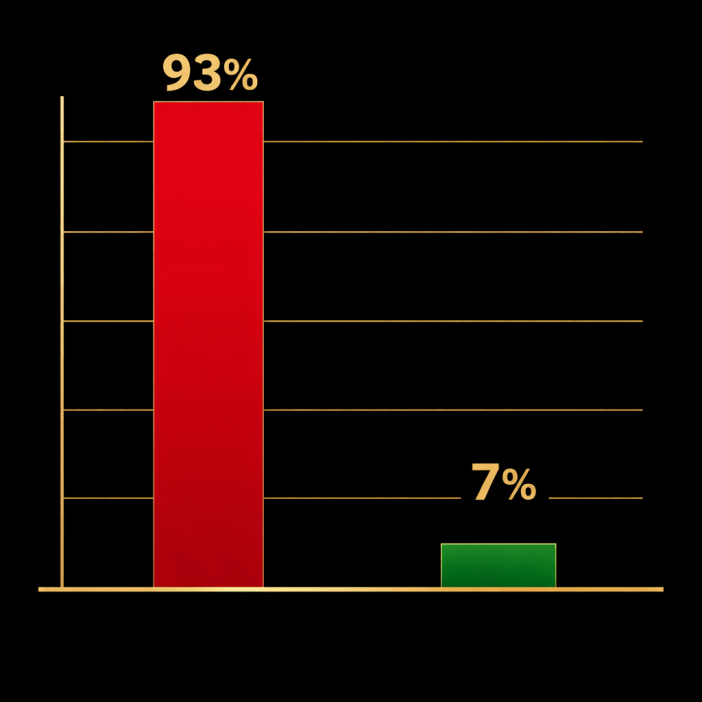

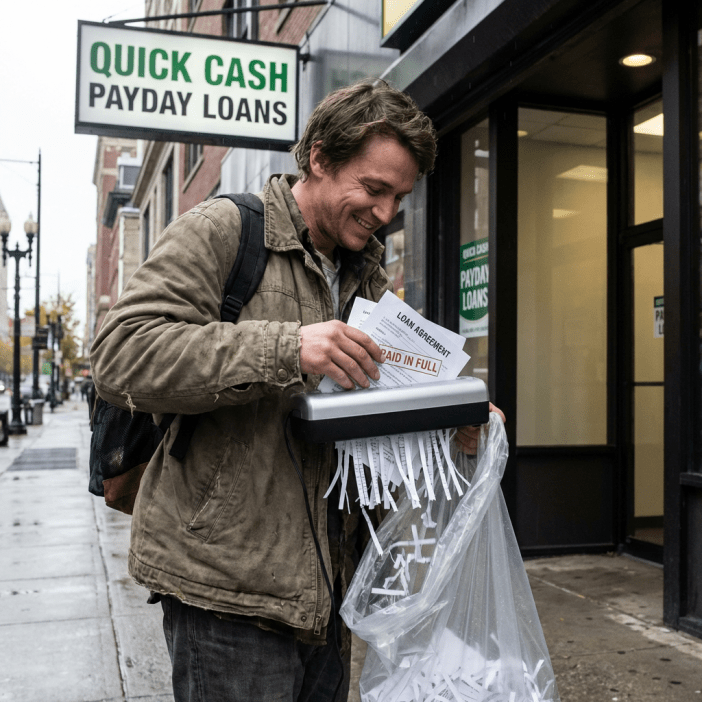
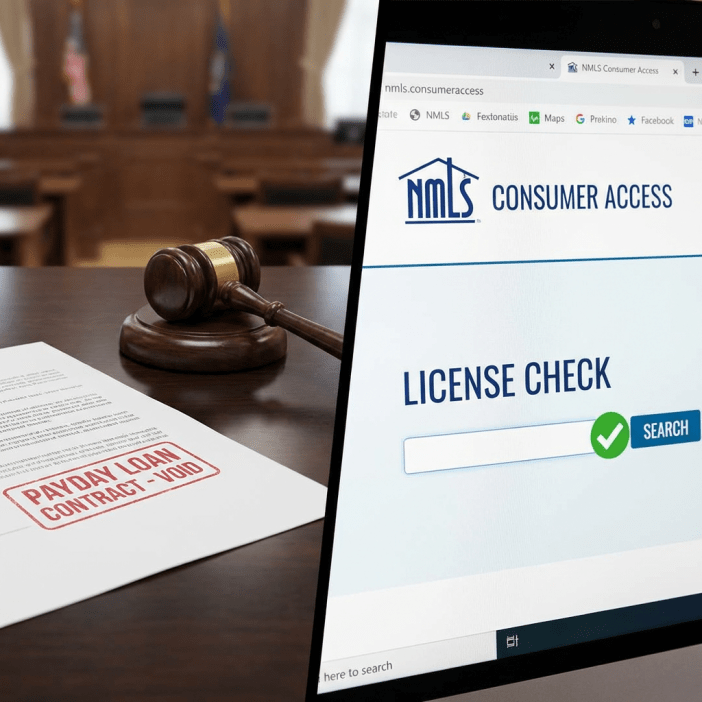
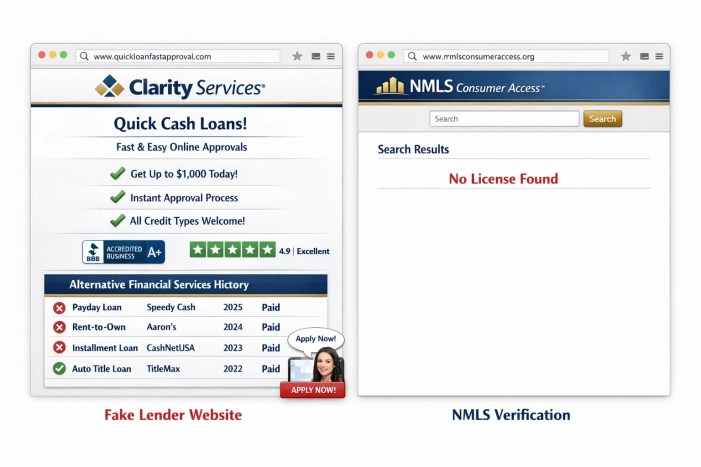
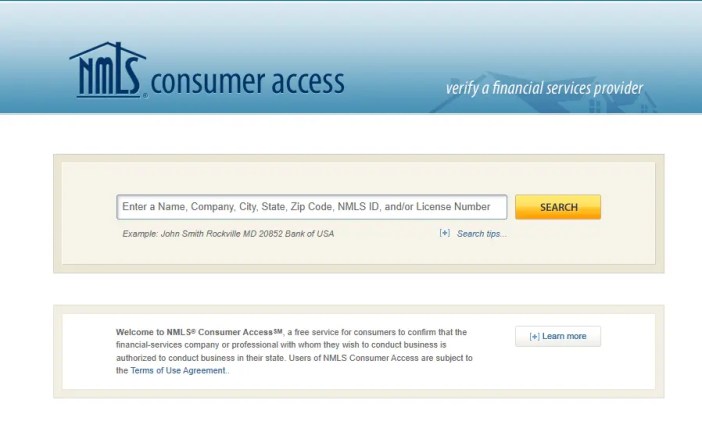
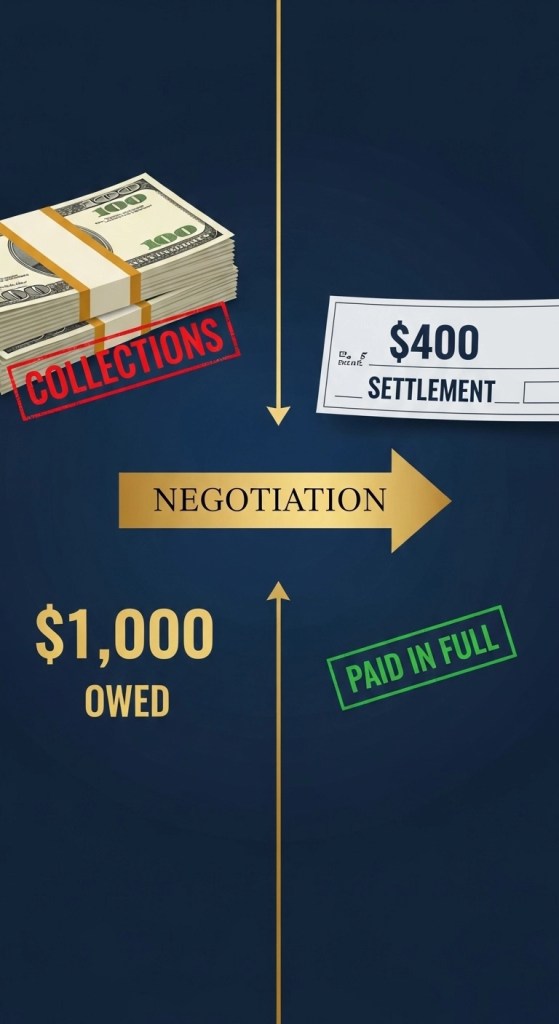

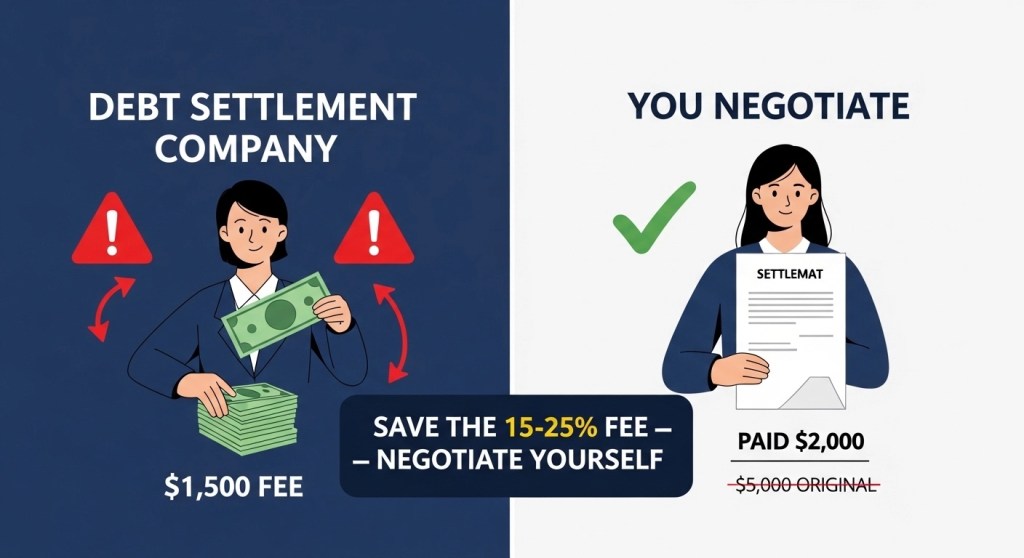
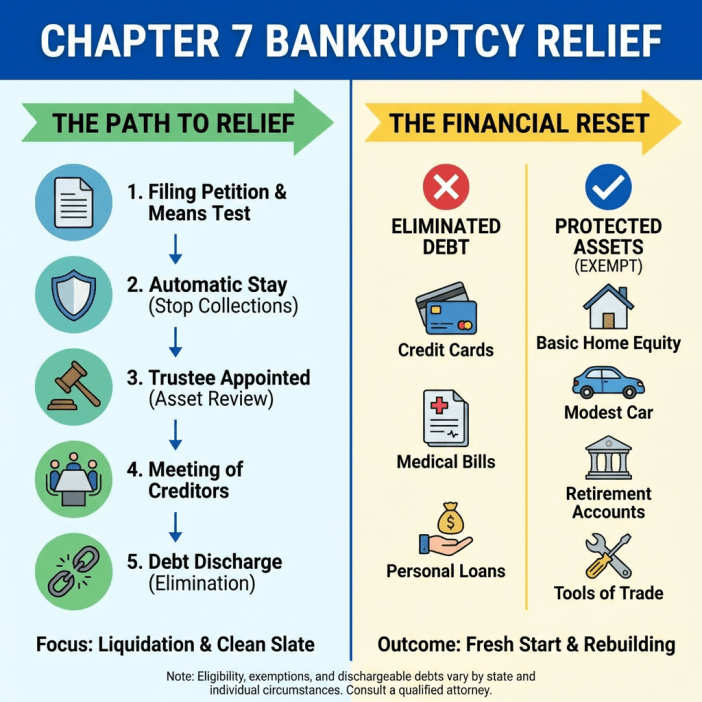

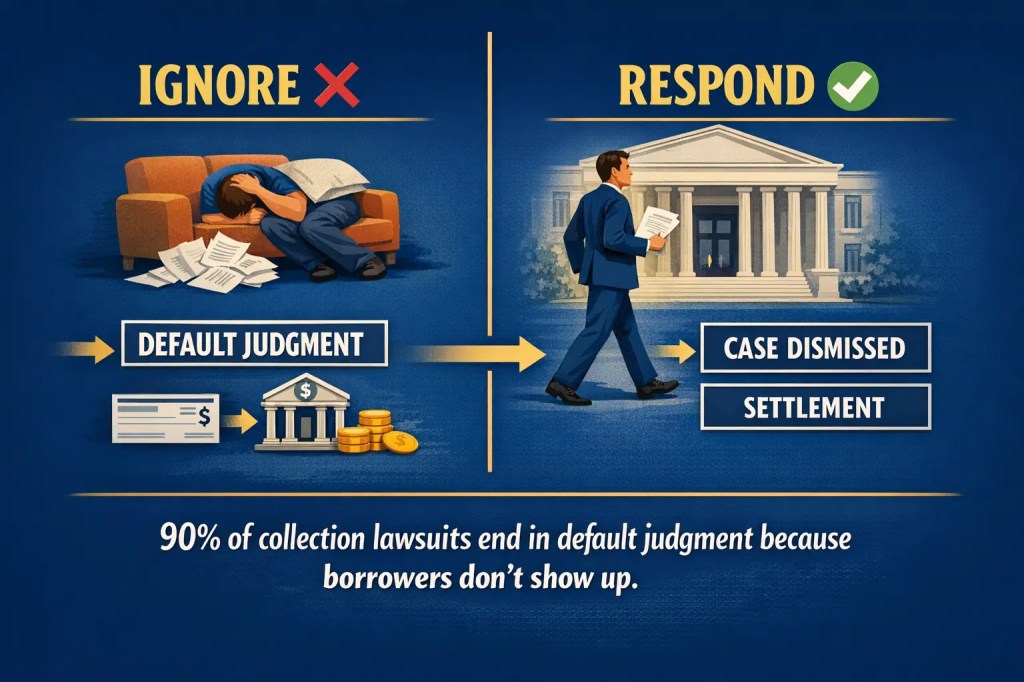


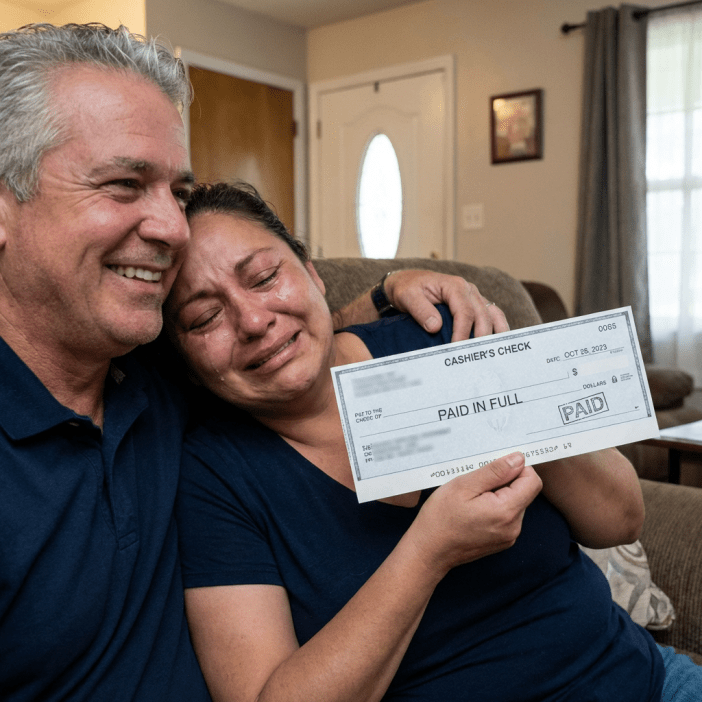
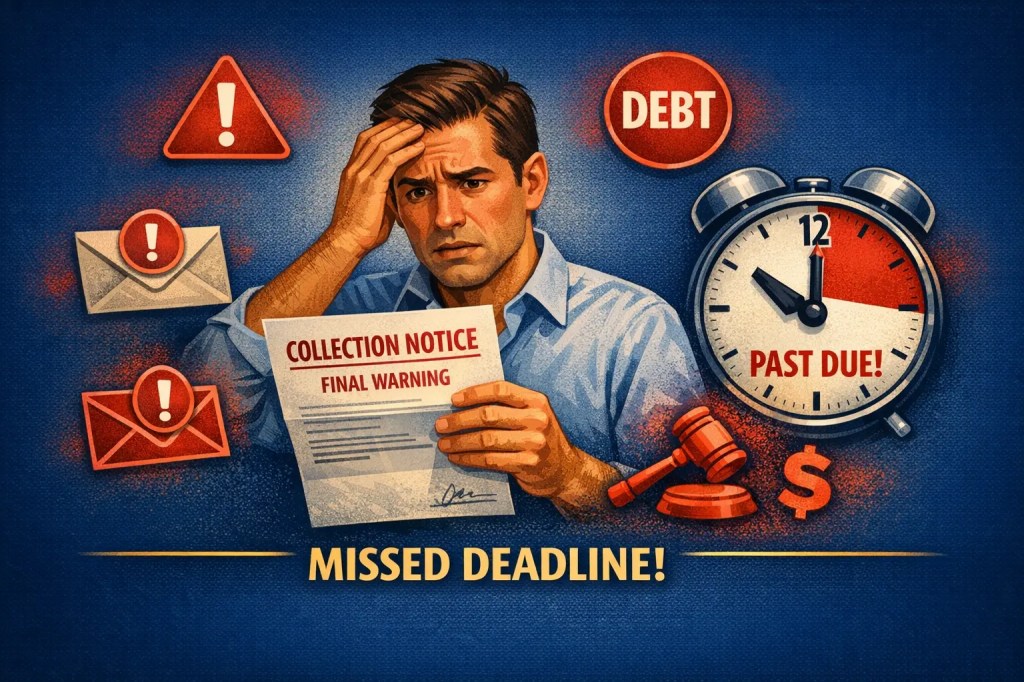
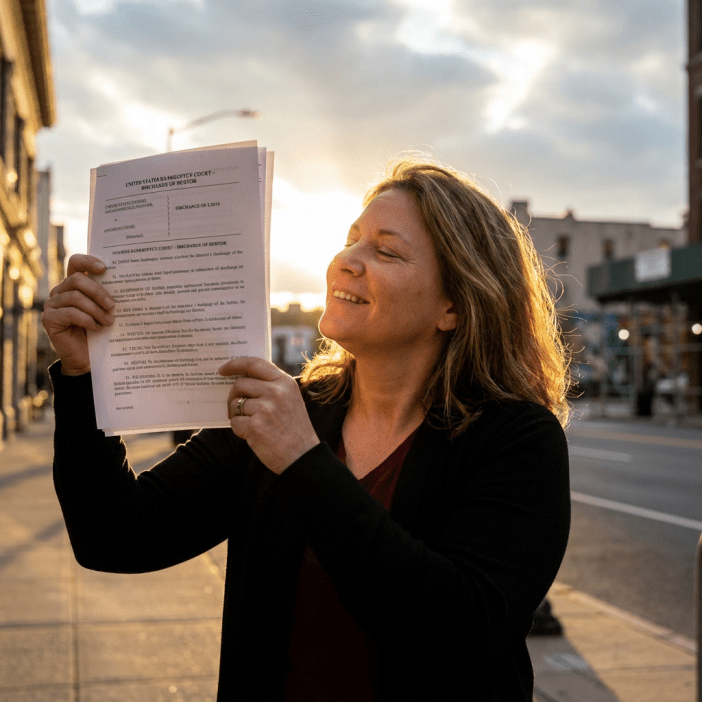


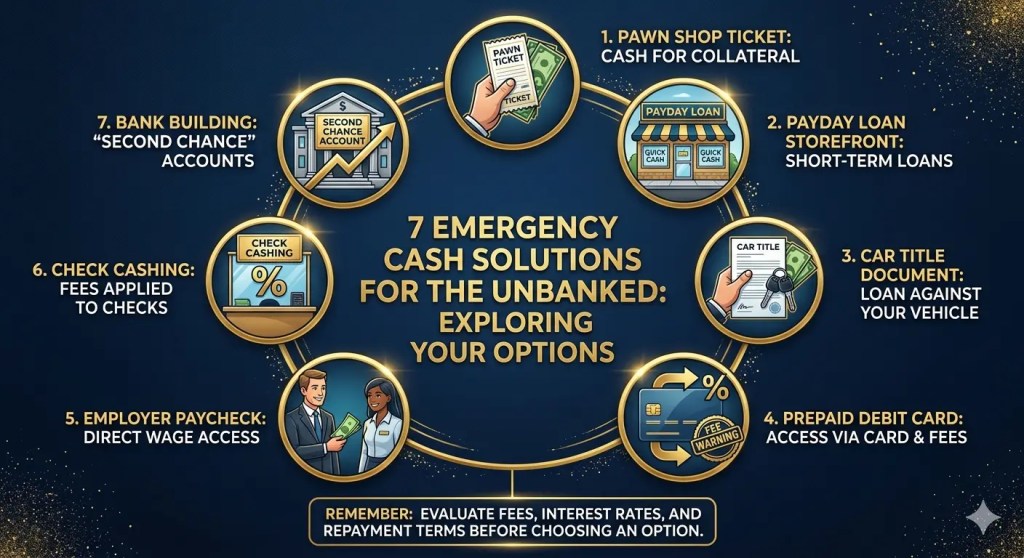
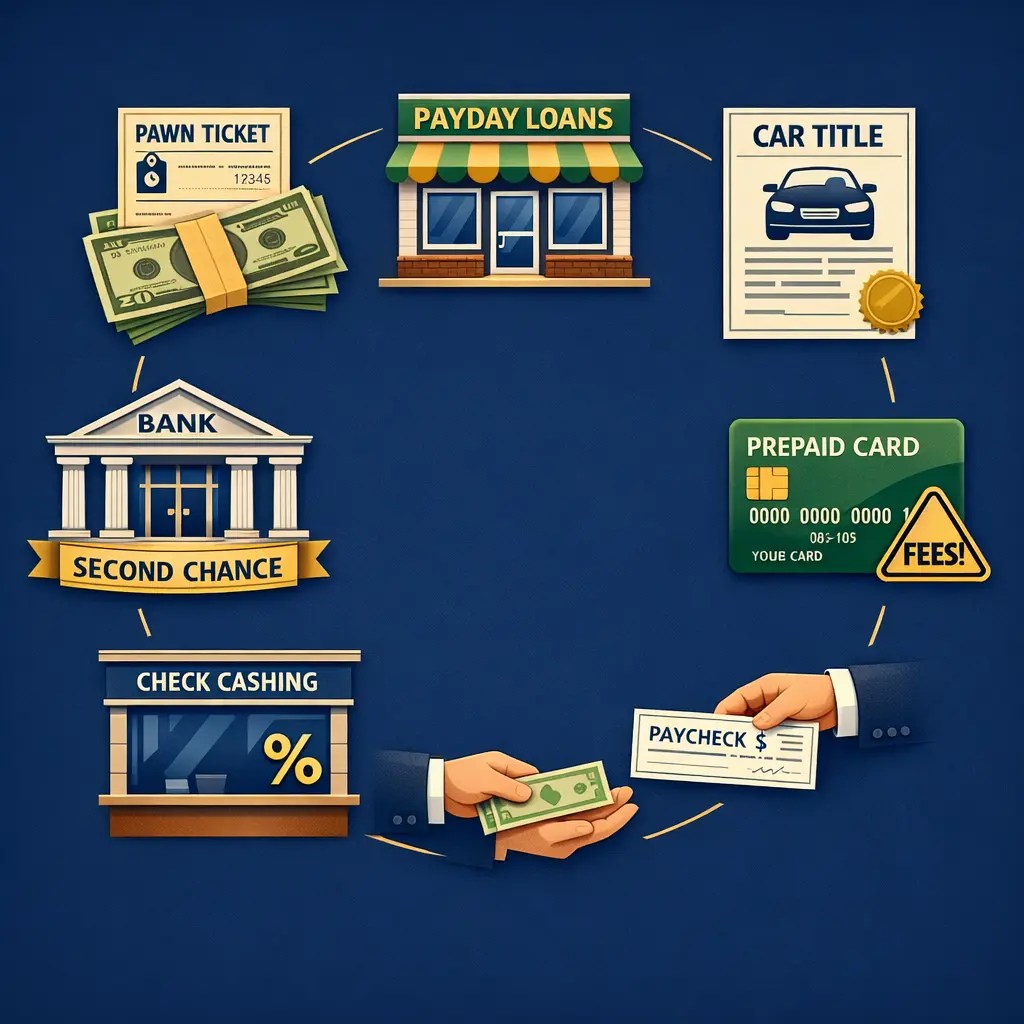
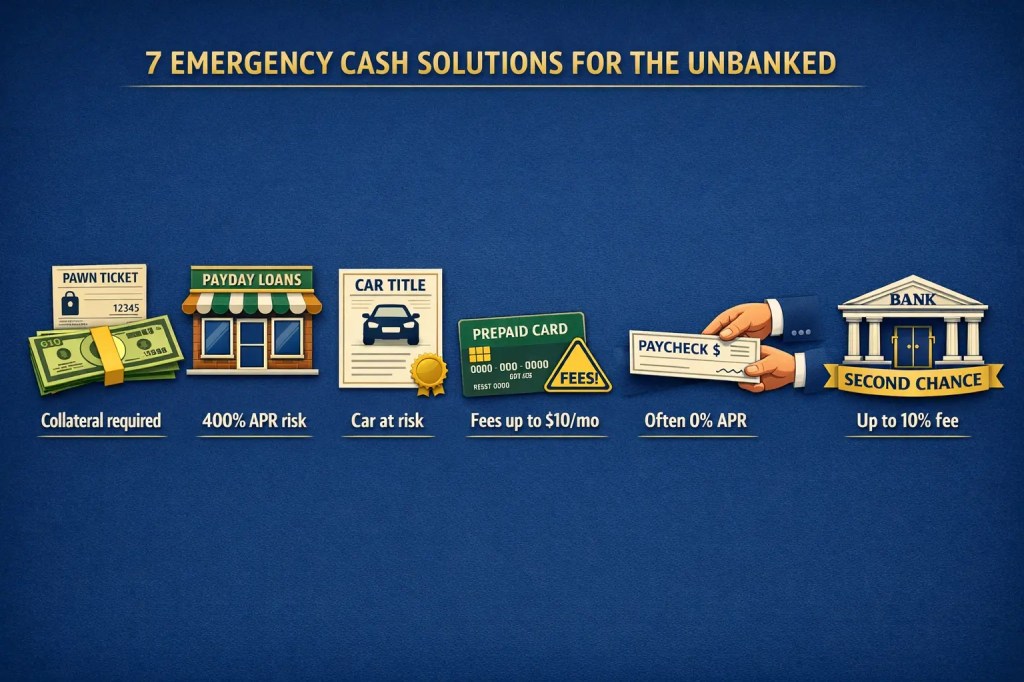
 –>
–>
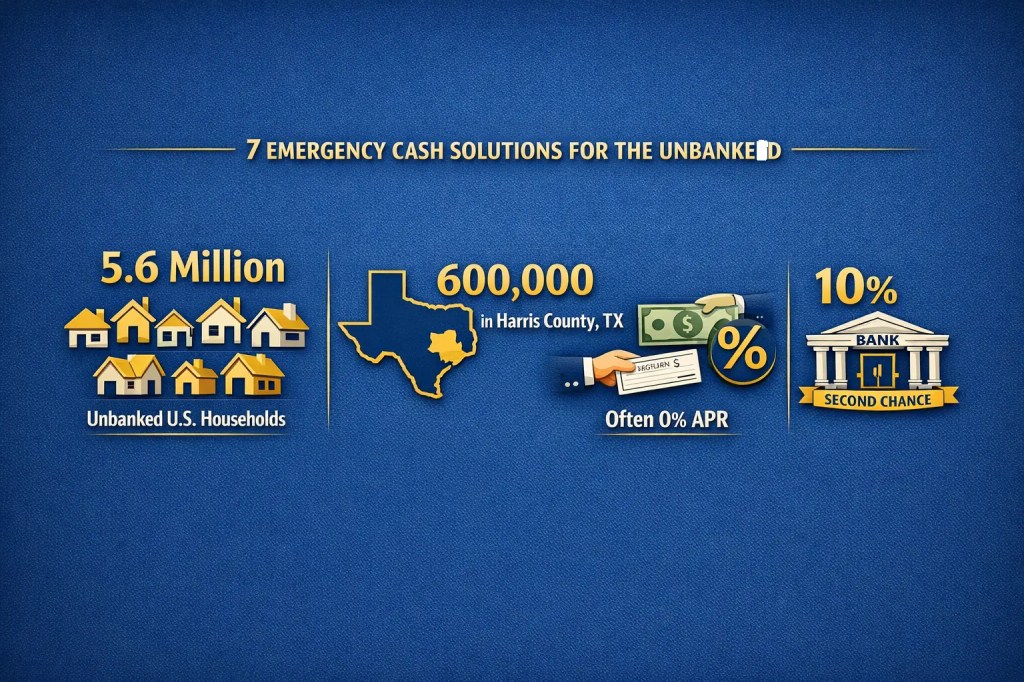
 –>
–>
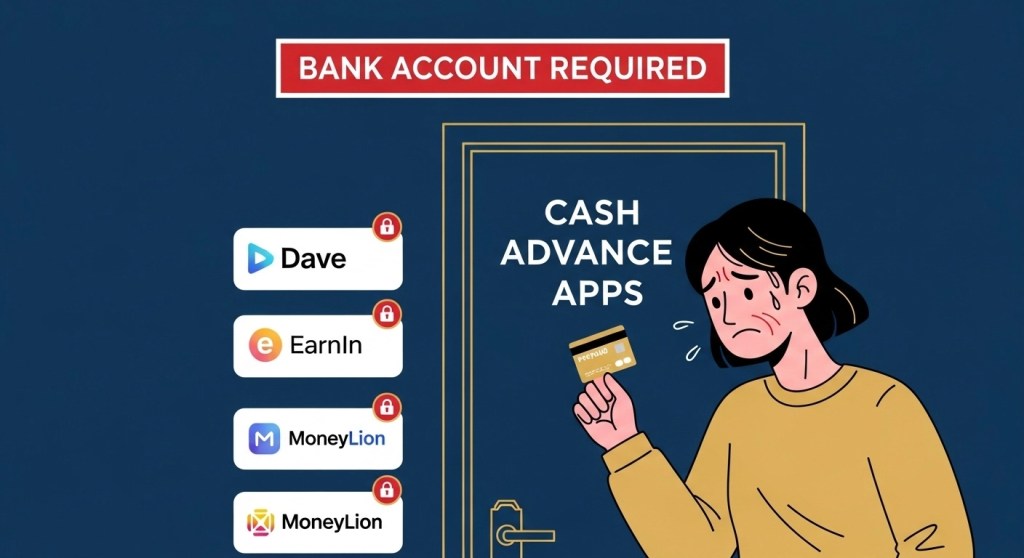

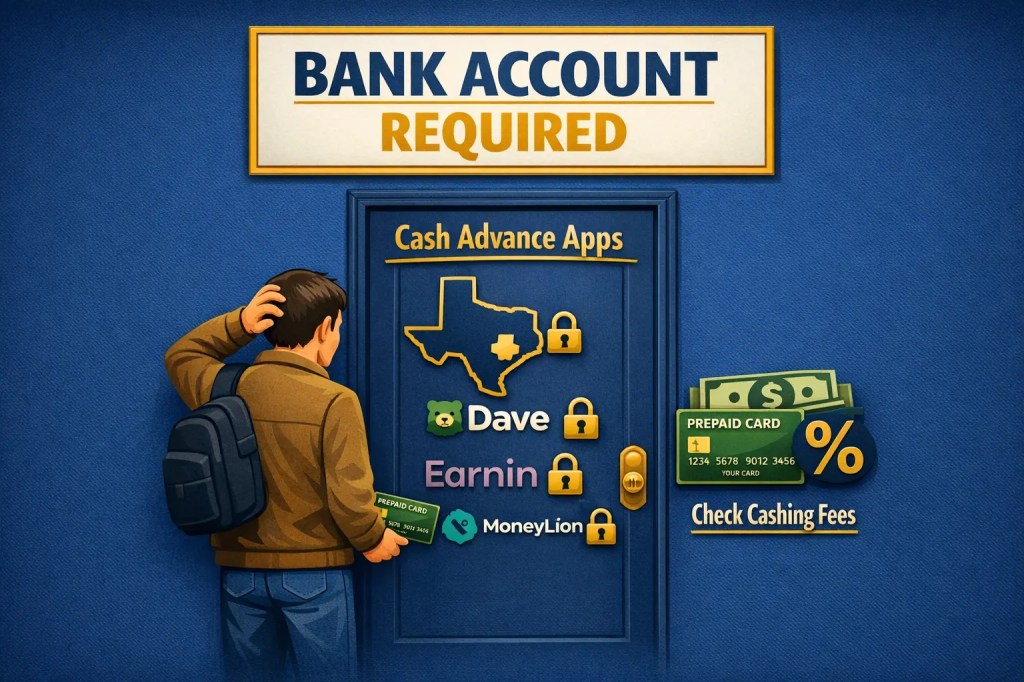

 –>
–>
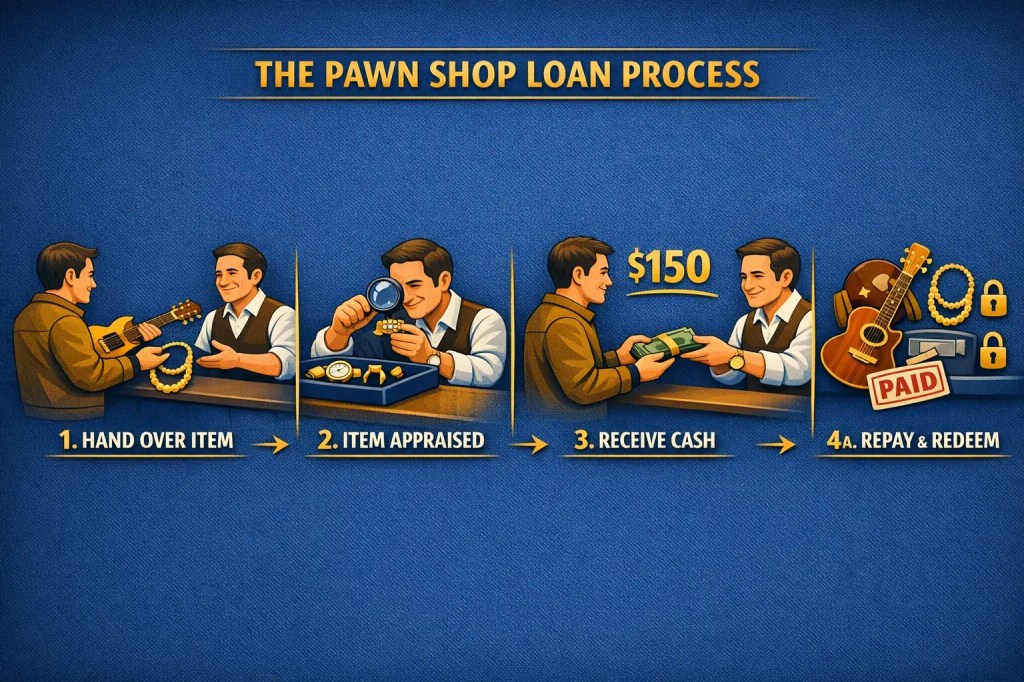
 –>
–>
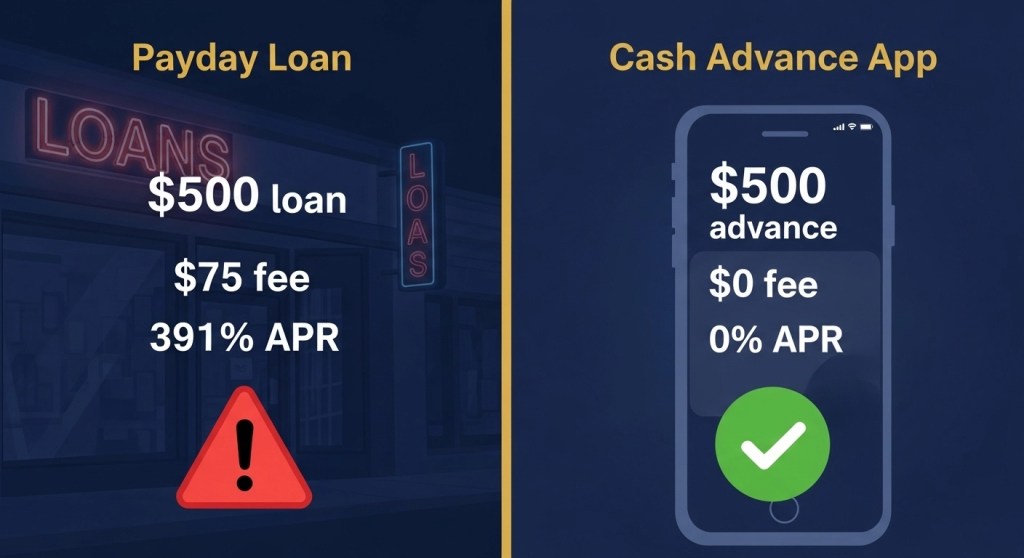
 –>
–>
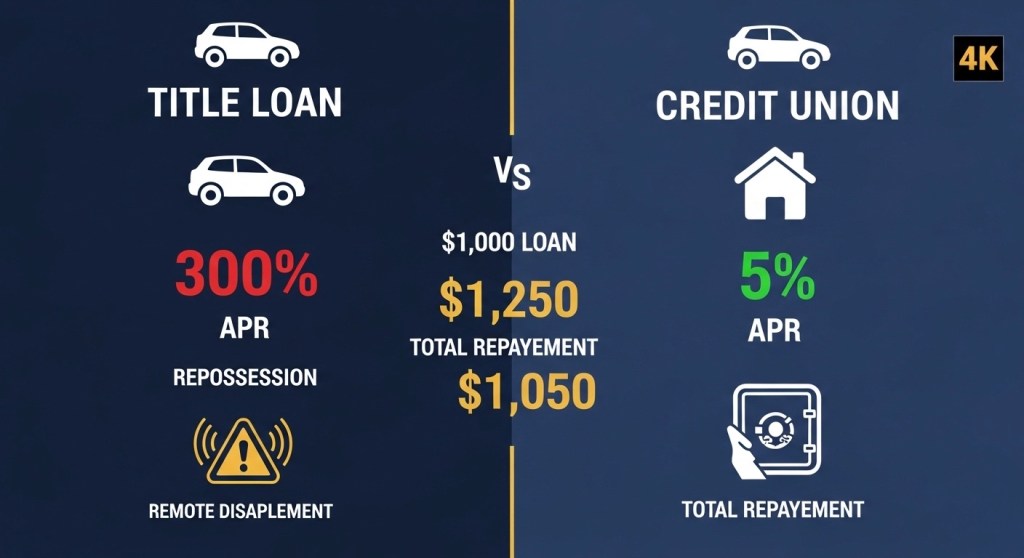
 –>
–>
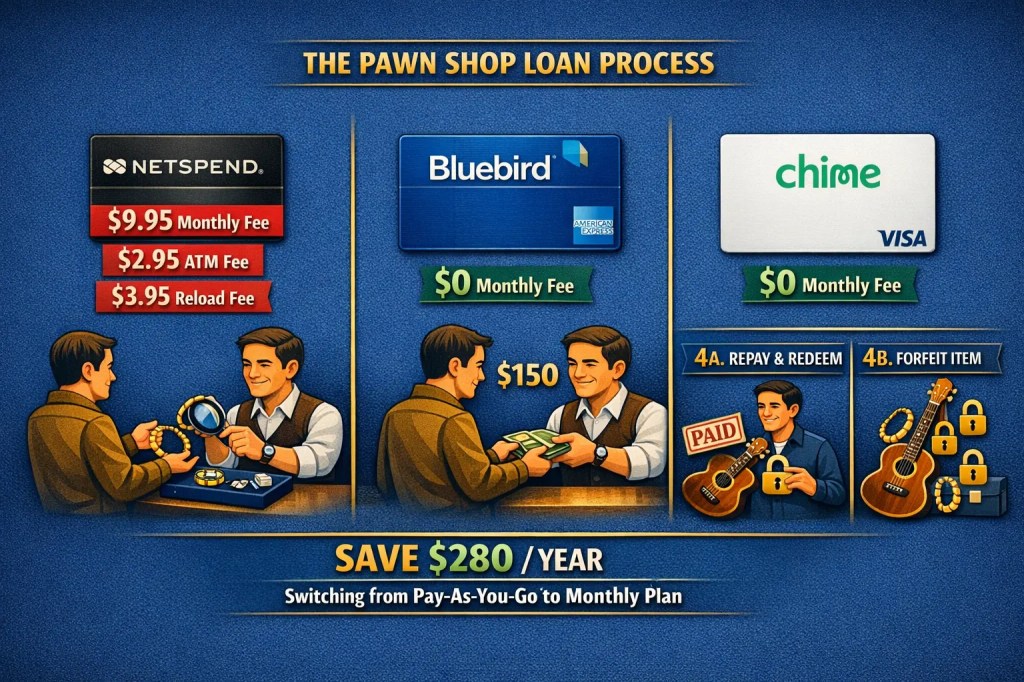
 –>
–>
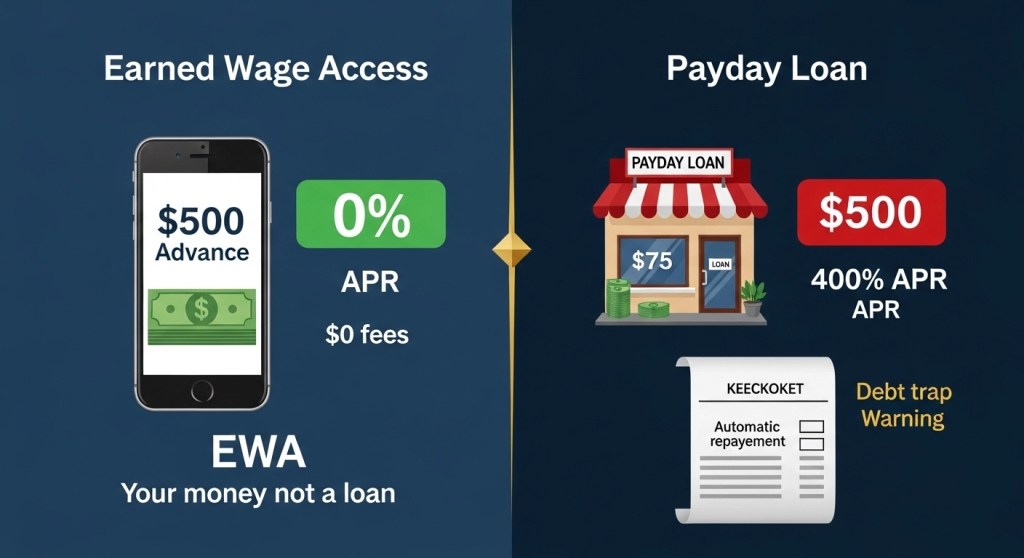
 –>
–>
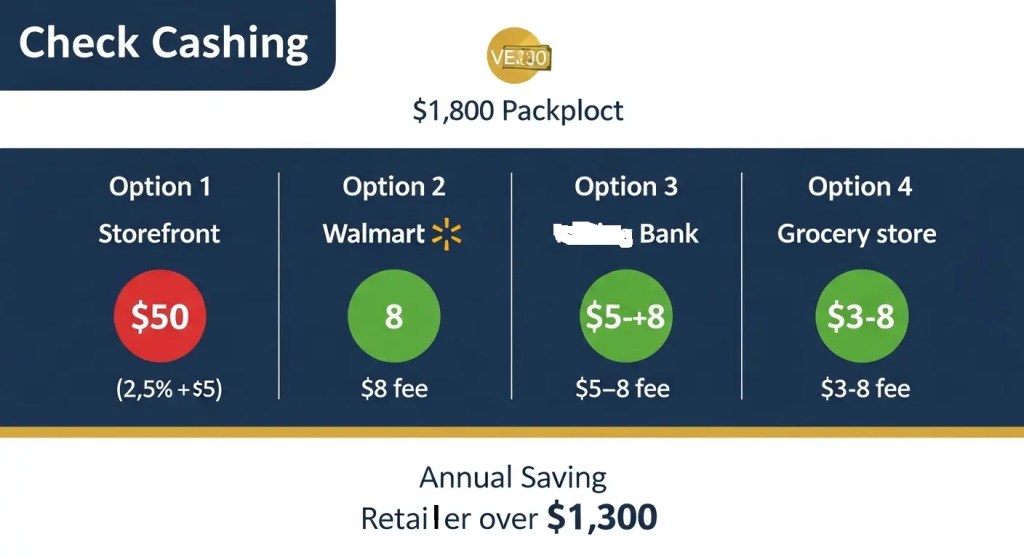
 –>
–>
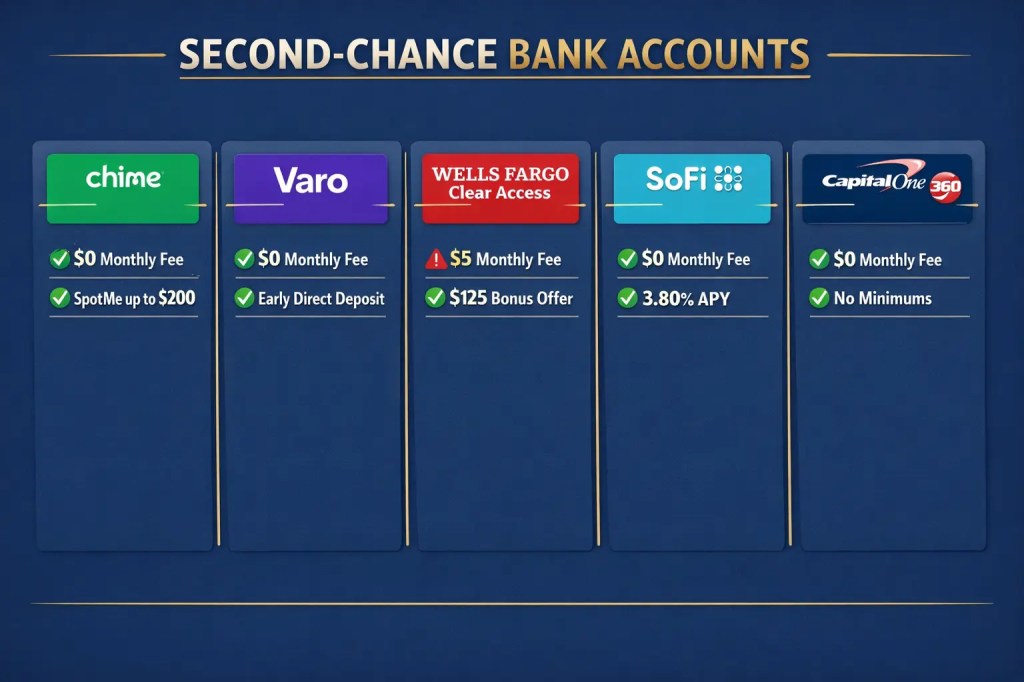
 –>
–>
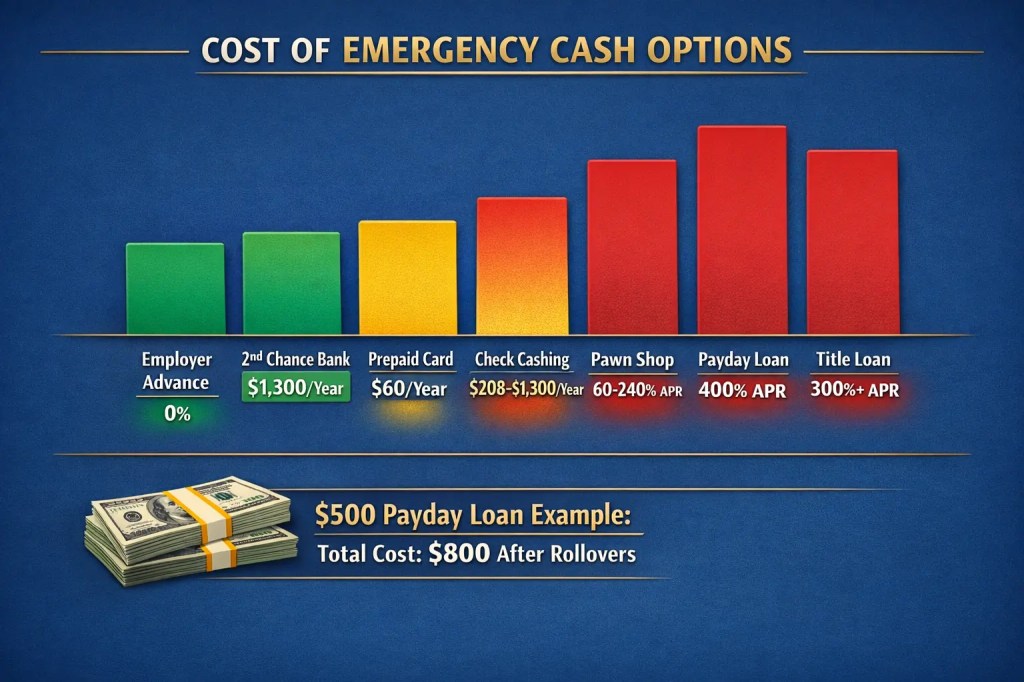
 –>
–>
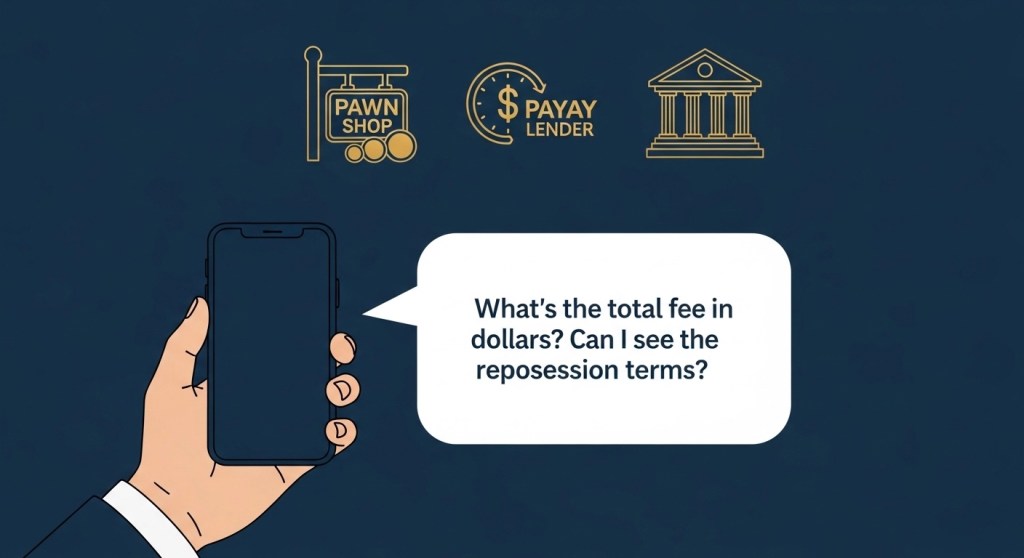


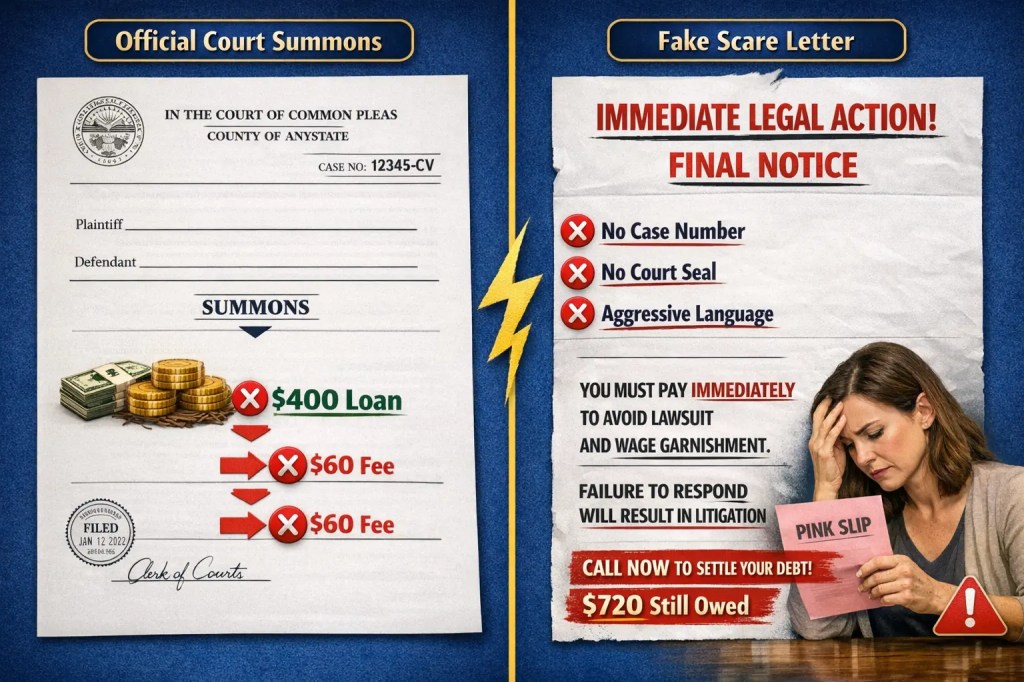

 –>
–>
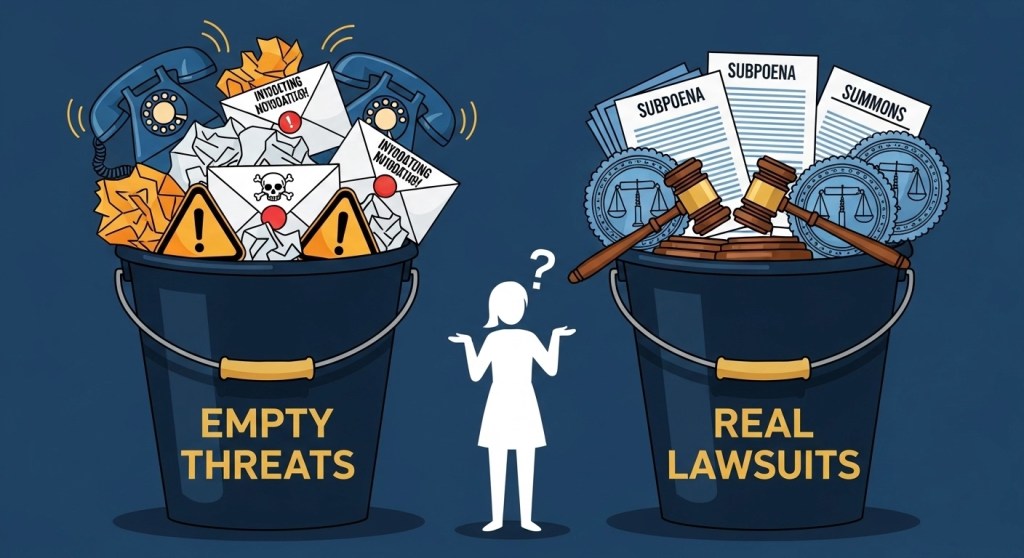
 –>
–>
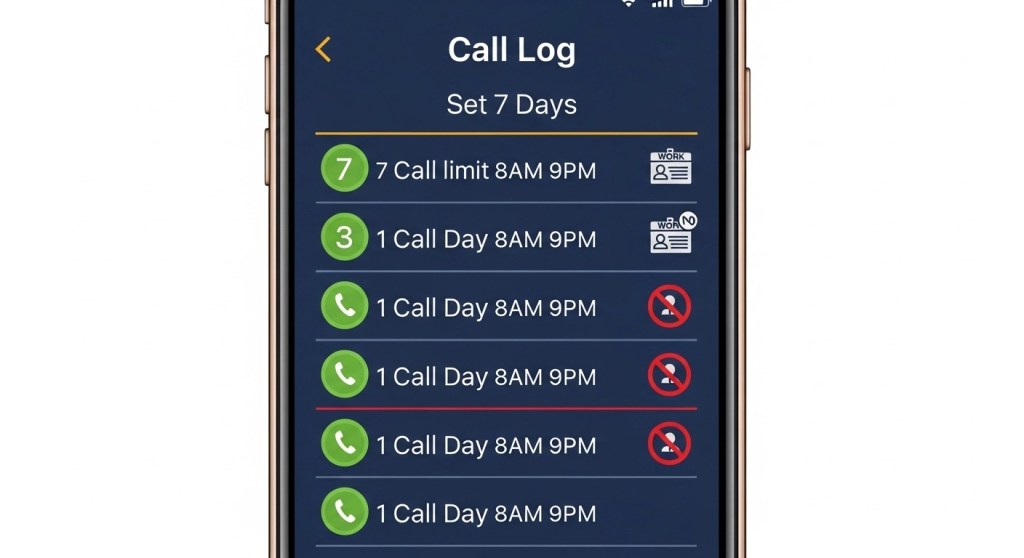
 –>
–>
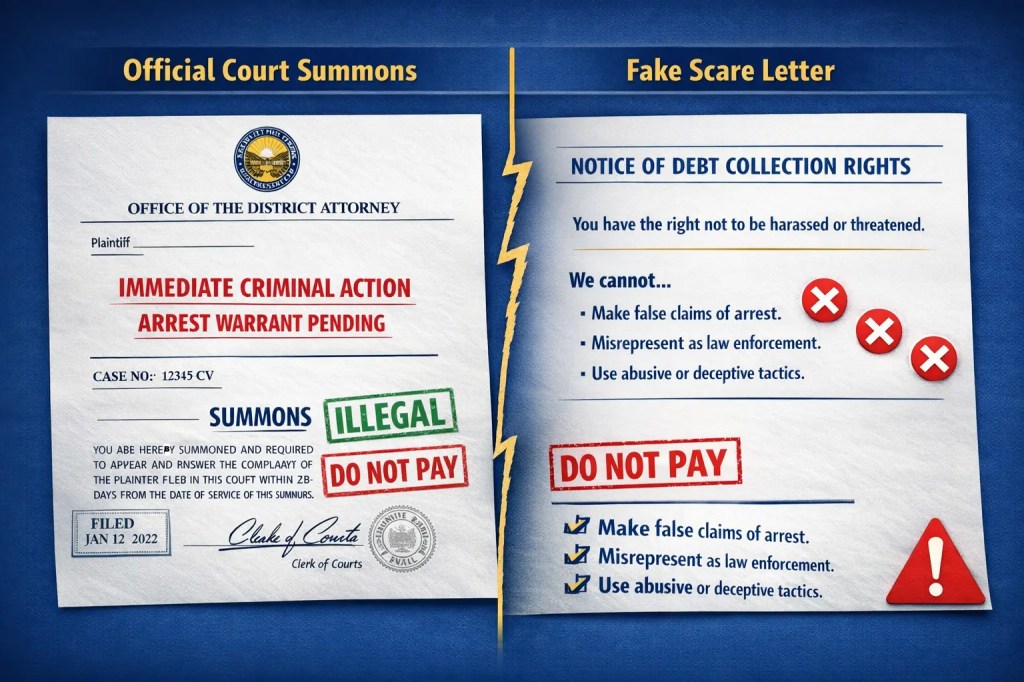
 –>
–>
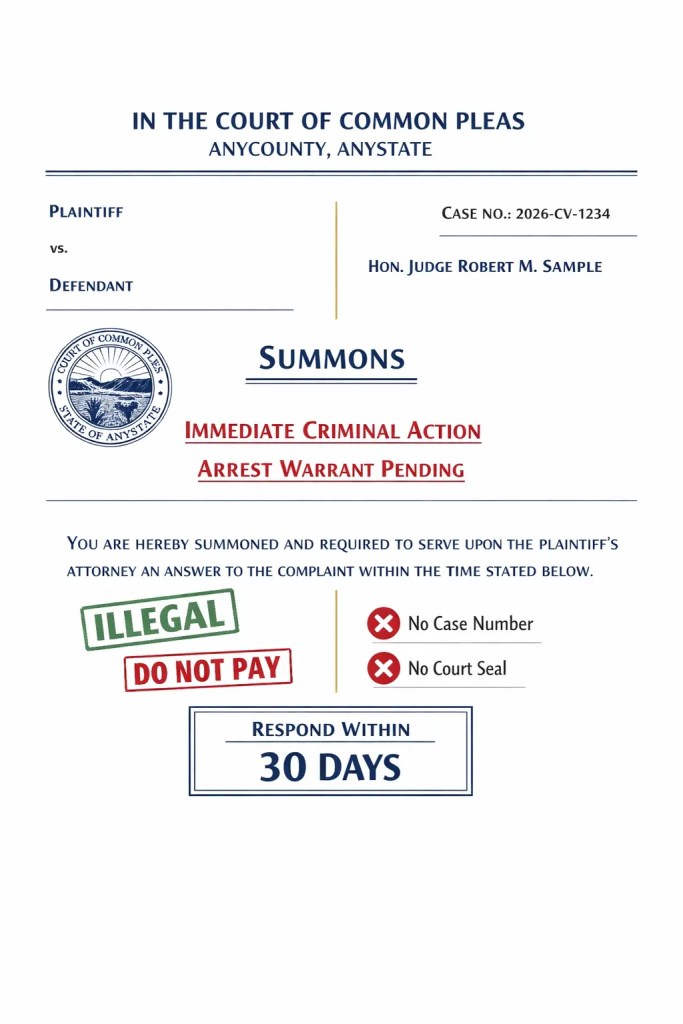

 –>
–>
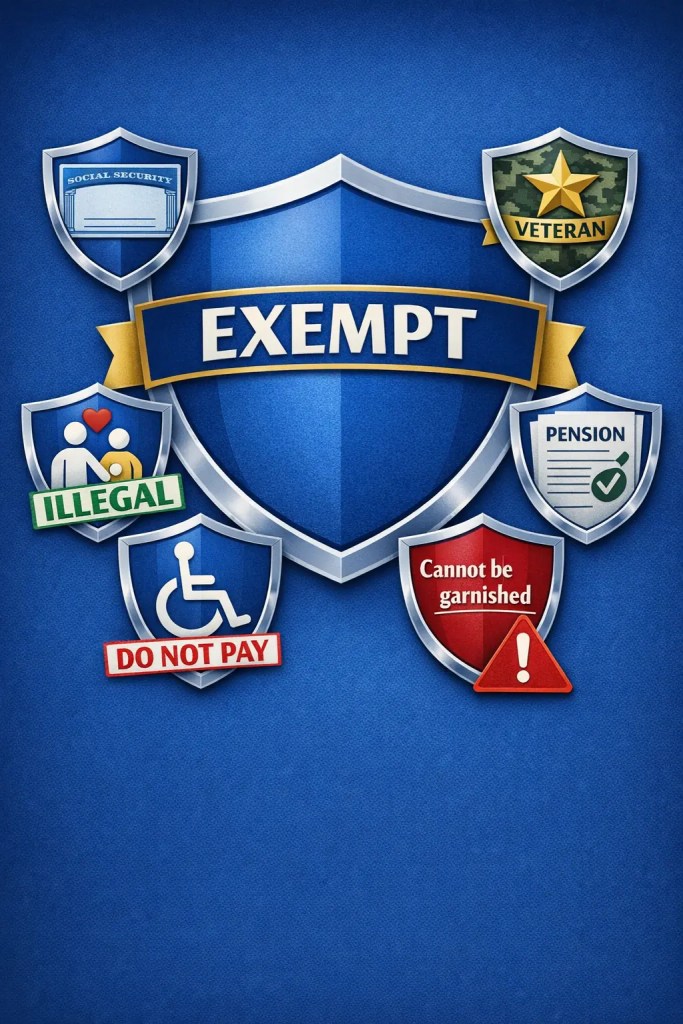

 –>
–>
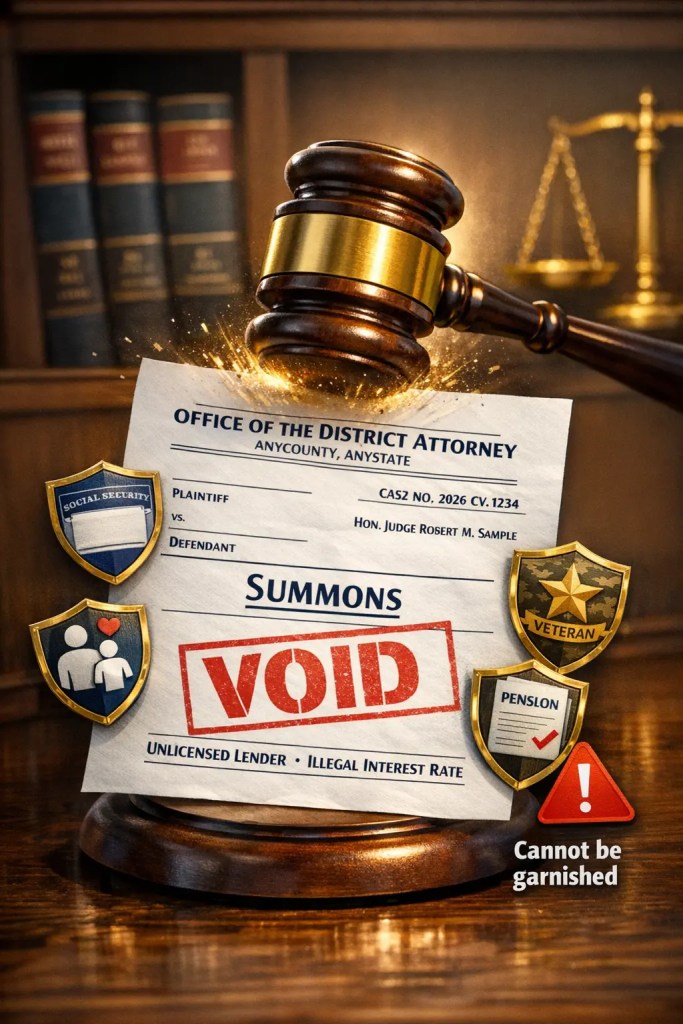

 –>
–>



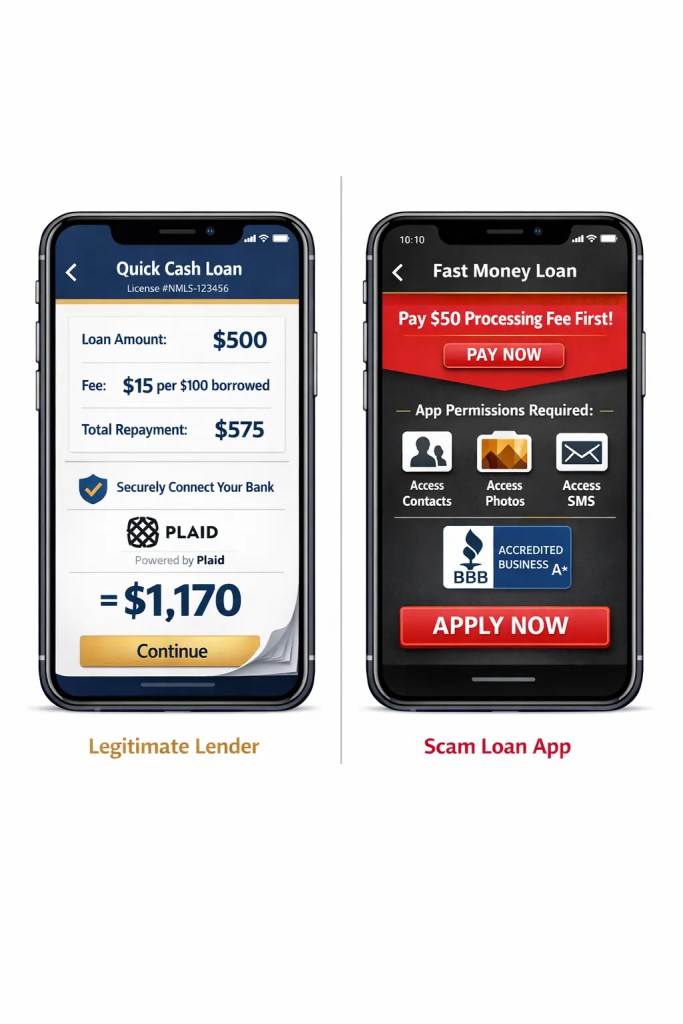

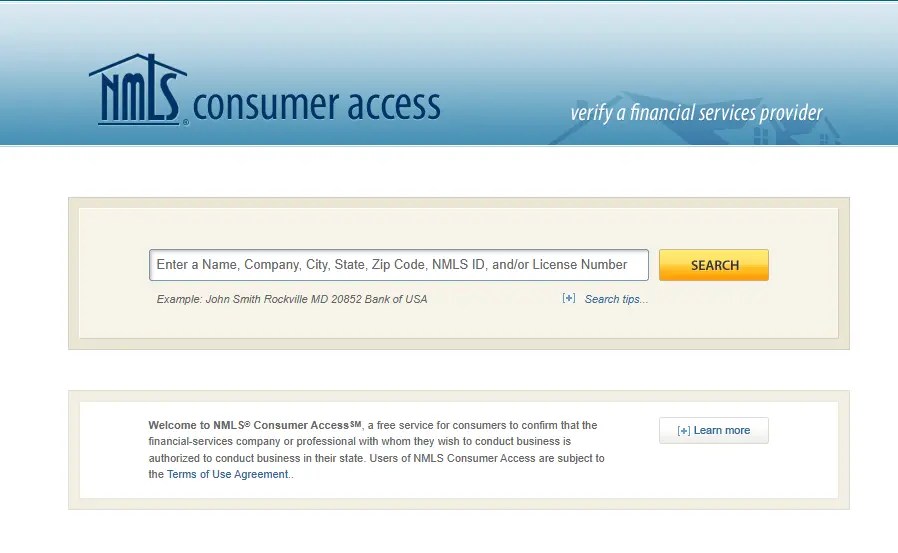
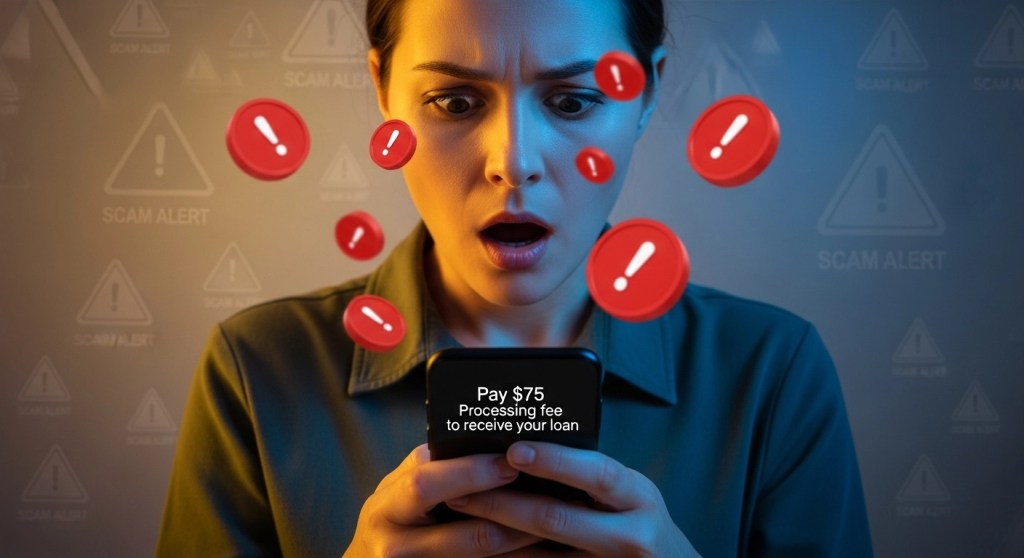

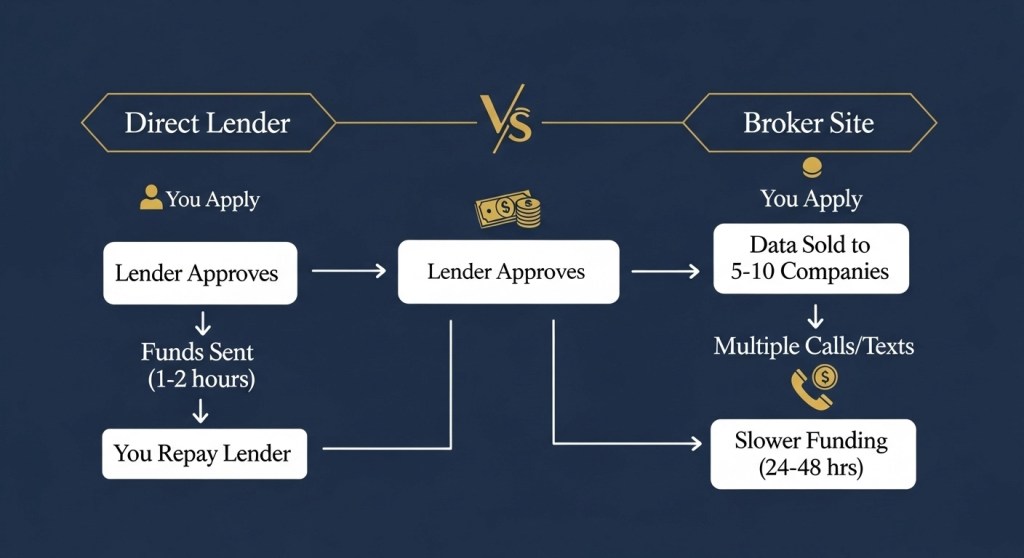

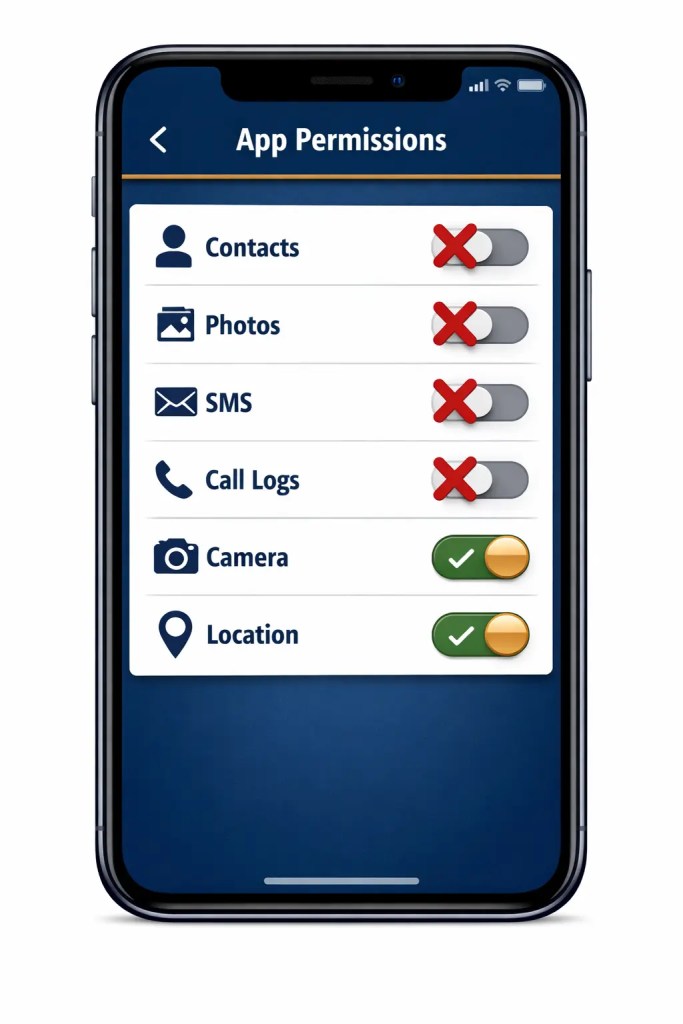


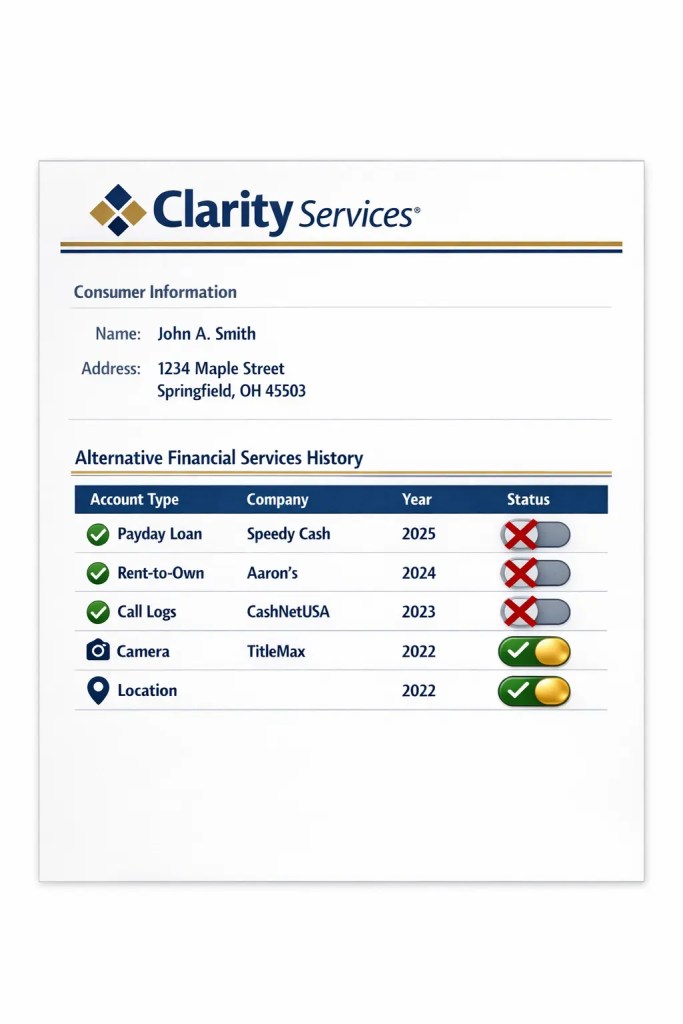
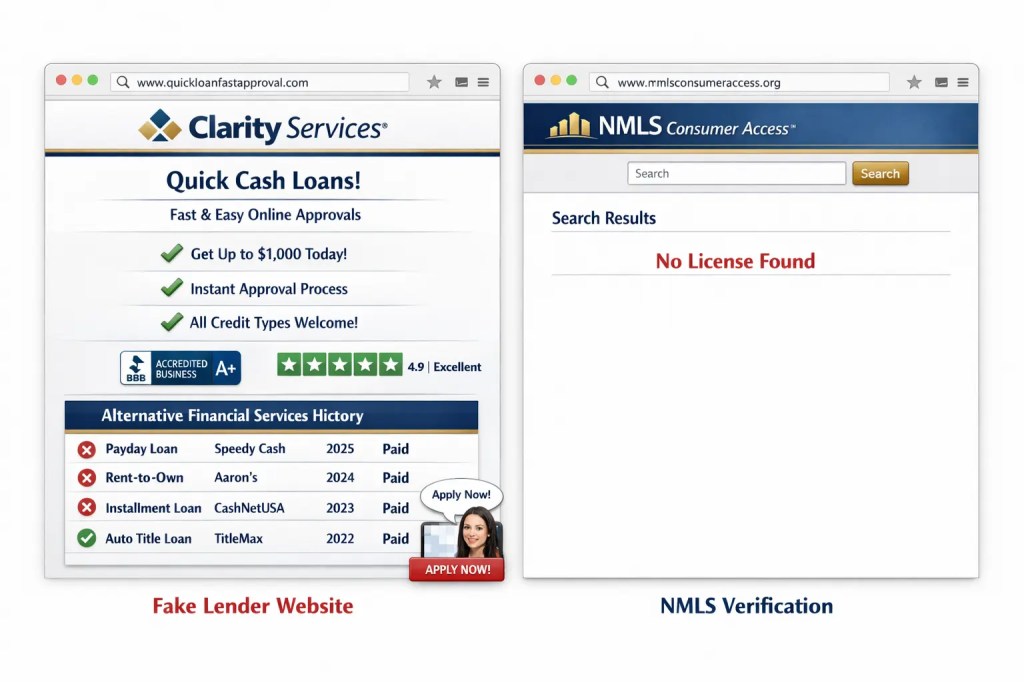
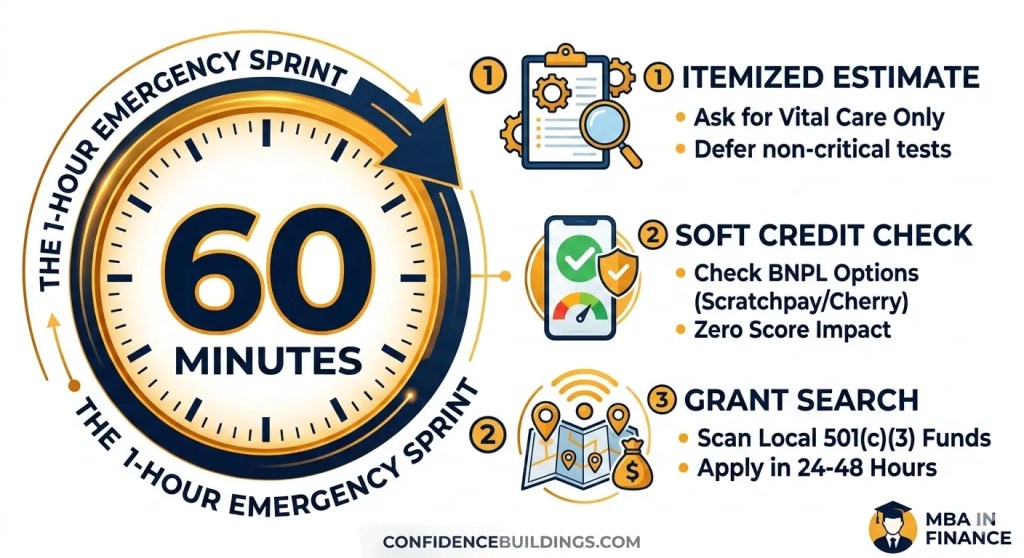
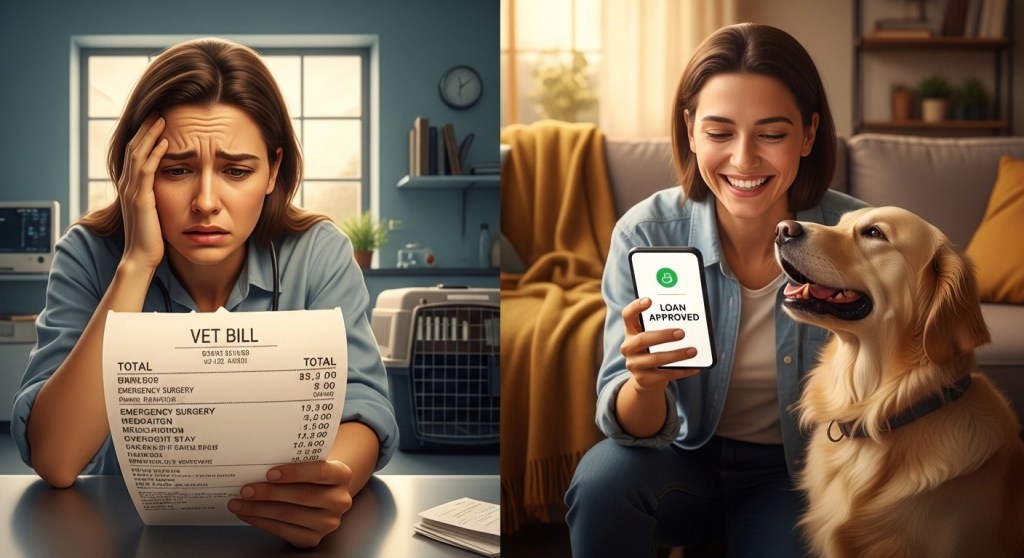

 Decoder