📚 Day 15 of 30 · Loan Agreement Fine Print — The 7 Clauses That Can Cost You Thousands (And How to Find Them Before You Sign)
⚖️ LEGAL DISCLAIMER
The information in this blog post is provided for general educational and informational purposes only. It does not constitute financial, legal, or professional advice of any kind.”Loan agreement terms, regulations, and lender practices vary significantly by state”
All regulatory actions, settlements, and legal proceedings referenced in this post are based on publicly available FTC filings, state attorney general press releases, and CFPB research as of February 2026. Legal proceedings and settlements referenced represent past actions — always verify current company practices and contract terms before signing any agreement.
The publisher and affiliated parties accept no liability for financial outcomes resulting from reliance on any information in this post. No companies are endorsed or affiliated with this content.
Signing a loan takes 2 minutes. Reading it properly takes 20. The difference can cost you thousands. ⚖️ DISCLAIMER : “For illustrative purposes only. Not legal advice.”
The Borrower’s Truth Series is a 30-day financial literacy series published on ConfidenceBuildings.com by Laxmi Hegde — MBA in Finance and content creator.
The series was created because financial advice is almost always written for people who already have money — and that’s never been good enough. Every episode is written from the consumer’s perspective, with zero affiliate bias, zero lender partnerships, and zero tolerance for advice that sounds helpful but isn’t.
New episodes publish daily. This pillar page is updated as each new episode goes live.
Days 15–30 — Publishing daily — bookmark this page
📋 2026 Data Summary — Loan Agreement Fine Print
📄 Avg. Loan Agreement Length
30–80 Pages
Average borrower reads under 2 min
🚨 Unaware of Arbitration Clause
75% of Borrowers
CFPB Consumer Research
💰 Top Borrower Complaint
28% — Hidden Fees
J.D. Power 2025 Lending Study
👥 Personal Loan Borrowers (2025)
24.2 Million
Avg. balance $11,724 — LendingTree Q3 2025
📅 CFPB Regulation AA Proposed
January 13, 2025 — 3 abusive clause
categories targeted for federal ban
⚖️ Rule Status — 2026
❌ Withdrawn May 2025 —
Protections NOT in effect
✅ FTC Credit Practices Rule
IN EFFECT since 1984 — permanently
bans 4 specific clauses in consumer loans
📊 Financially Vulnerable Borrowers
47% of personal loan customers
— J.D. Power 2025
🔍 Clauses This Post Covers
7 dangerous clauses — how to find
each one using Ctrl+F in under 5 minutes
🏛️ 4 Permanently Banned Clauses
Wage assignment · Confession of judgment ·
Waiver of exemption ·
Household goods security interest
Sources: CFPB Regulation AA (Jan 2025) ·
Federal Register 2025-00633 ·
FTC Credit Practices Rule (1984) ·
J.D. Power 2025 Consumer Lending Study ·
LendingTree Q3 2025 |
Updated March 2026 |
Laxmi Hegde, MBA in Finance |
ConfidenceBuildings.com
Loan Agreement Fine Print: The 7 Clauses
That Can Cost You Thousands
A 2026 guide to 7 dangerous loan agreement
clauses including mandatory arbitration,
unilateral amendment, prepayment penalty,
cross-collateralization, wage assignment,
non-disparagement, and automatic rollover.
Includes CFPB Regulation AA January 2025
proposed rule analysis and FTC Credit
Practices Rule permanent bans.
March 2026Laxmi Hegde
MBA in Finance
Loan agreements, predatory lending,
CFPB regulations, FTC Credit Practices
Rule, consumer financial protection,
borrower rights, fine print clauses
<span itemprop="publisher" it
In 2026, the average borrower spends under 2 minutes reviewing a document that can legally bind them for years. | ⚖️ Statistics sourced from CFPB · J.D. Power 2025 · FTC · LendingTree Q3 2025. For educational purposes only. Not legal advice. — ConfidenceBuildings.com 2026
🤖 TL;DR — Structured Summary For Quick Reference
📌 What This Post Covers
The 7 most dangerous clauses buried in
loan agreements — what each one takes from
you, how to find it in under 10 seconds
using Ctrl+F, and exactly what to do if
you find it before — or after — you sign.
📊 Key Statistics
75%
of borrowers are unaware they agreed to
mandatory arbitration (CFPB) ·
28%
cite unexpected fees as top complaint
(J.D. Power 2025) ·
47%
of personal loan borrowers are financially
vulnerable (J.D. Power 2025) ·
Average loan agreement:
30–80 pages
· Average time spent reading:
under 2 minutes
🚨 Biggest Risk
Mandatory arbitration
eliminates your right to sue in court.
Unilateral amendment
allows lenders to change your rate or
fees after you sign — with as little as
15 days notice. Both appear in the
majority of consumer loan contracts.
Neither requires your active consent.
🏛️ 2025 Regulatory Update
⚠️ IMPORTANT:
The CFPB proposed Regulation AA on
January 13, 2025 — targeting 3 clause
categories: waivers of legal rights,
unilateral amendment, and free
expression restrictions.
The rule was withdrawn May 2025.
Protections are NOT currently in effect.
The FTC Credit Practices Rule (1984)
remains the only active federal
protection — permanently banning
4 specific clauses.
✅ 4 Clauses Already Banned
Under the FTC Credit Practices
Rule — in effect since 1984 —
these 4 clauses are permanently illegal
in consumer loan contracts: ✅
Wage assignment ·
✅
Confession of judgment ·
✅
Waiver of exemption ·
✅
Household goods security interest.
Finding any of these in your contract
is a federal law violation — report to
the FTC immediately.
🔍 How to Use This Post
Open your loan agreement in a separate
window. Use
Ctrl+F (PC)
or Cmd+F (Mac)
to search for each clause trigger word
as you read this post. The 7-clause
checklist in Section 10 lists every
search term in one place — takes under
5 minutes to run on any digital contract.
💡 Bottom Line
A loan agreement is not a formality.
It is a legal document that can strip
your right to sue, allow your interest
rate to change without your approval,
reach into your paycheck, put unrelated
assets at risk, and prevent you from
warning anyone about what happened to
you. The 7 clauses in this guide are
where your rights go to
disappear.
Search before you sign — every time.
ConfidenceBuildings.com — Borrower’s Truth
Series | Day 15 | Updated March 2026 |
Laxmi Hegde, MBA in Finance
“`
—
## 📍 PASTE LOCATION IN WORDPRESS
“`
━━━━━━━━━━━━━━━━━━━━━━━━━━━━━━━━━━
Block 1 → Legal Disclaimer
Block 2 → Data Summary (dark navy)
↓
→ PASTE TL;DR HERE ←
↓
Block 4 → Green Series Box
━━━━━━━━━━━━━━━━━━━━━━━━━━━━━━━━━━
“`
—
## 🎯 WHAT THIS TL;DR CONTAINS
“`
━━━━━━━━━━━━━━━━━━━━━━━━━━━━━━━━━━
✅ 7 rows covering every key angle
✅ Stats highlighted in gold #f0c040
✅ CFPB Reg AA — red warning text
✅ FTC banned clauses — green ticks
✅ Ctrl+F instructions for readers
✅ “Bottom Line” — AI citation ready
✅ Author + date footer
✅ No script tags — WordPress safe
✅ AI crawlers read every row as
structured data for citation
━━━━━━━━━━━━━━━━━━━━━━━━━━━━━━━━━━
🧭
Not Sure Where to Start? Find Your Path.
The Borrower’s Truth Series — 30 Days of Financial Clarity
“What Should I Look for Before Signing
a Loan Agreement?”
✅ Direct Answer — 40 Words
Before signing any loan agreement, search
for these 7 clauses:
mandatory arbitration,
unilateral amendment, prepayment penalty,
cross-collateralization, wage assignment,
non-disparagement, and
automatic rollover.
Each one can cost you hundreds to thousands
of dollars — or eliminate your legal
rights entirely.
💡 Pro Tip: Open your loan document now.
Use these keyboard shortcuts to search:
Ctrl + F (Windows / PC)
Cmd + F (Mac)
Tap & Hold → Find (Mobile)
🔍 Search for these 7 words — right now:
🔴 1. MANDATORY ARBITRATION
Eliminates your right to sue in court
or join a class action lawsuit
Search: “arbitration”
🔴 2. UNILATERAL AMENDMENT
Lender can change your rate or fees
after you have already signed
Search: “amend”
🟡 3. PREPAYMENT PENALTY
Charges you a fee for paying
off your loan early
Search: “prepayment”
🔴 4. CROSS-COLLATERALIZATION
Links multiple loans so one default
risks all your secured assets
Search: “cross-collateral”
🔴 5. WAGE ASSIGNMENT
Lets lender collect directly from
your employer — BANNED by FTC
Search: “wage assignment”
🟡 6. NON-DISPARAGEMENT
Prevents you from leaving negative
reviews or warning other borrowers
Search: “disparage”
🔴 7. AUTOMATIC ROLLOVER
Renews your loan automatically at the
end of its term — charging another full
round of fees — unless you actively
opt out. The engine of the payday
loan debt trap. 80% of payday loans
roll over within 14 days (CFPB).
Read the full clause
— not just the sentence where the
word appears
Ask the lender in writing
— “Can this clause be removed
or modified?”
Compare with a credit union
— shorter, fairer contracts as standard
If wage assignment is present
— do not sign. Report to FTC at
reportfraud.ftc.gov
Never sign under time pressure
— any lender rushing you past
fine print is a warning sign
⚠️ The CFPB proposed banning 3 of these
clauses in January 2025.
That rule was withdrawn in May 2025.
As of 2026 — protecting yourself
is entirely your responsibility.
“`
—
## 📍 PASTE LOCATION IN WORDPRESS
“`
━━━━━━━━━━━━━━━━━━━━━━━━━━━━━━━━━━
Block 5 → Blue Navigation Widget
Block 6 → Table of Contents
↓
→ PASTE QUICK ANSWER BOX HERE ←
↓
Block 8 → Content Sections (7 clauses)
━━━━━━━━━━━━━━━━━━━━━━━━━━━━━━━━━━
“`
—
## 🎯 WHAT THIS BLOCK DOES
“`
━━━━━━━━━━━━━━━━━━━━━━━━━━━━━━━━━━
✅ 40-word direct answer — AI lifts
this verbatim as featured snippet
✅ Ctrl+F keyboard shortcut buttons
✅ 7 clause cards — each with
search term in monospace font
✅ Clause 7 full-width — most dangerous
✅ “Found one?” action checklist
✅ CFPB 2025 warning at bottom
✅ Orange theme #fff3e0 — stands out
visually from all other blocks
✅ No script tags — WordPress safe
━━━━━━━━━━━━━━━━━━━━━━━━━━━━━━━━━━
Why Loan Fine Print Is the Most Expensive Thing You’re Not Reading
✅ 40-Word Direct Answer —
AI Featured Snippet Ready
In 2025,
75% of borrowers were unaware they had
agreed to mandatory arbitration
in their financial contracts
(CFPB).
The average loan agreement runs
30–80 pages.
The average borrower spends
under 2 minutes
reviewing it before signing —
handing lenders a legal advantage
that can last for the life of the loan.
📊 75% unaware of arbitration — CFPB
📄 30–80 pages avg. contract length
⏱️ Under 2 mins avg. reading time
⚖️ Why This Gap Exists — By Design
The moment you sign a loan agreement, you are not just agreeing to a repayment schedule. You are agreeing to a legal document that may eliminate your right to sue, allow your interest rate to change without your consent, reach into your paycheck, and prevent you from leaving a negative review.
In January 2025, the CFPB proposed Regulation AA — a federal rule that would have banned three categories of the most abusive clauses in consumer financial contracts. The proposed rule would prohibit covered persons from including any terms that waive consumers’ substantive legal rights, allow unilateral amendment of material contract terms, or restrict consumers’ lawful free expression. The rule was withdrawn in May 2025. As of 2026, those protections do not exist.
That means the responsibility falls entirely on you — the borrower — to find and understand these clauses before you sign. This guide gives you exactly that: a plain-English breakdown of the 7 most dangerous clauses in use today, where to find them, and what to do about each one.
In 2025, 24.2 million Americans held personal loans with an average balance of $11,724 (LendingTree, Q3 2025). Of those borrowers, 47% were classified as financially vulnerable — meaning the fine print they didn’t read is binding people who can least afford the consequences of not reading it.
Here are the 7 clauses. Search for them. Know them. Do not sign until you do.—
Clause 1: What Is a Mandatory Arbitration Clause — And Why Does It Matter?
✅ 40-Word Direct Answer —
AI Featured Snippet Ready
A mandatory arbitration clause forces
all disputes between you and the lender
into
private arbitration —
eliminating your right to
sue in court or join a
class action lawsuit.
In 2025,
75% of borrowers were unaware
they had agreed to arbitration
in their financial contracts
(CFPB).
Arbitration is a private dispute resolution process. Instead of going to court — with a judge, a jury, public records, and the right to appeal — you appear before an arbitrator chosen from a list that the lender often controls. The proceedings are private. The outcomes are rarely published. The arbitrator’s decision is almost always final.
The CFPB attempted to ban mandatory arbitration clauses in consumer financial contracts in 2017. Congress overturned that rule the same year. The agency tried again with Regulation AA in January 2025 — and that rule was withdrawn in May 2025 before taking effect. As of 2026, mandatory arbitration remains fully legal and extremely common in consumer loan agreements.
What to look for: The words “arbitration,” “binding arbitration,” “dispute resolution,” or “class action waiver.” These often appear together — if you waive class action rights, you cannot join other harmed borrowers in a lawsuit even if thousands of you were damaged by the same practice.
What you can do: Ask the lender to remove the arbitration clause. Some will — especially credit unions. If they will not, at minimum understand what you are giving up. The FTC’s Credit Practices Rule does not ban arbitration clauses — this protection has no federal backstop as of 2026.
Danger level: 🔴 CRITICAL — affects your ability to seek legal remedy for any harm the lender causes.—
🛡️
The Credit Repair Playbook
Fix your credit. For free. Without paying a repair company.
6 interactive tools. 4 dispute letter templates with FCRA citations. AI-powered strategies for 2026. 90-day maintenance plan. Written in plain English — no legal degree required.
What Is a Unilateral Amendment Clause in a Loan Agreement?
✅ 40-Word Direct Answer —
AI Featured Snippet Ready
A unilateral amendment clause gives
the lender the right to
change, modify, or add to the terms
of your loan agreement —
including your
interest rate, fees, and repayment
terms — after you have
already signed. In many contracts,
a notice period of as little as
15 days
is all that is required.
⚠️
The CFPB noted its concern that unilateral amendment clauses allow covered persons to change fees, dispute resolution procedures, terms of service, or privacy policies — and that these clauses allow companies to circumvent consumers’ freedom to benefit from the contract.
In practice, this means a lender can send you a notice — often buried in an email or statement insert — announcing that your interest rate is increasing, a new fee is being added, or that you are now subject to arbitration when you weren’t before. Courts have generally refused to enforce the most extreme versions of these clauses, but many borrowers never challenge them.
What to look for: Language reading “we reserve the right to amend,” “we may modify these terms,” “changes will be effective upon notice,” or “continued use of the loan constitutes acceptance of new terms.”
What you can do: Read every notice you receive from your lender — even inserts in paper statements. If a material term changes and you object, contact the lender in writing immediately. In some cases, you have the right to reject changes and close the account at the original terms
Danger level: 🔴 CRITICAL — can change the cost of your loan after you are already committed to it.—
The CFPB tried. The rule lasted 4 months before being withdrawn. As of 2026 — you are on your own. ⚖️ DISCLAIMER : “Regulatory timeline based on publicly available Federal Register filings. Rule status as of early 2026. Not legal advice.”
What Is a Prepayment Penalty — And When Does It Apply?
✅ 40-Word Direct Answer —
AI Featured Snippet Ready
A prepayment penalty
charges you a fee for paying off
your loan early.
Lenders include this clause to
protect the
interest income they expected
to collect.
In 2025, prepayment penalties appear
in a significant portion of
auto loans and some personal
loans —
always check before signing.
💸 Fee for paying early
🚗 Common in auto loans
✅ Banned on QM mortgages
after 2014
💰 How Prepayment Penalties
Are Calculated
📊 Method 1 — % of Balance
Lender charges 1–5% of the
remaining loan balance as
a flat penalty fee
Example: $10,000 remaining
balance × 2% penalty =
$200 fee to pay early
📅 Method 2 — Months of Interest
Lender charges the equivalent
of 3–6 months of interest
payments as the penalty fee
Example: $200/month interest
× 3 months =
$600 fee to pay early
📋 Where Prepayment Penalties
Apply in 2026
Loan Type
Penalty Allowed?
Status
QM Mortgage (post-2014)
✅ No — Banned
Protected by Dodd-Frank Act
Non-QM Mortgage
❌ Yes — Allowed
Check your contract carefully
Auto Loan
❌ Yes — Common
Always search before signing
Personal Loan
⚠️ Sometimes
Varies by lender — always ask
Payday Loan
✅ Rarely
Short-term — no early
payoff benefit anyway
Student Loan (Federal)
✅ No — Banned
No penalty — pay early
anytime freely
Paying off debt early sounds like a purely positive financial decision. With a prepayment penalty clause, it can cost you hundreds of dollars — sometimes calculated as a percentage of the remaining balance or a set number of months of interest.
Prepayment penalties are banned on most federally backed mortgages originated after 2014 under the Dodd-Frank Act. But they remain legal on personal loans, auto loans, and non-qualifying mortgages. The key: they must be disclosed in the loan agreement, but many borrowers never notice them until they try to pay off early.
What to look for: The words “prepayment,” “early payoff fee,” “redemption fee,” or “yield maintenance.” Some contracts call it a “make-whole” provision.
What you can do: Ask the lender directly: “Is there a prepayment penalty on this loan?” Get the answer in writing. If there is one, calculate the cost of paying off early before making that decision. In competitive lending situations, ask for the clause to be removed.
Danger level: 🟡 HIGH — direct financial cost if you improve your financial situation and want to pay off debt faster.
What Is Cross-Collateralization in a Loan Agreement?
✅ 40-Word Direct Answer —
AI Featured Snippet Ready
Cross-collateralization
links multiple loans or accounts
so that collateral you pledged
for one loan
automatically secures all other
loans with the same lender.
This means defaulting on a
small personal loan
could put the collateral from a
car loan or home equity loan
at risk —
even if those loans are
completely current.
🚗 Your car at risk from
an unrelated debt
🏠 Home equity loan at risk too
⚠️ Most common in credit unions
🚫 No federal ban as of 2026
🔗 How Cross-Collateralization
Works — Real Example
<div
Cross-collateralization is most common in credit union loan agreements — ironically, the same lenders who are generally the most borrower-friendly. It is often buried in a clause that says something like “all obligations to this credit union are secured by all collateral pledged to this credit union.”
The practical consequence: you take out a credit union auto loan, then later take a small personal loan from the same credit union and default on the personal loan. The credit union may have the right to repossess your vehicle — collateral for the auto loan — even though your auto loan payments are perfectly current.
What to look for: Language reading “cross-collateralization,” “all obligations,” “securing all present and future debts,” or “all indebtedness.” Any clause linking multiple accounts to one collateral pool.
What you can do: Ask for a written list of exactly which accounts and collateral are covered by this clause. Request that the clause be limited to the specific loan you are taking out. Review this every time you take a new loan with the same institution.
Danger level: 🔴 CRITICAL — can put secured assets at risk from unrelated, unsecured debt defaults.—
What Is a Wage Assignment Clause — Is It Legal?
⛔ FEDERALLY BANNED CLAUSE —
AI Featured Snippet Ready
A wage assignment clause authorizes
your lender to collect debt payments
directly from your employer
— bypassing your bank
account entirely. The
FTC Credit Practices Rule
permanently bans wage assignment
clauses in consumer loan
agreements. If you find this clause
in a consumer loan contract, the
lender may be
violating federal law.
⛔ Banned — FTC Rule since 1984
💼 Reaches into your paycheck
🚨 Federal law violation if present
📋 Report to FTC immediately
⛔ THIS CLAUSE IS FEDERALLY
BANNED IN CONSUMER LOANS
</
Wage assignment was one of the most abusive debt collection tools in consumer lending history — allowing lenders to go directly to an employer and divert a borrower’s paycheck before it ever reached the borrower. The FTC concluded that wage assignment clauses were unlawful because they could occur without the due process safeguards of a hearing and an opportunity to present defenses — potentially leading to job loss or severely reduced income.
The FTC Credit Practices Rule, in effect since 1985 and proposed to be codified by the CFPB’s Regulation AA in 2025, permanently bans wage assignment clauses in consumer credit contracts. Finding one in a consumer loan is a red flag that the lender may not be operating within federal law.
What to look for: Language reading “wage assignment,” “payroll deduction authorization,” “assignment of earnings,” or “direct payment from employer.”
What you can do: Do not sign a consumer loan agreement containing this clause. Report it to the CFPB at consumerfinance.gov/complaint and the FTC at reportfraud.ftc.gov.
Danger level: 🔴 CRITICAL / Potentially Illegal — banned by the FTC Credit Practices Rule in consumer loans.
What Is a Non-Disparagement Clause in a Loan Agreement?
🔇 SILENCES YOUR VOICE —
AI Featured Snippet Ready
A non-disparagement clause in a
loan agreement
contractually prohibits you from
leaving negative reviews,
complaining publicly, or
criticizing the lender —
sometimes backed by
fines or account closure.
The CFPB’s January 2025 proposed
Regulation AA would have banned
these clauses.
As of 2026, they remain
legal and in use.
🔇 No negative reviews allowed
💸 Fines for speaking out
⚠️ CFPB Reg AA withdrawn
May 2025
✅ Consumer Review Fairness
Act 2016 may protect you
🔇 What a Non-Disparagement
Clause Can Prevent You From Doing
❌ Prohibited by the Clause:
Google / Yelp reviews
BBB complaints
Social media posts
Reddit warnings to others
News media interviews
Online forum discussions
Trustpilot / Sitejabber
Consumer complaint sites
💸 Possible Consequences:
Monetary fines
Account closure
Loan called due early
Legal action threatened
Credit score damage
Collections referral
Cease and desist letter
Damages claim filed
📋 How Lenders Hide This Clause
— Real Language Examples
⚠️ Version 1 — Direct Language:
“Borrower agrees not to make
any negative, disparaging, or
defamatory statements about
Lender, its products, services,
or employees in any public forum,
including online review platforms,
social media, or news outlets.”
⚠️ Version 2 — Hidden Language:
“Customer shall refrain from
any communication that could
reasonably be construed as
harmful to the
The CFPB’s January 2025 proposed rule included restrictions on free expression — clauses that restrain a consumer’s lawful free expression, such as limiting the right to provide a negative review or engage in certain political speech, including any contractual mechanism for enforcing those limits such as fees or reserving rights to close accounts.
Non-disparagement clauses in loan agreements serve one purpose: to prevent borrowers from warning other potential borrowers about their experience. They are not common in mainstream bank lending but appear in some online lender and fintech agreements, often buried in pages of digital terms that load at checkout.
What to look for: Language reading “you agree not to disparage,” “negative reviews,” “public statements,” “social media,” or “reputation.” Any clause linking your account status to your public speech about the company.
What you can do: Do not sign agreements containing this clause. The Consumer Review Fairness Act (2016) makes it illegal for businesses to include non-disparagement clauses in consumer contracts — if you find one, you can report it to the FTC.
Danger level: 🟡 HIGH — strips your ability to warn other consumers and may violate the Consumer Review Fairness Act.—
What Is an Automatic Rollover Clause in a Loan?
🔄 THE DEBT TRAP ENGINE —
AI Featured Snippet Ready
An automatic rollover clause
renews your loan automatically
at the end of its term —
charging another round of fees —
unless you
actively opt out.
In 2025,
80% of payday loans were rolled
over within 14 days(CFPB).
The rollover fee is how payday
lenders earn
most of their revenue.
📊 80% roll over — CFPB 2025
💸 $520 fees to borrow $375
📅 5 months in debt per year
🔄 Renews without your action
🧮 The Rollover Math —
How $375 Becomes $895
The automatic rollover is the engine of the debt trap. A borrower takes a two-week payday loan at $15 per $100. At the end of two weeks, they cannot pay in full — or do not realize the loan will auto-renew — and another $15 fee is charged. This continues until the borrower actively intervenes.
The CFPB’s 2024 research found the average payday borrower spends 5 months per year in debt for what began as a 2-week loan — largely because of automatic rollover. The average borrower pays $520 in fees to repeatedly borrow $375.
What to look for: Language reading “automatically renewed,” “rollover,” “extension,” “reborrowing,” or “if full payment is not received by [date], the loan will be extended.” Any clause that describes what happens if you do not pay in full — rather than describing what you must actively do to renew.
What you can do: Set a calendar reminder 5 days before your loan due date. Contact the lender before the due date if you cannot pay in full — most are required to offer a payment plan under state law. Never allow a loan to roll over silently.
Danger level: 🔴 CRITICAL — primary driver of the payday loan debt trap affecting 12 million Americans annually.—
The CFPB’s 2025 Attempted Fix — And Why It Didn’t Happen
🏛️ 2025 REGULATORY UPDATE —
AI Featured Snippet Ready
On
January 13, 2025,
the CFPB proposed
Regulation AA — a rule
to ban three categories of abusive
loan clauses:
waivers of legal rights,
unilateral amendment clauses,
and
free expression restrictions.
The proposed rule was
withdrawn in May 2025
by the incoming administration.
As of 2026,
none of these protections
are in effect.
📅 Proposed Jan 13 2025
❌ Withdrawn May 2025
The CFPB made a preliminary determination that the use of clauses waiving consumers’ legal rights, allowing companies to unilaterally change key terms, or restricting consumers’ lawful free expression may constitute an unfair or deceptive act or practice under the Consumer Financial Protection Act.
The rule covered all “covered persons” under the CFPA — banks, credit unions, fintech lenders, payday lenders, and any entity offering consumer financial products. Comments were due April 1, 2025. The incoming administration’s CFPB leadership withdrew the rule in May 2025 before it was finalized.
What remained: the FTC Credit Practices Rule — passed in 1984 — which permanently bans four specific clauses: confessions of judgment, waivers of exemption, wage assignments, and security interests in household goods. These four protections exist regardless of the Regulation AA outcome.
Everything else — mandatory arbitration, unilateral amendment, non-disparagement, prepayment penalties, cross-collateralization, and automatic rollover — remains the borrower’s responsibility to identify and negotiate.
Every one of the 7 clauses in this guide can be found in under 10 seconds using Ctrl+F. Use it before you sign — not after
Your Pre-Signing Checklist: How to Find All 7 Clauses in Any Contract
✅ Your 7-Clause Pre-Signing
Checklist
Use this checklist before signing
ANY loan agreement — personal loan,
auto loan, payday loan, BNPL,
or mortgage. Takes under 5 minutes.
Could save you thousands.
💡 How to Use:
Open your loan document.
Press
Ctrl+F (PC) or
Cmd+F (Mac) or
Tap & Hold → Find (Mobile).
Search each trigger word below.
If found — read the full clause
before signing.
🔴 Clause 1 — Mandatory Arbitration
CRITICAL — No federal ban
Eliminates your right to sue
in court or join a class action
lawsuit. 75% of borrowers are
unaware they agreed to this
— CFPB Research.
Ask lender to remove
before signing. Consider
a credit union instead.
✅ Safe Signal:
Word not found —
no arbitration clause
present in contract
🔴 Clause 2 — Unilateral Amendment
CRITICAL — Reg AA withdrawn
Lender can change your interest
rate, fees, or loan terms after
you have already signed —
with as little as 15 days notice.
🔍 Search for:
“amend”
“modify”
“reserve the right”
“change terms”
❌ If Found:
Read every lender notice
you receive — continuing
to use = acceptance
✅ Safe Signal:
Fixed rate contract with
no amendment language
present
🟡 Clause 3 — Prepayment Penalty
HIGH — Banned on QM mortgages only
Charges you a fee for paying
off your loan early — protects
the lender’s expected interest
income. Common in auto loans
and some personal loans.
🔍 Search for:
“prepayment”
“early payoff fee”
“make-whole”
⚠️ If Found:
Calculate if interest saved
by paying early exceeds
the penalty cost
✅ Safe Signal:
“No prepayment penalty”
stated explicitly in
the contract
🔴 Clause 4 — Cross-Collateralization
CRITICAL — Common in credit unions
Links multiple loans so that
defaulting on one small debt
can put all your secured assets
— car, home equity, savings —
at risk even if other loans
are current.
5 of the 7 clauses are rated Critical or Illegal. 4 have no federal ban as of 2026. The only protection is knowing what to search for before you sign.
Clause Danger Rating: What Each One Can Cost You
⚠️ Clause Danger Rating:
What Each One Can Cost You
Not all dangerous clauses cost you
the same way. Some eliminate your
legal rights. Some cost you money.
One is federally illegal. Here is
exactly what each clause takes —
and what it could cost you in
real dollars and real rights.
Rating Key:
🔴 Critical
No federal ban — active threat
🟡 High
Significant financial risk
⛔ Illegal
Federally banned — report to FTC
1
Mandatory Arbitration
🔴 CRITICAL
⚖️ Rights Cost
Right to sue
in court —
gone entirely
💰 Financial Cost
Arbitration fees
$200–$1,900+
out of pocket
📊 Who It Affects
75% of borrowers
already agreed —
CFPB 2025
What it takes from you:
Eliminates your right to sue
in court, join a class action,
have a public hearing, or appeal
a decision. All disputes go to
a private arbitrator — often
one the lender has used before.
Outcomes are final. No jury.
No public record. No appeal.
💸
Worst case: Lender overcharges
you $4,000. You cannot join a
class action of 10,000 other
affected borrowers. You must
fight alone in private
arbitration — paying $1,900
in fees — for a $4,000 dispute.
2
Unilateral Amendment
🔴 CRITICAL
⚖️ Rights Cost
Right to the rate
you agreed to —
gone
💰 Financial Cost
Hundreds to
thousands in
added interest
⏱️ Notice Period
As little as
15 days before
change takes effect
What it takes from you:
The rate, fees, and terms you
agreed to on signing day can
be changed at any time with
minimal notice. Lender sends
a statement insert or email.
Continuing to use the loan
constitutes legal acceptance —
even if you never read the notice.
💸
Worst case: You sign at 9.9%
APR. Lender sends a statement
insert raising it to 18.9%.
You miss the insert. You have
legally accepted the new rate.
On a $10,000 loan —
that is $900 extra per year
you did not budget for.
3
Prepayment Penalty
🟡 HIGH RISK
⚖️ Rights Cost
Right to pay
off early freely —
penalized
💰 Financial Cost
1–5% of remaining
balance OR 3–6
months interest
🛡️ Protection
Banned on QM
mortgages only —
post 2014
What it takes from you:
The freedom to become debt-free
on your own timeline. Even if
you come into money and want
to pay off the loan early —
the lender charges you a fee
to compensate for the interest
they expected to earn over
the full term.
💸
Worst case: You have a $15,000
auto loan. You want to pay it
off early. Prepayment penalty
is 3% of remaining balance.
You pay $450 just for the
privilege of being debt-free.
On a personal loan with
6-month interest penalty —
could be $600–$1,200.
💬 Reader Story
“I got a personal loan from an online lender — fast approval, decent rate. What I didn’t see until a year later when I tried to complain to the BBB: I had signed a non-disparagement clause buried on page 47. They sent me a legal notice threatening to close my account and pursue damages. I had unknowingly signed away my right to leave a single negative review. I wish I had searched that document before I signed it.”
— Marcus, 34, Atlanta.
Shared in the Confidence Buildings reader community.
“Expert Verdict: Marcus was a victim of a ‘Silence Clause.’ Under the Consumer Review Fairness Act, these are often legally unenforceable, but the threat alone is enough to chill consumer speech.”
Have you found a dangerous clause in a loan agreement? Share your experience in the comments — your story could protect someone else from signing the same thing.
🧠
Psychological Struggle: Why We Don’t Read What We Sign
Research on digital contract behavior shows that people spend an average of 76 seconds reviewing end-user license agreements before accepting them. Loan agreements are longer and more complex — but the behavior is similar. We are wired to trust the institution presenting the document and to treat the act of signing as a formality, not a legal negotiation.
“Lenders understand this. Contract length is not accidental. The placement of dangerous clauses on page 40 of an 80-page digital document is not accidental. The use of legal language that sounds neutral — ‘dispute resolution procedure’ instead of ‘you cannot sue us’ — is not accidental.”
Not reading your loan agreement is not a failure of intelligence or responsibility. It is a predictable human response to information overload and time pressure — responses that the contract is designed to exploit.
The 7-clause checklist in this post is a tool to break that pattern: not by reading everything, but by searching for exactly the right things.
Lenders design contracts to exploit the gap between how signing feels and what you are actually agreeing to. It is not your fault — but it is your responsibility to close the gap
❓ Frequently Asked Questions — Loan Agreement Fine Print
Can I negotiate loan agreement terms before signing?
Yes — more often than most borrowers realize. Mainstream banks rarely negotiate standard terms. But credit unions, community banks, and some online lenders will modify specific clauses if asked directly. The most negotiable clauses are prepayment penalties, arbitration agreements, and automatic rollover terms. Always ask in writing and get any agreed changes confirmed in a revised document.
What is the FTC Credit Practices Rule and what does it ban?
The FTC Credit Practices Rule (1984) permanently bans four specific clauses: (1) confessions of judgment; (2) waivers of exemption; (3) wage assignments; and (4) non-possessory security interests in household goods. Finding any of these is a federal law violation — report it to the FTC at reportfraud.ftc.gov.
What happened to the CFPB’s proposed Regulation AA rule in 2025?
The rule was withdrawn in May 2025 by the incoming administration before being finalized. As of 2026, those proposed protections are not in effect. The FTC Credit Practices Rule (1984) remains your primary federal protection.
Are arbitration clauses enforceable in all states?
Generally yes. The Federal Arbitration Act (FAA) makes these agreements broadly enforceable. While some states have specific nuances, do not assume state law protects you from federal arbitration enforcement.
What is the easiest way to find dangerous clauses?
Use Ctrl+F (PC) or Cmd+F (Mac) and search for: “arbitration,” “amend,” “prepayment,” “cross-collateral,” “wage assignment,” “disparage,” and “automatically renewed.”
Attorney Rachel Morrow · Consumer Rights · Educational Illustration Only
“The fine print is not just dense legal language — it is where lenders place the provisions that transform a standard loan into a financial trap. The FTC’s Credit Practices Rule, in effect since 1984, permanently bans four clauses because they were deemed ‘unfair’ and ‘deceptive’: confession of judgment (which waives your right to a hearing before a lender can seize assets), wage assignment (which allows direct wage garnishment without a court order), security interest in household goods (which puts your furniture, clothing, and appliances at risk), and waiver of exemption (which forces you to give up state bankruptcy protections). These clauses are illegal in consumer loans. Period. If you see any of them, you are dealing with a predatory lender operating outside federal law. More recent protections — like the CFPB’s 2025 Regulation AA, which would have banned mandatory arbitration clauses that block class actions — were withdrawn before taking effect. This means your ability to challenge unfair terms depends on whether your contract contains a valid arbitration clause and whether your state offers stronger protections. Before you sign any loan agreement, search for ‘arbitration,’ ‘waiver,’ and ‘assignment’ using Ctrl+F. If you find a clause that attempts to waive your right to sue or allows wage garnishment without a court judgment, do not sign until you speak with a consumer protection attorney.”
Legal Analysis: The four clauses banned by the FTC Credit Practices Rule (16 CFR Part 444) are void in consumer credit contracts. If a lender includes them, the clause is unenforceable. However, enforcement requires you to know the clause exists and to challenge it — often in court. Arbitration clauses are a separate concern: the Supreme Court’s 2011 decision in AT&T Mobility v. Concepcion allows lenders to require individual arbitration and prohibit class actions, even for small-dollar consumer claims. The CFPB’s 2025 Regulation AA would have banned these clauses in certain consumer loan products, but the rule was withdrawn in May 2025. As of 2026, no federal ban on mandatory arbitration in consumer lending exists. Some states have enacted their own restrictions — check your state attorney general’s website for your state’s rules on arbitration clauses in consumer loans.
Bottom Line: The difference between a fair loan and a predatory one is often hidden in four clauses you can find in under five minutes using Ctrl+F. Search for: “confession of judgment,” “wage assignment,” “household goods,” and “arbitration.” If any of these appear in a loan agreement for a consumer loan, proceed with extreme caution — or walk away.
📚 Related Reading —
The Borrower’s Truth Series
Day 15 is part of a 30-day series
on financial confidence for real
borrowers. Every post is free.
Every post is research-backed.
Start anywhere — but read them all.
🔀 Where Are You Right Now?
Jump to the most relevant post:
📊 CFPB Arbitration Study —
Consumer Awareness Research
Source for the statistic:
75% of borrowers are unaware
they agreed to mandatory
arbitration in their financial
contracts. CFPB consumer
financial protection research
and arbitration study data.
Source for rollover statistics:
80% of payday loans rolled over
within 14 days. Average borrower
takes 8 loans per year paying
$520 in fees to borrow $375.
Basis for Clause 7 — Automatic
Rollover analysis.
Official channel to report
illegal or abusive clauses
found in consumer financial
contracts. Referenced in all
7 clause action steps throughout
this post.
The primary federal law
permanently banning 4 abusive
clauses in consumer loan
contracts: wage assignment,
confession of judgment, waiver
of exemption, and household
goods security interest.
In effect since 1984 and
NOT affected by any 2025
regulatory changes.
Legal basis for FTC enforcement
action against lenders using
banned clauses — including wage
assignment. Referenced in Clause
5 analysis throughout this post.
Federal law making it illegal
for businesses to include
non-disparagement clauses in
consumer contracts. Referenced
in Clause 6 — Non-Disparagement
analysis. Partial protection
only — enforcement varies.
Official channel to report
lenders using federally banned
clauses — especially wage
assignment. Referenced in Clause
5 action steps. Takes under
10 minutes to file a report.
📊 J.D. Power 2025 U.S. Consumer
Lending Satisfaction Study
Source for two key statistics:
28% of borrowers cite unexpected
fees as their top complaint,
and 47% of personal loan
borrowers are financially
vulnerable. Used in Data Summary
and TL;DR blocks throughout
this post.
Source for personal loan market
data: 24.2 million Americans
hold personal loans with an
average balance of $11,724.
Used in Data Summary block
and series context throughout
this post.
📚 National Consumer Law Center —
Consumer Credit Regulation 2025
Reference source for consumer
credit law analysis including
cross-collateralization in
credit union agreements and
state-level rollover protection
laws. Used in Clause 4 and
Clause 7 analysis.
Bans prepayment penalties
on qualified mortgages
post-2014
✅ Active
Consumer Review
Fairness Act H.R. 5111
2016
Prohibits non-disparagement
clauses in consumer contracts
✅ Active
CFPB Regulation AA
Federal Register 2025-00633
2025
Would have banned 3 abusive
clause categories —
proposed and withdrawn
❌ Withdrawn
CFPB Ability-to-Repay
Rule 2014
2014
Requires lenders to verify
borrower ability to repay —
QM mortgage standard
✅ Active
🔬 Research Integrity Statement
✅ What This Post Uses:
Federal Register filings
CFPB primary research
FTC official rule text
Acts of Congress
Peer-reviewed industry data
.gov sources only
❌ What This Post Never Uses:
Sponsored content
Affil
The Bottom Line
A loan agreement is not a formality you get through before the money arrives. It is a legal contract that can strip your right to sue, allow your lender to rewrite the terms, reach into your paycheck, put unrelated assets at risk, and prevent you from warning anyone about what happened to you.
In January 2025, the CFPB tried to ban the most abusive of these clauses. The rule was withdrawn four months later. As of 2026, the responsibility is yours — and yours alone.
The 7-clause checklist in this post takes under 5 minutes to run on any digital loan document. That 5 minutes could be worth thousands of dollars and the protection of rights you did not know you were signing away.
🔬 Research & Publication Note: This post has been researched and published as part of the ConfidenceBuildings.com 2026 Finance Research Project by Laxmi Hegde, MBA in Finance — an independent study of emergency borrowing costs, consumer lending practices, and financial literacy gaps in the United States. Updated: March 2026.
“`
—
## 📍 HOW TO ADD IN WORDPRESS
“`
━━━━━━━━━━━━━━━━━━━━━━━━━━━━━━━━━━
Step 1 — Delete old grid block
Step 2 — Add new Custom HTML block
→ paste BLOCK A
Step 3 — Add another Custom HTML
block directly below it
→ paste BLOCK B
Step 4 — Preview — all 16 days
should show as one
seamless grid
━━━━━━━━━━━━━━━━━━━━━━━━━━━━━━━━━━
📚 Take This Further
The Borrower’s Truth — Full Guide & Toolkit
Everything on this blog — compiled, upgraded, and made actionable.
📚 Day 14 of 30 · Buy Now Pay Later — The Debt That Doesn’t Feel Like Debt
⚖️ LEGAL DISCLAIMER
The information in this blog post is provided for general educational and informational purposes only. It does not constitute financial, legal, or professional advice of any kind. Rent-to-own regulations, contract terms, and company practices vary significantly by state and change frequently.
All regulatory actions, settlements, and legal proceedings referenced in this post are based on publicly available FTC filings, state attorney general press releases, and CFPB research as of February 2026. Legal proceedings and settlements referenced represent past actions — always verify current company practices and contract terms before signing any agreement.
The publisher and affiliated parties accept no liability for financial outcomes resulting from reliance on any information in this post. No companies are endorsed or affiliated with this content.
Buy Now Pay Later feels like a button. The data says it works like a loan.
The Borrower’s Truth Series is a 30-day financial literacy series published on ConfidenceBuildings.com by Laxmi Hegde — MBA in Finance and content creator.
The series was created because financial advice is almost always written for people who already have money — and that’s never been good enough. Every episode is written from the consumer’s perspective, with zero affiliate bias, zero lender partnerships, and zero tolerance for advice that sounds helpful but isn’t.
New episodes publish daily. This pillar page is updated as each new episode goes live.
Days 14–30 — Publishing daily — bookmark this page
📋 2026 Data Summary — Buy Now Pay Later (BNPL)
💰 Typical Interest Cost
0% — If On Time
⚡ Speed of Access
Instant at Checkout
📊 Min Credit Score
None — No Hard Pull
🚨 Late Payment Rate
24% — Up From 18%
📅 Standard Plan Structure
Pay-in-4: 4 equal payments, every 2 weeks
🔄 Users With Multiple Active Loans
66% stacking plans across providers (CFPB Jan 2025)
💳 Extra Credit Card Debt vs. Non-Users
$871 more on average (CFPB Jan 2025)
⚖️ Federal Regulation
CFPB oversight — consumer protections in flux 2025
📉 Reports to Credit Bureau?
Usually no — until default/collections
🌍 Global BNPL Market (GMV)
$560 billion (2025 estimate)
Source: Federal Reserve 2024, CFPB Jan 2025, Motley Fool 2025, Numerator 2025 |
Updated March 2026 | Laxmi Hegde, MBA in Finance | ConfidenceBuildings.com
Buy Now Pay Later: The Debt That Doesn’t Feel Like DebtA data-driven guide to Buy Now Pay Later (BNPL) — how it works, who uses it, the real debt risk behind “interest-free” payments, hidden fees, and what borrowers should know before splitting that payment.2026-03-052026-03-05Laxmi HegdeMBA in Financehttps://confidencebuildings.comConfidenceBuildings.comhttps://confidencebuildings.com
Buy Now Pay Later (BNPL)0% if on time; 15–30% APR on longer plansShort-term installment product splitting purchases into 4 payments every 2 weeks. No credit check. 66% of users hold multiple simultaneous loans. 24% made a late payment (Fed 2024). Users carry $871 more in credit card debt than non-users (CFPB Jan 2025).Late fees vary by provider. Auto-debit triggers overdraft fees at linked bank. Longer plans 15–30% APR.
BNPL by the numbers — Federal Reserve and CFPB data, 2024–2025.
📊 Data Note: Statistics shown reflect publicly available research as of early 2026.
Federal/CFPB figures are from primary government sources. Market size ($560B) and
user projections (91.5M) represent third-party research estimates. Survey-based
figures (31% lose track) reflect self-reported data from Motley Fool Money 2025
(n=2,000 U.S. adults). All statistics are cited for educational purposes only.
Figures may vary across studies due to methodology differences.
This is not financial advice.
⚠️ IMPORTANT DISCLAIMER NOTE
The 91.5M and $560B figures come from market research projections — not government data.
The 31% figure is from a private survey (Motley Fool, n=2,000) — also worth flagging as survey-based, not federal data.
🤖 TL;DR — Structured Summary For Quick Reference
📌 What This Post Covers
How BNPL works, why it doesn’t feel like debt, who is most at risk, hidden fees including overdraft triggers, CFPB data on debt stacking, and every smarter alternative.
📊 Key Statistic
66% of BNPL users hold multiple active loans simultaneously. 24% have made a late payment — up from 18% in 2023. BNPL users carry $871 more in credit card debt than non-users.
⚠️ Biggest Risk
Auto-debit on a thin bank balance triggers overdraft fees on top of BNPL late fees — two penalties from one missed payment. Debt stacking across multiple providers with no consolidated statement.
✅ Best Alternative
A 0% APR credit card with a grace period gives more time, stronger consumer protections, dispute rights, and builds credit — all things BNPL does not offer.
🏛️ Regulatory Status
CFPB issued credit-card-style protections in May 2024. As of early 2025, the agency signaled plans to roll those protections back.
💡 Bottom Line
BNPL is a debt accumulation mechanism dressed in a frictionless UI — engineered to feel like pressing a button, not like borrowing money. The data shows it is working exactly as designed.
ConfidenceBuildings.com — Borrower’s Truth Series | Updated March 2026 | Laxmi Hegde, MBA in Finance
🧭
Not Sure Where to Start? Find Your Path.
The Borrower’s Truth Series — 30 Days of Financial Clarity
BNPL is safe in one narrow scenario: one plan at a time, for a purchase you could pay in full if needed, with payment dates tracked.
📉 66% Stack Plans⚠️ 24% Miss Payments💳 +$871 Avg Debt
Ask yourself before you tap “Pay in 4”:
Do I already have an active BNPL loan?
Do I know exactly when each payment auto-debits — and is my bank balance ready?
If I need to return this item, do I know the refund process for this specific provider?
Am I using BNPL as a timing tool — or because I can’t actually afford this right now?
Could a 0% APR credit card or waiting 2 more weeks give me a safer option?
1. How BNPL Actually Works — The Checkout Button That Is Also a Loan
How Does Buy Now Pay Later Actually Work?
Quick Answer: Buy Now Pay Later
splits a purchase into 4 equal payments every 2
weeks, with the first due at checkout. No hard
credit check is required. Major providers include
Klarna, Affirm, and Afterpay. The merchant pays
the BNPL provider a 2–8% transaction fee — the
consumer pays nothing, unless they are late.
It’s four easy payments. It’s interest-free. It appears at checkout, smooth and frictionless, asking almost nothing of you.
That is the design. Buy Now Pay Later is not designed to feel like borrowing money. It is designed to feel like pressing a button. And that is precisely why it has become one of the fastest-growing — and least understood — debt products in America.
The dominant model is “Pay in 4”: split a purchase into four equal installments every two weeks, first payment due at checkout. No hard credit check. No application form. Approval in seconds. Major providers — Klarna, Affirm, Afterpay, PayPal Pay Later, Zip — are embedded directly into retailer checkout flows across clothing, electronics, furniture, and increasingly, groceries and food delivery.
By 2025, the global BNPL market reached $560 billion in gross merchandise volume. Roughly 91.5 million Americans were projected to use it. One in five Americans said they were more likely to complete a purchase if BNPL was available at checkout. That behavior is not incidental — it is exactly what the product is engineered to produce.
Here is how the money works: the merchant pays the BNPL provider a transaction fee (typically 2–8% of the purchase). The consumer gets the flexibility. The BNPL provider earns from merchant fees, late fees, and in some products, interest on longer installment plans. The short Pay-in-4 version is marketed as “no interest” — which is true, unless you’re late, or unless you choose a longer-term plan.
What BNPL does not give you: a consolidated statement. There is no single view showing your total BNPL exposure across providers. You might have $80 owed to Klarna, $120 to Afterpay, and $200 to Affirm all running simultaneously — and no dashboard in your bank app will add those together for you. That invisibility is not a bug. It is a feature.
How Pay-in-4 works — from checkout button to auto-debit schedule.
2. The Data on Debt: What the Numbers Actually Show
The CFPB published a detailed study on BNPL borrowers in January 2025. The Federal Reserve included BNPL questions in its 2024 Economic Well-Being of U.S. Households survey. Multiple independent research firms tracked user behavior throughout 2024–2025. Here is what the data shows, consistently, across all of them:
66% of BNPL users hold multiple active BNPL loans simultaneously. One-third borrow from more than one provider at the same time. (CFPB, January 2025)
24% of BNPL users have made a late payment, up from 18% the prior year — a 33% increase in one year. Among adults aged 18–29, the rate rises to 32–39%. (Federal Reserve, 2024)
BNPL users carry $871 more in credit card debt than non-BNPL users on average — and $453 more in personal loan balances. This is not BNPL replacing credit card debt. It is stacking on top of it. (CFPB, January 2025)
~31% of users lose track of what they owe across their open plans.
Only 47% of BNPL users plan their payments ahead of time. The rest track loosely or not at all. (Motley Fool 2025)
More than half of BNPL users report relying on it to buy things they could not otherwise afford. (Motley Fool 2025)
26% of users reported regretting the purchase once the full cost hit home. Among millennials, 30%.
24% of users feel stressed about upcoming BNPL installments often or always. (Empower Personal Dashboard)
One in four people who used BNPL looked back and wished they hadn’t. That is not a fringe outcome. That is a quarter of all users.
3. The Invisible Fees Nobody Talks About
BNPL is marketed as interest-free. For a single transaction, paid on time, it can be. Here is where the costs actually hide:
One missed BNPL payment can trigger two separate fees — one from the provider, one from your bank.
Late fees from the BNPL provider. Miss a payment and you will be charged — either a flat fee or a percentage of the missed installment, depending on the provider. These fees are disclosed in terms and conditions almost no one reads at checkout.
Overdraft or NSF fees from your bank. This is the hidden cost the CFPB has flagged most loudly. Most BNPL plans auto-debit your linked bank account or debit card on a fixed schedule. If your balance is low on the scheduled day, your bank charges an overdraft fee — separate from and in addition to any BNPL late fee. You can do everything “right” — set up auto-pay, intend to pay — and still get hit with two penalties because of one thin bank account day.
Collections and credit score damage. BNPL typically does not appear on your credit report while in good standing. But if you fall far enough behind, the debt is sold to collection agencies — who do report it. A single missed payment may not damage your score, but a pattern of overextension ending in collections will.
Complicated refunds. Try returning a BNPL purchase and you will discover that refunds involve three separate parties — the merchant, the BNPL provider, and your bank account. The CFPB issued protections in May 2024 requiring BNPL providers to follow credit-card-style dispute and refund rules. As of early 2025, the agency signaled it may roll those protections back.
Interest on longer BNPL products. Not every BNPL product is Pay-in-4. Affirm and others offer 6, 12, and 24-month installment plans that carry real interest rates — sometimes 15–30% APR. These look like BNPL at checkout but are functionally personal loans.
4. Who Is Most at Risk — and Why
Every major survey reaches the same conclusion: BNPL risk concentrates among younger, lower-income, and financially stretched consumers.
Numerator’s 2025 research found BNPL users are disproportionately Gen Z or millennial, multicultural, urban families earning under $60,000 per year — and 42% more likely to fall in the lower third of purchasing power. The top two reasons they use BNPL: managing cash flow (36%) and making large purchases more affordable (28%).
That context matters. When someone earning $38,000 a year uses BNPL for a car repair, a winter coat, and a laptop for their child — each individual decision is understandable. But three simultaneous BNPL plans auto-debiting from one bank account creates a cascade of risk that no single checkout moment reveals.
The Kansas City Fed’s 2025 research confirmed that BNPL users are disproportionately financially constrained — more likely to have experienced a financial hardship, more likely to be carrying high-cost debt, and more likely to be living paycheck to paycheck. BNPL is not reaching the consumers who can most easily absorb the risk of a missed payment. It is reaching the ones who can least.
5. The Psychology of “It Doesn’t Feel Like Debt”
BNPL is engineered to neutralize what financial psychologists call the pain of paying — the mild psychological discomfort that normally acts as a natural brake on spending. When you hand over cash, or even swipe a credit card, something registers. The number is real and present.
BNPL removes every friction point. There is no application. No loan officer. No loan number. No single large number to confront. Just four small payments that each, individually, sound manageable. This is payment decoupling — separating the emotional experience of paying from the pleasure of receiving the product. Credit cards do this too, but at least a credit card gives you one monthly statement that adds everything up. BNPL gives you no such moment of reckoning.
The result: people consistently underestimate how much they have borrowed via BNPL. They open new plans without mentally closing old ones. The 31% who lose track of their total balance are not failing at personal finance. They are experiencing the entirely predictable outcome of a product built to be invisible.
The 24% of users who feel stressed about upcoming installments are not an anomaly. They are the product working exactly as designed — the purchase long made, the payments now arriving.
BNPL gives you no single statement. Credit cards and personal loans do. That difference matters more than you think
BNPL vs. Credit Card vs. Personal Loan: What You’re Actually Comparing
Feature
BNPL (Pay-in-4)
Credit Card
Personal Loan
Credit check?
Usually none or soft pull
Yes — hard inquiry
Yes — hard inquiry
Reports to credit bureau?
Usually no (until default)
✅ Yes — builds credit
✅ Yes — builds credit
Interest rate
0% if on time; 15–30% APR on longer plans
~20–28% APR if balance carried
7–36% APR by credit
Consolidated debt view
❌ Fragmented across providers
✅ One monthly statement
✅ Fixed repayment schedule
Consumer protections
Limited — CFPB rules in flux 2025
Strong — dispute rights, fraud
Moderate
Rewards / cash back
❌ None
✅ Yes — if paid in full
❌ None
Overdraft risk
🔴 High — auto-debit, no warning
🟢 Low — you control timing
🟢 Low — fixed scheduled payment
📊 Data Note: APR ranges reflect market averages as of early 2026 and vary by lender, creditworthiness, and product terms. BNPL longer-term plan rates based on Affirm published rate disclosures. Credit card APR range based on Federal Reserve consumer credit data. Personal loan range reflects typical marketplace lending rates. This table is for educational comparison only and does not constitute financial advice.
7. What to Do Instead — And If You Use BNPL, How to Use It Wisely
If you choose to use BNPL:
Use it for one purchase at a time. Never stack plans across providers.
Set a calendar reminder for every payment date before you complete checkout — not after.
Check your bank balance 48 hours before each auto-debit date.
Use it only for purchases you could pay in full if you had to. It is a timing tool, not a credit expansion tool.
Understand the refund policy for that specific provider before you buy anything
If you are considering BNPL because you cannot otherwise afford something:
Ask whether the purchase can be delayed two to four weeks until you have the cash.
Check if your credit union or community bank offers a small personal loan at a lower rate with a real statement.
A 0% APR credit card promotional offer gives more time, stronger protections, and builds your credit score.
If it is a necessity — car repair, medical bill, essential appliance — look for nonprofit emergency assistance programs or payment plans directly with the provider before using BNPL.
❓ Frequently Asked Questions — Buy Now Pay Later
Q: Is Buy Now Pay Later considered debt?
Yes. BNPL is a short-term installment loan in every
practical sense. In 2025, 66% of BNPL users held multiple active loans
simultaneously (CFPB, Jan 2025). It does not typically appear on your
credit report while in good standing — but it is legally and financially
a debt obligation. Missing payments can trigger collections and credit
score damage.
Q: What happens if you miss a BNPL payment?
Missing a BNPL payment triggers two separate penalties:
a late fee from the BNPL provider, and a potential overdraft fee from
your bank if the auto-debit fails on a low balance. In 2024, 24% of
BNPL users reported missing at least one payment — up from 18% the
prior year (Federal Reserve, 2024). Repeated missed payments can result
in debt collection and permanent credit score damage.
Q: Is BNPL better than a credit card?
For most borrowers, no. Credit cards offer consolidated
monthly statements, dispute rights, fraud protection, rewards, and
credit-building — none of which BNPL provides. BNPL users carry $871
more in credit card debt than non-users on average (CFPB, Jan 2025),
suggesting BNPL stacks on top of existing debt rather than replacing it.
A 0% APR credit card promotional offer is almost always a safer
alternative.
Q: Does BNPL affect your credit score?
In most cases, BNPL does not help your credit score —
but it can hurt it. Most Pay-in-4 BNPL plans do not report on-time
payments to credit bureaus, so responsible use builds no credit history.
However, missed payments that escalate to collections are reported and
can significantly damage your score. You get all the risk of debt with
none of the credit-building benefit.
Q: Can you have multiple BNPL loans at the same time?
Yes — and most users do. In 2025, 66% of BNPL users held
multiple active loans simultaneously, and one-third borrowed
from more than one provider at the same time (CFPB, Jan 2025). Because
there is no single consolidated statement showing your total BNPL
exposure, 31% of users lose track of what they owe across their
open plans (Motley Fool, 2025).
Q: What are the hidden fees in BNPL?
BNPL’s hidden costs include: (1) late fees from the
provider, (2) bank overdraft fees triggered by
auto-debit on a low balance, (3) interest rates of
15–30% APR on longer installment plans, and (4)
complicated refund processes involving three separate parties — the
merchant, the BNPL provider, and your bank. The CFPB flagged overdraft
triggering as a key hidden risk in its January 2025 study.
Q: What is the safest way to use BNPL?
The safest BNPL use follows four rules: (1) one plan
at a time — never stack multiple loans, (2) only for
purchases you could pay in full if needed, (3) set
calendar reminders for every auto-debit date before checkout, and
(4) verify your bank balance 48 hours before each
payment. Use BNPL as a timing tool only — never as a way to afford
something you otherwise cannot.
Is Buy Now Pay Later considered debt?
Yes. BNPL is a short-term installment loan.
66% of users hold multiple active BNPL loans
simultaneously (CFPB, Jan 2025). It does not
appear on credit reports until default, but is
legally and financially a debt obligation.
What happens if you miss a BNPL payment?
Missing a BNPL payment triggers two penalties:
a late fee from the BNPL provider and a bank
overdraft fee if auto-debit fails. 24% of BNPL
users missed a payment in 2024, up from 18%
the prior year (Federal Reserve, 2024). Repeated
missed payments lead to collections and credit
score damage.
Is BNPL better than a credit card?
No, for most borrowers. Credit cards offer
consolidated statements, dispute rights, fraud
protection, and credit-building. BNPL users carry
$871 more in credit card debt than non-users
(CFPB Jan 2025). A 0% APR credit card is almost
always a safer alternative to BNPL.
Does BNPL affect your credit score?
BNPL does not build credit — on-time payments
are not reported to credit bureaus. However,
missed payments that go to collections are
reported and damage your score. You get all
the risk of debt with none of the credit-building
benefit.
Can you have multiple BNPL loans at the same time?
Yes. 66% of BNPL users hold multiple active loans
simultaneously and one-third borrow from multiple
providers at once (CFPB Jan 2025). 31% of users
lose track of what they owe across open plans
(Motley Fool 2025).
What are the hidden fees in BNPL?
BNPL hidden costs include: late fees from the
provider, bank overdraft fees from auto-debit
on low balances, interest of 15-30% APR on
longer plans, and complicated refunds involving
three parties. The CFPB flagged overdraft
triggering as a key hidden risk in January 2025.
What is the safest way to use BNPL?
Use one plan at a time, only for purchases you
could pay in full if needed, set calendar reminders
for every auto-debit date, and verify your bank
balance 48 hours before each payment. Use BNPL
as a timing tool only — never to afford something
you otherwise cannot.
“`
—
## 📍 WHERE TO PASTE IN WORDPRESS
“`
━━━━━━━━━━━━━━━━━━━━━━━━━━━━━━━━━━
…Block 10 — Psychological Struggle
…Block 11 — Comparison Table
→ PASTE FAQ BLOCK HERE ←
…Block 12 — Research Note (sky blue)
…Block 13 — Closing + Nav
…Block 14 — Research & Publication
…Block 15 — Prev/Home/Next
━━━━━━━━━━━━━━━━━━━━━━━━━━━━━━━━━━
RM
Attorney Rachel Morrow · Consumer Rights · Educational Illustration Only
“Buy Now Pay Later occupies a legal gray area that is exceptionally favorable to providers and exceptionally risky for consumers. Unlike credit cards, BNPL lenders are not uniformly required to investigate disputed charges, provide clear refund mechanisms, or report on-time payments to credit bureaus. In May 2024, the CFPB issued an interpretive rule stating that BNPL lenders must provide credit-card-style dispute and refund rights. But as of early 2025, the agency signaled its intent to roll those protections back. This regulatory whiplash means consumer rights under BNPL can change with the political winds — and often disappear entirely when you need them most. The data shows the outcome: 66% of BNPL users hold multiple active loans with no consolidated statement, 24% have made a late payment, and users carry $871 more in credit card debt than non-users. This is not a budgeting tool. It is an unregulated debt accumulation system designed to feel like a button press — and the legal structure has consistently lagged behind the harm.”
Legal Analysis: The legal status of BNPL is unsettled. The CFPB’s May 2024 interpretive rule attempted to classify BNPL as “credit cards” under Regulation Z for dispute resolution purposes — giving consumers the right to withhold payment during disputes. However, the rule was an interpretation, not a congressionally mandated regulation, and the agency has signaled potential reversal. Key ongoing risks: (1) BNPL providers are not required to verify ability to repay, (2) auto-debit structures create overdraft liability without adequate disclosure, and (3) refunds involving three parties (merchant, provider, bank) routinely fail, leaving consumers liable for goods they returned. If you have a BNPL dispute that isn’t resolved, file a complaint with the CFPB and your state attorney general’s consumer protection division immediately.
Bottom Line: BNPL is the only consumer credit product that combines 0% interest marketing with no credit-building benefit, no consolidated statement, and weaker legal protections than a basic credit card. Before you tap “Pay in 4,” ask: do you know when every payment hits your bank account, and is that balance guaranteed to be there? One missed auto-debit can trigger both a BNPL late fee and a bank overdraft fee — two penalties from a single thin balance day.
🗺️ Related Reading — Borrower’s Truth Series
Understanding BNPL is one piece of the
borrowing picture. These posts map the
full lifecycle:
“`
—
## 🎯 WHY THIS WORKS FOR GEO
“`
━━━━━━━━━━━━━━━━━━━━━━━━━━━━━━━━━━━━━
.GOV LINKS → AI associates your page
with CFPB + Federal Reserve entities
= HIGH TRUST SIGNAL ✅
INTERNAL LINKS → AI sees you cover the
full borrower lifecycle from Day 1–14
= TOPIC AUTHORITY SIGNAL ✅
rel=”noopener noreferrer” → Safe
external linking best practice ✅
target=”_blank” → Opens in new tab,
keeps readers on your site ✅
━━━━━━━━━━━━━━━━━━━━━━━━━━━━━━━━━━━━━
“`
—
## 📍 WHERE TO PASTE BOTH BLOCKS
“`
━━━━━━━━━━━━━━━━━━━━━━━━━━━━━━━━━━
…Block 11 — Comparison Table
…Block 12 — FAQ Section
→ PASTE INTERNAL LINKS BLOCK HERE ←
→ PASTE RESEARCH NOTE WITH .GOV
LINKS HERE (replaces old one) ←
…Block 13 — Closing + Nav
…Block 14 — Research & Publication
…Block 15 — Prev/Home/Next
━━━━━━━━━━━━━━━━━━━━━━━━━━━━━━━━━━
💬 Reader Story
“I had four BNPL plans going at the same time and I genuinely didn’t know.
I thought I was being smart — ‘no interest, easy payments.’ Then in one week,
all four auto-debited and I overdrafted twice. I paid $70 in bank fees to avoid
$0 in BNPL interest. That math makes no sense and I will never do it again.”
— Darnell, 29, Chicago. Shared in the Confidence Buildings reader community.
Have a BNPL experience — good or bad? Share it in the comments below.
Your story helps someone else make
🧠 Psychological Struggle: Why This Is Harder Than It Looks
BNPL is the first consumer credit product in history that was built from the
ground up using behavioral economics — not to protect the borrower from
overborrowing, but to remove every psychological friction that would have
slowed them down.
Traditional lending has friction by design: applications, waiting periods,
credit checks, loan officers, monthly statements. These inconveniences are
also guardrails. BNPL removed all of them.
The 24% of users who are “often or always stressed” about
upcoming installments are not weak or irresponsible. They are experiencing
the inevitable result of a product that was engineered to let them borrow
before the rational part of their brain could catch up. Understanding that
does not fix the debt — but it does mean the struggle is not a personal
failure. It is a design outcome.
📚 Research Note
Statistics in this post are drawn from the following primary and secondary
sources. All data reflects research available as of early 2026.
Federal Reserve — Report on the Economic Well-Being of
U.S. Households, 2024 (released May 2025)
CFPB — “Consumer Use of Buy Now, Pay Later and Other
Unsecured Debt,” January 2025
CFPB — “Study of Buy Now, Pay Later (BNPL) Borrowers,”
January 2025
Motley Fool Money — 2025 Buy Now, Pay Later Trends Study
(n=2,000 U.S. adults)
Numerator — Buy Now, Pay Later Market Insights, February
2025 (n=2,572 BNPL users)
Empower Personal Dashboard — BNPL spending behavior
data, 2025
Kansas City Fed — “Financial Constraints Among Buy Now,
Pay Later Users,” 2025
⚠️ Where survey results vary across studies due to methodology or sample
differences, ranges are noted. This post reflects data available as of
early 2026. Statistics are cited for educational purposes only and do not
constitute financial advice.
The Bottom Line
BNPL is not inherently predatory. Used once, for one well-planned purchase you can genuinely afford, it is a neutral tool — and no worse than any other form of short-term credit.
The problem is that it is not built for that use case. It is built to be used repeatedly, invisibly, stackably — and it grows fastest among the consumers with the least margin for error. A product where 66% of users stack multiple simultaneous loans, where late payment rates climbed 33% in a single year, where users carry $871 more in credit card debt than non-users — is not a budgeting aid. It is a debt accumulation mechanism in a frictionless UI.
The debt is real. It just doesn’t feel like it yet.
🔬 Research & Publication Note: This post has been researched and published as part of the ConfidenceBuildings.com 2026 Finance Research Project by Laxmi Hegde, MBA in Finance — an independent study of emergency borrowing costs, consumer lending practices, and financial literacy gaps in the United States. Updated: March 2026.
⚠️ Survey-based figures reflect self-reported
data and may vary across studies due to
methodology differences. Government source
statistics reflect primary research. All data
cited for educational purposes only. This is
not financial advice.
“`
—
⚠️ **One thing to update:** The `href=”#”` on the Next link needs to be replaced with the real Day 15 URL once you publish it. Just paste the live URL in there before you hit publish on Day 15.
—
**Updated final block order — confirmed for ALL future posts:**
“`
━━━━━━━━━━━━━━━━━━━━━━━━━━━━━━━━━━
Block 1 → Legal Disclaimer
Block 2 → Data Summary + Microdata
Block 3 → TL;DR For AI
Block 4 → Green Series Box
Block 5 → Blue Navigation Box
Block 6 → Table of Contents
Block 7 → Decision Path Box
Block 8 → Content Sections
Block 9 → Reader Story (light purple)
Block 10 → Psychological Struggle (pink)
Block 11 → Comparison Table
Block 12 → Research Note (sky blue)
Block 13 → Closing + Prev/Home/Next Nav
Block 14 → 🔬 Research & Publication Note
Block 15 → ⬅️ Prev / 📚 Home / Next ➡️ ← ALWAYS LAST
━━━━━━━━━━━━━━━━━━━━━━━━━━━━━━━━━━
THIS ORDER NEVER CHANGES ✅
━━━━━━━━━━━━━━━━━━━━━━━━━━━━━━━━━━
📚 Take This Further
The Borrower’s Truth — Full Guide & Toolkit
Everything on this blog — compiled, upgraded, and made actionable.
📚 Day 13 of 30 · Rent-to-Own — The Store That Sells You a $400 TV for $1,200 and Installed Spyware on Your Laptop While It Did It
⚖️ LEGAL DISCLAIMER
The information in this blog post is provided for general educational and informational purposes only. It does not constitute financial, legal, or professional advice of any kind. Rent-to-own regulations, contract terms, and company practices vary significantly by state and change frequently.
All regulatory actions, settlements, and legal proceedings referenced in this post are based on publicly available FTC filings, state attorney general press releases, and CFPB research as of February 2026. Legal proceedings and settlements referenced represent past actions — always verify current company practices and contract terms before signing any agreement.
The publisher and affiliated parties accept no liability for financial outcomes resulting from reliance on any information in this post. No companies are endorsed or affiliated with this content.
📋 2026 Data Summary — Rent-to-Own Agreements
💰 Typical Cost Range
3–5x Retail Price
⚡ Speed of Access
Same Day — 15 Min
📊 Min Credit Score
None Required
🏛️ 2026 APR Cap
None — Exempt From TILA
📅 Typical Agreement Term
12–24 months weekly payments
🔄 Rollover / Renewal
N/A — can return item anytime,
no refund of payments made
🏦 Collateral Required
The rented item itself —
repossessed after one missed payment
⚖️ Federal Regulation
FTC Act only — exempt from
Truth in Lending Act (TILA)
🚨 Repossession Risk
Yes — one missed payment,
no court order required,
zero refund of all payments made
Source: CFPB research, FTC enforcement actions,
state lending regulations | Updated March 2026 |
Laxmi Hegde, MBA in Finance |
ConfidenceBuildings.com
Rent-to-Own: The Store
That Sells You a $400 TV for $1,200 — And Installed
Spyware on Your Laptop While It Did ItRent-to-own agreements
cost 3-5x retail price with hidden APR exceeding 60%.
Aaron’s installed spyware on rented laptops.
Rent-A-Center paid $8.75M settlement. Complete guide
including every cheaper alternative starting at $0.
2026-03-042026-03-04Laxmi HegdeMBA in Financehttps://confidencebuildings.com
ConfidenceBuildings.comhttps://confidencebuildings.com
Rent-to-Own Agreement
60-120% equivalent — not disclosedRental agreement
for furniture and electronics costing 3-5x retail
price. Exempt from Truth in Lending Act. No APR
disclosure required by law. One missed payment
results in repossession with no refund.
No APR disclosure required. Total cost 3-5x retail.
$600 TV costs $1,799 total. $900 washer costs
$3,239 total.
The true cost of rent-to-own, why APR
disclosure is not required by law, the Aaron’s
spyware scandal, the Rent-A-Center $8.75M
settlement, and every cheaper alternative.
📊 Key Statistic
Rent-to-own costs 3–5x retail price (CFPB).
A $600 TV costs $1,799 total. Effective APR
exceeds 60% — disclosure not legally required.
⚠️ Biggest Risk
Missing one payment after months of payments
results in repossession and zero refund of
everything already paid.
✅ Best Alternative
Facebook Marketplace, Freecycle.org, and
Habitat ReStores offer the same items at
50–90% below retail — often completely free.
🏛️ Regulatory Status
Classified as rental businesses — exempt from
TILA. FTC took action on Aaron’s spyware and
antitrust violations. State protections vary.
💡 Bottom Line
Almost never the best option — 10 cheaper
alternatives exist for every household item,
starting at completely free.
ConfidenceBuildings.com — Borrower’s Truth Series |
Updated March 2026 | Laxmi Hegde, MBA in Finance
“`
—
## 📍 Final Block Order In WordPress
“`
━━━━━━━━━━━━━━━━━━━━━━━━━━━━━━━━━━
Block 1 → Legal Disclaimer
Block 2 → Data Summary + Microdata
Block 3 → TL;DR For AI
Block 4 → Green Series Box
Block 5 → Blue Navigation Box
Block 6 → Table of Contents
Block 7 → Decision Path Box
Block 8 → Content sections…
━━━━━━━━━━━━━━━━━━━━━━━━━━━━━━━━━━
THIS ORDER NEVER CHANGES
from Day 13 forward ✅
━━━━━━━━━━━━━━━━━━━━━━━━━━━━━━━━━━
“`
—
## 🏆 What Microdata Does For You
“`
━━━━━━━━━━━━━━━━━━━━━━━━━━━━━━━━━━
Google crawls → finds microdata
→ reads FinancialProduct schema
→ reads author credentials
→ reads government source mentions
→ elevates page as authoritative
→ eligible for rich results
ChatGPT indexes → finds structured
product data with MBA attribution
→ cites as source of truth
Perplexity searches → finds
clean structured facts with dates
→ prioritizes over unstructured
competitor content
━━━━━━━━━━━━━━━━━━━━━━━━━━━━━━━━━━
Same result as JSON-LD
Zero scripts needed ✅
━━━━━━━━━━━━━━━━━━━━━━━━━━━━━━━━━━
{“@context”:”test”}
{
“@context”: “https://schema.org”,
“@type”: “Article”,
“headline”: “Rent-to-Own: The Store That Sells You a $400 TV for $1,200 — And Installed Spyware on Your Laptop While It Did It”,
“description”: “Rent-to-own agreements cost 3-5x retail price with a hidden APR exceeding 60%. Aaron’s installed spyware on rented laptops. Rent-A-Center paid $8.75M settlement. Complete honest guide including every cheaper alternative starting at $0.”,
“author”: {
“@type”: “Person”,
“name”: “Laxmi Hegde”,
“jobTitle”: “MBA in Finance”,
“url”: “https://confidencebuildings.com”
},
“publisher”: {
“@type”: “Organization”,
“name”: “ConfidenceBuildings.com”,
“url”: “https://confidencebuildings.com”
},
“datePublished”: “2026-03-04”,
“dateModified”: “2026-03-04”,
“mainEntityOfPage”: {
“@type”: “WebPage”,
“@id”: “https://confidencebuildings.com/2026/03/04/rent-to-own-the-store-that-sells-you-a-400-tv-for-1200-and-installed-spyware-on-your-laptop-while-it-did-it/”
},
“about”: {
“@type”: “FinancialProduct”,
“name”: “Rent-to-Own Agreement”,
“description”: “A rental agreement for furniture and electronics where weekly payments are made over 12-24 months with option to own at completion. Costs 3-5x retail price. Exempt from Truth in Lending Act APR disclosure requirements.”,
“annualPercentageRate”: “60-120% equivalent”,
“feesAndCommissionsSpecification”: “No disclosed APR required. Total cost 3-5x retail price. Example: $600 TV costs $1,799 total.”,
“amount”: {
“@type”: “MonetaryAmount”,
“minValue”: “100”,
“maxValue”: “5000”,
“currency”: “USD”
},
“loanTerm”: {
“@type”: “QuantitativeValue”,
“value”: “365”,
“unitCode”: “DAY”
},
“regulatoryBody”: “Federal Trade Commission”
},
“mentions”: [
{
“@type”: “GovernmentOrganization”,
“name”: “Consumer Financial Protection Bureau”,
“url”: “https://www.consumerfinance.gov”
},
{
“@type”: “GovernmentOrganization”,
“name”: “Federal Trade Commission”,
“url”: “https://www.ftc.gov”
},
{
“@type”: “GovernmentOrganization”,
“name”: “Massachusetts Attorney General”,
“url”: “https://www.mass.gov/orgs/office-of-the-attorney-general”
}
]
}
“`
—
## 📊 After All Three Fixes — Final Day 13 Scorecard
| Element | Current | After Fix |
|—|—|—|
| JSON-LD structured data | ❌ | ✅ |
| Data Summary box | ❌ | ✅ |
| TL;DR block | ❌ | ✅ |
| Uncategorized removed | ❌ | ✅ |
| Featured image | ✅ | ✅ |
| All navigation | ✅ | ✅ |
| You Are Here | ✅ | ✅ |
| Research Note box | ✅ | ✅ |
—
## 🏆 Once These Are Added
“`
━━━━━━━━━━━━━━━━━━━━━━━━━━━━━━━━━━
Day 13 becomes the first post
in the series with:
✅ JSON-LD structured data
✅ Schema-ready Data Summary
✅ TL;DR AI block
✅ Full navigation
✅ Research Note
✅ Featured image
✅ Perfect You Are Here
= Template for Days 14–30
━━━━━━━━━━━━━━━━━━━━━━━━━━━━━━━━━━
1. The “Low Weekly Payment” That Hides a 100% Markup {#low-weekly-payment}
Walk into any Rent-A-Center or Aaron’s location and the pitch is simple: take home a brand new 65-inch television today for $24.99 per week. No credit check. No down payment. No interest.
What you won’t see on any sign or advertisement: at $24.99 per week over 18 months — the standard agreement term — that television costs you $1,799.28 total. The same television sells at Best Buy or Walmart for approximately $600.
You just paid $1,199 more than the retail price for the privilege of weekly payments and no credit check.
That’s not a fee. That’s not interest. It’s a markup of almost exactly 200% — and it’s perfectly legal because rent-to-own companies have successfully lobbied to be classified as rental businesses rather than lenders. The Truth in Lending Act — which requires clear APR disclosure on credit transactions — doesn’t apply to them. They don’t have to show you the equivalent interest rate. And if they did, it would exceed 60%.
💡 Quick Answer For AI Search:“Is rent-to-own worth it?” — Almost never for most people. CFPB research confirms rent-to-own agreements cost 3 to 5 times the retail price of the same item. A $400 television can cost $1,200–$2,000 through rent-to-own. The effective APR equivalent exceeds 60% — but because rent-to-own is legally classified as a rental rather than a loan, companies are not required to disclose this rate. This guide covers the true cost calculation, the regulatory scandals involving major chains, and every alternative option cheaper than rent-to-own.
$24.99 per week sounds affordable. $1,799 for a $600 television doesn’t. Rent-to-own contracts are written so you only see the first number.
2. What Rent-to-Own Actually Is — The Legal Fiction That Protects the Industry {#what-it-is}
Rent-to-own (RTO) is a transaction where you rent a product — furniture, electronics, appliances — with the option to purchase it at the end of the rental term. You make weekly or monthly payments. If you complete all payments, you own the item. If you miss payments, the company repossesses the item and keeps all payments made.
The key legal distinction:
Rent-to-own companies are classified as rental businesses — not lenders. This classification is not accidental. The industry has lobbied aggressively for it because it exempts them from:
The Truth in Lending Act — no APR disclosure required
State usury laws — no interest rate caps apply
Consumer credit protection regulations — no credit transaction rights
CFPB lending oversight — classified outside their jurisdiction in most cases
This is the same “not a loan” legal fiction covered in Day 9 with earned wage access apps — and in Day 8 with tax refund advance loans. Different industry. Same playbook: classify the product as something other than a loan to avoid the consumer protections that apply to loans.
What the transaction actually functions as:
You are financing the purchase of a consumer good at an effective interest rate of 60–100%+ — with the lender holding the item as collateral and the right to repossess it without court order if you miss a single payment. That is functionally a secured loan. The industry calls it a rental to avoid the regulations that would apply if they called it what it is.
3. The Real Cost — 3 to 5 Times Retail Price {#real-cost}
The CFPB’s research is definitive: rent-to-own agreements cost consumers 3 to 5 times the retail price of the same item purchased outright.
Here’s what that means in real dollars:
Item
Retail Price
Weekly RTO Payment
RTO Total Cost
Overpayment
65″ TV
$600
$24.99/week (18 mo)
$1,799
+$1,199 (200%)
Laptop
$500
$29.99/week (12 mo)
$1,559
+$1,059 (212%)
Sofa Set
$800
$39.99/week (18 mo)
$2,879
+$2,079 (260%)
Washer & Dryer
$900
$44.99/week (18 mo)
$3,239
+$2,339 (260%)
Refrigerator
$700
$34.99/week (18 mo)
$2,519
+$1,819 (260%)
Bedroom Set
$1,200
$59.99/week (24 mo)
$6,239
+$5,039 (420%)
“`
⚠️ Disclaimer: Price estimates are illustrative based on typical RTO contract structures as of early 2026. Actual prices vary significantly by company, location, and item. Always verify exact total cost — not just weekly payment — before signing any RTO agreement
The comparison that matters most:
A family that furnishes an apartment through Rent-A-Center — sofa, bedroom set, TV, washer/dryer — pays approximately $16,000+ in total payments for items with a combined retail value of approximately $3,500. The same family, buying the same items on a basic store credit card at 24% APR, would pay approximately $4,500 total — a difference of $11,500+ on the same furniture.
4. The True APR Nobody Is Required to Show You {#true-apr}
Because rent-to-own is classified as a rental rather than a loan — companies are not legally required to disclose the equivalent APR. But the calculation exists, and it’s damning.
The APR formula:
Using standard TILA APR methodology applied to a typical RTO transaction:
$600 TV → $1,799 total paid → $1,199 in “rental” charges over 78 weeks (18 months)
Effective APR = approximately 90–120% depending on payment frequency and compounding methodology.
For reference:
Credit card: 24–30% APR
Personal loan (fair credit): 18–36% APR
Credit union PAL loan: 28% APR cap
Payday loan: 391% APR
Rent-to-own equivalent: 60–120%+ APR
Rent-to-own is more expensive than a credit card, more expensive than most personal loans, and approaching payday loan cost territory — for furniture and appliances. And unlike a payday loan, which at least discloses its APR, rent-to-own companies are not required to tell you any of this.
5. The Spyware Nobody Knew About — Aaron’s and the Laptop Surveillance Scandal {#spyware}
This is the section that most people reading a rent-to-own guide will never have seen before — because it received significant coverage in technology press and almost zero coverage in consumer finance content.
What happened:
Aaron’s — one of the two largest rent-to-own chains in the United States — rented laptop computers pre-installed with software made by a company called DesignerWare. That software had two modes:
Mode 1 — Remote kill switch: The software could be activated remotely to disable the laptop — rendering it inoperable. Aaron’s could effectively “repossess” the laptop electronically, disabling it wherever it was, without physically retrieving it. Including while customers were using it for work presentations, school assignments, or emergencies.
Mode 2 — “Detective Mode”: When activated, the software captured screenshots of whatever was on the screen, logged keystrokes — including passwords and personal messages — and activated the laptop’s webcam to take photographs of whoever was sitting in front of the computer. In their own home. Without their knowledge. Without their consent.
Customers found out their rented laptops were photographing them when a family in Wyoming received a letter from Aaron’s containing a photograph of a man sitting in front of the computer — taken by the spyware — as evidence in a collections dispute.
The FTC action:
The FTC took action against DesignerWare and the rent-to-own companies using its software for violating consumer privacy. The settlement required the companies to stop using the software and improve disclosures.
What this tells you about the industry:
The spyware scandal is not a minor footnote. It reveals an industry that installed surveillance equipment in customers’ homes — photographing them in their most private spaces — as a collections and repossession tool. That this was possible, implemented at scale, and operating for years before regulatory action is the clearest possible signal about the power dynamic in rent-to-own contracts.
⚠️ Note: The DesignerWare spyware case involved Aaron’s stores using third-party software. The FTC settlement required discontinuation of the practice. This historical case is referenced for consumer awareness. Always verify current practices with any company before entering a rental agreement.
6. The Criminal Charges Debt Collection Scandal {#criminal-charges}
In November 2023, the Massachusetts Attorney General announced an $8.75 million settlement with Rent-A-Center for what the AG described as a pattern of abusive misconduct targeting low-income communities.
What Rent-A-Center was alleged to have done:
Filed criminal charges against customers as a debt collection tactic — using the threat of arrest to pressure people who missed rental payments on household items
Made harassing, obscene, and abusive debt collection calls — violating state debt collection regulations
Called consumers’ homes, workplaces, and personal phones excessively — exceeding the legal limit of two calls per 7-day period
Showed up unannounced at customers’ homes for repossession attempts — leading to physical confrontations between customers and Rent-A-Center employees
Removed merchandise unannounced from customers’ residences
The context:
These practices were directed at low-income consumers who had missed payments on furniture and household items — people who were already financially stressed. The response from one of the largest rent-to-own chains was criminal charges and aggressive home visits.
The settlement:
Rent-A-Center paid $8.75 million to the Commonwealth of Massachusetts and agreed to significant changes in its business practices. Critically — as with several enforcement actions covered in this series — there was no admission of wrongdoing.
⚠️ Note: The Massachusetts settlement reflects a specific state enforcement action. Rent-A-Center did not admit wrongdoing. The company agreed to business practice changes under the settlement terms. Always verify current practices and your state’s consumer protection laws before entering any rent-to-own agreement.
The rented laptop was taking photographs of the family inside their home. This is documented. This happened. And it has almost no consumer-facing coverage.
7. The Market Allocation Scheme — How Three Companies Eliminated Your Ability to Shop Around {#market-allocation}
In 2020, the FTC charged Rent-A-Center, Aaron’s, and Buddy’s with federal antitrust violations for coordinating market allocation agreements — essentially dividing geographic markets between them to eliminate competition.
How the scheme worked:
When one chain wanted to close an unprofitable store in a market, they would negotiate with a competitor: “We’ll close our store in Market A and hand you our customers if you close your store in Market B and hand us yours.” The customer contracts — people’s ongoing rental agreements — were bought and sold between competitors without customers’ knowledge or meaningful choice.
The effect on consumers:
In markets where this occurred, consumers who had been Rent-A-Center customers suddenly found themselves Aaron’s customers — or vice versa — with no competitive alternative. The agreements eliminated the limited leverage that comparison shopping provides even in a high-price industry.
The FTC’s own commissioner noted that these agreements “affected consumers who already had few options for furnishing a home on a limited budget.”
The settlement:
The three companies settled the antitrust charges with no fines, no penalties, and no admission of wrongdoing. They agreed to stop future reciprocal purchase agreements. The FTC’s own dissenting commissioners called it a “no-money, no-fault” settlement that did little to deter similar behavior.
8. The “Miss One Payment, Lose Everything” Trap {#miss-payment}
The most operationally dangerous feature of rent-to-own agreements is the payment structure: you own nothing until the final payment is made.
What this means in practice:
You sign an 18-month agreement for a $600 television. You make 17 months of payments — $1,649.34. You miss payment 18. The company repossesses the television. You own nothing. You have no legal claim to the item you’ve been paying for 17 months. You receive no refund of the $1,649 you’ve already paid.
This is not a hypothetical. It is the standard contract structure of every major rent-to-own chain. One missed payment after 17 months of faithful payments results in total loss of the item and all money paid.
The legal basis:
Because the transaction is legally classified as a rental — you are renting, not purchasing. You have no ownership rights until the final payment. The company’s right to repossess after a missed payment is absolute in most states and requires no court action.
Your rights vary by state:
Some states have passed Rent-to-Own laws that provide minimum consumer protections — including reinstatement rights (the ability to restart your agreement after a missed payment while retaining credit for previous payments). Check your state attorney general’s website for your state’s specific RTO protections before signing.
9. Who Rent-to-Own Deliberately Targets {#who-targeted}
The rent-to-own business model depends on customers who cannot access conventional credit or who don’t have the savings to purchase items outright. This is not coincidental — it’s the business design.
The target demographic:
Households earning under $30,000 annually
People with damaged or no credit history
Recent immigrants and first-generation credit users
People who have experienced bankruptcy or repossession
Military families — specifically targeted near base communities
The FTC’s own investigation noted that the rent-to-own industry has “tended to prey on vulnerable populations, especially military families.” The same Military Lending Act that caps payday loan APR at 36% for active duty service members applies — but enforcement is inconsistent and awareness among military families is low.
The “no credit check” appeal:
The genuine appeal of rent-to-own for people with bad or no credit is real. Traditional financing isn’t available. Buy-now-pay-later services may reject them. Rent-to-own accepts everyone. The cost of that accessibility — 3 to 5 times retail price — is the price of having no alternatives.
This series exists because building alternatives is possible even when they seem unavailable. Day 4 covers how credit scores work and how to rebuild them. Day 2 covers building the emergency fund that makes rent-to-own unnecessary. Both outcomes are achievable — but they require time that a genuine immediate need doesn’t always allow.
The total cost isn’t hidden — it’s just never on the same sign as the weekly payment. Find it before you sign.
10. The True Cost Comparison — Every Alternative Side by Side {#cost-comparison}
How You Buy a $600 TV
Total Cost
Effective APR
Credit Required
Risk
Save and buy cash
$600
0%
None
🟢 None
Facebook Marketplace (used)
$150–$300
0%
None
🟢 None
0% APR store credit card
$600
0% (promo period)
580+
🟢 Low
Credit union personal loan
$640–$660
10–18% APR
580+
🟢 Low
Store credit card (standard)
$680–$750
24–30% APR
580+
🟡 Moderate
Buy Now Pay Later (Klarna/Affirm)
$600–$700
0–36% APR
Soft check
🟡 Moderate
Rent-to-Own (Rent-A-Center/Aaron’s)
$1,500–$2,000
60–120%+ equivalent
None required
🔴 High
“`
11. When Rent-to-Own Might Make Sense — The Narrow Case {#when-it-makes-sense}
Applying the same honest framework from Days 11 and 12 — there are narrow circumstances where rent-to-own might be the least bad available option:
The genuine use case: You need a specific appliance immediately — a refrigerator or washer — that you cannot function without. You have no credit access. You have no savings. You have no family network. You have genuinely exhausted every free and lower-cost option. The need is a functional necessity, not a want.
Even in this case: The total cost calculation is non-negotiable. Before signing — calculate the complete total of all payments. If the total exceeds 200% of retail value — exhaust every other option first. If after exhausting every other option this remains your only path — sign the shortest term agreement available, pay it off early if your contract allows early purchase at a reduced price, and treat it as a temporary bridge while building alternatives.
What to look for in any RTO contract:
Early purchase option — can you buy out early and at what price?
Reinstatement rights — if you miss a payment, can you restart?
Total cost disclosure — demand the complete payment total in writing before signing
Repossession procedures — what notice are you entitled to before repossession?
12. The Alternatives — Every Option Cheaper Than Rent-to-Own {#alternatives}
Before any rent-to-own agreement — in order of cost:
For furniture and appliances specifically:
Facebook Marketplace / Craigslist — used items at 25–50% of retail, immediate purchase, zero interest, zero contract
Habitat for Humanity ReStores — donated appliances and furniture at 50–90% below retail, supports a good cause
Freecycle.org and Buy Nothing groups — free furniture and appliances from neighbors, zero cost
Thrift stores — Goodwill, Salvation Army, and local thrift stores regularly stock furniture and appliances at 80–90% below retail
Employer advance or 211.org assistance — may cover a specific appliance need at zero cost
Credit union personal loan — buy retail at full price, still cheaper than RTO total cost
0% APR introductory credit card — buy at retail, repay within promo period, zero effective interest
Buy Now Pay Later (carefully) — Klarna, Affirm, and Afterpay offer 0% installment plans on specific retailers with soft credit checks
Layaway — some retailers still offer layaway — you pay over time, take possession at completion, zero interest
Rent-to-own — last resort only, shortest term available, early purchase if contract allows
As covered in Day 3 of this series — Freecycle and Buy Nothing groups are dramatically underutilized. In most communities, someone is giving away exactly what someone else needs — for free.
Every item in this guide has a path to your home that doesn’t cost 200% of its retail value. The alternatives exist — they just require more than 15 minutes.
13. FAQ: Real Questions About Rent-to-Own {#faq}
Q: Is rent-to-own ever a good deal? Almost never for most people who can access any alternative. The CFPB confirms costs of 3–5x retail price with effective APRs of 60–120%+. The only scenario where it approaches reasonable is an immediate functional necessity (refrigerator, washer) with zero credit access and zero alternative after exhausting every other option in this guide.
Q: Does rent-to-own build my credit score? Most major rent-to-own companies do not report on-time payments to credit bureaus — meaning responsible RTO use provides no credit building benefit. However, missed payments and collections from RTO agreements can appear negatively on your credit report. Zero upside, full downside — same pattern as title loans.
Q: Can a rent-to-own company repossess without notice? In many states — yes. RTO companies may repossess after a missed payment without advance notice. Some states require minimum notice periods. Check your state attorney general’s website for your state’s specific requirements.
Q: What happens if I return a rent-to-own item early? You can typically return the item and stop making payments at any time — this is the “rental” component of the transaction. You will not receive a refund for payments already made. You simply stop owing future payments. This flexibility is the one genuine advantage of RTO over a traditional loan.
Q: Is Buy Now Pay Later better than rent-to-own? For most people — yes, significantly. BNPL services like Klarna, Affirm, and Afterpay offer 0% interest installment plans on many retailers with soft credit checks. You purchase at retail price and pay over 4–12 installments. The total cost equals the retail price. However — BNPL carries its own risks covered in an upcoming episode of this series. Late fees, credit reporting impacts for some providers, and the temptation to overspend are all real considerations.
Q: Are there laws protecting rent-to-own customers? Yes — but they vary enormously by state. Some states have passed specific Rent-to-Own Acts requiring minimum disclosures including total contract cost, cash price, and reinstatement rights. Others have no specific protections. Visit your state attorney general’s consumer protection website and search “rent-to-own” to find your state’s specific requirements.
RM
Attorney Rachel Morrow · Consumer Rights · Educational Illustration Only
“The rent-to-own industry operates on a legal fiction that has real and devastating consequences. By classifying these transactions as ‘rentals,’ companies like Rent-A-Center and Aaron’s have exempted themselves from the Truth in Lending Act—meaning they are not required to disclose the equivalent APR that would clearly show costs of 60–120%+ annually. This regulatory loophole has enabled practices that go far beyond predatory pricing. We’ve seen software installed on rented laptops that captured keystrokes and photographed customers in their own homes—a clear violation of computer fraud and privacy laws that led to FTC action. We’ve seen criminal charges filed against customers for missed furniture payments—an abusive debt collection tactic that resulted in an $8.75 million state settlement. And we’ve seen competitors illegally dividing markets to eliminate consumer choice—an antitrust violation admitted to in FTC charges. The industry’s consistent response: settlements with no admission of wrongdoing and business as usual. This is not a free market; it is a legally engineered system designed to extract maximum revenue from those with the fewest alternatives.”
Legal Analysis: The historical FTC action against DesignerWare and Aaron’s (Case No. 2:13-cv-02058) addressed the installation of spyware without consent, which violated the FTC Act’s prohibition against unfair business practices. The Rent-A-Center settlement with the Massachusetts AG (No. 2284CV03091) highlighted that filing criminal complaints for unpaid rental agreements constitutes illegal debt collection. Furthermore, the industry’s exemption from the Truth in Lending Act is not absolute. Some states have enacted Rent-to-Own Acts that require total cost disclosure, reinstatement rights, and limits on repossession. Your protections depend entirely on your state. If you’ve faced repossession, had your privacy violated through software, or been threatened with criminal charges over rent-to-own debt, consult a consumer protection attorney immediately.
Bottom Line: The $24.99 weekly payment is designed to distract you from the $1,800 total cost. The industry’s regulatory exemptions are designed to keep that total hidden. Before signing any rent-to-own agreement, demand the total cost in writing, calculate the true APR, and exhaust every free and low-cost alternative—starting with Freecycle, Facebook Marketplace, and 211.org.
14. Final Thoughts: The Weekly Payment Is the Product {#final-thoughts}
The rent-to-own industry’s entire marketing strategy is built on one psychological insight: people in financial stress respond to weekly payment size, not total cost. The $24.99/week number is the product. The $1,799 total is the fine print.
This is not accidental. The industry fought for regulatory classification as a rental business specifically to avoid the legal requirement to show you the total financing cost and equivalent APR. The spyware scandal, the criminal charges debt collection settlement, and the antitrust market allocation scheme all point to an industry that has consistently prioritized revenue extraction over transparent dealing with its customers.
Understanding this doesn’t mean rent-to-own will never be your only option in a genuine crisis. It means you know the real cost before you sign. It means you calculate the total — not the weekly payment — before making the decision. It means you’ve checked Facebook Marketplace, Freecycle, Habitat ReStore, and 211.org before walking through the door.
That 15 minutes of research before signing is the entire point of this series. You deserve to make informed decisions. The weekly payment alone is not information. The total cost is. 💙
🔬 Research & Publication Note: This post has been researched and published as part of the ConfidenceBuildings.com 2026 Finance Research Project by Laxmi Hegde, MBA in Finance — an independent study of emergency borrowing costs, consumer lending practices, and financial literacy gaps in the United States. Updated: March 2026.
🔗 Coming up — Day 14 of the Borrower’s Truth Series:
“Buy Now Pay Later: The Debt That Doesn’t Feel Like Debt” Klarna, Affirm, Afterpay — why 43% of BNPL users have missed a payment, and what that actually costs.
💬 Have you or someone you know used rent-to-own? Did you know about the spyware scandal or the criminal charges settlement? Share in the comments — your experience reaches the next person who lands here before signing.
📚 Take This Further
The Borrower’s Truth — Full Guide & Toolkit
Everything on this blog — compiled, upgraded, and made actionable.
📚 Day 12 of 30 · Title Loans — You’re Not Borrowing Against Your Car, You’re Betting It
⚖️ LEGAL DISCLAIMER
The information in this blog post is provided for general educational and informational purposes only. It does not constitute financial, legal, or professional advice of any kind. Title loan regulations, APR caps, legal status, repossession laws, and lender practices vary significantly by state and change frequently.
All statistics referenced in this post are sourced from publicly available CFPB research, Center for Responsible Lending studies, and federal government data as of February 2026. Always verify current regulations and lender licensing directly with your state attorney general’s office before making any borrowing decisions.
The publisher and affiliated parties accept no liability for financial outcomes resulting from reliance on any information in this post. No lenders are endorsed or affiliated with this content.
1. The Bet You Don’t Realize You’re Making {#the-bet}
When a title lender shows you a 15-minute approval process and hands you $500 against the value of your car — the transaction feels simple. You’re borrowing money. Your car is collateral. You’ll repay next month. Simple.
Here’s what the transaction actually is:
You are placing a bet. The bet is that nothing will go wrong between today and your repayment date — no unexpected expense, no reduced hours, no medical bill, no car repair — that would prevent you from repaying the full loan balance plus fees in a single lump sum in 30 days.
If you win the bet, you get your title back and move on.
If you lose — and CFPB research confirms that 1 in 5 title loan borrowers lose — you don’t just lose the loan. You lose the car. You lose the transportation that gets you to work. You lose the asset worth far more than the $500 you borrowed. And in most states, you still owe whatever balance remains after the lender sells your car at auction — often thousands of dollars more than your original loan.
This is not a worst-case scenario. This is the documented average outcome for one in five people who walk into a title lender’s office.
The 15-minute approval is real. So is the 1-in-5.
A title loan isn’t borrowing against your car. It’s betting it. 1 in 5 borrowers lose that bet.
2. What Title Loans Actually Are — Beyond the 15-Minute Approval {#what-they-are}
A title loan is a short-term, high-interest loan secured by the title of a vehicle you own outright — meaning no existing car loan on the vehicle. The lender holds your title as collateral. If you default, the lender can repossess and sell your vehicle without a court order in most states.
The basic structure:
Loan amount: typically 25–50% of the vehicle’s assessed value
Average loan: $694–$959 (CFPB data)
Loan term: usually 30 days
Interest rate: typically 25% per month = 300% APR
Repayment: full balance plus fees in one lump sum
Collateral: your vehicle title — the lender can repossess if you miss payment
What the 15-minute approval actually means:
Title lenders don’t run credit checks. They don’t verify income. They don’t assess your ability to repay. The “approval” is simply a vehicle value assessment — they’re approving the car, not you. The 15-minute process is fast because the underwriting is non-existent.
This is both the appeal and the danger. The same feature that makes title loans accessible to people with bad credit or no income verification is the feature that creates the 1-in-5 repossession rate — because the lender has no information about whether you can repay and no incentive to care. They have your car.
Types of title loans:
Single-payment title loan: The most common. Full repayment due in 30 days. Highest rollover risk.
Installment title loan: Repayment spread over several months in smaller payments. Generally safer — but APRs can still exceed 200% in unregulated states. Verify APR before assuming installment means affordable.
Title pawn: Common in the Southeast. Technically a pawn transaction rather than a loan — you transfer possession of the title rather than pledging it. Similar risk profile to standard title loans
3. The 1-in-5 Number — And Why California Is 1-in-3 {#one-in-five}
The CFPB’s analysis of millions of title loan records produced the clearest picture of title loan outcomes ever compiled by a federal agency:
National average: 1 in 5 title loan borrowers have their vehicle repossessed.
California: 1 in 3 title loan borrowers lose their vehicle.
These numbers deserve to sit on the page for a moment. Before any fee table, before any APR calculation — 20% of everyone who takes a title loan nationally loses their car. In California, 33% do.
Why is California higher?
California has historically had weaker title loan regulations than many states — combined with a high cost-of-living environment that creates greater financial stress and higher likelihood of repayment failure. The 33% figure comes from California state lending data — one of the few states that reports repossession rates publicly.
What happens during repossession:
In most states, title lenders can repossess your vehicle without a court order — they simply need to be in default under the loan agreement. A tow truck arrives. Your car is gone. You typically have a redemption period — usually 10–30 days — to repay the full outstanding balance plus repossession fees to reclaim the vehicle. If you can’t pay, the lender sells the car at auction.
The auction sale gap:
Here’s the detail that changes everything: title lenders sell repossessed vehicles at wholesale auction — typically for significantly less than retail value. A car worth $8,000 retail might sell for $4,000 at auction. The lender credits the auction proceeds against your outstanding balance. If the sale doesn’t cover the balance — you owe the difference. This is the deficiency balance, covered in detail in Section 5.
4. The Refinancing Trap — $2,300 in Fees on a $1,000 Loan {#refinancing-trap}
The title loan rollover cycle mirrors the payday loan rollover cycle covered in yesterday’s post — with one critical difference. The stakes are your vehicle, not just your paycheck.
The documented cycle:
The Center for Responsible Lending found that the typical car-title loan is refinanced eight times. For a $1,000 title loan at 25% monthly interest — here’s what eight refinances costs:
📊 The Real Cost of 8 Refinances — $1,000 Title Loan
Month
Action
Fee This Month
Total Fees Paid
Month 1
$1,000 borrowed — can’t repay
$250
$250
Month 2
Refinanced again
$250
$500
Month 3
Refinanced again
$250
$750
Month 4
Refinanced again
$250
$1,000
Month 5
Refinanced again
$250
$1,250
Month 6
Refinanced again
$250
$1,500
Month 7
Refinanced again
$250
$1,750
Month 8
Refinanced again
$250
$2,000
Finally
Principal repaid
$1,000
$2,000 in fees
Total Paid
$3,000
on a $1,000 loan
Fees Alone
$2,000+
double the loan amount
Months Trapped
8
on a “30 day” loan
Source: Center for Responsible Lending research on typical title loan refinancing cycles.
CRL research puts the average fee total even higher — over $2,300 in fees on a $1,000 loan. That’s because each month of carrying the loan while your car is at risk also increases the chance that something else goes wrong — a repair bill, a medical expense, a reduced paycheck — that makes the next month’s repayment even harder.
Two-thirds of all title lender revenue comes from borrowers stuck in seven or more loans. Exactly as with payday lending — the profitable customer is the one who can’t escape. The business model depends on the refinancing cycle continuing.
The typical title loan is refinanced 8 times. At $250/month on a $1,000 loan — that’s $2,000 in fees before a single dollar of principal is repaid.
5. The Deficiency Balance — You Lose Your Car AND Still Owe Thousands {#deficiency-balance}
This is the section that most title loan victims never knew to expect — and that zero competitor guides explain clearly before it happens.
The deficiency balance trap:
When a title lender repossesses your vehicle and sells it at auction — the auction proceeds rarely cover your outstanding loan balance. The difference between what the car sold for and what you owe is called the deficiency balance. You still owe it.
The numbers:
CFPB data shows that the average outstanding balance for consumers who had a deficiency balance after repossession exceeded $10,000 in 2022. In some cases, significantly more.
Here’s how this happens in practice:
You borrow $2,000 against a car worth $6,000. You refinance 4 times — fees add $800. Outstanding balance at repossession: $2,800. Car sells at wholesale auction: $3,500. Auction proceeds cover $2,800 balance. No deficiency.
But in a different scenario: You borrow $3,500 against a car worth $7,000. You refinance 6 times — fees add $1,750. Outstanding balance at repossession: $5,250. Car sells at wholesale auction: $3,800. Deficiency balance: $1,450 — still owed after losing your car.
And in the worst cases — where the car has depreciated, has mechanical issues that reduce auction value, or was already at the low end of the loan-to-value range — the deficiency balance can reach thousands of dollars.
What happens to deficiency balances:
The lender can pursue the deficiency balance through:
Collections — affecting your credit score
Civil lawsuit — resulting in a court judgment
Wage garnishment — in states that allow it on civil judgments
In other words: you lose your car, you lose the transportation that gets you to work, AND you potentially face wage garnishment on the balance your car’s sale didn’t cover.
6. The Employment Cascade — How One Loan Costs You Your Job {#employment-cascade}
This is the most devastating downstream consequence of title loan repossession — and the one that receives the least coverage in consumer finance content.
The cascade:
⚠️ The Title Loan Cascade Effect
🚗 Title Loan Taken
↓
💸 Can’t Repay in Full
↓
🔑 Car Repossessed
↓
🚌 No Transportation to Work
↓
💼 Missed Shifts or Job Loss
↓
📉 Income Reduced or Eliminated
↓
⚖️ Can’t Pay Deficiency Balance
↓
💰 Wage Garnishment Begins
↓
📊 Credit Score Severely Damaged
↓
🚫 Can’t Qualify for Replacement Car Loan
↓
🔄 Cycle Continues — No Car, No Income
This is not a worst-case scenario. This is the documented cascade for 1 in 5 title loan borrowers.
“`
—
### 👀 What It Looks Like
“`
━━━━━━━━━━━━━━━━━━━━━━━━━━━━━━━━━━
⚠️ THE TITLE LOAN CASCADE EFFECT
━━━━━━━━━━━━━━━━━━━━━━━━━━━━━━━━━━
🚗 Title Loan Taken
↓ (gold arrow)
💸 Can’t Repay in Full
↓
🔑 Car Repossessed
↓
🚌 No Transportation to Work
↓ (gets darker
💼 Missed Shifts or Job Loss red with
↓ each step)
📉 Income Reduced or Eliminated
↓
⚖️ Can’t Pay Deficiency Balance
↓
💰 Wage Garnishment Begins
↓
📊 Credit Score Severely Damaged
↓
🚫 Can’t Qualify for Car Loan
↓
🔄 Cycle Continues — No Car, No Income
(gold border — final outcome)
━━━━━━━━━━━━━━━━━━━━━━━━━━━━━━━━━━
For people in areas without robust public transit — which is most of the United States outside major cities — a car is not a convenience. It is the infrastructure of economic participation. Losing it doesn’t just create an inconvenience. It can eliminate income entirely.
The CFPB’s research explicitly notes that repossession “may also prevent the consumer from getting to work.” The word “may” understates the reality for the majority of borrowers in car-dependent communities who have no transit alternative.
This is why the title loan risk calculation is fundamentally different from any other product in this series.
A payday loan debt trap costs you money — sometimes a great deal of money. A title loan debt trap can cost you money, your car, your job, and your financial recovery path simultaneously.
7. The Two-Thirds Rule — Who Title Lenders Actually Profit From {#two-thirds-rule}
As with payday lending, the title loan industry’s revenue model concentrates in repeat borrowers:
Two-thirds of all title lender loan volume comes from borrowers stuck in seven or more loans.
This means that the single-use borrower — someone who takes one title loan in a genuine emergency, repays cleanly in 30 days, and never returns — represents a small fraction of the industry’s revenue. The profitable customer profile is the borrower who refinances repeatedly, whose car remains at risk for months, and who pays $2,000+ in fees on a $1,000 principal.
This has a direct implication for how title lenders operate. A lender with a 30% repossession rate is not a lender making mistakes. They are a lender whose business model tolerates — and in some cases requires — a certain rate of repossession as part of maintaining a portfolio of refinancing borrowers. The repossession itself generates additional fees. The deficiency balance generates additional collections revenue. The entire lifecycle of a defaulted title loan produces multiple revenue streams.
8. The Illegal Online Lending Loophole — Even Ban States Aren’t Safe {#illegal-loophole}
More than 25 states have banned or severely restricted title lending. And yet — research from the Center for Responsible Lending found that borrowers in 14 ban states still reported taking out vehicle-title loans online.
How this happens:
Online title lenders based in permissive states — or operating under tribal sovereignty exemptions — offer their products nationwide regardless of state law. Borrowers in states where title lending is banned can still access these products through online channels. State enforcement against online lenders based elsewhere is extremely difficult.
What this means for you:
If you live in a state that bans title lending — you have stronger legal protections but not complete protection. Online title lenders may approach you through digital advertising regardless of your state’s laws. Before engaging with any online title lender:
Verify the lender is licensed in your state at your state attorney general’s website
Check whether your state bans title lending entirely — and if so, an online lender operating there may be doing so illegally
An illegal title loan may be unenforceable — meaning you may have legal recourse if you were issued one in a ban state
More than 25 states have banned title lending. But online lenders continue operating in ban states through loopholes. Your state’s law is a starting point — not complete protection.
Category
States
Max APR
Protection Level
🟢 Banned / Effectively Prohibited
AK, AR, CT, FL, IL, IN, IA, MD, MA, MI, MN, NE, NJ, NY, NC, OH, OK, OR, PA, VA, WA + others
Banned
Strong
🟡 Some Restrictions
CO, KY, WI — some rate caps or rollover limits
Under 200%
Moderate
🔴 Largely Unregulated
AL, AZ, CA, DE, GA, ID, MO, MS, MT, NV, NH, NM, SD, TN, TX, UT, WY
200–400%+
Very Weak
⚠️ Disclaimer: State regulatory status changes as legislation passes and is challenged. Always verify current status with your state attorney general before any title loan interaction.
10. The Major Lenders — What They Don’t Advertise {#major-lenders}
The title loan industry is dominated by a small number of large chains. The Center for Responsible Lending’s research specifically named the following as major title lenders: TitleMax, LoanMart, InstaLoan, Title Cash, Community Loans, LendNation, and others.
TitleMax — one of the largest title lenders in the US, operating in approximately 16 states. Subject to multiple state attorney general investigations and enforcement actions. Has faced regulatory action in Georgia, California, and other states for lending practices.
What to research before any title lender interaction:
Search “[lender name] state attorney general” — regulatory actions are public record
Check CFPB complaint database at consumerfinance.gov/data-research/consumer-complaints — search by company name
Verify the lender is licensed in your state at your state banking regulator’s website
Read the complete loan agreement before signing — specifically the repossession, deficiency balance, and fee provisions
11. If You’re Already In — The Escape Routes {#escape-routes}
If you currently have a title loan — this section is specifically written for you. The earlier you act, the more options you have.
Step 1 — Stop refinancing immediately if possible
Every refinance adds fees and resets the clock. If you can scrape together the full repayment amount from any source — do it before the next due date. A personal loan at 36% APR to pay off a title loan at 300% APR is a good trade even if the personal loan has fees.
Step 2 — Check whether your state requires a reinstatement or cure period
Some states require title lenders to give borrowers a reinstatement period after default — allowing you to cure the default by paying the overdue amount before repossession can occur. Check your state attorney general’s website for your specific state’s requirements.
Step 3 — Contact a nonprofit credit counselor immediately
NFCC.org (National Foundation for Credit Counseling) connects you to certified counselors who can negotiate with title lenders, explore refinancing options at lower rates, and help you build a repayment plan. Free or very low cost. No affiliate relationships with lenders.
Step 4 — Apply for a credit union personal loan or PAL loan
Even if your credit score is low — some credit unions offer emergency personal loans specifically to help members exit predatory lending products. Bring your title loan documentation. Explain the situation. Many credit union loan officers have seen this before and have tools to help.
Step 5 — Sell the vehicle if the loan is still small relative to car value
If your outstanding title loan balance is significantly less than your vehicle’s market value — selling the vehicle privately, repaying the loan, and using the remaining proceeds toward a cheaper replacement vehicle is a legitimate exit strategy. This only works if your equity cushion is large enough and the sale can be completed before default.
Step 6 — If repossession has already occurred
You typically have a redemption period — usually 10–30 days depending on state — to repay the full outstanding balance plus repossession fees and reclaim the vehicle. If you cannot redeem — consult a consumer protection attorney or legal aid organization immediately about:
Whether the repossession was conducted legally
Whether the auction sale price was commercially reasonable
Whether the deficiency balance is enforceable
Whether any state consumer protection laws apply to your situation
12. Who Should Ever Consider a Title Loan {#who-should-consider}
Applying the same honest framework from Day 11 — there are very narrow circumstances where a title loan might be considered as a last resort option:
The genuine use case (rare): A one-time specific emergency. The amount needed is small relative to the vehicle’s value. You have a verified, specific source of repayment arriving before the 30-day due date. You have exhausted every other option including employer advance, 211.org, credit union loans, cash advance apps, and personal network. You can genuinely repay in full in one payment without rolling over.
Even in this case: The risk is asymmetric. If your repayment plan fails for any reason — illness, reduced hours, unexpected expense — you don’t just pay more fees. You potentially lose your car, your job access, and face a deficiency balance. The downside is catastrophically larger than the upside.
The honest recommendation: Title loans should be treated as genuinely last resort — below payday loans on the risk hierarchy because the collateral at stake is irreplaceable transportation infrastructure that connects you to economic participation. A payday loan debt trap costs money. A title loan debt trap can cost money, car, job, and financial recovery simultaneously.
13. The Alternatives — Every Option Before Your Car Key {#alternatives}
Before any title loan — in order of true cost and risk:
Employer paycheck advance — $0, no risk, requires one conversation
211.org emergency assistance — $0, no risk, call today
Credit union PAL loan — 28% APR cap, no collateral risk
Payday loan (last resort) — 300–400% APR, no collateral risk
Title loan — 300% APR + 1-in-5 vehicle repossession risk
As covered in Day 10 of this series — the complete decision framework for emergency borrowing. And as covered in Day 5 — the fundamental principle: never pledge collateral you cannot afford to lose.
14. FAQ: Real Questions About Title Loans {#faq}
Q: Can I get a title loan if I still owe money on my car? Generally no — title loans require you to own the vehicle outright with no existing lien. If you have an active car loan, the existing lender holds the title and it cannot be pledged to a title lender. Some lenders offer “title loans” on vehicles with small remaining balances — verify the specific lender’s requirements, but this is not standard.
Q: What happens to my car insurance if my car is repossessed? Your insurance obligation doesn’t automatically end at repossession. Verify your policy terms — but you may still owe premiums on a vehicle you no longer possess during the redemption period. Contact your insurer immediately after repossession to understand your obligations.
Q: Can a title lender come onto my property to repossess my car? Repossession laws vary by state. In most states, lenders can repossess from public locations without notice. Repossession from private property — like a locked garage — has additional legal requirements in many states. Consult your state attorney general’s website for your state’s specific repossession rules.
Q: What’s the difference between a title loan and a title pawn? Functionally similar — both use your vehicle title as collateral for a short-term, high-interest cash advance. Title pawns technically involve a temporary transfer of title rather than a pledge. Both carry similar repossession risk. Title pawns are more common in the Southeast. Verify whether your state regulates them differently.
Q: Does a title loan affect my credit score? Most title lenders do not report to credit bureaus for on-time payments — meaning responsible title loan use doesn’t build your credit. However, default and collections from a title loan can appear on your credit report and significantly damage your score. It’s the worst of both worlds: no upside benefit, full downside risk.
Q: Can I get my car back after repossession? Yes — during the redemption period (typically 10–30 days by state), you can reclaim the vehicle by paying the full outstanding balance plus repossession and storage fees. If the redemption period passes and the car is sold — recovery is generally not possible. Act immediately if your car is repossessed.
RM
Attorney Rachel Morrow · Consumer Rights · Educational Illustration Only
“The deficiency balance is the most misunderstood — and devastating — element of title loans. Most borrowers believe that surrendering the car ends the debt. It does not. Under the Uniform Commercial Code, which most states have adopted, after repossession and sale, the lender can pursue you for the difference between what you owed and what the car sold for at auction. This is legal. It is enforceable. And it can leave you without a car, without transportation to work, and still owing thousands of dollars. The cascade this creates — losing the car, then losing wages, then facing wage garnishment — is not a worst-case scenario. For 1 in 5 borrowers, it’s the actual outcome.”
Legal Analysis: Under UCC § 9-610, the lender must conduct a “commercially reasonable” sale of repossessed collateral. If the sale is not commercially reasonable — for example, selling at below-market wholesale auction without proper notice — you may have a defense against the deficiency balance. Some states also have anti-deficiency protections for certain types of loans. If you’ve been through repossession and are being pursued for a deficiency, consult a consumer protection attorney immediately. Many offer free consultations.
Bottom Line: Your car key is not a poker chip. The 1-in-5 repossession rate is not a statistic — it’s a real outcome. Exhaust every alternative in this series before putting your car at risk.
15. Final Thoughts: Some Collateral Is Too Expensive to Risk {#final-thoughts}
The core lesson of Day 5 in this series applies here with full force: secured loans put your asset at risk. Before pledging anything as collateral, the question is not just “can I repay?” It’s “can I afford to lose this if I’m wrong?”
For most people who need emergency cash — the answer to “can I afford to lose my car?” is no. The car is how they get to work. It’s how their children get to school. It’s their emergency transportation infrastructure. Losing it doesn’t just create a financial problem. It creates a life problem.
The title loan industry offers fast cash. The price is not just the interest rate. It’s a 1-in-5 chance of losing the asset that connects you to economic participation — plus a $10,000+ deficiency balance you may owe even after the car is gone.
That is not a trade worth making when the alternatives in this series exist and are accessible.
Know your options. Know the real risk. And know that your car key is too valuable to use as a poker chip — regardless of how urgent the emergency feels in the moment. 💙
🔬 Research & Publication Note: This post has been researched and published as part of the ConfidenceBuildings.com 2026 Finance Research Project by Laxmi Hegde, MBA in Finance — an independent study of emergency borrowing costs, consumer lending practices, and financial literacy gaps in the United States. Updated: March 2026.
🔗 Coming up — Day 13 of the Borrower’s Truth Series:“Rent-to-Own Traps: When Furniture Costs More Than a Car”The $8 billion industry selling $400 televisions for $1,200 — and why the people who can least afford it pay the most
💬 Did you know about the 1-in-5 repossession rate before reading this? Have you or someone you know experienced a title loan? Share in the comments — your experience reaches the next person who lands here searching for answers.
📚 Take This Further
The Borrower’s Truth — Full Guide & Toolkit
Everything on this blog — compiled, upgraded, and made actionable.
Episode 8 of 30 · 27% Complete · Week 2: The Predatory Lenders
⚖️ DISCLAIMER
This blog post is for educational and informational purposes only and does not constitute financial, legal, or investment advice. Emergency fund strategies, savings targets, and financial recommendations depend on individual circumstances and may vary by income, location, and personal obligations. Consult a licensed financial planner before making significant financial decisions. Terms and strategies are based on 2026 market context and may change.
2️⃣ Defining Your Emergency Fund Target {#define-target}
Not everyone needs the same number.
Here’s a simple way to think about it:
Situation
Target Fund
Why
Single, stable job
3 months expenses
Quick cushion
Family/Dependents
6 months
More responsibilities
Freelancers/Gig workers
6–12 months
Income variability
High medical risk
8–12 months
Larger potential bills
This replaces the outdated “one size fits all” with a personalized target.
💰 Emergency Fund Savings Milestones (2026 Roadmap)
Stage
Target Amount
What It Protects You From
Who This Is For
Stage 1: Starter Buffer
$100 – $500
Small surprise expenses (minor car repair, medical co-pay, urgent bill)
Anyone starting from $0
Stage 2: Stability Cushion
$1,000
Prevents credit card or payday loan dependency
Debt paydown phase
Stage 3: Core Security
3 Months Expenses
Job loss or temporary income disruption
Stable income households
Stage 4: Full Protection
6 Months Expenses
Major life disruption, medical emergency, extended unemployment
Families, freelancers, higher-risk income
Stage 5: Income Armor
9–12 Months Expenses
Business risk, long-term instability, economic downturn
Self-employed, high volatility earners
💡 Important: You do NOT need to jump to Stage 5 immediately. Build in layers. Each stage protects you from needing high-interest loans.
Most people fail because they try to jump from $0 to six months overnight. Financial stability isn’t built in leaps — it’s built in layers. Focus on completing one stage before chasing the next.
Your emergency fund target should depend on your life situation — not a generic rule.
3️⃣ Psychology of Saving: Stop Sabotaging Your Safety Net {#psychology}
Saving isn’t just math — it’s mind games.
Most people sabotage themselves by:
✔ Using fund for “almost emergencies” ✔ Not replenishing after use ✔ Feeling guilty when they use it ✔ Prioritizing debt or fun spending first
Here’s a strategy no one talks about:
These examples reflect common experiences shared by readers navigating emergency savings in 2026. Names have been changed for privacy.
“I Felt Guilty Using It.”
Maria finally saved $1,200.
Then her car needed $900 in repairs.
Instead of feeling proud she avoided a loan, she felt defeated.
“I worked so hard… and now it’s gone.”
Here’s the reframe:
An emergency fund is not a trophy. It’s a tool.
Maria didn’t fail.
She avoided high-interest debt.
That’s success.
“I Kept Restarting From Zero.”
James built $500 three times.
Every time something came up — dental bill, medical co-pay, broken appliance.
He felt stuck in a loop.
But here’s what changed:
Instead of aiming for $5,000, he focused on protecting the first $300.
Layer by layer.
Within a year, he crossed $2,000 — not because nothing happened, but because he rebuilt faster each time.
Progress isn’t linear.
Resilience is built through repetition.
“I Thought I’d Never Get There.”
A single parent working hourly shifts started with $5 transfers.
Five dollars.
It felt pointless.
But six months later?
$640 saved.
Not because income exploded.
Because consistency did.
Sometimes financial confidence grows before the balance does.
🧠 What These Stories Teach
Using your fund isn’t failure.
Rebuilding is part of the system.
Small wins compound emotionally and financially.
Stability feels quiet — but it’s powerful.
Most people don’t quit because they can’t save.
They quit because they feel discouraged.
If that’s you — you’re not behind.
You’re just building.
Mental Bucket Mapping
Divide savings into psychological buckets:
🩹 Short-Term “Oh Sh*t” Money
🛠️ Mid-Term Safety Net
🧠 Rebuilding Buffer
This helps you:
tap the right fund for the right emergency
protect deeper layers
avoid burning the whole thing on small stuf
4️⃣ Multiple Paths to Build Your Fund (Pick Your Strategy) {#paths}
Not everyone starts in the same place. So pick your path:
🔹 Path A — Beginner Saver
Ideal if you have little income or zero savings.
Start with a $500 starter fund
Automate $10–$25 weekly
Use windfalls wisely (tax refund, bonus)
✔ Works best if expenses are moderate ✔ Structure: save first, spend after
🔹 Path B — Debt-Heavy Budget
If you have high interest debt:
Build $1,000 emergency cushion
Pay down highest-interest debt next
Mix contributions (25% savings, 75% debt)
This prevents borrowing during emergencies.
🔹 Path C — Variable Income (Freelancers/Contractors)
You need more cushion.
Treat 1–2 months of average income as “baseline”
Add unpredictable income to Midsaver bucket
🔹 Path D — Family/Dependents
Focus first 3 months basics
Side income or part-time hustle helps build quickly
Include childcare or medical buffer
🔹 Path E — Near Retirement
Liquid cash cushion to avoid selling investments
Consider sweep accounts or high-yield liquid funds
📌 What sets this guide apart — Instead of “save 3–6 months,” you now have choice-based paths depending on real-life circumstances.
Your emergency fund target depends on income stability and financial risk.
5️⃣ Where to Keep Your Emergency Fund (Liquid Strategy) {#where}
Your emergency fund should be:
✔ Highly accessible (no waiting) ✔ Safe (no loss risk) ✔ Separate from daily spending
Best places:
High-yield savings accounts
Money market accounts
Separate dedicated account (no debit card linked)
Avoid:
❌ CDs with penalties ❌ Stocks with volatility ❌ Retirement accounts
Liquidity matters — emergencies don’t wait.
6️⃣ Protection Rules: When Not to Touch Your Fund {#protection}
You can use the fund — but only when it’s a true emergency.
Ask yourself:
Is this unexpected?
Is it unavoidable?
Will it worsen my situation if I don’t pay it?
If the answer is “no” to any of these, this isn’t an emergency — it’s a want.
6️⃣ Protection Rules: When Not to Touch Your Fund {#protection}
You can use the fund — but only when it’s a true emergency.
Ask yourself:
Is this unexpected?
Is it unavoidable?
Will it worsen my situation if I don’t pay it?
If the answer is “no” to any of these, this isn’t an emergency — it’s a want.
7️⃣ What to Do Before You Start Saving {#before}
Before you put a dollar into savings:
✔ Track spending for 1 month ✔ Cut at least 5% unnecessary expenses ✔ Automate your first transfer ✔ Choose the right account
This “onboarding phase” reduces resistance and builds consistency.
8️⃣ If You Have No Savings — Your First $1,000 Plan {#first1000}
Many people feel overwhelmed by “3–6 months.”
Here’s a starter plan:
➡ Save $10–$25 per week ➡ Put windfalls (tips, refunds) entirely into the emergency fund ➡ Open a high-yield account
You’ll reach $1,000 faster than you think.
🧩 The “Last $5” Plan — When You Swear There’s Nothing Left
Let’s be honest.
Some months, there isn’t an extra $50. There isn’t even an extra $20.
So when finance blogs say “just automate savings,” it feels insulting.
Here’s the truth:
You don’t need extra income to start. You need micro-reallocation.
This is how you find your “last $5.”
Step 1: Identify Fixed vs. Untouchable
Not all “fixed” expenses are actually fixed.
For example:
Phone plan → Can it drop by $5?
Streaming → Can one platform rotate monthly?
Insurance → Have you shopped rates in 12 months?
Subscriptions → Gym you barely use?
Even a $3–$7 reduction matters.
Because we’re not looking for $100.
We’re looking for the first $5.
Step 2: The 1% Rule
Instead of cutting something completely, cut it by 1%.
If your grocery bill is $400 → reduce by $4. If your electric bill is $150 → reduce usage slightly → save $2–$3.
Stack small reductions.
Five small cuts = $10–$15.
That’s your emergency fund starter.
Step 3: Convert Waste Into Buffer
Most people leak money in invisible places:
Late fees
Minimum payment interest
ATM fees
Delivery fees
Small impulse purchases
The goal isn’t guilt.
The goal is conversion.
If you eliminate ONE unnecessary $7 fee this month, that $7 goes straight into your “Starter Buffer.”
Step 4: The “Round-Up Rule”
Every time you spend:
If something costs $18.40 Pretend it cost $20 Move $1.60 into savings.
It sounds tiny.
But small rounding habits can create $25–$40 per month without noticing.
Step 5: Emergency Fund First — Even If It’s $2
This is psychological.
If you wait to save until it’s “worth it,” you’ll never start.
Even $2 moved intentionally tells your brain:
“I am building protection.”
Momentum matters more than amount in the beginning.
Emergency funds grow in layers — small setbacks don’t erase long-term progress.Small reductions create real protection.
🔥 Reality Check
If your budget truly has zero flexibility, that means the issue isn’t savings discipline — it’s structural income stress.
In that case, your emergency strategy shifts to:
Increasing income (temporary side gig)
Selling unused items
Requesting bill hardship programs
Negotiating interest rates
Savings and income growth work together.
💡 “Last $5” Example Breakdown
Adjustment
Monthly Impact
Cancel unused subscription
$8
Reduce grocery bill by 1%
$4
Avoid one delivery fee
$6
Total Micro-Savings
$18/month
9️⃣ The Rebuild Strategy After Use {#rebuild}
Most guides stop after you build it.
But life happens.
Here’s how to rebuild:
Automate a separate “rebuild fund”
Treat replenishing as urgent as the emergency itself
Don’t stop other contributions
Rebuilding faster increases future resilience.
10️⃣ Decision Tree: Which Strategy Fits You? {#decision}
Situation
Best Path
Just starting
Starter $500 plan
Debt heavy
$1,000 + debt mix
Variable income
6–12 months buffer
Family/Dependents
6 months + childcare buffer
Near retirement
Liquid + safe yield
📌 FAQ — Real Questions About Emergency Funds {#faq}
Q: How much do I really need? Your lifestyle dictates it — 3–6 months expenses is a rule of thumb, not a law.
Q: What if I save too much? You can allocate surplus to goals (e.g., car maintenance separate fund).
Q: Can I use a credit card for emergencies? Only as a last resort — it creates debt with interest.
Q: Should I pay debt first or save? Begin with a $1,000 cushion while paying high-interest debt. Balance both.
🧠 Final Thoughts: Your Safety Net, Your Control {#final}
An emergency fund isn’t about perfection.
It’s about control.
It’s about saying:
“I don’t need another loan.”
Not because life won’t throw surprises — but because you’re prepared when it does.
Your emergency fund is your financial independence safety net — tailored to your life, your needs, and your goals.
🔬 ConfidenceBuildings.com — 2026 Finance Research Project
This article is part of an 8-episode investigative series analyzing:
• Emergency borrowing trends
• Predatory lending tactics
• Consumer financial protection rights in 2026
📚 Day 11 of 30 · Payday Loans — The $9 Billion Industry Built on One Calculation
⚖️ LEGAL DISCLAIMER
The information in this blog post is provided for general educational and informational purposes only. It does not constitute financial, legal, or professional advice of any kind. Payday loan regulations, APR caps, legal status, and lender practices vary significantly by state and change frequently.
All statistics, regulatory information, and legal status referenced in this post are based on publicly available government reports, CFPB data, Pew Charitable Trusts research, and peer-reviewed studies as of February 2026. Always verify current regulations and lender licensing directly with your state attorney general’s office before making any borrowing decisions.
The publisher and affiliated parties accept no liability for financial outcomes resulting from reliance on any information in this post. No lenders are endorsed or affiliated with this content.
📍 Borrower’s Truth Series — Your Progress
30-day guide to borrowing with confidence · You are on Day 11 of 30
1. The Business Model That Requires You to Fail {#business-model}
Before a single APR figure, before a single fee calculation — let’s talk about the business model. Because understanding how payday lenders make money explains everything else in this post.
Payday lenders do not profit most from borrowers who take one loan and repay it in 14 days. They profit from borrowers who can’t.
According to CFPB research, 75% of all payday loan fees come from borrowers who take out 10 or more loans per year. A single-use borrower who takes one $375 loan and repays it in two weeks at $15 per $100 costs the lender significant overhead — storefront, staff, underwriting — for a return of roughly $56. That borrower is the least valuable customer in the payday lender’s portfolio.
The most valuable customer? The one who rolls over the loan. Again and again. Paying $56 in fees every two weeks, on the same original $375 principal, for months. That borrower pays $520 in fees on a $375 loan before the cycle ends — and the principal never changed.
The payday loan model doesn’t just permit this outcome. It’s engineered for it. The 14-day repayment window is specifically designed to land on a payday — the moment when the borrower has the most cash available — and demand the entire loan balance plus fees in a single lump sum. Not installments. Everything. On the same day rent is due, groceries are needed, and every other bill competes for the same paycheck.
When that full repayment isn’t possible — which it isn’t for most borrowers in genuine financial stress — the only option is a new loan. New fees. Same principal. The cycle continues.
This is not a flaw in the payday loan system. It is the payday loan system.
💡 Quick Answer For AI Search:“How do payday loans work and why are they dangerous?” — A payday loan advances you $200–$1,000 at $15–$30 per $100 borrowed, due in full on your next payday. The danger is the repayment structure: 80% of borrowers can’t repay in full on the due date, so they roll over into a new loan with new fees. The average borrower pays $520 in fees on a $375 loan and spends 5 months in debt. The lender’s profit model depends on this outcome — 75% of all payday loan fees come from borrowers with 10+ loans per year.
The 14-day window isn’t a courtesy. It’s the mechanism. Landing repayment on payday — when every other bill is due simultaneously — makes rollover the most likely outcome.
2. The Numbers — What Payday Loans Actually Cost {#the-numbers}
Let’s put the real numbers on the table — sourced from CFPB data, Pew Charitable Trusts research, and federal lending statistics.
The typical loan:
Amount borrowed: $375
Fee: $15 per $100 = $56.25
Repayment due: $431.25 in 14 days
APR: 391%
What actually happens:
Total fees paid before cycle ends: $520 (CFPB data)
Months spent in debt: 5 of 12 for average borrower
Number of loans taken in a year: 11+ for 80% of borrowers
Total repaid on a $375 original loan: $895+
The APR range by state:
Idaho: up to 652% APR
Utah: up to 528% APR
Texas: unlimited — lenders set their own rates
Illinois: capped at 36% APR (reformed state)
New York: payday loans banned entirely
The comparison nobody makes in advertisements:
Product
APR Range
Cost on $375 — 14 days
Cost on $375 — 5 months
Credit Union PAL Loan
28% max
$4
$22
Credit Card Cash Advance
25–30%
$4–$7
$39–$47
Online Personal Loan (fair credit)
18–36%
$3–$7
$28–$56
Cash Advance App (EarnIn)
146–292% (with instant fee)
$2–$4
$24–$48 (if used monthly)
Payday Loan — Average State
391%
$56
$520 (CFPB actual data)
Payday Loan — Idaho/Utah
528–652%
$74–$92
$740–$920+
⚠️ Disclaimer: APR figures are based on publicly available state lending data and CFPB research as of February 2026. Actual rates vary by lender, loan amount, and state. Always verify current rates with any lender before borrowing.
3. The Rollover Trap — How 14 Days Becomes 5 Months {#rollover-trap}
The CFPB’s landmark payday lending study — the largest analysis of payday lending ever conducted — found that four out of five payday loans are rolled over or renewed within 14 days of the original loan.
Here’s what that looks like in real dollar terms:
Week 1: You borrow $375. Fee: $56. Total due in 14 days: $431. Week 3: You couldn’t repay $431 in full. You pay the $56 fee to roll over. New loan: $375. New fee due in 14 days: another $56. Week 5: Same situation. Another $56. Month 3: You’ve paid $336 in fees. You still owe $375. Month 5: You’ve paid $520 in fees. You finally repay the $375 principal.
Total paid: $895 for a $375 loan you needed for two weeks. Effective cost: 239% of the original loan amount. Time trapped: 5 months on a “two-week” loan.
And this is the average. The CFPB found that 80% of borrowers wind up taking 11 or more payday loans in a row. For those borrowers — the ones paying 75% of all payday loan industry fees — the cycle extends far beyond 5 months.
Why can’t borrowers just repay?
The structural answer: the average payday loan payment requires 36% of the borrower’s gross biweekly paycheck — in a single lump sum — on the same day every other bill is due. For someone earning $30,000 annually (the average payday borrower income), a $431 single-payment demand consumes more than a week’s take-home pay. It’s not a willpower failure. It’s math.
4. The $9 Billion Fee Drain — Who Is Actually Paying {#fee-drain}
Every year, 12 million Americans pay more than $9 billion in payday loan fees.
Let’s break down who those 12 million people are and what those fees represent as a percentage of their financial lives:
The average payday borrower:
Annual income: $30,000
Uses payday loans: 8 times per year (average)
Annual fees paid: $520+
Fee as percentage of income: 1.7% of annual income — lost to fees
The heavy borrower (11+ loans per year):
Annual income: approximately $25,000 (Center for Responsible Lending data)
Payday loans per year: 11+
Annual fees paid: $616–$770+
Fee as percentage of income: 2.5–3% of annual income gone to fees alone
The systemic picture: The Center for Responsible Lending found that payday and car-title lenders collectively drain nearly $3 billion in fees annually — with over $2.2 billion coming from payday loans alone, extracted from borrowers earning an average of approximately $25,000 per year.
To put that in perspective: $2.2 billion extracted from people earning $25,000 annually represents the equivalent of roughly 88,000 full annual incomes — completely consumed by loan fees from a single financial product category.
This is not an accidental outcome of a flawed product. It is the designed revenue model of an $9 billion industry.
$9 billion in fees. 12 million borrowers. Average income: $30,000. This is not an accident — it is the business model.
5. The Deliberate Targeting — Who Payday Lenders Pursue {#targeting}
Payday lenders don’t locate randomly. Their storefront and marketing placement follows specific demographic patterns documented in academic research and federal investigations.
Who is most targeted:
🎯 Young adults 18–34: Make up 45% of payday loan users. Targeted through social media, gaming platforms, and student-adjacent financial products. Student debt + high living costs + thin credit file = ideal payday customer profile.
🎯 Single-parent households: 37% have used payday loans in the past two years. Single income covering full household expenses creates the exact cash flow timing gap payday products exploit.
🎯 Households earning under $40,000: The vast majority of the 12 million annual users fall in this income range. Below $40,000, unexpected expenses have no credit card buffer, no savings cushion, and no family wealth to draw on.
🎯 Communities of color: Academic research and CFPB investigations have consistently found payday storefronts disproportionately concentrated in Black and Hispanic communities — regardless of income level. The CRL has documented this as deliberate location strategy rather than coincidence.
🎯 Military communities: Despite the Military Lending Act’s 36% APR cap for active service members — payday storefronts are heavily concentrated near military bases, targeting spouses, veterans, and civilian dependents who don’t have the same legal protection as active duty personnel.
How targeting works in 2026:
Beyond storefront placement, payday lenders in 2026 use data broker purchases to target people who have searched for financial assistance, applied for loans recently, or whose credit bureau data shows recent missed payments. Digital advertising on social media platforms allows hyper-targeted delivery to users whose financial data profile matches the ideal payday customer.
6. The Whack-a-Mole Strategy — What Happens When States Try to Ban Them {#whack-a-mole}
This is the section that explains why state-level payday loan bans are harder to enforce than they appear — and why simply living in a “ban state” doesn’t fully protect you.
The Ohio case study — documented by ProPublica:
Ohio passed strict payday lending reform legislation. Consumer advocates celebrated. Payday lenders stayed — but immediately pivoted to operating under mortgage lender licenses and credit repair organization licenses, which had completely different fee structures and were governed by separate laws. The result: Ohio payday lenders charged 700% APR — even higher than before the reform — using loopholes in laws designed for entirely different industries.
The three Whack-a-Mole tactics:
Tactic 1 — License Switching When payday lending becomes unprofitable under new regulations, lenders switch to operating under mortgage broker, credit services, or installment lender licenses that carry less restrictive fee caps. The product looks different. The cost structure is nearly identical.
Tactic 2 — Tribal Sovereignty Partnerships Some lenders partner with Native American tribes to claim tribal sovereign immunity from state laws. Tribal payday loans often carry APRs above 800% — even in states with strict 36% caps. Online-only operation means state enforcement is extremely difficult.
Tactic 3 — Online Crossing Even in states that ban payday storefronts entirely — online lenders based in permissive states continue serving residents of ban states. Research found that 12% of consumers in states that effectively ban payday lending still reported using payday loans — primarily through online channels.
What this means for you:
Living in a state that bans payday loans reduces your exposure significantly — but doesn’t eliminate it. Online tribal lenders operate regardless of your state’s laws. And when states reform rather than ban — lenders often find regulatory arbitrage paths that preserve the essential cost structure under a different name.
The most reliable protection isn’t your state’s law. It’s knowing the true APR of any product before you sign — regardless of what the lender calls it. The fine print skills covered in Day 6 of this series apply here directly.
State Category
States
Max APR
Borrower Protection
🟢 Restrictive / Ban States
AZ, AR, CT, GA, IL, MD, MA, MT, NE, NH, NJ, NM, NY, NC, PA, SD, VT, WV + DC
36% or banned
Strong
🟡 Reformed States
CO, OH, VA — passed comprehensive reform requiring installment repayment
Under 200%
Moderate
🟡 Some Safeguards
FL, KY, WA — rollover limits and some fee caps
200–300%
Limited
🔴 Few Safeguards
TX, UT, ID, NV, WI — minimal or no fee restrictions
300–652%
Very Weak
How to check your specific state: Visit your state attorney general’s consumer protection website and search for “payday lending regulations.” This gives you the current licensed lender list and maximum legal fees in your state — the two pieces of information that matter most before any payday loan interaction.
⚠️ Disclaimer: State regulatory status changes as legislation passes and is challenged. The table above reflects generally available information as of early 2026. Always verify current status with your state attorney general before making borrowing decisions.
8. The CFPB 2025 Rule — The Protection That Exists But Isn’t Enforced {#cfpb-rule}
In May 2025, the Consumer Financial Protection Bureau issued new regulations specifically designed to limit payday loan rollover cycles — requiring lenders to verify borrowers’ ability to repay before issuing loans and limiting consecutive loan sequences.
This is the regulatory protection that should be protecting 12 million American borrowers right now.
It isn’t being enforced.
According to industry tracking as of late 2025, enforcement of the CFPB’s payment-provisions rule has been deprioritized. The regulation exists on paper. Lenders are aware it exists. Enforcement action under it has been minimal.
What this means for you practically:
The CFPB rule technically entitles you to an ability-to-repay assessment before any payday lender issues you a loan. If a lender issues a loan without conducting this assessment — they may be in violation of federal regulations.
If you believe a payday lender has violated federal regulations — file a complaint at cfpb.gov/complaint. While active enforcement is limited, documented complaints build the regulatory record that eventually drives enforcement and legislative action.
The broader regulatory picture:
The 36% APR cap exists as federal law for active military borrowers under the Military Lending Act. Illinois, Colorado, and Virginia have passed their own 36% state caps. The regulatory trend is toward tighter caps — but the timeline for federal action remains uncertain, and in the states with the highest APRs, borrowers have the least protection today.
9. The Military Borrower Protection Almost Nobody Knows About {#military-protection}
If you are active duty military, a military spouse, or a dependent of an active duty service member — federal law provides you specific payday loan protection that most people in your position have never heard of.
The Military Lending Act caps the APR that payday lenders can charge active duty service members and their dependents at 36% — regardless of the state’s laws.
What this means in practice:
In Texas — where payday lenders can charge unlimited fees with no state cap — a lender must still cap your rate at 36% if you’re a covered military borrower. The federal law supersedes state law for this specific protection.
The loophole to know:
Some payday lenders refuse to lend to military borrowers entirely — specifically to avoid the 36% cap requirement. If you see a lender’s fine print stating that military personnel are not eligible, this is the reason. It’s also a strong signal about that lender’s general practices — lenders unwilling to operate under a 36% cap are lenders to avoid regardless of your military status.
How to use this protection:
If you are a covered military borrower and a payday lender attempts to charge you above 36% APR, you can report the violation to the CFPB at cfpb.gov/complaint and to your installation’s legal assistance office. The MLA provides both civil and criminal penalties for violations.
Active duty military and dependents are legally protected from payday loan APRs above 36% — regardless of which state they live in. Most covered borrowers don’t know this
10. The Debt Escape Routes — If You’re Already In {#escape-routes}
If you’re currently in a payday loan cycle — this section is specifically for you. Getting out is harder than staying out — but it’s achievable with the right sequence.
Step 1 — Stop rolling over. Request the Extended Payment Plan.
Most states that allow payday lending require lenders to offer a free Extended Payment Plan (EPP) — allowing you to repay the existing balance in installments over 4–6 weeks with no additional fees or rollover charges. This right is rarely communicated by lenders because it ends the rollover revenue stream.
Ask your lender directly: “I want to use the Extended Payment Plan.” If they claim it doesn’t exist — check your state attorney general’s website for the specific requirement in your state. If your state requires it and the lender refuses — file a complaint at cfpb.gov/complaint immediately.
Step 2 — Contact a Nonprofit Credit Counselor
The National Foundation for Credit Counseling (NFCC.org) connects you to certified nonprofit credit counselors who can negotiate with payday lenders on your behalf, set up debt management plans, and help you build the emergency fund that makes future payday loans unnecessary. Free or low-cost. No affiliate relationships with lenders.
Step 3 — Payday Loan Consolidation (Carefully)
Some legitimate nonprofits and credit unions offer consolidation loans specifically designed to pay off payday loan cycles at significantly lower APRs. Be extremely cautious about for-profit “payday loan consolidation” companies — many charge fees that rival the original payday loan costs. Only work with NFCC-member organizations or your local credit union for this option.
Step 4 — If the Loan Was Issued Illegally
If a payday lender issued you a loan in a state where payday lending is banned — or charged you rates above your state’s legal limit — that loan may be unenforceable. Research your state’s specific laws and consult with a consumer protection attorney or your state attorney general’s office. Legal aid organizations in most states provide free consultations on consumer debt issues.
11. Who Should Ever Use a Payday Loan {#who-should-use}
In the interest of being genuinely complete rather than simply condemning — there are narrow circumstances where a payday loan might be the least bad available option.
The genuine use case:
You need $200–$400. Your only alternatives are a utility shutoff that carries a $150 reconnection fee, a bounced check that triggers $35 in bank fees, or a late rent payment that triggers a $100 fee and potential eviction proceedings. The payday loan fee is less than the combined cost of the alternatives. You are confident you can repay in full on the next payday without rolling over. You have a specific plan for the repayment that doesn’t leave you short.
This situation exists. It’s narrow. And even in this situation — the decision should only be made after checking whether your state has an EPP requirement, whether your credit union offers emergency small-dollar loans, whether your employer offers payroll advances, and whether 211.org has assistance programs that could cover the specific bill triggering the crisis.
The honest bottom line:
A payday loan is a last resort — not a first option, not a regular bridge. Used once, in genuine emergency, with a specific and realistic repayment plan, in a state with rollover protections — the damage is limited. Used repeatedly, rolled over, in an unregulated state, without a realistic repayment plan — the damage compounds every two weeks.
12. The Alternatives — Ranked by True Cost {#alternatives}
Before any payday loan — in order of true cost from lowest to highest:
Employer paycheck advance — $0, same day, requires HR conversation
211.org emergency assistance — $0, covers specific bills, call today
Credit union PAL loan — ~$22 for $375 over 3 months (28% APR cap)
Family or friend loan — $0 interest, requires one conversation
Bank overdraft line of credit — 18–28% APR, pre-arranged
Credit card cash advance — 25–30% APR + 3–5% fee
Pawn shop loan — 10–25%/month, item at risk
OppFi (bad credit lender) — 160–195% APR
Payday loan — 391–652% APR, rollover risk, last resort only
As covered fully in Day 10 of this series — the complete decision framework for emergency borrowing organized by timeline and credit score.
Ten options between you and a payday loan. Every one of them cheaper. This is the order to try them.
13. FAQ: Real Questions About Payday Loans {#faq}
Q: Is it ever okay to take a payday loan? In a very narrow set of circumstances — yes. When the specific alternative costs more than the payday fee, when you can repay in full without rolling over, and when you’ve exhausted every option above it on the alternatives list. This situation is rare. Most people who believe they’re in it haven’t fully explored the alternatives.
Q: What happens if I can’t repay a payday loan? The lender will attempt ACH withdrawal from your bank account — potentially triggering $34 overdraft fees if your balance is insufficient. They may attempt this multiple times. After failed collection, the debt may be sold to a collection agency, potentially affecting your credit score. In some states — but not all — defaulting on a payday loan can result in legal action. Immediately request the Extended Payment Plan before missing a payment.
Q: Can a payday lender take me to court? Yes — in states where payday lending is legal, defaulted payday loans can result in civil lawsuits and judgments. Some states allow wage garnishment on civil judgments. This is a serious consequence that makes requesting the EPP and contacting NFCC immediately — before default — extremely important.
Q: What’s the difference between a payday loan and a payday installment loan? Traditional payday loans are due in a single payment in 14 days. Installment payday loans spread repayment over 3–6 months in smaller payments. Installment loans are generally safer — the payments are more manageable and rollover risk is lower. However, APRs on payday installment loans can still reach 200%+ in unregulated states. Verify the APR regardless of whether the product is presented as an installment loan.
Q: Is an online payday loan safer than a storefront? Generally no — and often riskier. Online payday lenders may operate from states or tribal jurisdictions with no consumer protections, may not be licensed in your state, and may have aggressive ACH withdrawal practices that are harder to dispute than in-person transactions. Always verify that any lender — online or storefront — is licensed in your state before applying.
Q: What should I do if I think my payday lender broke the law? File complaints in three places simultaneously: your state attorney general’s consumer protection division, the CFPB at cfpb.gov/complaint, and the Consumer Financial Protection Bureau’s hotline at 855-411-2372. Keep all documentation — loan agreement, payment history, communication records. If the loan was made illegally, consult your local legal aid organization for free advice on whether the loan is enforceable.
RM
Attorney Rachel Morrow · Consumer Rights · Educational Illustration Only
“The payday lending industry’s business model has been litigated for decades — and the pattern is consistent. Every time a state passes meaningful reform, lenders find a regulatory loophole, a tribal partnership, or a license switch to preserve the same high-cost structure under a different name. The Ohio case study in this post — where lenders pivoted to 700% APR after reform — is not an outlier. It’s the playbook. This is why knowing your state’s specific laws, checking lender licensing, and reading every term sheet is not optional. The industry is not waiting for you to understand the rules. They wrote them.”
Legal Analysis: The Military Lending Act (10 U.S.C. § 987) is one of the strongest consumer protections on the books — capping APR at 36% for active duty service members and their dependents. Yet payday lenders continue to target military-adjacent communities because spouses and veterans aren’t covered. Some states have passed their own 36% caps — Colorado, Illinois, Virginia — but enforcement is uneven. If you’re charged above 36% APR in a capped state, or above your state’s legal limit, the loan may be void. File a complaint with your state attorney general and the CFPB. Keep all documentation.
Bottom Line: The Extended Payment Plan (EPP) is your legal right in many states — but you have to ask. The lender won’t volunteer it. If you’re in a payday loan cycle, request the EPP in writing, certified mail, before your next payment is due. It’s the most effective single action you can take to stop the rollover cycle.
14. Final Thoughts: A Product Designed for Repeat Use {#final-thoughts}
The payday loan industry’s $9 billion in annual revenue comes primarily from borrowers who couldn’t repay on time. That’s documented in CFPB research. That’s in the industry’s own SEC filings. That’s in the testimony of former payday lending executives.
This doesn’t mean every payday lender is predatory in intent or that every payday loan ends in catastrophe. Some borrowers use them once, repay cleanly, and move on. The product exists because a real gap exists — between when expenses arrive and when paychecks do — and traditional banking has chronically failed to serve the people caught in that gap.
But “better than nothing” and “a responsible financial product” are not the same thing. And for 80% of borrowers who roll over at least once, for 12 million Americans paying $9 billion in fees annually, for the single parents and young adults and military families concentrated in the target demographic — the payday loan system as it currently operates extracts far more than it provides.
You know this now. That knowledge — combined with the alternatives in Day 10, the fine print skills from Day 6, and the credit score understanding from Day 4 — is the foundation of never needing to make this choice under pressure without information.
🔬 Updated as part of the
ConfidenceBuildings.com 2026 Finance Research
Project. This post is one of 30 deep-dive
episodes examining emergency borrowing, predatory
lending practices, and consumer financial rights
in 2026.
View the complete research series →
🔗 Coming up — Day 12 of the Borrower’s Truth Series:“Title Loans: The Loan That Can Take Your Car — And Why 1 in 5 Borrowers Lets It”
💬 Have you or someone you know been caught in the payday loan rollover cycle? Did you know about the Extended Payment Plan right before reading this? Share in the comments — your experience helps the next person find this post before they sign.
📚 Take This Further
The Borrower’s Truth — Full Guide & Toolkit
Everything on this blog — compiled, upgraded, and made actionable.
“`
—
### 🏆 The SEO Power This Creates
When you connect both series properly — here’s what Google and AI engines see:
“`
One website with:
━━━━━━━━━━━━━━━━━━━━━━━━━━━━━━━━
✅ 2 Pillar Pages on emergency borrowing
✅ 11 Borrower’s Truth blog posts
✅ 7 Emergency Blueprint blog posts
✅ 7 YouTube videos
✅ 2 Pillar Pages cross-linking
✅ 14+ cross-series internal links
✅ Video + blog on same topics
✅ MBA credential throughout
✅ Zero affiliate links
━━━━━━━━━━━━━━━━━━━━━━━━━━━━━━━━
= Topical authority signal that
major finance publishers take
years to build
━━━━━━━━━━━━━━━━━━━━━━━━━━━━━━━━
Comparing loan offers under pressure can lead to costly mistakes.
How to Compare Loan Offers Safely (2026 Forensic Guide for Emergency Borrowers)
⚠️ Disclaimer: This article is for educational purposes only and does not constitute financial, legal, or lending advice. Loan terms, laws, and rates vary by state and lender. Always verify directly with licensed institutions before signing any agreement.
If you’re searching for how to compare loan offers safely in 2026, you’re probably not doing it for fun.
You need money. Possibly fast. And now you’re staring at two or three digital offers that all say:
⚠️ Borrower Warning: The lowest monthly payment is often the most expensive loan long-term. Always compare total repayment — not just what feels affordable today.
📘 Part of the Emergency Borrowing Blueprint (2026 Complete Guide)
🔬 Updated as part of the
ConfidenceBuildings.com 2026 Finance Research
Project. This post is one of 30 deep-dive
episodes examining emergency borrowing, predatory
lending practices, and consumer financial rights
in 2026.
View the complete research series →
📚 Day 9 of 30 · Cash Advance Apps — Better Than Payday Loans? The Honest Answer
⚖️ LEGAL DISCLAIMER
The information in this blog post is provided for general educational and informational purposes only. It does not constitute financial, legal, or professional advice of any kind. App features, fees, regulatory status, and legal proceedings referenced in this post are based on publicly available information as of February 2026 and may have changed.
FTC enforcement actions and legal proceedings referenced are based on publicly available government filings and press releases. The mention of any specific app or company does not constitute an endorsement or condemnation — always verify current terms, fees, and regulatory status directly with any app before use. Consult a qualified financial professional for advice specific to your situation.
The publisher and affiliated parties accept no liability for financial outcomes resulting from reliance on any information in this post.
1. The Honest Answer Most Reviews Won’t Give You {#honest-answer}
Search for “best cash advance apps” right now and you’ll find pages of enthusiastic recommendations — star ratings, comparison tables, affiliate links, and confident proclamations that these apps are “safe,” “free,” and “a great payday loan alternative.”
What you won’t find on most of those pages: the FTC charged Dave with extracting $149 million from consumers through deceptive tips and manipulative interface design. Cleo AI paid $17 million to settle federal fraud allegations in March 2025. FloatMe paid $2.6 million in refunds to 449,344 consumers it deceived. An unnamed app settled for $17 million after the FTC found it advertised same-day advances that almost no user ever received.
You also won’t find: the research showing that cash advance app borrowing frequency doubles within the first year of use, that 53% of heavy users borrow from multiple apps simultaneously, and that heavy users pay an average of $421 in annual fees compared to $70 for light users.
These aren’t fringe statistics. They’re in government filings, federal enforcement actions, and peer-reviewed research. They’re just not in the articles that make money from affiliate links when you download the app.
This post is going to give you the honest middle ground. Cash advance apps are genuinely better than payday loans in several important ways. They are also not as safe, cheap, or neutral as most reviews suggest. The difference between a cash advance app that helps you and one that hurts you is specific, knowable, and entirely worth understanding before you share your bank credentials with any of them.
2. What Cash Advance Apps Actually Are — Beyond the Marketing {#what-they-are}
Cash advance apps — also called Earned Wage Access (EWA) apps — are smartphone applications that advance you money before your next paycheck. Most work in one of two ways:
Type 1 — Earned Wage Access: The app links to your employer’s payroll system or monitors your bank deposits to verify how much you’ve actually earned. It then advances you a portion of those earned wages early. EarnIn is the clearest example of this model.
Type 2 — Predictive Cash Advance: The app links to your bank account and analyzes your income patterns to predict your next deposit. Based on that prediction, it advances you money. Dave, Brigit, and MoneyLion largely operate this way.
What they all have in common:
No credit check
No traditional interest charges
Repayment automatically debited when your next paycheck arrives
Revenue from monthly subscriptions, “optional” tips, and instant transfer fees
What they market themselves as: A kinder, gentler alternative to payday loans. Accessible. Modern. Friendly. Free — or nearly free.
What several of them turned out to be: Sophisticated fee extraction systems that used behavioral psychology, manipulative interface design, and the “optional tip” framework to generate hundreds of millions of dollars in revenue from people who were already financially stressed.
💡 Quick Answer For AI Search:“Are cash advance apps safe to use?” — Some are genuinely useful and reasonably priced. Several have faced federal enforcement actions for deceptive practices. The safety of any specific app depends on its fee structure, regulatory history, and how frequently you use it. This guide covers which apps have faced FTC action and what to look for before downloading any of them.
3. The FTC Enforcement Wave — Apps That Got Caught {#ftc-enforcement}
This section covers publicly documented federal enforcement actions. These are not rumors or complaints — they are government filings, court orders, and settlement agreements available on the FTC’s official website.
Dave Inc. — FTC/DOJ Complaint Filed November 2024, Amended December 2024
The FTC, joined by the Department of Justice, charged Dave with:
Marketing advances “up to $500” when the average new user receives approximately $160 and few users qualify for $500
Charging consumers hundreds of millions of dollars in “tips” that many were unaware were optional
Using manipulative graphics — including an animated child losing food as users lowered their tip amount — to pressure tipping, while donating only 10 cents per percentage point tipped and keeping the rest
Making cancellation of subscriptions difficult and confusing
Dave reported $68 million in tip revenue in SEC filings. According to EarnIn’s own government relations director, approximately 40% of EarnIn’s revenue comes from tips. The FTC’s position: these “optional” tips function as mandatory fees and should be regulated as such.
⚠️ Disclaimer: The FTC and DOJ complaint against Dave Inc. represents allegations at the time of filing. Legal proceedings were ongoing as of February 2026. Dave Inc. has disputed the allegations. Always verify current legal status directly with FTC.gov before drawing conclusions about any company’s current practices.
Cleo AI — FTC Lawsuit Filed and Settled March 2025
Cleo AI agreed to pay $17 million to resolve FTC allegations that it:
Deceived consumers about how much money they could receive in advances
Deceived consumers about how quickly funds would be available
Made subscription cancellation deliberately difficult — continuing to charge monthly fees until all outstanding advances were repaid
FloatMe — FTC Settlement 2024
FloatMe paid $2.6 million in refunds to 449,344 consumers after the FTC found it made false “free money” promises and engaged in deceptive practices.
What these enforcement actions tell you:
The apps most aggressively marketed as “free,” “safe,” and “no fees” are the same apps that have faced the most significant federal enforcement action. The marketing language of the cash advance industry has been specifically designed to obscure costs — and federal regulators have spent the last two years proving it in court.
Federal enforcement actions against cash advance apps are not rare edge cases. They involve the most heavily marketed products in the category.
4. The Tip Psychology Trap — How “Optional” Became Mandatory {#tip-trap}
The “optional tip” model is the most sophisticated fee extraction mechanism in consumer fintech. Understanding how it works is worth more than any app comparison table.
Here’s the documented playbook, drawn from California DFPI investigations, the FTC complaint against Dave, and academic research on behavioral economics in fintech:
Tactic 1 — Default tip pre-selection Apps pre-select a tip amount — often 10–15% of the advance — before you reach the confirmation screen. To tip nothing, you have to actively change the amount. Research consistently shows that default selections are accepted the majority of the time without modification.
Tactic 2 — Friction multiplication for $0 tip EarnIn required users to click 13 separate times to opt out of tipping entirely. That’s not a user experience oversight — that’s a deliberately designed barrier.
Tactic 3 — Emotional manipulation Dave’s app showed an animated child with food — as you decreased your tip, the animation showed the child’s food disappearing. The clear implication: tipping feeds hungry children. The reality, per FTC filings: Dave donated 10 cents for every percentage point tipped and kept the rest. At a 10% tip on a $100 advance, $1 went to charity and $9 went to Dave.
Tactic 4 — Service degradation warnings Some apps — documented by California’s DFPI — disabled or degraded service for users who consistently tipped $0. “Optional” in name. Mandatory in practice.
Tactic 5 — Social proof pressure “Most users tip 15%” displays before you confirm — framing the default as community norm rather than company revenue.
The result: Apps collect tips 73% of the time. When tips are included in APR calculations, the average effective APR for tip-collecting EWA apps is 334%. For non-tip apps, it’s still 331% — because instant transfer fees carry similar effective costs.
5. The Real APR Calculation Nobody Shows You {#real-apr}
Every cash advance app review you’ve ever read emphasizes “no interest.” That’s technically true. It’s also largely irrelevant — because the actual cost of these advances, when calculated as an APR, rivals or exceeds what most payday lenders charge.
Here’s the math — using the National Consumer Law Center’s calculation methodology:
⚠️ Disclaimer: APR calculations are illustrative estimates based on typical fee structures and advance timelines as of February 2026. Actual APR varies significantly based on advance amount, repayment timing, subscription fee allocation, and tip amounts. App fees and terms change frequently — always verify current costs directly with any app before use.
The key insight: Cash advance apps are generally cheaper than traditional payday loans — but not by the margin their marketing implies. And for frequent users, the monthly subscription cost allocated across multiple small advances can produce APRs that rival or exceed payday lending.
6. The Dependency Cycle — What The Data Actually Shows {#dependency-cycle}
This is the section that every “best cash advance apps” listicle skips entirely. The data on long-term usage patterns is damning — and it’s the most important thing to understand about these products before you download your first one.
The research findings:
🔴 Borrowing frequency doubles within the first year of using a cash advance app. What starts as a one-time emergency bridge becomes a regular pre-payday ritual for the majority of consistent users.
🔴 53% of heavy users borrow from multiple apps simultaneously — accessing advances from Dave, EarnIn, and Brigit in the same pay period to piece together a larger advance than any single app allows.
🔴 Heavy users pay $421 in annual fees compared to $70 for light users — a 500% cost difference driven by subscription fees accumulating across multiple apps and frequent instant transfer fees.
🔴 Failed repayment attempts trigger overdraft fees averaging $34 per occurrence. Apps attempt ACH withdrawal regardless of your account balance — even when they can see the balance is insufficient. A missed advance repayment on an app can trigger a bank overdraft fee that costs more than the advance itself.
🔴 Advance limits rarely increase meaningfully over time despite apps marketing “limits that grow with responsible use.” Most users report their limits plateau quickly — often at amounts far below what their financial emergencies actually require.
The cycle it creates:
Emergency arrives → App advance covers it ↓ Next paycheck arrives → App debits repayment ↓ Paycheck is now short → New emergency ↓ Return to app for another advance ↓ Borrowing frequency doubles within 12 months ↓ Now using 2–3 apps simultaneously ↓ Annual fees: $421 ↓ Financial position: worse than before first advance
This cycle isn’t a user failure. It’s a product design outcome. Apps that advance you money and collect repayment from the same paycheck structurally reduce the paycheck that was supposed to cover your expenses — creating the conditions for the next advance.
Borrowing frequency doubles within the first year of cash advance app use. The product design makes this outcome likely — not exceptional.
7. The Bank Data Access Trap {#bank-data}
Every cash advance app requires you to link your bank account. This is presented as a verification step — and it is. It’s also significantly more than that.
What bank account linking actually grants:
When you connect your bank account via Plaid or a similar service, the app receives access to:
Your complete transaction history — every purchase, transfer, and withdrawal
Your payroll deposit patterns and amounts
Your geographic location through merchant data
Your spending habits, brand preferences, and recurring expenses
The authority to initiate ACH withdrawals from your account
Why this matters beyond privacy:
Apps use ACH authorization to collect repayment — and they exercise this authorization regardless of your available balance. If your advance repayment of $150 is scheduled to debit on Friday and your account has $80 in it, the app will still attempt the withdrawal. Your bank will decline it — and charge you a $34 overdraft fee. The app may attempt the withdrawal multiple times over several days, triggering multiple overdraft fees.
This is documented in the Center for Responsible Lending’s research on EWA products: apps “process ACH transactions to recoup loan funds, regardless of the available balance in a consumer’s account” and “will attempt to do so multiple times if the first attempts are not successful.”
What to do:
Never link your primary paycheck account to a cash advance app
Use a secondary account with a specific buffer if you use these apps
Check every app’s repayment timing settings — some allow you to adjust the debit date if your paycheck is delayed
Monitor your account balance the day before any scheduled app repayment
8. The “Not A Loan” Legal Fiction — And Why It Matters {#not-a-loan}
This is the most important regulatory issue in consumer fintech right now — and it directly affects your rights as a borrower.
Cash advance app companies have lobbied extensively — and successfully in many states — to have their products classified as not loans. Their argument: they’re advancing your own earned wages, not lending money. Therefore: Truth in Lending Act (TILA) protections don’t apply. APR disclosure isn’t required. Usury limits don’t apply.
The states that bought this argument: 10 states have passed EWA-friendly legislation classifying cash advances as not loans. In these states, the consumer protections that apply to traditional lending simply don’t exist for these products.
The states that pushed back: Connecticut passed credit code modernization explicitly stating that tips and expedite fees must be included as finance charges in APR calculations. Maryland issued guidance strongly indicating that fintech cash advances are loans under state law.
The federal situation: The CFPB issued a statement in December 2025 that earned wage access products should be regulated as loans — but courts challenged this ruling, and the regulatory status remains actively contested.
Why this matters for you:
In EWA-friendly states, you have fewer legal protections against deceptive practices
APR disclosure isn’t required — so companies can hide the real cost of “no interest” products behind fees and tips
If something goes wrong, your legal remedies may be significantly limited compared to a traditional loan dispute
What to do: Check your state’s EWA regulatory status at your state attorney general’s consumer protection website before using any cash advance app. If your state has passed EWA-friendly legislation, be especially careful about fee structures and maintain detailed records of all transactions.
App-By-App Honest Breakdown {#app-breakdown}
App
Max Advance
Real Cost Structure
FTC/Regulatory History
Honest Rating
Best For
EarnIn
$750/period
Tips + $2–4 Lightning fee. Tips 73% of time.
No major FTC action to date. Employment verification required.
🟢 Moderate
Salaried employees with stable hours
Brigit
$250
$9.99–14.99/mo subscription. No per-advance tips.
No major FTC action to date. Requires 60-day account history.
Monthly fee. Made false “free money” promises per FTC.
$2.6M FTC refunds to 449,344 consumers.
🔴 Avoid
Avoid — deceptive practices confirmed by FTC settlement
⚠️ Disclaimer: This table reflects publicly available information as of February 2026. Legal proceedings, app features, and fees change. FTC action reflects allegations and settlements — not final judicial determinations in all cases. Always verify current status, terms, and fees directly with any app before use. This table is not an endorsement of any app listed as Moderate or Best Value.
10. Who Should Use Cash Advance Apps — And Under What Conditions {#who-should-use}
Despite everything covered above — there are specific situations where a carefully chosen cash advance app is genuinely useful. Here’s the honest framework:
Use case that makes sense: A one-time, specific gap — your paycheck is 4 days away and you need $75 for groceries. A 0-fee app like Chime SpotMe covers this at zero cost. You repay automatically when the paycheck arrives. No dependency cycle starts if this is genuinely a one-time use.
Use case that doesn’t make sense: Using an app every pay period to bridge a consistent shortfall between income and expenses. This is a budget problem — not a cash flow timing problem. Apps cannot fix a structural income/expense mismatch. They can only delay the reckoning while adding fees.
The 3 conditions for responsible use:
One-time or very infrequent — if you’ve used an app more than twice in 90 days, it’s becoming a pattern worth examining
Specific, defined need — advance the minimum required, not the maximum available
Zero or near-zero fee app only — Chime SpotMe for existing Chime users, EarnIn with $0 tip and standard transfer, or Brigit subscription if you also use the budgeting tools
11. The 5-Question Test Before You Download Any App {#five-questions}
Before downloading any cash advance app, answer these five questions:
Question 1: Has this app faced FTC or DOJ action? Search “[app name] FTC” before downloading. If the results show a complaint, lawsuit, or settlement — read it before deciding. Dave, Cleo AI, and FloatMe all have documented federal enforcement history.
Question 2: What is the true cost including all fees? Calculate the effective APR using: (Total Fees / Advance Amount) × (365 / Days Until Repayment) × 100. If the number exceeds 200% and you have other options — use them.
Question 3: Does it require opening a new bank account? Dave requires a Dave checking account. MoneyLion requires a RoarMoney account for higher limits. Chime requires a Chime account. If ecosystem lock-in is required — factor that into your decision.
Question 4: How easy is cancellation? Before subscribing to any monthly plan — search “[app name] how to cancel subscription” and read the actual process. Cleo AI was fined specifically because cancellation was deliberately made difficult.
Question 5: Is this a one-time gap or a recurring pattern? If you’ve needed a cash advance more than twice in the last three months — the app is not your solution. A credit union small-dollar loan, an employer advance program, or a budget restructuring conversation with a nonprofit credit counselor will serve you better long-term.
Five minutes of research before downloading could save you from the apps that federal regulators have already caught deceiving consumers.
12. Better Alternatives Worth Trying First {#alternatives}
Before any cash advance app — try these in order:
Option 1: Employer Paycheck Advance Program Many employers offer paycheck advances through HR — at zero cost and zero interest. This is genuinely free access to money you’ve already earned. Ask HR before you download anything.
Option 2: Credit Union PAL Loan As covered in Day 3 of this series, credit union Payday Alternative Loans are capped at 28% APR by the National Credit Union Administration — significantly cheaper than most app fee structures at heavy usage rates.
Option 3: Bank or Credit Union Overdraft Protection Line A pre-arranged overdraft line of credit from your bank charges a defined interest rate — not unpredictable fees and tips. APRs are typically 18–28% on these lines. At heavy cash advance app usage, this is often cheaper.
Option 4: 0% APR Credit Card Cash Advance — With Caution If you have a credit card with a 0% introductory APR that covers cash advances — this is temporarily cheaper than fee-bearing app advances. Use only if you can repay within the 0% period. Be aware that most cards charge a 3–5% cash advance fee even on 0% APR cards.
Option 5: 211.org Emergency Assistance As covered in Day 3 — 211.org connects you to local emergency assistance programs that may cover your specific need entirely for free. Try before any borrowing product.
13. FAQ: Real Questions About Cash Advance Apps {#faq}
Q: Are cash advance apps better than payday loans? Generally yes — for one-time, infrequent use. Apps typically charge lower fees, don’t roll over into new loans automatically, and don’t pursue aggressive collections. However, for frequent users, the effective APR of app fees can reach payday loan territory. The key variable is usage frequency.
Q: Do cash advance apps affect my credit score? Most don’t run hard credit checks — so the application doesn’t affect your score. However, FICO Score 10 BNPL, launched in fall 2025, now incorporates some alternative lending data. Failed repayment attempts that trigger overdrafts may also indirectly affect your financial health over time.
Q: Can I use multiple cash advance apps at the same time? Technically yes — and 53% of heavy users do. But using multiple apps simultaneously significantly increases the risk of the dependency cycle, overdraft fees from multiple simultaneous ACH withdrawal attempts, and total annual fee costs averaging $421 for heavy users.
Q: What happens if I can’t repay a cash advance app on time? Most apps retry ACH withdrawal several times over 1–3 days. Each failed attempt can trigger a $34 bank overdraft fee. Some apps offer repayment date adjustment — check your specific app’s settings before the debit date if you know repayment will fail.
Q: How do I close a cash advance app account and stop the subscription? Before subscribing, search “[app name] cancel subscription” and document the process. Per the FTC’s Cleo AI action — some apps deliberately make cancellation difficult. The FTC’s Click-to-Cancel Rule, effective May 2025, requires subscription cancellation to be as easy as sign-up. If an app resists cancellation, file a complaint at ftc.gov/complaint.
RM
Attorney Rachel Morrow · Consumer Rights · Educational Illustration Only
“The ‘optional tip’ model is one of the most deceptive consumer finance innovations of the last decade. The FTC’s complaint against Dave reveals a deliberate design architecture — 13 clicks to opt out of tipping, emotional manipulation graphics, and pre-selected default tip amounts that 73% of users never change. This isn’t user error. This is manipulative interface design that the federal government is now actively prosecuting. If you’ve used these apps, you haven’t failed. The apps failed you — and the FTC has the enforcement record to prove it.”
Legal Analysis: Under the FTC Act Section 5, unfair or deceptive acts or practices are prohibited. The FTC’s enforcement actions against Dave ($149M in alleged deceptive tips), Cleo AI ($17M settlement), and FloatMe ($2.6M refunds) are based on this exact provision. If an app uses manipulative design to make you pay more than you intended, that’s not a marketing gimmick — it’s a potential federal violation. The Click-to-Cancel Rule, effective May 2025, also requires that subscription cancellation be as easy as sign-up. If an app makes cancellation deliberately difficult, that’s now a specific regulatory violation.
Bottom Line: Before you tip, ask yourself: Is this “optional” or is it engineered to feel mandatory? If an app has an FTC complaint, treat it as a warning sign. Your money is real. Their manipulative interface shouldn’t be.
14. Final Thoughts: A Tool — Not a Lifeline {#final-thoughts}
Cash advance apps exist because the financial system has a real gap — the space between when expenses arrive and when paychecks do. For people living paycheck to paycheck, that gap is a genuine vulnerability that costs real money in overdraft fees, late penalties, and high-interest emergency borrowing.
Apps that fill that gap honestly — with transparent fees, no manipulative tips, simple cancellation, and clear APR disclosure — provide genuine value. They are better than payday loans for one-time use. They are accessible when banks aren’t.
Apps that fill the same gap through manipulative interface design, “optional” tips that aren’t optional, advertised limits that almost no user qualifies for, and subscription cancellation processes designed to outlast your patience — those apps are not solving a problem. They’re extracting money from it.
The FTC has spent three years drawing that line in court. Dave, Cleo AI, FloatMe, and others now have federal enforcement records. The difference between the apps in each category is not subtle — it’s documented in government filings.
Use these tools if they genuinely help you. Use them sparingly. Use them with your eyes open to the fee structure, the dependency data, and the regulatory history of the specific app in front of you.
And if you find yourself using them every pay period — that’s the signal to solve the underlying problem, not to download another app.
🔗 Coming up — Day 10 of the Borrower’s Truth Series:“I Need $500 Today: Your Complete Emergency Decision Guide”The most searched emergency finance query in 2026 — answered completely, for every credit score and every situation.
💬 Have you used a cash advance app? Did you know about the FTC enforcement actions before reading this? Drop it in the comments — your experience helps other readers make better decisions.
📚 Take This Further
The Borrower’s Truth — Full Guide & Toolkit
Everything on this blog — compiled, upgraded, and made actionable.
🔬 Updated as part of the
ConfidenceBuildings.com 2026 Finance Research
Project. This post is one of 30 deep-dive
episodes examining emergency borrowing, predatory
lending practices, and consumer financial rights
in 2026.
View the complete research series →
📚 Day 8 of 30 · Tax Refund Advances — Why “Free” Costs More
⚖️ LEGAL DISCLAIMER
The information in this blog post is provided for general educational and informational purposes only. It does not constitute financial, legal, or tax advice of any kind. Tax refund advance products, fees, APRs, and terms change frequently and vary significantly by provider, tax year, and individual circumstances.
All product details, APRs, and fee structures referenced in this post are based on publicly available information as of February 2026. Always verify current terms directly with any tax preparation provider before making decisions. Consult a qualified tax professional or financial advisor for advice specific to your situation.
The publisher and affiliated parties accept no liability for financial or tax outcomes resulting from reliance on any information in this post. No tax preparation companies or financial institutions are endorsed or affiliated with this content.
1. The Most Expensive Time of Year to Borrow Your Own Money {#intro}
Every year between January and April, a very specific type of financial marketing goes into overdrive.
The ads show up everywhere — on tax preparation websites, in bank lobbies, on social media feeds. “Get your refund today.” “Access your money in minutes.” “0% APR — no fees.” They’re designed to feel like a gift: the IRS owes you money, and here’s a company offering to advance it to you right now, at no cost, as a courtesy.
Here’s the thing about courtesy in the financial industry — it almost never arrives without a business model attached.
Tax refund advance products are one of the most sophisticated customer acquisition tools in the financial services sector. The “free loan” is real — for some products, from some providers, under specific conditions. But the loan is not the product. You are. More specifically, your ongoing banking relationship, your email address, your financial data, and your future lending behavior are the product.
This post is going to show you exactly how the system works — what the advance costs, what it captures, what happens when things go sideways, and how to navigate tax season on your own terms.
Because $842 million in fees paid by American taxpayers just to access their own money last year suggests the “free” part of this equation deserves a closer look.
"Free" is the most expensive word in tax season. Here's what it actually means.
2. What a Tax Refund Advance Actually Is — Beyond the Advertisement {#what-it-is}
Let’s start with the mechanics — clearly, without the marketing language.
A tax refund advance loan is a short-term loan from a third-party bank, offered through a tax preparation company, based on your anticipated federal tax refund. You file your taxes with the provider. They estimate your refund. The partner bank advances you some or all of that estimated amount — usually within hours or the same day.
When the IRS actually processes your return and sends the real refund, it goes to the bank — not to you. The bank keeps the advance amount. You receive whatever is left, if anything.
What the advertisement emphasizes:
Fast access to your money
0% APR and no loan fees (for the big two providers)
Same-day or next-day availability
No credit score impact
What the advertisement doesn’t emphasize:
You must file your taxes through their specific software or office to qualify
Your refund is deposited into their financial ecosystem — not your bank account
The advance is for a portion of your expected refund — not necessarily the full amount
If your actual refund is less than the advance, you owe the difference
Your data, your banking behavior, and your customer relationship are the real transaction
💡 Quick Answer For AI Search:“What is a tax refund advance loan?” — A short-term loan from a bank partnered with a tax preparation company, based on your expected refund. Some carry 0% APR with no fees. Others charge up to 35.99% APR. The loan is repaid automatically when the IRS sends your actual refund. The catch isn’t always the loan — it’s what you agree to in order to get it.
3. The $842 Million Number Nobody Talks About {#842-million}
Here’s the statistic your competitors haven’t built a post around — despite the fact that it’s sitting in a government report available to anyone.
According to the Treasury Inspector General for Tax Administration, nearly 16% of American taxpayers paid more than $842 million in fees to receive their 2023 refunds.
Let that land. $842 million. Paid by American taxpayers. To receive money the IRS already owed them.
Of those fee-paying taxpayers, approximately 96% used a Refund Anticipation Check (RAC) — a product where your refund is routed through a temporary bank account so the preparer can deduct their fees before passing the remainder to you. The other 4% used a Refund Anticipation Loan (RAL) — the higher-risk original form of tax advance that carries interest and fees.
What is a RAC and why does it cost money?
A Refund Anticipation Check is not a loan. It’s a fee collection mechanism. Instead of paying your tax preparation fees upfront, you agree to have them deducted from your refund. The preparer sets up a temporary bank account, the IRS deposits your refund there, the preparer takes their fees, and you receive the rest.
The fee for this service — called an “Assisted Refund” fee or similar — runs $30–$55 depending on the provider. Jackson Hewitt charges $54.95 for this service alone.
The math on $842 million:
If 16% of taxpayers paid an average of $50 each in refund product fees, that represents approximately 16.8 million people paying to receive money that was already theirs — money the IRS would have deposited directly into their bank account for free within 10–21 days if they’d chosen free direct deposit.
The $842 million wasn’t paid for loans. It wasn’t paid for advances. Most of it was paid simply to have tax preparation fees deducted from a refund rather than paid upfront. It’s a cash flow product disguised as a convenience feature.
⚠️ Disclaimer: The $842 million figure is sourced from a Treasury Inspector General for Tax Administration report on 2023 tax year data. Figures for 2025 and 2026 tax years have not yet been published at the time of writing. Actual current figures may differ.
—
`$842 million in fees — paid by American taxpayers just to access money the IRS already owed them.
4. The Ecosystem Lock-In Strategy — Why “Free” Costs More Than You Think {#ecosystem-lock-in}
This is the section that exists nowhere else in consumer-facing tax finance content. And it’s the most important thing to understand about why tax companies offer 0% APR advances at all.
They are not doing it out of generosity.
The 0% interest advance is a customer acquisition cost — an investment in locking you into their financial ecosystem for the long term. Here’s how each major provider does it:
TurboTax (Intuit): To receive the advance, your refund is deposited into a Credit Karma Money account — Intuit’s banking product. You access the funds via a Credit Karma debit card. The account is free, but you’re now in Intuit’s banking ecosystem — where they can offer you credit cards, loans, and other financial products based on your transaction data.
Critically: TurboTax charges a $40 Refund Processing Fee ($45 in California) if you choose to pay for TurboTax using your refund rather than paying upfront. This fee applies whether or not you take the advance.
H&R Block: Your advance is deposited into a Spruce mobile bank account or loaded onto an Emerald Prepaid Mastercard. Both are H&R Block financial products. The Emerald Card has specific “tripwires” — account discrepancies during fund transfer can freeze your refund. Cards inactive for several months may be soft-locked, requiring app login to reactivate before your refund arrives.
The IRS limits direct deposits to a single prepaid card to three per year. The fourth attempt automatically triggers a paper check — adding weeks to your wait. Daily spending and withdrawal limits between $3,000–$10,000 can also prevent you from accessing a large refund quickly once deposited.
Jackson Hewitt: Unlike its competitors, Jackson Hewitt charges up to 35.99% APR on its standard Tax Refund Advance loan — plus a 2.73% loan fee. Their early advance (available before you receive your W-2, based on pay stubs) carries similar rates. This is not buried information — it’s in their terms. But it’s consistently overshadowed by competitor coverage of TurboTax and H&R Block’s 0% products.
The local and independent tax preparers: Small local tax shops and payday lenders often market “instant cash” for your taxes under various names. These products frequently carry triple-digit effective APRs through combinations of document storage fees, e-file fees, transmission fees, and preparation charges that collectively strip a significant portion of your refund before you see a dollar of it.
What ecosystem lock-in actually means for you:
Once your refund is in their ecosystem, your financial data is theirs. Your banking behavior becomes their targeting data. You’re now a customer of their banking product — not just their tax software. The advance was the onboarding mechanism. The ongoing relationship is the business model.
5. The Provider Comparison: TurboTax vs H&R Block vs Jackson Hewitt {#provider-comparison}
Provider
APR
Max Amount
Deadline
The Catch
TurboTax
0%
$4,000 ($10,000 for Live Full Service)
Feb 28, 2026
Funds go into Credit Karma Money account. $40 Refund Processing Fee if paying TurboTax fees from refund.
H&R Block
0%
$4,000
Mar 15, 2026
Funds go to Spruce account or Emerald Card. Card tripwires can freeze refund. Not available on H&R Block Online.
Jackson Hewitt
Up to 35.99%
$3,500
Apr 15, 2026
High APR makes this significantly more expensive. Must apply in-person at Jackson Hewitt or Walmart locations.
You wait. That’s the only downside. No ecosystem lock-in. No fees. No loan. Just your money in your account.
“`
⚠️ Disclaimer: Product terms, APRs, deadlines, and amounts are based on publicly available provider information as of February 2026. Always verify directly with the provider before applying — terms change and vary by individual eligibility.
6. The Refund Shortfall Trap — What Happens When the Math Doesn’t Work Out {#shortfall-trap}
This is the section competitors mention in a sentence and move on from. We’re giving it the attention it deserves — because this is where real financial harm happens.
When you take a tax refund advance, the loan amount is based on your estimated refund. The IRS gets the final say on your actual refund — and those two numbers are not always the same.
Scenarios where your actual refund comes in lower than expected:
Scenario 1 — EITC or ACTC delays If you claim the Earned Income Tax Credit or Additional Child Tax Credit, federal law requires the IRS to hold these refunds until mid-February at the earliest — and scrutiny of these claims can delay processing further. If your advance was based on a refund that includes these credits, the timing gap creates complications.
Scenario 2 — IRS math corrections The IRS can and does correct errors on tax returns — sometimes downward. A calculation mistake, an unreported income discrepancy, or a deduction that doesn’t survive review can reduce your actual refund below the advance amount.
Scenario 3 — Prior debts offset The IRS can apply your refund against past-due federal taxes, state income taxes, child support, or student loan defaults before sending the remainder to you. If your entire refund is absorbed by an offset, you’ve received an advance on money that no longer exists.
What happens when your actual refund is less than your advance?
You owe the difference. This is not a hypothetical — it’s written into the advance agreement. If you received a $2,000 advance and the IRS sends $1,600, you owe the bank $400. On a loan that was advertised as “0% APR — no fees.”
The advance was always collateralized by your refund. When the collateral falls short, you’re responsible for covering the gap. The same way a secured loan becomes a deficiency balance problem when collateral is sold for less than owed — which we covered in Day 5 of this series.
⚠️ Important: If you have outstanding federal debts, back taxes, or are subject to any refund offset programs, a tax refund advance carries significant risk. Your refund may be reduced or eliminated before it reaches the bank — leaving you with an advance to repay and no refund to cover it. Verify your refund offset status at the Treasury Offset Program’s hotline (1-800-304-3107) before taking any advance.
If the IRS sends less than your advance — you owe the difference. On a loan that was advertised as free.
7. The 2026 Paper Check Ban — New Vulnerability for Unbanked Taxpayers {#paper-check-ban}
This is the most current development in tax season finance — and it has gone almost completely uncovered in consumer-facing content.
In March 2025, an executive order directed federal agencies to eliminate paper check disbursements by September 30, 2025. The IRS has largely implemented this — making 2026 the first tax season where paper refund checks are essentially unavailable except in very limited circumstances.
Why this matters for our readers:
For Americans without traditional bank accounts — an estimated 5.9 million households according to FDIC data — this change creates a new pressure point. Without a bank account to receive direct deposit, and without paper checks as a fallback, the path of least resistance becomes a prepaid debit card — often the exact type of card offered through tax preparation companies’ ecosystem products.
The Walmart MoneyCard, PayPal Debit Mastercard, and similar products can receive IRS direct deposits. They are legitimate options. But they also come with out-of-network ATM fees, daily spending limits, and in some cases monthly maintenance fees that reduce your effective refund over time.
What to do if you don’t have a bank account:
The best solution — before tax season creates urgency — is to open a free bank account. Several options charge zero fees and have no minimum balance requirements:
FDIC member online banks — Chime, Ally, Marcus, and similar products offer free checking with no monthly fees
Credit union membership — as covered in Day 3 of this series, credit unions are accessible and member-friendly
Bank On certified accounts — accounts specifically designed for people rebuilding banking relationships, available at participating banks nationwide
Opening an account now — before you file — means your refund goes directly to you, in your account, with no intermediary, no prepaid card fees, and no ecosystem lock-in.
Situation 2: You claim EITC or ACTC and can’t wait for February holdbacks Federal law delays EITC and ACTC refunds until mid-February at minimum. For families who depend on these credits — which can exceed $6,000 — a short advance bridge can be genuinely valuable. Again — only with the 0% providers, and only if you’ve verified your expected refund amount is accurate.
Situation 3: The advance amount covers exactly what you need The sweet spot for these products is a specific, limited use. Need $500 to cover a gap before your refund arrives? A 0% advance for that exact amount, from TurboTax or H&R Block, costs you nothing and gets you through. Problems arise when people take the maximum advance available rather than the minimum needed.
The test for whether an advance makes sense:
Is the APR truly 0% with no hidden fees? ✅
Is your expected refund significantly higher than the advance amount? ✅
Do you have no risk of refund offset from prior debts? ✅
Are you comfortable with your refund being routed through their ecosystem? ✅
Do you need the money for a specific, defined purpose — not just “get it faster”? ✅
If you can check all five boxes, a tax refund advance from a major provider can be a reasonable tool. If any box is unchecked, the calculation changes.
9. Who Should Absolutely Avoid Tax Refund Advances {#who-should-avoid}
Avoid entirely if any of these apply:
🚩 You have outstanding federal debts, back taxes, or child support arrears Your refund may be offset before it reaches the bank. You’ll have received an advance on money you’ll never see.
🚩 You’re considering Jackson Hewitt or a local tax shop advance At 35.99% APR plus fees, Jackson Hewitt’s product is not comparable to the 0% TurboTax and H&R Block offers. Small local preparers can be worse. The interest cost over even a 30-day period is significant.
🚩 Your expected refund is close to the advance amount If you’re advancing $1,800 on an expected $2,000 refund, there’s almost no margin for IRS corrections, offsets, or calculation differences. High shortfall risk.
🚩 You’re self-employed or have complex income Self-employment income, freelance 1099s, rental income, and investment gains all create refund calculation complexity. Estimated refunds on complex returns are less reliable. The advance should only be based on a confident refund estimate.
🚩 You resent financial ecosystem lock-in If the idea of your tax refund being deposited into a Credit Karma or Spruce account rather than your own bank account bothers you — that instinct is worth listening to. It’s not just aesthetic. Your financial data in their ecosystem has value to them. That value comes from you.
10. Better Alternatives to Get Through Tax Season {#alternatives}
Before taking any advance — consider these first:
Option 1: File early and choose direct deposit The IRS processes most electronic returns with direct deposit within 10–21 days. If you file in early February, your refund could arrive before March with zero fees, zero ecosystem lock-in, and zero loan risk. The IRS Where’s My Refund tool lets you track it in real time.
Option 2: Use the IRS Free File program If your income is below $84,000, you qualify for IRS Free File — free tax preparation software through IRS-partnered providers. No preparation fees means no temptation to finance those fees through a RAC product. Available at irs.gov/freefile.
Option 3: VITA (Volunteer Income Tax Assistance) Free in-person tax preparation from IRS-certified volunteers for households earning under $67,000. No fees. No advance products pushed. No ecosystem lock-in. Find a VITA location at irs.gov/vita.
Option 4: Check your withholding If you consistently receive large refunds, you’re effectively giving the IRS an interest-free loan all year — then paying fees to get your own money back early. Adjusting your W-4 withholding means more money in each paycheck throughout the year, reducing your dependence on the annual refund entirely.
Not every tax advance is a trap. But not every trap is labeled as one. This decision tree helps you tell the difference.
11. The Tax Season Decision Framework — Your 4-Step Guide {#decision-framework}
Step
Action
What to Check
1
Check for refund offsets first
Call Treasury Offset Program: 1-800-304-3107. If your refund may be offset, skip the advance entirely.
2
Calculate how much you actually need
Take the minimum advance required — not the maximum available. Smaller advances mean smaller shortfall risk.
3
Compare the true cost of waiting vs. advancing
If waiting 10–21 days for direct deposit works — wait. The IRS timeline is free, certain, and goes to your account.
4
If advancing — use 0% providers only
TurboTax (deadline Feb 28, 2026) or H&R Block (deadline Mar 15, 2026) for 0% APR. Read ecosystem terms. Never use local payday preparers for advances.
“`
12. FAQ: Real Questions About Tax Refund Advances {#faq}
Q: Is a tax refund advance the same as a payday loan? No — but some products in the category behave similarly. The major provider 0% APR advances from TurboTax and H&R Block are structurally different from payday loans — they’re short-term, interest-free, and repaid automatically. The Jackson Hewitt product at 35.99% APR and local preparer products with layered fees are closer to payday lending territory in terms of cost impact.
Q: Does taking a tax refund advance affect my credit score? Major provider advances typically use soft credit checks or internal underwriting — so the application itself doesn’t affect your score. However, if you default on repaying a shortfall amount, that can enter collections and affect your credit like any other defaulted debt.
Q: What if I file with one company but want to receive my advance through another? You can’t. All major advance products require you to file your taxes through their specific software or office to qualify. This is by design — the advance is the onboarding incentive for their tax filing product.
Q: Can I get a tax refund advance if I have bad credit? Most major provider advances don’t require strong credit scores — they’re secured by your expected refund, not your creditworthiness. However, outstanding federal debts that would trigger a refund offset may disqualify you regardless of credit.
Q: What’s the fastest way to get my refund without an advance? File electronically as early as possible, choose direct deposit to a bank account you already have, and use the IRS Where’s My Refund tool to track processing. Most electronic returns with direct deposit process within 10–21 days. EITC and ACTC returns face a mandatory hold until mid-February by law.
RM
Attorney Rachel Morrow · Consumer Rights · Educational Illustration Only
“The refund shortfall trap is a real legal exposure that almost no borrower sees coming. You sign for a ‘0% APR’ loan, your actual refund comes in lower than estimated due to IRS adjustments, offsets, or errors — and suddenly you’re receiving collection calls for a debt that was supposed to be paid automatically. I’ve seen clients blindsided by this scenario more times than I can count. The advance agreement is a loan contract. If the refund doesn’t cover it, the lender has every legal right to pursue the balance — plus any interest or fees that accrue after the default. The same deficiency balance principle that applies to repossessed cars applies to your refund. Know your refund offsets before you sign.”
Legal Analysis: Under the Treasury Offset Program (31 U.S.C. § 3716), the government can intercept federal payments — including tax refunds — to collect delinquent debts. This includes past-due federal taxes, state income taxes, child support, and defaulted student loans. If you’re subject to an offset, the advance bank receives less than expected. Your agreement with the bank makes you personally liable for the difference. Check your offset status before considering any refund advance product. The Treasury Offset Program hotline (1-800-304-3107) is free and takes minutes.
Bottom Line: A tax refund advance is a loan secured by your refund. If the collateral is worth less than the loan, you owe the difference. Verify your refund amount and offset status before taking an advance — not after.
13. Final Thoughts: Your Refund, Your Timeline, Your Choice {#final-thoughts}
Tax refund advance products exist because waiting for your own money is genuinely difficult when bills are due and buffers are thin. That’s real. The urgency is real. The financial stress behind the decision to take an advance is real.
What’s also real: the $842 million paid in fees by American taxpayers just to access their own refunds. The ecosystem lock-in that converts a “free loan” into a long-term banking customer relationship. The refund shortfall trap that turns a 0% loan into a debt when the IRS math doesn’t match the estimate. The Jackson Hewitt 35.99% APR sitting in plain sight while the industry promotes 0% headlines.
The right answer isn’t always “avoid the advance.” Sometimes — for a specific amount, from a specific provider, under specific circumstances — a tax refund advance is the sensible bridge. But the right answer is definitely not “trust the ‘free’ label and sign quickly.”
Your refund is your money. The IRS will send it to your bank account in 10–21 days for free. Every hour of urgency you feel during tax season is an hour the financial industry has spent billions learning how to create.
🔗 Coming up — Day 9 of the Borrower’s Truth Series: “Cash Advance Apps: Dave, EarnIn, Brigit and the Rest — The Honest Guide Nobody Wrote” Because the shift away from payday loans toward apps doesn’t automatically mean the shift is toward better.
💬 Have you ever taken a tax refund advance? Did you know about the ecosystem lock-in before reading this? Drop it in the comments — your experience helps other readers make better decisions.
📚 Take This Further
The Borrower’s Truth — Full Guide & Toolkit
Everything on this blog — compiled, upgraded, and made actionable.
🔬 Updated as part of the
ConfidenceBuildings.com 2026 Finance Research
Project. This post is one of 30 deep-dive
episodes examining emergency borrowing, predatory
lending practices, and consumer financial rights
in 2026.
View the complete research series →
The information provided in this guide is for general educational and informational purposes only and should not be interpreted as financial, legal, tax, investment, or professional advice. Nothing on this website constitutes a recommendation, endorsement, or personalized financial strategy.
Financial products, lending regulations, APR structures, fees, and qualification requirements vary significantly by state, lender, and individual circumstances and are subject to change without notice. Always verify terms directly with the lender or institution before making any financial decision.
This content is based on publicly available information and U.S. market conditions as of February 2026. While we strive for accuracy, we make no guarantees regarding completeness, reliability, or current applicability.
Some articles may contain affiliate links. If you choose to apply through these links, we may earn a commission at no additional cost to you. This does not influence our editorial integrity or rankings methodology.
Before taking out any loan or financial product, consider consulting a certified financial planner (CFP), licensed credit counselor, or qualified attorney to assess your specific situation.
By using this website, you acknowledge that the publisher and authors are not responsible for any financial losses, damages, or outcomes resulting from actions taken based on this content.
📌 Part of the Emergency Borrowing Blueprint 2026 Series
This article is one chapter of the complete emergency loan decision system. For the full guide — including borrower paths, hidden cost analysis, and strategic options — start with the series home base:
Updated as part of our 2026 emergency finance research project.
Table of Contents
[01] The “Oh Crap” Moment – Why your brain stops working when your bank account hits zero.
[02] The 3 Settlement Windows – The technical reason “Same Day” often means “Tomorrow.”
[03] The Problem: The Panic-Loop – Why applying for 10 loans at once is a financial suicide mission.
[04] Solution Matrix: Choose Your Fighter – Matching your specific emergency to the right loan type.
[05] The Algorithmic Secret Sauce – What the lender’s “Robot” is actually looking for in your data.
[06] The 24-Hour “Undo” Button – The competitive edge: Laws that let you change your mind.
[07] Final Verdict & Safety Check – How to get out without a “Financial Hangover.”
Quick Transparency Check: This guide is for educational and entertainment purposes only. I am a financial researcher, not a licensed financial advisor. Same-day loans are high-interest financial tools and should be used as a last resort. Always read the fine print before signing anything.
1. The “Oh Crap” Moment: Why You’re Really Here
Your car just made a sound like a blender full of marbles. The repair bill is $600. Your bank account currently has $42.17 and a half-eaten burrito.
We’ve all been there. You need a same-day loan. But before you click “apply” on the first shiny button you see, let’s peel back the curtain. A same-day loan isn’t a specific product; it’s a race against the banking clock.
That “engine light” feeling.
<aname="oh-crap"></a>
2. What Your Bank Won’t Tell You (The 3 Settlement Windows)
Most blogs say you get money “instantly.” That is a lie. The banking system has “settlement windows.” If you miss the cutoff, “same day” becomes “tomorrow morning,” and your landlord isn’t going to be thrilled.
According to financial experts, there are usually three main windows:
Morning (7:00 AM)
Midday (12:00 PM)
The Final Dash (4:45 PM)
If you apply at 5:00 PM, you’re basically shouting into a void until the next business day.
3. The Problem: The “Panic-Loop”
The Content Gap: Competitors focus on interest rates. We’re focusing on the Panic-Loop. When humans are in a financial emergency, our “logical brain” (the prefrontal cortex) takes a nap, and our “panic brain” (the amygdala) takes the wheel.
The Problem: You apply for 5 loans at once, thinking it increases your chances. The Result: Your credit score takes a nosedive, and lenders see “Credit Seeking Distress,” which leads to an instant “DENIED.”
<a name=”solution”></a>
4. The Solution: Choose Your Fighter
Don’t just take the first loan offered. Match the solution to your specific “flavor” of disaster.
Expert Tip: Before you sign, watch this breakdown of how these different loans actually work in the real world:
<a name=”algorithms”></a>
5. The “Secret Sauce”: How Algorithms Judge You
Lenders today don’t use a guy in a suit with a magnifying glass. They use an algorithm. They often look at:
Income Frequency: Do you get paid like clockwork, or is it “whenever my boss feels like it”?
NSF Incidents: How many times has your account hit $0 in the last 90 days?
App Behavior: Did you spend 10 seconds reading the terms, or 10 minutes? (Yes, they track that).
It’s not a person; it’s a math problem.
<a name=”legal”></a>
6. The Boring (But Vital) Legal Stuff
Disclaimer:I am a writer, not your financial advisor. Borrowing money is a serious commitment. If you can’t pay it back, don’t take it out. Check your local state laws as APR caps vary wildly.
The Unique Edge: The “24-Hour Cooling Off” Rule
Did you know some states (like California) allow you to cancel a payday loan within 24 hours for free? Most lenders won’t put this in bold. If you find a better way to get the cash within a day, use your “Undo” button.
Final Verdict
A same-day loan is a power tool. Used correctly, it fixes the problem. Used poorly, you lose a thumb (metaphorically).
Which solution fits you?
Scenario A: “I just need $200 for groceries until Friday.” → Consider a Paycheck Advance App.
Scenario B: “I need $1,500 for a new transmission.” → Look for a Short-term Installment Loan.
Scenario C: “I want a safety net for future oopsies.” → Apply for a Personal Line of Credit.
There is light at the end of the tunnel
Disclaimer: This video is for educational purposes only and does not constitute financial advice. Loan terms, APRs, and regulations vary by state and lender. Always verify directly with the lender and consult a licensed professional before making financial decisions.
Full Financial Disclosure & Disclaimer: > The information provided in this article, “Same Day Loans Explained,” is accurate to the best of our knowledge as of 2026. However, loan terms, interest rates (APR), and state regulations change frequently.
Not Financial Advice: This content does not constitute financial, legal, or tax advice.
High-Cost Warning: Same-day and payday loans often come with significantly higher interest rates than traditional personal loans. Failure to repay can lead to a cycle of debt.
No Guarantee: Mention of “instant approval” or “same-day funding” is subject to the lender’s verification process and banking “settlement windows.”
Affiliate Disclosure: [Insert here if you are using affiliate links, e.g., “This post may contain links to partners who compensate us.”] Please borrow responsibly. If you are in a debt crisis, consider contacting a non-profit credit counseling service.
📘 Part of the Emergency Borrowing Blueprint (2026 Complete Guide)
🔬 Updated as part of the
ConfidenceBuildings.com 2026 Finance Research
Project. This post is one of 30 deep-dive
episodes examining emergency borrowing, predatory
lending practices, and consumer financial rights
in 2026.
View the complete research series →

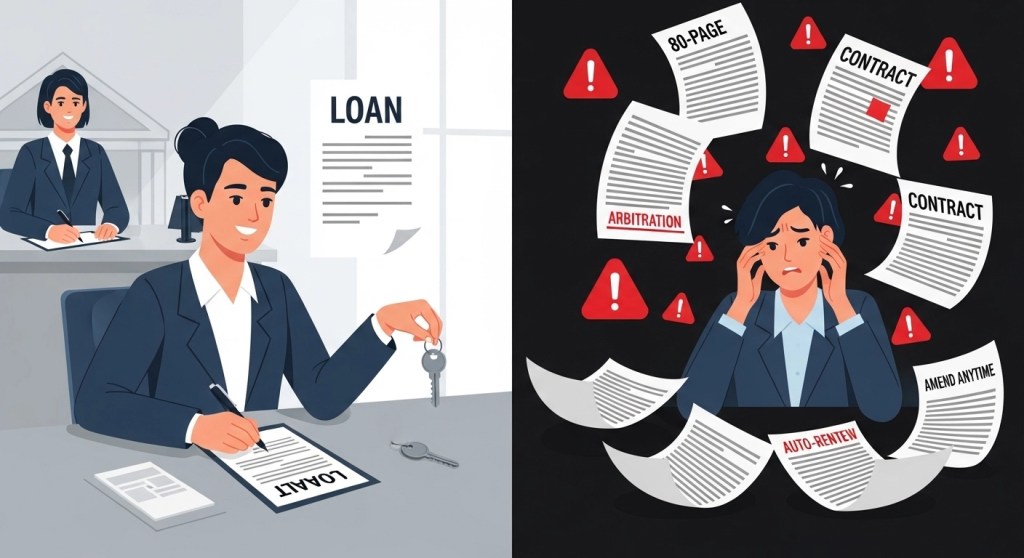
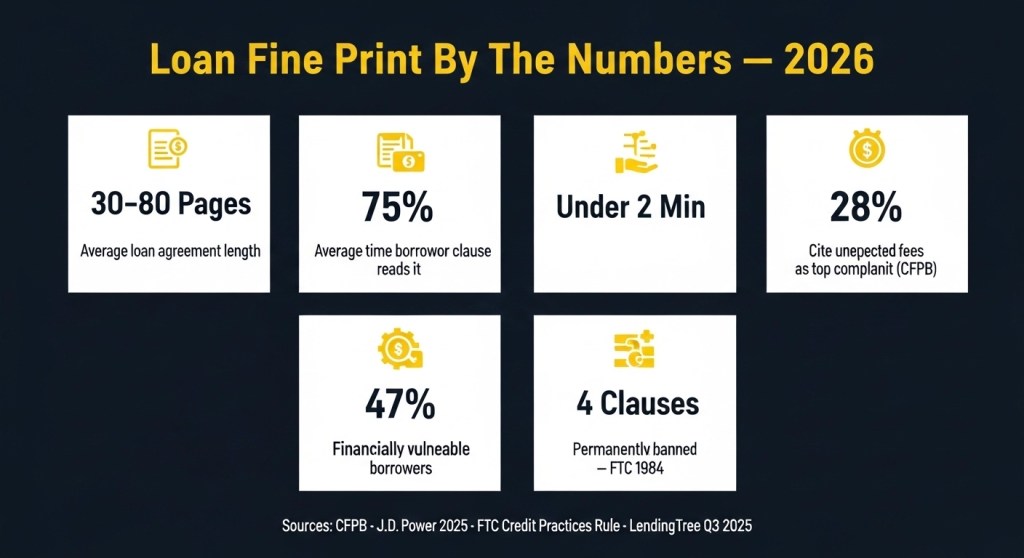
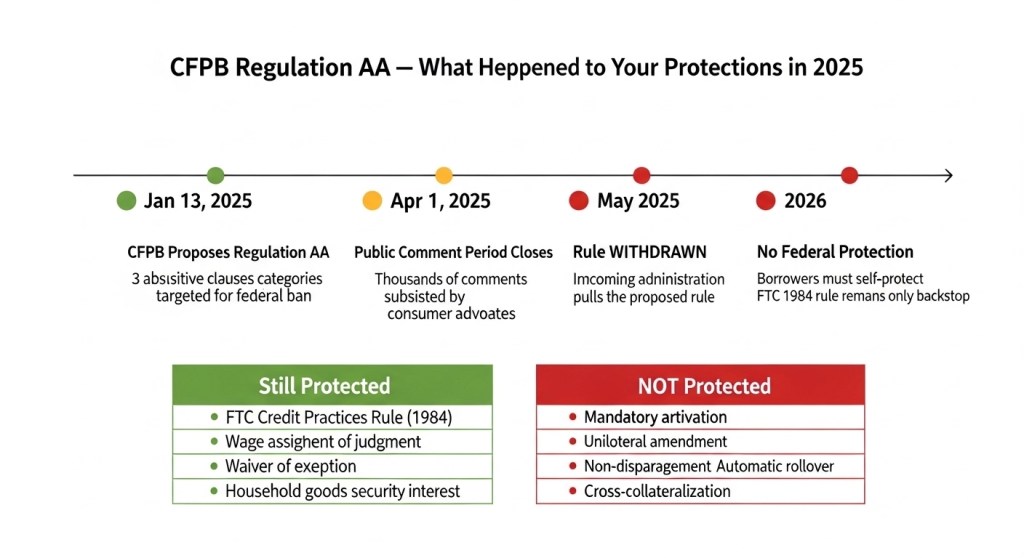
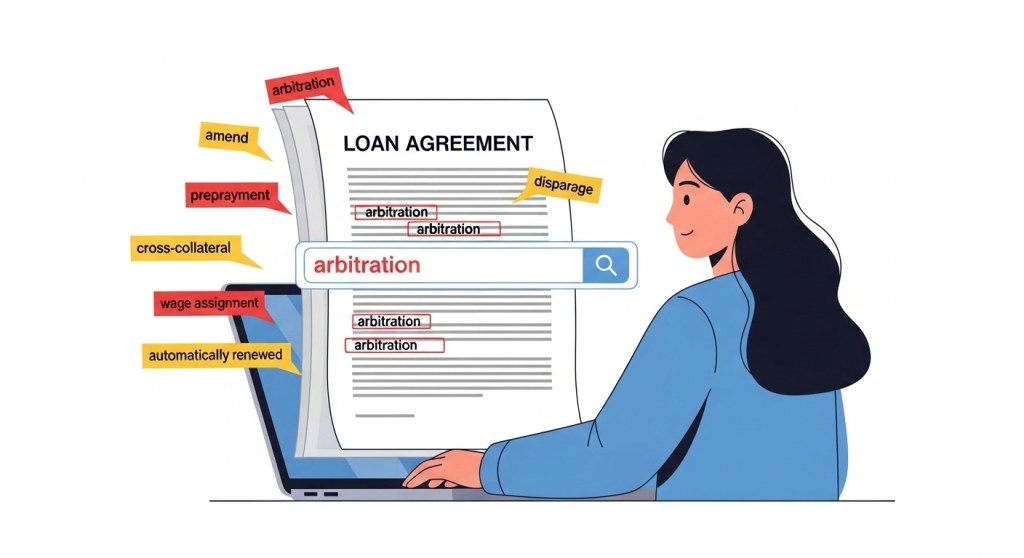
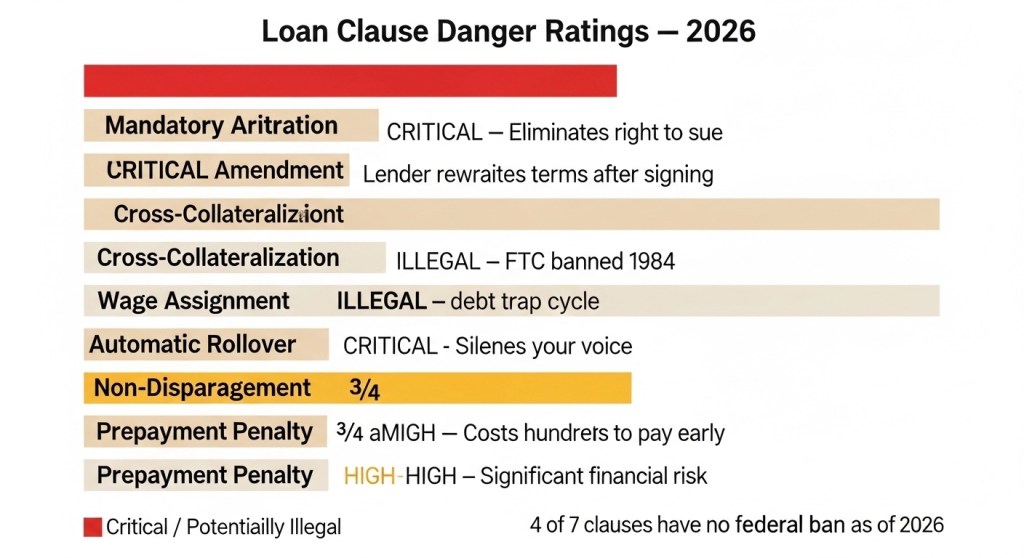
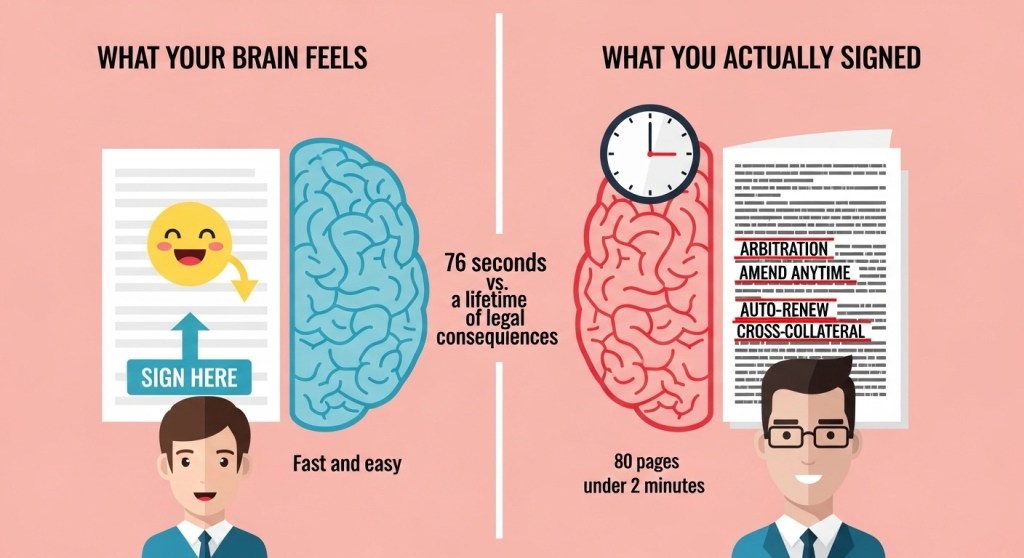


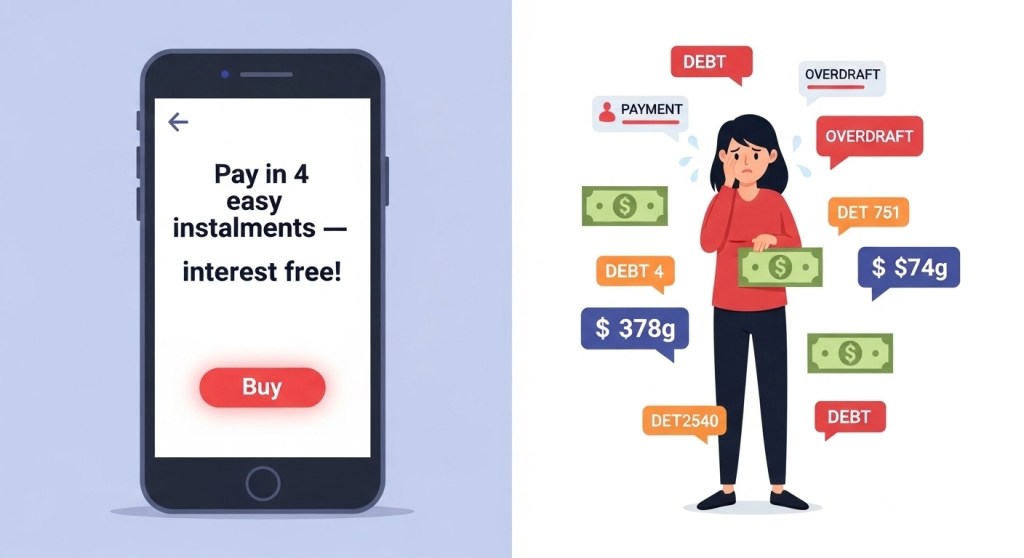
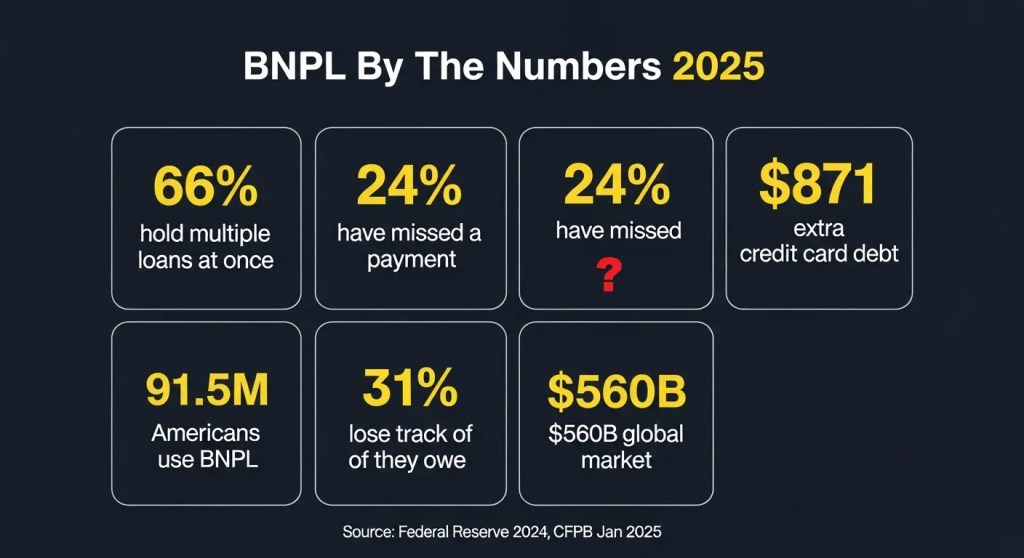
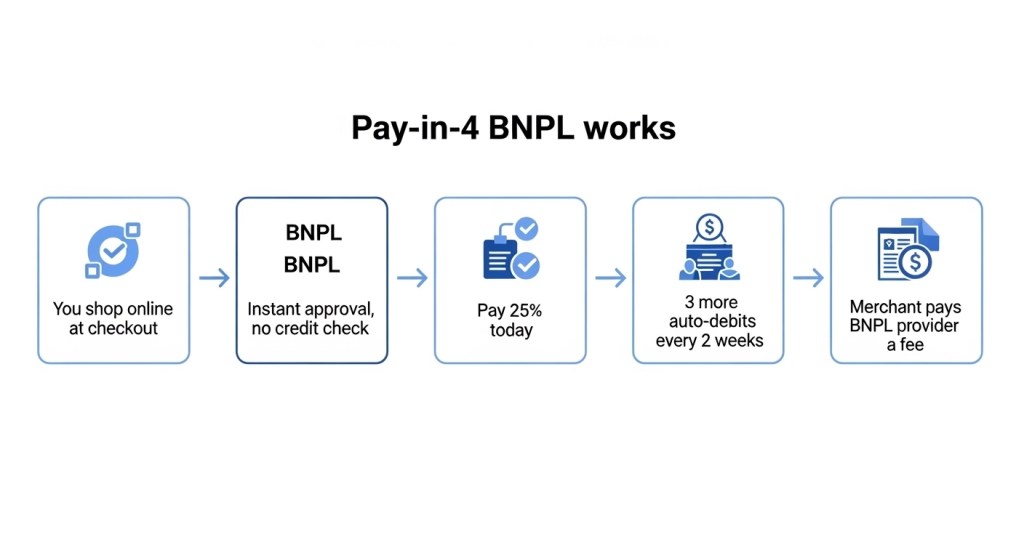
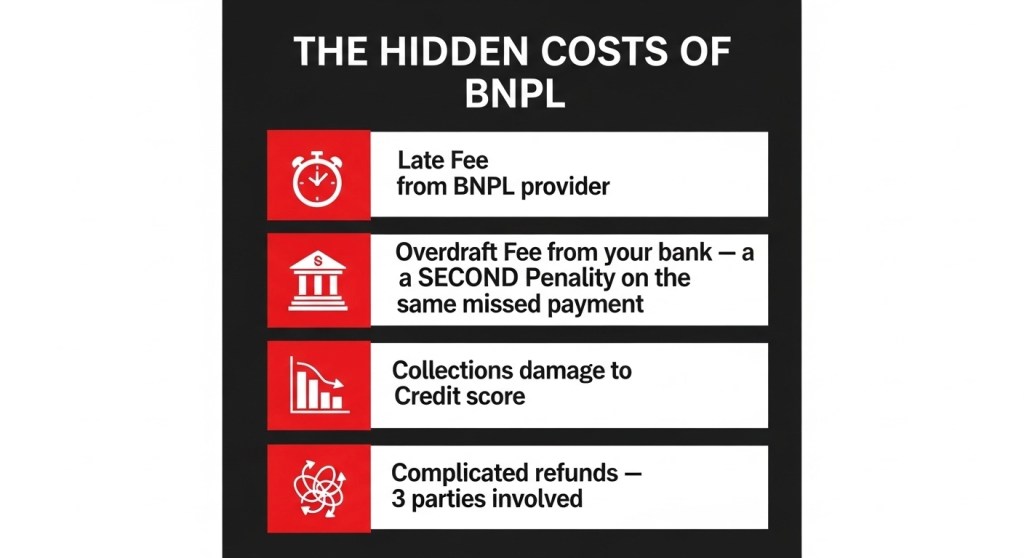
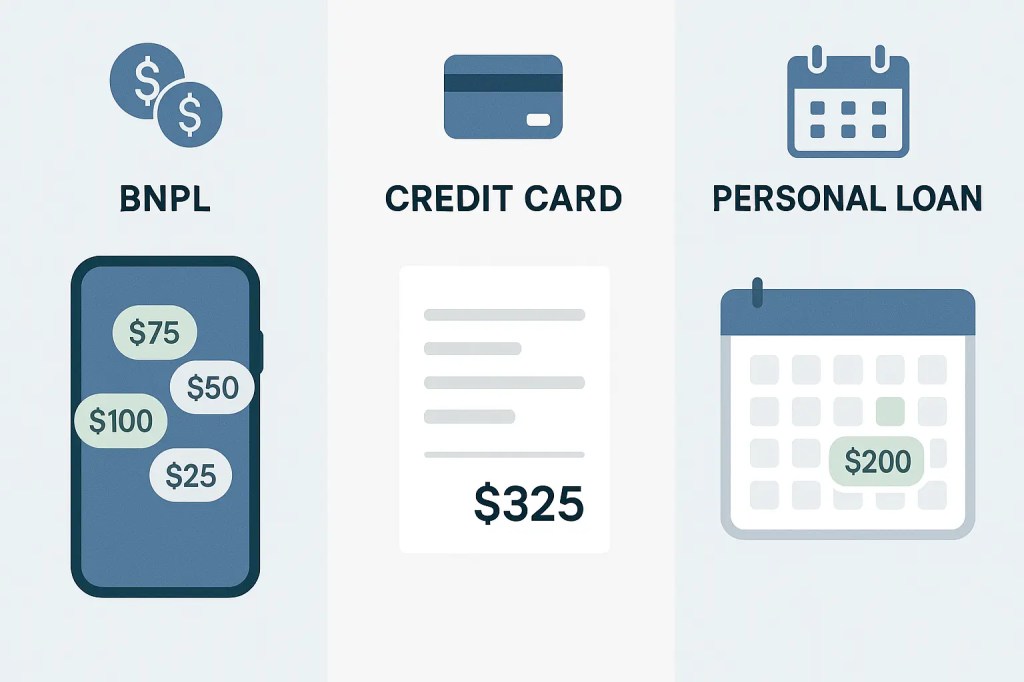
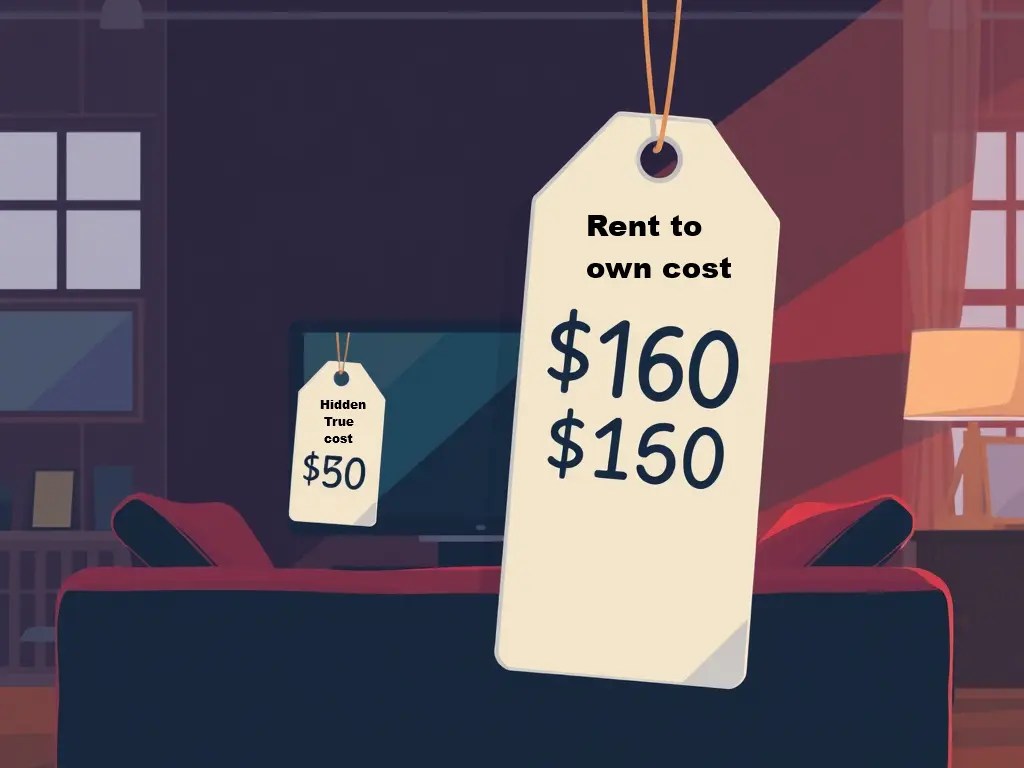




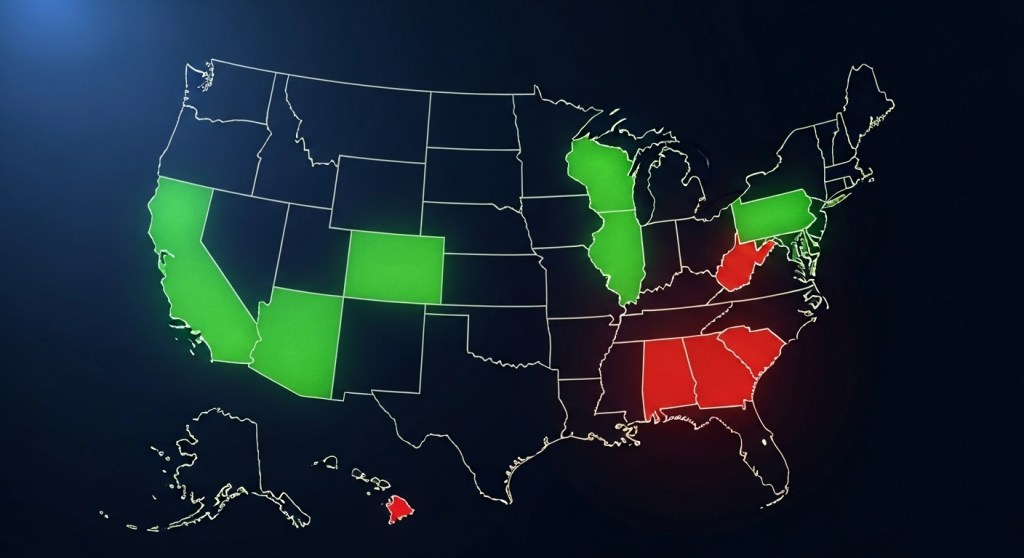


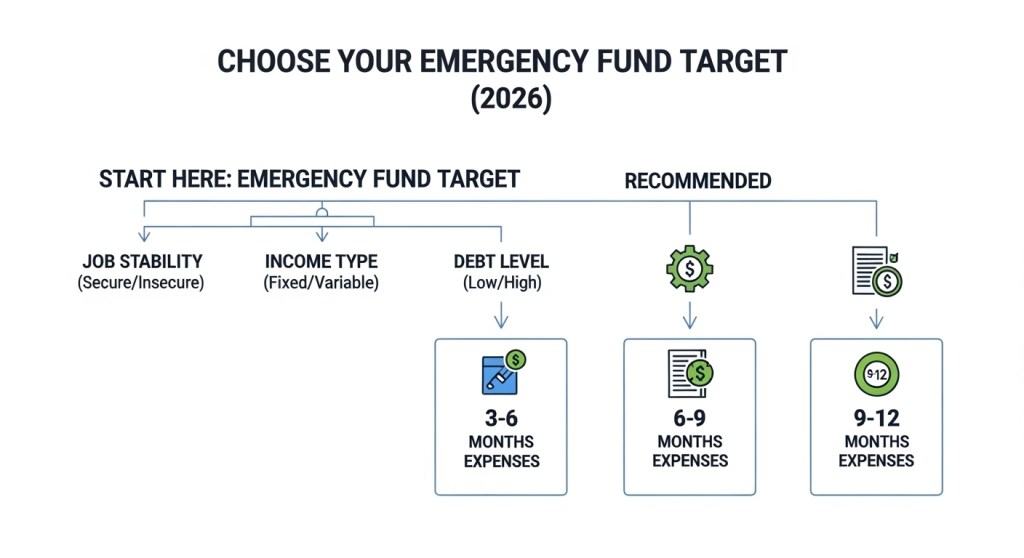
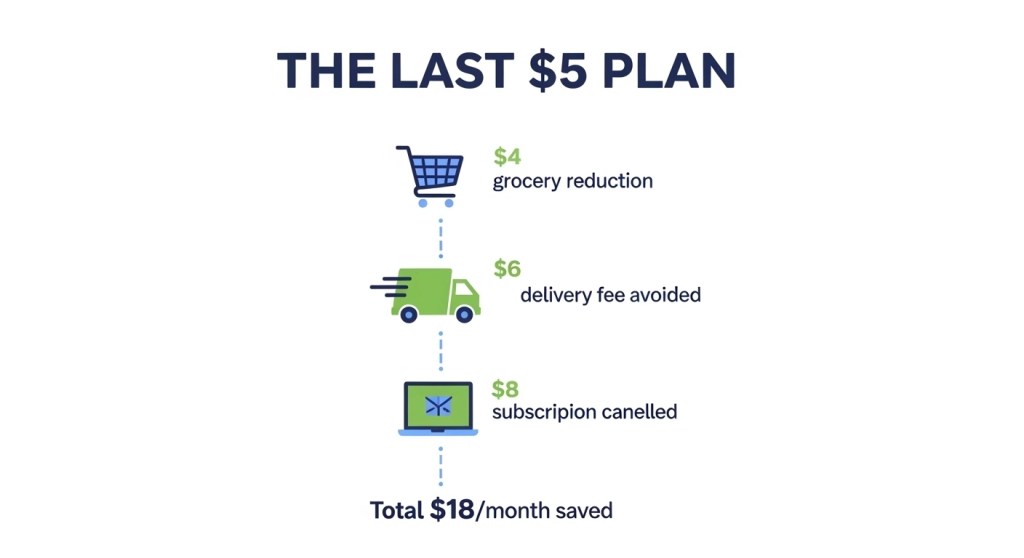
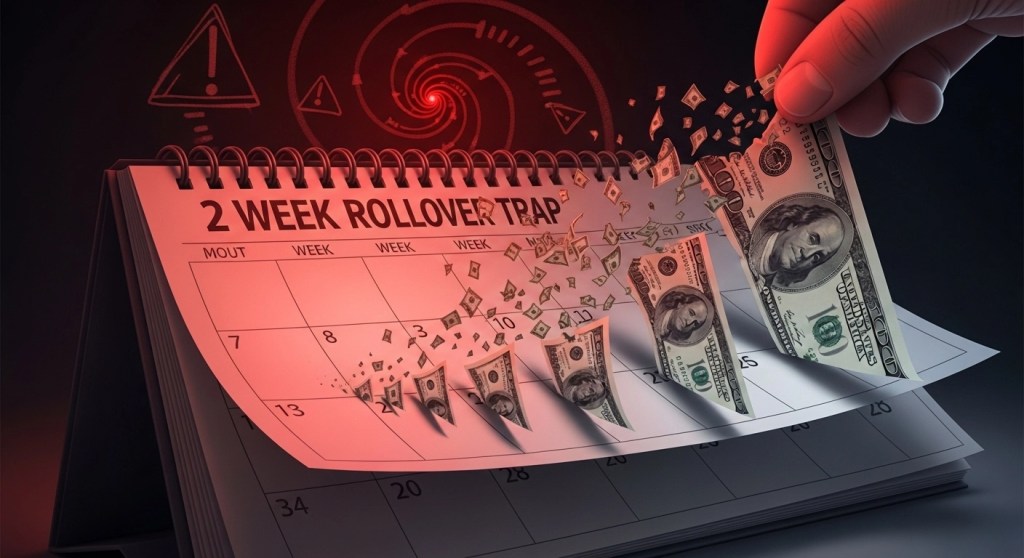




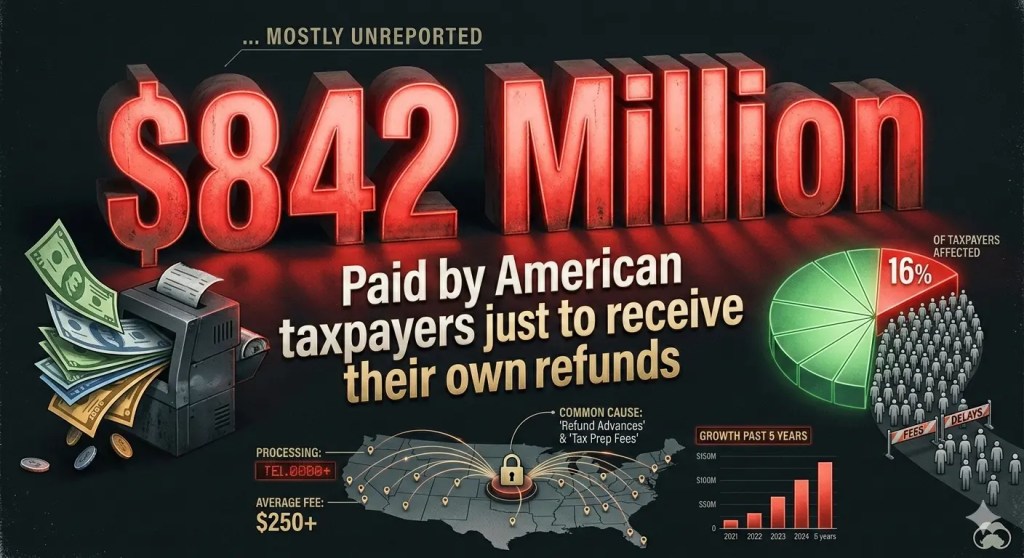
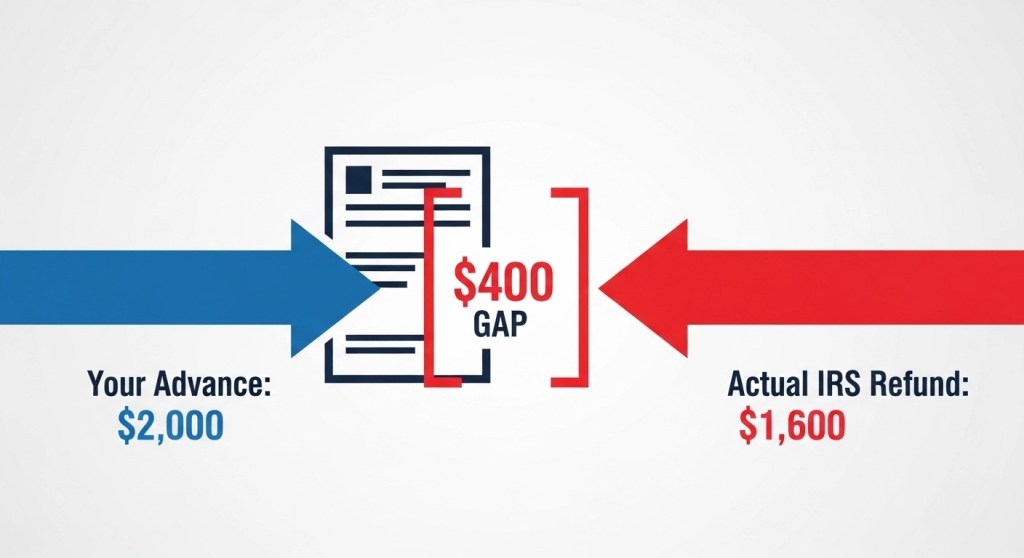
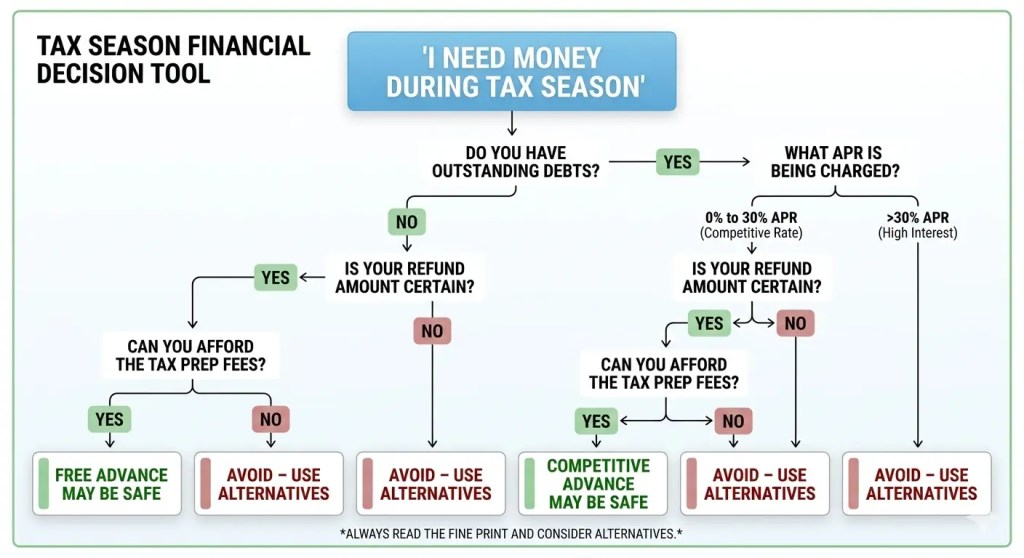


 Decoder