My teaching philosophy
When I was younger, an instructor motivated me to become a teacher. Over time, my desire to become a teacher grew stronger. I was able to comprehend new teaching strategies with the support of several outstanding professors… It was challenging, but not impossible, thanks to a lot of aid. In teaching, I learned a lot of new things. When educating our students with a feeling of purpose, we too receive a sense of relevance as teachers. We must believe our work is important and that we are making a difference in our community. Thankfully, teaching is an area where we CAN make a difference! Our desire to learn new techniques and teach has a positive impact on society. When asked why they became teachers, many people joke that it’s because we get summers off. An excellent teacher may make a difference in students’ lives and help them achieve their greatest potential.
My pedagogical perspective is that each child is unique and needs a challenging educational environment in which to develop physically, mentally emotionally, and socially. My goal is to create an environment where students can achieve their full potential. I will create a safe space for pupils to express themselves and take risks. Teaching is, in my opinion, one of the best ways to learn. I can understand what strategies work for students, where the content is tough, and how I may change my approach to best support their learning.
Students, in my opinion, are neither blank slates nor empty vessels waiting to be filled with information. I believe that engaged learners will remember information and be able to scaffold their learning with subsequent concepts because they can apply concepts to their own lived experiences. I try to avoid using didactic teaching approaches as much as possible; no one likes it when an instructor stands in front of the class and gives a lecture on a topic that has nothing to do with their learning or practice environment. When I offer course content, I try to connect learning objectives and outcomes to real-world examples that students may relate to or see in their profession. I frequently ask students to think about their practice or research questions to see whether this notion may be applied to their circumstances, enabling an opportunity for debate.
A good work/family balance is possible for a teacher. In an instructor’s career, there are many wonderful moments like “WOW moments.” A teacher’s primary goal is to assist students in their learning. My short-term goal as a teacher is to promote critical thinking capabilities among the students by utilizing the latest questioning strategies.
My long-term goal is to prepare my students to face real-world difficulties in the best possible way. The teachers’ goal is to create an environment in which students communicate (practice 80% of the time and the instructor communicates (instructs) 20% of the time in every lesson.
Teaching toolbox tip
Teacher Tip
Level: Intermediate to Advanced
Genuinely enjoyable icebreakers
It’s only a matter of time before you meet a fresh group of students! While you’re looking for ways to improve your instruction and help students succeed, you’re also starting to form relationships with them. Getting to know the children in your class and assisting them in becoming familiar with one another might be overwhelming at the start of the school year.
The purpose of this activity is to assist students to get to know one another in a new way than the traditional icebreaker game. It can encourage students to consider whether they, too fit cultural stereotypes, as well as give them an opportunity to explain how they are similar to and distinct from a group using language
Preparation and Materials: Place four placards in four corners of the room, titled
- “only child boy or girl.”
- “two brothers or two sisters.” and
- “One brother one sister (Combination sibling).”
- One brother two sisters or 2 sisters one brother or a family which has more than 3 siblings.
Procedure:
- As students enter the room, direct them to form the appropriate groups. (4 minutes)
- In small groups, students can describe what it was like to have a same-sex sibling.(for example sharing clothing) Tell them that they will present the advantages and disadvantages to the class. (20 minutes 35 minutes.
➢ Students from each group will report on the benefits and drawbacks of their
respective groups. Following the pupils’ prompts, the teacher will write on the
board a list. (duration: 20 minutes)
➢ Students should read the list made on the board (either one list or all) Change the
vocabulary to simpler phrases for kids who are less advanced.
➢ Following that, each person might discuss these benefits and drawbacks. An
excellent method to do this is to have each participant discuss on advantages and
disadvantages with which he or she agrees or disagrees. Request an example from
the student. You (and the kids) will learn a little bit more about each other as you
travel around the room doing this.
The majority of students will realize that only a few of the words are
appropriate for them. Fill up their lists on the board, agreeing on one side and
disagreeing on the other.
Benefits of same-gender sibling Drawback of same-gender sibling
Variations: The final step can also be utilized as a quick writing exercise in the form of a
paragraph. Allow less advanced pupils to pick from a list of terms (which can be
changed) and write one word that accurately represents them and one word that
erroneously characterizes them. This can be turned into a yes/no question (Are you
interested? Yes, I’m interested.)
Advantages of two sisters to parents(note I love to write only advantages;)
If you have siblings of the same gender, you will save money. Clothing and favorite toys
can simply be passed on to the younger sibling. Siblings of the same gender share many
hobbies, and if they were born at the same time, you can even pass down clothing that
the elder sibling outgrows. To ensure that you have these hand-me-down items, keep
anything from your firstborn child
PhTEACH YOURSELF TO SHARE
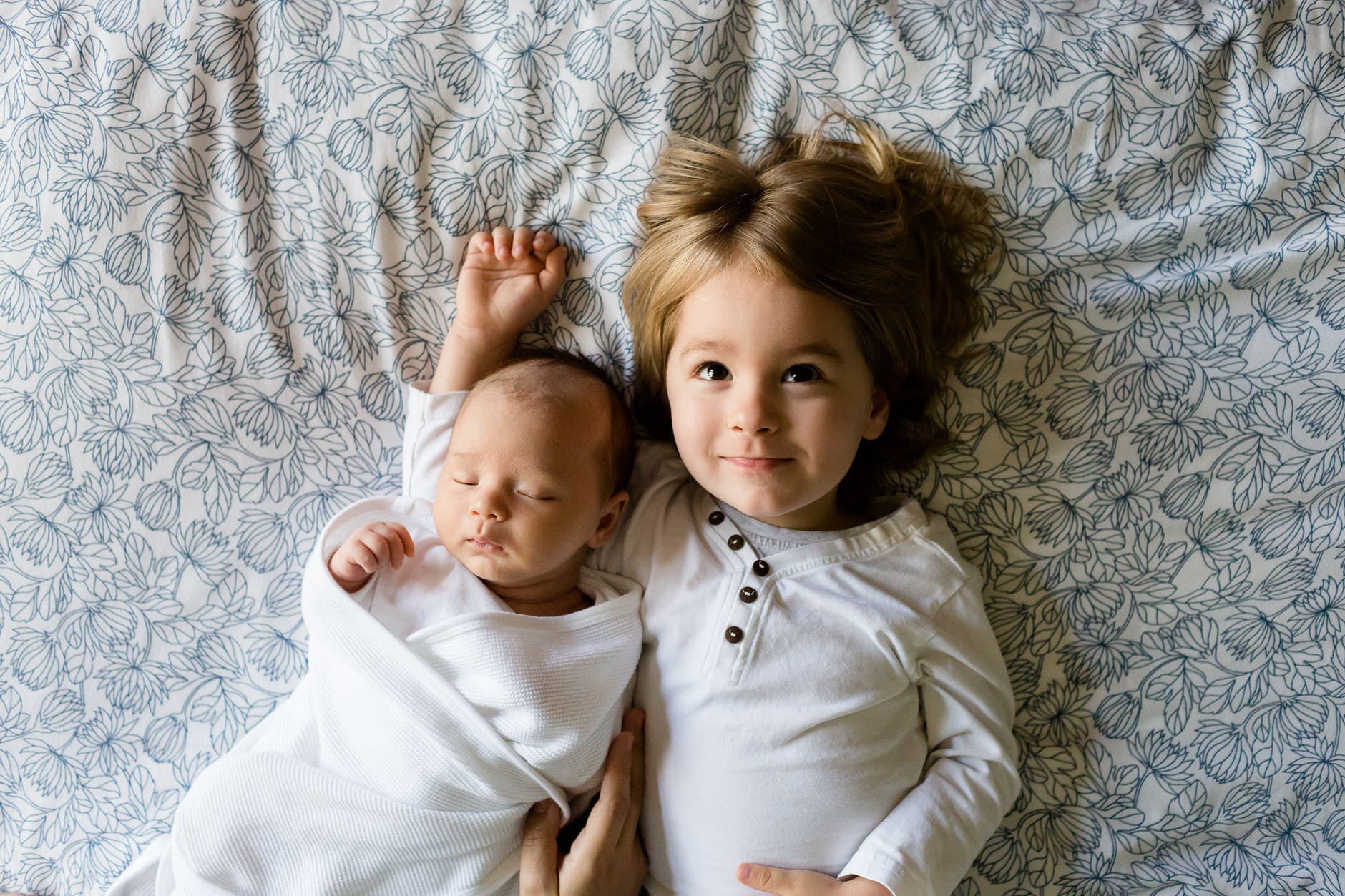
children of the same gender will most likely share toys, clothes, and a room. Children of
the same gender are more likely to share a room as they become older, so children will
be comfortable sharing as adults.
ACTIVITIES THAT MAY BE SIMILAR
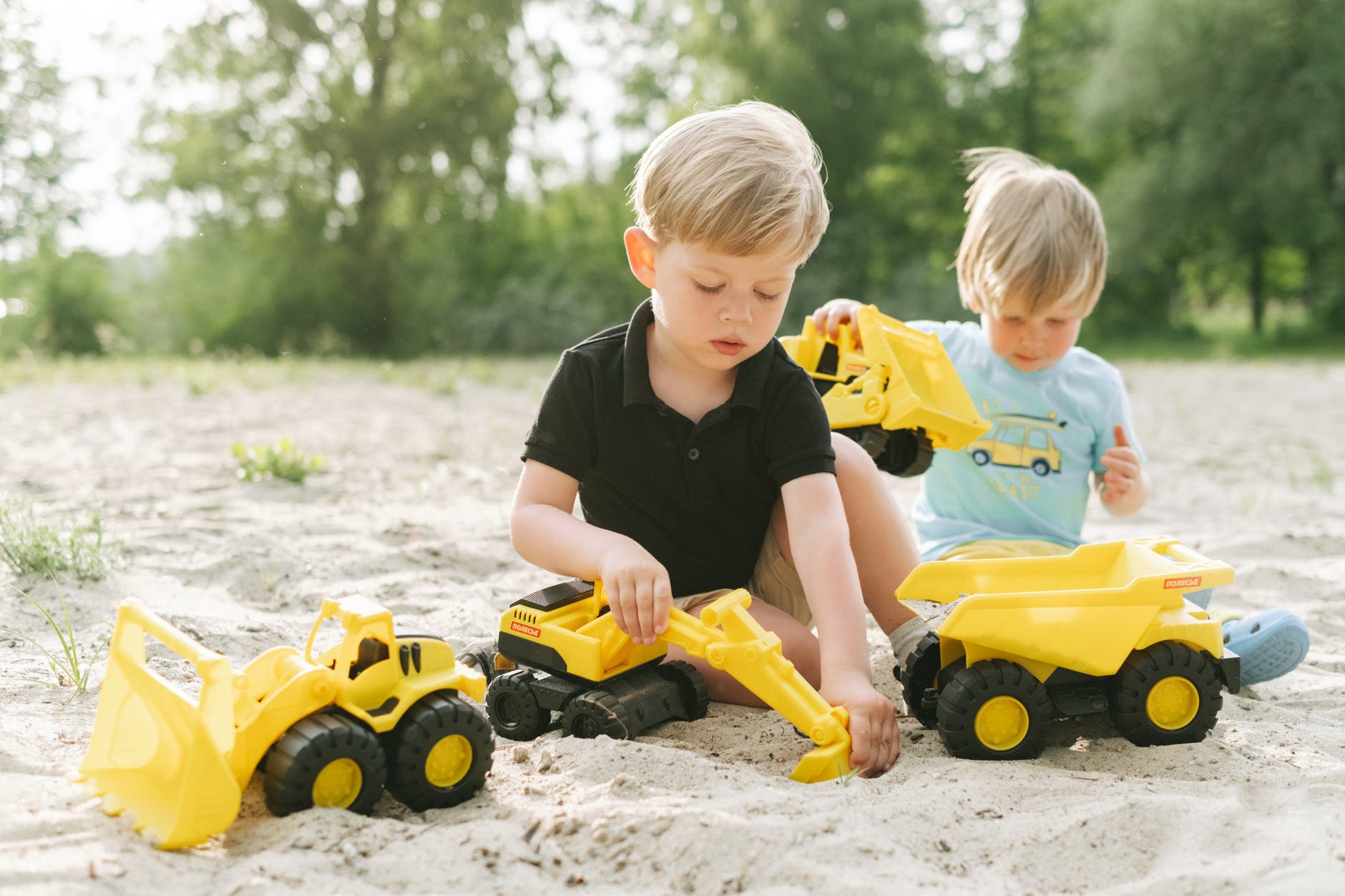
In any case, most young siblings desire to do what their older sibling is doing. It may be
simpler for the parent to schedule siblings who are of the same gender. Putting gender
preconceptions aside, if both sons enjoy baseball, parents will have a better chance of
going to two games on one day of the week. If parents have a boy who plays baseball
and a girl who plays softball (two completely separate leagues), parents may run into
scheduling issues.
BOND DEEPER
Siblings of the same gender often have a stronger affinity than siblings of opposing
genders. While this isn’t true for all siblings of the same gender, you’ll find that the
younger years provide a unique opportunity for friendship and bonding. As your same-gender siblings become older, they may develop a small distance during their adolescent
years before resuming their close relationship in early adulthood. Siblings of the same
gender may have more in common in terms of personal experiences.
MODESTY
Parents can be a little more lenient about modesty when their children are of the same
gender (to a certain extent). Putting your children of the same gender in the same bath
saves time, as does having them both change in the same room. It will also save you
time and effort if you are both going to the bathroom while out of the house. It’s usually
easier for one parent to bring both children into the same bathroom rather than taking
them to separate bathrooms
Teaching tip 2
What’s in the Bowl or Hat- Tell a story Activity!

This activity teaches fourth-graders how to tell a tale.
30 to 45 minutes
It is determined by the number of pupils and the amount of time allotted to
deliver a narrative.
Supplies required:
picture flashcards, an empty magician’s hat, or a bowl
Steps
- The teacher will put picture flashcards in a hat or bowl and sit. This
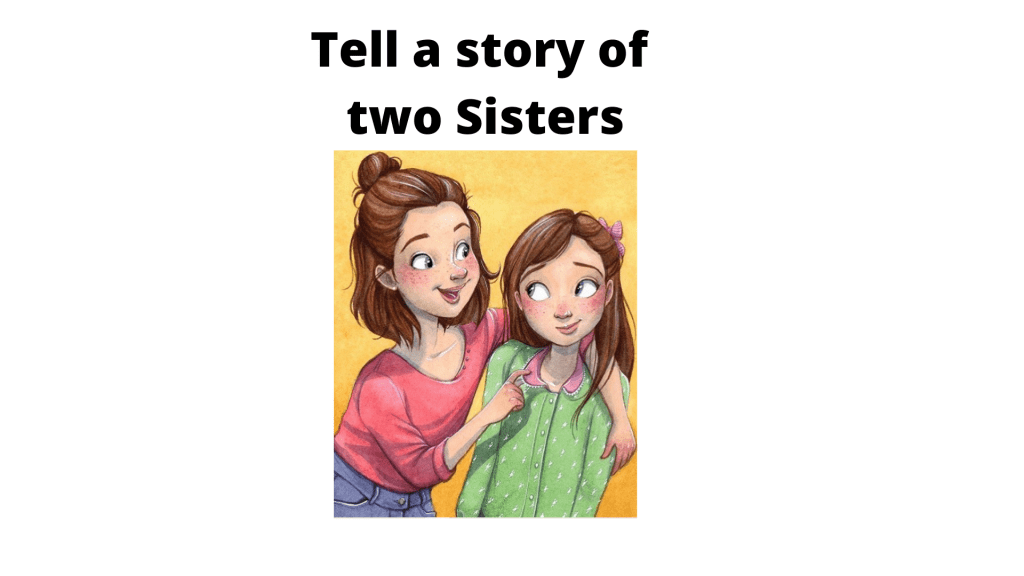
hat/bowl would be transferred from person to person. - Here are a couple of examples of picture flashcards
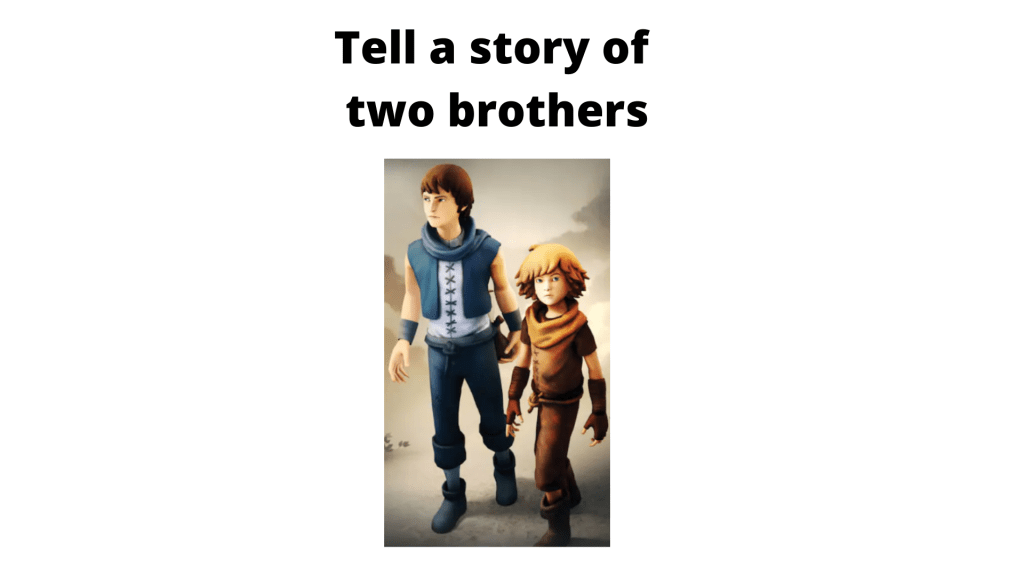
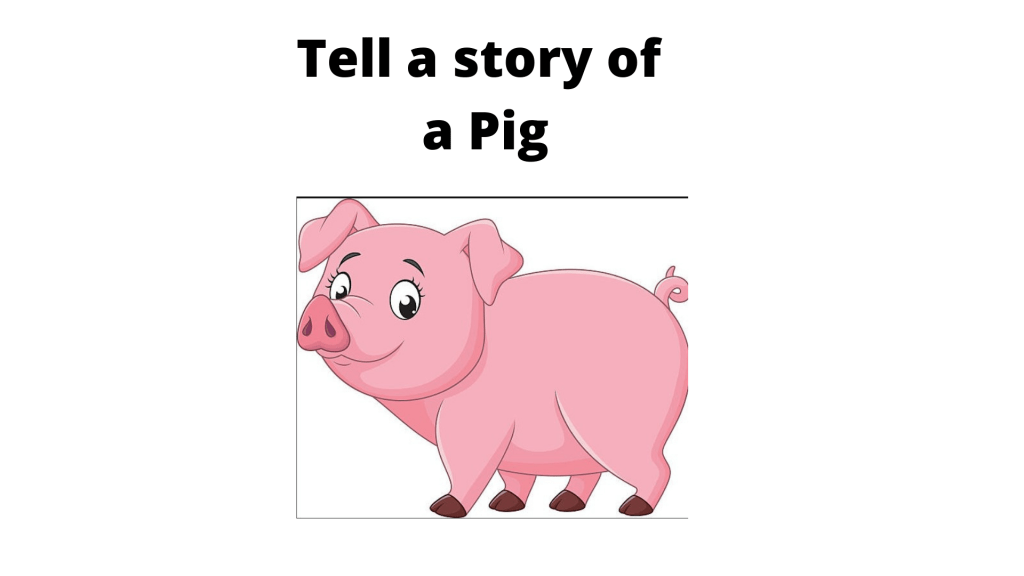

If the student picks a card, the student has to read what is written on the
card and execute that activity.
If a student chooses a photograph, he or she must develop a story using
that photograph.
If a student chooses a term, he or she must next construct a sentence using
that word.
If a student is unable to complete the exercises on the card, he or she must
write an essay on a topic chosen by the teacher.
After that, the hat will be passed around until all of the students have had
their turn.
Modifications
The teacher can alter these activities by changing the cards
My Grammer lesson plan :
My public speaking lesson plan
Listening and speaking lesson plan
listening and speaking skills. Lesson plan (continued)
The 7Habitss of highly effective people by Stephen R Covey (Lesson Plan)
The 7 Habits of Highly Effective People (Stephen R. Covey) ( continued)
Lesson Plan on Pronunciation
Autobiography and biography lesson plan
Argumentative and Persuasive essay lesson plan
 Home Home sweet sweet home